


The Lowdown
With so many fitness devices vying for wrist and body real estate, Amazfit stands out for offering flexibility and convenience. If you dislike watches, the Helio Strap is a discreet, capable choice. If you prefer an all-in-one smartwatch, the Balance 2 delivers excellent performance, style, and battery life. Best of all, thanks to the Zepp app’s seamless integration, you can switch between devices without skipping a beat. Wear your Balance 2 on fancy watch days, then swap back to the Helio Strap for your run the next morning.
Overall
Pros
- The Zepp app gives you incredible amounts of detail without requiring a subscription
- Both devices are very affordable for what they offer
- The heart rate monitor on both devices is accurate
- The Balance 2, Helio Strap, and the Zepp app work well together to deliver a holistic view of your health
- PAI is a great way to balance your health across the week instead of per day
- Exercise screens during workouts on the Balance 2 provide impressive levels of information
Cons
- Docking system for charging is great, but the Helio Strap’s dock is so small it can get misplaced
- The Helio Strap’s fabric band can trap moisture, so be careful to air out your skin if it’s sensitive
Wearable devices are battling for every inch of space on our bodies these days. Rings, watches, armbands—if it can track your health, someone wants to strap it on you. But once you pick your preferred accessory, there’s the inevitable firehose of data streaming from its companion app. Amazfit recently sent us its new Balance 2 smartwatch and Helio Strap to test, and after spending time with both, I can confidently say: whichever you choose, you’re likely to come away impressed.
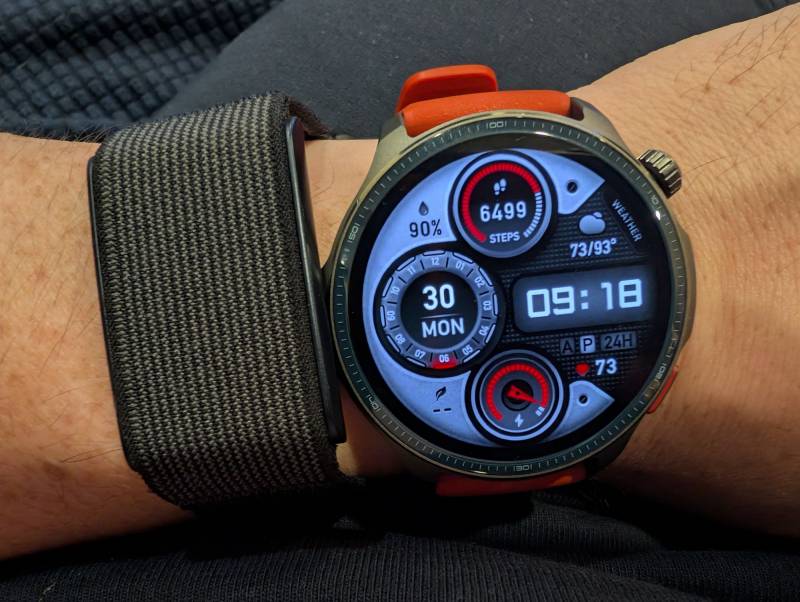
Amazfit Helio Strap is on the left, and Amazfit Balance 2 is on the right.
Dive Deep Into Your Fitness with the Zepp App
Before we dive into the hardware, let’s talk software—specifically, the Zepp app. Zepp, Amazfit’s parent company, has transformed its app from a fairly basic fitness tracker into a comprehensive health hub. Think of it as a one-stop shop for everything from your heart rate to food tracking, sleep health, and overall fitness.
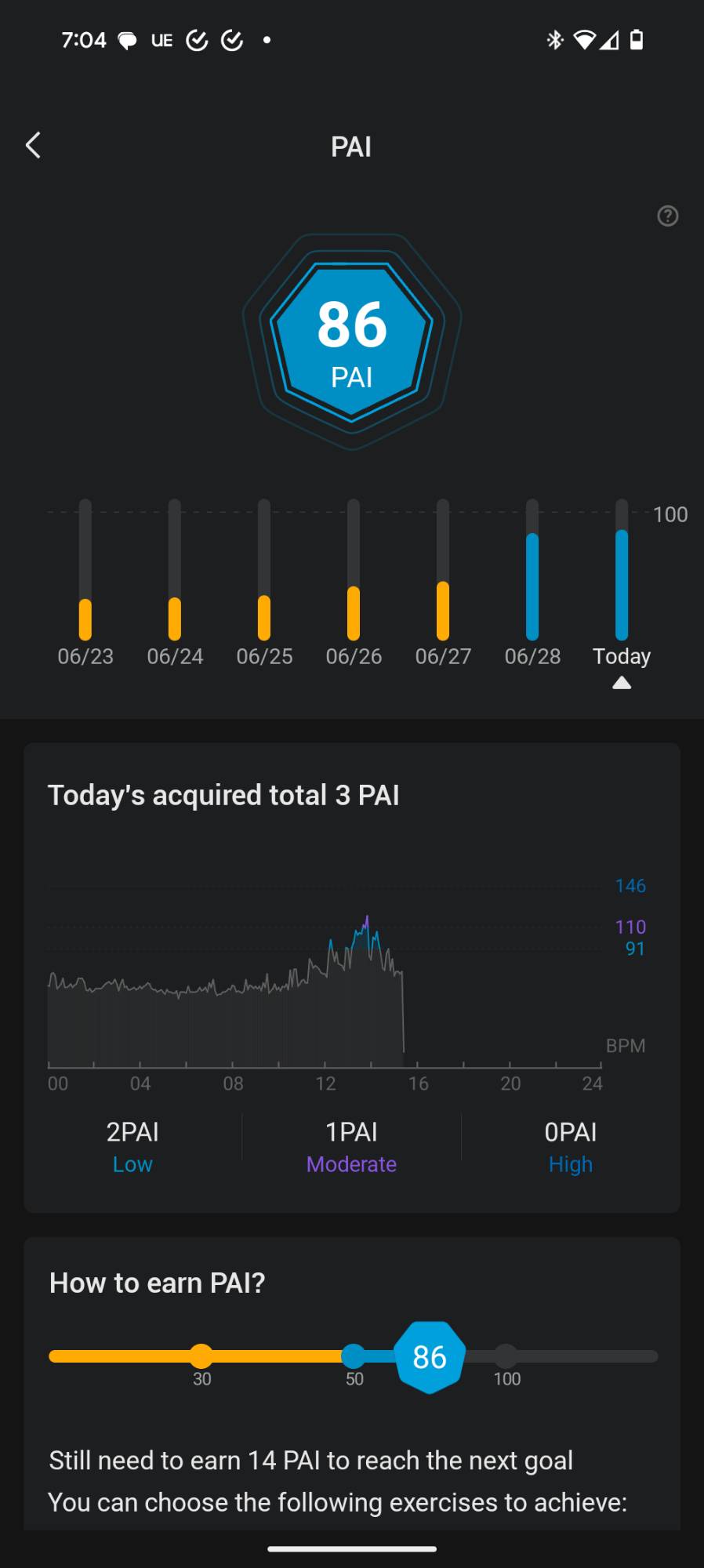
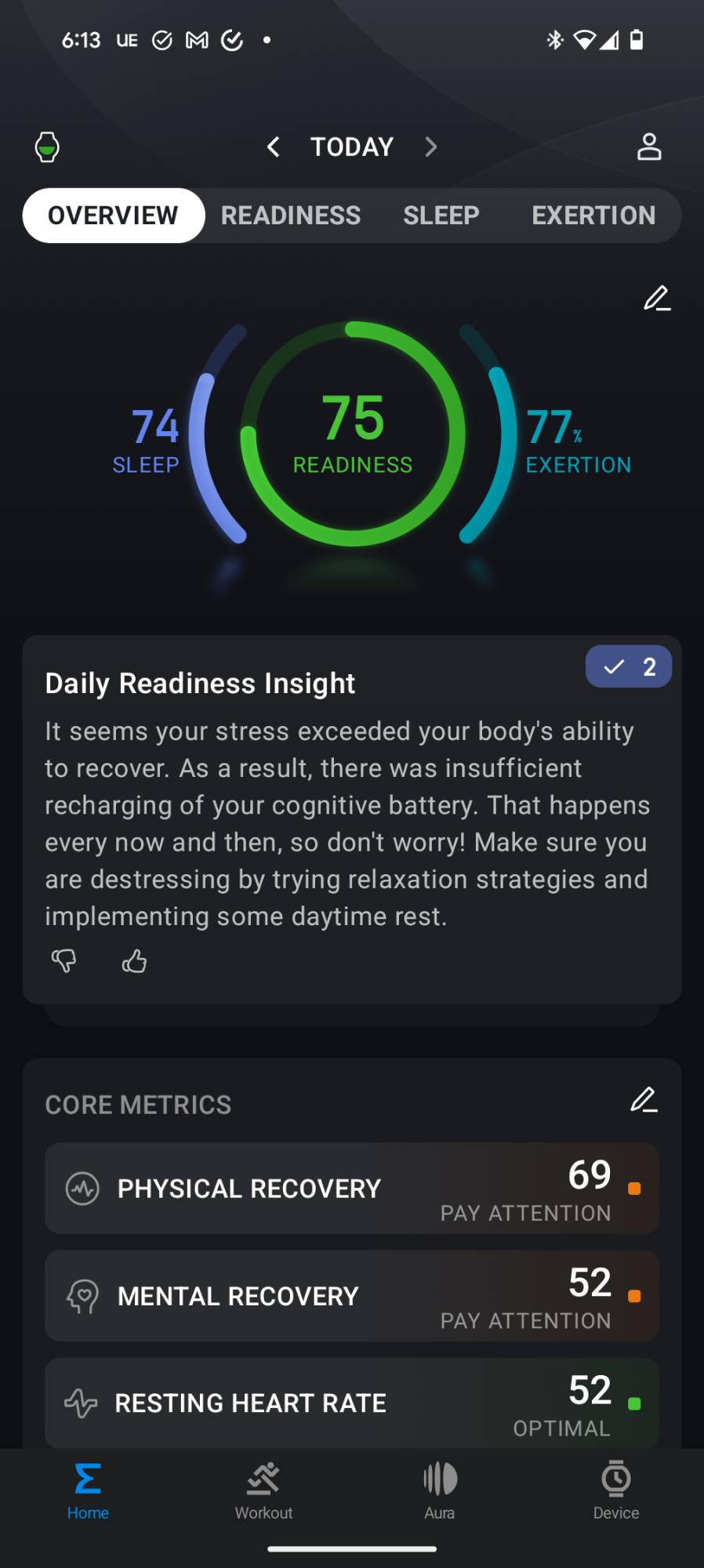
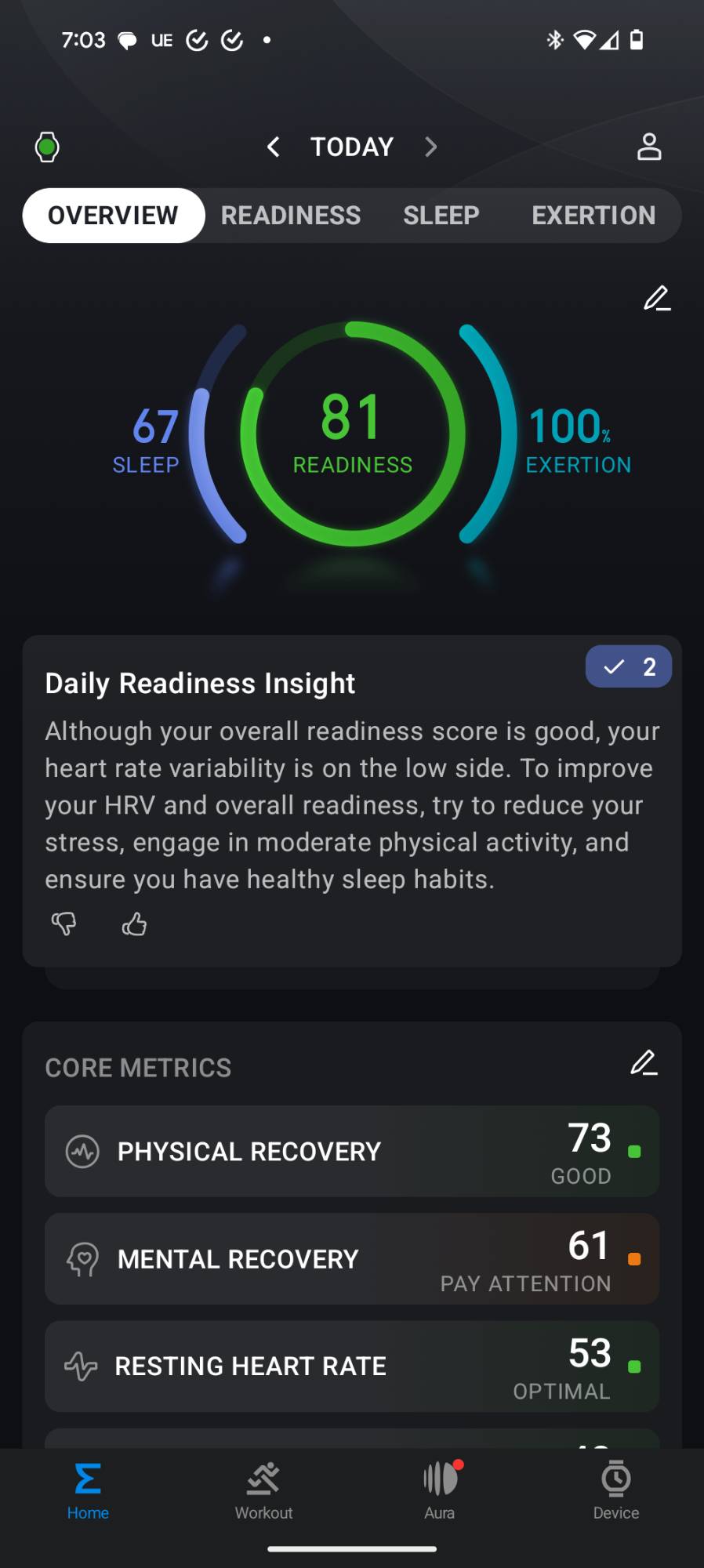
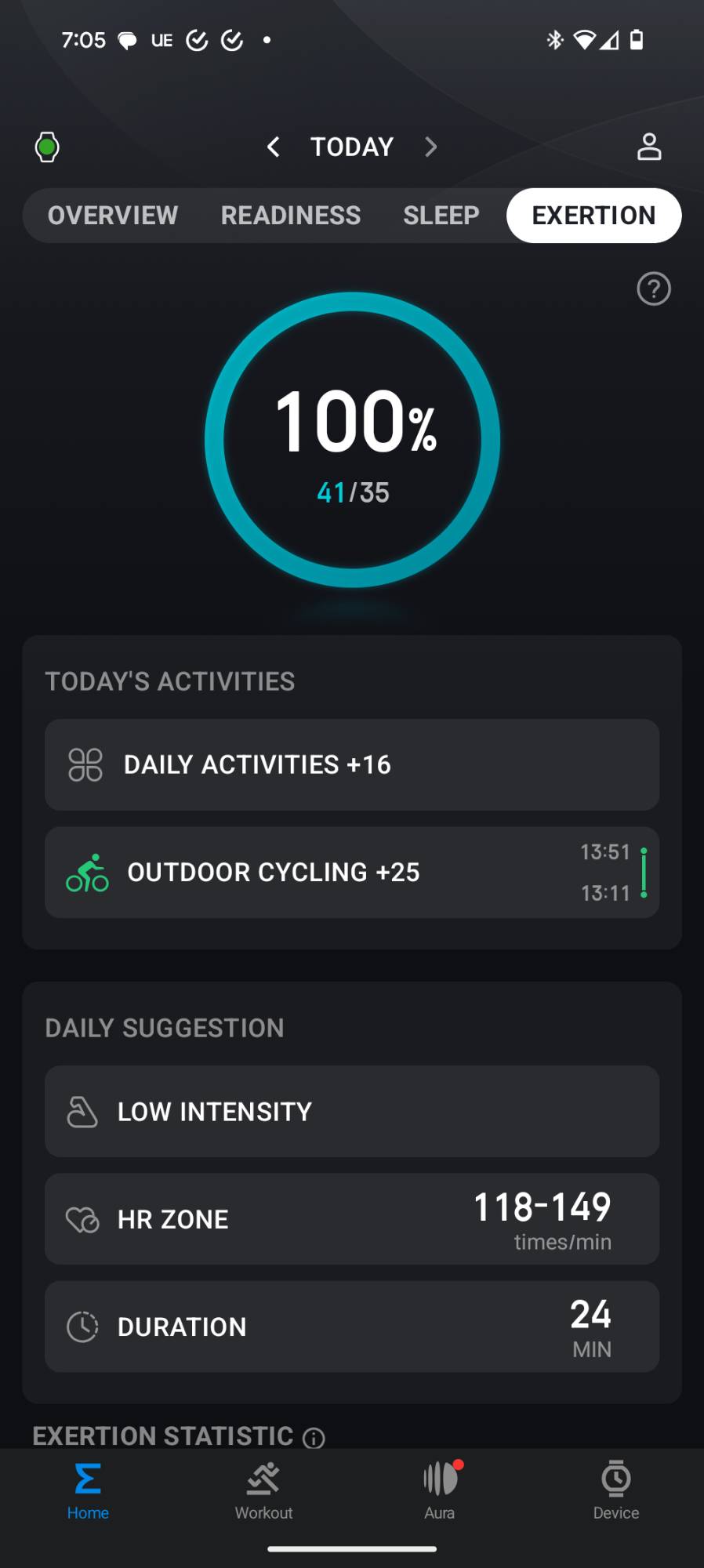
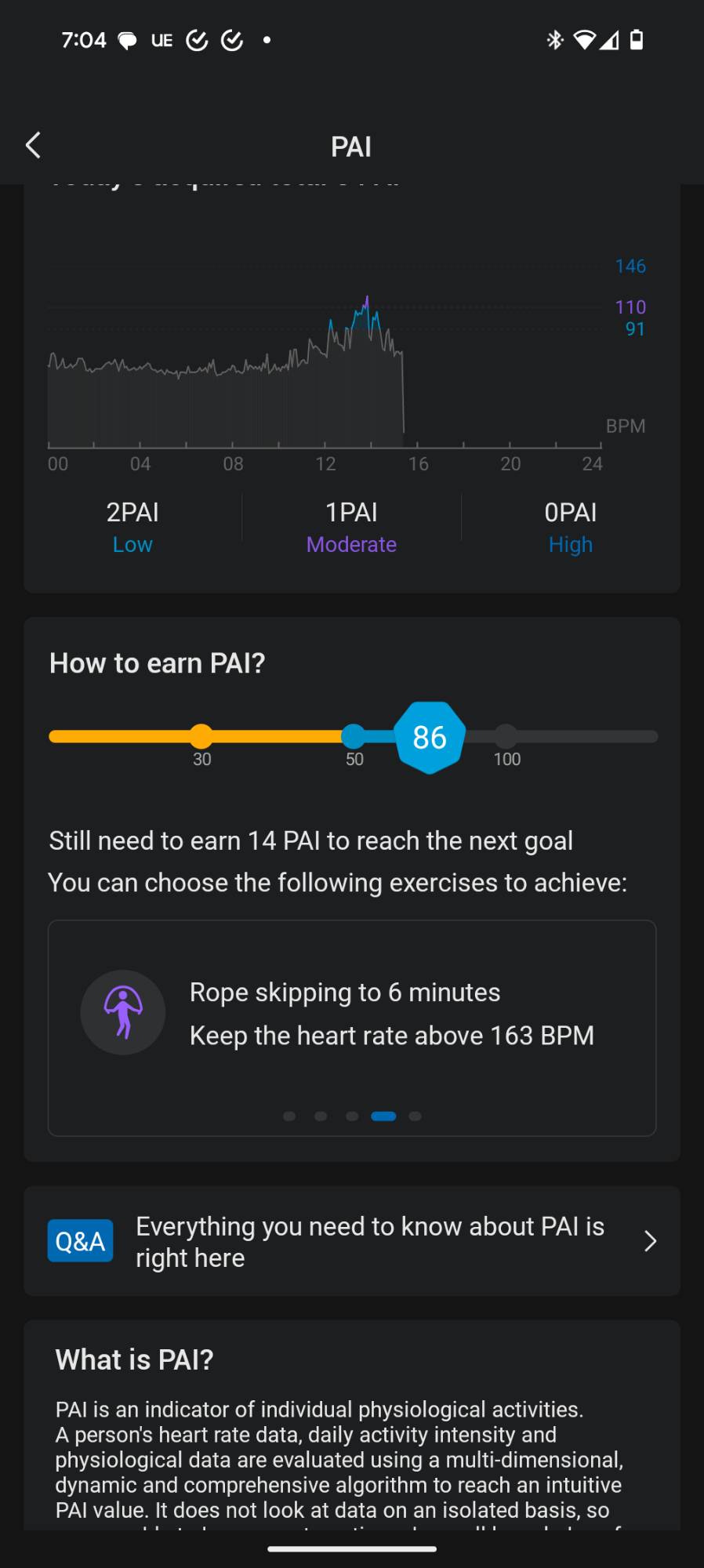
At the center of this experience is PAI, or Personal Activity Intelligence. Unlike traditional fitness trackers that guilt you into hitting 10,000 steps or a fixed number of cardio minutes each day, Zepp’s approach is more nuanced. It challenges you to raise your heart rate enough to keep your rolling 7-day PAI score above 100. You earn PAI by getting your heart pumping, and the algorithm adjusts based on your fitness level. If you’re just starting out, it’s easier to earn PAI. As you become fitter, the app expects more effort to give you the same reward.
This approach also acknowledges that fitness is not about grinding every single day. You can generate more PAI on big workout days, giving yourself breathing room for lighter days without feeling like you’ve “failed” your goals. Traditional trackers often miss that nuance, making you feel punished for taking rest days your body needs.
I’ve joked many times that my trusty Polar watch is great for tracking, say, bike rides, but terrible for everyday tracking. The reality is that I’m not going to do a 60-90 minute hard bike or rowing workout daily, as that will eventually be counterproductive to my goals. We need rest days, and you shouldn’t feel punished or like you failed.
The other cool thing about PAI is that it adjusts with you. The Zepp app tracks your heart rate, and as it gets to know you, it becomes more accurate in determining what constitutes a “workout” for you. So if you’re steadily ramping up your fitness, what might have gotten you 15 PAI might only get you 10 once you’re in better shape.
It also keeps you honest. I completed a 30-minute, 3.3-mile rowing workout, which earned me 5 PAI points because it wasn’t the most high-intensity row I’ve ever done. That same workout when I pushed my speed HARD netted me over 20 PAI. It won’t judge you for low effort, but it won’t reward you either!
I really love this concept! It takes away the pressure to close a ring or hit a certain number of steps or minutes of a workout every day. The app also provides suggestions on how to meet your daily PAI goals. For example, I woke up one morning with a sore elbow from overdoing an upper-body workout. The app helpfully suggested how long I could walk, bike, or jump rope and what heart rate to target to meet a minimum PAI for the day.
It helped spark some ideas for me on how to be active without angering my elbow, so I didn’t lose out on a workout, and I also didn’t feel judged by the app for not going all-out. Also, who knew that jump rope intervals could be both high in PAI and wildly exhausting? How do children do it?
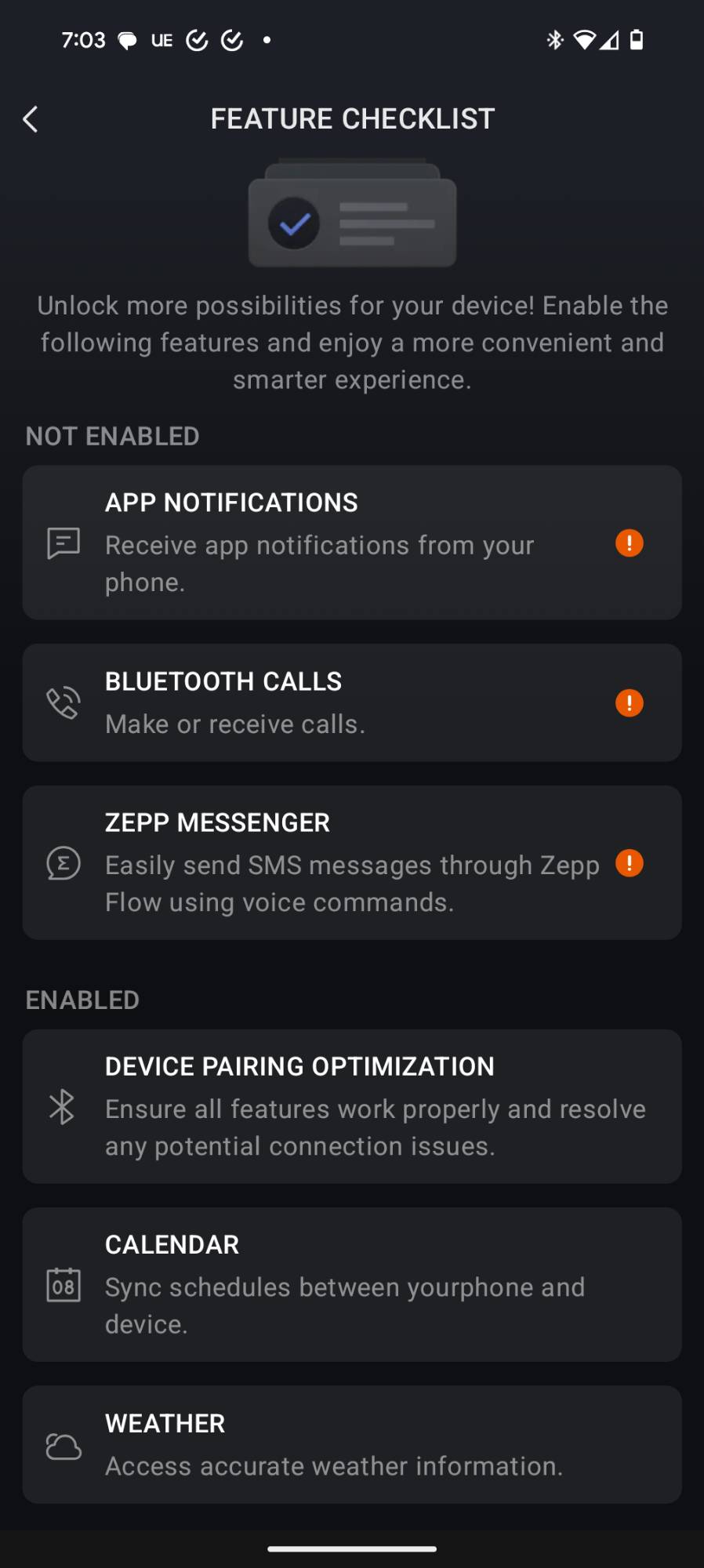

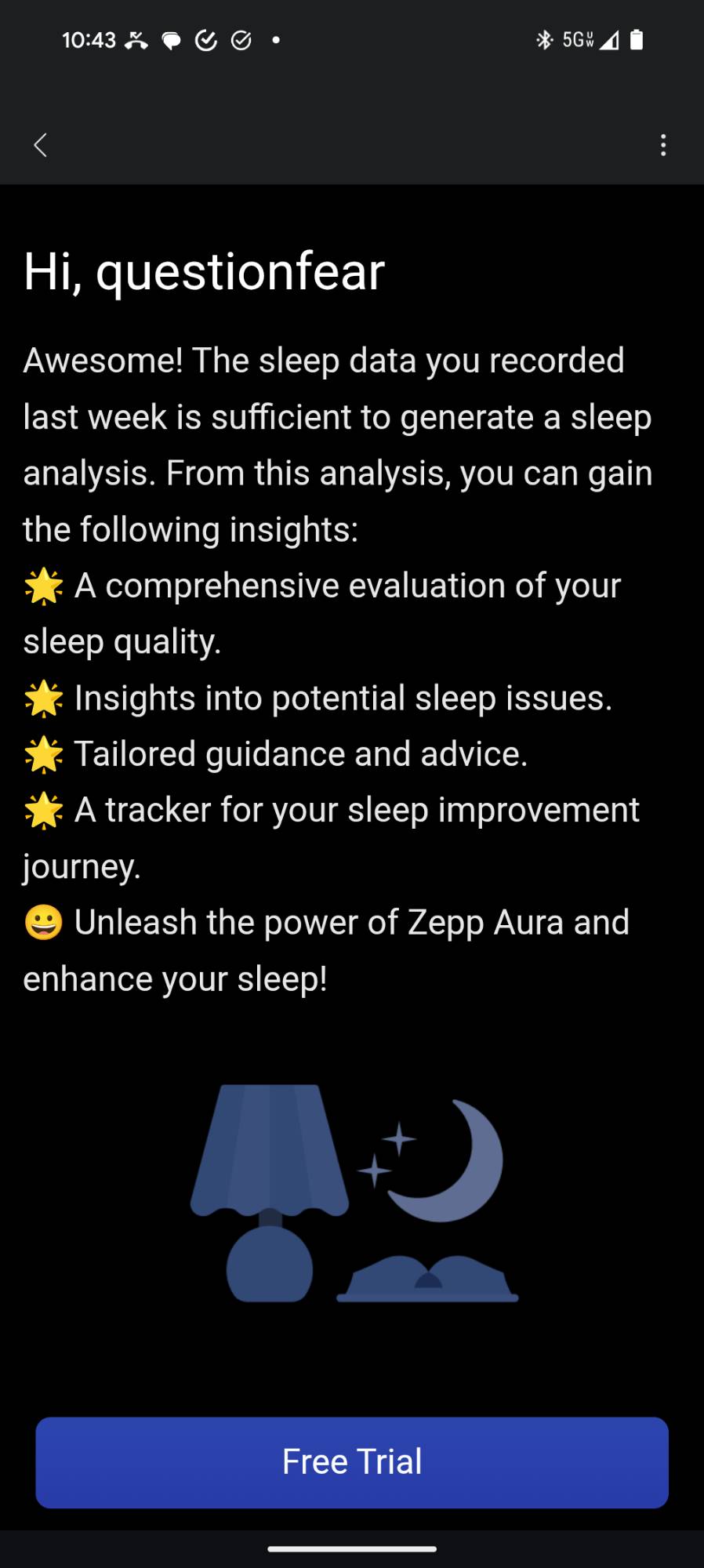
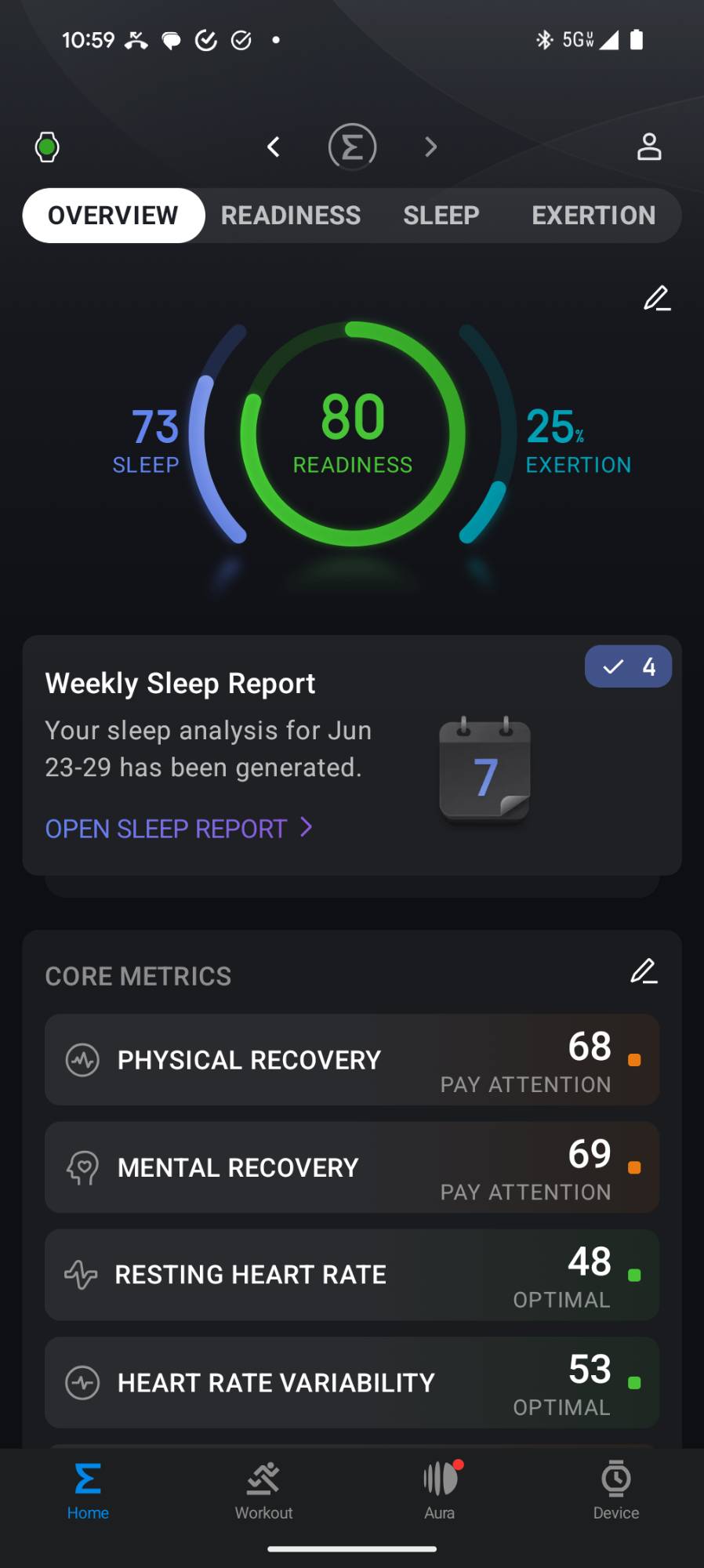
In any case, getting beyond PAI, the Zepp app is a treasure trove of information. If you wear one of their devices to sleep, it’ll rate your quality of sleep and indicate if you have a high risk of sleep apnea based on your nightly wake-ups. It’ll also track your average heart rate, your “readiness” for working out based on your recovery/sleep/heart rate, and even your caloric burn and predicted caloric needs.
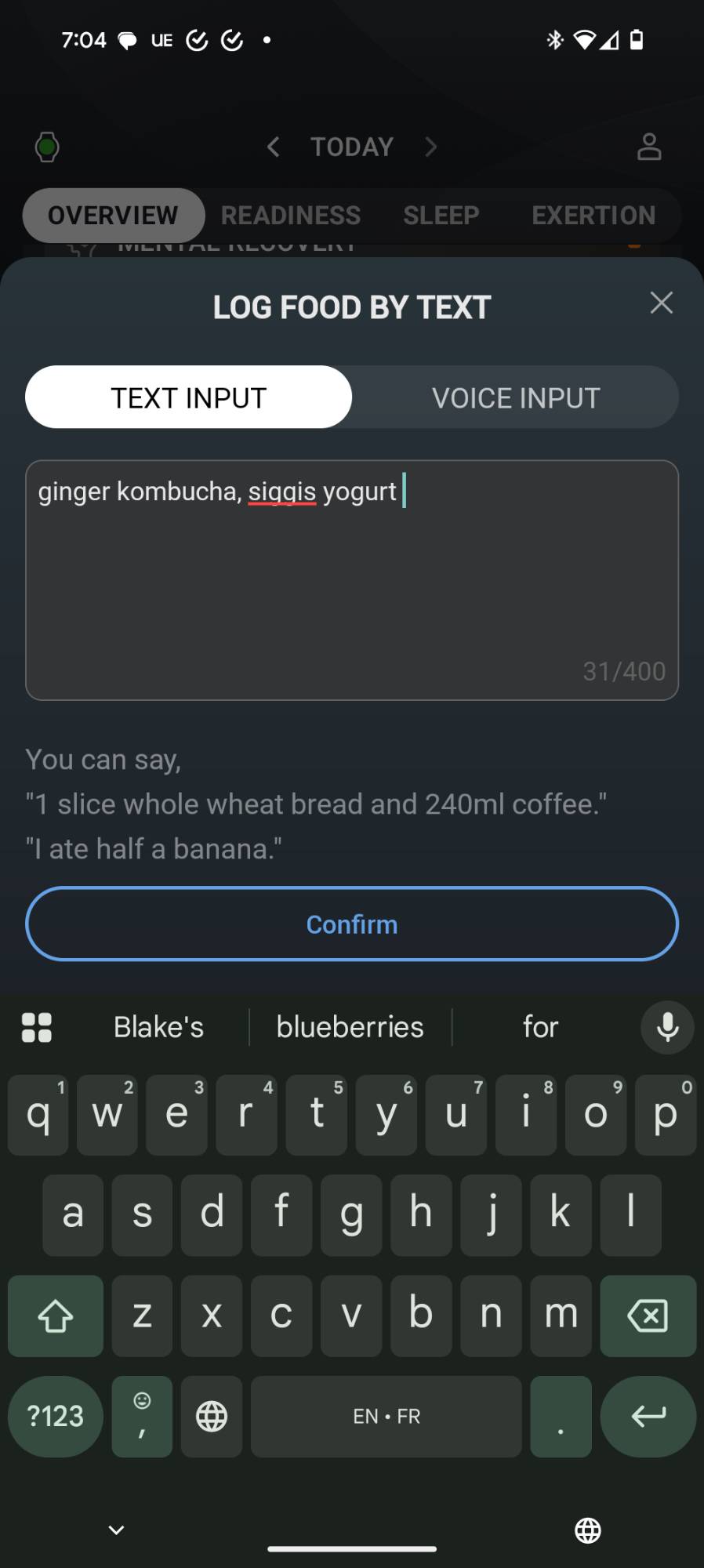
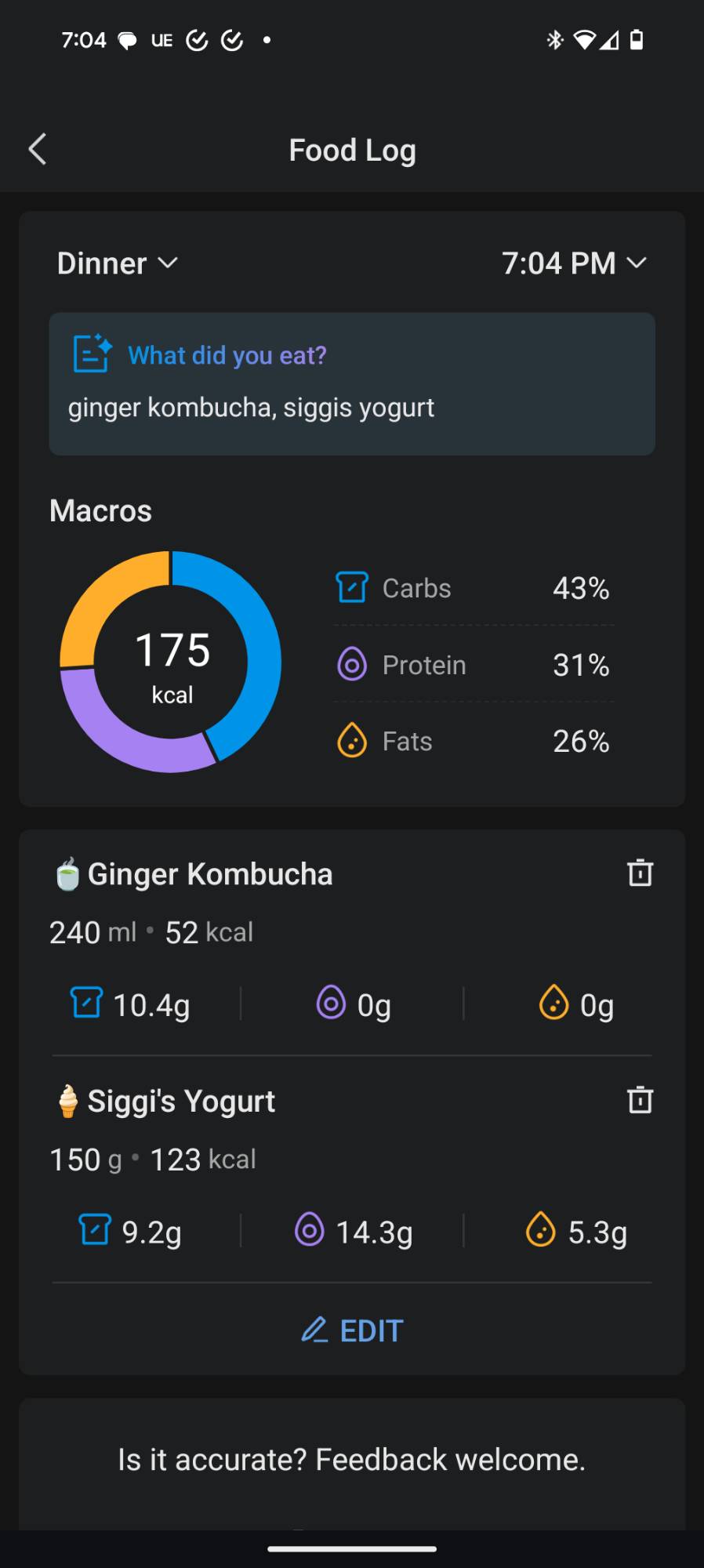
Zepp also tracks your food intake, if you want. You can snap a photo of your food or describe it, and the AI will determine what you ate and provide rough nutrition estimates. The accuracy depends significantly on how specific you get. For example, I might plug in that I ate a container of Siggi’s vanilla yogurt. One container is 110 calories. The Zepp AI has guessed at everything from 120 calories to 250 calories if I just tell it “5oz Siggi’s Yogurt”, but snapping a photo of the nutritional label obviously yields a much more accurate answer.
So, it means you have to be very specific, or at least try your best. Tell it you had 3 pieces of deli ham, or 1 small orange, or 1/3 cup grapes, and be prepared to adjust or specify further if the AI comes up with weird answers. I found that if I told it one ingredient or item at a time, I got less insane responses than if I entered everything at once, which usually created bizarre calorie counts. Basically, I wouldn’t treat it as a replacement for Lose It or My Fitness Pal, but as a rough calorie tracker, it’s good once you figure out how to convey what you ate without confusing it too much!
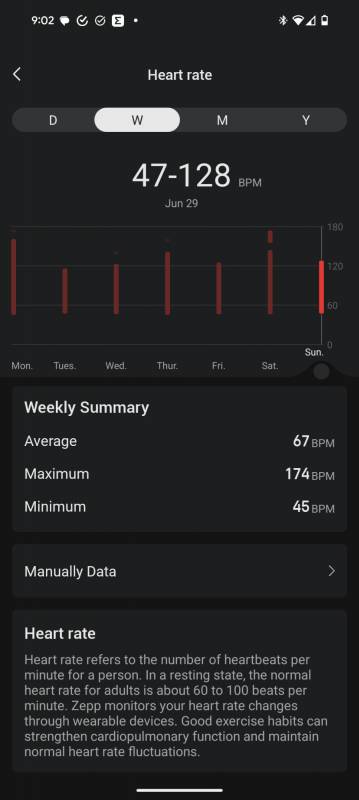
I don’t have an officially approved medically certified heart rate monitor, but I did have access to two Zepp devices and my Polar watch, and all three were nearly identical. If you’re tracking your heart rate for general health purposes, I think the Zepp app does a phenomenal job. While I don’t think they can or should make medical claims, I can say that the monitoring and average heart rate seemed accurate and exactly what I expected.
So basically, Zepp hit a home run with their app. It offers immense amounts of detail, and while there is a premium slice for those who really want to dive deep, everything I explored comes with the basic level of access. That’s more than enough for the average weekend warrior!
The Amazfit Helio Strap Offers Discreet But Powerful Tracking
Of course, an app is only as good as the hardware feeding it data. If you’re not a watch person, the Amazfit Helio Strap is an excellent choice. I wore it on my right wrist to avoid clashing with my regular watch on the left. It felt comfortable through lifting sessions, rowing workouts, biking, and daily life. I even slept with it on without discomfort.
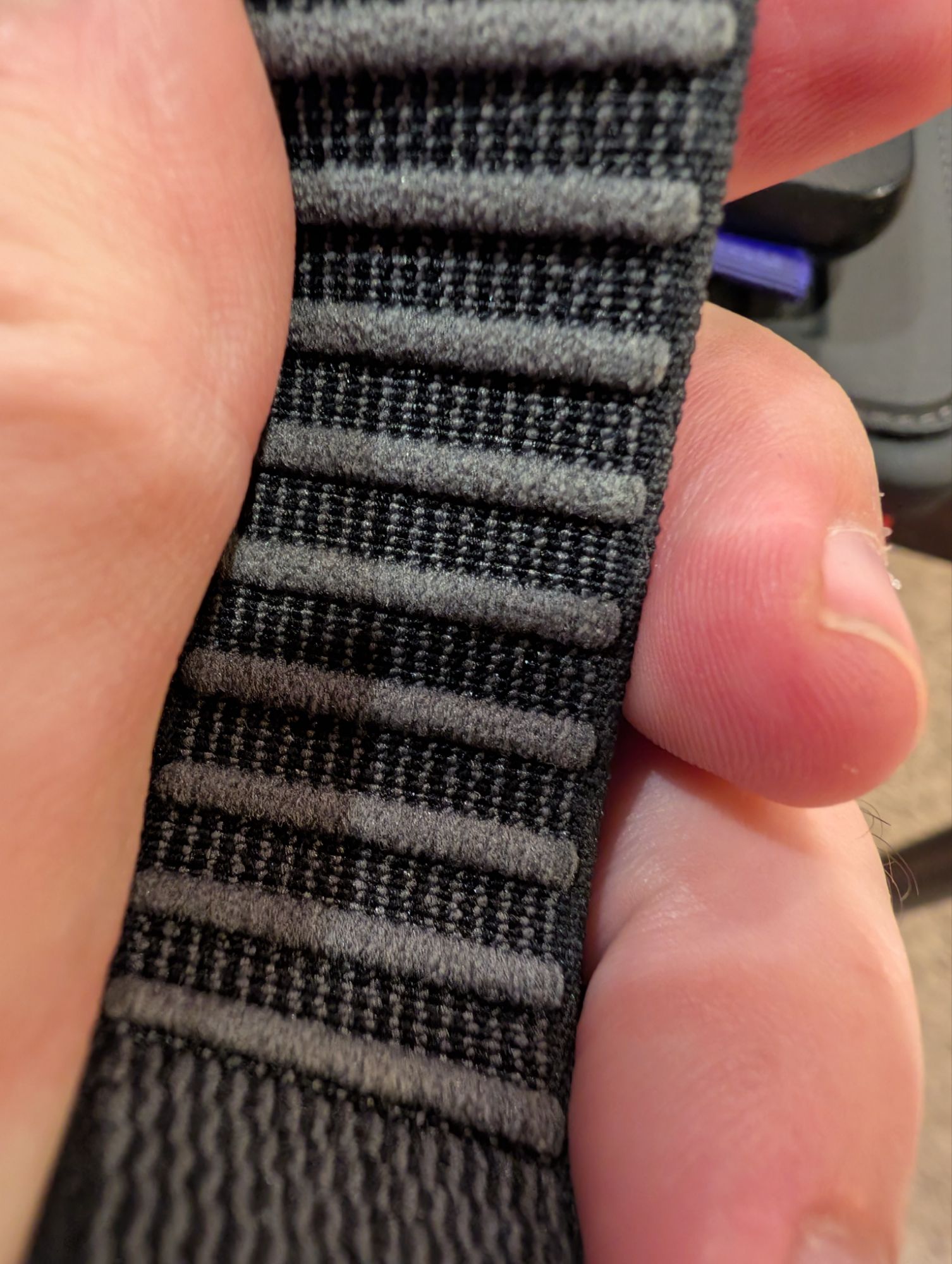
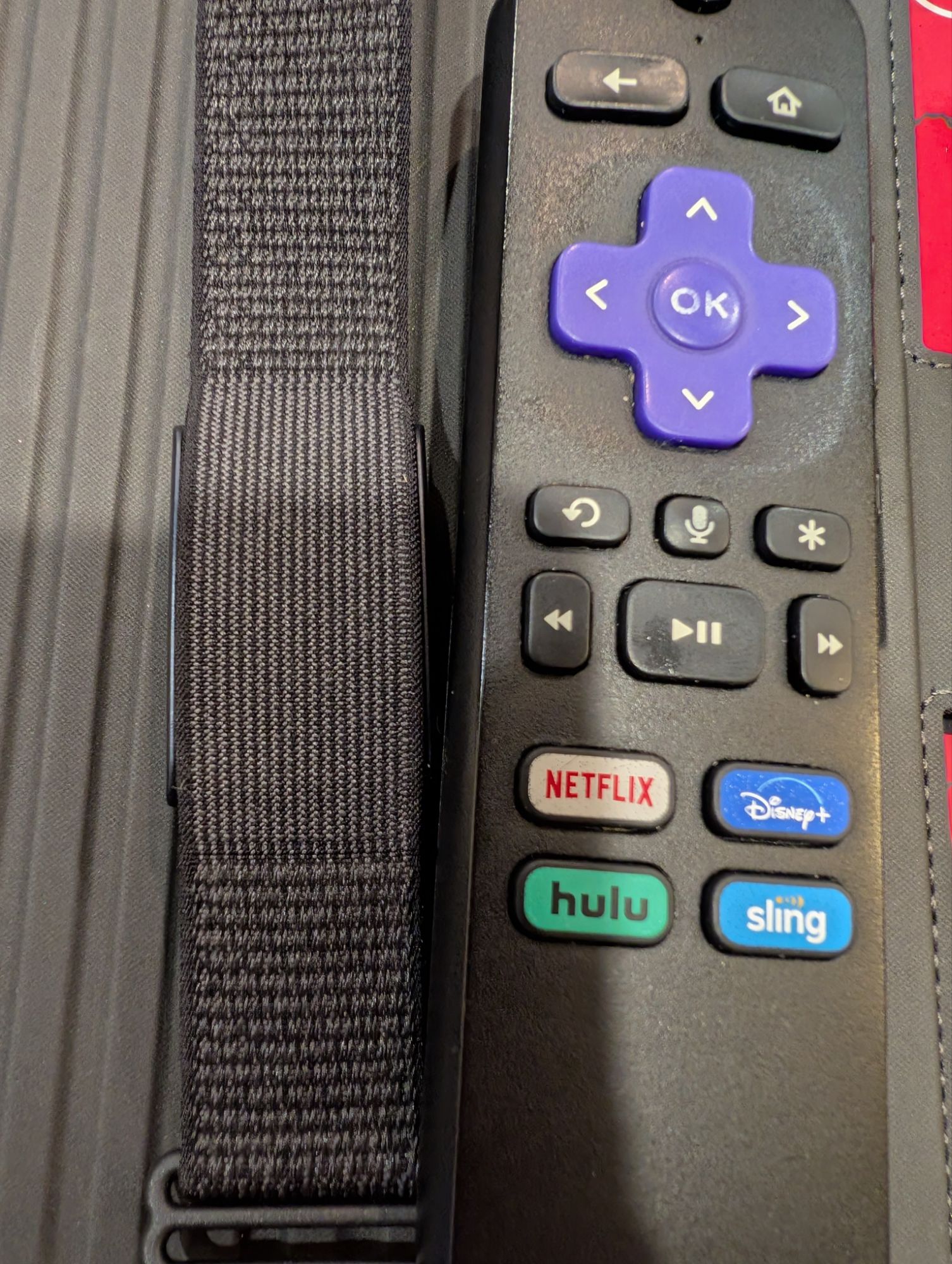
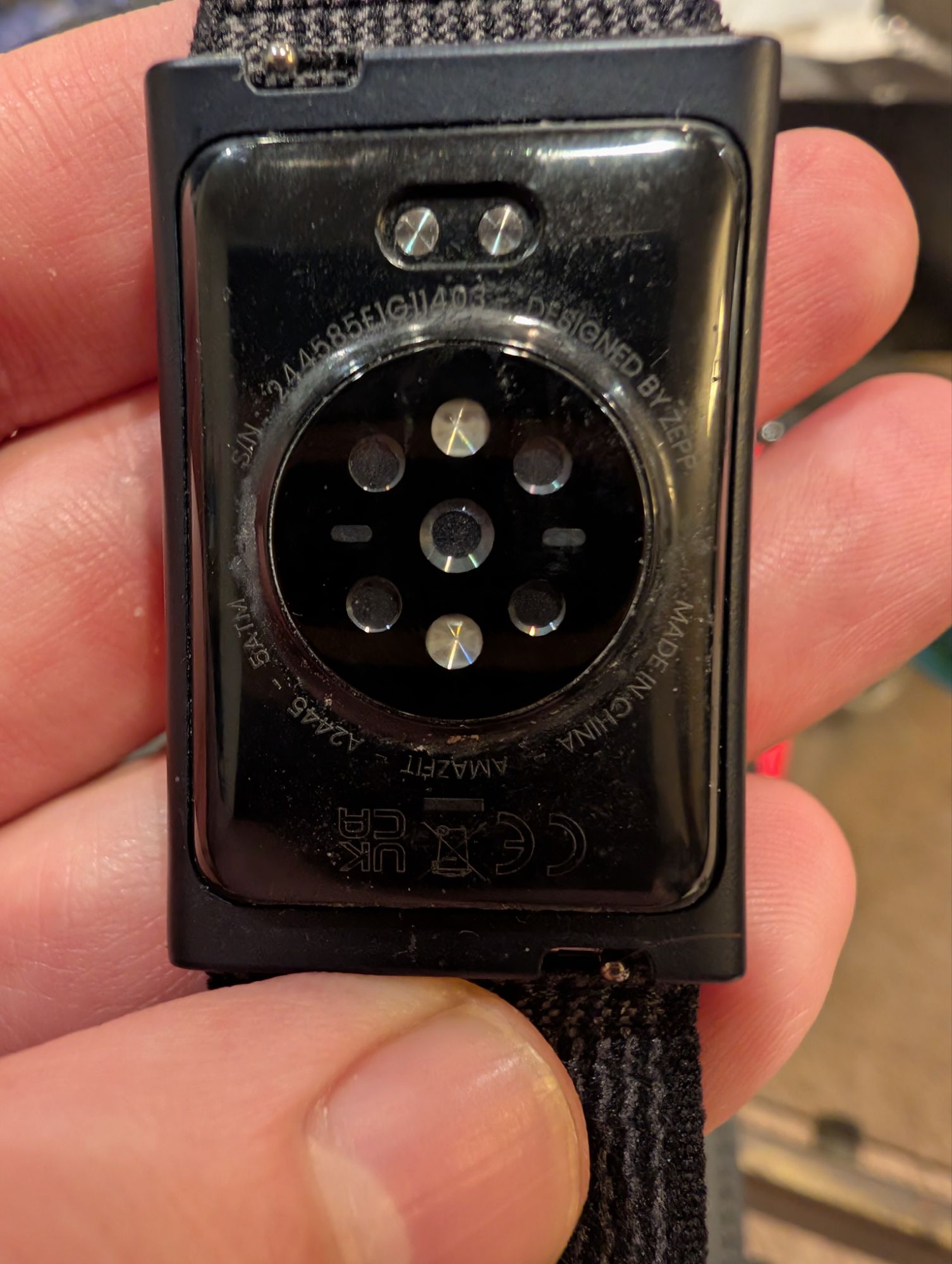
The Helio Strap does not have any buttons. Everything runs through the Zepp app. It can auto-detect workouts or let you manually start and stop them in the app. I tested its detection accuracy with bike rides and indoor rowing, and it performed admirably.
While the strap is waterproof, I chose to remove it for showers because the fabric can trap moisture against sensitive skin, although it dries quickly. Its charger is also refreshingly simple: a USB-C magnetic dock, meaning you can juice it up with cables you already own. Just don’t lose the dock, as it’s small enough to get swallowed by your desk clutter.
I found the Helio Strap ideal for anyone who wants fitness tracking without the fuss of a watch. Rings are convenient but can be downright dangerous for lifting or climbing. A simple band like this fills the gap nicely. That’s part of why WHOOP has its following, but unlike WHOOP, Zepp doesn’t bury features behind a mandatory subscription. At $99.99, the Helio Strap is an affordable, no-nonsense fitness companion.
The Amazfit Balance 2 Offers All-in-One Style, Power, and Tracking
If you prefer an all-in-one smartwatch, the Amazfit Balance 2 is hard to beat. It boasts a 1.5” sapphire crystal display with an always-on option for that true watch vibe. Keep in mind, though, that using the always-on display will shave down the estimated 21-day battery life. In my testing, with the always-on and GPS activated for workouts, it comfortably lasted 7-10 days before needing a top-off.
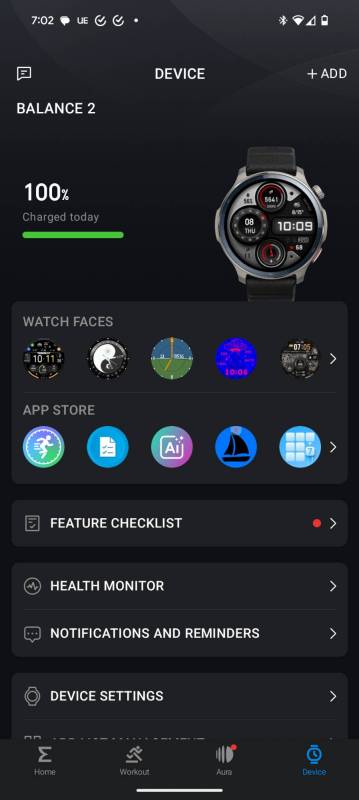
The Balance 2 offers a buffet of watch faces, ranging from elegant analog to digital faces that are as busy as an airplane cockpit. Some allow customization, such as swapping your steps display for PAI or removing the weather if you prefer a minimalist aesthetic.
It locks on to GPS quickly, and I found its tracking to be aligned with both my Polar watch and Strava routes. During workouts, the screen turns off to conserve power, but a quick wrist flick brings up all the metrics you could want—distance, heart rate, pace, and more.
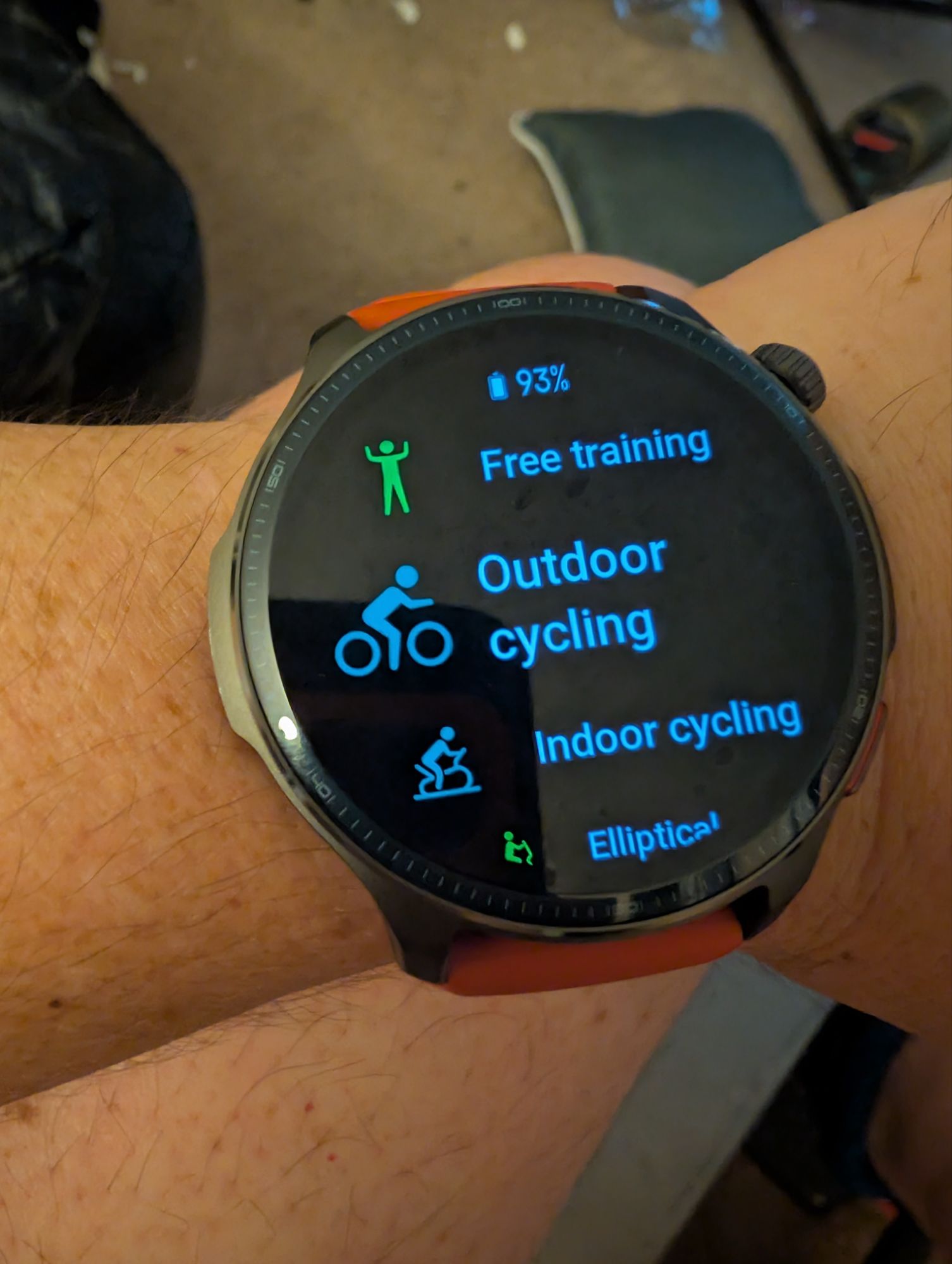
Starting a workout is simple. The top right button pulls up the exercise list, and you can scroll or tap your way to your chosen activity. There’s everything from freestyle to cardio-specific modes, including the usual suspects plus more specialized options.
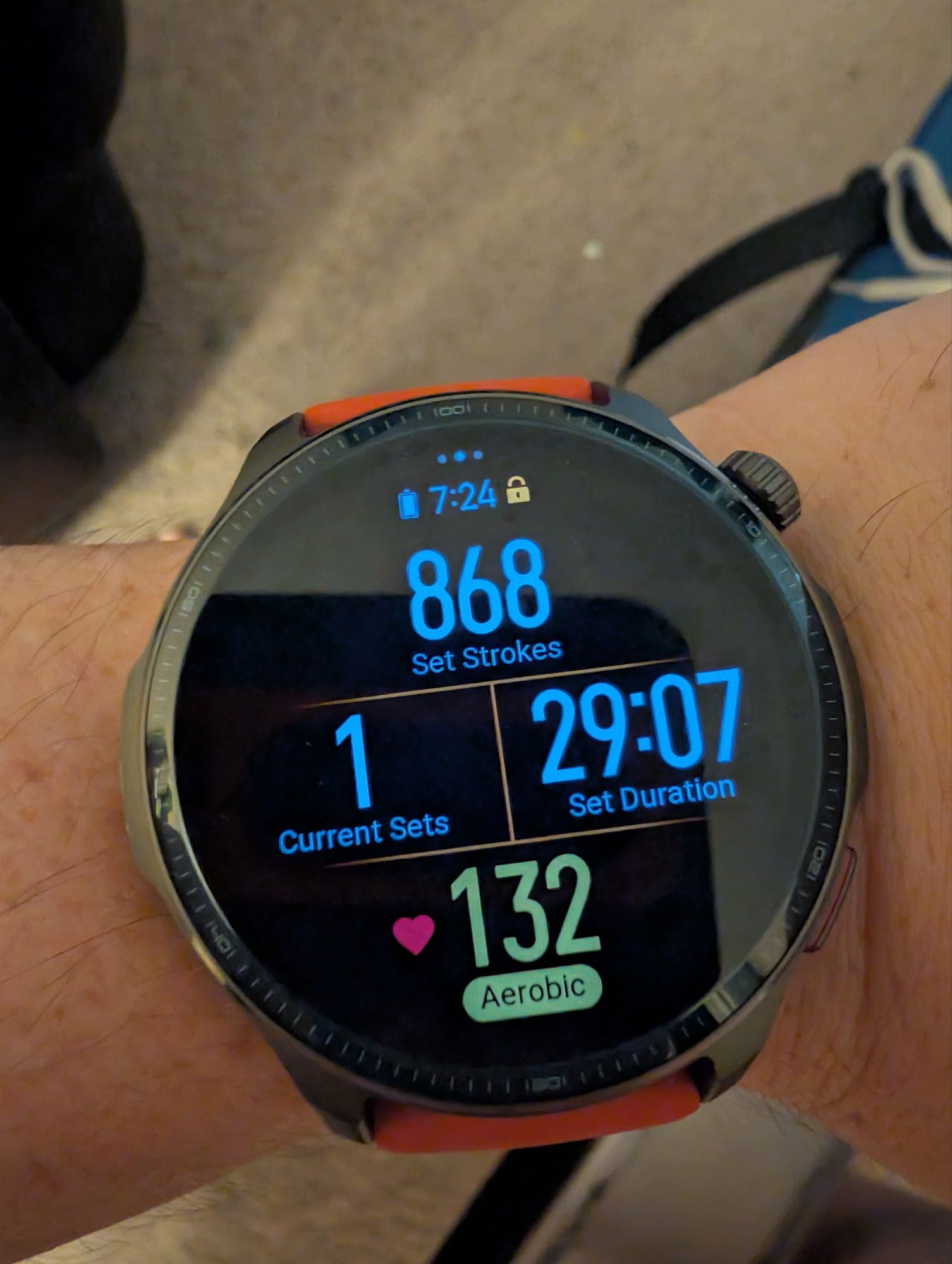
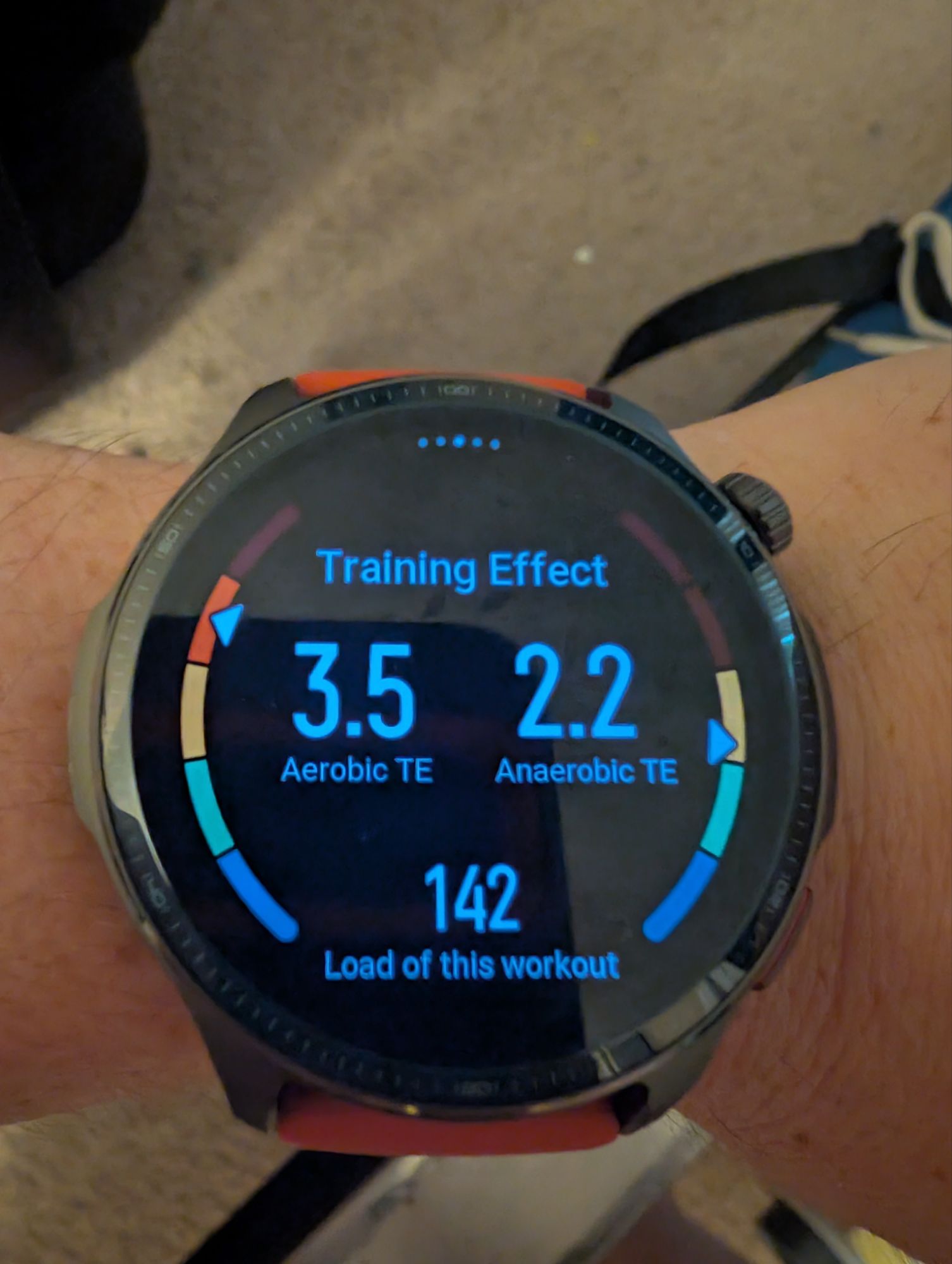
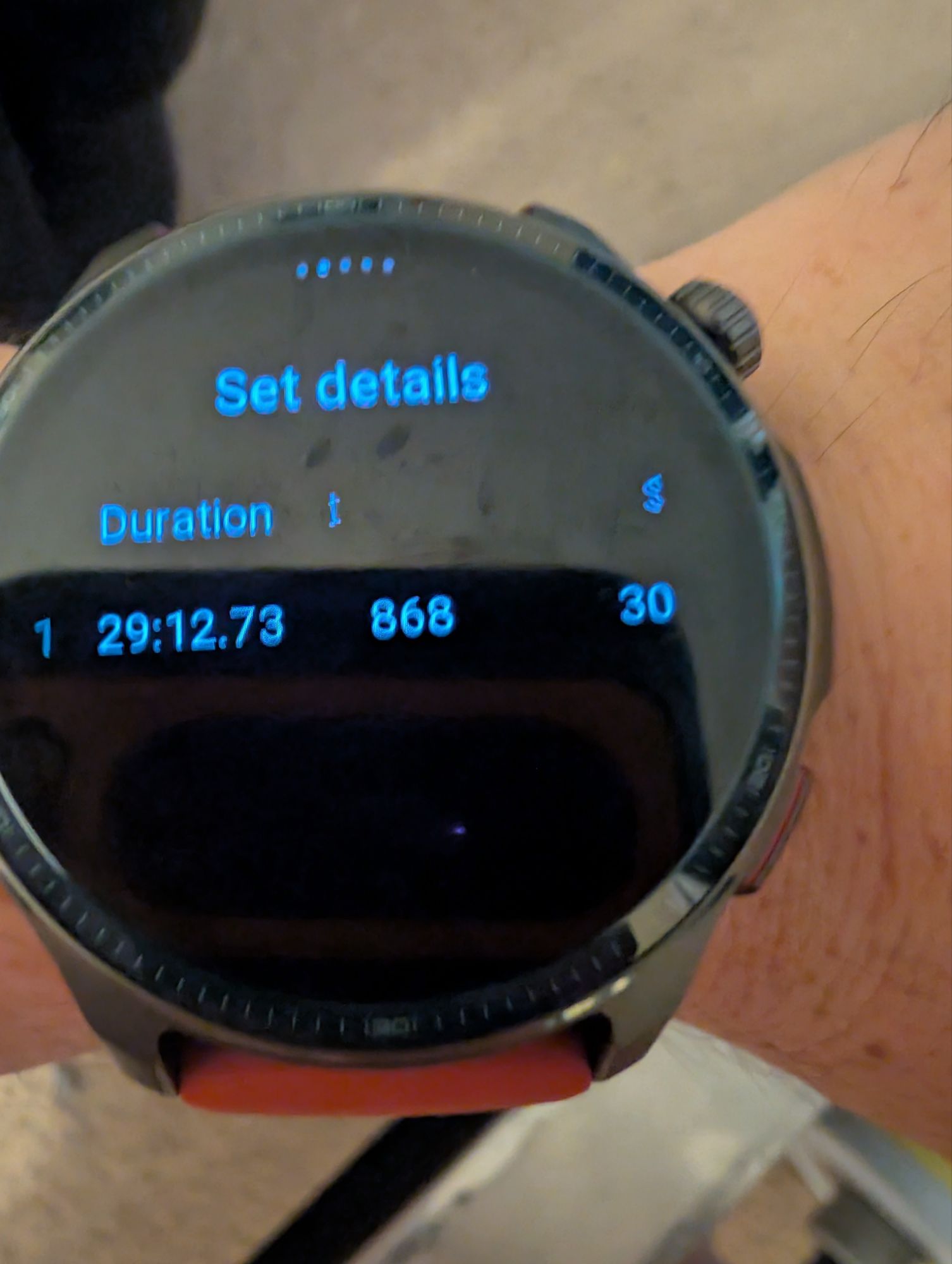
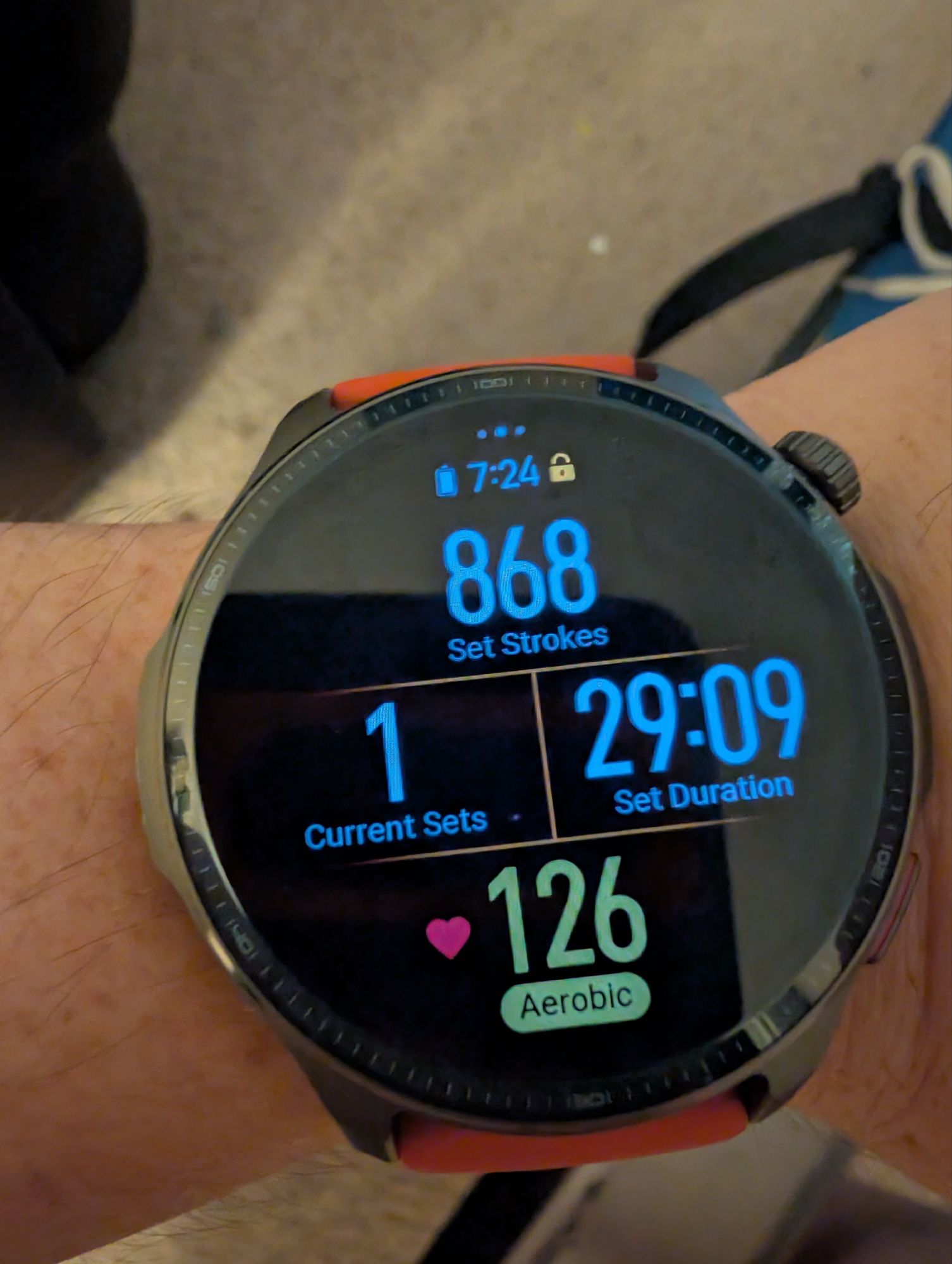
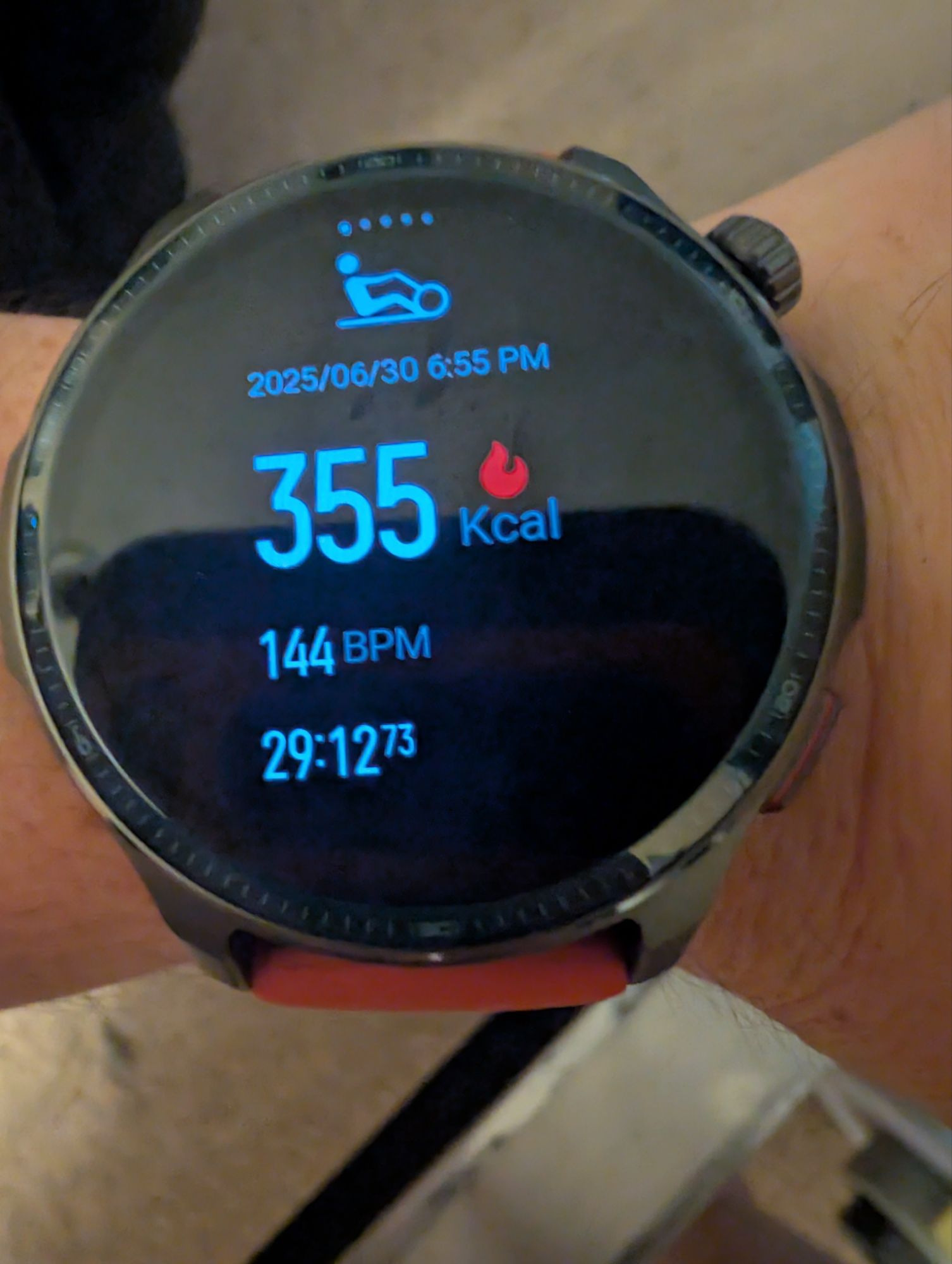
Two standout features impressed me most. First, it tracks stroke count and rate for indoor rowing—a rare metric for fitness trackers and great if you want to geek out on rowing efficiency. Second, marking off sets is effortless by tapping the bottom button, which is useful for circuit workouts to track performance across rounds.
After your workout, the watch displays time, calories burned, and other metrics prominently. The Zepp app then delves deeper into the data, including insights such as how quickly your heart rate recovers post-exercise—something my trainer found particularly helpful.
While the Balance 2 includes on-device AI features and smart notifications, I didn’t spend much time exploring them because I generally disable notifications. However, if you like knowing who texted while you’re mid-burpee, it has you covered. I appreciated its fitness tips, readiness summaries, and gentle nudges, such as reminding me that sleep is a privilege I keep squandering.
Should You Get One of the New Amazfit Devices?
With so many fitness devices vying for wrist and body real estate, Amazfit stands out for offering flexibility and convenience. If you dislike watches, the Helio Strap is a discreet, capable choice. If you prefer an all-in-one smartwatch, the Balance 2 delivers excellent performance, style, and battery life. Best of all, thanks to the Zepp app’s seamless integration, you can switch between devices without skipping a beat. Wear your Balance 2 on fancy watch days, then swap back to the Helio Strap for your run the next morning.
The Amazfit Helio Strap retails for $99.99; it is available directly from the manufacturer and other retailers, including Amazon. The Amazfit Balance 2 retails for $299.99; it is available directly from the manufacturer and other retailers, including Amazon.
Source: Manufacturer-provided review samples
What I Like: The Zepp app gives you incredible amounts of detail without requiring a subscription; Both devices are very affordable for what they offer; The heart rate monitor on both devices is accurate; The Balance 2, Helio Strap, and the Zepp app work well together to deliver a holistic view of your health; PAI is a great way to balance your health across the week instead of per day; Exercise screens during workouts on the Balance 2 provide impressive levels of information
What Needs Improvement: Docking system for charging is great, but the Helio Strap’s dock is so small it can get misplaced; The Helio Strap’s fabric band can trap moisture, so be careful to air out your skin if it’s sensitive