


Recycling soft plastics has always been one of those nagging household headaches. Grocery bags, cling wrap, snack wrappers, and bubble mailers pile up faster than you can say “eco-friendly lifestyle,” and most of them never make it past the landfill. Enter the Clear Drop Soft Plastic Compactor (SPC), a countertop appliance designed to turn all that flimsy, floaty plastic into neat, stackable blocks you can mail off for recycling. It sounds tidy and responsible, but does it actually deliver a real solution, or is it just another expensive way to outsource guilt?
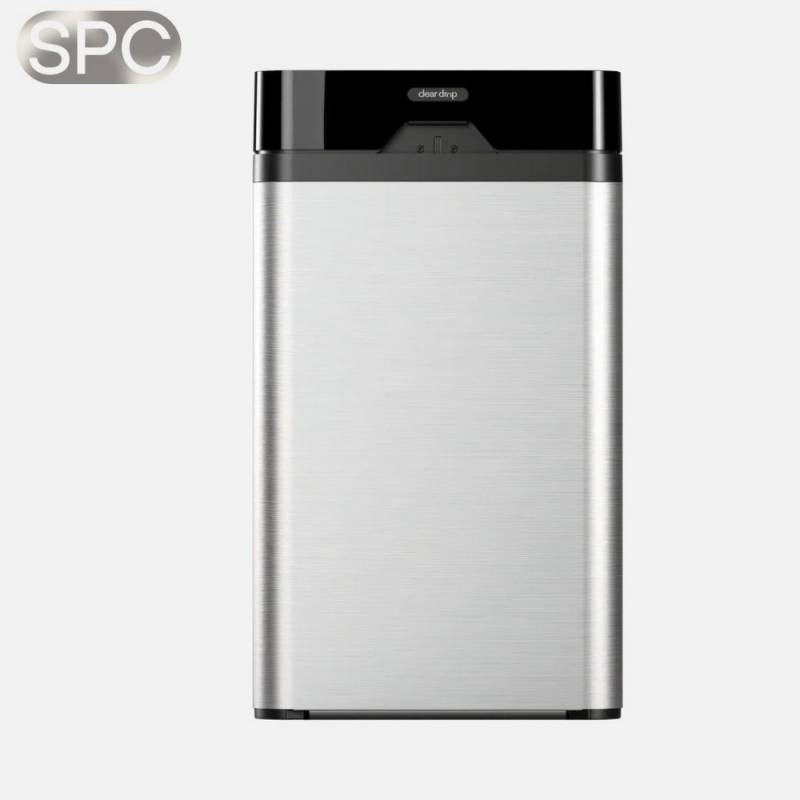
I recently learned about the Clear DropSPC after one of their advertisements showed up on my Facebook feed.

“What in the world?” I wondered. So I dug in a bit.
What It Does
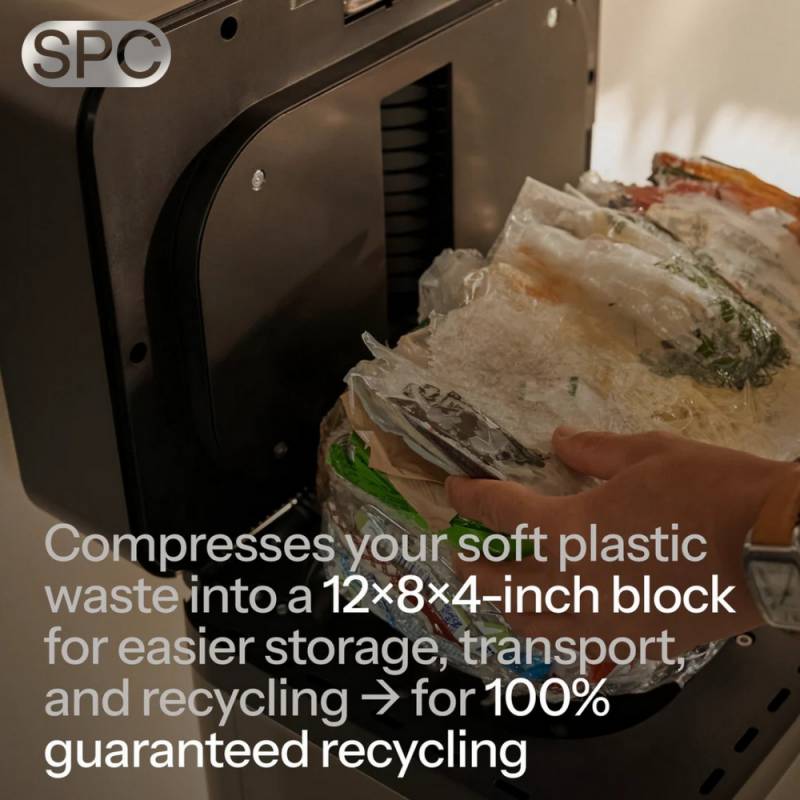
The Clear Drop SPC is essentially a plastic-busting box. At just over two feet tall, it takes up about the same footprint as a slim trash bin. You plug it in, unlock it, and start feeding it your soft plastics, like chip bags, shopping bags, bubble wrap, and cling film. Over time, it compacts that growing pile into a dense block that looks suspiciously like a brick made of your late-night snack shame.
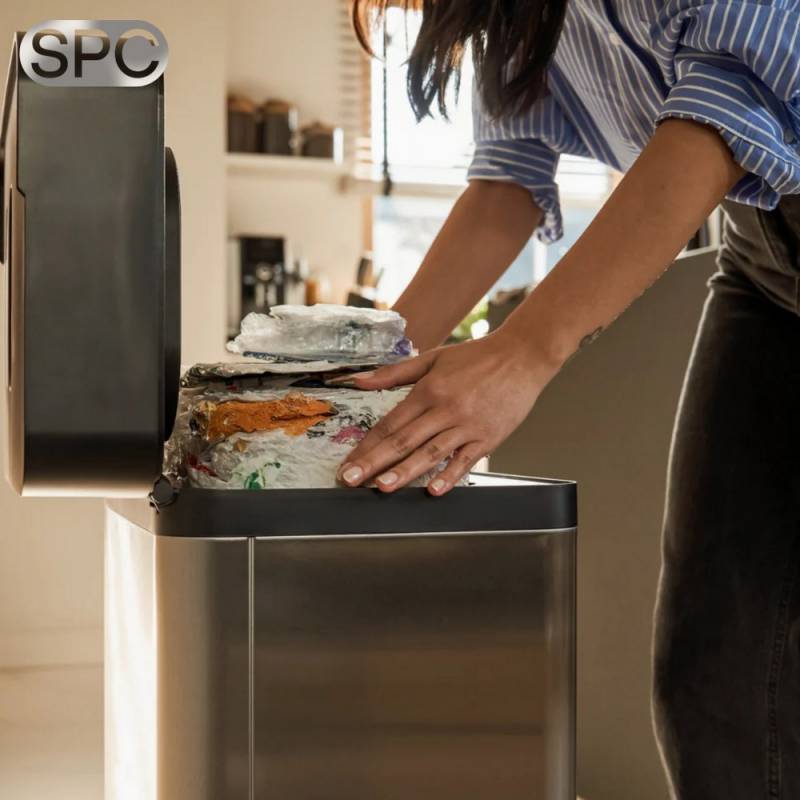
Each block represents roughly a month’s worth of soft plastic waste from an average U.S. household, and when it’s ready, you slap on the included shipping label and send it back to Clear Drop’s recycling partners.
The process isn’t particularly fast. Each block takes about 30 minutes to form and another three hours to cool, but it does the job without much effort from you. The machine doesn’t actually melt plastic; it gently heats it just enough to fuse pieces together. That means you don’t have to worry about toxic fumes wafting through your kitchen. Independent tests have confirmed the air quality remains within safe limits.
The Numbers
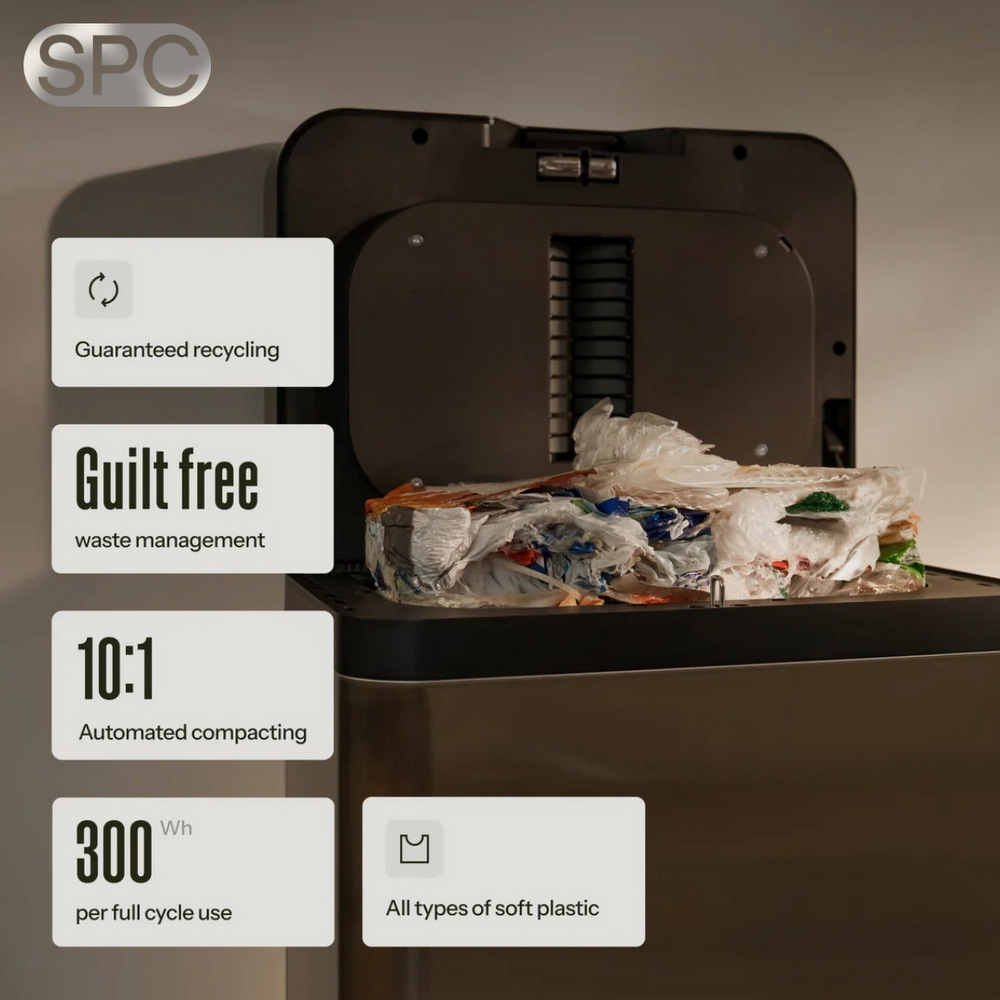
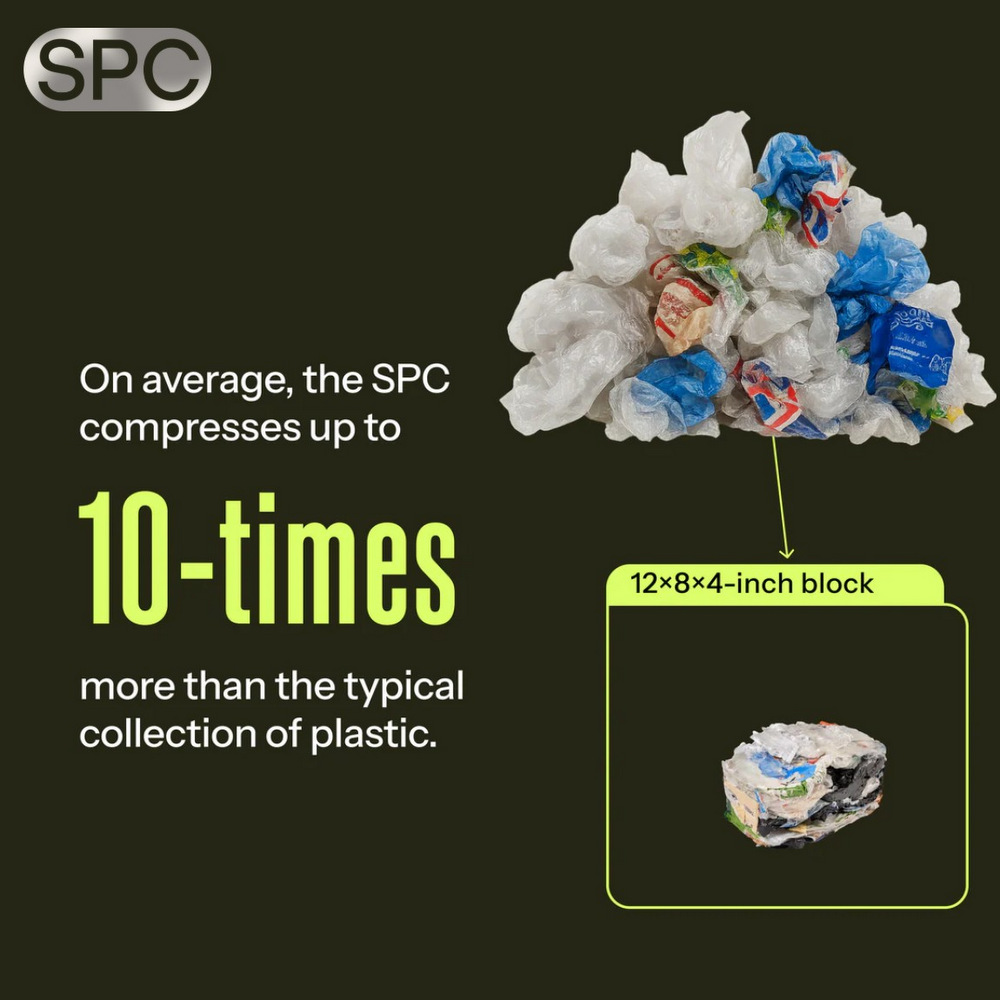
On the technical side, the SPC can compress waste down to one-tenth its original size, depending on the type of plastic. It holds about 6.3 gallons of material before needing to form a block. Each finished block can weigh up to three pounds, which doesn’t sound like much until you realize how many empty chip bags it takes to get there. The unit uses about 3.3 kilowatt hours per block, which translates to around 52 cents a month in electricity at average U.S. rates.
So far, so reasonable. But here’s where things get complicated: the cost. You can’t just buy the Clear Drop SPC and call it a day. The payment model looks more like a smartphone plan.
You can either go with a subscription: $200 upfront and $50 a month for two years, which covers the unit itself, one prepaid shipping envelope per month, and warranty coverage. After that, mailing blocks cost around $20 per month. There’s also an option to pay outright, but either way, you’ll be paying not only for the machine but also for ongoing disposal.
The Convenience Factor
There’s no denying that the Clear Drop SPC should make soft plastic disposal easier. If you’ve ever tried to recycle this stuff through store drop-off bins, you know it usually means stuffing bags into your car, remembering to take them on grocery day, and hoping the collection site isn’t already overflowing.
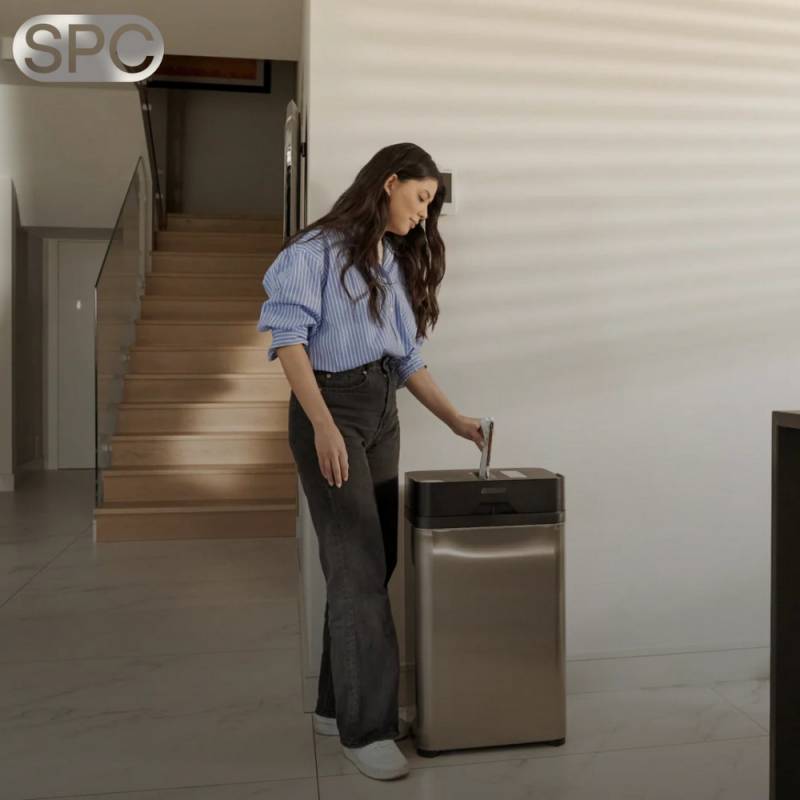
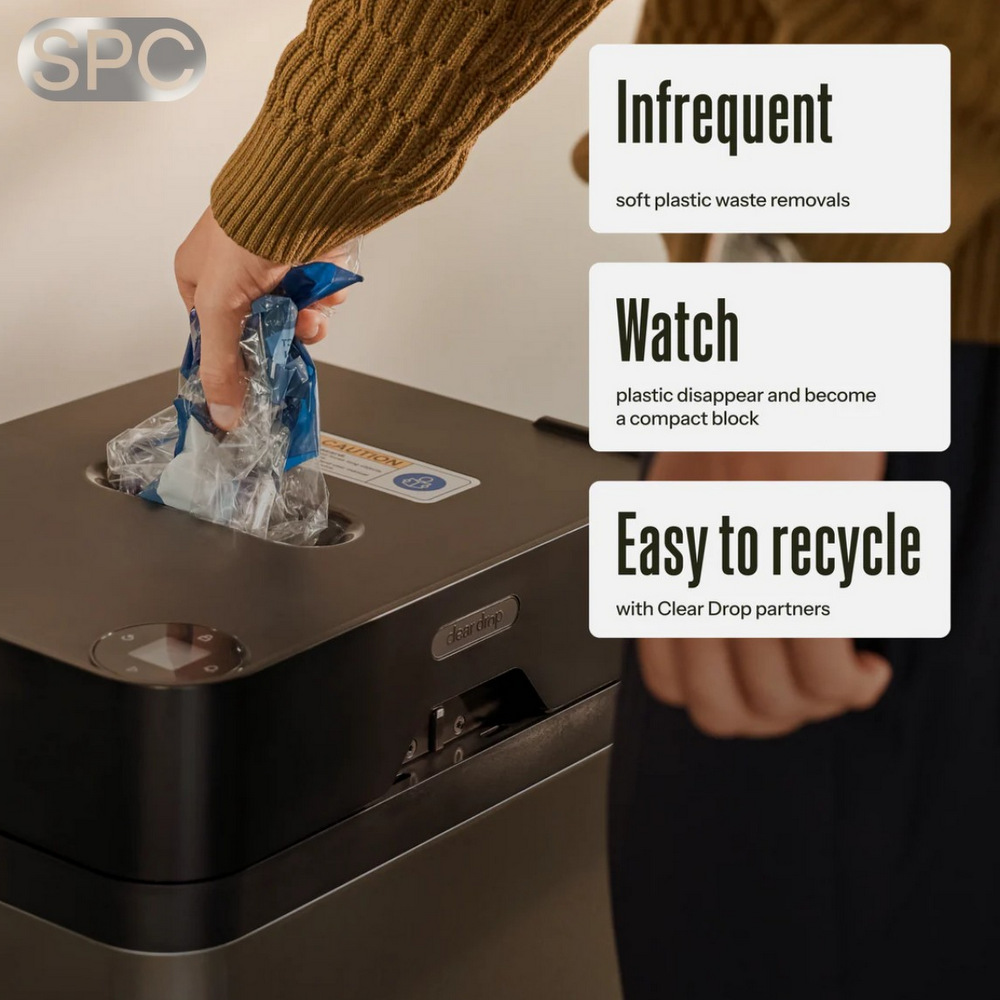
With the SPC, you toss plastics into the unit as you go, watch them get compacted into a tidy block, and ship it off without leaving your house. For apartment dwellers, busy parents, or anyone tired of juggling grocery store returns, that convenience could feel worth the monthly fee.
The Criticism
Here’s where the sheen dulls. The Clear Drop SPC asks consumers to pay for solving a problem that corporations created in the first place. While Clear Drop has partnered with recyclers, it doesn’t change the fact that plastic packaging keeps flowing into homes at a relentless pace. Perhaps instead of charging households $50 a month for the privilege of dealing with it, companies that make and sell products wrapped in plastic should foot the bill for these machines, or at least subsidize them. But we know that will never happen.
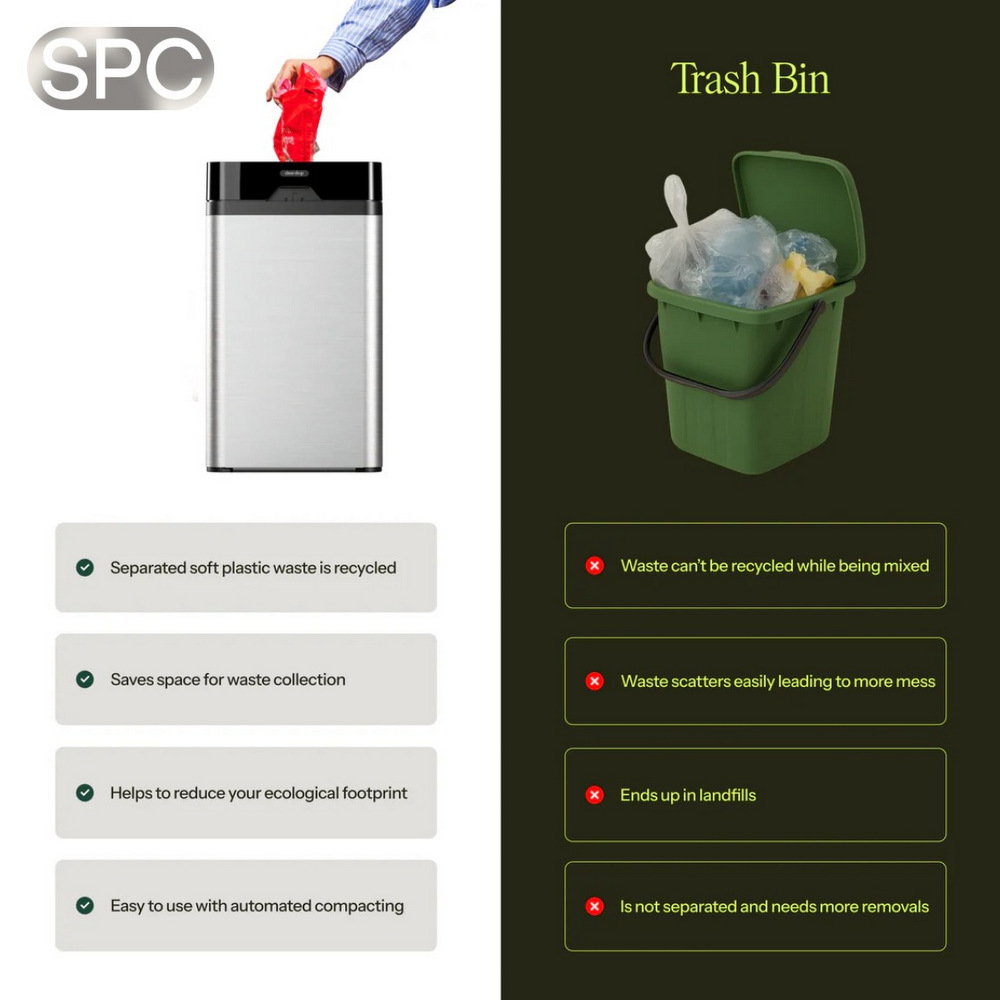
Some might see the SPC as an expensive placebo. It creates the sense that you’re making a difference, but the long-term fate of recycled soft plastics is murky at best. Much of it eventually winds up in landfills anyway, only delayed by one or two repurposings. It scratches the itch of “doing something” without addressing the root issue of overproduction.
And then there’s the elephant in the room: you can still drop off your soft plastics for free at many grocery stores, no monthly subscription required.
Who Might Actually Want This?
The SPC could appeal to eco-conscious households with disposable income, and those who want an easier way to manage their waste without making extra trips. It’s also a potential fit for families in areas where drop-off locations are rare. The two-year warranty offers some reassurance, but the subscription model is undeniably a sticking point.
At the end of the day, the SPC feels like a product designed for people who want to participate in recycling without the hassle, but it also highlights how much responsibility has been shifted from corporations and governments to individual consumers. Something about that just doesn’t sit right with me. How do you feel about it?