


The Lowdown
Lightweight, accurate, and versatile, the $249 Suunto Run packs multisport tracking, great comfort, and powerful data into one sleek fitness watch.
Overall
Pros
- Lightweight
- Accurate measurements of distance, heart rate, and sleep
- It offers multiple sport options
- Multisport makes it easy to move from cardio to lifting
- The fabric strap is lightweight and comfortable
- The app is extremely stable and reconnects to Bluetooth easily
- The Run can be as detailed or as simple a workout companion as you need
Cons
- The screen can be tough to read with polarized lenses in certain light
- The battery life will fall on the low end of the range if you use the always-on display and work out regularly
If you spend any time reading up on fitness watches, you probably know the name Suunto. They’re a Finnish company that lives and breathes fitness and outdoor exploration; they started in 1936 making compasses, and now they make everything from watches to headphones and heart rate sensors. We were excited to get the chance to test out their Suunto Run watch, and it’s clear this was made by a company that loves fitness!
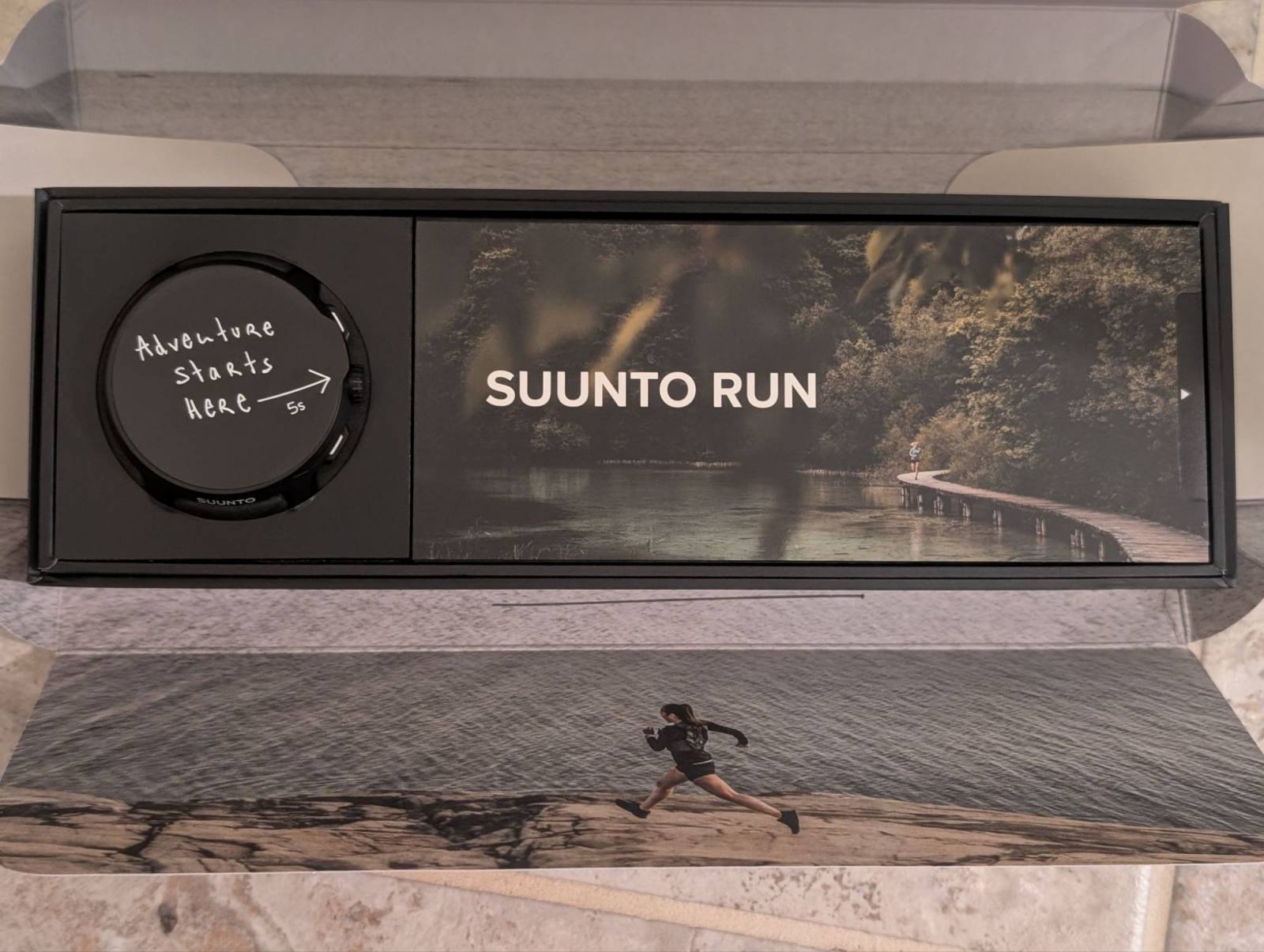
I rarely feel compelled to document an unboxing; it’s a device, it came in a box, it came out of the box, and now I’m using it. But when I opened the Suunto Run, I immediately ran for my phone to shoot photos. It’s a compact box, but everything was laid out perfectly, and the encouraging artwork made me want to ditch my existing plans and get outside immediately. I did not, but I did feel encouraged, so that was nice!
The Sunnto Run comes with two straps, S/M and M/L, so you’re covered whether you have tiny wrists or beefy ones. These aren’t regular latch watch straps, but instead they use velcro and fabric, with a contrasting colored “SUUNTO” along one side.
It would be easy for a fabric strap to feel cheap, but these are solid. It doesn’t loosen during normal wear, and the fabric makes it very breathable even when you’re sweating like mad. There’s another major benefit in a specific niche scenario, but I’ll cover that below.
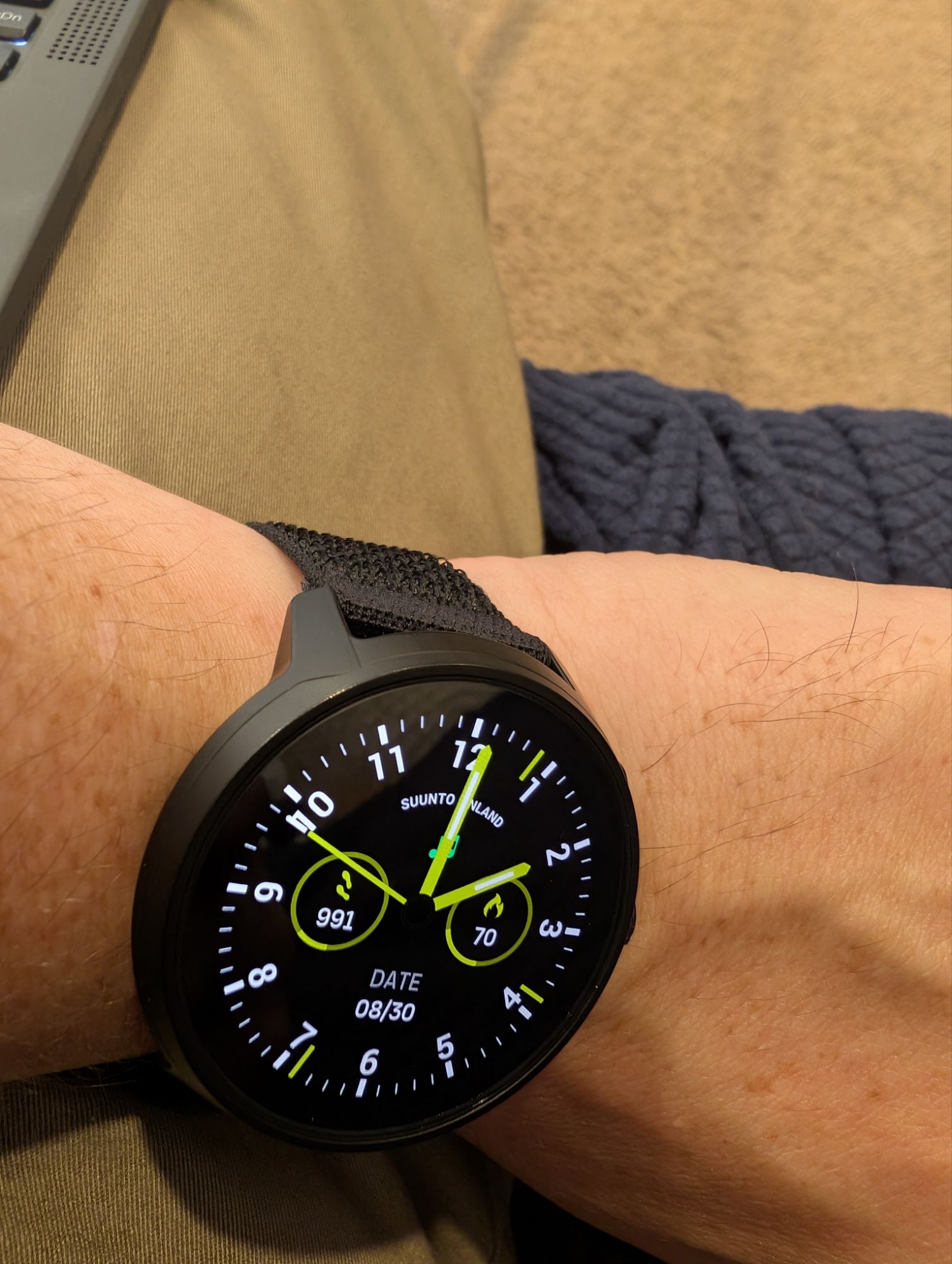
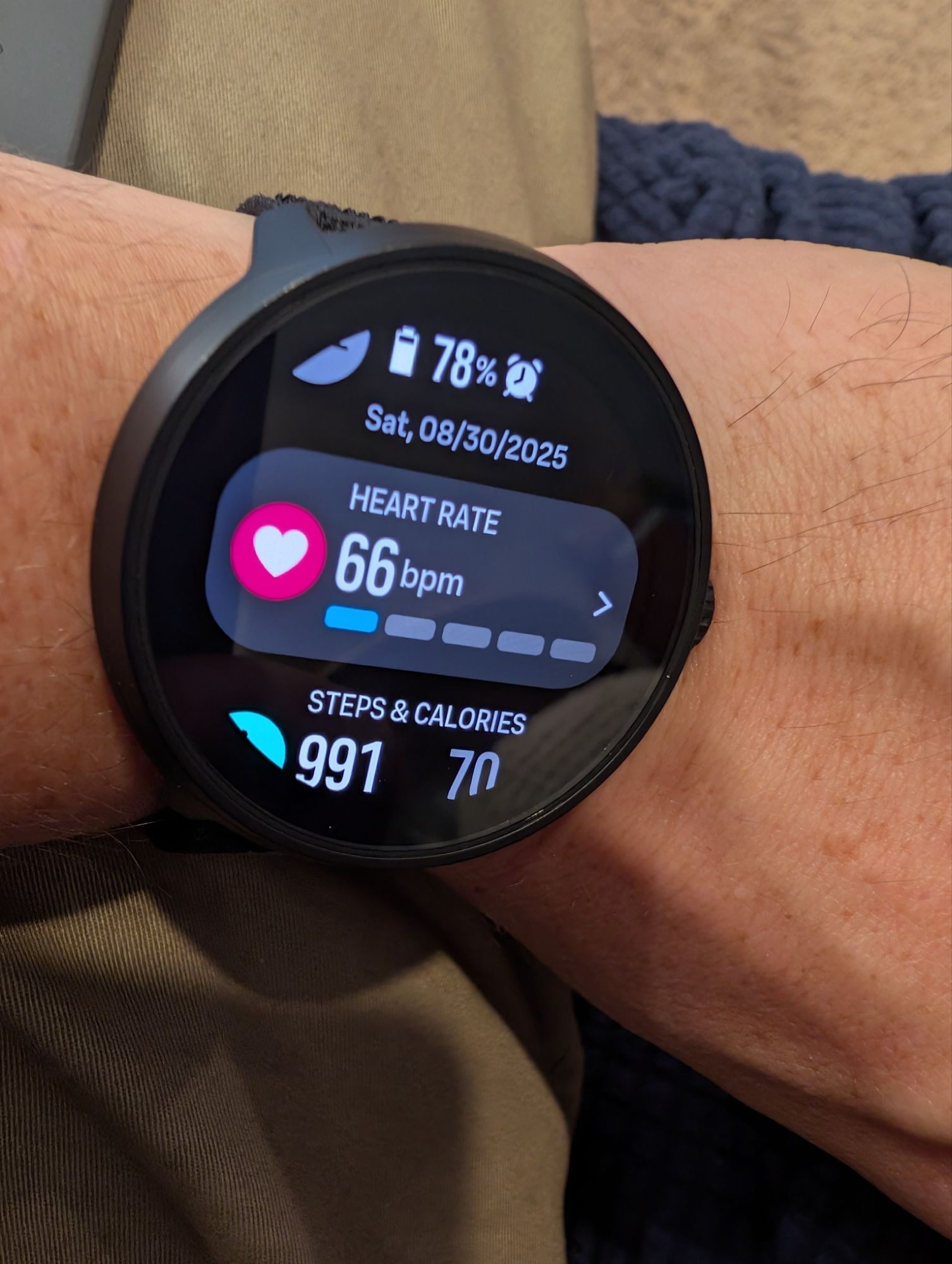
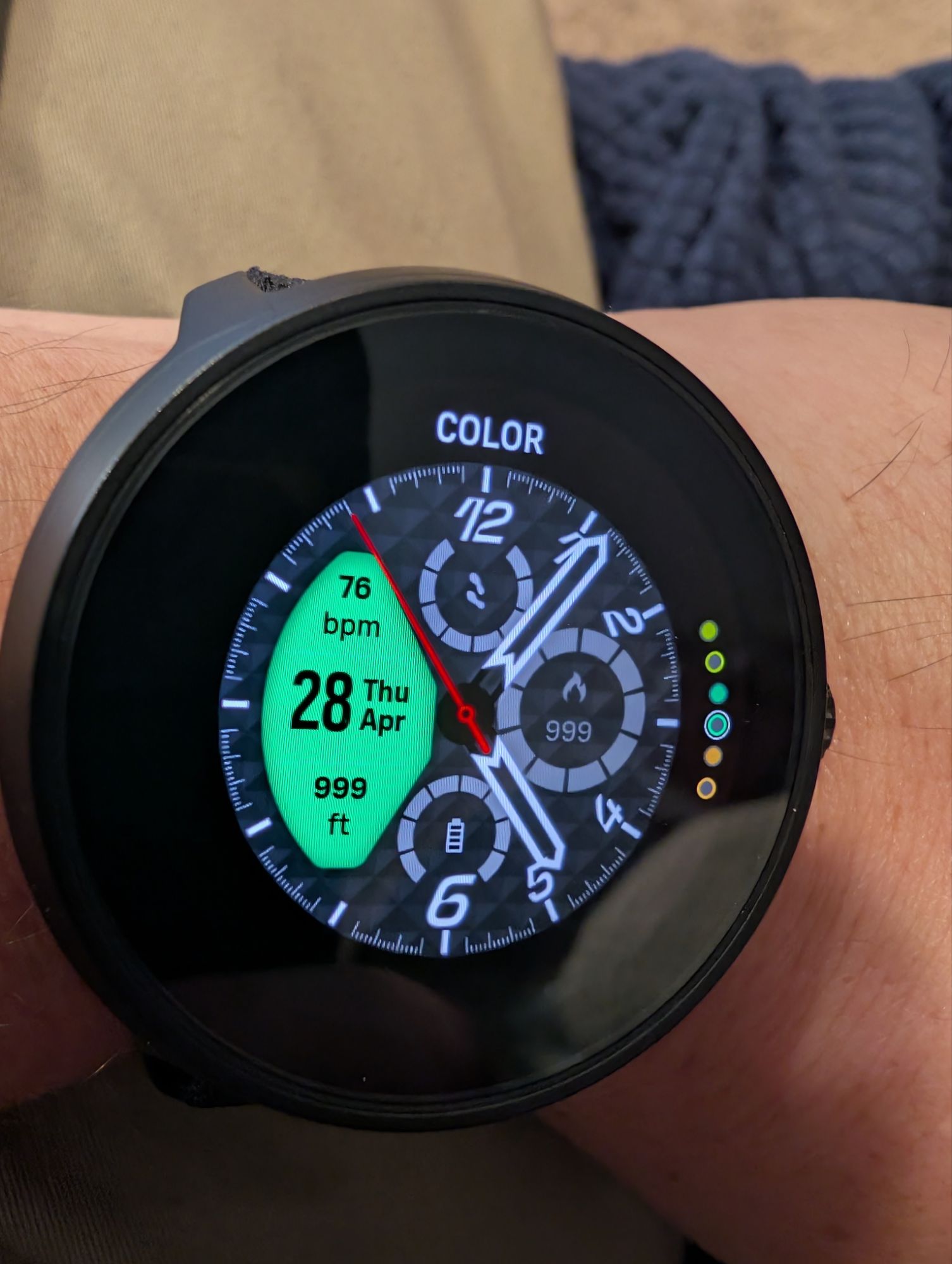
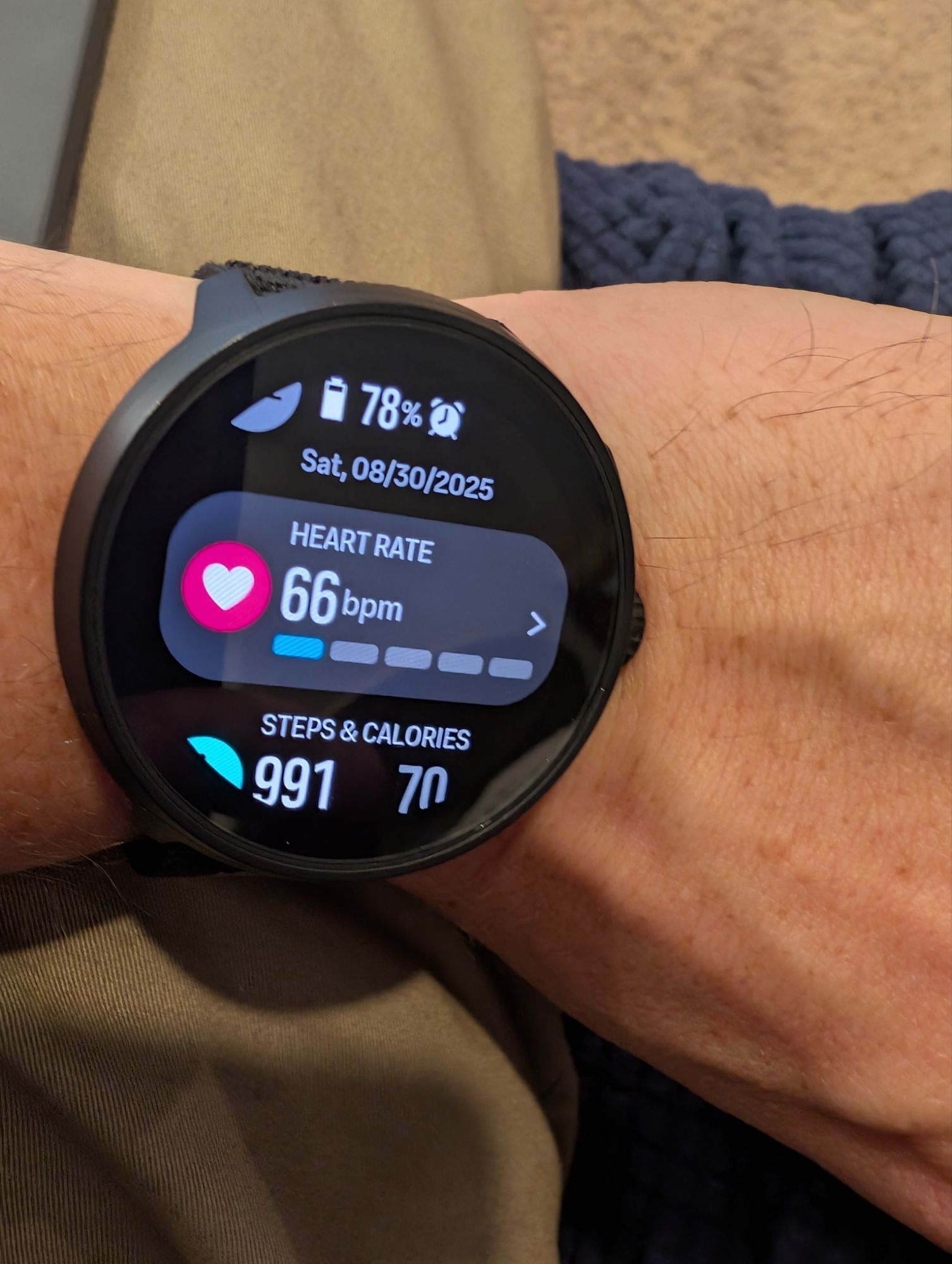
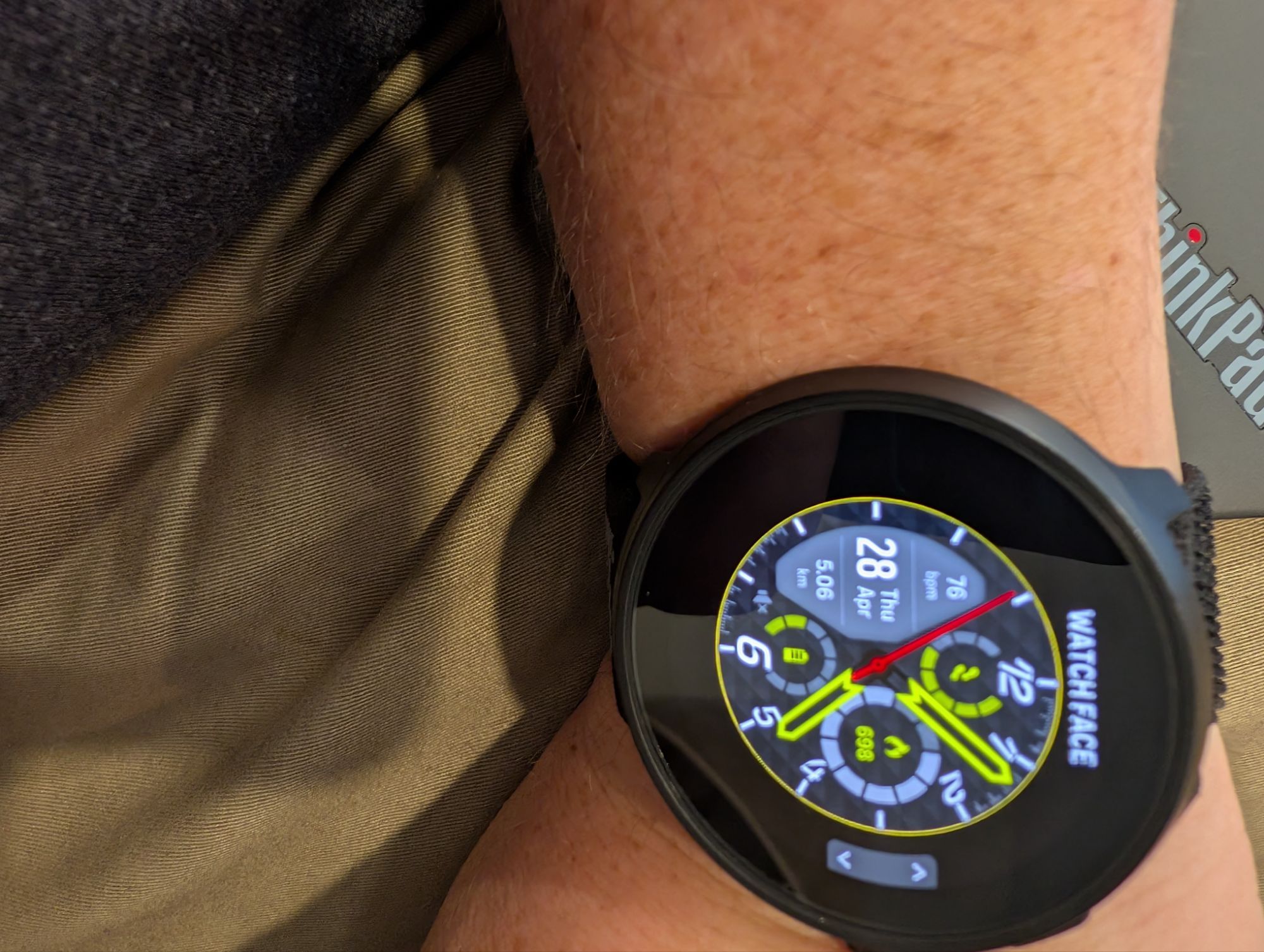
Navigating the UI of the Suunto Run is super easy. There are selection buttons on either side of a central dial, and turning the dial to select options is intuitive. The hardware is also responsive, making it easy to quickly zip through menus to find what you need. You can manage some things on the companion app, but watch-specific features like the watchface have to be done on the device itself.
There are eight watch faces, and within each, you can customize the accent colors and widget information. Want a traditional watch face with bright yellow accents that displays your calories and steps? Want your watch to look like an old-school digital watch? A few clicks and the whole personality of the watch face can change! The “always on display” is optional, and its design changes slightly alongside the selected watch face, offering less customization.
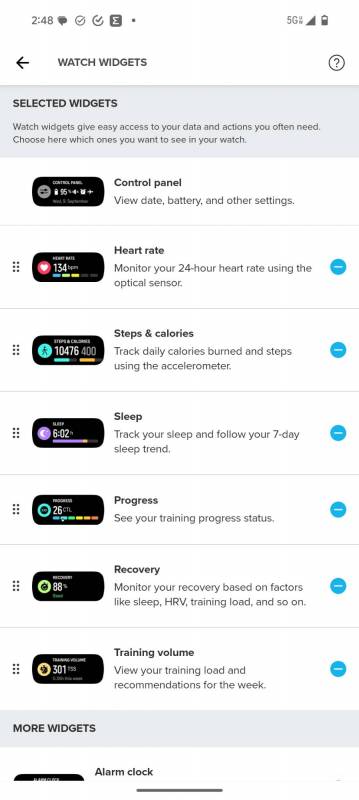
I don’t normally like notifications on my watch; I have enough devices buzzing and demanding my attention, so I don’t need more. Still, in the interest of testing the app, I did turn on notifications, and overall, it worked well. You can set premade responses to reply to texts if you want, and you can also specify which notifications you want.
In the end, I kept only the phone call alert, as it was helpful to receive a beep and vibration on my watch when someone was calling. When I had notifications enabled, I was impressed by how smoothly the watch pulled them and how it handled reconnections when it left and then returned to my phone’s Bluetooth range.
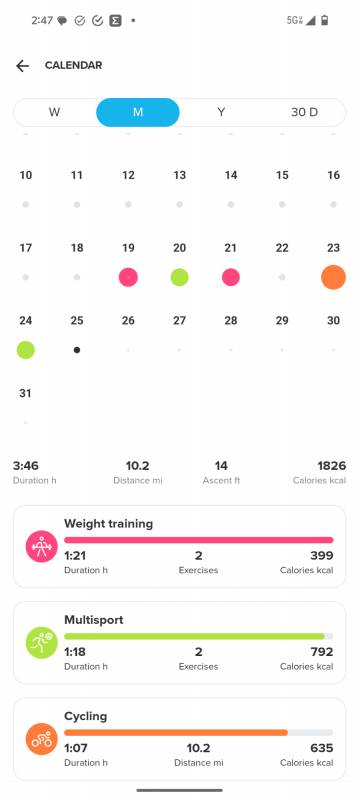
But notifications aren’t the reason you get a Suunto watch, you’re looking for adventure and exercise! Despite being called the Run, the watch handles a lot more workouts than that. I tested it with several indoor rowing workouts, a mix of different lifting workouts, and several bike rides, and it capably handled everything I threw at it (literally, in the case of some workouts).
The watch is light for a fitness watch at 36g/1.27oz, and between the light weight and the fabric strap, it’s easy to forget you’re wearing it. It’s extremely comfortable, which is key for any watch you’re wearing during a workout! Again, here’s where the user interface is key; you can choose to drill down and specify how you want to work out (intervals, speedwork, distance goals) or you can just free train. If you’re just looking to track a ride or a run, it’s only a few clicks and you’re off and running/riding.
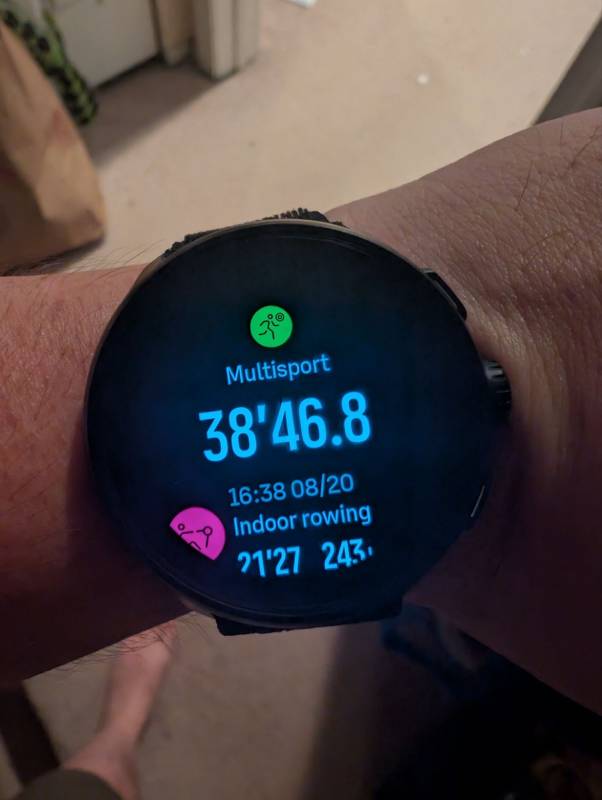
There’s another cool trick you can do with the Run, and that’s adding a multisport mode on the fly. I did a 20-minute cardio warmup on my rowing machine, and when I finished, all it took was hitting “multisport” instead of stopping the tracking. Then I scrolled down to weightlifting and got everything set up for the next portion of my workout. When I was ready, I hit the center button again, and boom, it’s now tracking me for lifting, and it gives me a little rundown of how long it took me to transition from rowing to lifting.
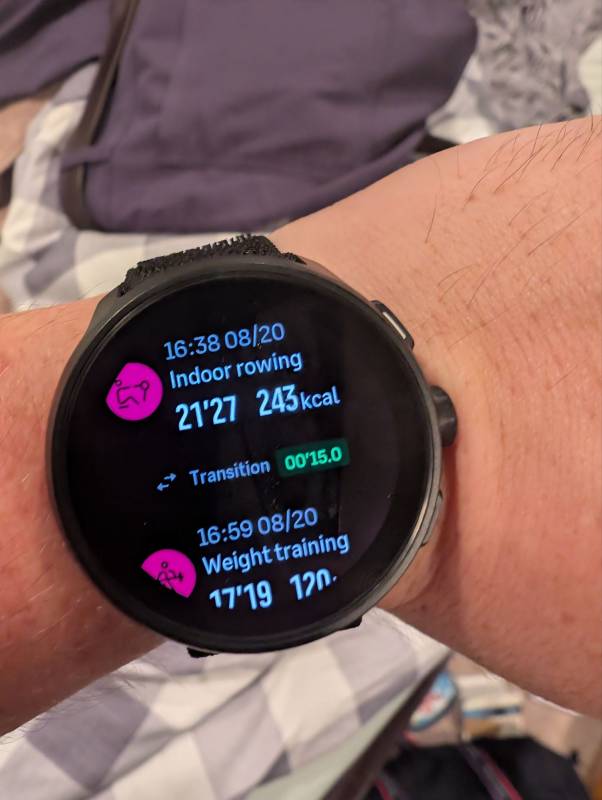
Obviously, this is designed with triathletes in mind, but it works equally smoothly with other workouts as well. And it matters a lot when you go from cardio to lifting, because your caloric burn and heart rate measurements aren’t going to be the same. My heart rate is likely to be elevated consistently while rowing, while lifting is going to be a lot of spiking and falling. Being able to specify which is which and track the transition means the data the watch collects is going to be a lot more accurate.
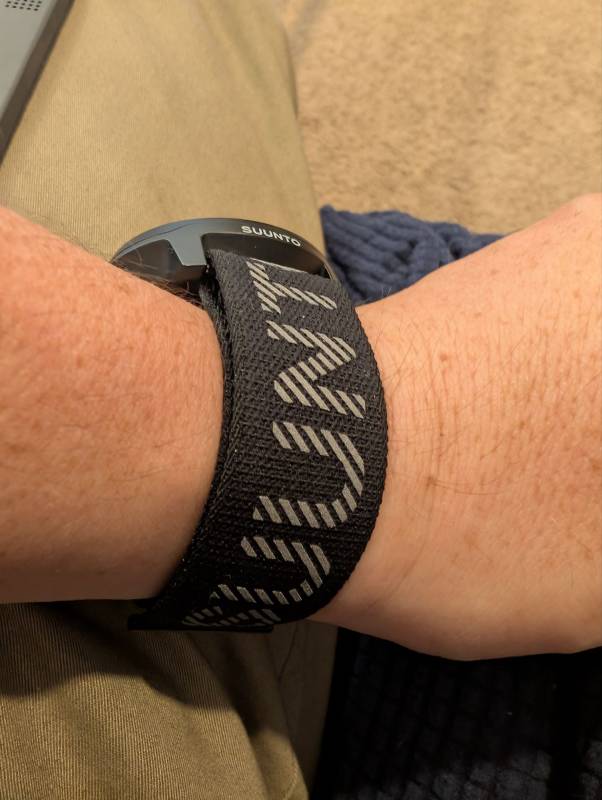
I did say there was a specific and niche reason I love the fabric strap. A major, major mainstay of my home workouts is kettlebells. When you go to do a kettlebell clean or snatch, you’re starting with the kettlebell hanging from your hands, and it’s ending rested against the back of your wrist. If you don’t remove your watch or move it so the watch face is on the inside of your wrist, well, I hope you didn’t like that watch too much because generally watches and 30 pounds of iron colliding don’t end well for the watch (or the soft human underneath the watch).
So, I always flip my watch to the inside of my wrist before I do any kettlebell movements, because I want the heart rate data. The fabric strap is so soft that it doesn’t cause any extra pain or smushing during the “catch the heavy iron with the back of my wrist” portion. It might seem like a small thing, but you’ve clearly never had a perfect impression of your watch band on your wrist after a long set!
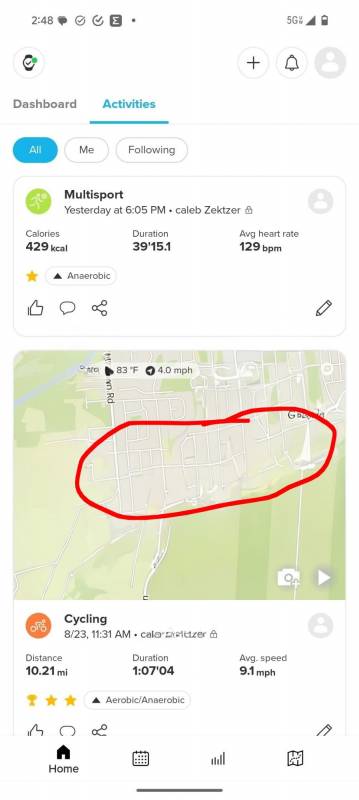
Imagine the red circle is my actual route, which I obscured for privacy reasons.
Suunto started with navigation, and so they offer even more features if you get outside. I used it for several bike rides, and was delighted with the extremely accurate post-ride map the app showed me. It seems reasonably accurate, coming within .1 miles of Strava on my phone when I ran both on the same ride. There’s also a navigation breadcrumb option, and you can use the Suunto app to design a route and upload it to your watch for the ride. Basically, you can get out there and not get lost!
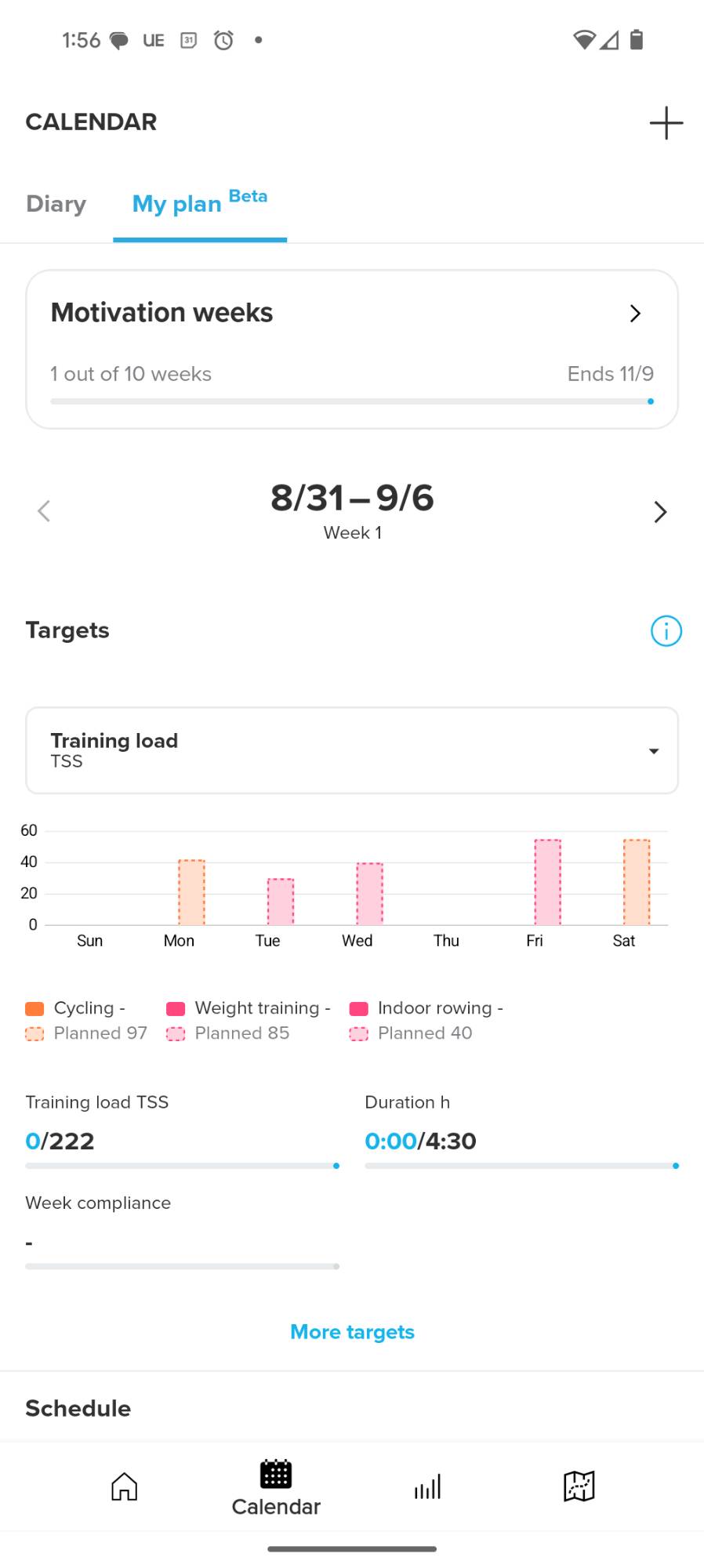
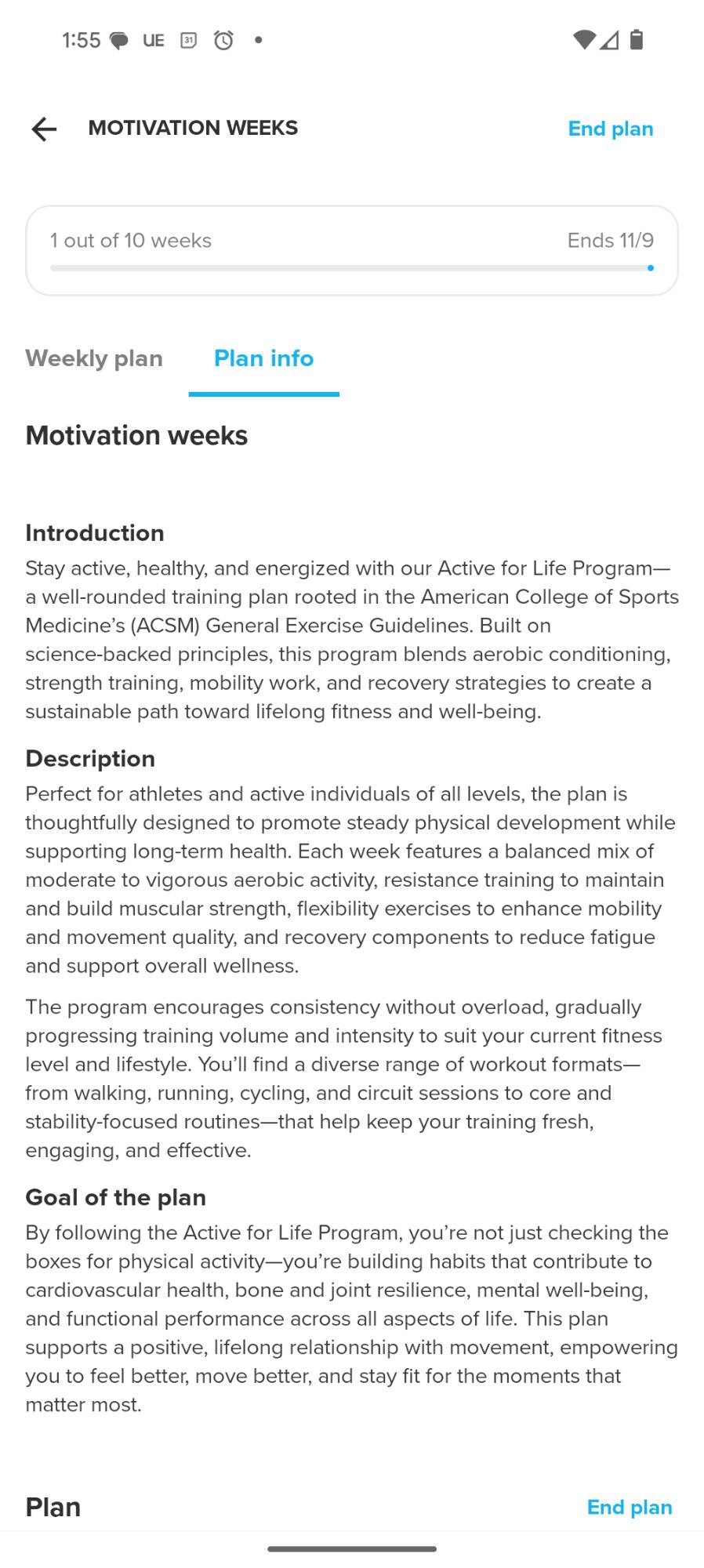
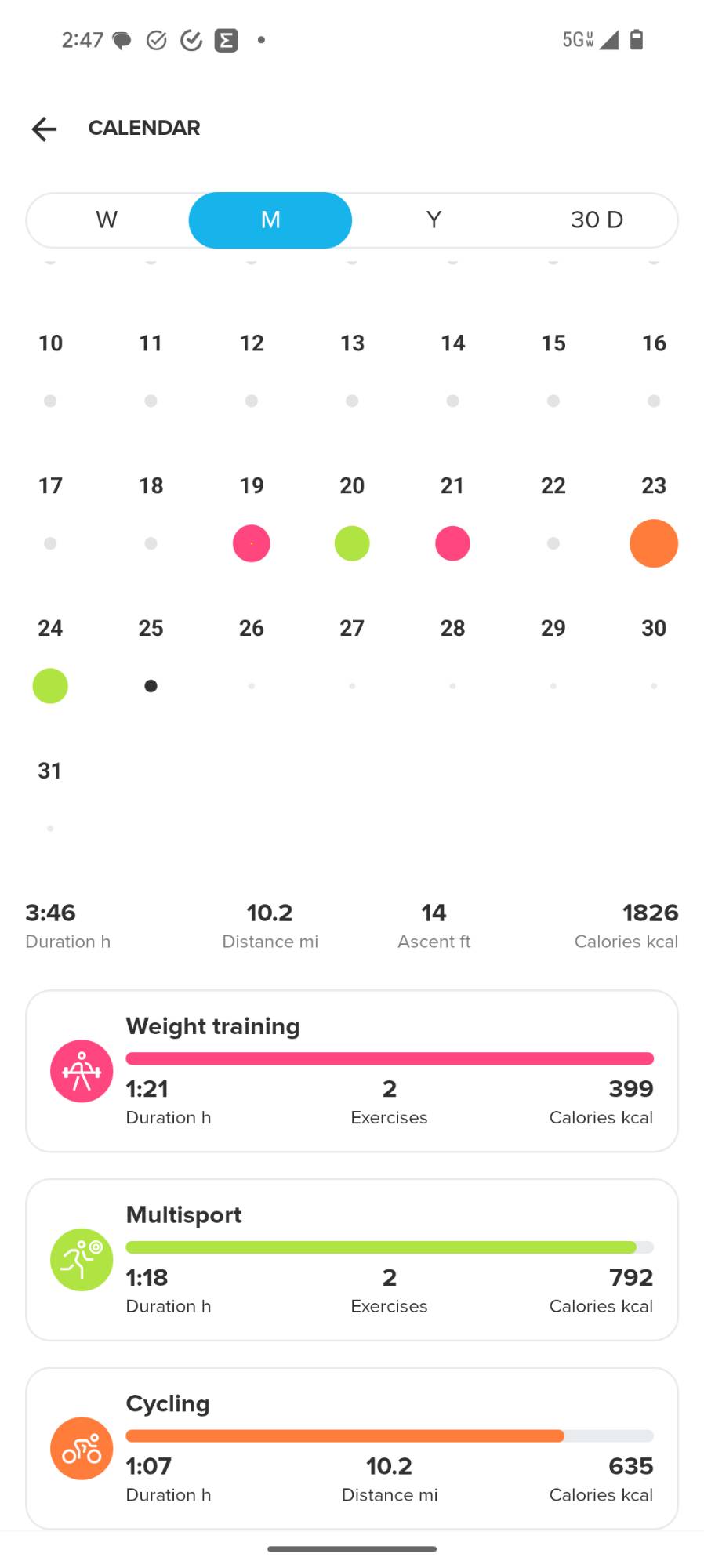
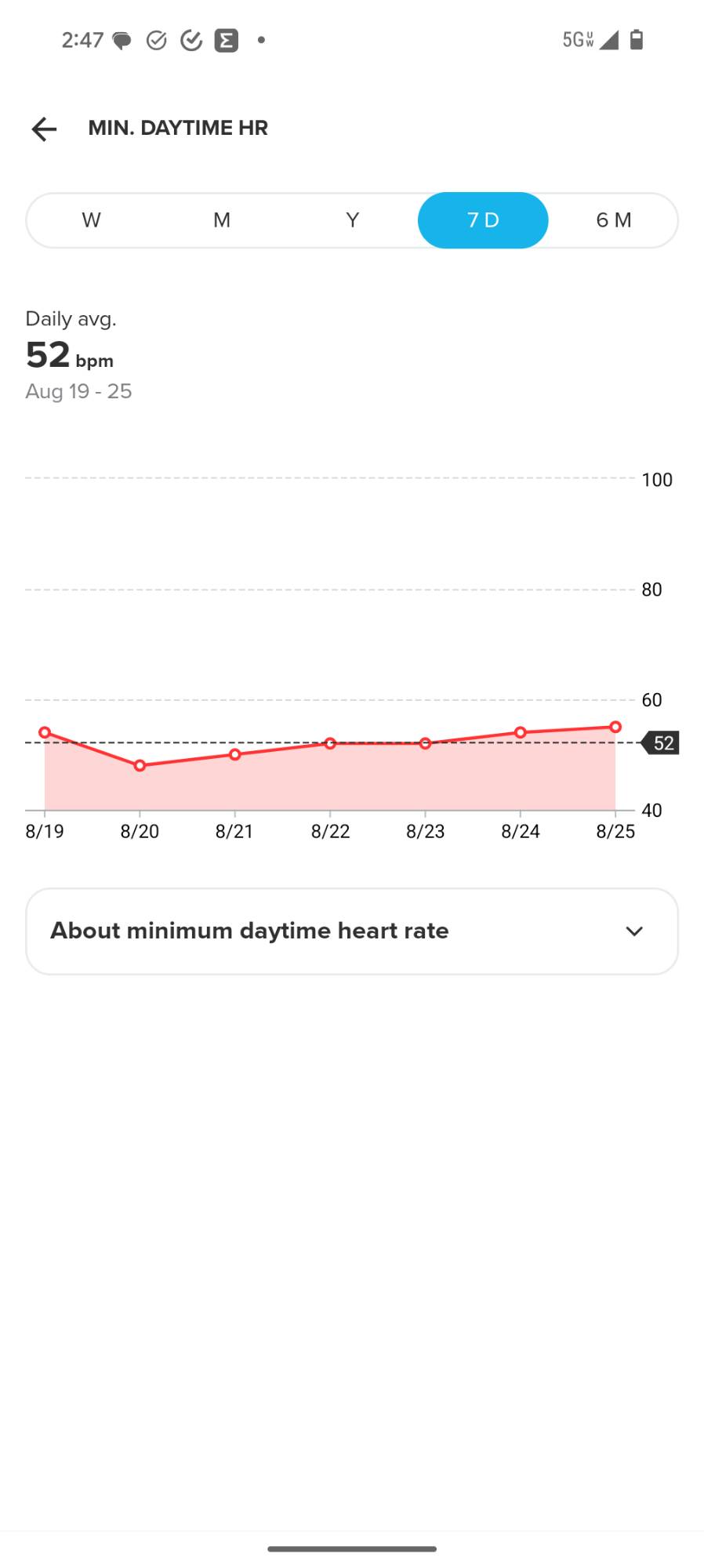
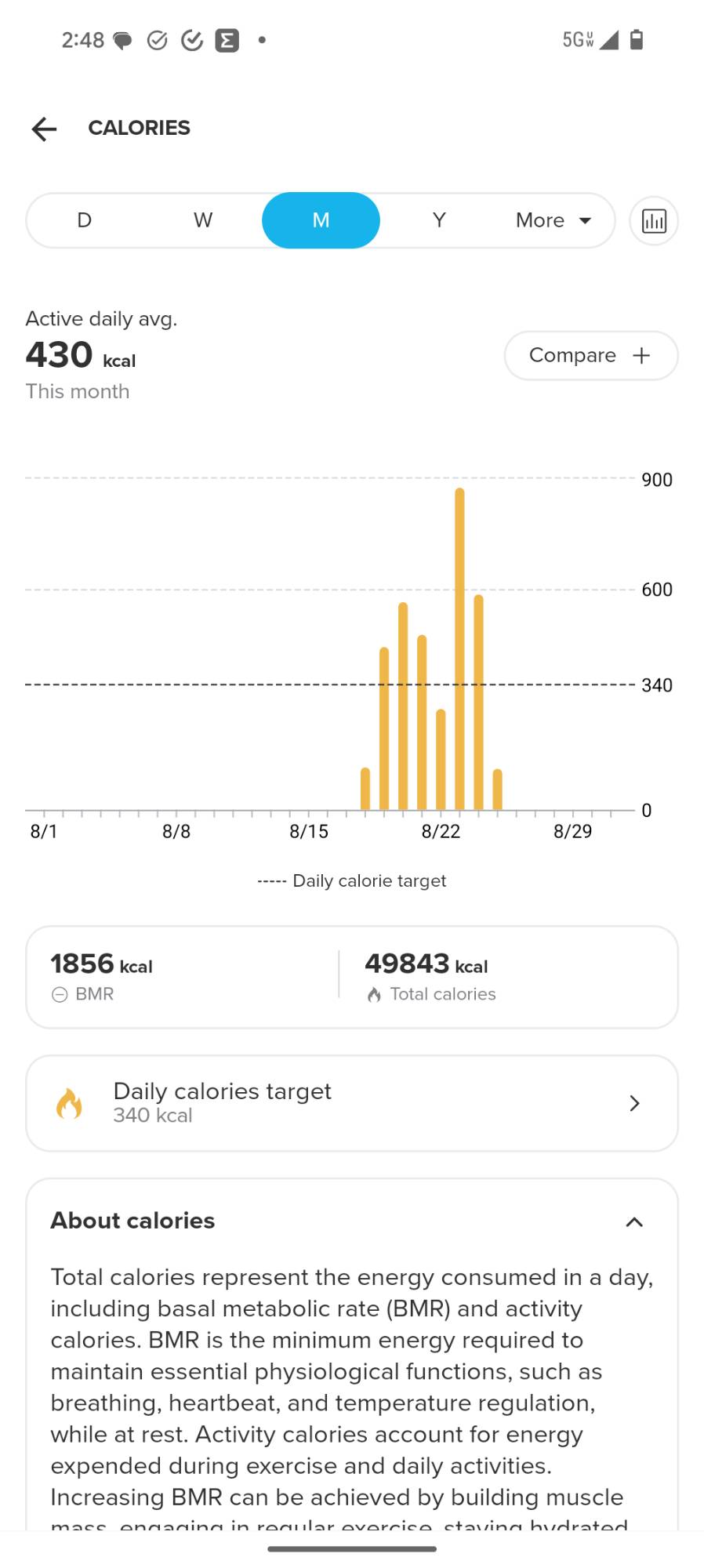
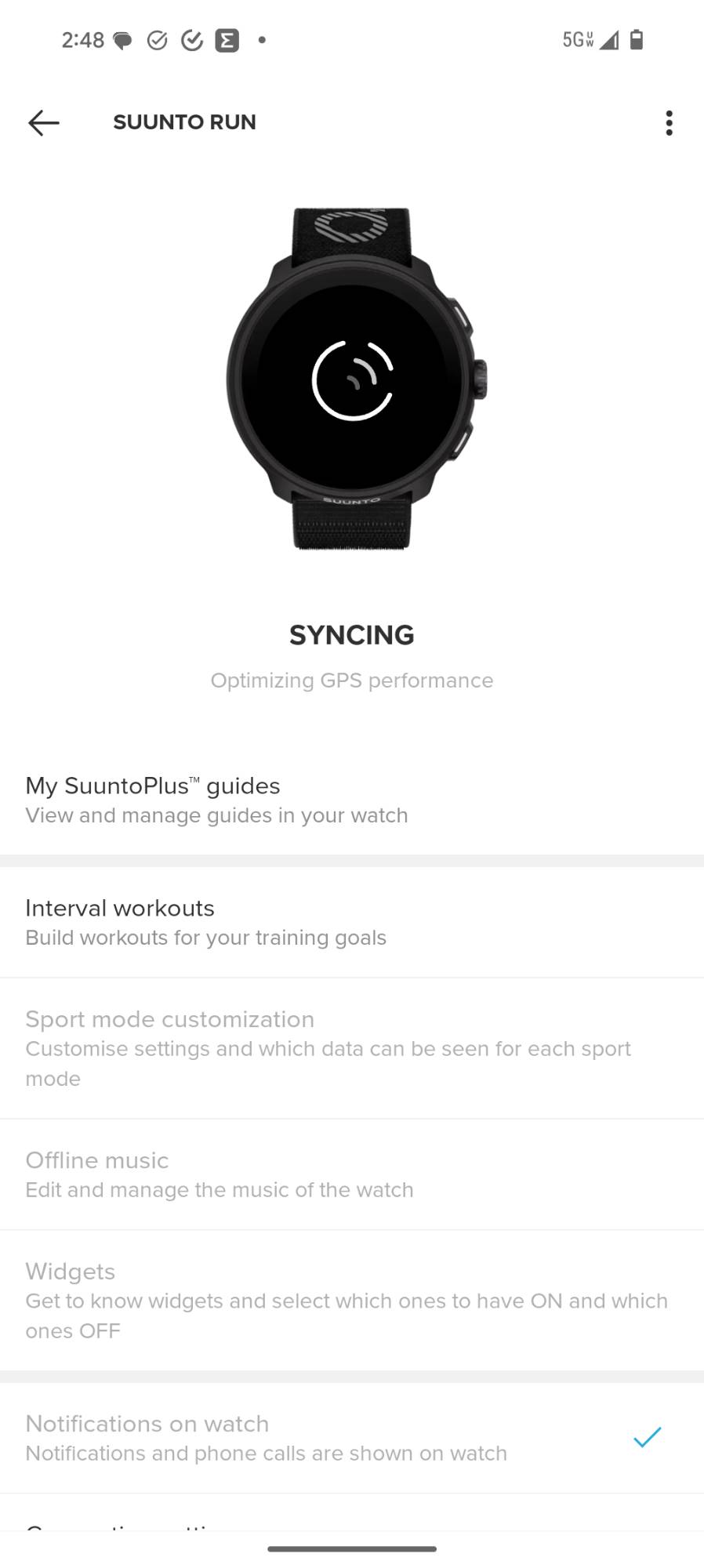
The Suunto app has an immense amount of features and data. You can see your sleep, steps, resting and active heart rate, how many hours you worked out, etc. You can drill down into your activities, and if you want some guidance, there’s a beta Suunto AI Coach to work on your triathlon, running, and fitness goals.
Overall, I’m deeply impressed with the Suunto Run, and can honestly say it’s one of the best fitness watches I’ve ever reviewed. I have a few nitpicks, but they’re more “be aware” issues than dealbreakers. First of all, I’ve found the screen is hard to read with my polarized sunglasses. It’s possible that the issue lies with my sunglasses, but I’ve found that in bright sunlight, I struggle to read my watch while riding my bike. It wasn’t an issue in shadier areas, and I actually enjoyed not constantly seeing my ride details. Instead, I just checked in when I was in a shady spot and/or stopped to briefly drink water.
The second issue is that the battery life is not fantastic. Suunto says it can run up to 12 days with regular activity tracking, and in my testing, I’ve gotten roughly 5-7 days between charges. To be fair, I was running all my notifications on the watch for a while, which was likely a drain. Additionally, I have the always-on display running, which is another drain. A week between charges is pretty respectable, but it does mean if you’re going to be away for more than a long weekend, you might want to toss the charging cable in just in case.
These are minor issues, though, and the overall package more than makes up for the need to have a cable handy and possibly not using such cheap sunglasses. I’ve spent two weeks testing the watch, and I feel like I’ve barely scratched the surface of what it can do! At $249, it’s packing a lot of features and data into a compact device that doesn’t feel like a wrist weight. It’s sleek, simple, and extraordinarily powerful!
The Suunto Run retails for $249; it is available directly from the manufacturer.
Source: Manufacturer-provided review sample
What I Liked: Lightweight; Accurate measurements of distance, heart rate, and sleep; It offers multiple sport options; Multisport makes it easy to move from cardio to lifting; The fabric strap is lightweight and comfortable; The app is extremely stable and reconnects to Bluetooth easily; The Run can be as detailed or as simple a workout companion as you need
What Needs Improvement: The screen can be tough to read with polarized lenses in certain light; The battery life will fall on the low end of the range if you use the always-on display and work out regularly