


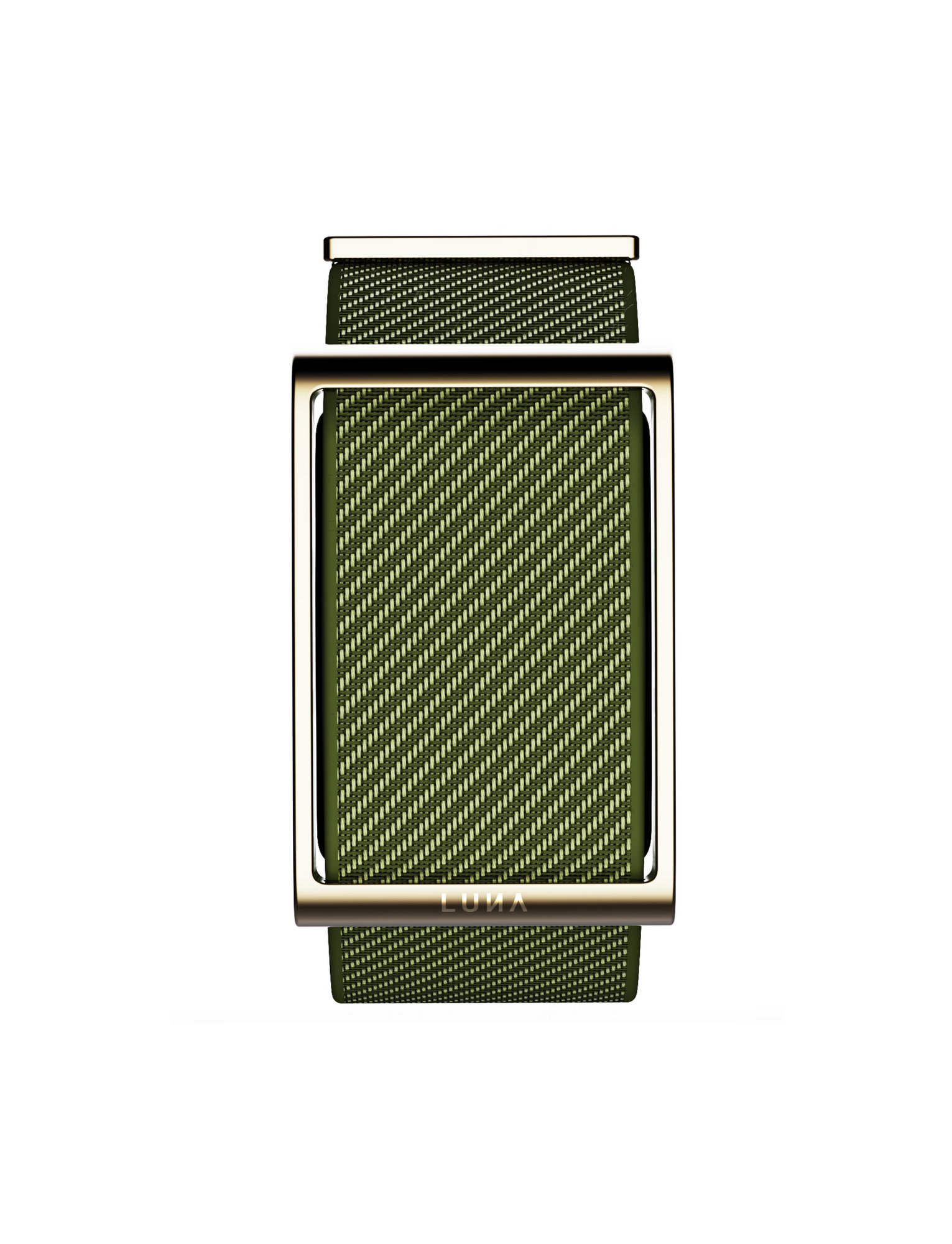
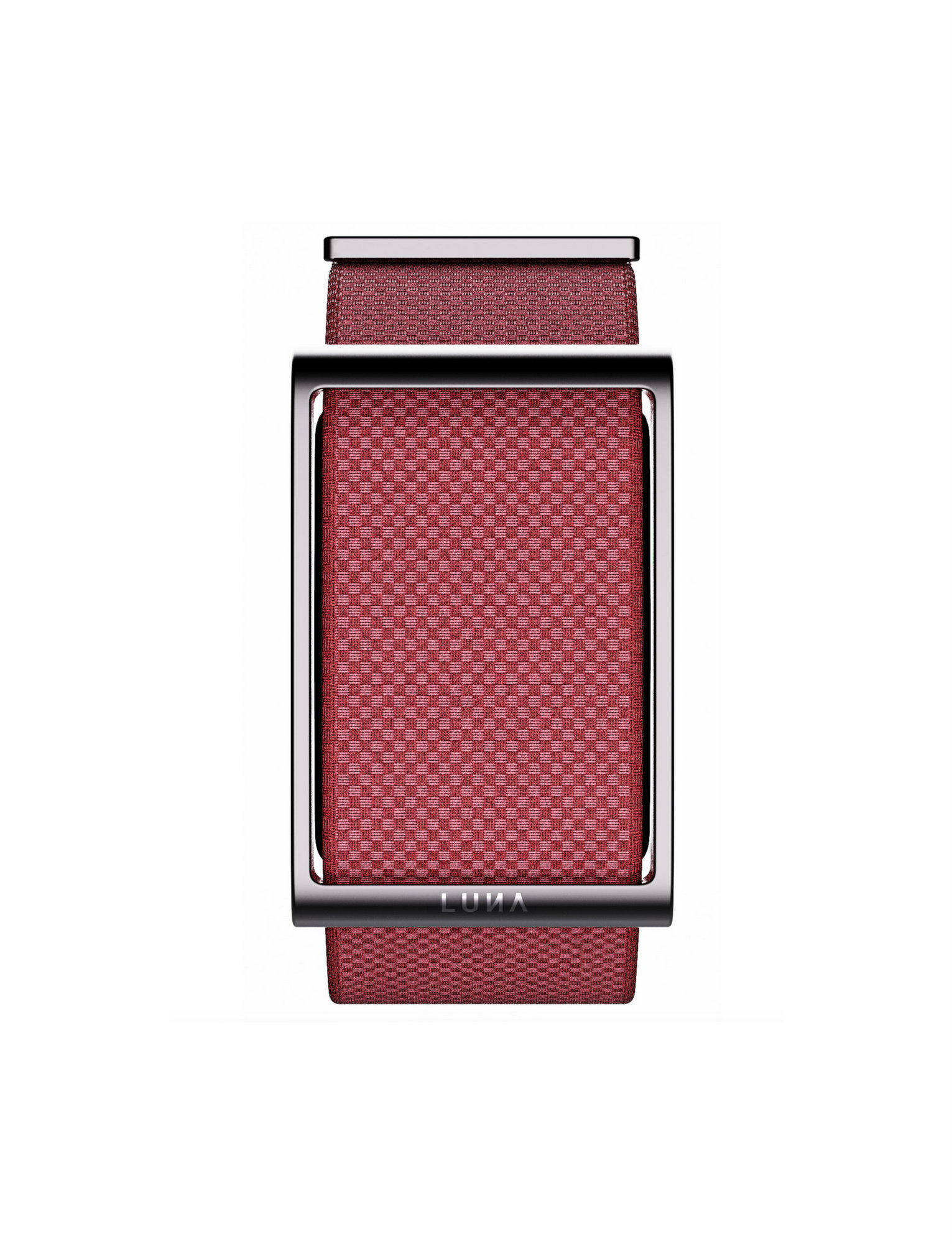
The Luna Band is stepping into a crowded wearable space with a slightly contrarian attitude. Instead of throwing more charts, rings, and color-coded scores at your wrist, this new band is designed to talk to you when it actually matters. Built by Luna, a rising health tech company focused on human performance, the Luna Band pairs a slim wearable with a voice-led system called LifeOS. The goal is not to make you decode health data at the end of the day, but to help you make better choices while the day is still happening.
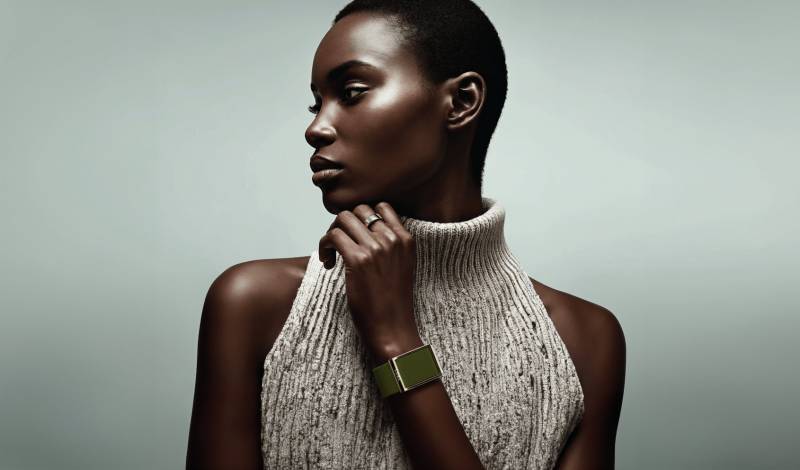
A Wearable That Knows When to Speak Up
Most wearables assume you want to constantly check your wrist or phone to see how you are doing. Luna is betting that you would rather hear useful guidance at the right moment and then get on with your life. The Luna Band supports hands-free, voice-activated interaction via Siri integration, letting you speak naturally through earbuds or a connected device. You can log meals, symptoms, stress levels, or emotional context simply by talking, without digging through menus or opening an app mid-task.
This approach makes sense in real-world situations where screens are awkward or distracting. Picture yourself walking the dog, driving to work, or rushing between meetings. Instead of tapping tiny icons, you can quickly note how you are feeling or ask for guidance based on what your body is doing right now. The Luna Band is clearly designed for people who want insight without friction.
LifeOS Turns Signals Into Timely Advice
LifeOS is the engine behind the Luna Band and operates more like an always-on health interpreter than a passive data collector. It processes thousands of physiological signals every minute, looking for changes related to stress, recovery, daily energy patterns, and circadian rhythm. Circadian rhythm is your body’s internal clock, the system that influences when you feel alert, tired, focused, or sluggish. When it drifts off schedule, your mood and energy often suffer before you can pinpoint why.
LifeOS is built to recognize those shifts and respond with guidance that fits your situation. It also takes personal context seriously, including emotional inputs and hormonal patterns. Women’s health is woven into the system rather than treated as an afterthought. By combining cycle tracking with daily physiological data, the Luna Band can offer suggestions that reflect where you are in your cycle, rather than assuming every day feels the same. For anyone who has ever wondered why their energy vanished for no obvious reason, that context can be meaningful.
Sensors Designed to Catch Subtle Changes
The Luna Band relies on a research-grade optical sensor array paired with a high-fidelity 6-axis IMU. An IMU, or inertial measurement unit, tracks movement across multiple directions and angles. In practical terms, it helps the band understand how your body moves, rests, and responds throughout the day. The optical sensors monitor blood flow and related signals, which can reveal patterns tied to stress responses and short recovery moments that many consumer wearables overlook.
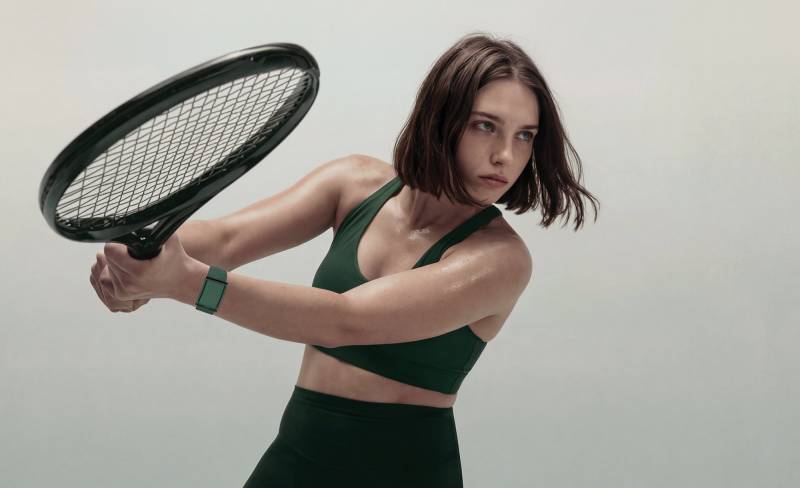
These small fluctuations often show up before you consciously feel worn down. By noticing them early, the Luna Band can offer guidance sooner, whether that means encouraging rest, suggesting lighter activity, or simply making you aware that your body is under more strain than usual. It is less about perfection and more about timing.
One Place for the Full Health Picture
The Luna Band works alongside the Luna Ring as one of Luna’s primary data collectors, but it does not stop there. LifeOS also integrates data from platforms many people already use, including Apple Health and Google Fit for activity and sleep, and Clue and Kindbody for menstrual and fertility tracking. Pulling all of this into one system allows LifeOS to build a longer-term view of how your habits, stress, and recovery interact over time.
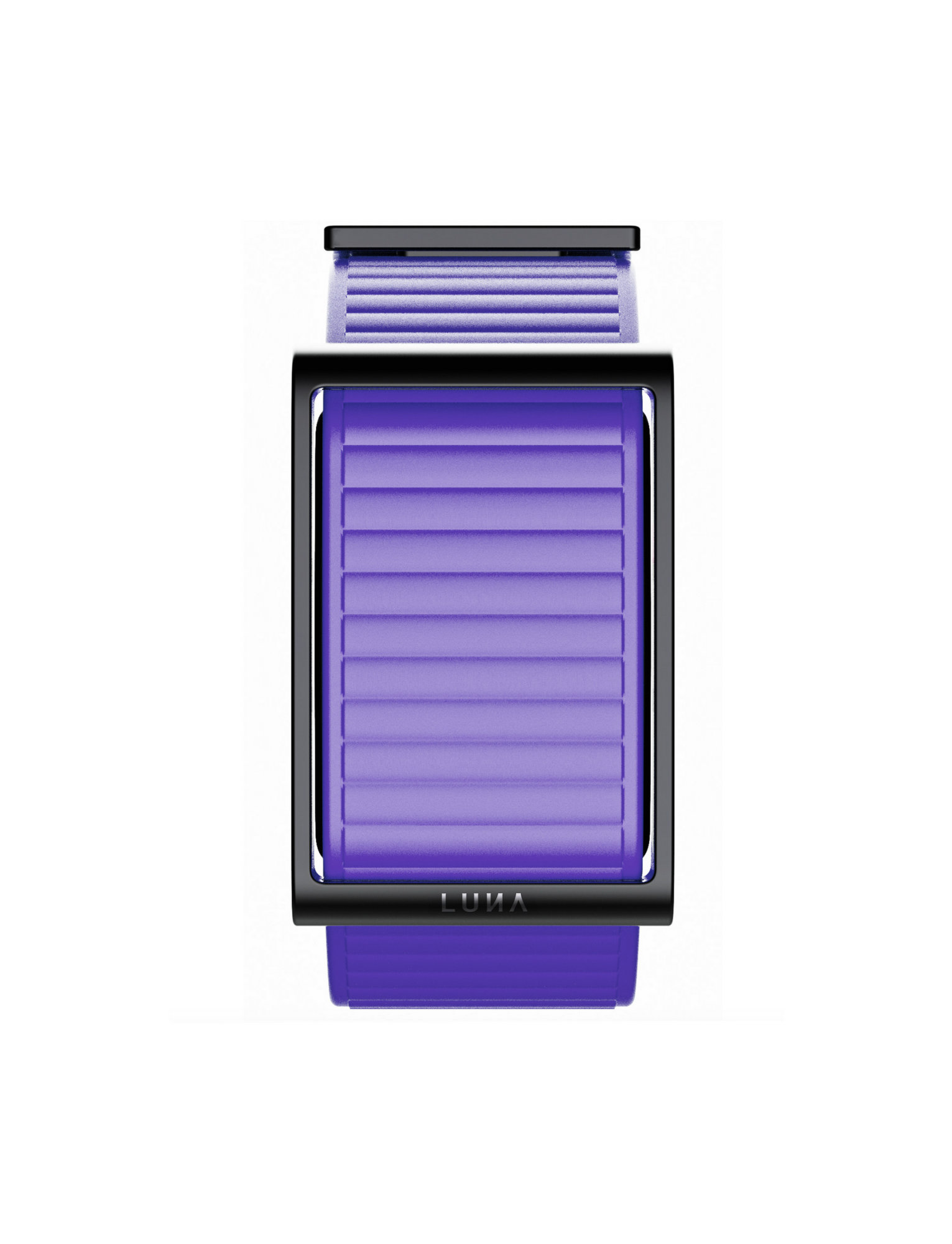
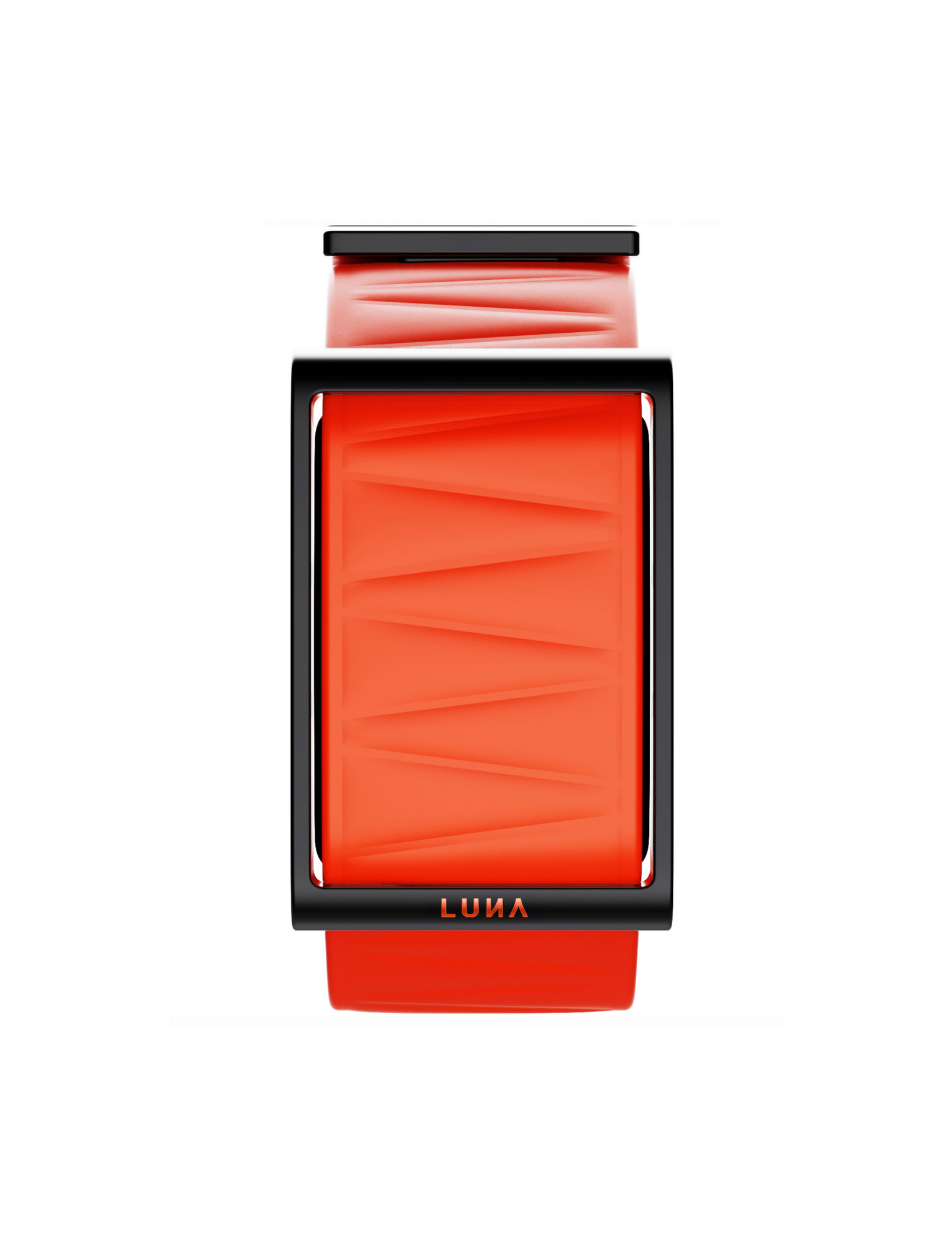
That unified view matters because health data scattered across multiple apps rarely tells a clear story. When sleep quality, daily movement, nutrition notes, stress levels, and emotional check-ins live in one place, the guidance becomes more nuanced. A tough workout after a poor night of sleep looks different when the system understands the full context rather than isolated metrics.
No Monthly Fees Hanging Over Your Wrist
One of the more refreshing choices Luna is making is skipping subscription fees altogether. Many wearables now require monthly payments to unlock meaningful insights, which can feel like paying rent on your own health data. The Luna Band is positioned as a one-time purchase that delivers ongoing guidance without recurring costs. That approach makes the idea of advanced health intelligence more approachable, especially if you are already subscribed to enough services.
Rethinking What a Wearable Is Supposed to Do
The Luna Band is not trying to win on raw specs or overwhelm you with numbers. Instead, it questions whether wearables should focus less on reporting what has already happened and more on helping you navigate what is happening now. By combining advanced sensing, voice-led interaction, and broad health platform integration, Luna aims to create a wearable that feels more like a quiet companion than a demanding dashboard.
Whether that approach resonates will depend on how much you value guidance over graphs. For anyone who already owns a wearable but rarely opens the app, the Luna Band raises an interesting question. Would a device that speaks up at the right moment actually help you feel more in tune with your body, or do you prefer your health tech to stay politely silent until you ask for it?