


The Lowdown
After months of using the iPhone 17 and 17 Pro Max to create content for social media, and after a few days of proper real-life use while vacationing in the Yukon, here’s my takeaway. These are both superb handsets, but in very different ways. In fact, I believe these are the best iPhones Apple’s made in quite some time.
Overall
Pros
iPhone 17:
- Superb iPhone value
- Beautiful display (120Hz, finally)
- Excellent cameras
- Double the base storage (256GB)
- Solid performance
- Polished software
iPhone 17 Pro Max:
- Full Pro potential
- Beautiful display
- Excellent cameras
- Solid performance
- Polished software
Cons
iPhone 17:
- No telephoto shooter
- eSIM only in North America
iPhone 17 Pro Max:
- eSIM only in North America
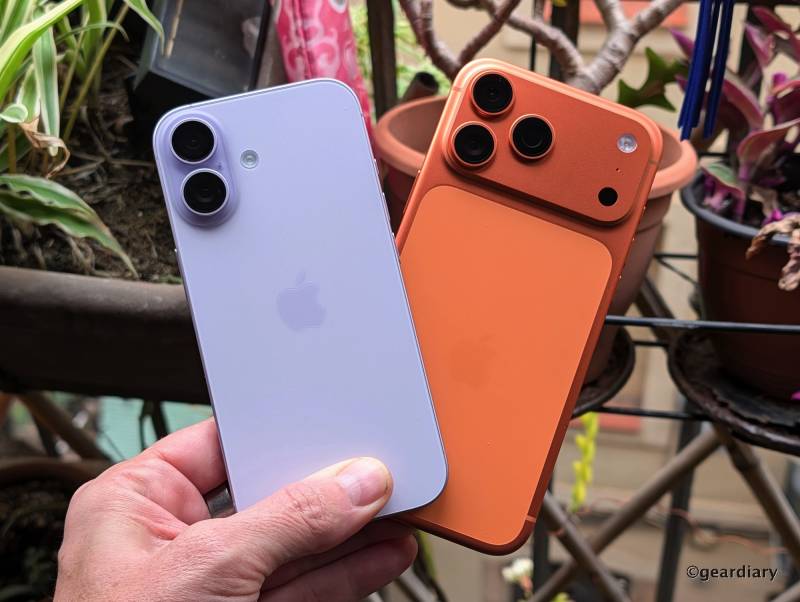
It’s been almost six months since Apple released the iPhone 17, 17 Pro, and 17 Pro Max, alongside the iPhone Air, and Apple just unveiled the iPhone 17e. I’ve been using a lavender iPhone 17 and a cosmic orange iPhone 17 Pro Max on and off since late September 2025, primarily to create content, so I think it’s time for a proper review. Currently, my main phone is Google’s Pixel 10 Pro XL (the Canadian model with US-compatible 5G bands and a SIM tray), and while I mostly review Android phones, I prefer using iPhones to create content, especially for social media.
In my experience – and most creators will agree – iPhones simply capture higher quality video than Android handsets.
Plus, social media apps like Instagram and TikTok are generally more polished and less buggy on iOS than on Android. So while I primarily use Android flagships to take photos, I generally rely on iPhones to record videos and post content to social media. Needless to say, it’s a good thing that Google’s Pixel 10 series now supports Apple’s AirDrop.
Right after I got my iPhone 17 and iPhone 17 Pro Max review units, I took them to Maui for Qualcomm’s Snapdragon Summit. Then, in December, my spouse and I traveled to the Yukon for a few days of sightseeing and dogsledding, and (hopefully) to catch the Northern Lights for their birthday.
I figured this would be a good opportunity to go beyond mere content creation for social media and give the iPhone 17 and 17 Pro Max a proper, real-life test. Here’s what I learned.
Hardware and Design
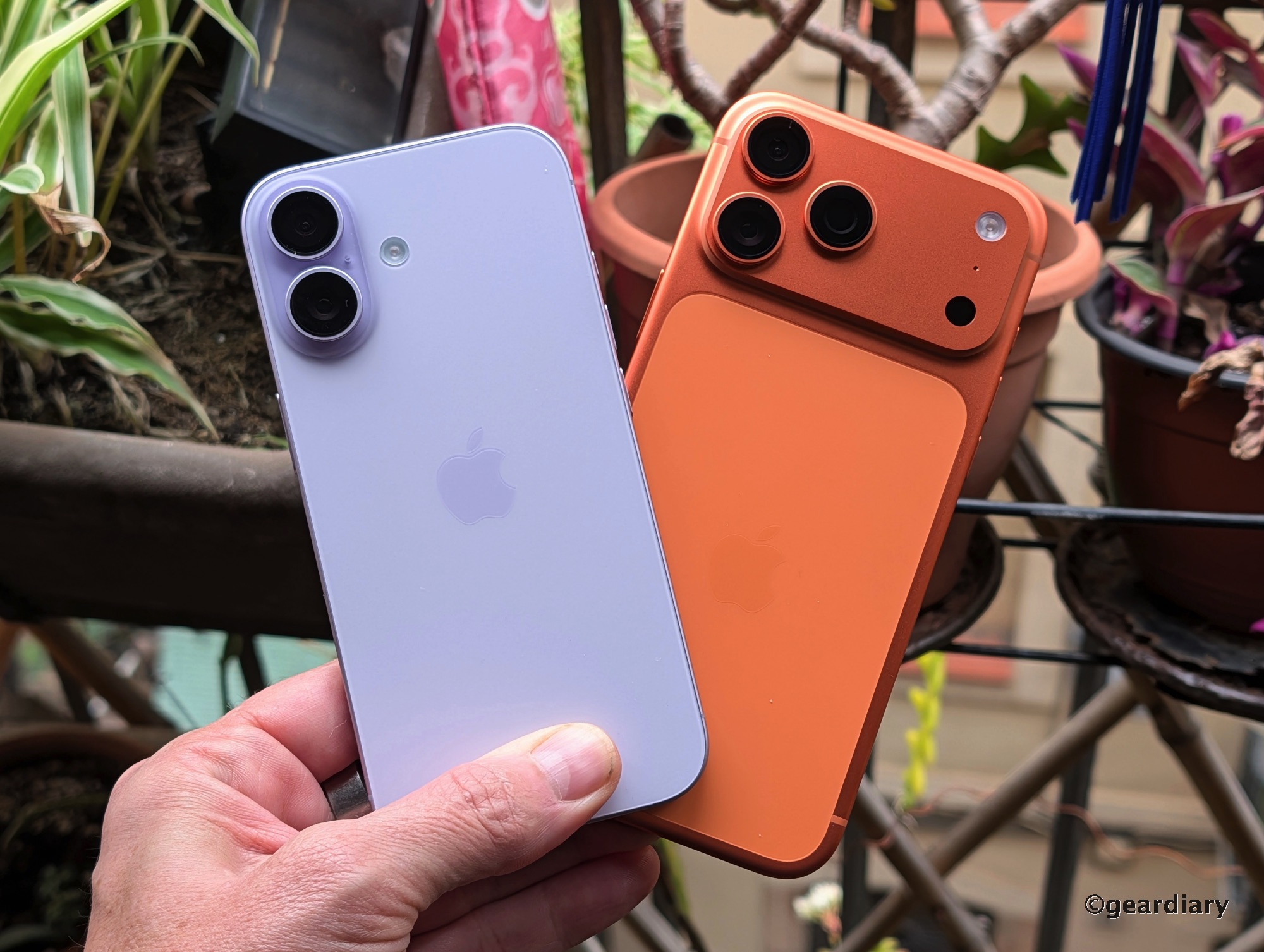
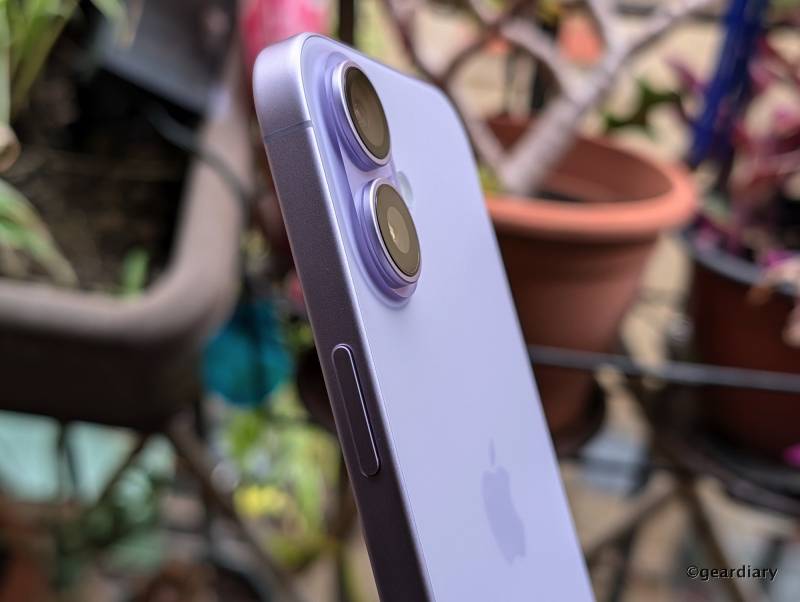
Put the iPhone 17 and the iPhone 16 side-by-side, and you’d be hard pressed telling them apart. Both share the exact same design and similar dimensions, with aluminum slab sides, flat glass front and back, and rounded corners. The layout for the controls (including the Action Button and Camera Control), ports (USB 2.0), and cameras is identical.
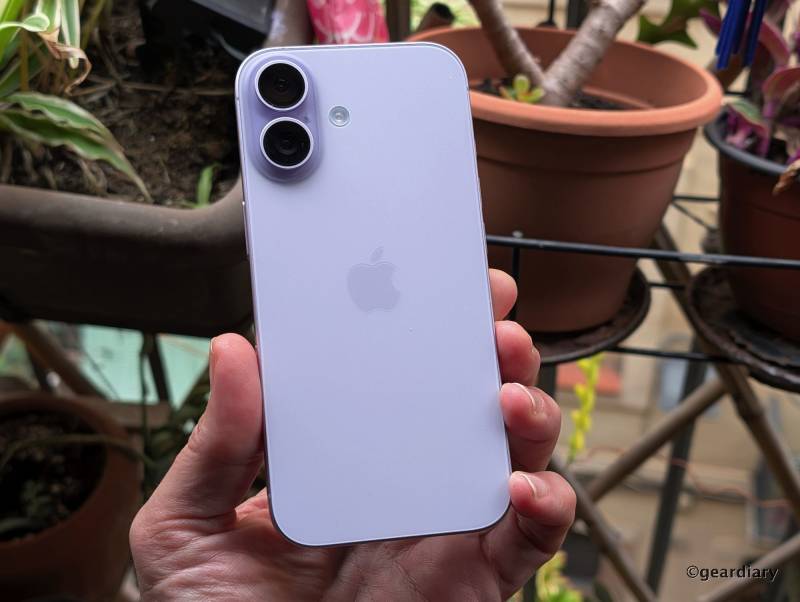
One way to tell them apart is by comparing the display bezels, which are thinner on the iPhone 17. That’s because it offers a slightly larger 6.3-inch screen (vs. 6.1-inch on the iPhone 16) in essentially the same footprint. Another way to tell them apart is by looking at the colorways, which are slightly different for the iPhone 17 and iPhone 16.
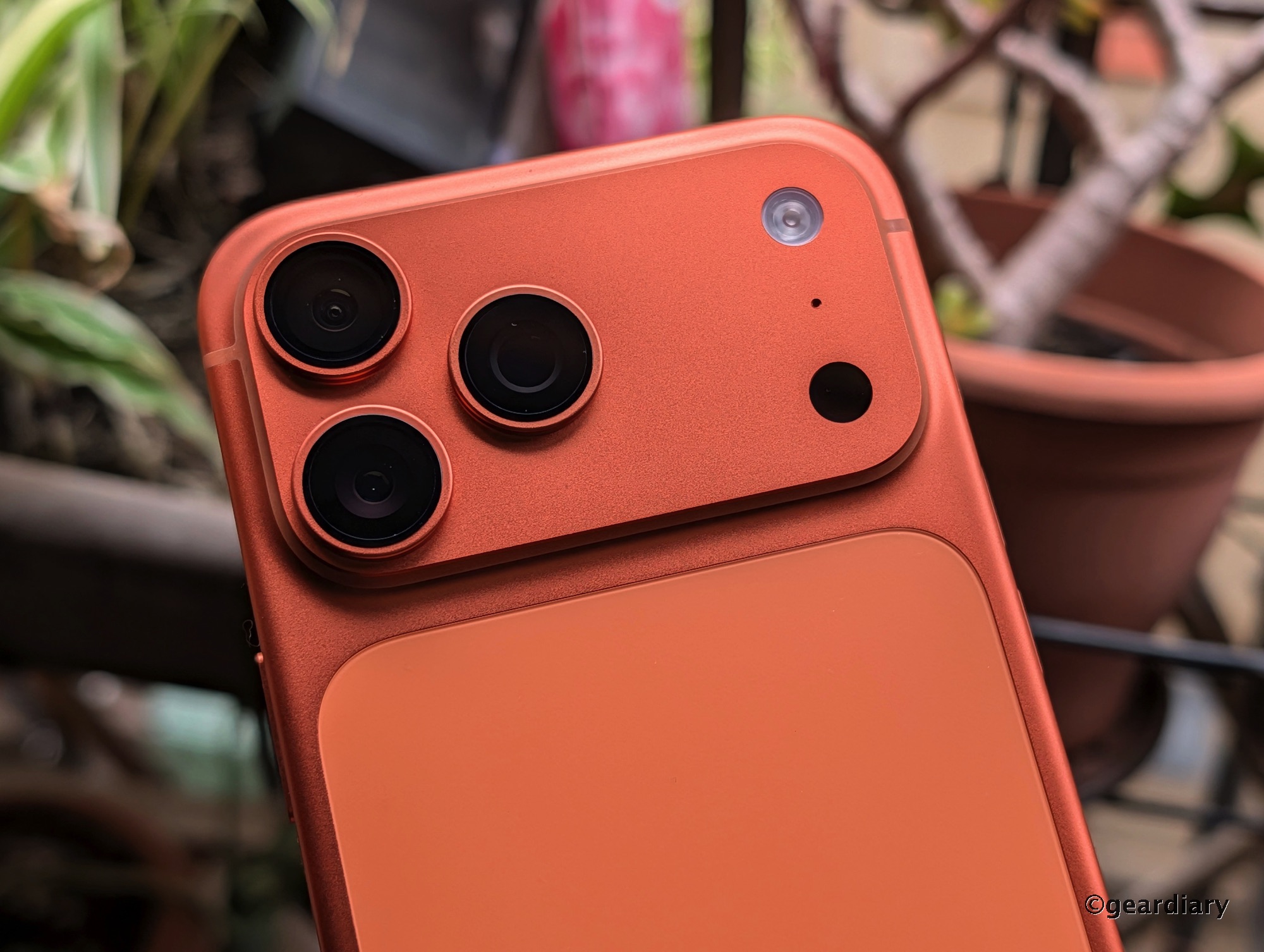
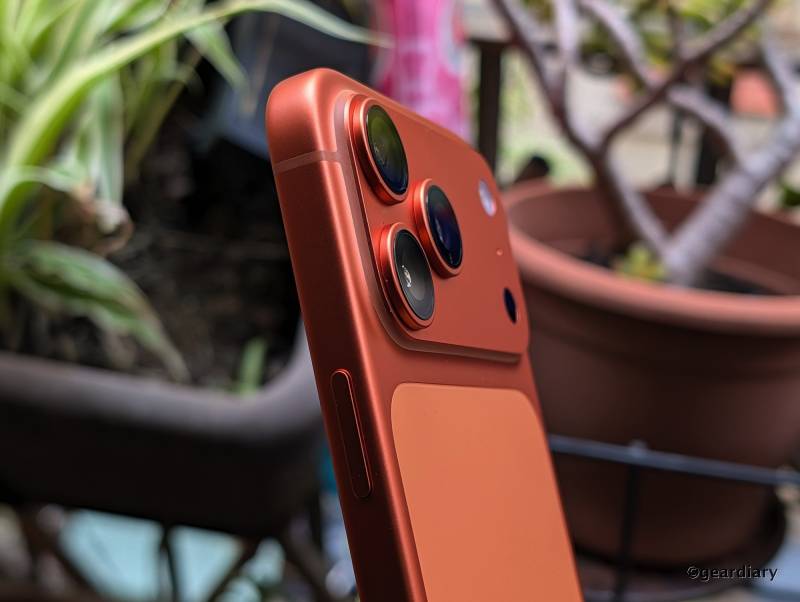
There’s no mistaking the iPhone 17 Pro Max for its predecessors. Besides offering that stunning cosmic orange color option, Apple switched from the titanium slab sides and flat glass back of the iPhone 16 Pro Max and 15 Pro Max models to a unibody aluminum design with an integrated camera “plateau” and a glass cutout for wireless charging.
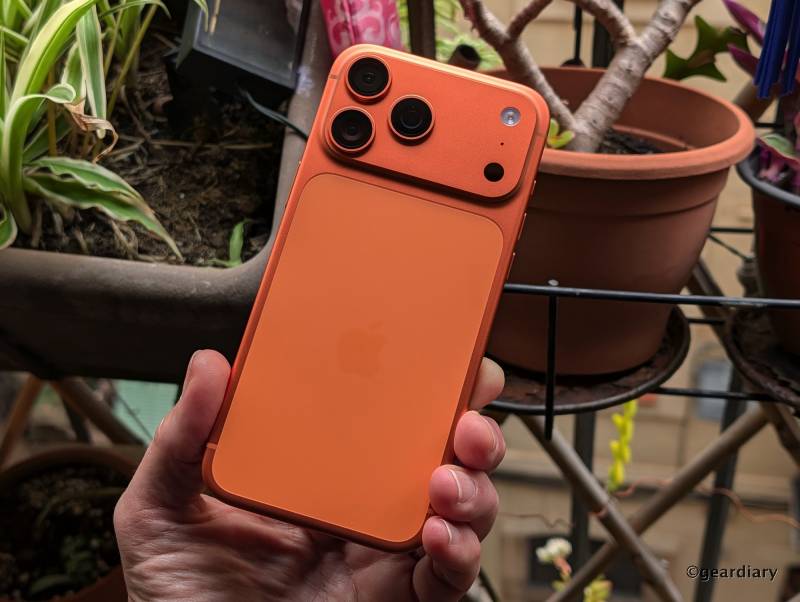
The front glass remains flat, and the rounded corners carry over, but that’s where the similarities end. I like this new design a lot more. Not only does it look great, but it also feels better in the hand since there are no more sharp edges where the sides meet the back. And here as well, the layout of the controls, ports (USB 3.2), and cameras is the same as before.
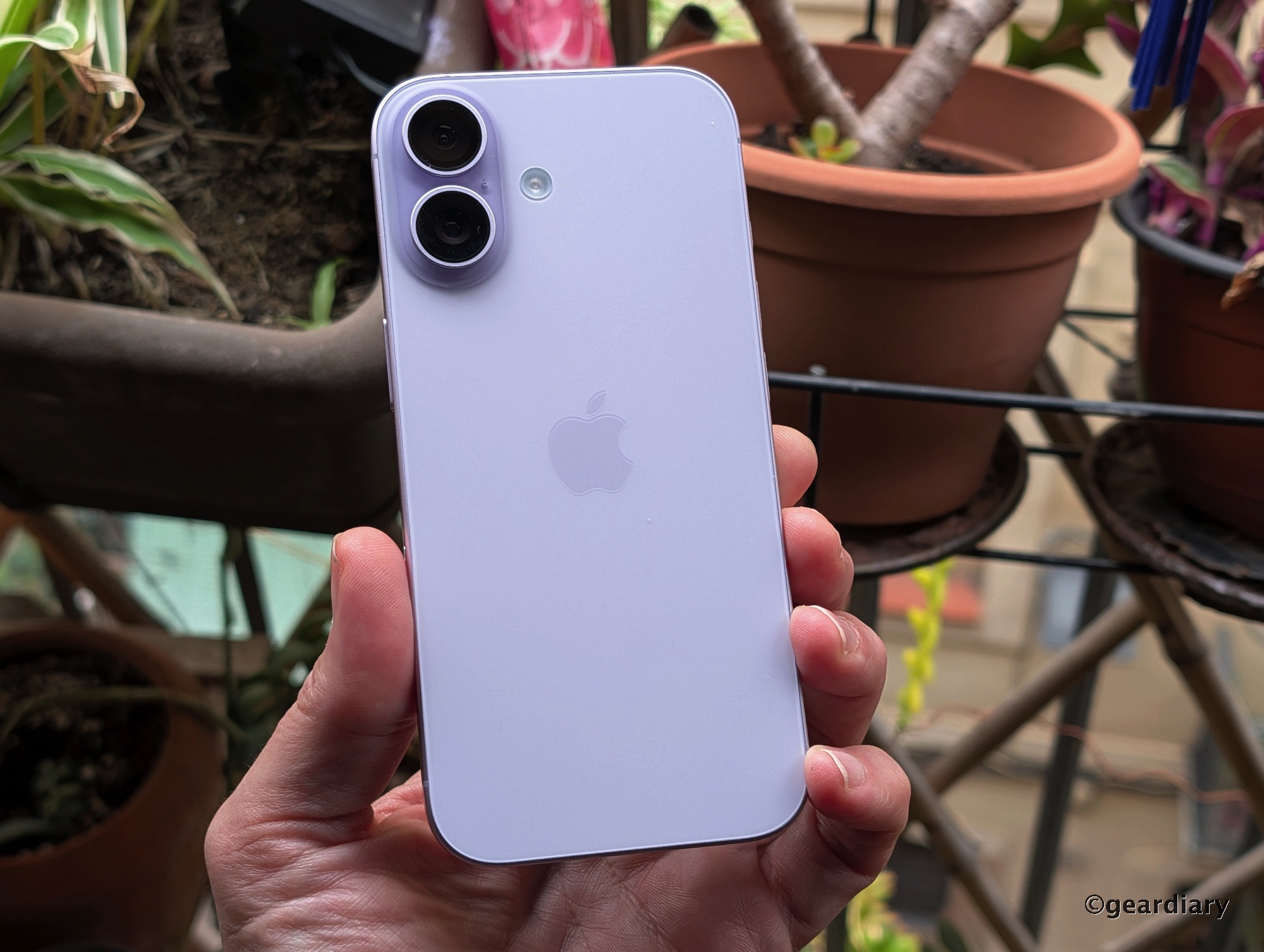
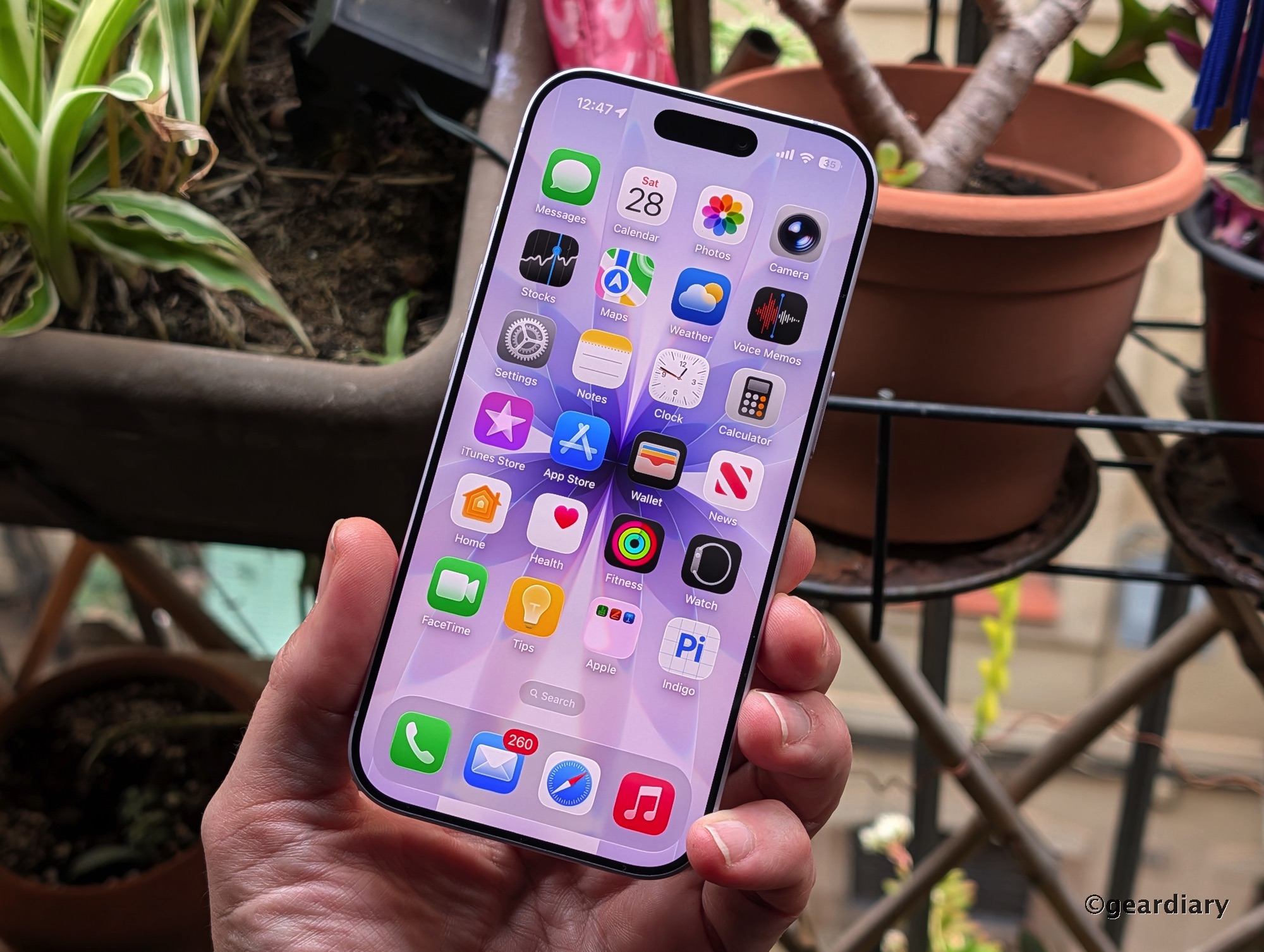
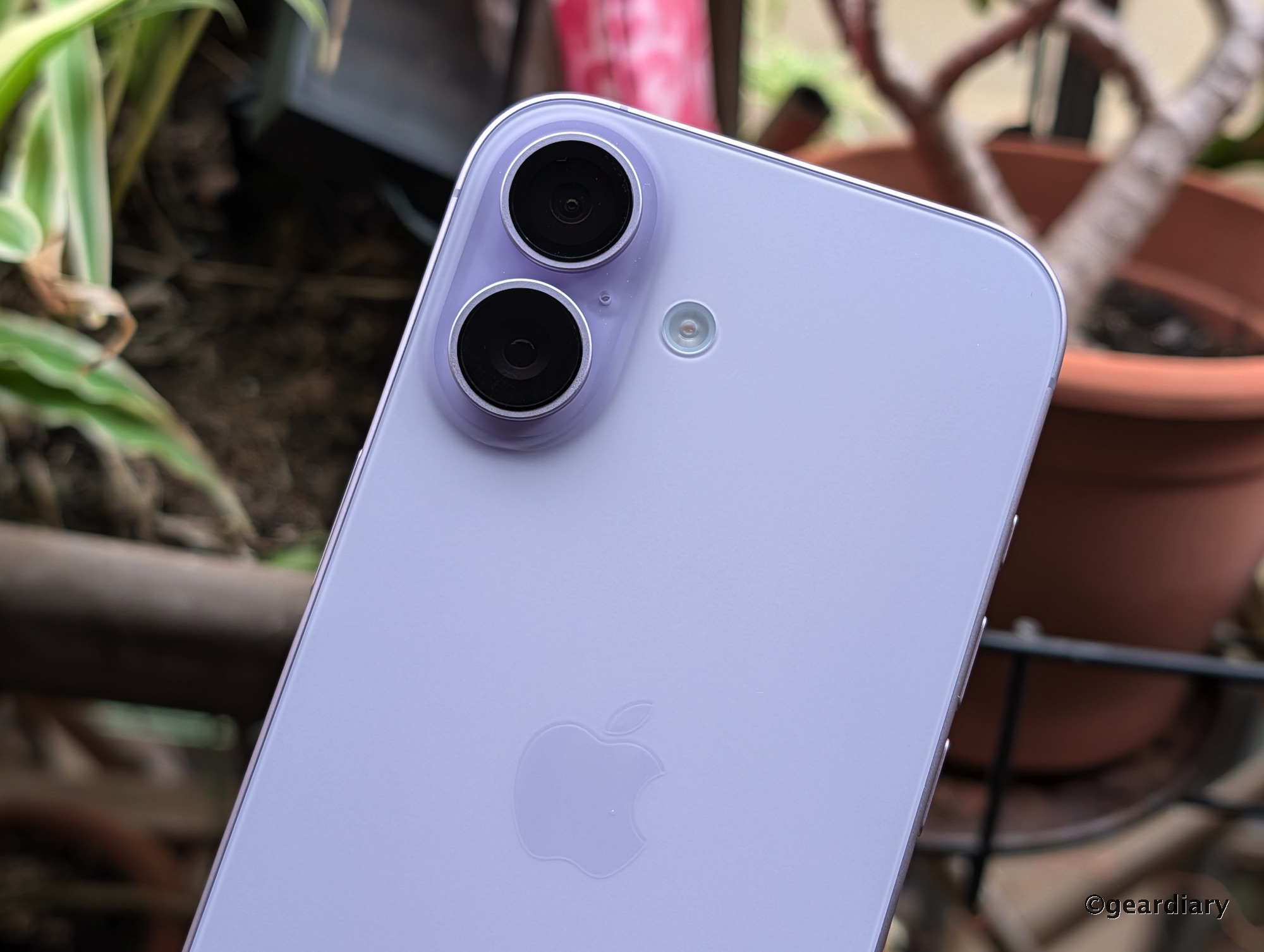
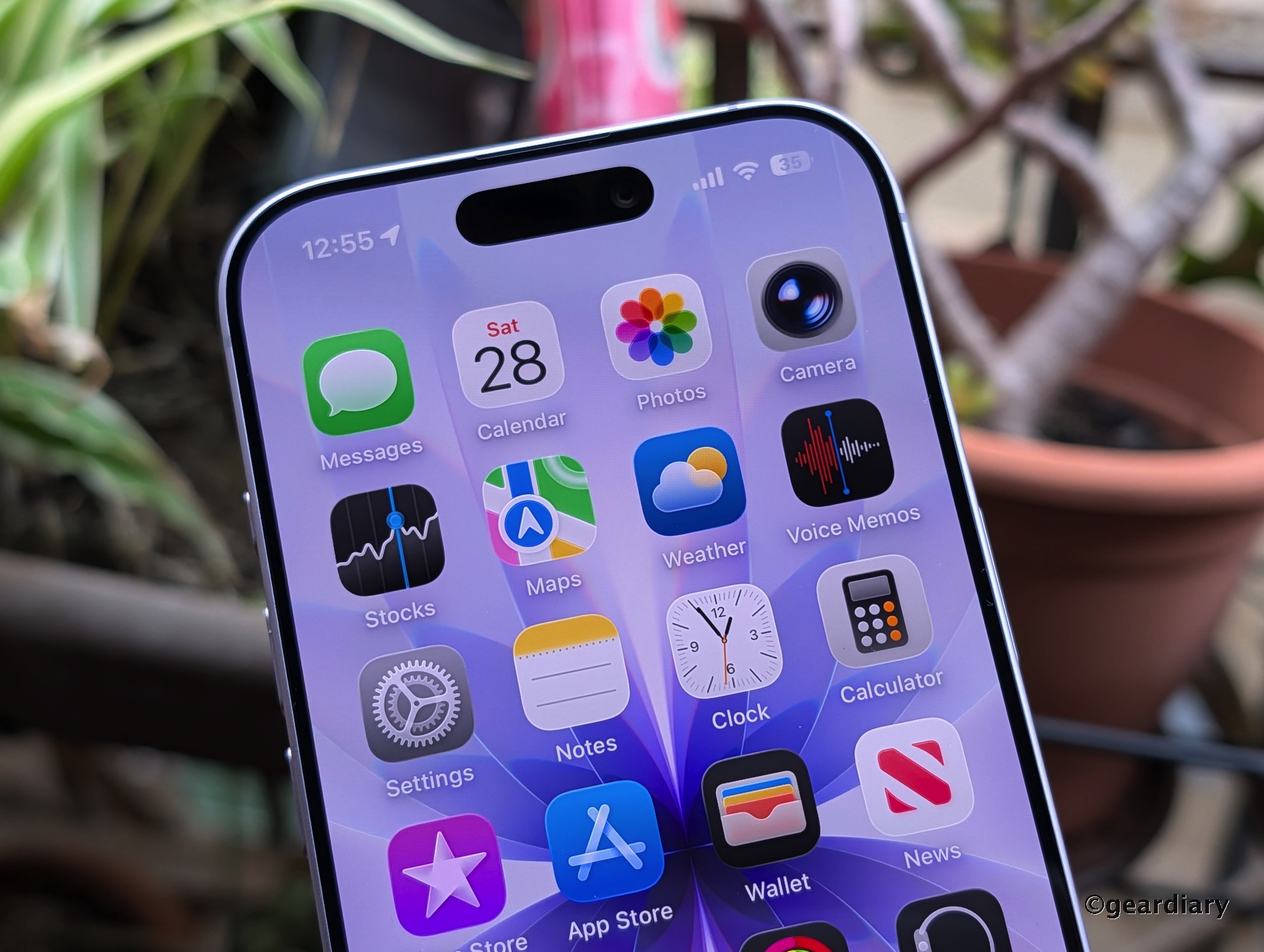
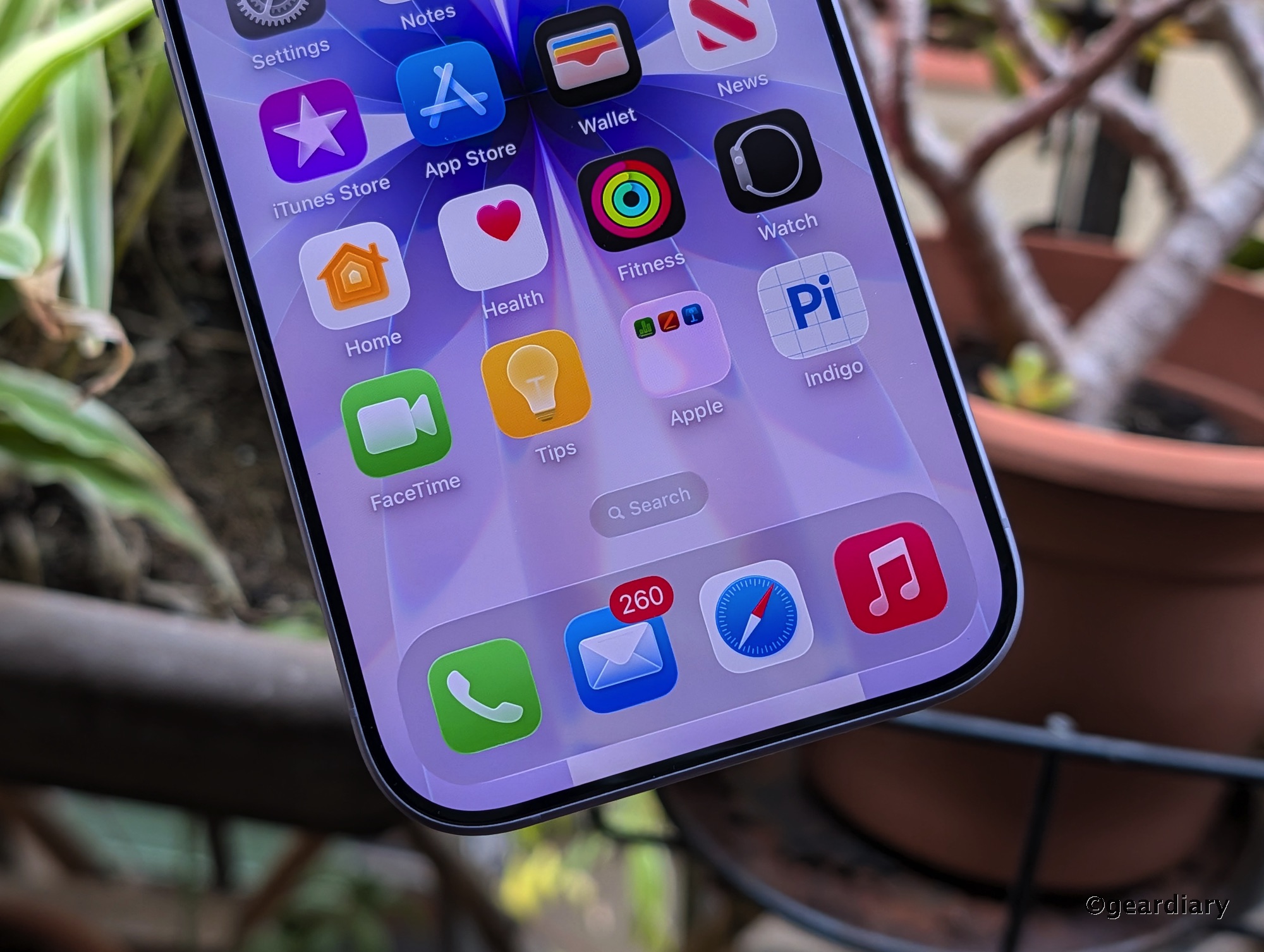
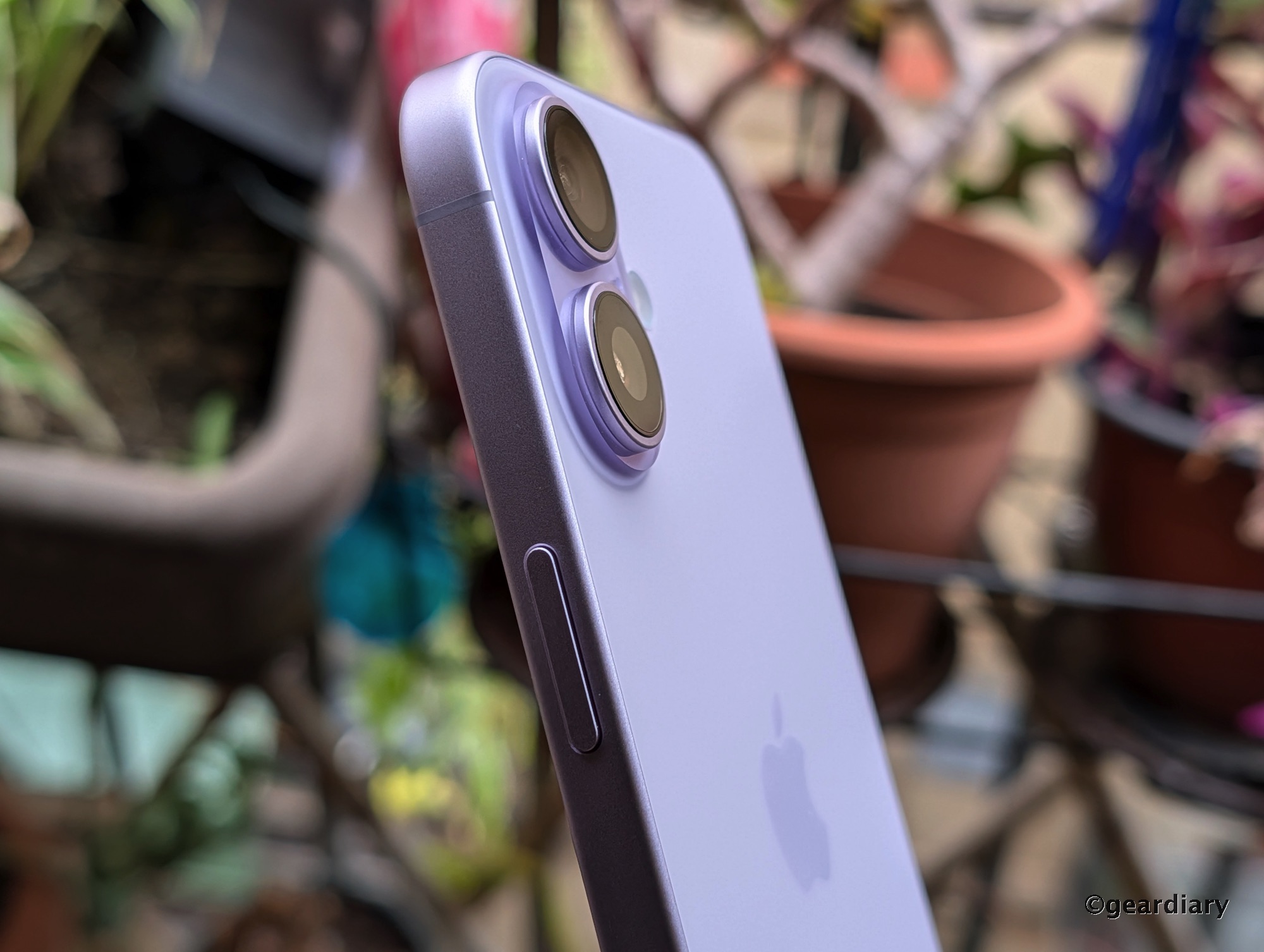
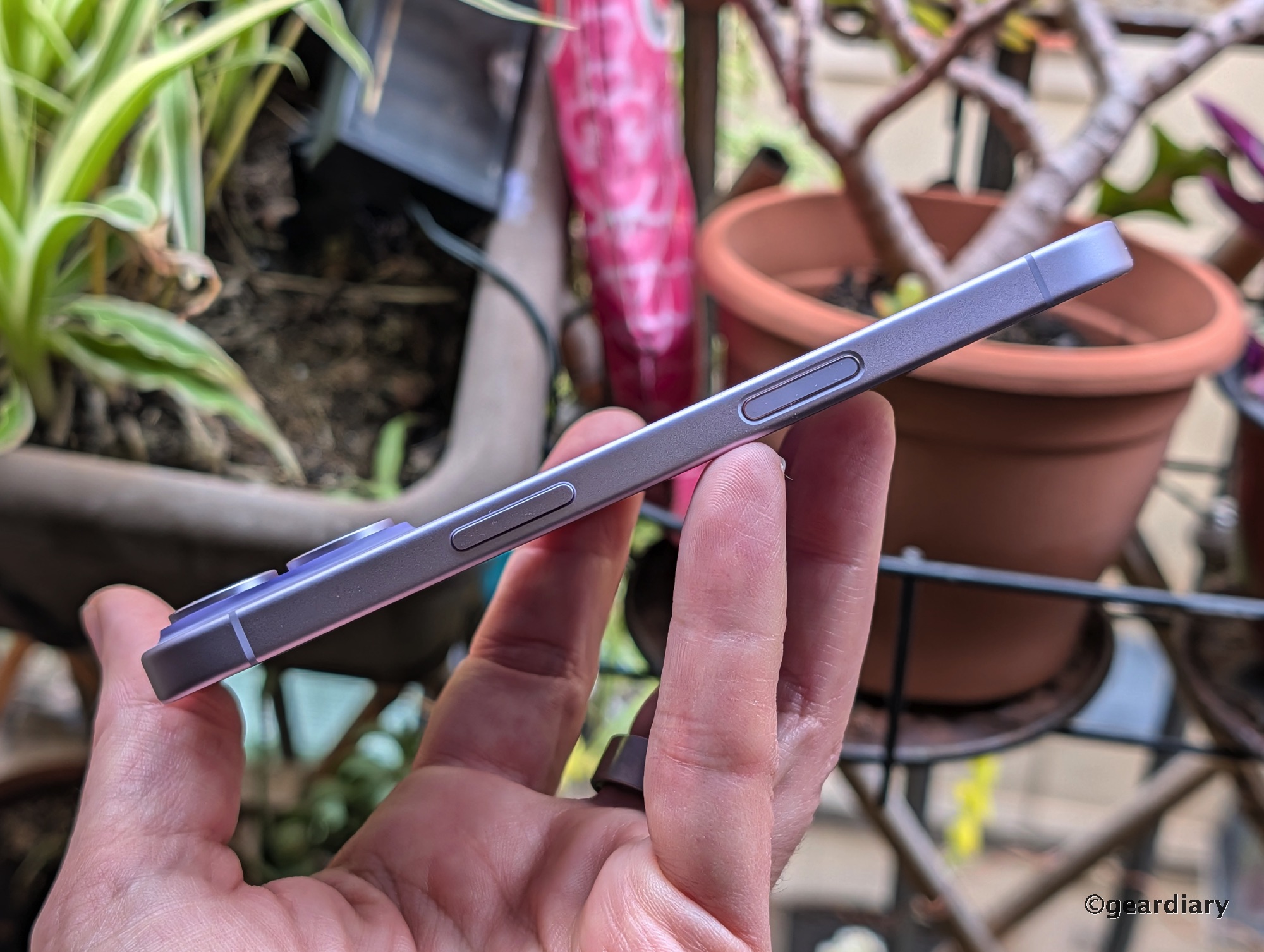
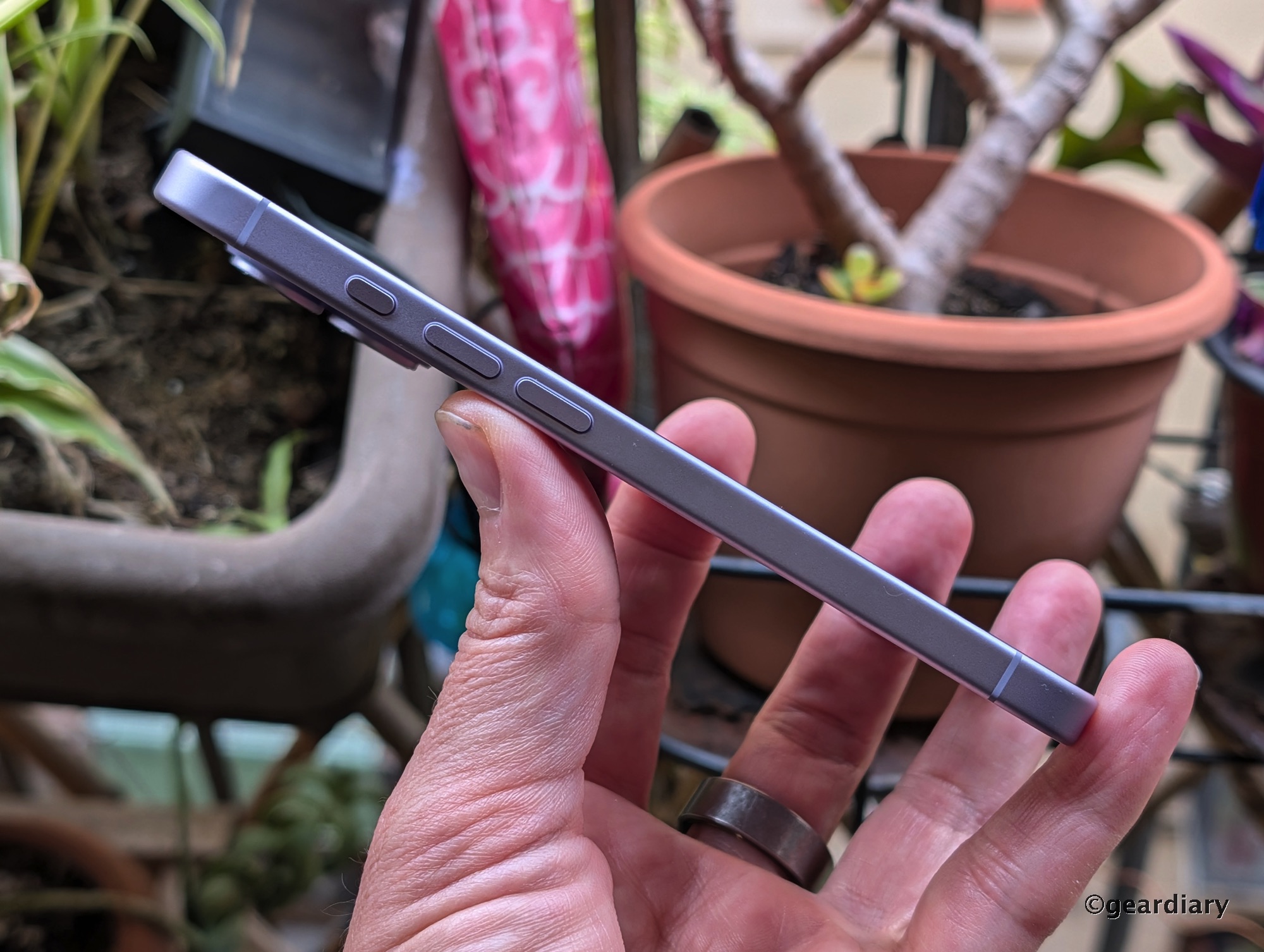
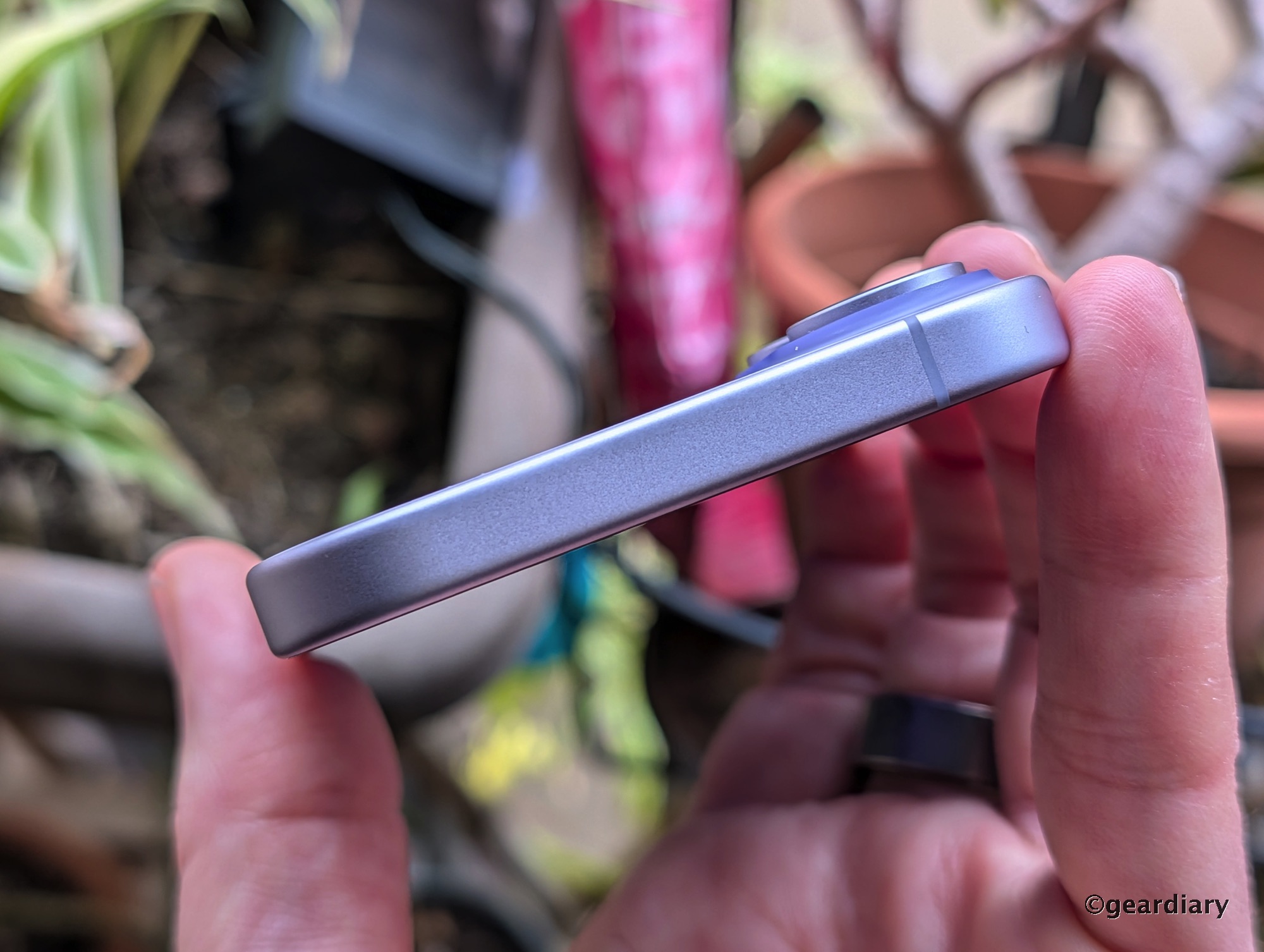
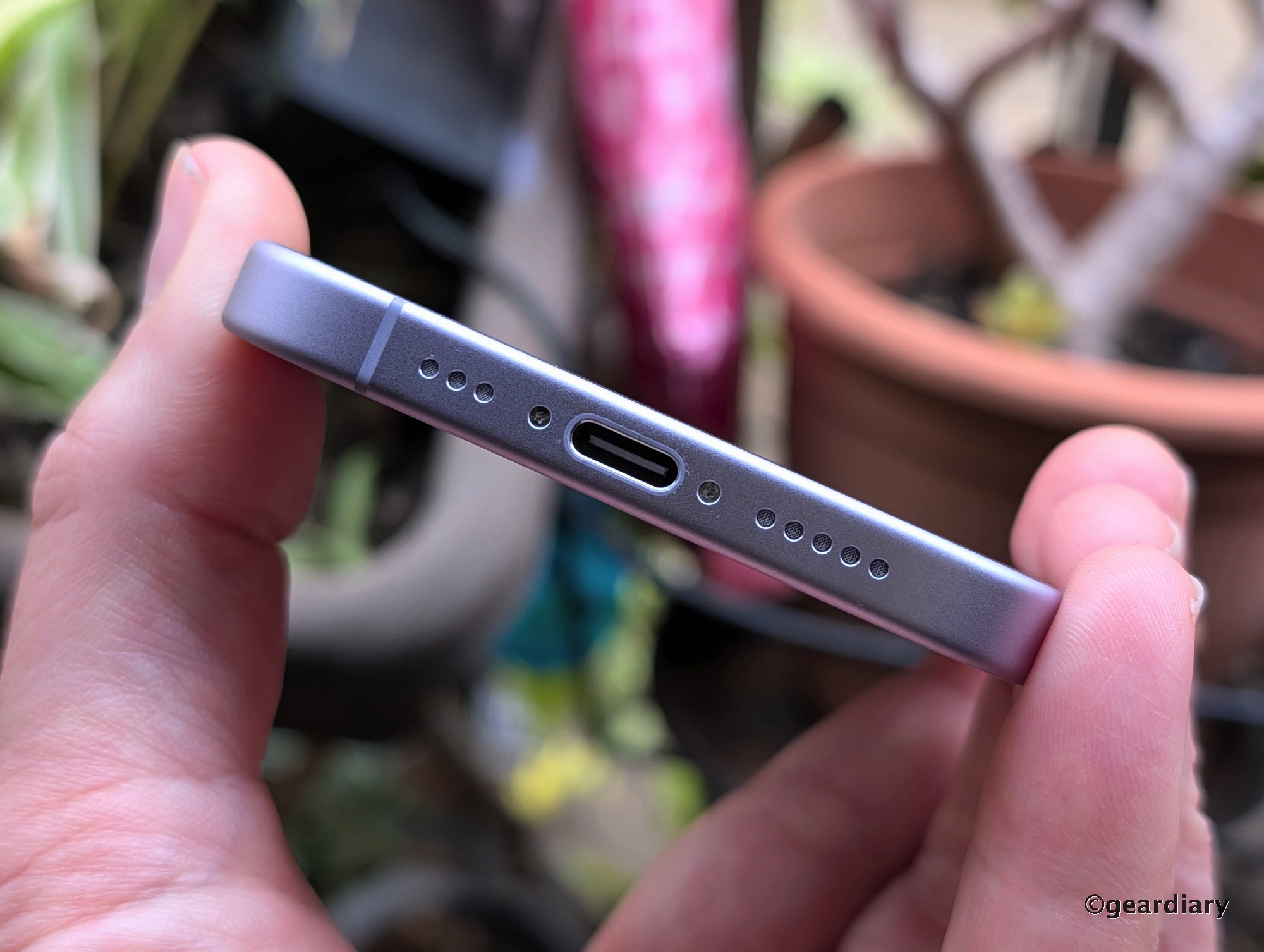
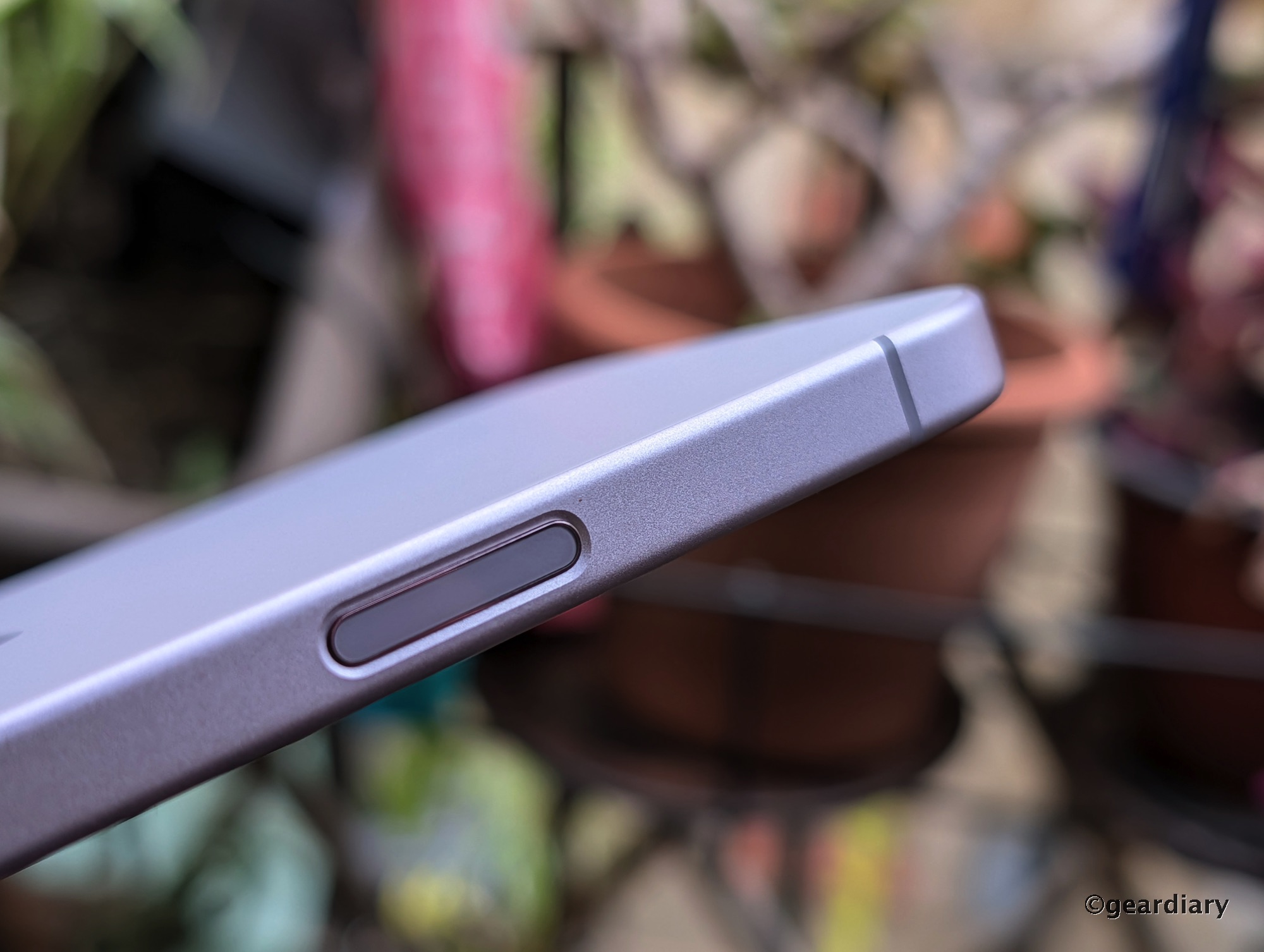
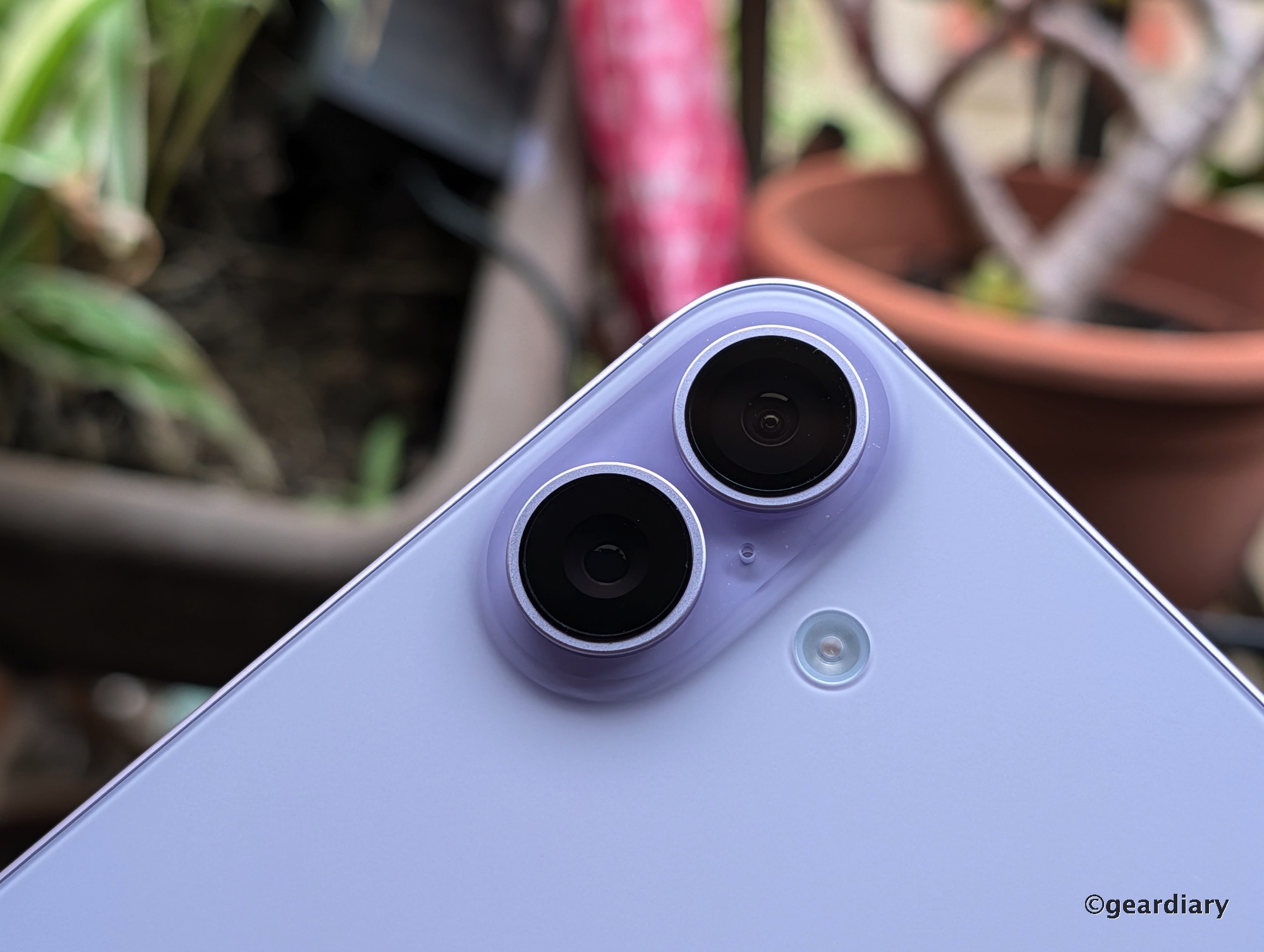
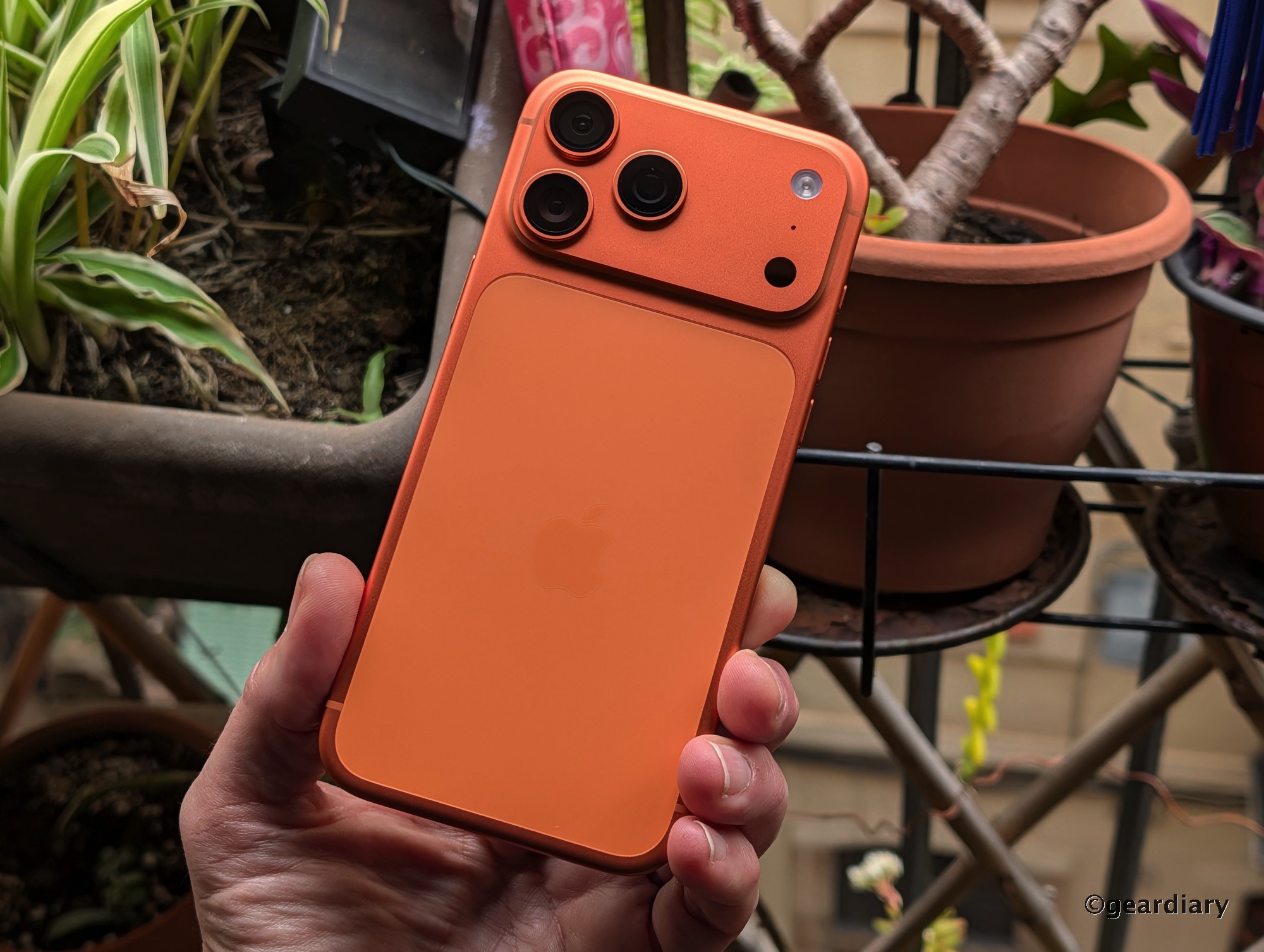
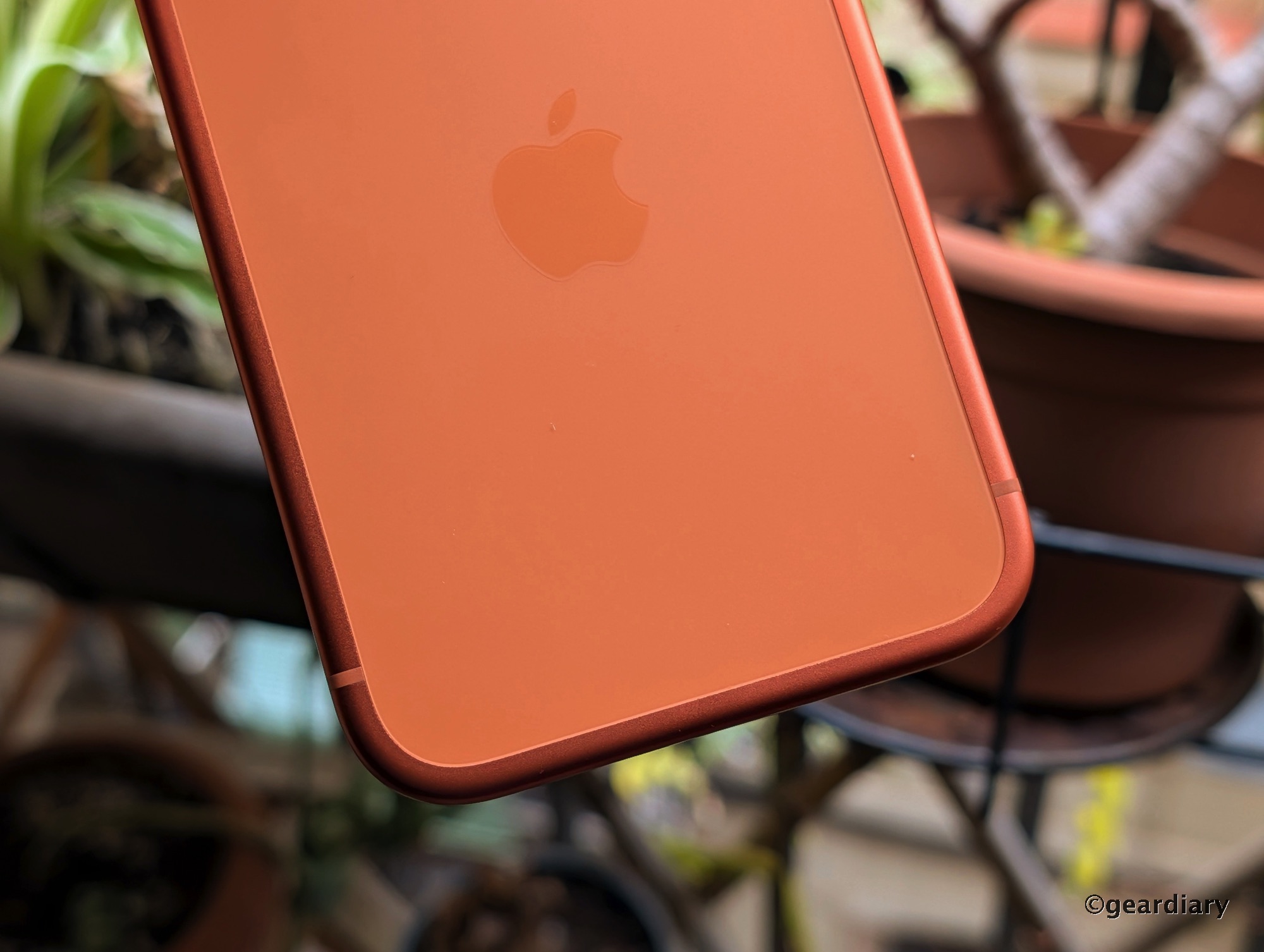
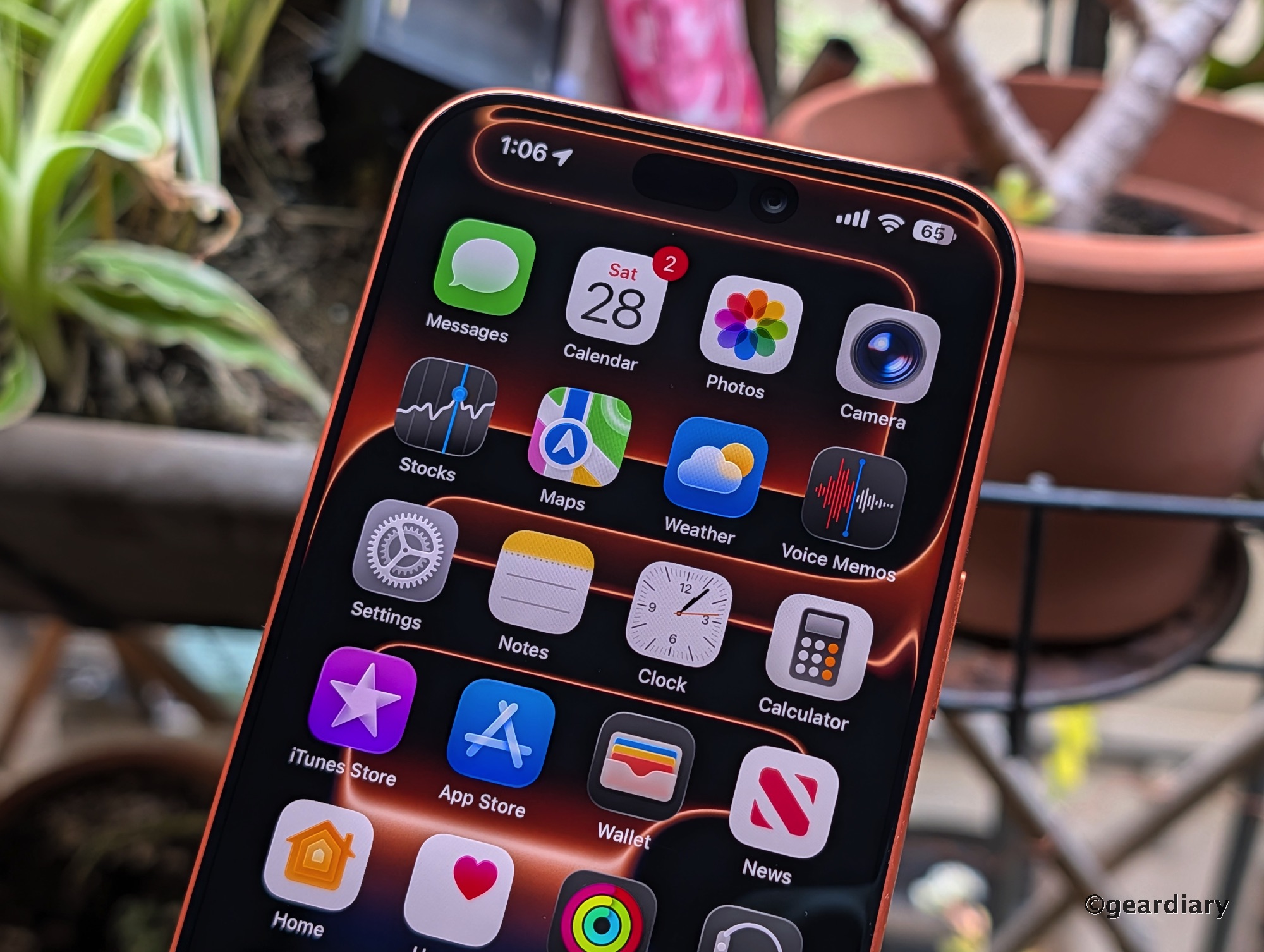
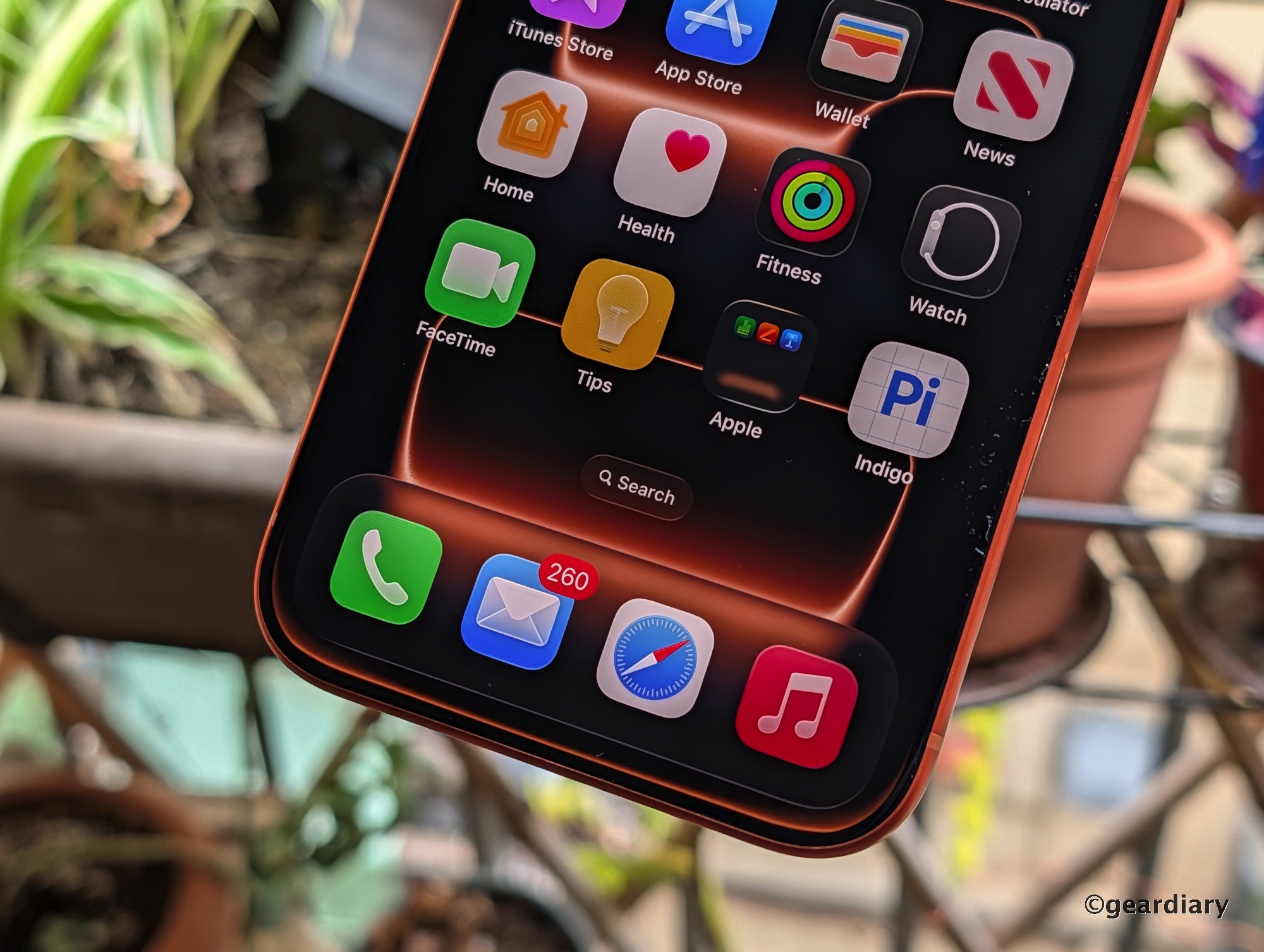
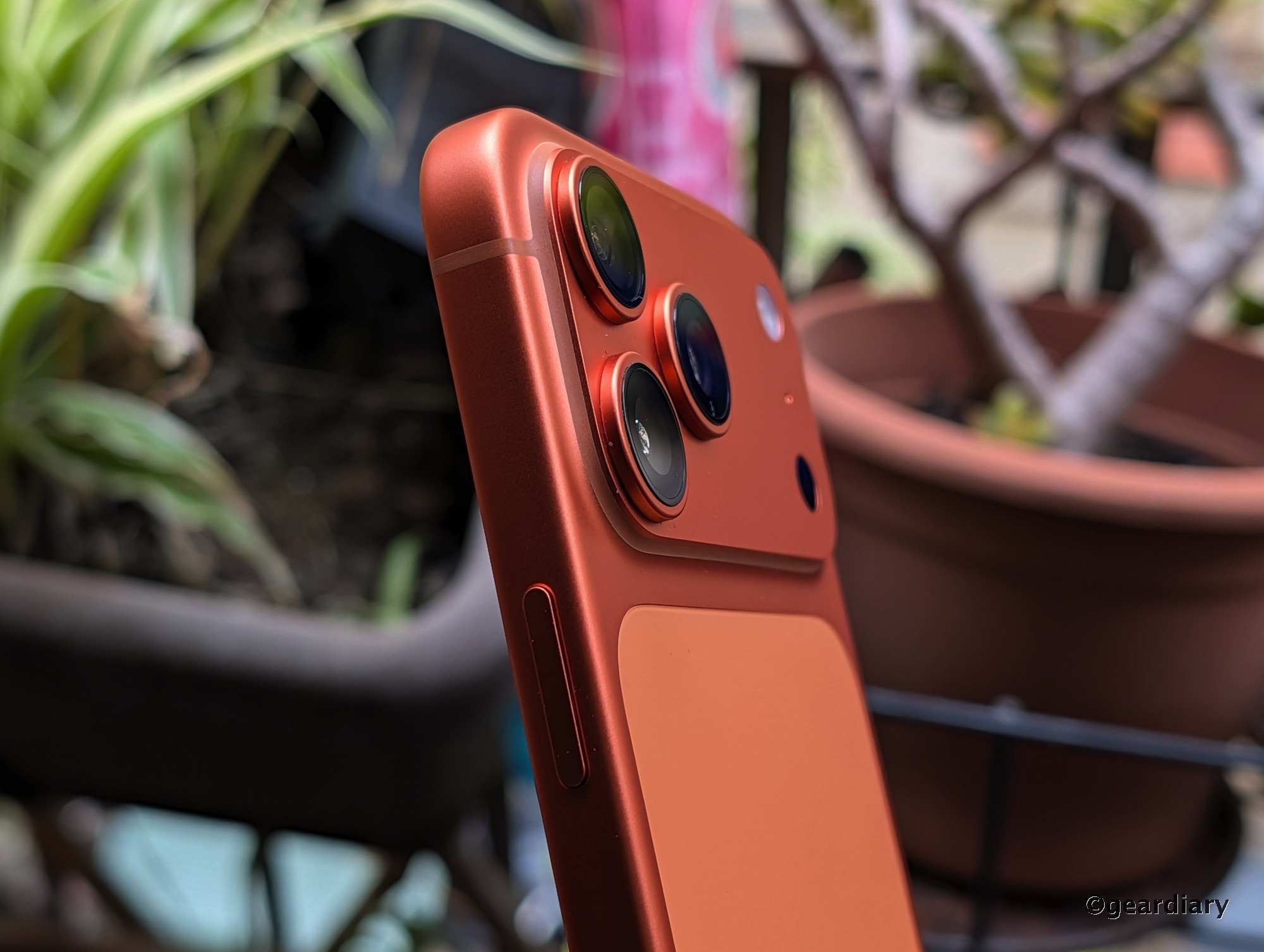
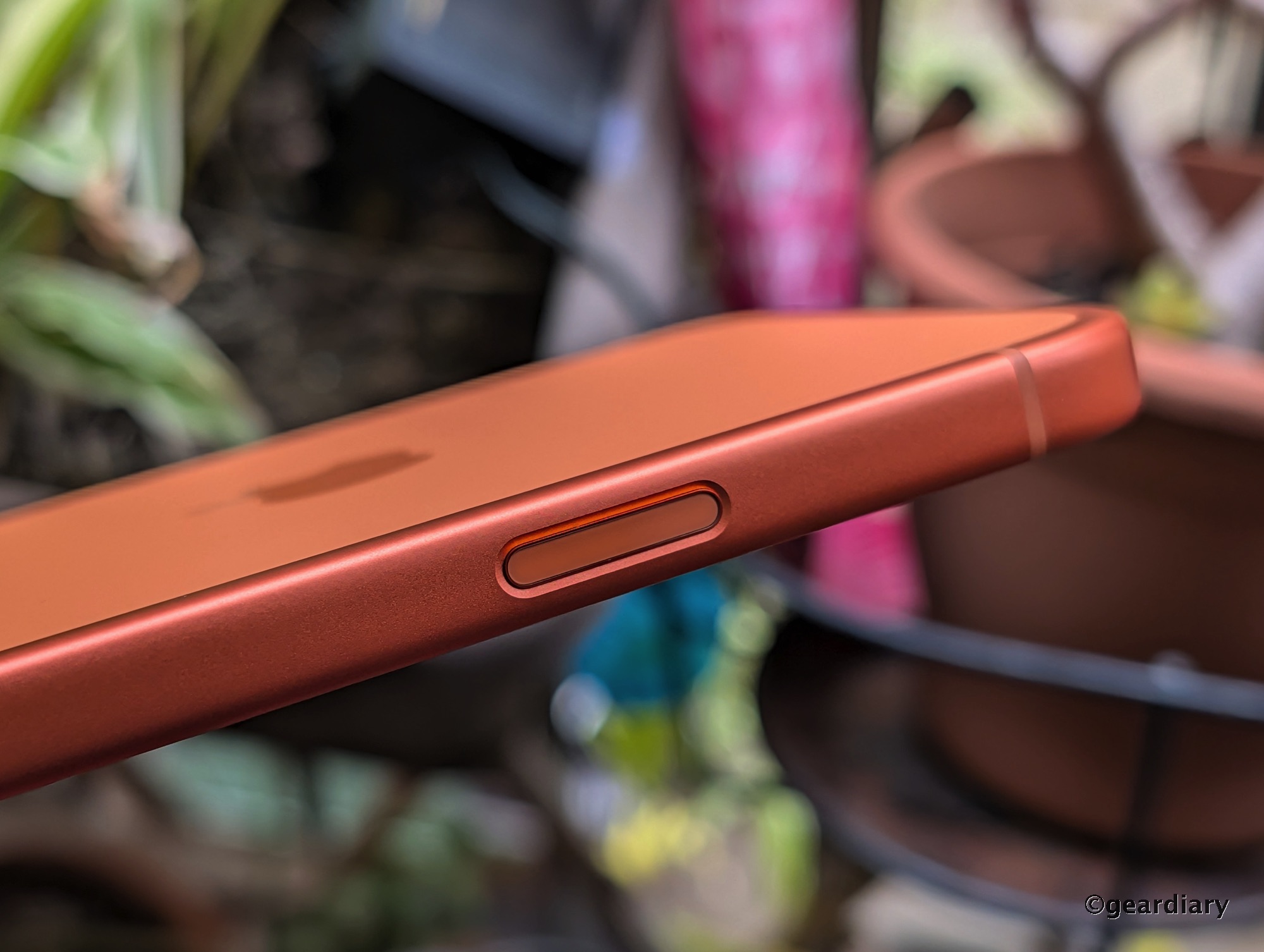
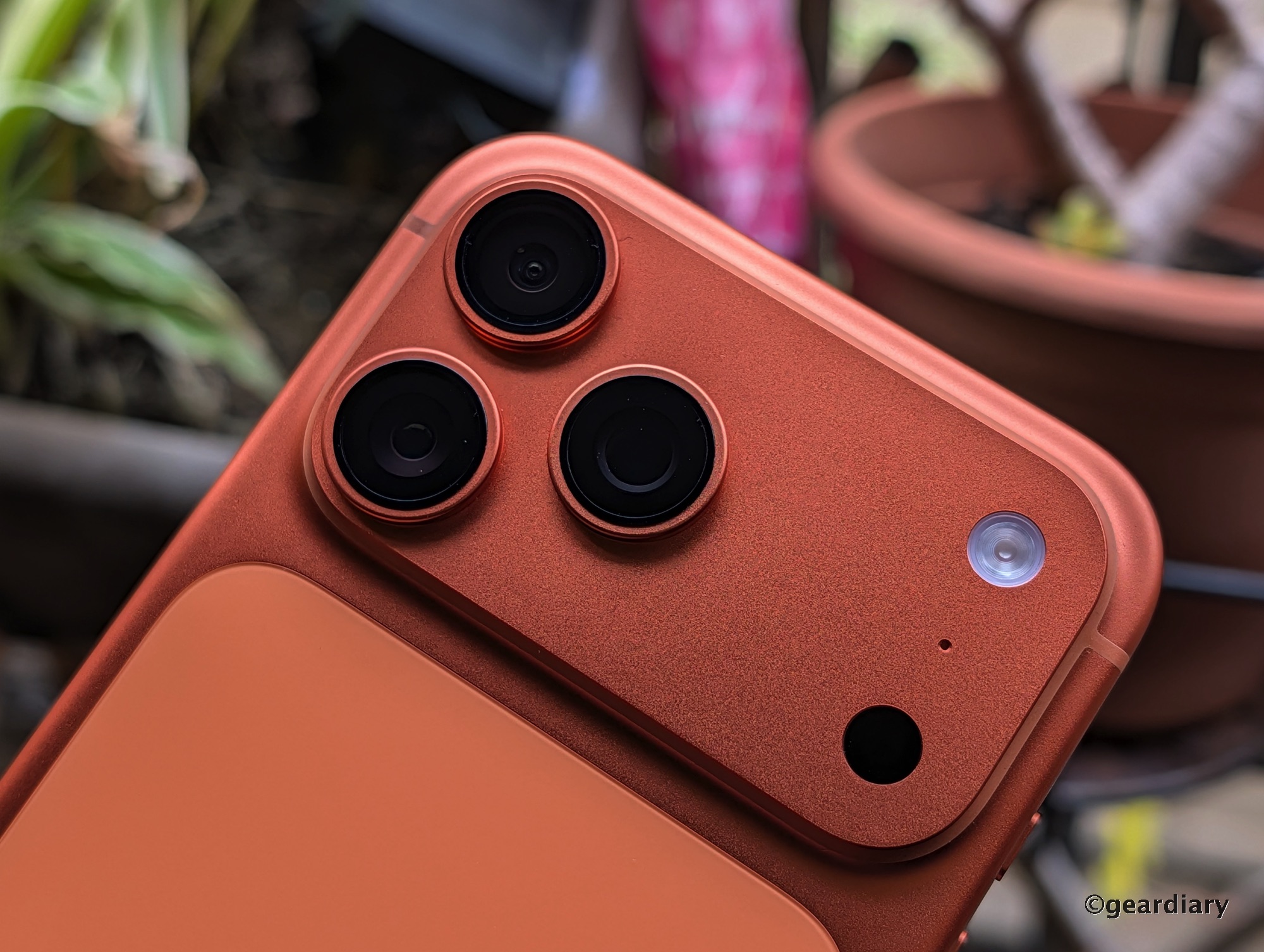
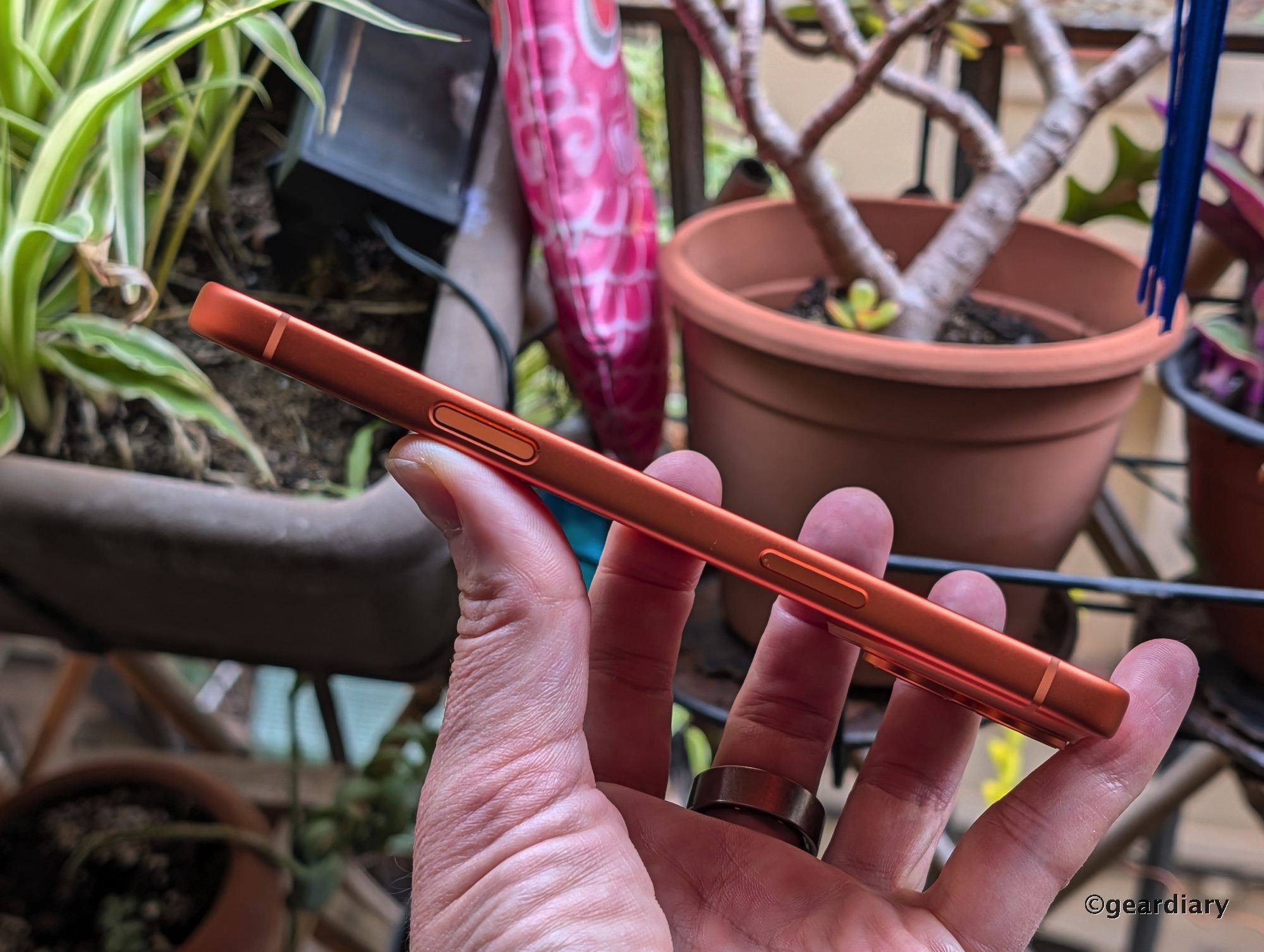
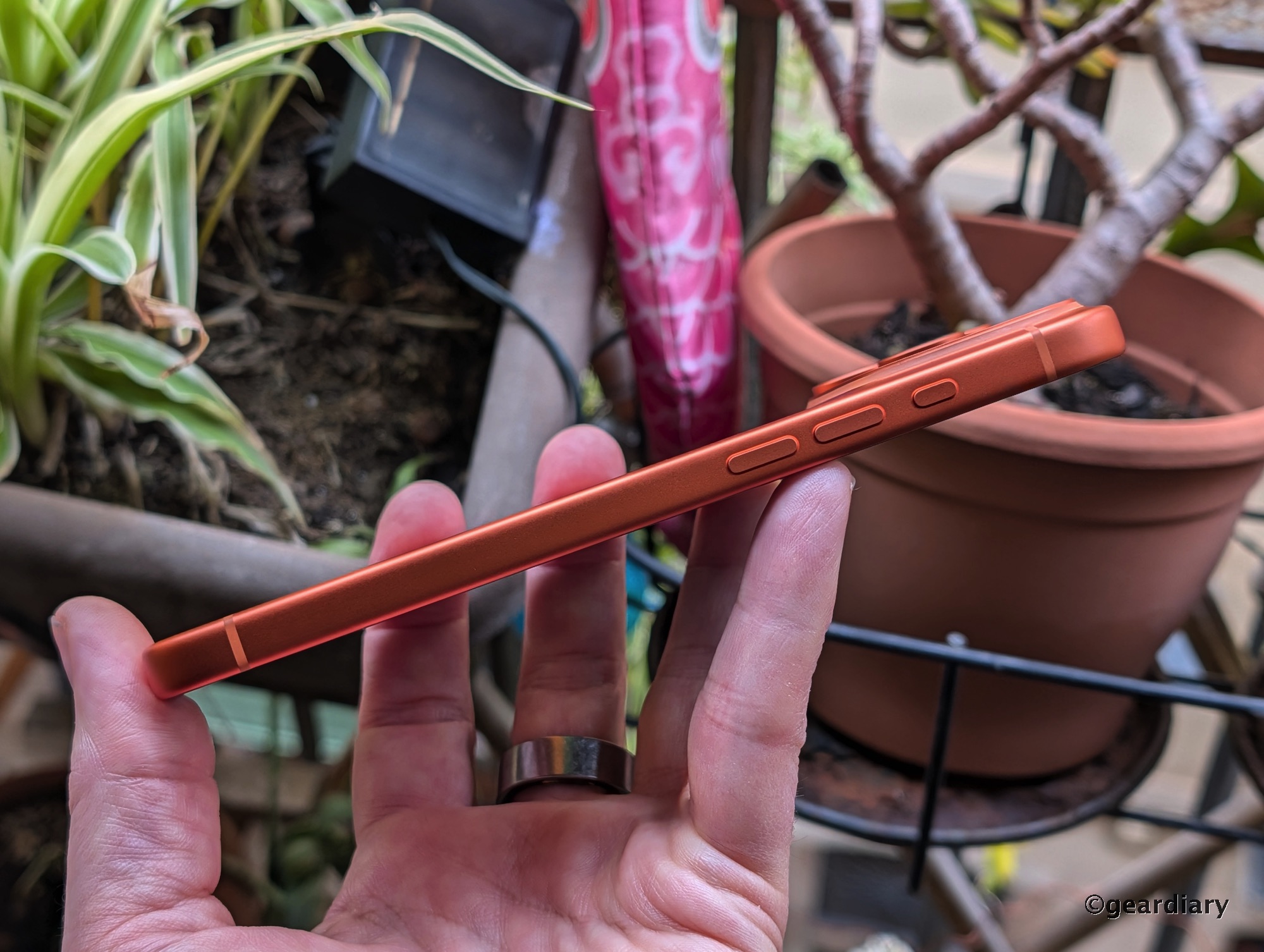
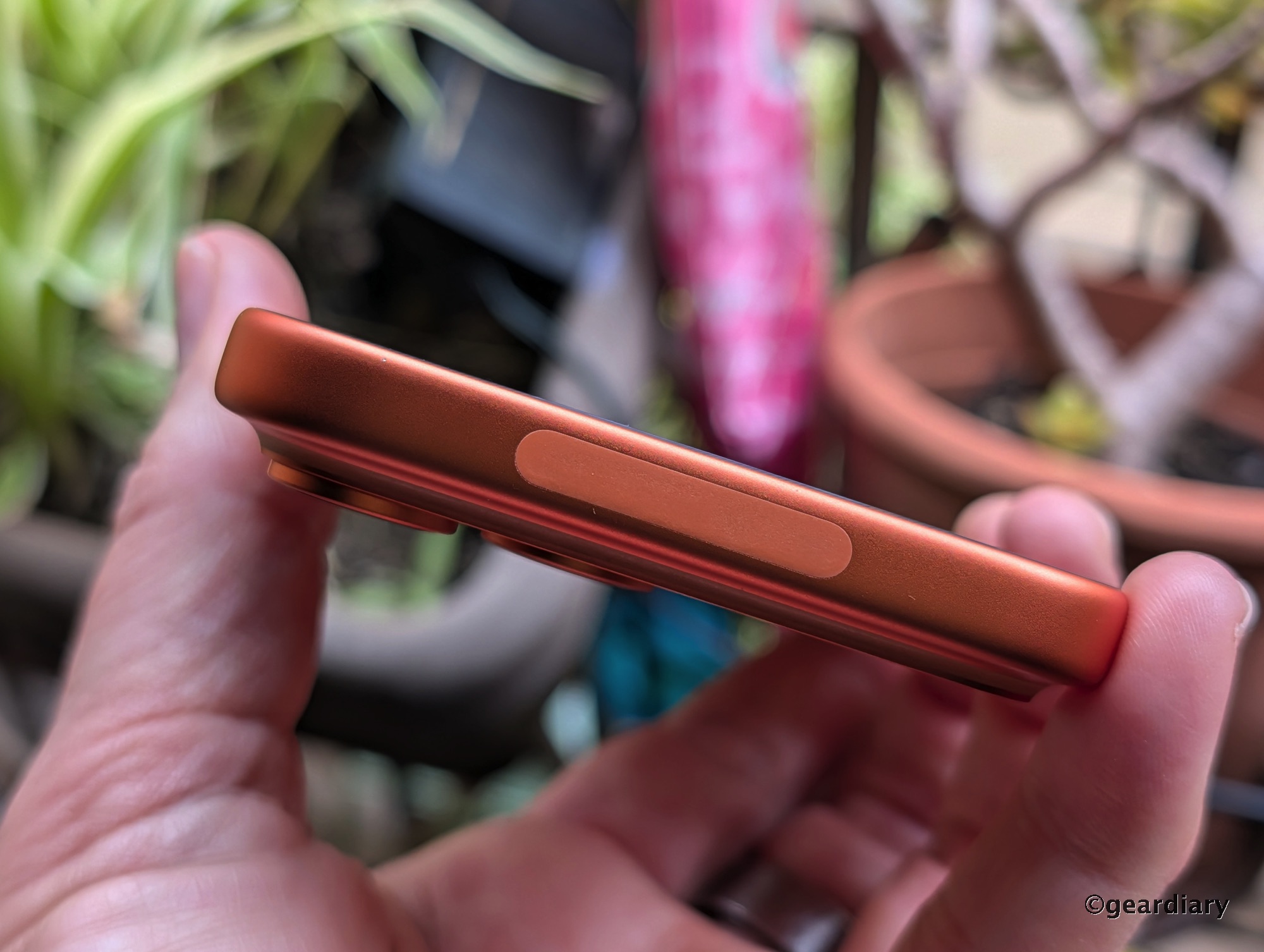
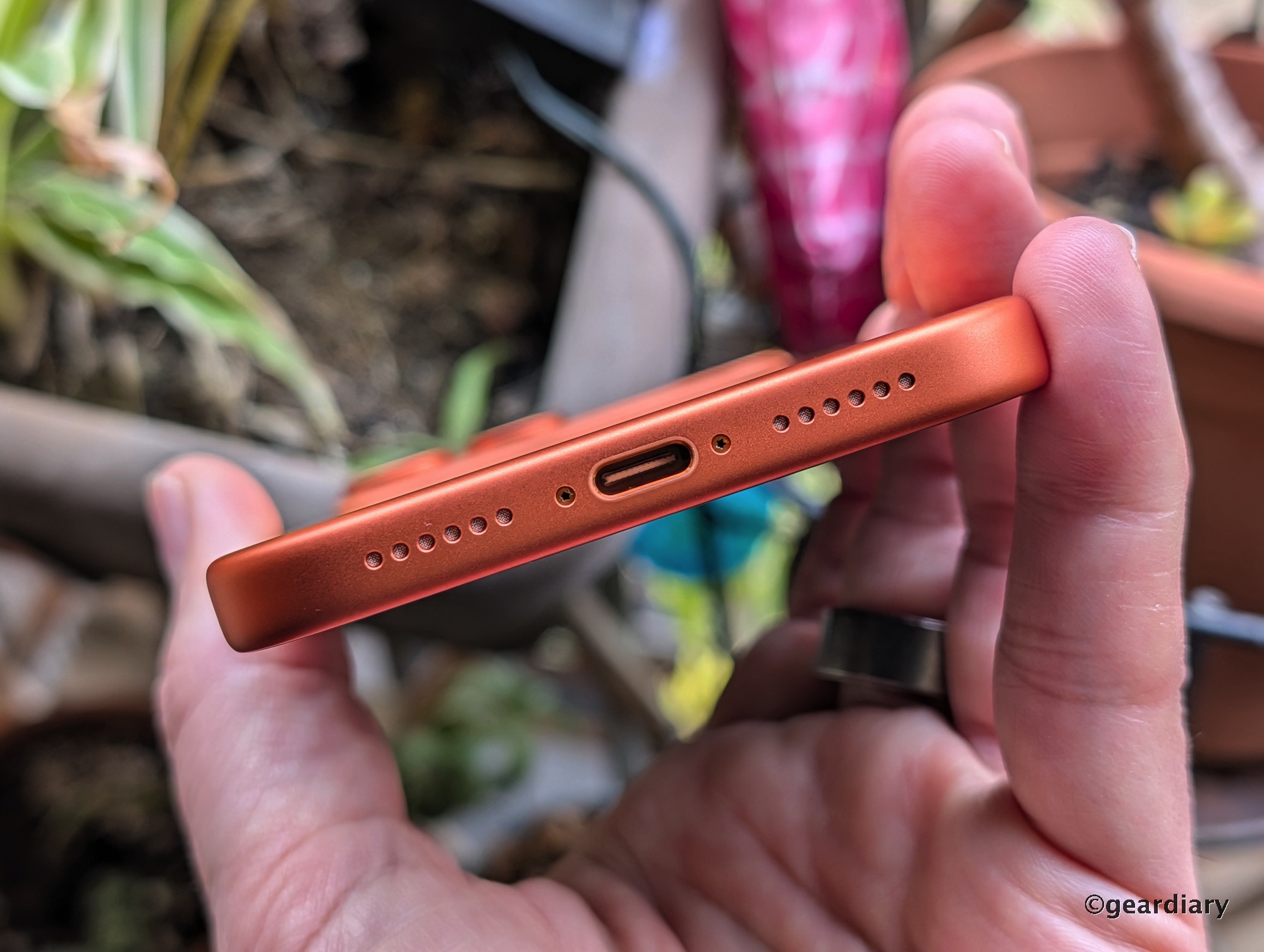
As you’d expect, the iPhone 17 and 17 Pro Max are rated IP68 for dust and water resistance. The screens on both phones are covered with Apple’s new Ceramic Shield 2 glass for improved durability. In North America, the iPhone 17 lineup lacks SIM trays and relies on eSIMs instead, but the iPhone 17 Pro and 17 Pro Max gain slightly larger batteries as a result.
Display
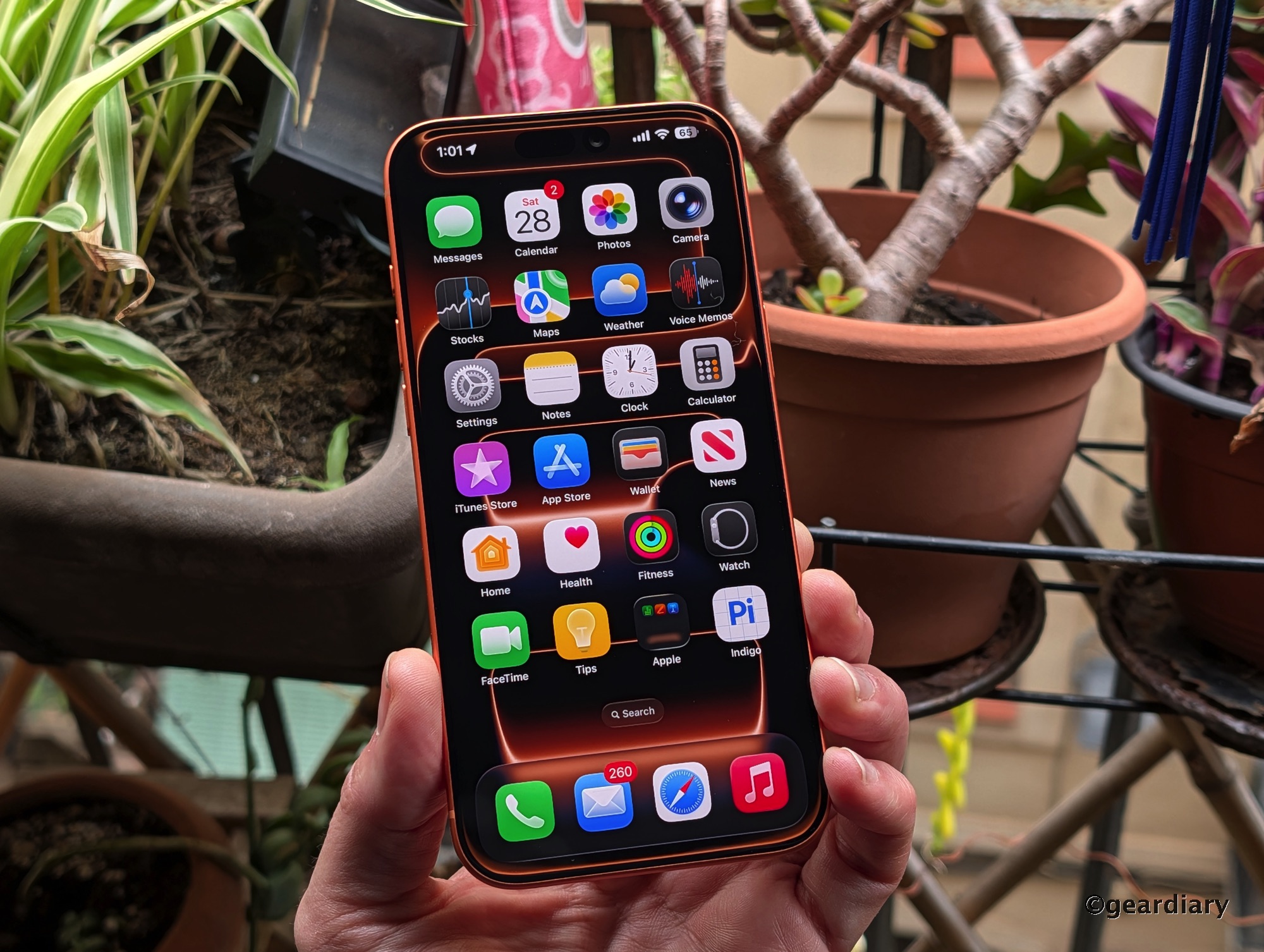
The iPhone 17’s display receives a major upgrade over the iPhone 16’s. Instead of a 6.1-inch LTPS OLED screen with a 60Hz refresh, the iPhone 17 gets the same 6.3-inch 1.5k LTPO OLED panel found on the iPhone 17 Pro, complete with a 1-120Hz adaptive refresh rate (what Apple calls ProMotion, a feature exclusive to its Pro devices until now).
Needless to say, this is excellent news, and frankly, it was long overdue considering even budget handsets have boasted 120Hz displays for several years now. As you’d expect, this Super Retina XDR screen is beautiful. The iPhone 17 also features slimmer bezels, as it packs a larger display into roughly the same footprint as the iPhone 16.
Meanwhile, the iPhone 17 Pro Max inherits the iPhone 16 Pro Max’s gorgeous 6.9-inch 1.5k LTPO OLED panel. Obviously, this Super Retina XDR screen also offers an adaptive refresh rate of 1-120Hz. As a bonus, the displays on both phones feature a new anti-reflective coating and slightly higher peak brightness (3000 vs. 2000 nits).
Cameras
The iPhone 17 and 17 Pro Max’s shooters have received significant upgrades. Both handsets now feature Apple’s new 24MP Center Stage selfie camera, which pairs a square (1:1) 1/3.6-inch sensor with PDAF with a 23mm f/1.9 lens. It allows you to capture 18MP landscape or portrait selfies, no matter how you hold the phone.
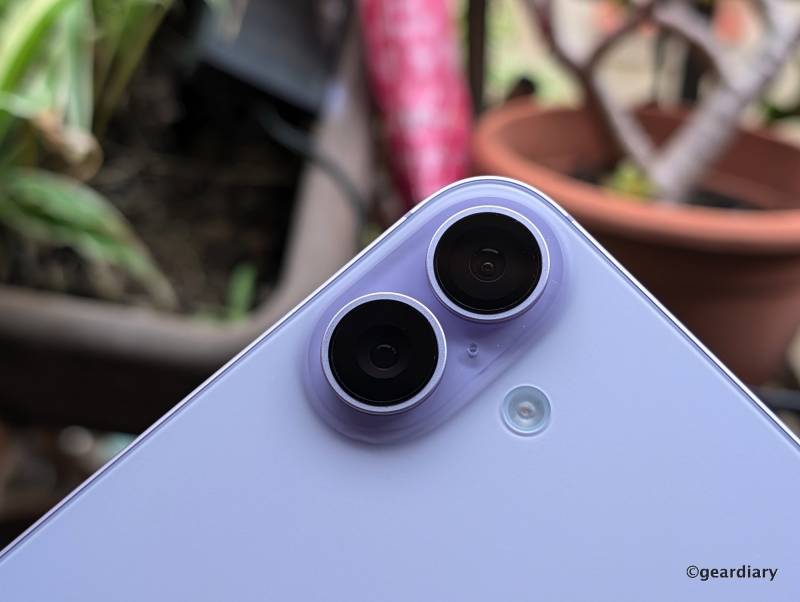
Center Stage also keeps you centered in the frame during video calls and automatically zooms out and rotates to keep everyone in the shot. It’s clever stuff. Let’s hope Android manufacturers take note and follow suit, because once you’ve experienced taking pictures with this kind of selfie camera, there’s no going back.
While the iPhone 17 inherits the iPhone 16’s excellent 48MP 1/1.56-inch 26mm f/1.6 main shooter (with PDAF and sensor-shift OIS), it replaces the iPhone 16’s tiny 12MP 13mm f/2.2 ultrawide (with PDAF) with the same 48MP 1/2.55-inch 13mm f/2.2 ultrawide (with PDAF) as the iPhone 17 Pro. That’s a major improvement.
As for the iPhone 17 Pro Max, it gets the same tasty 48MP 1/1.28-inch 24mm f/1.8 main camera (with PDAF and sensor-shift OIS) and 48MP 1/2.55-inch 13mm f/2.2 ultrawide (with PDAF) as the iPhone 16 Pro Max, but drops its predecessor’s 12MP 1/3.06-inch 120mm f/2.8 5x telephoto (with PDAF and sensor-shift OIS).
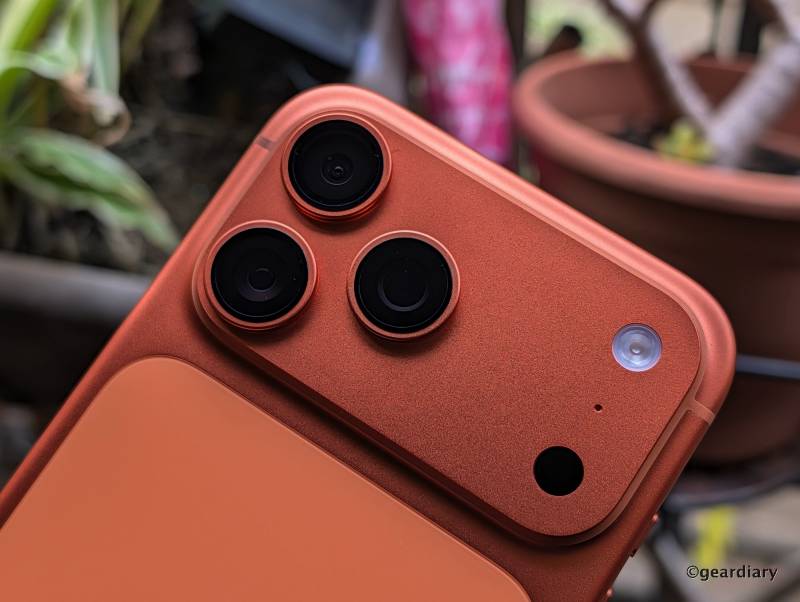
Instead, the iPhone 17 Pro Max gets a brand new 48MP 1/2.55-inch 100mm f/2.8 4x telephoto (with PDAF and sensor-shift OIS). Not only is this telephoto much better overall, but it also enables in-sensor cropping for “optical-quality” 8x zoom, alongside pixel binning, which combines four nearby pixels into one for better low-light performance.
As you’d expect, the iPhone 17 and 17 Pro Max’s other 48MP shooters also benefit from pixel binning and in-sensor cropping (for “optical-quality” 2x zoom). In addition, the rear cameras on both phones take 24MP photos by default. Zoomed and night-mode images are always 12MP, but you also have the option to shoot at 48MP.
You’ll find the usual complement of photo and video modes on the iPhone 17 and 17 Pro Max, but a few stand out. Apple’s Next-generation Portrait mode now features six Portrait Lighting effects and lets you adjust depth and focus after the fact. Panorama mode now lets you shoot ultra-high-resolution pictures (up to 63MP).
Photos Taken with the iPhone 17












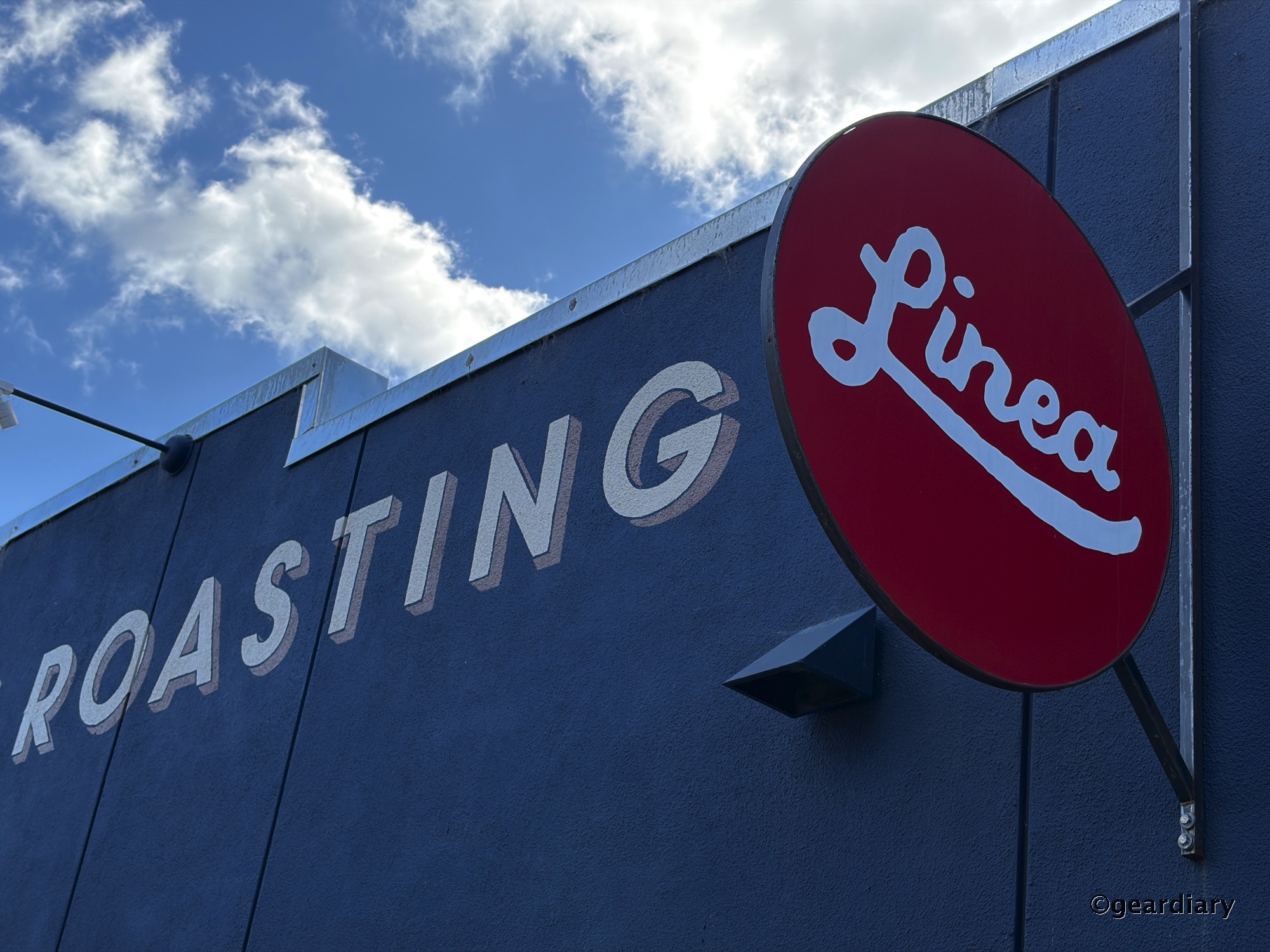












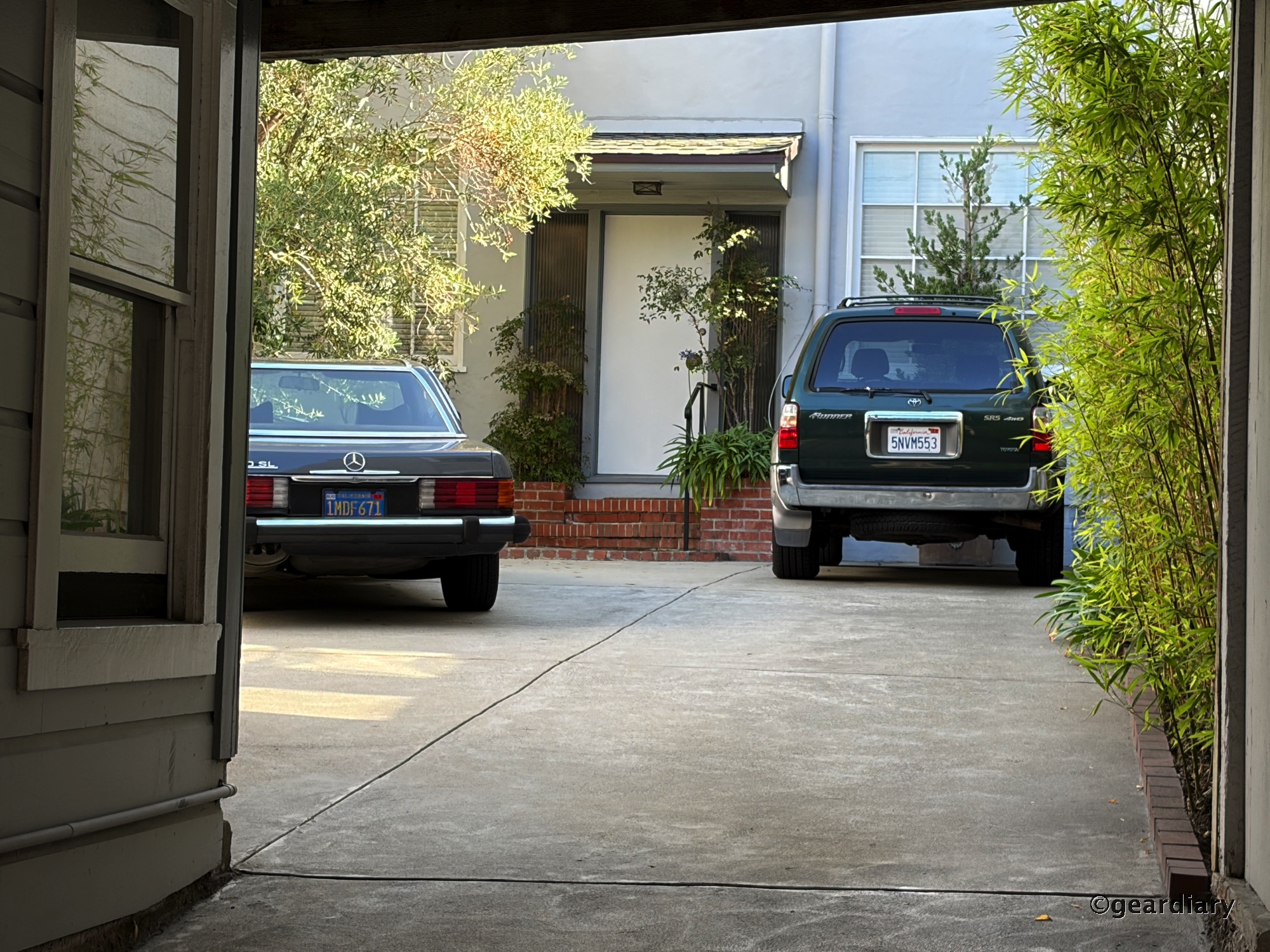














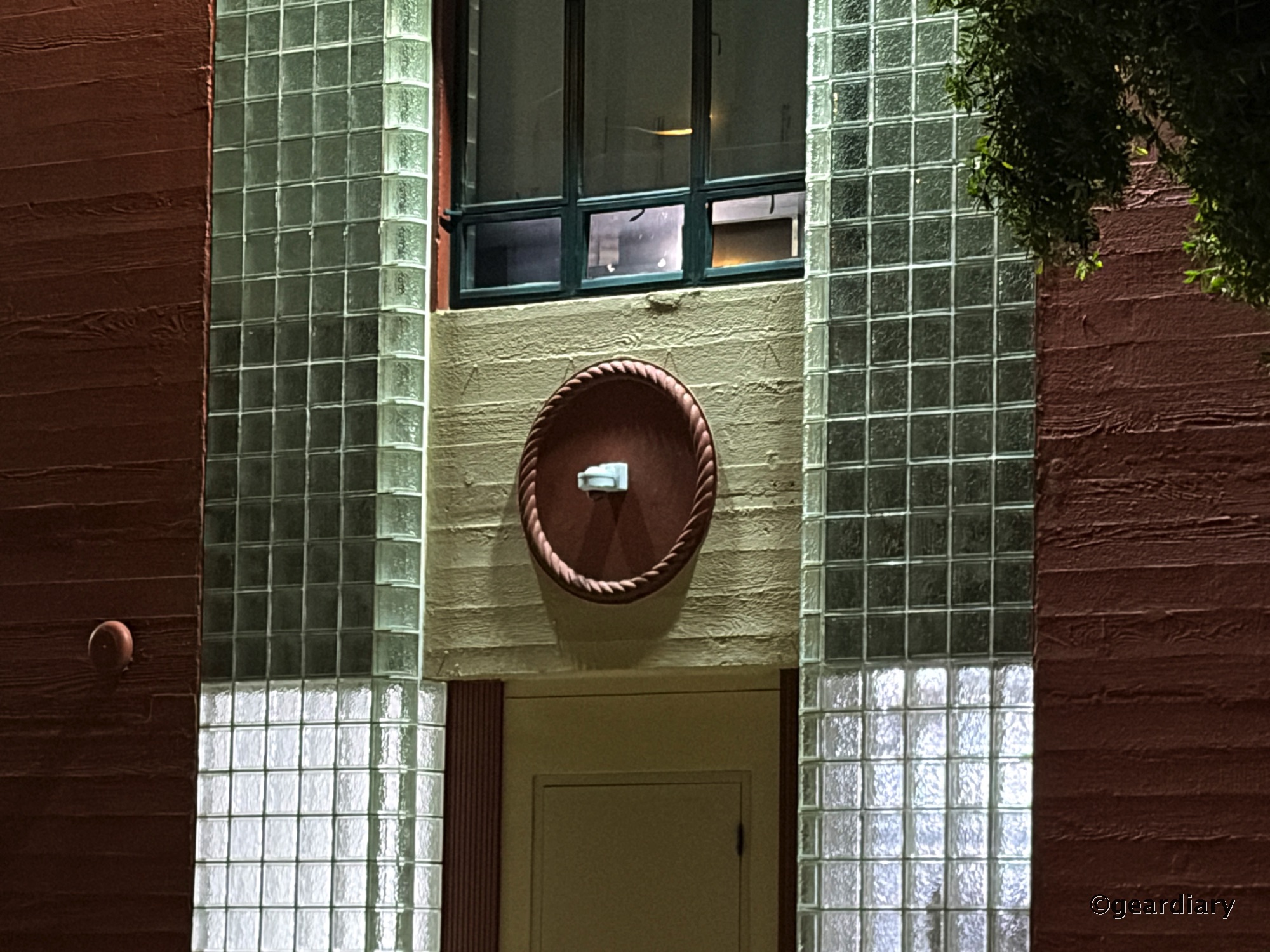





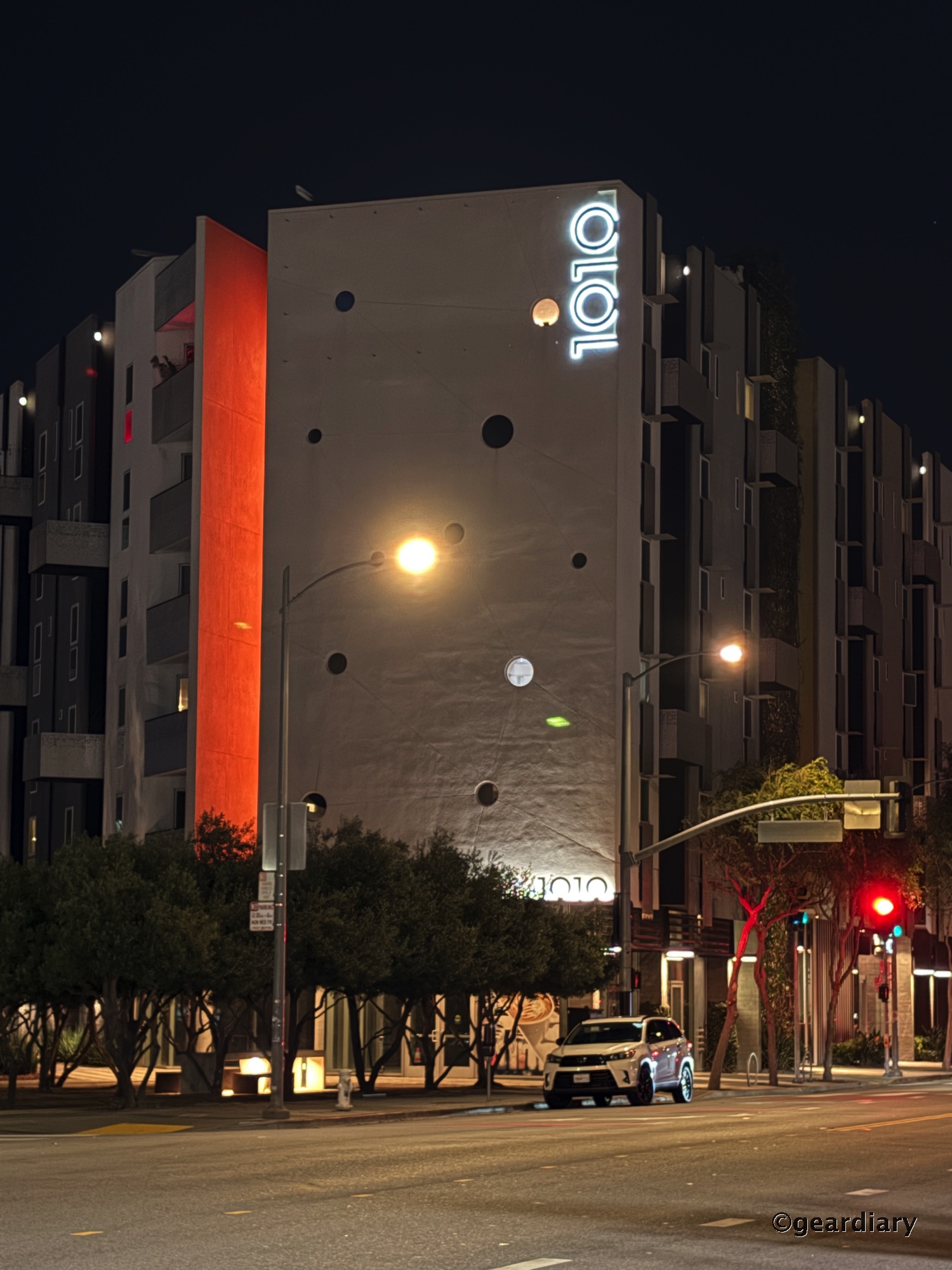
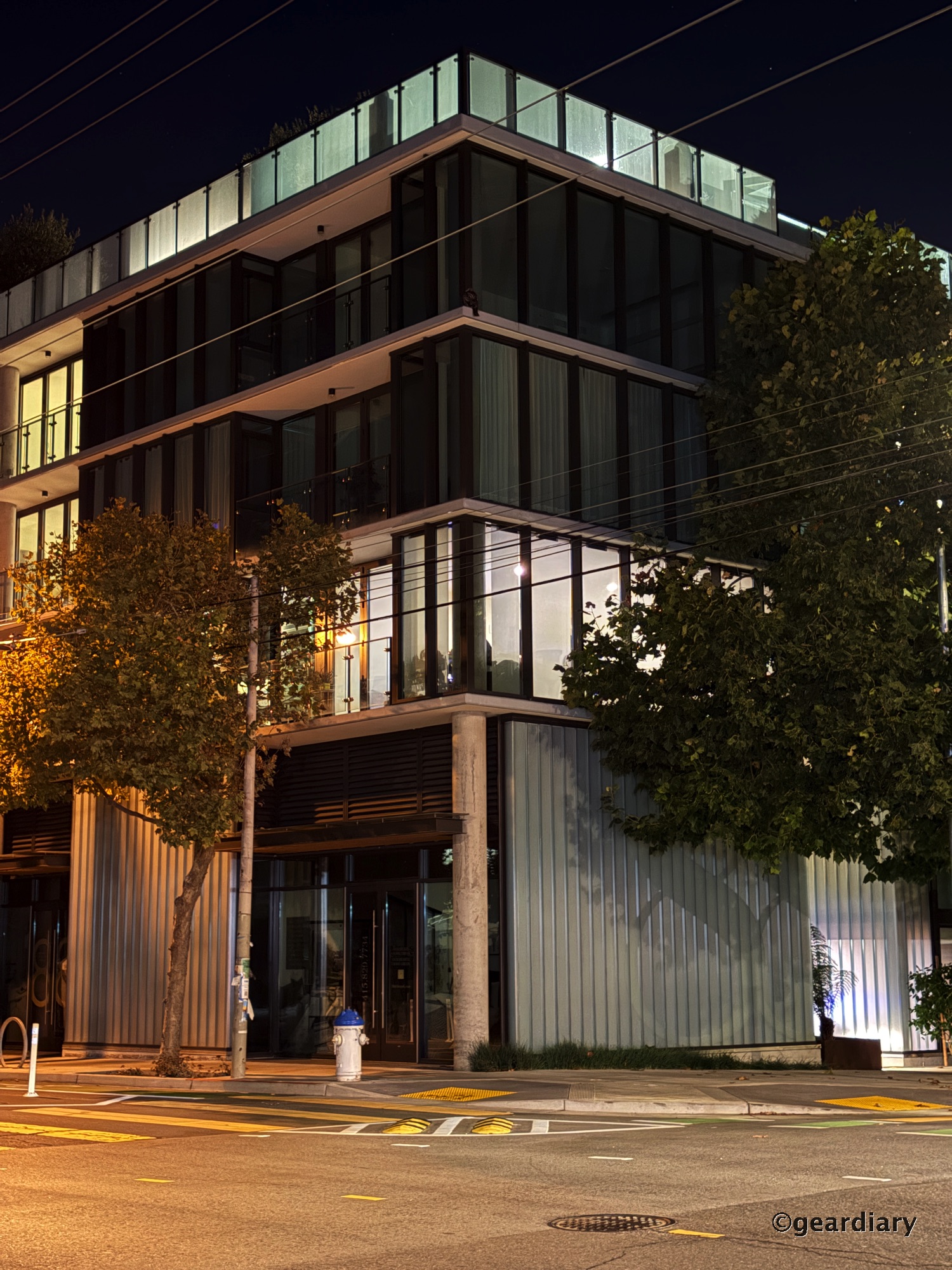











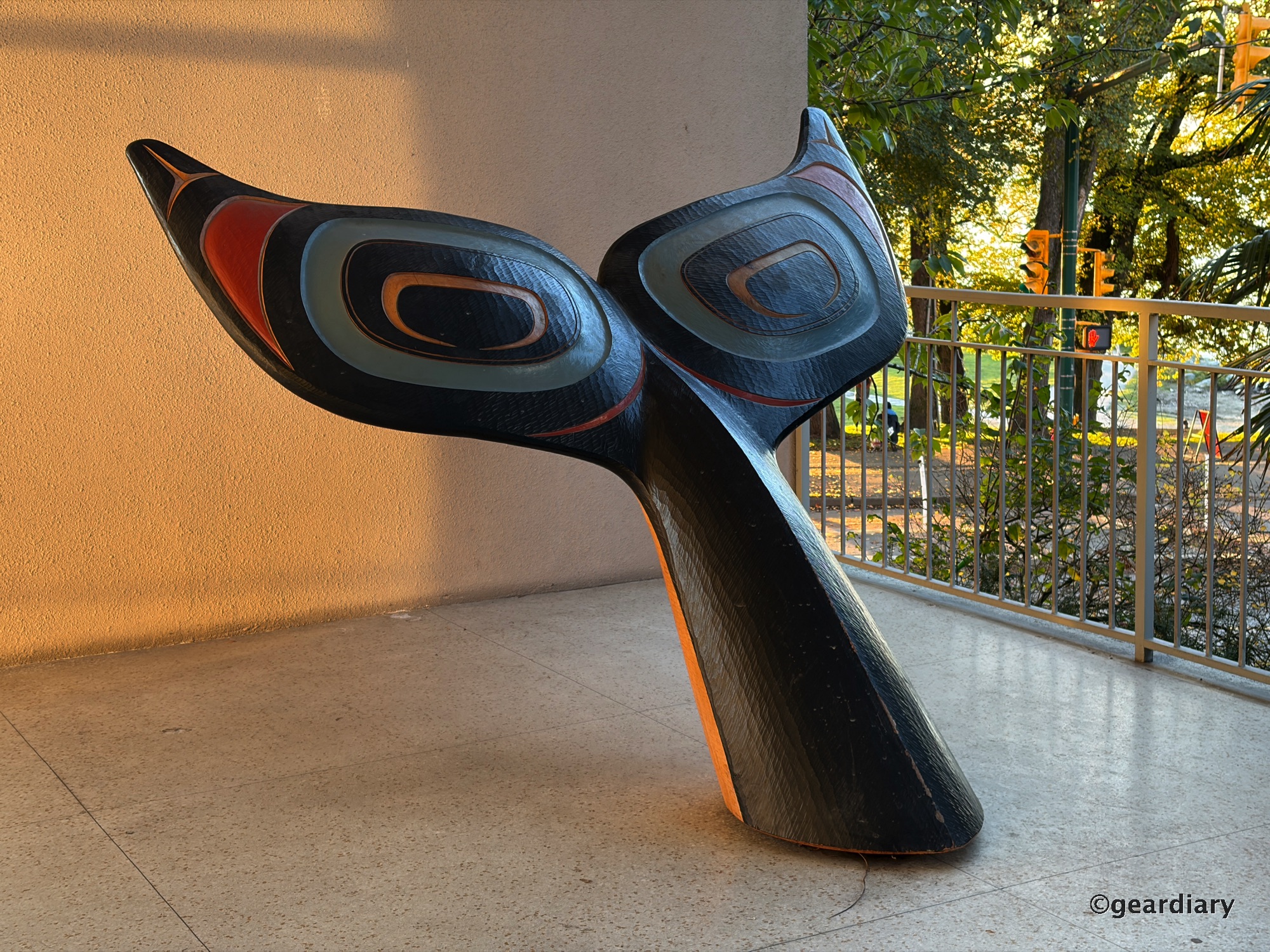






























































































































Both handsets capture stabilized HDR (Dolby Vision) video at up to 4k 60fps and feature a new Dual Capture mode (4k 30fps) – a first for iPhone users. The iPhone 17 Pro Max also supports 4K 120fps video on the main camera, plus ProRes RAW. Audio is recorded in mono, stereo, or 3D (Spatial Audio), with optional wind noise reduction and audio zoom.
It’s worth noting that the iPhone 17 main camera, despite having a slightly narrower field-of-view (26 vs 24mm), can focus on objects closer than the iPhone 17 Pro Max’s main shooter without switching to the ultrawide for macro mode. This makes the iPhone 17 better suited for close-ups, especially when recording video.
Besides packing solid camera hardware, these phones also boast top-notch imaging software. Apple’s Photonic Engine (computational photography imaging pipeline) enables features like Deep Fusion (neural image processing) and the latest version of Photographic Styles, which lets you customize the look and feel of your images.
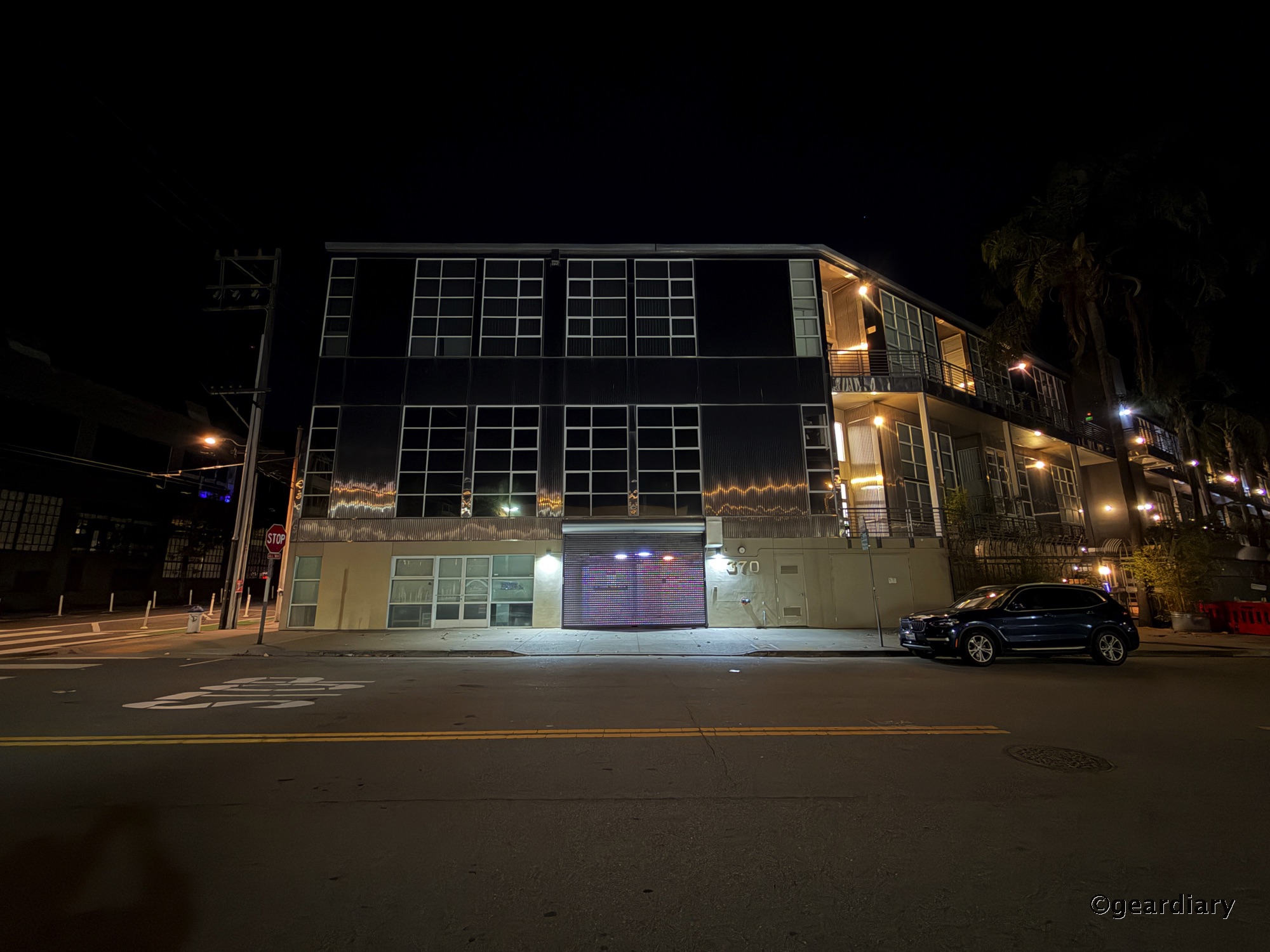
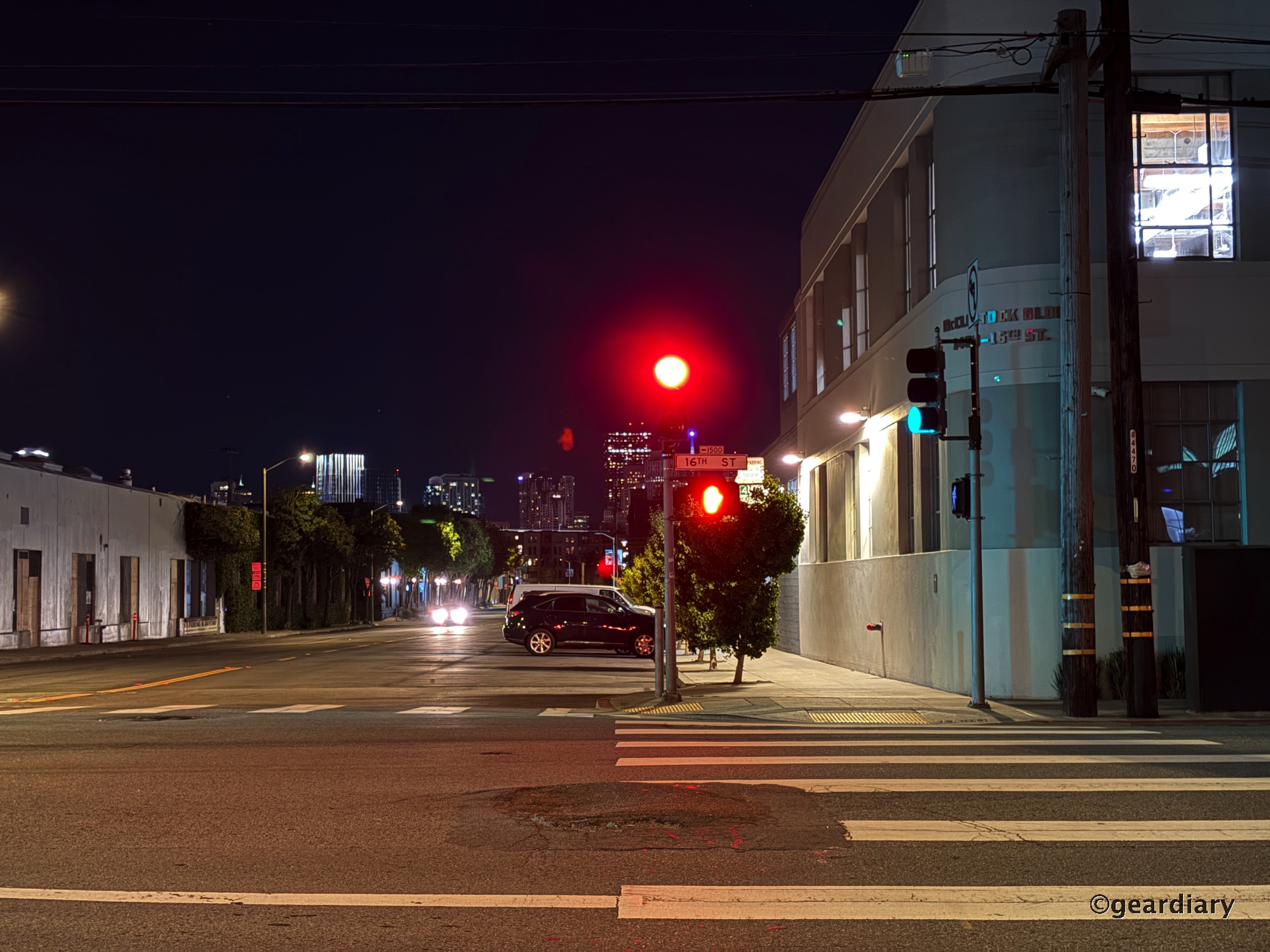
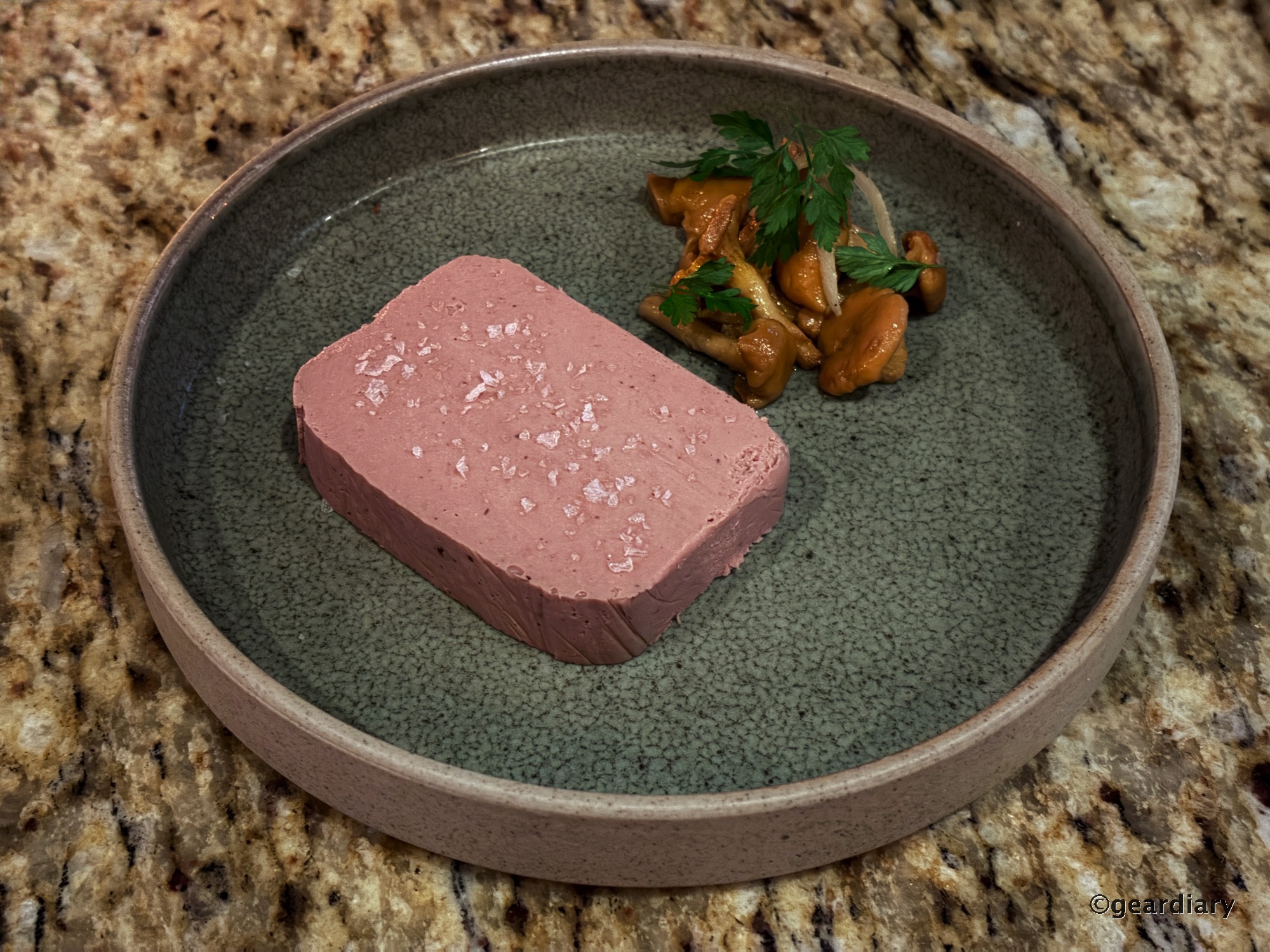
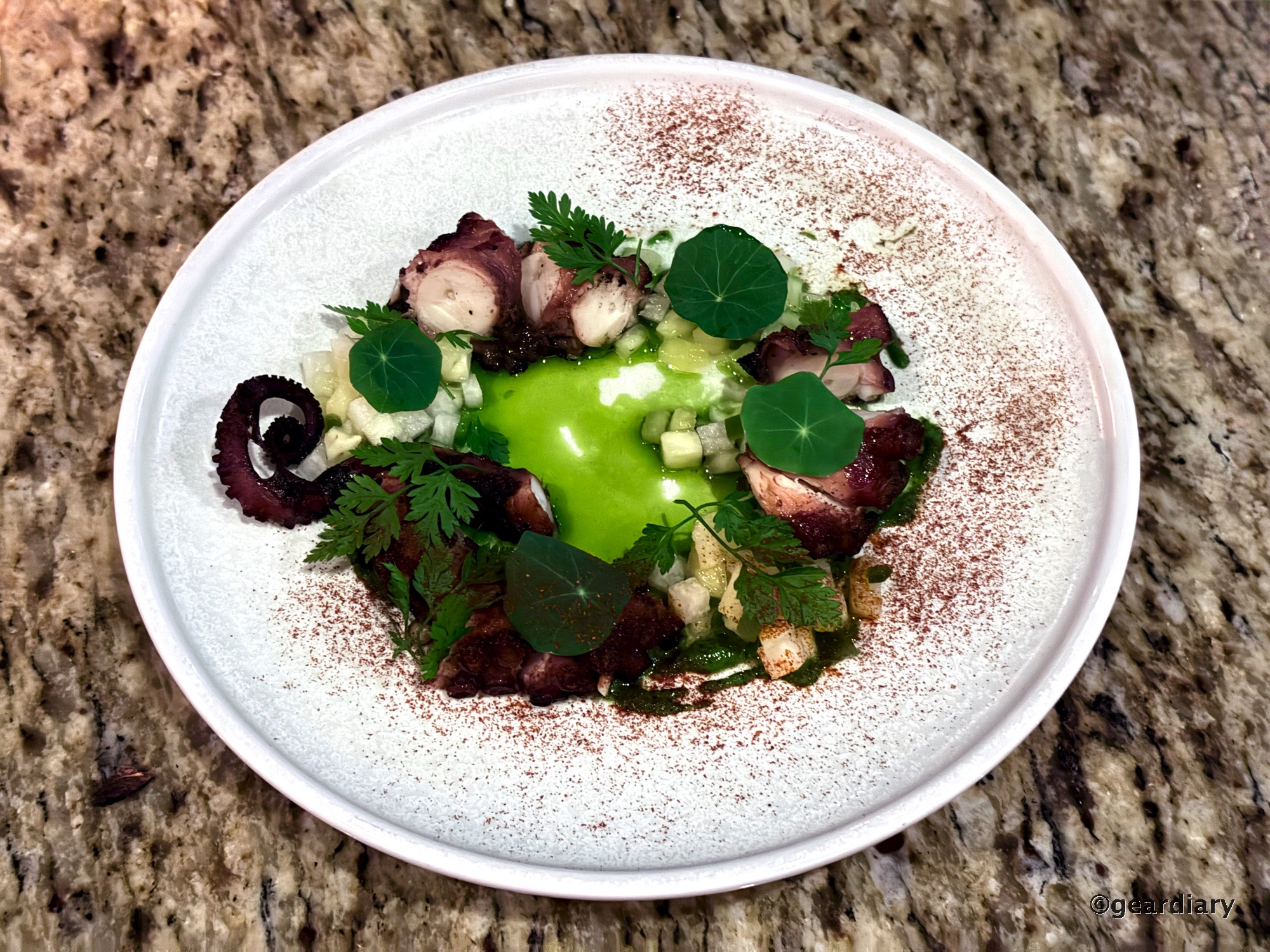
Photos Taken with the iPhone 17 Pro Max
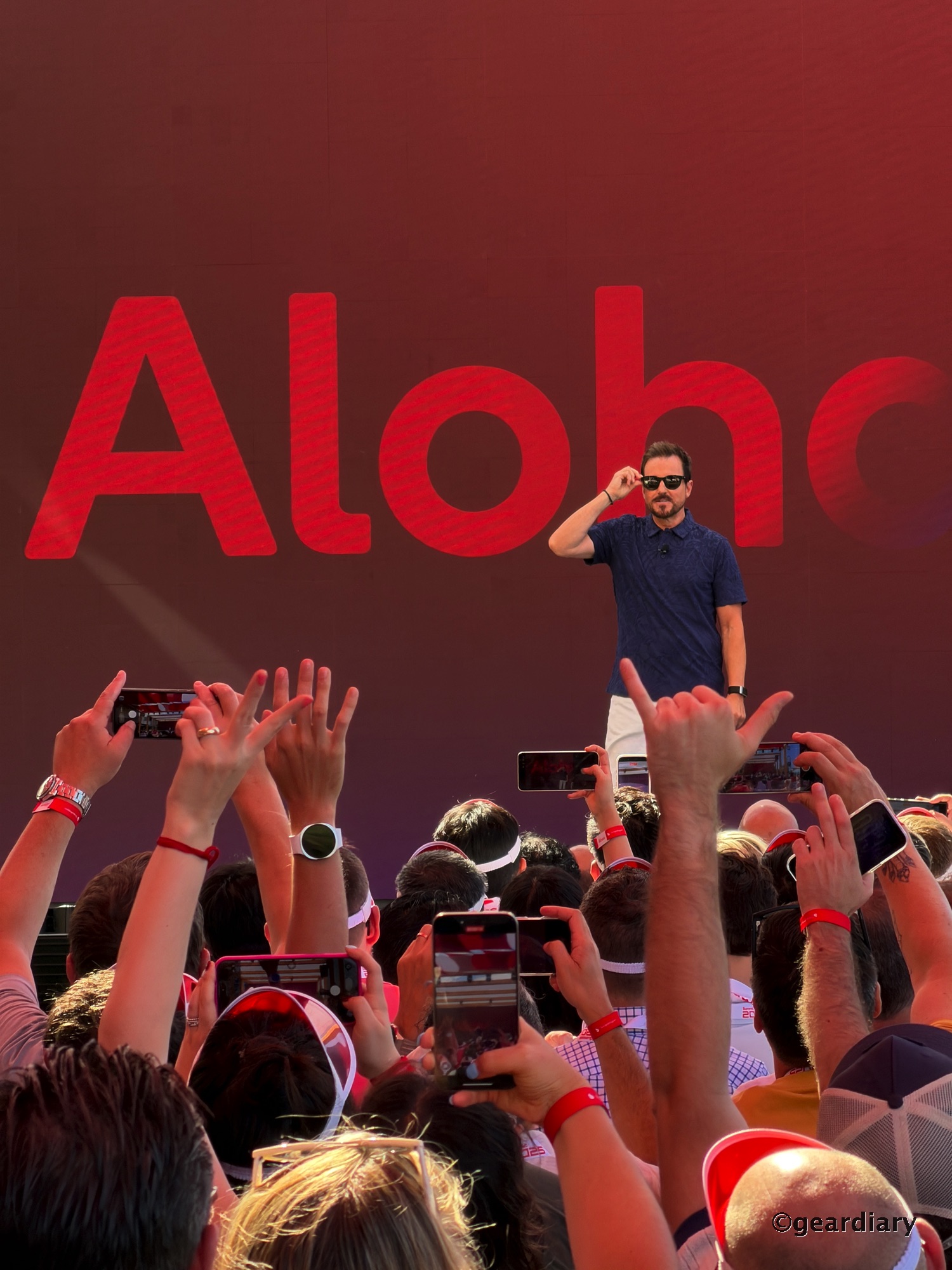










































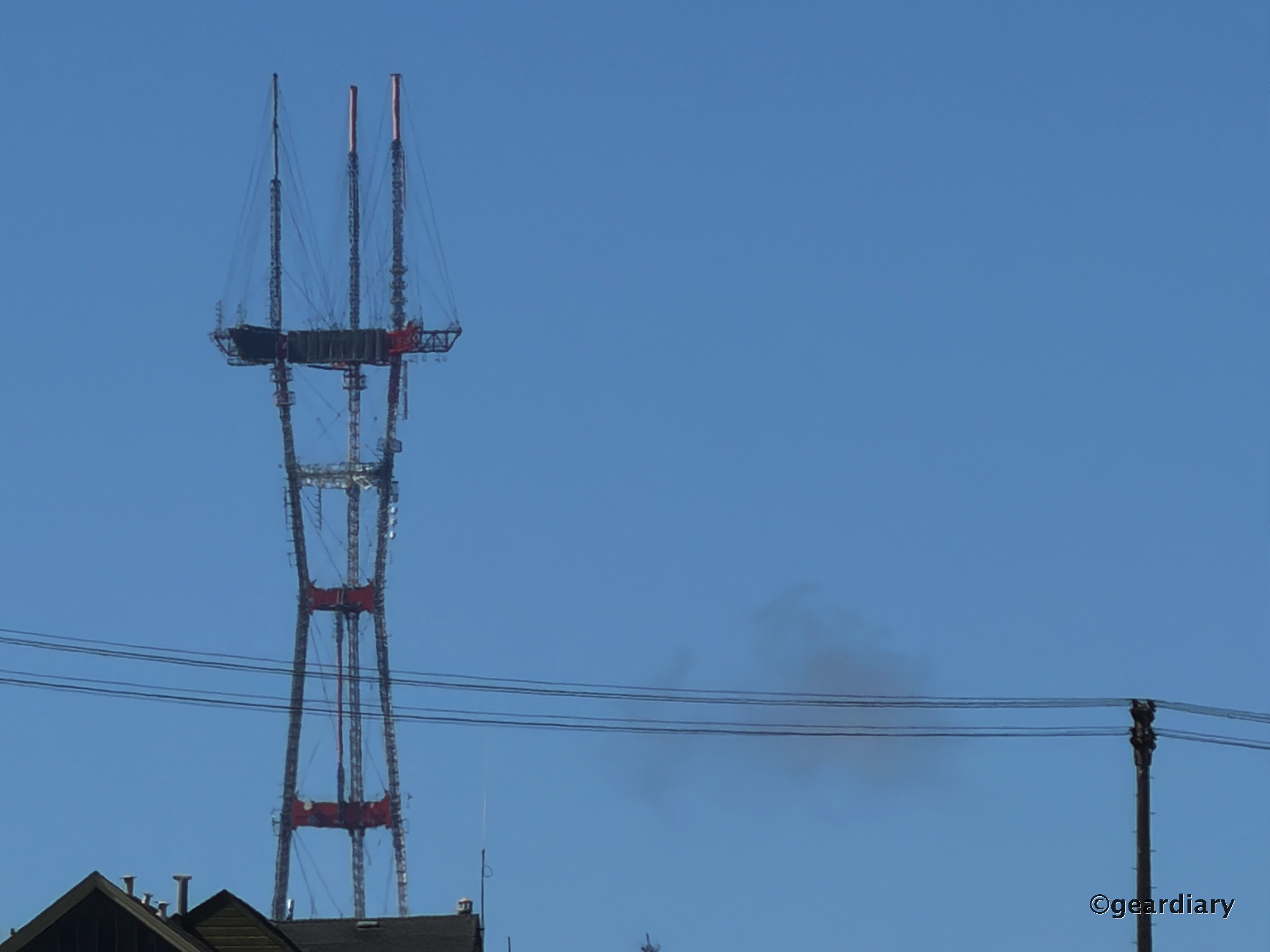
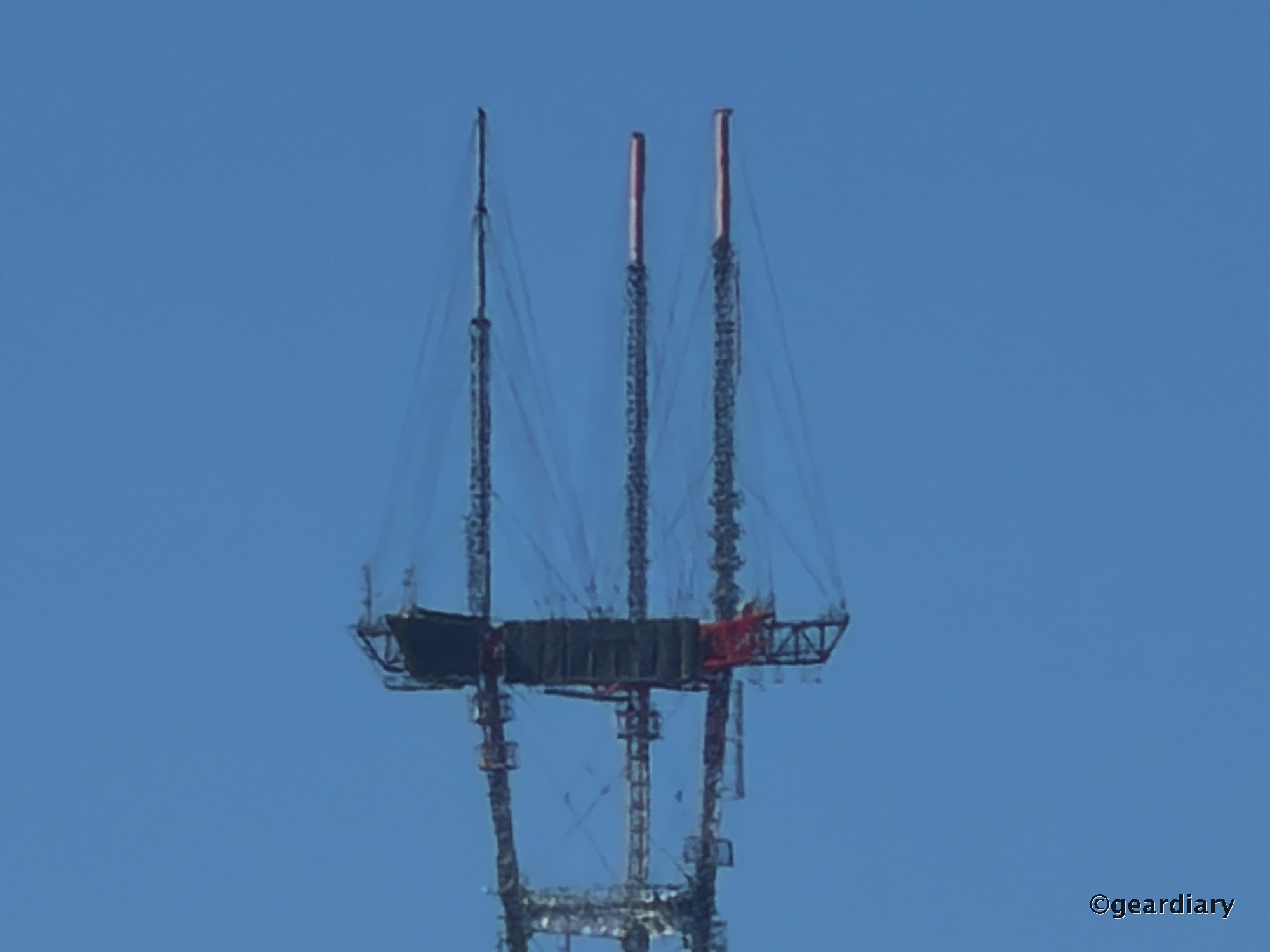











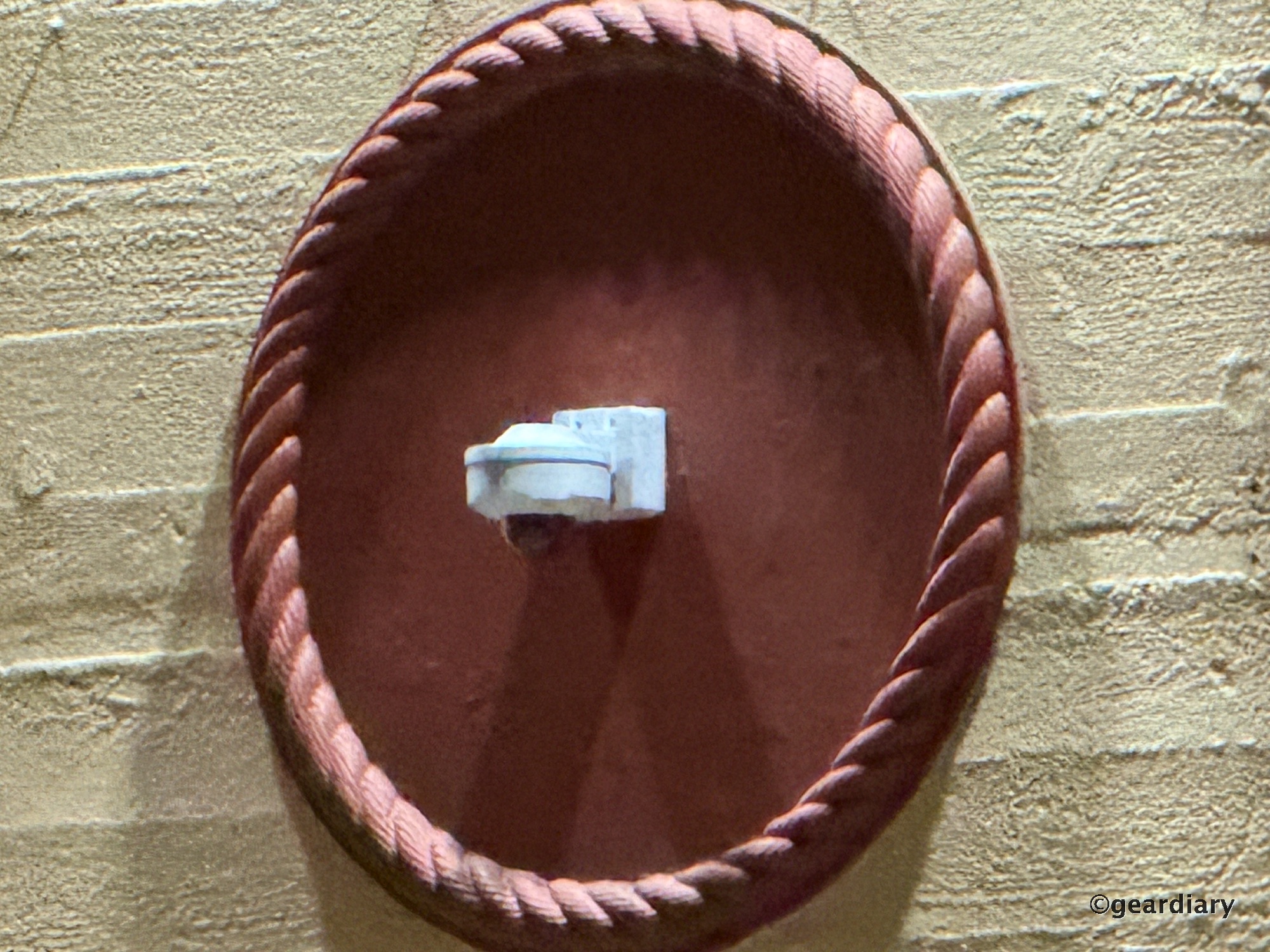
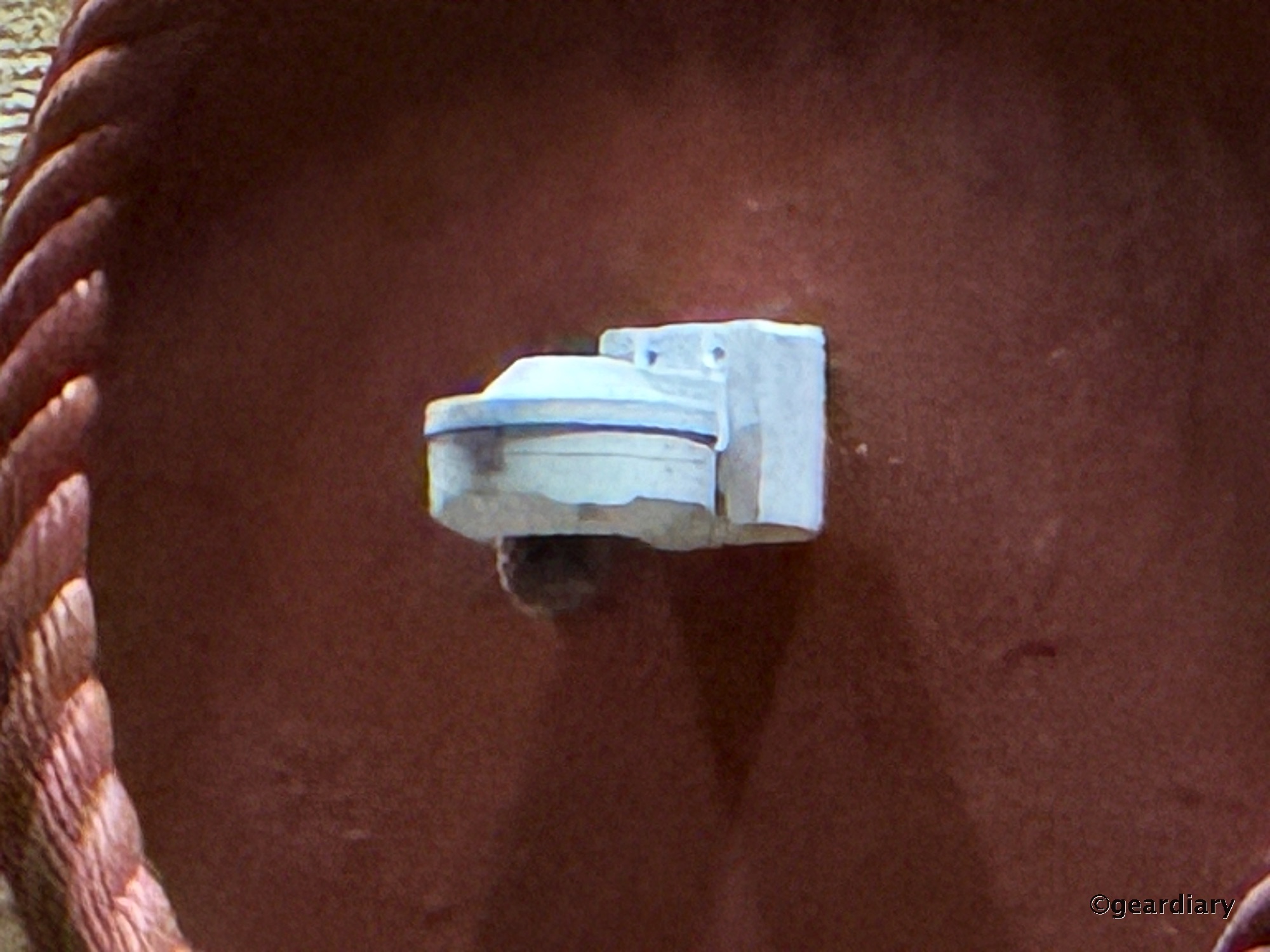






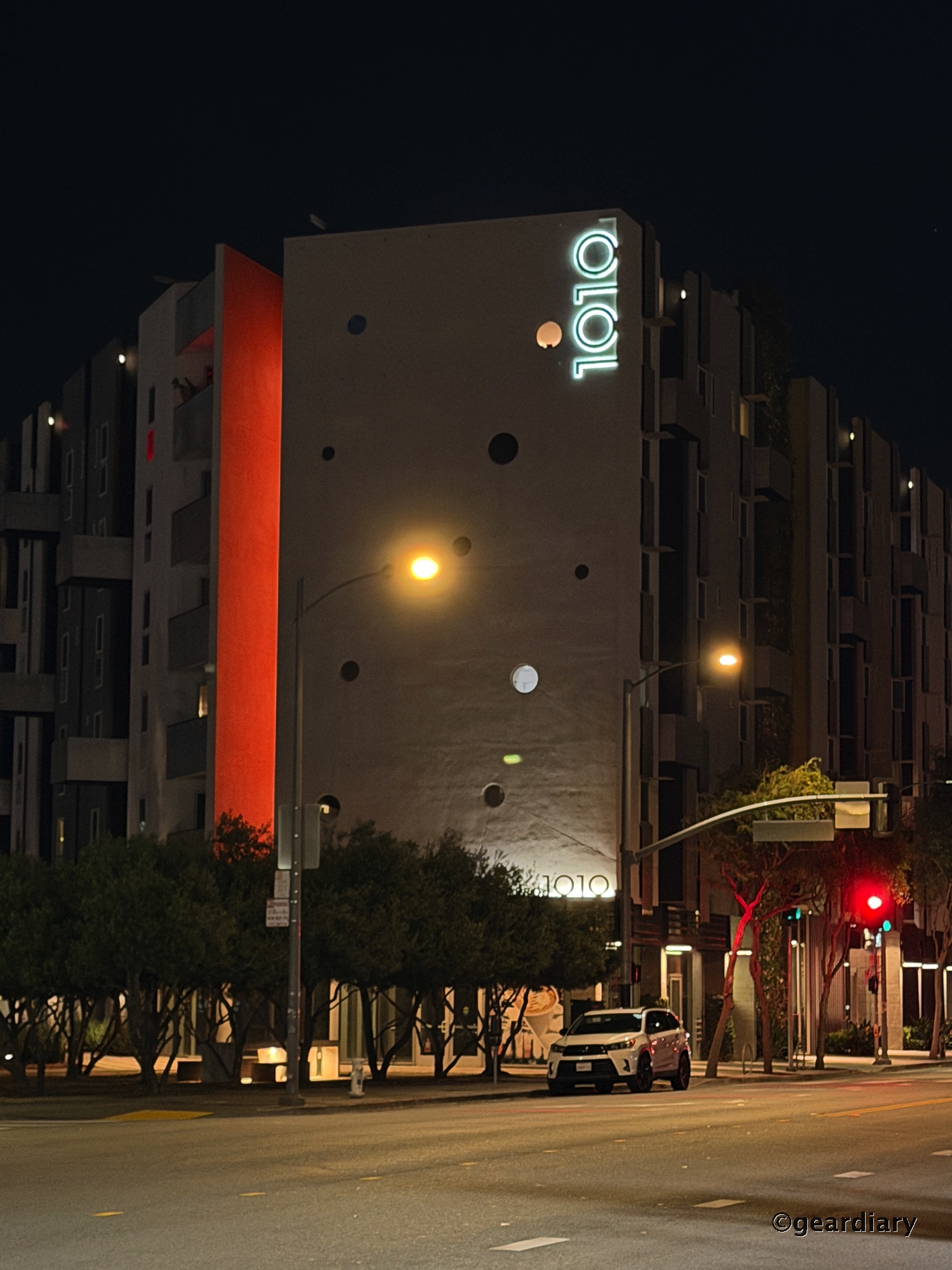
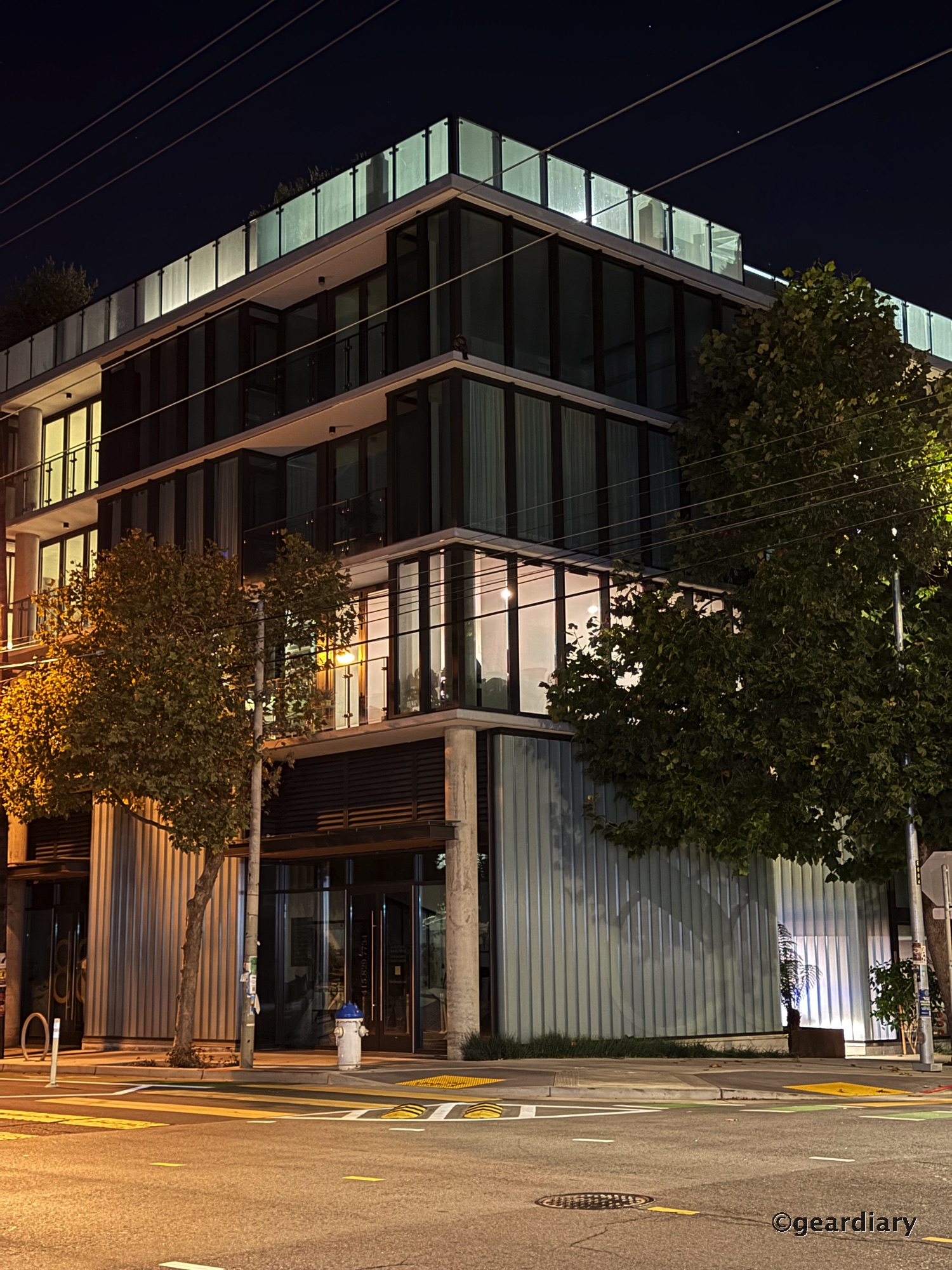





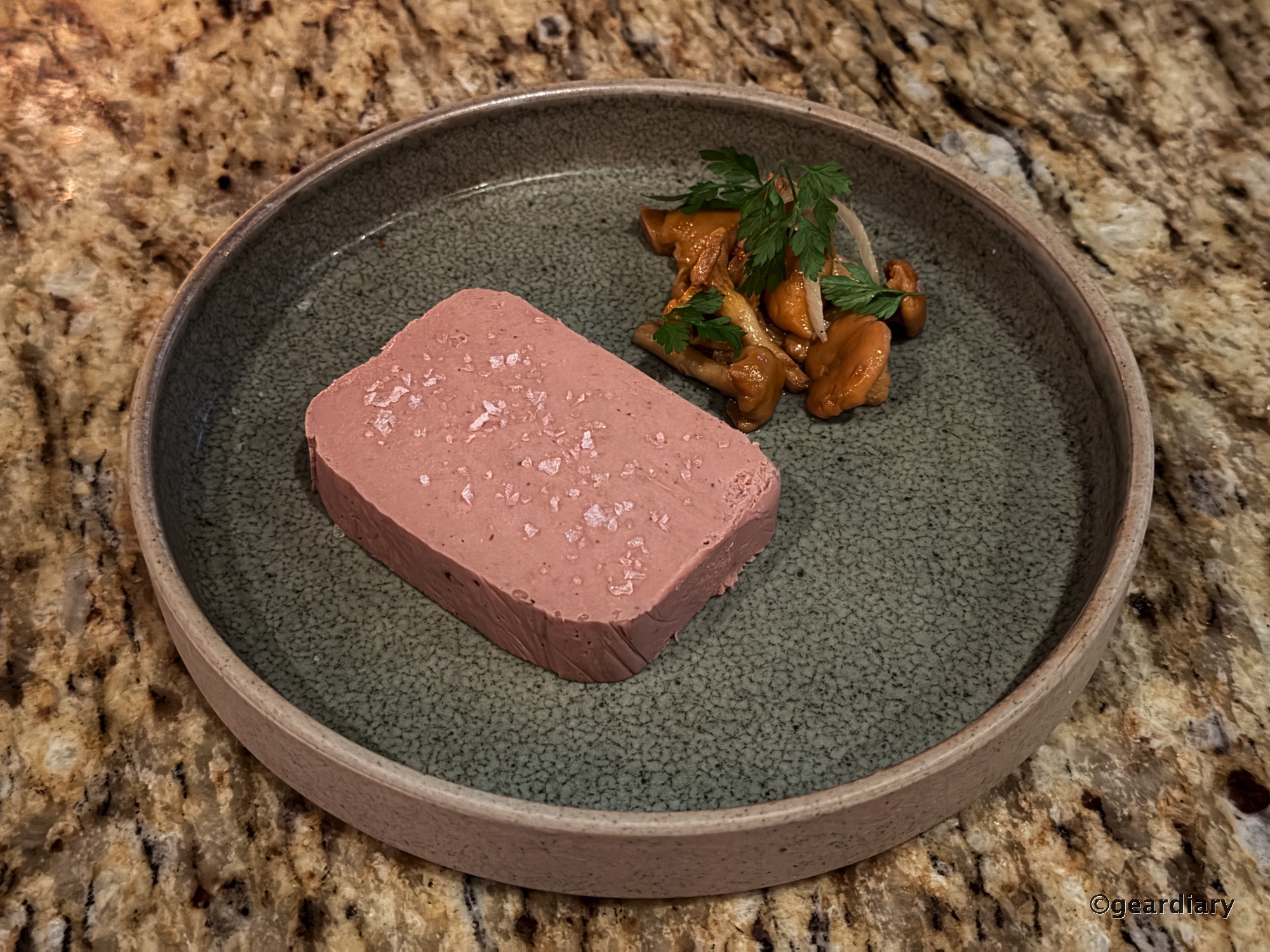

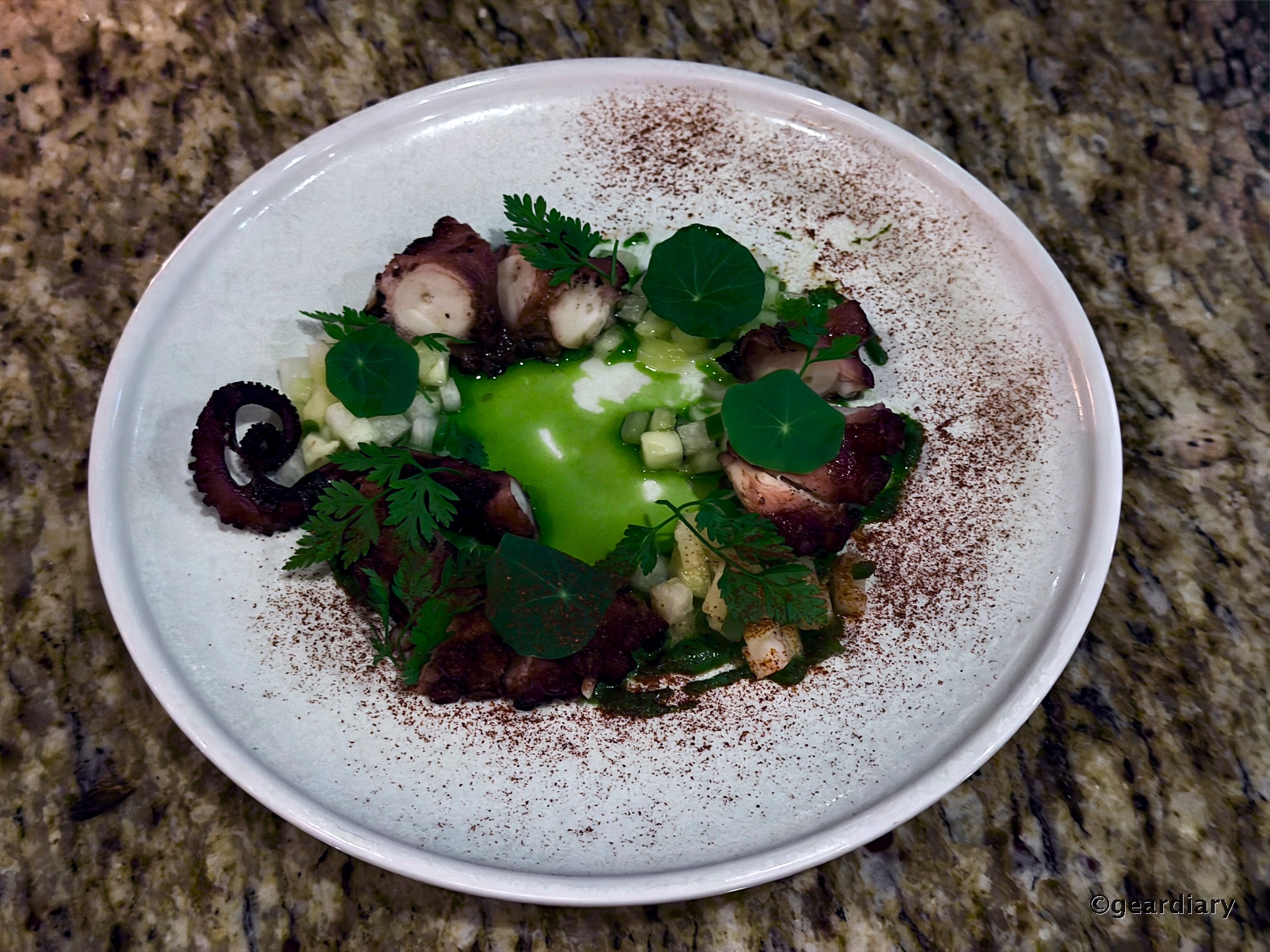






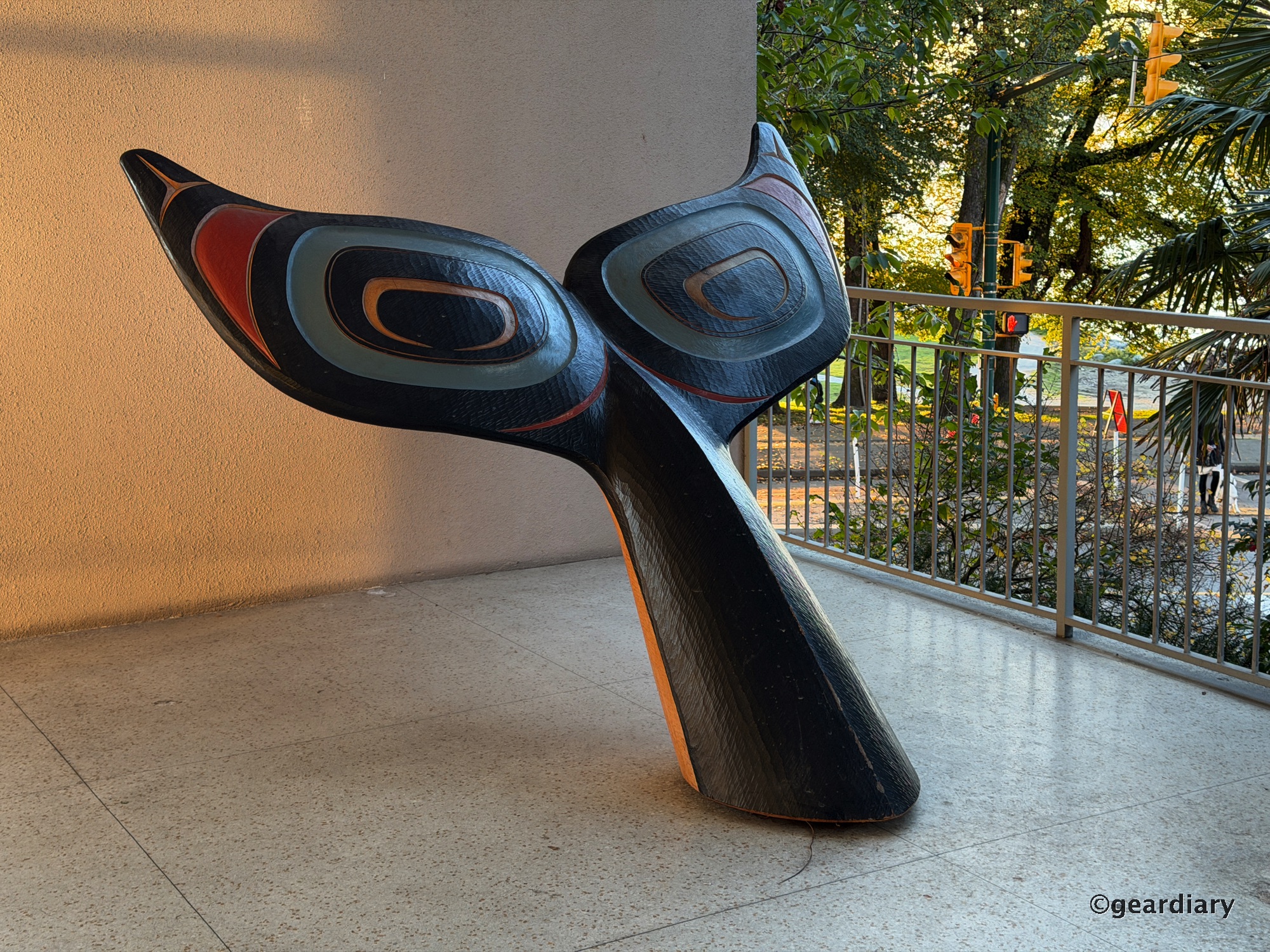
































































As you’d expect, the iPhone 17 and 17 Pro Max both capture fantastic photos and videos. Obviously, the iPhone 17 Pro Max is able to zoom farther than the iPhone 17 (up to 20x vs. 4-5x without a significant reduction in quality) thanks to its dedicated telephoto, but otherwise, you really can’t go wrong with any of these shooters.
I do wish Apple were less heavy-handed with HDR and allowed more contrast in its pictures, but this is something that also afflicts Google and Samsung’s phones. When it comes to video recording, however, there is simply no contest. Android handsets just can’t match the iPhone 17 and 17 Pro Max in terms of video quality.
Performance, Battery Life, and specs
The iPhone 17 packs Apple’s 3nm A19 chip, while the iPhone 17 Pro Max boasts Apple’s 3nm A19 Pro SoC (with six GPU cores and a vapor chamber). You get 8GB of RAM and either 256 or 512GB of storage on the iPhone 17 – up from 128GB on the iPhone 16. That’s twice the amount of base storage for the same $799 price as before.
Meanwhile, the iPhone 17 Pro Max comes with 12GB of RAM and either 256GB, 512GB, 1TB, or a whopping 2TB (!) of storage. Apple sent me a 2TB review unit, and I’ve only managed to fill about 1/8 of it so far. First world problem, I guess? Needless to say, that’s just a stupendous amount of storage for a phone. I’m not complaining, though.
As you’d expect from handsets running iOS26 (which is highly optimized to run on Apple’s latest chips), the iPhone 17 and 17 Pro Max handle anything you throw at them like champs. So whether you’re using day-to-day productivity and entertainment apps or playing hard-core games, these phones are always smooth and responsive.
Other specs for the iPhone 17 and 17 Pro Max include sub-6GHz and mmWave 5G, 4G LTE, satellite SOS, WiFi 7 (802.11be), Bluetooth v6.0 + LE, Thread, NFC, UWB, plus dual-band A-GPS, GLONASS, Galileo, QZSS, BeiDou, and NavIC positioning. Face ID is quick and reliable as always, and Apple’s Taptic Engine delivers superior haptics.
The iPhone 17 and 17 Pro Max’s stereo speakers sound surprisingly loud and clear, and provide some of the best audio I’ve heard on phones. Battery life on these two handsets is perfectly adequate. Obviously, the larger iPhone 17 Pro Max features a larger-capacity Li-ion cell than the iPhone 17 (5088mAh vs 3692mAh), giving it a bit of an edge.
As such, the iPhone 17 Pro Max will generally outlast the iPhone 17 in the same conditions. But overall, both phones will usually last a full day of normal use on a charge. That’s fine for most people. I’m used to reviewing Android handsets with 7,000mAh+ silicon-carbon cells with two-day battery life that charge at 80W+ wired, so keep that in mind.
When it’s time for a refill, the iPhone 17 supports 25W wired charging (USB PD 3.2) while the iPhone 17 Pro Max maxes out at 35W. In addition, both phones offer wireless charging at up to 25W (Qi2-compatible) with MagSafe magnets. Apple includes a braided fabric USB Type-C cable in the box, but no charging brick as usual.
Software and AI
When Apple announced the iPhone 17, 17 Pro, and 17 Pro Max – alongside the iPhone Air – it also launched iOS 26, the successor to iOS 18. Beyond the odd numbering change, iOS 26’s look and feel is heavily influenced by visionOS, which is used on Apple’s Vision Pro XR headset. This new design language, called Liquid Glass, is controversial.
Liquid Glass makes heavy use of droplet-like transparency effects that reflect and refract light in interface components such as text, sliders, toggles, alerts, panels, and sidebars. While I don’t really mind it, I understand how some people might not like it. On the plus side, there’s a setting in the accessibility menu to reduce transparency.
Beyond the obvious visual changes, iOS 26 gains a bunch of new features, but it remains pretty similar to iOS 18, and continues to provide a highly refined and optimized user experience. As you’d expect, Apple Intelligence, which continues to run securely on-device and in the cloud (via Apple’s Private Cloud Compute), also learns some new tricks.
My iPhone 17 and 17 Pro Max review units ran on iOS 26.1 while I was testing them in the Yukon, but are currently on iOS 26.3. Apple typically supports iPhones for seven to eight years, so you can expect the iPhone 17 and 17 Pro Max to receive security updates and OS upgrades on a regular basis for at least that long. And that’s just great.
Verdict
After months of using the iPhone 17 and 17 Pro Max to create content for social media, and after a few days of proper real-life use while vacationing in the Yukon, here’s my takeaway. These are both superb handsets, but in very different ways. In fact, I believe these are the best iPhones Apple’s made in quite some time.
I know this sounds cliché, but hear me out. Between the larger (and long-overdue) 120Hz LTPO display, the 48MP ultrawide camera, and double the base storage (256GB vs. 128GB), the iPhone 17 delivers a major spec bump at the same price as before ($799). Without a doubt, it offers the best value in Apple’s current iPhone lineup.
Meanwhile, the iPhone 17 Pro Max finally lives up to its full Pro potential with a much-improved 48MP 4x telephoto, a 2TB storage option, and better thermals thanks to a vapor chamber and unibody aluminum chassis. This is also true of the smaller but otherwise identical iPhone 17 Pro. In other words, Apple is “Pro-ing” hard this year, and I’m into it.
Plus, here again, the iPhone 17 Pro Max’s starting price ($1,199) remains the same as before. So ultimately, I highly recommend the iPhone 17 and 17 Pro Max. These are Apple’s most compelling iPhones in many years, and that’s no small feat. Oh, and in case you’re wondering, we never saw the Northern Lights. Bummer!
The Apple iPhone 17 starts at $799; it is available in the US directly from the manufacturer.
Source: Manufacturer-supplied review sample
What I like: Superb iPhone value; Beautiful display (120Hz, finally); Excellent cameras; Double the base storage (256GB); Solid performance; Polished software
What needs improvement: No telephoto shooter; eSIM only in North America
The Apple iPhone 17 Pro Max retails for $1,199; it is available in the US directly from the manufacturer.
Source: Manufacturer-supplied review sample
What I like: Full Pro potential; Beautiful display; Excellent cameras; Solid performance; Polished software
What needs improvement: eSIM only in North America