


Motorola is preparing to roll out two new midrange devices, the moto g stylus 2026 and the moto pad 2026. The pairing makes enough sense on paper. One is meant for jotting down notes, sketching, and handling everyday phone duties, while the other gives you a larger screen for streaming, schoolwork, and the usual pile of tasks that somehow spreads across multiple devices.

The Stylus Is Still the Main Attraction
The moto g stylus 2026 is the more interesting device here, mostly because Motorola continues to treat the stylus like something more than a nostalgia play. Most phone makers walked away from built-in pens a while ago, which leaves Motorola with a lane that still feels oddly underused. And honestly, when a stylus is done right, it still makes sense. It’s useful for handwritten notes, quick sketches, marking up screenshots, and those moments when your finger just isn’t precise enough.
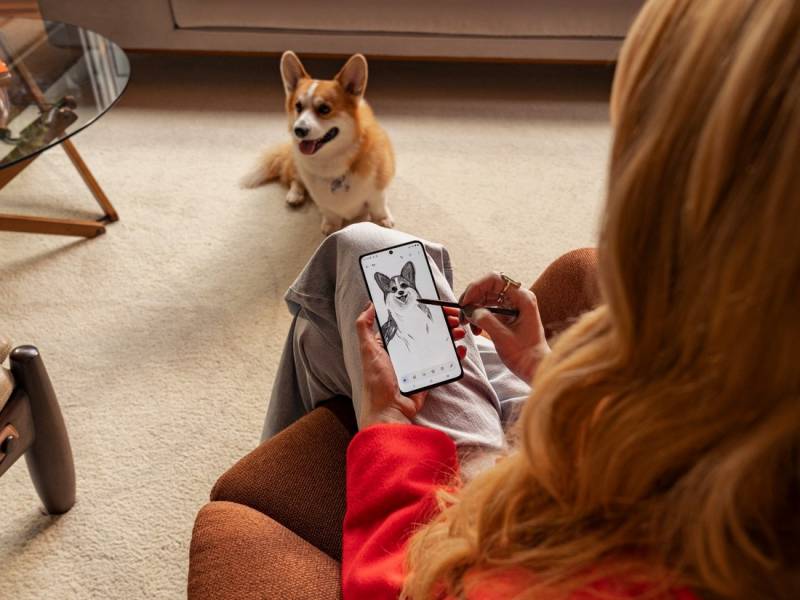
This year’s model adds tilt and pressure sensitivity, so the stylus can respond differently depending on the angle and pressure you use in supported apps. That should make writing and drawing feel more natural and a little less like you’re fighting the hardware. Motorola says the stylus offers up to 100 hours of standby time, nearly four hours of active writing, and a full recharge in just 15 minutes. That last bit matters because a dead stylus stops being a feature and turns into an accessory you forgot to remove.
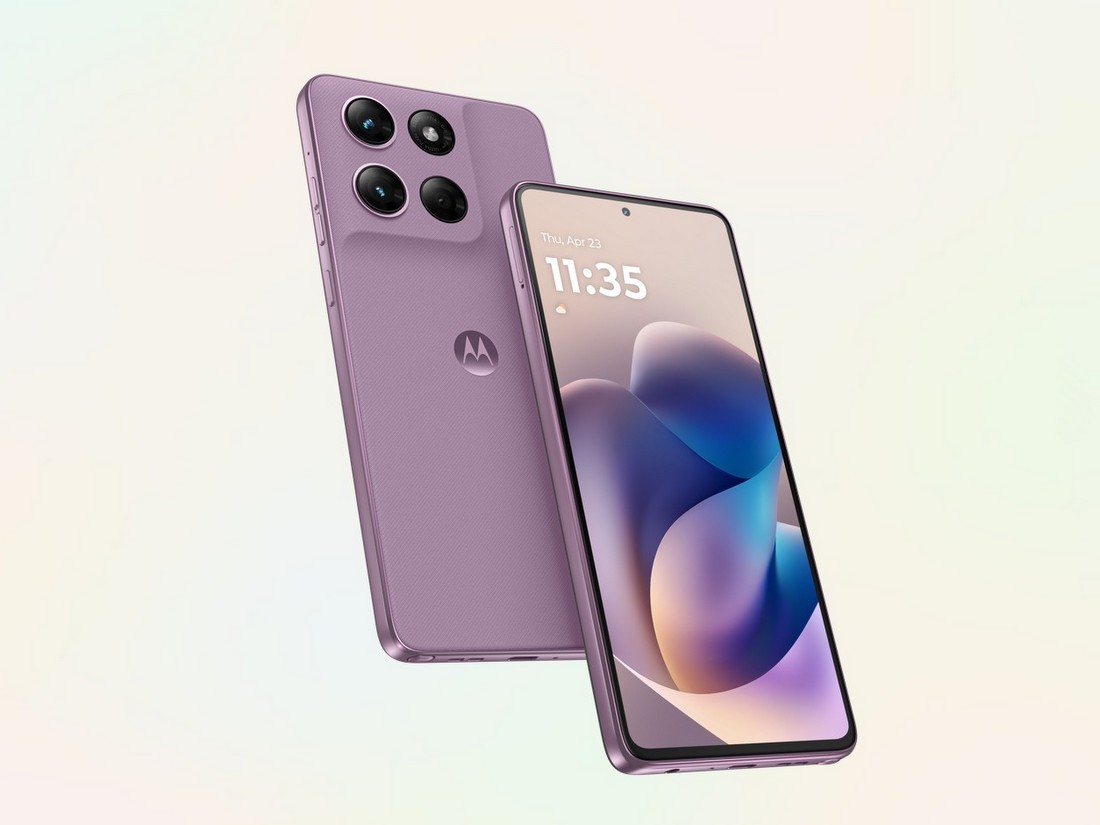
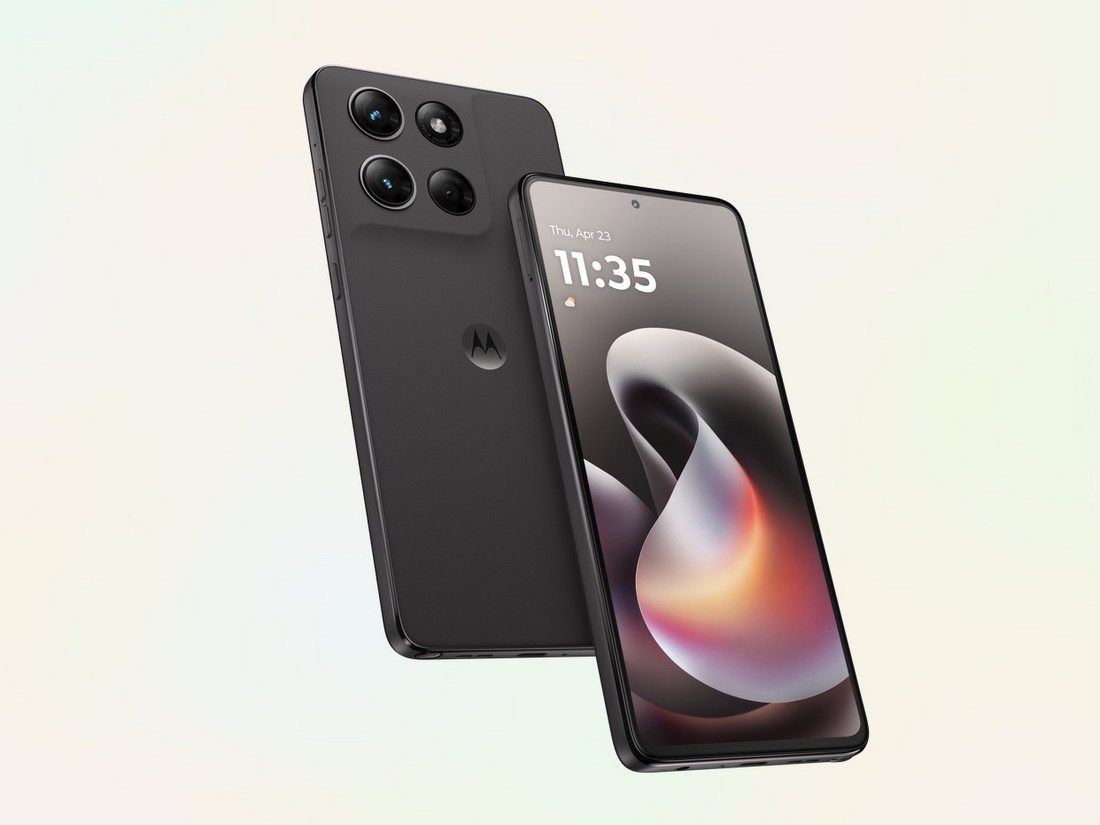
Motorola is also giving the pen more to do across the phone. You can clip text directly into Notes, drag images into notes from supported apps, magnify text by hovering the stylus over the screen, and use Circle to Search with Google by pressing the stylus button and circling whatever’s on display. That feature does exactly what it sounds like it does, which is refreshing. Circle something, get search results, and skip the usual dance of screenshots, copying, pasting, and app switching. When it works well, it’s convenient. When it doesn’t, it’s just one more reminder that software features always sound tidier in launch materials than they do in real life.
There’s also a handwriting calculator and a sketch-to-image feature. Both sound useful enough, especially for students or anyone who thinks better with a pen in hand, though features like that tend to prove themselves only when they save time rather than create one more thing to tap through.
A More Capable Camera Setup Than Before
The camera setup on the moto g stylus 2026 also aims a bit higher than on older models in this line. The main camera features a 50-megapixel sensor with optical image stabilization, which helps reduce blur caused by shaky hands. It uses Sony’s LYTIA 700C sensor and pixel binning, which combine data from multiple pixels to improve brightness and detail in low light. There’s also a 13-megapixel ultrawide and macro camera for wider shots and close-up detail, along with a 32-megapixel front camera that can widen the frame when more people step into view.

That gives the phone a fairly practical range for everyday photography. It should be able to handle the usual mix of food photos, group shots, casual videos, and whatever else ends up in your camera roll when you’re not pretending to be deliberate about it. Motorola also says all the lenses can record 4K video, which still isn’t a given at this level, and the added stabilization should help keep footage from looking like it was shot while running for a bus.
The Display Looks Promising on Paper
Motorola is also making a clear play for display quality here. The moto g stylus 2026 has a 6.7″ AMOLED panel with 1.5K resolution, a 120Hz refresh rate, and claimed peak brightness of up to 5000 nits in certain conditions. That headline number is impressive, though as always, the more meaningful figure is the one you’ll actually notice day to day. Motorola says High Brightness Mode can reach up to 1400 nits outdoors, which is probably the number that matters more if you’re trying to read your screen in sunlight instead of admiring spec sheets indoors.

Either way, the promise is pretty clear. The screen should look sharp, scroll smoothly, and stay more visible outside than the dimmer panels that often show up on cheaper phones. Motorola also says the display will still respond to touch with wet hands. That sounds minor until you’ve tried replying to a text in the rain or changing a song while drying dishes.
Durability and Battery Life May Matter Most
Motorola also wants this phone to come across as sturdier and a little more refined than the average midrange slab. The moto g stylus 2026 has a leather-inspired finish, Pantone-curated colors called Coal Smoke and Lavender Mist, IP68 and IP69 ratings for dust and water resistance, and SGS-certified military-grade durability testing. In practical terms, Motorola says it can survive up to 30 minutes in 1.5 meters of fresh water and handle high-pressure water spray. That doesn’t mean it’s waterproof, and the company is careful not to make that claim. Like any phone with water resistance, the protection can wear down over time and use.

Battery life sounds solid. The phone has a 5200mAh battery that Motorola says can deliver up to 44 hours of use, though those numbers always depend on how you actually use the device. Brightness, signal strength, camera use, and background apps all get a vote. Charging tops out at 68W with a compatible Motorola charger, and there’s also 15W wireless charging, though the chargers themselves are sold separately. Motorola also says the battery should retain more than 80% of its health after 1,600 charging cycles, which may not be flashy, but it’s the kind of detail that tends to matter long after launch-day excitement has packed up and gone home.

The phone ships with Android 16, Motorola’s Hello UX customization features, Smart Connect for sharing and mirroring content across compatible devices, and Moto Secure for privacy and security settings. It also supports Google Gemini and editing tools in Google Photos, though those features will vary depending on region, language, device support, and internet access. Or, put another way, some of the smartest features may depend on whether your market gets the full menu.
The Moto Pad 2026 Keeps Things Simple
The moto pad 2026 doesn’t have quite the same hook, but it may end up being the easier product to understand. It features an 11″ 2.5K display with a 90Hz refresh rate, quad speakers with Dolby Atmos support, a MediaTek D6300 5G processor, and a 7040mAh battery that Motorola says can power up to 12 hours of streaming.
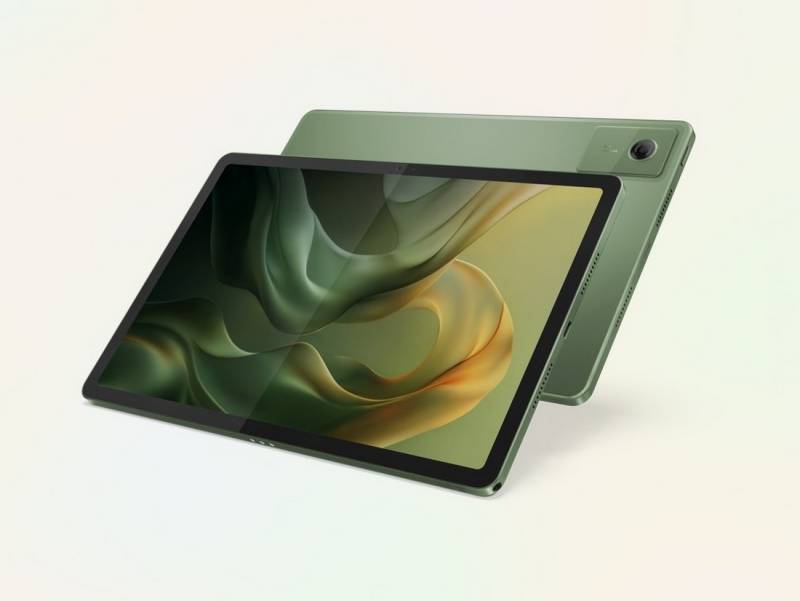
That sounds less like a tablet trying to replace your laptop and more like one that knows its job. It’s built for studying, watching shows, browsing, video calls, reading, and light multitasking. For plenty of people, that’s enough. The addition of 5G means it can stay connected even without Wi-Fi, assuming you have compatible coverage and service, which could make it more useful for commuting, school, travel, or anyone who’s tired of tethering everything to a phone.
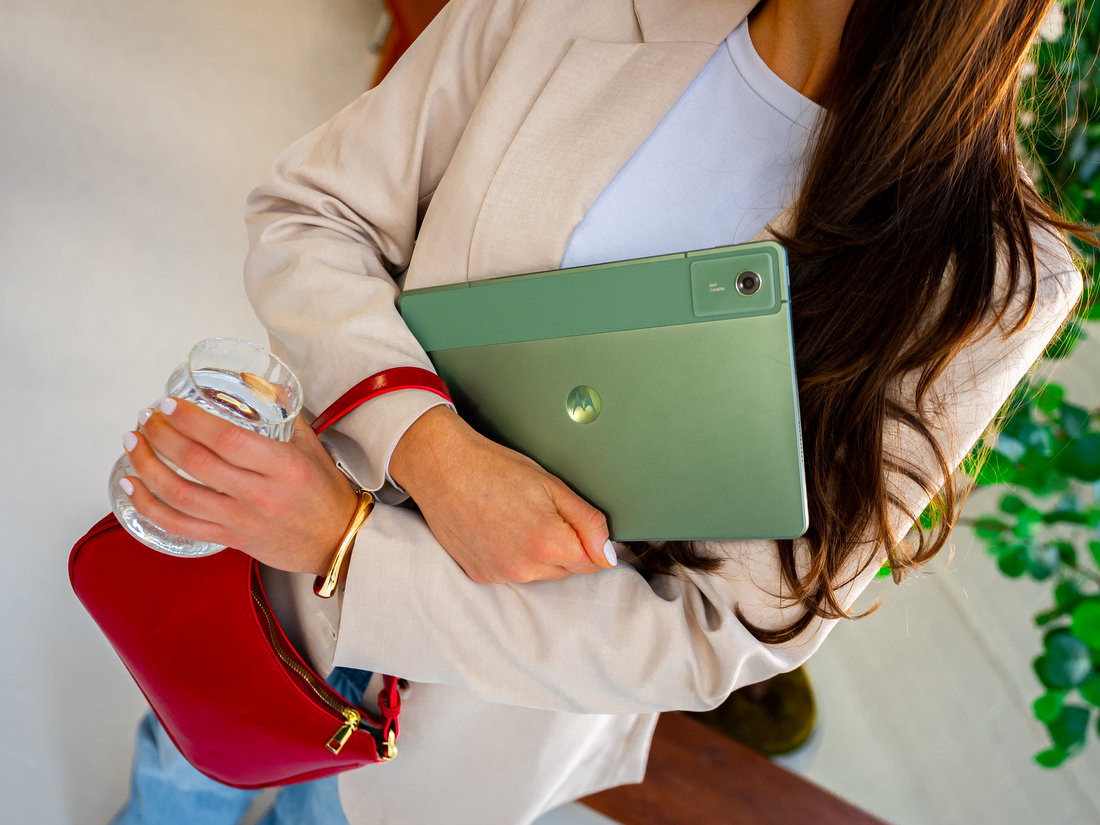
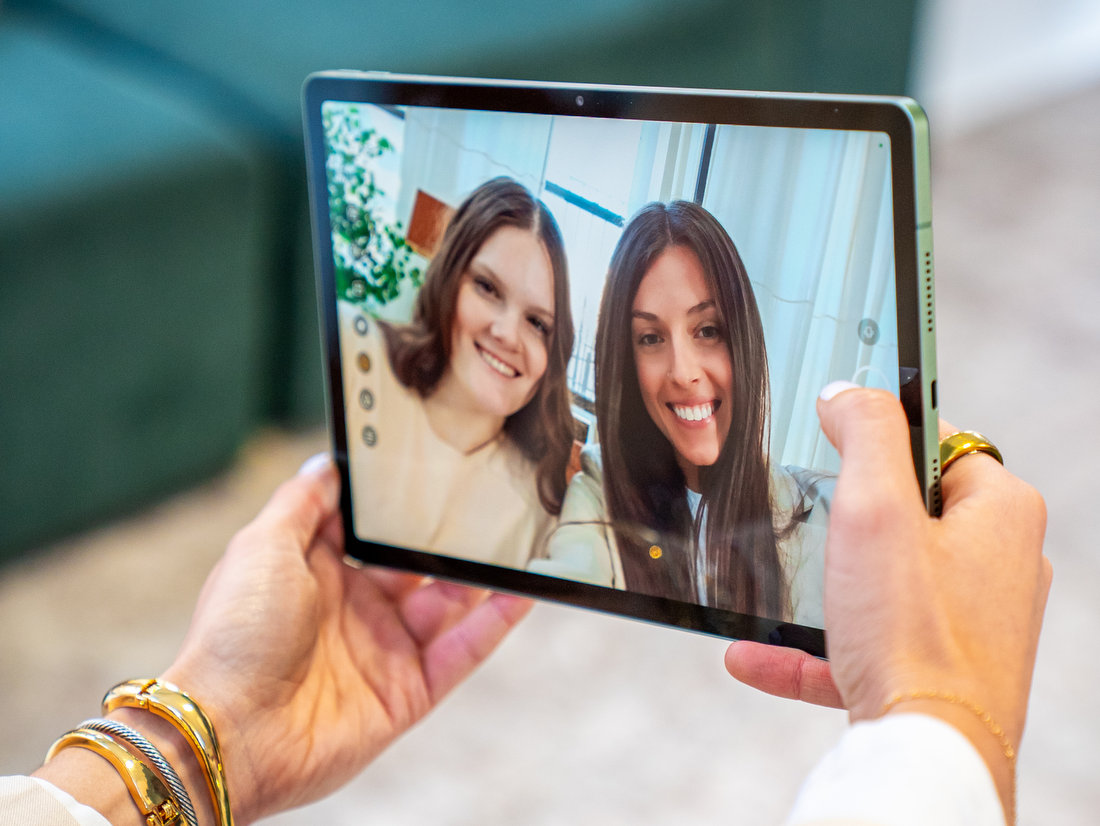
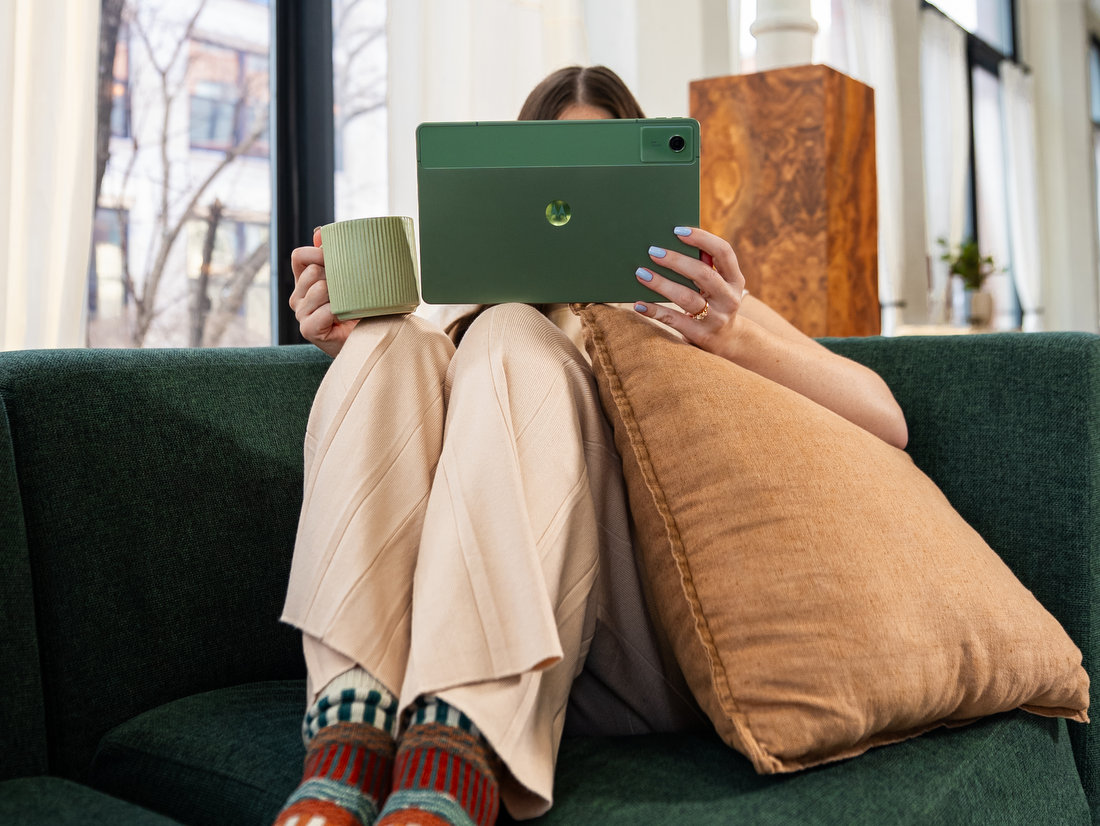
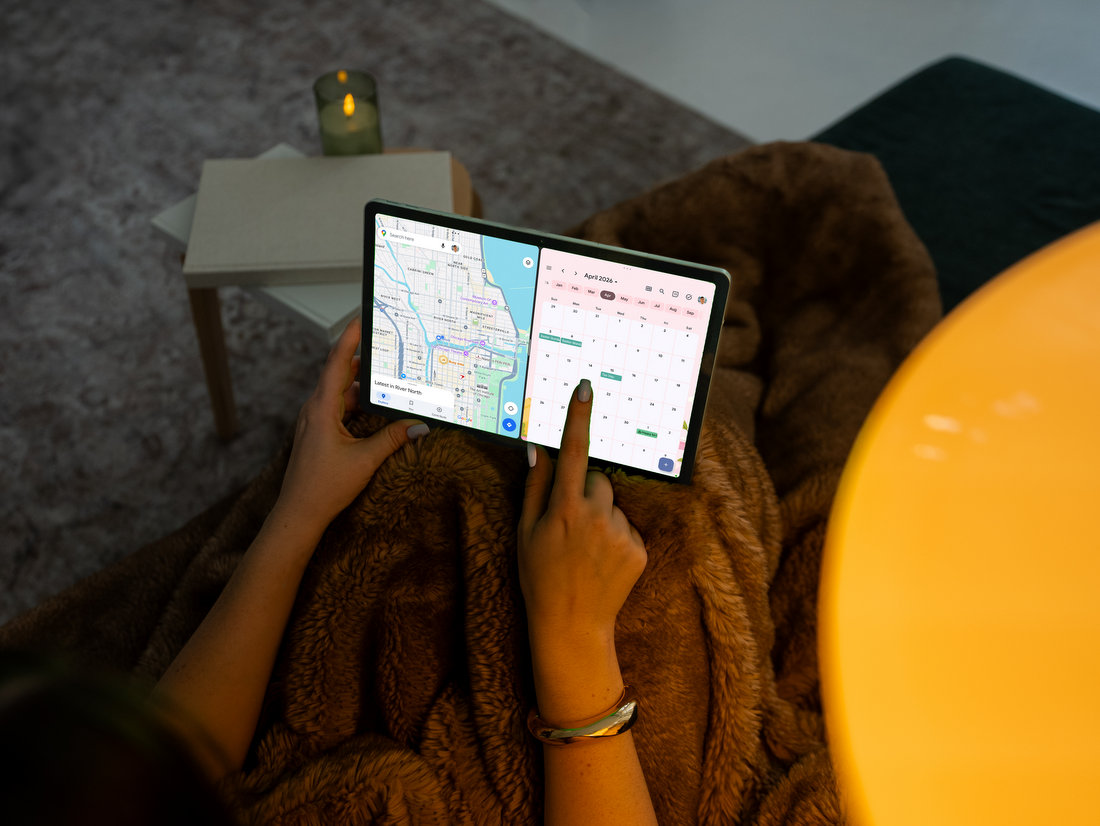
Motorola is also bringing Smart Connect and Circle to Search to the tablet, which should make it easier to move content between a phone, tablet, and PC. The hardware itself has a rounded all-metal design in Pantone Bronze Green, which is a slightly more elegant way of saying Motorola would prefer this not look like every other generic tablet on a shelf.
Pricing and Availability Add Needed Context
Now for the part that usually decides whether a launch is worth caring about beyond announcement day. In the United States, the moto g stylus 2026 will go on sale on April 16, starting at $499.99. It will be sold unlocked through Best Buy, Amazon, and Motorola’s site, and it will also be available on Google Fi Wireless the same day. Motorola says availability will follow at Spectrum Mobile, Cricket Wireless, AT&T, Xfinity Mobile, and Optimum Mobile, though pricing will vary by carrier and memory configuration.
Motorola is also sweetening the launch a bit; the 128GB version of the moto g stylus 2026 will include a 4-pack of moto tags at no extra cost, while the 256GB version will come with moto buds loop earbuds, a moto watch, and a moto tag. In Canada, the moto g stylus 2026 will be available through motorola.ca on April 16.
The moto pad 2026 is arriving a little later in the United States, with availability set for April 30 through T-Mobile and Metro by T-Mobile. Motorola still hasn’t shared pricing for the tablet, which makes it harder to judge how competitive it really is. That missing number matters, especially in a tablet market where “good enough” is only appealing if the price is low enough to stop you from comparing it to everything else.
The Real Test Will Be Value
For now, the moto g stylus 2026 still looks like the more distinctive of the two, especially if you like handwriting, sketching, or having a finer point of control on a phone screen. At $499.99 unlocked, it’s no longer floating in vague midrange territory. It has a number attached to it now, which makes it easier to judge and a little harder to excuse. The moto pad 2026 feels more straightforward, but that’s not necessarily a criticism. Not every tablet needs to pretend it’s redefining personal computing. Sometimes it just needs to stream well, browse without lag, handle a few tasks at once, and make it through the day without hunting for an outlet.