


The Lowdown
The Olight Oclip Pro S is easy to dismiss at first because it sounds like one of those products trying a little too hard to be useful in every possible situation. But the feature set is more grounded than it first appears. The combination of compact size, flexible mounting, a useful range of light modes, USB-C charging, and an IPX6 rating gives it more real-world value than a lot of novelty-minded compact lights.
Overall
Pros
- A compact size that still feels substantial
- A useful clip with keyring and magnetic mounting options
- Proper 365nm UV light adds real versatility
- The red light is genuinely handy for nighttime use
- USB-C charging with a thoughtfully designed port cover
- An IPX6 rating adds welcome weather resistance
Cons
- Be aware that the small size limits sustained high output
Small clip-on lights tend to promise a lot. They arrive with crowded spec sheets, a few suspiciously rugged lifestyle photos, and the implication that if a gadget does five things, it must be better than one that does two things well. In reality, many of them end up as gadget-drawer clutter with a charging port. The Olight Oclip Pro S does a better job than most of avoiding that fate.
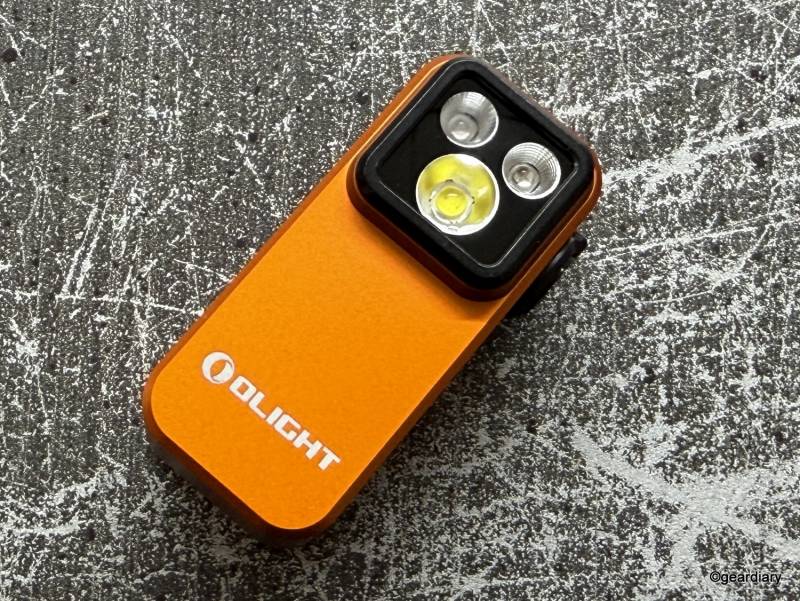
At $39.99, the Oclip Pro S isn’t being sold as a throwaway backup light or a bare-bones keychain torch. It’s a compact everyday-carry light built around versatility, and Olight has managed to fit quite a bit into a very small package. It combines a white LED rated at up to 600 lumens with 365-370nm UV light, red, green, and blue LEDs, and multiple flashing modes.
The Olight Oclip Pro S clips, hangs, and magnetically mounts for hands-free use. It charges over USB-C, weighs 1.76 ounces including the battery, and measures roughly 2.2″ long by 1.1″ wide by 1.1″ thick. The body is made from 6061 aluminum alloy, and inside is a built-in 580mAh battery that Olight says recharges in about 90 minutes.
That’s a lot to cram into something this small.
The real question isn’t whether Olight managed to fit in the features. Clearly, it did. The question is whether those features make the light more useful in everyday life or just more complicated.
For the most part, the Oclip Pro S gets the balance right.
Design and Build Quality
The first thing the Olight Oclip Pro S gets right is that it doesn’t feel cheap. That may sound like a modest compliment, but in this category it matters. Plenty of small lights are technically functional while still feeling like they were destined for the bottom of a junk drawer. This one feels more purposeful.
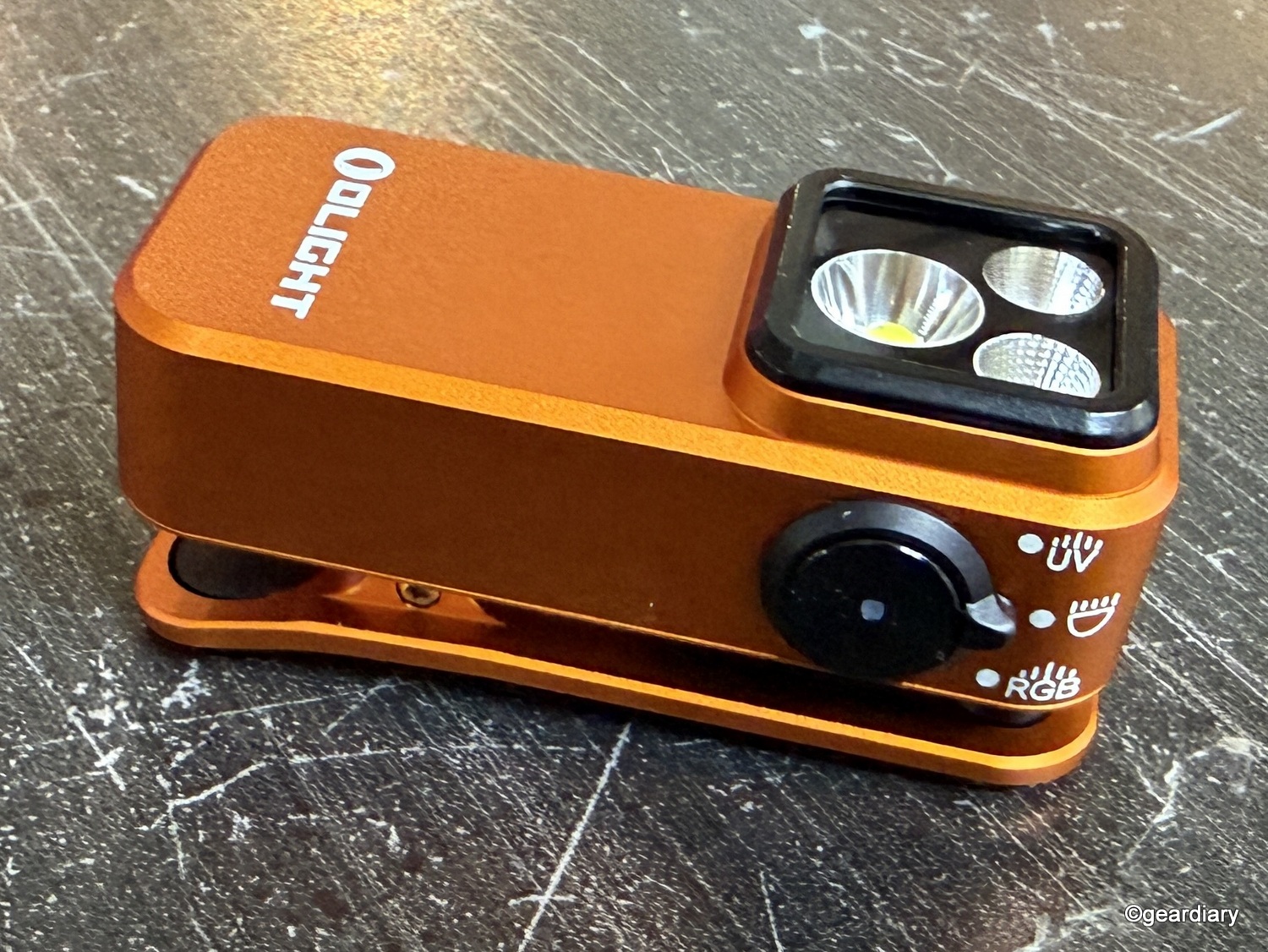
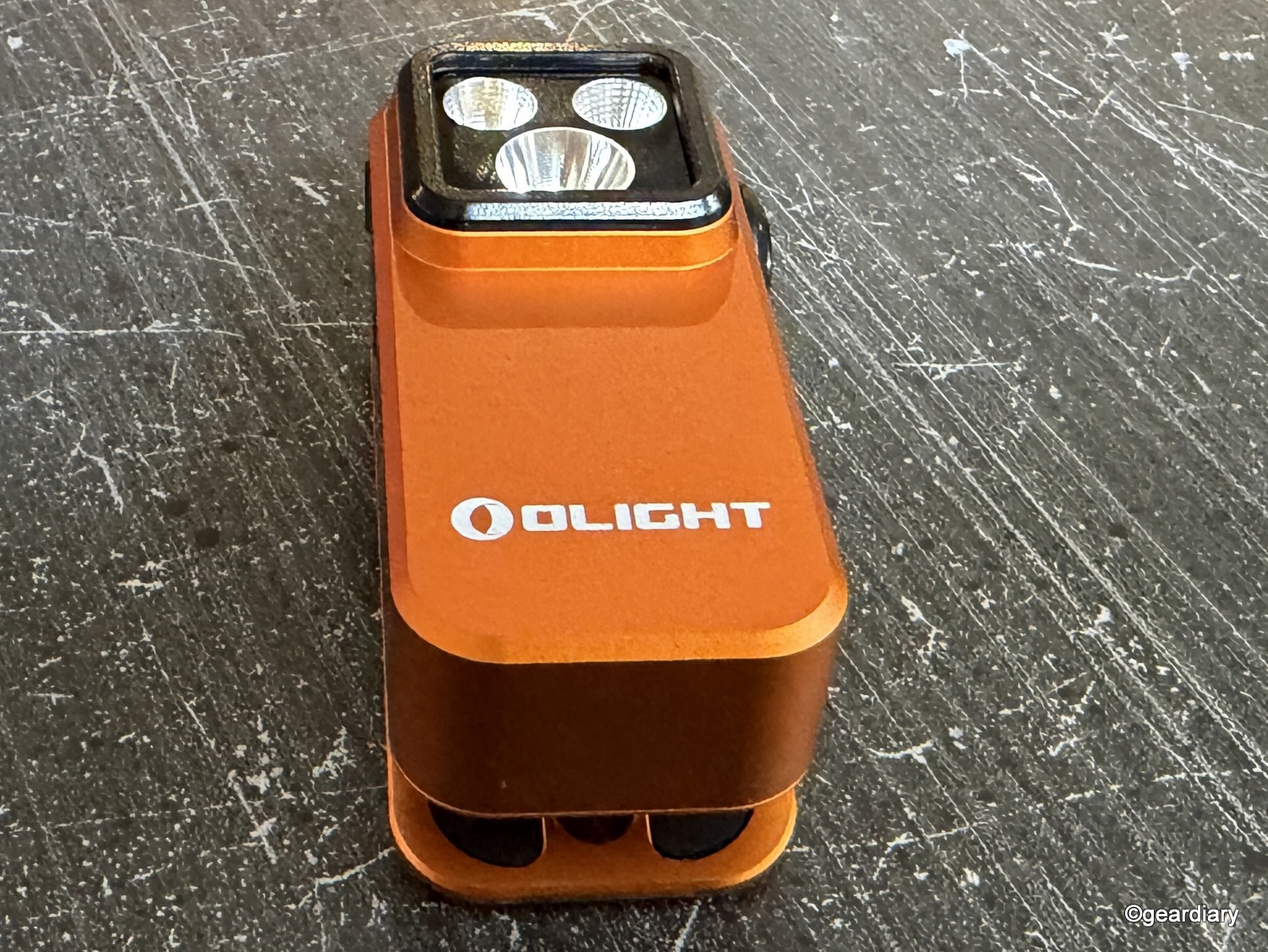
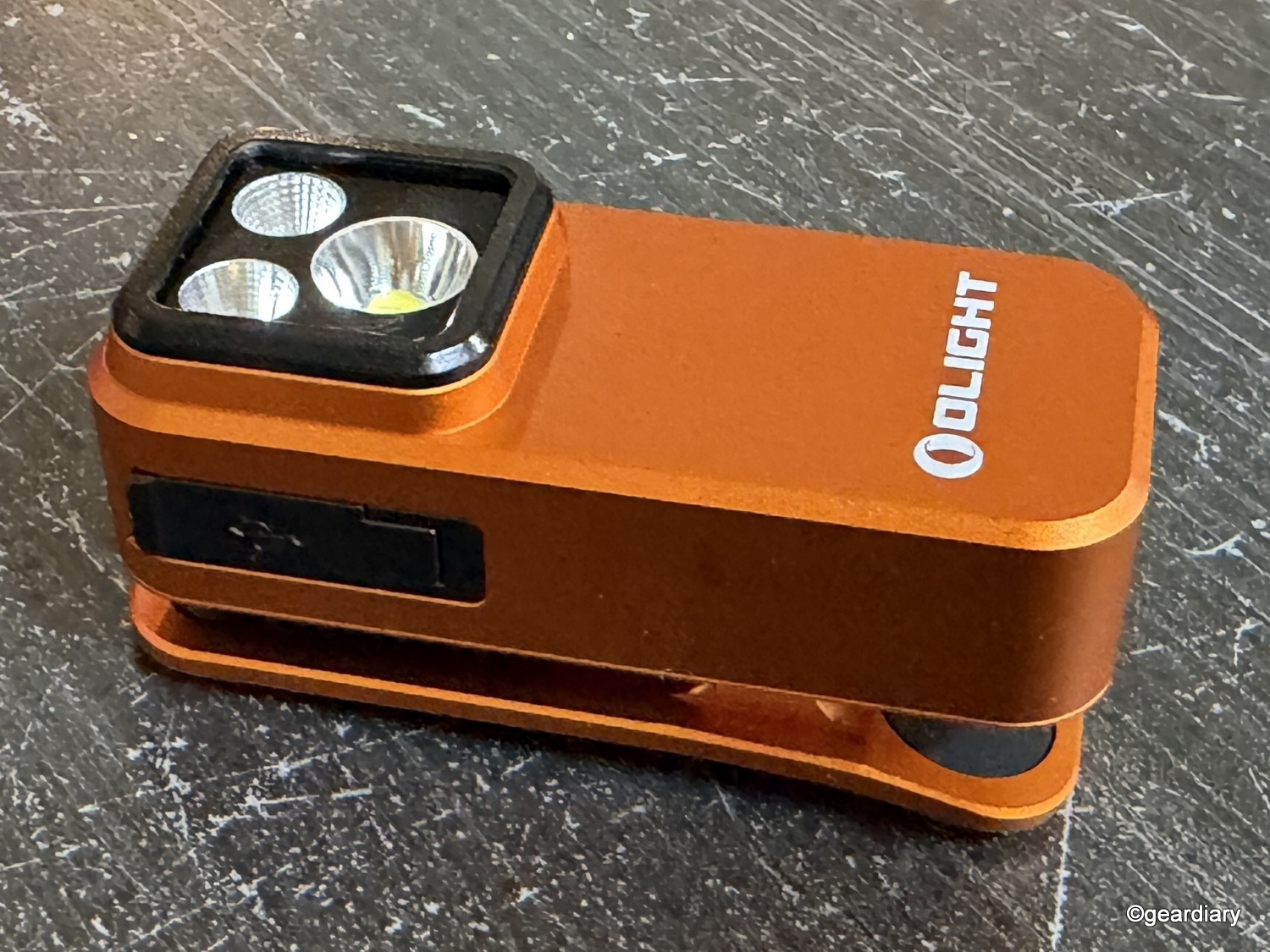
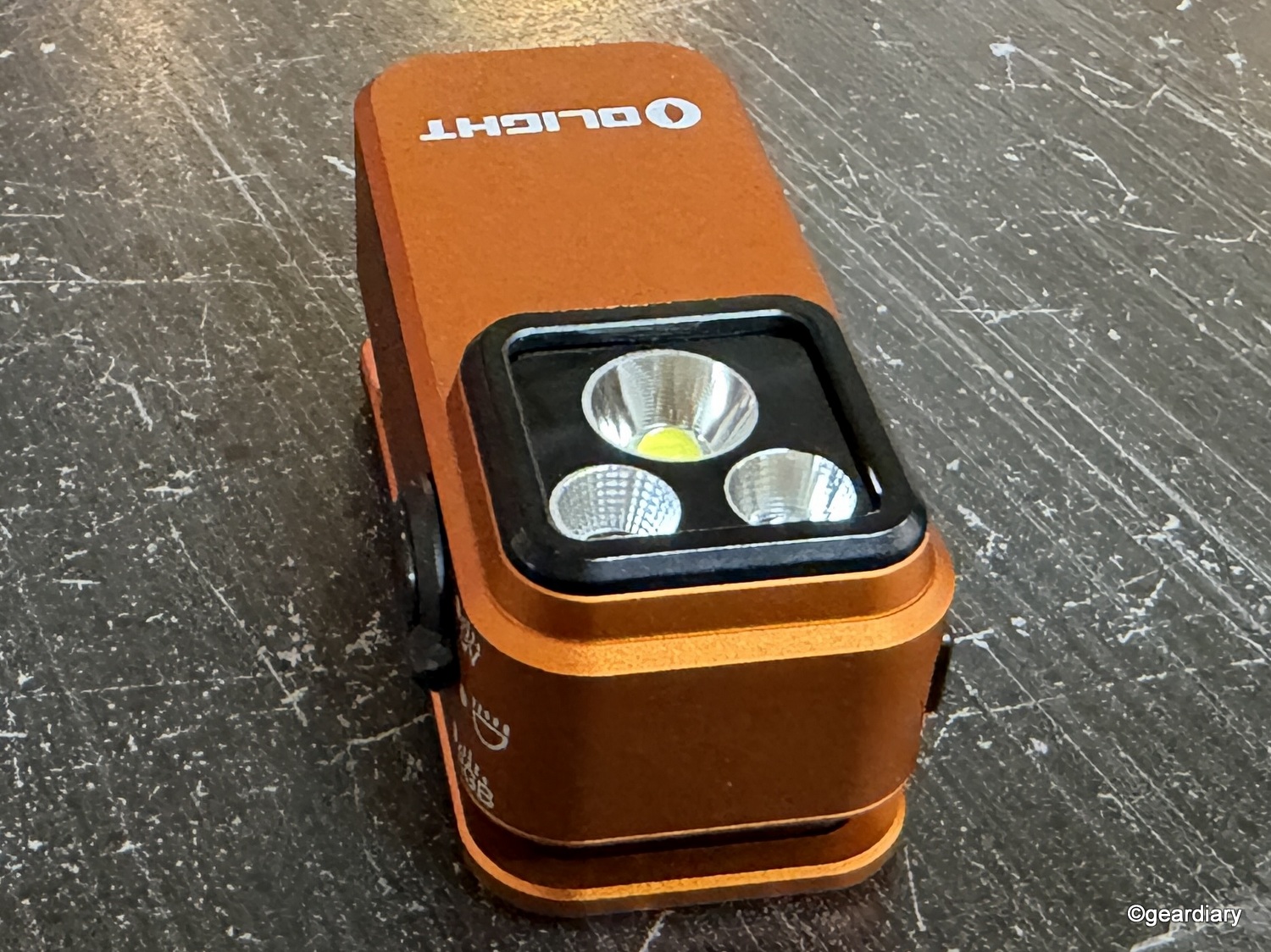
Its size is one of its biggest strengths. It’s small enough to disappear into a pocket, slip into a purse or backpack organizer, or hang from a key ring thanks to the hole in the bottom of the clip. It’s also compact enough to clip onto a backpack strap, jacket placket, or hat brim when you want light without using your hands.
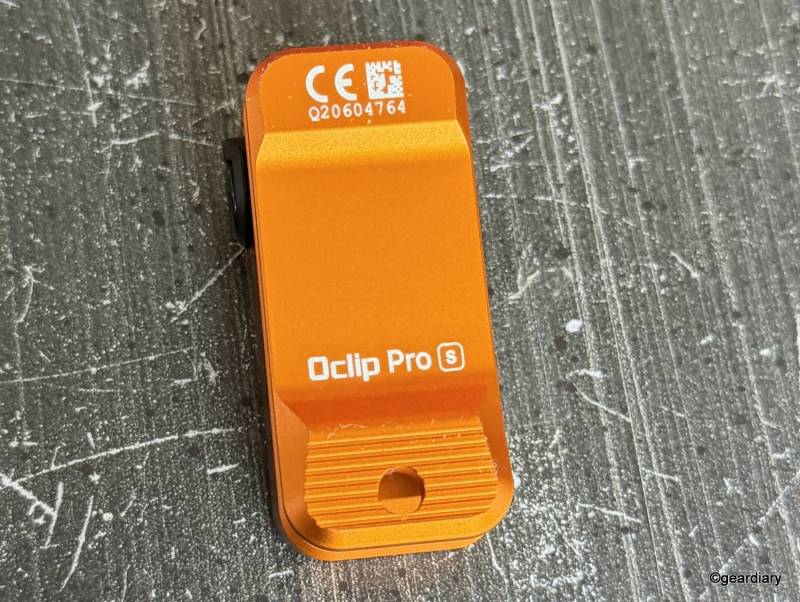
The 6061 aluminum alloy body helps a lot. On something this small, plastic would’ve made it feel like an accessory. The metal construction gives it a sturdier, more tool-like feel and should hold up better to the usual abuse of daily carry. This is the kind of light that needs to survive being tossed into a bag, dropped into a glovebox, or clipped to the same strap day after day without looking exhausted after a week.
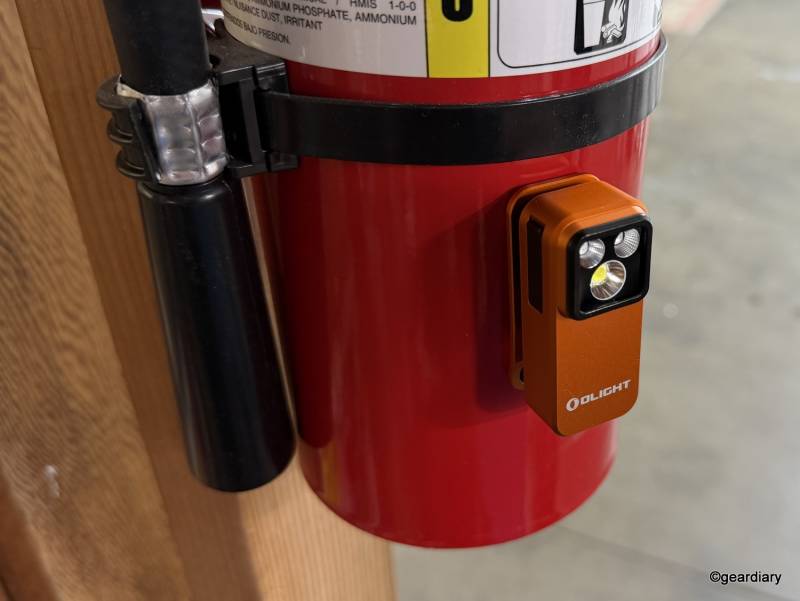
The clip is central to the whole idea, and thankfully, Olight seems to understand that. On a light like this, the clip isn’t a side feature; it’s the feature. If it doesn’t hold securely, the rest of the design matters a lot less. The built-in magnet at the bottom of the clip is another genuinely useful touch. It sounds mildly interesting until you actually need it, and then suddenly the light is attached to the underside of a hood, the inside of an electrical panel, or the side of a grill while both your hands are busy.
One final build detail that deserves credit is the USB-C port cover; it’s a little door that swings out of the way when open and closes tightly when not in use. That sounds minor, but bad charging-port covers are one of those tiny annoyances that can make an otherwise solid gadget feel weirdly cheap. This one feels like it was designed by someone who’s been bothered by cheap covers on other gadgets.
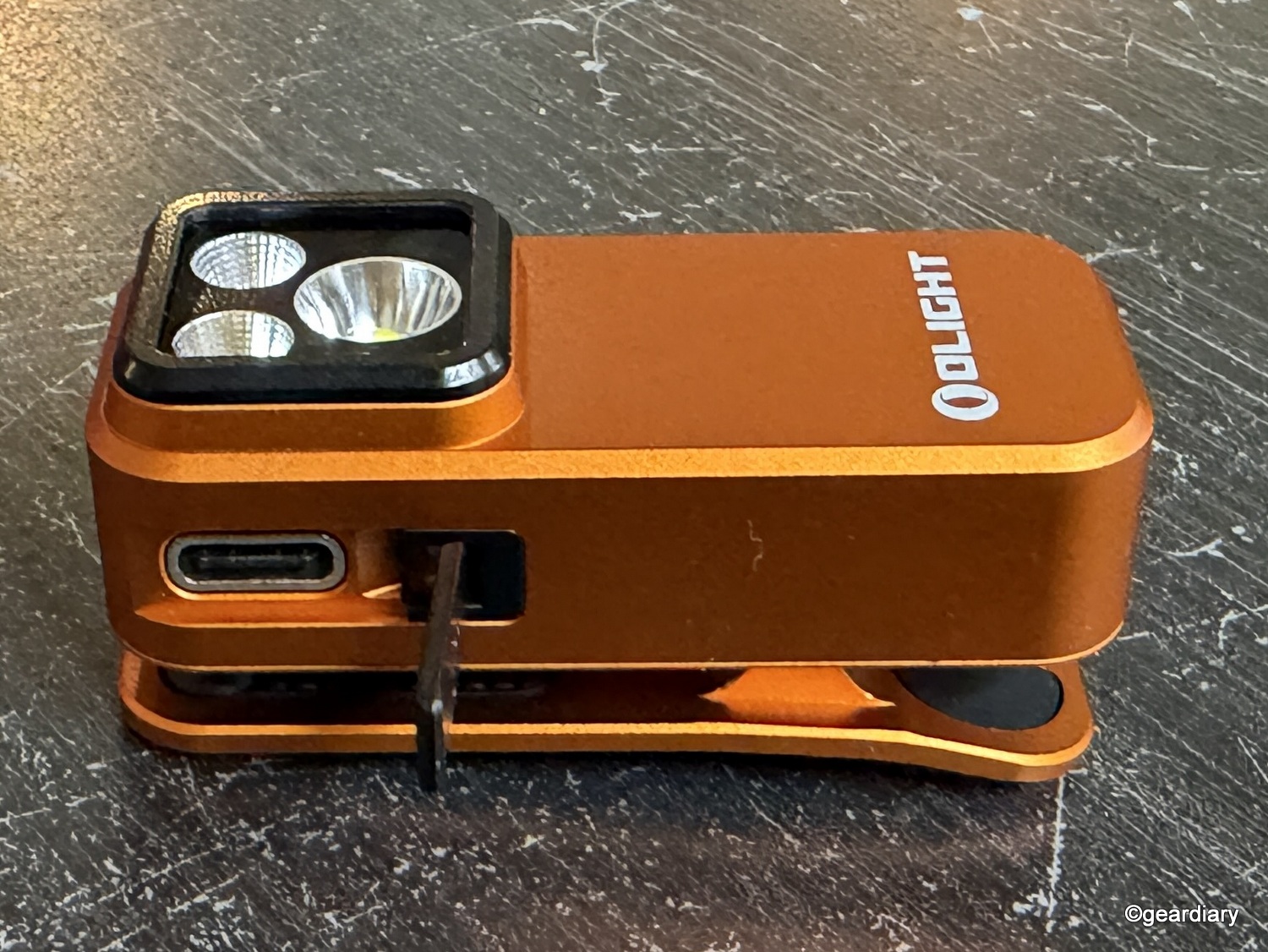
The Oclip Pro S comes in black or orange. The orange version makes perfect sense if you want to spot it quickly in a dark bag or gear bin. The black version is the quieter choice and the one most people will probably prefer if they’d rather their everyday carry not announce itself.
What the Light Modes Are Good For
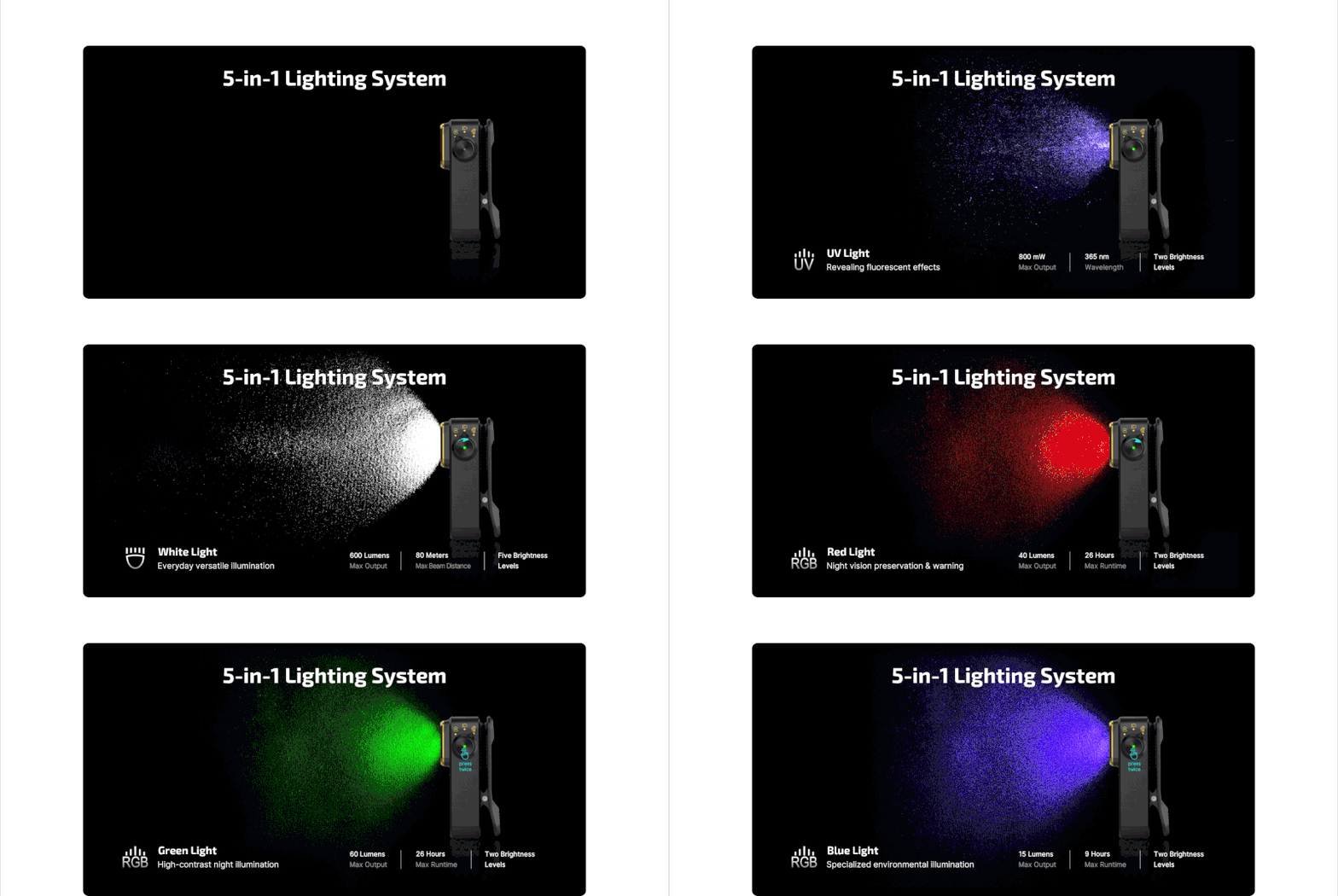
Olight calls the Oclip Pro S a 5-in-1 light, which is exactly the sort of phrase that usually deserves a raised eyebrow. In this case, though, the feature mix is useful enough to justify it.
The white LED is the main attraction. Olight rates it at up to 600 lumens with a maximum throw of 262 feet and a peak intensity of 1,600 candela. Those numbers tell a pretty clear story: this isn’t a long-distance thrower, and it isn’t trying to be. It’s a compact utility light meant for real-world tasks like walking the dog, checking a dark closet, rummaging under a car seat, getting around during a power outage, or lighting up a small campsite task area.
The white light is also tuned in a cool 5700K to 6500K range, which is typical for a utility flashlight. It won’t give you a warm, cozy glow, but it should look crisp and practical for work and outdoor use.
As with any small rechargeable flashlight, the headline number needs context. Turbo mode starts at 600 lumens, then steps down. That’s not a flaw so much as the reality of a compact light managing heat and battery life. Olight is refreshingly clear about this. High mode also steps down over time, while Medium runs at 100 lumens for 3.5 hours, Low gives you 10 lumens for 27 hours, and Moonlight drops to 1 lumen for a maximum of 144 hours.
That last mode is more useful than it sounds. For moving around a hotel room at night, reading in a tent, or checking on something without waking anyone, very low light is often the mode you’ll appreciate most.
The interface is button-based, using a side switch. Quickly pressing the button turns on the light, and double-tapping the button cycles through Low, Medium, and High in the white-light modes, while Moonlight and Turbo sit outside that regular loop. That’s probably the right call. Multi-mode lights can become irritating very quickly when every setting is crammed into one long sequence.
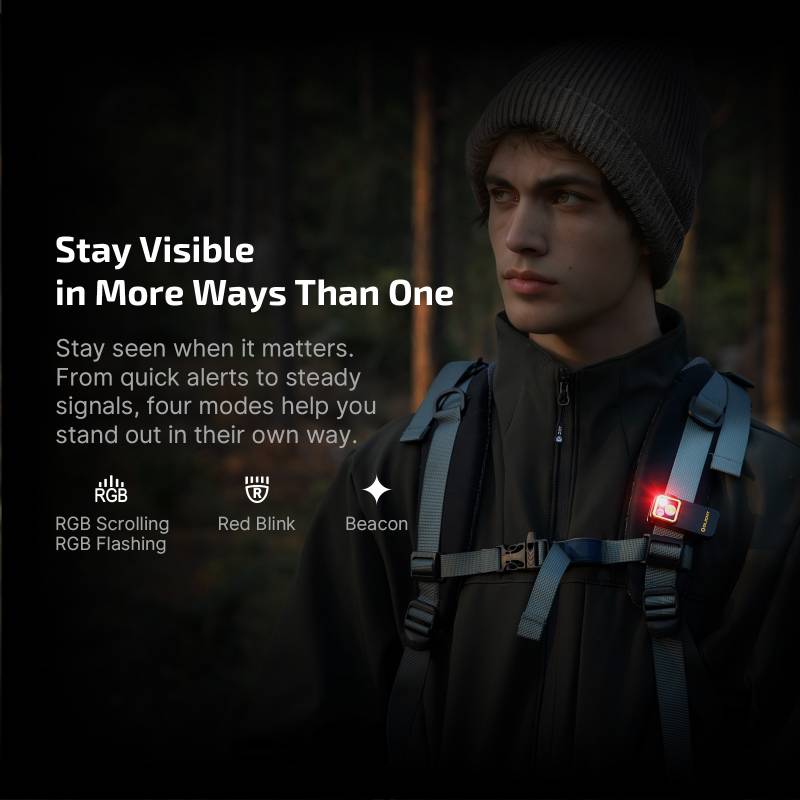
Strobe is activated in white and RGB modes by pressing the button three times quickly while the light is off; in RGB mode, you can cycle through strobe colors by tapping the button twice, and quickly tapping it three times will scroll the strobes through the red, green, and blue LEDs. Quickly pressing the button once turns those modes off again.
That all sounds manageable, though it’s still the sort of interface that has to prove itself in daily use. Some multi-mode lights become second nature after a day or two. Others make you feel like you’re trying to remember a cheat code just to get light out of them.
The red, green, and blue modes are more specialized, but they aren’t filler. Red is the most useful of the three because it preserves night vision and is far less harsh in a dark room, tent, or campsite. Olight offers both steady and blinking modes, with a press-and-hold toggle in red mode. That’s genuinely useful if you plan to use this for nighttime tasks rather than just admire the feature list.
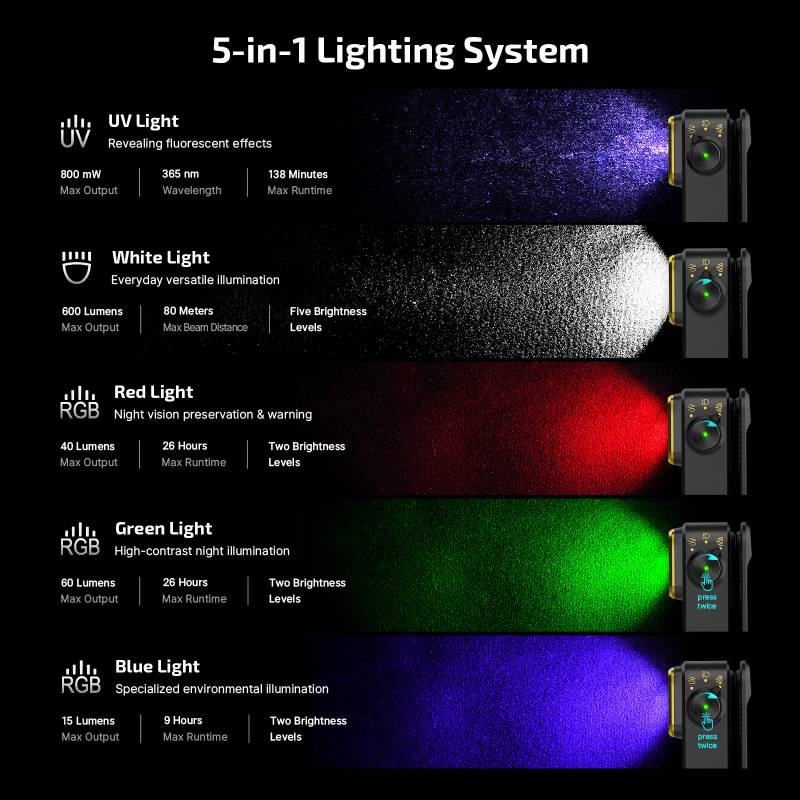
Green can be useful for signaling and visibility, while blue is more niche, mostly for identification or marking. Olight rates them at up to 40 lumens for red, 60 lumens for green, and 15 lumens for blue. Useful, yes. Essential for everyone, probably not. Most people will use white most of the time and red some of the time. That’s fine.
The UV Light Is Where Things Get Interesting
The UV light is probably the Oclip Pro S’s most distinctive feature, and it’s one of the reasons this light stands out in a crowded category. Olight specifies a 365 to 370nm UV beam, which is more useful for inspection work than the vague purple-ish UV lights that get tossed into cheaper multi-function gadgets.
In practical terms, that means it can help with things like checking currency markings, spotting residue, or revealing fluorescent materials. It also opens the door to some more memorable real-world uses. If scorpions are a concern where you live or travel, a UV light for spotting them at night goes from “neat trick” to “actually very good to have.” The Oclip Pro S’s small size makes that especially appealing because it’s easy to keep in a pocket or bag.
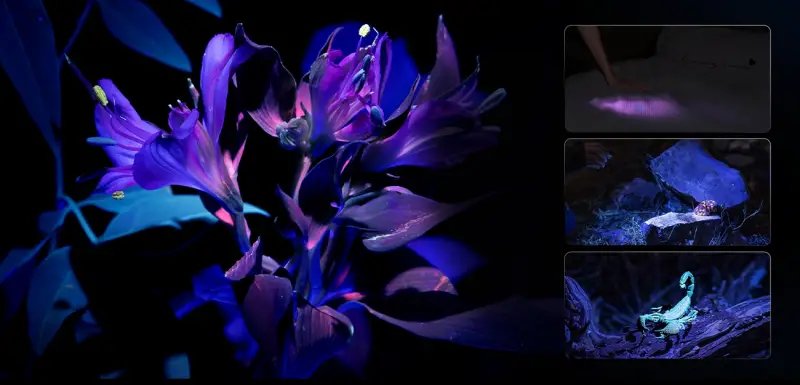
Travel is another obvious use case. A proper UV light could be handy for checking hotel bedding and bathrooms, which — while practical in theory— may be a little hazardous to your peace of mind in practice. There’s a part of the brain that immediately says, “Do I really need to know?” That may be the healthiest response. Some mysteries can stay mysteries. Still, if you’d rather know what you’re dealing with rather than trust decorative lighting and optimism, having a decent UV beam in something this compact is genuinely useful.
Olight rates the UV high mode at 800 to 300mW with a runtime of 3 minutes plus 130 minutes, and UV low at 300mW for 138 minutes. Again, it steps down, which is exactly what you’d expect from a light this small.
What the UV mode doesn’t do is magically tell you whether a surface is sanitized or safe. It can reveal residue and fluorescence, but it isn’t a lab instrument, and it certainly isn’t a truth machine. That’s worth stating because UV features are often marketed with a little too much drama. The Oclip Pro S doesn’t need any extra mythology; its UV light is useful enough on its own.
EDC
Everyday carry is where the Oclip Pro S makes its strongest case; it’s a near-perfect small utility light for people who want one compact tool to cover a surprising number of everyday situations without taking over a pocket or needing its own carrying system.
The Oclip Pro S makes sense in a purse or backpack because it takes up very little room while offering more flexibility than a basic keychain light. It makes sense to clip it to a bag strap because it’s easy to reach and quick to use. It makes sense in a nightstand because Moonlight mode and red light are both better company at 2 a.m. than the full blast of a phone flashlight. It makes sense in a car because it’s a handy tool to keep in the glovebox or center console. It also makes sense as a small work light or safety alert light, which is exactly how Olight positions it.
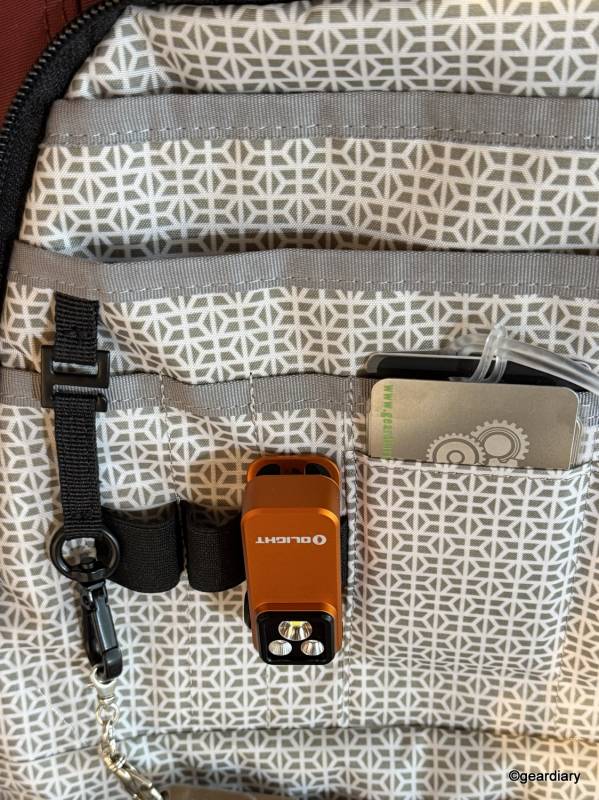
There are a few setup details worth knowing before first use. The Oclip Pro S ships in lockout mode, so you’ll need to press and hold the switch for two seconds to unlock it. Olight also recommends fully charging it before first use. During charging, the indicator in the power button flashes red from 0 to 95 percent, then glows green from 95 to 100 percent. That’s straightforward and useful, which is really all anyone wants from a charging light.
The battery itself is modest at 580mAh, but that’s to be expected in a light this small. The more important question isn’t the battery’s size on paper; it’s how often the light needs to be recharged in normal use. If it can go days or weeks between charges, depending on how often you use the brighter modes, that’s what will matter most.
The Oclip Pro S also makes sense for people who don’t think of themselves as “flashlight people.” It isn’t asking you to become a hobbyist, memorize emitter specs, or start comparing beam patterns online; it’s just trying to be handy often enough that you keep it around.
Where It Falls Short
The Oclip Pro S is smartly designed, but it’s not above criticism.
The first limitation is obvious: it’s still a very small light. That compact size is the whole appeal, but it comes with tradeoffs. The 600-lumen Turbo mode is useful, but it’s a short-burst mode, not a sustained-output promise. If you need prolonged brightness for jobsite use or serious outdoor tasks, a larger light with more battery capacity and better heat management will make more sense.
The second issue is complexity. White light, UV, RGB modes, flashing modes, magnetic mounting, and a side-switch interface add up to a lot of functionality, but they also create more chances for the controls to get in the way. The Oclip Pro S seems to stay on the right side of that line, but only if the interface proves intuitive in regular use.
The third concern is water resistance. The good news is that Olight provides a real rating here: IPX6. That means the light is protected against high-pressure water jets from any angle, so rain and rough weather shouldn’t be a problem. It’s useful and reassuring. It is not, however, the same as submersion protection, so this isn’t a light you want to casually drop into a stream and assume all will be well.
What makes the Oclip Pro S stand out isn’t that it dominates every category. It doesn’t. It’s that it combines several genuinely useful ideas in a package that feels more practical than gimmicky. It’s more versatile than a basic penlight or tube-style flashlight. It’s better suited to hands-free use than many keychain lights, and it doesn’t require you to wear it mounted on your head; the addition of a proper UV beam gives it a use case that many competitors simply don’t offer.
It also has a clearer identity within Olight’s own lineup. The $39.99 Oclip Pro is the better choice if you specifically want separate spotlight and floodlight behavior. The Oclip Pro S is the model for someone who wants brighter white output, UV capability, and multi-color flexibility in one compact light.
Final Thoughts
The Olight Oclip Pro S is easy to dismiss at first because it sounds like one of those products trying a little too hard to be useful in every possible situation. But the feature set is more grounded than it first appears. The combination of compact size, flexible mounting, a useful range of light modes, USB-C charging, and an IPX6 rating gives it more real-world value than a lot of novelty-minded compact lights.
Its best qualities aren’t even the flashy ones. The clip matters. The magnet matters. The aluminum body matters. The red light is useful. The UV light is more than a gimmick. Even the charging indicator and port cover sound like they were designed by someone who understands that small annoyances add up.
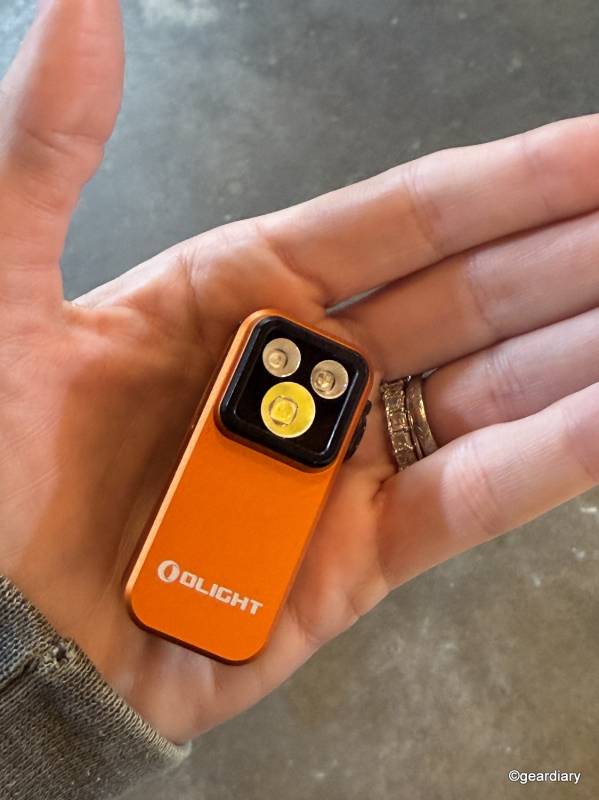
The tradeoffs are easy enough to understand. The size limits sustained high output. The side-switch interface may take a little practice. And while the extra color modes are nice to have, they won’t matter equally to everyone.
Even so, the Oclip Pro S makes a convincing case for itself. It won’t be the right light for every person or every task, but it does something a lot of compact gadgets never quite manage: it feels like it could genuinely earn a permanent place in your bag, your car, or your nightstand. For a small utility light, that’s really the whole job.
The Olight Oclip Pro S sells for $39.99; it is available directly from the manufacturer and on Amazon.
Source: Manufacturer-supplied review sample
What I Like: A compact size that still feels substantial; A useful clip with keyring and magnetic mounting options; Proper 365nm UV light adds real versatility; The red light is genuinely handy for nighttime use; USB-C charging with a thoughtfully designed port cover; An IPX6 rating adds welcome weather resistance
What Needs Improvement: Be aware that the small size limits sustained high output