


Lenovo’s 2026 business PC lineup is now filled out with the ThinkPad X13 Gen 7, updated ThinkPad L14 Gen 7 and L16 Gen 3 laptops, and the new ThinkStation P4 workstation, giving companies a wider menu of AI-ready hardware for road warriors, office fleets, and power-hungry creative teams. The laptops lean into lighter travel, easier repairs, and familiar ports, while the desktop workstation aims at engineers, designers, and content creators who need serious graphics and processor muscle without drifting into “call accounting first” territory. As ever, the interesting part is what survives beyond the spec sheet.
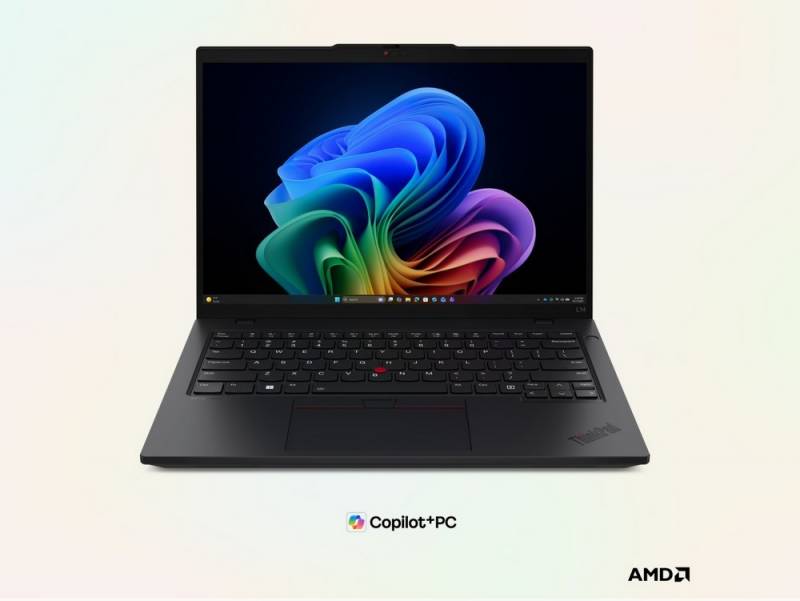
Lenovo ThinkPad L14 Gen 7 AMD
Lenovo’s Business Laptop Pitch Is Portability Without Fragility
The Lenovo ThinkPad X13 Gen 7 is the most travel-focused of the new ThinkPad announcements, starting at 0.93kg (2.05 pounds). That matters if your laptop spends as much time in a backpack, on an airline tray table, or in a conference room shuffle as it does on a desk. A lighter business laptop isn’t just about convenience; it can be the difference between taking the work machine everywhere and quietly “forgetting” it because your shoulder has filed a complaint.
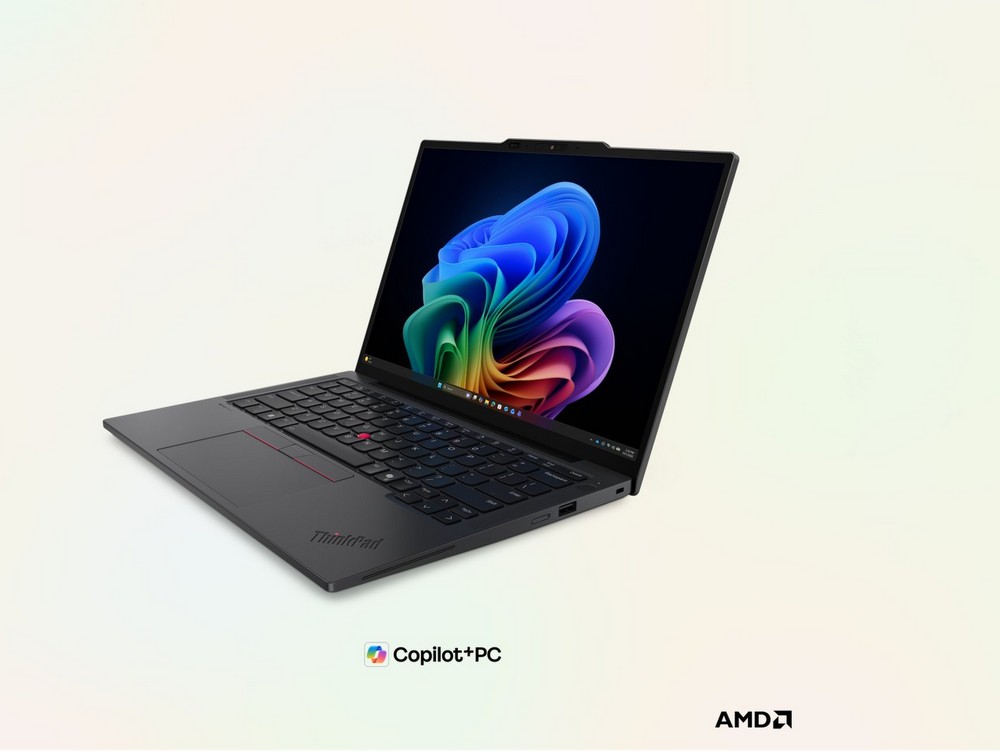
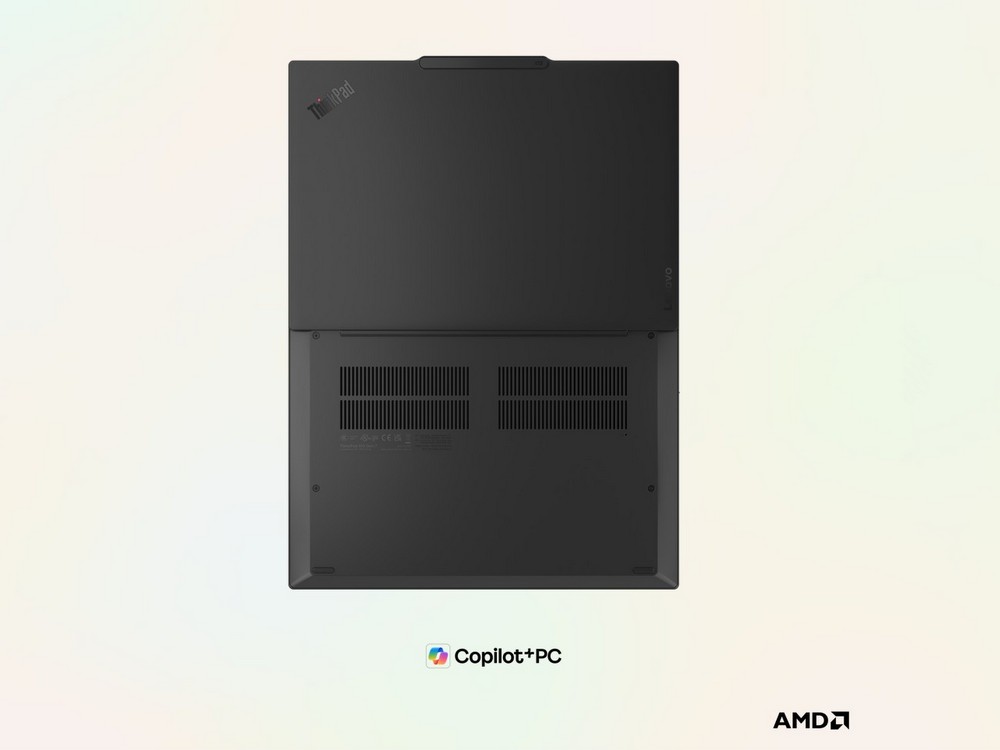
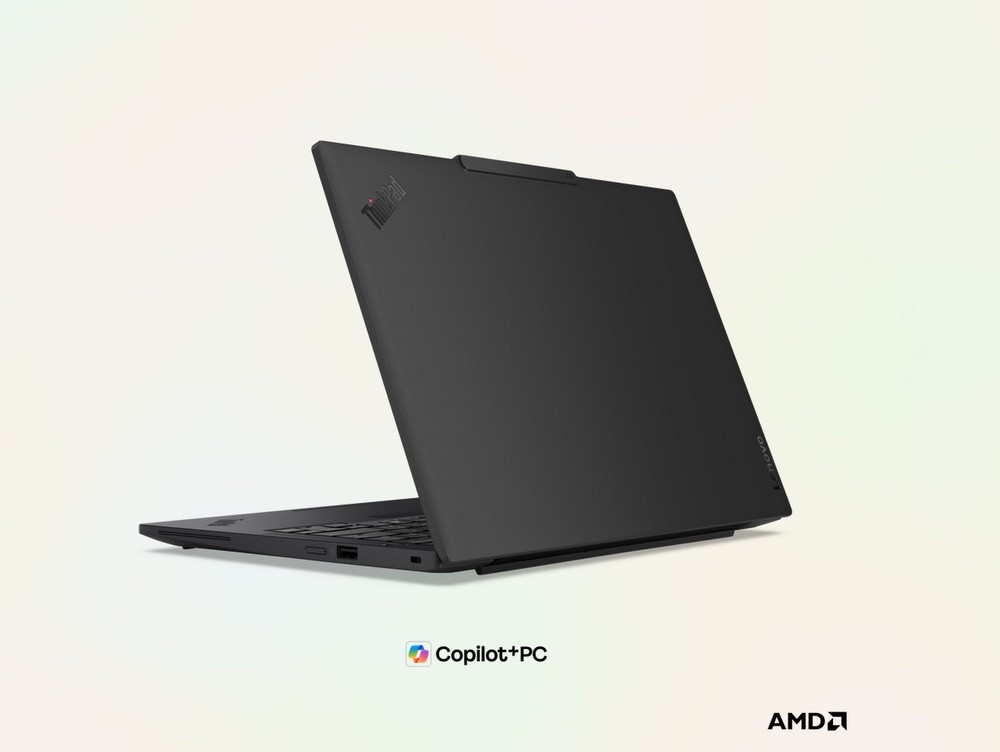
Lenovo is offering the X13 Gen 7 with either Intel Core Ultra Series 3 processors or AMD Ryzen AI PRO 400 Series processors. The “AI” part here refers to chips with dedicated hardware meant to handle certain artificial intelligence tasks more efficiently on the device itself, rather than sending every request to the cloud. That can help with compatible Windows 11 Copilot+ PC features, video call cleanup, summaries, and other assisted workflows, depending on configuration and software support.
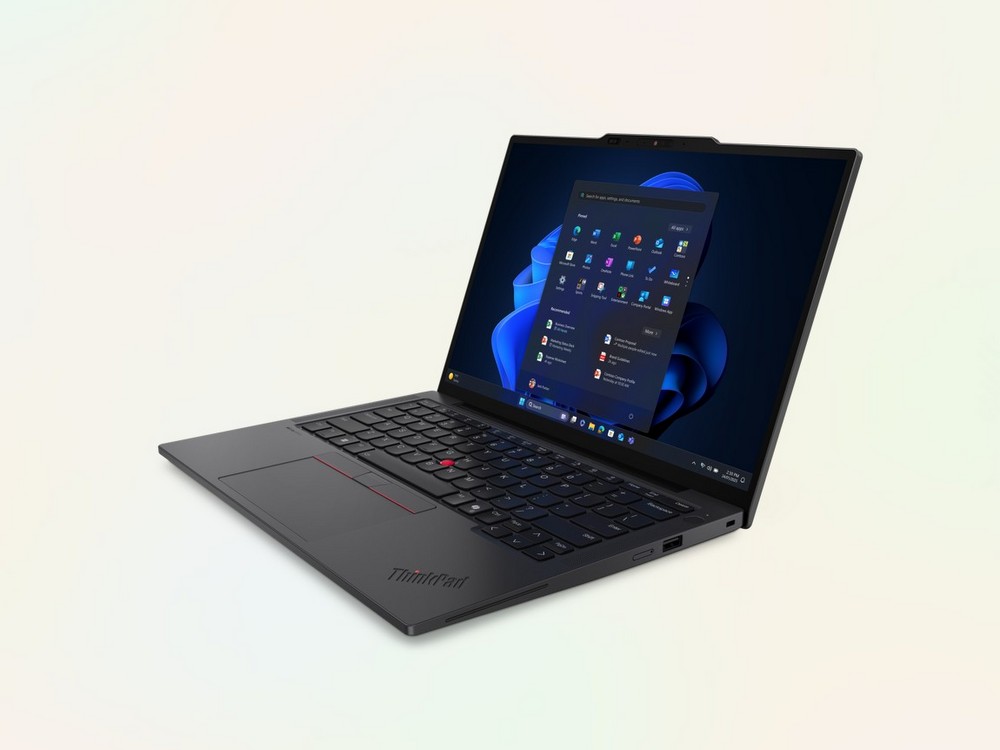
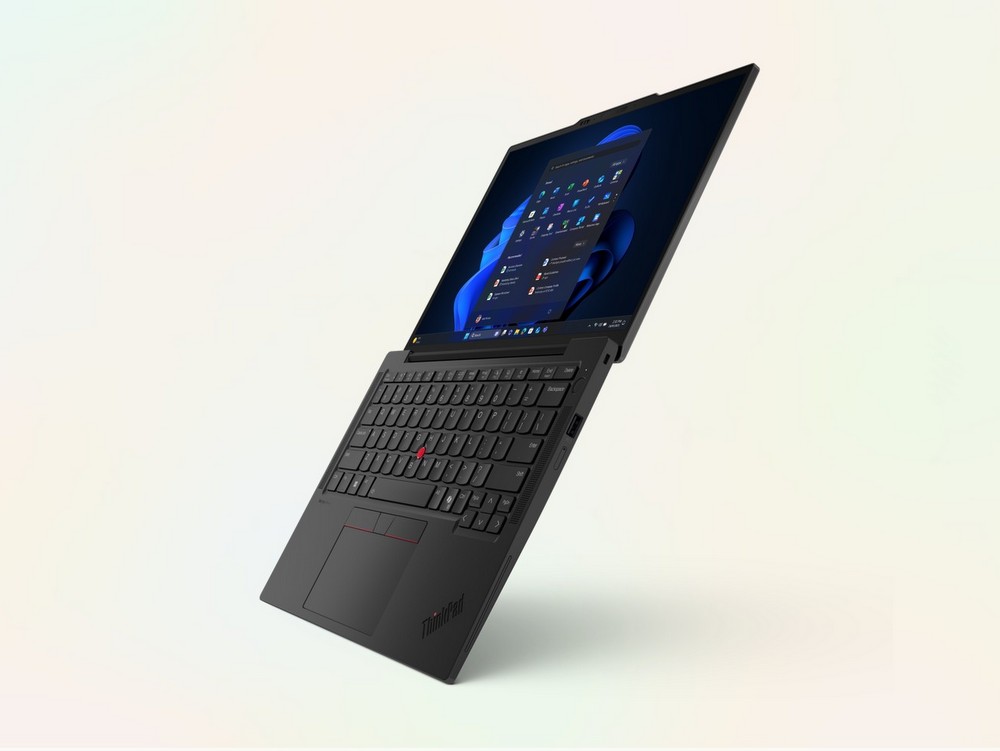
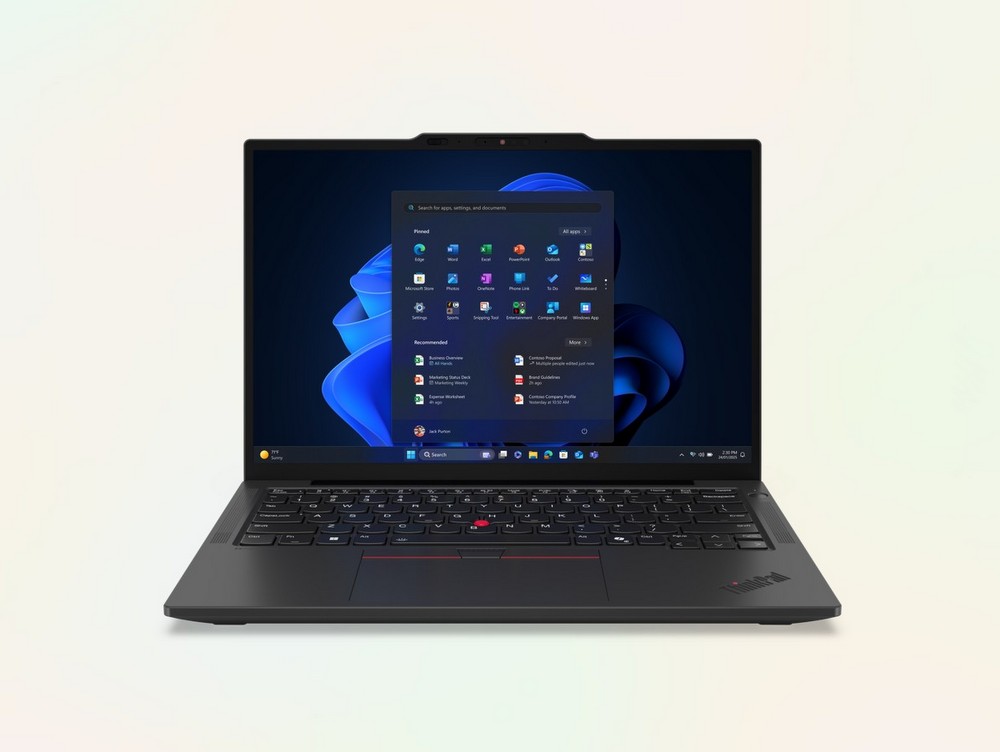
The X13 Gen 7 keeps the practical ThinkPad checklist intact, including USB-C, USB-A, and HDMI ports, so you’re not living entirely in dongle country. Optional 5G gives frequent travelers a built-in cellular option, while Wi-Fi 7 support prepares the laptop for newer wireless networks, assuming your router is also ready for the future and not sulking under a desk from 2018. A 5MP infrared camera and enhanced audio processing are included for video calls, login security, and the endless modern ritual of pretending the meeting couldn’t have been an email.
The Lenovo ThinkPad L Series Is Built for the Fleet, Not the Spotlight
The ThinkPad L14 Gen 7 and L16 Gen 3 are aimed more squarely at mainstream enterprise deployment. That means they’re less about turning heads and more about surviving procurement, IT imaging, hybrid work, docking stations, and the thousand small annoyances that make business laptops either quietly useful or quietly resented.
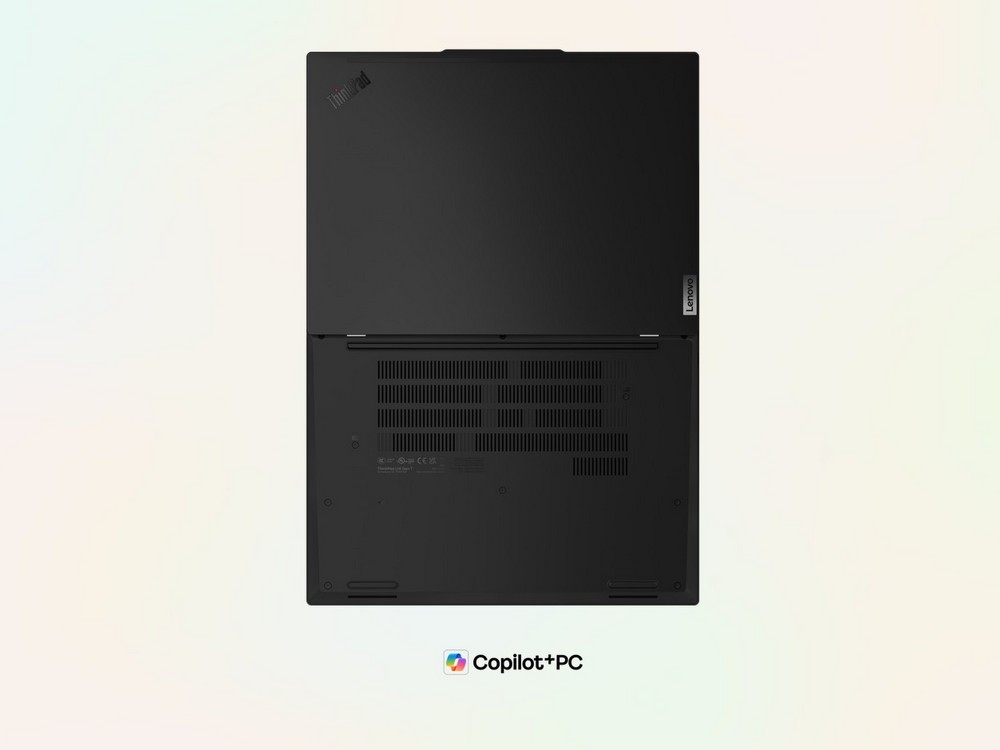
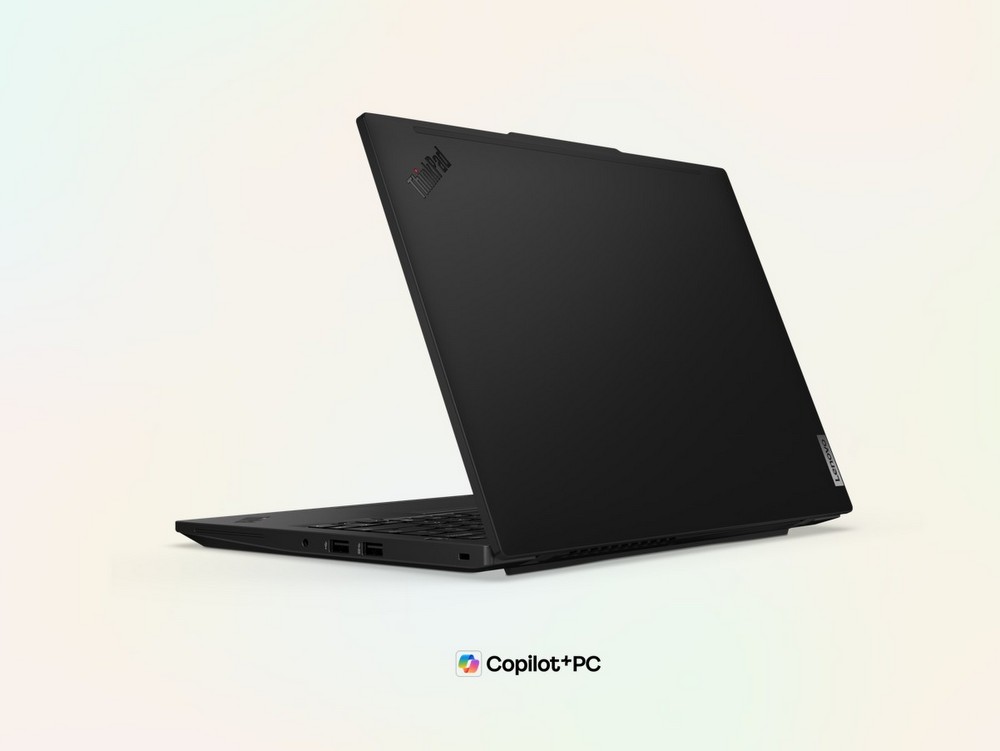
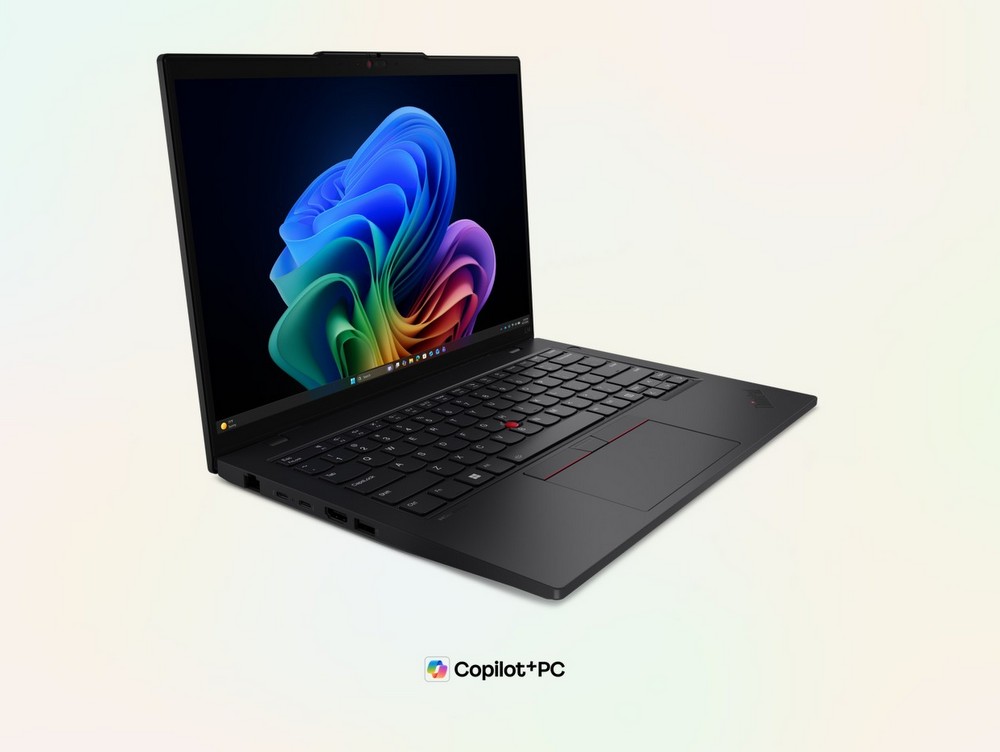
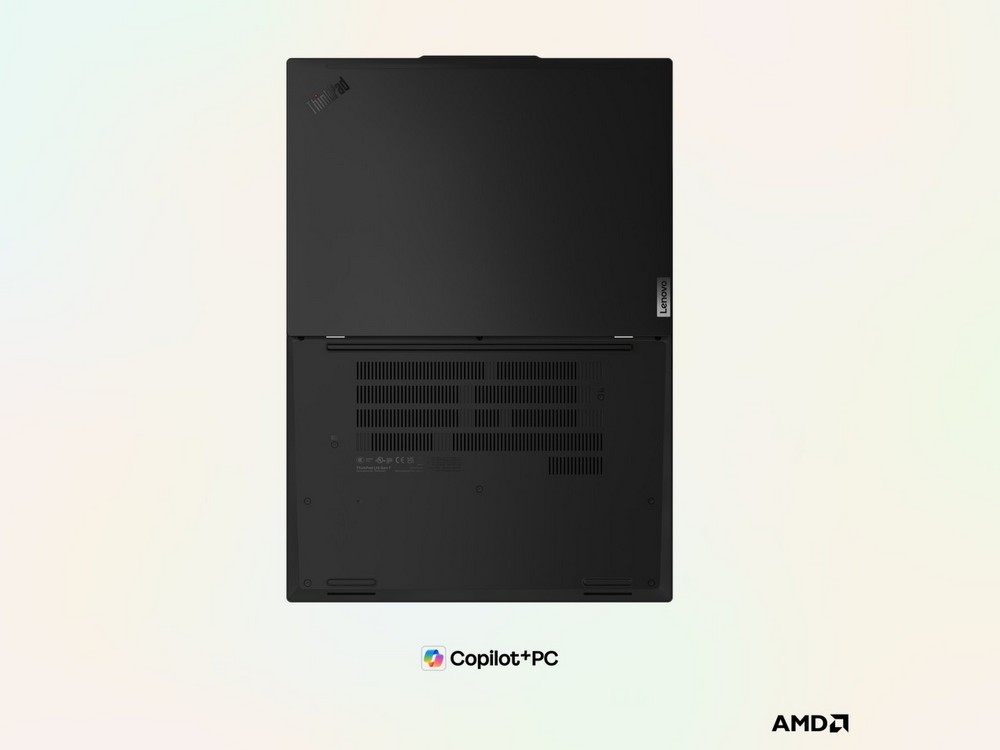
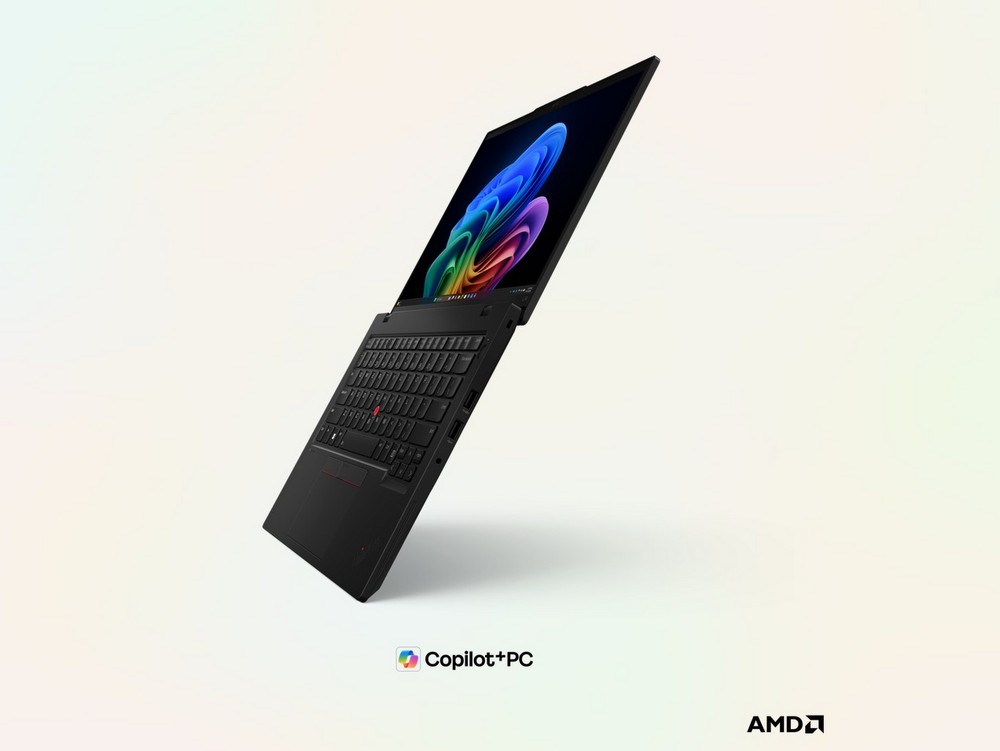
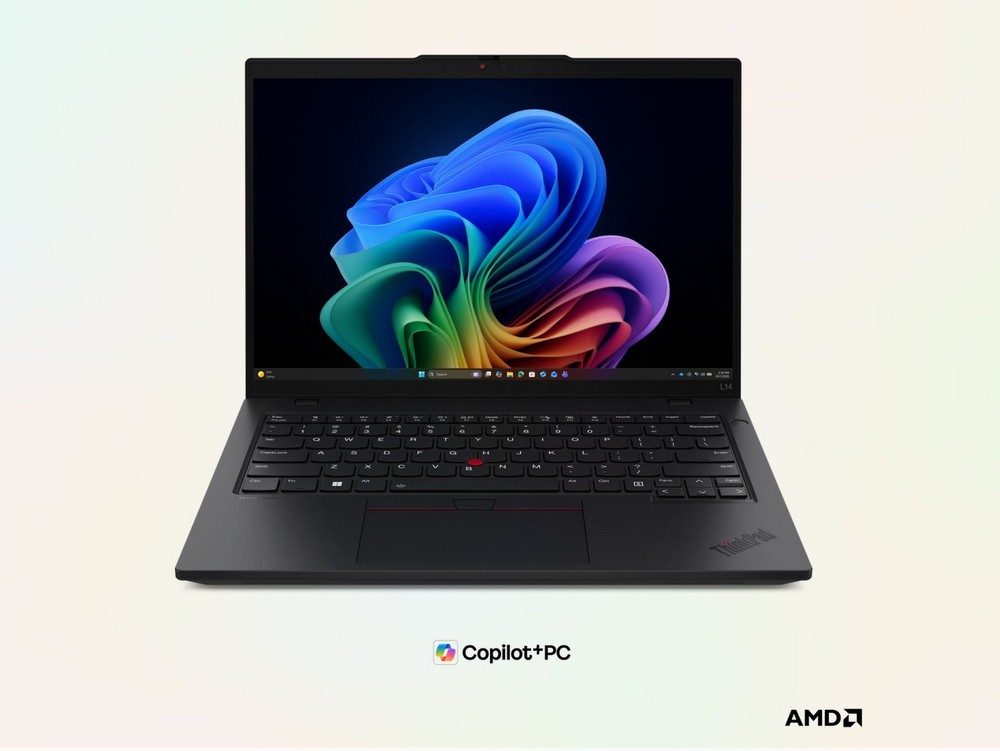
Both models can be configured with Intel Core Ultra Series 3 or AMD Ryzen AI PRO 400 Series processors, giving companies some platform flexibility. The L14 offers the more common 14″ footprint, while the L16 gives you a larger screen without changing the overall business-focused approach. For anyone who spends the day in spreadsheets, browser tabs, shared documents, and video calls, the extra display space on the L16 could be more meaningful than a small bump in benchmark numbers.
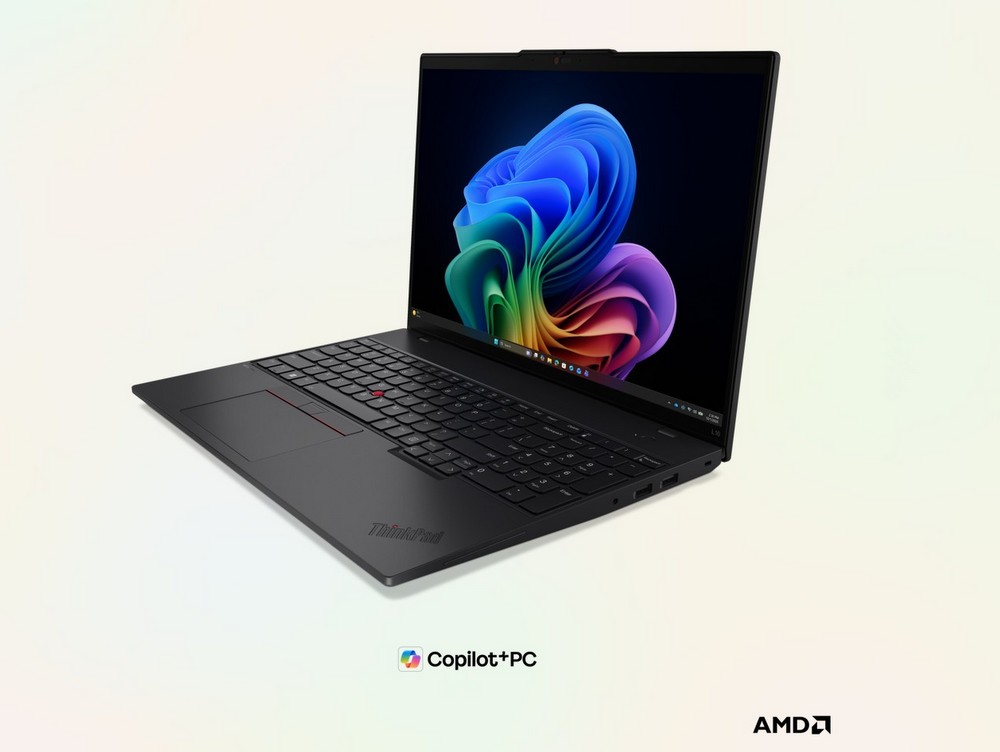
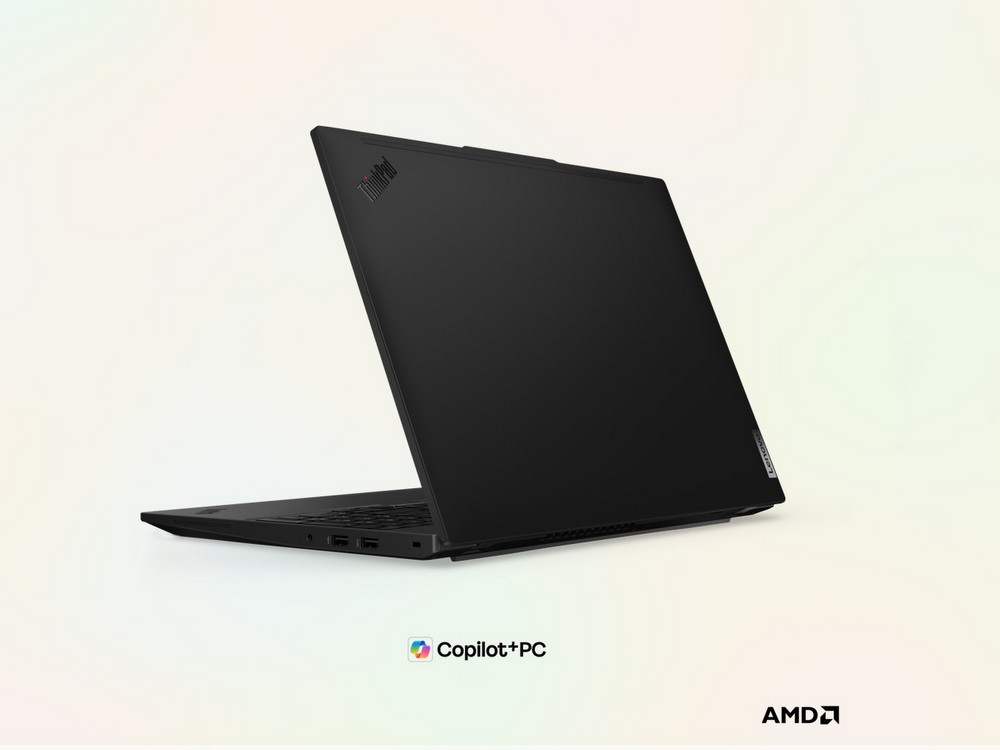
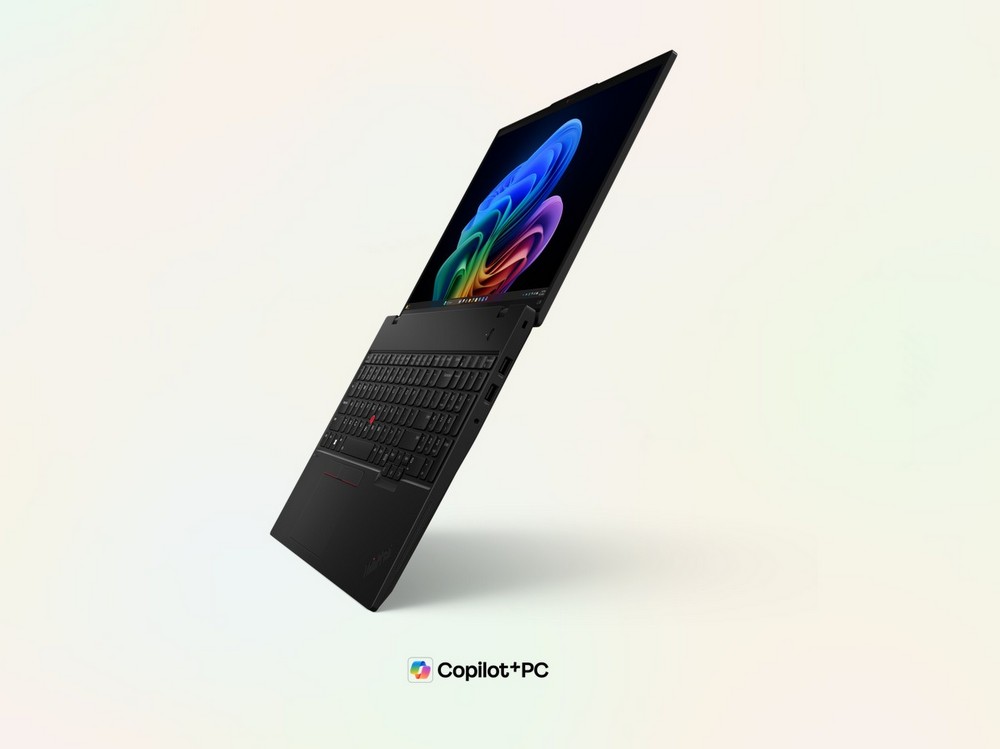
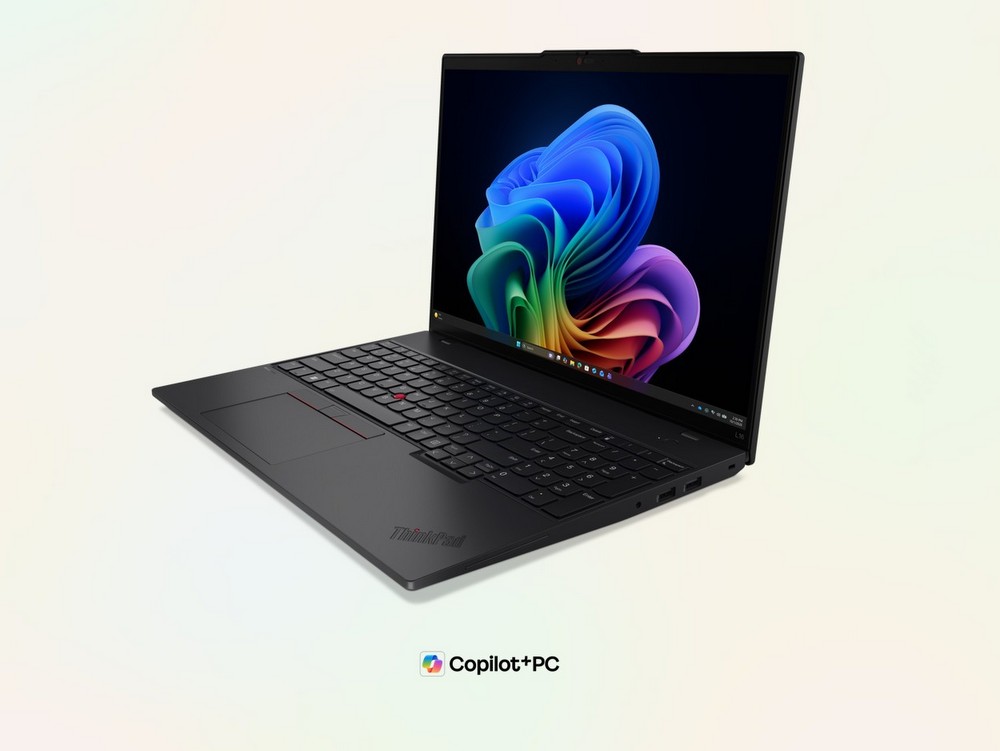
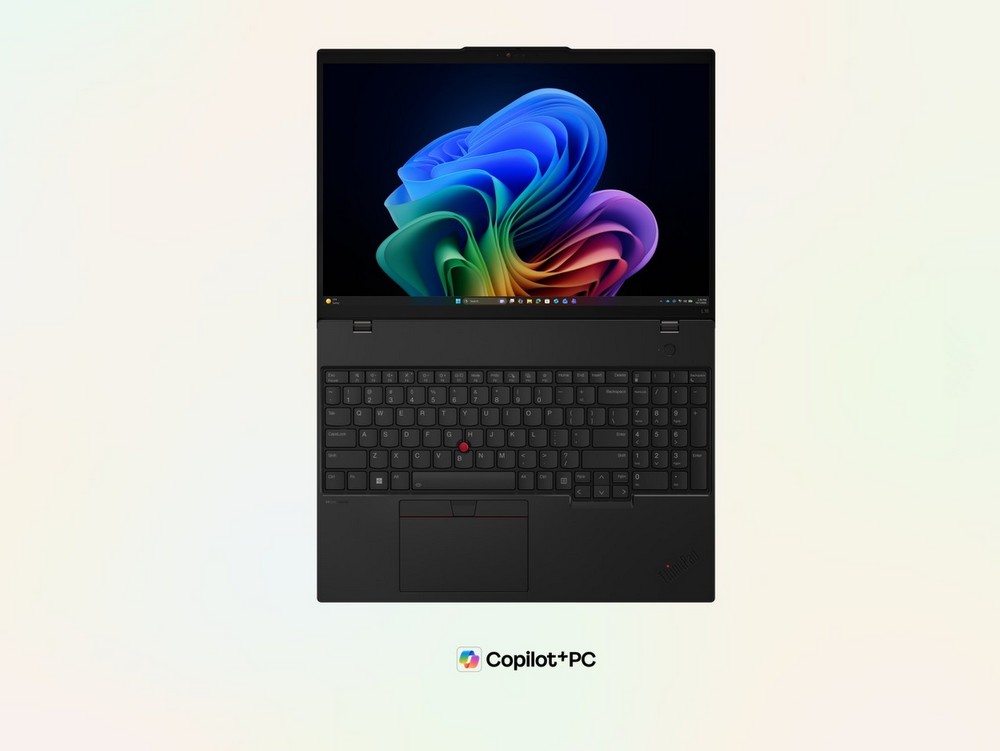
The L14 and L16 support up to 64GB of DDR5 memory and up to 2TB of SSD storage, though usable memory and storage will be lower once the operating system, formatting, and preloaded software take their share. That caveat isn’t exciting, but it’s the sort of thing worth remembering before anyone wonders where the missing gigabytes wandered off to. Camera options include 5MP RGB and infrared versions, while Dolby Atmos audio with voice processing is included to improve calls and media playback.
Ports are reassuringly ordinary in the best way: USB-C, USB-A, HDMI, and RJ45 Ethernet. That last one still matters in offices, labs, classrooms, and hotel conference rooms where wireless networks occasionally behave like they’ve taken a personal day.
Repairability Is Getting More Than a Footnote
One of the more interesting themes across the new ThinkPads is serviceability. Lenovo notes that the latest systems achieve iFixit repairability scores of up to 9 out of 10, based on its internal analysis of preliminary iFixit results for comparable premium business laptops from major PC makers that shipped more than 1 million units annually as of May 2026. That’s a specific caveat, but still notable.
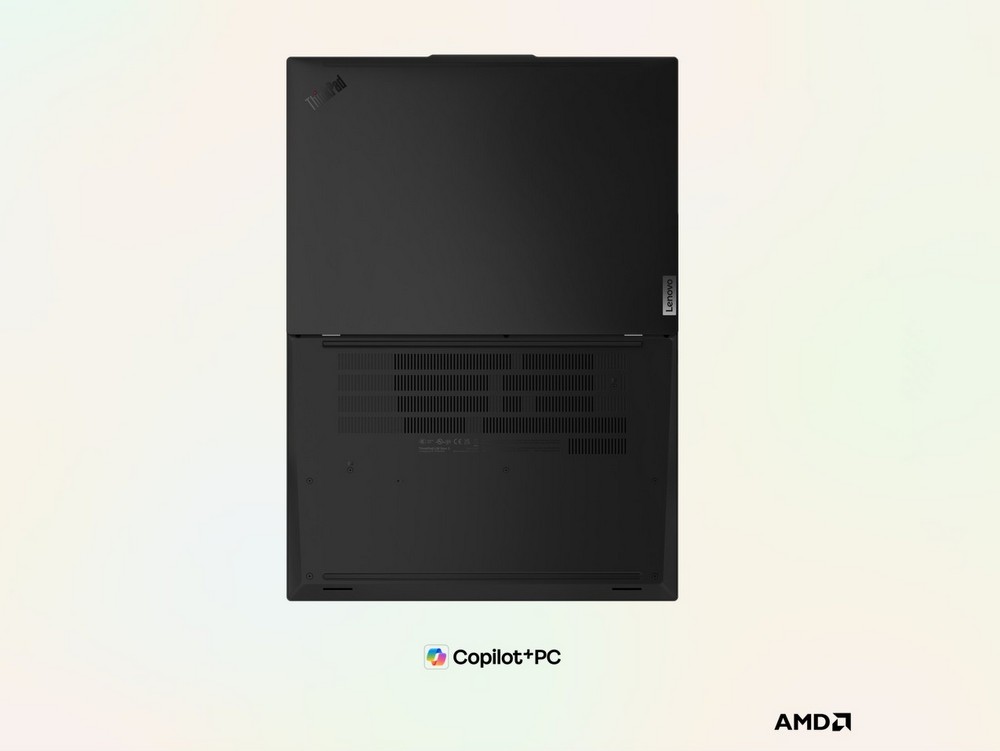
The ThinkPad X13 Gen 7 includes customer-replaceable components, including the battery, SSD, WWAN module, and bottom cover. The L14 and L16 go further in some areas, with replaceable keyboards and batteries, plus accessible memory, SSD, WWAN, and speaker components. For a single buyer, that may mean a longer useful life. For an IT department managing hundreds or thousands of laptops, this can mean less downtime, fewer full-device replacements, and fewer perfectly good machines retired because of a single failed part.
Lenovo is also using 100% recycled cobalt in the batteries for these ThinkPads, and the L Series adds 100% plastic-free packaging. Those details don’t make a laptop virtuous by themselves, but they do suggest that repairability and materials are becoming part of the business laptop conversation, not merely green-tinted garnish.
The Lenovo ThinkStation P4 Brings Workstation Muscle to the Same Conversation
The ThinkStation P4 is a very different machine. This is a 30L desktop workstation aimed at engineers, architects, designers, content creators, and other professionals whose workloads can make ordinary desktops wheeze audibly. It uses AMD Ryzen PRO 9000 Series processors, with select models offering AMD 3D V-Cache technology. That extra cache is high-speed memory located close to the processor, helping certain data-heavy applications access information faster.
Graphics options include NVIDIA RTX PRO 6000 Blackwell Workstation Edition GPUs or RTX PRO 6000 Blackwell Max-Q Workstation Edition GPUs. In plain language, this is the hardware you look at when your work involves 3D animation, computer-aided design, building information modeling, rendering, simulation, video editing, compositing, software development, or local AI tasks that shouldn’t wait politely on a cloud server.
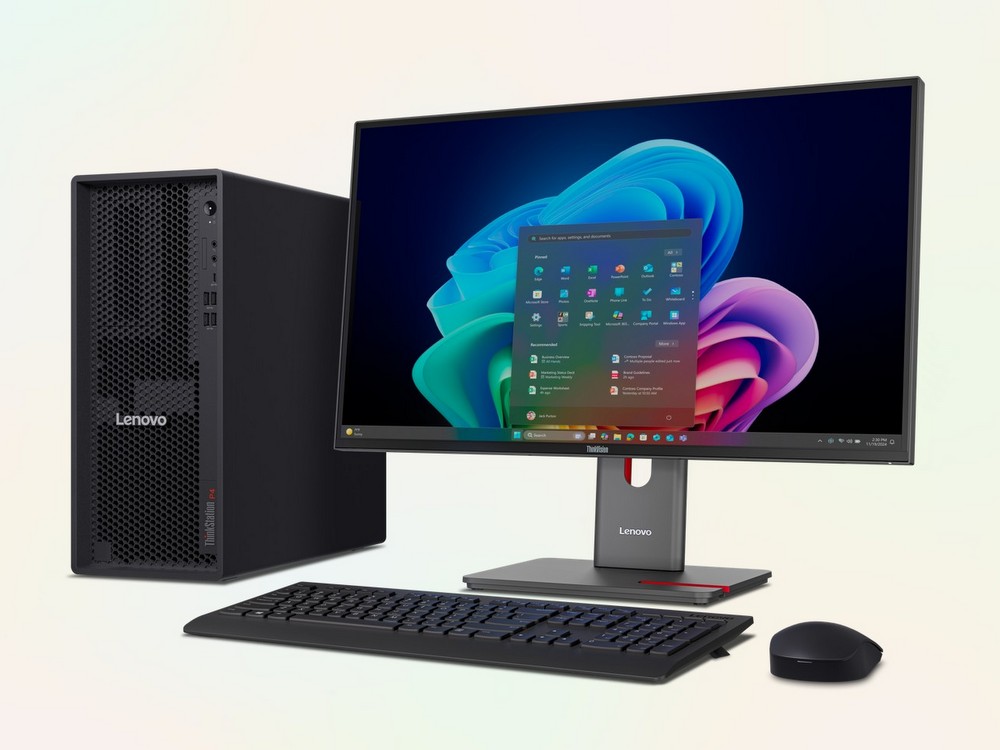
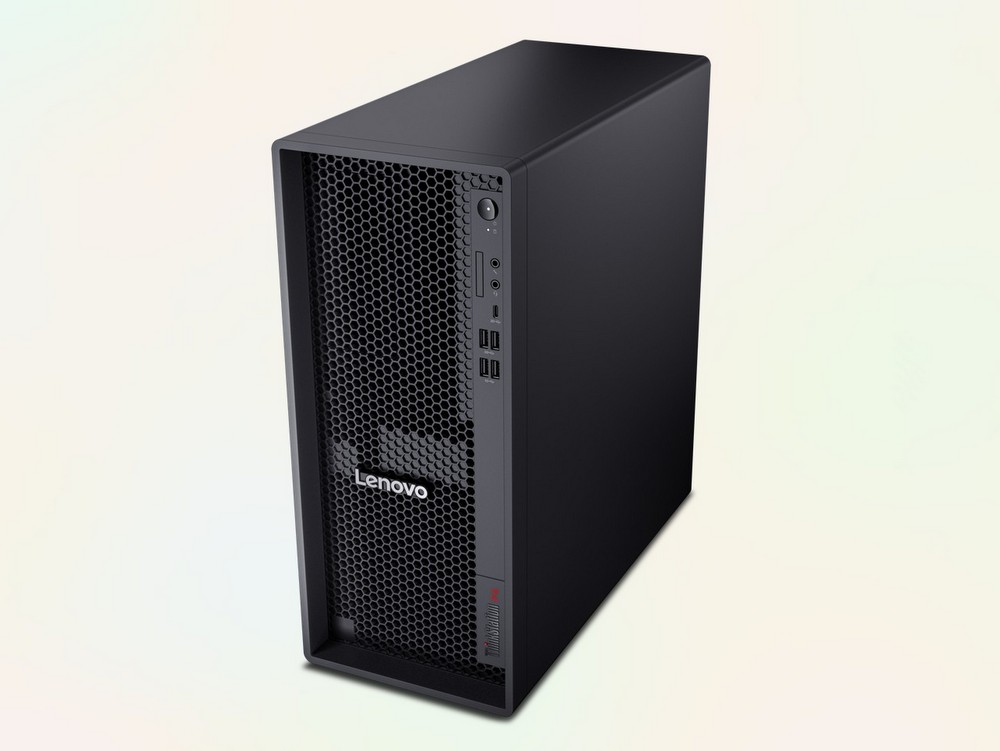
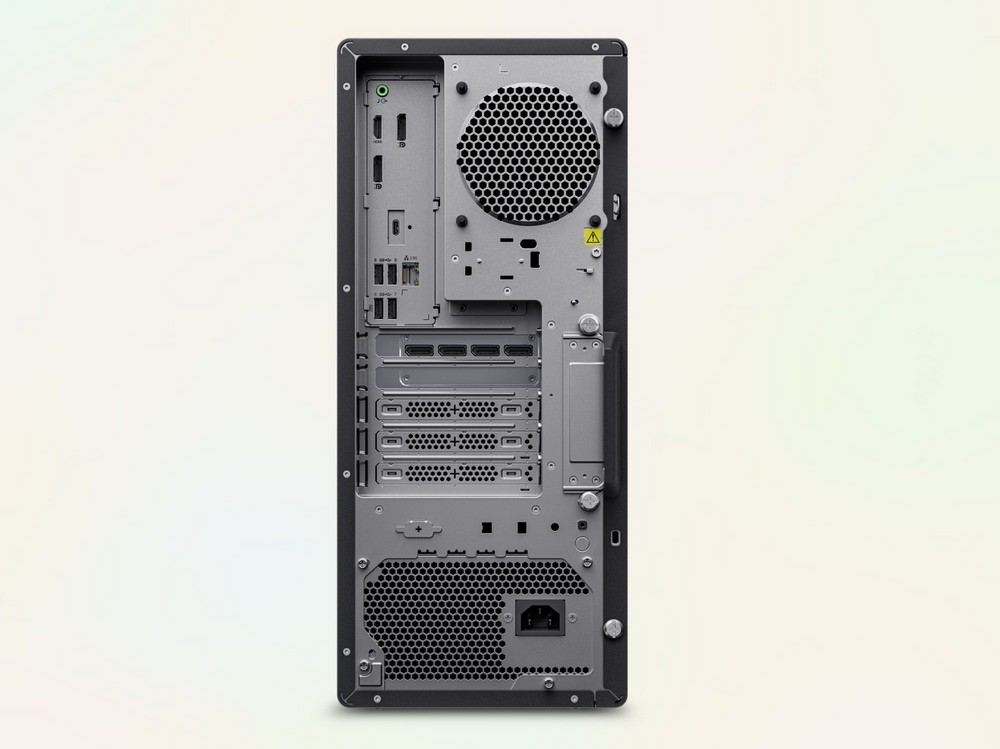
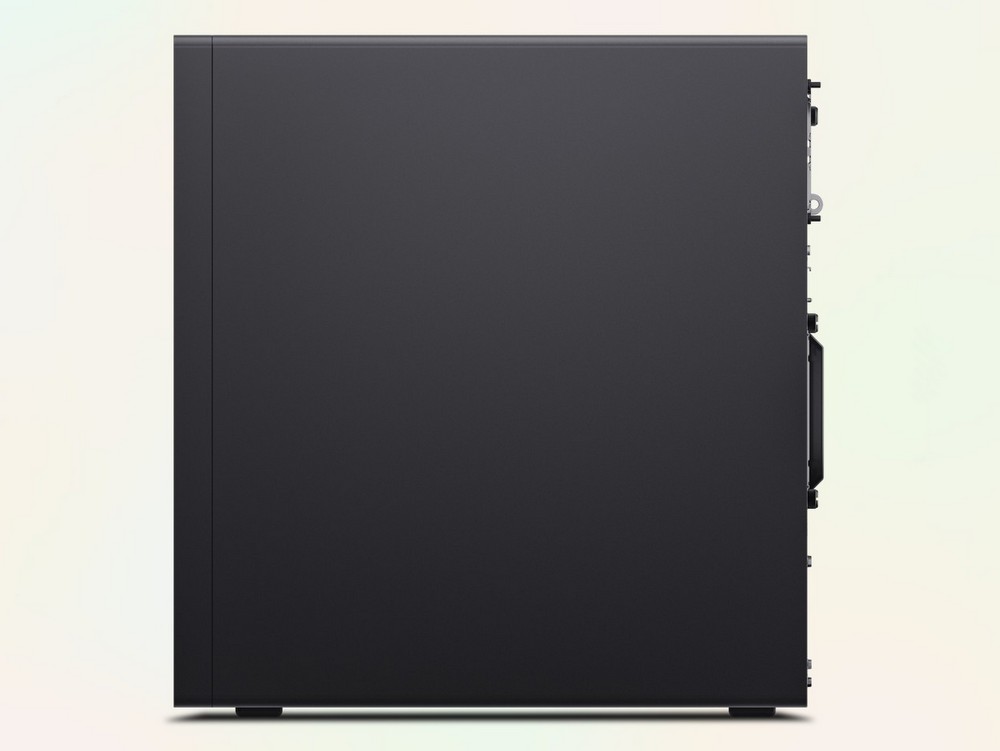
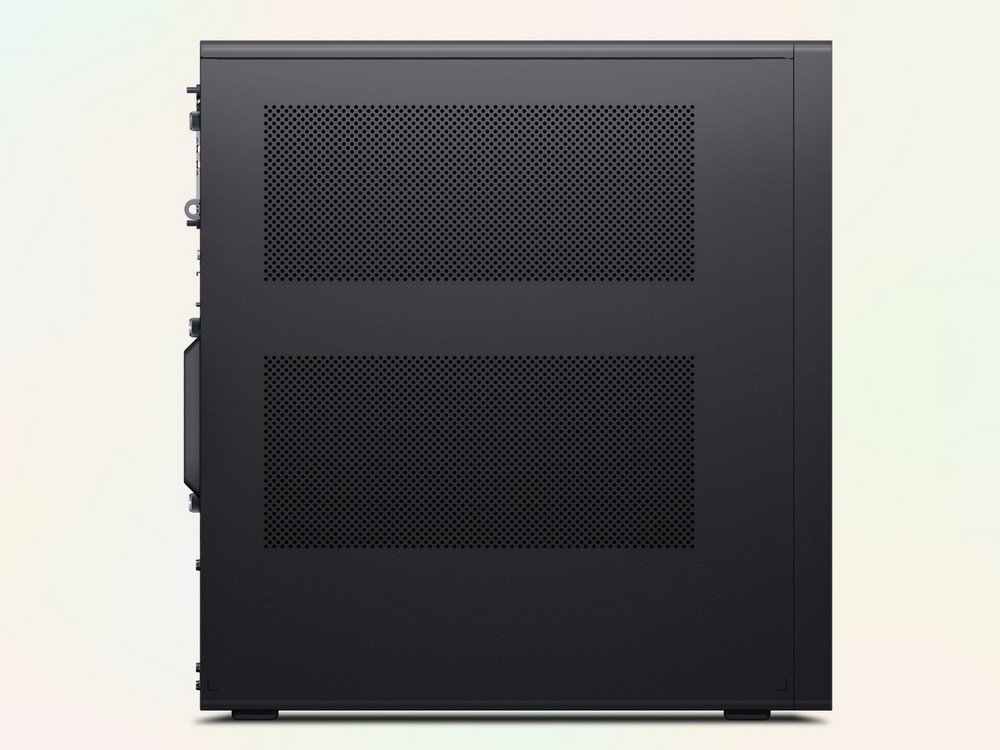
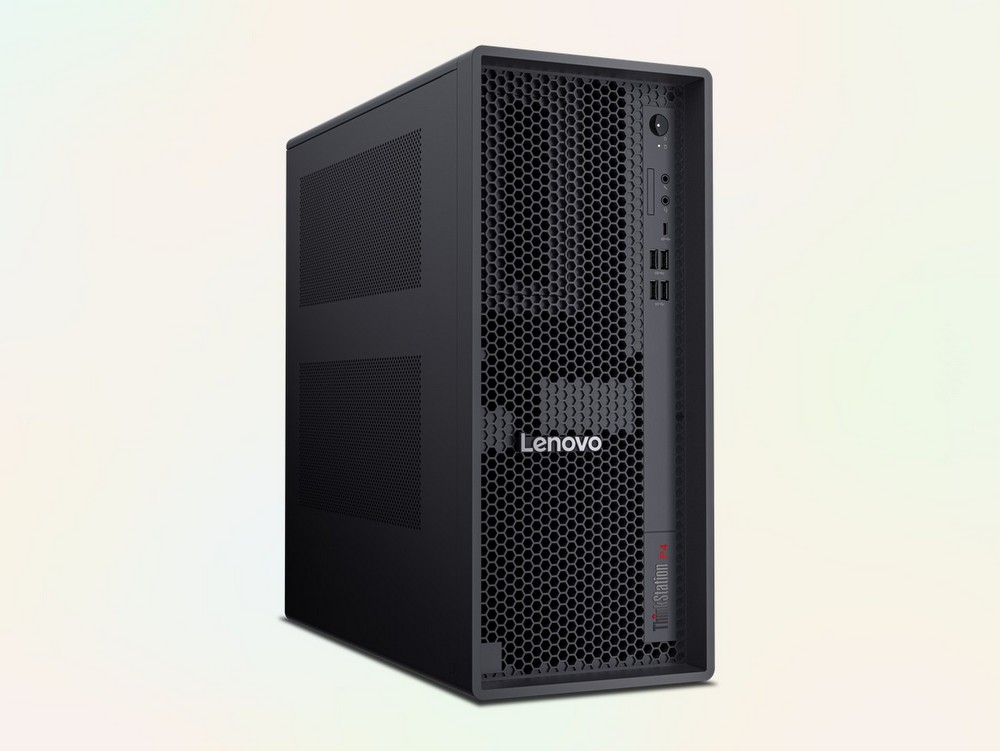
The ThinkStation P4 supports up to 256GB of DDR5 memory, with the same real-world caveat that available memory and storage can vary by configuration and system overhead. Lenovo has also built in liquid cooling for the highest-performance Ryzen PRO 9000 configurations, which should help the workstation maintain steadier performance under sustained loads. The spacious chassis includes PCIe Gen 5 support, four expansion slots, and a hybrid storage setup with up to six total drives, combining fast M.2 Gen5 SSDs with higher-capacity hard drive options.
Connectivity includes USB-C at 20Gbps, DisplayPort 2.0, and integrated 2.5Gb Ethernet. The P4 also carries independent software vendor certifications from professional application developers, including Autodesk, Adobe, Siemens, AVID, Altair, ANSYS, Bentley, Dassault, Nemetschek, and PTC. Those certifications matter because they indicate the system has been tested for compatibility and reliability with demanding professional software, not just built to look impressive on a spec table.
Security is provided by Lenovo’s ThinkShield suite, including protections at the BIOS level, secure wipe features, and privacy controls. The workstation also incorporates recycled materials in some chassis components, including 95% post-consumer recycled ABS plastics and 16% recycled steel, with percentages varying by model and region. It is also EPEAT Gold registered where applicable, ENERGY STAR 9.0 certified, and TCO Certified 10.
Pricing and Availability
The ThinkPad X13 Gen 7 is expected to be available starting in May 2026, with an estimated starting price of $1499. The ThinkPad L14 Gen 7 and ThinkPad L16 Gen 3 are also expected in May 2026, starting at $1439; they’ll be available here. Final pricing can vary by configuration, country, channel, taxes, shipping, and optional features, so the number on a purchase order may not be as tidy as the launch figure.
The Lenovo ThinkStation P4 is expected to launch in select markets worldwide starting in June 2026, with North American availability planned for August 2026. Pricing will be announced closer to launch. You can keep an eye out for it here.
For businesses refreshing aging fleets, the new Lenovo ThinkPads look like sensible, repair-minded updates rather than machines chasing flash for flash’s sake. The ThinkStation P4 is more specialized, but for teams dealing with heavy design, engineering, simulation, or AI workloads, it could be the more consequential announcement.