


The Lola Digital Camera is a $109 pocket-sized compact camera built for people who miss the imperfect charm of early-2000s snapshots but don’t necessarily want to go hunting on eBay for a scratched-up point-and-shoot. Available with a clear transparent shell, a Betty Boop shell, or a retro silver shell, Lola combines an 8-megapixel sensor, built-in flash, USB-C charging, video recording, a 2.8″ screen, and plenty of creative filters. Its best trick may be what it doesn’t have: apps, alerts, texts, or the tiny doom-scrolling portal we call a smartphone.
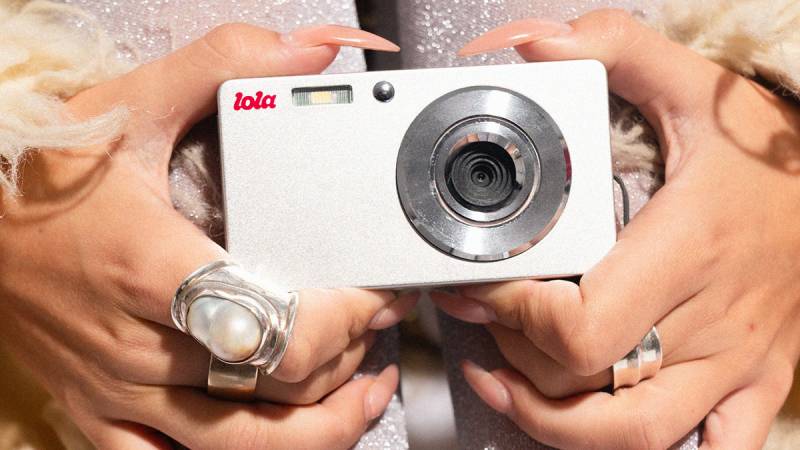
Tiny Camera, Big 2000s Energy
There’s a reason compact digital cameras are having another moment. Smartphone cameras are technically excellent, but they can also make every photo feel a little too perfect, too processed, and too connected to everything else happening on your screen. Pull out your phone to take one picture at dinner, and suddenly you’ve seen three notifications, checked a message, opened Instagram, and mentally left the table. It’s not ideal, and your fries are getting cold.
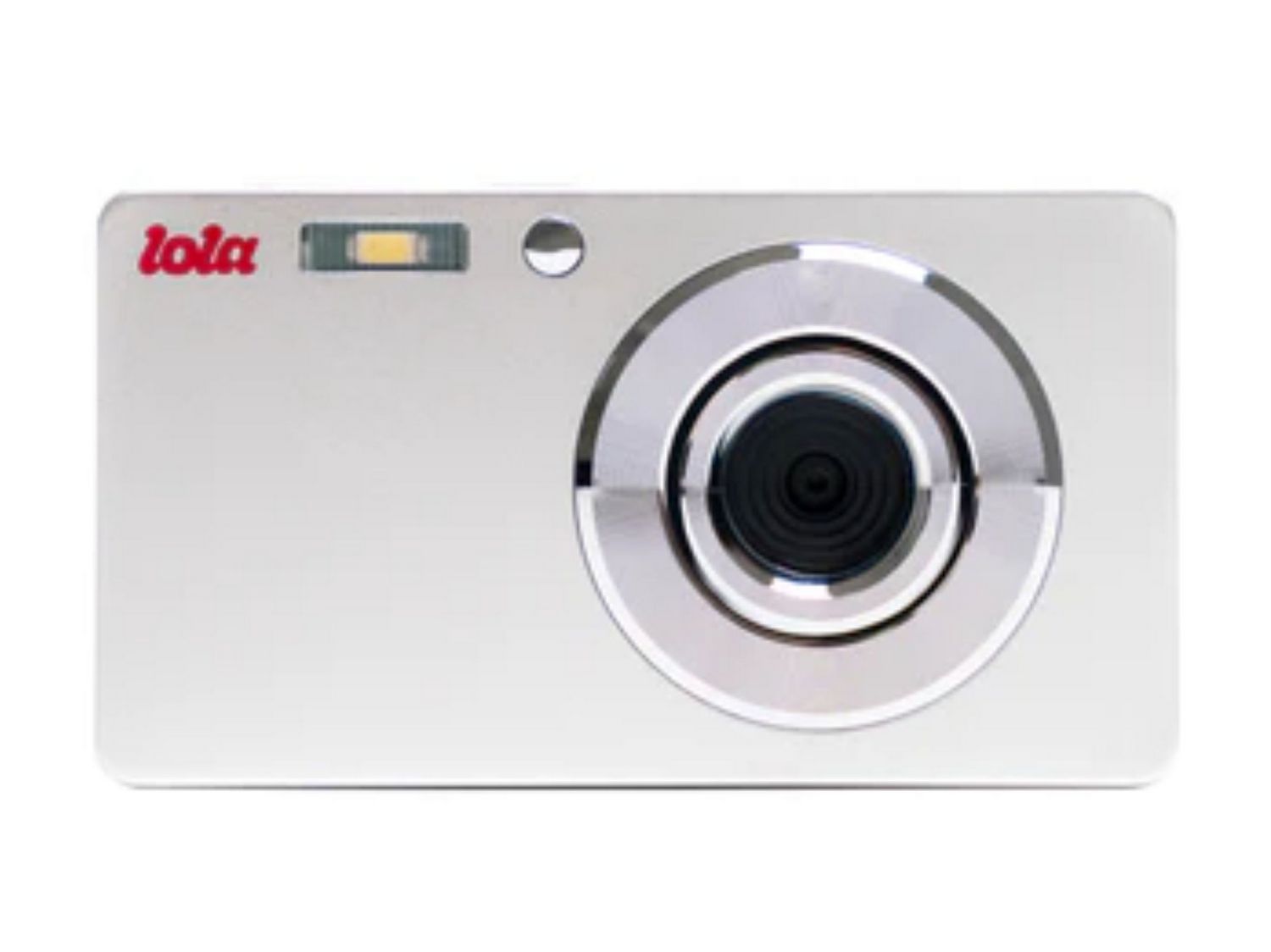
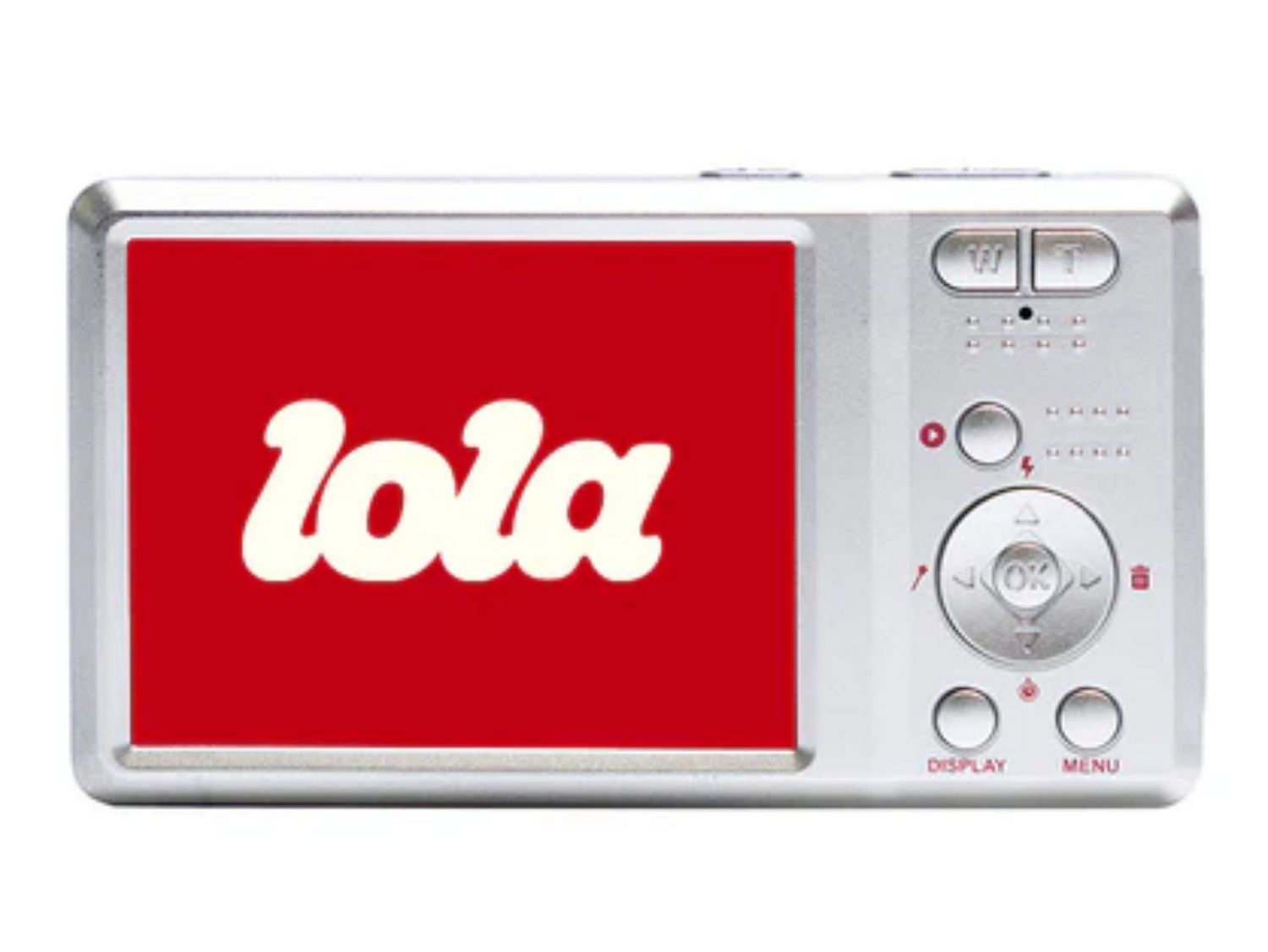
That’s where the Lola Digital Camera starts to make sense. It gives you a separate little device for capturing friends, parties, trips, concerts, beach days, and everyday moments without pulling your attention away from the rest of your digital life; your smartphone stays in your pocket or handbag. No notifications means you’re in the moment, not half-photographer and half-person who just saw an email subject line they didn’t need to respond to after 8 p.m.
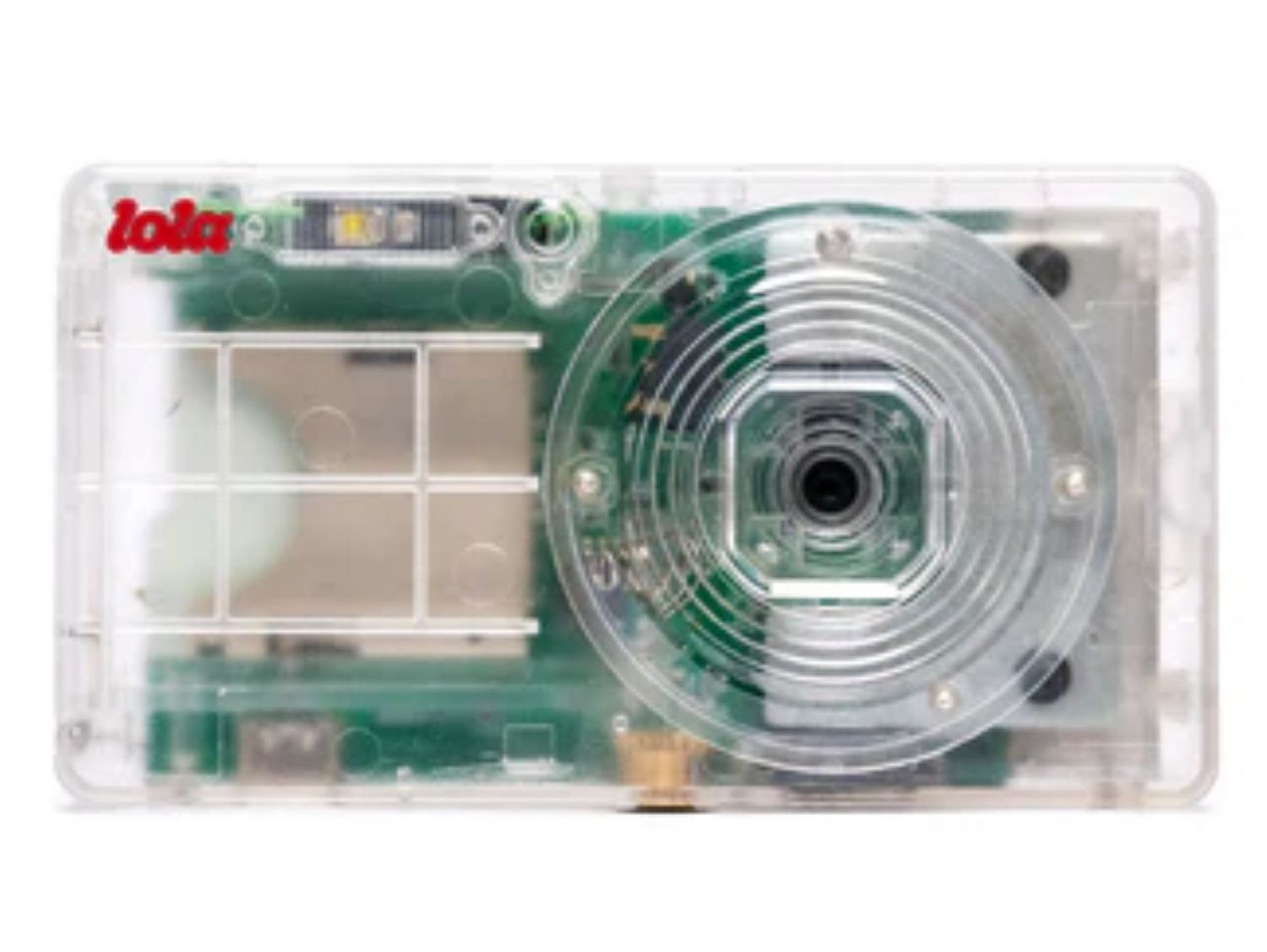
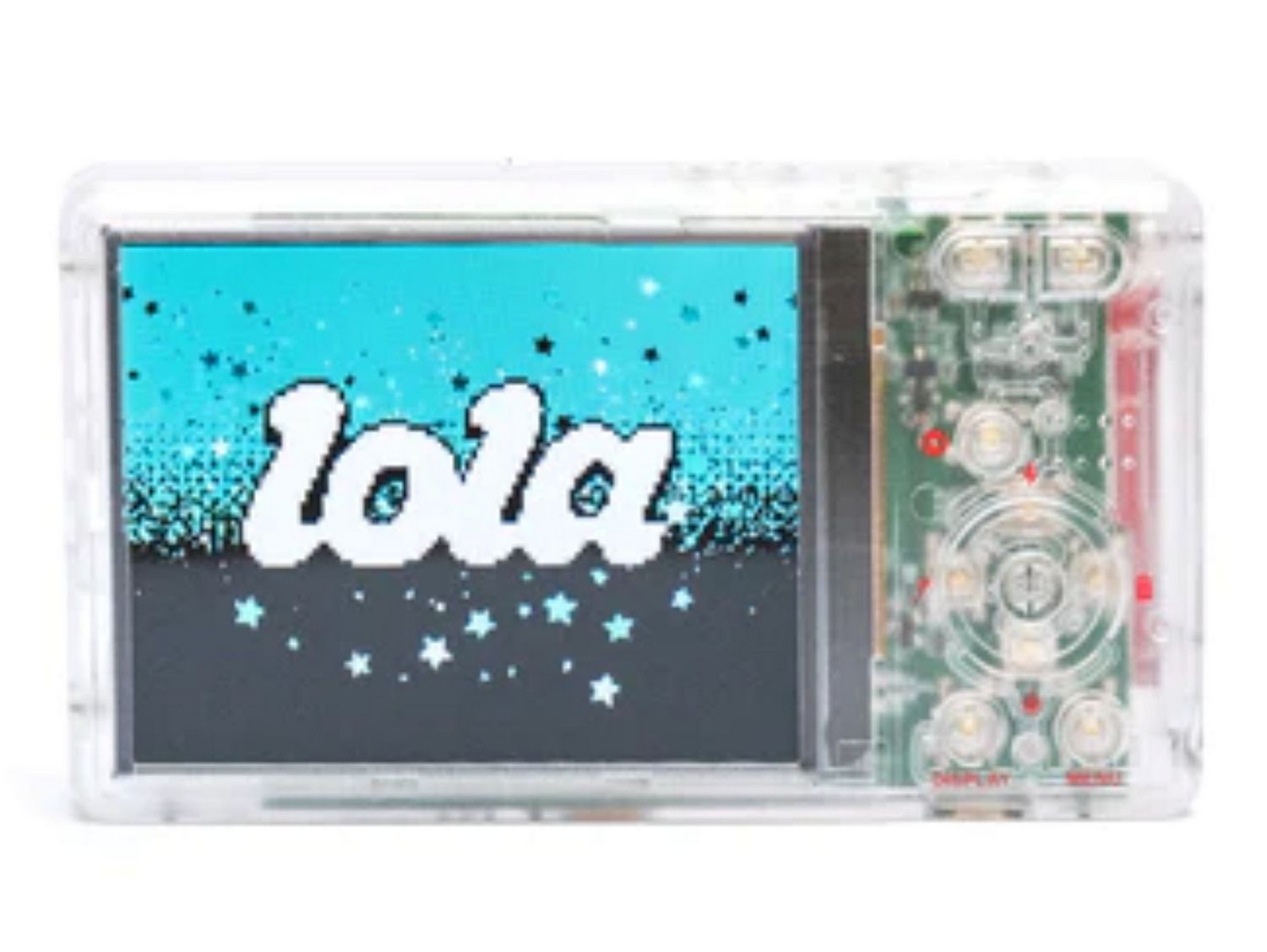
The transparent shell is the most Y2K of the bunch, with the kind of see-through plastic that recalls translucent game controllers, jelly sandals, and every piece of tech that looked more fun before minimalism put everything in a black rectangle.
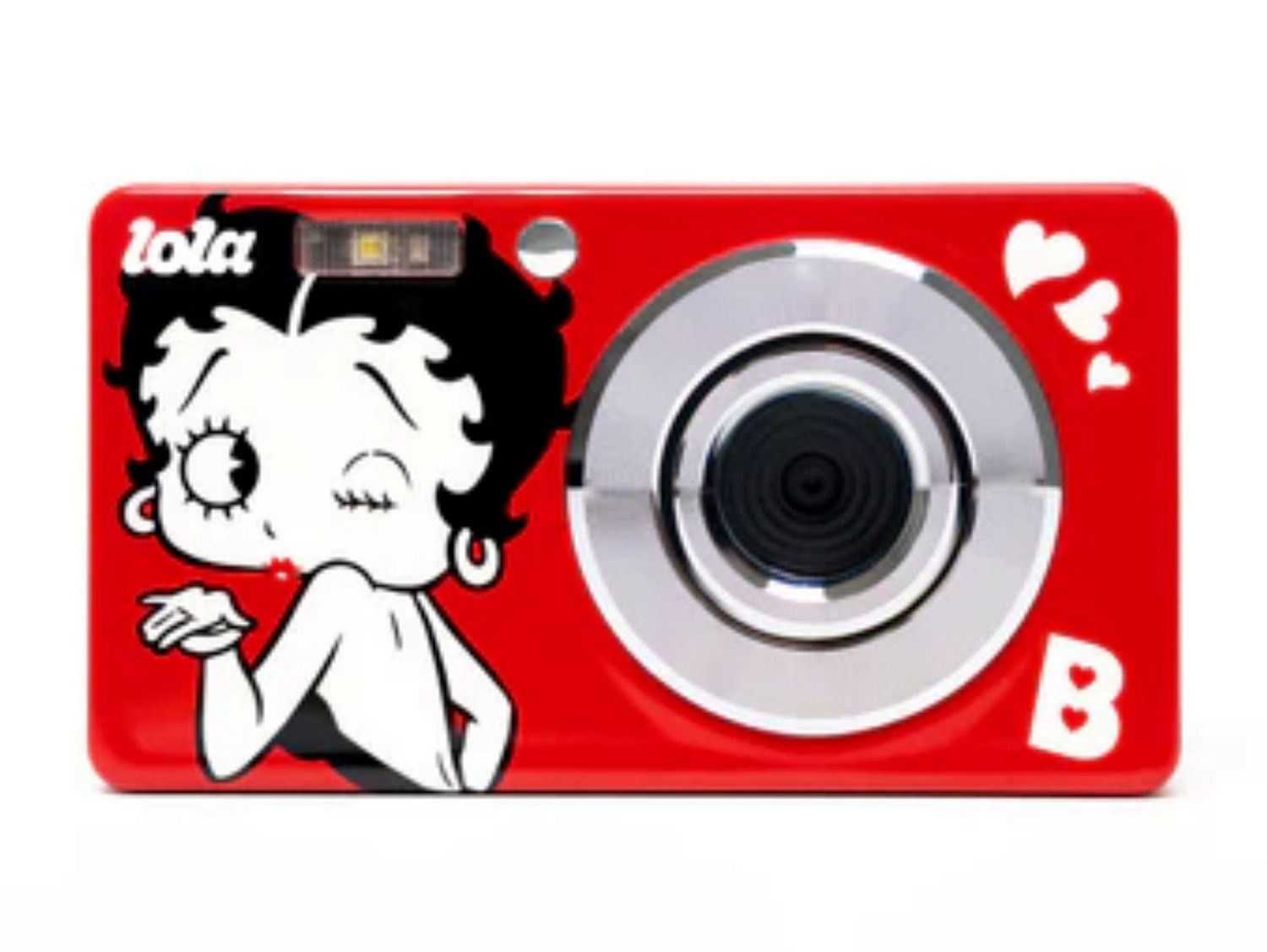
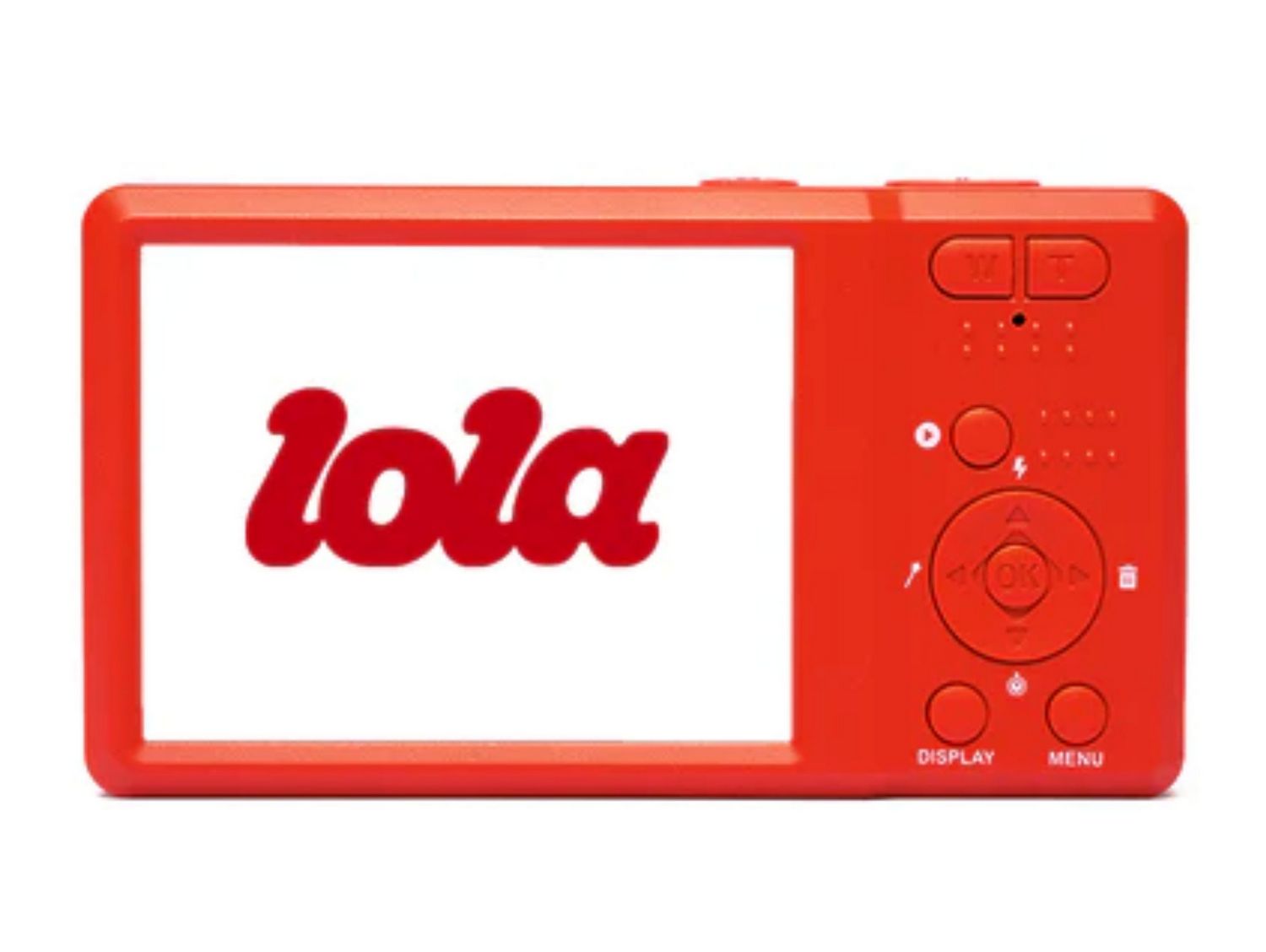
If clear plastic isn’t your personal nostalgia lane, the Lola Digital Camera is also available with a Betty Boop shell and a retro silver shell model. The Betty Boop version leans playful and cartoon-classic, while the silver version feels closer to the pocket point-and-shoots that used to show up at every sleepover, vacation, school dance, and family trip where someone inevitably blinked.
Made for Snapshots, Not a Photography Homework Assignment
The Lola Digital Camera is designed to be small, simple, and easy to carry, which is exactly what a camera like this needs to be. It isn’t asking you to learn lenses, exposure triangles, or why photographers start muttering darkly when someone mentions mixed lighting. It’s built for people who want to pull out a camera, take the shot, and keep moving.
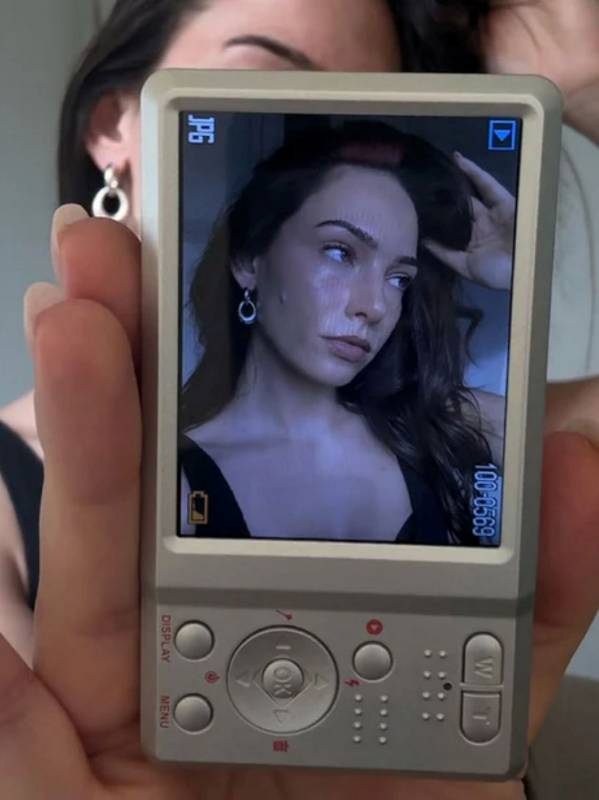
Lola includes a built-in flash, 20 built-in creative filters, and five limited-edition filters on the transparent model. Those filters are part of the appeal, especially if you like photos that look styled before they ever get near an editing app. The camera also includes nine scene modes, including party, beach, night, and portrait. Scene modes are presets that help the camera adjust for different situations, so a night shot, for example, isn’t treated the same way as a bright beach photo.
That doesn’t mean the Lola Digital Camera will outshoot a recent flagship smartphone in difficult lighting. It probably won’t, but that’s also not the assignment. Lola is a fun, deliberately nostalgic camera for capturing the feel of a moment, not documenting every pore, crumb, and wrinkle in ultra-processed clarity. Sometimes the slightly imperfect photo is the one that feels most like the memory.
What the Specs Mean When You’re Just Trying to Take a Cute Photo
The Lola Digital Camera has an 8-megapixel image resolution, which means its still photos should be a good fit for social sharing, digital albums, and small prints. An 8-megapixel camera won’t compete with the huge megapixel counts found on many current phones, but megapixels aren’t the whole story, especially when the goal is a casual, throwback look rather than billboard-sized detail.
For video, Lola can record from HD 720P up to 4K 2160P. HD 720P is a lower-resolution format that uses less storage, while 4K 2160P records more detail and creates larger files. That gives you some flexibility depending on whether you’re capturing a quick clip of friends at a party or something you may want to keep looking sharper for longer.
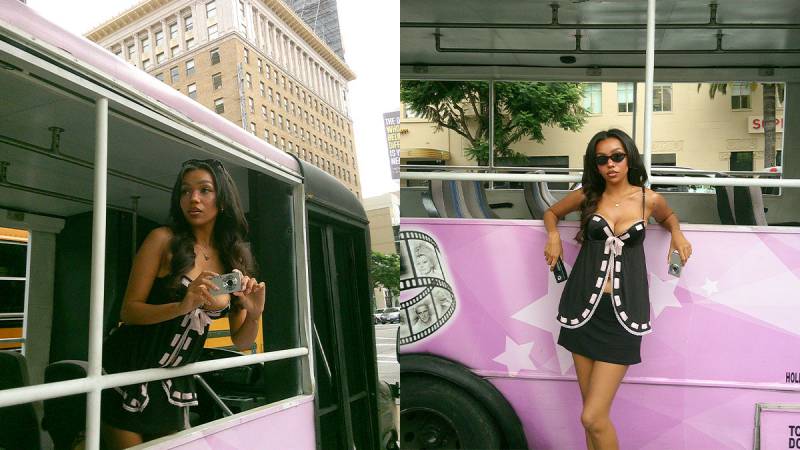
The 2.8″ IPS screen is used for framing shots and reviewing what you’ve captured, which is helpful when you’re holding a small camera at odd angles and trying to see whether everyone made it into the photo. The Lola Digital Camera also uses a CMOS sensor, which is the component that captures light and turns it into a digital image.
The camera includes 20X digital zoom, but it’s worth keeping expectations sensible. Digital zoom crops into the image rather than physically magnifying the scene with optical glass, so image quality can soften the more you zoom in. It’s useful when you need it, but your best results will usually come from getting closer when possible. Yes, this may require walking; technology remains cruel.
Low-Light Photos, Battery Life, and the Important Business of Getting Your Pictures Off the Camera
The Lola Digital Camera can shoot at night, though low-light photography is always trickier on small compact cameras. The camera includes a night mode, and the recommended approach is to use available light from streetlights, signs, lamps, or other ambient sources, then keep the camera as steady as possible to avoid blur. If the image is too bright or washed out, you can adjust exposure and ISO. Exposure controls brightness, while ISO changes the camera’s sensitivity to light. For very low light, Lola recommends Exposure +3 and ISO 400.
The camera uses a rechargeable lithium-ion battery and charges with the included USB-C cable. Battery life is rated at roughly two to three days with general use, though that will vary depending on how often you shoot, whether you’re using flash, how much video you capture, and how much time you spend scrolling through photos on the screen. USB-C charging is a welcome modern touch because it means you’re not stuck guarding some oddball cable like it’s the last surviving member of its species.
The Lola Digital Camera works with standard SD cards, and new cards should be formatted in the camera settings before use. Lola also offers a 32GB SD card for $19, with enough storage for up to 5,000 photos, depending on the settings and file sizes.
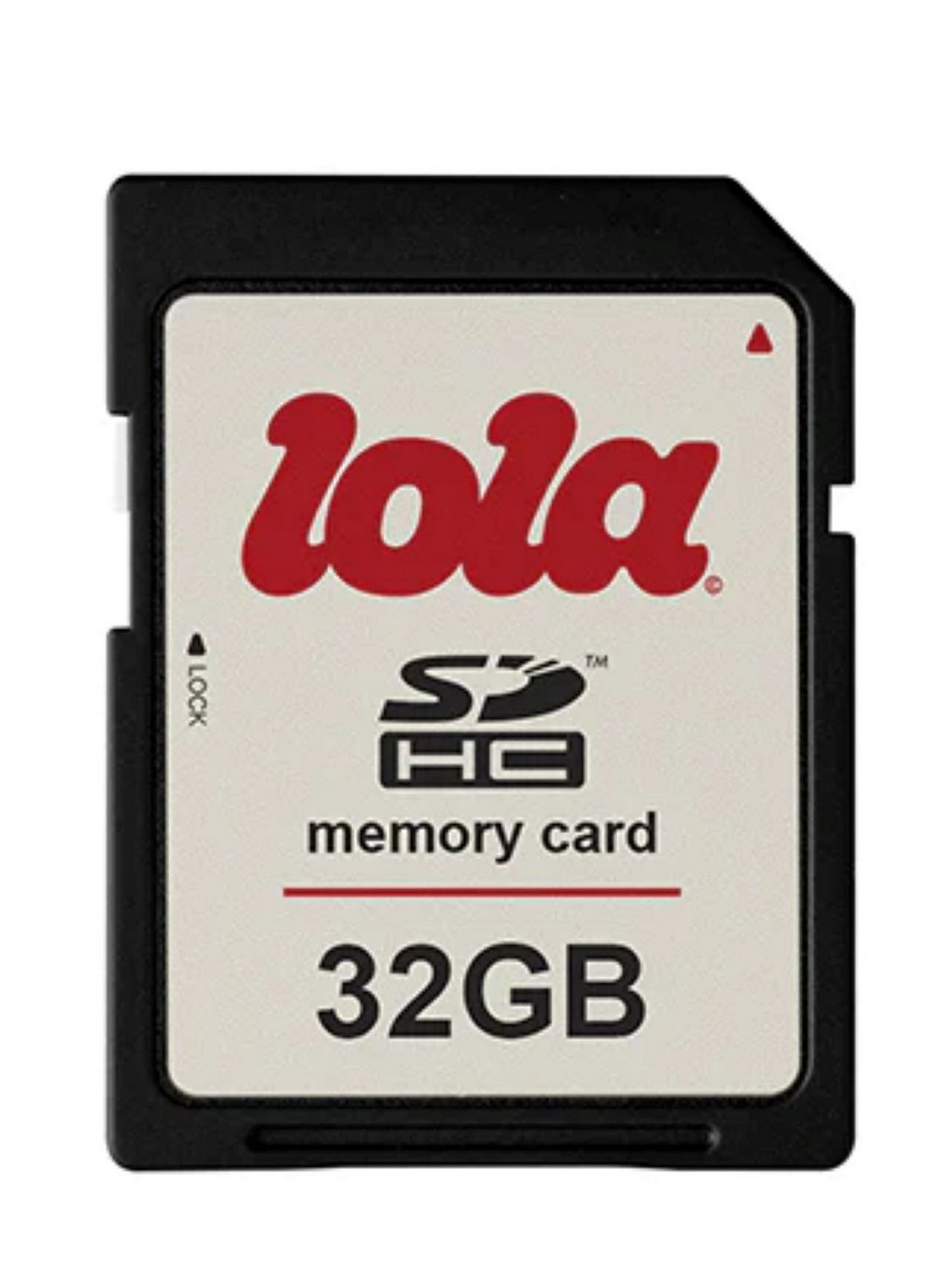
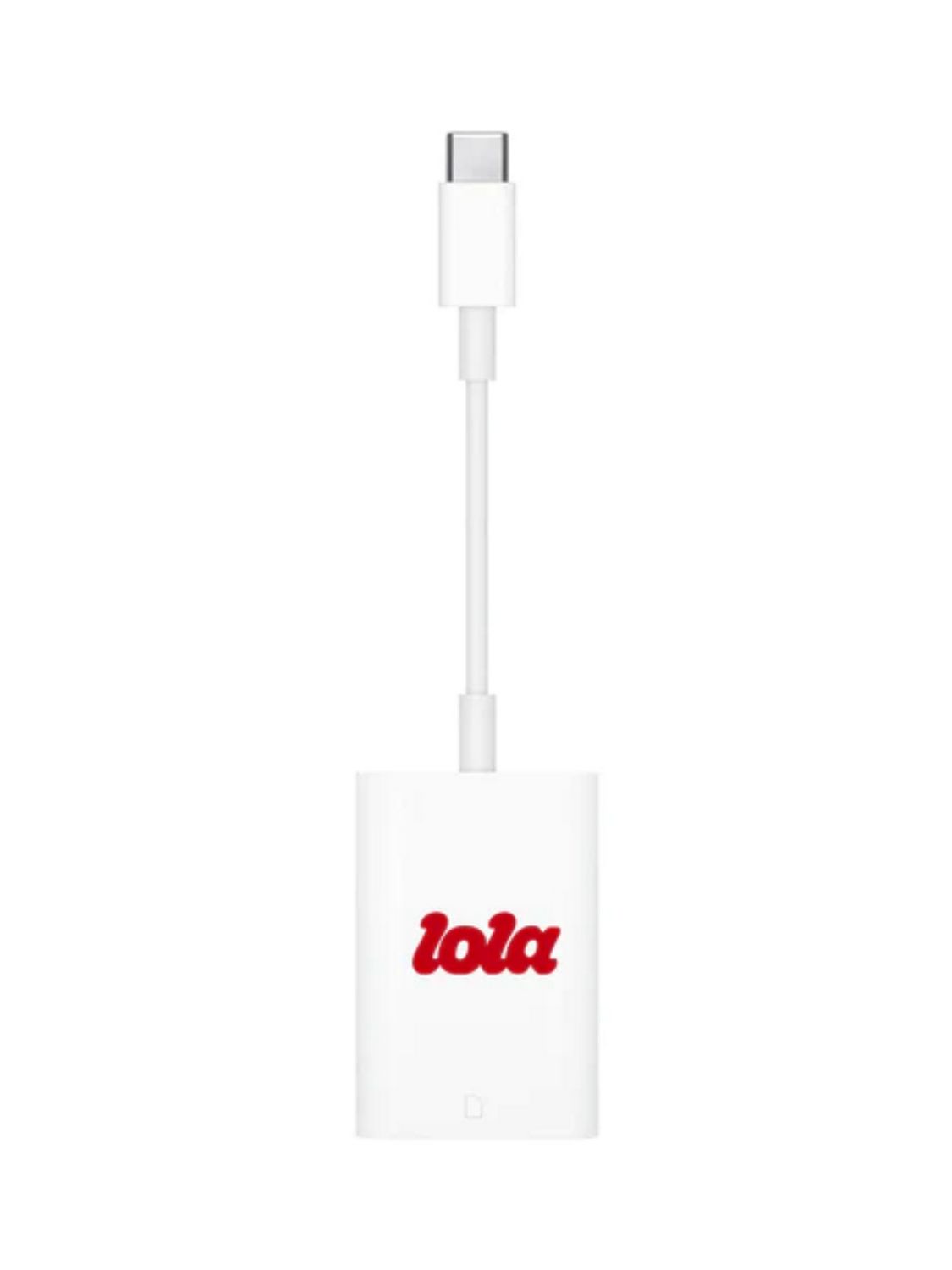
If you want to move photos directly to your phone, the Lola Mobile SD Card adapter costs $19 and is available in USB-C and Lightning versions. You remove the SD card from the camera, insert it into the adapter, plug it into your phone, and transfer your images for editing, sharing, or backup. It’s a useful accessory because the charm of a dedicated camera wears thin quickly if moving photos becomes a tiny administrative task, and nobody needs another one of those.
What Comes With Lola, and What You’ll Probably Want Next
All Lola Digital Camera packages include the camera, a rechargeable battery, a USB-C charging cable, a wrist strap, and a quick start guide with manual and warranty information. That’s enough to start shooting, though an SD card is the accessory you’ll want to make sure you have ready.
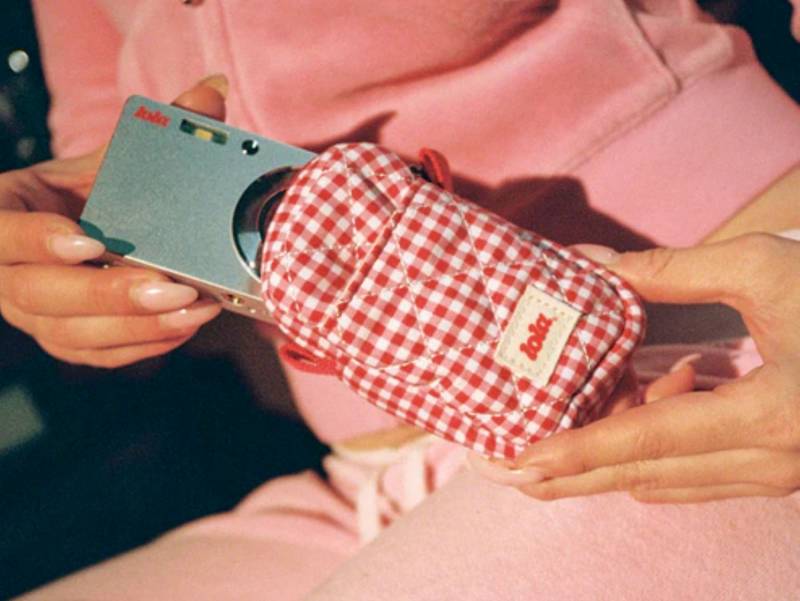
There’s also a Red Gingham Camera Pouch for $25. It’s made with a 100% cotton exterior, has a soft-lined interior, and is sized to fit the Lola camera and small accessories. The pouch is undeniably cute, but it also serves a purpose. Small cameras get tossed into bags with keys, sunglasses, chargers, and the occasional mystery object, so a soft pouch is less frivolous than it first appears.
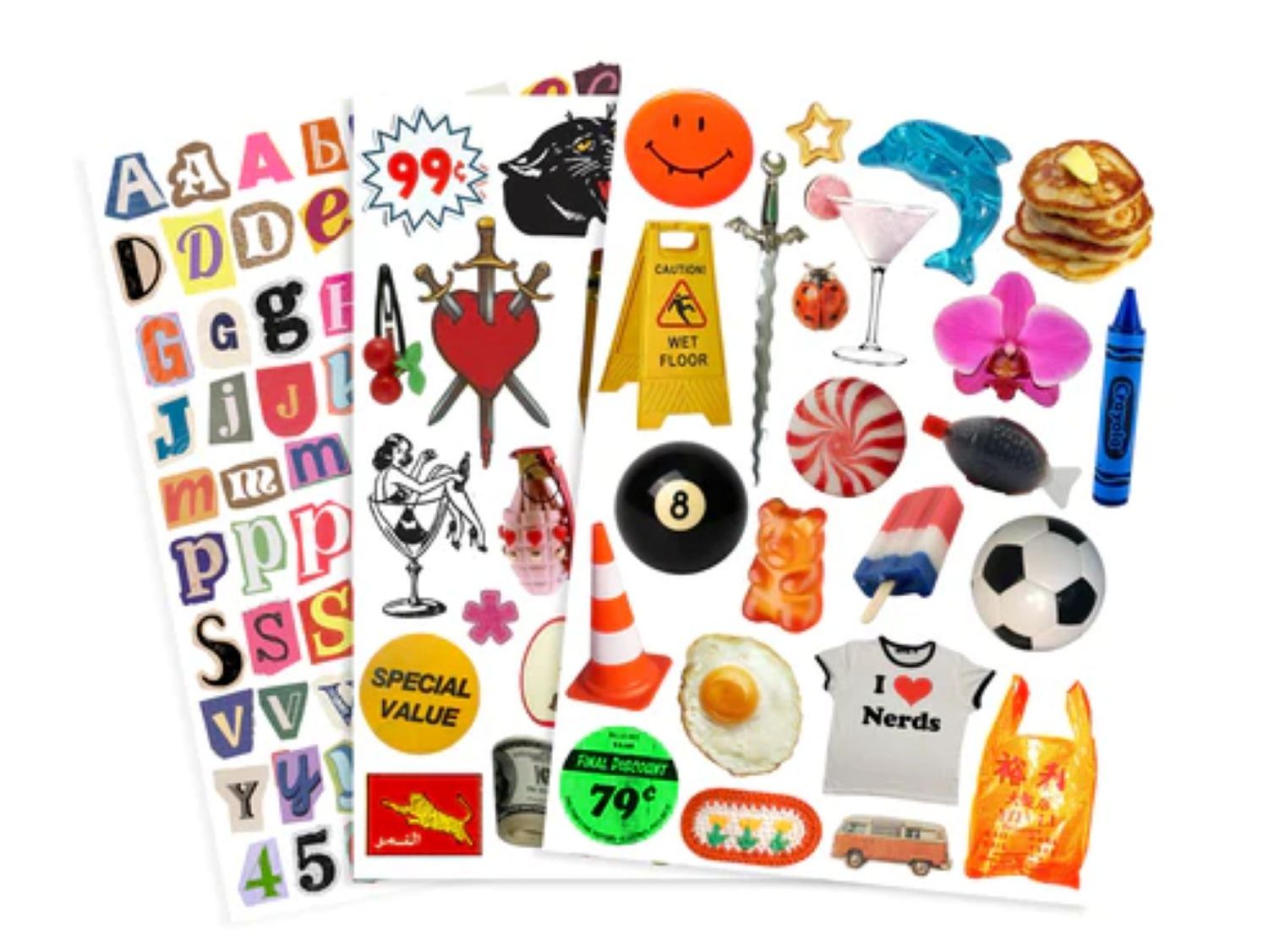
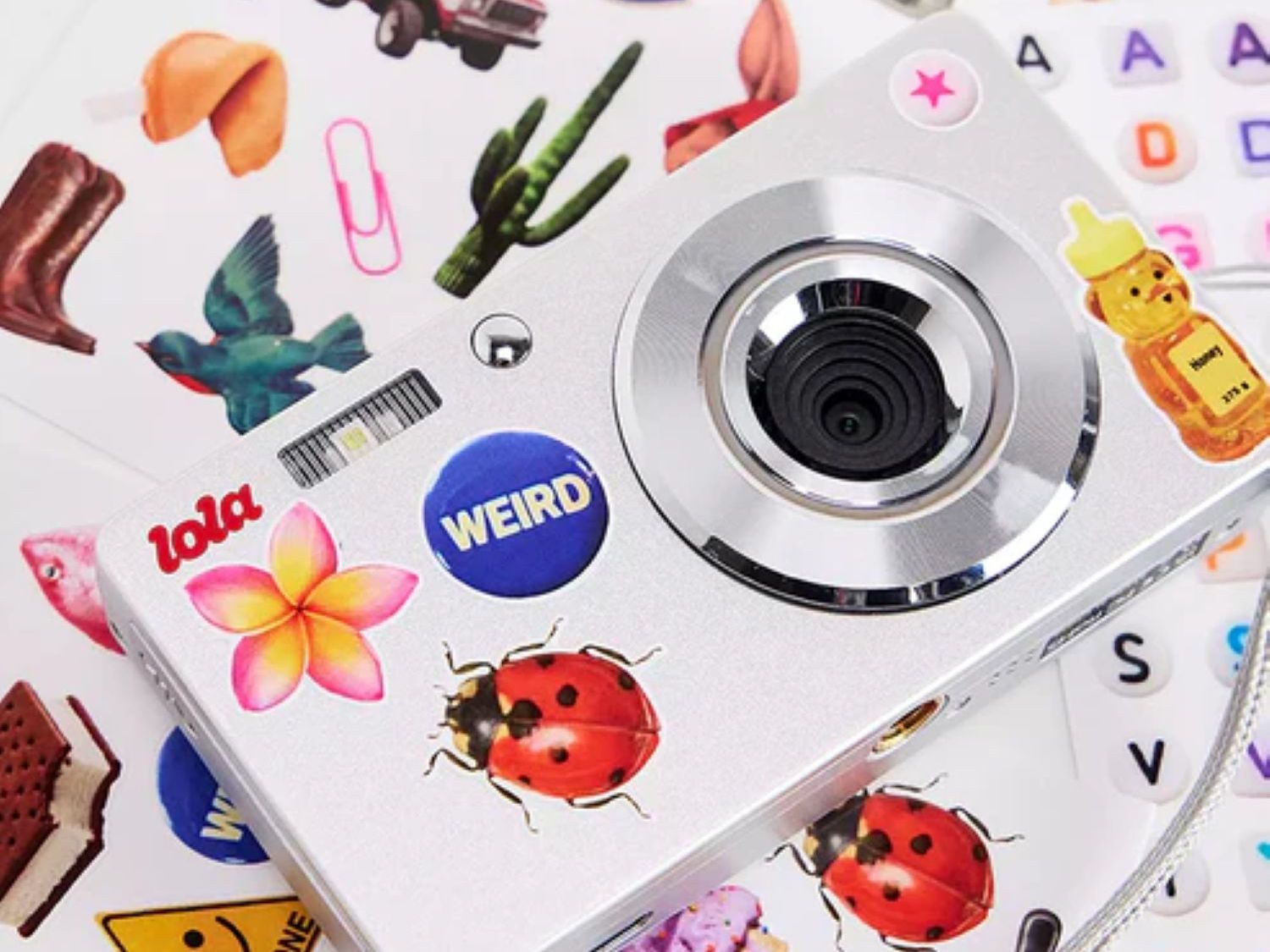
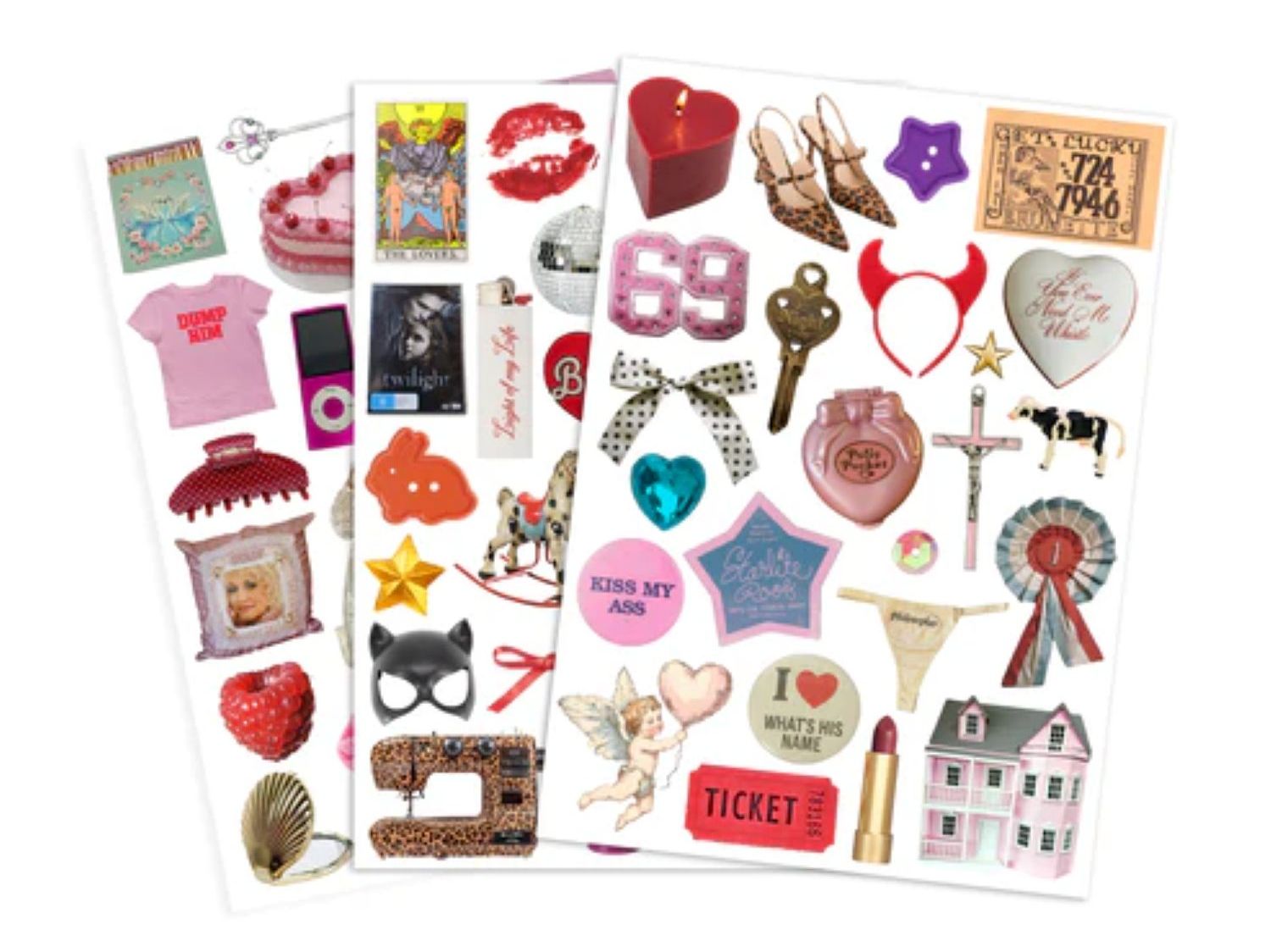
And finally, Lola sells three different sets of sticker sheets so you can personalize your camera to fit your vibe.
A Fun Little Escape From the Smartphone/Camera Habit
The Lola Digital Camera isn’t a replacement for your smartphone, or a mirrorless camera, and anything you’d use for a professional shoot. Its appeal is simpler and more specific. It gives you a lightweight, pocket-sized way to capture friends and events without pulling out your phone, which can be distracting even when your intentions are pure.
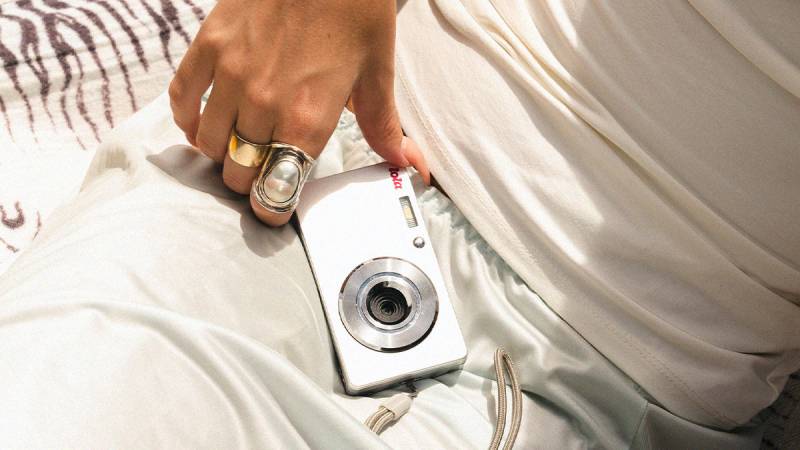
That may be the real charm here. Lola turns taking photos back into a single-purpose activity. You pick it up, take the picture, maybe try a filter, and put it away. There’s no notification shade, no accidental app detour, and no temptation to start editing while the moment is still happening around you.