
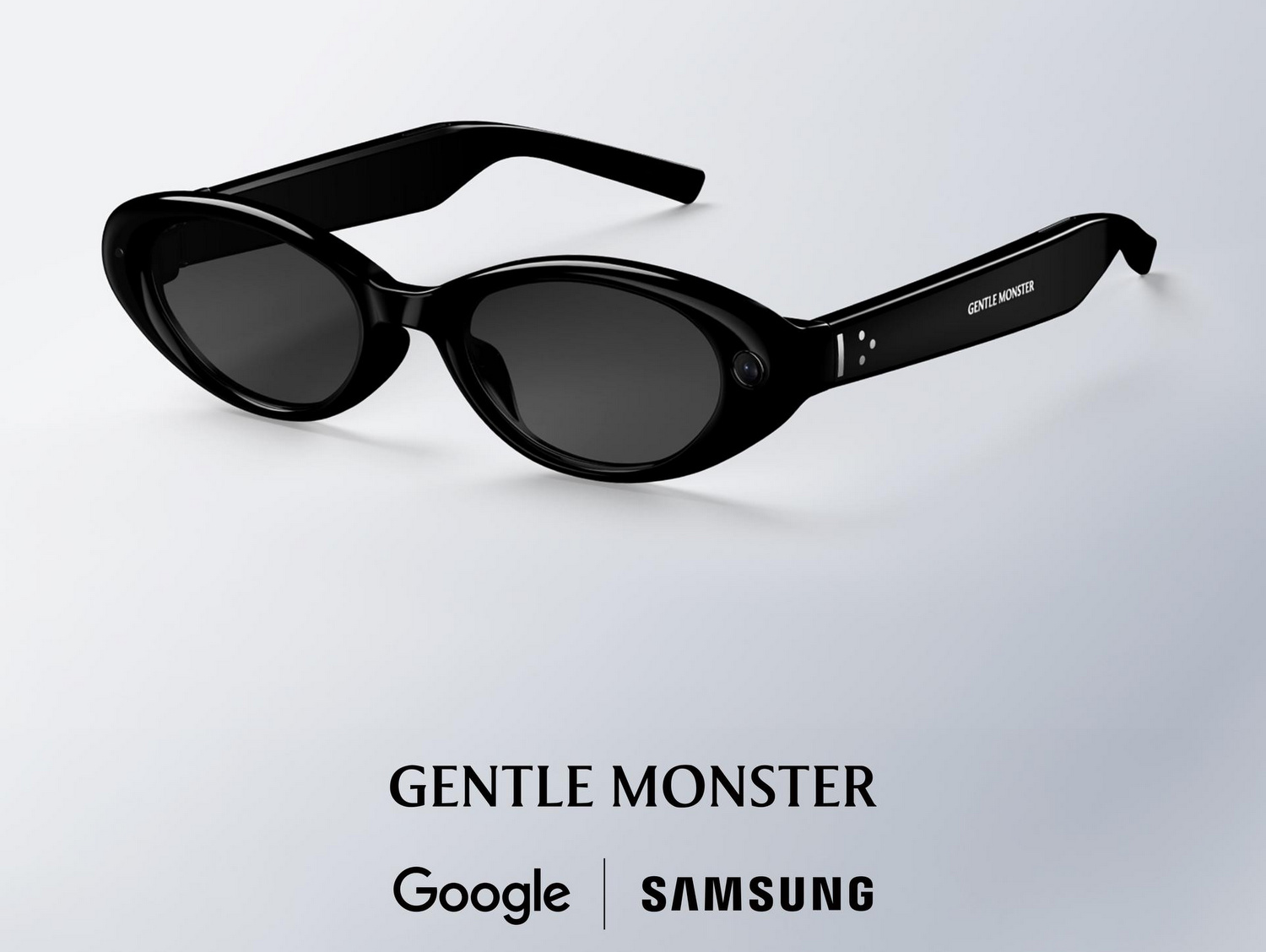


Gentle Monster intelligent eyewear is moving from rumor-adjacent curiosity to something more concrete, with Google revealing a first design at Google I/O 2026 today. Built in partnership with Google and Samsung, the upcoming collection will start with audio glasses that combine speakers, microphones, a camera, and Google Gemini‘s voice-assisted help. The idea is familiar but still tricky: make wearable tech useful enough to justify wearing it, without making you look like you’ve wandered out of a beta test. The first models are expected later this fall, with the full collection arriving later in 2026.

Smart Glasses Need to Look Like Glasses First
The smart glasses category has had a recurring problem: the technology may be interesting, but the frames have to survive real life. That means commuting, errands, travel, coffee shops, and the occasional reflective storefront window where you’re forced to confront your own accessory choices.
That’s where Gentle Monster’s involvement matters. The brand has built its reputation around eyewear that doesn’t try to disappear. Its frames tend to be sculptural, bold, and intentionally fashion-forward, which could help these glasses avoid the “developer kit with temples” problem that has haunted many wearables.
Only one Gentle Monster design was shown during Google I/O, so it’s too early to judge the full lineup. Still, the reveal suggests that Google and Samsung are trying to meet the category on fashion’s terms, rather than treating style as something to be fixed after the chips, sensors, and software are finished.
What the Glasses Will Do
The first Gentle Monster intelligent eyewear collection will include audio glasses with built-in speakers, microphones, and a camera. That means you’ll be able to listen to music, take calls, and capture photos without having to pull out your phone. None of that is brand-new for smart glasses, but the difference here is the deeper connection to Google Gemini.
Gemini is Google’s AI assistant, designed to understand natural language and respond conversationally. In these glasses, it’s meant to help with what’s happening around you. You might ask for information about something you’re looking at, request turn-by-turn walking directions while keeping your phone in your bag, or get live translations during a trip when your high school language skills are doing that thing where they vanish under pressure.
Google also described more involved tasks, such as editing a photo on the spot or ordering a delivery by voice. Those examples are the sort of features that sound convenient when they work well and irritating when they don’t, so execution will matter. Voice assistants are only charming until they misunderstand you in public.
The Useful Part Is Context
The most interesting part of these glasses isn’t that they can play music or answer calls. Plenty of earbuds already do that while being smaller, cheaper, and less visible. The real pitch is context: the glasses can see, hear, and respond to the world around you while you keep your hands free.
That could matter when you’re walking through an unfamiliar city and don’t want to stare down at your phone for directions. It could help if you’re trying to read a sign in another language, identify a landmark, or quickly capture a photo without interrupting the moment. It could also be useful for quick calls or voice notes when your hands are full, though nobody should pretend that talking to glasses in public has fully lost its awkwardness yet.
The camera will also raise the usual privacy questions, and it should. Any eyewear with a camera needs clear visual indicators, sensible controls, and social norms that don’t make everyone nearby feel like they’ve wandered into someone else’s livestream. Those details weren’t covered in the announcement, but they’ll be important once these move from stage demo to sidewalk.
Samsung’s Role Is About the Hardware
Samsung’s involvement points to the hardware side of the partnership. The company brings experience in mobile devices, sensors, displays, audio, and compact consumer electronics, all of which matter when you’re trying to make glasses that don’t feel heavy, fragile, or weirdly warm after 20 minutes.
Comfort may end up being just as important as intelligence. Audio glasses can’t become an everyday accessory if they pinch, slide, or make you choose between battery life and basic comfort. The same goes for sound leakage, microphone quality, and camera placement. Specs can look tidy on a product page, but glasses live on your face, which is an unforgiving place for bad compromises.
Google didn’t provide battery life, weight, camera resolution, storage details, lens options, water resistance, or pricing in the announcement. Those omissions aren’t surprising this early, but they’re the details that will decide whether these are compelling or merely interesting.
Availability and What to Watch For
The first Gentle Monster intelligent eyewear models with audio features and voice-assisted support are expected later this fall, with the broader collection planned for later in 2026. Pricing hasn’t been announced, and there’s no confirmed launch date yet beyond that seasonal window.
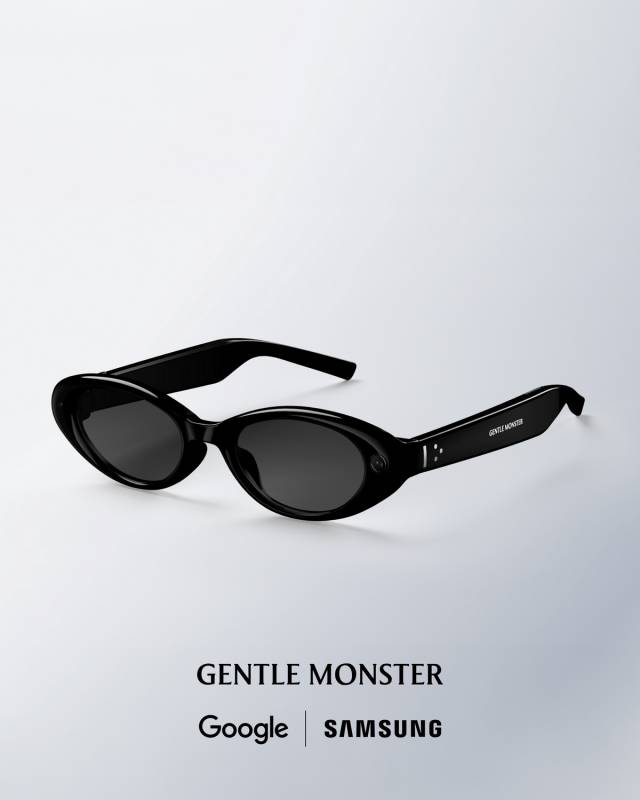
For now, the partnership is best read as a signal that smart glasses are becoming less about proving the technology can exist and more about making it wearable without apology. That’s a healthier place for the category to be, even if the road from “cool reveal” to “something you’d wear every Tuesday” is paved with tiny batteries, privacy concerns, and the eternal question of whether people want computers on their faces.