


The Lowdown
The Xiaomi 17T pairs a gorgeous AMOLED screen with Leica-powered cameras that make point-and-shoot photography feel effortless, even in less expert hands. It is not officially sold for U.S. carriers, so network compatibility is something you need to understand before importing one. In the U.S., it will only work on T-Mobile’s network or T-Mobile-based MVNOs such as Mint Mobile, Tello, and other carriers that run on T-Mobile’s network. It also requires an already-activated SIM card, so this is not necessarily a phone you can buy, unbox, and activate from scratch without a little planning.
Overall
Pros
- The screen is gorgeous
- The build quality is excellent
- The camera offers everything from fine-grained controls to simple point-and-shoot ease
- It makes even my photography look good
Cons
- It is difficult to source in the U.S.
- It won’t work with most U.S. networks
My daily phone is an iPhone Air. I love it, but the one area where it falls short is the camera, which is not as powerful as the ones found on more flagship-level devices. So I am always open to having a second phone around that can double as a dedicated photography tool. The new Xiaomi 17T makes a very strong case for itself when it comes to the fusion of smartphone utility and seriously impressive cameras.
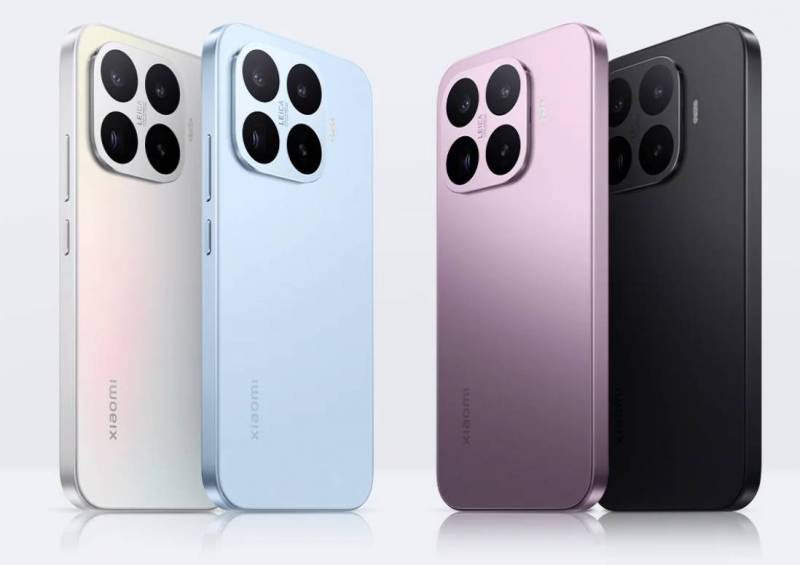
The Xiaomi 17T runs the brand’s HyperOS 3 on top of Android 16. It is basically the Android you know, but with Xiaomi’s skin and apps layered over it. If you are not deep into the Xiaomi ecosystem, that may not matter much. If you are, though, you will appreciate features like Xiaomi Smart Hub, which lets you manage compatible phones, tablets, earbuds, watches, and smart home accessories that are all part of the same family.
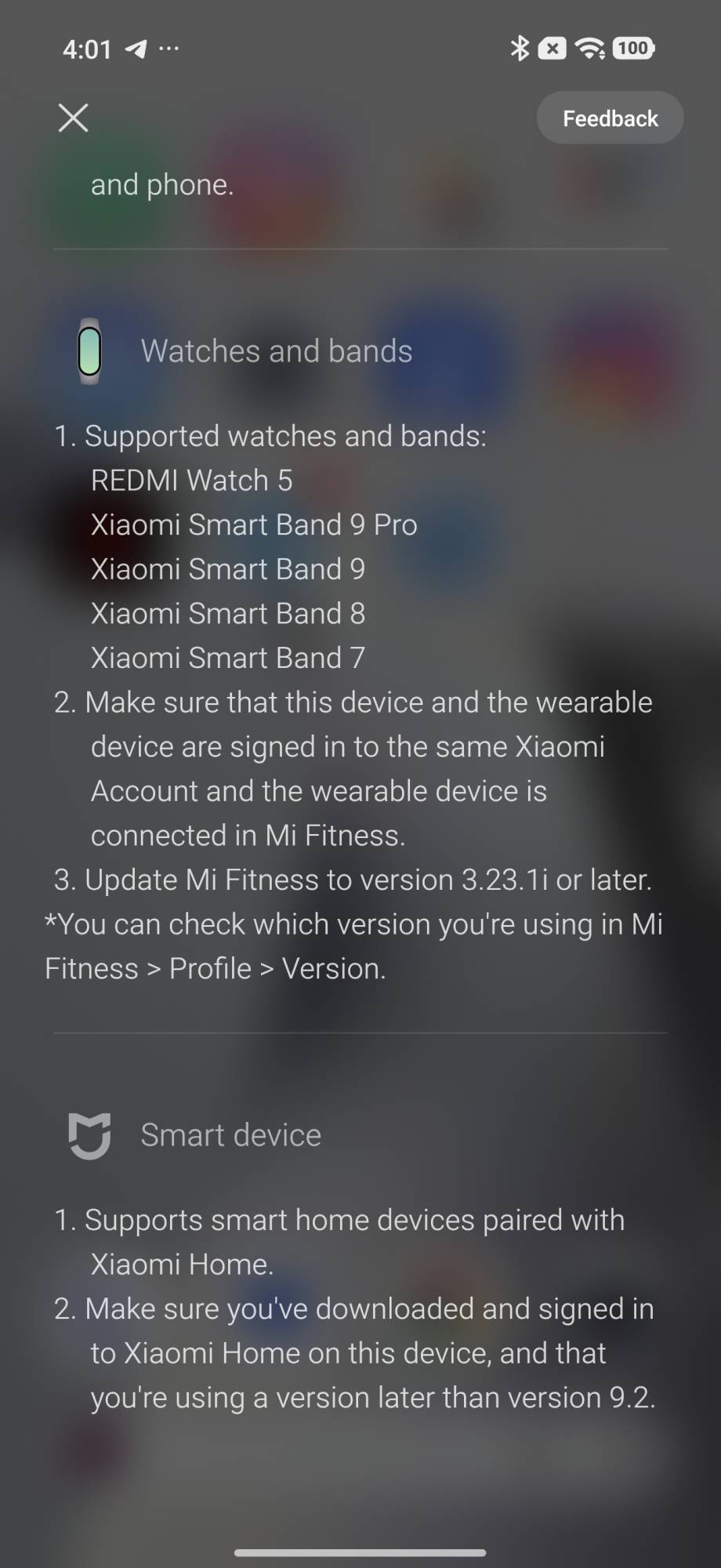
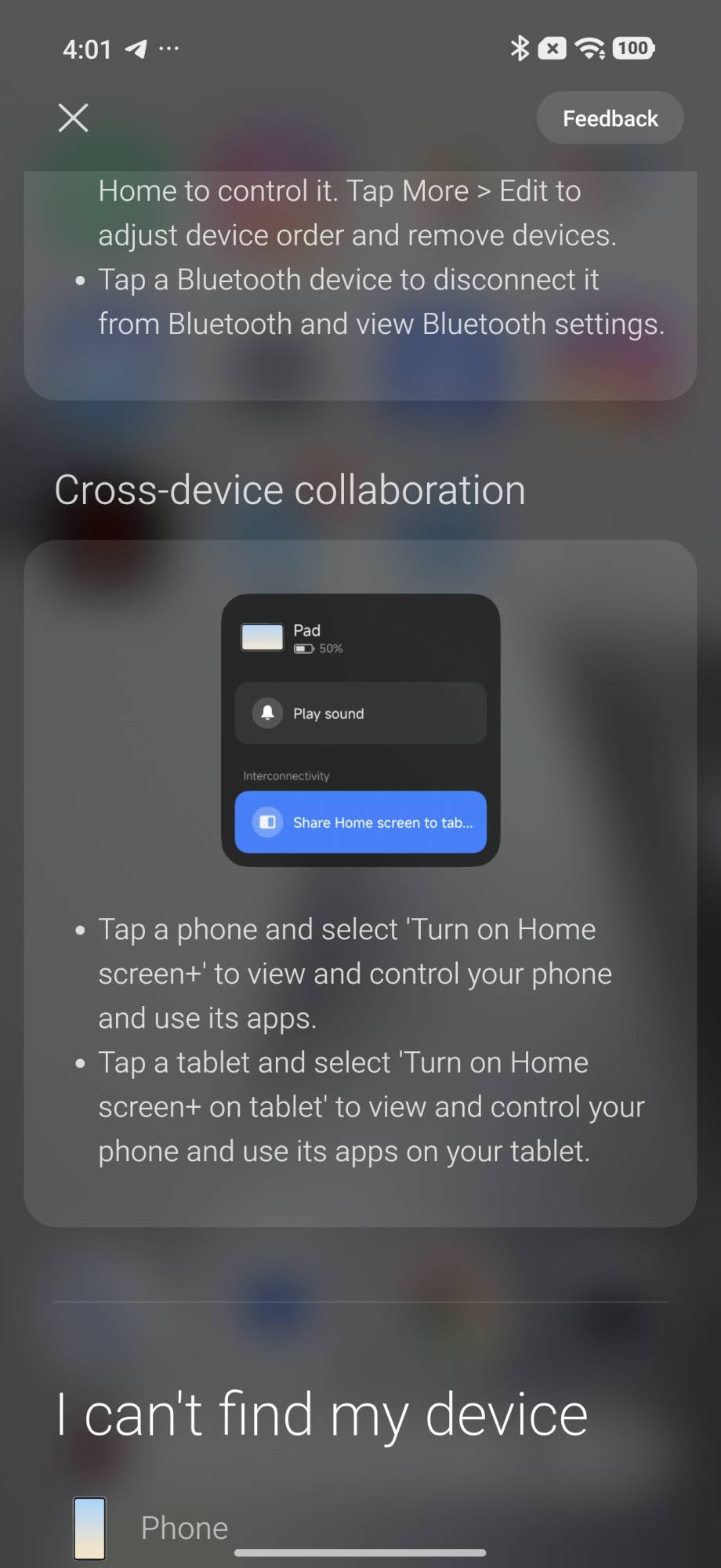
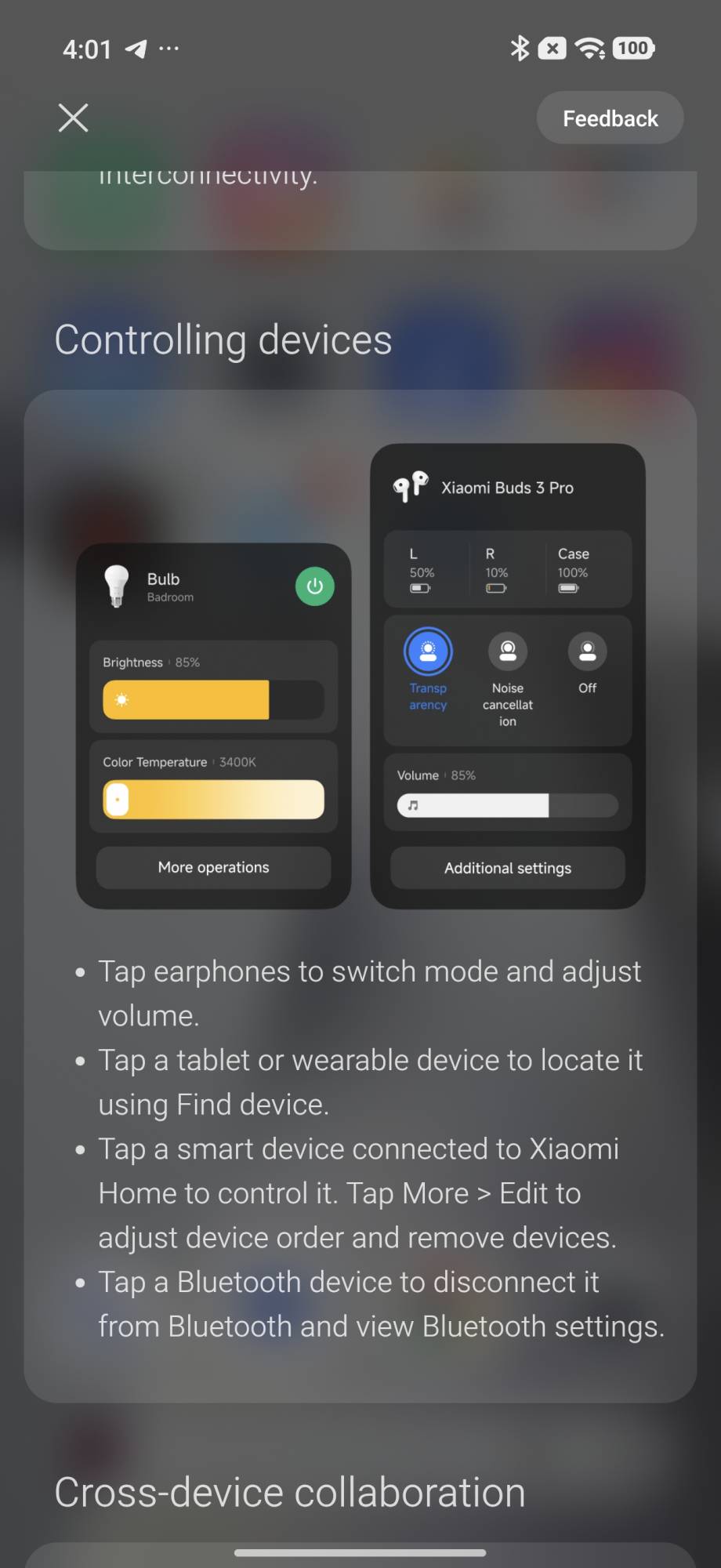
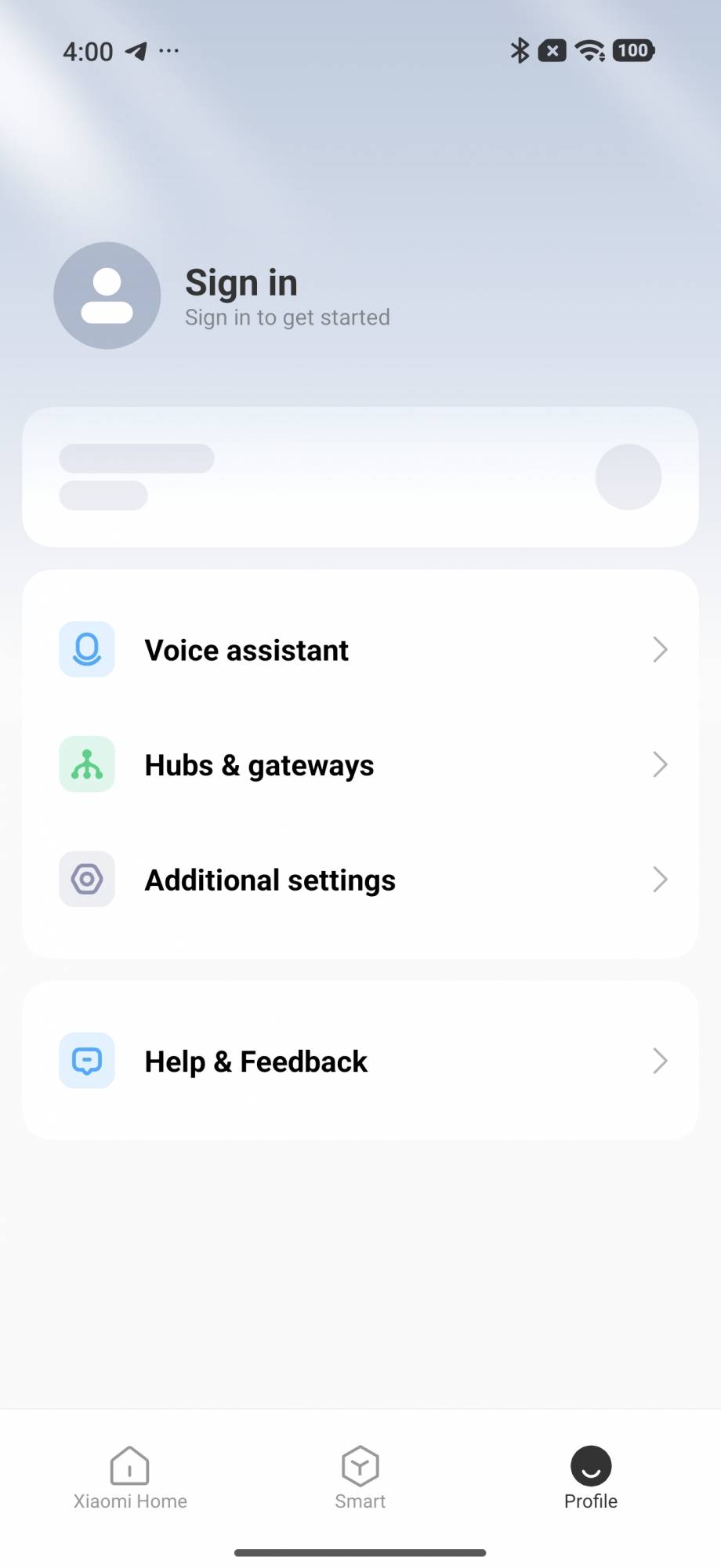
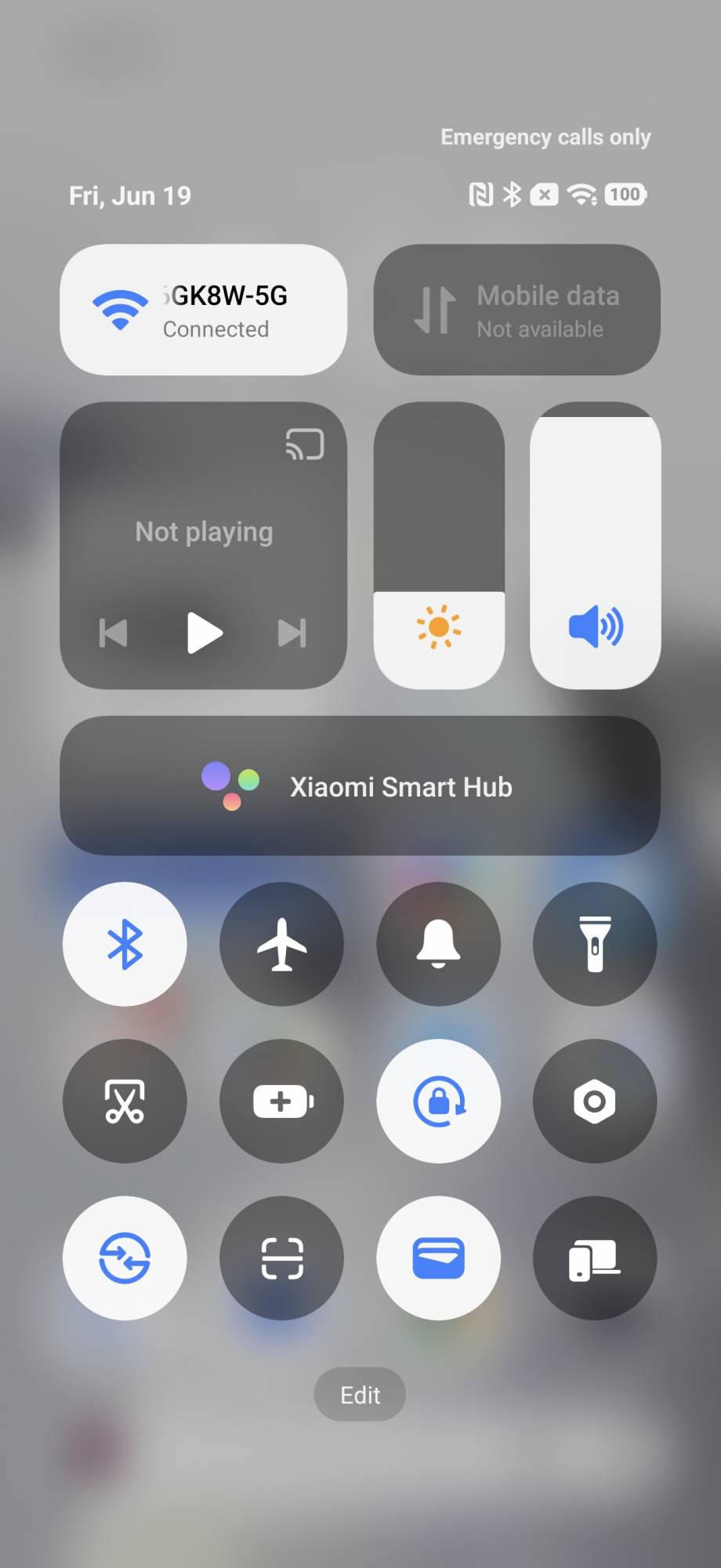
Beyond that, if you have used an Android device in the last few years, you will be right at home. Navigation is snappy and responsive, and the screen looks amazing. These days, with so much parity in hardware and software, what matters is how easy it is to get everyday tasks done on a phone. By that metric, the Xiaomi 17T is excellent. You want a phone to feel like an extension of you, and the 17T manages to melt into the background. There is no hesitation of, “Wait, how do I do this on this device?” It is all seamless and comfortable.
A big part of that is the phone’s physical build. It is a solid device with smooth edges that round right into the back. There are no harsh breaks or edges, which makes it feel sort of soft in your hands while still being tough as nails. It is very slightly top-heavy due to the camera array, but not uncomfortably so. The volume and power buttons are stacked on the right side and are easy to press one-handed.
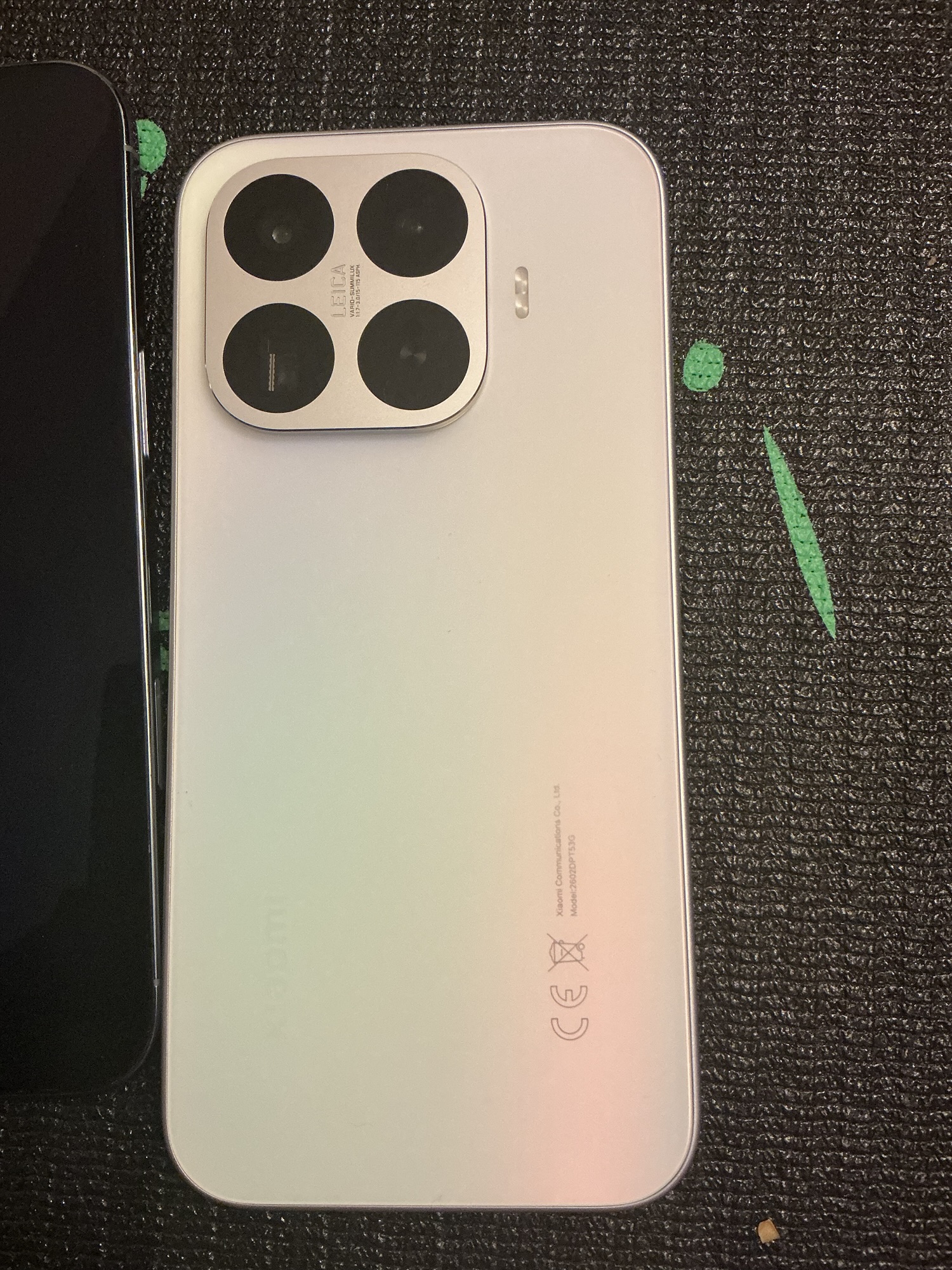
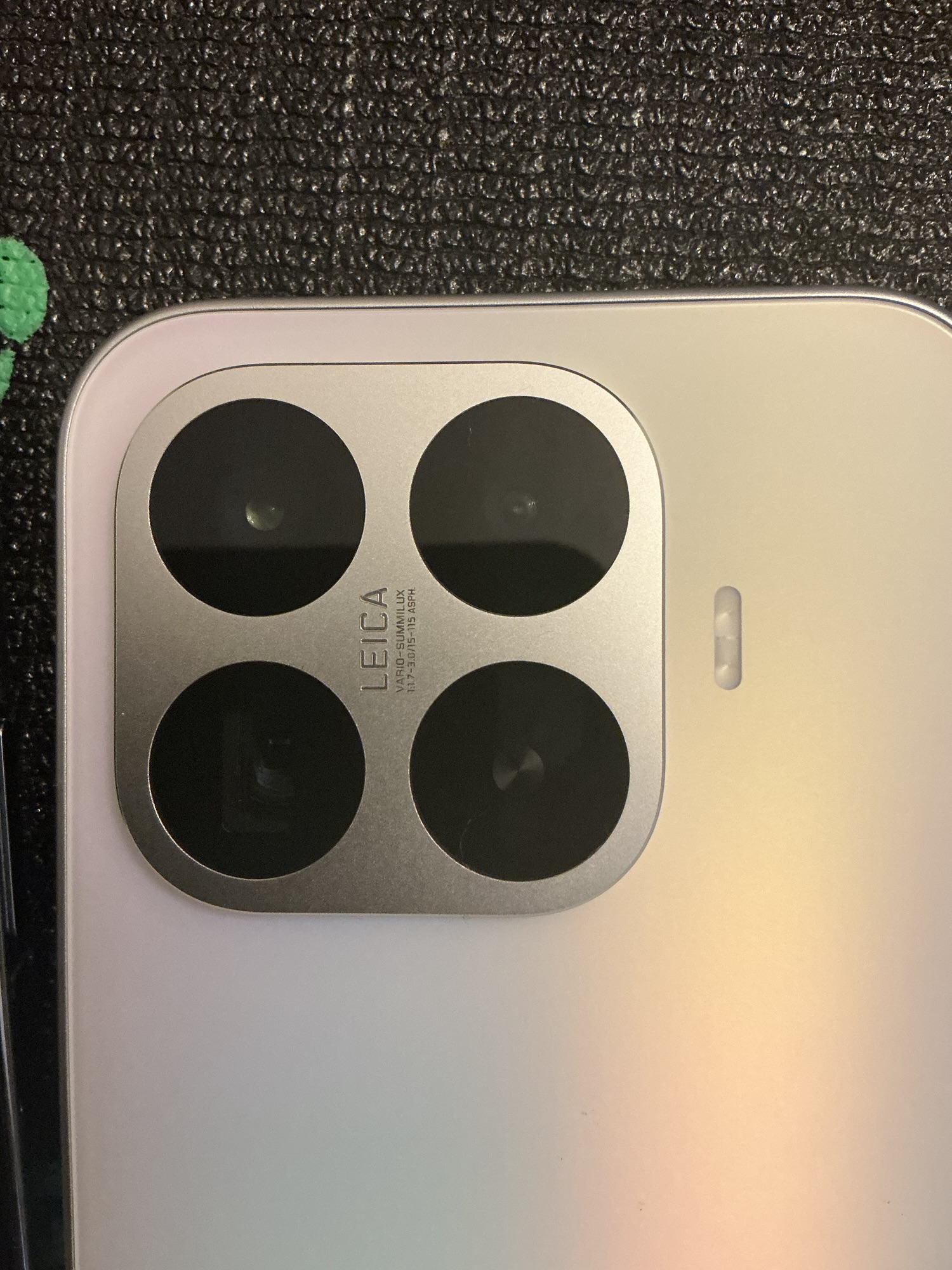
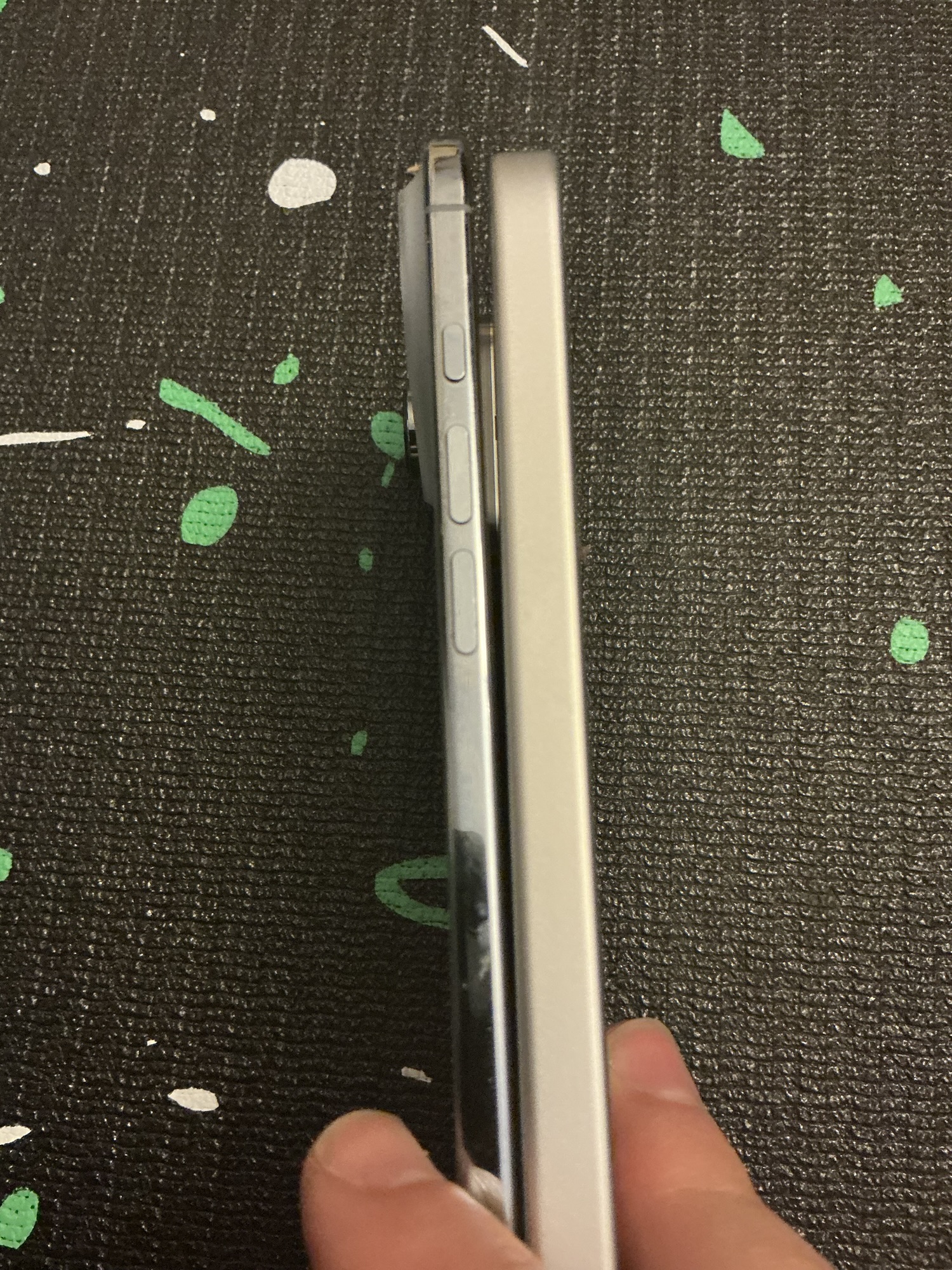
I also have to compliment the color. It is pearlescent white, with a gorgeous rainbow shimmer when you shift it in the light. It is subtle enough to add personality but not so flashy that it would feel unprofessional to carry into a meeting.
There are really two standouts with the Xiaomi 17T: the camera and the screen. We will get to the camera in a moment, but first, the screen deserves some serious praise. It has a 6.59″ AMOLED display with HDR10+, Dolby Vision, and TÜV Rheinland Low Blue Light Hardware Solution certification. In non-technical terms, it is very, very pretty. Everything looks good on it, from YouTube videos to reading the news. The low-blue-light technology helps reduce eye strain, but it does not keep videos from looking crisp and clear.

For example, I watched the new “Spider-Man: Brand New Day” trailer on the phone and was pleasantly surprised by how much clearer the many dark scenes looked than they did on my work PC. The colors and contrast popped on the Xiaomi 17T screen in a way that made the trailer much easier to watch.
Xiaomi clearly spent a lot of time making sure the screen looked good while still being gentle on your eyes. It uses optical calibration, which helps make everything look clearer and sharper while reducing eye strain. Blue light management helps keep the screen from messing with your circadian rhythm, and intelligent sensing adjusts the brightness based on ambient light. I found that whether I was in a dim room or bright sunlight, I never had to fiddle with the brightness settings; the screen matched the environment beautifully.
The Xiaomi 17T also sounds fantastic, thanks to dual stereo speakers that are quite loud and powerful. They are not going to beat dedicated external speakers, but for smartphone sound, they do an excellent job.
All this power is delivered by a MediaTek Dimensity 8500-Ultra processor, with 12GB of RAM and either 256GB or 512GB of storage. There is a 6500mAh battery for plenty of juice, and it supports fast charging. We were unable to fully test that feature because the included charger was not compatible with U.S. plugs, but it still charged fairly quickly with regular USB-C chargers. While battery life was extended by the fact that I was not using it on a cellular network here, it still lasted several days of sporadic use per charge.
But the real star here is the camera. I am not a great photographer. Sometimes, with a little coaching and some dumb luck, I can get off a good shot, but generally, my photos look okay at best. The Xiaomi 17T elevates my photography to a new level thanks to its Leica-powered camera hardware and the software that handles the image processing.
The phone has three rear cameras: a 50MP main camera, a 5x telephoto camera, and an ultra-wide camera. On the front, the selfie camera boasts a 32MP lens with a 90-degree field of view. You can handle photographs by simply pulling out the phone and pointing and shooting, or you can refine your shots by playing with the various settings.
Here are some examples of photos I took without messing with the settings, except for zooming in and out:
















As you can see, the photos came out beautifully. I was especially impressed with how well it centered the flowers in some of the photos and how clearly it captured the deer, considering I was standing a solid 30 feet back. Again, I did nothing to address my myriad issues with composing good photographs, so anything good in these shots is entirely due to the heavy lifting done by the Xiaomi 17T’s software.
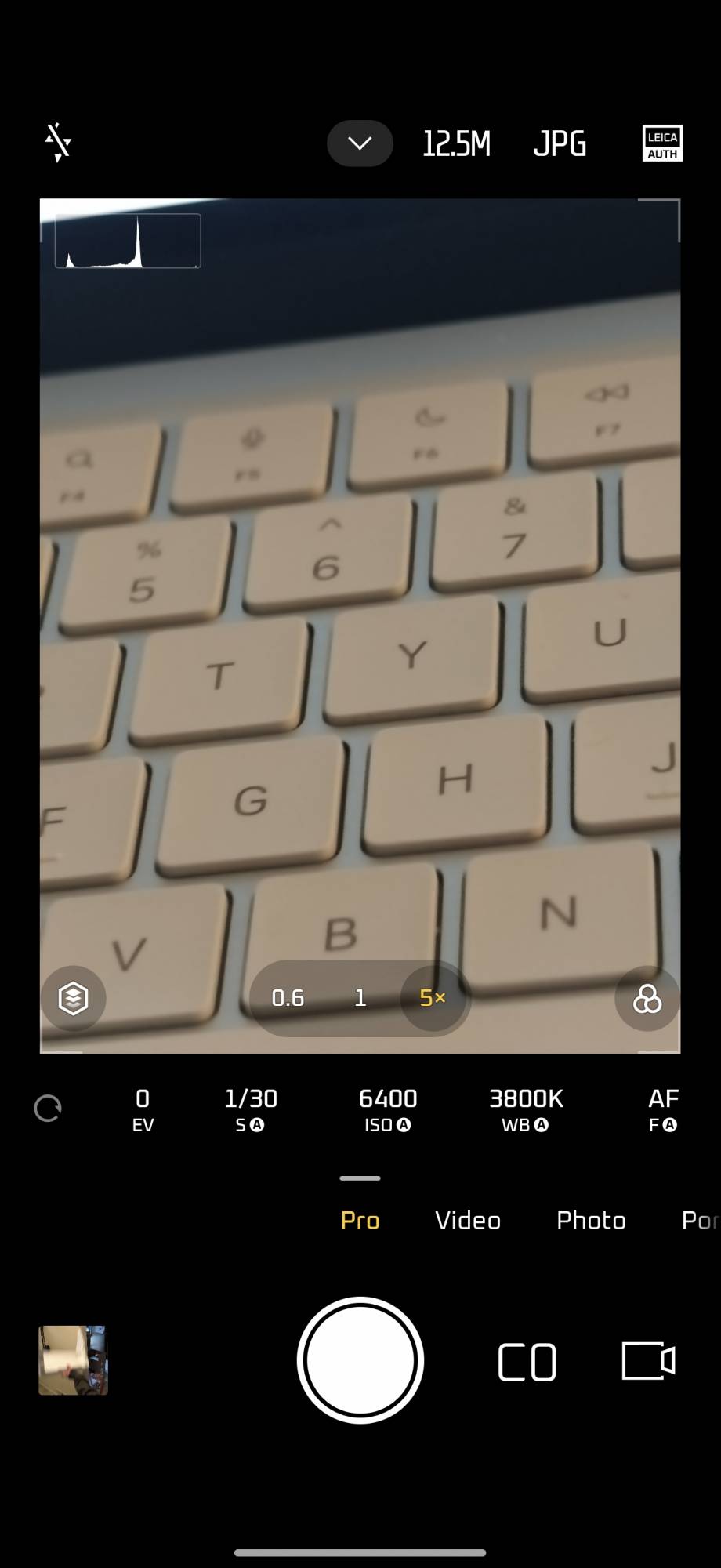
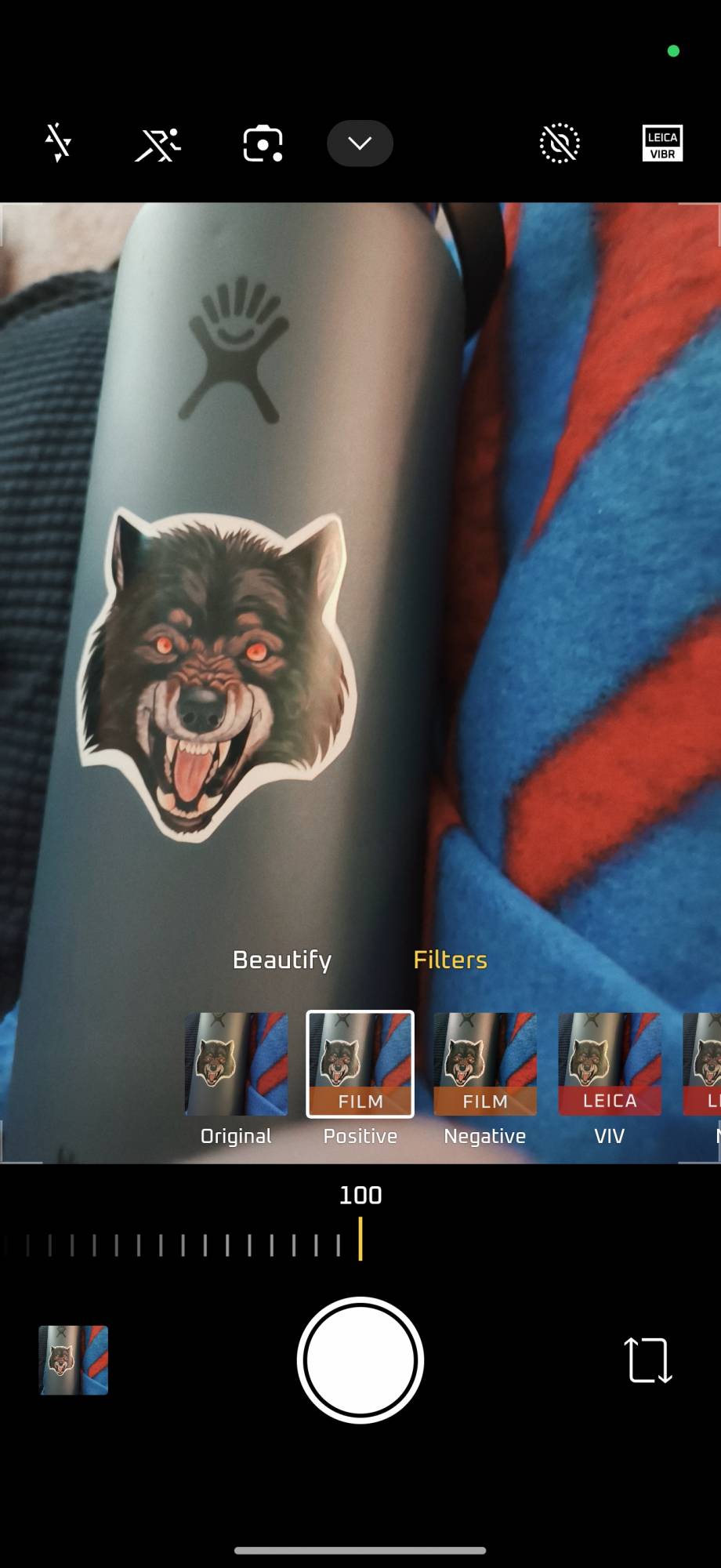
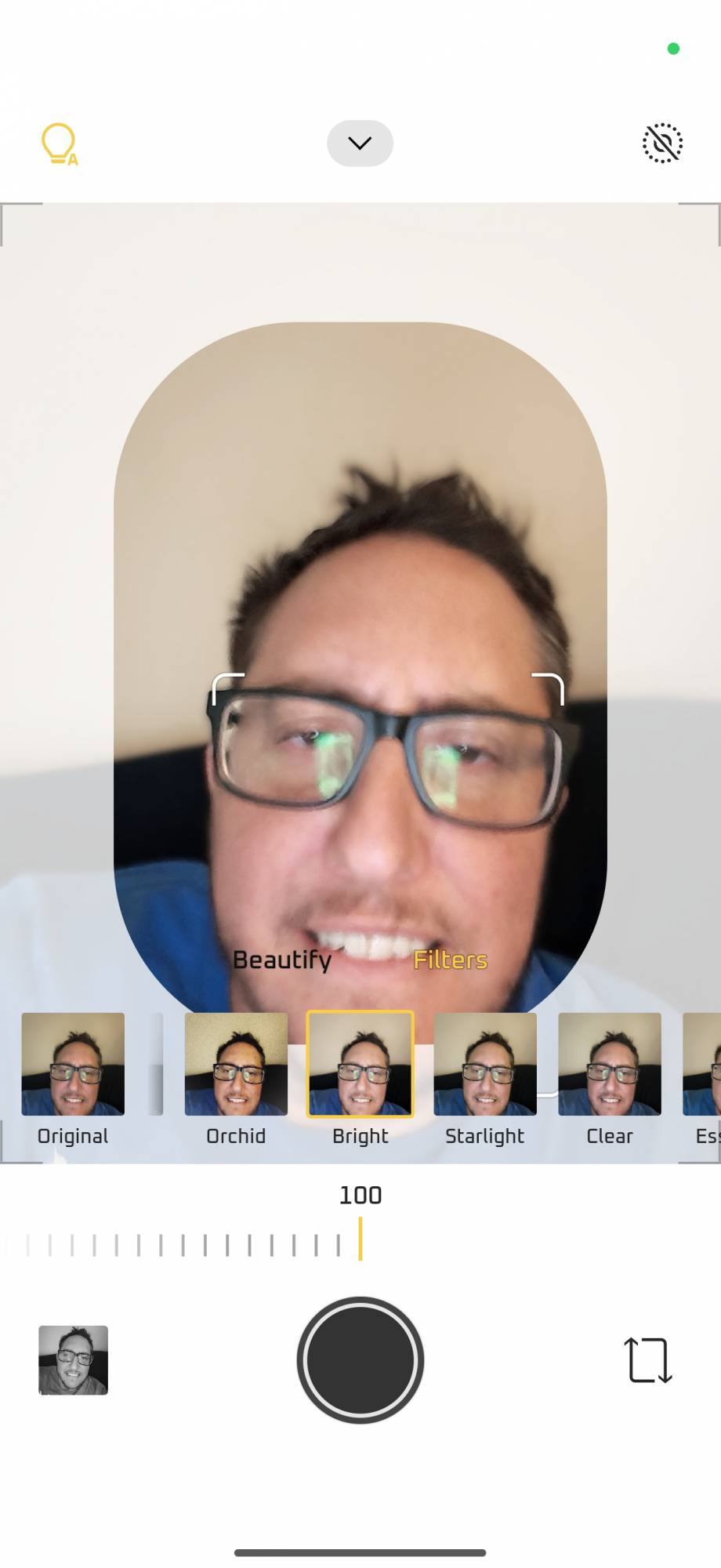
You can also use more professional settings if you prefer to create your own custom setup. There are filters, portrait mode, a document scanner, and other ways to tweak your shots. Likewise, the selfie camera lets you smooth, contour, brighten, or add a black-and-white filter if that is the aesthetic you are aiming for.



The Xiaomi 17T pairs a gorgeous AMOLED screen with Leica-powered cameras that make point-and-shoot photography feel effortless, even in less expert hands. It is not officially sold for U.S. carriers, so network compatibility is something you need to understand before importing one. In the U.S., it will only work on T-Mobile’s network or T-Mobile-based MVNOs such as Mint Mobile, Tello, and other carriers that run on T-Mobile’s network. It also requires an already-activated SIM card, so this is not necessarily a phone you can buy, unbox, and activate from scratch without a little planning.
Outside the U.S., it should work with any GSM carrier SIM. That limitation does not mean it lacks a good use for American buyers, though. This is a phone, yes, but it is also an incredibly powerful point-and-shoot camera. If you look at it as a camera that also functions as a smartphone, it is an absolute home run. It is so good, in fact, that I plan on bringing it on my vacation with my son next week. He is a much better photographer than I am, so I am excited to see what he figures out as he documents our adventures.
Because the Xiaomi 17T has to be imported, the price is a little wobbly. The exchange rate puts it at around $620, and you can find it on import sites like Giztop for $549, while Amazon importers list it for almost $900. So you may need to shop around, but if you are looking for either a daily driver or a backup phone that can also serve as your dedicated camera, it is an incredible device.
Click here to learn more about the Xiaomi 17T.
Source: Manufacturer-provided review sample
What I Liked: The screen is gorgeous; The build quality is excellent; The camera offers everything from fine-grained controls to simple point-and-shoot ease; It makes even my photography look good
What Needs Improvement: It is difficult to source in the U.S.; It won’t work with most U.S. networks