


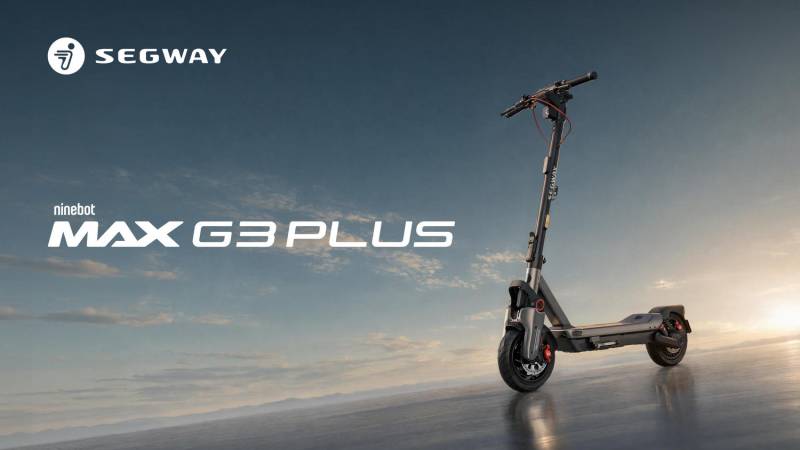
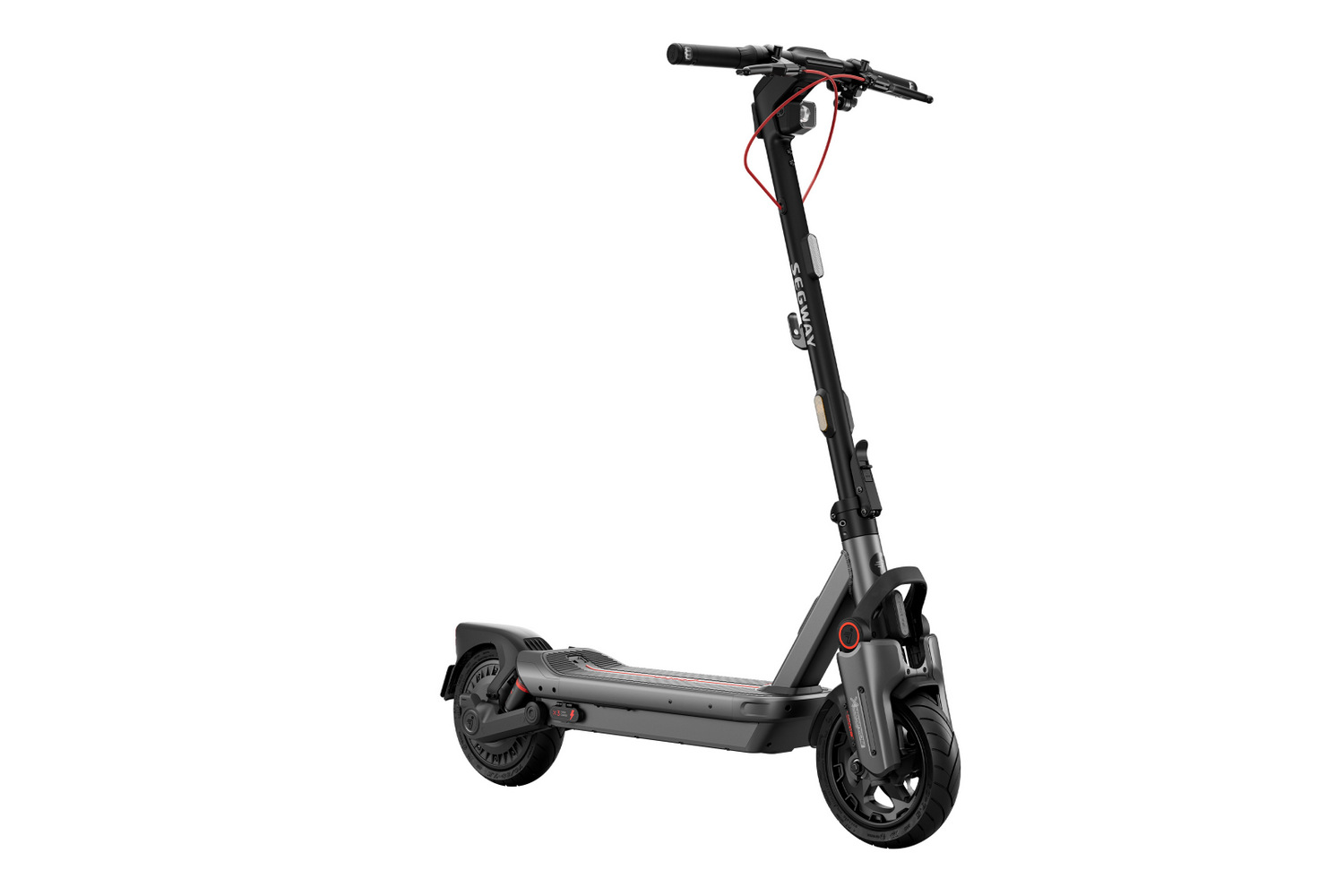
The Segway MAX G3 Plus arrives as a longer-range, better-equipped update to the company’s premium commuter scooter, with pre-orders opening at $1,149.99 through August 24. That’s $350 below its $1,499.99 MSRP, although the discount still leaves this firmly in serious transportation territory rather than impulse-buy range. Its headline upgrades include a 717Wh battery, up to 56 miles of claimed range, 2,200 watts of peak power, dedicated rear turn signals, larger brake rotors, and revised controls. Shipping is expected to begin August 25, giving commuters a few weeks to decide whether more battery is worth more scooter.
More Battery for Longer Commutes
The Segway MAX G3 Plus is based on the existing MAX G3 platform, but its battery capacity has increased by 20% to 717Wh. Segway lists a maximum range of 56 miles, compared with 50 miles for the standard MAX G3, although comparing those figures isn’t as straightforward as subtracting one number from the other.
This is the first Segway scooter tested under the company’s revised range standard. Previous estimates continued counting distance until the battery was depleted, even when the scooter had slowed considerably. Under the new method, each riding mode is tested at its maximum speed, and the measurement stops when the scooter can no longer maintain 60% of that speed.
That should provide a better picture of how far you can travel before the remaining performance becomes less useful. According to the announcement, testing both models under the same standard would give the Segway MAX G3 Plus roughly 12 additional miles rather than the six-mile difference shown by their published ratings.
Even so, 56 miles shouldn’t be treated as a promise that you’ll cover that distance while traveling at 28 mph with hills, stoplights, headwinds, and a backpack full of groceries. Product materials associate the maximum-range figure with a speed of about 10 mph, although one graphic lists 9 mph. Rider weight, temperature, terrain, tire pressure, acceleration, and riding mode will also affect the result.
For someone traveling several miles to work, running errands across town, or trying to avoid charging at the office, the larger battery could still provide a meaningful cushion. It also reduces the likelihood of arriving home while watching the final battery bar disappear, an experience that tends to make every remaining hill feel personal.
Plenty of Power, but It Isn’t Lightweight
The Segway MAX G3 Plus produces up to 2,200 watts of peak power, reaches a maximum speed of 28 mph, and can accelerate from 0 to 15 mph in 2.4 seconds using Boost Mode. It’s also rated for slopes of up to 30%, although the speed you’ll maintain on a steep climb will depend on your weight, battery level, and riding conditions.
Segway’s Intelligent Riding Assist uses a gyroscopic sensor to detect how the scooter is moving. It can provide additional assistance while climbing, help manage speed downhill, and soften throttle response over rough or uneven ground. That could make the scooter less twitchy when crossing cracked pavement or entering a driveway, where abrupt acceleration is rarely anyone’s best idea.
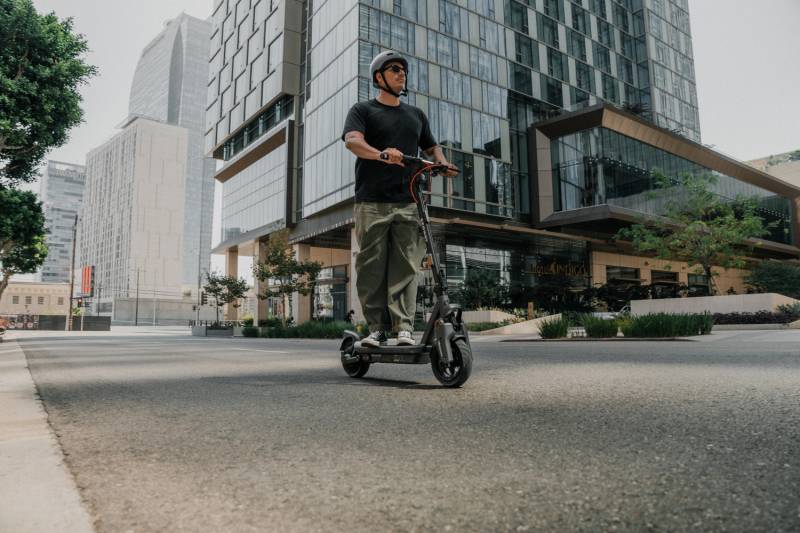
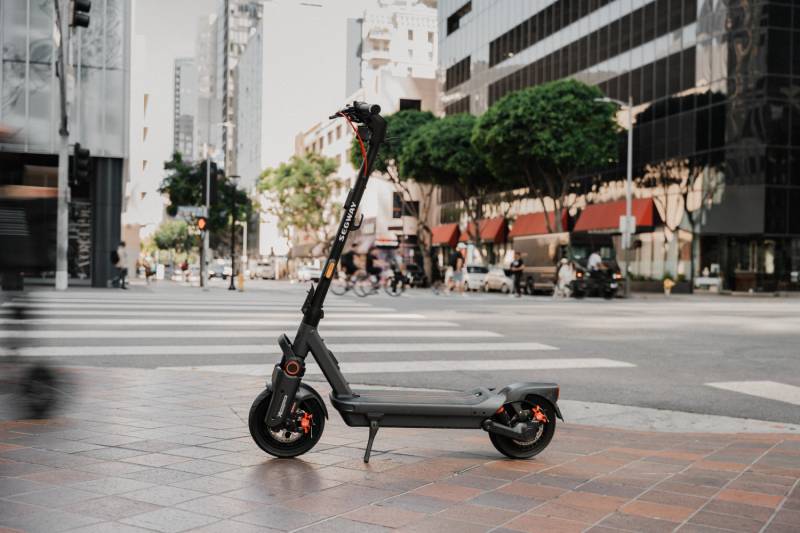
The tradeoff for this performance and battery capacity is weight. The MAX G3 Plus weighs 55.6 pounds and supports up to 286 pounds. Rolling it into a garage or elevator shouldn’t be difficult, but carrying it up several flights of stairs every day could quickly turn the commute into an unplanned strength-training program.
Braking and Visibility Get Welcome Attention
The Segway MAX G3 Plus’s braking system receives several useful upgrades. Dual cable-operated disc brakes now use larger 140mm rotors, while the Intelligent Combined Braking System coordinates the physical brakes with regenerative braking from the motor.
Regenerative braking uses the motor’s resistance to help slow the scooter while returning a small amount of energy to the battery. It won’t recharge the scooter during a trip, but it can reduce some mechanical brake wear and provide more controlled deceleration.
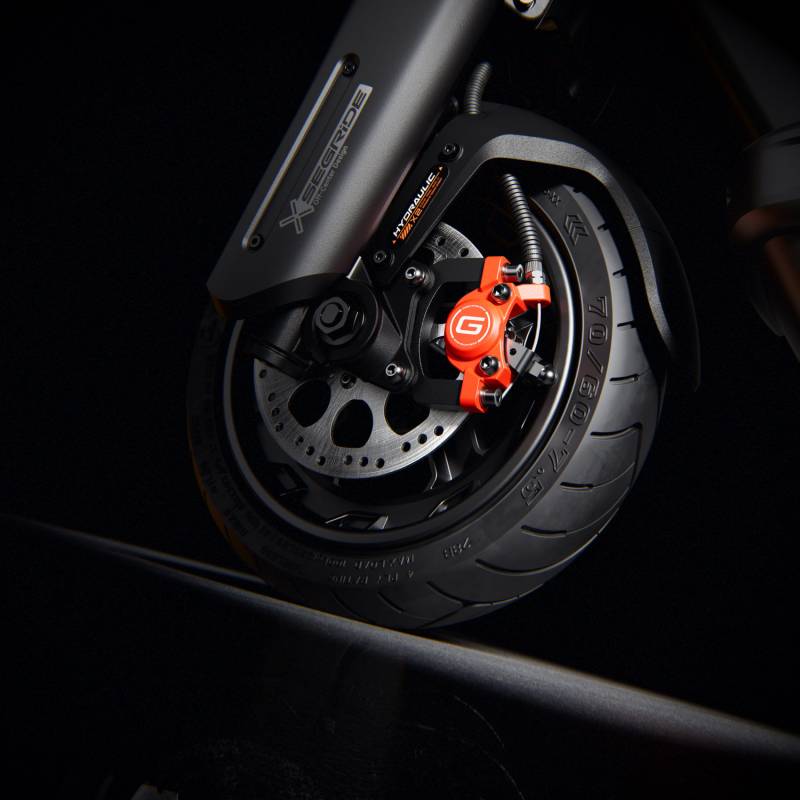
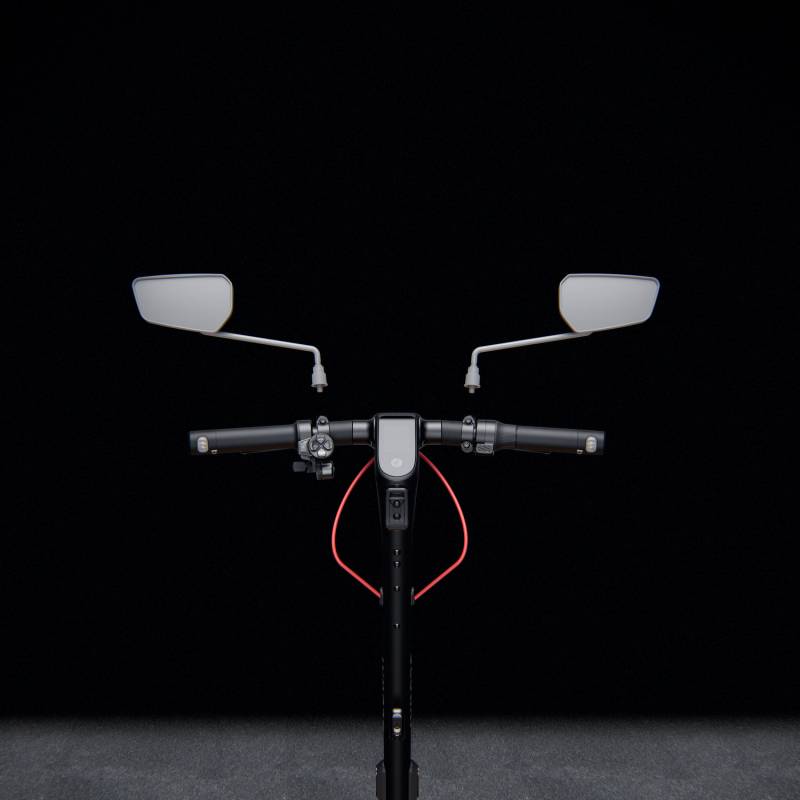
Segway has also redesigned the brake levers and adjusted reflector placement. Turn signals remain integrated into the handlebars, and the MAX G3 Plus adds dedicated signals at the rear, where drivers approaching from behind are more likely to see them. A brake light, white underglow lighting, and an automatic 6-watt headlight with high- and low-beam settings round out the lighting system.
Turn signals aren’t a substitute for checking traffic, and visibility features can’t make a scooter collision-proof. Still, placing indicators at both ends is a sensible improvement for anyone riding on streets shared with cars, bicycles, and pedestrians who may be studying their phones with impressive commitment.
Suspension and Tires Should Help with Rough Pavement
Four hydraulic shock absorbers provide suspension at both ends, with adjustment available at the rear. The scooter also uses Segway’s stability system, a curved handlebar, an 80mm trail measurement, and tuned steering resistance to help it track more predictably.
Traction control monitors wheel slip and adjusts motor output when the riding surface becomes slick. It can help on wet pavement, loose gravel, or painted road markings, but it can’t create grip where none exists. Caution remains the more affordable safety system.
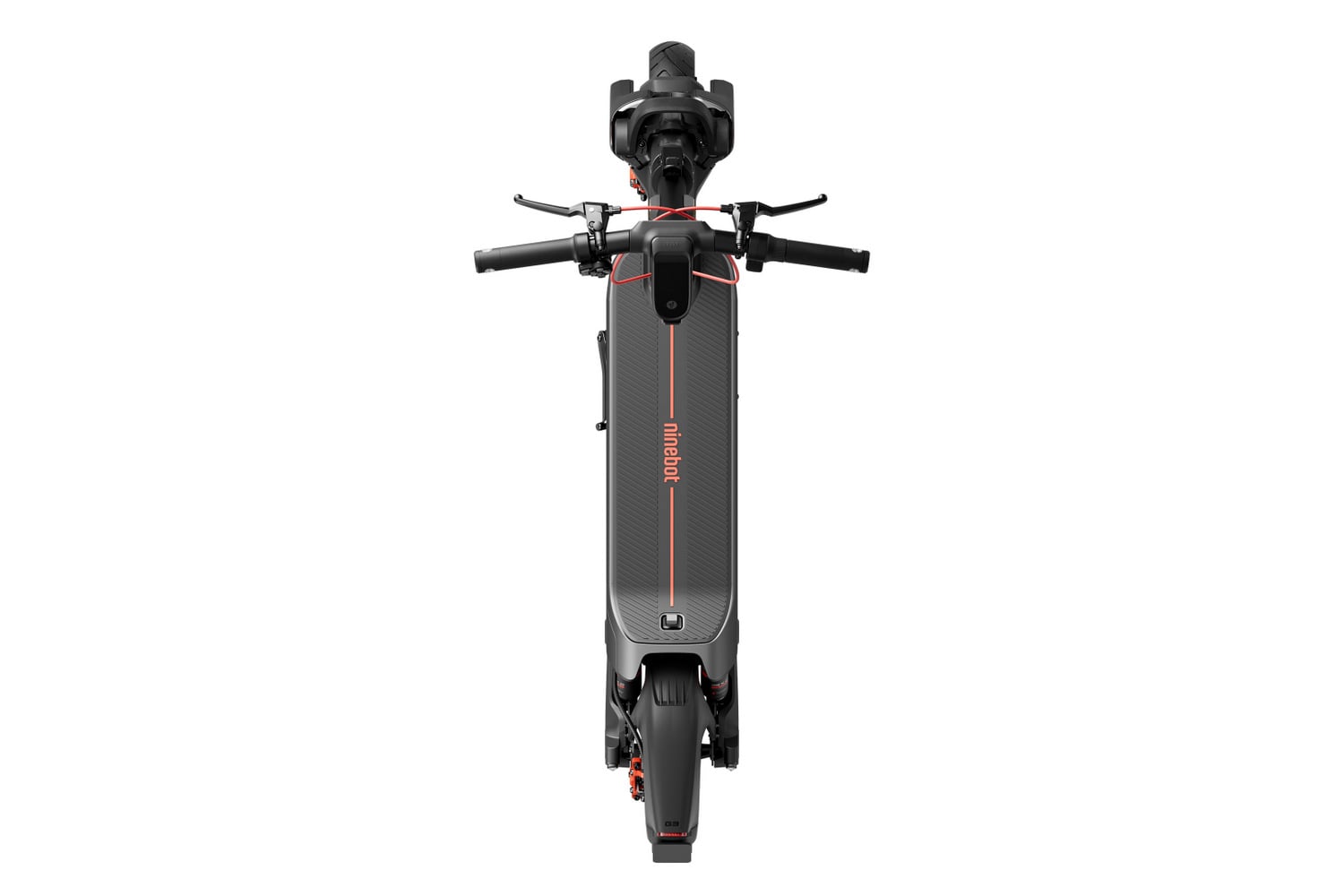
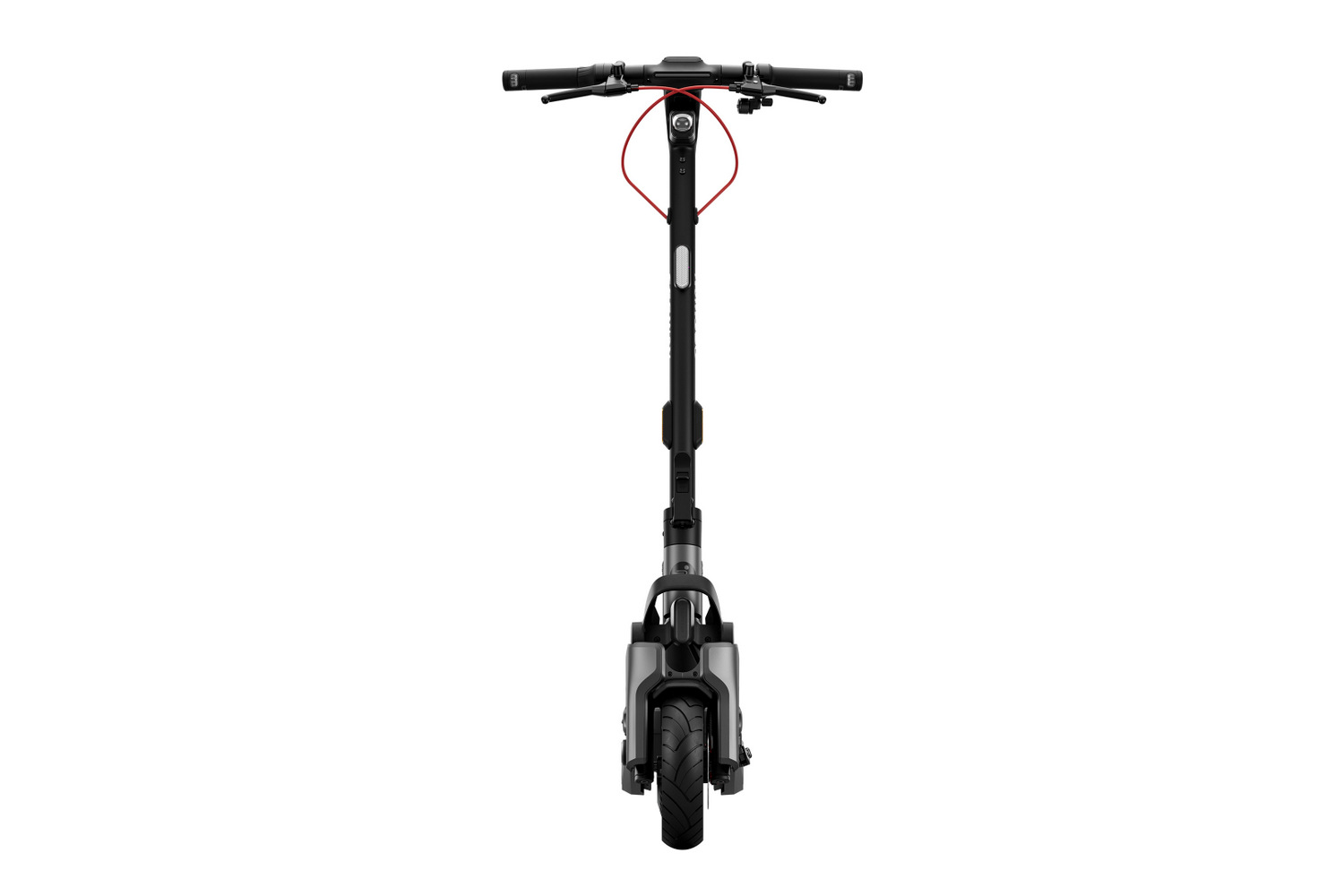
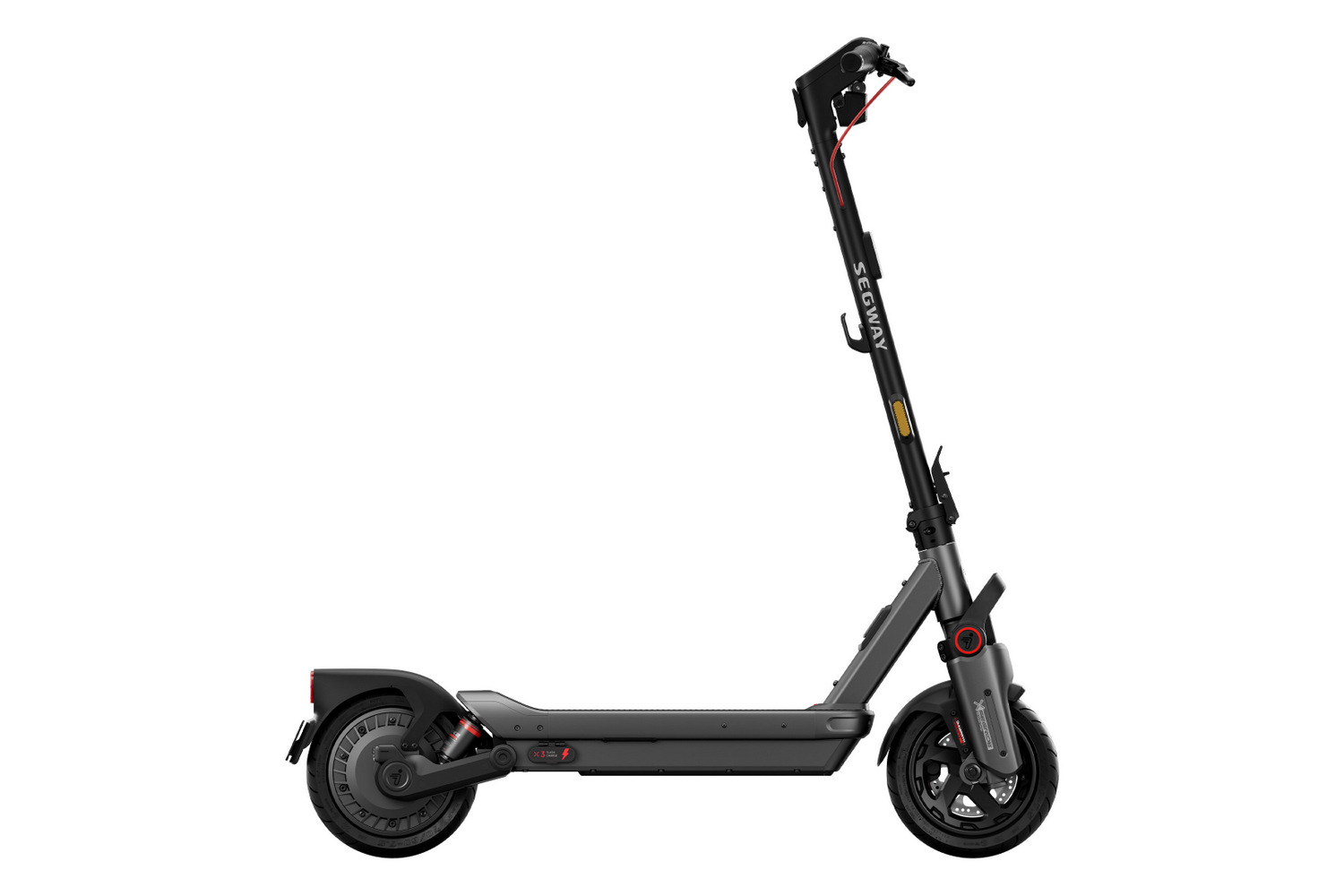
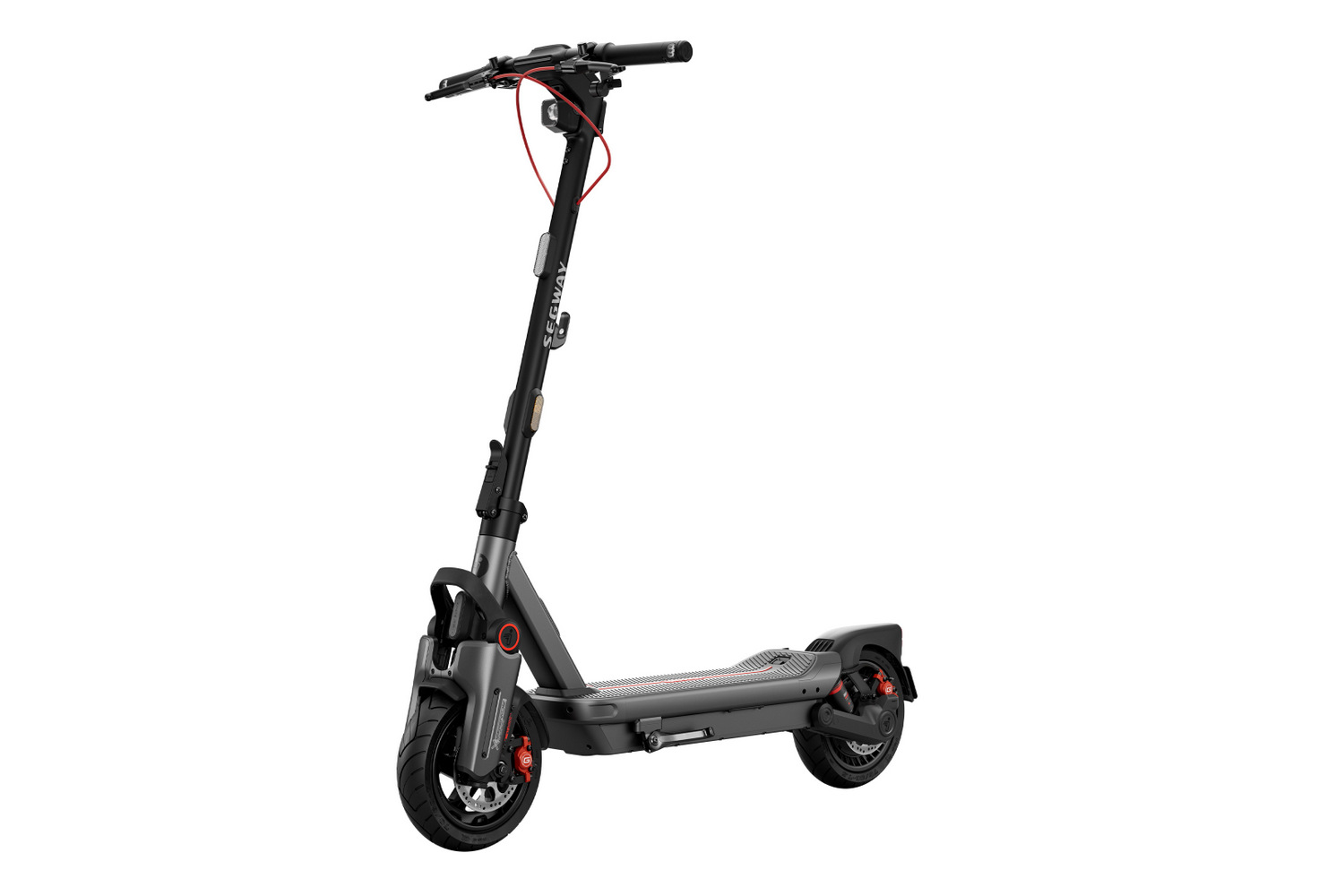
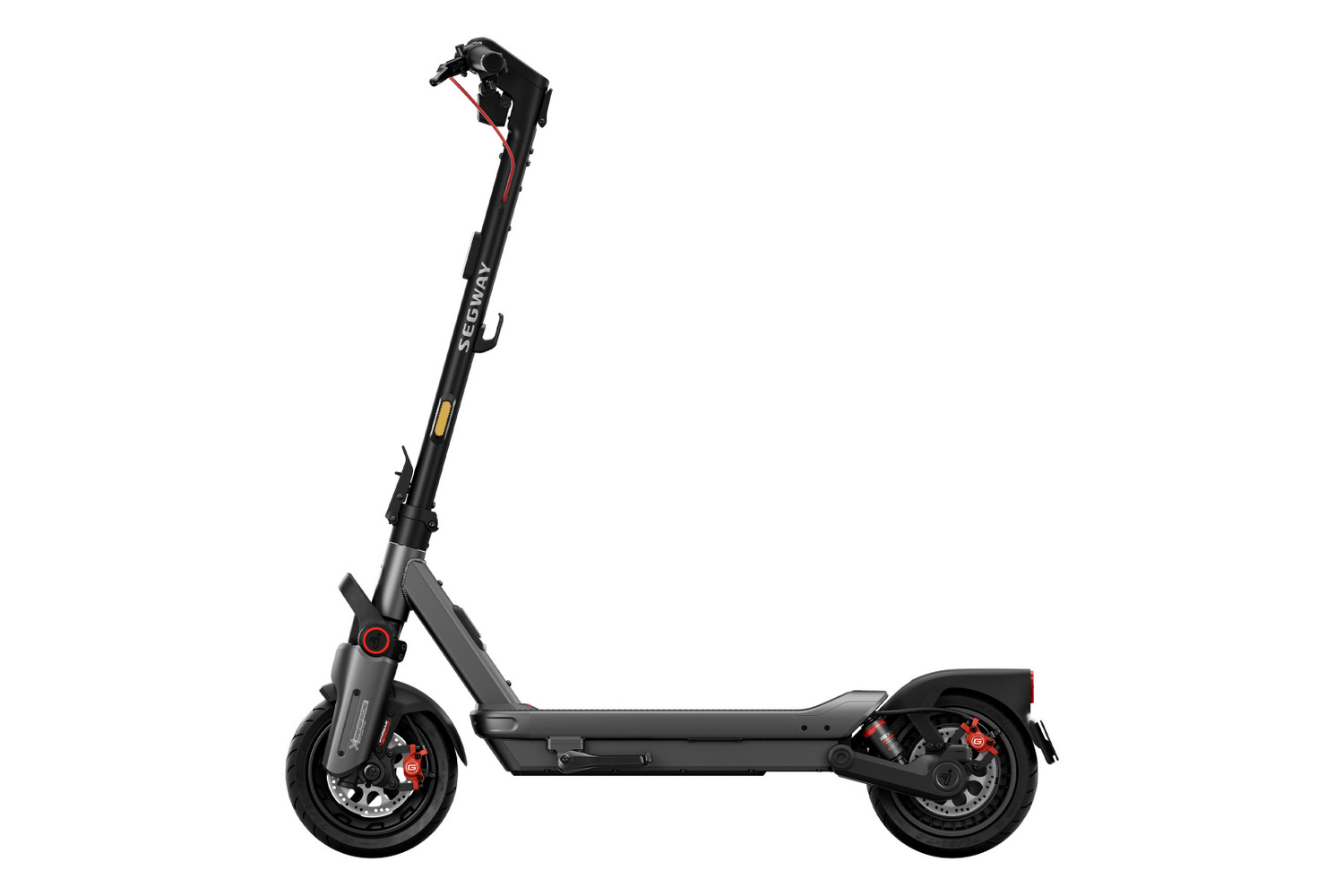
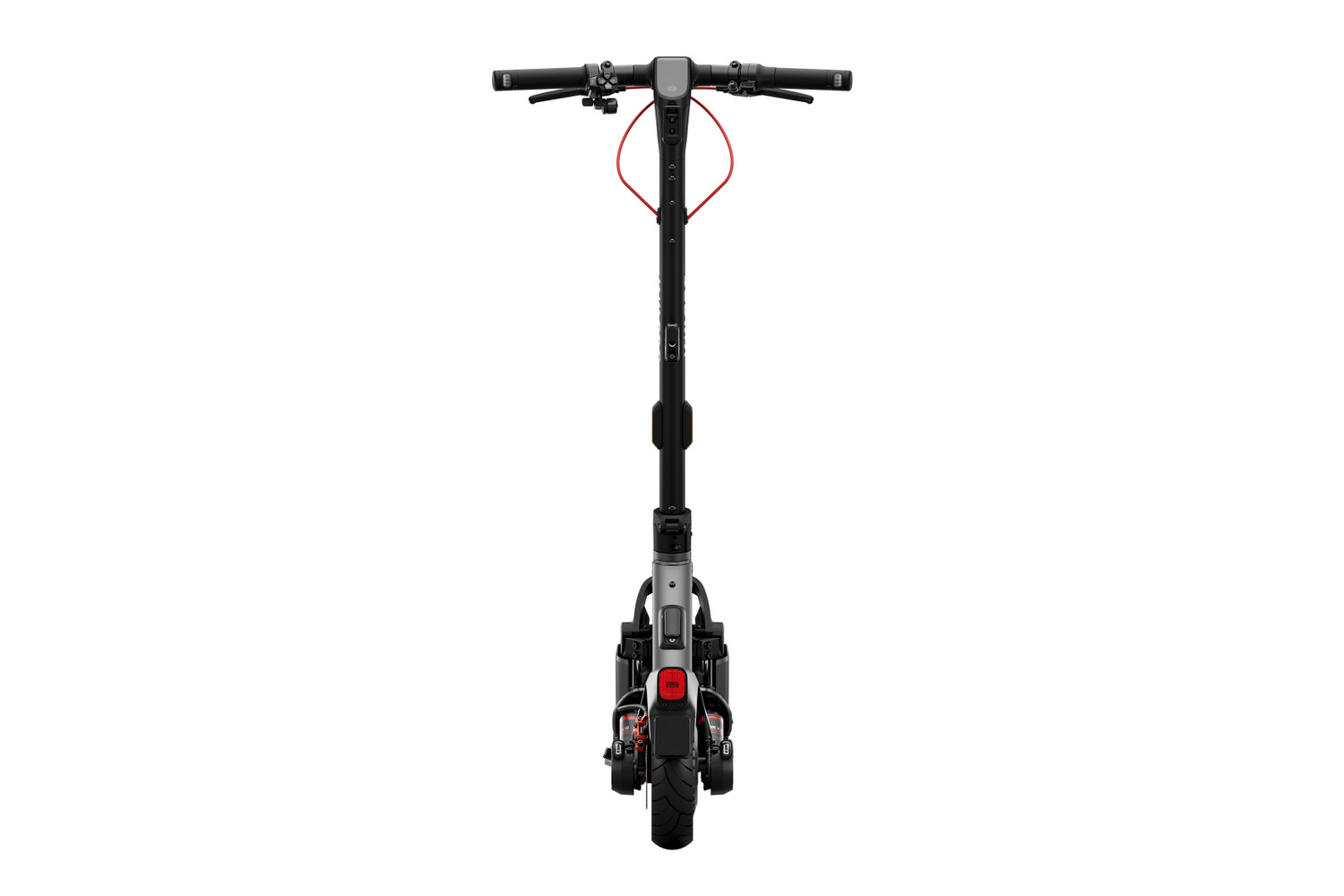
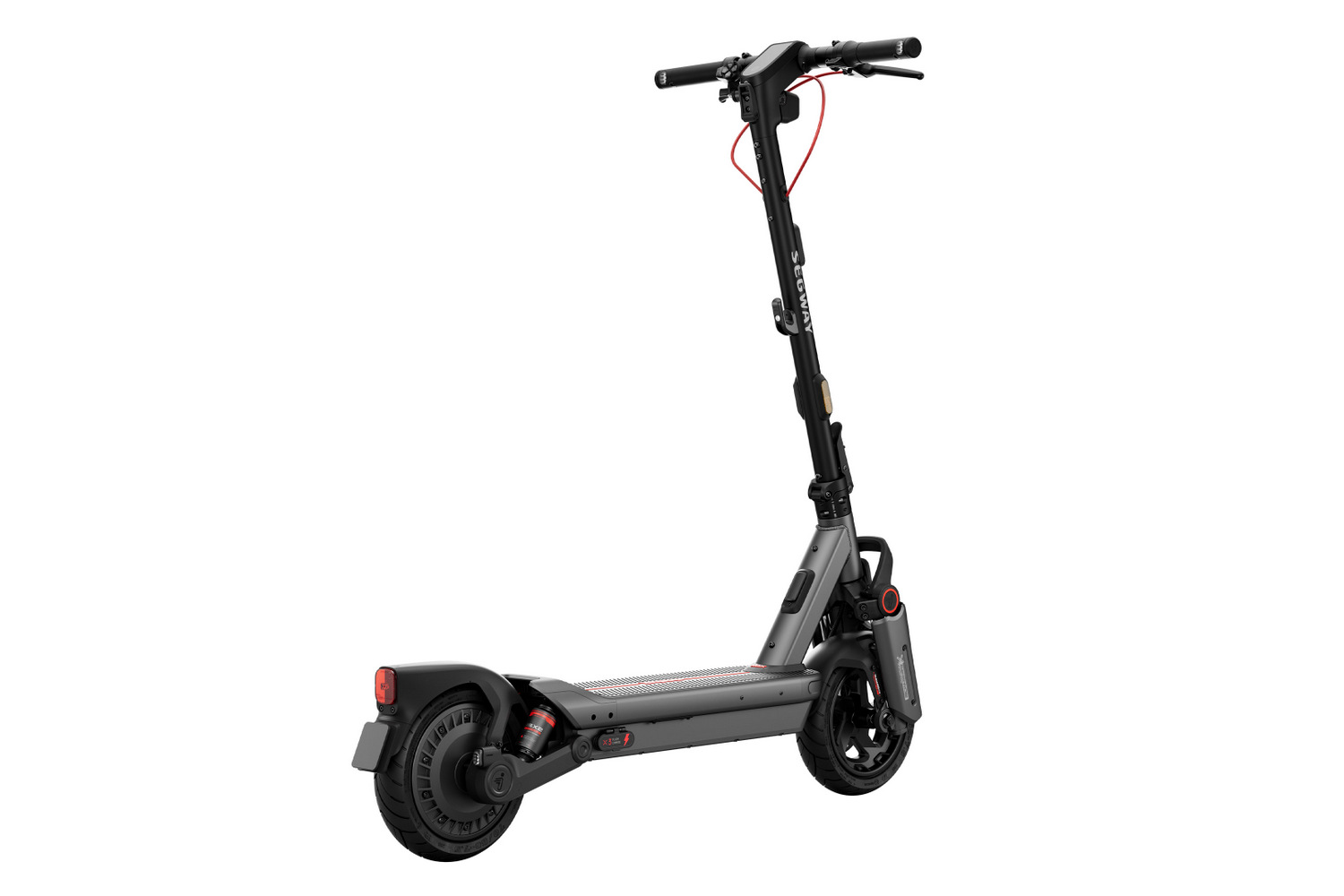
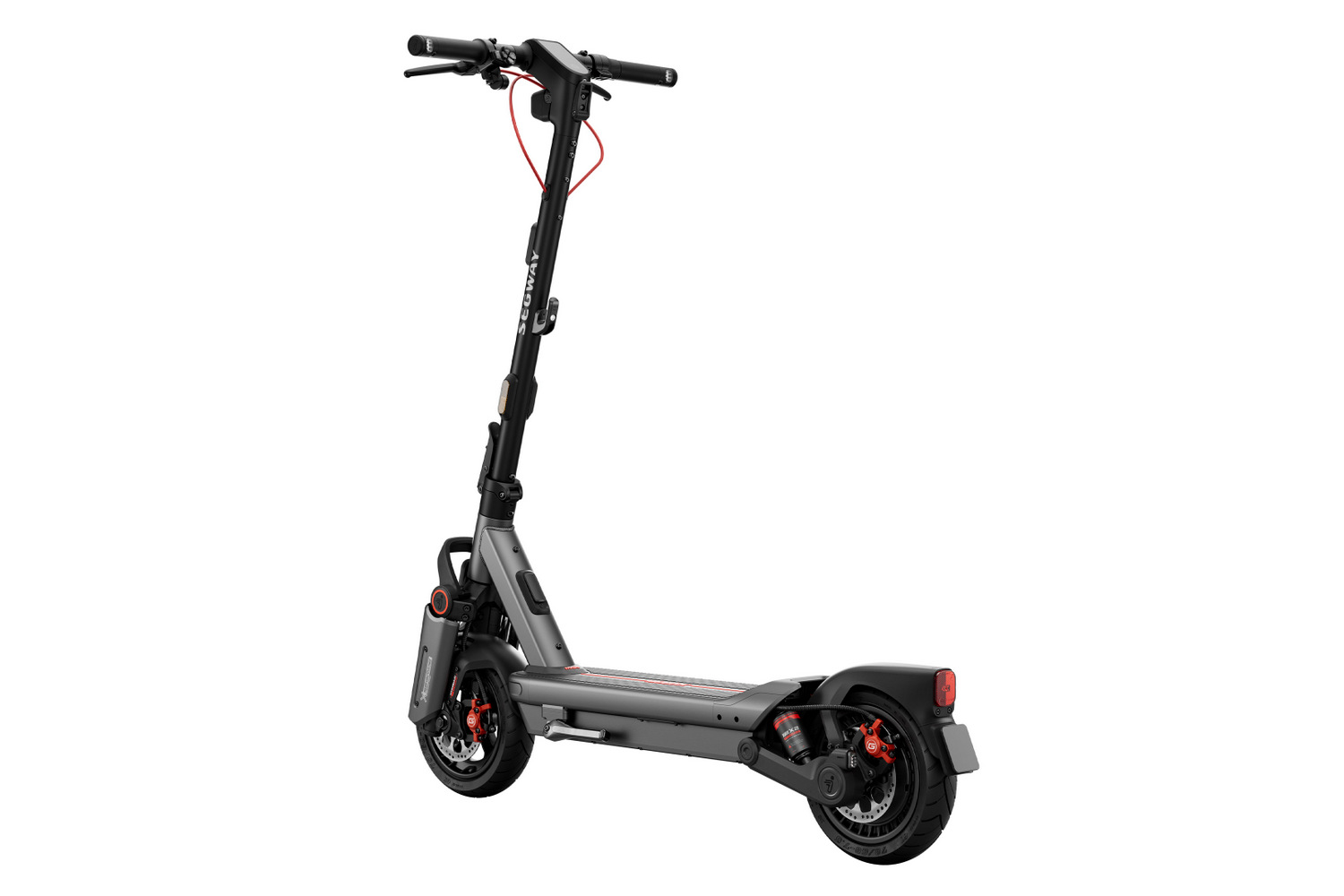
The 11″ tubeless tires contain a self-sealing layer designed to close punctures up to 4mm in diameter. That won’t save a tire from every nail, cut, or pothole, but it could prevent a small puncture from ending a commute beside the road.
The scooter carries an IPX6 water-resistance rating, meaning it can withstand strong water spray. Its battery pack is rated IPX7 for temporary immersion protection. Neither rating turns the MAX G3 Plus into an aquatic vehicle, and charging ports should be dry before the scooter is plugged in.
Built-In Navigation and App Controls
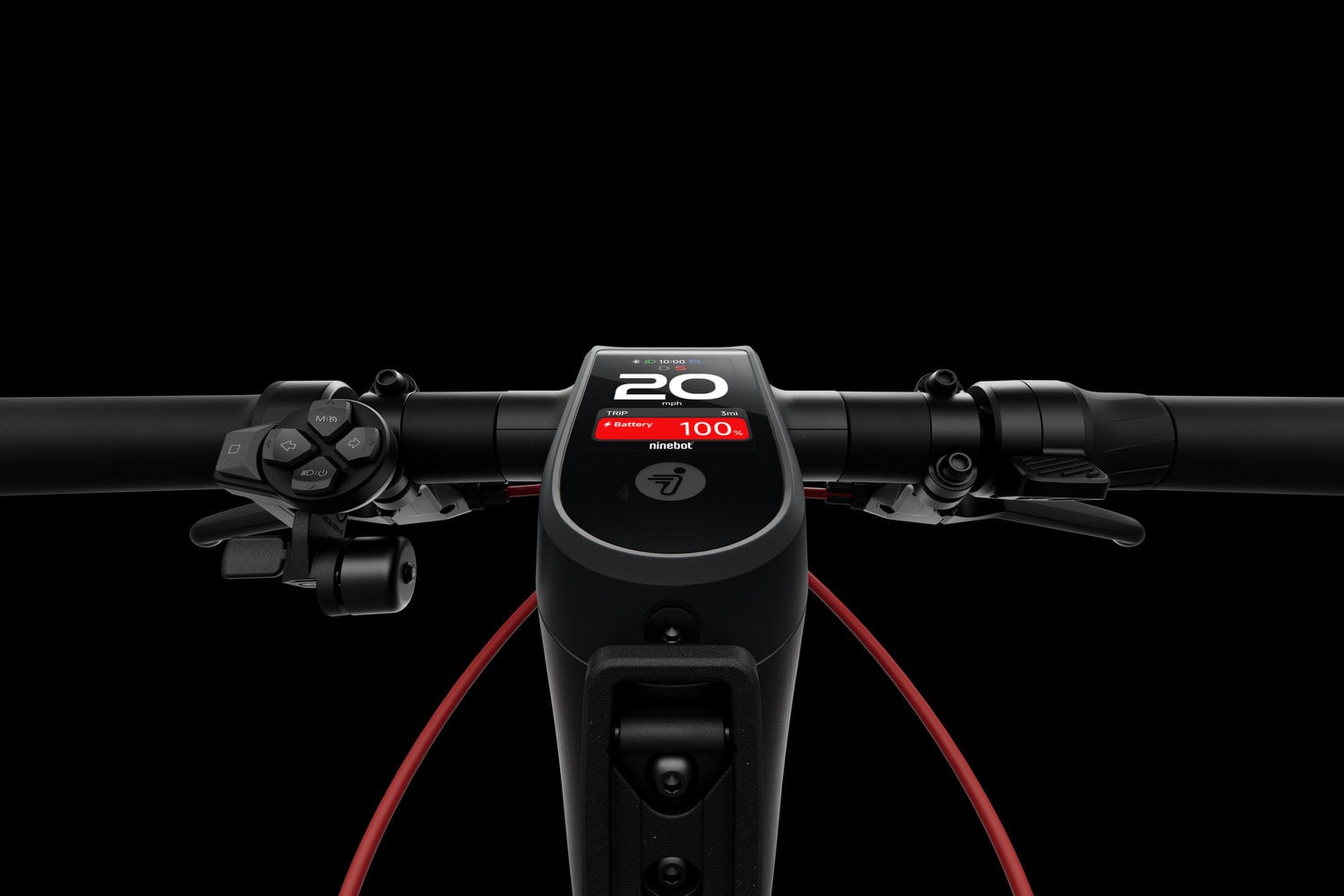
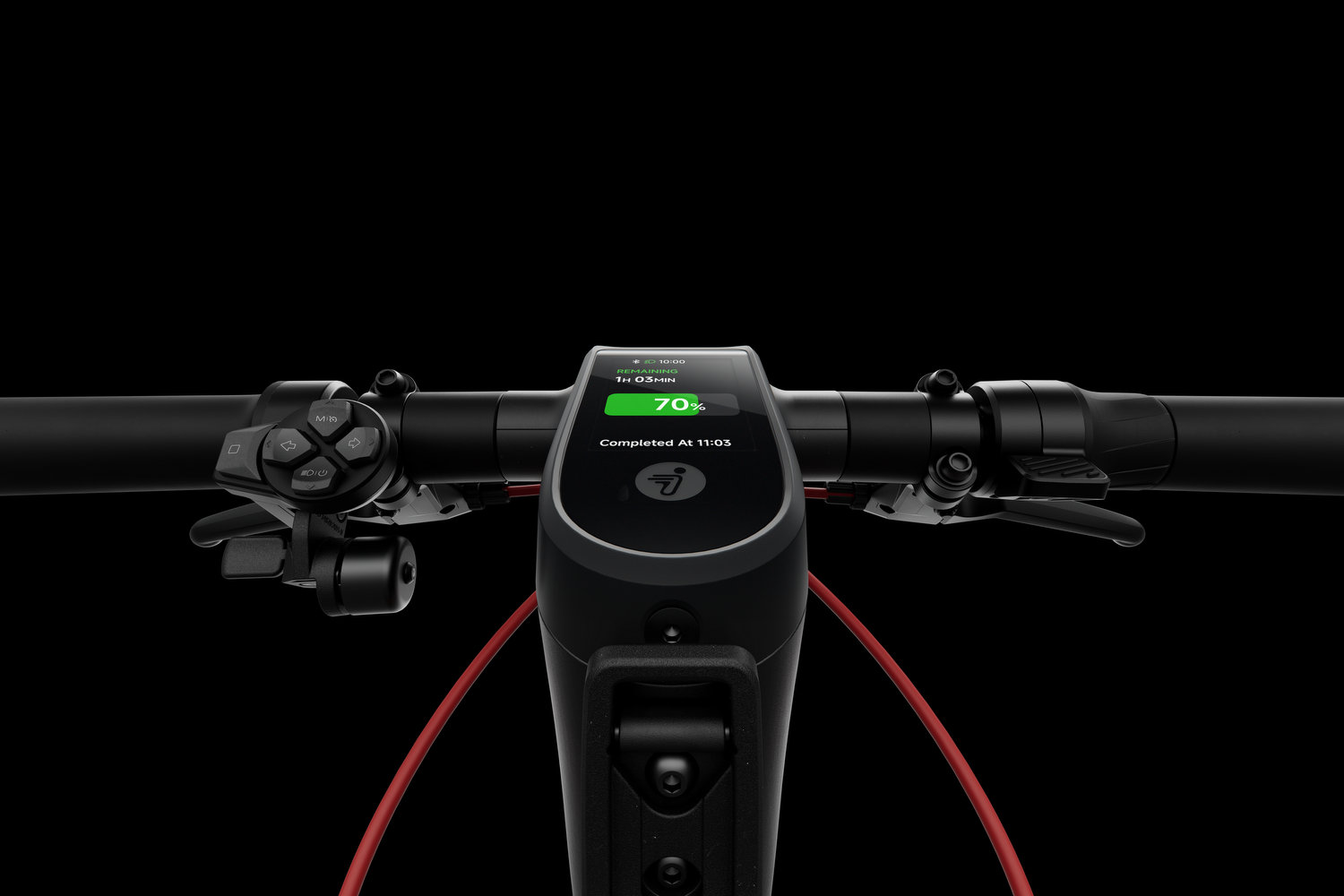
The Segway MAX G3 Plus’s 2.4″ color TFT screen displays speed, riding mode, battery level, trip distance, charging progress, and navigation directions. Caller notifications are also supported, allowing you to see that someone is calling without taking out your phone while moving.
The Segway Mobility app controls AirLock, an automatic unlocking feature that can detect when your phone is nearby. You can adjust the distance at which the scooter unlocks, monitor charging, schedule charging sessions, set a maximum charge level, review battery health, and track temperature or electrical warnings through the Battery Management System.
Apple Find My compatibility lets iPhone owners add the scooter to Apple’s tracking network after pairing it through the Segway app. It’s useful for locating a misplaced or stolen scooter, but it shouldn’t replace a sturdy physical lock.
There’s also a feature for uploading a custom sound clip of up to four seconds. It can be triggered with the scooter’s custom button or by double-tapping the brake while parked. Whether the neighborhood needs a personalized scooter sound is debatable, but restraint remains available at no additional cost.
Faster Charging with an Optional Second Cable
The Segway MAX G3 Plus includes a built-in fast charger, so the primary charging cable doesn’t require a separate power brick. A full charge takes about four hours. Connecting a second charger, which is sold separately, can reduce that time to approximately three hours.
The difference may not justify buying another charger for everyone, but it could help if you rely on the scooter for multiple trips in a day. Someone commuting in the morning, meeting friends after work, and riding home later would have a better chance of topping up the battery between outings.
Pre-orders for the Segway MAX G3 Plus run from August 4 through August 24 for $1,149.99. Orders placed during that period are expected to ship between August 25 and September 4. The scooter will also be available through Best Buy and Amazon beginning around August 25.
Its larger battery, improved braking, rear turn signals, hydraulic suspension, and extensive app features make it a capable option for longer urban trips, but the 55.6-pound weight and eventual $1,499.99 price mean it’ll make the most sense for someone who intends to use it as transportation rather than an occasional weekend diversion.