


The Lowdown
You’ll probably be happy with the Husqvarna Automower 420 iQ if you’re planning to own a robotic mower for the next decade rather than the next two seasons, if having a local dealer matters to you, and if your lawn is relatively open and free of the kind of root and obstacle terrain that gives radar trouble. The wire-free installation, the clean cut, and the four-year warranty make it easy to live with.
Overall
Pros
- Husqvarna has been in robotic mowing since 1995 and it shows in the reliability record
- Nationwide dealer network and real parts availability
- Best in class four-year warranty
- No boundary wire needed thanks to EPOS satellite navigation
- EPOS Cloud can eliminate the local reference station where coverage exists
- Cuts clean, aesthetic lines in the lawn
- Cutting height adjustable from 1 to 4 inches
- Redesigned bumper and larger wheels handle uneven ground better
- New color TFT display is a big upgrade over older Automower screens
- 100-day money back guarantee lets you test it in your own yard
Cons
- Few standout features beyond EPOS, and most competitors are already wire-free
- EPOS unit doesn’t include a ground stake, so pole mounting means buying one separately
- EPOS unit needs its own power outlet instead of sharing the charging station’s
- Setup makes you place boundary points manually rather than driving the perimeter
- Rear wheel drive rather than all-wheel drive, and traction shows it
- Single 9.4-inch disc means narrower stripes than wider-cutting competitors
- Radar object detection is outclassed by LiDAR and AI camera systems, and it has hung up on roots
- More errors than the other mowers I’ve tested this year, including slipping out of bounds and wheel motor blocked faults
- Coverage isn’t always even and there’s no overlap adjustment
- Expensive compared to the rest of the field
Husqvarna has been building robotic mowers since 1995, which makes it the closest thing this category has to an incumbent. The Husqvarna Automower 420 iQ sits in the middle of the current lineup: $3,299, wire-free thanks to EPOS satellite navigation, and rated for about an acre. It’s also the mower that replaced my own Automower 450X after ten years of service. I’ve spent the season running it alongside several competing robots, which turned out to be the most useful way to figure out what the Husqvarna badge is actually worth in 2026.
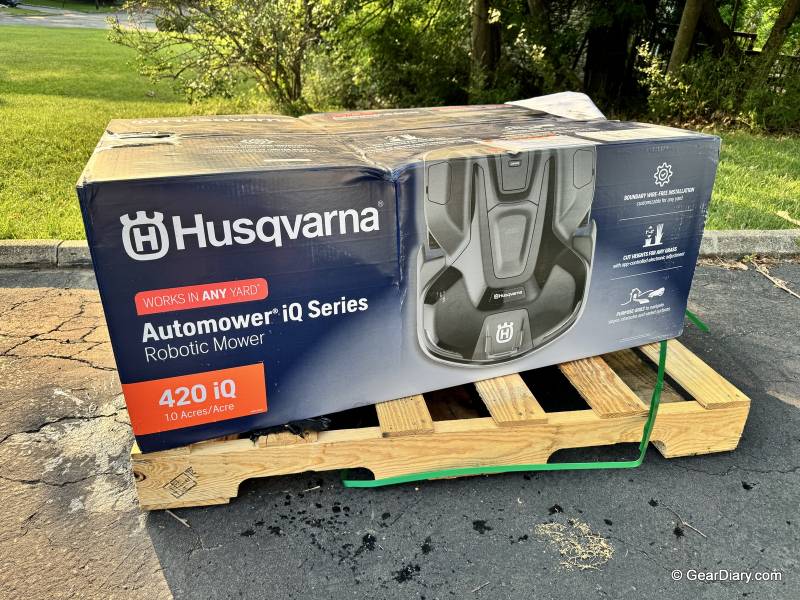
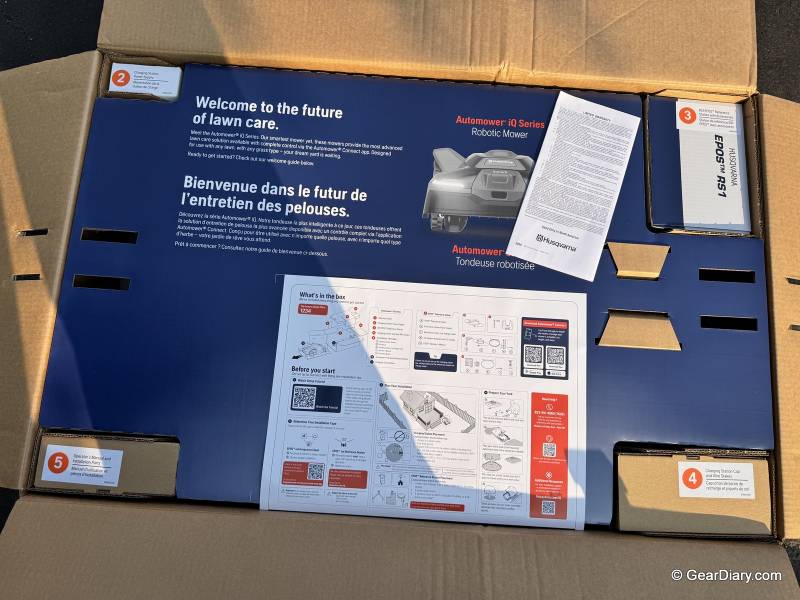
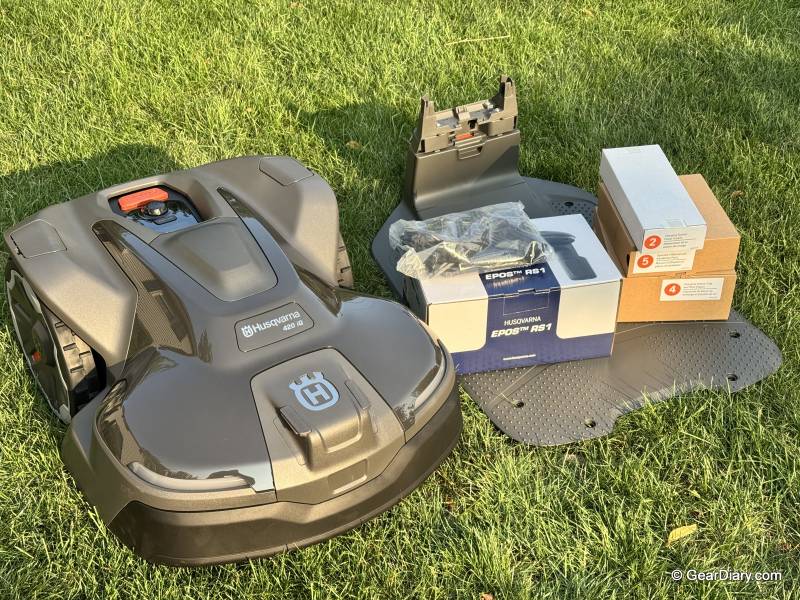
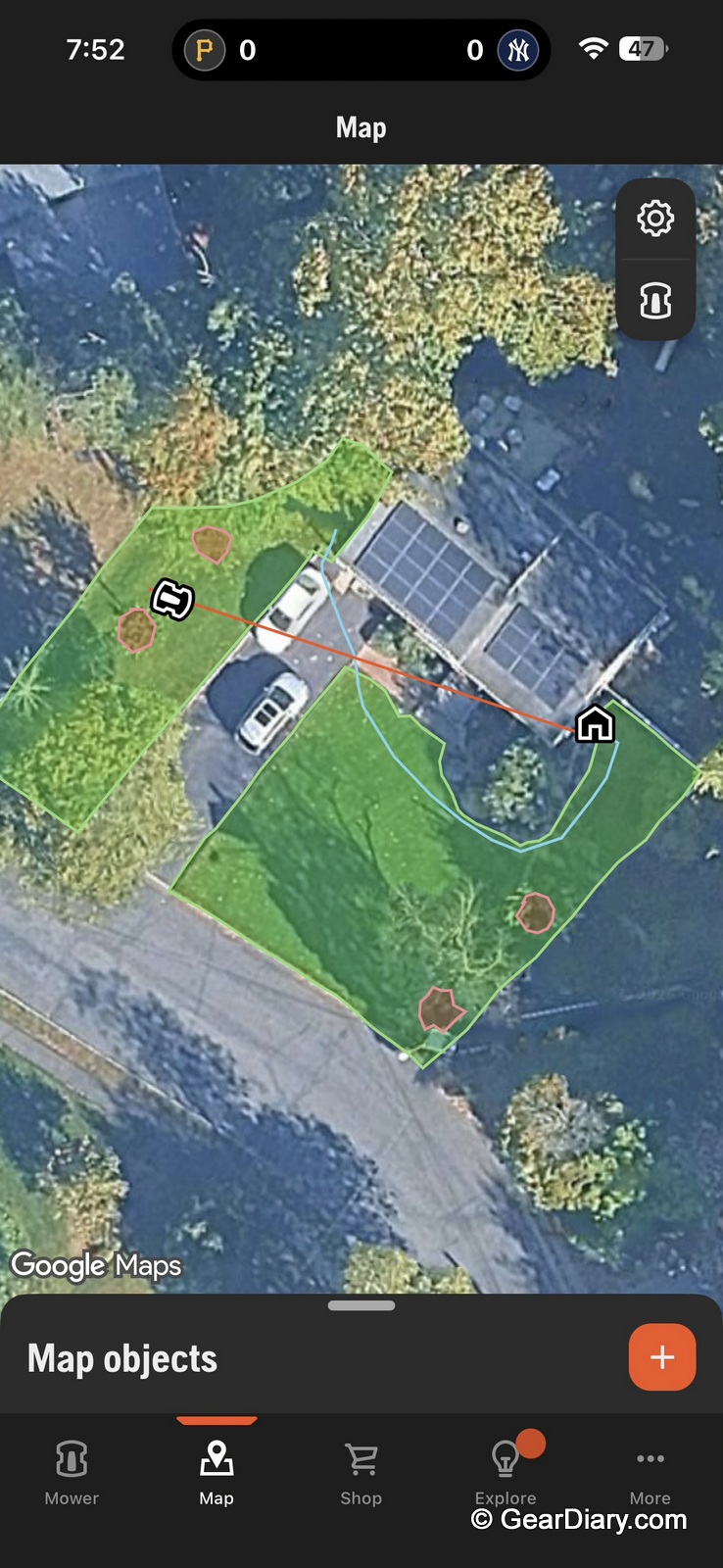
The headline upgrade for the iQ series is that the previously required boundary wire is gone. EPOS, Husqvarna’s Exact Positioning Operating System, connects to multiple satellites and the national cellular network to provide centimeter-accurate position data, and you draw your yard’s boundaries in the app instead of burying a wire around the perimeter. If you’ve ever installed or repaired a wire loop, you know what an improvement that is.
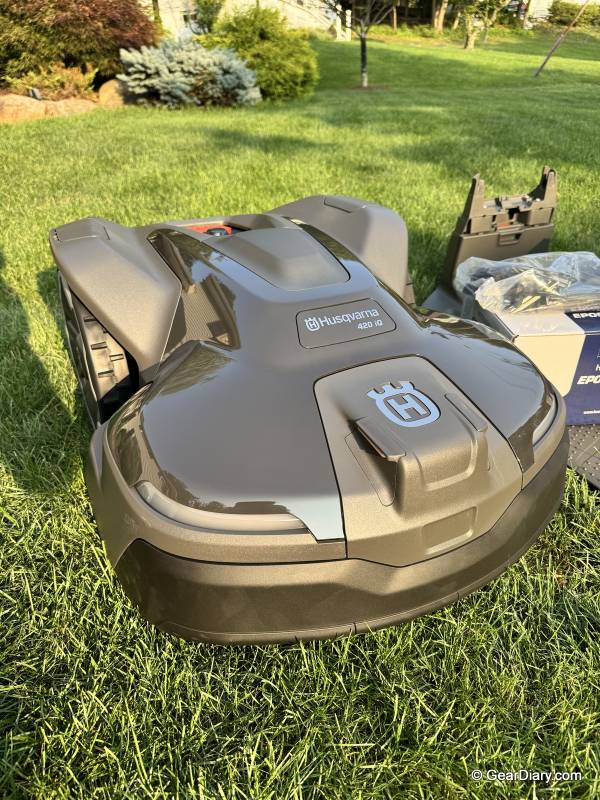
Quick Specs:
- Model: Husqvarna Automower 420 iQ (970727501)
- Working area capacity: 1 acre (plus or minus 20%)
- Navigation: EPOS satellite positioning (RTK), no boundary wire required
- Cutting width: 9.4 inches, single disc with three pivoting razor blades
- Cutting height: 1 to 4 inches, electric adjustment
- Battery: 5 Ah lithium-ion
- Mowing time: about 84 minutes per charge
- Charging time: about 54 minutes
- Maximum slope: 45% inside the work area, 15% at the boundary
- Object detection: radar
- Drive: rear wheel drive
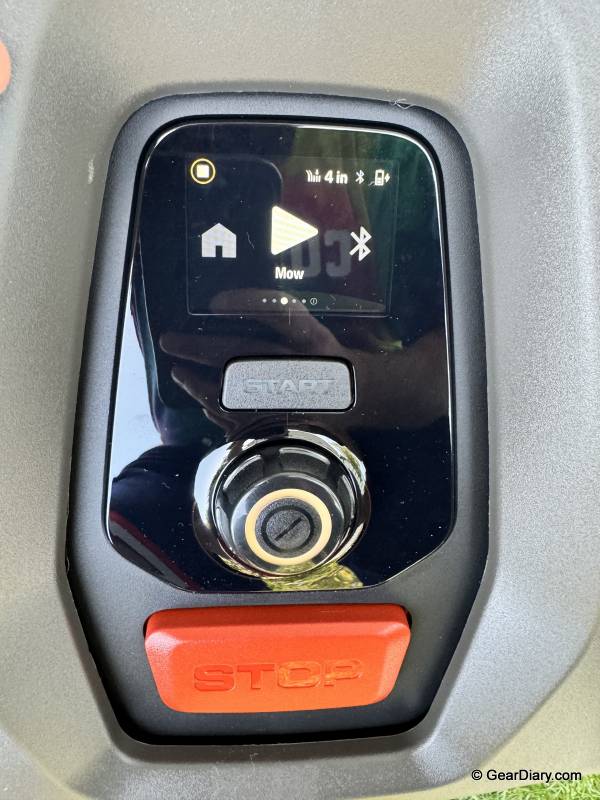
- Display: 2.8-inch color TFT with jog wheel
- Connectivity: cellular, Wi-Fi, and Bluetooth, with the Automower Connect app
- Weight: 38 lbs
- Sound level: 62 dB(A)
- Protection rating: IPX5
- Warranty: 4 years
- Price: $3,299
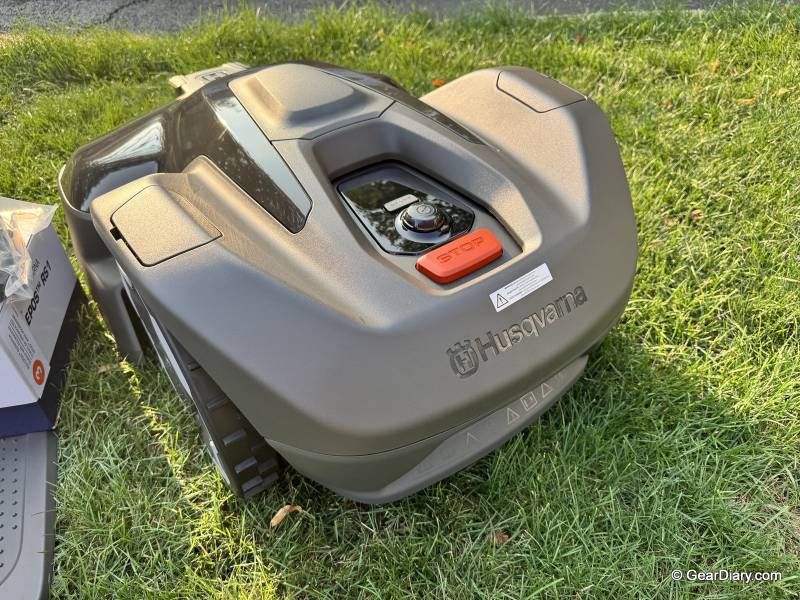
It’s worth being honest about what that improvement is relative to, though. Compared to a previous-generation Automower, going wire-free is a big step forward. Compared to the rest of the robotic mowers I’ve tested this year, it’s table stakes. Nearly everything in this price range has moved off boundary wires, so EPOS puts Husqvarna at parity rather than ahead. The nice wrinkle is EPOS Cloud, which lets you skip the local reference station entirely in areas with coverage. Where it works, that’s one less box to mount and power.
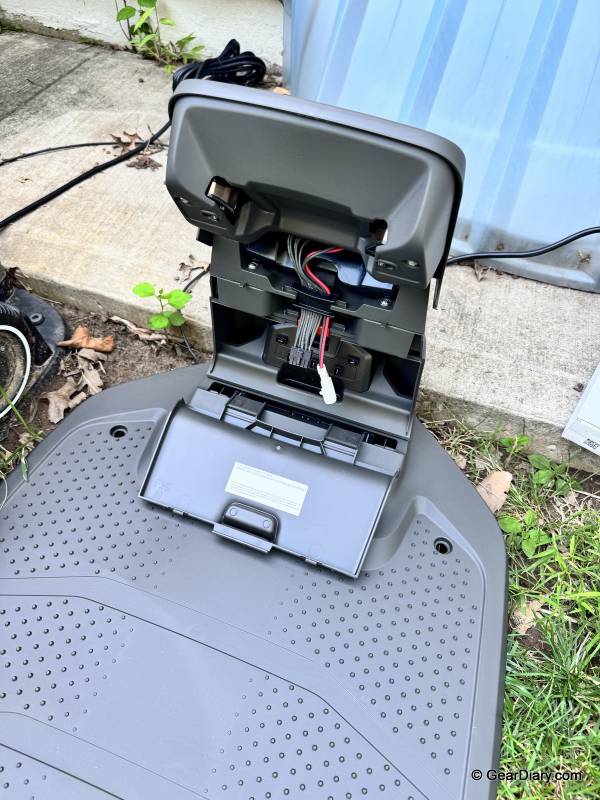
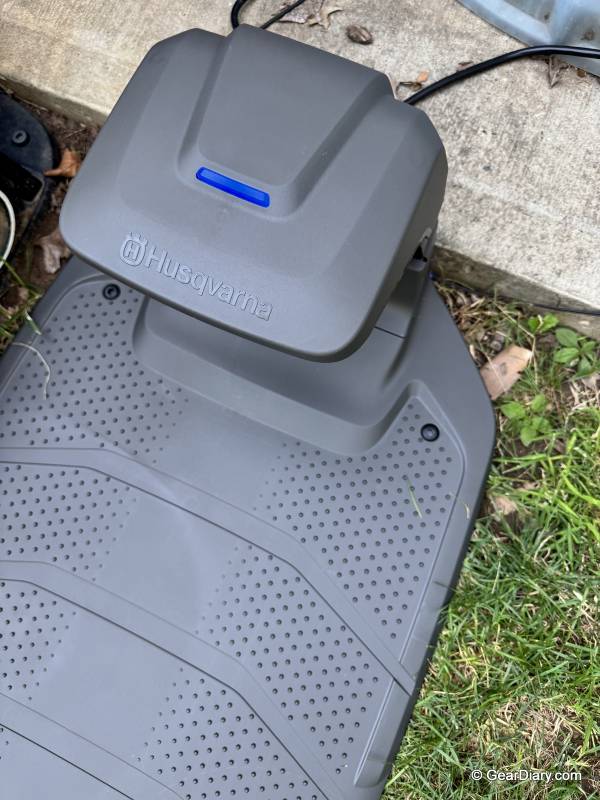
Where it doesn’t, you’re installing the EPOS reference station yourself, and this is where Husqvarna makes life harder than it needs to be. The Husqvarna Automower 420 iQ doesn’t include a ground stake, which several competitors bundle, so if you plan to pole-mount it, you’ll need to buy one separately. It also needs its own power outlet rather than drawing from the charging station like competing systems do. Neither is a dealbreaker, but both are the kind of thing you discover on installation day rather than in the product listing.
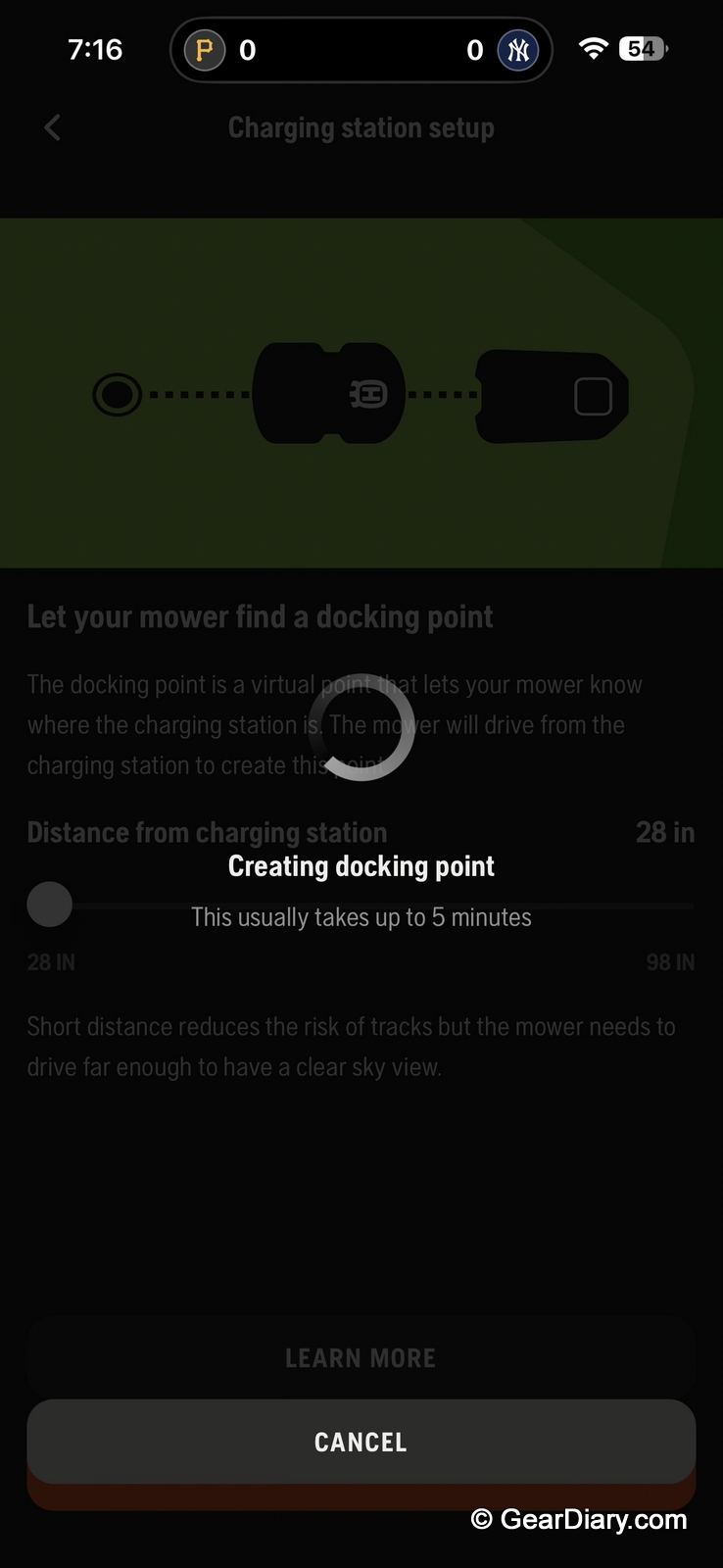
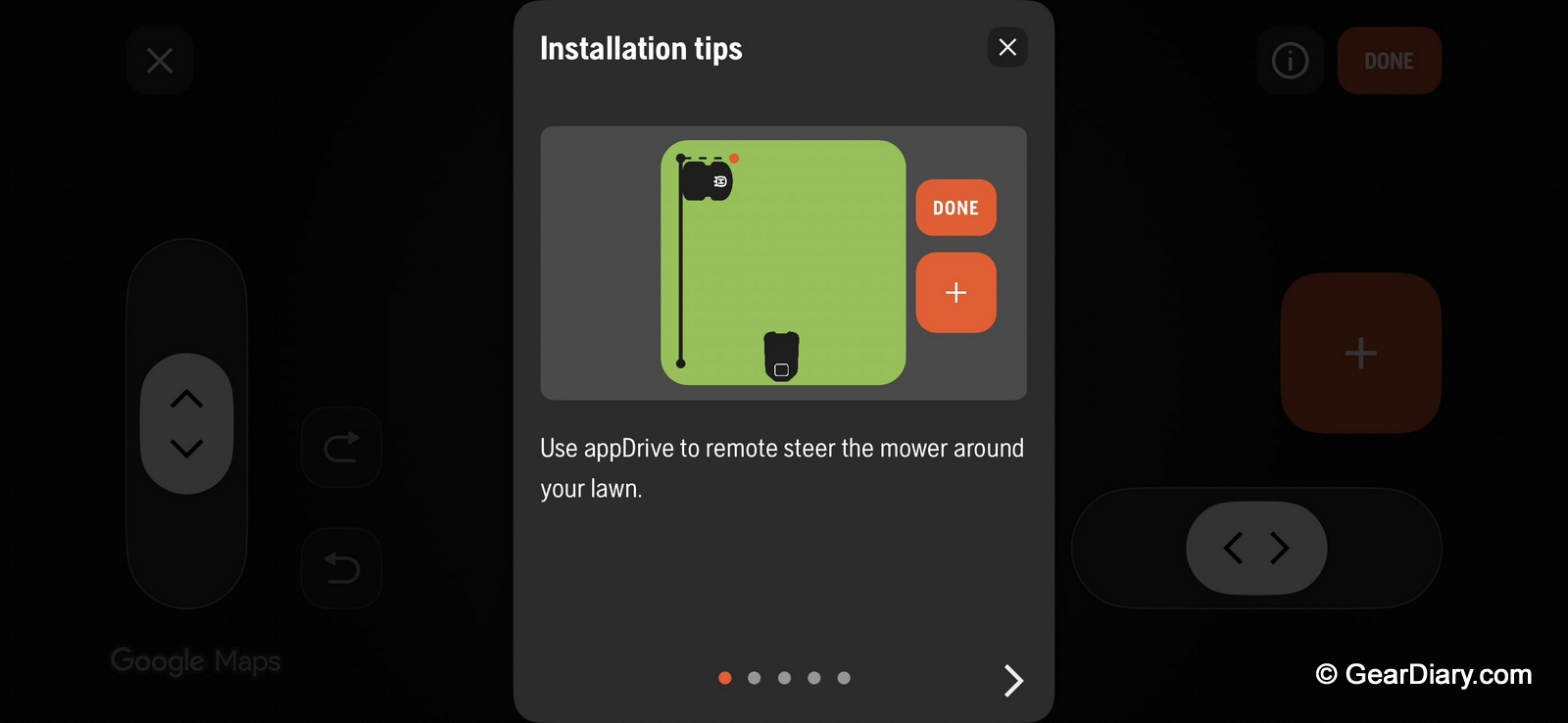
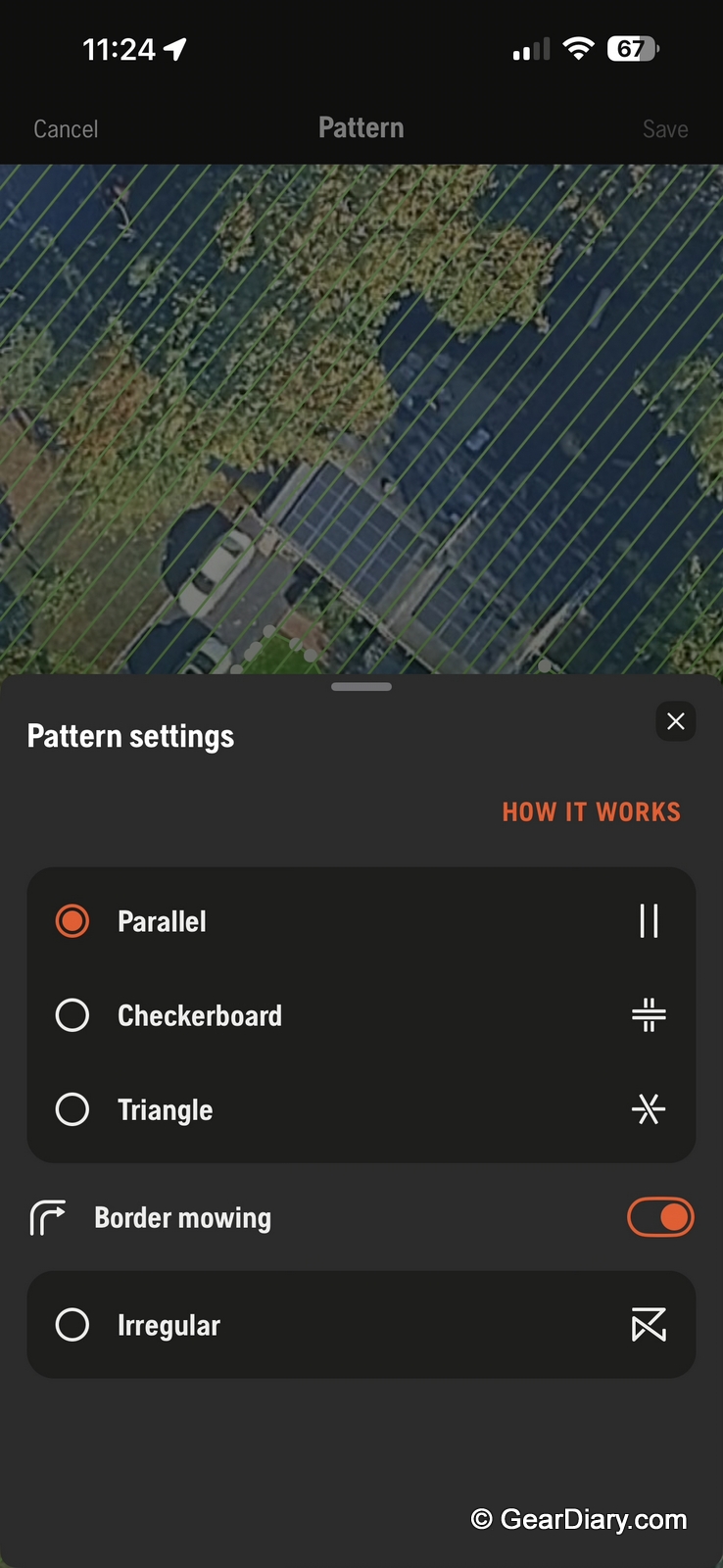
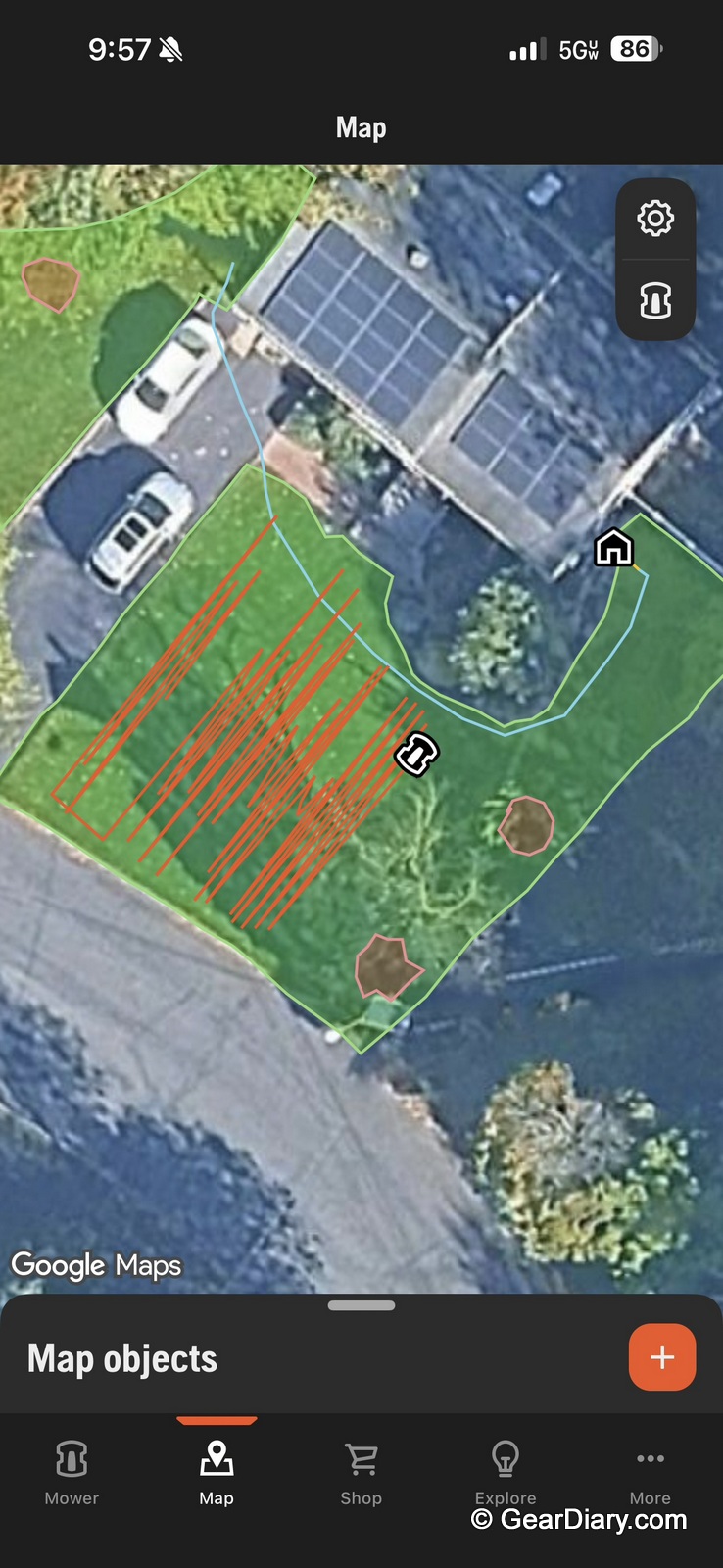
Setup itself is straightforward but dated in its approach. Rather than walking or driving the Husqvarna Automower 420 iQ mower along your lawn’s perimeter like most competitors, you manually place points around the map’s exterior while also driving the mower manually. You can edit those points later, which is genuinely useful when you want to adjust a zone, but the initial process is more fiddly and less intuitive than simply driving the boundary. It’s not hard; it’s just not as friendly as the rest of the field.
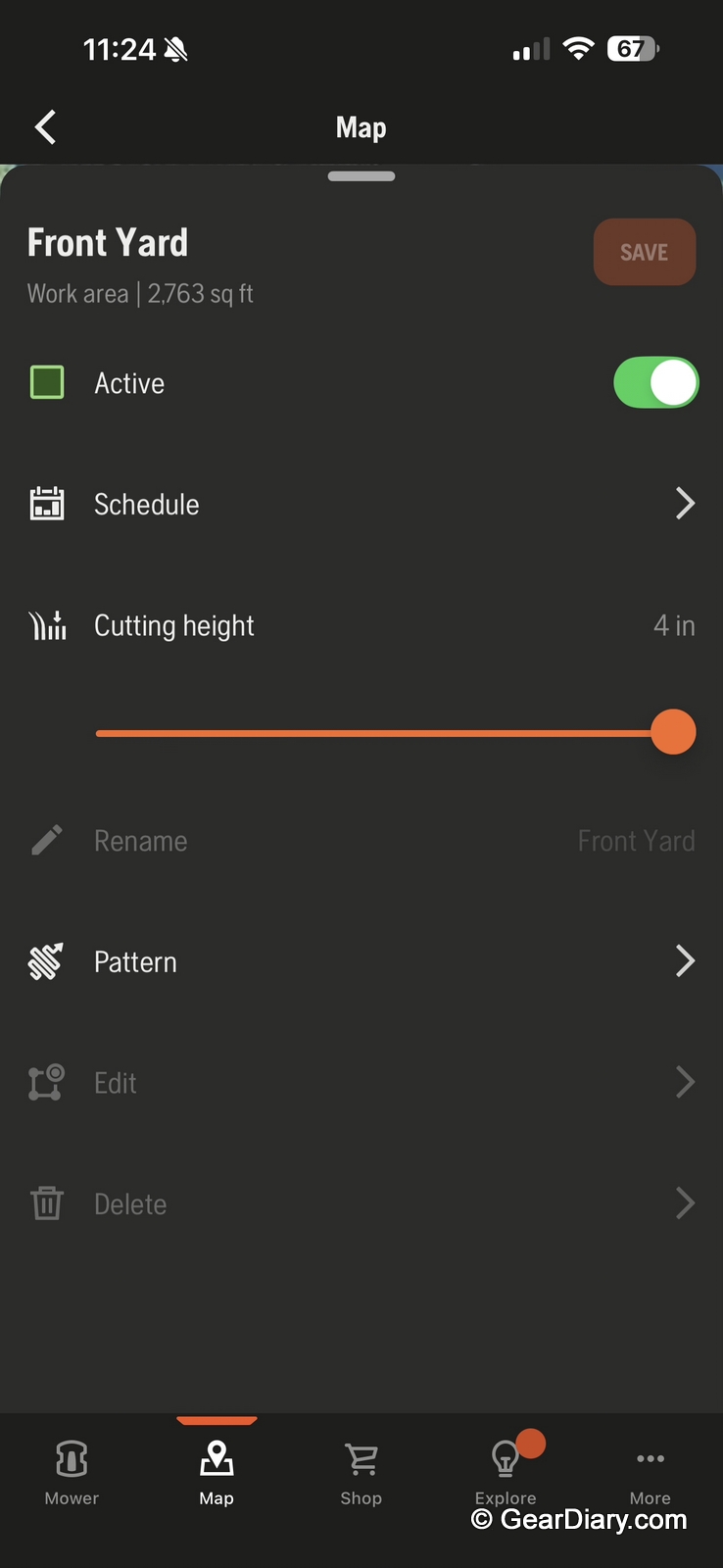
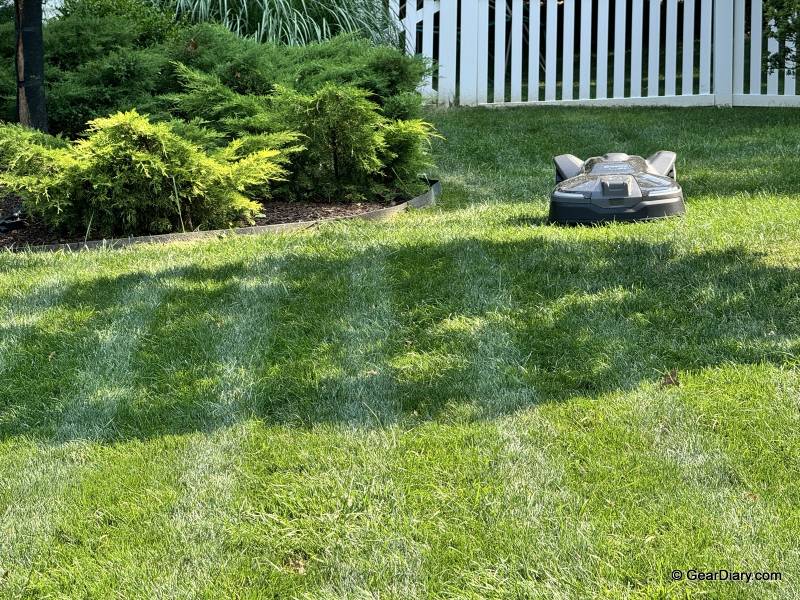
The cut is good. Height is adjustable from 1 to 4 inches, and the 420 iQ will lay down clean, aesthetic stripes in the lawn, which is still one of the more satisfying things about systematic-pattern robot mowers. The caveat is width. The 420 iQ uses a single 9.4-inch disc with three razor blades, and while that setup does the job, the resulting lines are noticeably narrower than what the wider-cutting competitors produce. Side by side, the wider stripes simply look better.
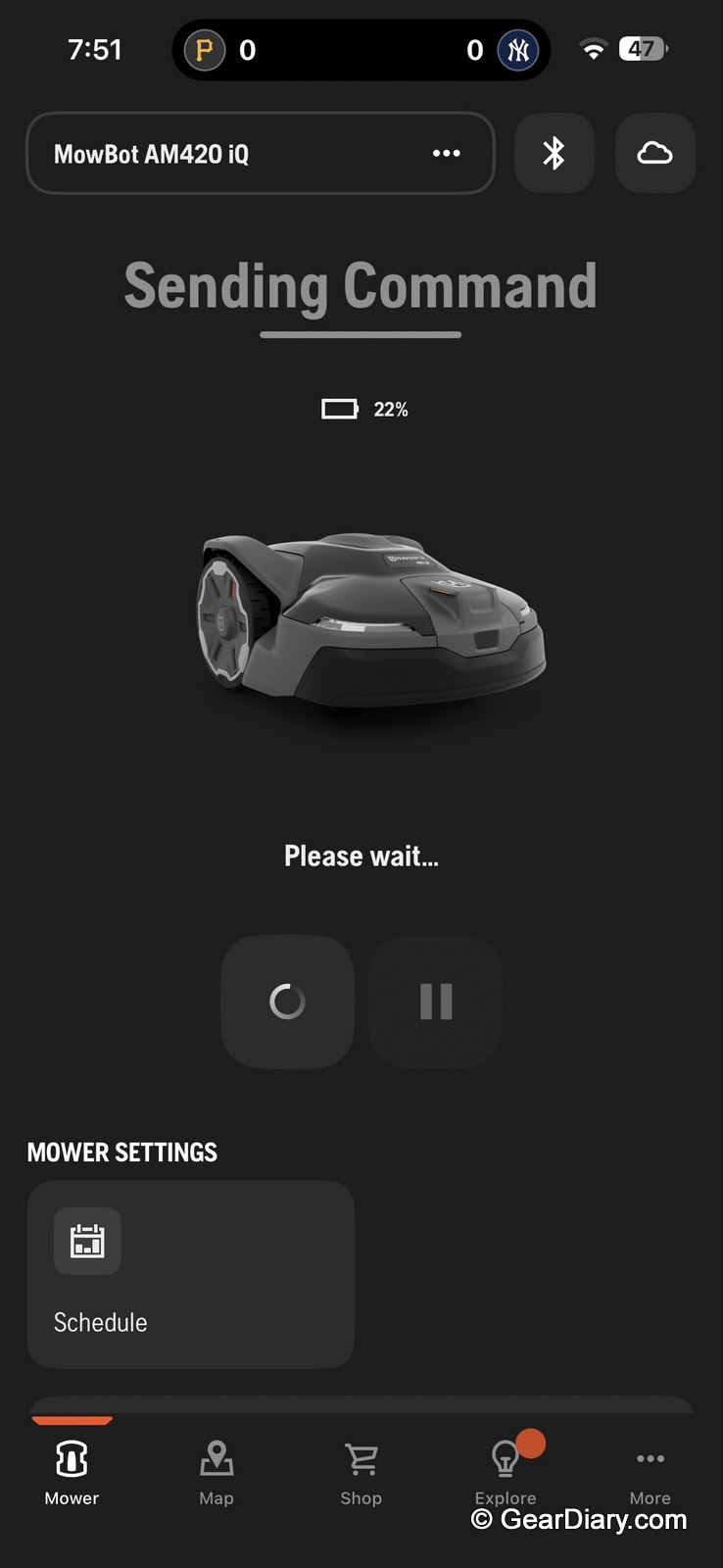
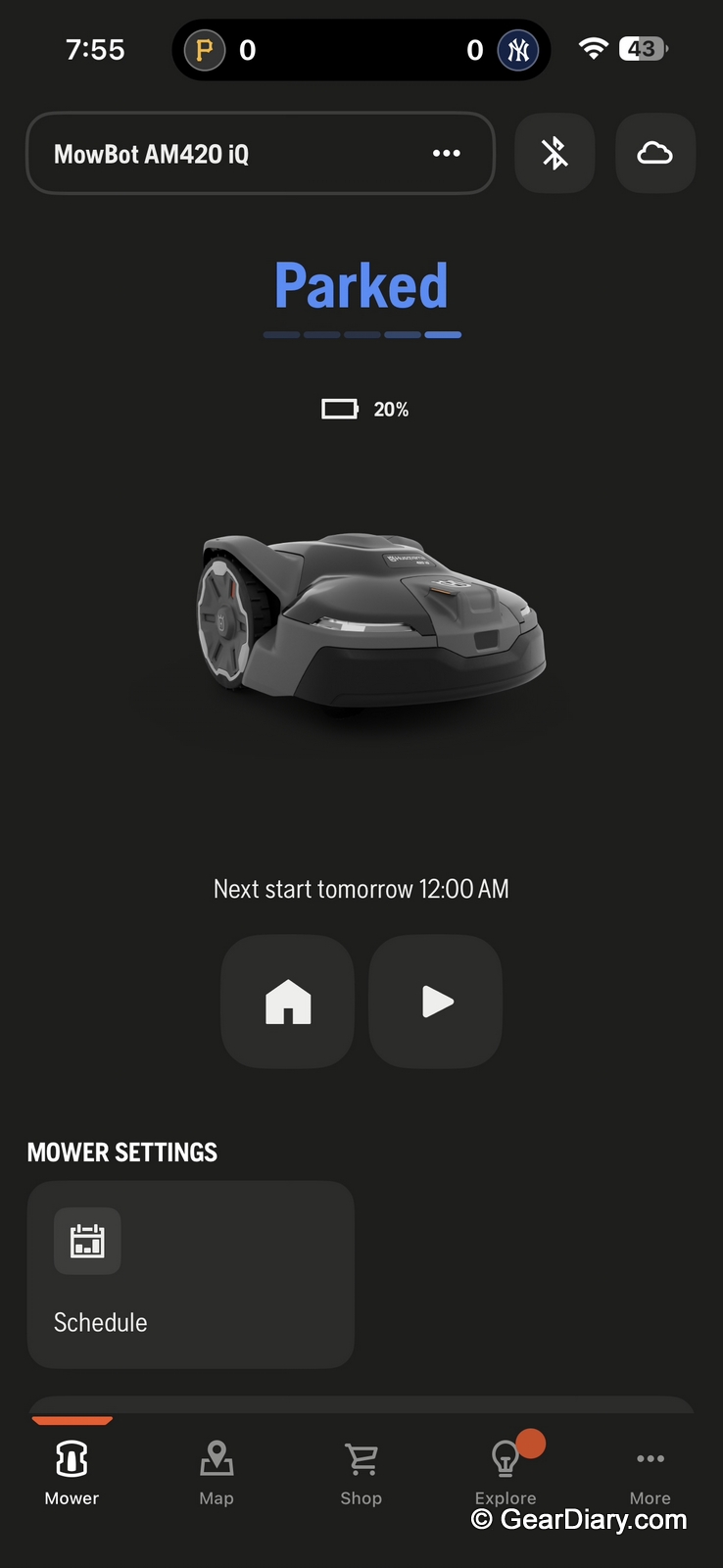
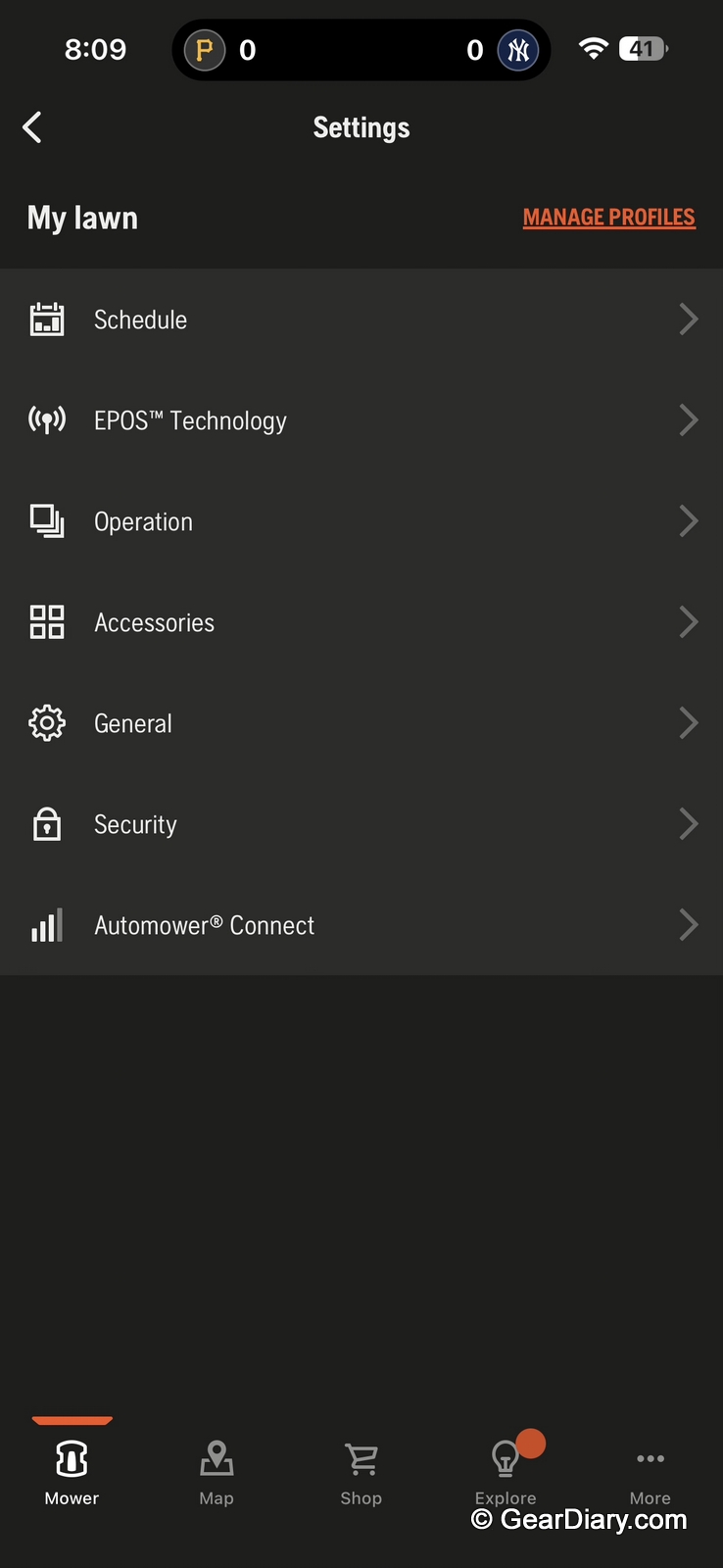
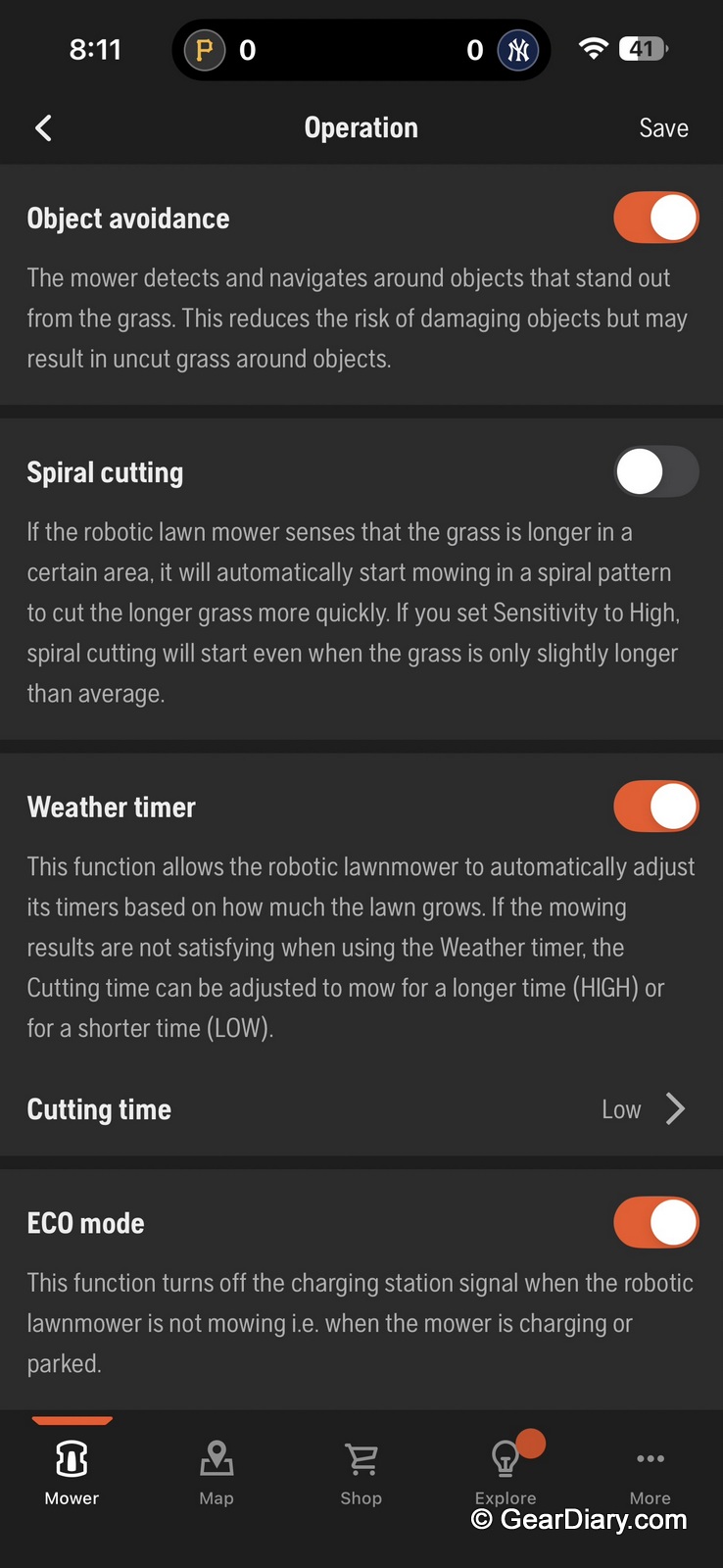
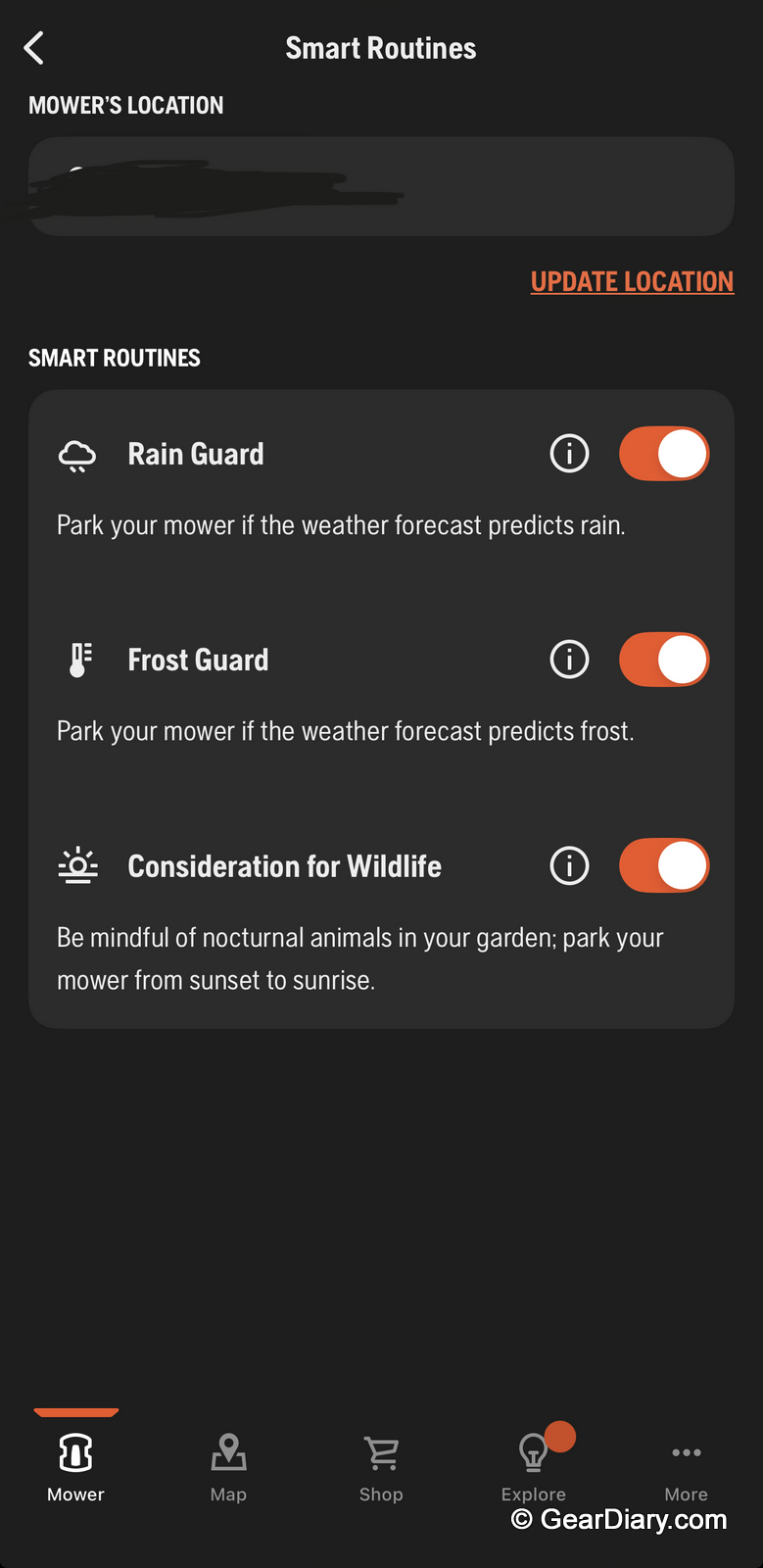
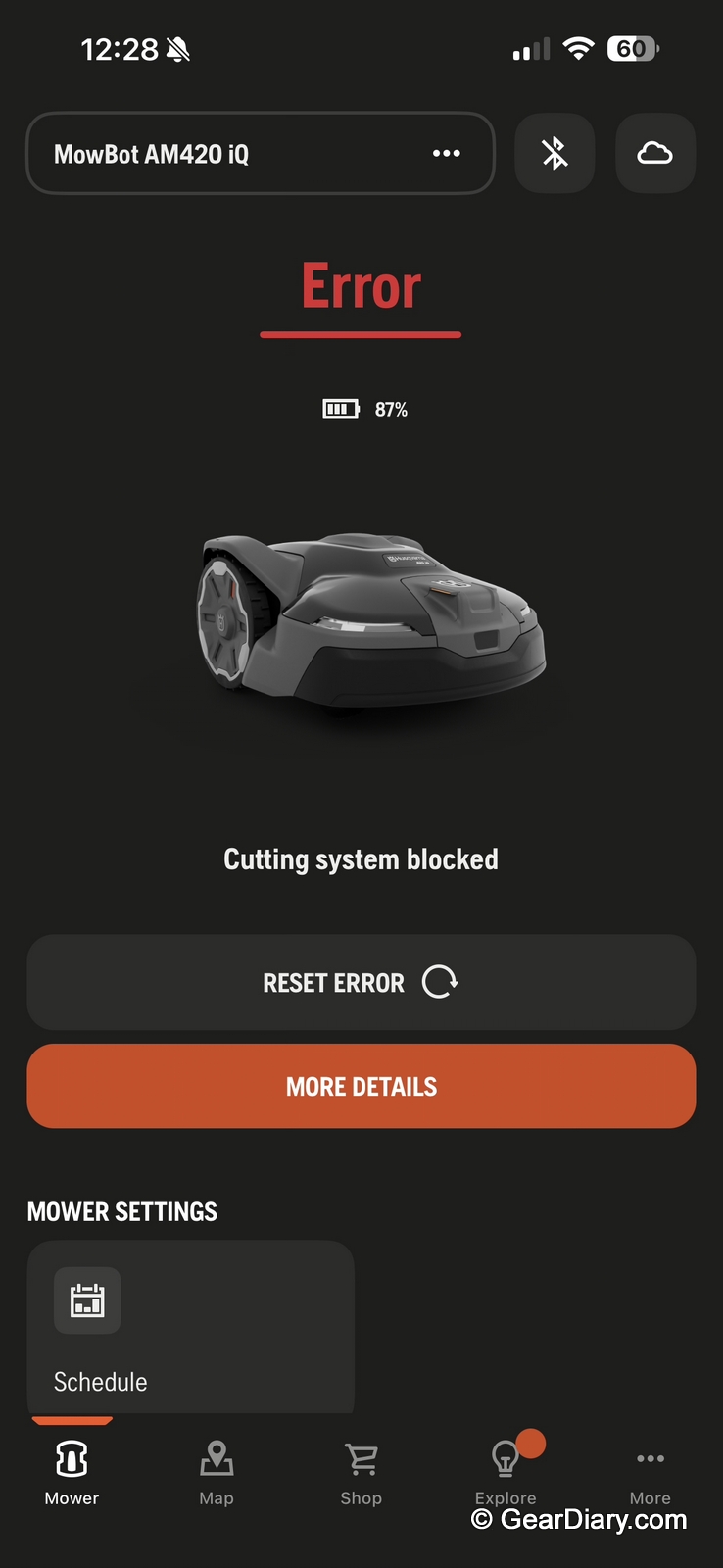
Check out some screenshots from the Husqvarna Automower 420 iQ app:
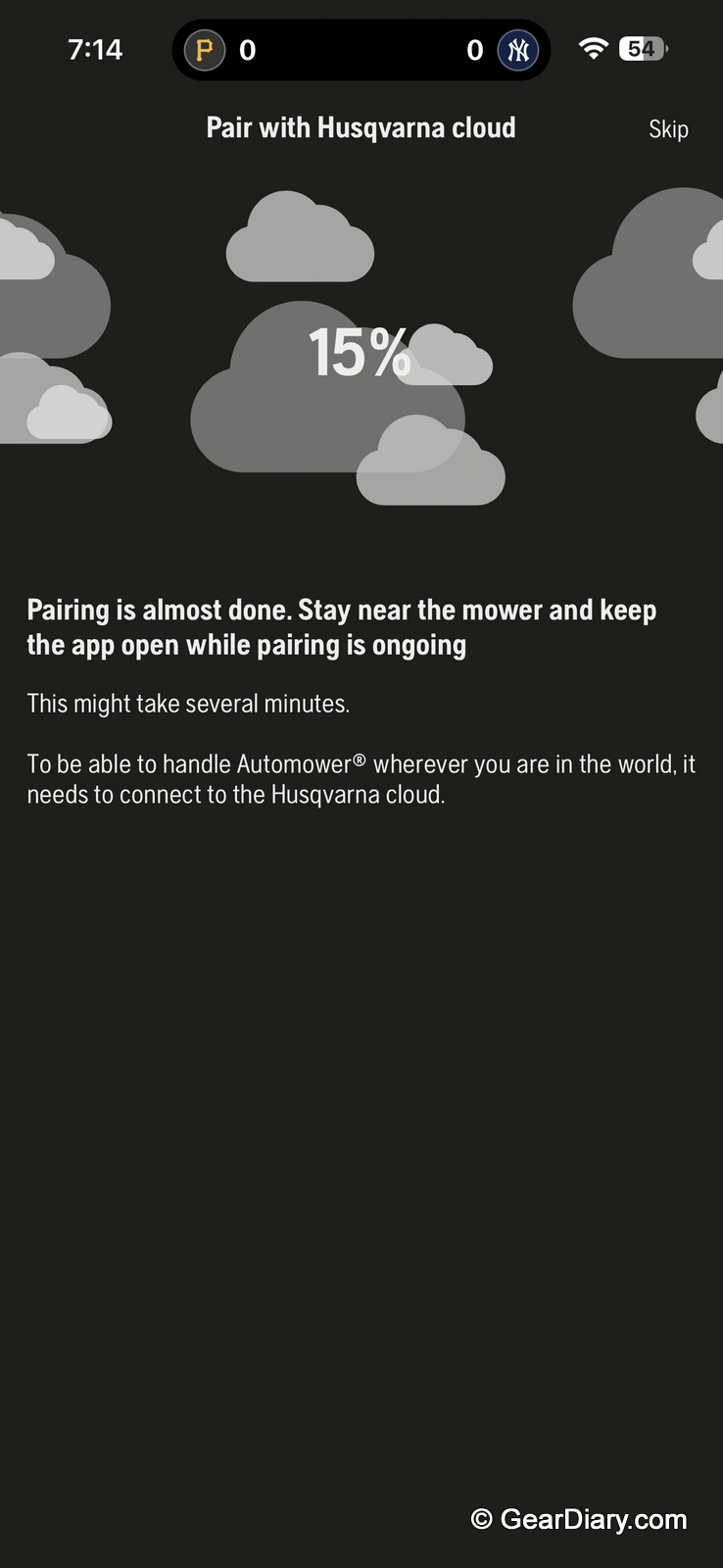
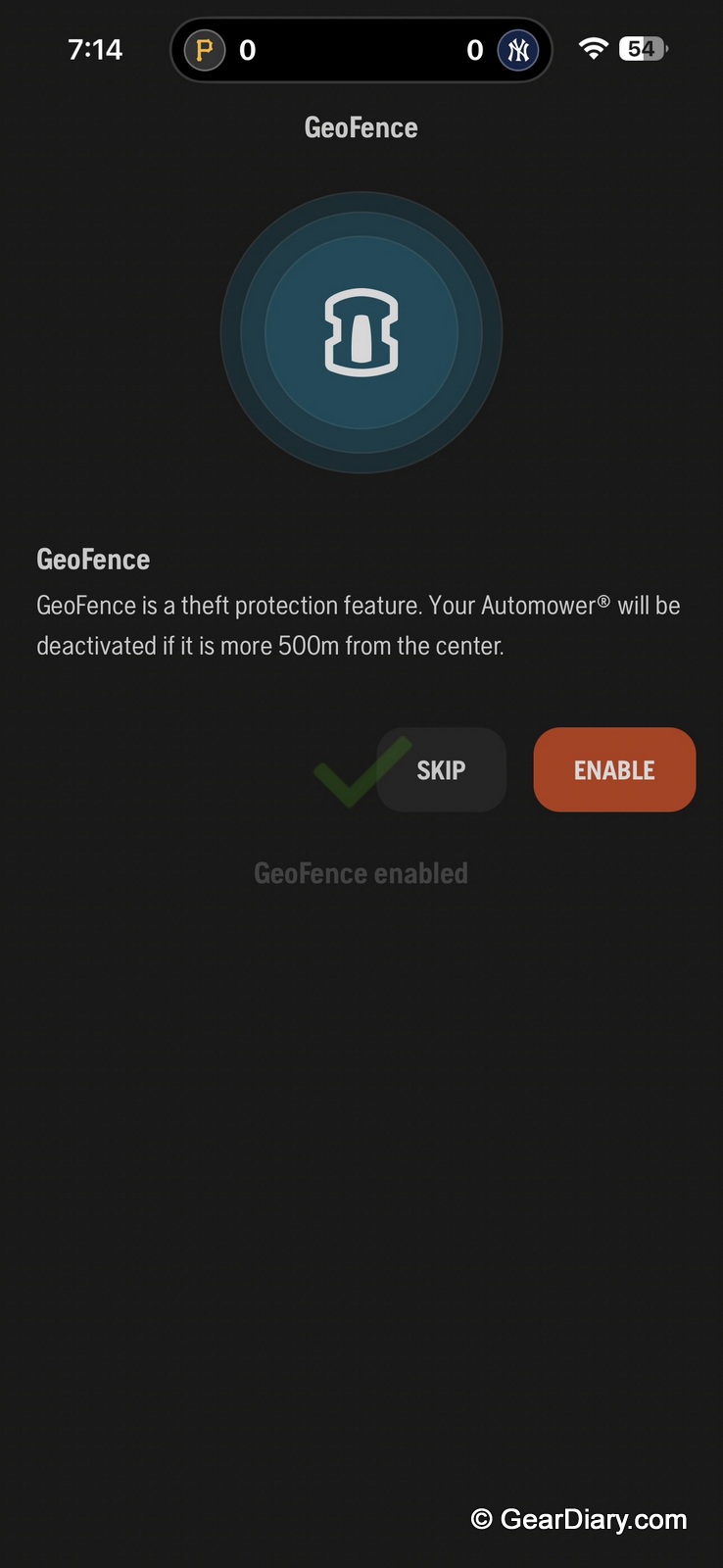
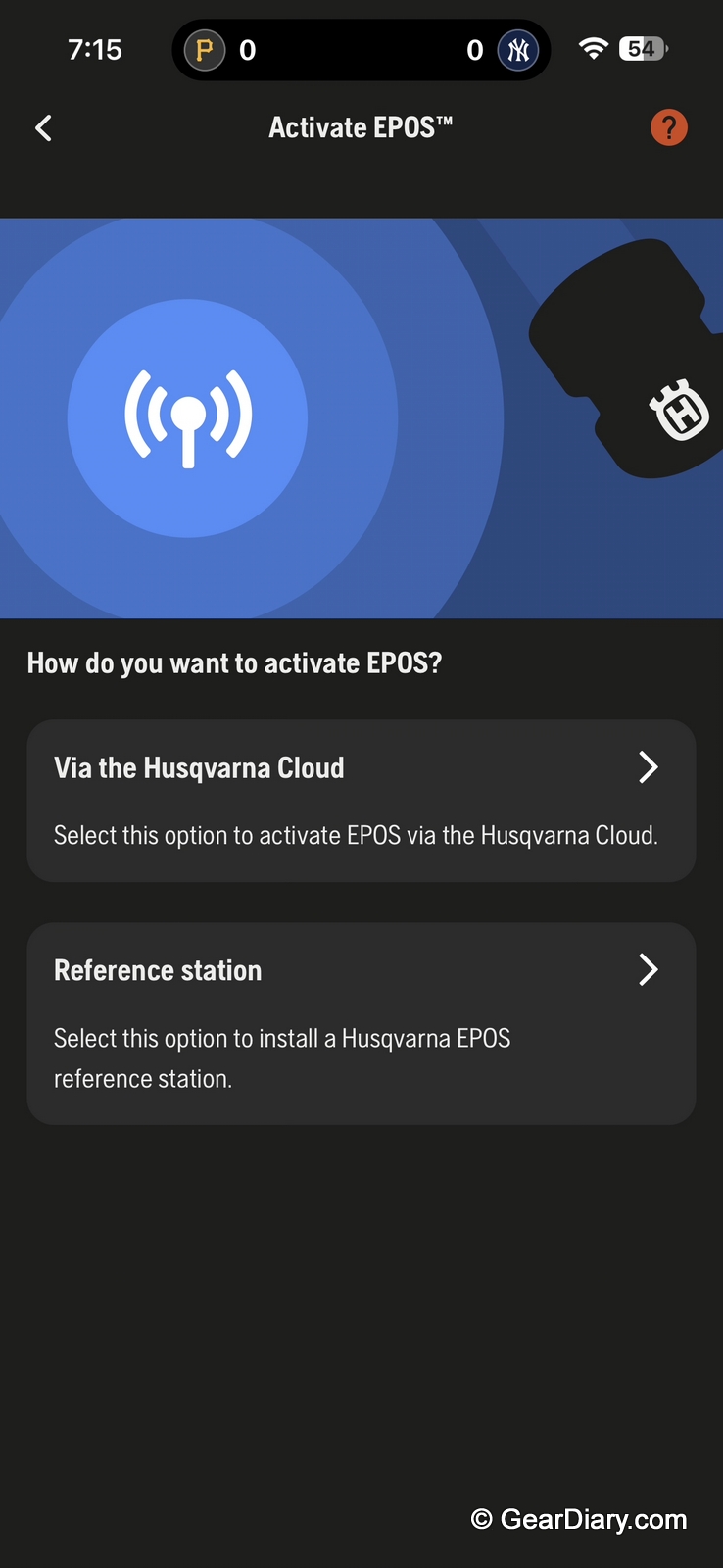
Evenness is the bigger complaint. The Husqvarna Automower 420 iQ robot lawnmower occasionally misses spots, and I haven’t found a way to adjust the overlap between passes to make up for it. Other mowers I’ve run this season have been more consistent about full coverage. On a big lawn, over the course of a week, that difference is visible.
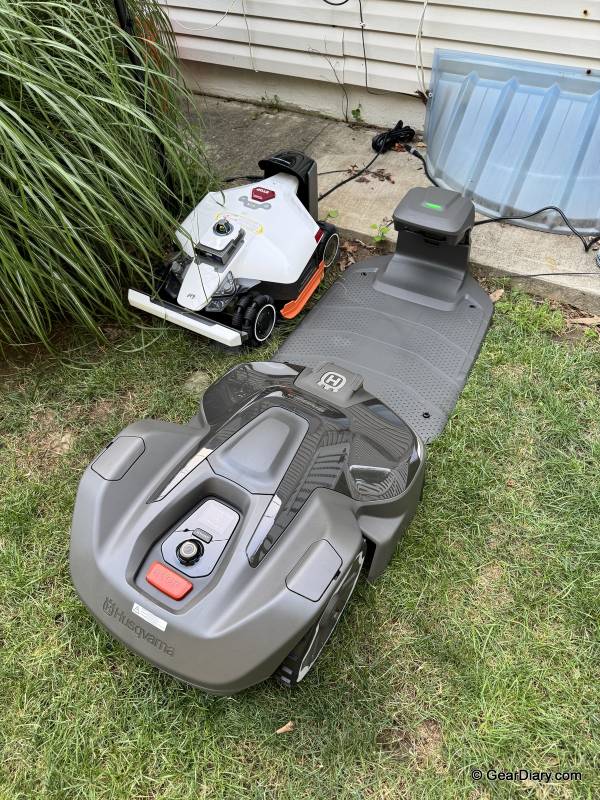
Automower next to the Mammotion Dock
The other place the Husqvarna Automower 420 iQ trails is intelligence. Husqvarna uses radar for object detection, and radar simply doesn’t perform like the LiDAR and AI camera systems showing up on competing machines.
In practice, the Husqvarna 420 iQ has gotten hung up on exposed roots that other mowers either steered around or climbed over. It doesn’t feel as aware of its surroundings as the smartest robots I’ve tested this year, and that gap is the clearest sign of this generation’s engineering priorities.
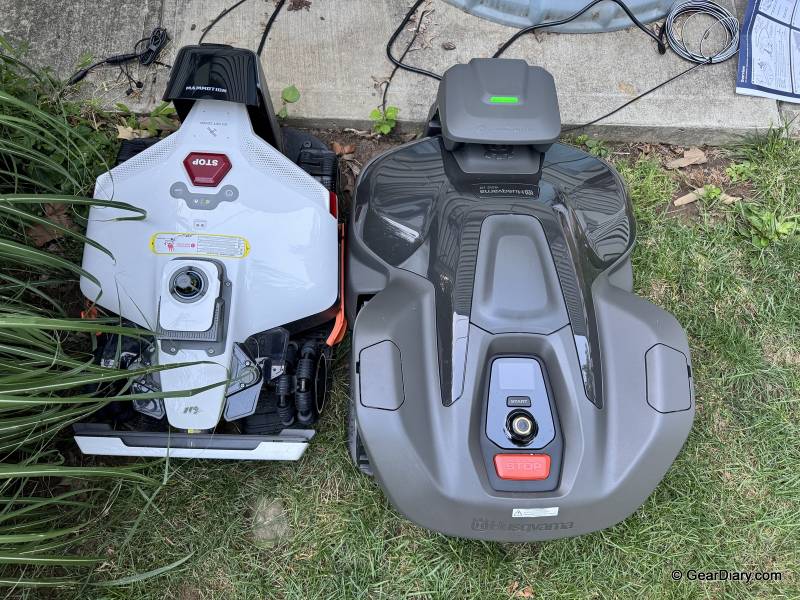
I’ve also had more errors with the Husqvarna Automower 420 iQ mower than with the others in the test group. It has slipped down a small hill and out of bounds, thrown wheel motor blocked faults, and gotten stuck on roots. The 45% slope rating is real in the sense that it will climb, but traction is where rear wheel drive shows its limits against all-wheel-drive competitors. None of these were catastrophic, and the app tells you what happened, but they add up to more trips into the yard than I’d like.
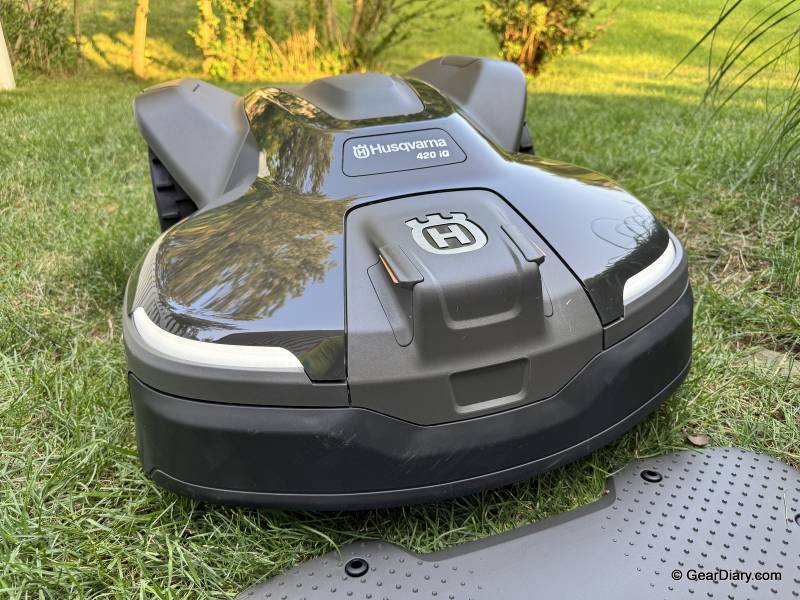
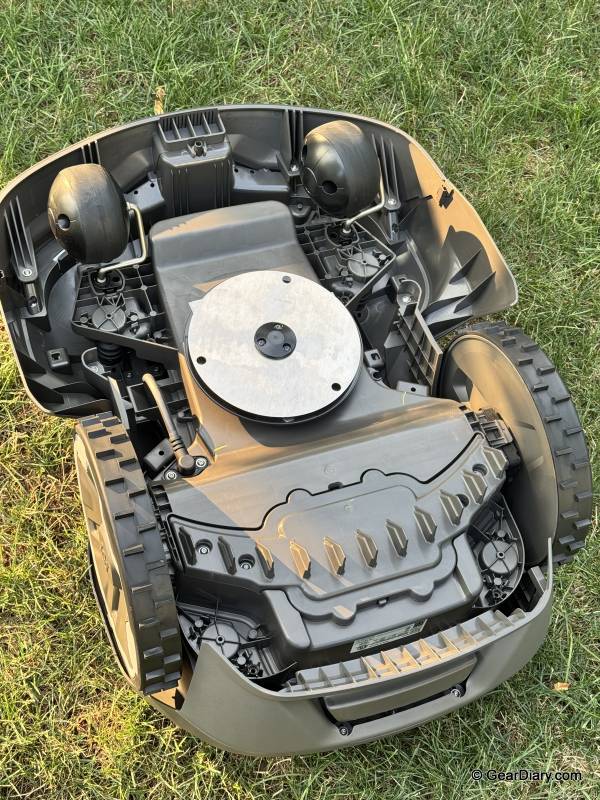
Hardware-wise, the rest of the package is a clear step up from older Automowers. The bumper has been redesigned, and the wheels are larger, both of which help on uneven ground. The new color TFT display is a real improvement over the monochrome screens Husqvarna used for years, and the jog wheel interface is easy to navigate. The mower is IPX5 rated, so you can hose it off, and firmware updates arrive over the air.
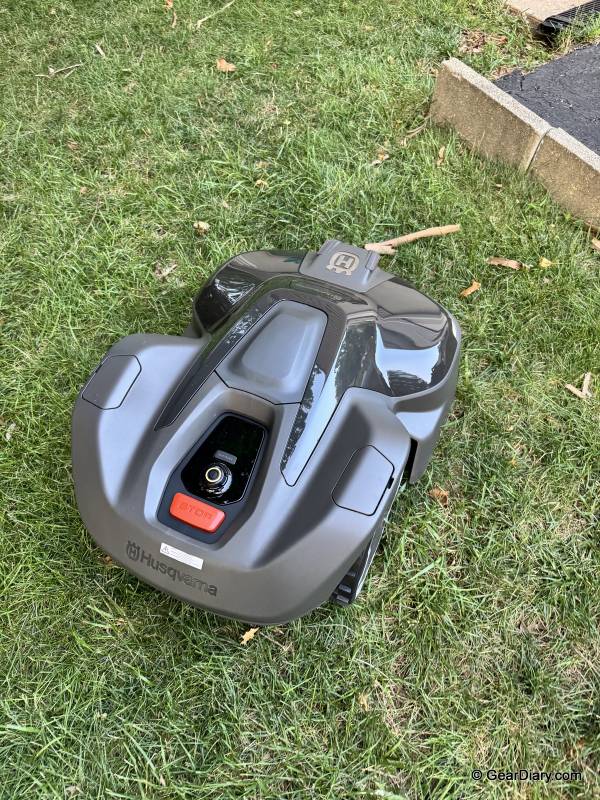
So what are you paying $3,299 for? Not features, honestly. On a pure spec-for-spec comparison, cheaper mowers offer LiDAR navigation, wider decks, all-wheel drive, and smarter obstacle handling. What you’re buying with Husqvarna is the thing that doesn’t show up on a spec sheet: three decades in this business, a dealer network spread across the United States, and parts you can actually get.
My previous Automower ran for ten years. That is not a track record most of this category can claim, because most of this category hasn’t existed for ten years.
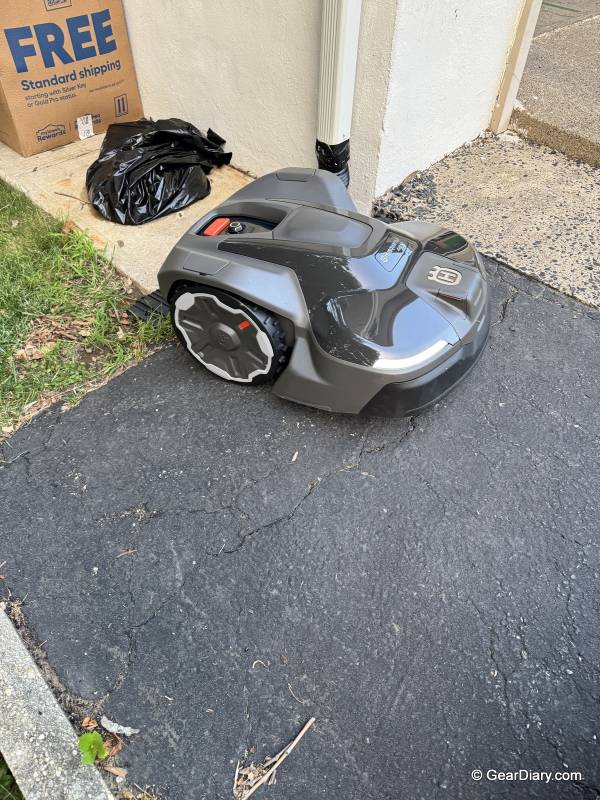
The four-year warranty is the concrete expression of that. It’s best in class, and on a machine that lives outdoors and runs unattended for months at a time, warranty length and parts availability are not small considerations. A cheaper mower with better sensors is a worse deal if the company behind it is gone in three years or the replacement part has to ship from overseas.
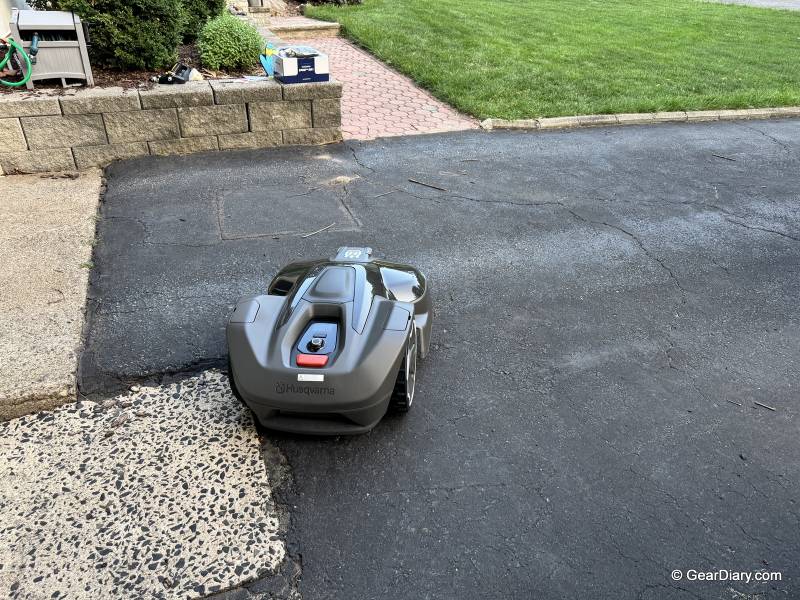
Husqvarna also offers a 100-day money-back guarantee, which takes most of the risk out of the decision. Every lawn is different, and no review, including this one, can tell you how a particular robot will handle your particular slopes, roots, and narrow passages. Three months is enough time to find out for yourself.
You’ll probably be happy with the Husqvarna Automower 420 iQ if you’re planning to own a robotic mower for the next decade rather than the next two seasons, if having a local dealer matters to you, and if your lawn is relatively open and free of the kind of root and obstacle terrain that gives radar trouble. The wire-free installation, the clean cut, and the four-year warranty make it easy to live with.
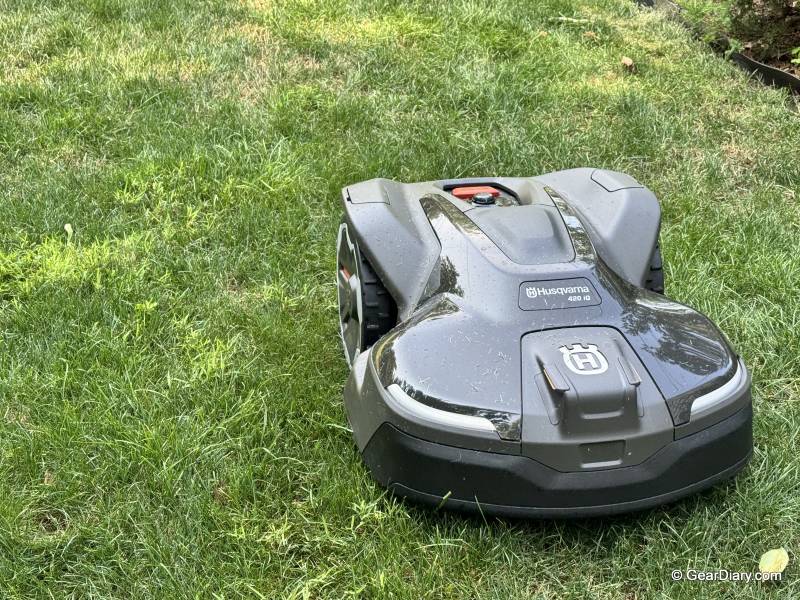
You might regret buying it if you’re shopping on capability per dollar. Competitors at this price and below offer smarter navigation, wider cutting decks, all-wheel drive, and a more polished setup process. If your yard has exposed roots, tight passages, or steep sections where traction matters, the 420 iQ will need more attention than the best mowers I’ve tested this year.
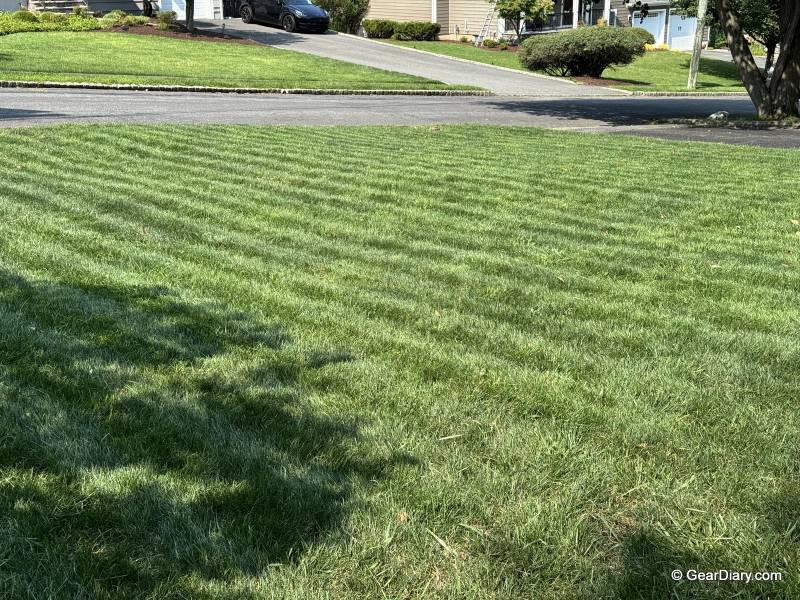
The Husqvarna Automower 420 iQ is a good robot mower attached to a great company. It cuts well, it installs without wire, and it’s backed by the best warranty and support network in the category. It’s also not the most capable machine you can buy for the money, and Husqvarna is clearly leaning on its reputation to carry the price.
Whether that’s worth it comes down to how much you value knowing there will still be someone to call in year eight.
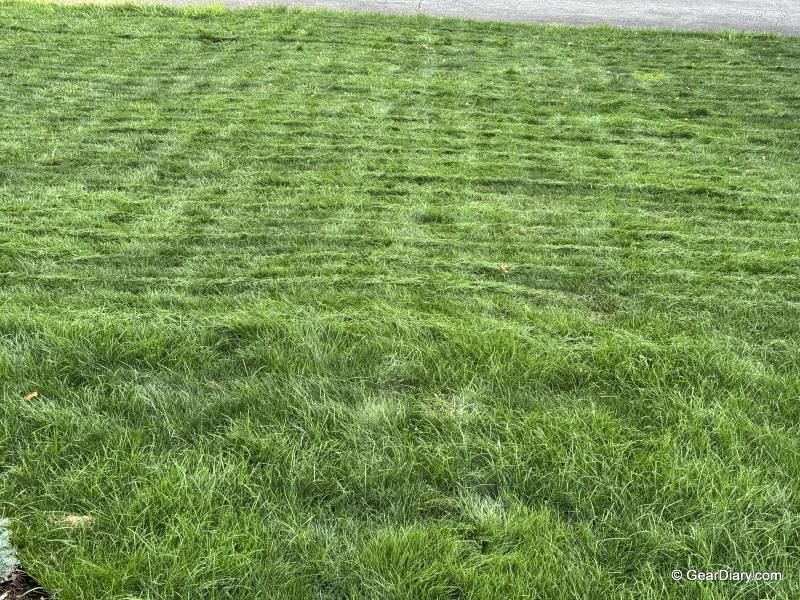
Uneven cutting after leaving the lawn to grow for a week mid-summer
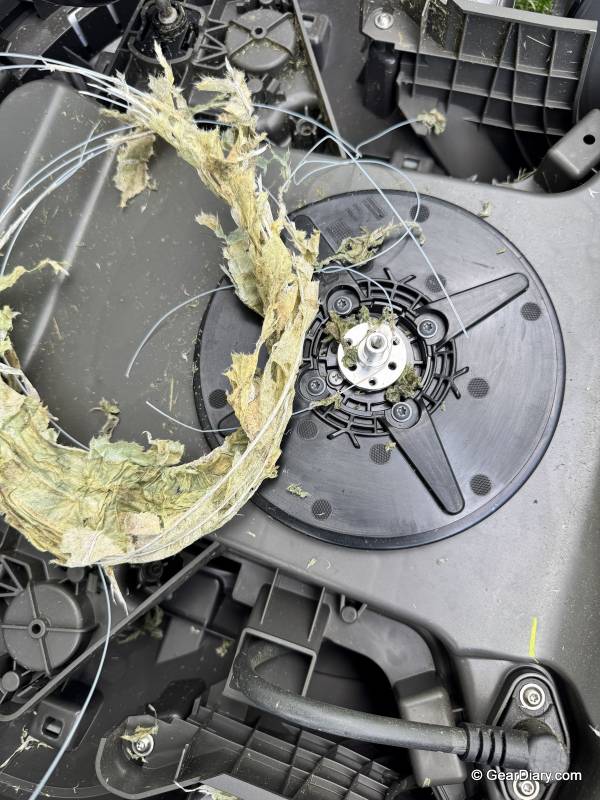
The fake hornet nest that fell on the ground during a storm that the automower did not see and ran over.
The Husqvarna Automower 420 iQ retails for $3,299; it is available directly from the manufacturer, through Husqvarna dealers, and other retailers like Amazon.
Source: Manufacturer-supplied review sample
What I Like: Husqvarna has been in robotic mowing since 1995 and it shows in the reliability record; Nationwide dealer network and real parts availability; Best in class four-year warranty; No boundary wire needed thanks to EPOS satellite navigation; EPOS Cloud can eliminate the local reference station where coverage exists; Cuts clean, aesthetic lines in the lawn; Cutting height adjustable from 1 to 4 inches; Redesigned bumper and larger wheels handle uneven ground better; New color TFT display is a big upgrade over older Automower screens; 100-day money back guarantee lets you test it in your own yard
What Needs Improvement: Few standout features beyond EPOS, and most competitors are already wire-free; EPOS unit doesn’t include a ground stake, so pole mounting means buying one separately; EPOS unit needs its own power outlet instead of sharing the charging station’s; Setup makes you place boundary points manually rather than driving the perimeter; Rear wheel drive rather than all-wheel drive, and traction shows it; Single 9.4-inch disc means narrower stripes than wider-cutting competitors; Radar object detection is outclassed by LiDAR and AI camera systems, and it has hung up on roots; More errors than the other mowers I’ve tested this year, including slipping out of bounds and wheel motor blocked faults; Coverage isn’t always even and there’s no overlap adjustment; Expensive compared to the rest of the field