


AWOL Vision is using IFA 2026 to introduce the AWOL LuxVision, a flagship ultra-short-throw projector built around a combination that should interest home theater fans who want a huge picture without dedicating half the room to projector placement. LuxVision pairs 4K resolution at 120Hz with 6,000 ISO lumens, RGB triple-laser illumination, vertical optical lens shift, and a 0.18:1 throw ratio. It can project an 80″ to 200″ image, with AWOL listing a 120″ picture from just 7.5″ away. Pricing hasn’t been announced, and availability is expected around October 2026, so some important buying questions remain open.
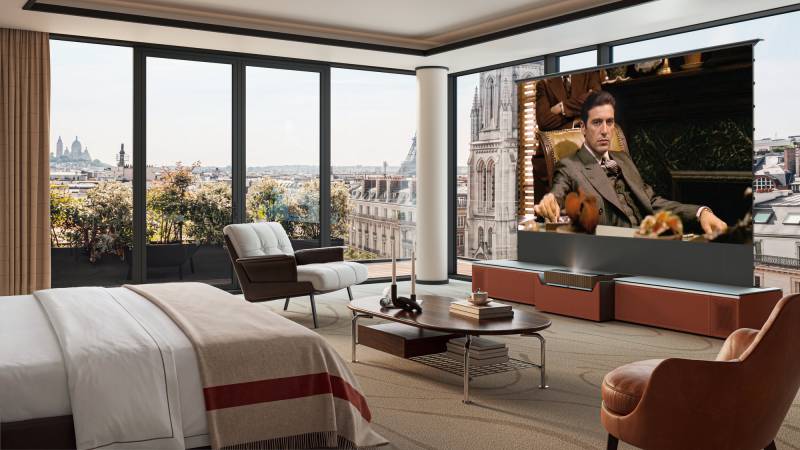
The AWOL LuxVision is billed as the world’s first 4K 120Hz ultra-short-throw projector with optical shift. The 120Hz refresh rate means the projector can refresh the image up to 120 times per second, a feature that matters most with fast motion. Sports, racing games, shooters, and other fast-moving content should look smoother and clearer than at 60Hz, assuming the source can provide 120Hz content.
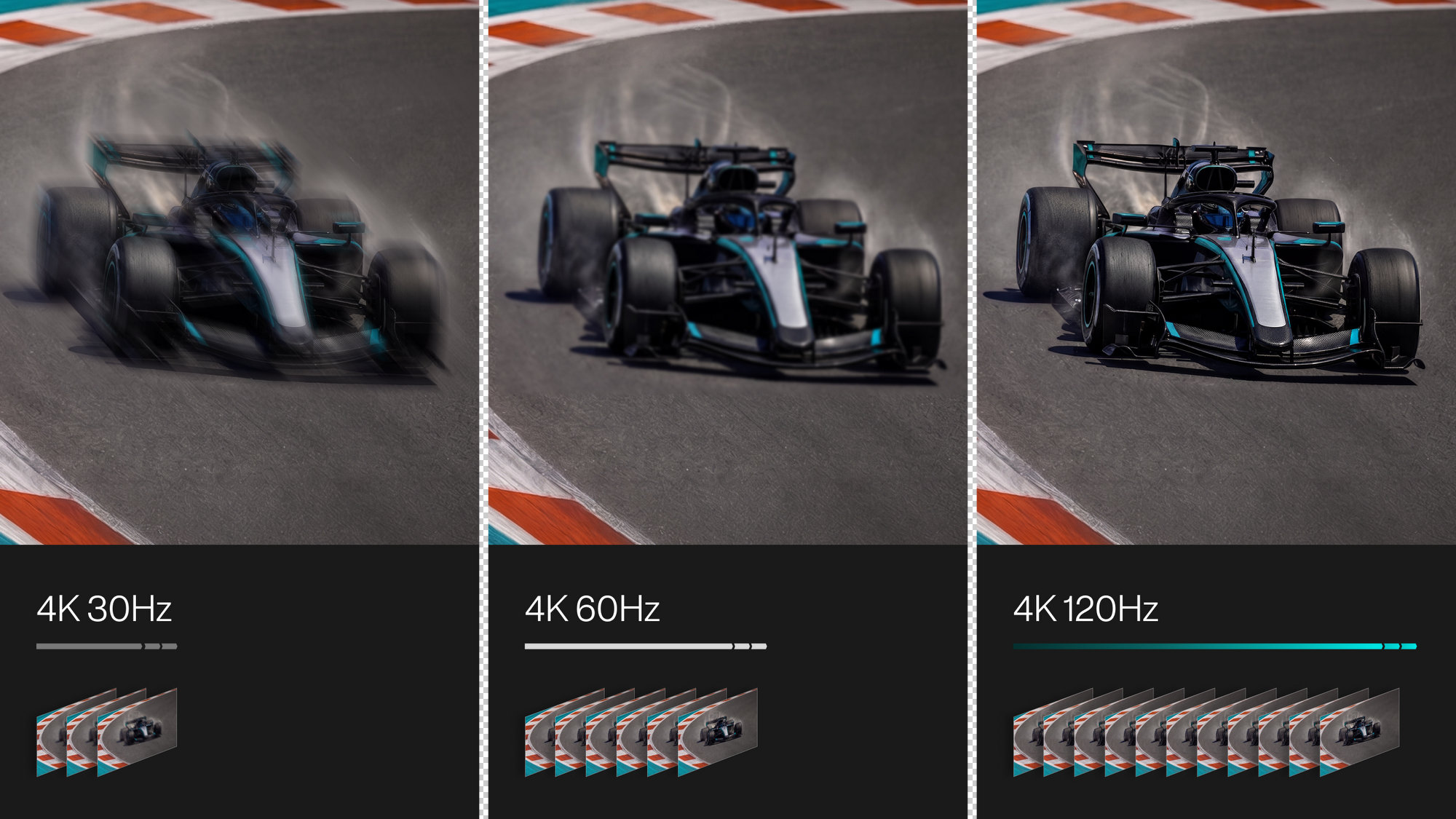
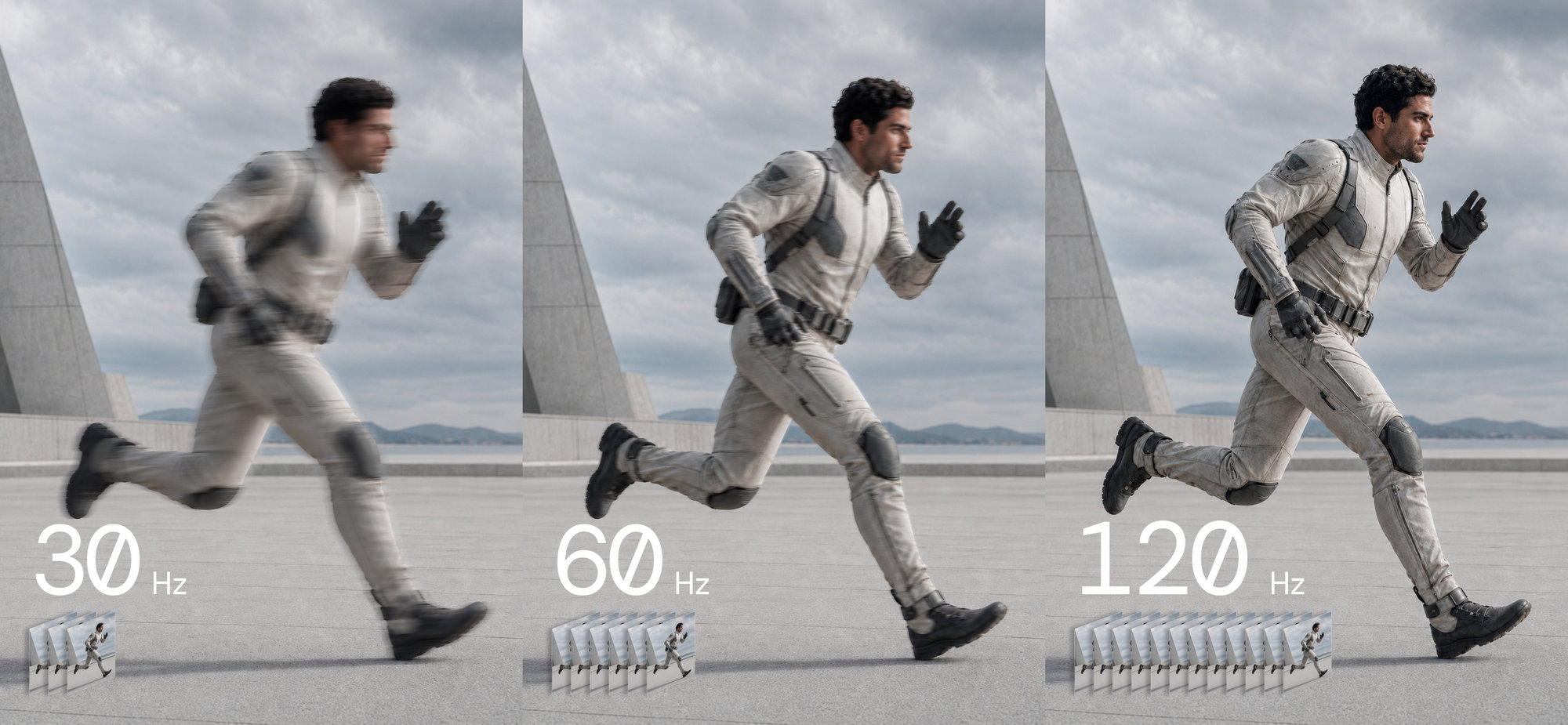
Gaming support goes further than the refresh rate. The AWOL LuxVision is listed with a 1ms input lag, Variable Refresh Rate, or VRR, Auto Low Latency Mode, or ALLM, and Dolby Vision Gaming. VRR lets the display adjust its refresh rate to match a compatible console or PC’s frame output, helping reduce tearing and stutter, while ALLM can automatically switch the projector into a low-latency mode when a game starts. Those specifications put LuxVision squarely in territory that should appeal to people who want one giant display for movies, football, and a PlayStation 5 or gaming PC.

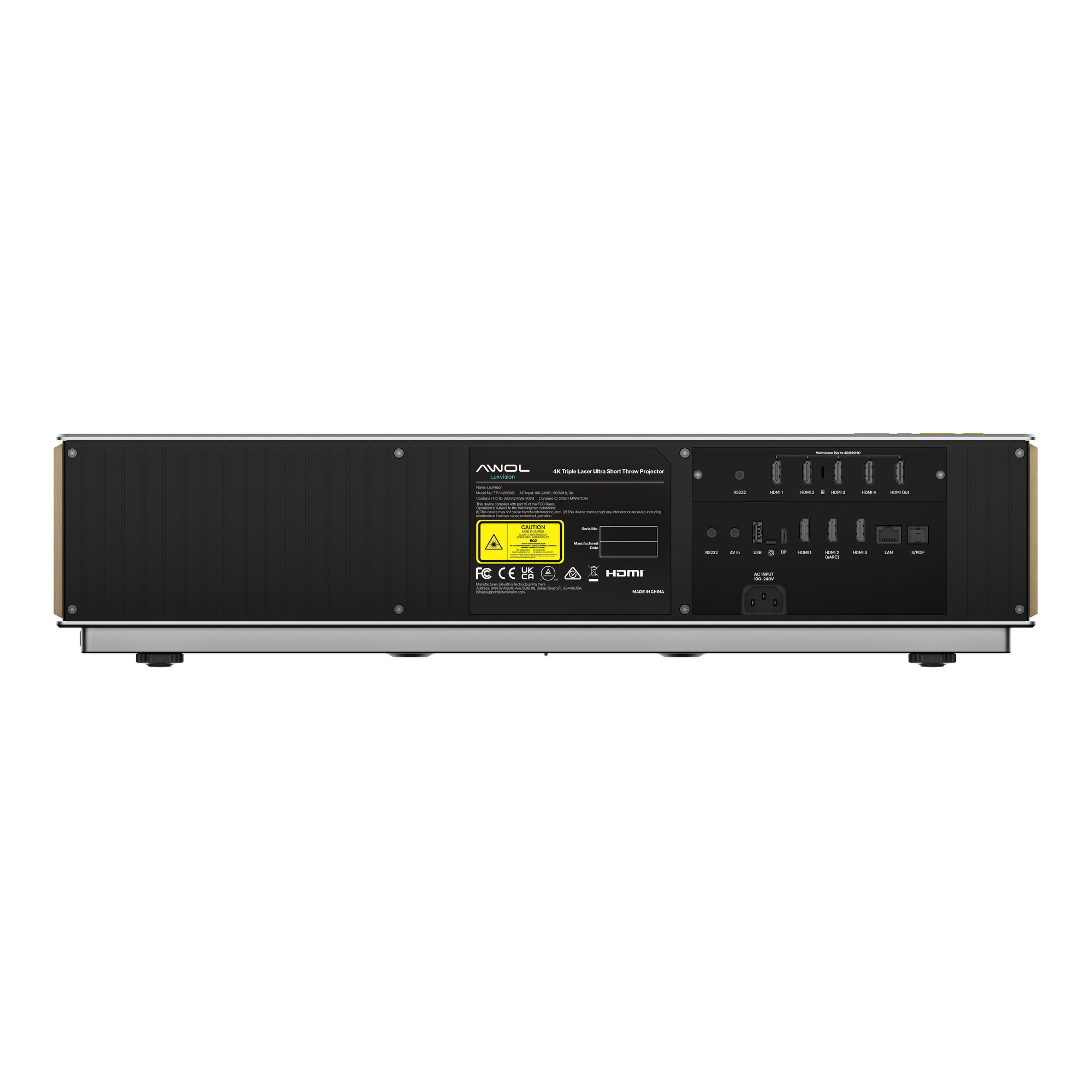
The AWOL LuxVision’s connectivity includes three HDMI 2.1 ports, DisplayPort, USB-C, one USB 3.0 port, one USB 2.0 port, Wi-Fi 7, and Bluetooth 5.4. There’s also picture-in-picture and four-channel HDMI Multiview, so the projector can show multiple sources at once. That could be useful during a busy sports weekend, although fitting four feeds onto one screen may finally answer the question of how large a television substitute needs to be.
6,000 ISO Lumens and a Very Big Image
Brightness is one of the harder projector specifications to judge from a product announcement alone, but 6,000 ISO lumens is a substantial claimed figure. ISO lumens use a standardized measurement method, making the number more useful than the loosely defined brightness figures that sometimes appear in projector marketing. Still, room lighting, screen material, image size, and picture settings will all affect what you see, so independent testing will matter.
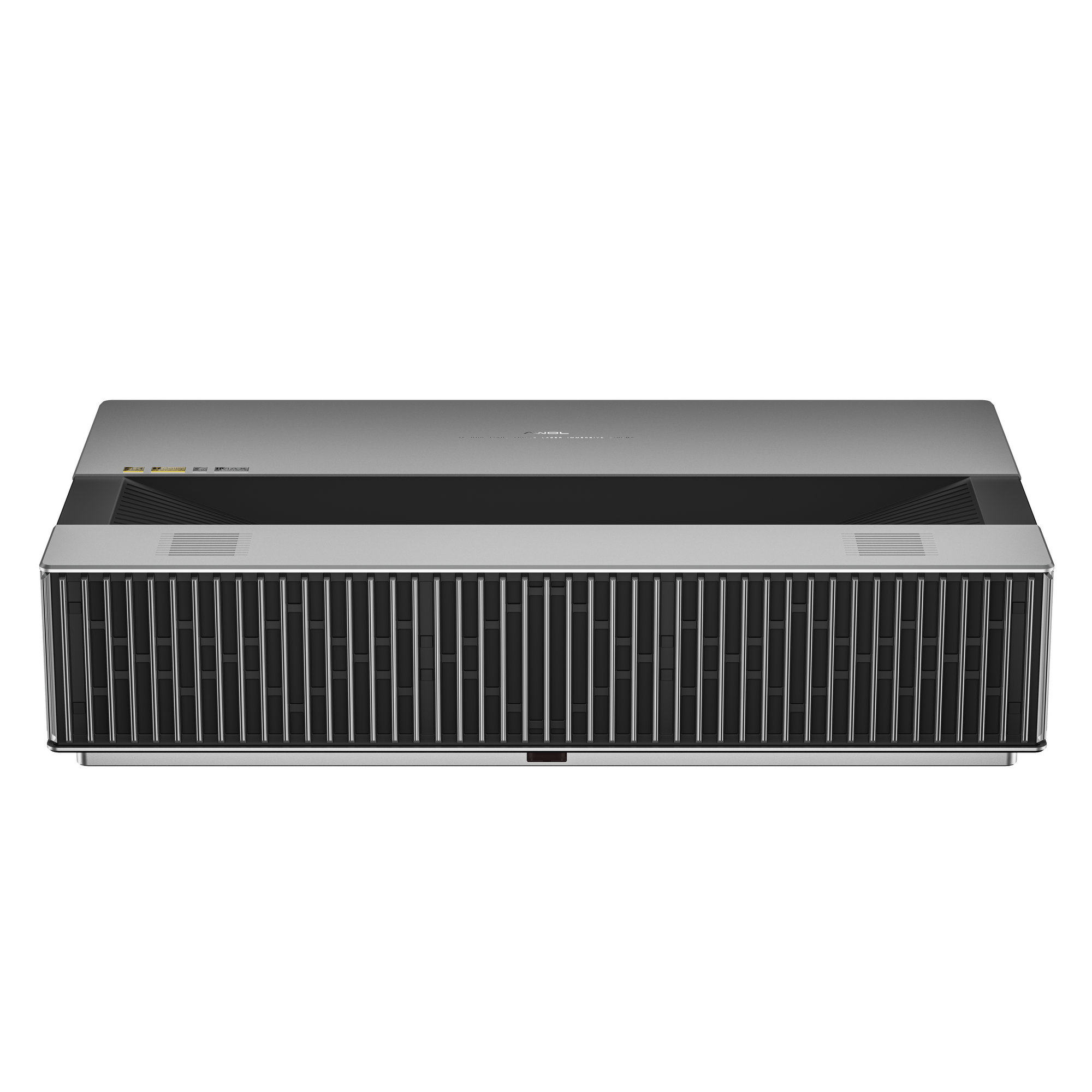
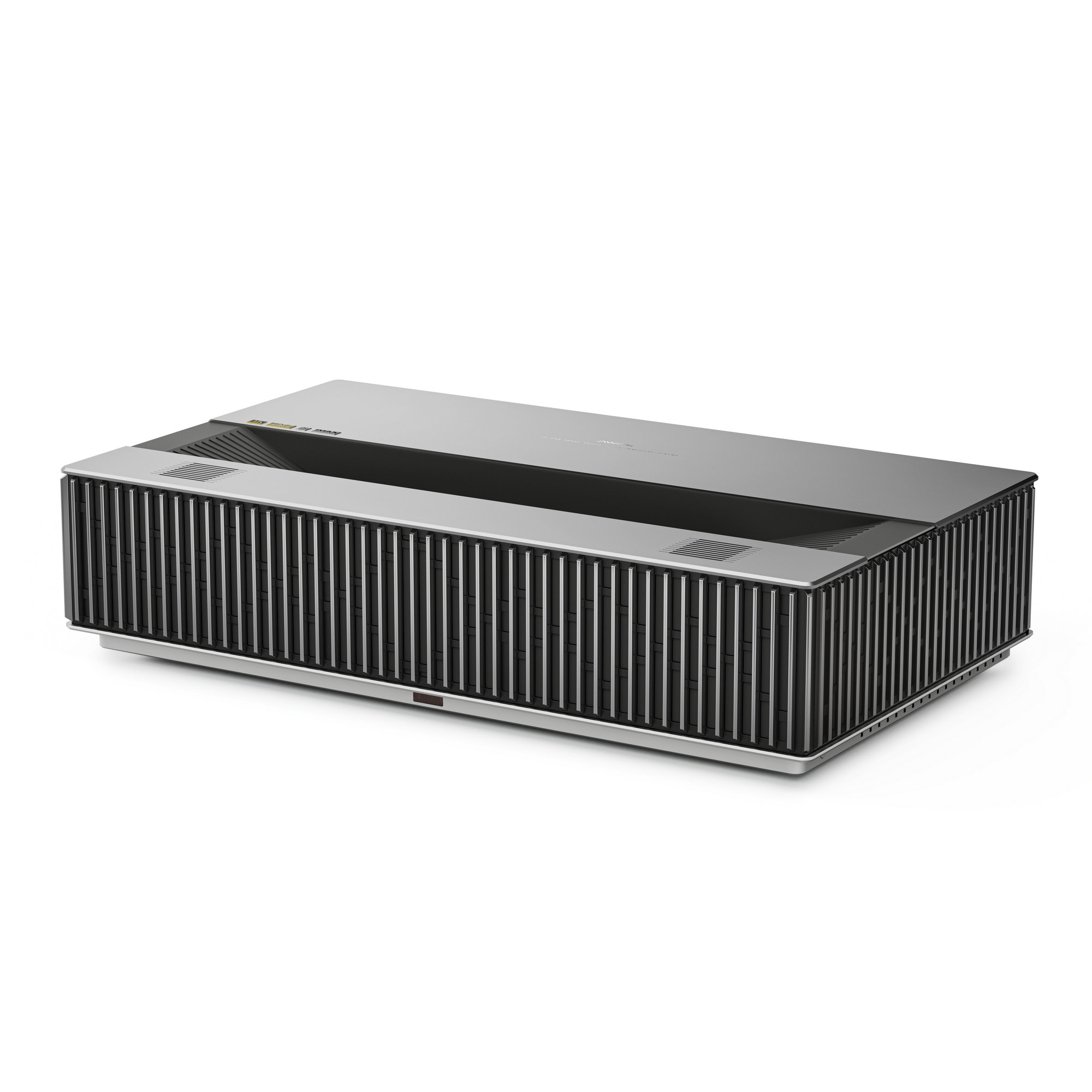
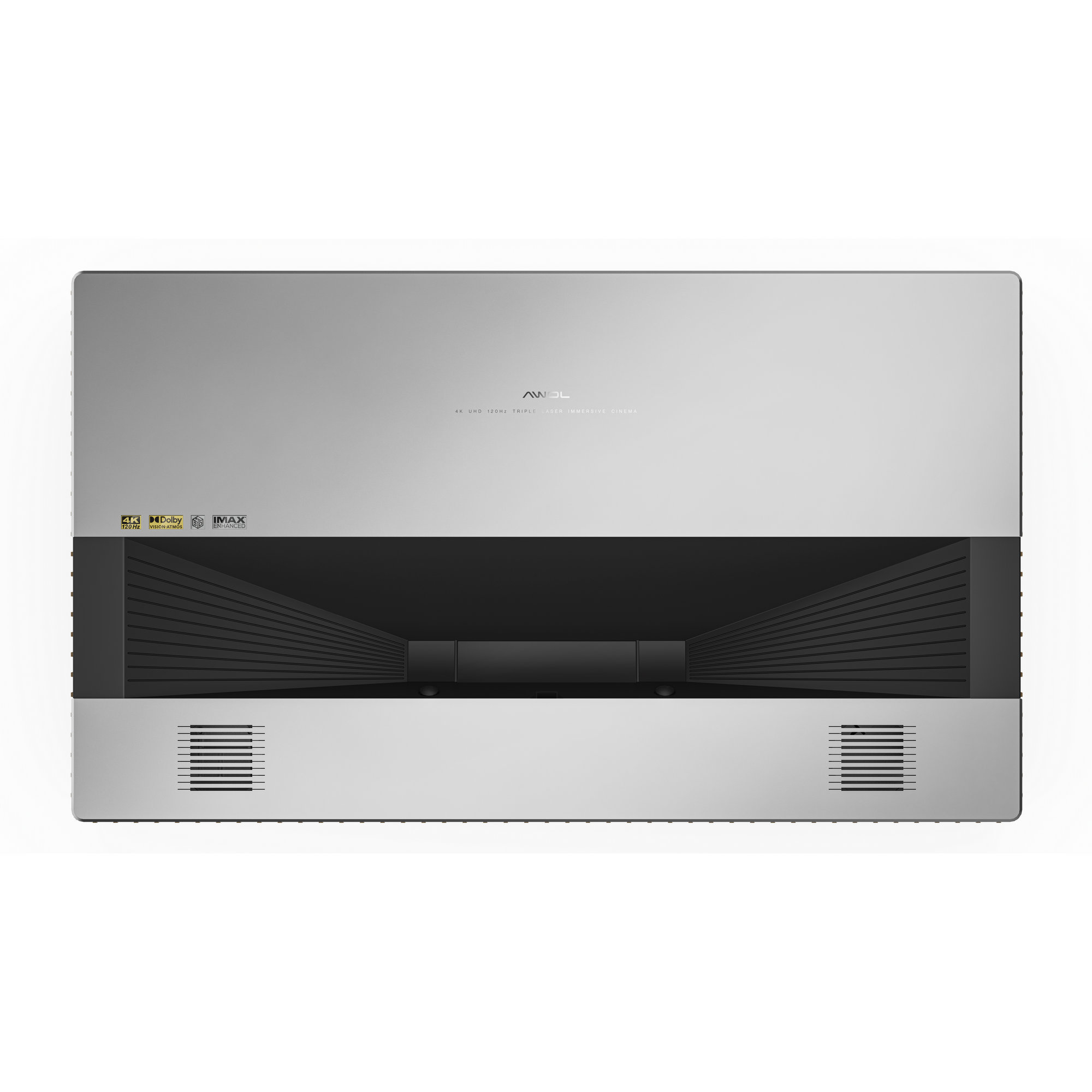
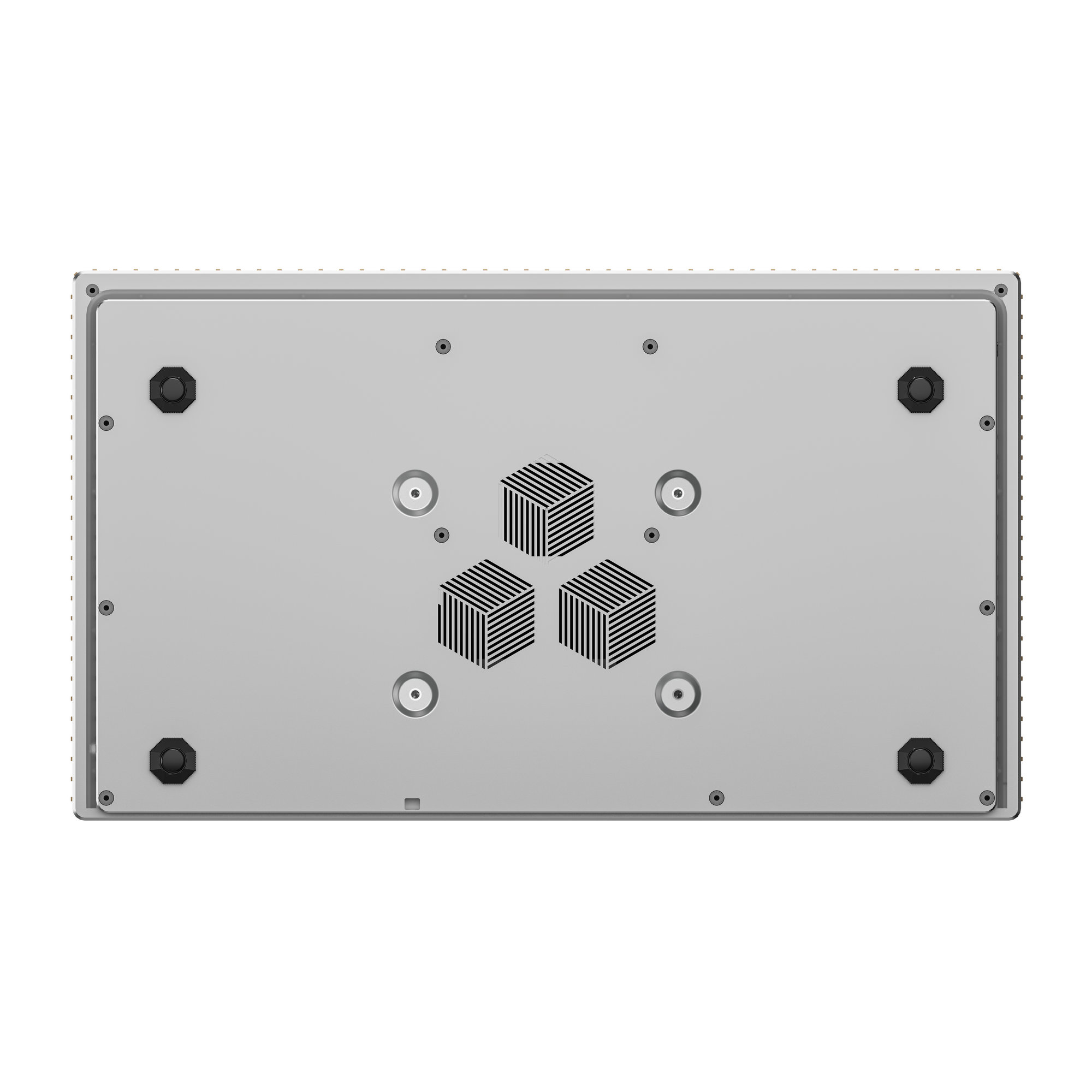
The AWOL LuxVision uses an RGB triple-laser light source and is rated to cover 110% of the Rec. 2020 color space, the wide color standard used for modern HDR video. It supports HDR10, HLG, HDR10+, Dolby Vision, IMAX Enhanced, Filmmaker Mode, Dynamic Tone Mapping, 24fps and 48fps playback, and 3D.
AWOL also lists a native contrast ratio of 10,000:1 with its iris and a 100,000:1 dynamic contrast figure using its EBL, or Enhanced Black Level, processing. A seven-level dynamic iris adjusts the amount of light reaching the screen to improve dark scenes and contrast. Those numbers sound promising, but contrast claims can vary considerably depending on how they’re measured, so this is another area where the specification sheet is a starting point rather than a verdict.
Optical Lens Shift Could Make Setup Less Fussy
Ultra-short-throw projectors solve one placement problem by sitting close to the wall, but they create another: tiny position changes can turn a rectangular image into something that looks like it’s trying to escape the screen. The AWOL LuxVision’s 0.18:1 throw ratio delivers a 120″ image from about 7.5″ away, and its one-touch vertical optical lens shift lets you move the projected image up or down without digitally reshaping it.
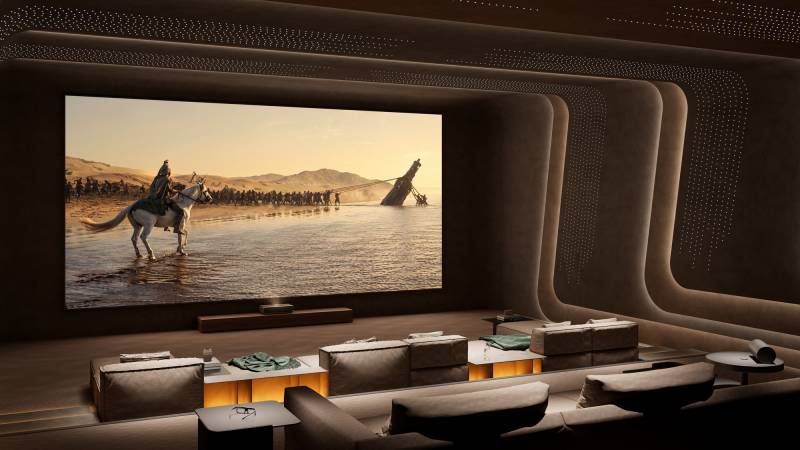
That matters because digital keystone correction can sacrifice image resolution. Optical lens shift moves the image through the projector’s optics instead, preserving the full 4K picture. LuxVision also includes automatic focus, automatic keystone correction, obstacle avoidance, and automatic screen alignment for situations where you do want the projector to handle more of the setup.
The lens system includes a motorized cover and what AWOL calls a zero-light-leakage lens. The company is also introducing PixelLock technology, intended to maintain sharpness from the center of the image to the edges. Edge clarity can be a challenge for ultra-short-throw optics because the projector throws an enormous image from an unusually steep angle, and the issue becomes more obvious as you move toward 150″ or 200″.
AWOL Tries to Tame the Rainbow Effect
LuxVision also gets AWOL’s second-generation Anti-RBE II technology. RBE stands for rainbow effect, the brief flashes of red, green, and blue that some people notice with certain projection systems, particularly in bright, high-contrast scenes. Not everyone sees it, but those who do generally don’t need convincing that it’s distracting.
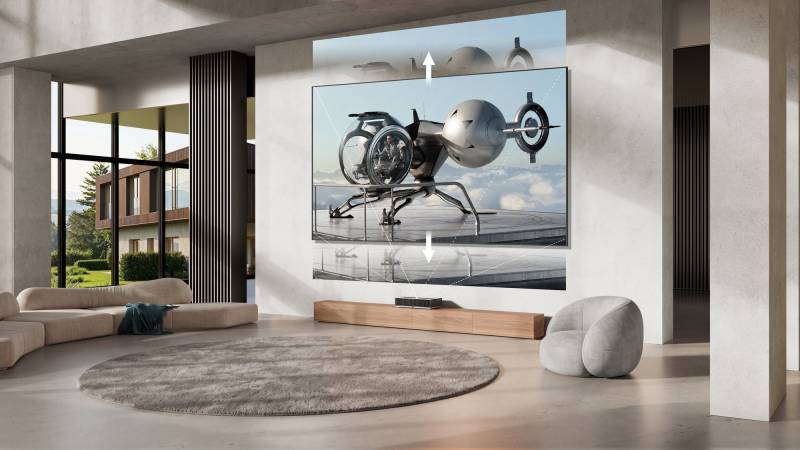
Anti-RBE II combines 4K 120Hz operation with processing designed to reduce visible rainbow artifacts across both 2D and 3D content. It also pairs with TÜV Harmful Light Reduction. The claim is straightforward enough, but rainbow sensitivity varies from person to person, so this is a feature worth seeing in person before making a costly projector purchase if you already know you’re susceptible to the effect.
Google TV, Smart Home Control, and Built-In Audio
The AWOL LuxVision runs Google TV OS 16 and includes 8GB of RAM and 128GB of storage on an MT9655 platform. Wireless casting support includes AirPlay 2, Chromecast, and Miracast, so it shouldn’t require a separate streaming box for most everyday viewing.
AWOL LuxVision’s smart home integration covers Google Home, Apple HomeKit, Alexa, Control4, and AWOL Vision IP control. AWOL also lists several AI-assisted picture and audio features, including super resolution, scene adjustment, dark-detail processing, and movie dialogue enhancement. As usual with AI-labeled features, their value comes down to whether they improve the picture without making it look processed.
The projector’s audio system supports Dolby Atmos, DTS Virtual:X, Dolby Atmos, and DTS:X, with an optional subwoofer. A serious 200″ home theater will probably still deserve a dedicated sound system, but built-in audio can make a projector far easier to use in a living room where running speakers and cables isn’t part of the plan.
A Projector That Doesn’t Want to Look Like a Projector
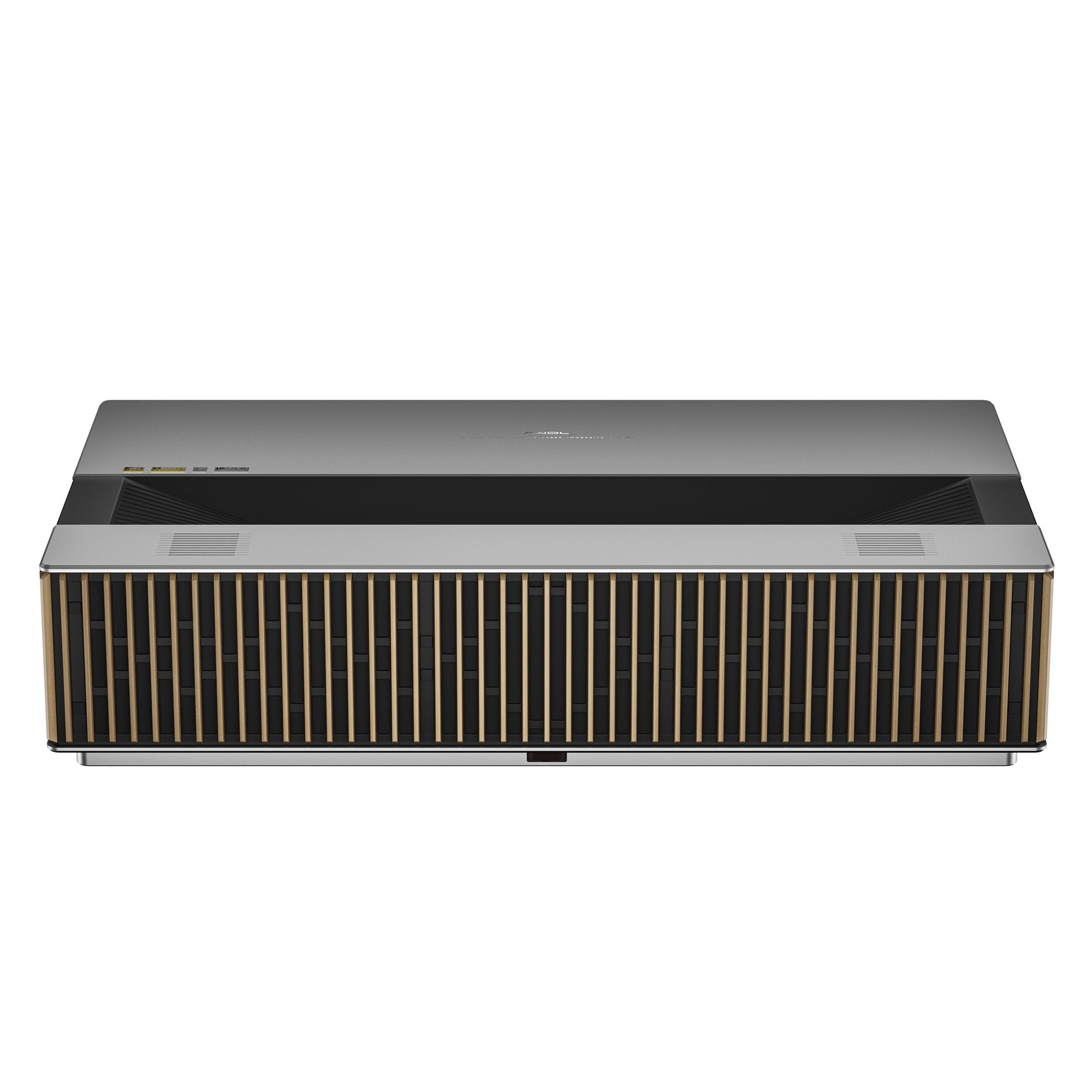
The AWOL LuxVision design draws inspiration from the Parthenon, with a front grille that echoes a row of architectural columns. That’s a loftier reference point than the usual anonymous black box, but it makes some sense for an ultra-short-throw projector that will live permanently on furniture at the front of the room.
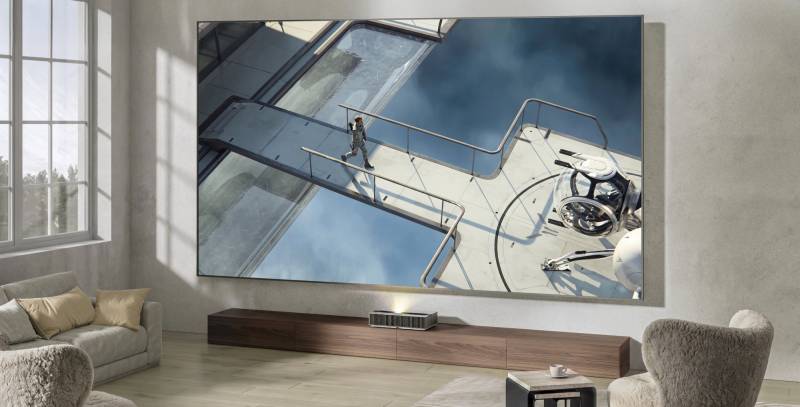
The company plans customizable color, material, and finish options, with examples including metallic finishes, stone-like surfaces, carbon fiber, wood, and other decorative treatments. If those choices make it to retail, the AWOL LuxVision could integrate more easily into rooms where the projector has to coexist with furniture rather than hide in a dark theater.
AWOL LuxVision is expected to arrive around October 2026. Pricing hasn’t been announced, so it’s too early to judge its value against other premium ultra-short-throw projectors. On paper, though, the combination of 4K 120Hz, strong gaming features, high claimed brightness, optical lens shift, an 80″ to 200″ image range, and unusually broad connectivity gives it an interesting specification sheet.