


Lexar is using IFA 2026 to introduce the Muse Ultra-Slim Portable SSD, a card-like external drive that the company says is the world’s thinnest portable SSD. It is designed for mobile creators who want fast storage without turning an iPhone or iPad setup into a mess of cables and bulky accessories.
The launch also comes as Lexar celebrates its 30th anniversary in 2026. The company is using IFA to show how its storage business is expanding beyond familiar consumer memory products into mobile creator tools, local AI storage, commercial PCs, and automotive applications.
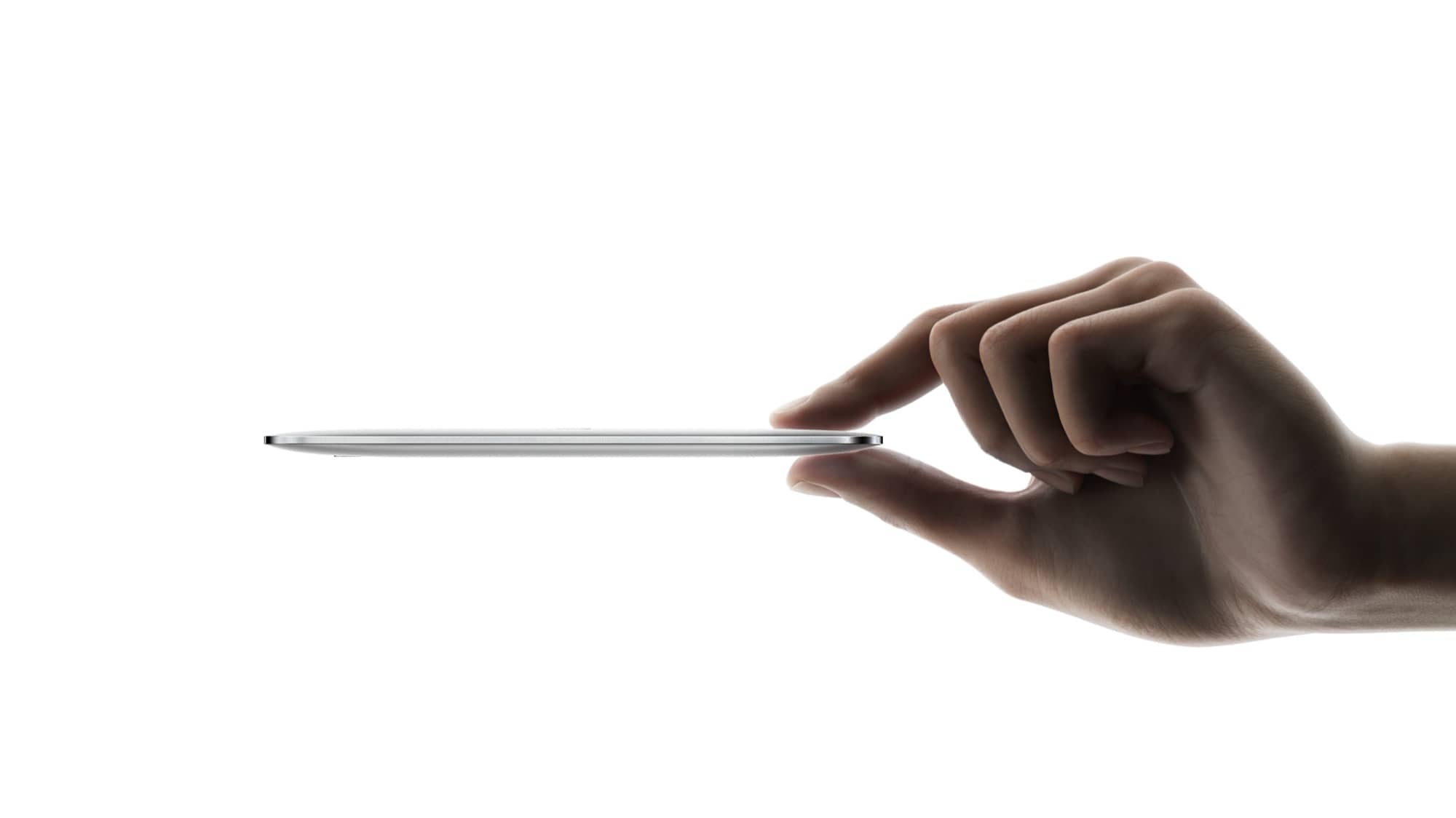
Lexar Muse Is Built for Mobile Creators
Portable SSDs are not exactly difficult to find, but most of them still feel like an extra thing you have to carry. They are usually small enough to toss in a bag, but once you connect one to a phone for video recording or file transfers, you are dealing with a dangling cable and a drive that needs to be tucked somewhere out of the way.
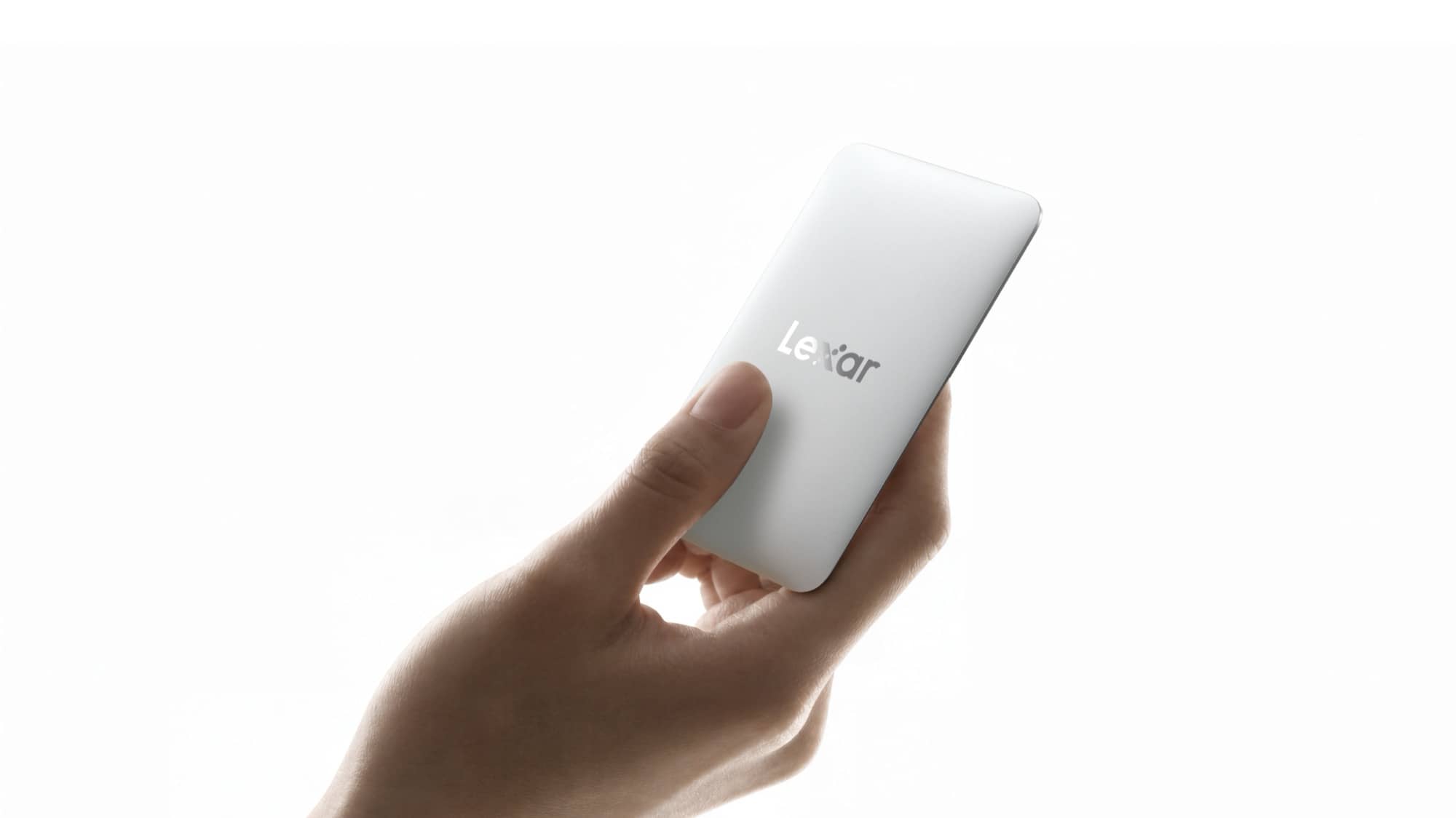
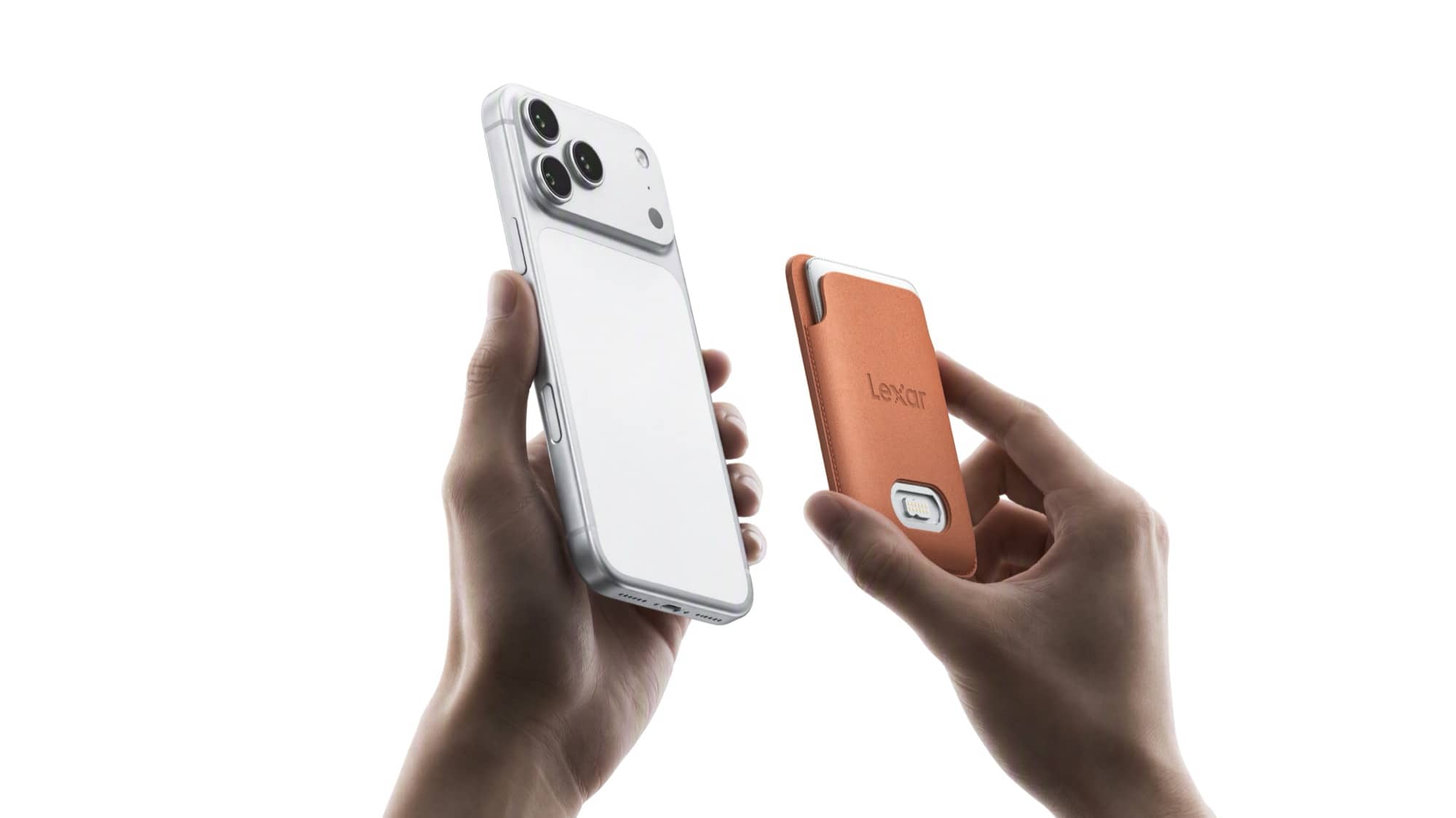
The new Lexar Muse Ultra-Slim Portable SSD takes a different approach. It has a thin, card-like body, a magnetic carry sleeve, and what Lexar calls its proprietary PogoPin magnetic data connection. The idea is to make external storage feel more integrated with a mobile setup, particularly for people shooting video with an iPhone.
Lexar says the Muse name was chosen to reflect the drive’s intended role as a tool for creativity. Marketing flourishes aside, the design does address a very real problem: external storage is considerably more useful on a phone when it does not turn that phone into a dangling collection of adapters and cables.
The Lexar Muse drive works with the included SnapLink Magnetic Cable, which connects using a spring-loaded-pin interface. Lexar also uses N52-grade neodymium magnets in both the data connection and mounting sleeve to help the drive align properly and remain securely attached.
The sleeve holds the SSD and can secure it to the back of compatible MagSafe iPhones, keeping the drive close to the phone rather than hanging from a cable.
That could be especially useful for handheld filming, travel, on-the-go editing, and quick backup jobs where you do not want a larger SSD flopping around on the back of your phone.
The Lexar Muse is Very Thin, but Still Fast
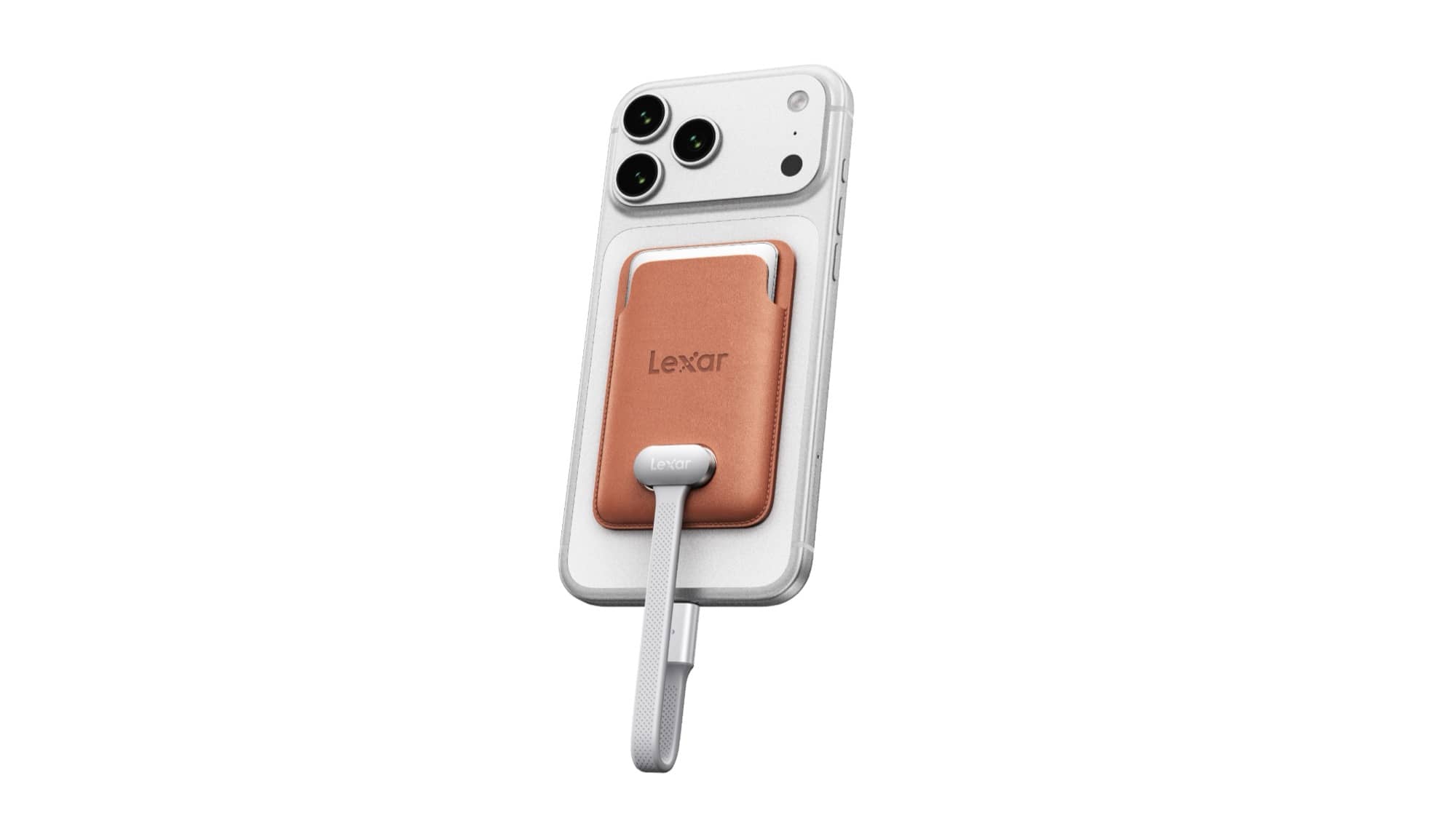
The Lexar Muse is not just small by portable SSD standards. Lexar says it measures about 3.8 mm at its thickest point and tapers down to only 1 mm along its edge. To put that into perspective, it is closer in concept to a metal card than the chunky little SSD bricks most of us are used to carrying.
Lexar says the enclosure is precision-machined from a single piece of metal, giving it a rigid unibody construction with fewer seams, joins, and visual interruptions. Inside, the company uses a custom ultra-thin PCB architecture, high-density NAND stacking, and an integrated internal structure designed to make the most of the very limited space available.
Despite its size, the Lexar Muse SSD is rated for read speeds of up to 1,050 MB/s and write speeds of up to 1,000 MB/s. Those aren’t the headline-grabbing speeds of a Thunderbolt drive or a high-end internal PCIe Gen5 SSD, but they should be plenty fast for the kind of work this drive is intended for.
For creators, that could mean moving clips from an iPhone to a Mac faster, keeping a travel project library on hand, backing up footage after a shoot, editing on the go, or freeing up device storage without relying solely on cloud uploads.
The Lexar Muse will be offered in 512GB and 1TB capacities, with availability planned for the fourth quarter of 2026. Lexar has not announced pricing yet, and regional availability may vary.
ProRes Recording Support Matters
One of the more useful features is support for direct external recording of Apple ProRes 4K video at up to 120 frames per second on compatible iPhone models. As anyone who has recorded ProRes footage on an iPhone knows, those files can consume storage very quickly.
An external SSD lets you record high-quality footage without filling the phone’s internal storage right away. The trick is finding a setup that is dependable enough for recording while still being manageable to hold and use.
That is where the Lexar Muse’s magnetic mounting system could make a real difference. A drive attached neatly to the phone is easier to work with than one hanging off the side or taped to a camera cage.
The Muse requires a USB-C-equipped iPhone from the iPhone 15 series or later. MagSafe attachment and direct external ProRes recording compatibility vary by iPhone model and case, while supported recording formats, resolutions, and frame rates depend on the particular device and settings being used.
Lexar says the Muse will also work with iPads, Macs, and other USB-C devices, so its usefulness is not limited to iPhone video recording.
Lexar Is Also Thinking About Local AI Storage
While the Lexar Muse is the consumer-friendly headliner, Lexar is also using IFA to show the latest development of what it calls its AI Storage Core.
The company is demonstrating an AI-grade Gen5 SSD and an AI-grade Gen5 Storage Stick, both intended for compact, AI-capable devices that need to store increasingly large models locally while providing fast enough access to switch between models and handle AI workloads without constantly relying on cloud infrastructure.
Lexar says the technologies can provide bandwidth of up to 11 GB/s.
Underneath those concepts is a combination of hardware and software that gets considerably more interesting than the usual “AI-ready” label slapped onto a storage product.
The architecture centers on Longsys’ self-developed Gen5 controller, called the SPU, or Storage Processing Unit. Lexar says the controller is manufactured using a 5 nm process and uses a DRAM-less architecture.
It is paired with what Lexar calls Luma Bridge technologies, which use workload scheduling, predictive prefetching, and cache management to improve how storage interacts with large AI models.
Lexar specifically points to Mixture-of-Experts models, expanding KV caches, and storage I/O latency as problems the system is designed to address. The company claims the approach can reduce DRAM capacity requirements by approximately 40 percent while maintaining the performance needed for local AI workloads.
That is a considerably different proposition from simply making a faster SSD. As PCs and other devices begin running larger models locally, storage performance, memory requirements, power use, and thermal limits all become part of the same puzzle.
For now, however, Lexar is presenting these as next-generation technologies rather than something most consumers will be putting into their shopping carts immediately.
Lexar Is Expanding Into Commercial PCs and Electric Vehicles
Lexar is also using IFA to highlight storage products intended for OEMs, commercial PCs, and more specialized applications.
For system builders and business customers, the company is showcasing PCIe Gen3 and Gen4 client SSDs spanning different performance, capacity, and cost requirements. That part of the announcement is less flashy than an SSD thin enough to ride on the back of an iPhone, but it reflects Lexar’s effort to expand further into commercial and device-partner markets.
The automotive side is more interesting from a consumer perspective.
Modern electric vehicles increasingly rely on built-in dashcams, multi-camera recording, and Sentry Mode-style security features. Those systems may write video continuously, which can be considerably harder on flash memory than storing an occasional document or photo.
Lexar’s Dashcam USB Flash Drive Series is specifically designed for those workloads. The company says the drives use high-endurance firmware and are engineered for continuous loop recording, broad EV compatibility, demanding operating temperatures, and the limited physical space available inside a vehicle.
They also use a compact, low-profile form factor, which should help prevent a drive sticking awkwardly out of a vehicle’s USB port.
For drivers who regularly depend on their vehicles to record dashcam or security footage, a storage device designed around sustained recording makes more sense than treating whatever USB flash drive happens to be sitting in a desk drawer as permanent automotive storage.
Availability
The Lexar Muse Ultra-Slim Portable SSD is scheduled to launch in 512GB and 1TB capacities in Q4 2026. Pricing has not yet been announced, and regional availability, specifications, and compatibility may vary by market.
Of everything Lexar is showing at IFA, the Muse will likely attract the most immediate attention. The speeds are solid rather than extraordinary, but speed is not really the clever part of this product. Its appeal is the attempt to make external storage less intrusive when shooting video or working directly from a phone.
If Lexar’s magnetic connection proves secure and dependable in real-world use, the Muse could be a much neater solution for iPhone creators who need more storage without turning their carefully streamlined mobile rig into a tiny cable-management project.