


Motorola has offered an early look at the motorola signature 27, its next flagship smartphone and the first model to showcase the company’s new multi-year audio partnership with Bang & Olufsen. Due in 2026, the phone pairs Qualcomm’s new Snapdragon 8 Elite Extreme Gen 6 platform with a 50-megapixel Sony LYTIA 910 main camera, a 200-megapixel periscope telephoto camera, Google Gemini features, and a redesigned cooling system. Motorola is still holding back some details, including pricing and the full spec sheet, but this preview makes the company’s priorities clear: performance, cameras, design, longevity, and better speakers.
A New Name for Motorola’s Flagship
The motorola signature 27 is the second generation of the company’s signature family, but it also introduces a new naming system. Going forward, Motorola plans to use the final two digits of the coming year in the model name. That makes “27” less mysterious than it first appears, though it does mean shoppers may need a moment to remember whether they’re buying for the current calendar year or the next.
Inside, the phone runs on Qualcomm’s Snapdragon 8 Elite Extreme Gen 6 Mobile Platform, with Motorola positioning the chip around faster on-device artificial intelligence, improved camera processing, gaming performance, and download speeds. The connectivity package also includes a six-antenna system. The company hasn’t yet published the full radio, memory, storage, display, battery, or charging specs, so there’s still a lot to learn before anyone can judge the whole package.
Cooling Hardware Is Doing More of the Work
High-end phone processors can be impressively fast for short bursts, but sustained performance depends heavily on heat management. Motorola’s answer is a new ArcticMesh cooling system that combines diamond-infused thermal gel, liquid metal, copper mesh, and a redesigned 3D vapor chamber. A vapor chamber spreads heat across a larger internal surface so the processor is less likely to slow itself down during prolonged gaming, video recording, or AI workloads.
Motorola says the new vapor chamber is 40% larger than the previous generation’s. That sounds promising on paper, though cooling systems are one of those things that need real-world testing before the percentages mean much. A phone can have elaborate thermal hardware and still become uncomfortable in your hand, so this is a specification worth revisiting once review units exist.
The software commitment is more concrete. The motorola signature 27 will ship with Android 17, and Motorola lists seven operating system upgrades along with up to seven years of security updates from the global launch date. The exact support period can vary by market, carrier, and model, but a longer update window matters if you’re spending flagship money and intend to keep the phone well beyond the usual two- or three-year upgrade cycle.
Gemini Is Built into the Pitch
Google Gemini is part of Motorola’s software story, with the phone intended to handle more AI tasks directly on the device and to work with Google’s cloud-based services. Motorola highlights Gemini Omni for turning prompts, photos, or existing footage into edited video, along with Lyria for generating original music and soundtracks.
Those features could be useful if you regularly create social clips, travel videos, or quick project material without opening a laptop, but they’ll depend on availability in your country and language, and some functions require an internet connection. Google also recommends checking Gemini’s responses for accuracy, a caveat that remains worth keeping in mind no matter how polished the interface becomes.
The Cameras Aim Well Beyond Casual Snapshots
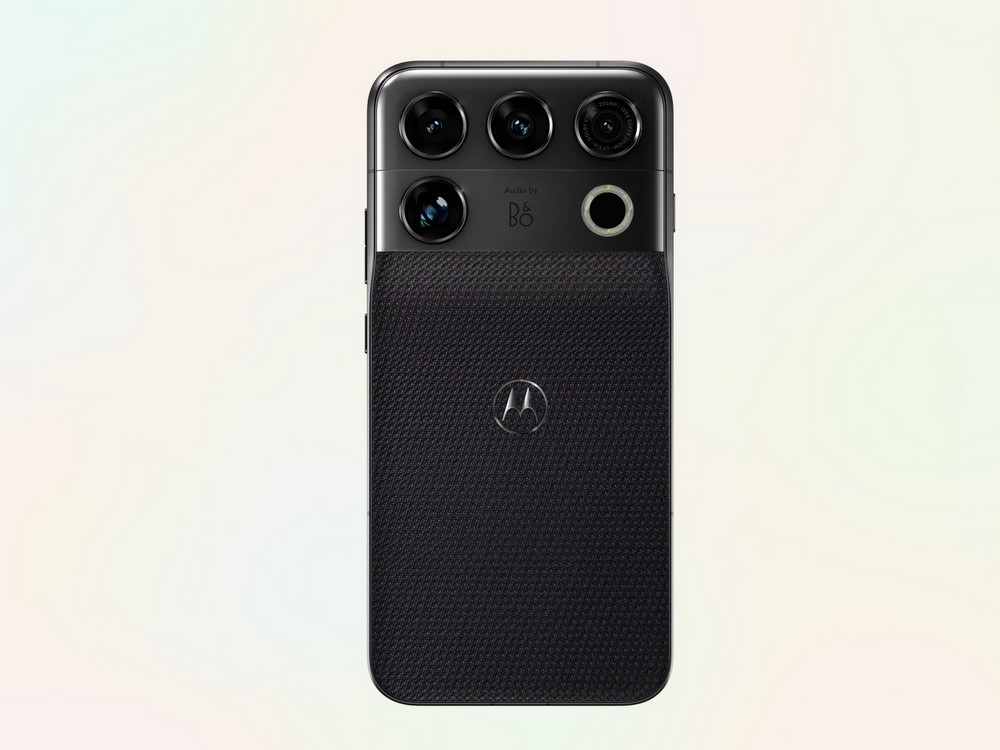
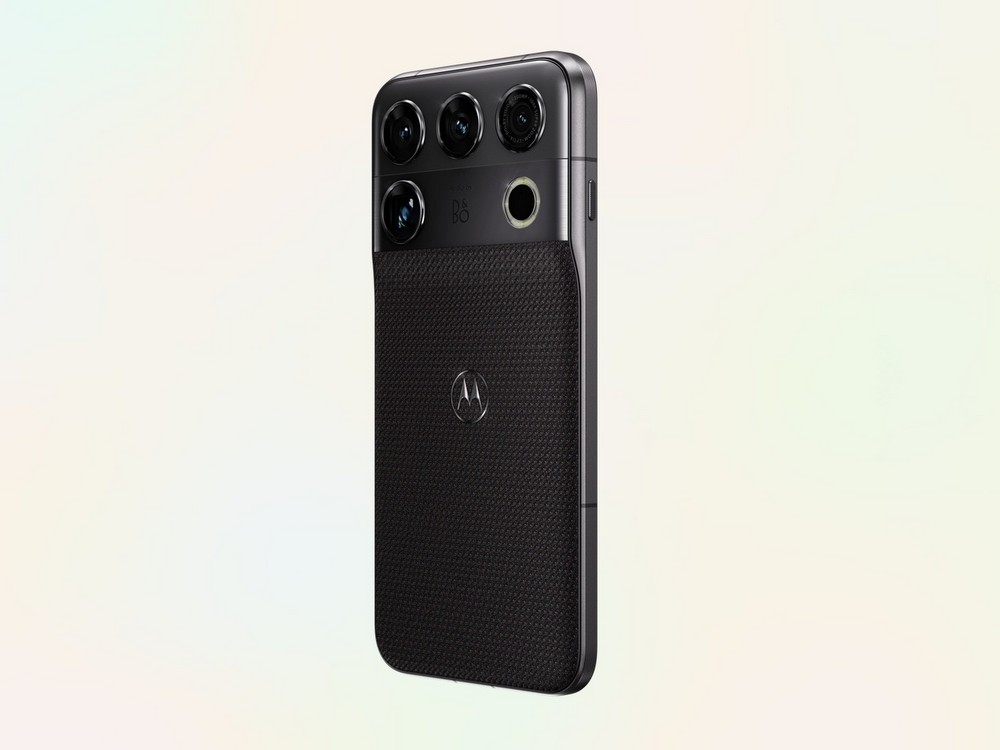
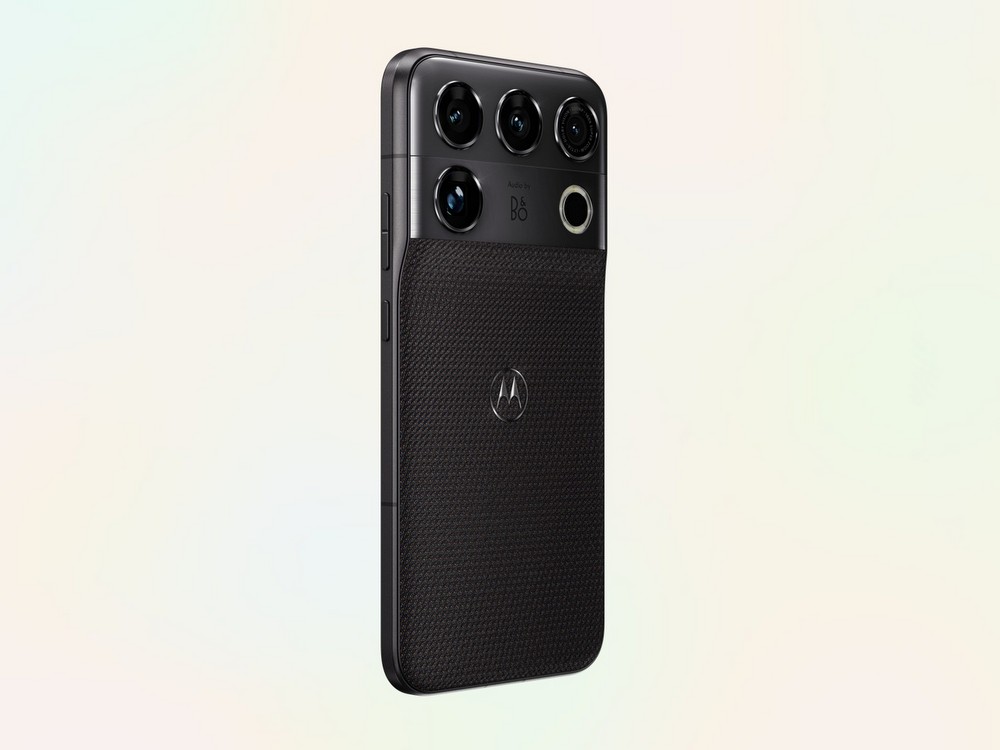
The camera hardware is where the motorola signature 27 starts to look especially ambitious. Motorola has confirmed a 50-megapixel Sony LYTIA 910 main sensor and a 200-megapixel periscope telephoto camera. A periscope design folds the lens path inside the phone, giving the camera room for longer-range optics without requiring a comically tall lens barrel on the back.
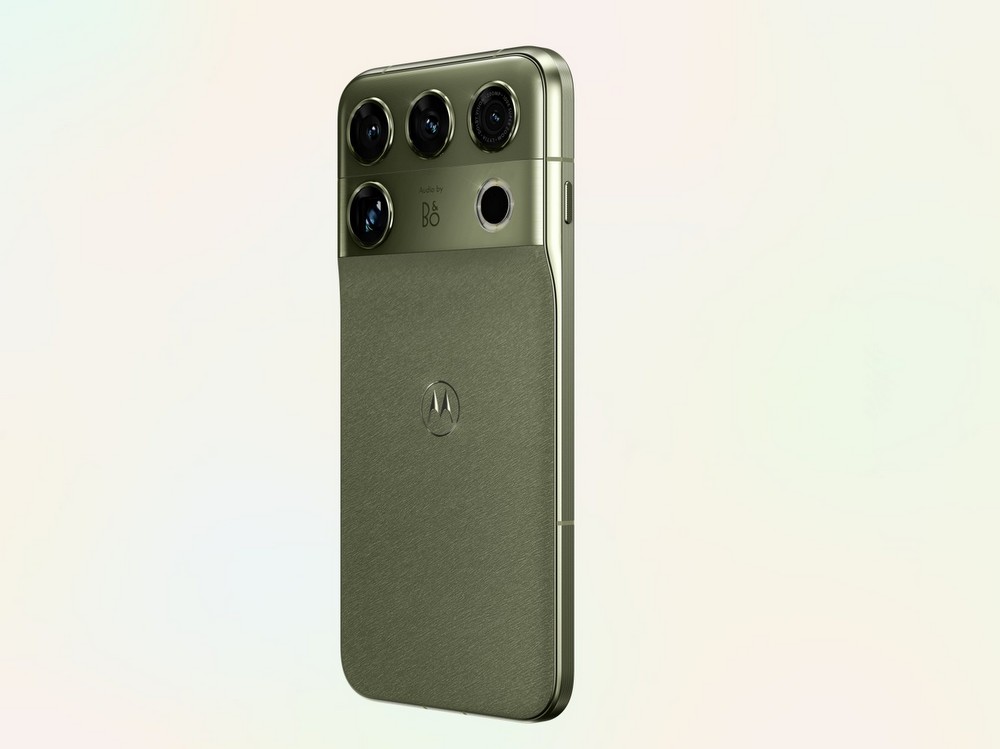
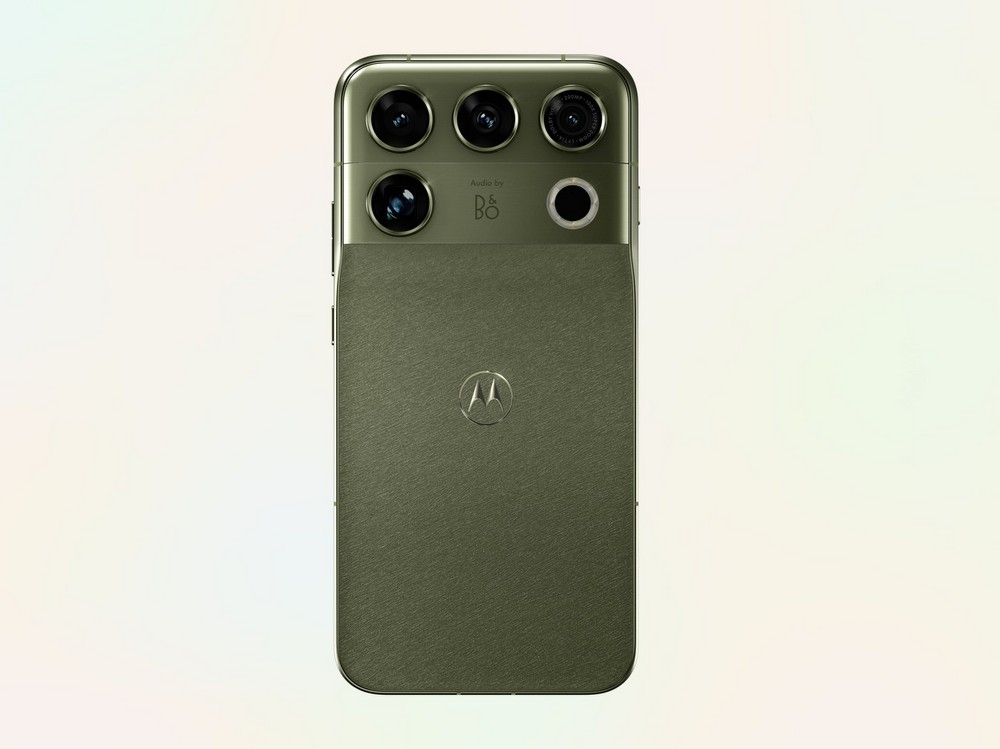
Motorola is also pairing 3.5° optical image stabilization, or OIS, with Qualcomm electronic image stabilization. Optical stabilization physically compensates for small movements, while electronic stabilization uses processing to smooth motion. The two systems are intended to help when you’re walking while recording, panning across a scene, or shooting handheld in lower light.
A separate Video Enhancement Engine will analyze scenes before and during recording to adjust color and other image characteristics in real time. That could help at concerts, sunsets, dim restaurants, or any other situation where lighting changes faster than you want to fiddle with camera settings. As always, the real test will be whether the processing preserves a natural-looking image instead of turning every scene into an aggressively corrected postcard.
Bang & Olufsen Moves into the Phone
The motorola signature 27 will also be the first Motorola smartphone to carry Audio by Bang & Olufsen branding. The two companies have entered a multi-year global partnership that goes beyond placing a familiar audio name on the back of a device. Bang & Olufsen’s acoustic engineers are expected to help tune selected Motorola flagship products, with the collaboration eventually extending into sound modes, audio technologies, new experiences, and a broader device ecosystem.
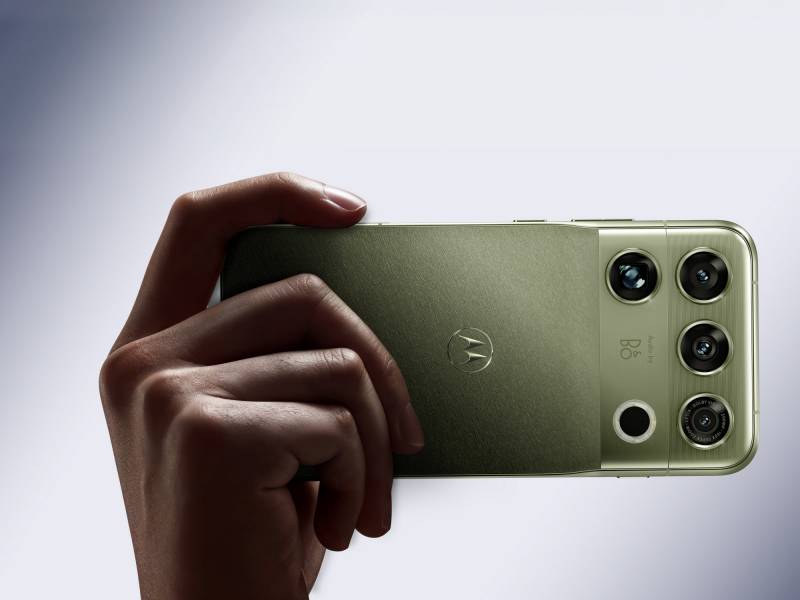
That’s more interesting than a simple licensing arrangement, but the badge alone can’t tell us how the phone sounds. Motorola hasn’t yet detailed the speaker configuration, audio hardware, or specific sound modes for the signature 27. For anyone who watches movies without headphones, plays podcasts while cooking, or relies on the phone speaker for calls around the house, those details may matter more than the branding.
Two Textured Finishes, with More Details to Come
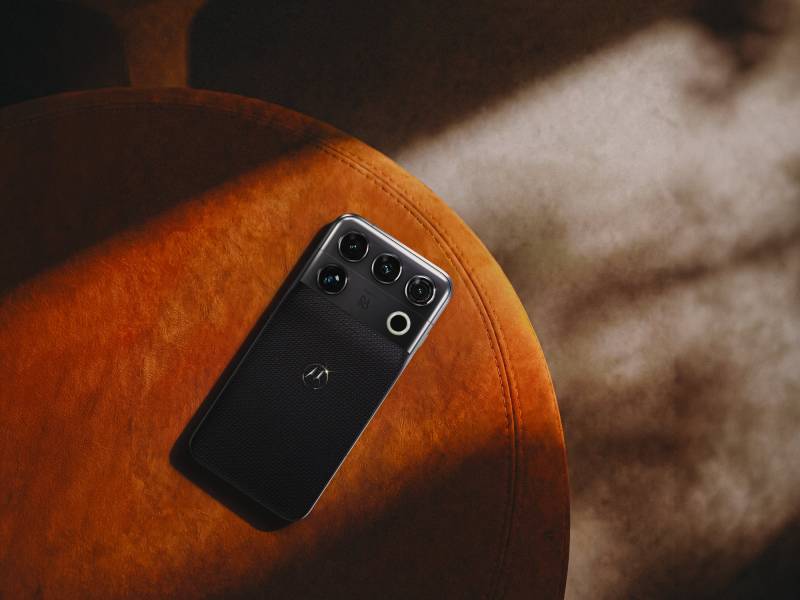
Motorola is giving the signature 27 an aluminum body with contoured edges, plus a camera housing that combines ceramic and brushed aluminum. It’ll come in PANTONE Coal Smoke with a Tactical Weave texture intended to improve grip, and PANTONE Capulet Green with a softer brushed, textile-inspired finish. The preview images suggest Motorola is leaning into tactile materials rather than another plain glass slab, and that’s a welcome direction if the surfaces hold up well to pockets, cases, and daily wear.
The motorola signature 27 is expected to reach markets worldwide in 2026, including Motorola’s North American smartphone portfolio, but the company hasn’t announced pricing or a firm release date. More specifications are promised in the coming months, so questions about the display, battery, charging, storage configurations, and the finer points of its Bang & Olufsen audio system remain open.