


The Lowdown
The Xiaomi 18 Pro is a compact flagship Android phone with a bright 6.4-inch display, a 6000mAh battery, fast charging, and an unusual touchscreen on the back. I love the battery life, comfortable size, and everyday performance, but I’m not convinced the rear display is useful for much beyond taking selfies. Face unlock doesn’t work in the dark, and there’s no built-in magnetic charging.
Overall
Pros
- Bright, vivid main display
- Comfortable size and solid build
- Excellent battery life
- Fast wired and wireless charging
- Rear display can be used as a camera viewfinder
- Great everyday performance
- Device-wide privacy display feature
Cons
- Rear display features feel gimmicky and limited
- Rear display glass smudges easily
- No built-in MagSafe-style magnets
- Face unlock doesn’t work in the dark
- Fingerprint sensor doesn’t work reliably for me
- No charging brick included
- Not available directly from US carriers and may not play well with every carrier
I’ve reviewed a lot of smartphones over the years, and it takes something a little different to get my attention these days. The Xiaomi 18 Pro has a few tricks up its sleeve, including a second touchscreen on the back and a Leica camera system with two 200MP cameras. But are those features actually useful, or are they just there to make the phone stand out from the crowd? I’ve been using the Xiaomi 18 Pro for a few days, so let’s take a closer look.
What Is It?
The Xiaomi 18 Pro is a flagship Android smartphone with a 6.4-inch display, a Snapdragon processor, a Leica camera system, and a 6000mAh battery. Its most unusual feature is a second touchscreen built into the camera area on the back of the phone.
It’s also the smaller of two Pro models. The Xiaomi 18 Pro Max has a larger 6.9-inch display and a bigger battery, but I’m reviewing the regular Pro model.
What’s in the Box?
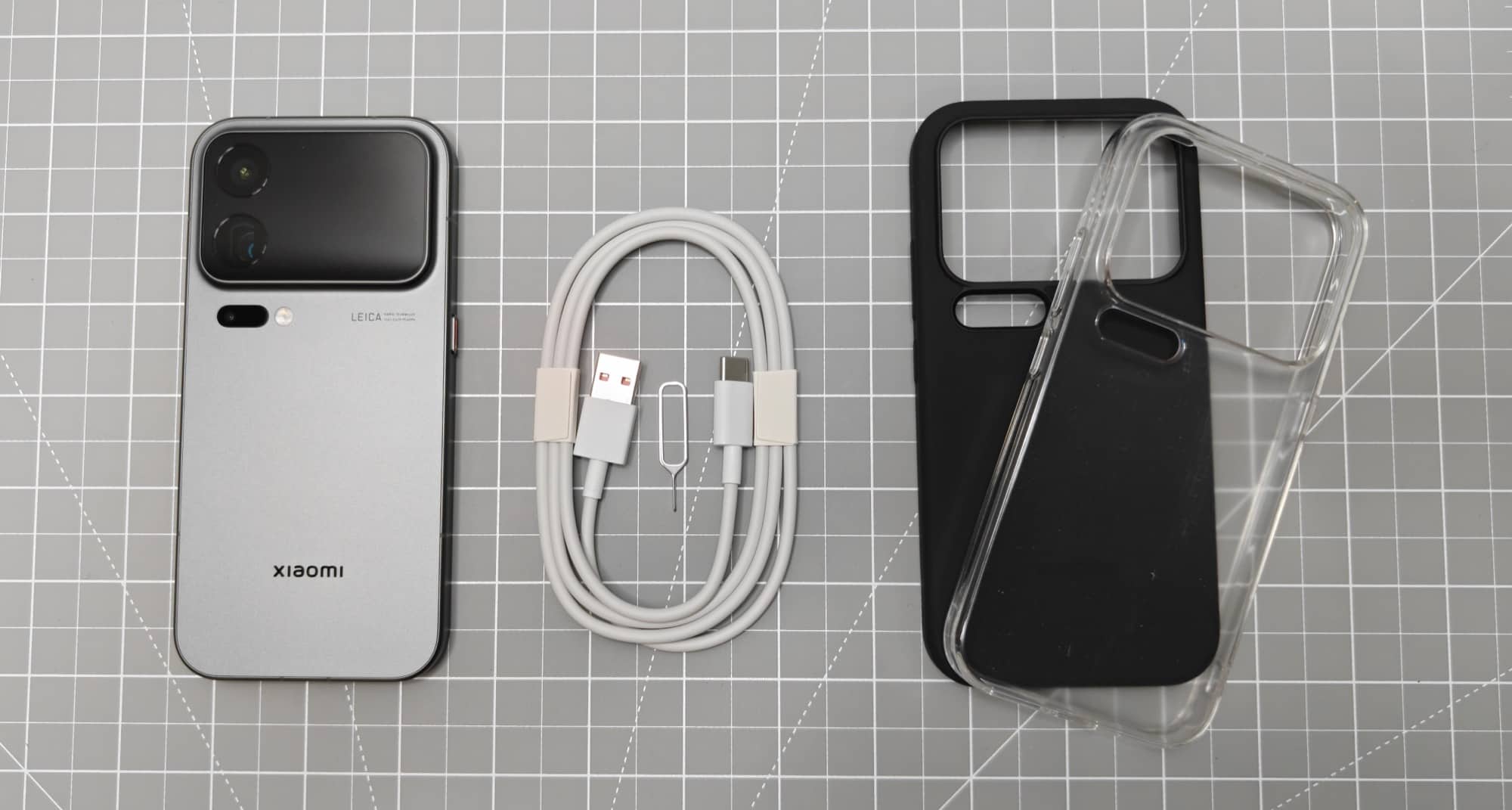
- Xiaomi 18 Pro smartphone
- USB-A to USB-C charging cable
- SIM Eject tool
- Clear protective case (the black cover is not included)
There’s no power adapter included, so you’ll need to supply your own if you want to take advantage of the phone’s fast wired charging. Xiaomi also sent me a separate case with MagSafe-style magnets for this review, but that case is the one that comes in the retail box. Only the clear cover is included
Tech Specs
- Operating system: Xiaomi HyperOS 4
- Processor: Snapdragon® 8 Elite Gen 6
- RAM & Storage: 12GB + 256GB | 12GB + 512GB RAM: LPDDR5X Storage: UFS 4.1
- Network: Dual SIM (nano SIM + nano SIM or nano SIM + eSIM, eSIM + eSIM)
- Front glass: Xiaomi Shield Glass 3.0
- Rear display glass: Corning Gorilla Glass Victus 2
- Main display: 6.4-inch display with 1-120Hz adaptive refresh rate
- Rear display: 2.7-inch Touch-enabled AMOLED display with always-on functionality
- Processor: Snapdragon Dual 8 Elites
- Rear cameras: 200MP main camera, 200MP periscope telephoto camera, 50MP ultrawide camera
- Front camera: 50MP autofocus
- Battery: 6000mAh silicon-carbon battery, Wired charging: Up to 90W, Wireless charging: Up to 50W
- Fingerprint sensor: Ultrasonic in-display
- Face unlock: Supported
-
Dust & Water Resistance: IP68
- Height: 151.8mm
- Width: 72mm
- Thickness: 8.46mm
- Weight: 198g
Design and Features
It Looks Familiar, Until You Turn It Over
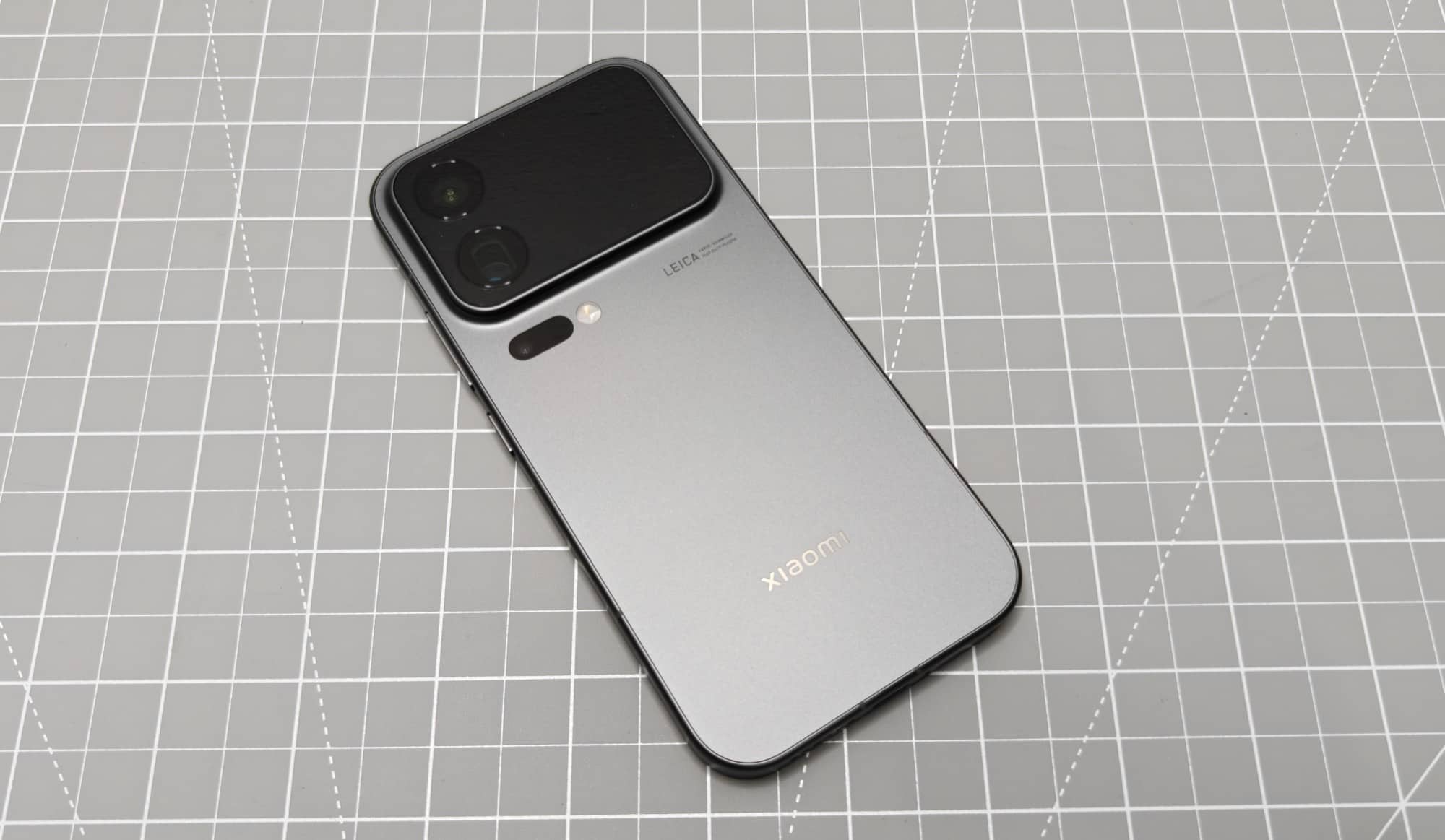
At first glance, the Xiaomi 18 Pro looks a lot like an iPhone 17 series or newer model phone. The flat aluminum side rails, USB-C port, speaker holes along the bottom, and even the camera bump look familiar to me since I’m an iPhone 16 Pro Max user. If you only glanced at the Xiaomi 18 Pro, you might mistake it for an iPhone 17 Pro.
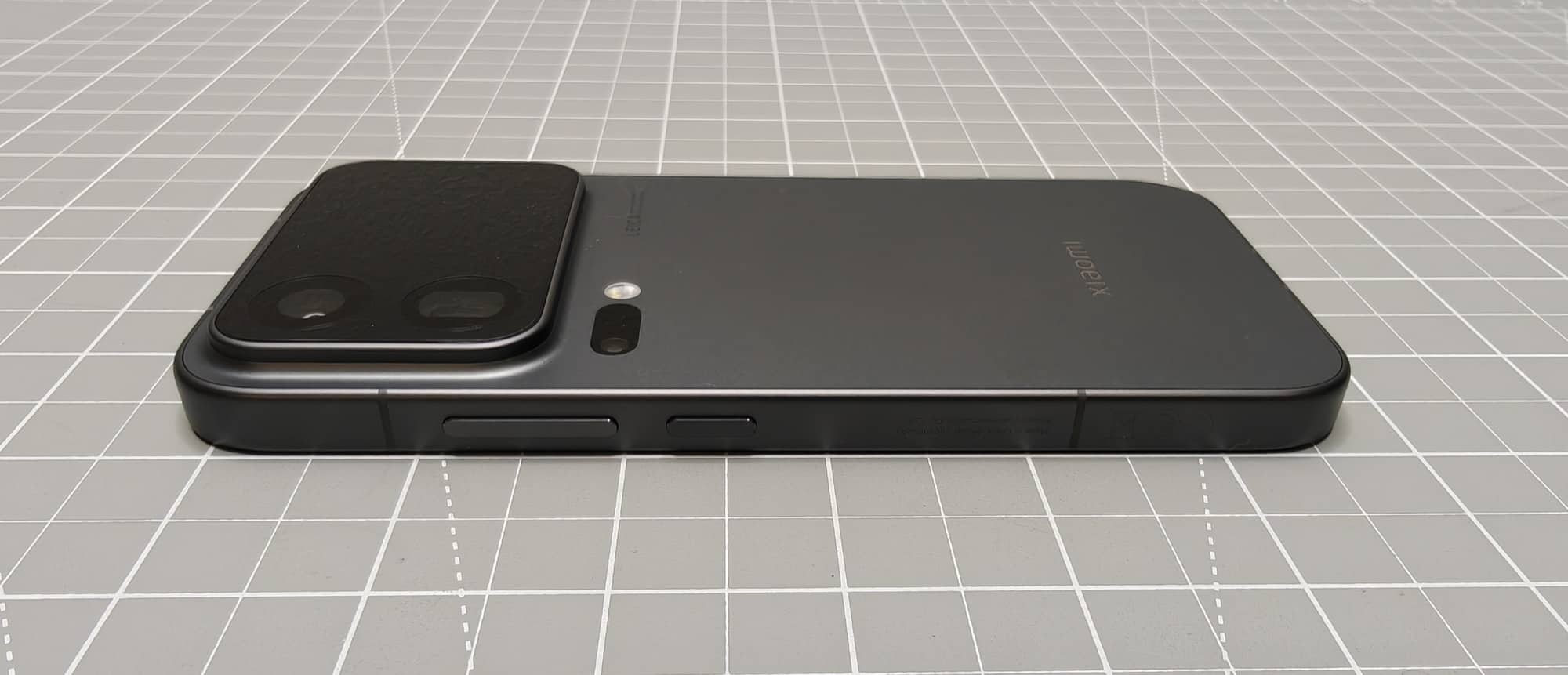
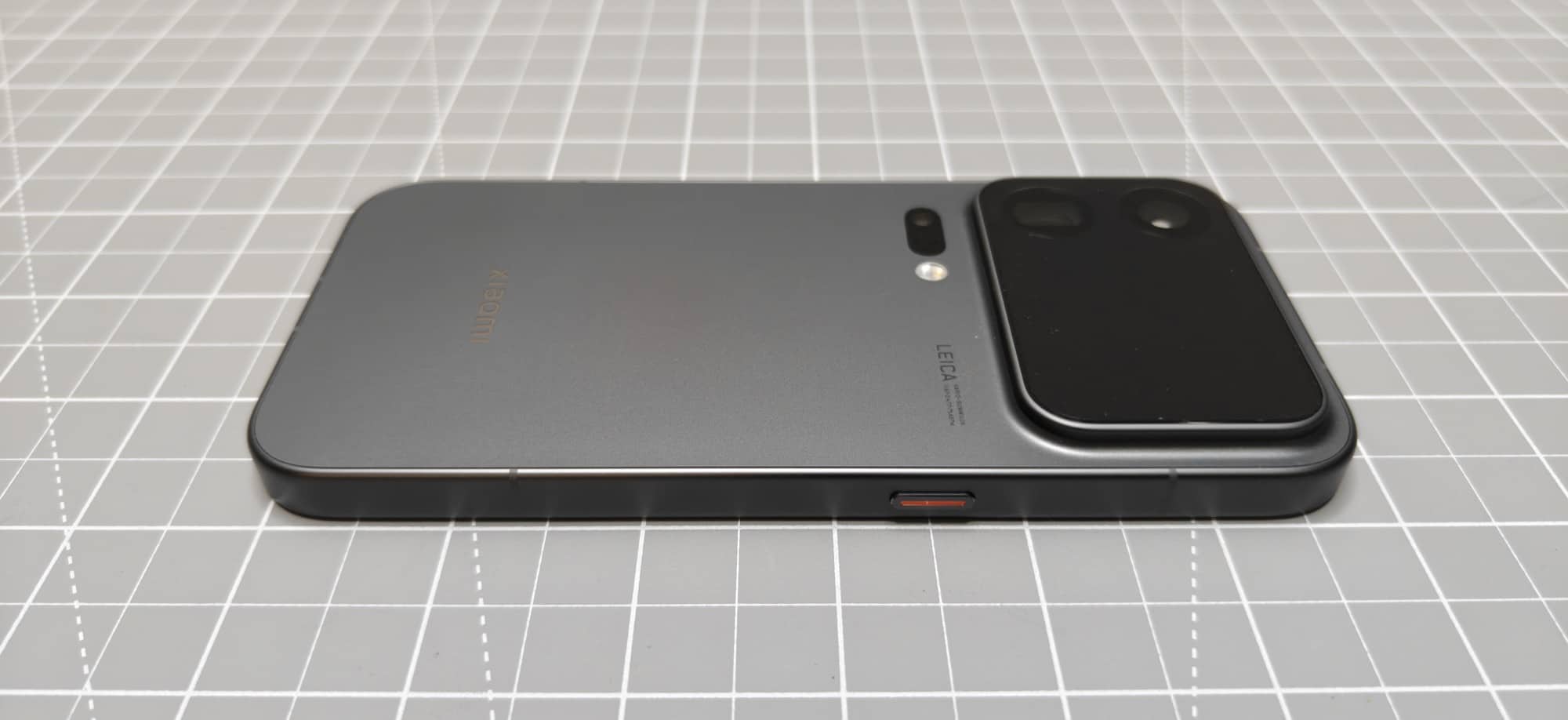
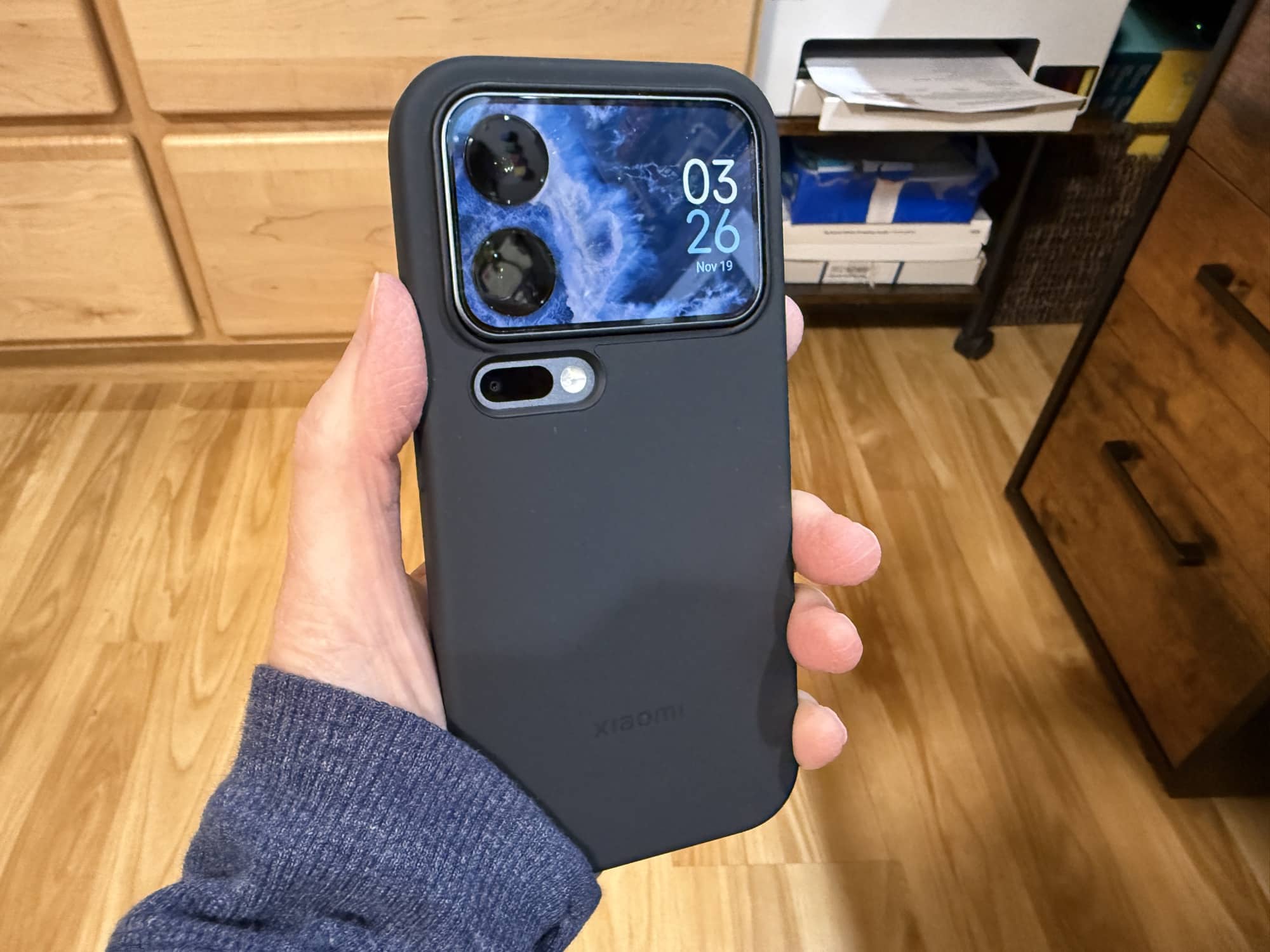
But turn the Xiaomi 18 Pro over, and you’ll immediately notice something different. There’s a touchscreen built into the large camera bump on the back of the phone. And no, it’s not just a decorative screen that shows a fancy clock.
Before we get into that, let’s talk about the phone’s build quality. The Xiaomi 18 Pro feels solid and is comfortable to hold, especially compared to my larger iPhone 16 Pro Max. I also appreciate that it doesn’t wobble when I put it flat and face up on a table.
The back panel is interesting because it feels and even sounds like plastic when I tap on it, but it’s actually made of Xiaomi Shield Glass 3.0. The aluminum side rails feel sturdy, though, and when I perform my self-patented squeeze and shake test, there’s no flexing, creaking, or cracking. However, I do hear something rattling inside when I shake the phone, and it’s not the buttons.
That Second Display on the Back of the Xiaomi 18 Pro
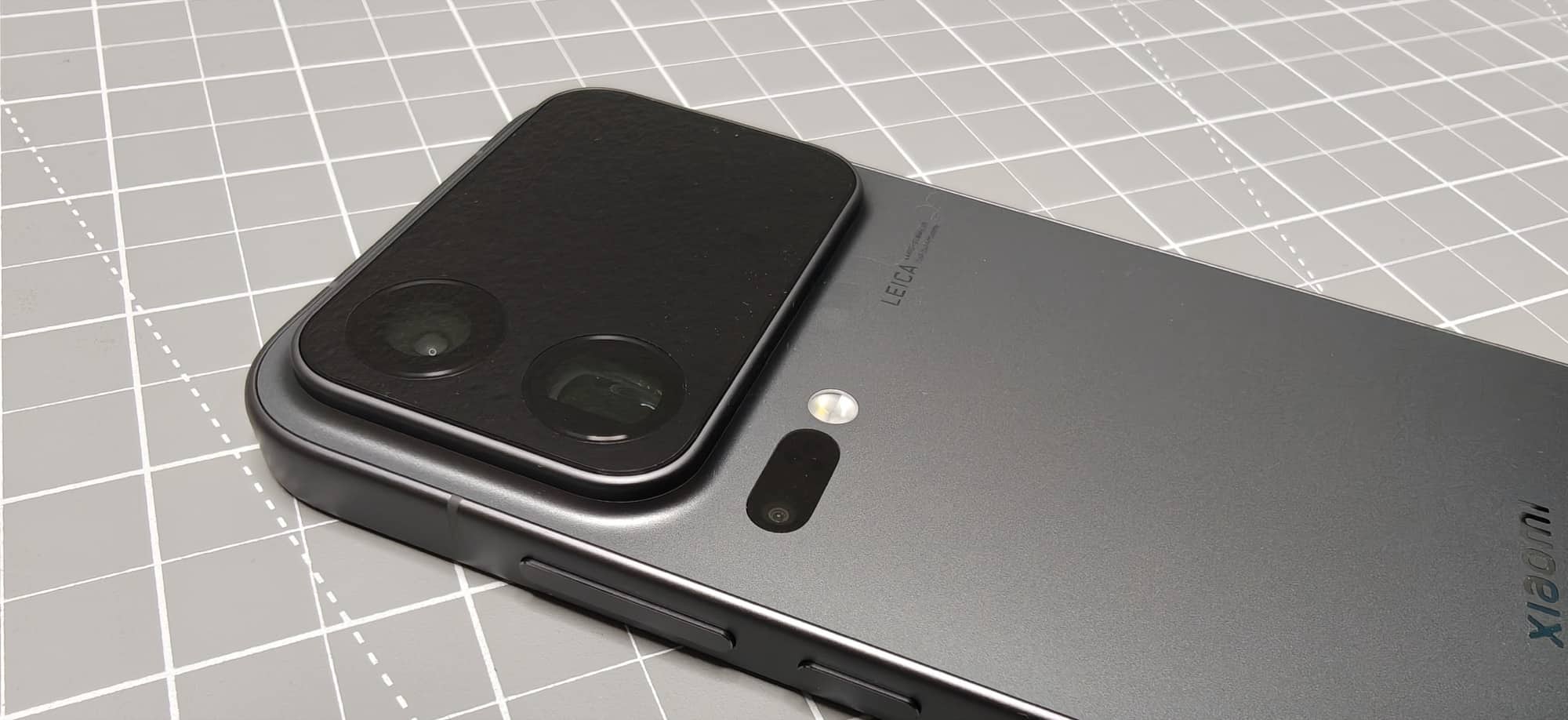
The rear display is easily the Xiaomi 18 Pro’s most attention-grabbing feature. You can set it up as an always-on clock with different styles, but it’s also touch-enabled and can do more than tell you the time.
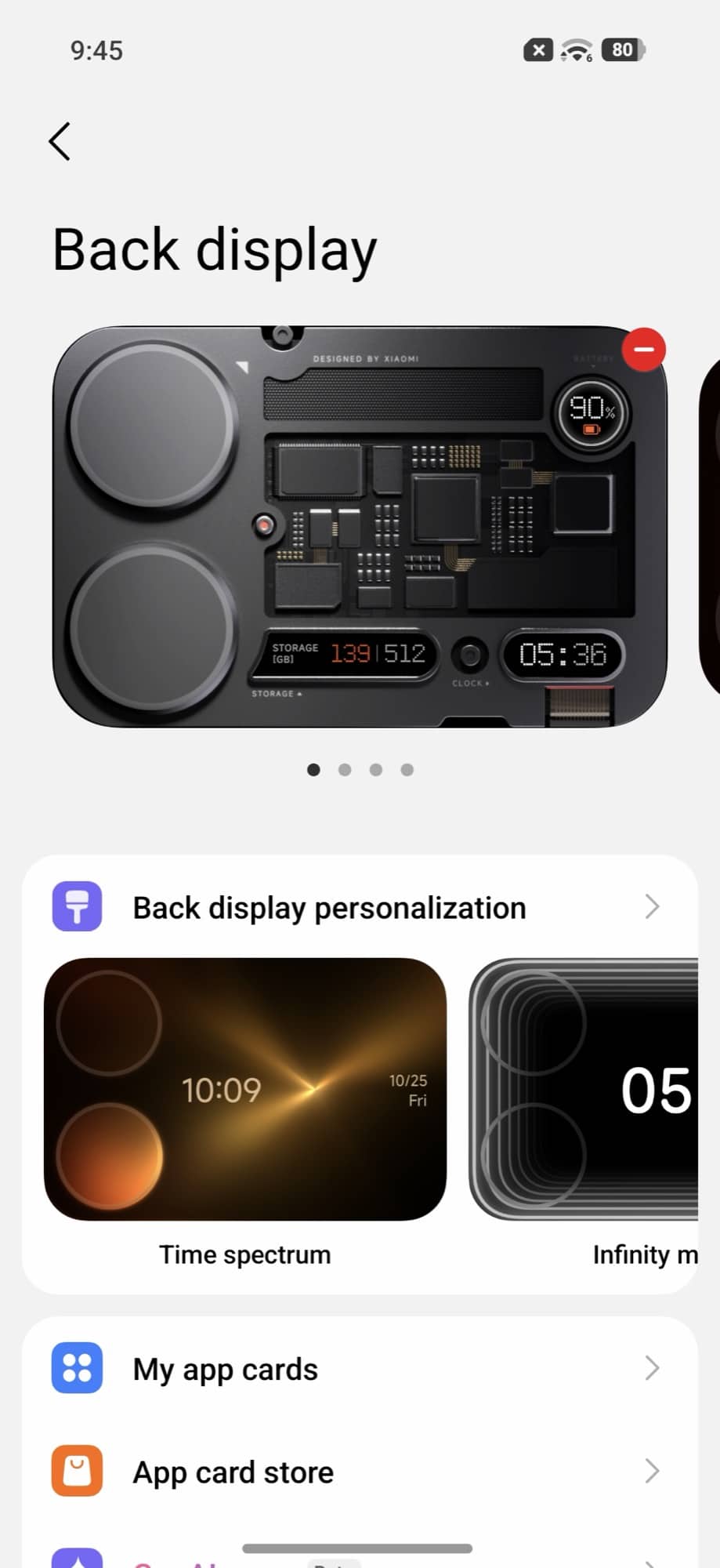
Double-tap and then swipe up on the display to access app cards, including a desk calendar, upcoming events, and a countdown timer. Those are the only three apps currently available on my review unit, although there’s also an app store where additional apps are expected to become available at some point.
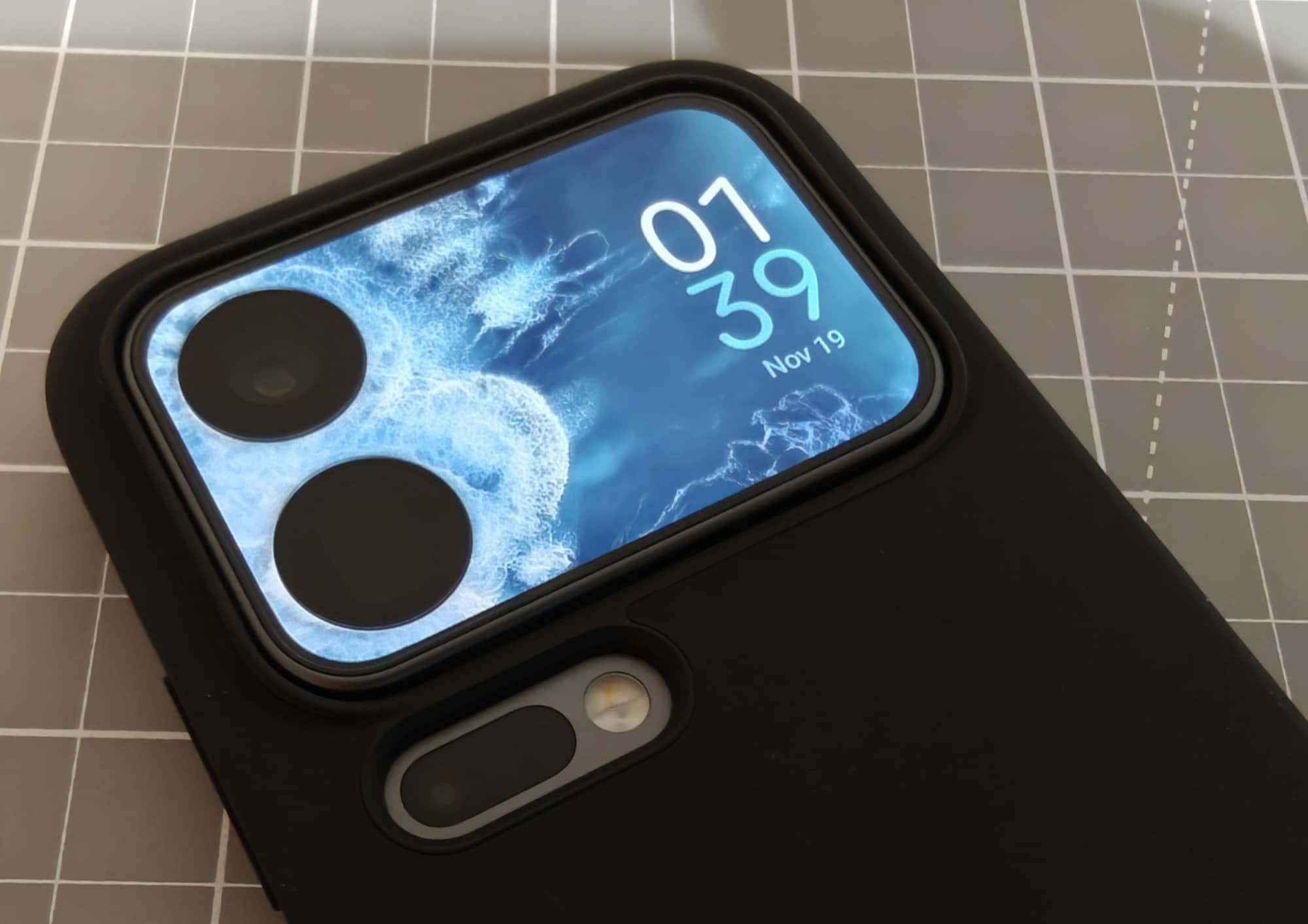
Other ways to use the back display include showing your notifications, and you can also use AI to create your own little apps for that back display. I told it to create a Tetris-style game, and it did!
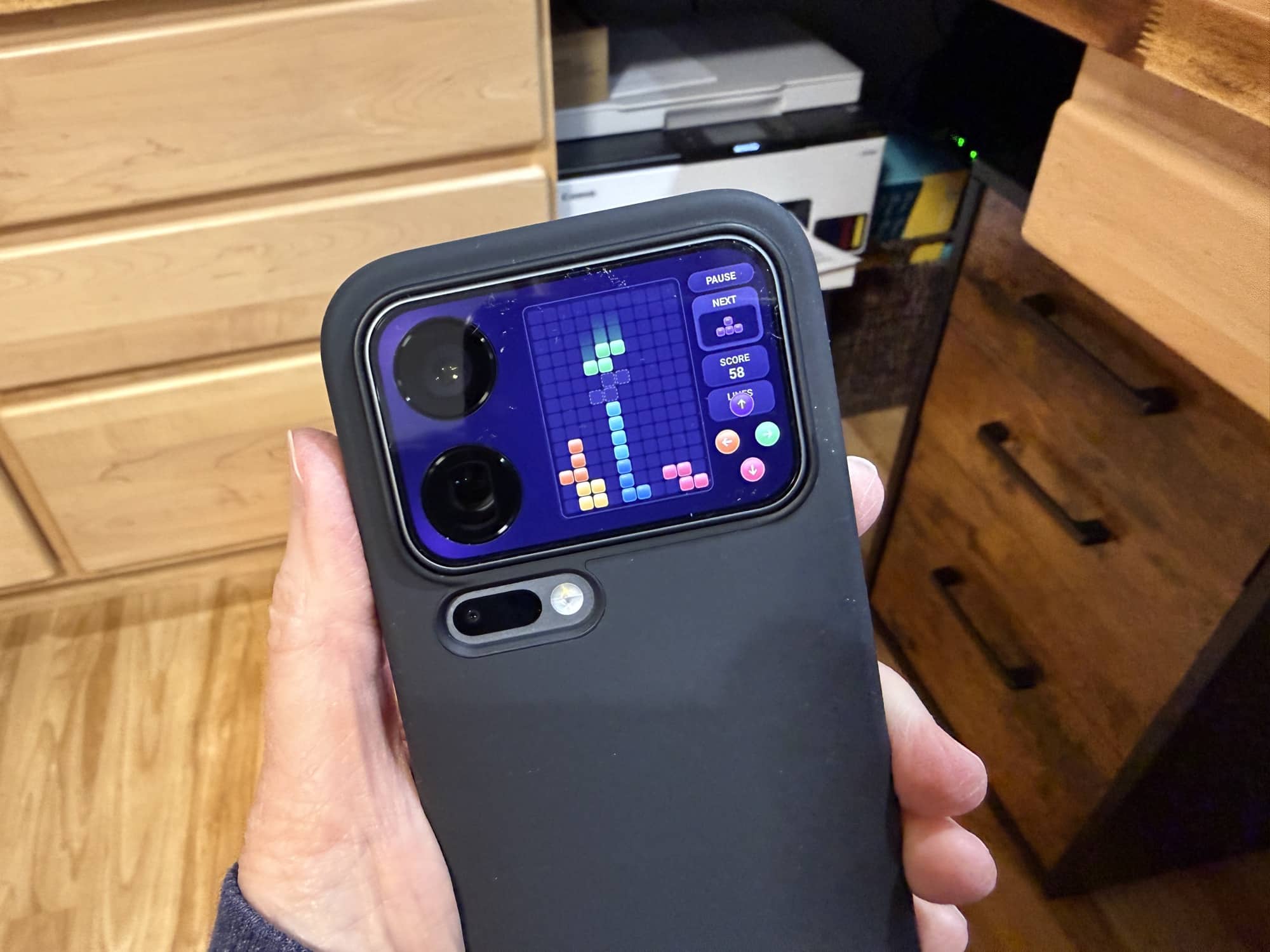
But here’s the thing. After playing around with these features, I’m not convinced they’re all that useful. I’d much rather flip the phone over and see a full-sized calendar or notification than squint at a tiny display on the back. And as for the AI app generator, it is fun, but I’d rather run the apps on the regular display.
But the one feature I can see myself using all the time is the camera preview. By swiping from the camera side toward the right, you can open a live view of the rear camera. That means you can use the phone’s better rear cameras to take selfies and videos while still seeing yourself and framing the shot.
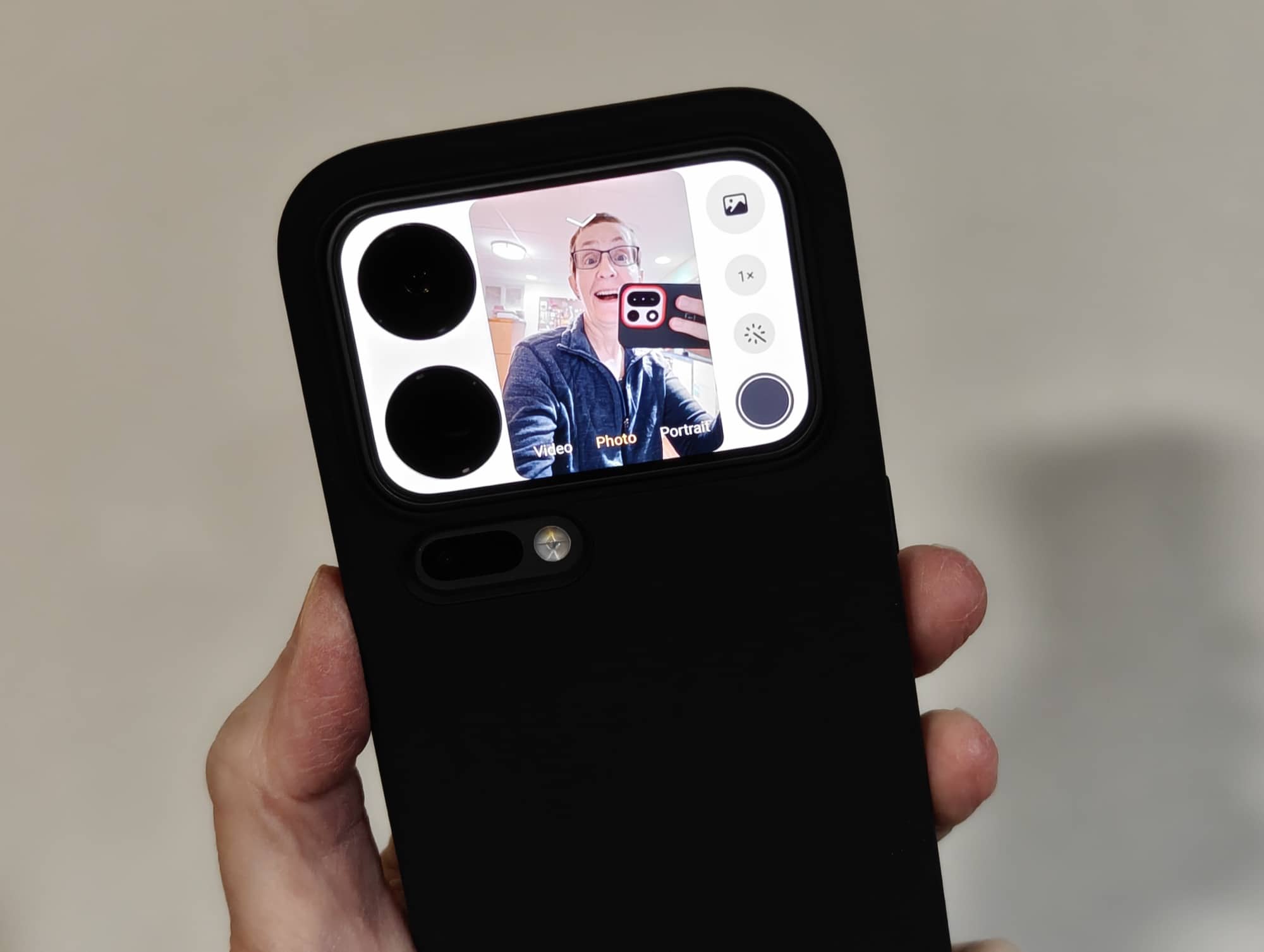
I really love this feature, especially for someone who takes a lot of photos or videos of themselves. The rest of the rear display features feel a little half-baked and gimmicky to me right now. Maybe that will change as Xiaomi adds more functionality.
One other thing worth mentioning is that the glass covering the rear display gets smudged very easily. If fingerprints drive you crazy, be prepared to wipe it off regularly.
The Main Display and Privacy Mode
While the rear display gets most of the attention, the main display is excellent too. It’s bright, vivid, and looks great whether I’m reading, watching videos, or scrolling through apps.
Xiaomi added an interesting privacy feature that you can toggle using the AI button on the left side of the phone. When enabled, the privacy display makes it harder for someone sitting to your left or right to see what’s on your screen. At least that’s the idea. But the thing is that the 18 Pro’s viewing angles aren’t that great to begin with, so the privacy feature isn’t all that compelling to me.
There is another limitation of this feature. The privacy effect works from the sides, but it doesn’t prevent someone from looking at your screen from above or below.
Battery Life and Charging
One of my favorite things about the Xiaomi 18 Pro is its battery. It has a 6000mAh battery, which is pretty impressive for a phone this size, and in my experience, it seems to last forever.
Of course, it doesn’t actually last forever, but after using it throughout the day, I’ve been impressed by how long I can go without thinking about charging. Battery anxiety hasn’t been an issue during my testing.
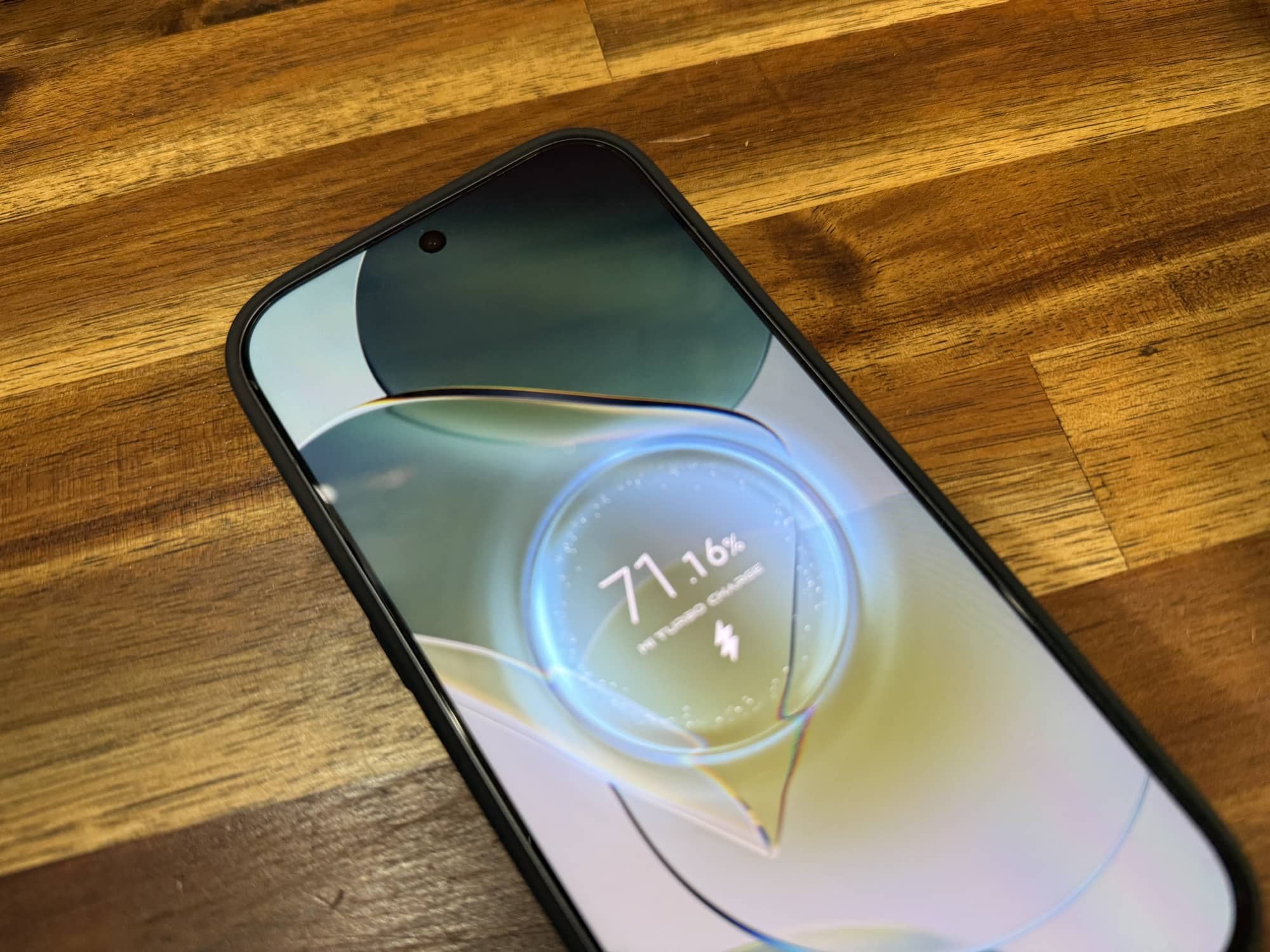
When it’s time to charge, the Xiaomi supports up to 90W wired charging, which is very fast with a compatible charger. It is fun to watch it during turbo charging because it counts up so fast.
It also supports up to 50W wireless charging, which is nice if you prefer dropping your phone onto a charging pad instead of plugging in a cable.
There is one thing I wish Xiaomi had included, though. The phone doesn’t have built-in MagSafe-style magnets, so it won’t magnetically attach to compatible chargers and accessories without a special case.
Xiaomi included a magnetic case with my review package, and that solves the problem, but the standard clear case in the box doesn’t have magnets. I would have preferred to have the magnets built right into the phone.
Fingerprint Sensor and Face Unlock
The Xiaomi 18 Pro has an ultrasonic fingerprint sensor built into the display. Unfortunately, like approximately 99.9% of the phones I review, the fingerprint sensor doesn’t like my fingers. Am I part alien? Maybe.
I can barely get it to register a fingerprint during setup, let alone use it reliably to unlock the phone. This isn’t anything new for me, so I’m not going to spend a lot of time complaining about it. Fingerprint sensors and I just don’t get along.
Luckily, the Xiaomi also supports face unlock, and that works great when there’s enough light in the room. The problem is that it doesn’t work in the dark. Why does that matter? Because sometimes I like to check my phone in the middle of the night while I’m under the covers in bed. Don’t judge me!?
With the Xiaomi, that means I have to enter my PIN to unlock the phone. Bleh. I wish the face unlock worked in the dark like it does on my iPhone.
Performance
The Xiaomi 18 Pro uses Qualcomm’s Snapdragon Dual 8 Elites processor, which is designed to deliver flagship-level performance. I won’t bore you with benchmark numbers because that’s not really how I use or judge a phone.
I’m not a gamer, so I can’t tell you how well it handles the latest graphics-intensive games. What I can tell you is that performance has been great with all the core apps that I use throughout the day.
Those include Gmail, Libby, WhatsApp, Telegram, YouTube, YouTube Studio, Marco Polo, Facebook, Instagram, and Google Play Books. Everything I’ve used has performed well, and I haven’t encountered any problems with everyday performance.
Xiaomi HyperOS
The Xiaomi 18 Pro runs HyperOS, Xiaomi’s version of Android. If you’re coming from a Google Pixel, Samsung Galaxy, or Motorola phone, you’ll notice some differences in how things look and where certain settings and features are located.
Pixel phones tend to offer Google’s relatively straightforward Android experience, while Samsung adds its own extensive features set through One UI. Motorola generally keeps things closer to Google’s approach, with some additional gestures and customization options.
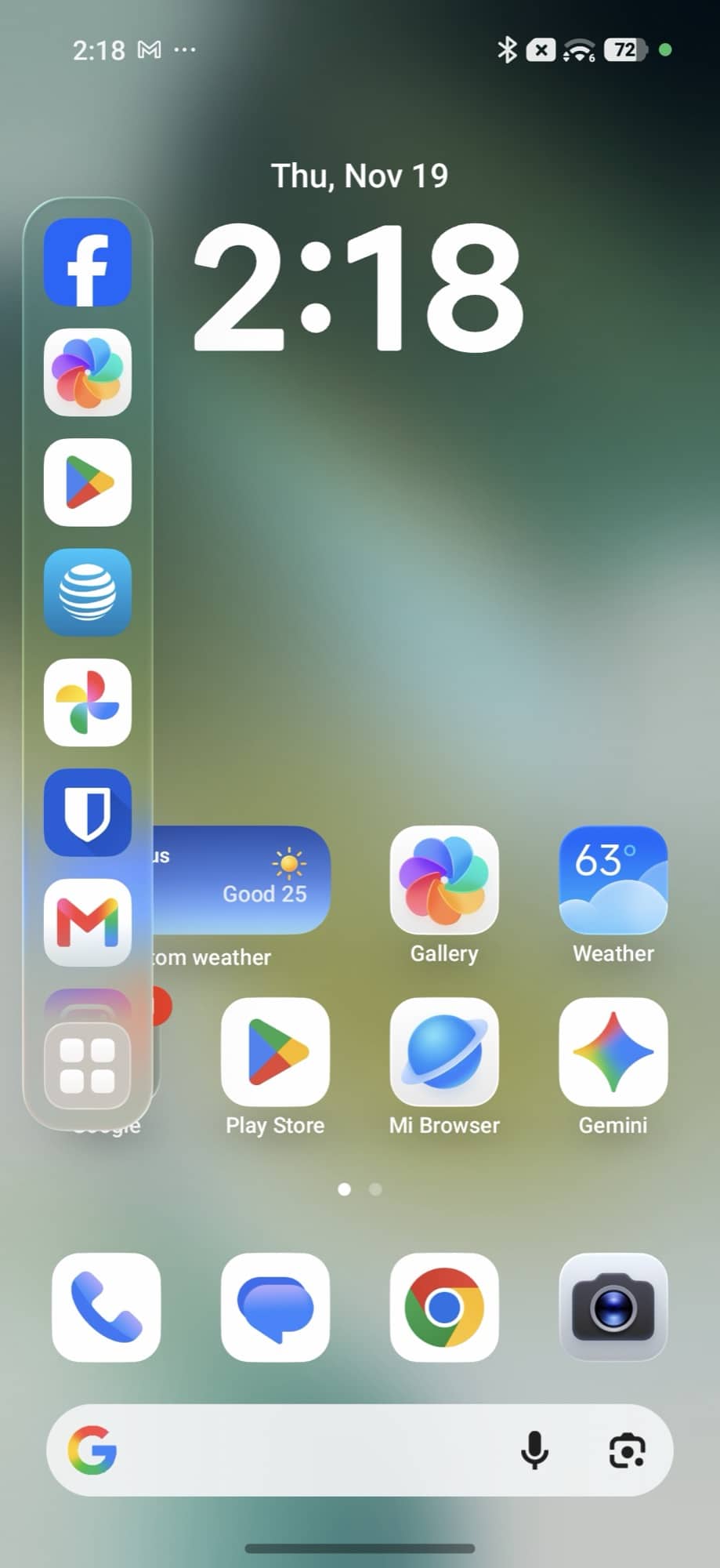
HyperOS has Xiaomi’s own interface, customization options, and system features, including the controls for the rear display. It has an option for a slide-out sidebar where you can pin often-used apps. But the downside is that you can’t put the slide-out bar on the right side of the screen. It can only be on the left side.
I was also disappointed that HyperOS doesn’t include a way to AirDrop images and files to a Mac like my OnePlus 15.
Leica Cameras
One of the Xiaomi 18 Pro’s biggest selling points is its camera system, which was developed in partnership with Leica. The phone has two 200MP cameras, including the main camera and a periscope telephoto camera, along with a 50MP ultrawide camera.
The telephoto camera offers 3.2x optical zoom, with additional in-sensor zoom options for bringing distant subjects closer. It also supports close-up macro photography, with a minimum focusing distance of 12cm (4.72 inches).
The ultrawide camera has a 102° field of view for capturing landscapes, buildings, and other scenes where you want to fit more into the picture. Xiaomi’s idea of what an ultra-wide is doesn’t quite match what I’m used to on the iPhone. The ultra-wide of my 16 Pro Max is 120° view. If you don’t think the bump from 102° to 120° is much, check out the comparison images below.


Note that it is very easy to accidentally get your hand in the way of the lens when you are using the wide-angle view. See below.

There’s also a 50MP front-facing camera, although the rear display lets you use the main cameras for selfies too.
Xiaomi includes several Leica-inspired photographic styles and an Essential Moment feature with vintage-looking image styles and simulated lens effects. The phone also offers AI-assisted photography features and advanced video recording options, including up to 8K at 30 frames per second.
That’s a lot of camera hardware and features, but impressive specifications don’t automatically mean impressive photos. The real test is how the cameras perform when you’re actually using them.
The zoom on this phone is amazing. I’m very excited to take it with me the next time I go to a concert so I can get great shots of the band from my nosebleed seats. Check out the images below to see what I mean. Click for full-sized image.











Crazy right? But it’s not all rainbows and unicorns. I did find a bug or problem where the phone’s screen in the stock camera app gets blown out and makes me think something is wrong with the camera’s exposure. Here are two screenshots that I took when the camera app was showing blown-out images.
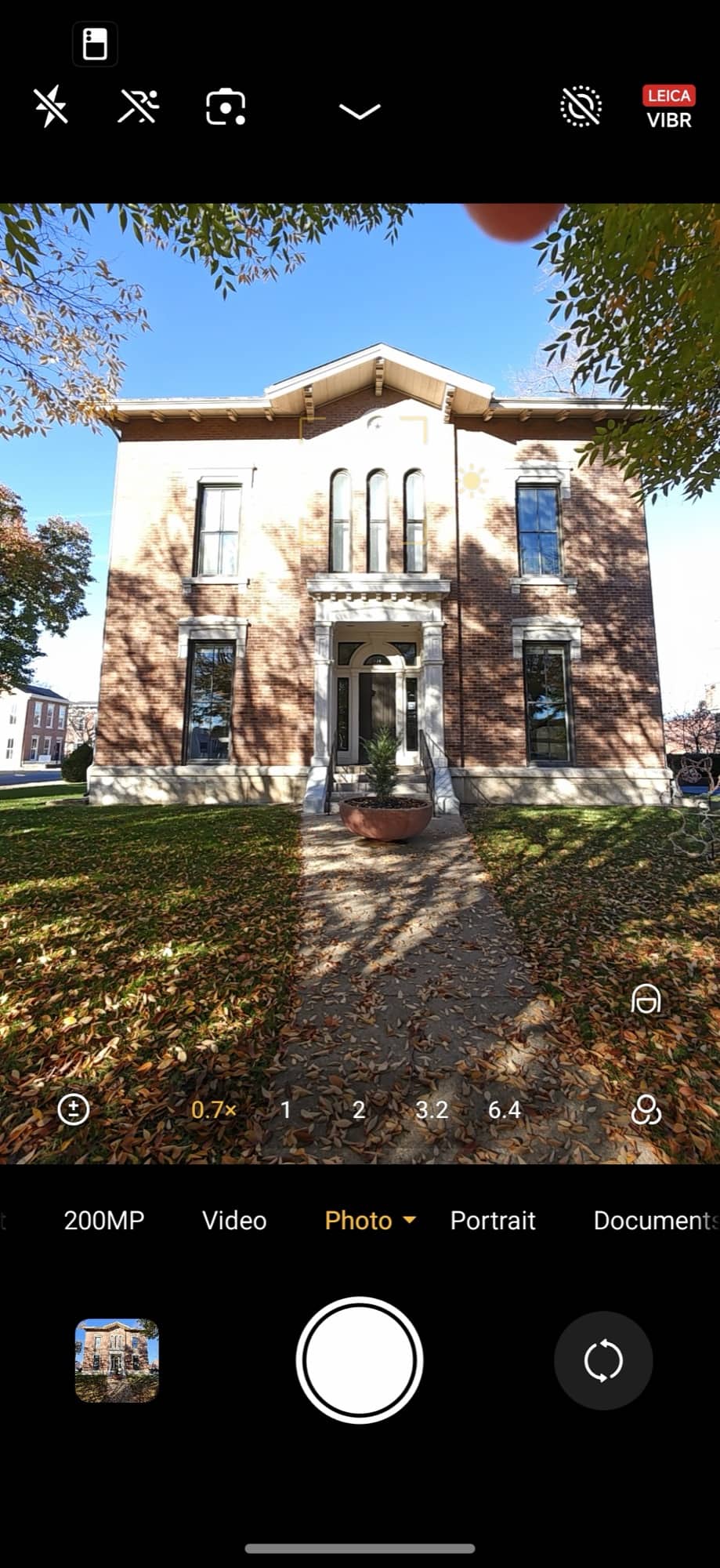
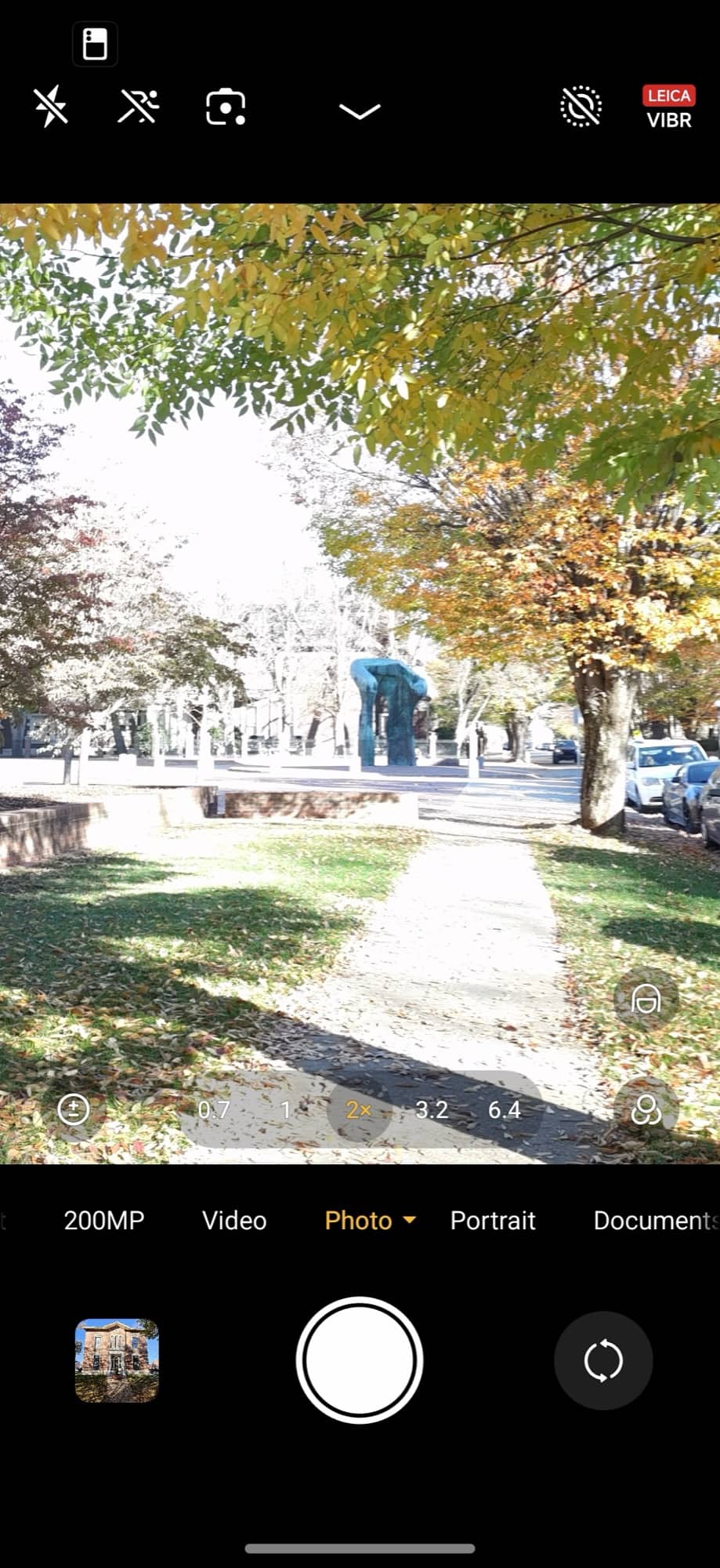
Then here are the actual images that it took, which weren’t blown out. Click for full image.


I’m happy with the camera/image quality of the Xiaomi 18 Pro.


Final Thoughts
After spending a while with the Xiaomi 18 Pro, there are several things I really like about it. The main display is excellent, performance has been great, and the battery life is one of its biggest strengths. I also appreciate having a smaller phone that’s comfortable to hold and pocket-friendly without sacrificing flagship features.
The second display on the back is certainly interesting, but I’m not completely sold on it. Using it as a viewfinder for selfies makes sense to me, but checking tiny calendar entries and notifications doesn’t seem all that useful when I can just flip the phone over. Maybe future apps and updates will change my mind.
There are also a few annoyances, including the lack of built-in MagSafe, face unlock that doesn’t work in the dark, and a fingerprint sensor that doesn’t cooperate with my fingers. None of those things is necessarily a dealbreaker, but they’re worth considering.
Buying this phone might be a little bit of a challenge since it’s not readily available from US carriers like AT&T, T-Mobile, and Verizon. You’ll need to check sites like Giztop, where it’s currently priced at $849.00 for the same version sent to me with 12GB of RAM and 256GB of storage.
Click here to learn more about the Xiaomi 18 Pro.
Source: Manufacturer-supplied review sample.
What I Like: Bright, vivid main display; Comfortable size and solid build; Excellent battery life; Fast wired and wireless charging; Rear display can be used as a camera viewfinder; Great everyday performance; Device-wide privacy display feature
What Needs Improvement: Rear display features feel gimmicky and limited; Rear display glass smudges easily; No built-in MagSafe-style magnets; Face unlock doesn’t work in the dark; Fingerprint sensor doesn’t work reliably for me; No charging brick included; Not available directly from US carriers and may not play well with every carrier