
The Tools Every Gigging Guitarist Needs
I play a lot of shows. Okay, that might be an understatement. I play two or three shows every week.

I play a lot of shows. Okay, that might be an understatement. I play two or three shows every week.
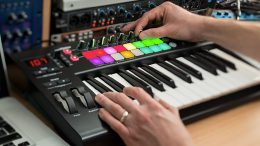
A couple of weeks ago, I got a text message from an old family friend. “Hey—would you be interested in a keyboard? I have no use for this one.” The keyboard in question was a Novation Lunchkey 25 MkII, one of the most popular MIDI controllers on the market. It’s an offshoot of Novation’s famous LaunchPad series, which rose to prominence when this video by Madeon went viral. I don’t have very much MIDI experience, but I’m not one to say no to instruments (my wife agrees, gesturing vaguely at the piles of guitars and keyboards filling up most of our…
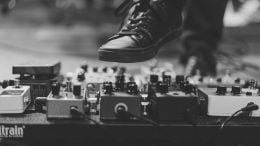
Few instruments are as versatile as the electric guitar. From the folksy licks of Fleetwood Mac’s Lindsey Buckingham to the two-handed tapping of prog metal outfit Scale the Summit to the otherworldy soundscapes of My Bloody Valentine, there’s almost nothing an electric guitar can’t do.
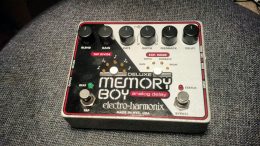
Few effects companies have had a more indelible impact on rock and roll history than Electro-Harmonix. Their effects were instrumental in shaping the sounds of bands like Nirvana, Smashing Pumpkins, and Radiohead. Legend has it that EHX founder Mike Matthews collaborated directly with Jimi Hendrix to create the iconic Big Muff Pi.
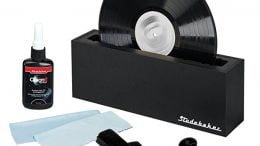
I really like vinyl records. And I mean like, a lot. Most of my extra spending money goes to adding to my collection. I’m not typically a very organized person, but I have several spreadsheets cataloging my records, all sorted in different arrangements. I run a vinyl blog where I review every record I have in order. The only thing keeping me from starting a video review blog is all the headaches I expect from getting flagged on YouTube over copyright issues. But for all the talk of vinyl’s superiority as a medium, it has one weakness: dust.
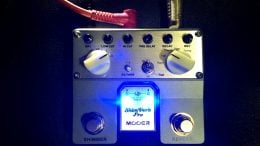
I’m in a shoegaze band, and that means three things: reverb, reverb, and more reverb. But lately, I’ve been unhappy with the reverb pedal on my bass pedalboard.
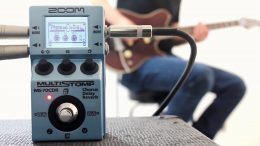
As far as guitar players go, I’m a bit of a gearhead. My live rig is loaded with stompboxes wired in a labyrinthine tangle of cables and effects loops. When my band plays live, it’s not unusual for a gaggle of audience members to crowd around my pedalboard after our set and ask about my setup.
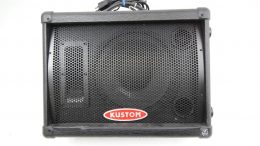
Last weekend, my wife and I hosted an indie rock show in our living room. It wasn’t the first house show we’ve ever thrown, and it certainly wasn’t the loudest. But as I was sound checking the bands, I realized that I desperately needed to upgrade my live sound set up.
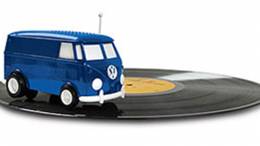
A turntable is a simple machine. All it really needs is a platter to hold the record, a stylus to pass through the grooves, and some method of amplifying the vibration from the stylus. While most record players keep it pretty simple, a few have stretched the machine to new limits.
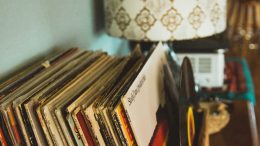
Vinyl is back. For years, hipsters have ironically foretold the format’s return, but the numbers finally support it. 2017 marked the highest year for vinyl sales since 1991, and it shows no signs of slowing down. But vinyl is a delicate medium. And with so many new people hopping on the vinyl train, many people are inadvertently damaging their records.
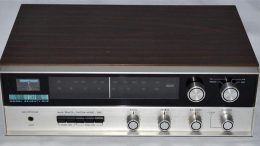
I often feel a bit like a fish out of water. While other movie buffs are replacing all of their DVDs with BluRay, I’m raiding garage sales for videotapes. While other gamers are flocking to games like Fortnite, I’m still playing Tony Hawk Pro Skater 2—on the original PlayStation, at that.
I work from home. And like any self-respecting freelancer, I have a well-stocked home office. Mine has a tall corner desk with all the compartments and drawers you could ask for. But I’m also a bit of an audiophile. I like to listen to music while I work, and I do most of my listening on vinyl.
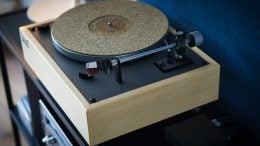
Against all expectations, vinyl sales continue to rise. That means that more people than ever are buying record players. However, building a stereo setup for your vinyl can be a difficult undertaking if you don’t know what you’re looking for.
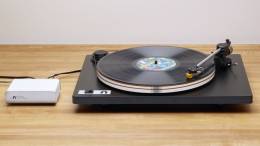
Vinyl is back with a vengeance. 2017 was the twelfth consecutive year that vinyl sales have risen. It’s also the year that I got the most questions from newcomers to the hobby about the best start turntables.
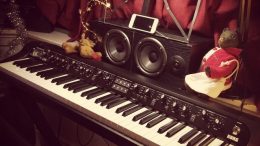
For years, I’ve coveted an original Wurlitzer 200 electric piano. My sonic palate needed that famous chiming tone like it was water. Unfortunately, I never had the extra $2,500 lying around to be able to buy one.
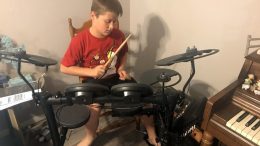
We have many musical instruments at our house, but we have always lacked a drum set. My youngest son has begged to learn how to play, so when I had the chance to review the Yamaha DTX400K electronic drum set (MSRP $799), we jumped all over it. I was not sure what to expect, but this thing has blown us away.
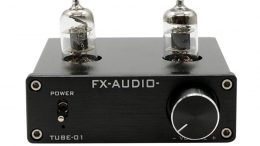
I’m an audiophile. And like most audiophiles, a good vacuum tube HiFi system makes me drool. But unfortunately, nobody told my pocketbook. Tube receivers sell for several hundred dollars on eBay. Even DIY kits are generally over $300. For a piece of equipment that my ears and budget could agree on, I decided to purchase this HiFi buffer.
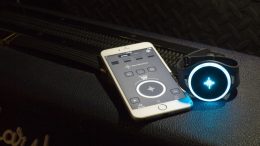
Musicians have been using metronomes for millennia to keep them on beat. From early pendulums to the click tracks used in audio recording, they’ve helped everyone from beginning piano players to orchestras to metal bands play at a consistent tempo.

Iconic guitar manufacturer Fender announced today a special collaboration with Tim Armstrong, the singer/songwriter from Rancid.
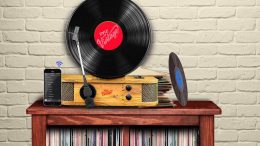
Pyle USA has just added another innovative product to add to their already impressive fleet of audio products with their Bluetooth Vertical Turntable.
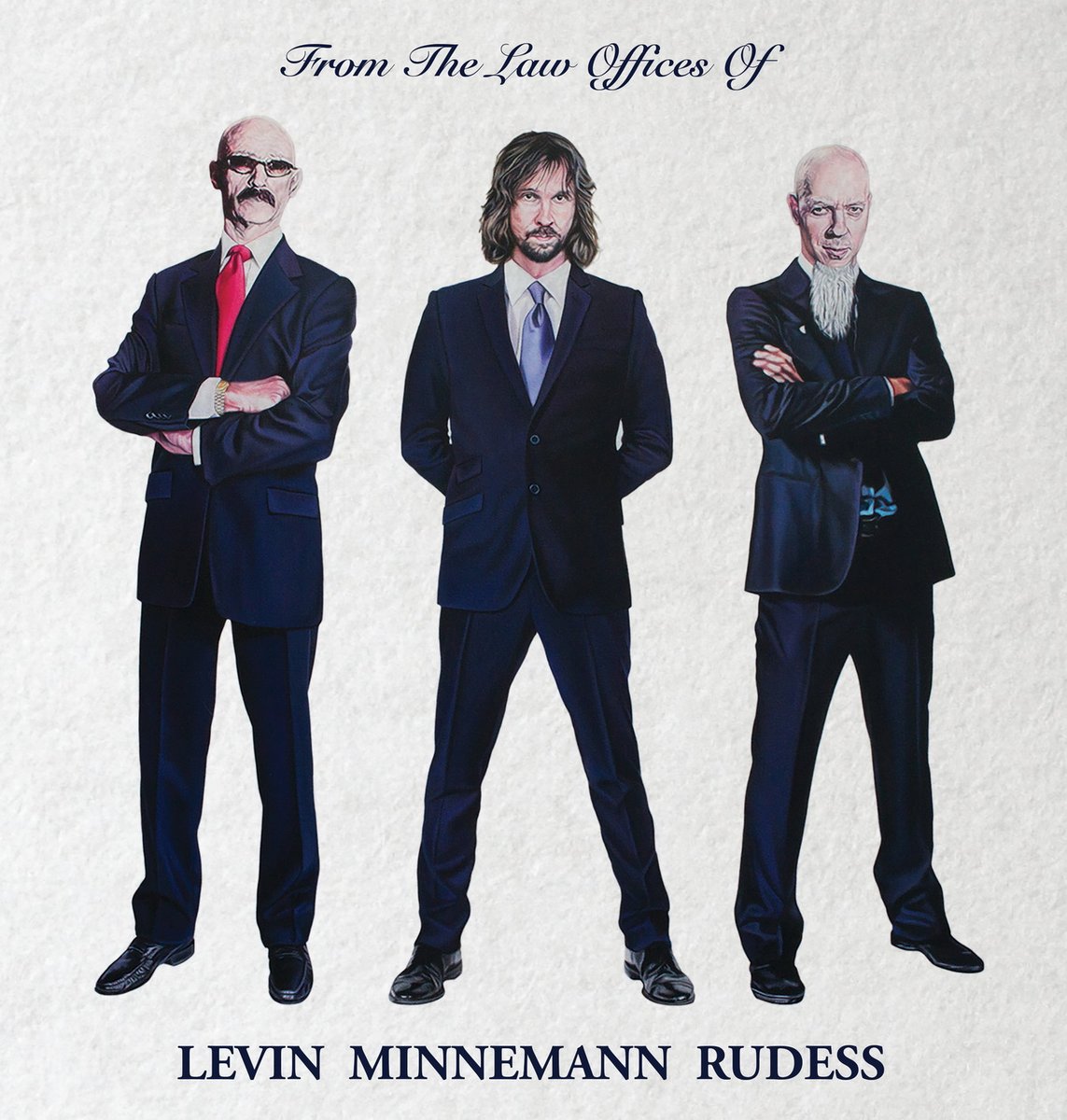
It has been nearly three years since I reviewed the recording Levin-Minnemann-Rudess, which I described as a “powerhouse onslaught of uncompromising instrumental joy”. It is one of those albums I ripped and added to my iTunes library and have listened to ever since.