
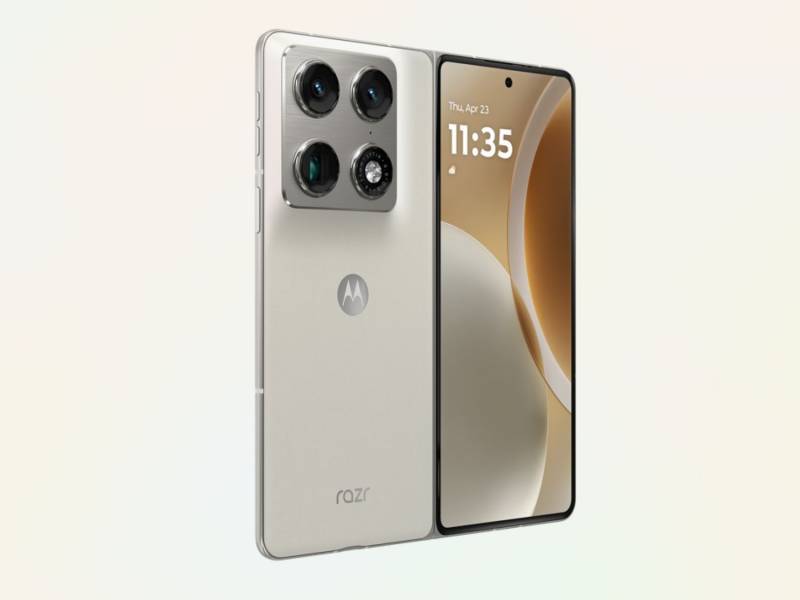
Motorola used Lenovo Tech World 2026 to introduce the motorola razr fold, a new foldable phone that signals where the company thinks phones are headed next. This was not just a hardware moment. Motorola also rolled out a unified artificial intelligence platform, teased a wearable AI companion, and showed off a FIFA-themed razr that will test the willpower of soccer fans everywhere. Taken together, the announcements paint a picture of Motorola aiming for devices that work together quietly in the background instead of constantly asking for your attention.
A Foldable That Tries to Feel Practical, Not Precious
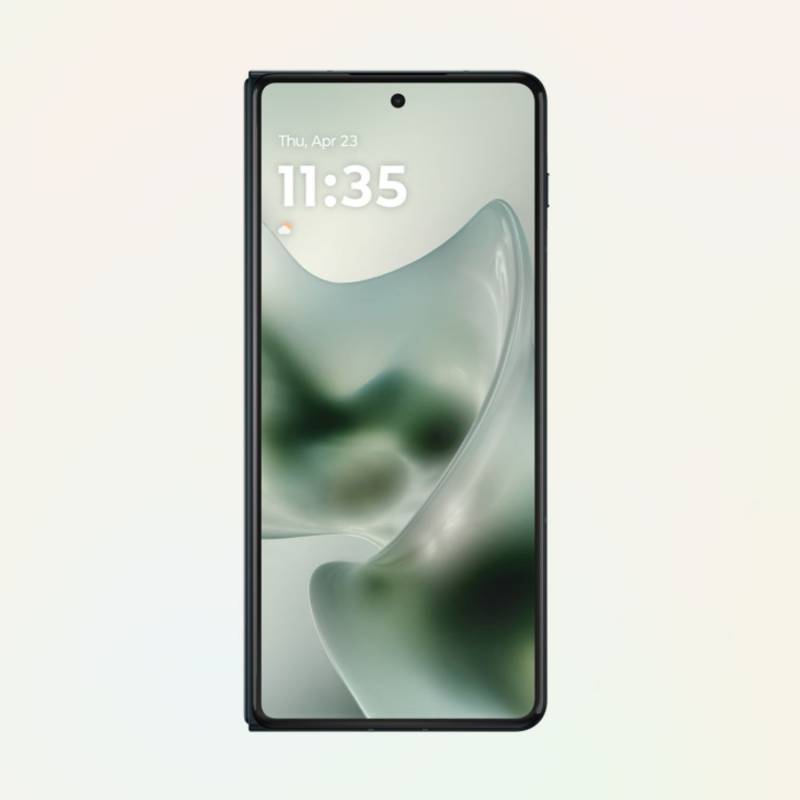
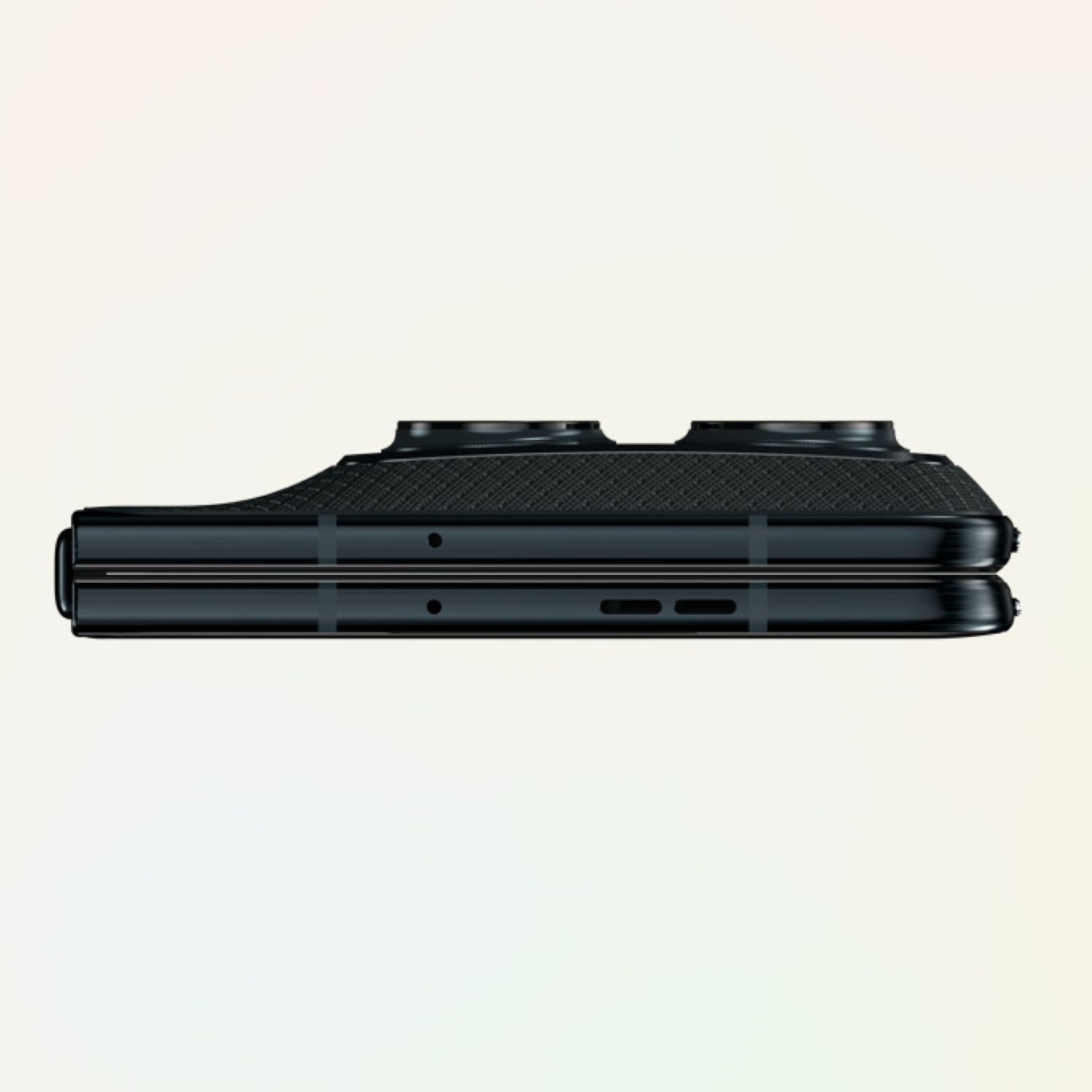
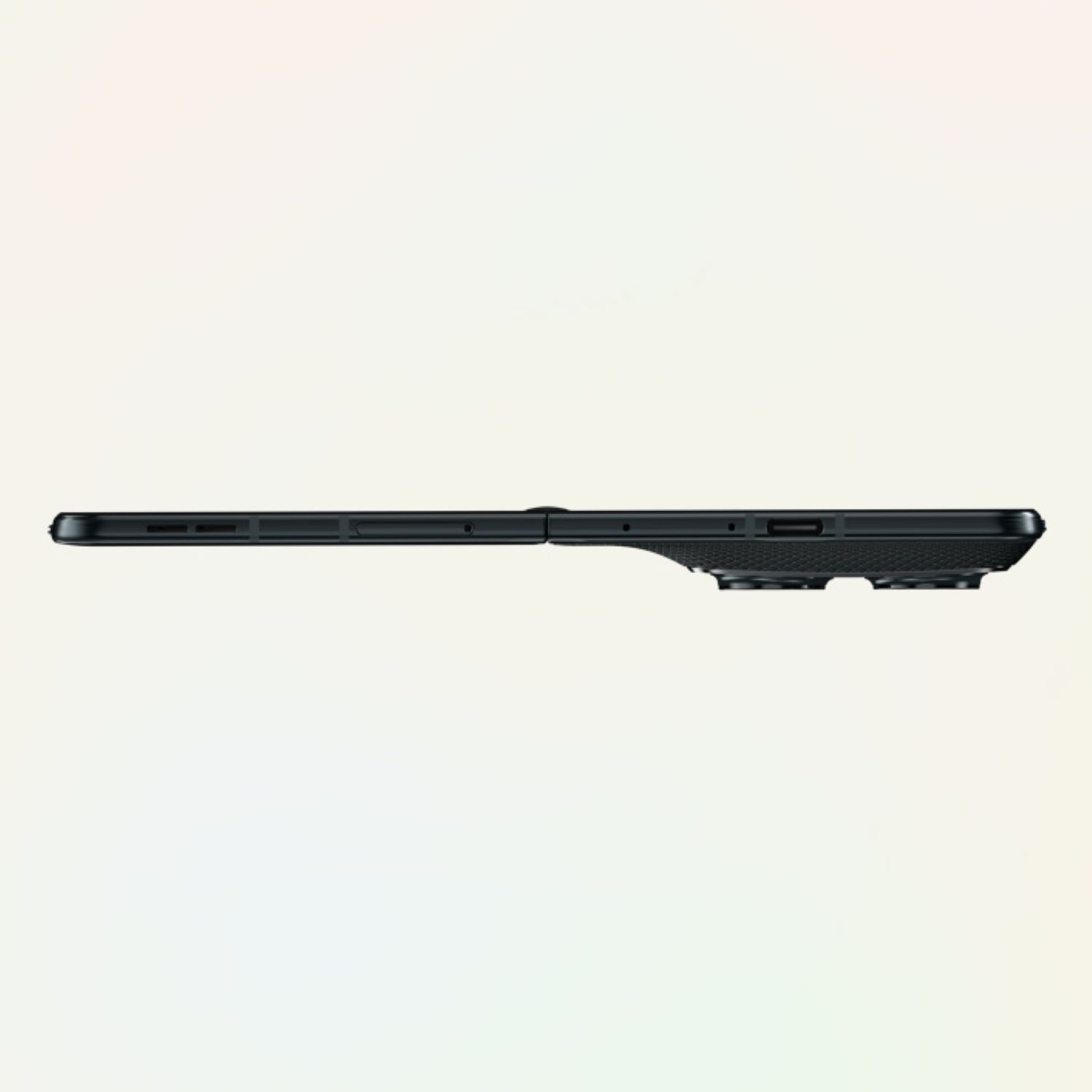
The motorola razr fold is Motorola’s first true foldable in the modern sense, and it is clearly trying to be useful rather than flashy. Closed, it looks and feels like a standard smartphone with a 6.6″ external display. That matters because you can check messages, scroll social feeds, or reply to emails without opening it, which is exactly what you want when you are standing in line for coffee or juggling groceries in a parking lot.
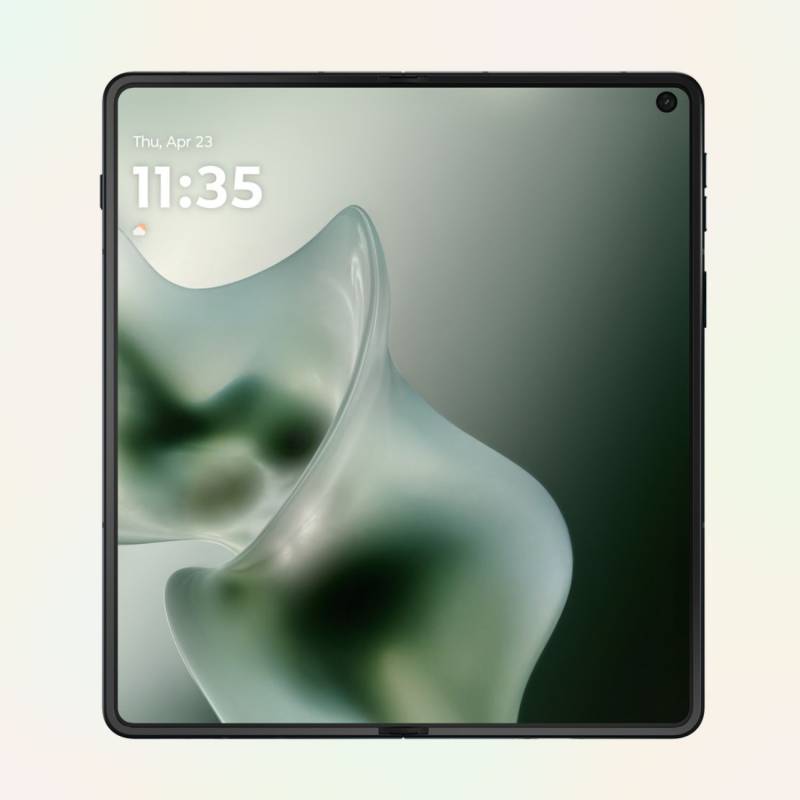
Open it up, and the motorola razr fold’s screen expands into an 8.1″ 2K LTPO display. In plain English, that means a large, sharp screen that can adjust its refresh rate to save battery life when you are reading and feel smoother when you are watching video.
The unfolded screen is designed to act like a small tablet, which makes sense if you split your day between work and entertainment. You could review a contract on one side while taking notes on the other, or watch a show on a flight without squinting at a cramped display.
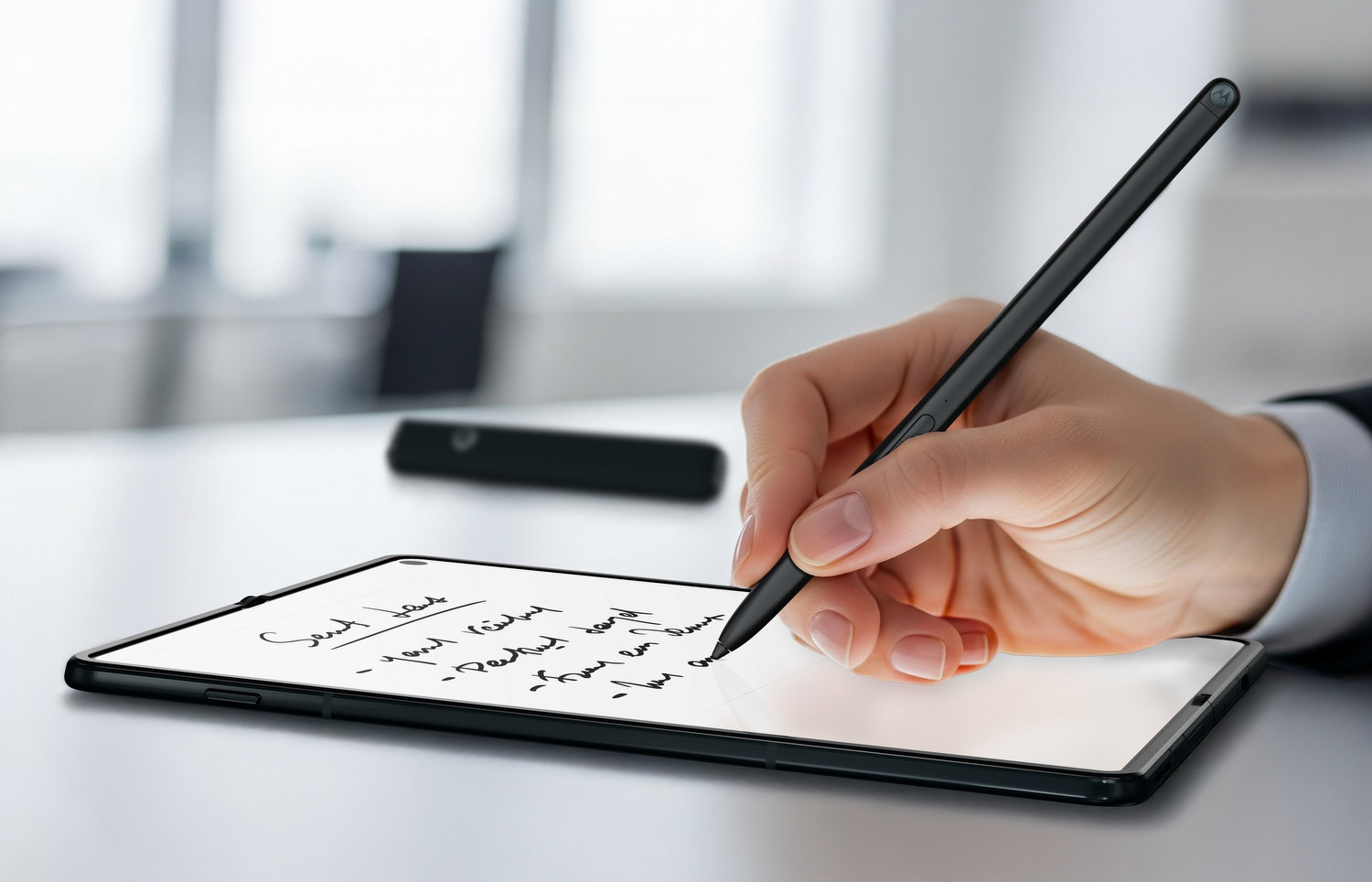
Motorola supports this multitasking approach with flexible layouts and stylus compatibility via the moto pen ultra. If you like handwriting notes during meetings or sketching ideas instead of typing them, this could be a meaningful upgrade rather than a gimmick.
On-device AI features like Catch Me Up and Next Move aim to summarize missed notifications and suggest what you might want to do next. These tools are meant to reduce the mental clutter of constantly checking apps, although how well they work in real life will matter far more than how clever they sound on stage.
Cameras Built for More Than Quick Snaps
The camera setup on the motorola razr fold suggests Motorola expects people to use this phone as their primary camera, not a backup. It features three 50 megapixel rear cameras, including a main lens, an ultrawide lens that can also handle close-up shots, and a 3x periscope telephoto lens for zooming in without sacrificing too much detail. The ultrawide sensor combines multiple pixels into a single pixel to improve light capture, which helps in dim restaurants or evening street scenes.
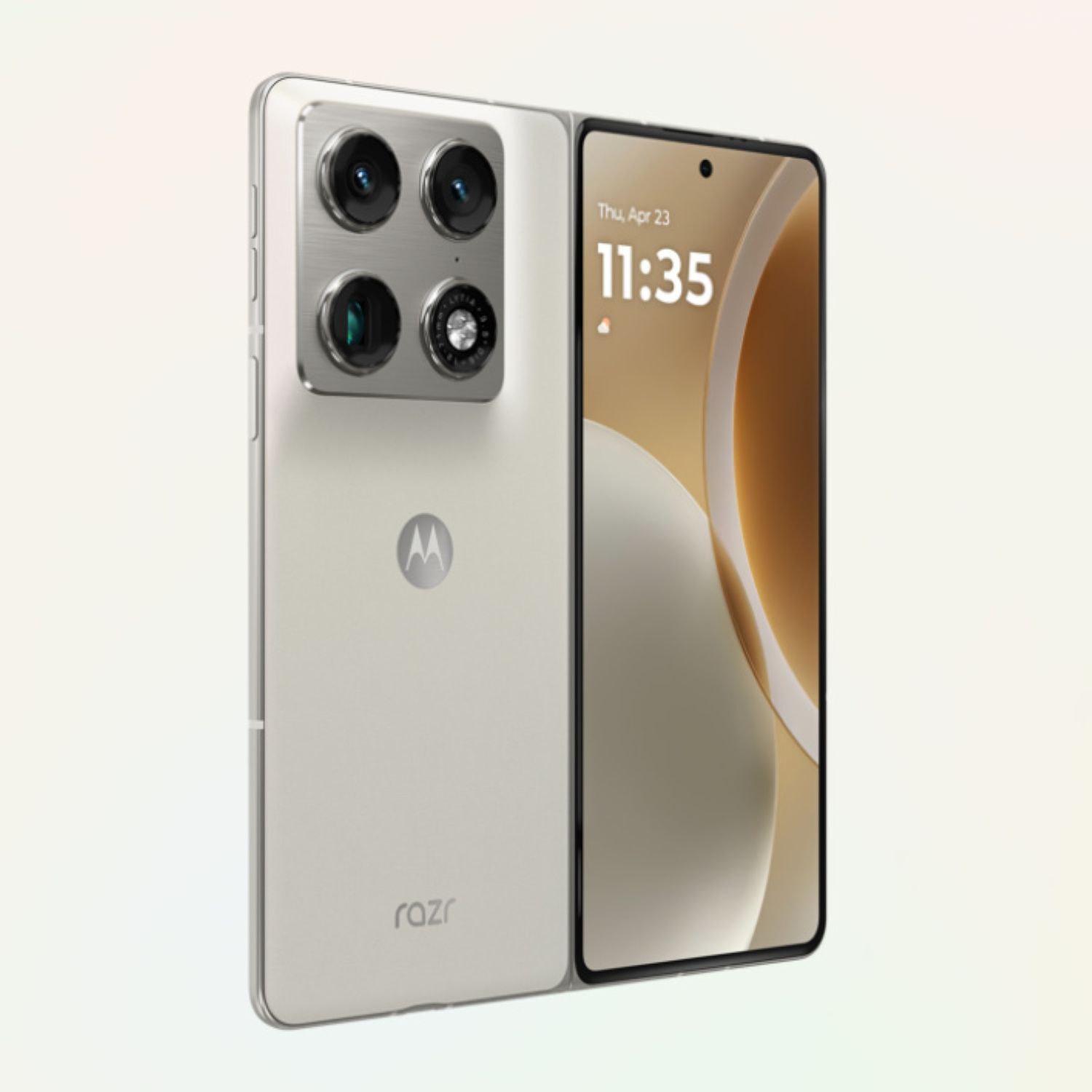
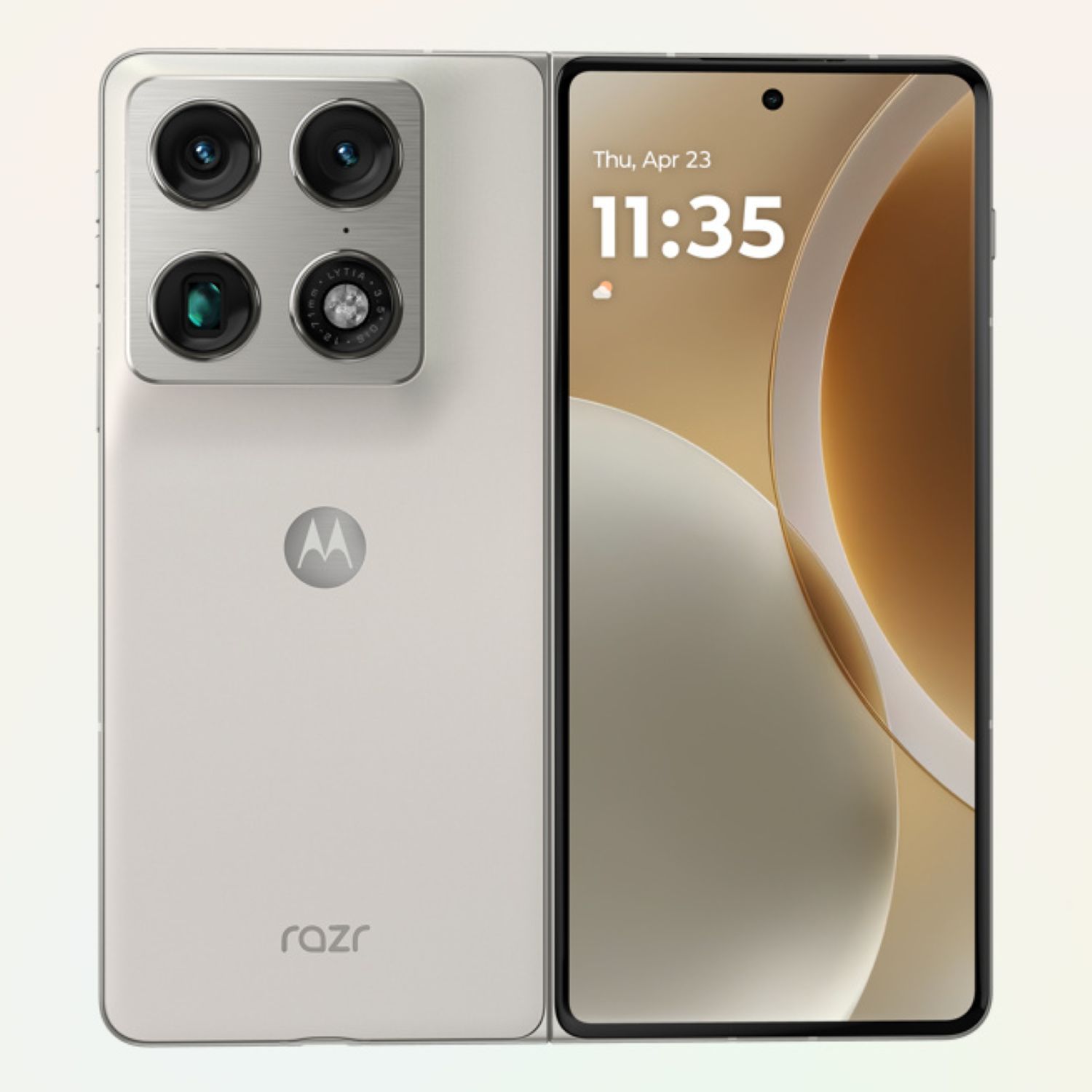
For selfies and video calls, the motorola razr fold has a 32-megapixel camera on the outside and a 20-megapixel camera inside. That means you can frame photos with the phone closed, which is surprisingly useful when you want better angles or need to see the screen clearly in bright sunlight.
The Sony LYTIA sensor delivers brighter, richer images, while Dolby Vision recording adds a cinematic look to videos. In practical terms, this could appeal to parents filming school performances, travelers documenting trips, or anyone creating social content without carrying a separate camera.
One AI Brain Instead of Many Forgetful Ones
Motorola also introduced Motorola Qira, a unified AI platform designed to tie together Motorola and Lenovo devices. Artificial intelligence can be helpful, but it often feels fragmented, forcing you to repeat yourself across apps and devices. Qira aims to fix that by acting as a single intelligence that remembers context, whether you are on your phone, tablet, or computer.
Qira brings together existing tools like moto ai and Lenovo AI Now under one name, one interface, and one wake word. It works with familiar services such as Microsoft 365, Copilot, Google, and Perplexity to handle tasks across devices. The idea is that you could start drafting a document on your phone, pick it up later on a laptop, and not have to explain what you were doing all over again. If this works as promised, it could save time for anyone who hops between devices throughout the day, especially remote workers and students.
A Glimpse of Hands-Free AI with Project Maxwell
Project Maxwell is still a proof of concept, but it hints at where Motorola thinks AI could go next. This is an AI-powered wearable companion designed to work within the Qira ecosystem. Instead of pulling out your phone, you could ask it to listen, watch, and respond in real time.
Imagine attending a conference and asking Project Maxwell to listen to a keynote, then summarize it into a LinkedIn post while you stay focused on the presentation. The device uses cameras, microphones, and sensors to understand what is happening around you, and large action models allow it to take action rather than just answer questions. While this raises obvious questions about privacy and practicality, it also suggests a future where AI fades into the background instead of demanding constant taps and swipes.
A Fifa Edition Razr Made for Fans Who Commit
Motorola also announced the motorola razr FIFA World Cup 26 Edition, a special device tied to the upcoming tournament. This version keeps the same core features as the standard razr but adds FIFA-inspired design elements and personalization options. Exclusive wallpapers, a tournament-themed ringtone, and a FIFA watermark for photos are included, which will either delight fans or feel like overkill depending on how seriously you take your soccer.
-

- razr FIFA WC26 Edition

-
- razr FIFA WC26 Edition
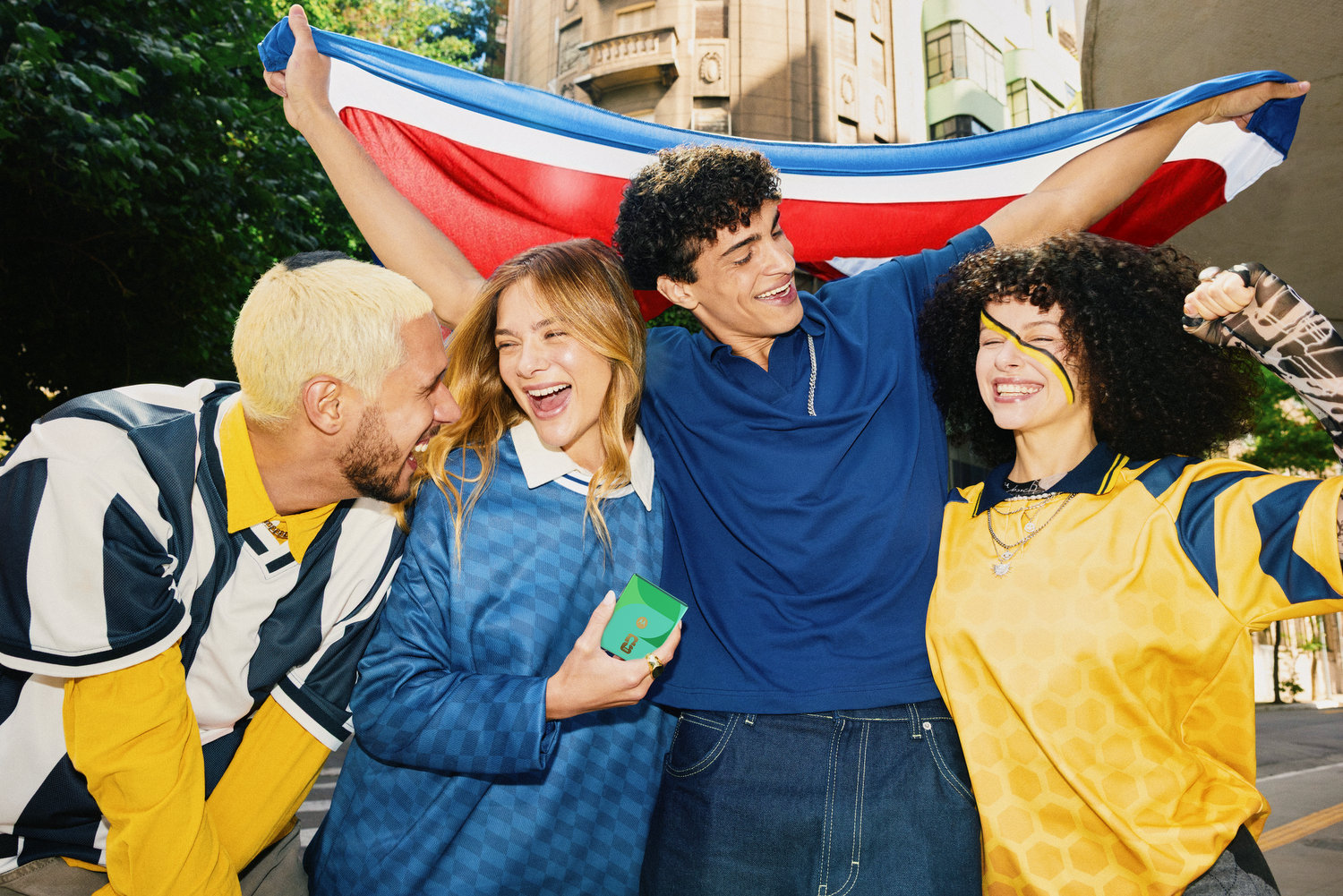
The phone features a titanium-reinforced hinge with IP48 protection, meaning it can withstand splashes and small particles but is not invincible. The 4500mAh battery is designed to last through a full day of use, which matters if you are streaming matches, sharing highlights, and navigating crowded fan zones.
The FIFA edition will be available unlocked on the Motorola site, and Verizon will be the phone’s sole U.S. carrier, with availability beginning February 12 on Verizon’s site and at Total Wireless.
Verizon will be offering aggressive trade-in deals on the phone — both new and existing customers can receive up to $600 in savings by trading in an eligible device in any condition and either adding a new line or upgrading an existing one on Unlimited Ultimate or Unlimited Plus plans. If you opt for Unlimited Welcome, you can still qualify for up to $400 off. The savings are applied as bill credits spread over 36 months, and upgrade customers should note that their trade-in device must have been active on their account for at least 60 days before purchasing the new phone.
Rounding Out the Ecosystem
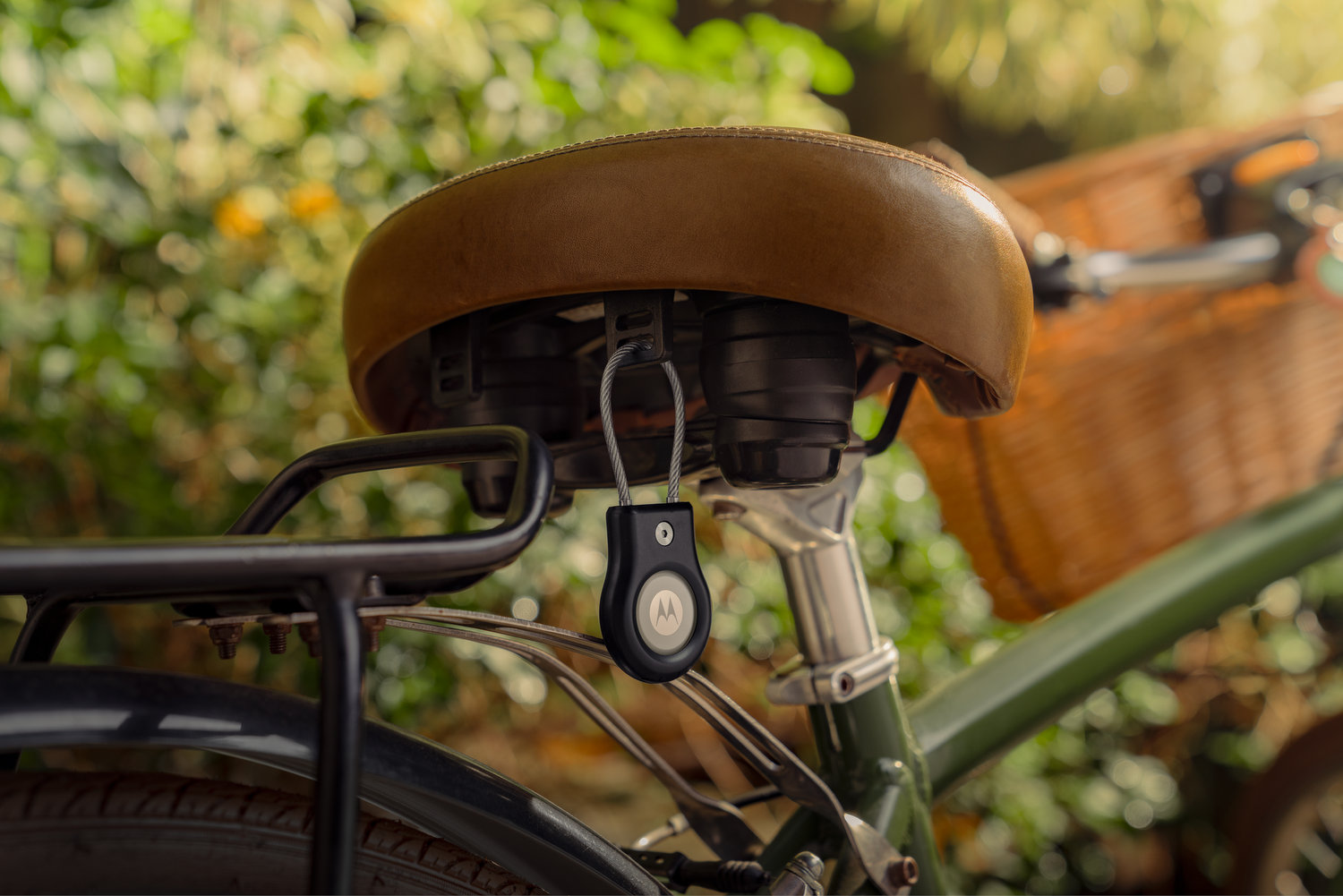
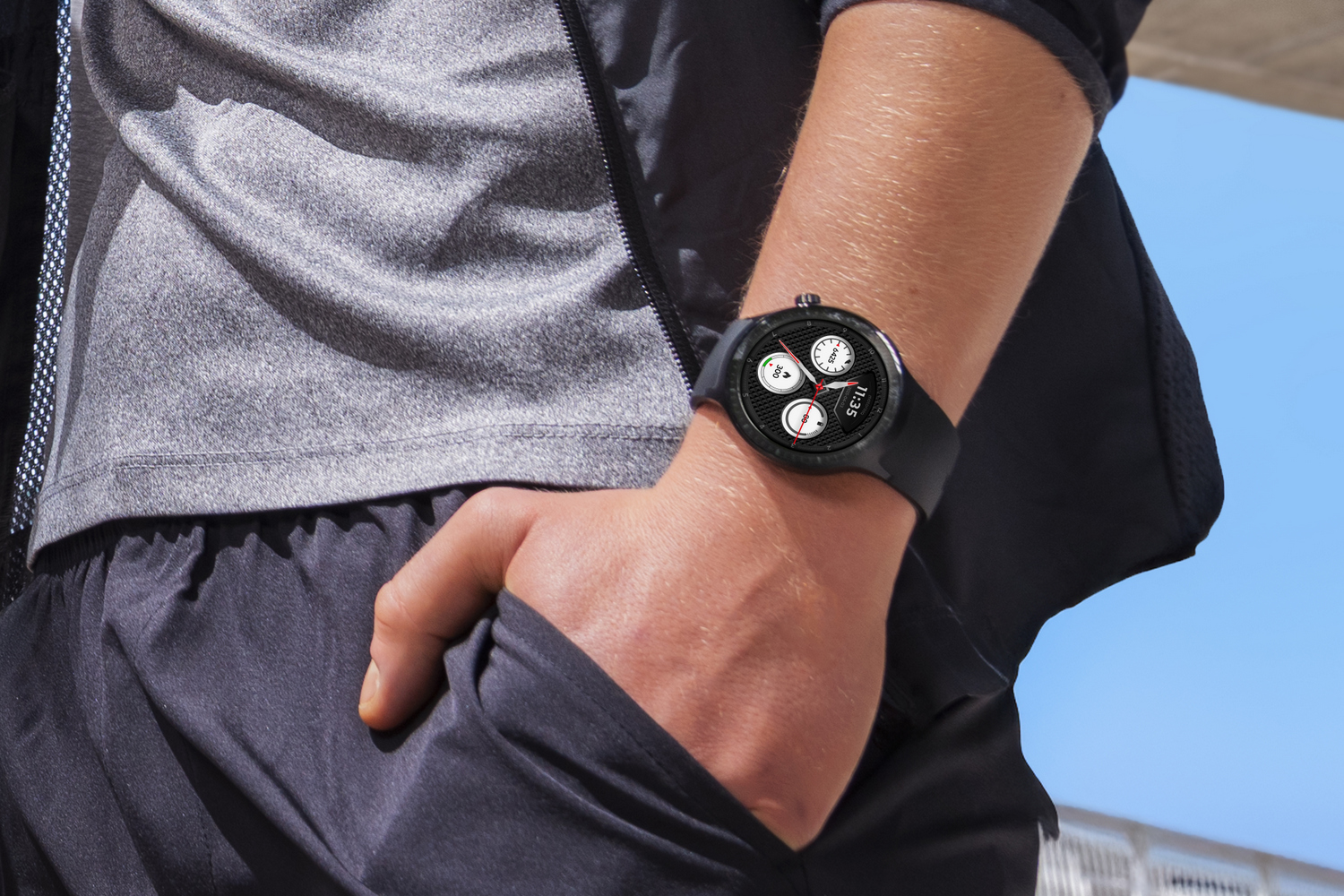
Alongside the phones and AI announcements, Motorola expanded its ecosystem with new devices like the moto watch, moto pen ultra, and moto tag 2. The smartwatch includes wellness tracking developed with Polar, a company known for fitness metrics, while the stylus and tracking tag aim to add practical value rather than flashy extras. The use of Pantone curated colors suggests Motorola is paying attention to design details without making them the whole story.
-

- moto pen ultra
-
- moto tag 2
-

- moto watch
Motorola’s announcements at Lenovo Tech World 2026 show a company trying to balance ambition with practicality. The motorola razr fold and its supporting ecosystem raise an interesting question. Do you want a phone and AI system that quietly adapts to your day, or are you content with devices that shout for attention? It will be interesting to see which approach actually makes life easier once these products land in the real world.


Be the first to comment on "Motorola Razr Fold Signals Motorola’s Big Bet on Foldables, AI, and a Smarter Connected Ecosystem"