
The Lowdown
The GardePro Link 1.0 system pairs a router-connected hub with R3 Pro trail cameras, extending coverage farther than typical WiFi cameras without cellular subscriptions. One hub supports up to 16 cameras, making it useful for large properties, farms, woods, gates, and wildlife monitoring. Setup is simple, the hardware is solid, and the app provides notifications, live view, remote playback, battery status, and signal information. Image quality, night vision, audio, included storage, and optional solar panels are positives. The main drawback is inconsistent motion detection, which tested reliably at about 22 feet rather than the claimed 90 feet. Placement is essential.
Overall
Pros
- Long-range hub-based connection
- Supports up to 16 cameras per hub
- Simple setup
- No subscription plan required
- Includes a 64GB SD card with each camera
- Optional solar power
- Easy-to-use app
- Live view and remote video playback
Cons
- Maximum motion-detection range can be inconsistent and fell well short of the stated 90-foot PIR sensing distance in repeatable testing
Keeping an eye on wildlife, livestock, gardens, or the far corners of a large property usually means choosing between a standard WiFi trail camera with limited range or a cellular camera with an ongoing data plan. The GardePro Link 1.0 system offers a third option. It uses a dedicated Link hub connected to a home router, then creates a long-range wireless connection to compatible GardePro R3 Pro trail cameras. Let’s install it and see how it performs.
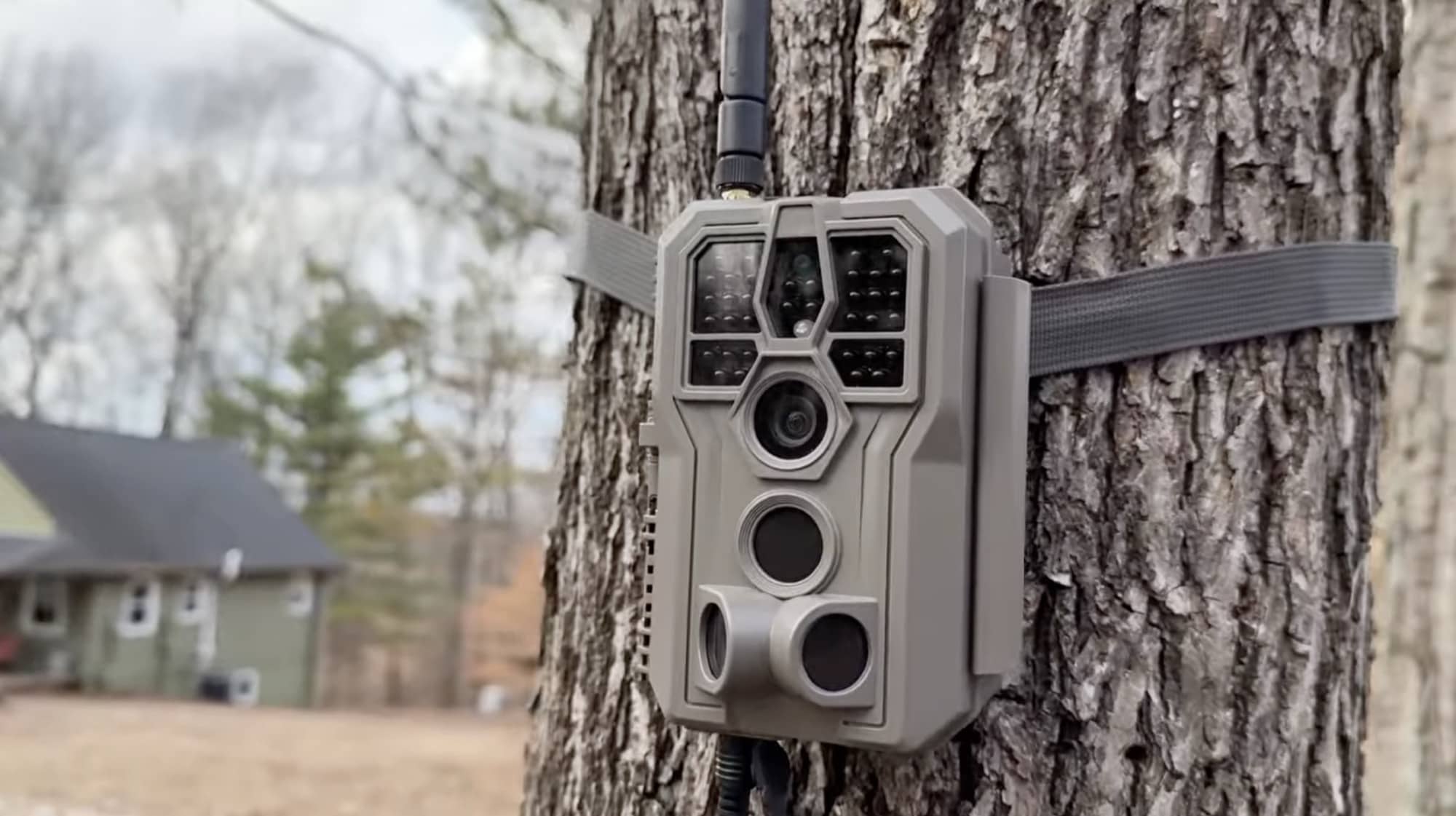
Long-range WiFi cameras are an interesting idea, especially for people who have acreage but do not want a cellular subscription for multiple cameras. GardePro sent me the R3 Pro Long Range WiFi Trail Camera, Link 1.0 hub, and an optional 3.5W solar panel. After setting it up in different areas around my property and trying the app, image capture, range, and motion detection during the last five months, I have enough experience with this system to tell you what I think about it.
The hardware is nice, setup is simple, and the app features are easy to use. But the camera’s motion-detection range did not consistently come close to GardePro’s stated 90-foot PIR sensing distance. For a trail camera, that is a significant issue. But it’s not the whole story.
What Is It?
The GardePro Link 1.0 is a hub-based, long-range wireless trail camera system. Instead of connecting each camera directly to your home’s WiFi, the Link hub connects to your existing router and communicates wirelessly with GardePro’s R3 Pro cameras over a much longer distance.
GardePro rates the camera-to-hub connection at up to 3,000 feet with a completely unobstructed line of sight. In a more typical outdoor setup with trees, fences, walls, or buildings between the hub and camera, the expected range is approximately 1,600 feet. That is still substantially farther than a typical WiFi trail camera can reach.
The system is designed for farms, ranches, hunting land, large yards, rural homes, and any property where standard WiFi does not extend far enough. One Link hub supports up to 16 cameras, which makes this much more scalable than setting up several individual WiFi cameras.
What’s Included?
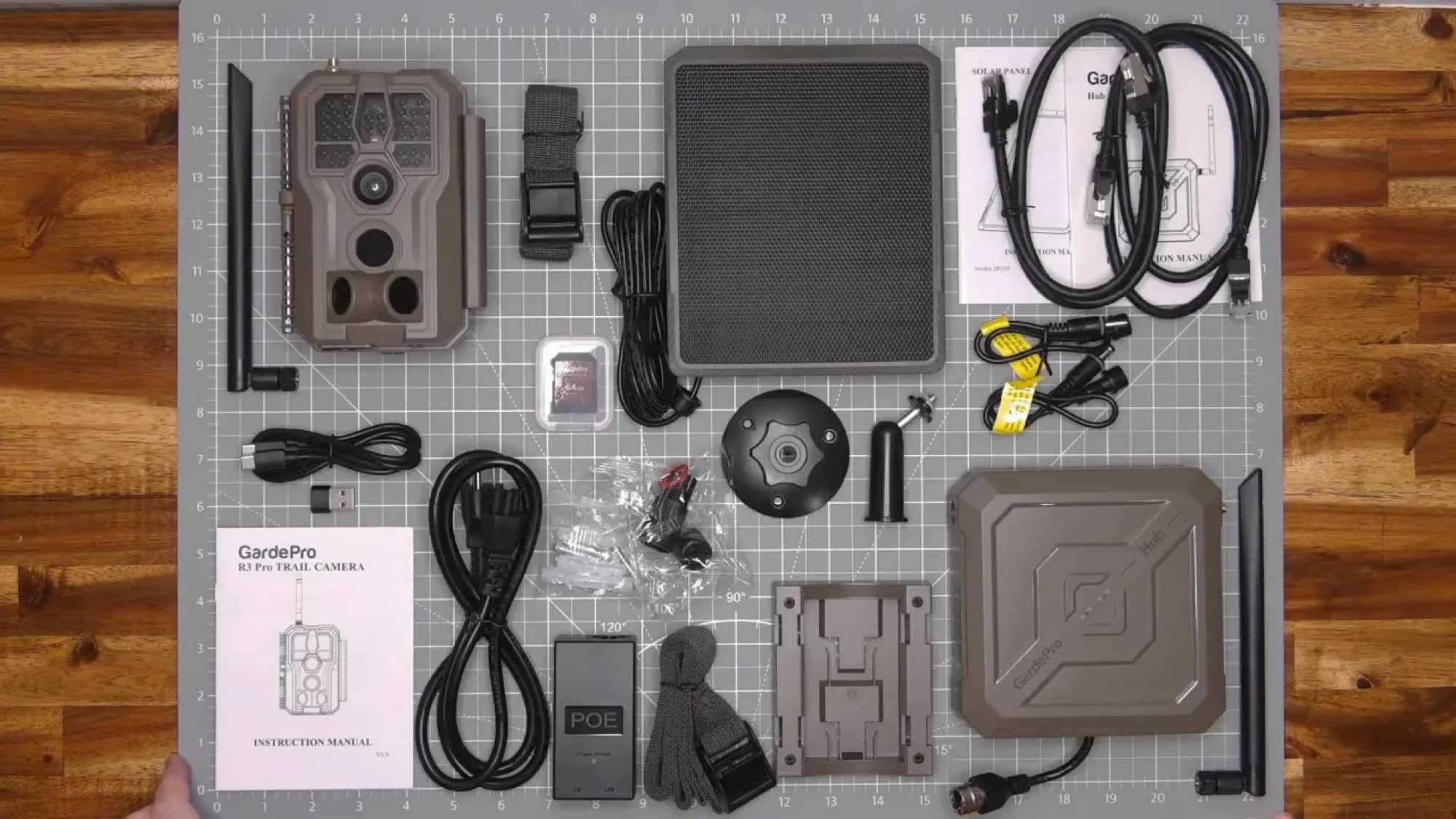
The exact contents will depend on the configuration purchased. The test package included the camera and hub, along with the accessories needed to get started. The solar panel is an optional purchase but well worth buying.
- GardePro R3 Pro Long Range WiFi Trail Camera
- GardePro Link 1.0 hub
- Camera antenna
- Rechargeable battery pack
- 64GB industrial-grade SD card
- Tree-mounting strap
- Mounting accessories and cables
- Optional 3.5W solar panel
GardePro also offers a 10W solar-panel option. A solar panel is not required, but it is definitely worth considering for a camera installed in a location that is inconvenient to reach. It can save you from having to periodically take down the camera and recharge the battery indoors. My advice is to buy it.
Tech Specs
- Camera: GardePro R3 Pro Long Range WiFi Trail Camera
- System: GardePro Link 1.0 hub-based wireless connection
- Hub-to-camera range: Up to 3,000 feet line of sight; approximately 1,600 feet in typical use
- Maximum cameras per hub: 16
- Recording: 4K UHD photos and video
- Photo resolution: Configurable up to 64MP
- Night vision: 940nm no-glow infrared with a stated range of up to 100 feet
- Storage: Included 64GB SD card
- Battery: 7,800mAh rechargeable lithium battery
- Charging: USB-C
- Solar options: Optional 3.5W or 10W solar panel
- App: GardePro Link app
Design and Setup
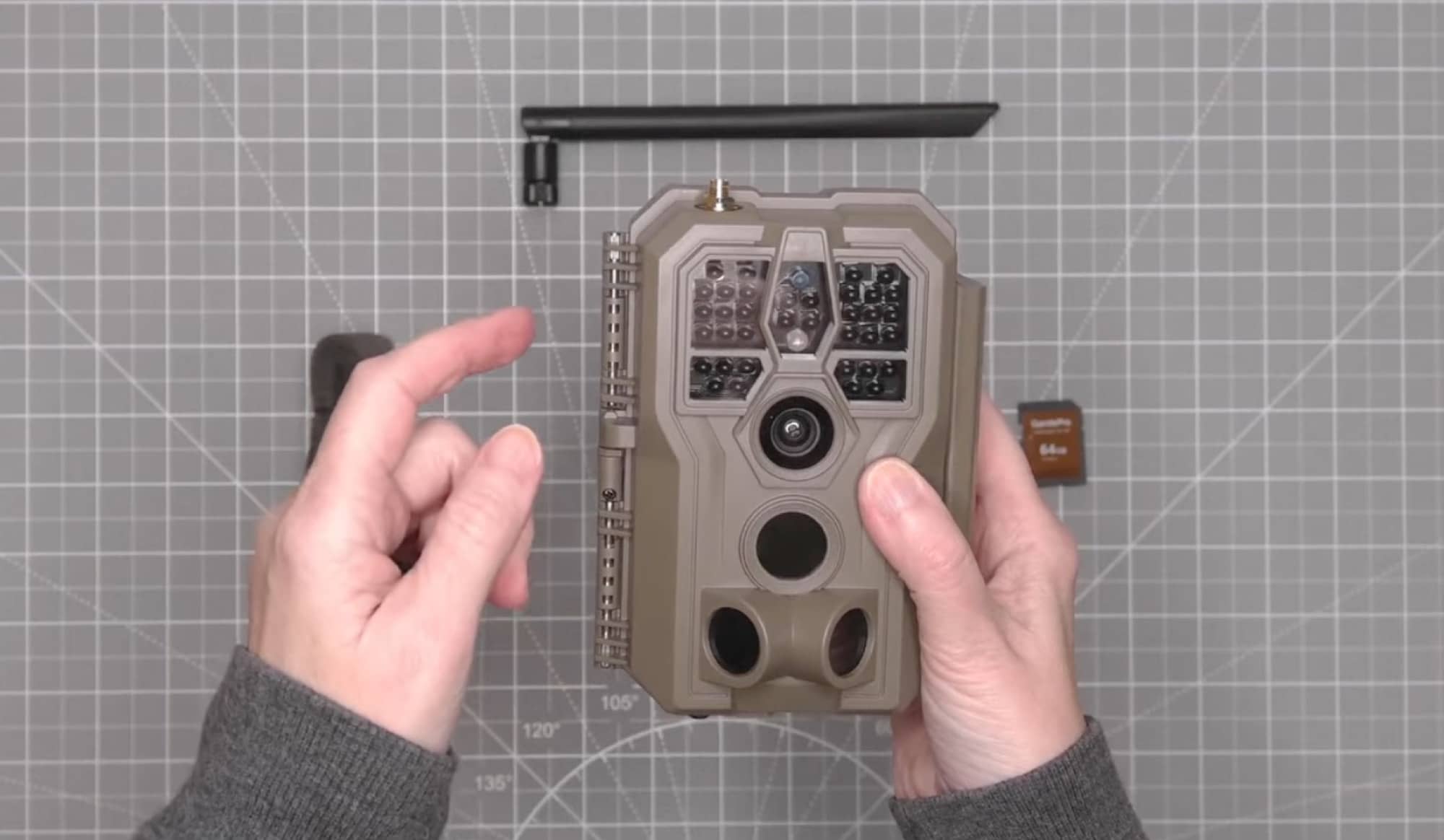
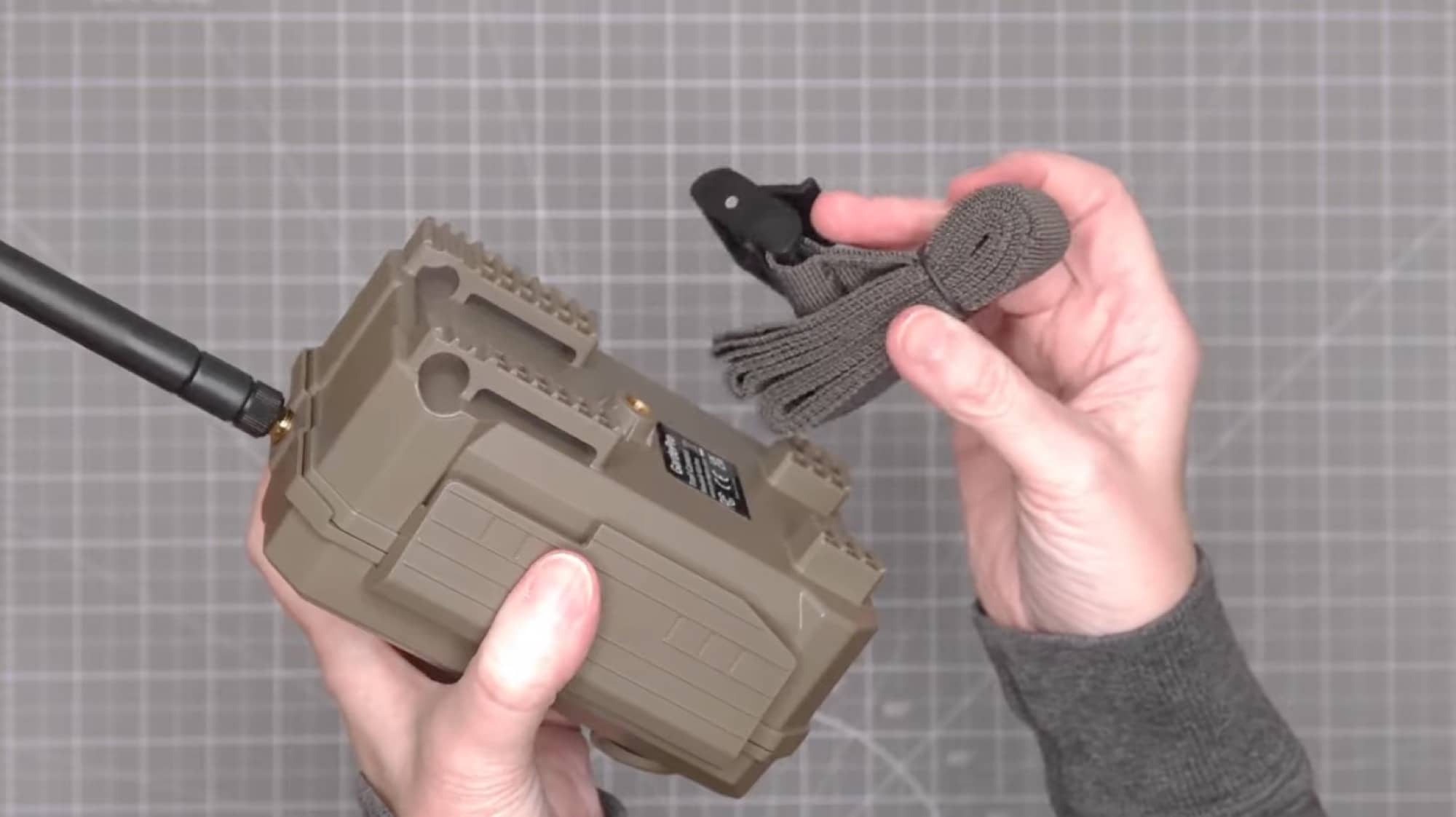
The R3 Pro has the familiar trail camera look, with a compact rectangular body, IR LEDs around the lens area, a front-facing camera lens, and a removable antenna that screws into the top. The camera includes slots on the back for threading the included strap through, making it easy to secure around a tree or post.
Inside the weather-protected camera housing, there is a small color display, physical navigation controls, the SD-card slot, and the removable rechargeable battery. The internal battery should be charged through USB-C before your initial installation, even if you plan to attach a solar panel. Once charged, it slips back into place easily.
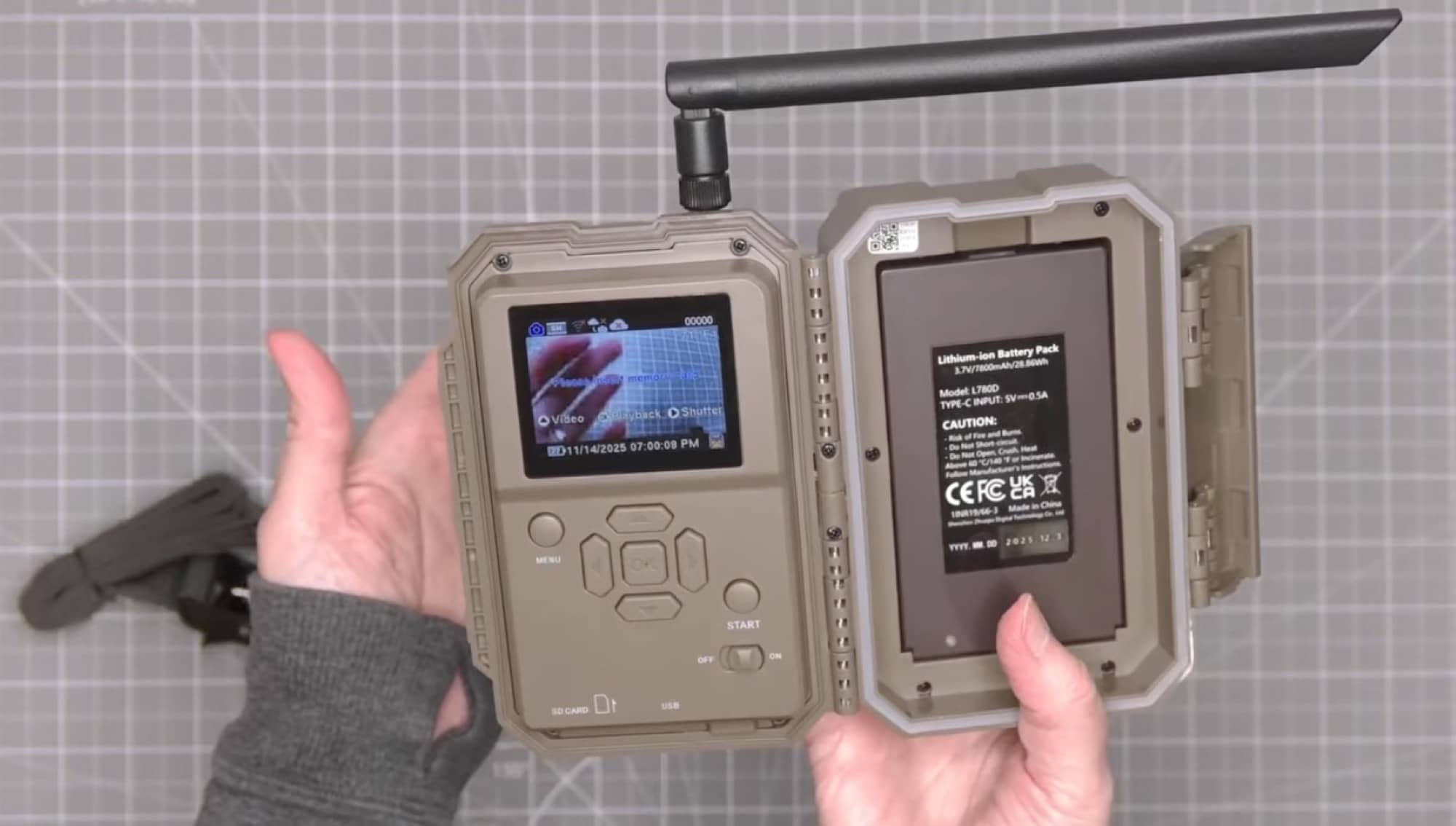
The small internal display makes the initial setup of the GardePro Link 1.0 system much easier than trying to do everything through an app. It shows a live preview, battery status, temperature, date and time, photo settings, SD card status, and connection information. The camera defaults to 8MP out of the box, although the image resolution can be increased to a maximum of 64MP. For video, the maximum is 4K.
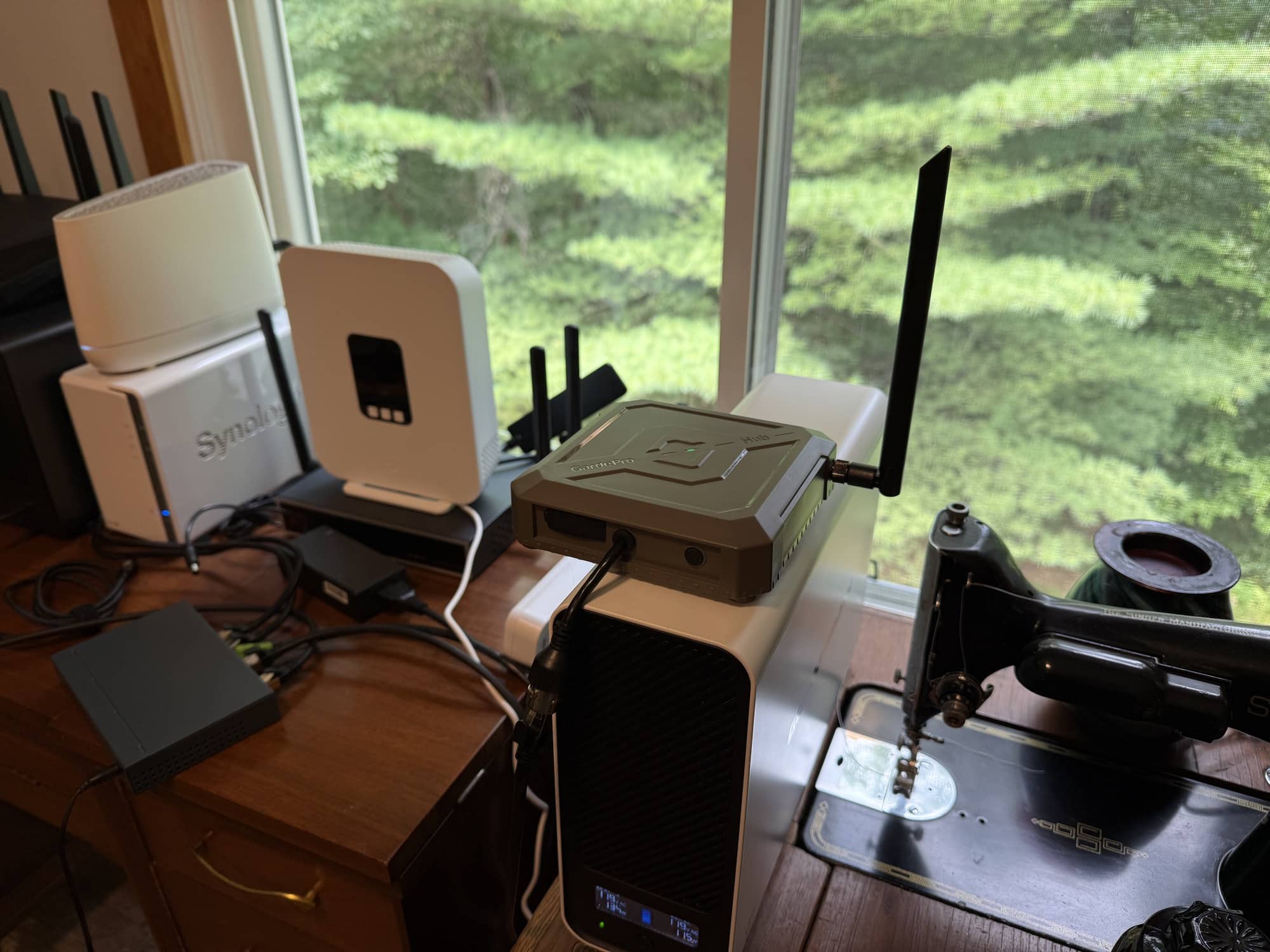
The important thing to remember is that the GardePro R3 Pro trail cameras must be paired with the GardePro Link 1.0 hub before they are carried outside. The hub itself also requires a router connection. This is not a system where the hub can simply be plugged in anywhere indoors with internet access and expected to work.
It’s also important to note that the GardePro Link 1.0 hub is only compatible with the GardePro R3 Pro cameras. Other GardePro cameras (including their cellular cameras) are not compatible with this hub.
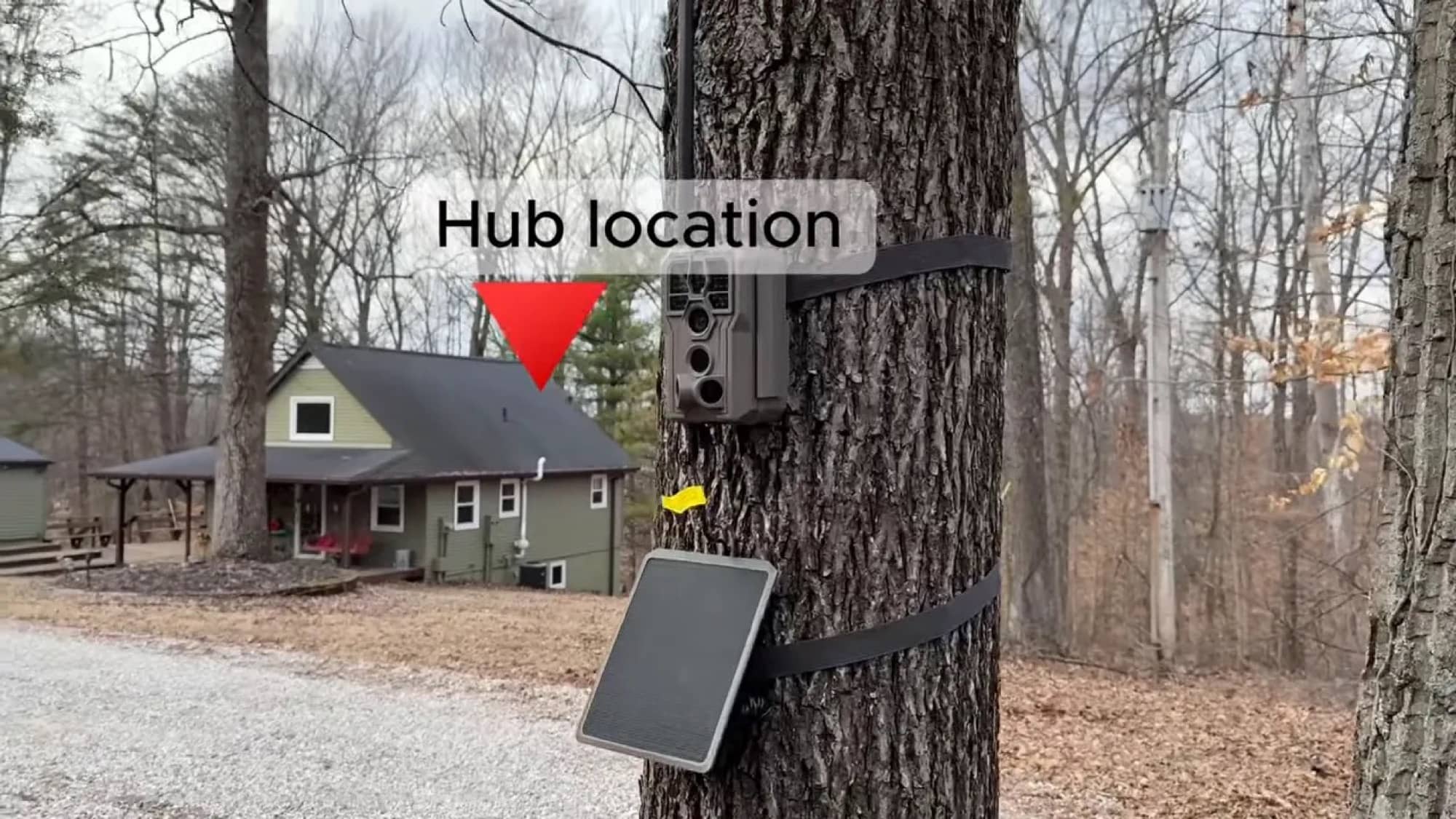
Once the hub and camera are paired, outdoor installation is straightforward. I strapped the GardePro R3 Pro trail camera to a tree, made sure the lenses were clean, and installed the solar panel below the camera. The panel placement may take a little trial and error because you need reasonable sun exposure while still keeping the camera pointed at the area you want to monitor.
After installation, the GardePro Link app showed that both the hub and camera were online. The camera had three of five signal bars and a 94% battery charge, which gave me confidence that the connection was working before I left the area.
Image Quality, Night Vision, Video and Audio
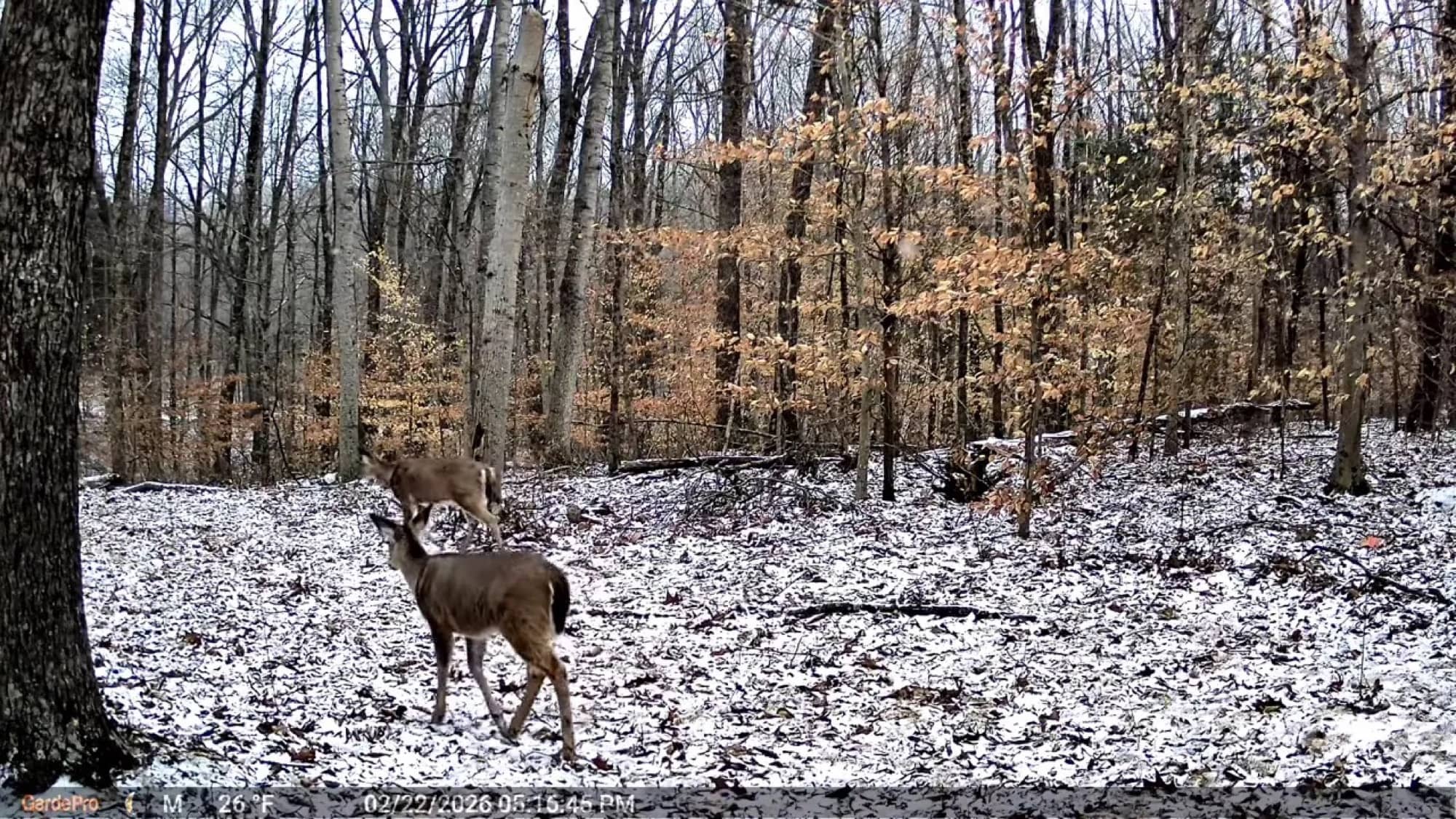
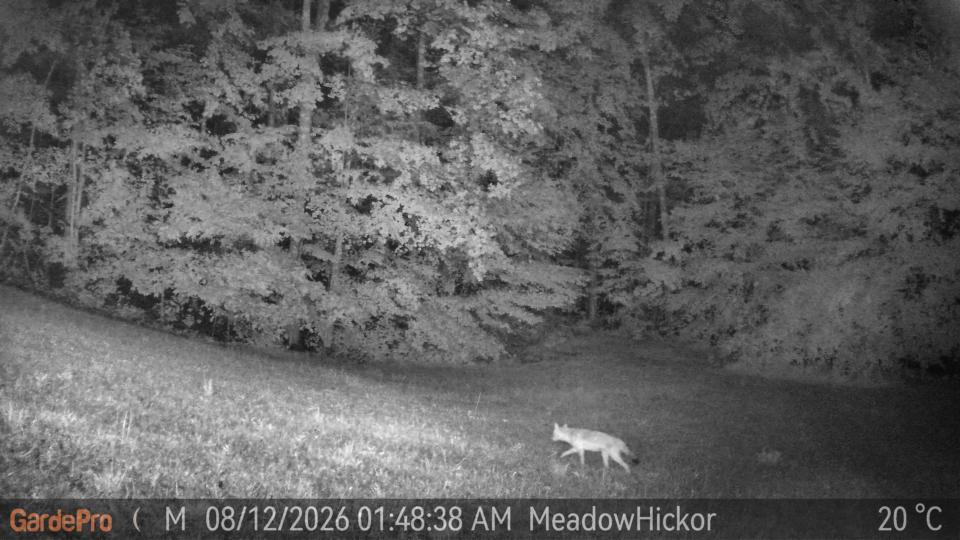
The GardePro trail camera captured both daytime and nighttime activity during my testing. Daytime image quality looked good, with enough detail to clearly identify a deer moving through the woods. The built-in microphone also captured audio, which is a nice bonus for wildlife footage and property monitoring.
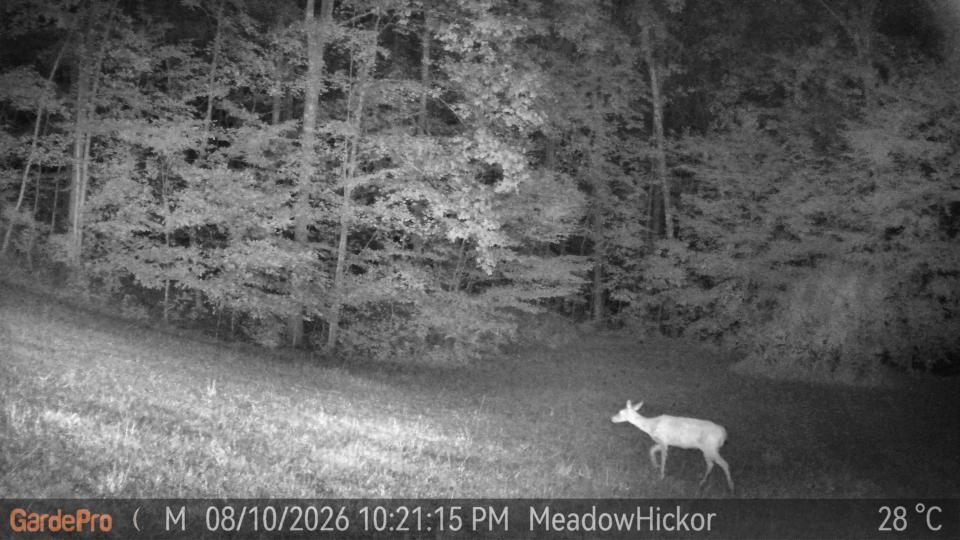
The infrared night footage was clear enough to show the wooded area after dark. The no-glow IR design is also a good fit for wildlife monitoring because it does not add an obvious visible light source.
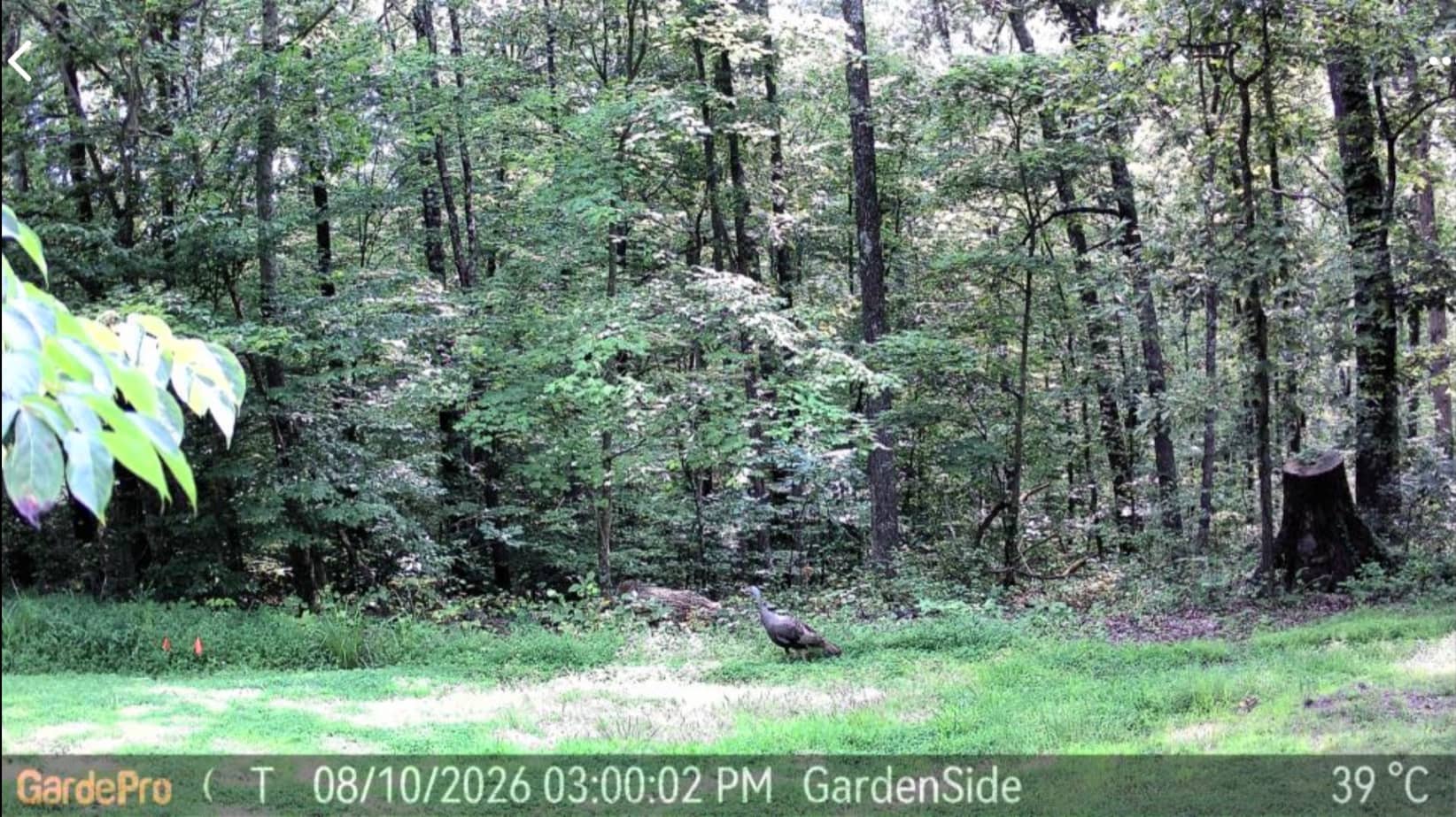
I did not capture much wildlife at the first location, so I moved the camera deeper into the woods. That is where the advantage of the Link system became more impressive. A conventional WiFi camera would have been inconvenient to use that far from my house’s WiFi range, while the GardePro hub connection let the camera remain online without using a cellular plan.
The GardePro Link App and Subscription Plans
The GardePro Link app is one of the stronger parts of this system. It is easy to use, shows whether the hub and cameras are online, displays signal strength and battery status, delivers motion-triggered image notifications to a phone, and even allows you to see an on-demand live view from the camera.
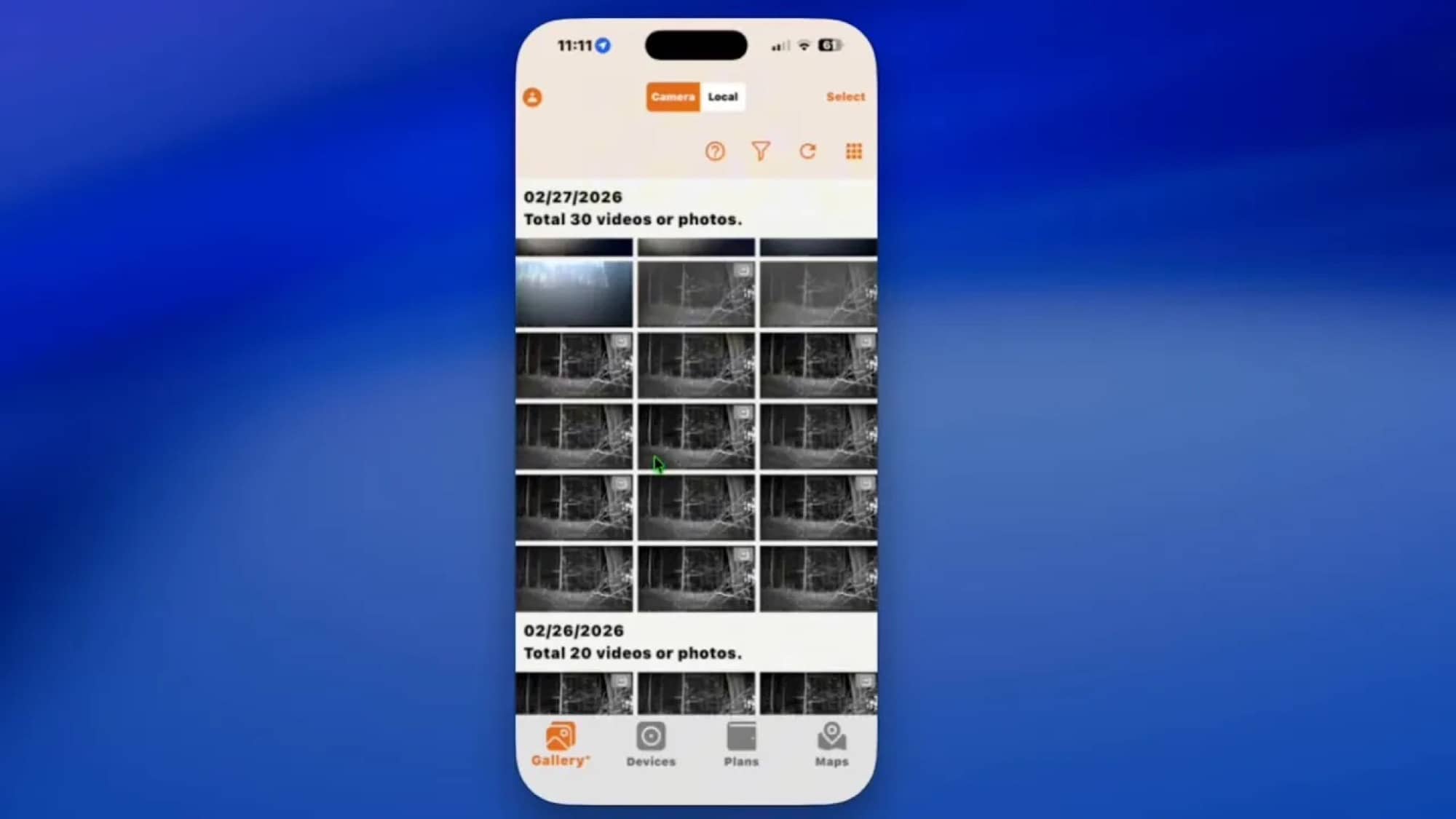
When I first installed and reviewed this system, it required a subscription plan for features like the live video streaming and video downloads. Not long after I posted that video review, GardePro dropped their subscription plan and made all those premium features for free, which I think is awesome!
Long-Range Connection Expectations
It is important to separate the GardePro Link 1.0 camera-to-hub communication range from the camera’s motion-detection range. GardePro’s 3,000-foot claim refers to the wireless connection between the camera and Link hub in an open, unobstructed area. It is not a claim that the camera can detect motion from 3,000 feet away.
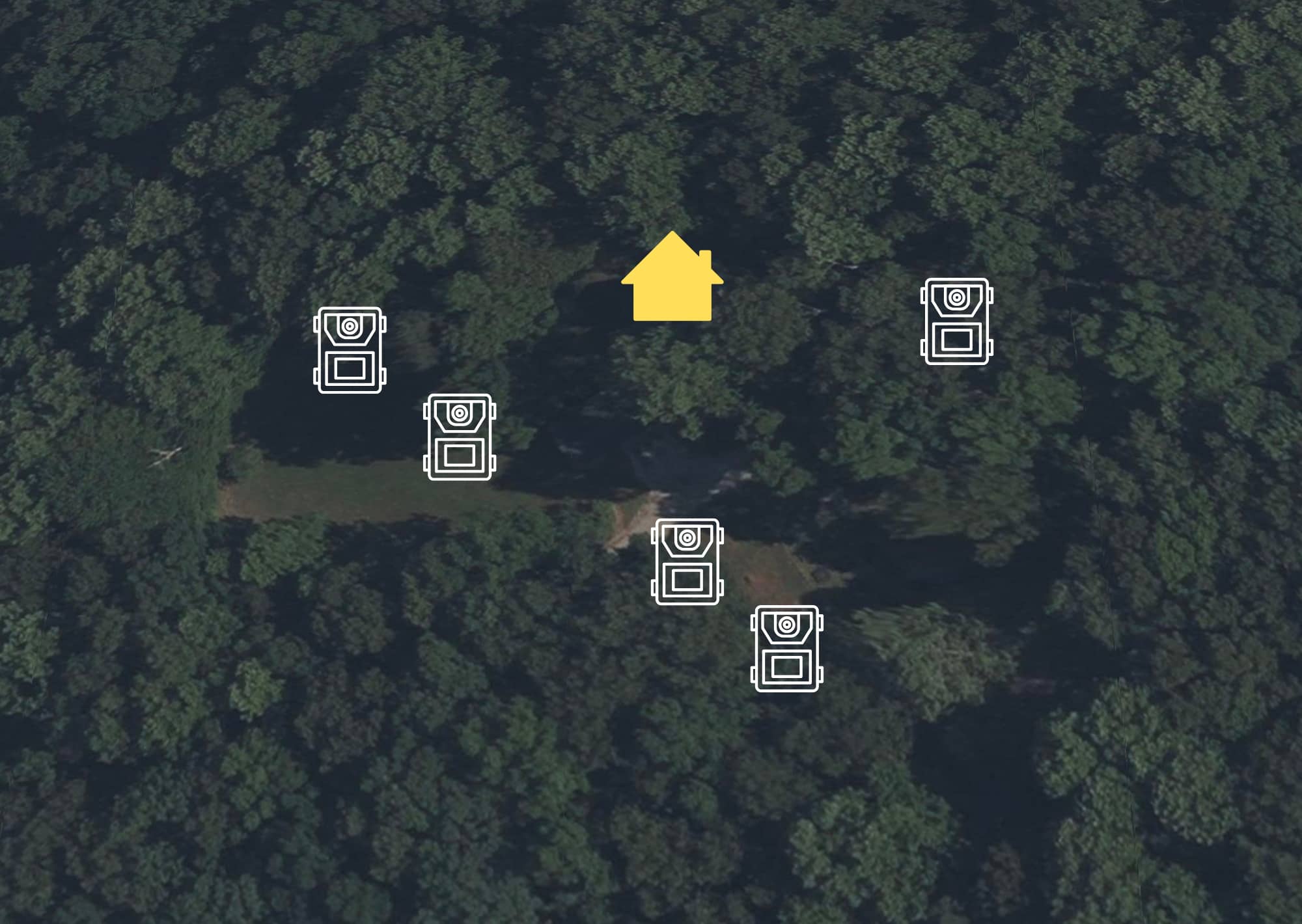
I tested the camera in various locations around my property, and this is the layout I ended up with after I accumulated 5 cameras.
In the real world, trees, terrain, fencing, buildings, and walls can all reduce wireless range. GardePro estimates that approximately 1,600 feet is more typical for regular outdoor use. That figure seems like the more useful expectation for anyone planning a large-property installation.
For the right property, the hub is the feature that makes this system stand out. One connected hub can support up to 16 cameras, which could cover several trails, gates, livestock areas, outbuildings, or food plots without buying a separate cellular plan for each location.
Motion Detection Testing Was Inconsistent
GardePro lists the R3 Pro’s PIR (passive infrared) sensing distance at up to 90 feet. In a basic practical test using a 25-foot tape measure, motion detection did not behave consistently.
At 25 feet, no notification arrived. Repeating the test at 20 feet did produce a notification. Testing at 22 and 23 feet suggested that 22 feet was the farthest reliable point in that particular setup. Notifications arrived roughly 30 seconds after motion was detected.
You can watch me do this testing in the See It In Action video below.
In a separate test, the camera appeared to detect movement from approximately 35 to 40 feet away. That tells me the sensor is capable of working at a greater distance, but the results were variable enough that I would not feel comfortable counting on a 90-foot trigger range.
Motion detection is not a minor trail-camera feature. It determines whether the camera captures the deer, turkey, person, vehicle, or other activity passing through the scene in the first place. If a target needs to be within 20 to 40 feet to trigger consistently, careful placement becomes essential. Mount it closer to a trail, gate, feeder, or other predictable route rather than aiming it broadly across an open field.
It is possible that this individual camera has an issue, and it will be interesting to see whether GardePro addresses the discrepancy. But based on this testing, I would treat the stated 90-foot PIR range as a best-case specification rather than a real-world planning number.
See It In Action
Who Is It For?
The GardePro Link 1.0 system makes the most sense for people who need camera coverage beyond their home WiFi network but do not want cellular-camera fees.
- Homeowners with large rural or wooded properties
- Farm and ranch owners monitoring livestock, gates, or equipment
- Hunters monitoring trails and food plots within hub range
- Anyone wanting to run multiple cameras from one hub
- People who value local SD-card storage and optional cloud conveniences
If your specific monitoring area requires a camera to trigger at 75 to 90 feet, my test results should be a warning sign. It is also not the right choice if there is no practical way to connect the hub to a router or if camera locations extend far beyond the realistic hub range once obstacles are considered.
Even With Motion Detection Range Issues, I Bought More Cameras
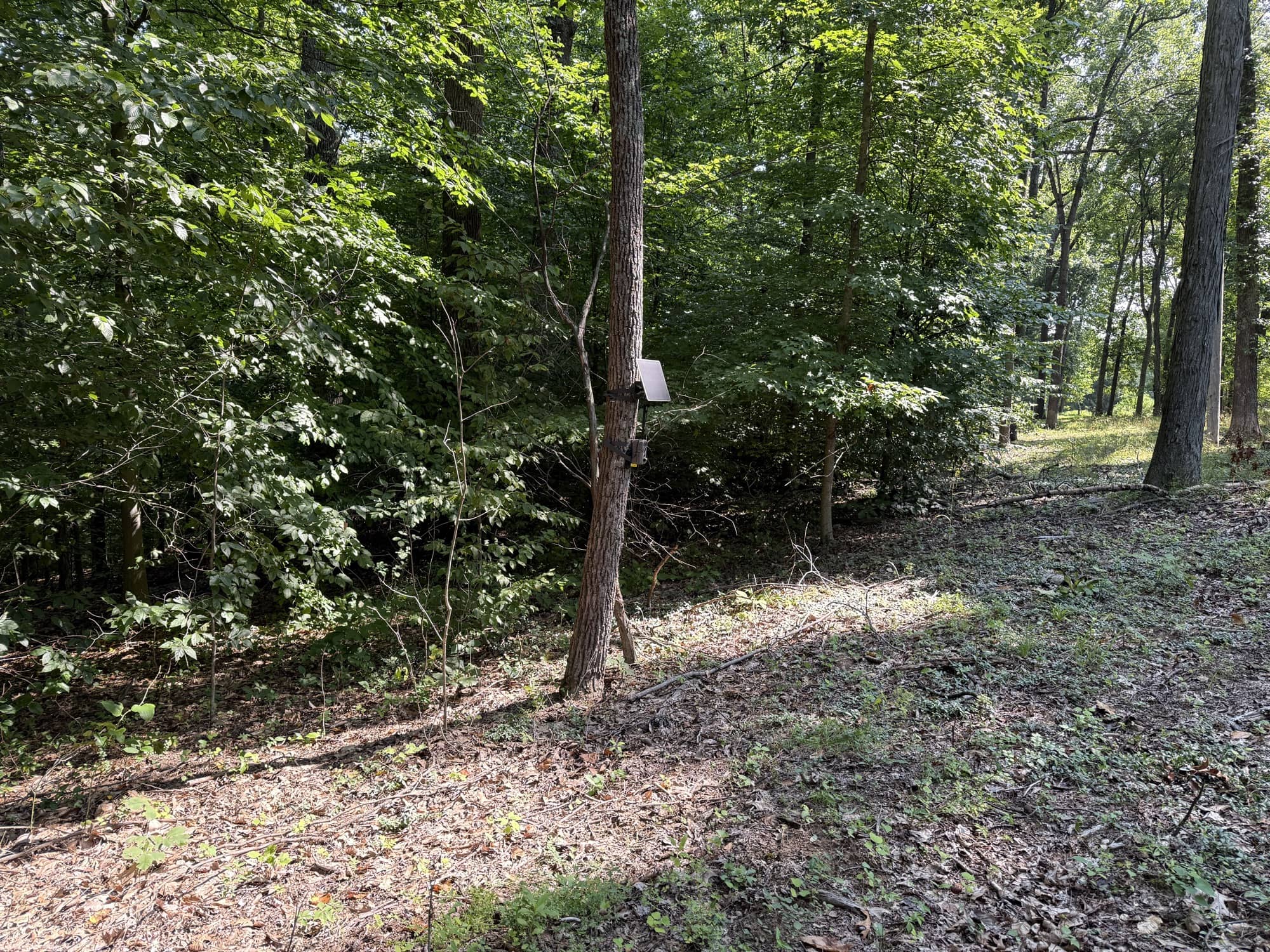
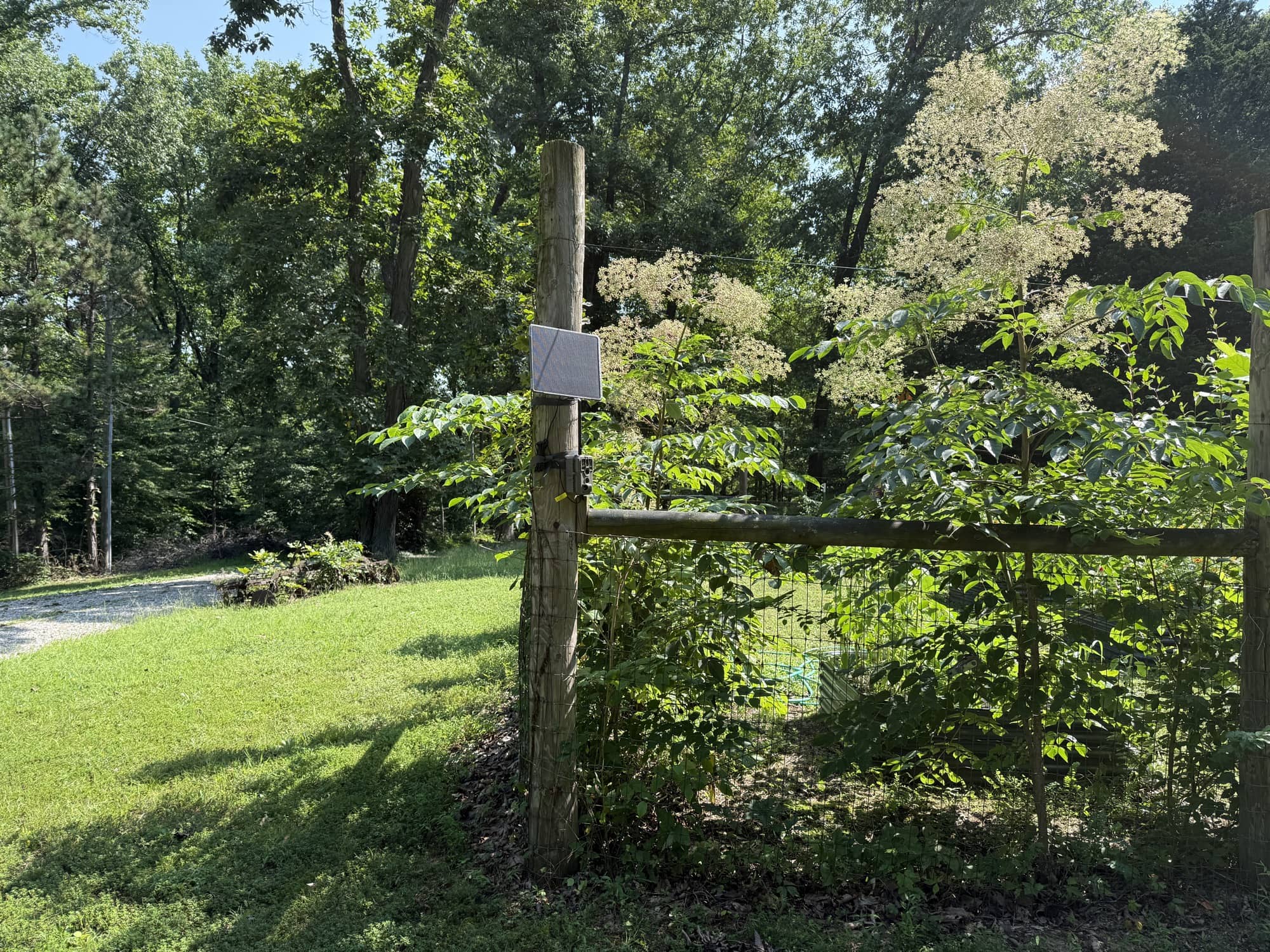
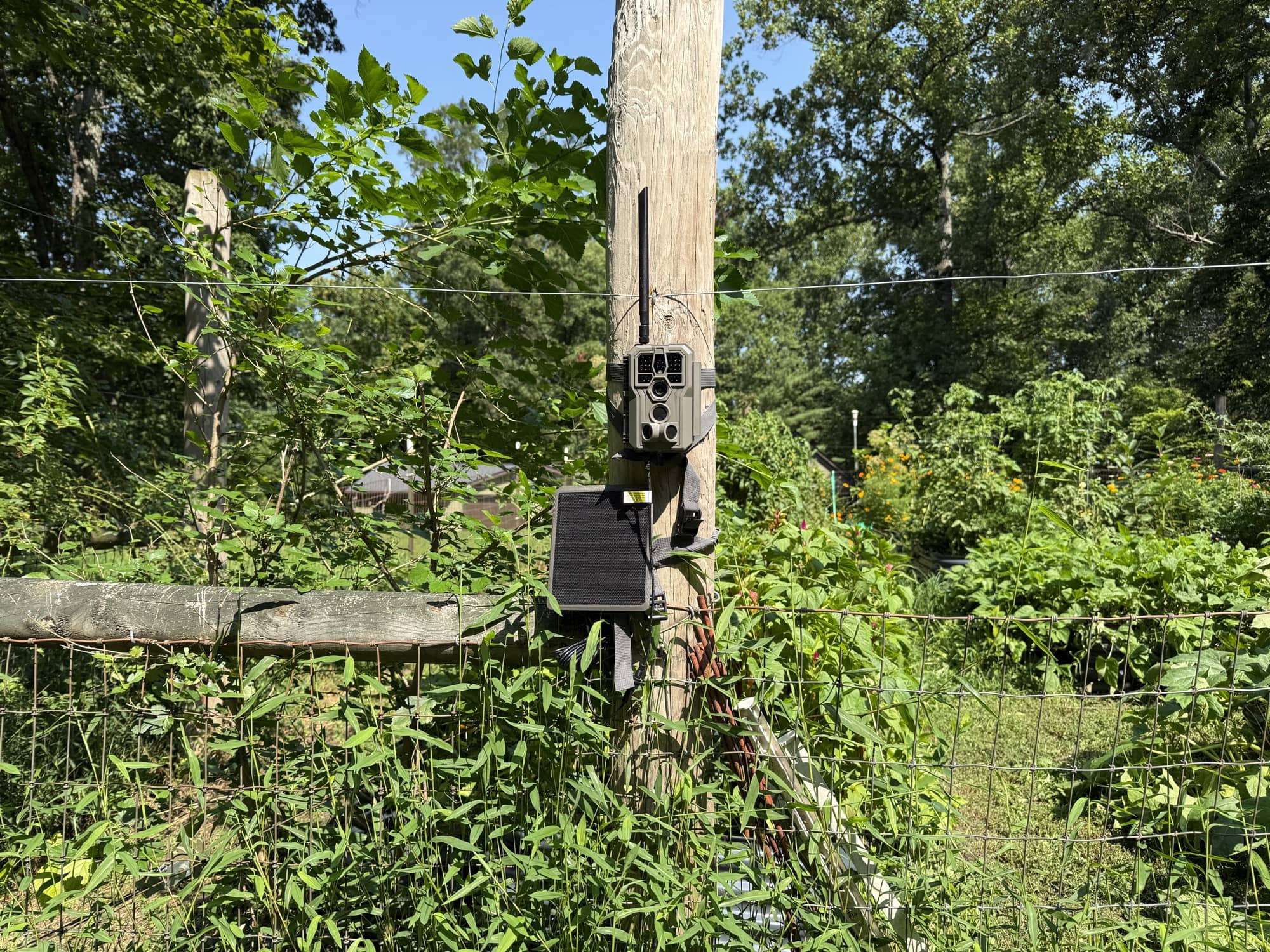
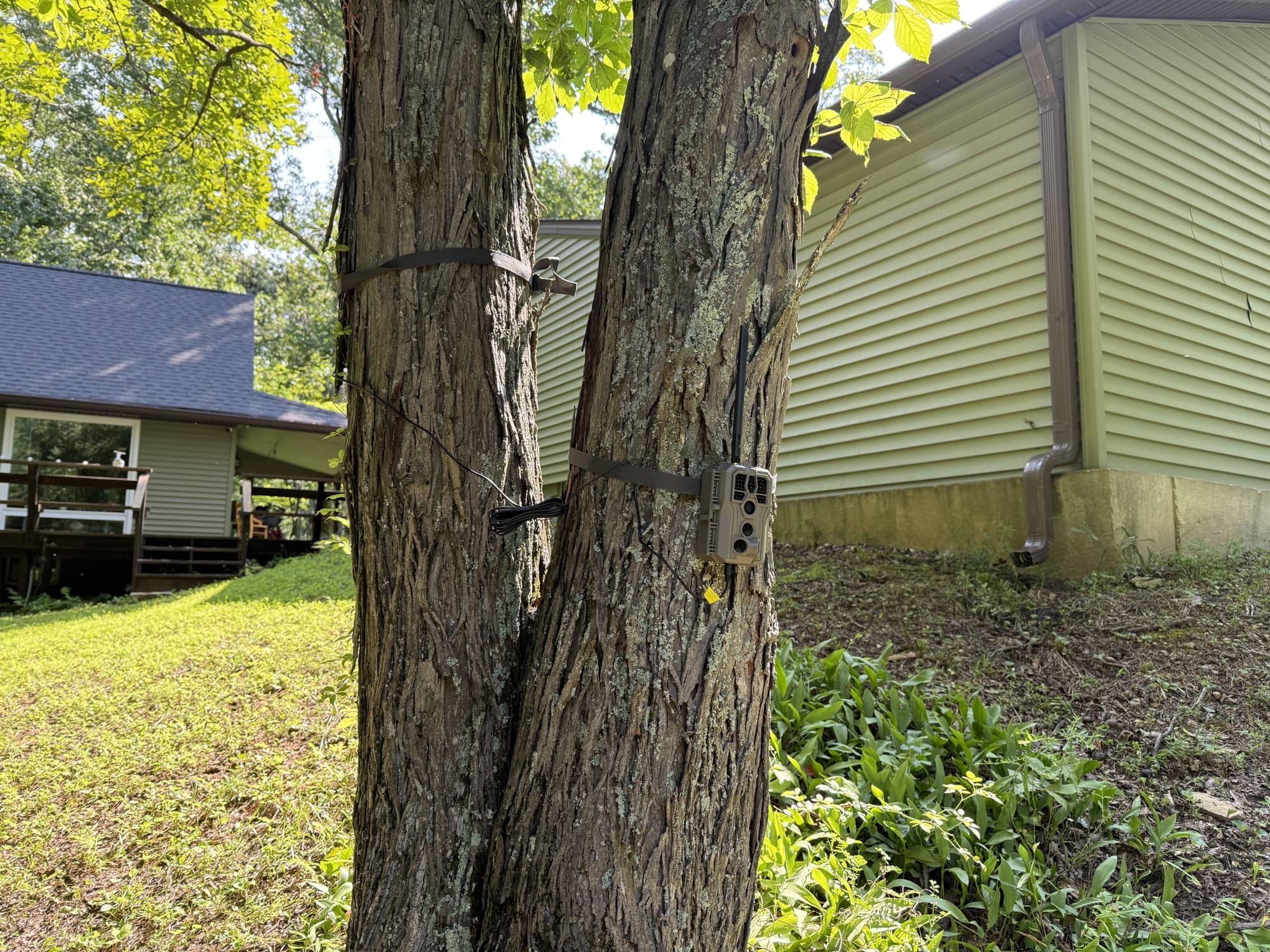
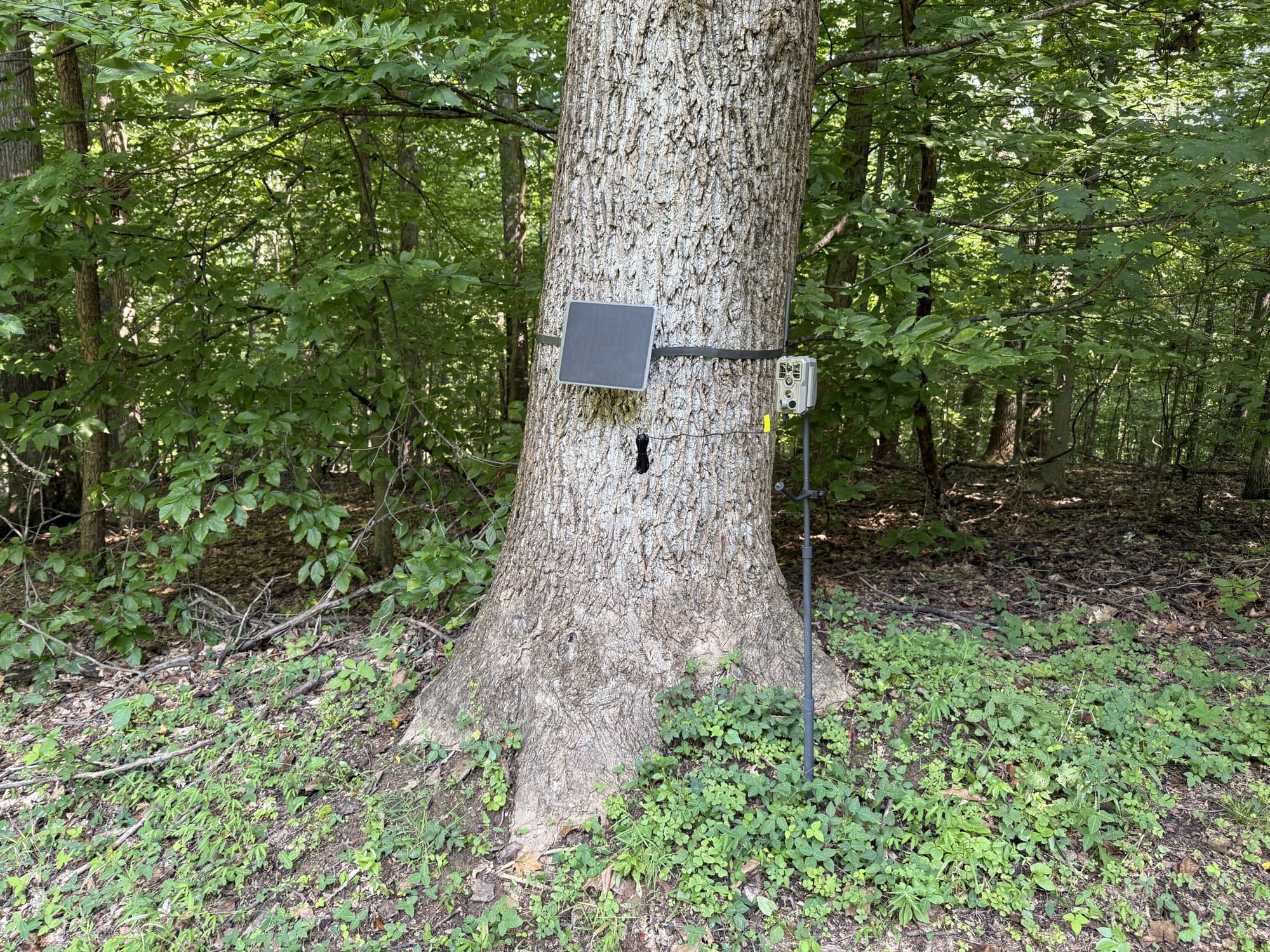
Although I had some range-detection issues with the first camera, I liked it so much (after months of use) that I ordered two more with solar panels on my own dime. Why? Because I wanted to replace Reveal Tactacam cellular trail cams that I’ve been paying a subscription for for a couple of years. A few days after I ordered two new cameras, GardePro contacted me offering two more cameras. I accepted.
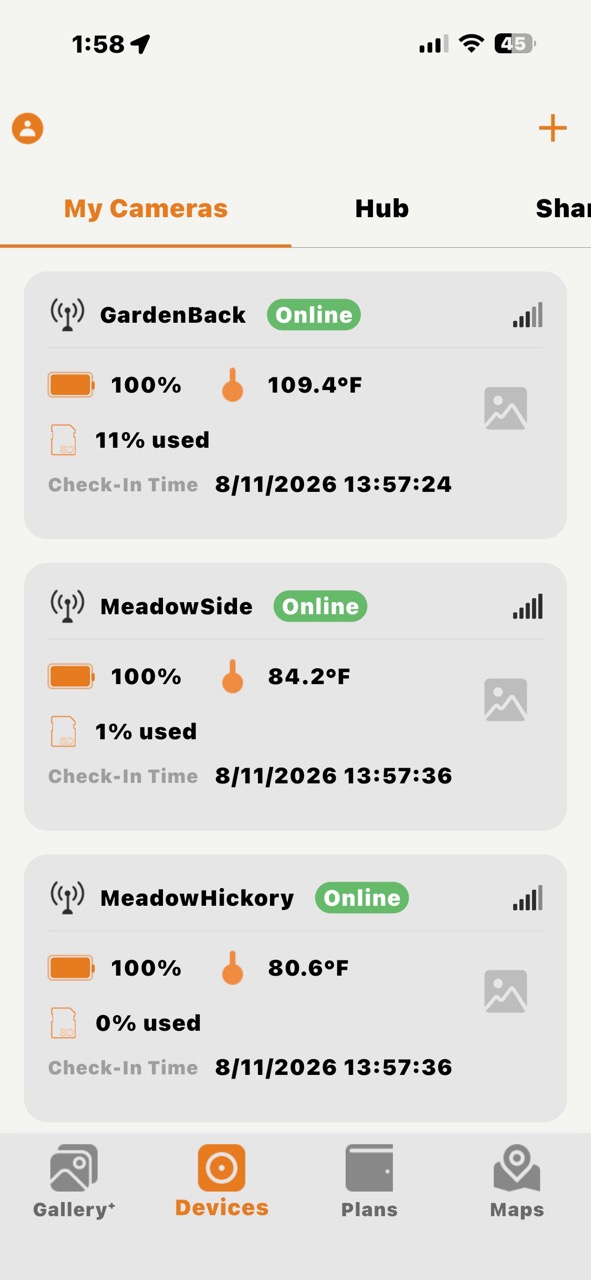
So now I have five trail cameras. The GardePro Link 1.0 hub can accept up to 16 cameras, so my 5-camera test isn’t a big deal, but I decided to create a new video about setting up multiple cameras with the Link hub. You can see it below.
Multiple Camera Installation Video:
Final Thoughts
The GardePro Link 1.0 system is a clever alternative to cellular trail cameras. The hub-based approach is its most compelling feature, offering a way to extend connected camera coverage across a large property. I like the hardware, the simple initial setup, the included 64GB SD card, solar compatibility, and the GardePro Link app.
I also appreciate that it works without a mandatory subscription. It’s great that you can check in with a live view any time you want, and you don’t need to hike through snow or woods just to retrieve a video clip.
However, the inconsistent motion detection is hard to ignore. The claimed 90-foot PIR range did not match my test results, which were closer to 22-25 feet, although the camera has detected motion farther away since it’s been in use for months. If GardePro can improve or clarify the motion-detection performance, this would be an even more compelling long-range trail-camera system.
Even with the less-than-advertised motion detection range, I can still recommend the GardePro Link 1.0 system. So much so that I ended up buying (with my own money) 2 additional cameras and solar panels to replace Reveal Tactacam cellular trail cams on my property. I got tired of paying the monthly subscription for the 4 Tactacam cameras, and now I can view live footage anytime I like through GardePro.
The GardePro Link 1.0 trail camera system (with 1 camera) retails for $299.99. It is available directly from the manufacturer and other retailers, including Amazon.
Source: Manufacturer-supplied review samples along with 2 cameras and solar panels that I purchased myself.
What I Like: Long-range hub-based connection; Supports up to 16 cameras per hub; Simple setup; No subscription plan required; Includes a 64GB SD card with each camera; Optional solar power; Easy-to-use app; Live view and remote video playback
What Needs Improvement: Maximum motion-detection range can be inconsistent and fell well short of the stated 90-foot PIR sensing distance in repeatable testing

Looks like a solid performer but having a quality app (not always the case these days) and dropping the subscription fees for features makes it something you can trust will work for you in the ways you want.
I love this concept and seems especially handy for checking to see if bears or other wild life of interest are in the area.
Looks like an Awesome addition to my camera collection