
The Lowdown
In short, the Zepp Clarity One feels like a product built around exceptional industrial design, but constrained by software and tuning decisions that keep it frustratingly short of its potential.
Overall
Pros
- Extremely discreet, nearly invisible design
- Ultra-lightweight and comfortable for extended wear
- FDA-cleared OTC hearing aid, not a simple amplifier
- Strong battery life with long-lasting charging case
- Generous 60-day return policy and lifetime support
Cons
- Limited configurability and blunt tuning controls
- App only functions when hearing aids are in the charging case
- Awkward and imprecise tap-based program switching
- No Bluetooth streaming for calls or media
There is a quiet shift happening in personal audio, and it has nothing to do with louder speakers or punchier bass. It is about hearing help that does not announce itself the moment you walk into a room. The Zepp Clarity One In-Canal Over-the-Counter (OTC) Hearing Aids sit squarely in that space, offering an over-the-counter hearing solution that looks more like discreet modern tech than something borrowed from a clinic waiting room. That alone will matter to many people.
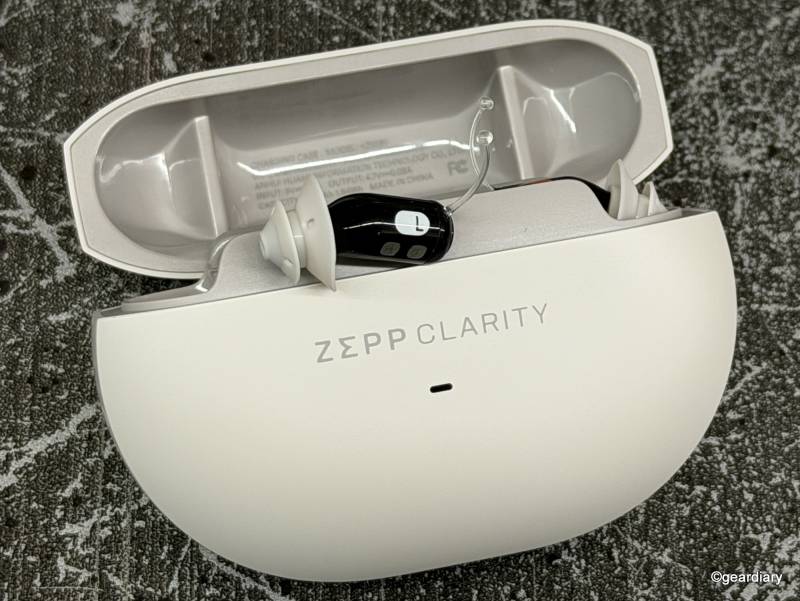
The more important question is whether that invisibility and modern packaging translate into real-world usefulness, and whether the Clarity One actually earns its price, especially now that it is often sold at a steep discount from its original asking price.
At $1,199 $699 normally and currently hovering around $600, the Clarity One occupies a tricky middle ground between bargain amplifiers and prescription-grade hearing aids. That space is crowded, competitive, and full of bold claims. The challenge is that expectations rise sharply at this price point, and while the Clarity One does some things impressively well, other aspects feel underdeveloped, limited, or oddly constrained.
You Won’t Have to See an Audiologist.
The Clarity One is not a hearing amplifier pretending to be something more. It is an FDA-cleared, over-the-counter hearing aid, meaning it is legally classified as a medical device and must meet specific safety and performance standards. That distinction matters because hearing amplifiers simply make everything louder, including the stuff you do not want to hear. A proper hearing aid, even one you fit yourself, is designed to shape sound so speech becomes clearer without turning the world into a noisy mess.
This model is intended for adults aged 18 and older with perceived mild-to-moderate hearing loss. It is marketed as self-fitting, meaning you do not need an audiologist appointment to get started. For anyone who has delayed addressing hearing loss because of cost, stigma, or inconvenience, that accessibility is appealing.
However, the reality is more nuanced. While the Clarity One technically avoids the need for a clinical visit, it also removes much of the customization and diagnostic depth that make professional fittings so effective. The result is a setup process that feels simple, but also somewhat blunt, especially for users with more complex listening needs.
Unboxing and First Impressions
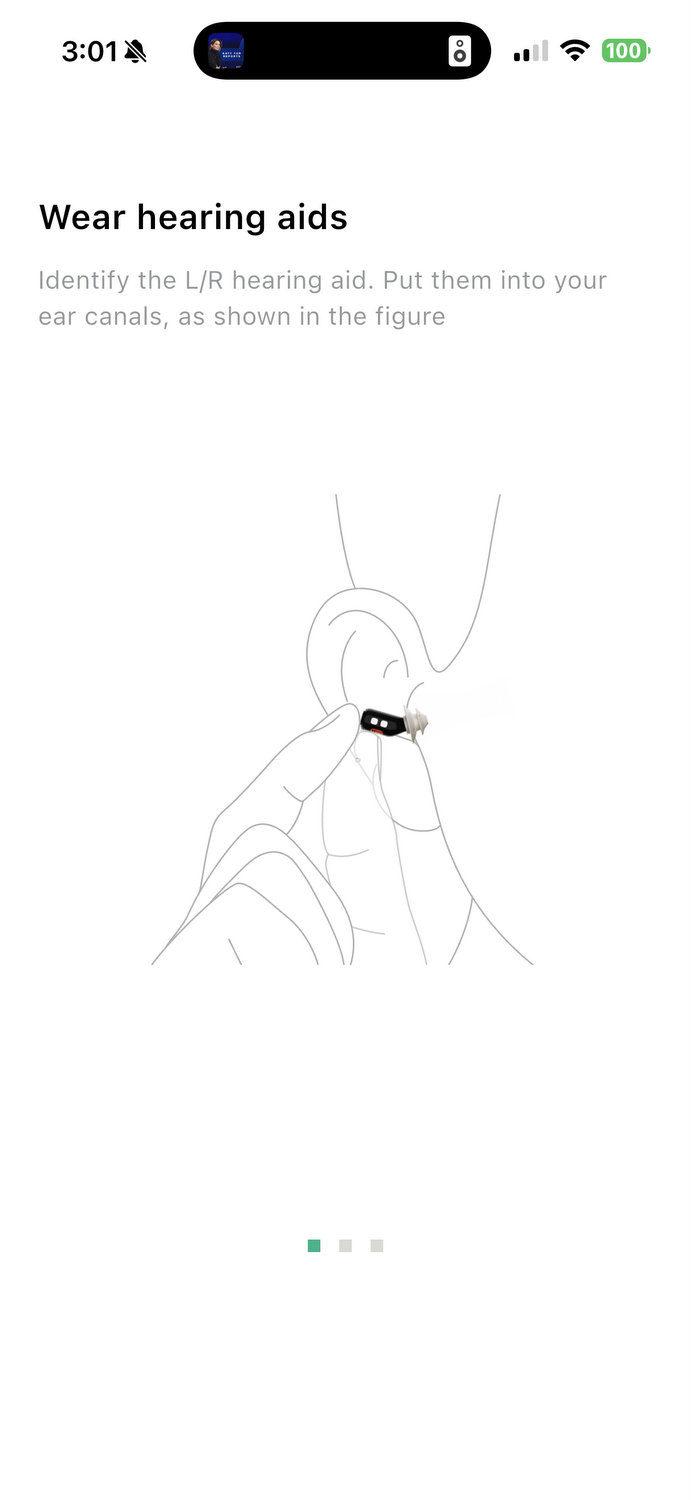
Opening the box does not feel clinical, and that is clearly intentional. Inside, you will find the two in-ear hearing aids, a compact charging case, multiple silicone ear tips in different sizes, a USB-C charging cable, a wall charger, a microfiber cleaning cloth, a cleaning brush, a wax guard replacement tool, and printed setup guidance.
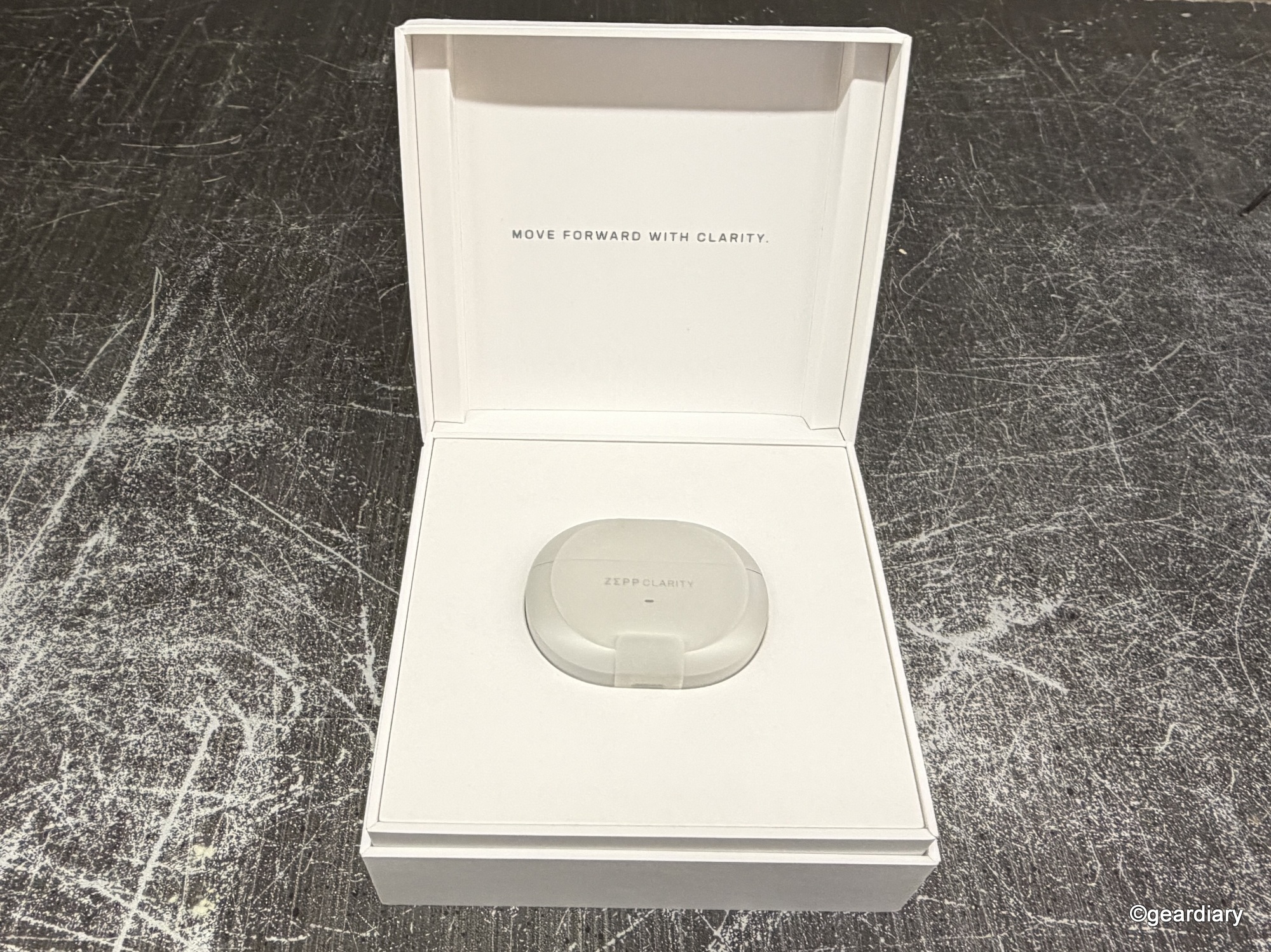
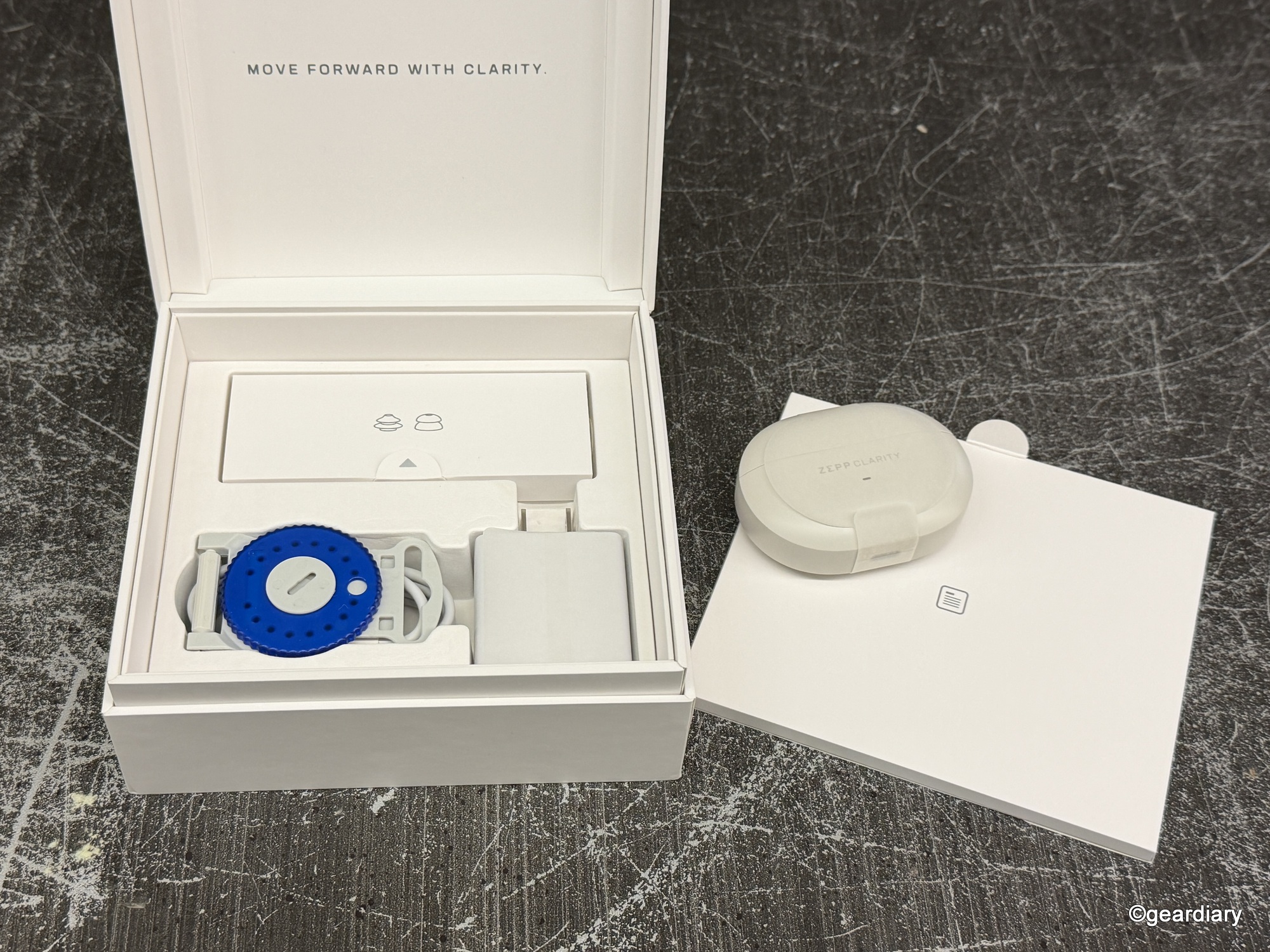
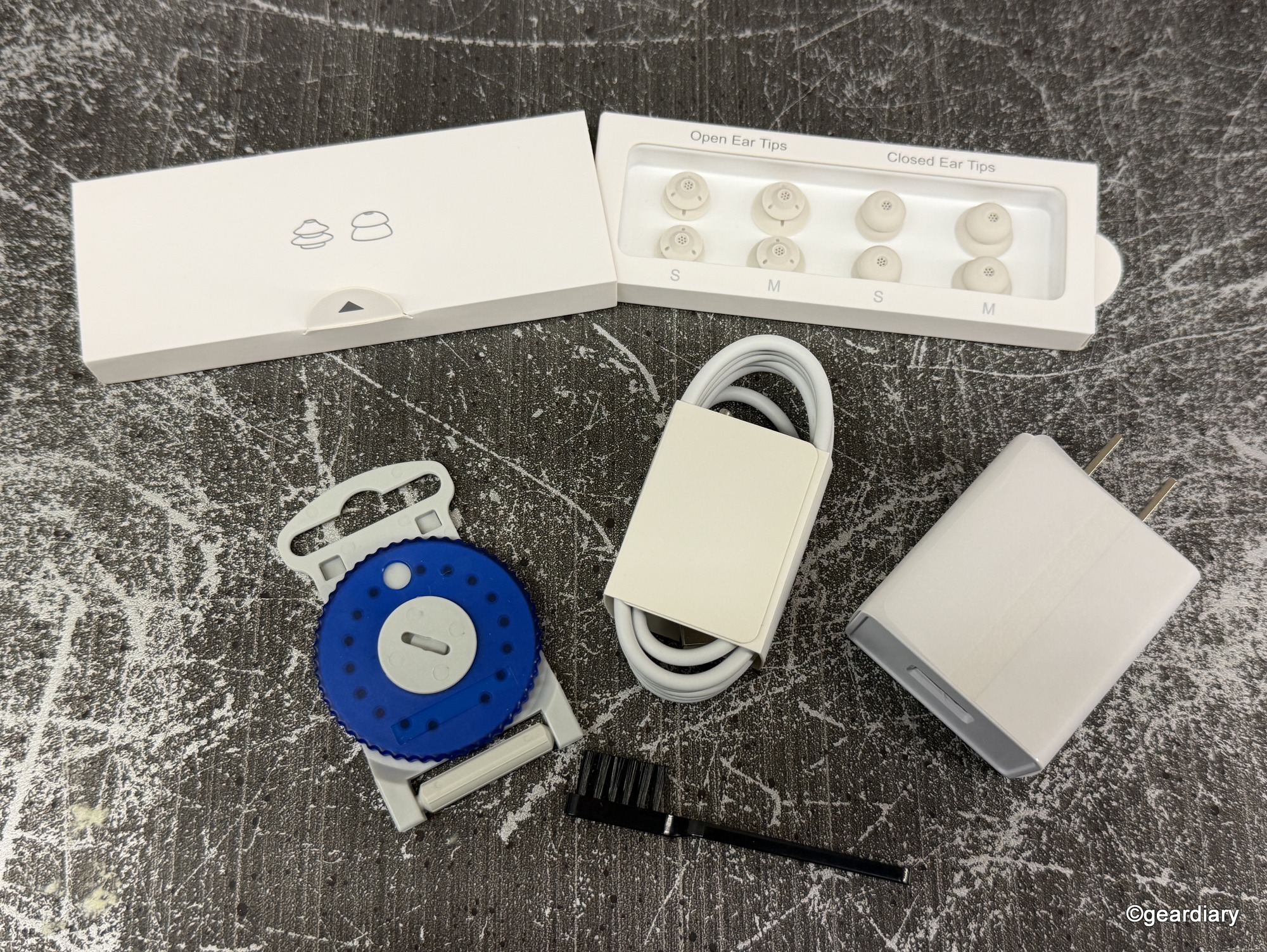
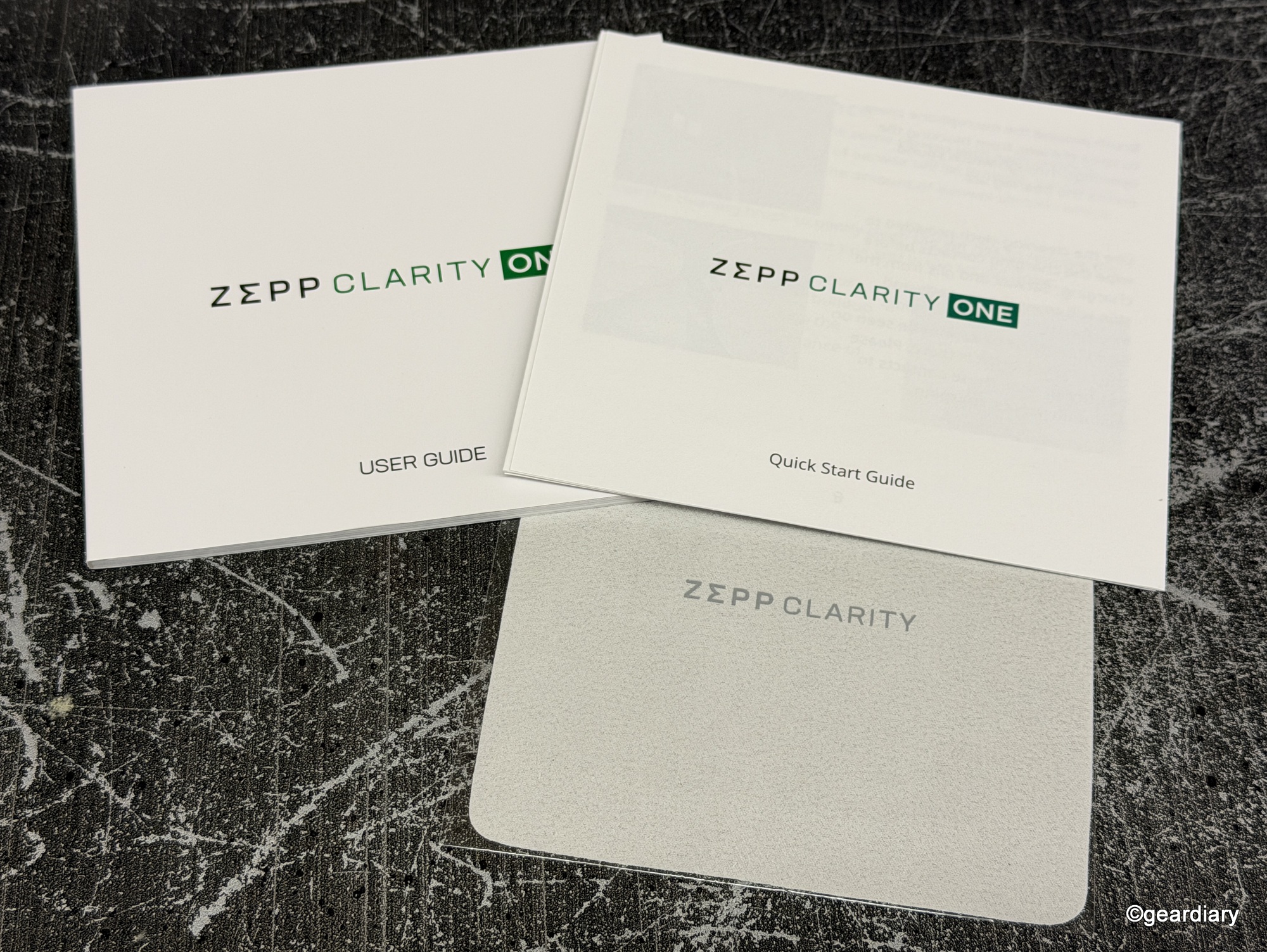
Nothing feels excessive, but nothing feels cheap either. The charging case is small enough to fit in a pocket without bulging and sturdy enough that it should survive daily handling without concern.
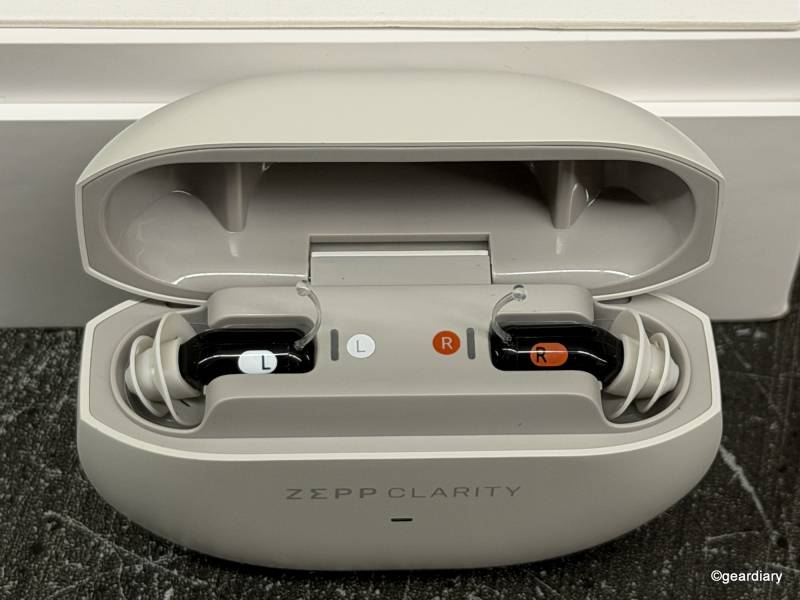
The earpieces themselves are impressively small, weighing just over a gram each. Once inserted correctly, the only visible element is a nearly transparent removal cord that hangs subtly from the ear. From even a few feet away, they are effectively invisible. For many people who delay addressing hearing loss due to stigma, that discretion may be the single strongest selling point.
Design, Materials, and Comfort Over Time
Each earpiece uses soft silicone tips that create a seal without pressure. Silicone is the right choice here, both for comfort and durability, since it can be cleaned easily and holds up well over time. The housing is lightweight and contoured to sit flush inside the ear canal, minimizing the plugged sensation common with cheaper in-ear designs.
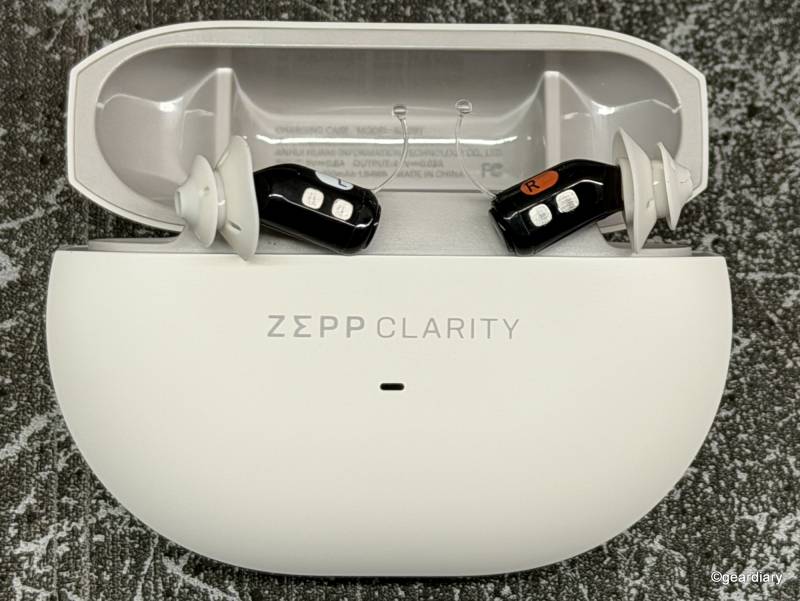
Comfort is one of Clarity One’s strongest qualities. Wearing them for a full workday, which can easily stretch to ten or twelve hours, rarely causes soreness or fatigue. They are designed for all-day use, though they are not intended for sleeping, so they still come out at night. In terms of physical comfort alone, Zepp largely gets things right.
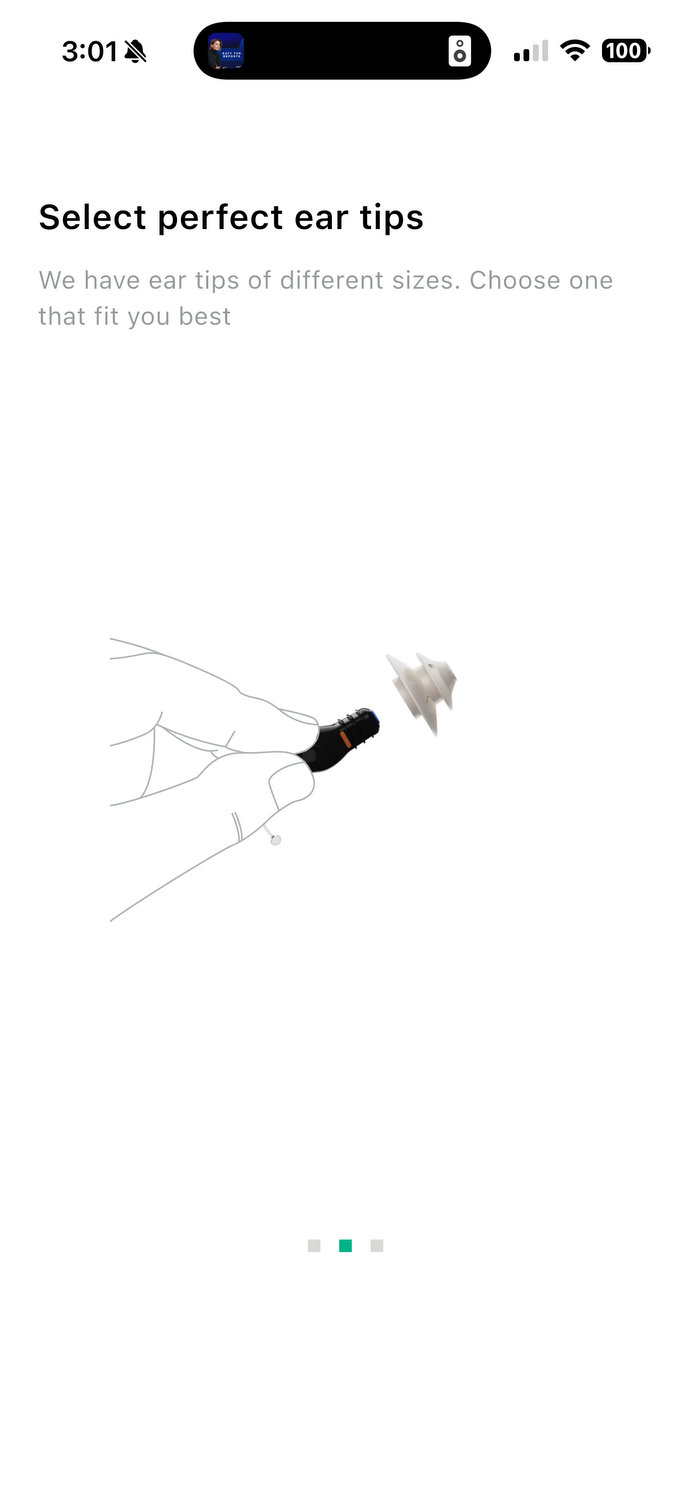
Zepp includes both open and closed ear tips, allowing users to subtly adjust sound delivery. Open tips feel more natural and breathable, while closed tips increase low and mid-frequency amplification and help reduce feedback at higher volumes. That flexibility is useful, though it also hints at one of the device’s limitations: the hardware often needs physical workarounds to compensate for software constraints.
How You Use Them Day to Day
Daily use begins smoothly. Once charged, the Clarity One automatically powers on when removed from the case. Pairing with a phone is handled through the Zepp Clarity app, available on both iOS and Android, and the connection remains stable.
From there, however, things become more complicated.
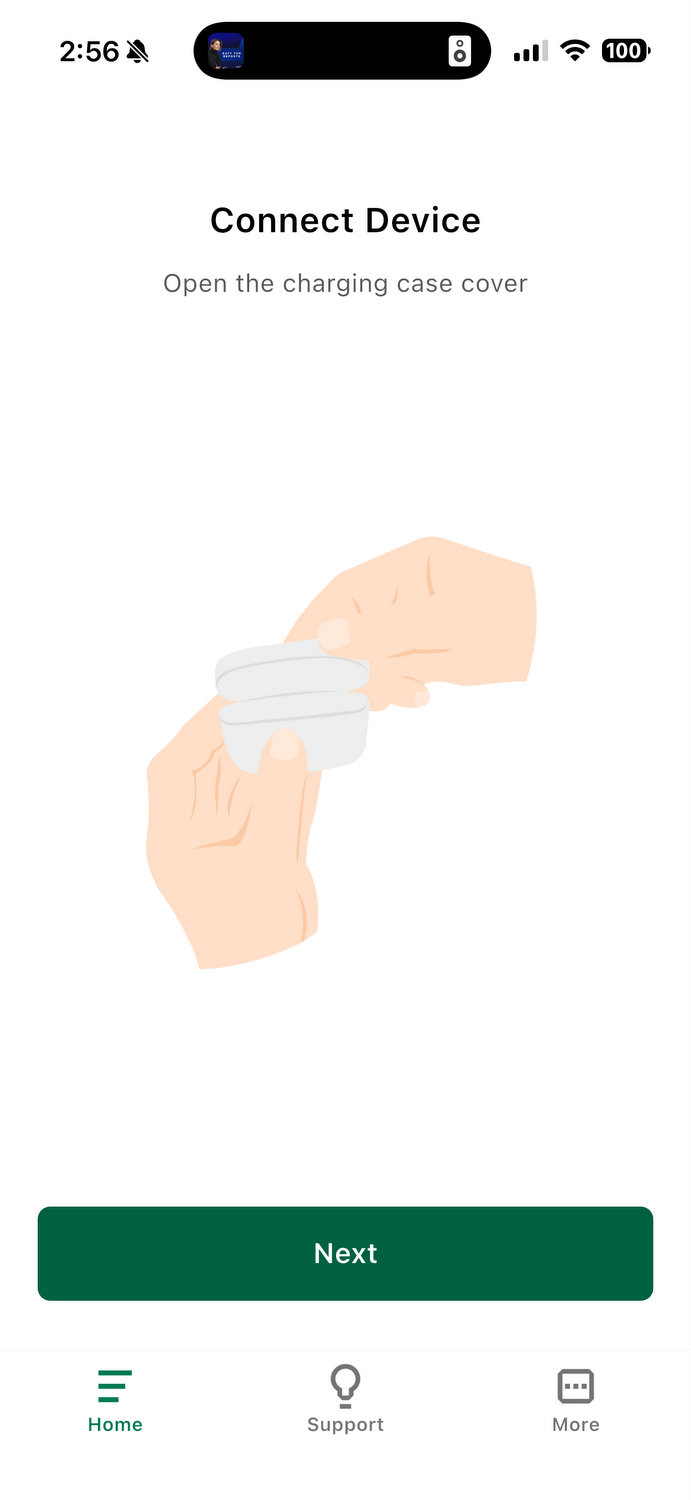
The app only functions when the hearing aids are sitting inside the charging case. When worn, the app essentially becomes a static screen instructing you to put the devices back into the case so it can retrieve data and apply changes. This design choice is baffling and immediately undermines the idea of on-the-fly customization.
In practical terms, any attempt to fine-tune sound settings turns into a repetitive shuffle: remove the aids, place them in the case, adjust settings, wait for syncing, put them back in your ears, evaluate the results, and repeat. It is a workflow that feels outdated, awkward, and entirely avoidable in 2026.
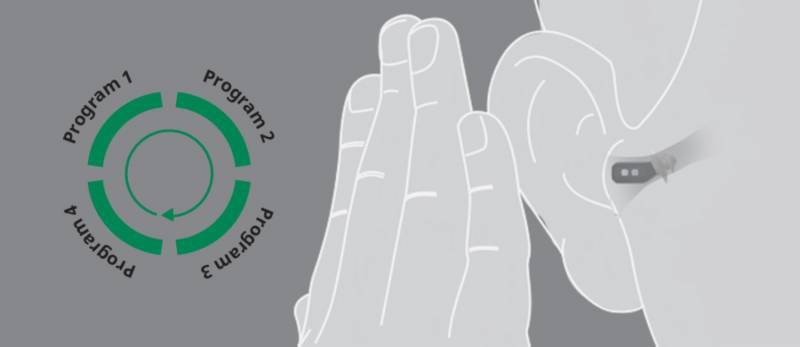
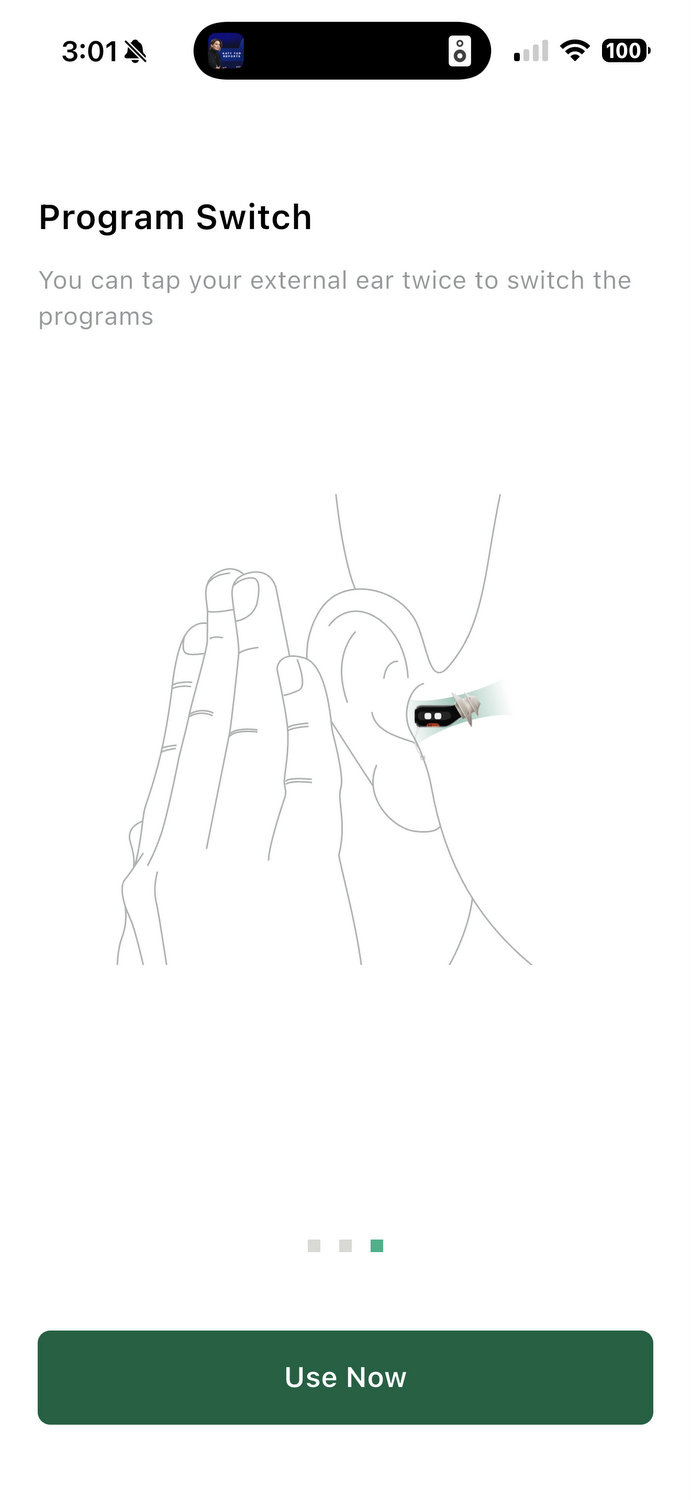
Zepp’s own instructions highlight how deliberate the gesture must be: “To go from one program to the next, use a flat hand to firmly and rapidly double-tap over your ear canal. The switch responds to the pressure created when you tap, not the touch of your hand.”
You can cycle through four listening programs directly on the hearing aids using a firm double-tap on the ear. Each change is confirmed with a spoken prompt announcing the program number. While this works, the gesture itself is finicky, requiring a firm and precise tap. Switching between distant programs, such as from Program 1 to Program 4, requires repeated tapping, which can feel awkward and frustrating, and detracts from the discreet experience the product otherwise works so hard to deliver.
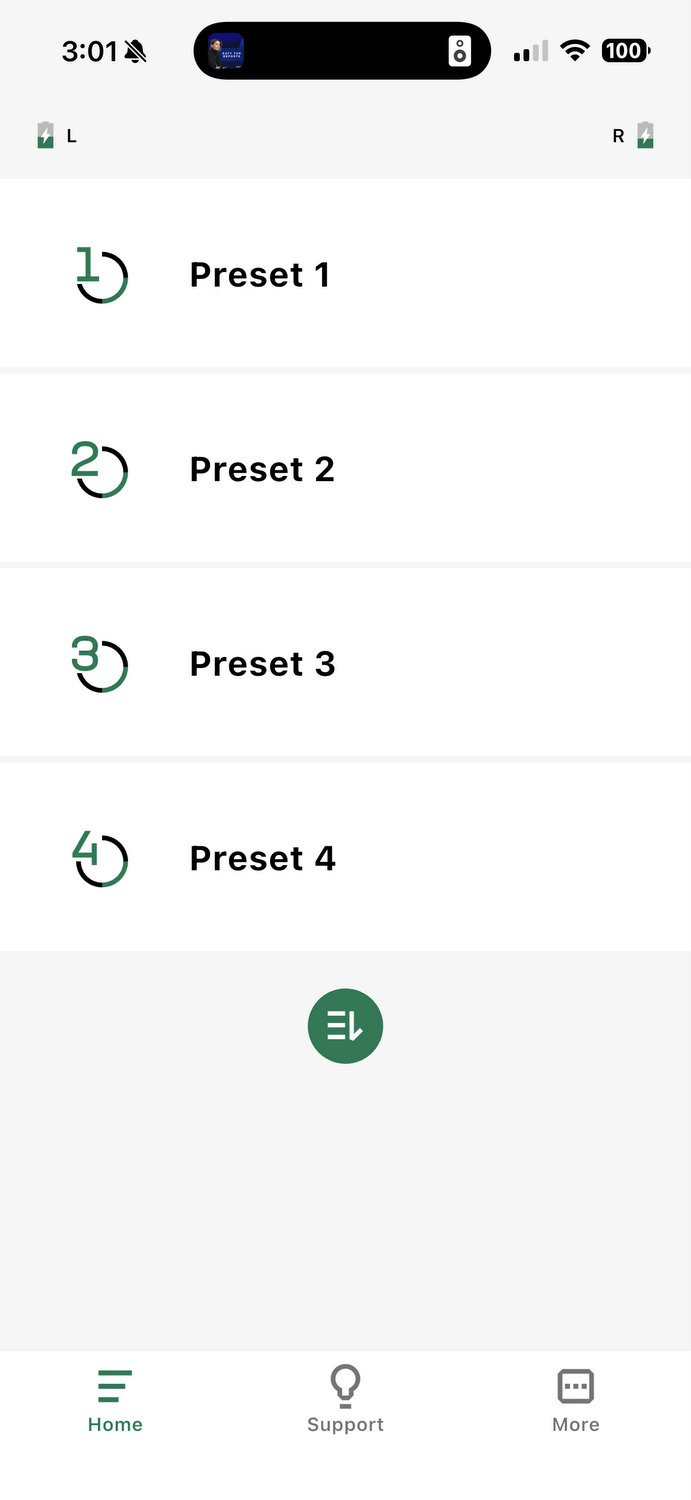
Behind the scenes, the app lets you build up to 4 listening programs, each configurable with limited bass, treble, and volume adjustments. While technically customizable, the range of adjustment is narrow enough that many users will likely end up assigning each program to a different volume level and leaving tonal adjustments mostly unchanged. That limitation becomes more frustrating over time, particularly for users who expect fine-grained control.
Battery Life That Matches Real Life
Battery life is one area where the Clarity One performs as advertised. Zepp rates the hearing aids for up to 17 hours of continuous use, and in practice, that figure holds up. For most people, that comfortably covers a full day.
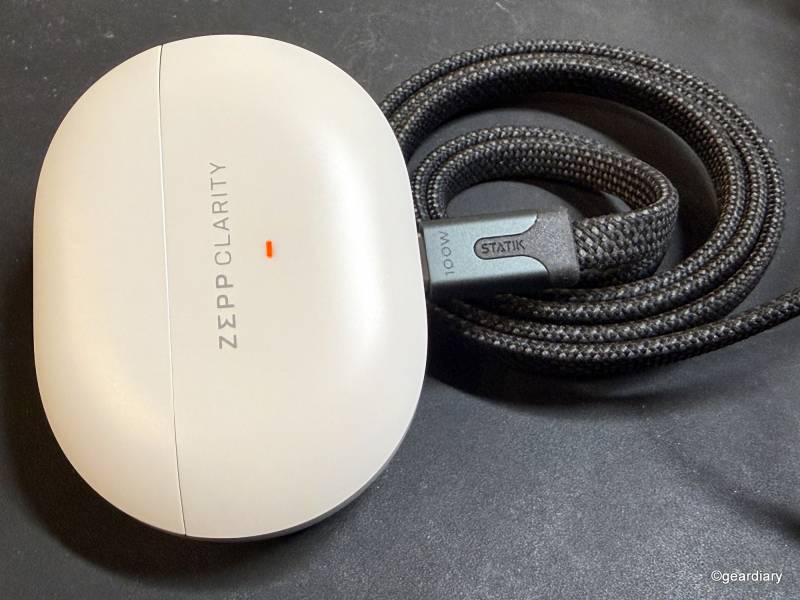
The charging case will glow orange while charging; once the battery is full, the LED will glow solid white before turning itself off.
Charging the earpieces takes about 2.5 hours via USB-C, while charging the case wirelessly takes roughly 3.5 hours. The case itself provides approximately two weeks of additional runtime, assuming typical daily wear. That buffer is genuinely useful, especially for travel or hectic schedules where nightly charging is easy to forget.
It is worth noting, however, that these hearing aids do not support Bluetooth streaming of phone calls or media. They function strictly as real-world listening devices. For some users, especially those accustomed to modern wireless earbuds, this limitation may come as a surprise.
The Zepp Clarity App
The Zepp Clarity app is positioned as the center of the hearing aid experience, but it is also where many of the product’s frustrations emerge.
Setup is straightforward. You create an account, pair the charging case, and gain access to basic tuning controls.
What is missing is a meaningful hearing assessment. Unlike many competitors, the Clarity One does not support Zepp’s own hearing test for calibration, leaving users with limited automated personalization. Adjustments are restricted to basic bass, treble, and volume sliders, each offering only a handful of discrete steps.
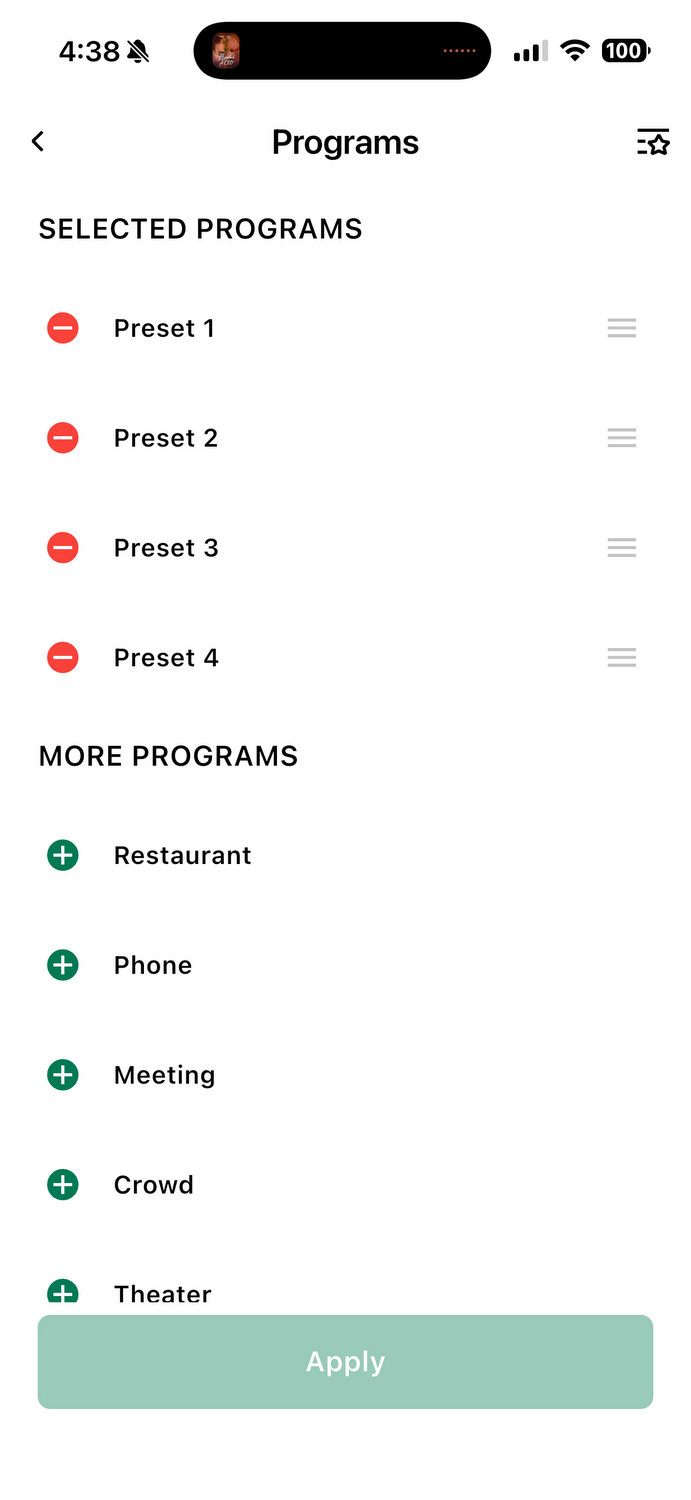
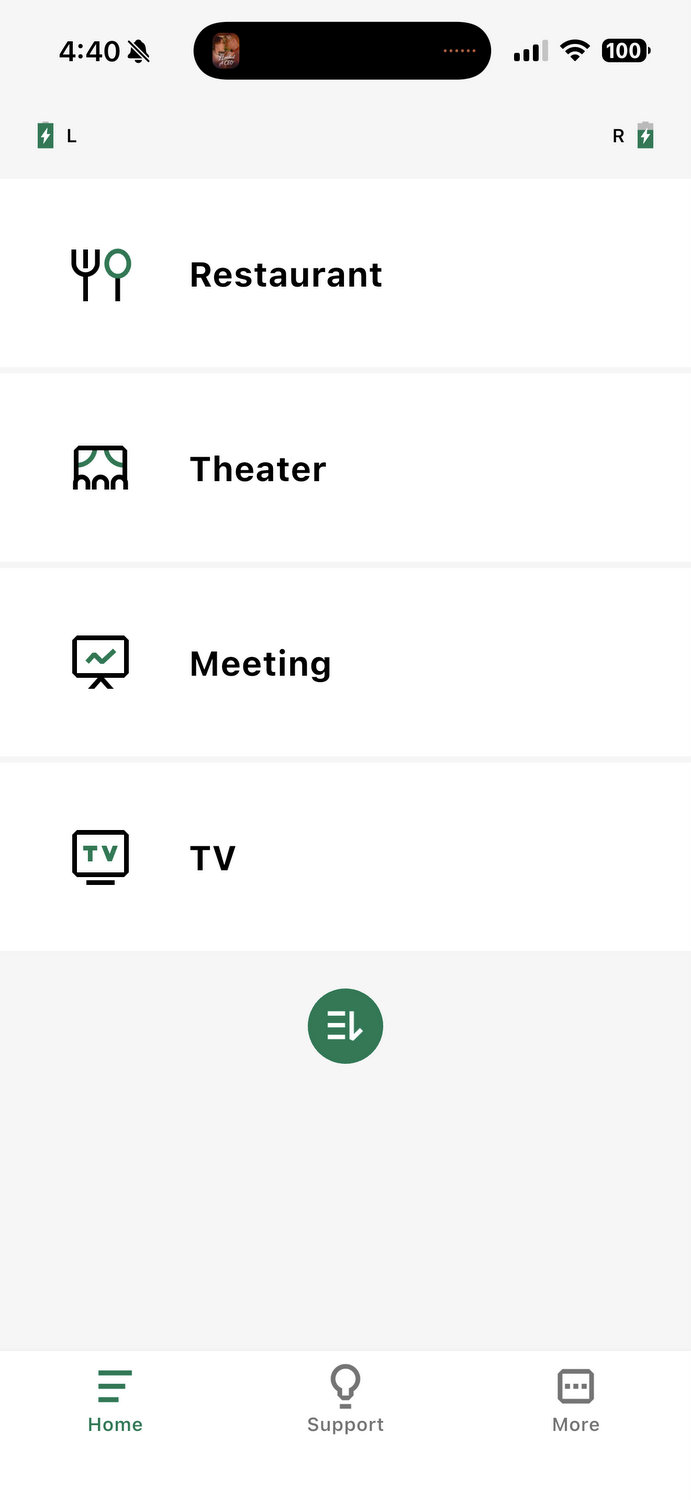
-

- The default audio setting on every program.
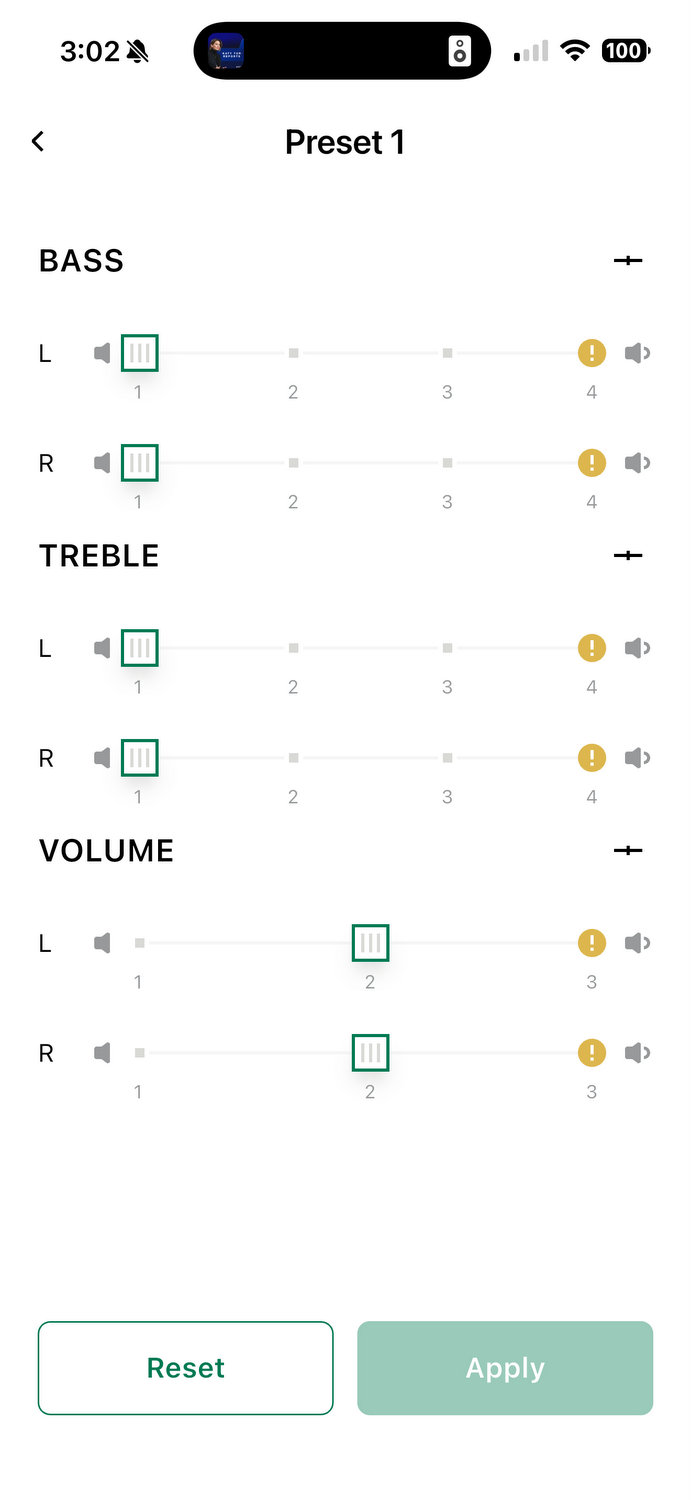
The result is configurability that feels oddly constrained for a product at this price. While Zepp advertises flexibility, real-world tuning often feels blunt. Adding to the frustration, all adjustments require the hearing aids to be placed back into the charging case for syncing. This makes experimentation tedious and discourages the careful tuning that hearing aids often require.
On top of that, in the latest version of the app (v1.0.5), every single sound setting comes with the same default equalizer settings, meaning that you’ll have to figure out what works best for you on your own — albeit blindly, since you can’t adjust any of the settings through the app while wearing the hearing aids.
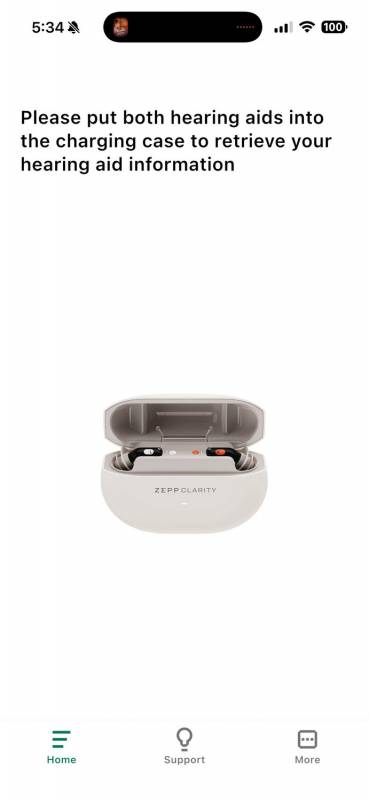
This is what you’ll see in-app while wearing the Clarity One.
Fine adjustments are difficult to make, and in some cases, no combination of settings delivers consistently satisfying results. At higher volume levels, distortion, hum, and occasional feedback become more noticeable, especially if you are not using the closed ear tips.
While the app does provide useful maintenance reminders, battery monitoring, and firmware updates, its core functionality feels less polished than expected, especially given Zepp’s experience in consumer electronics and wearables.
Sound Quality and Noise Handling
Sound quality is where hearing aids either justify their existence or expose their compromises. The Clarity One delivers clear speech in quiet environments, with reasonably natural tonality and minimal distortion at moderate volume levels. In controlled settings, voices sound clean, and consonants are sharpened without becoming brittle.
In noisier environments, performance becomes more inconsistent. While swapping from open to closed ear tips helps, the limited tuning range makes it difficult to strike an ideal balance between clarity and comfort. At higher volume settings, a persistent low-level hum becomes noticeable, and sudden sounds like footsteps or keyboard taps can become unpleasantly amplified.
Compared to basic hearing amplifiers, the Clarity One is unquestionably superior. Compared to prescription hearing aids, however, it feels distinctly underpowered in terms of refinement, adaptability, and consistency.
Maintenance and Everyday Care
Like all in-canal hearing aids, regular maintenance is essential. Zepp includes proper cleaning tools, and daily care quickly becomes routine. Brushing the ear tips and microphone openings prevents wax buildup, while wiping charging contacts ensures reliable charging.
The wax guards are easy to replace, and ear tip swaps are straightforward. These practical touches are well implemented, though they underscore how much ongoing attention in-canal devices require, something first-time users may underestimate.
Support, Returns, and the Human Side of Ownership
Zepp backs the Clarity One with a 60-day risk-free return policy, which is generous and frankly necessary given the variability of hearing experiences. There is also a one-year limited warranty and lifetime phone and email support during business hours. Access to licensed audiologists by phone is a welcome inclusion, especially when navigating early setup challenges.
Should You Buy It?
The Clarity One makes sense primarily for people with very mild hearing loss who prioritize discretion above all else and are willing to accept meaningful tradeoffs in configurability and performance. Its tiny size, light weight, and near invisibility are genuinely impressive.
But for anyone expecting deep customization, seamless app control, or consistently refined sound quality, the Clarity One may prove frustrating. Its limited tuning range, awkward syncing process, unpredictable feedback, and lack of streaming support make it feel less advanced than its price suggests.
At its discounted price of around $600, it becomes a more compelling — if still imperfect — option. At full retail, the compromises are harder to justify.
In short, the Zepp Clarity One feels like a product built around exceptional industrial design, but constrained by software and tuning decisions that keep it frustratingly short of its potential.
The Zepp Clarity One In-Canal OTC Hearing Aids retail for $1,199 $699 (currently on sale for $599); they are available directly from the manufacturer and other retailers, including Amazon.
Update 01/29/2026: Zepp reached out to let me know that “The brand has recently made an update to their retail price. The current retail price for the Zepp Clarity One is now $699, with a $100 promotion currently available.” Prices in this review have been updated to reflect the new retail price.
Source: Manufacturer-supplied review sample
What I Like: Extremely discreet, nearly invisible design; Ultra-lightweight and comfortable for extended wear; FDA-cleared OTC hearing aid, not a simple amplifier; Strong battery life with long-lasting charging case; Generous 60-day return policy and lifetime support
What Needs Improvement: Limited configurability and blunt tuning controls; App only functions when hearing aids are in the charging case; Awkward and imprecise tap-based program switching; No Bluetooth streaming for calls or media; Full retail price is difficult to justify




Still waiting for that rush of low-cost, high performance hearing aids we were promised when rules change to open up the field. This set doesn’t quite do it.
I definitely need hearing aids especially in crowded social situations and I like that the Zepp Clarity One In-Canal OTC Hearing Aids is so inconspicuous
I like that these are small and discreet. I could benefit from these in loud crowded places where I can’t understand conversations very well.
Having to remove these to use the app seems extremely inconvenient. I’d like to see how these compare to other OTC hearing aids.