
JMGO is bringing its new IRIS Series projectors to global markets at IFA 2026, led by the $3,499 JMGO IRIS Ultra Max and the $2,399 IRIS Ultra. Both models deliver true 4K@120Hz playback, a combination aimed squarely at gamers, sports fans, and anyone bothered by motion blur on a very large screen. The Ultra Max adds up to 6,500 ISO lumens, 10,000:1 native contrast, optical zoom, extensive lens shift, and a motorized gimbal, while the Ultra trims several specs and $1,100 from the price without abandoning the 120Hz headline feature. That distinction matters here.
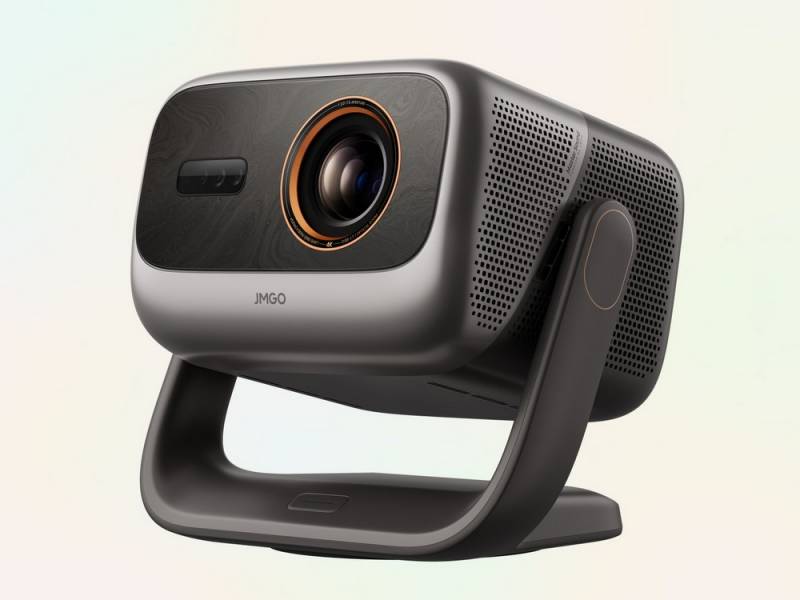
JMGO IRIS Ultra Max
4K at 120Hz Is More Than a Gaming Spec
JMGO is billing the IRIS Series as the world’s first 4K@120Hz smart projector line. The technology debuted in China in May 2026, where the company reports selling more than 5,000 units in its first three months. IFA marks the start of the broader international rollout.
The 120Hz figure refers to refresh rate, or how many times the image can update each second. Most conventional projectors top out at 60Hz when displaying 4K content, so doubling that rate can make fast movement look cleaner. That’s especially relevant when a game console or PC can output at up to 120 frames per second, but it can also help with sports and quick camera pans.
The IRIS Series uses JMGO’s dual-DLPC architecture and a HyperPulse Actuator that shifts 480 times per second. That rapid shifting is designed to preserve full 4K detail at 120Hz from input through output, rather than accepting a 120Hz signal and reducing resolution somewhere along the way.
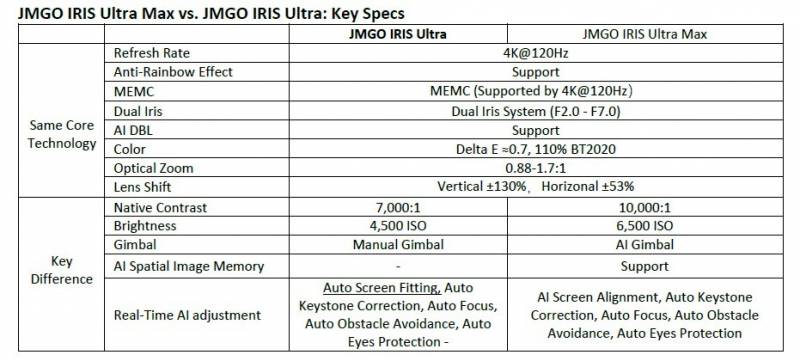
For gaming, both projectors support variable refresh rate, or VRR, which synchronizes the projector with changing game frame rates to reduce visible tearing. Auto Low Latency Mode, or ALLM, automatically switches into a lower-lag mode with compatible hardware. Dolby Vision is also supported at 4K and 120Hz, with JMGO positioning the Ultra Max as the first projector to offer Dolby Vision HDR at that resolution and refresh rate. Compatible games can retain the HDR format’s expanded brightness, contrast, and color information without dropping back to 60Hz.
Movies and sports get 4K@120Hz MEMC processing. MEMC stands for motion estimation and motion compensation, a frame-interpolation system that creates additional frames to smooth movement. Sports fans may appreciate clearer ball movement and camera pans, although movie purists who dislike the “soap opera effect” will probably want to see how much control JMGO provides.
Brightness and Contrast with Real-World Caveats
The IRIS Series uses JMGO’s MALC 6.0 triple-laser light engine. The Ultra Max is rated at up to 6,500 ISO lumens and a 10,000:1 native contrast ratio, while the Ultra reaches 4,500 ISO lumens and 7,000:1 native contrast. ISO lumens provide a standardized way to measure projector brightness, with higher numbers indicating greater light output.
Those are substantial figures for projectors intended to live outside a dedicated blacked-out theater. More brightness can make daytime viewing less dependent on closed curtains, while higher native contrast should help dark scenes look deeper instead of gray. Still, screen size, screen material, wall color, ambient light, and placement will continue to affect what you see.
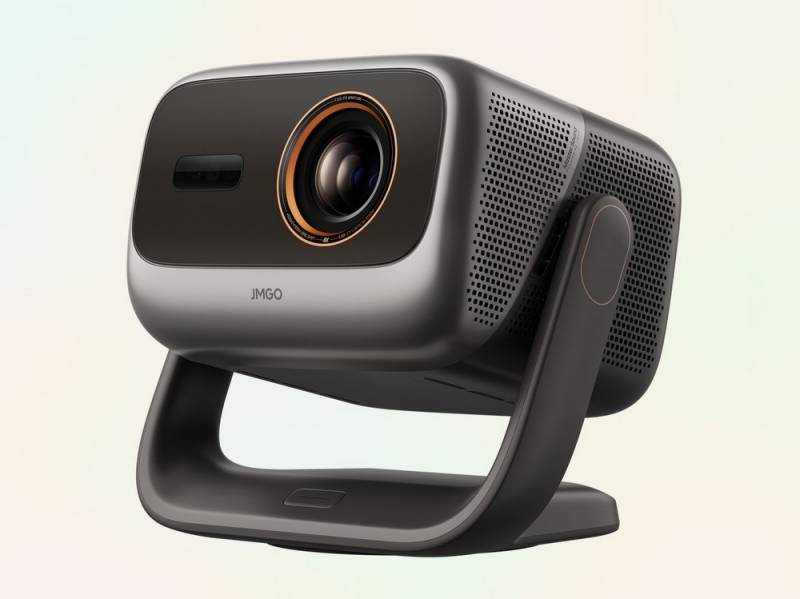
JMGO IRIS Ultra
Both models use a Dual-Iris system with a 15-blade 6+9 arrangement. JMGO reports 11.34% better stray-light suppression than its 12-blade 6+6 design. Six iris adjustment levels let the projector balance brightness and contrast for different rooms and content.
JMGO’s AI DBL processing analyzes zones within each frame to preserve darker detail while keeping skin tones natural. Both projectors are also rated to cover 110% of the BT.2020 color gamut, the wide color standard used for modern HDR content, with approximately Delta E 0.7 color accuracy. Delta E measures color error, and a figure below 1 generally indicates differences that should be extremely difficult to notice under controlled conditions. The more interesting question will be whether that accuracy holds up across everyday brightness modes and rooms.
The Ultra Max Is Built for Awkward Rooms
Projector placement is often where the dream of a giant picture collides with furniture, windows, and the inconvenient fact that most living rooms weren’t designed around a projector. The IRIS Ultra Max tackles that problem with a 3-in-1 optical system.
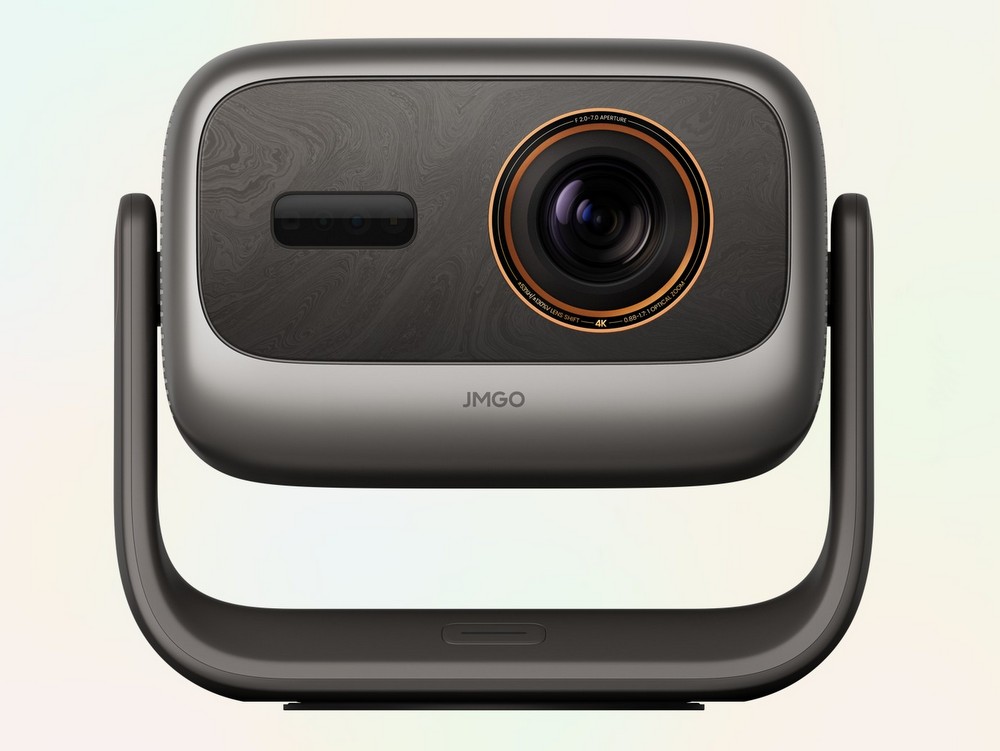
It combines a 0.88-1.7:1 optical zoom range with four-way lens shift of up to ±130% vertically and ±53% horizontally. Optical adjustments let you reposition and resize the image without relying as heavily on digital keystone correction, which can reduce usable resolution.
-

- JMGO IRIS Ultra Max
-

- JMGO IRIS Ultra Max
-
- JMGO IRIS Ultra Max
-
- JMGO IRIS Ultra Max
-
- JMGO IRIS Ultra Max
-
- JMGO IRIS Ultra Max
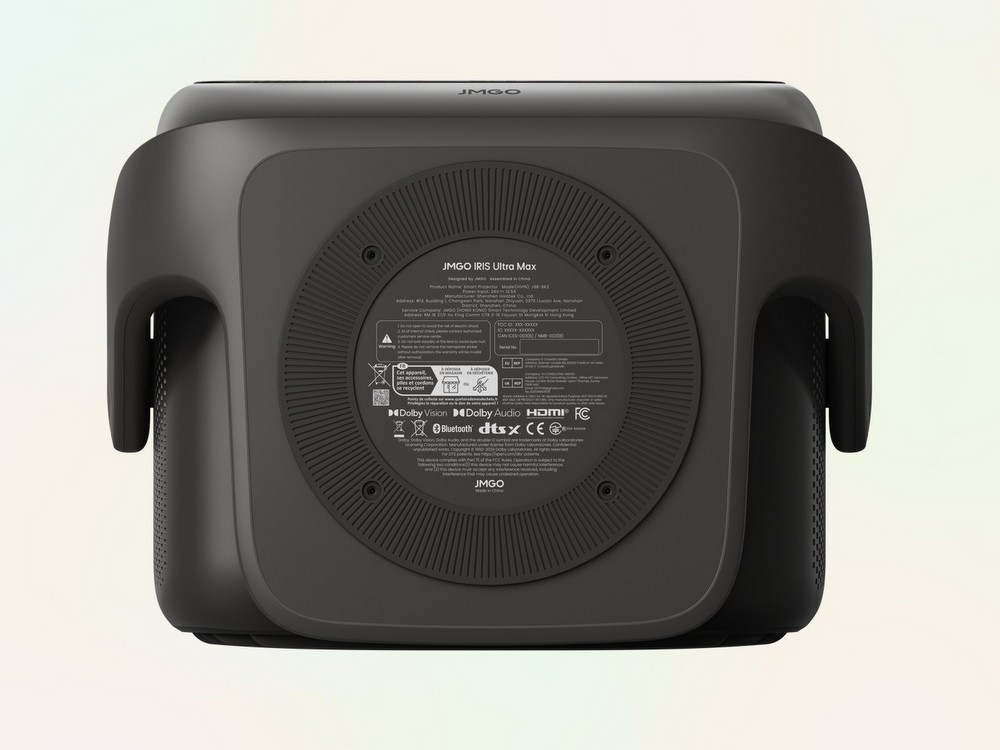
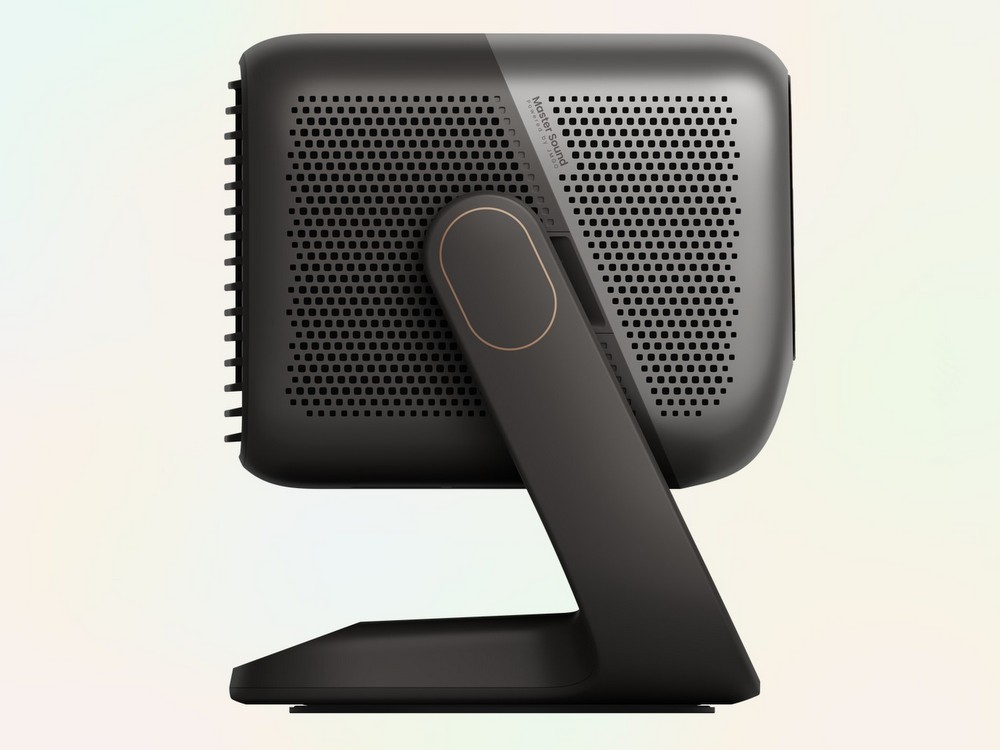
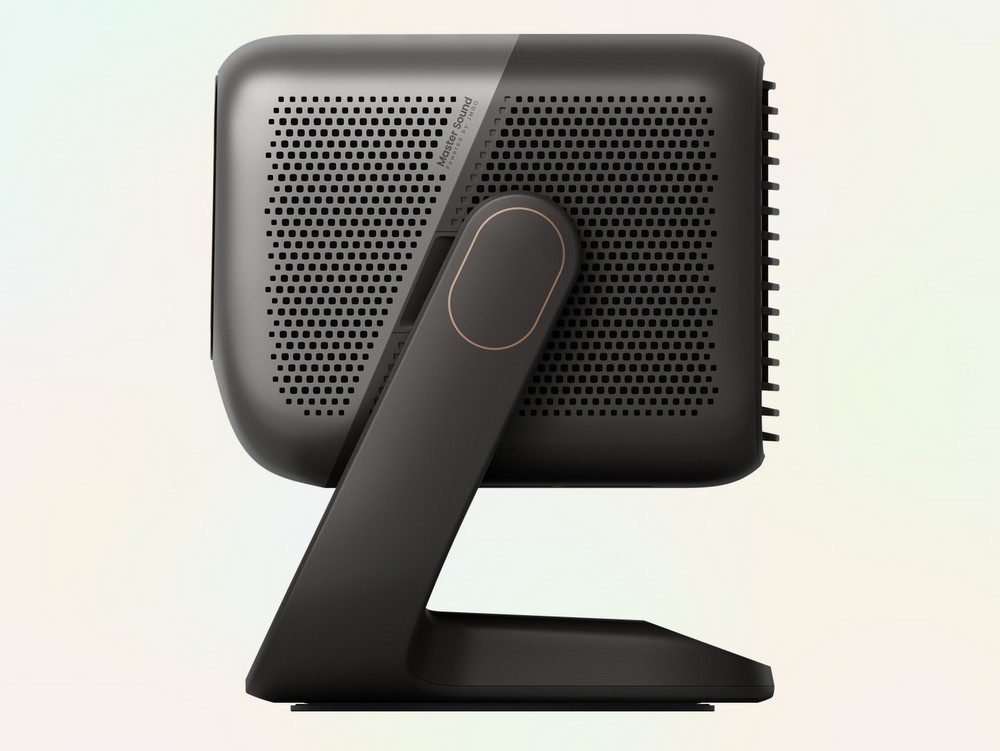
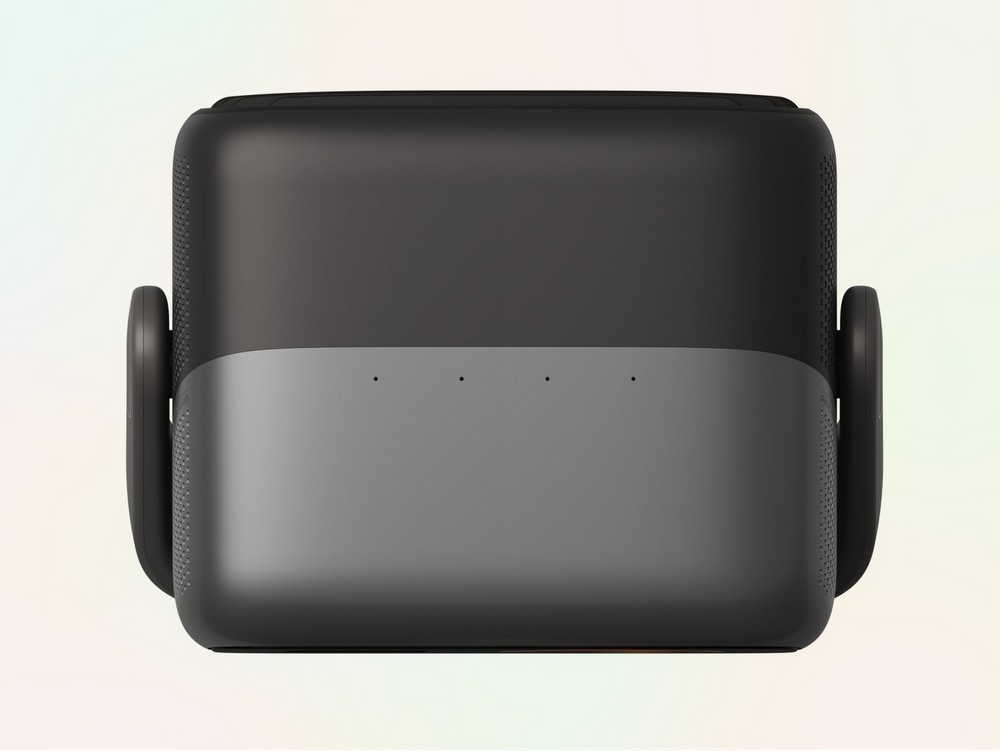
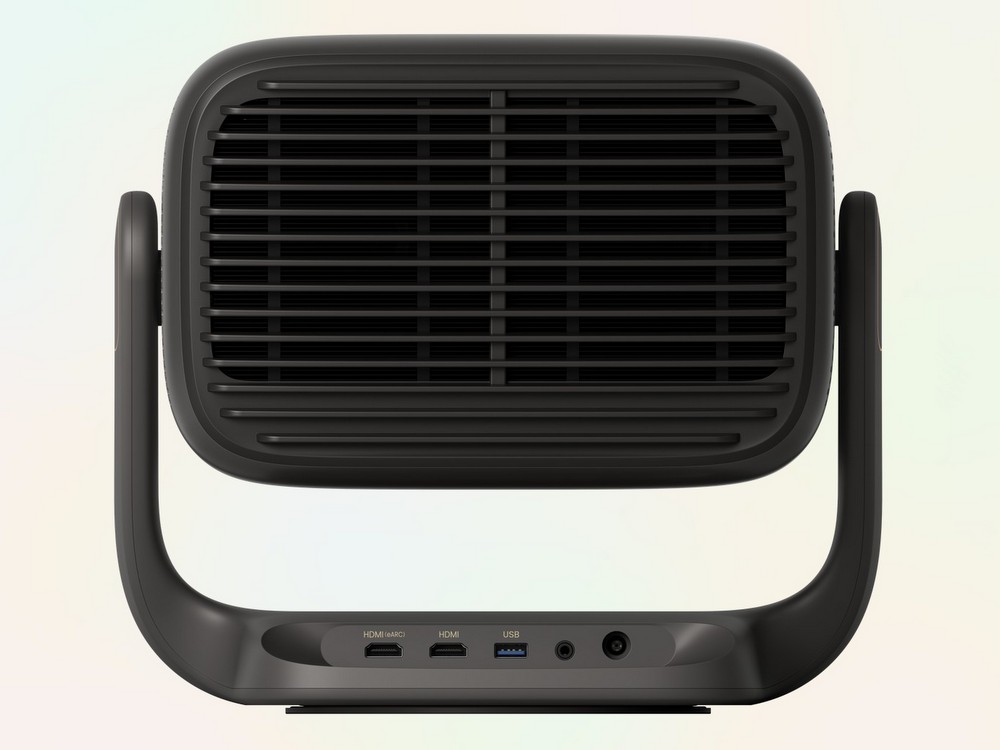
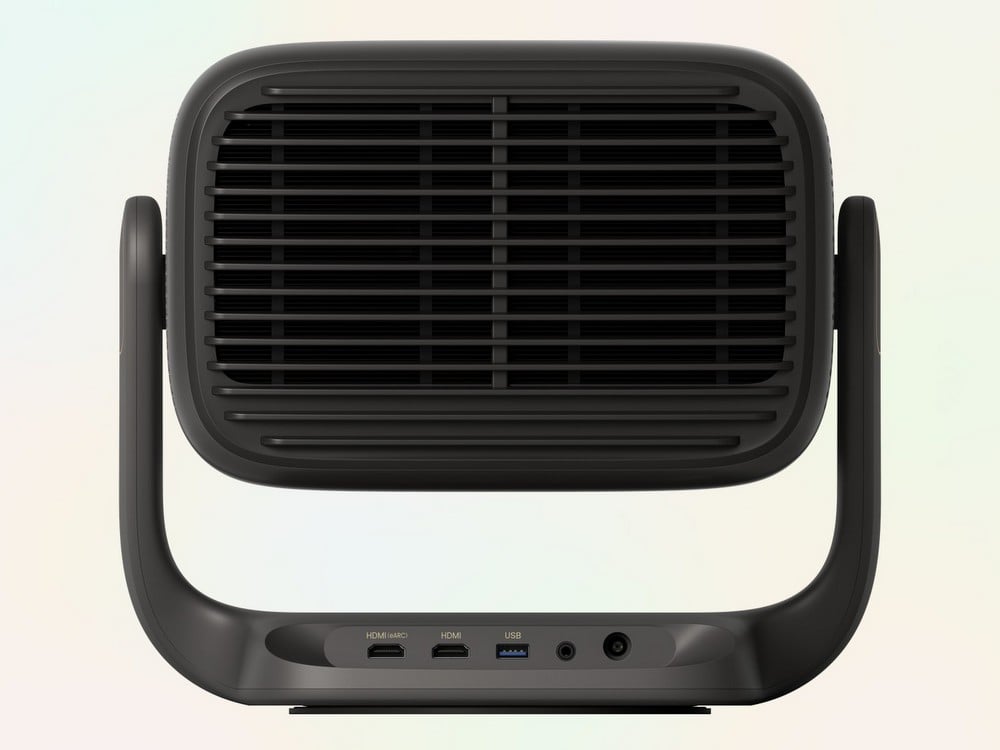
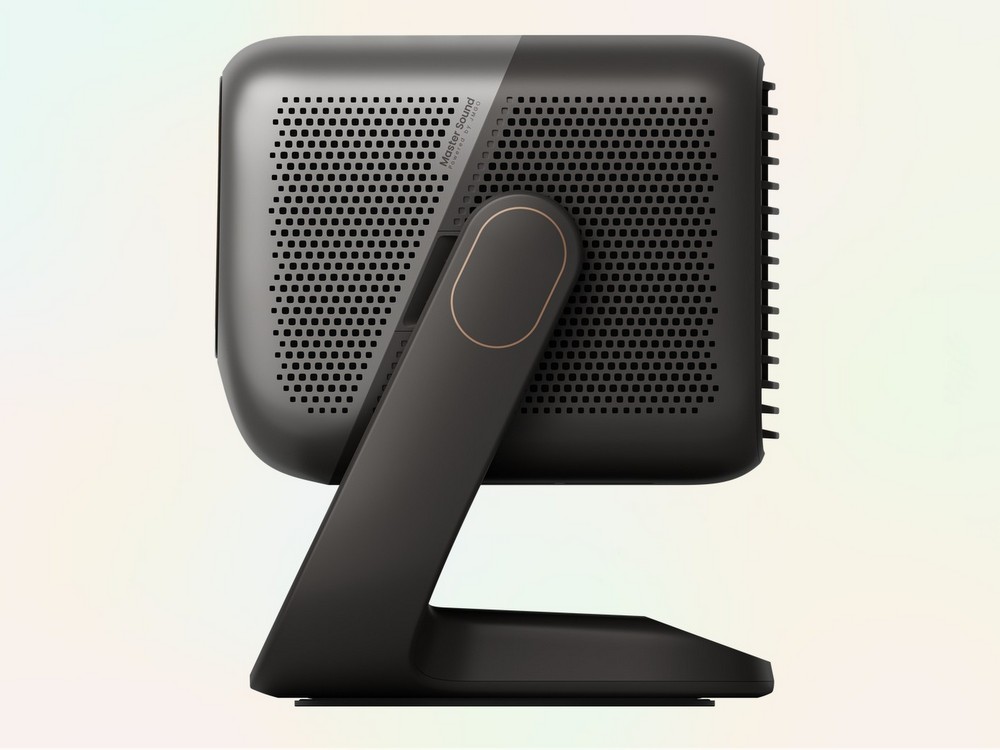
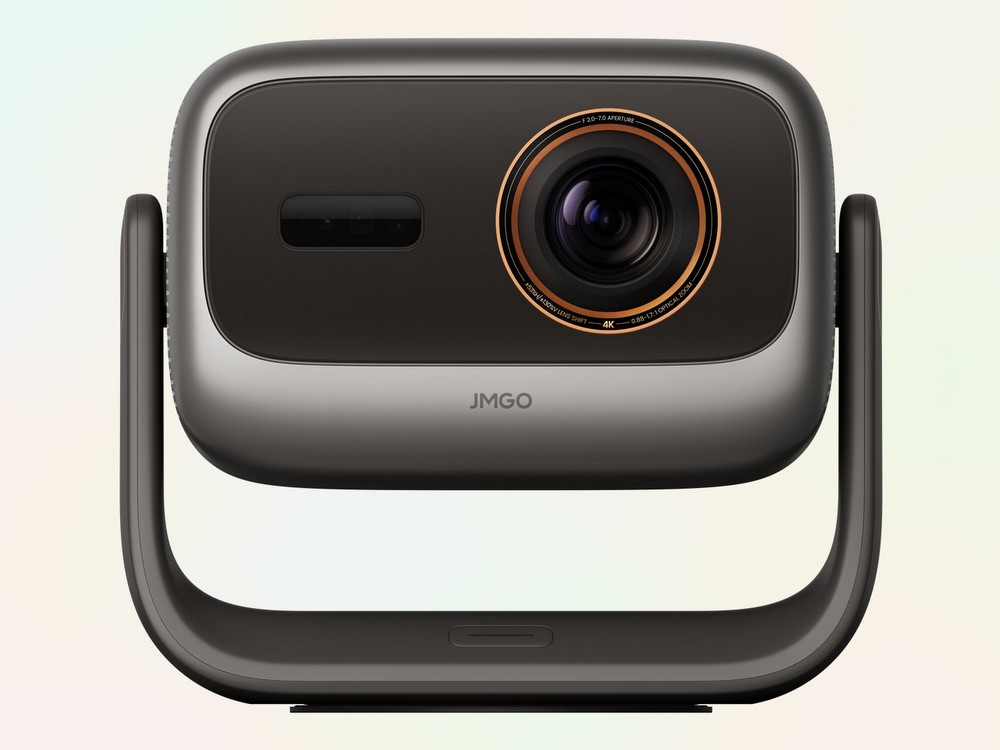
The Ultra Max also sits on an AI-powered gimbal capable of 360-degree panning and 150-degree tilting. AI Screen Fitting can automatically size the picture to a detected screen, while AI Spatial Image Memory can save projection positions and associated apps for different locations. That could be handy if one wall is used for movies, another works better for workouts, or ceiling viewing has become part of your unusually committed strategy for staying in bed.
-
- JMGO IRIS Ultra
-
- JMGO IRIS Ultra
-
- JMGO IRIS Ultra
-
- JMGO IRIS Ultra
-
- JMGO IRIS Ultra
-
- JMGO IRIS Ultra
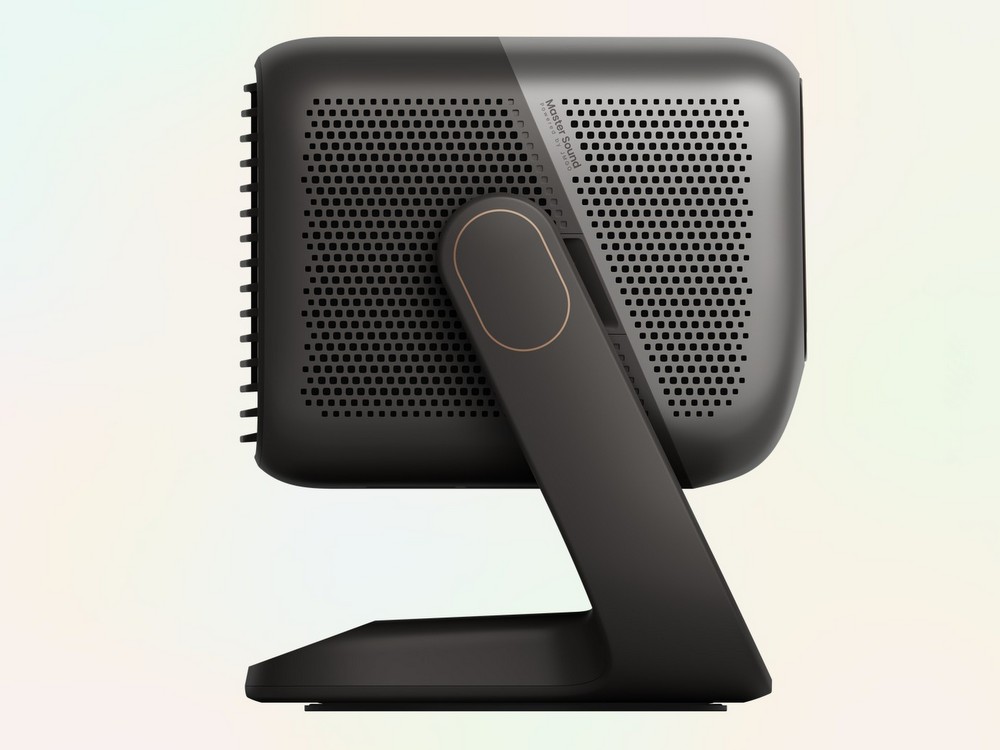
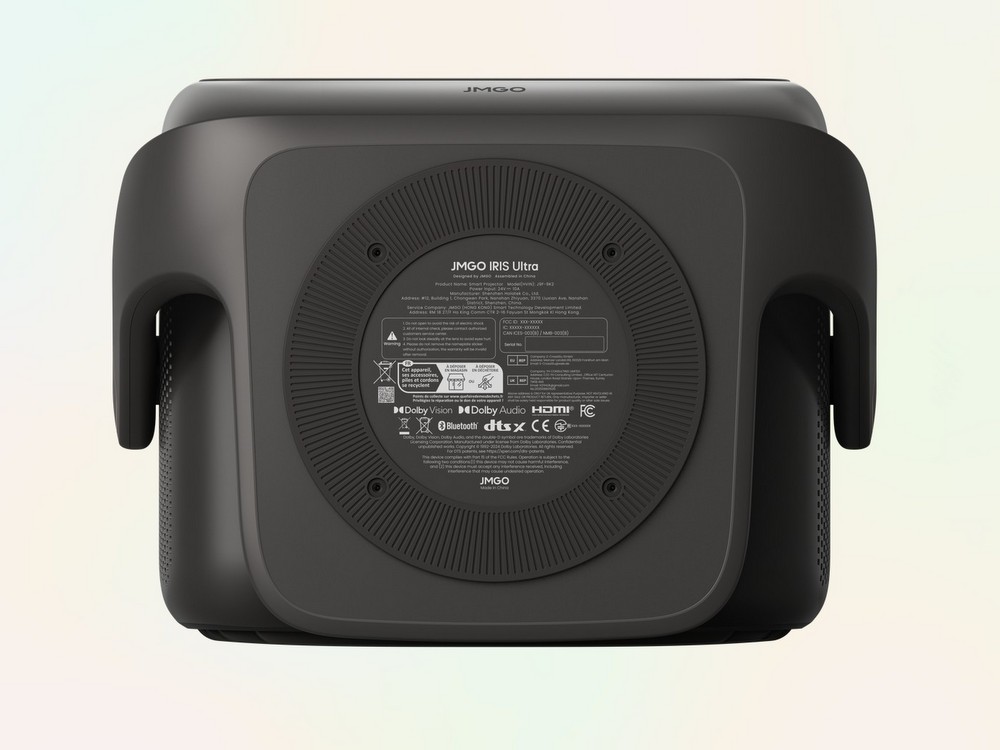
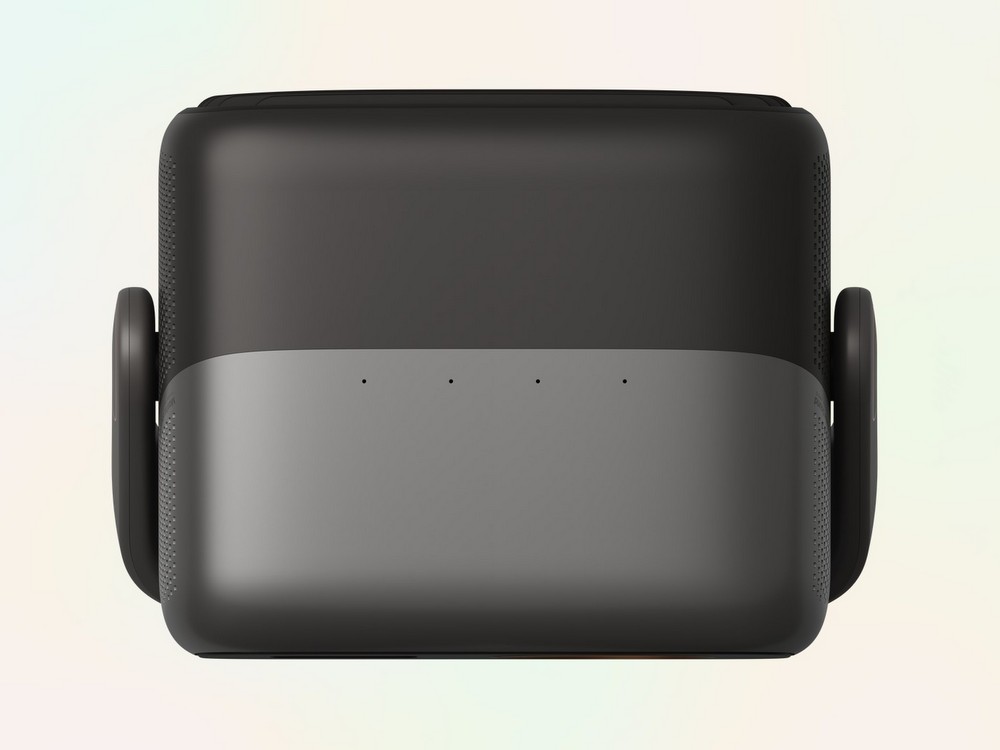
The less expensive IRIS Ultra keeps the same optical zoom and four-way lens shift, but the announced specifications don’t include the Ultra Max’s motorized gimbal.
Cutting Down the DLP Rainbow Effect
Both projectors include hardware-level Anti-RBE processing intended to reduce the rainbow effect that some people see on DLP projectors. RBE appears as brief flashes of red, green, and blue around bright objects or during rapid eye movement. Some people barely notice it, while others can’t unsee it once it shows up.
The processing is designed to reduce those artifacts without increasing operating noise. That matters in a living room or bedroom, where solving one visual annoyance by adding more fan noise would be a questionable trade.
Pricing and Availability
Preorders for the JMGO IRIS Series begin September 4, 2026. The JMGO IRIS Ultra Max will have an early-bird price of $2,999, down from its $3,499 retail price. In Europe, it will start at €2,999 instead of €3,499.
The JMGO IRIS Ultra will start at $1,899 during the preorder period, compared with its $2,399 retail price. European pricing will begin at €1,999, with a regular price of €2,499. JMGO also plans model-specific accessory and screen offers, although the announcement doesn’t specify the exact bundles.
The IRIS Series is chasing buyers who want a projector to serve as both a serious gaming display and a large-screen movie machine without building a permanent theater around it. The Ultra Max gets the brighter light output, higher contrast, and more flexible placement hardware, while the Ultra saves $1,100 at MSRP and keeps the central 4K@120Hz feature. The real test will be whether those strong contrast, color, brightness, and motion claims remain convincing once these projectors leave controlled demos and land in ordinary rooms.





Be the first to comment on "JMGO IRIS Ultra Max and IRIS Ultra Bring 4K@120Hz Gaming and Theater-Grade Projection to Global Markets"