
The Lowdown
The AliveCor KardiaMobile 6L is a tiny, easy-to-use mobile EKG device that can go practically anywhere. It pairs with an iPhone app, records an EKG in 30 seconds, saves a history of readings, and can generate a downloadable clinician report. The biggest problem is that the feature in its name, the six-lead EKG, requires an additional KardiaCare subscription with no included trial. That is frustrating, especially after paying $114 for the device.
Overall
Pros
- Tiny and travel-friendly design
- Easy 30-second recordings
- No charging cable required
- Downloadable clinician report
- App stores EKG history
Cons
- Six-lead EKG access requires a subscription
- No included KardiaCare trial subscription
- Clinician report is difficult to read in the app
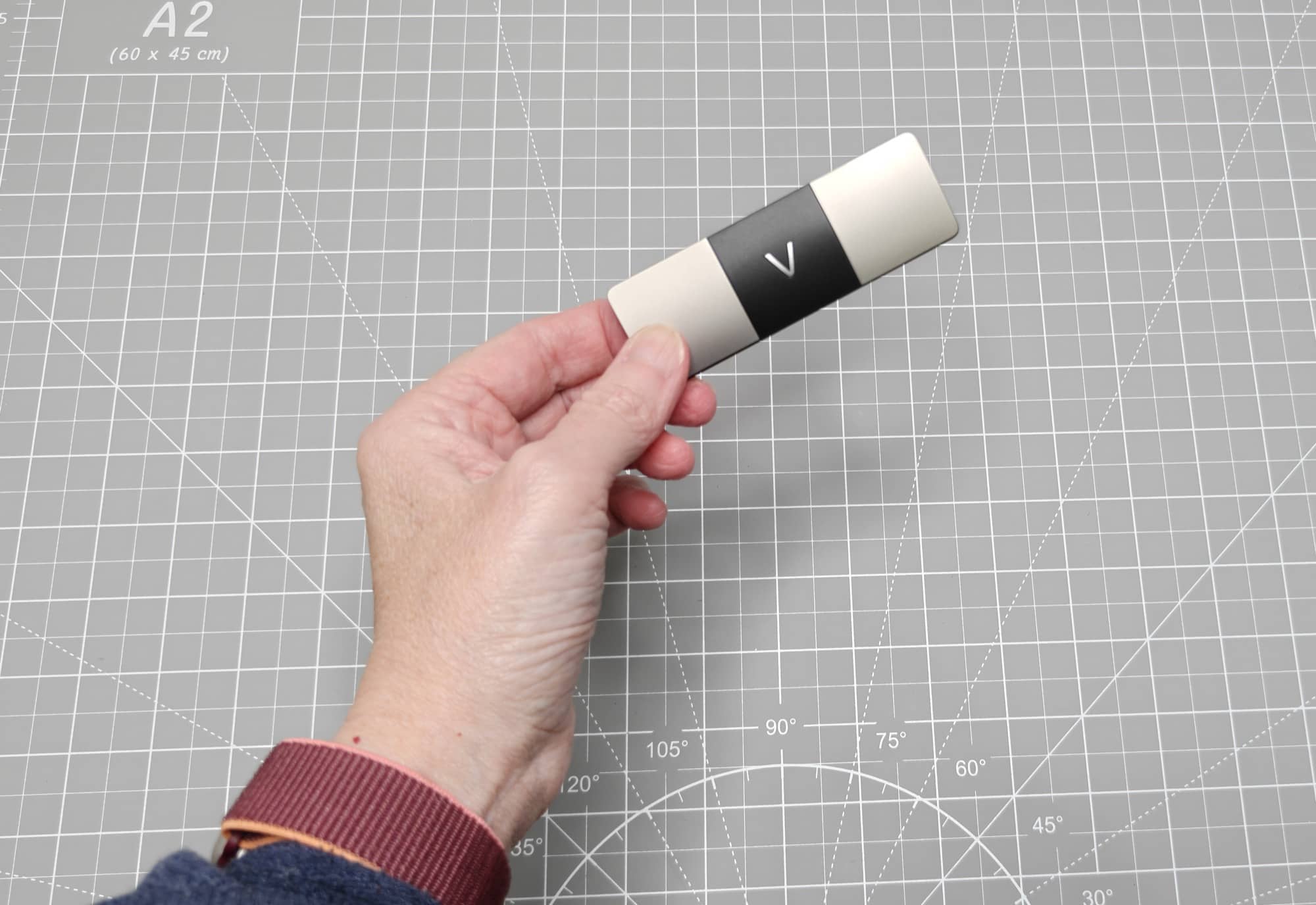
If you have ever wanted an EKG device that fits in a drawer, travels in a bag, or takes up almost no space in a suitcase or pocket, the AliveCor KardiaMobile 6L is an interesting little gadget. It is a mobile six-lead EKG device, but it doesn’t look like the medical equipment most of us picture when we think about checking heart health. Let’s check it out.
What Is It?
The AliveCor KardiaMobile 6L is a portable six-lead EKG device that works with a smartphone app. It is designed for taking EKG recordings at home or while traveling, then saving those readings for later reference or sharing them with a medical professional.
For a basic recording, the KardiaMobile 6L uses the two outer metal electrodes with your fingers. For a six-lead recording, place the device against a knee or ankle while keeping your fingers on the electrodes. The app then displays the tracing as it is recorded.
This is not a replacement for emergency care. The app specifically notes that it does not check for heart attacks. If you think you may be having a heart attack or another medical emergency, call 911 rather than relying on any at-home device.
What’s Included?
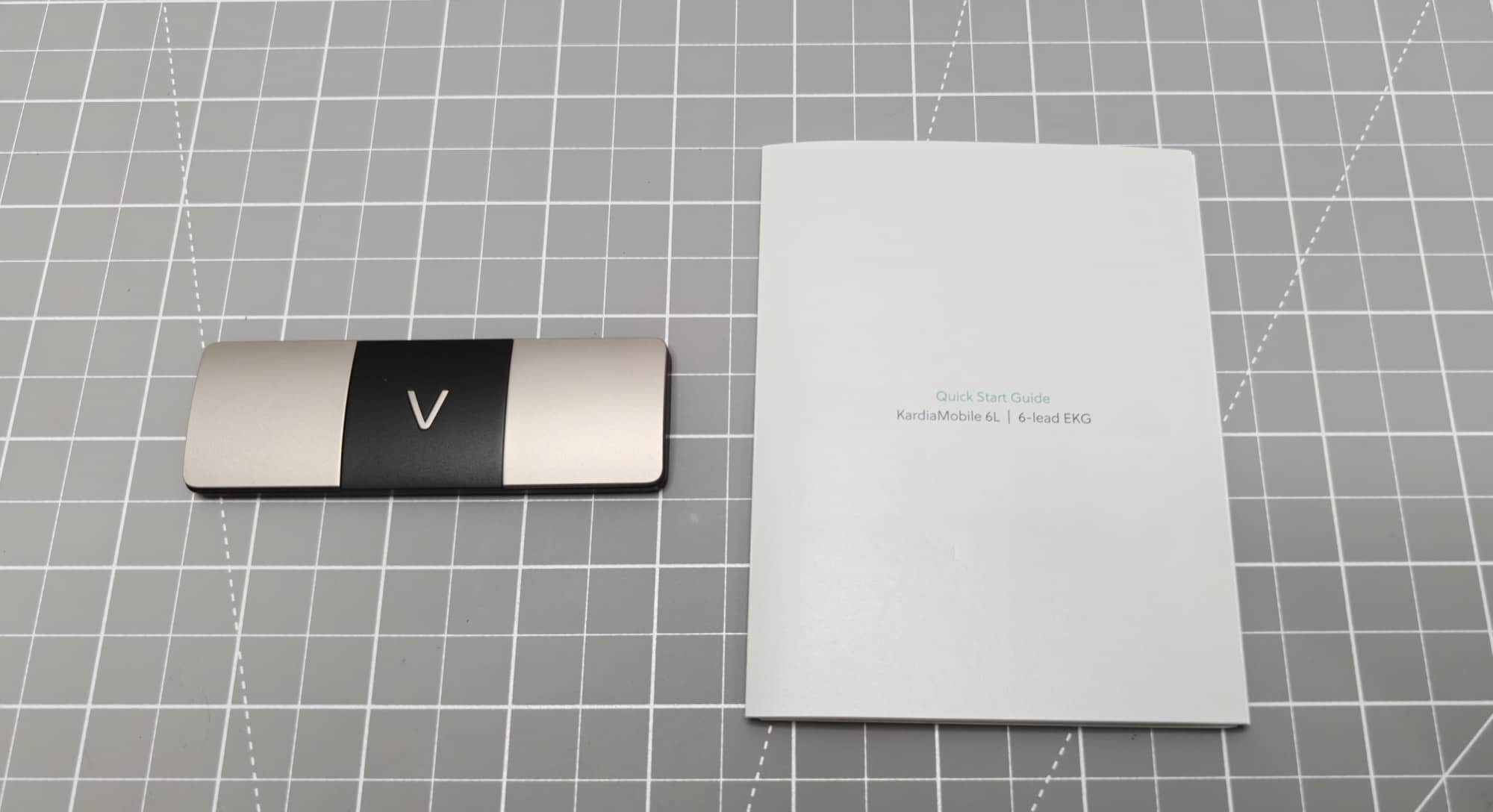
The KardiaMobile 6L packaging is refreshingly minimal. There are no charging cables, adapters, docks, or piles of accessories to sort through.
- AliveCor KardiaMobile 6L device
- Quick start guide
- Information packet
The device itself is about as simple as it gets. It has a black center section with the AliveCor logo and metallic contact pads on the ends. It is thin enough that it could easily disappear into a small pouch, desk drawer, or travel bag.
Design and Power
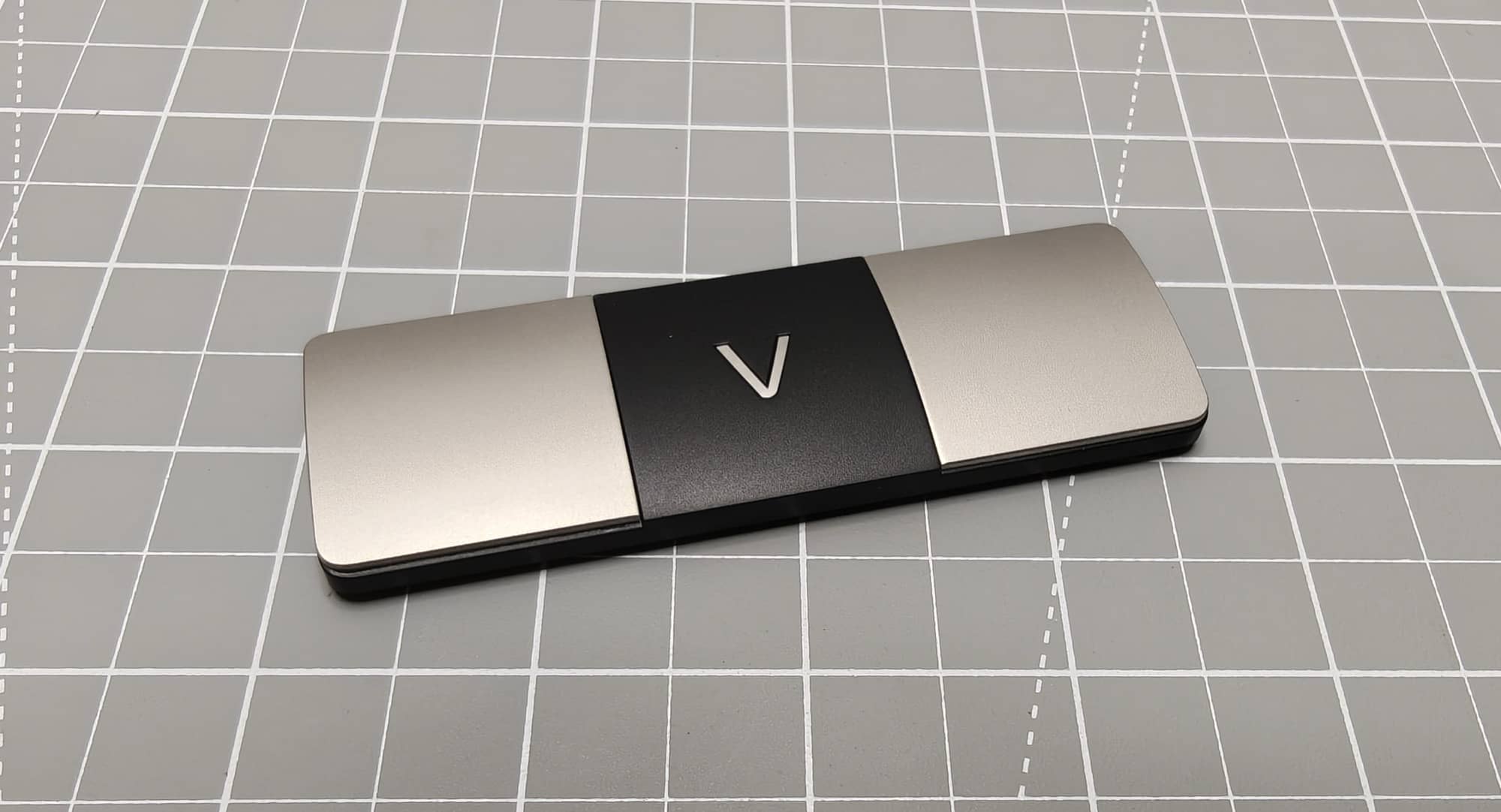
The KardiaMobile 6L feels more like a compact gadget than a medical device. It is very small, very thin, and made of a mix of plastic and metal. The metal portions are the electrodes that make contact with your fingers, knee, or ankle during a recording.
My first question after opening the box was probably the same as many people’s: How does this thing charge? The answer is that it does not need to be recharged.
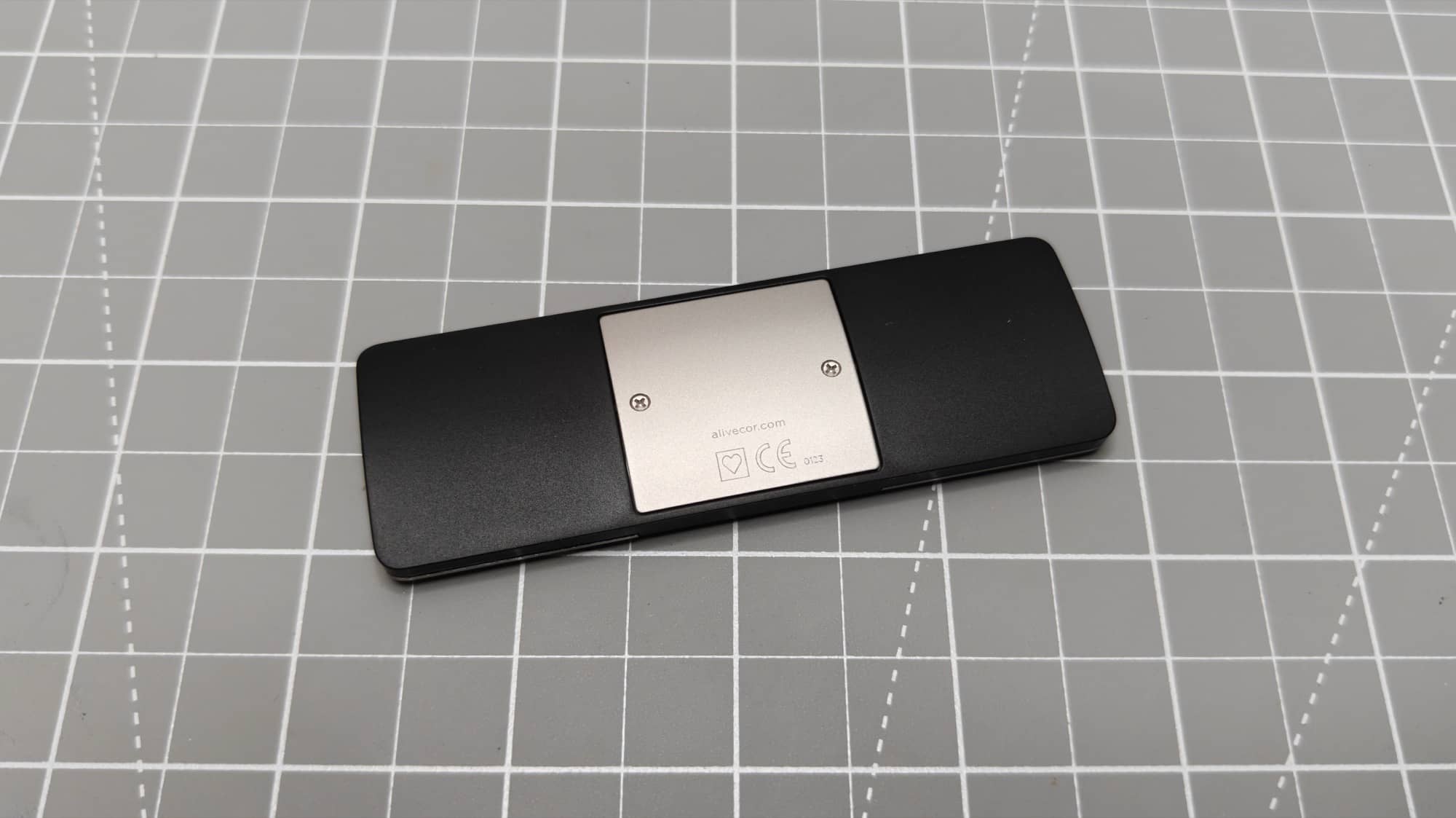
The KardiaMobile 6L runs on a CR2016 coin cell battery. When it eventually needs replacement, you can open the back with a very small screwdriver, like the kind used for eyeglasses. You can buy replacement coin cell batteries online, and the app displays the current battery level.
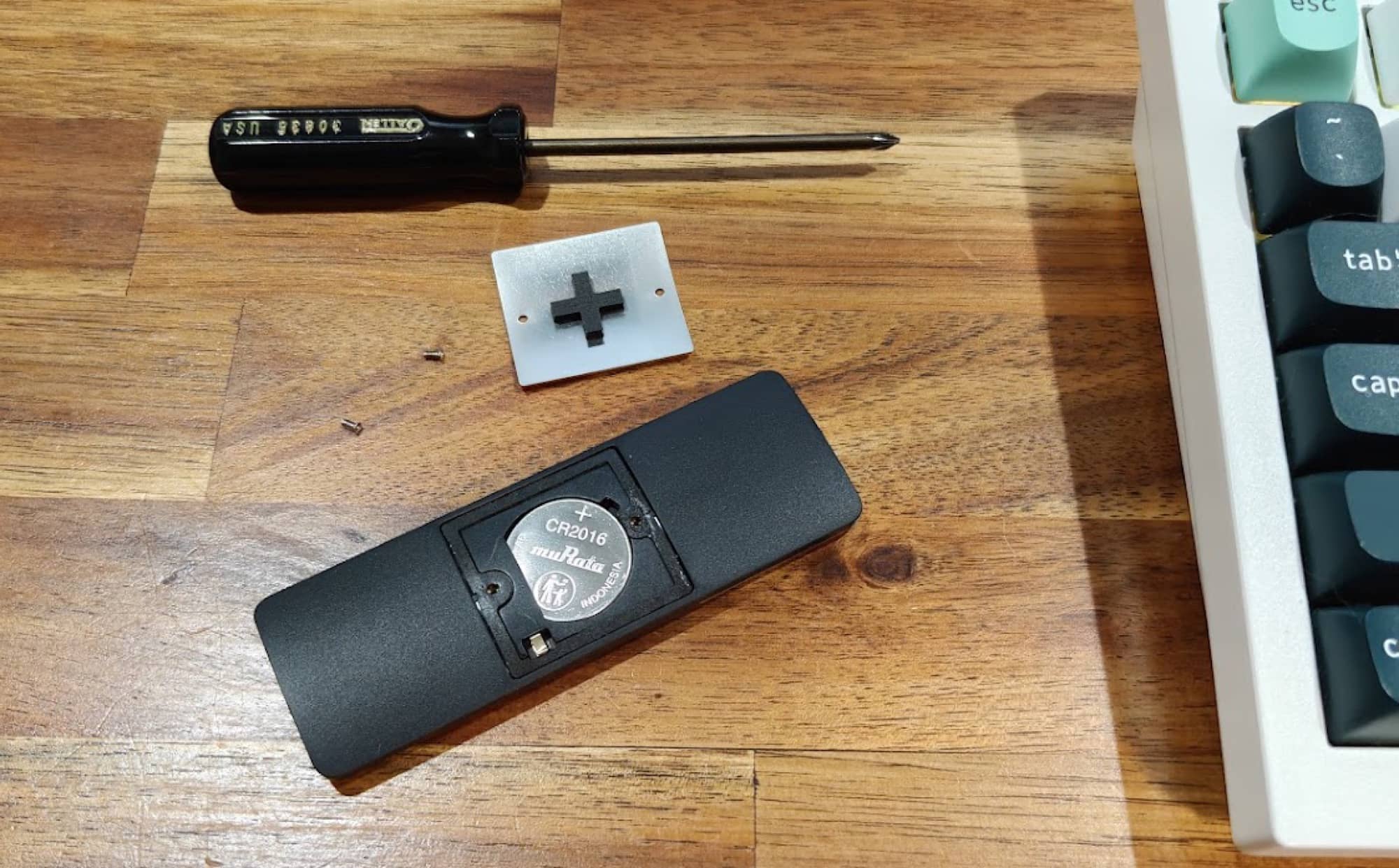
I actually like this approach. No proprietary charging cable to lose, no dock to make room for, and no concern that the device has been sitting unused in a drawer with a dead rechargeable battery. Keeping a spare coin cell battery on hand is a smart idea, though, in case it dies at the exact moment you want to record an EKG.
How the KardiaMobile 6L Works
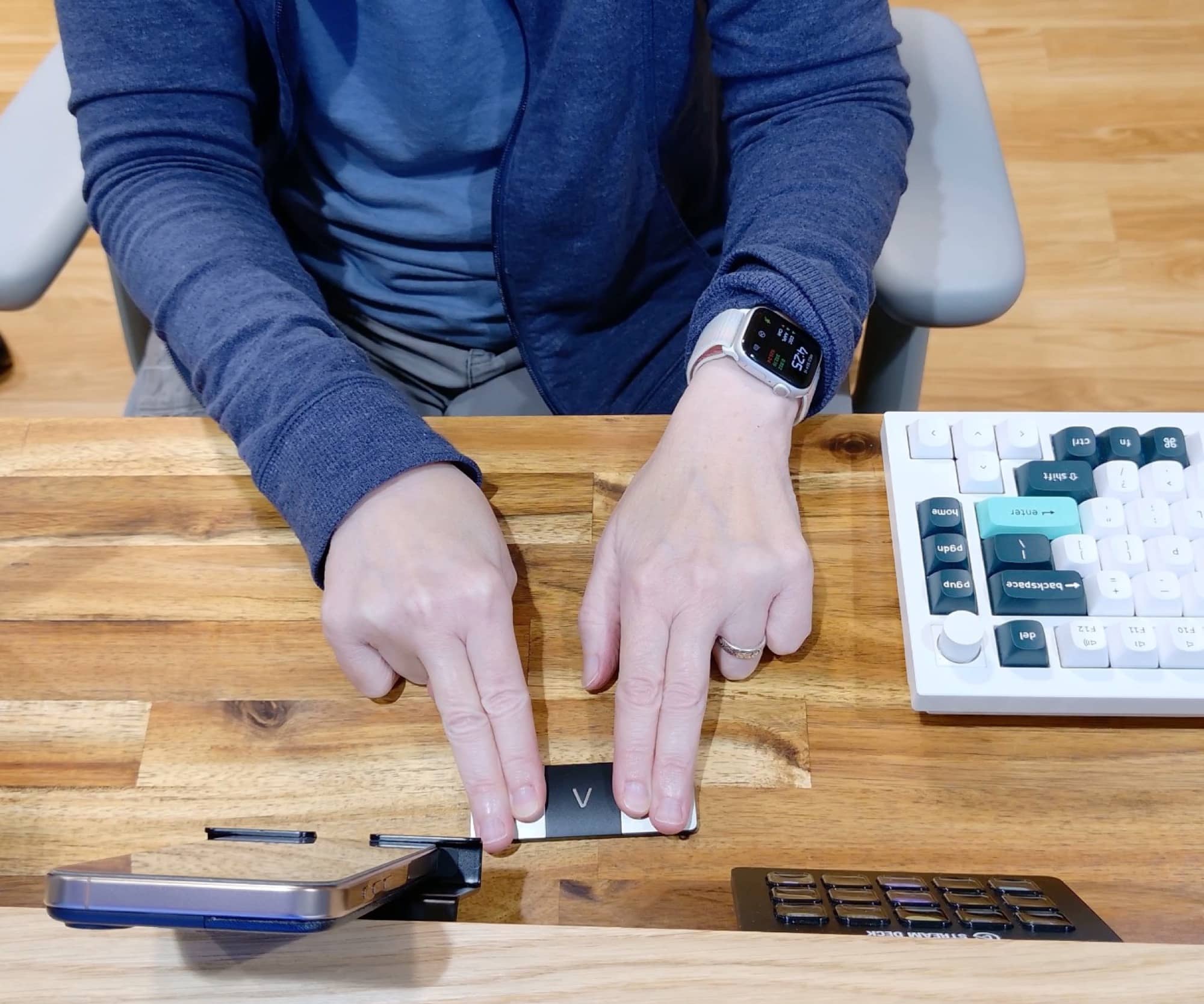
Using the KardiaMobile 6L for a basic EKG is easy. After launching the app, place the device flat on a table and touch the two electrodes with your fingers. The device has no hardware buttons. The app recognizes contact and begins recording the EKG automatically.
The recording takes 30 seconds, and the app shows the EKG waveform in real time with a countdown running on screen. Once it is complete, the app lets you choose who can access the result, view the reading, save it, and close the session.
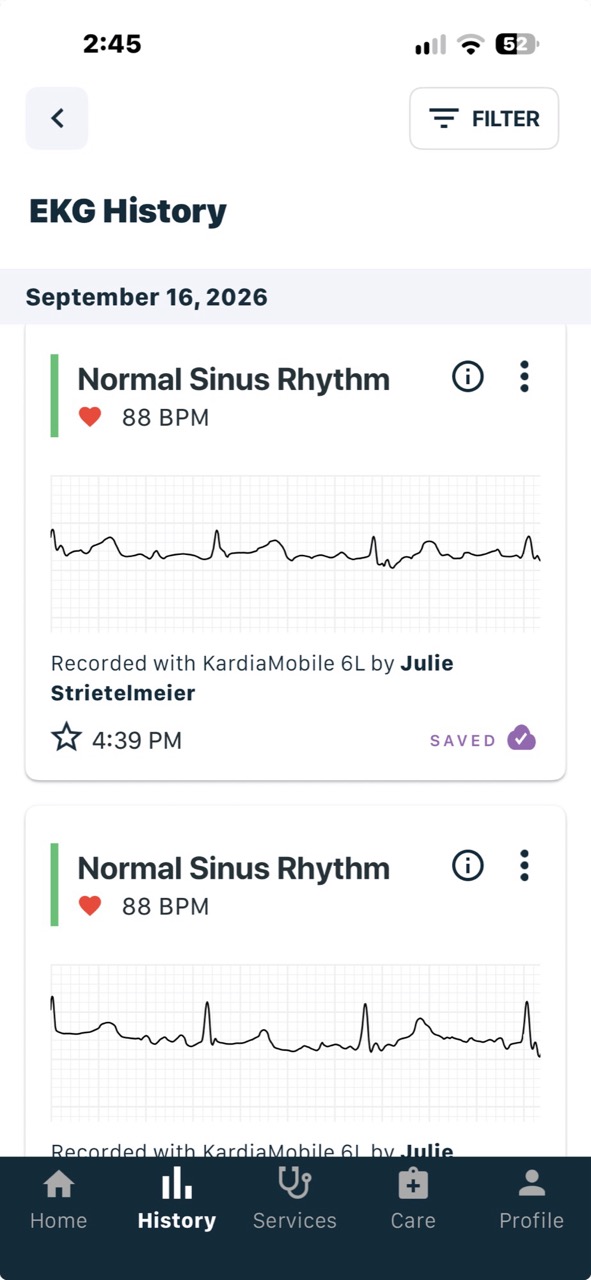
The app also keeps an EKG history, so you can access previous recordings in one place. That is useful if you want a record over time rather than a single one-off measurement. A saved history could also make it easier to bring relevant recordings to a doctor’s appointment.
For the basic workflow, the KardiaMobile 6L is one of those devices that does exactly what it needs to do without asking you to manage a lot of settings. Put your fingers on it, wait 30 seconds, and save the result. It really is that simple.
The KardiaCare Subscription Dilemma
Here is the part that is annoying. Although the KardiaMobile 6L is sold as a six-lead EKG device, access to the six-lead EKG feature requires a KardiaCare subscription.
At the time of testing, KardiaCare cost $13.99 per month or $99.99 per year. With a membership, the Kardia device can detect AFib, Bradycardia, Tachycardia, Sinus Rhythm with PVCs, Sinus Rhythm with SVE (PACs), Sinus Rhythm with Wide QRS, and Normal Sinus Rhythm. Without a membership, the KardiaMobile 6L can only detect Normal Sinus Rhythm, AFib, Bradycardia, and Tachycardia.
That means you can purchase the KardiaMobile 6L hardware and still be prompted to pay again if you want to use its more advanced EKG functionality. What makes this more frustrating is that it didn’t include a one-month trial to let new owners see whether the service is worth continuing.
I think AliveCor should include at least a one-month KardiaCare trial with the KardiaMobile 6L. This is a health-focused gadget, and many people will understandably want to try the six-lead reading before deciding whether to keep paying for a subscription.
The annual price is not outrageous, especially compared to many software subscriptions, but it is the principle of the thing. If you are buying the KardiaMobile 6L specifically for its six-lead EKGs, it is disappointing to learn that the headline feature is locked behind an additional payment.
Performing a Six-Lead EKG with the KardiaMobile 6L
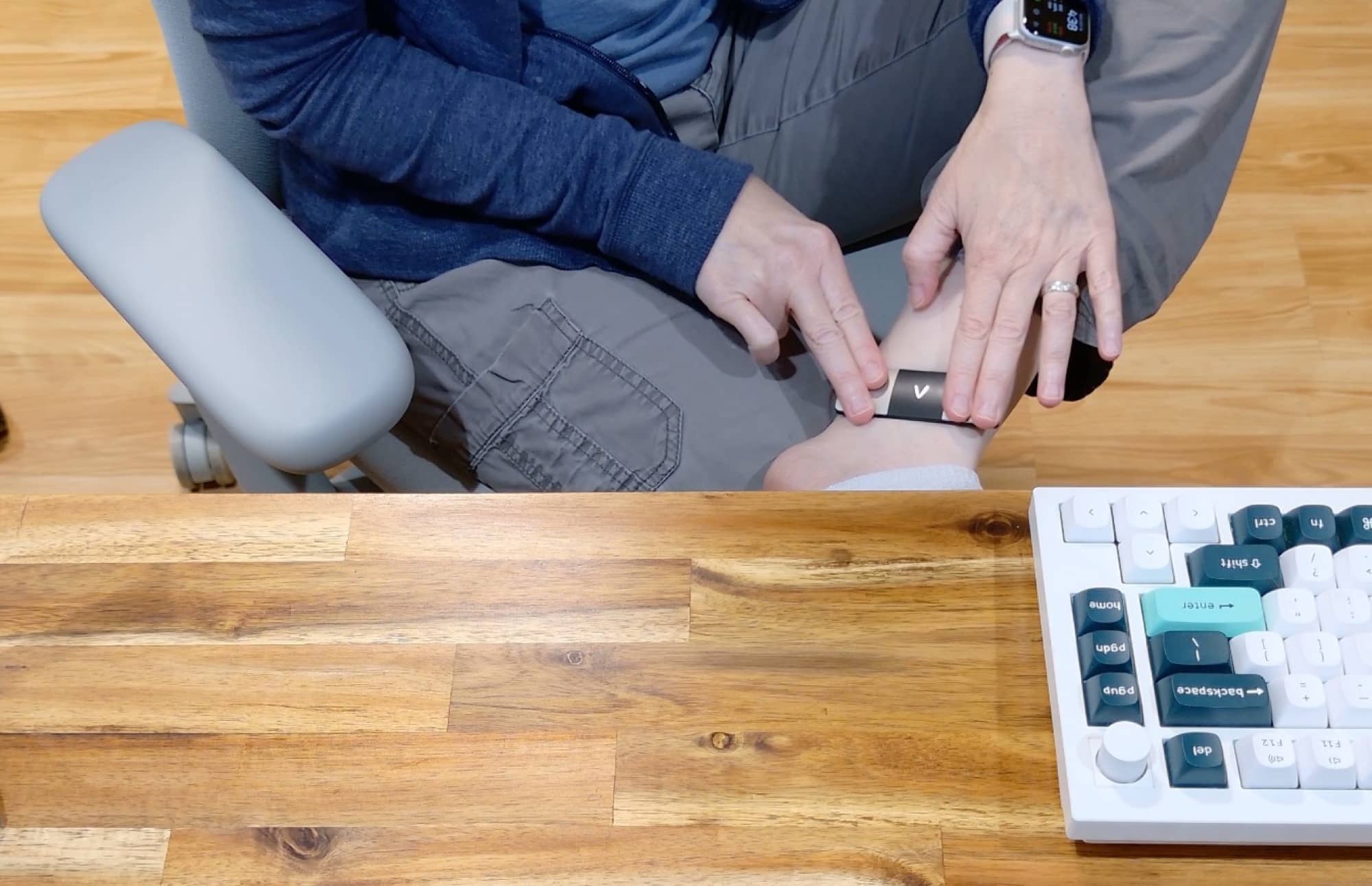
Once KardiaCare is enabled, taking a six-lead EKG is still straightforward, but it is different from the basic two-finger recording. You cannot perform the six-lead test with your fingers alone. The KardiaMobile 6L needs to touch either your knee or ankle while your fingers touch the outer electrodes. See video below where I demonstrate the tests.
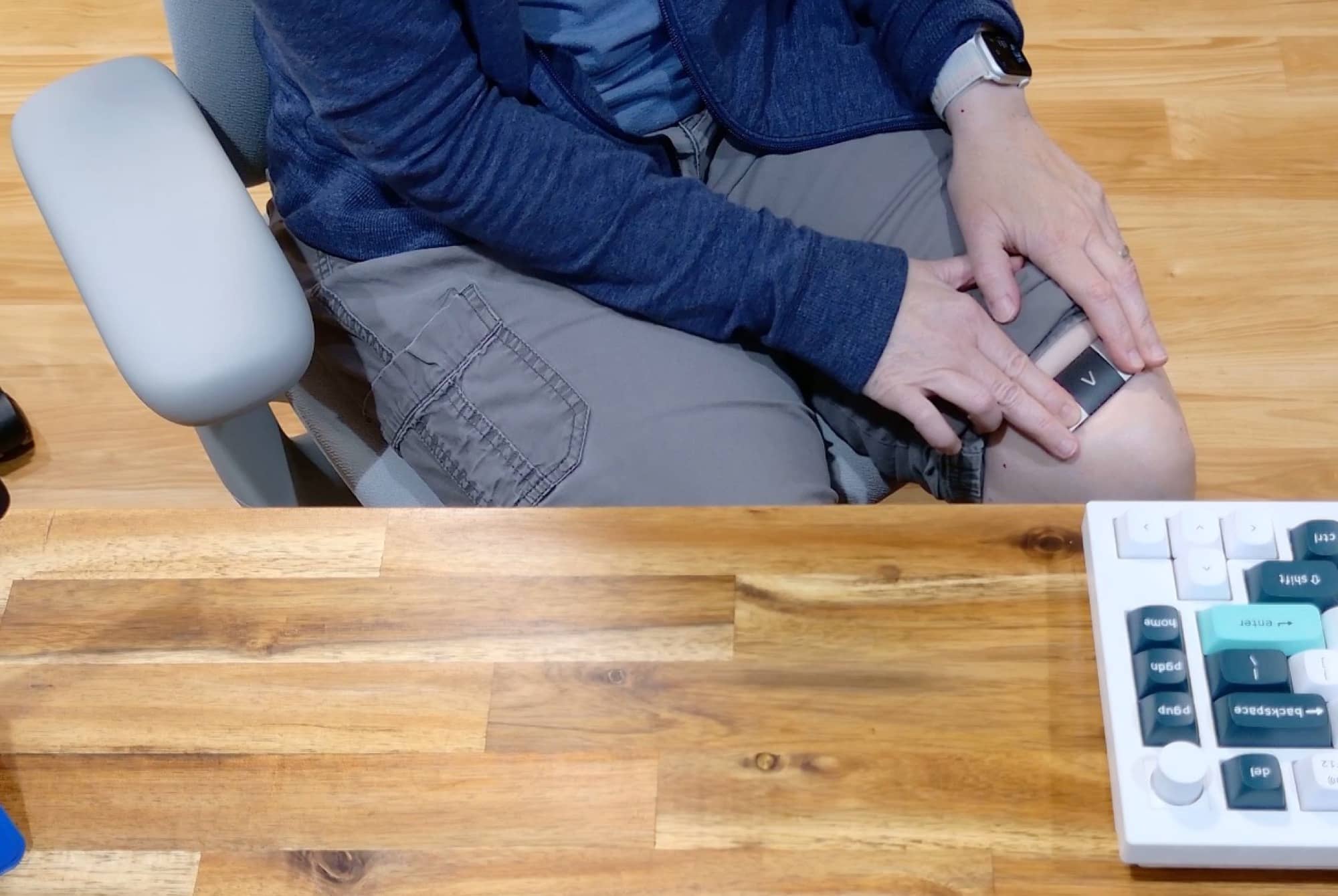
The app guides you on positioning the device. In my tests, the ankle position worked well. A knee recording also worked, although skin contact matters. When the app had trouble getting a signal from the knee, moistening the skin helped the test begin properly.
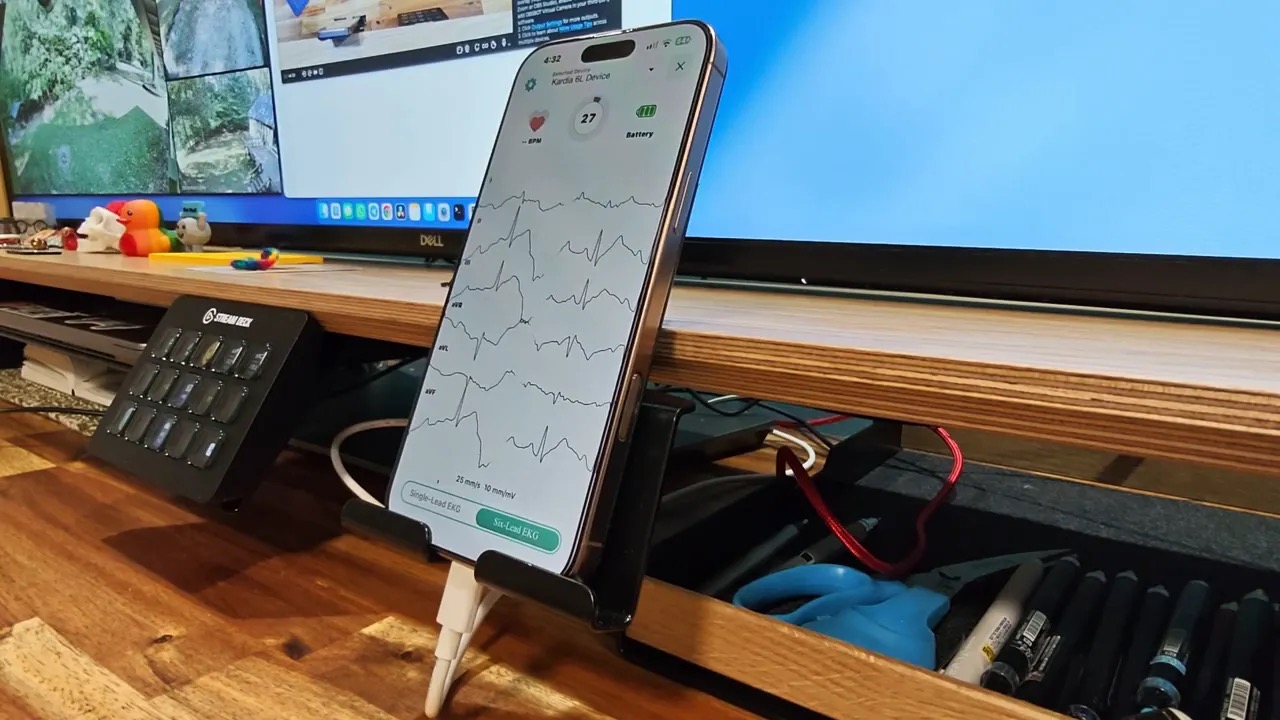
That is worth keeping in mind if you are considering the KardiaMobile 6L for regular use. The process is easy, but good contact is essential. Dry skin or imperfect placement may mean you need to adjust the device and try again.
Once the recording is complete, the app provides a results screen. In this case, it reported that it doesn’t check for heart attacks and that it detected no arrhythmia or rhythm abnormalities. Again, treat this as a tool for recording and documenting information, not a substitute for professional medical care.
Still, it is pretty amazing that a device this small can capture six-lead EKG information at a desk, in a hotel room, or at home without wires, adhesive patches, or a large dedicated monitor.
Clinician Report and Results
One of the more interesting parts of the KardiaMobile 6L experience is the clinician report. The report received after the six-lead recording stated that a U.S. board-certified cardiologist personally assessed it.
The result showed normal sinus rhythm and a normal heart rate. The report also explained normal sinus rhythm and listed secondary observations. My report shows no arrhythmias in the checked categories. Yay!
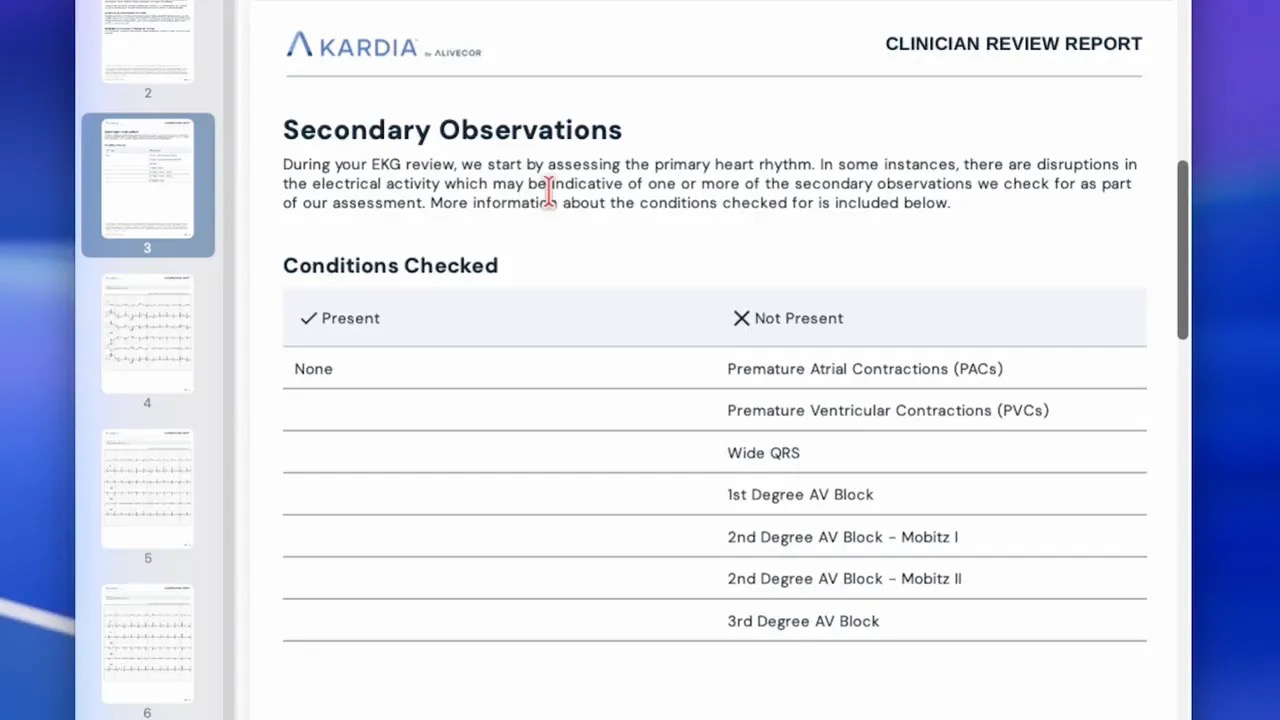
You can access the report in the app, but it is much easier to read after downloading the PDF to a computer. The text is too small to review comfortably in the app. Once downloaded, though, the PDF is a useful format for saving or bringing to a doctor.
The report included checks for multiple rhythm-related conditions, including premature atrial contractions, premature ventricular contractions, sinus bradycardia, sinus tachycardia, and other arrhythmia-related observations. I am not going to pretend to be a cardiologist or explain every line item, but the report does make it clear which conditions were checked and whether they were found.
For someone who wants documentation to discuss with a clinician, the downloadable report is one of the strongest reasons to consider the KardiaMobile 6L. A saved PDF is much more useful than trying to describe a strange sensation or a vague app result from memory.
Who Is the KardiaMobile 6L For?
The KardiaMobile 6L is best for people who want a compact way to record EKG information at home or while away from home. Its tiny size is a major advantage. Unlike many health devices that demand drawer space, cables, and a dedicated charging spot, this one can be kept almost anywhere.
The KardiaMobile 6L may be a good fit for:
- People who want to keep EKG recordings to discuss with a doctor
- Frequent travelers who want a lightweight health gadget
- Anyone who appreciates a simple, cable-free device
- People who want access to six-lead recordings and are comfortable paying for KardiaCare when needed
- Those who want a device that can stay in a drawer until it is needed
The KardiaMobile 6L may not be the best choice for:
- People who do not want any subscription-based health features
- Anyone expecting every six-lead feature to be included with the hardware purchase
- People who want a device that can diagnose a heart attack
- Anyone who needs immediate medical attention rather than an at-home recording tool
See It in Action
Final Thoughts
The AliveCor KardiaMobile 6L is one of those gadgets that makes you appreciate how far personal health technology has come. It is a thin little device that can record an EKG in 30 seconds, store a history in an app, and produce a downloadable clinician report. The basic recording experience is easy enough that it does not feel intimidating.
I also really like the coin cell battery design. No charging cables is a win, especially for a product that might sit in a drawer for long stretches. The KardiaMobile 6L is portable enough to take on vacation without thinking twice, and it doesn’t take up room like larger home medical devices.
The major drawback is the subscription. Requiring KardiaCare for six-lead recordings feels mismatched with the KardiaMobile 6L name and price. I would feel much better about it if AliveCor included a free month so people could test the advanced features before deciding whether to continue.
Even with that complaint, the KardiaMobile 6L gets a thumbs up. It is easy to use, genuinely portable, and capable of creating useful records to share with a medical professional. Just go into the purchase knowing that the full six-lead experience comes with an additional cost.
The AliveCor KardiaMobile retails for $114.00; it is available directly from the manufacturer and other retailers, including Amazon.
Source: Manufacturer-supplied review sample.
What I Like: Tiny and travel-friendly design; Easy 30-second recordings; No charging cable required; Downloadable clinician report; App stores EKG history
What Needs Improvement: Six-lead EKG access requires a subscription; No included KardiaCare trial; Clinician report is difficult to read in the app



Be the first to comment on "AliveCor KardiaMobile 6L Review: An EKG Device in Your Pocket"