
Most flagship phones now arrive with the same familiar promise: faster, brighter, smarter, thinner, more powerful, and somehow always “professional” at everything. Before long, the category blurs into one glossy slab of titanium, glass, marketing language, and camera bumps large enough to demand their own zip code. The OPPO Find X9 Ultra cuts through that sameness almost immediately. It is a flagship smartphone, certainly, with a sharp display, a current-generation Qualcomm chip, a very large battery, quick charging, generous storage, and the polished hardware you expect at this level. But none of that is the real headline.
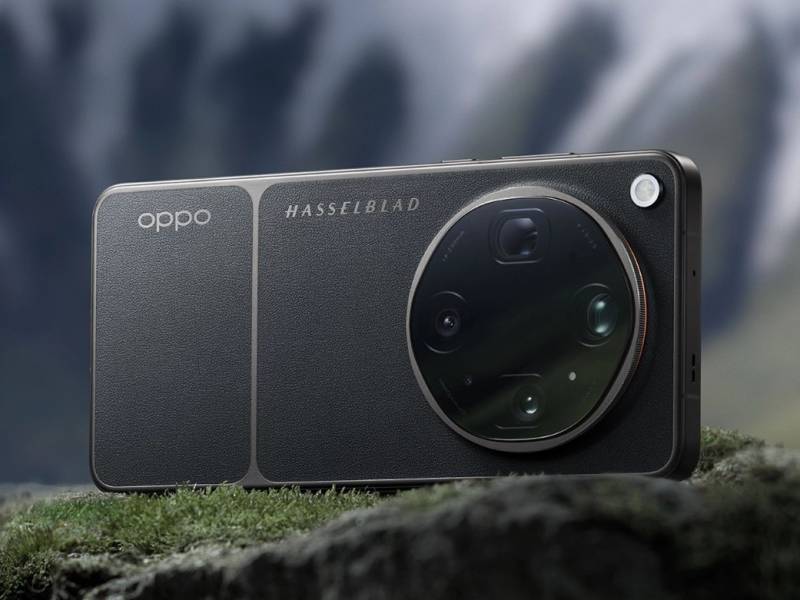
The real headline is that the Find X9 Ultra is a camera-first smartphone in a way that very few phones genuinely are. This isn’t just a phone with a very good camera, a strong zoom, or a photography mode with a few tasteful filters and a “Pro” tab buried in the app. It feels like a flagship handset designed around the idea that a serious camera system should come first, and the rest of the phone should keep up.
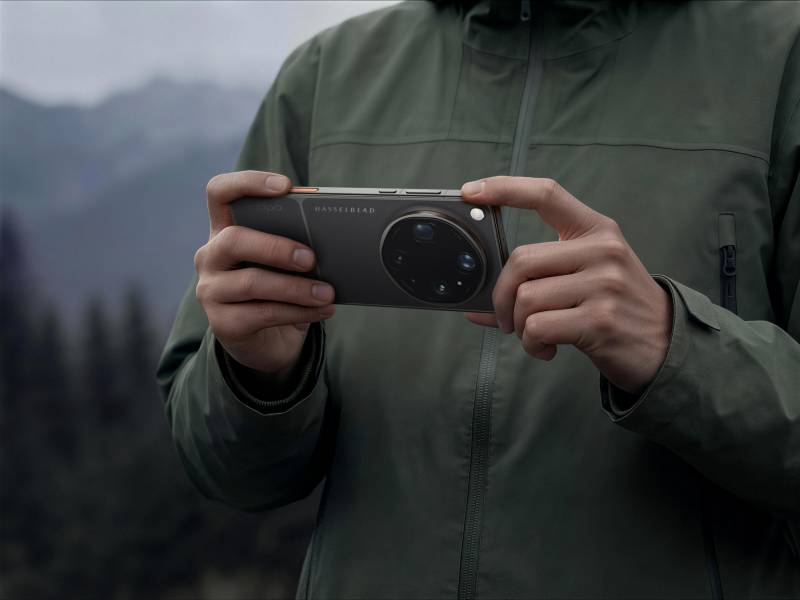
That distinction changes the entire conversation. It changes how the device is built, how it feels in the hand, how it is meant to be used, and who should actually spend this kind of money on it. It also means the Find X9 Ultra deserves to be judged less like a typical premium Android phone and more like a hybrid tool for someone who wants one device to do almost everything without collapsing into compromise.
And on that front, OPPO has built one of the most ambitious phones of the year.
The Camera Is the Point, and OPPO Knows It
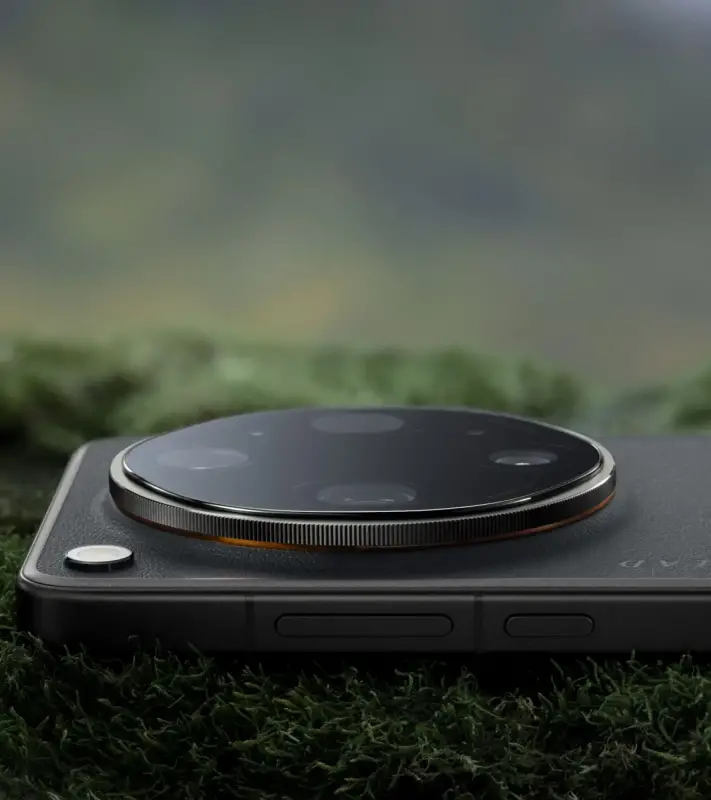
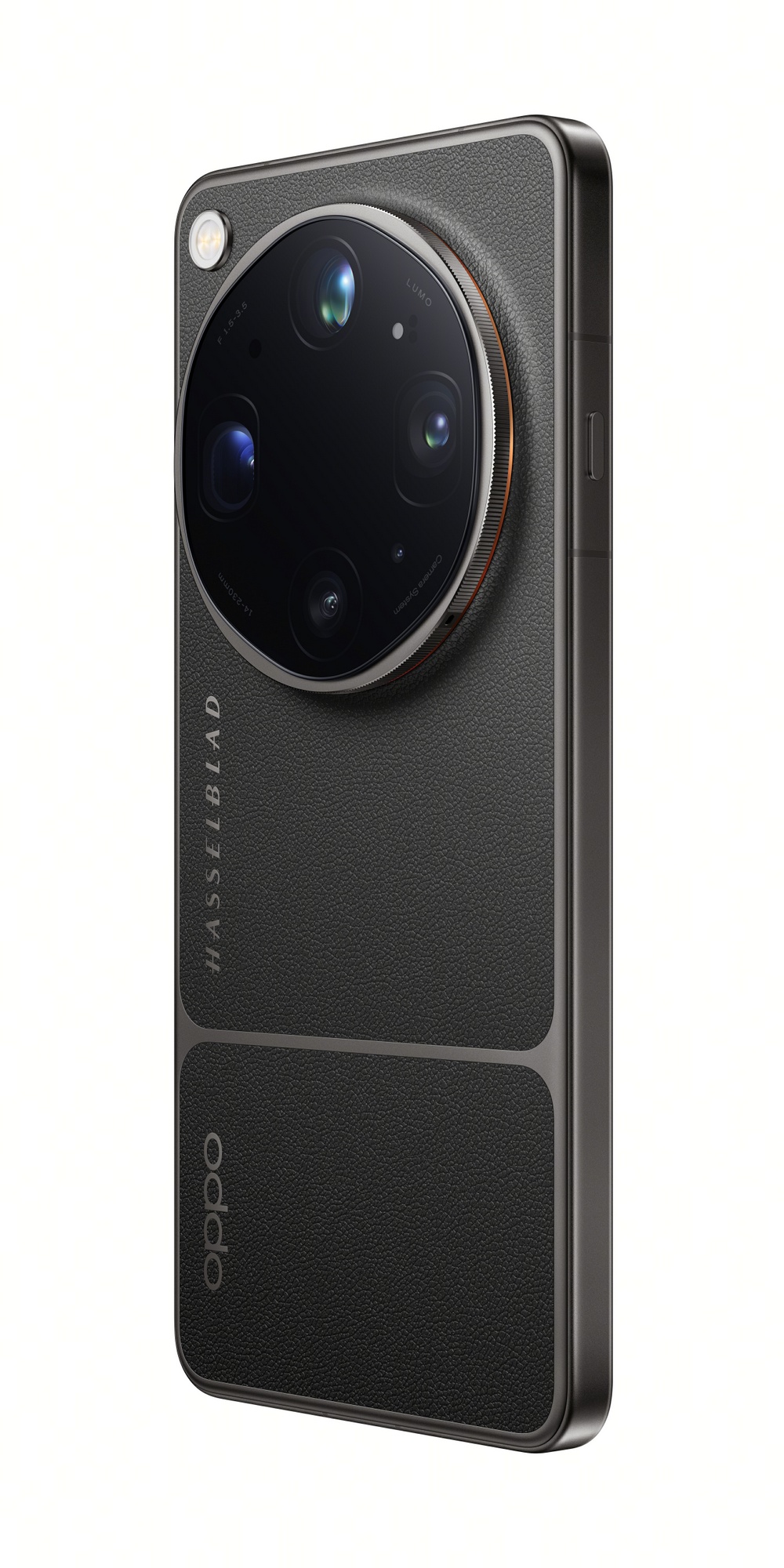
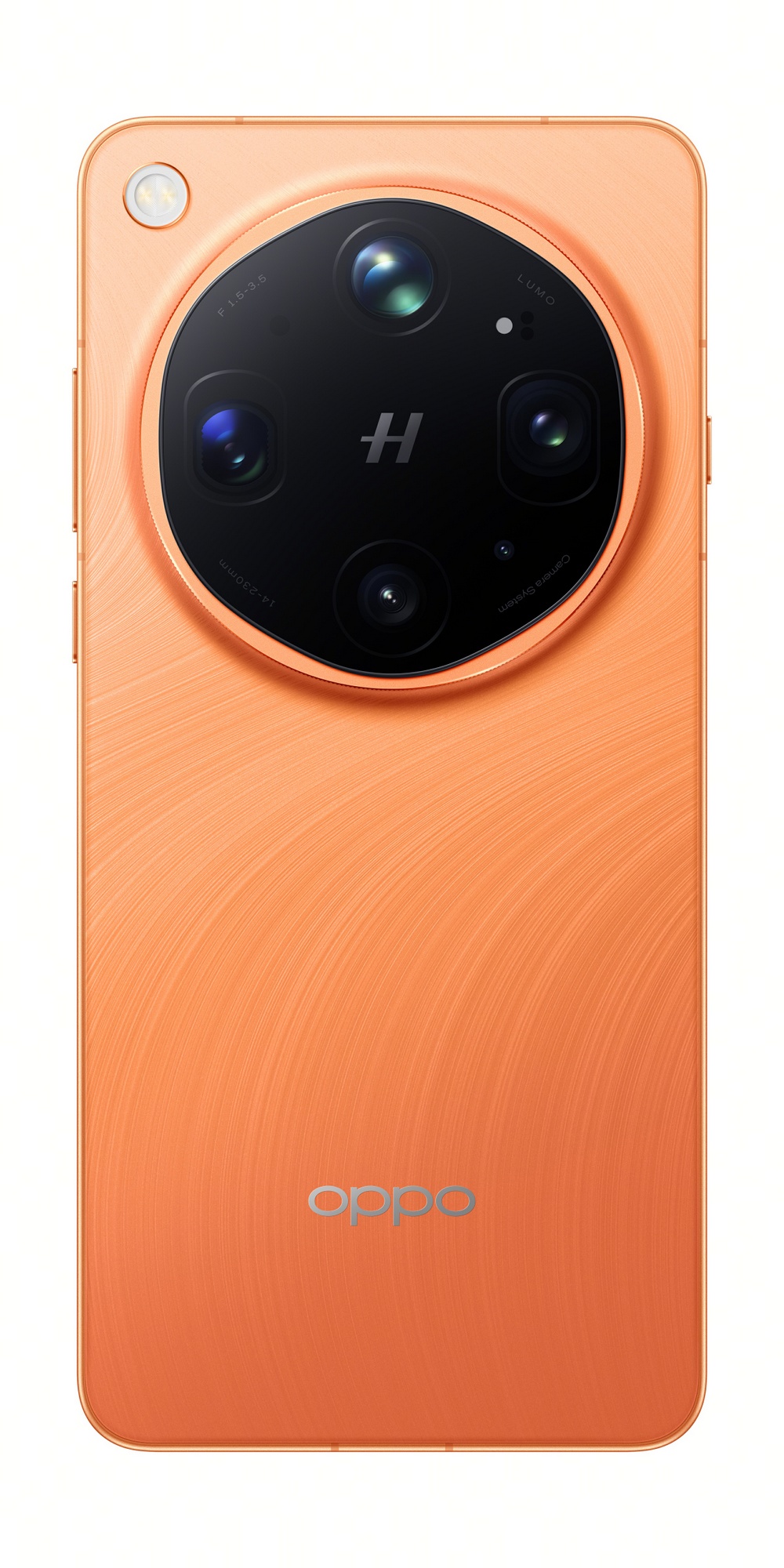
The Find X9 Ultra’s camera system isn’t subtle. OPPO leans into it visually, mechanically, and philosophically. The rear setup includes a 200-megapixel main camera with a large 1/1.12″ sensor and a bright f/1.5 aperture, a second 200-megapixel telephoto camera at 3x zoom with an even more useful 70mm equivalent focal length, a 50-megapixel ultra-wide camera, and the real attention magnet: a 50-megapixel 10x optical telephoto camera with a 230mm equivalent focal length.
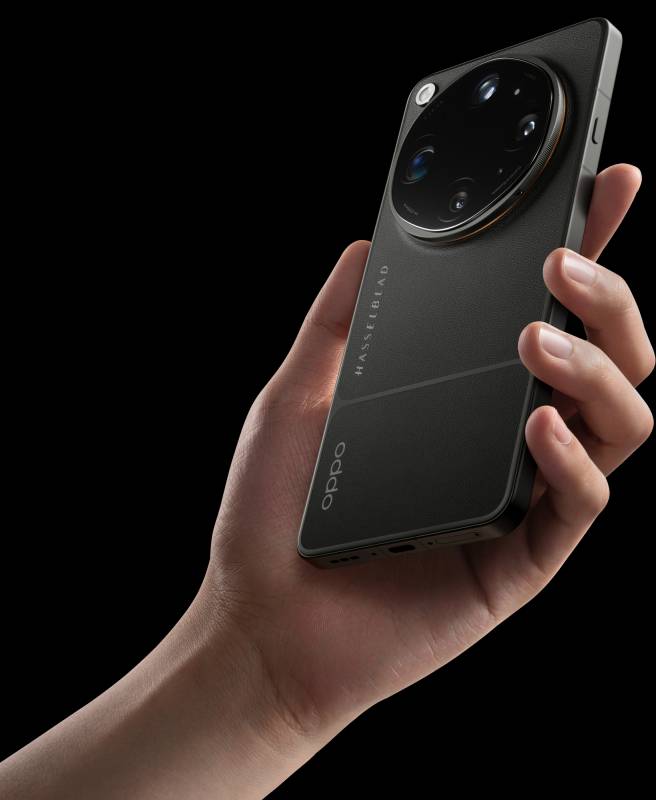
That 10x optical zoom is the big hook here. In plain English, optical zoom means the phone is actually using lens design and sensor placement to bring distant subjects closer, rather than simply enlarging a cropped portion of the image and hoping the software can fake the rest. Plenty of phones claim big zoom numbers. Far fewer deliver meaningful, reliable detail once you reach double digits.
OPPO’s answer is a periscope telephoto design with what it calls a quintuple-prism reflection structure, which folds light multiple times inside the phone to fit a much longer lens path into a body that is still technically pocketable. That is a complicated engineering solution to a straightforward problem: long zoom lenses take space, and phones have very little of it. OPPO is clearly trying to squeeze in the sort of reach that traditionally required a dedicated camera body and a separate lens bag.
That effort pays off, at least on paper, in a focal range from 14mm all the way to 460mm through the phone’s own camera system. That is a broad creative span. It means you can shoot a wide landscape, a close portrait, a tighter crop on a building detail, and a performer on a stage without feeling like the phone is running out of road. That kind of flexibility matters far more in real life than any megapixel headline, because it lets you capture more without moving your feet or carrying multiple devices.
Why the 3x Lens May Be the One That Matters Most
As much fun as the 10x telephoto is, the 3x 200-megapixel telephoto may quietly be the most useful lens in the entire system.
At a 70mm equivalent focal length, it sits in a sweet spot that photographers tend to love. It is tighter than a standard wide-angle lens, which makes it flattering for portraits and cleaner for product shots, but not so long that it becomes difficult to frame or stabilize. That alone would make it worthwhile. OPPO then equips it with a large 1/1.28″ sensor, an f/2.2 aperture, and a close-focusing distance of 15 centimeters, making it a macro camera as well.
That means the Find X9 Ultra isn’t just chasing distant detail. It is also built for intimate detail. A lens like this can handle portraits, food photography, texture shots, flowers, watch faces, small objects, packaging, and the kind of tactile close-ups that make a feature review feel lived-in rather than recycled from a spec sheet. In everyday use, that lens may end up doing far more work than the 10x simply because it is so adaptable.
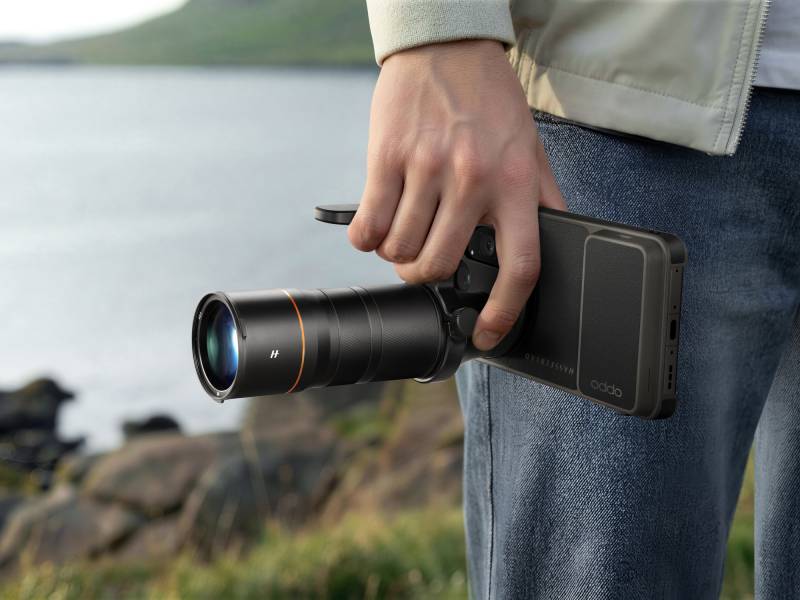
It is also the lens that pairs with OPPO’s optional 300mm Hasselblad Earth Kit’s Explorer Teleconverter, and that accessory is where the Find X9 Ultra goes from ambitious to slightly absurd in the best possible way.
The Accessories Are Where This Gets Interesting
On its own, the Find X9 Ultra is already one of the most compelling camera phones on the market. With the optional Hasselblad Earth Explorer Kit, it becomes something more unusual: a smartphone that starts stepping into dedicated camera territory in a way that rivals can only partially match.
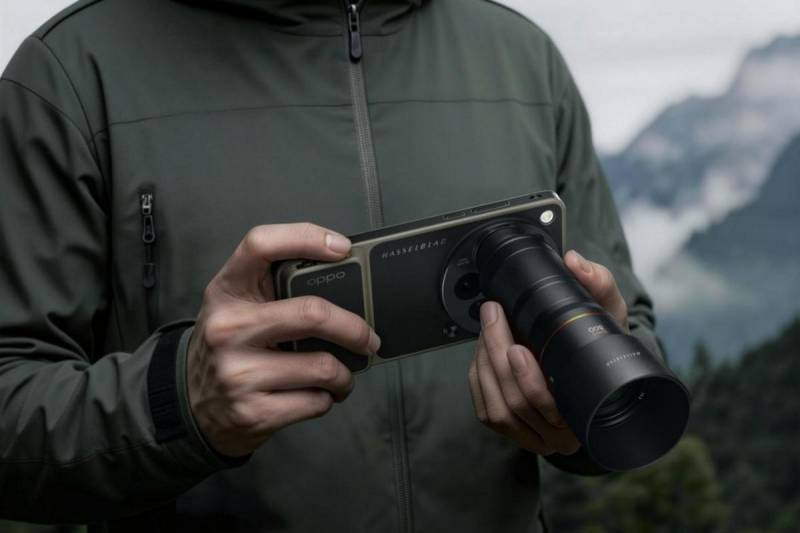
OPPO Find X9 Ultra with the Hasselblad Earth Explorer Kit lens attached
The Explorer Kit includes two main accessories. The first is the Hasselblad Explorer Case, which adds a two-stage shutter button and a zoom control dial. That may sound like a niche upgrade until you think about how different it feels to press a physical shutter with a half-press for focus versus stabbing at a screen. Physical controls change the rhythm of shooting. They encourage intention. They make one-handed photography easier. They create a little friction in the right place, and good camera design often depends on exactly that.
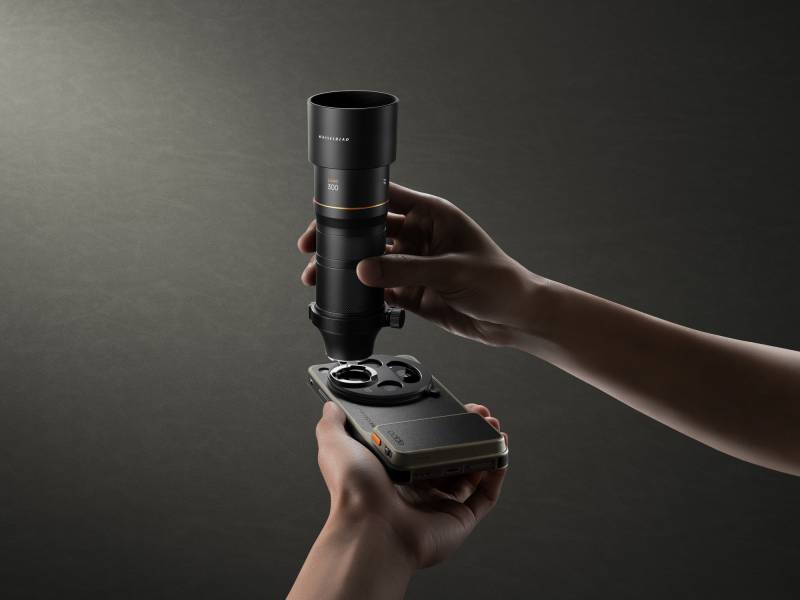
The second accessory is the OPPO Hasselblad 300mm Explorer Teleconverter, a large external lens built specifically for the 3x telephoto camera. It uses 16 glass elements in a full-metal housing and extends that 70mm equivalent lens to roughly 300mm, or about 13x optical zoom. With the phone’s 200-megapixel sensor at its heart, OPPO is treating the smartphone camera as part of a modular imaging system rather than a sealed appliance.
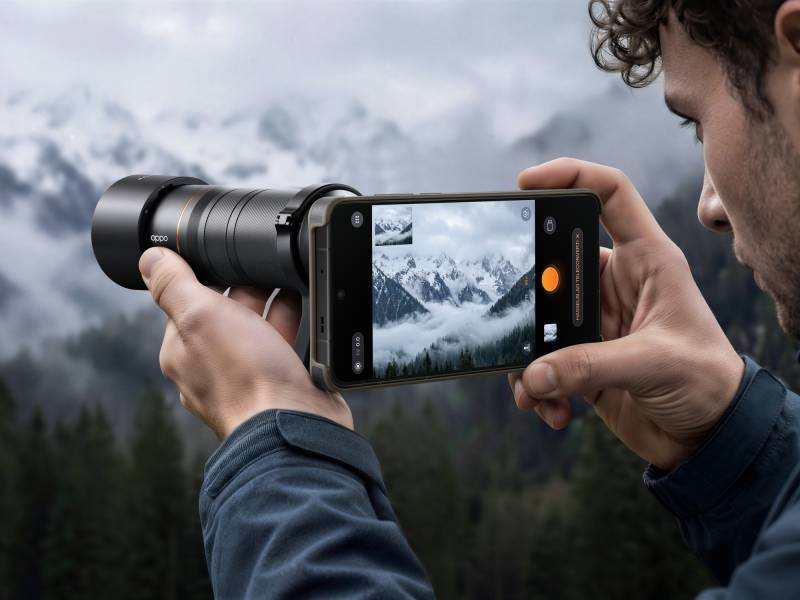
This is the point where the Find X9 Ultra becomes very hard to discuss like a normal phone. Most flagship handsets are asking whether they can replace a compact camera. This one is asking how close it can get to replacing a dedicated interchangeable-lens setup for the right kind of person. That doesn’t mean it suddenly turns into a DSLR. Physics still exists, even if the smartphone industry occasionally behaves as though it has filed an injunction. But it does mean the Find X9 Ultra, with the right accessories attached, starts offering a level of long-range versatility that is difficult to find anywhere else short of an actual camera bag.
That is also why this phone deserves the bigger framing. The Find X9 Ultra is a flagship smartphone that happens to have the most exciting camera available on any smartphone right now. Add the optional accessories, and it becomes superior to anything that isn’t a dedicated DSLR or mirrorless camera setup. That is a bold statement, but this is a bold product.
The obvious caveat is that carrying extra glass and a camera case isn’t for everyone. At that point, portability becomes conditional. The promise of “all in one” starts turning into “all in one, plus a pouch.” That isn’t a dealbreaker, but it does make the Find X9 Ultra a more intentional purchase. If you are the sort of buyer who wants effortless convenience above all else, the accessory ecosystem may feel overwhelming. If you already think in terms of focal lengths and reach, it may feel like the whole point of caring.
What the Find X9 Ultra Is Like to Live With
The Find X9 Ultra isn’t a discreet phone. It is about 163.16mm tall and 76.97mm wide, and it weighs roughly 235 to 236 grams depending on finish. That makes it a large, heavy device by any reasonable standard. The camera module is also prominent, and it needs to be. There is a lot going on back there.
In daily use, that size can be both reassuring and mildly annoying. Reassuring because the phone feels dense, expensive, and deliberate. Annoying because it’s the kind of phone you notice in a pocket, a bag, or your hand after a long day. This isn’t the sleek minimal flagship that disappears into your jeans and politely avoids making a scene. It is the kind of device that arrives at the table first and claims the good seat.
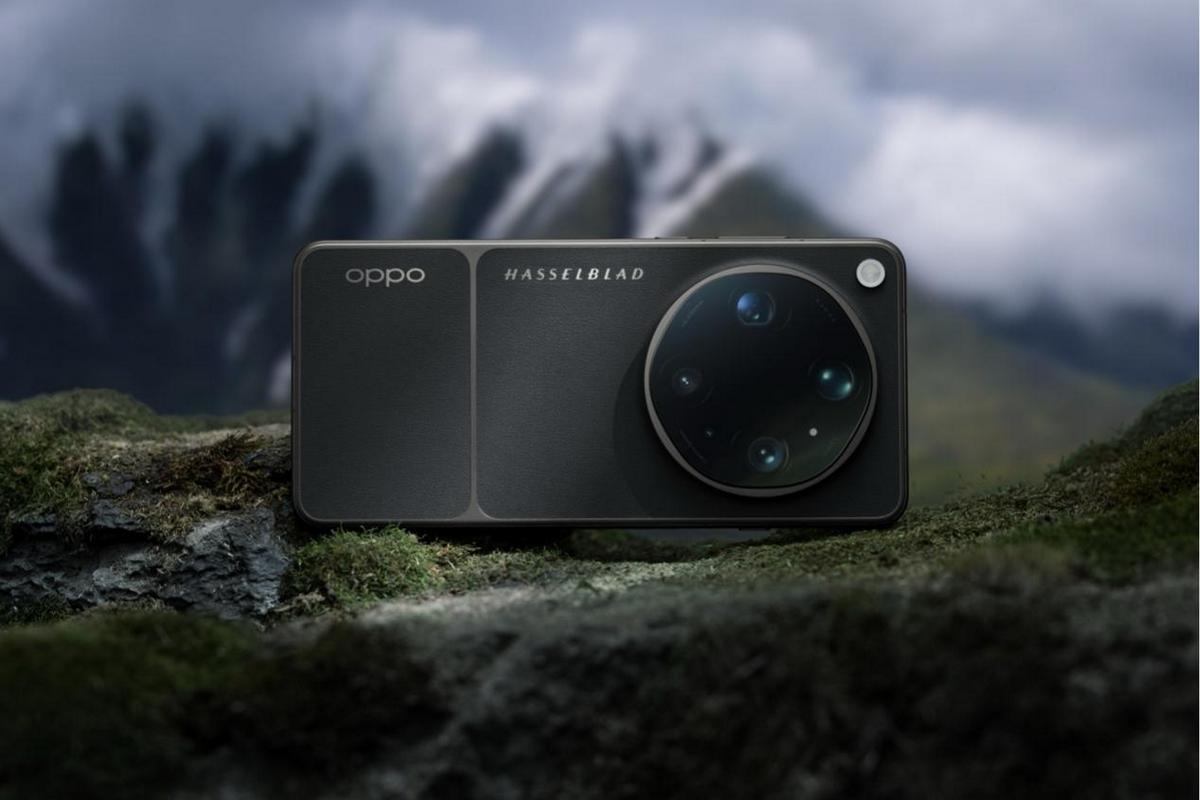
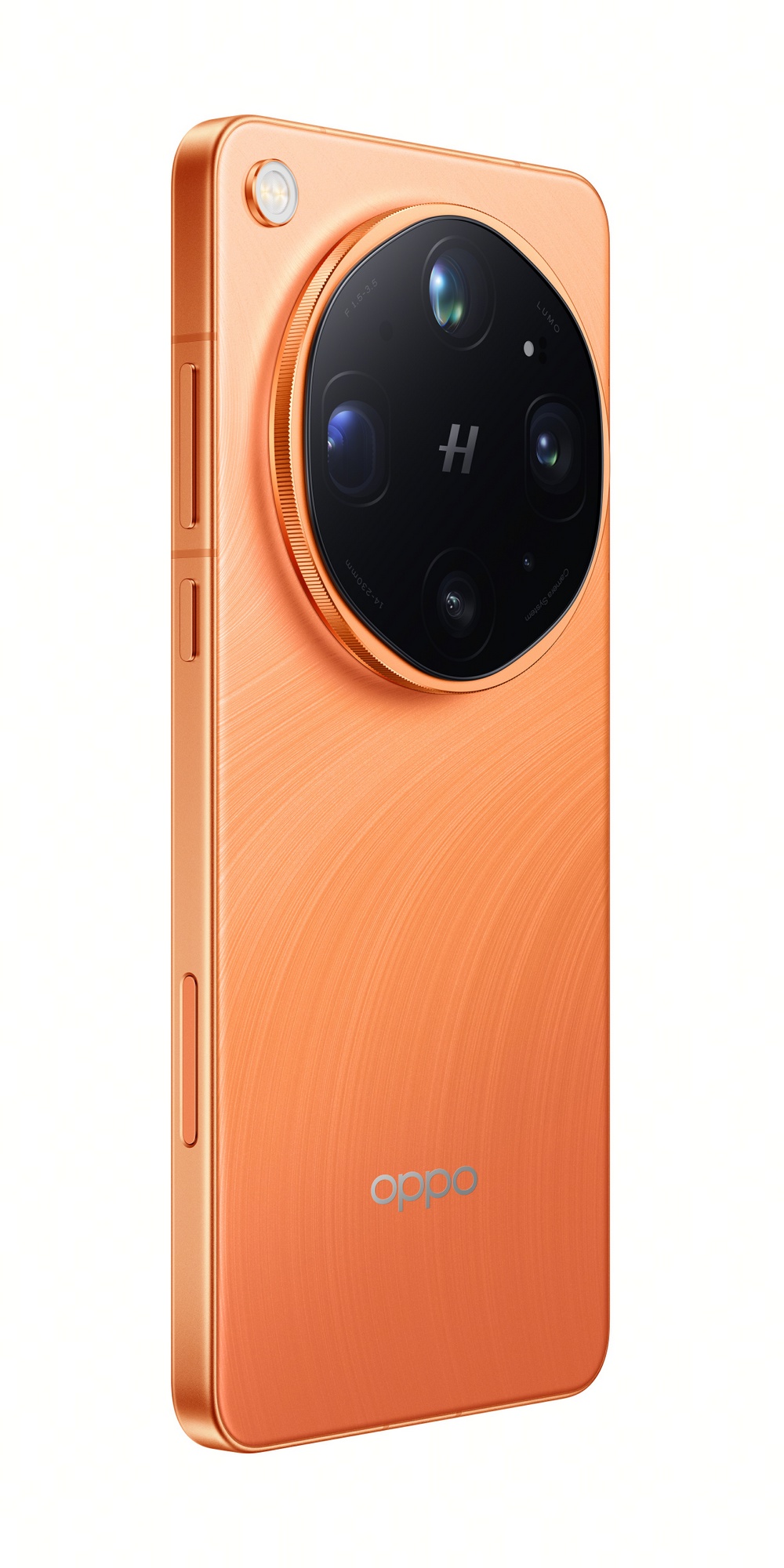
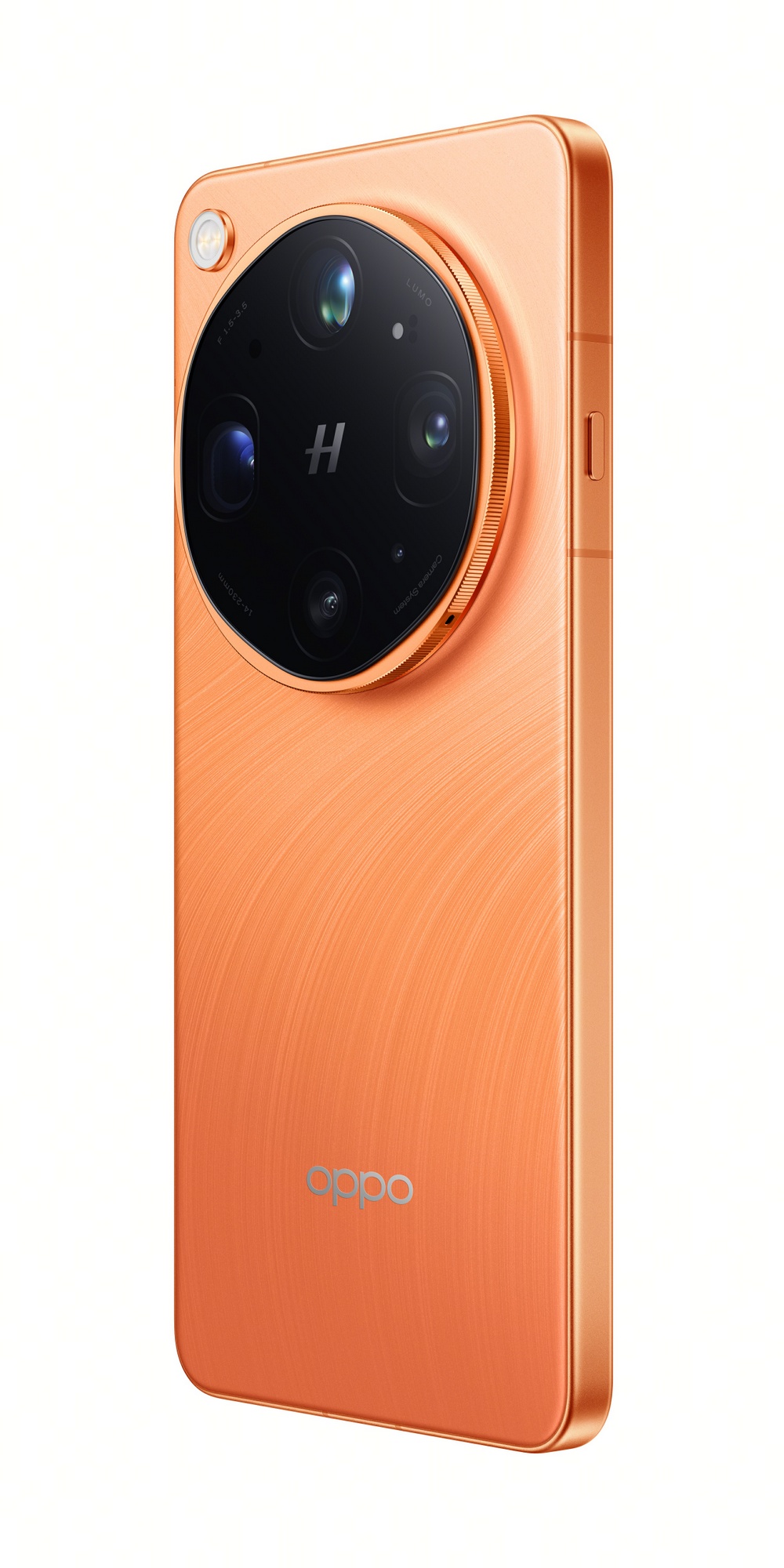
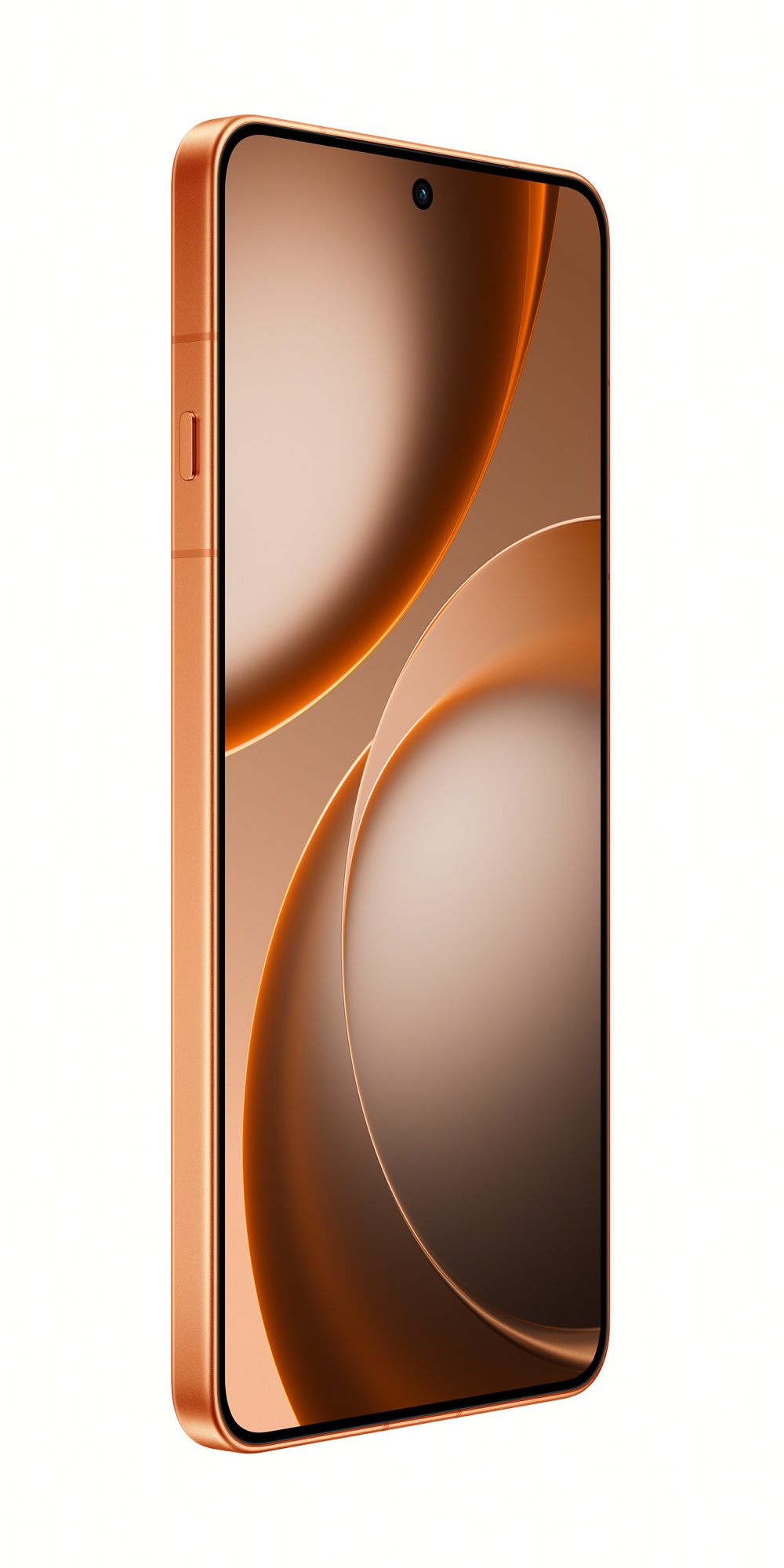
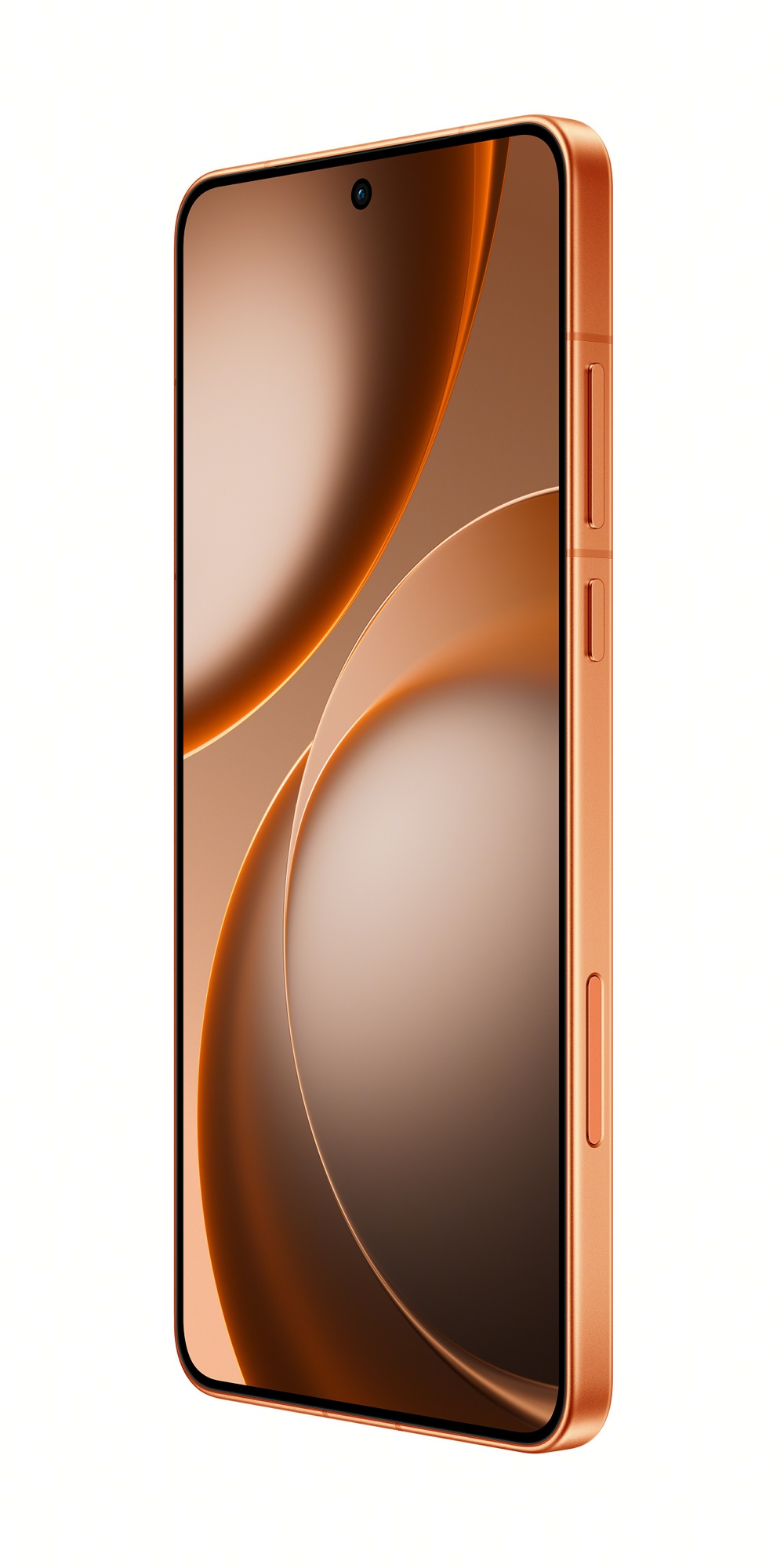
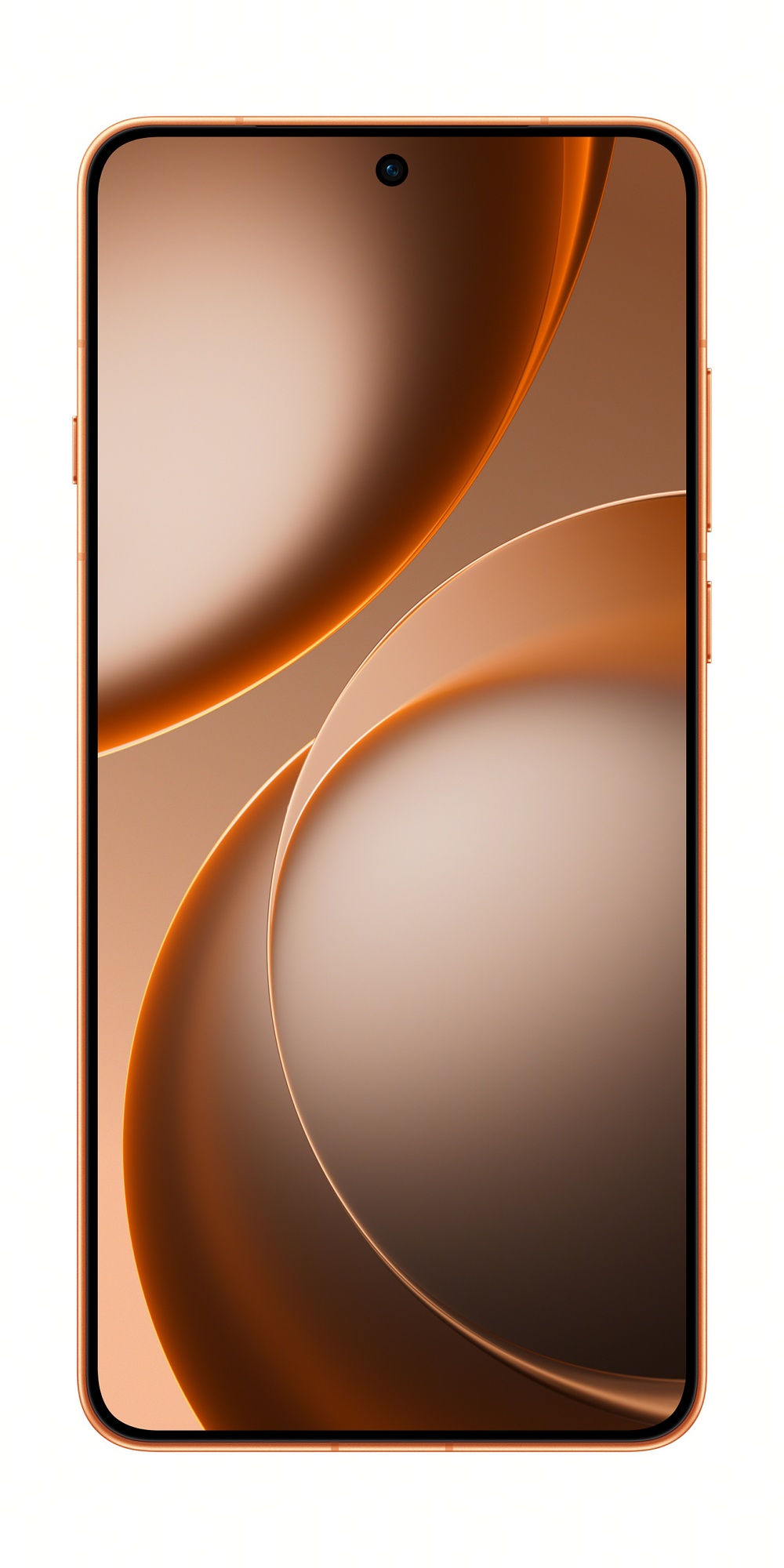
Still, OPPO has done a good job making that bulk feel purposeful. The circular camera ring has textured detailing that improves grip while shooting. The back finishes, Tundra Umber and Canyon Orange, give the phone some identity without drifting too far into concept-car nonsense. The
-

- OPPO Find X9 Ultra in Tundra Umber
-
- OPPO Find X9 Ultra in Canyon Orange
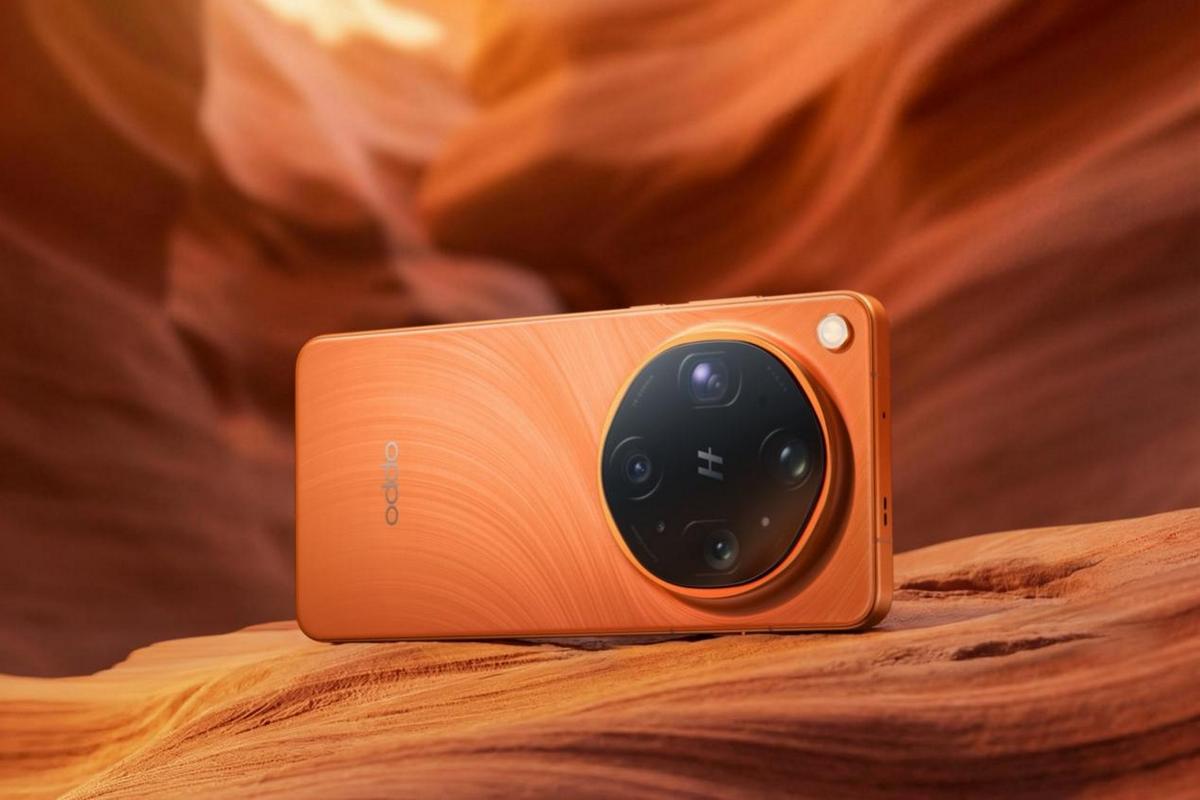
version in particular sounds and looks like the one for people who want camera-gear seriousness rather than tech-showroom peacocking.
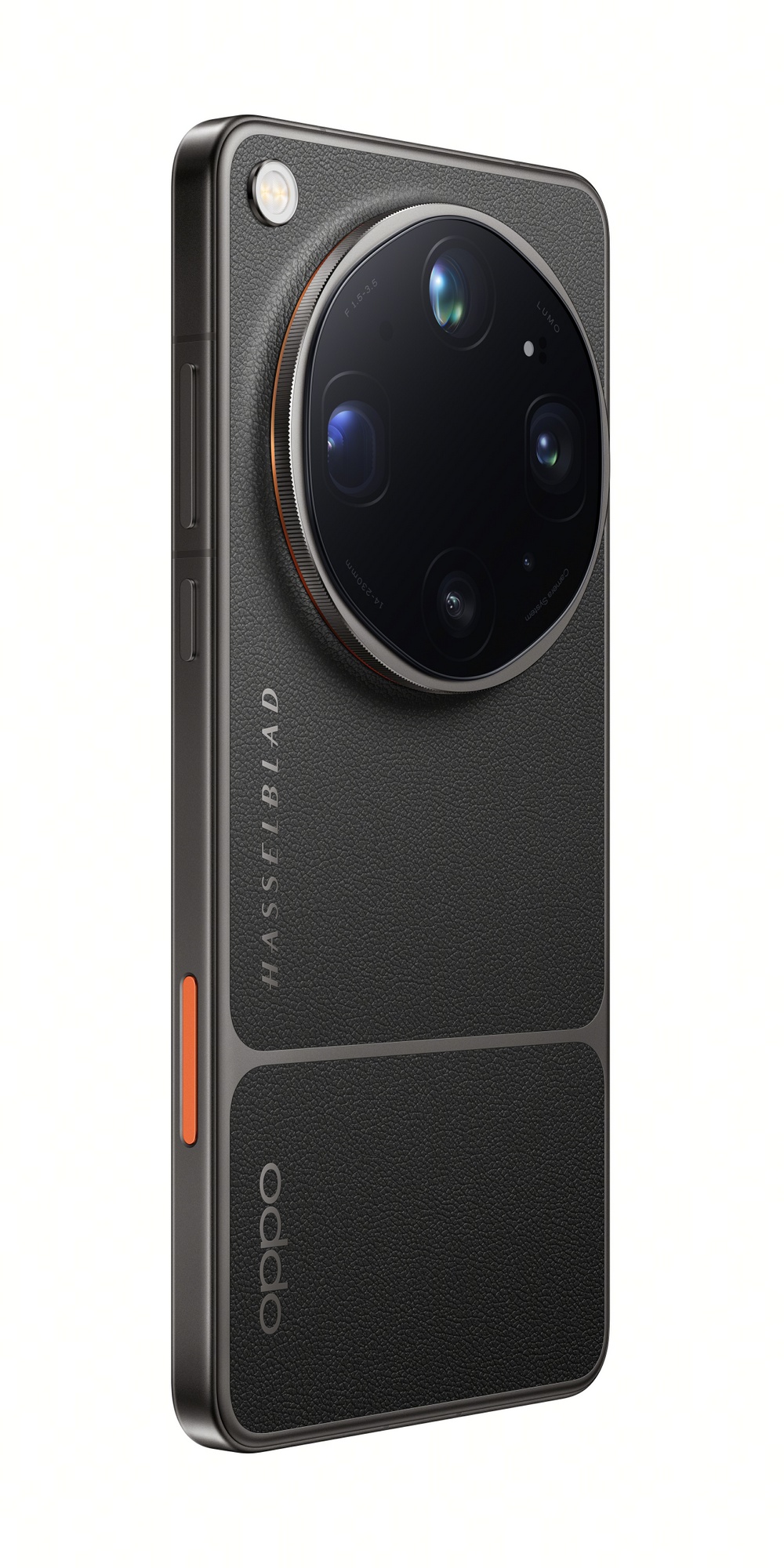
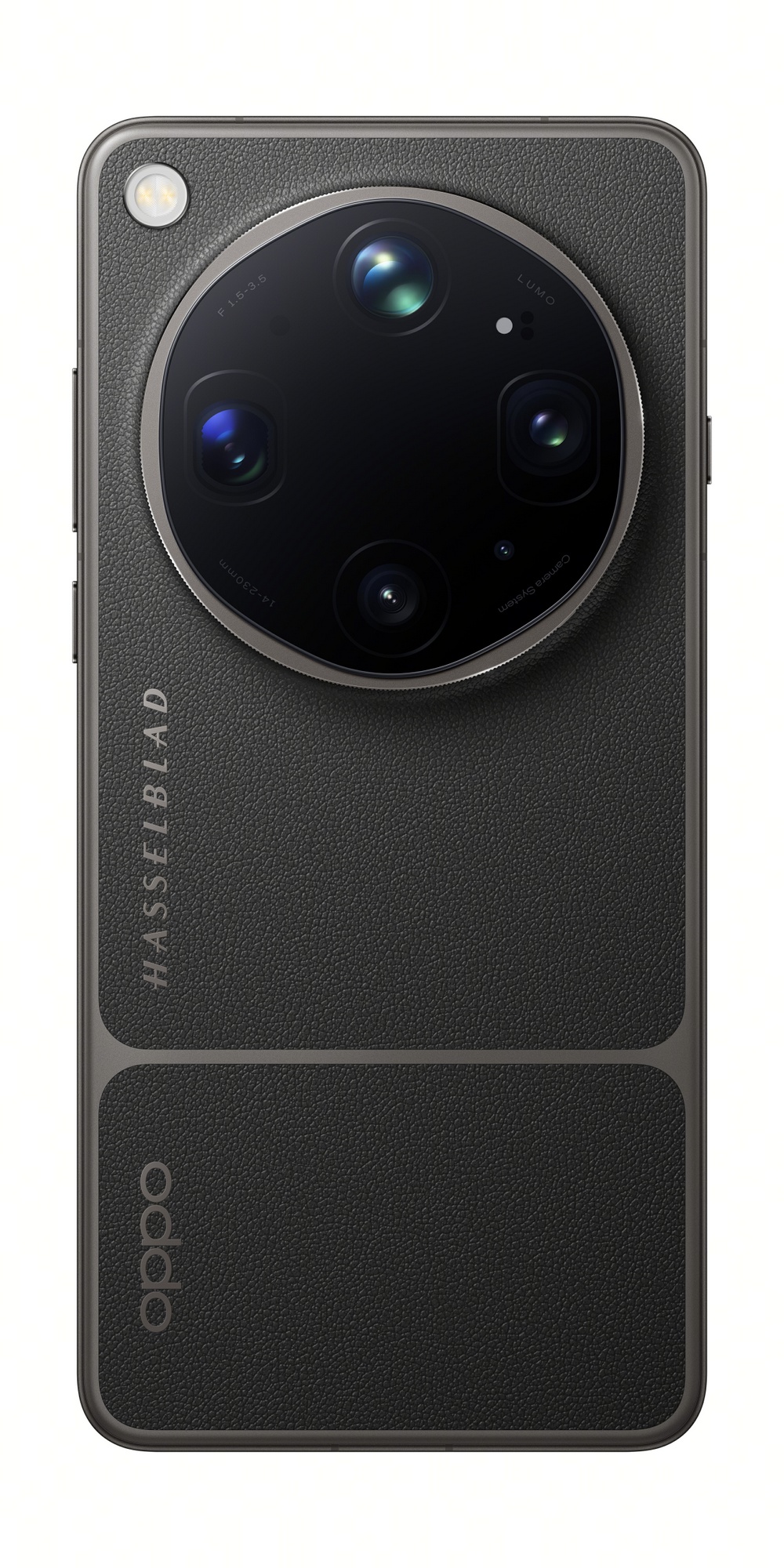
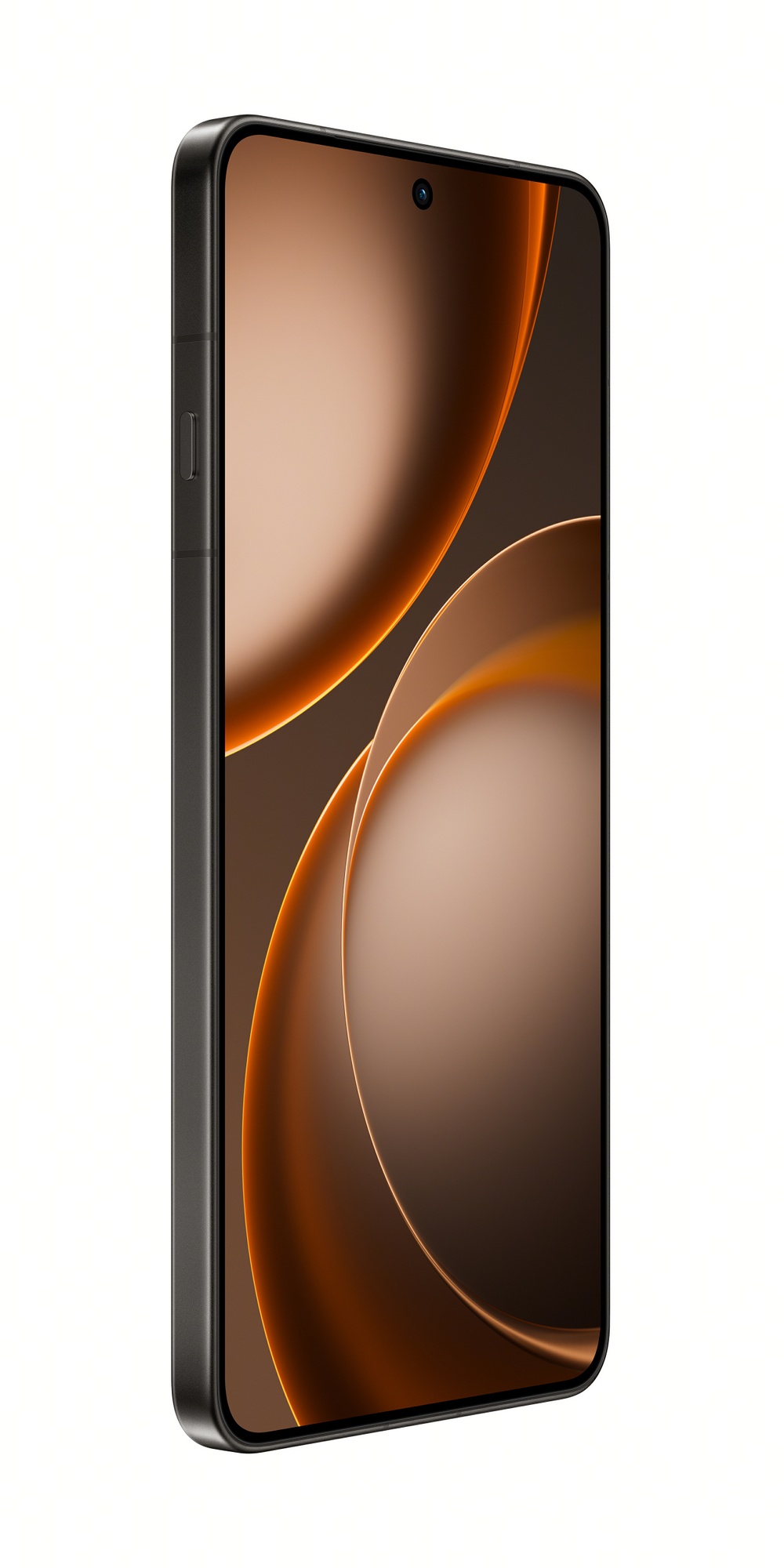
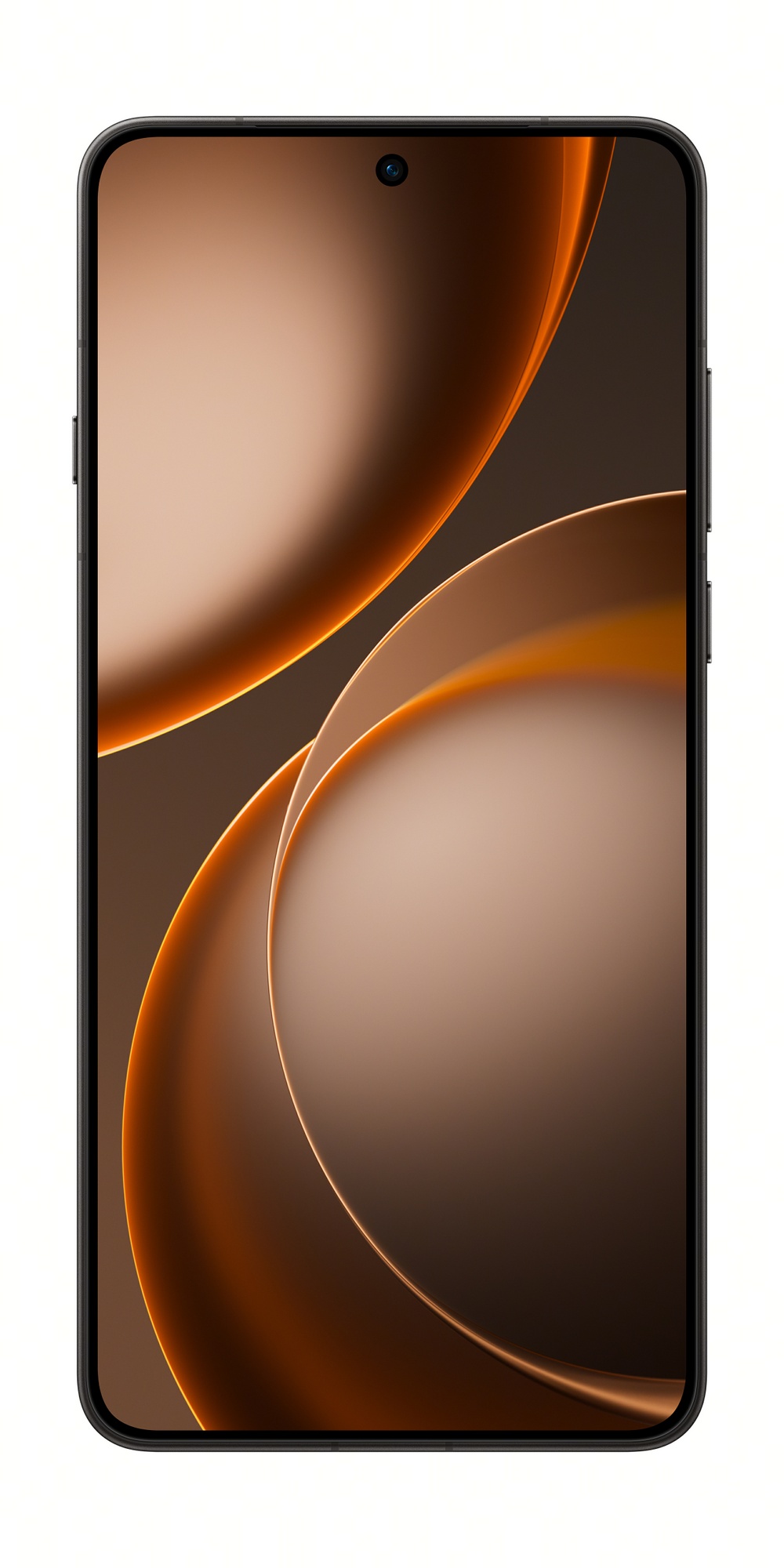
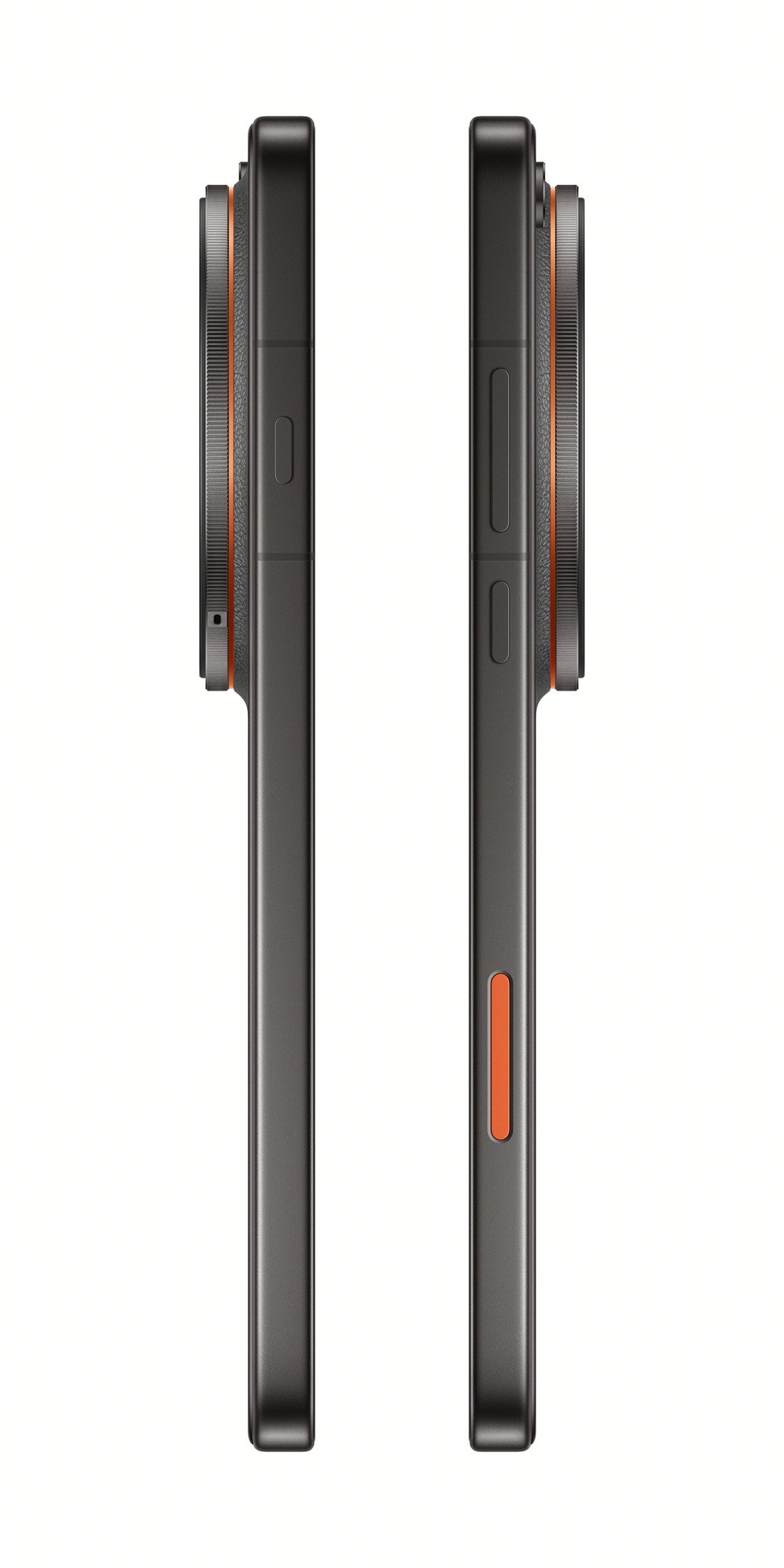
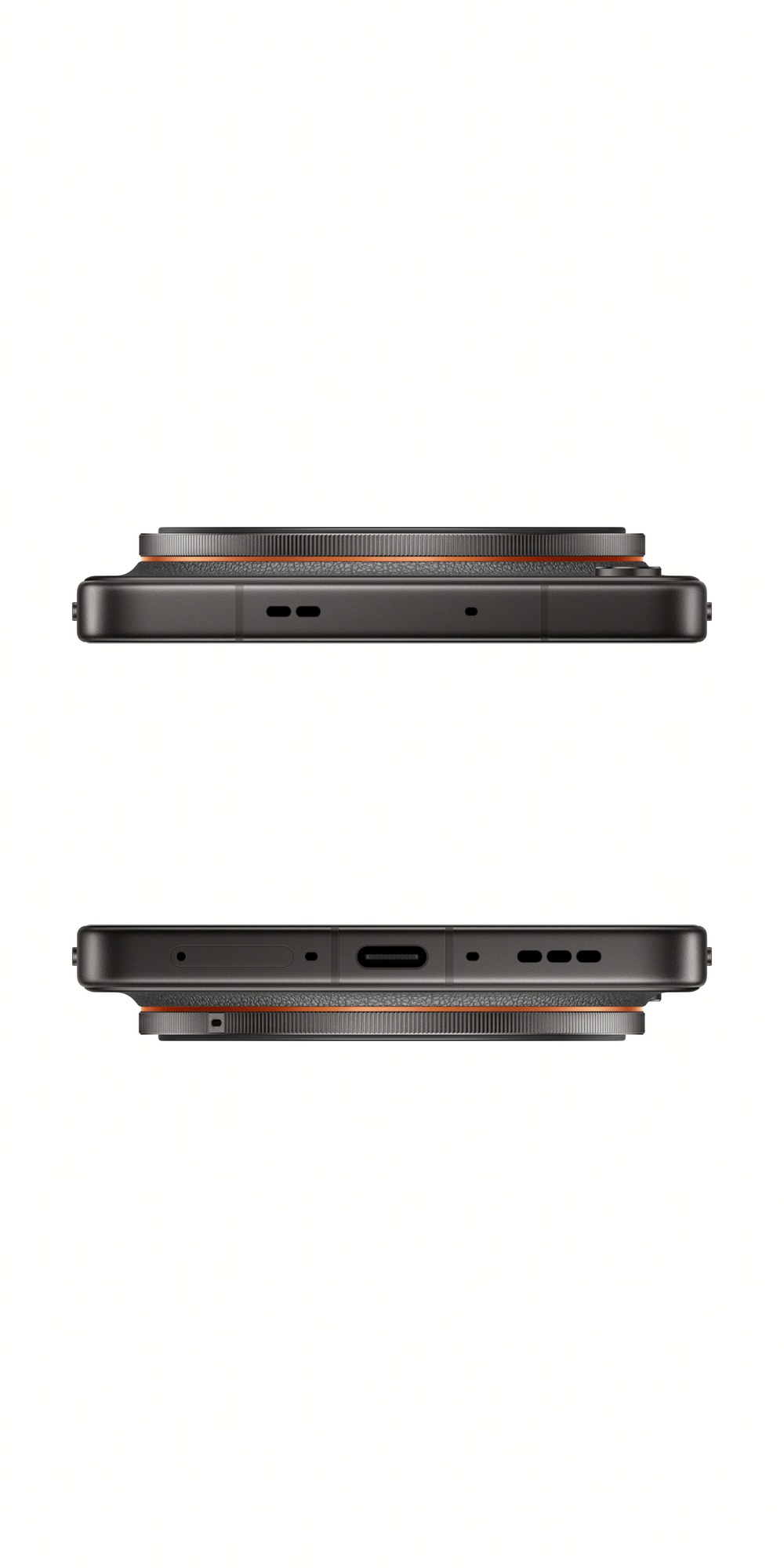
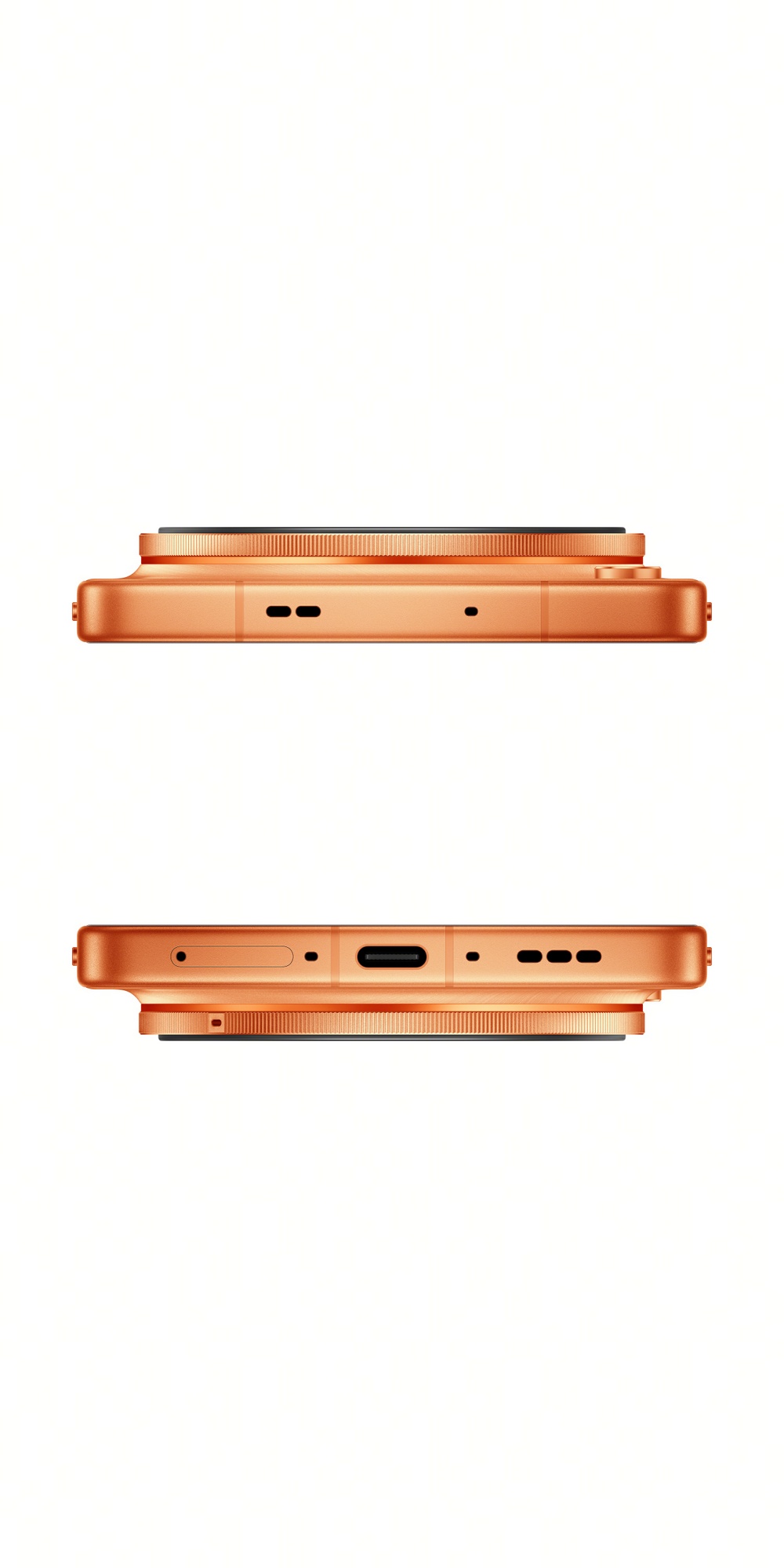
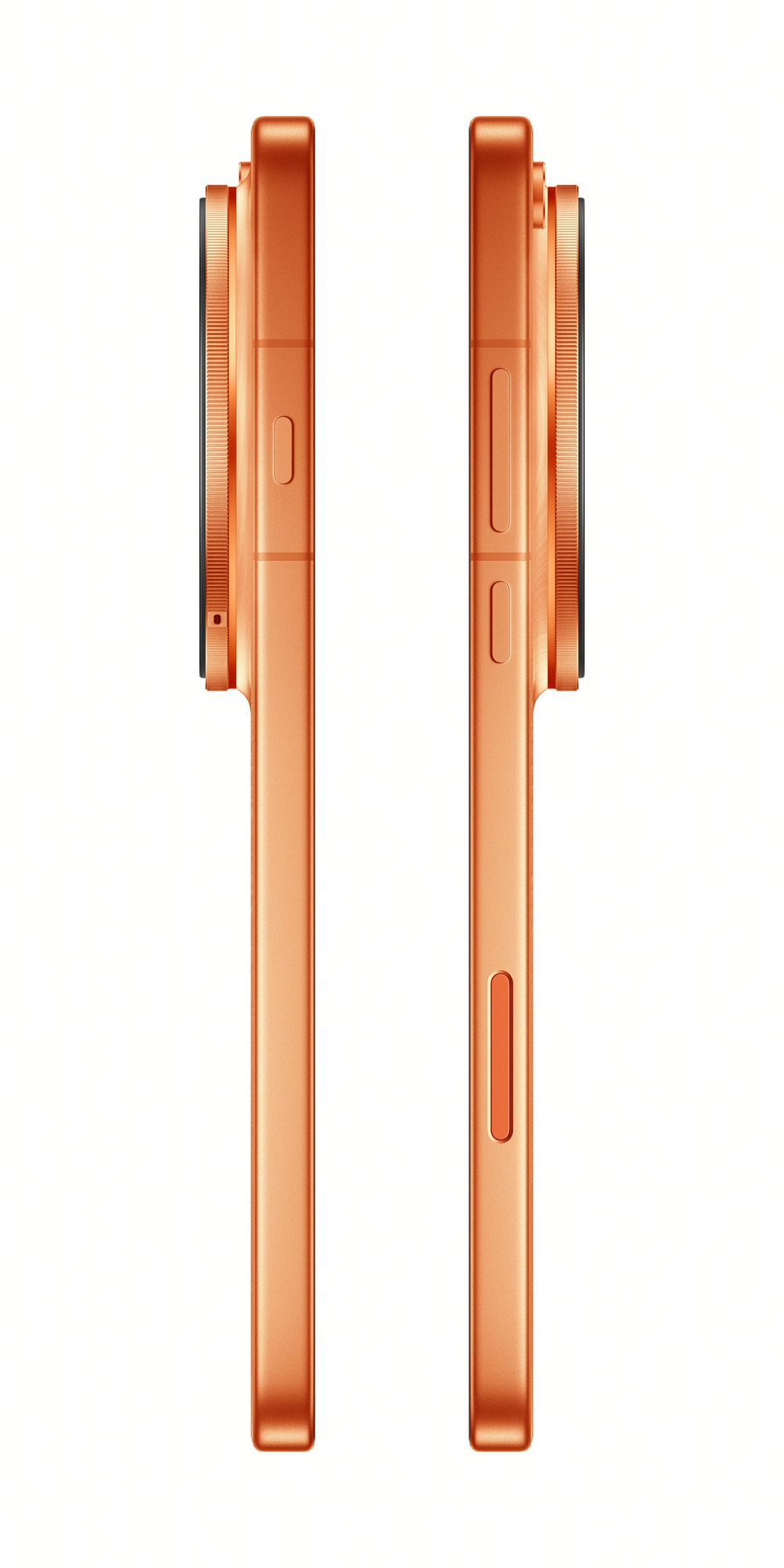
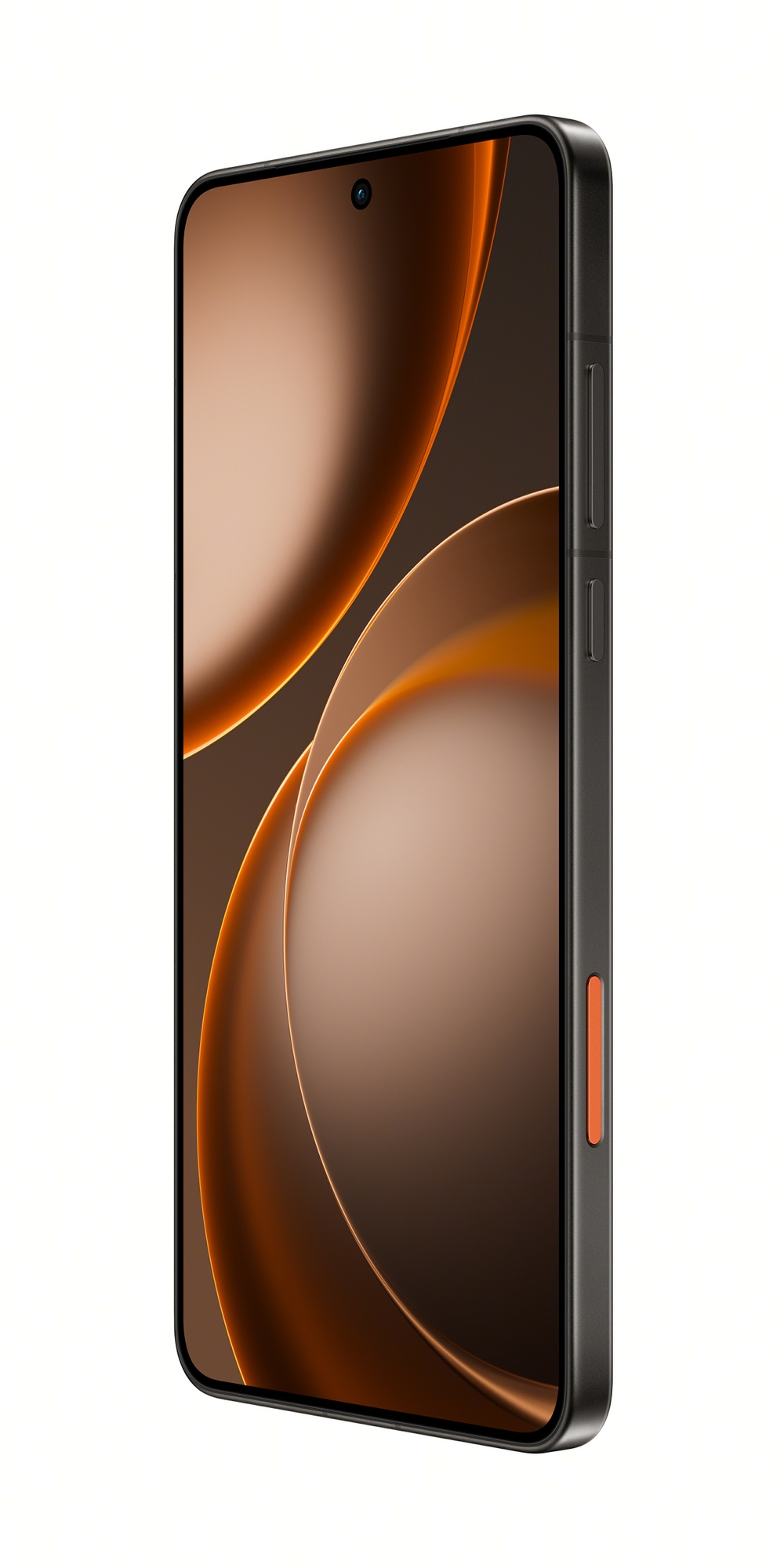
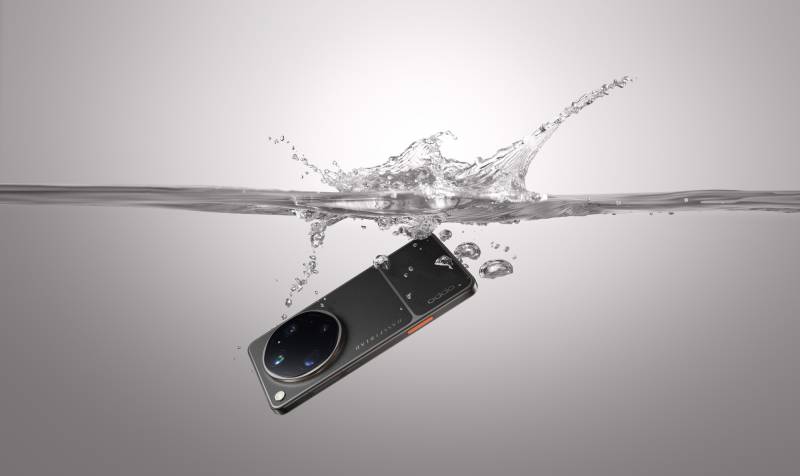
Durability also matters more here than it does on a fashion-first flagship. A phone this camera-focused is more likely to be used outdoors, near water, on trips, at events, and in environments where weather and dust aren’t merely abstract possibilities. OPPO gives it IP66, IP68, and IP69 ratings for dust and water resistance, along with Gorilla Glass Victus 2 and its own Armor Shield construction. Those lab-tested protections are useful, though not magical. The sensible takeaway is that the Find X9 Ultra looks more prepared for real-world use than many camera-heavy phones that feel premium but precious.
OPPO Is Taking Video Seriously, Too
A lot of phones with strong still cameras treat video as a side hustle. The Find X9 Ultra doesn’t.
It supports 4K video at up to 120 frames per second, so you can capture smoother slow-motion footage without dropping to a lower resolution. It also records 8K at 30 frames per second, and while 8K remains more of a specialist feature than a mainstream necessity, it does offer extra room to crop and reframe footage in editing without sacrificing detail.
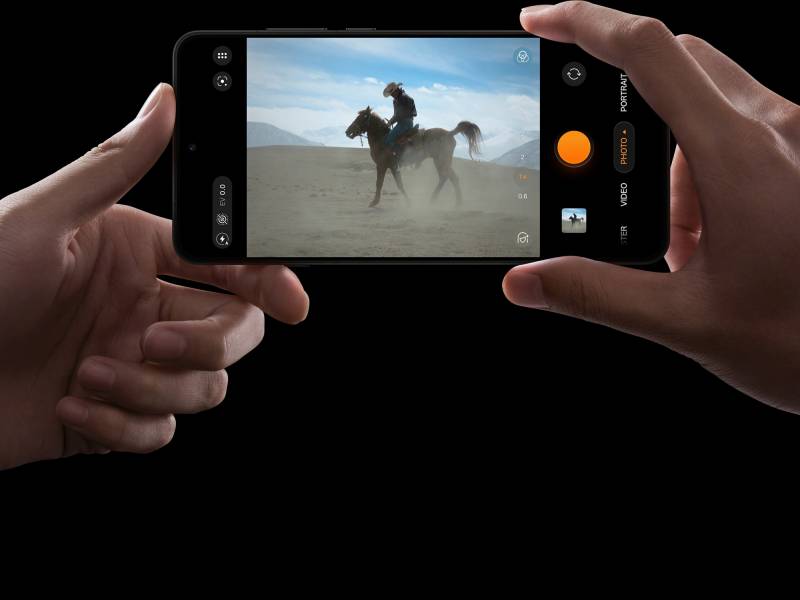
More importantly, OPPO appears to be taking video color seriously. The phone supports Dolby Vision HDR, meaning it can record with a wider range between bright highlights and dark shadows when viewed on compatible devices. For more advanced work, it introduces O-Log2, a flatter video profile that preserves more detail for color grading. In plain English, that means the video may look less punchy straight out of the camera, but it gives editors more room to shape the final look without the file falling apart.
The Find X9 Ultra is also ACES-certified, which matters to filmmakers and colorists who want footage that behaves more predictably within professional workflows. Add in support for LUTs, or look-up tables, which are essentially prebuilt color treatments you can preview or apply, and OPPO is clearly speaking to creators who are doing more than posting quick clips to social media.
That said, realism is important. Most buyers will never need ACES certification. Many will never touch a log profile. What they will notice is whether the video looks stable, natural, and detailed when shooting a concert, a family event, a street scene, or a travel clip at sunset. On that front, the Find X9 Ultra looks very well equipped, but it will need real-world testing to determine whether OPPO’s processing is as refined in motion as it appears to be in stills.
The Rest of the Flagship Checklist Still Matters
A camera-first phone still has to be a competent phone, and the Find X9 Ultra checks the right boxes.
It runs on Qualcomm’s Snapdragon 8 Elite Gen 5, paired with either 12GB or 16GB of LPDDR5X RAM. Storage options come in 512GB or 1TB, with UFS 4.1 for faster read and write performance. That matters when you are dealing with large photo files, high-resolution video, app multitasking, and everything else expected of an ultra-premium device. There is no microSD expansion, which is disappointing but no longer surprising. At least OPPO starts with generous internal storage, which is exactly what a creator-focused device should do.

The display is equally serious. It measures 6.82″, uses AMOLED technology, and offers a QHD+ resolution of 3168 x 1440 pixels. It supports adaptive refresh from 1Hz to 120Hz, with up to 144Hz in select scenarios. For anyone who doesn’t speak fluent spec sheet, that means the screen can look extremely smooth when scrolling or gaming, but also slow itself down to conserve battery when static content is on screen. It is a 10-bit panel with full DCI-P3 color coverage, so it should render colors richly and accurately, which matters for both content creation and plain old staring at photos you just took because, yes, that one came out better than expected.
Brightness is rated at 3,600 nits in peak HDR conditions, though OPPO’s own, more standard numbers are 800 nits typical and 1,800 nits in high brightness mode. As always, those peak figures are best understood as ceiling claims, not an all-day experience. What matters more is that the screen should remain usable outdoors and comfortable in dark environments, where it can dim down to 1 nit.
Battery life looks genuinely strong. The 7,050mAh silicon-carbon battery is huge for a flagship, and it should help offset the power demands of a bright display, fast chip, and heavy camera use. OPPO pairs it with 100W wired charging and 50W wireless charging, so the phone can recharge quickly when you do finally drain it. For someone traveling, shooting often, or relying on the phone as both a creative tool and a primary device, that matters just as much as camera quality. A brilliant camera attached to a dead phone is just very expensive pessimism.
The AI Story Sounds Familiar, but Some of It May Be Useful
The Find X9 Ultra debuts ColorOS 16, and OPPO is, naturally, leaning hard into AI. Some of these features sound genuinely useful. Others sound like the sort of thing that needs a week in real life before anyone should get too attached.
Live Space reorganizes notifications into a simpler capsule-style view. AI Mind Space captures and organizes content from the screen with a three-finger swipe or the Snap Key. AI Bill Manager can track receipts and payments. AI Menu Translation attempts to make foreign menus easier to understand by showing dish images, ingredients, and price conversions. AI Recording transcribes conversations and generates summaries. AI Writer handles drafting and rewriting. There is also AI Mind Pilot, which coordinates different AI models depending on the task.

Some of that will be genuinely appealing for frequent travelers and busy professionals. Translating menus and organizing receipts while abroad sounds far more helpful than another chatbot pretending it has changed the nature of thought. But as with all AI features, the important questions are availability, privacy, accuracy, and regional rollout. OPPO itself notes that some features may not be available at launch in every market and may arrive later through updates. That isn’t unusual, but it means buyers should evaluate the phone based on the features that are actually present, not the features that might arrive after a suitably dramatic teaser video.
Cross-device features look promising, especially for people bouncing between ecosystems. Quick Share support across Android and Apple devices, PC Connect for Mac access, and Touch to Share all aim to reduce the usual friction of moving files around. Again, these are the kinds of features that sound mundane until you are trying to send a large batch of images in a hurry and discover that ecosystems still enjoy acting like rival monarchies.
Where It Fits in the Ultra-Flagship Crowd
The Find X9 Ultra doesn’t exist in a vacuum. This is a market increasingly crowded with camera-heavy ultra flagships from Samsung, Xiaomi, and vivo, all of which are trying to convince you that their phone is the most serious photographic option that also handles email and maps.
Samsung tends to offer the broadest mainstream availability and the most mature ecosystem support, especially in places like the U.S., but its camera strategy has historically leaned harder on software polish and versatility than on modular ambition. Xiaomi’s Ultra phones often aim for similar camera-first credibility, especially with Leica branding and photography kits, though their global availability and band coverage can be uneven. Vivo’s recent camera flagships arguably come closest to OPPO’s spirit, particularly in bold hardware choices and telephoto experimentation.
What makes the Find X9 Ultra special is the combination of its native 10x optical telephoto, its unusually capable 3x telephoto, and the way the accessory ecosystem seems designed not just to decorate the phone but to extend it meaningfully. That doesn’t make it the perfect choice for everyone. In fact, for many people, it would be serious overkill. But for the buyer who really cares about mobile imaging, OPPO isn’t merely participating in this category. It is trying to define a new upper edge for it.
Who This Phone Is Really For
This isn’t the phone for someone who simply wants a nice premium handset and a dependable main camera. It isn’t the practical choice for the average buyer who values convenience, light weight, easy carrier support, and a familiar software ecosystem above all else. Plenty of other flagships will make more sense for that person.
The Find X9 Ultra is for someone who actively wants camera behavior, reach, control, and experimentation. It is for the traveler who wants to photograph a skyline, a plate of food, a performer, and architectural detail without switching devices. It is for the parent shooting sports from the edge of the field. It is for the reviewer, the creator, the street photographer, the gear enthusiast, and the person who already knows that 70mm and 230mm describe two very different moods.’
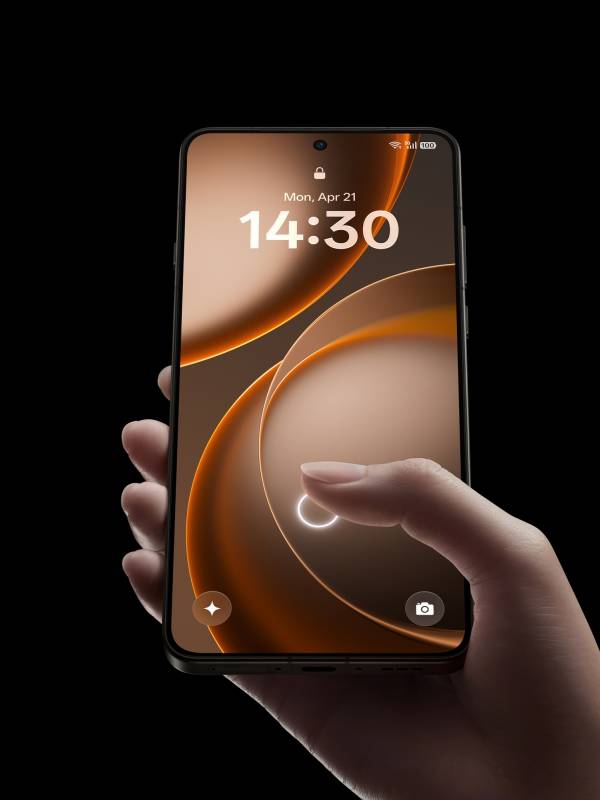
It is also for someone willing to accept the trade-offs. This is a large phone. It is expensive. Global availability is still limited and, in some regions, tied to import channels. Accessory compatibility is specific rather than universal. Some AI features may vary by market. And because this is a device carrying a great deal of hardware ambition, it will be judged more critically than phones that are merely trying to be good enough.
Final Thoughts
The OPPO Find X9 Ultra isn’t subtle or cheap, and it shows no interest in apologizing for either. It is a premium smartphone with the sort of hardware ambition that makes most other flagship launches sound a little too rehearsed. More importantly, it feels like a product built around a clear idea: if a phone is going to claim camera credibility, it should be willing to do the hard, bulky, complicated work of earning it.
That doesn’t mean every feature will matter equally in day-to-day life. Not everyone needs 8K video, log recording, a teleconverter, or a 10x optical lens. Not everyone wants a phone that treats portability as a negotiable concept. But for the right buyer, those features aren’t excess. They are the whole point.

At its core, the Find X9 Ultra is a flagship smartphone that happens to have the most exciting camera currently available on any smartphone. Add the optional accessories, and it becomes better than anything else that isn’t a dedicated DSLR or mirrorless setup. That is a rare space for a phone to occupy; it is also a very expensive one.
Still, for people who care about photography enough to notice where other phones start to soften, fake, overprocess, or give up, the Find X9 Ultra looks like one of the few devices that truly deserve the word “Ultra.” Not because the marketing department said so, but because OPPO built something that actually tries to justify it.
As a global-release device, the OPPO Find X9 Ultra may not see an official U.S. launch (though you’ll be able to get it on the gray market), but it should still work in the States for buyers comfortable importing a phone and checking carrier band support before they order.
The phone itself starts at $1,499 for the 12GB RAM/512GB storage version, firmly placing it in premium-flagship territory, and the optional Hasselblad Earth Explorer Kit adds about $450 to the total — if you can get your hands on one. That is undeniably a serious investment, but for anyone who wants a top-tier Android phone with a camera system that pushes far beyond the usual smartphone limits, the Find X9 Ultra makes a strong case.



I was expecting the Hasselblad Earth Explorer Kit to cost a lot more, with that teleconverter, before I got to the end.
Looks like an awesome phone for the price
With a camera system like that, I’d love to try this phone!