
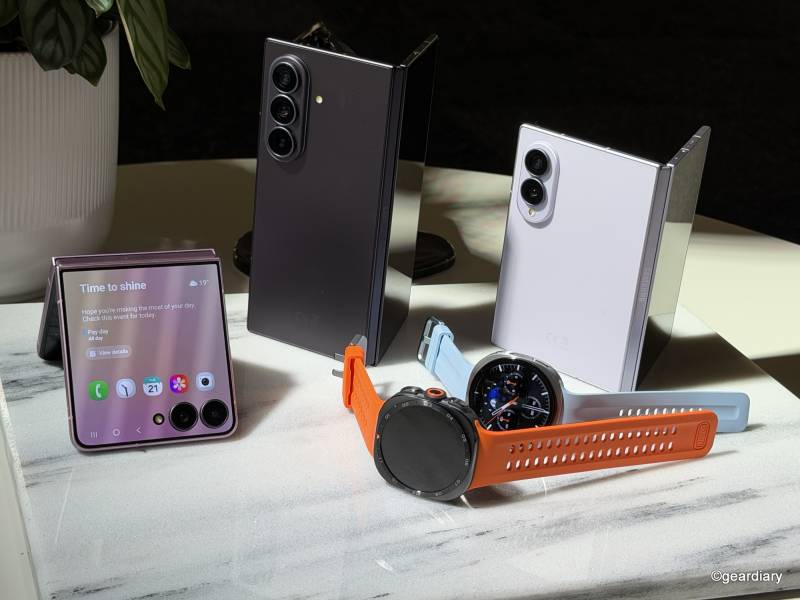
Samsung launched a gaggle of new devices at its summer Unpacked event in London today. There was a lot of “new” at the event, including some new branding, some new features, and even a new form factor. All told, six new devices are coming in just two weeks at a variety of price points. Samsung is launching the Galaxy Z Fold 8 Ultra, the Galaxy Z Fold 8, the Galaxy Z Flip 8, the Galaxy Watch Ultra 2, and the Galaxy Watch 9 in two sizes — 44mm and 40mm. Here are the highlights from the event.
What the New Samsung Foldables Have in Common
Before we dive into each phone, let’s get some notable specifications out of the way. All three phones run on Qualcomm’s Snapdragon 8 Elite Gen 5 for Galaxy processor. They all have at least 12GB of RAM and 256GB or 512GB of storage. Both book-style foldables have 16GB and 1TB variants. All the phones have bright AMOLED 2X screens with 120Hz refresh rates, and they all have silicon-carbon batteries for the first time.
Samsung Galaxy Z Fold 8 Ultra
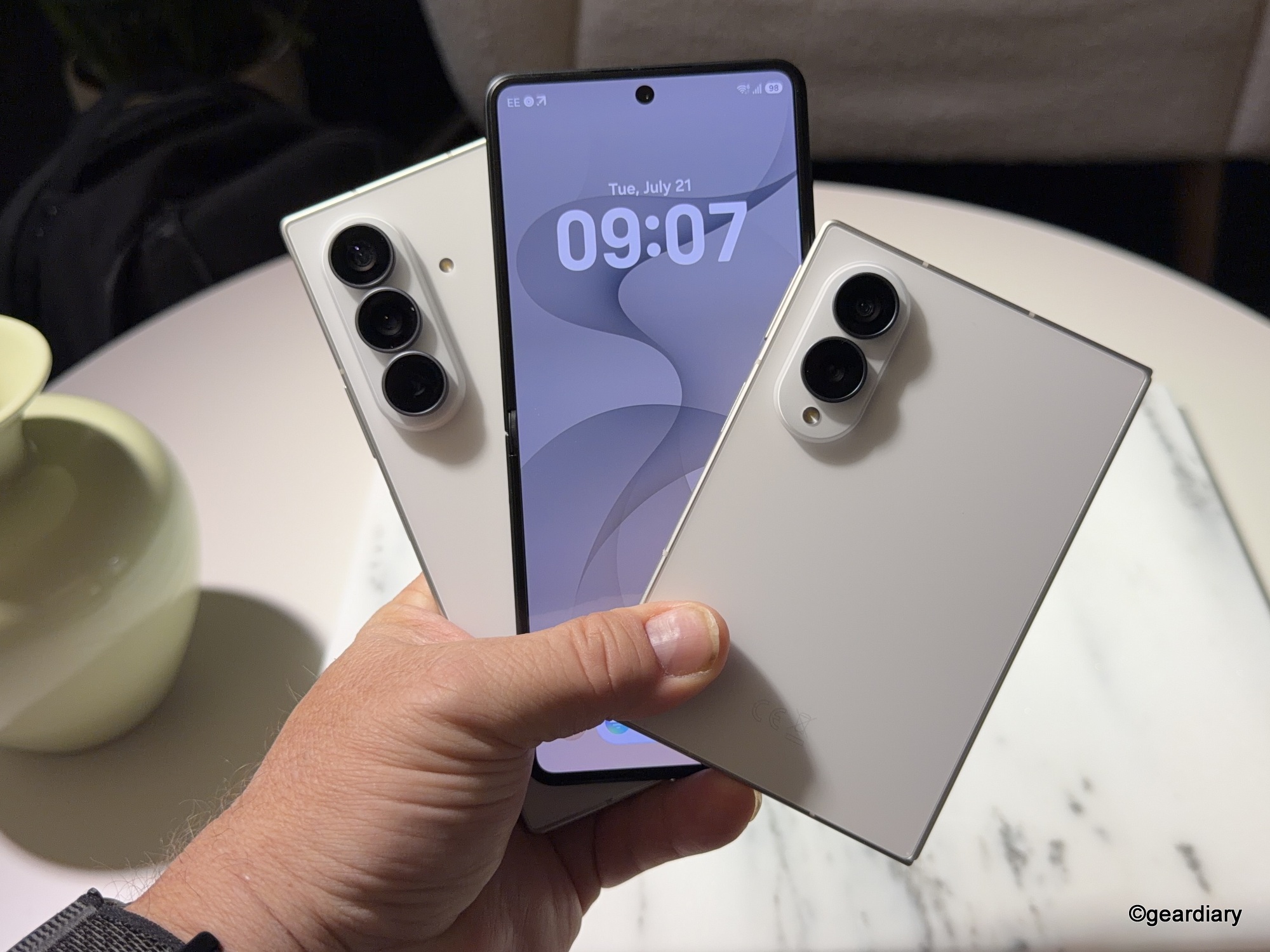
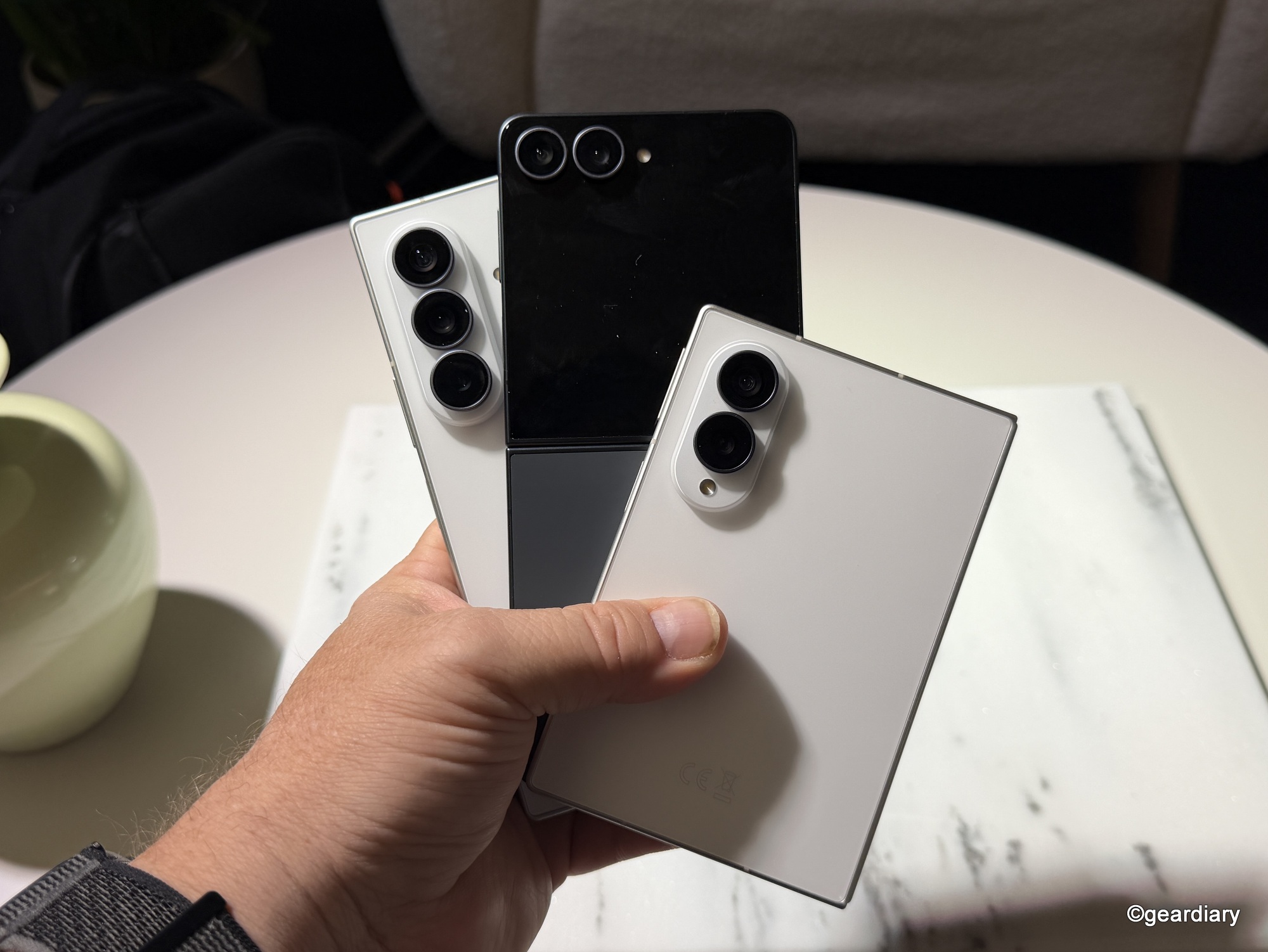
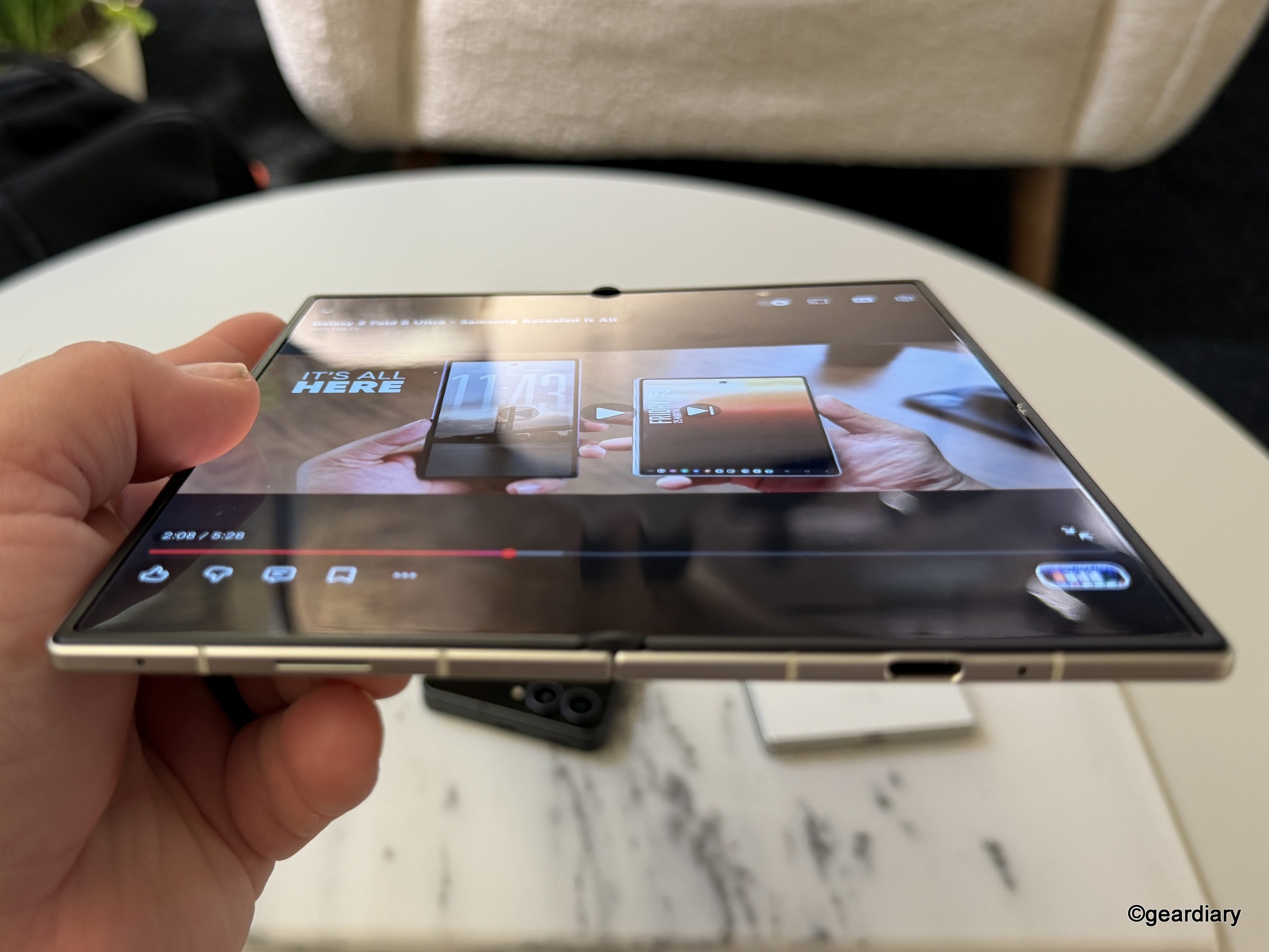
The Samsung Galaxy Z Fold 8 Ultra is the first time a foldable has carried the “Ultra” branding, but it’s the spiritual successor to the Samsung Galaxy Z Fold 7 from last year. The new features coming to this phone include a brighter inner screen at 3,000 nits with an anti-reflective coating. This could actually be a big improvement since most foldable inner screens tend to be extremely shiny, so that readability could be improved.
-

- Samsung Galaxy Z Fold 8 Ultra
-
- Samsung Galaxy Z Fold 8 Ultra
-
- Samsung Galaxy Z Fold 8 Ultra
-
- Samsung Galaxy Z Fold 8 Ultra
This will require a bit of testing before I can confirm. Samsung had a demo on hand that showed a reduction in reflections, which was interesting, but demos are demos. Real-world experience will be required to substantiate this.
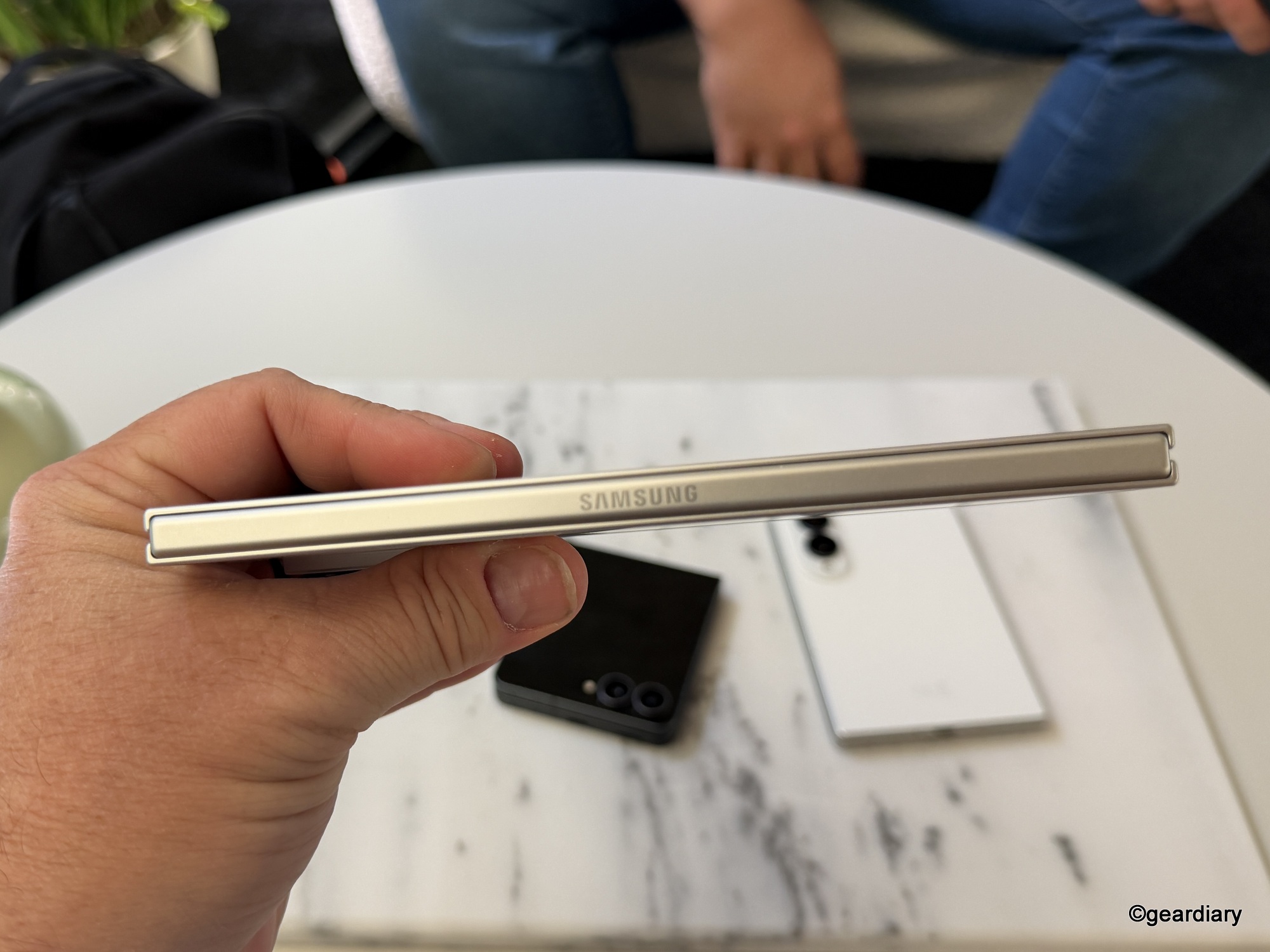
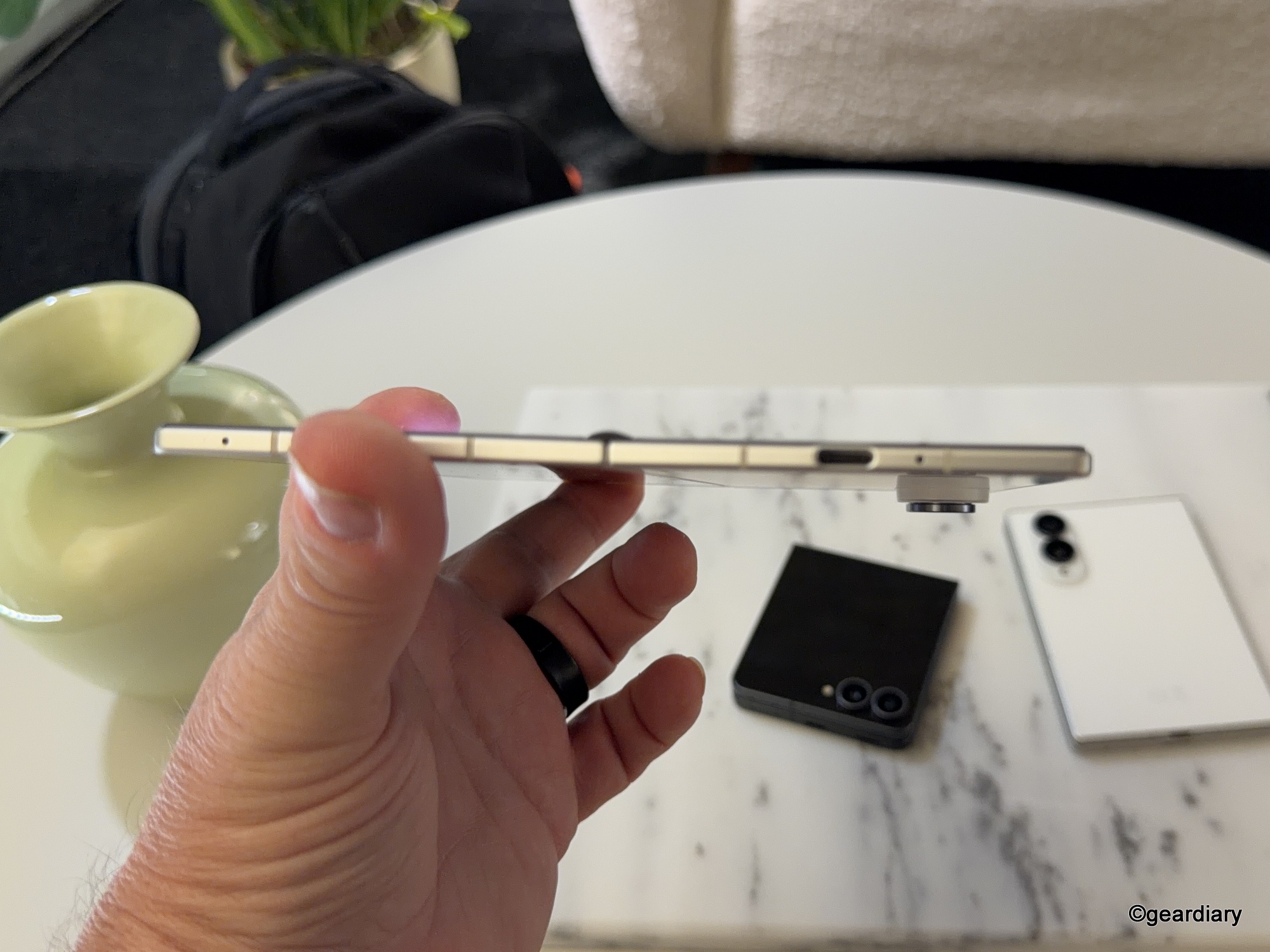
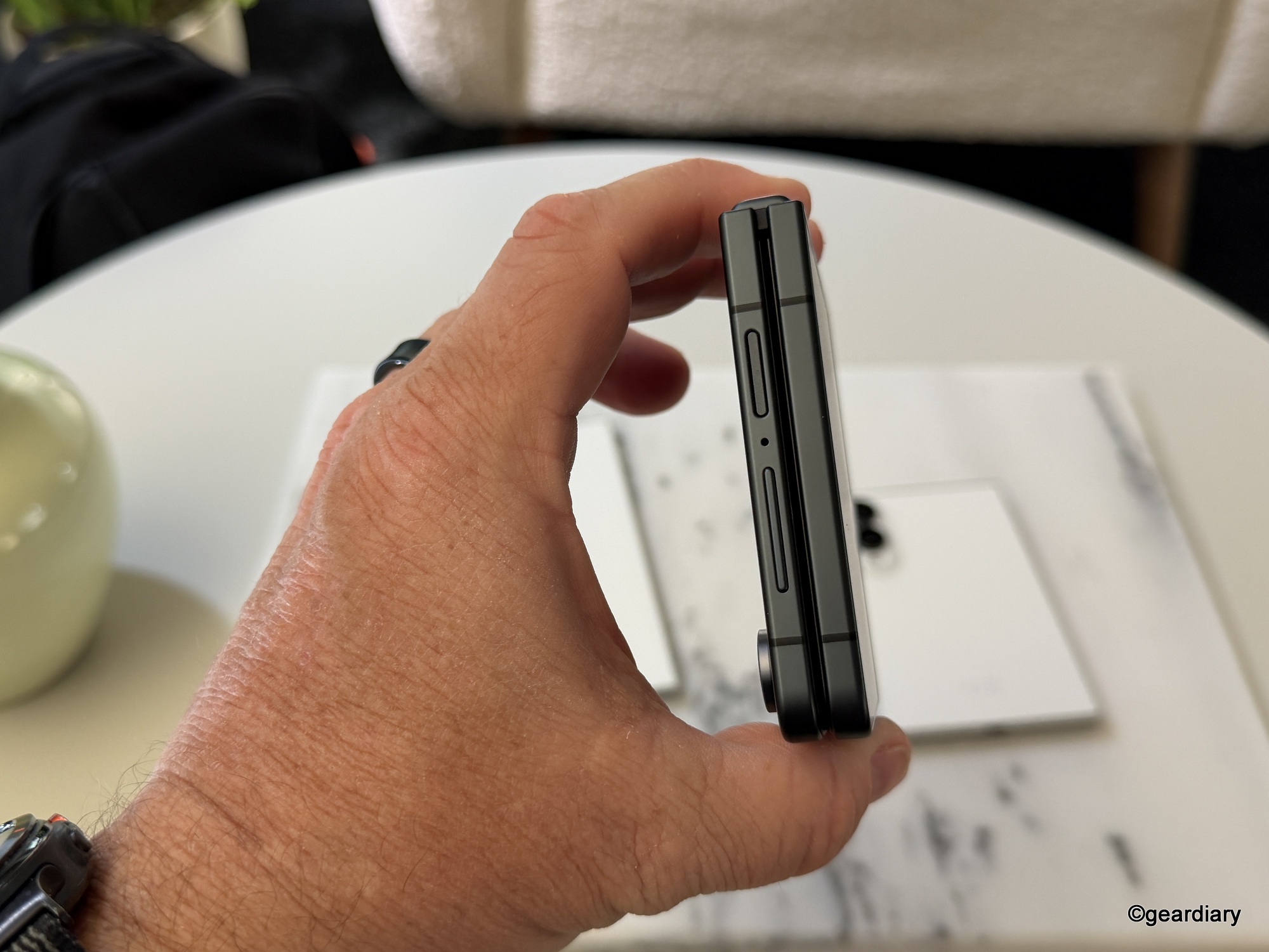
The main area where the camera experience has been updated is the 50-megapixel ultrawide camera, up from 12 megapixels last year. The main camera is still 200MP, and the telephoto is still 10 megapixels, so baby steps, I guess. The phone itself is just 4.1mm thick, which is really about as thin as it can get since it’s barely thicker than the USB-C port at this point. Samsung also introduced a 5,000mAh silicon-carbon battery with 45W wired and 20W wireless charging.
On the software side, Now Nudges, introduced previously, can surface more functionality for you. When someone messages you about meeting at a certain time or place, nudges can now prompt you to open your calendar or Google Maps. Also, Google is rolling out new functionality for Gemini Assistant that can book travel for you through Expedia. It works the same way as Uber did in February.
Just tell Gemini that you want to book travel to a city — you can identify the city verbally or even have it look at the screen and pull the information from there. Of course, the assistant will wait for you to verify everything before it actually buys tickets.
Samsung Galaxy Z Fold 8
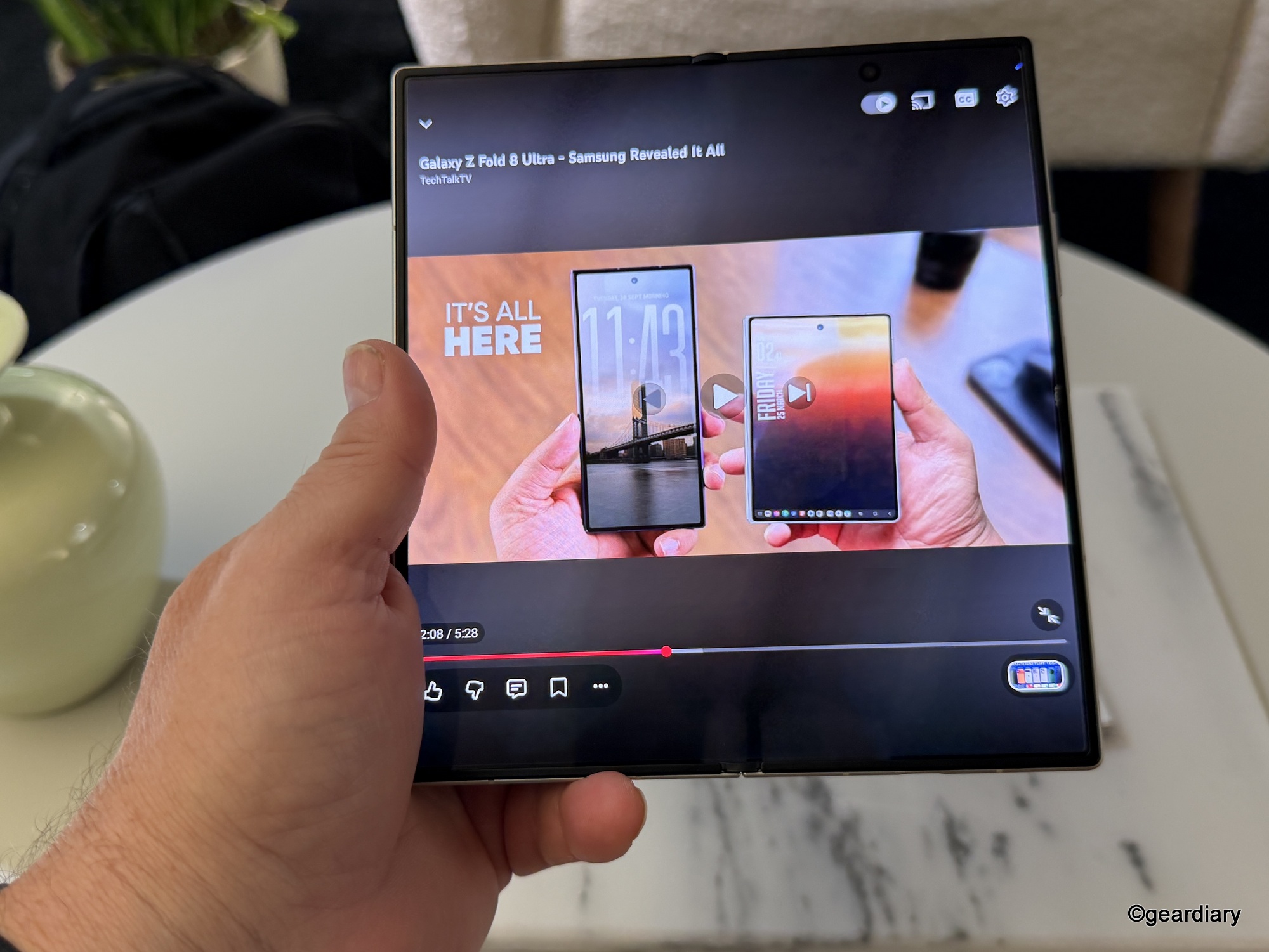
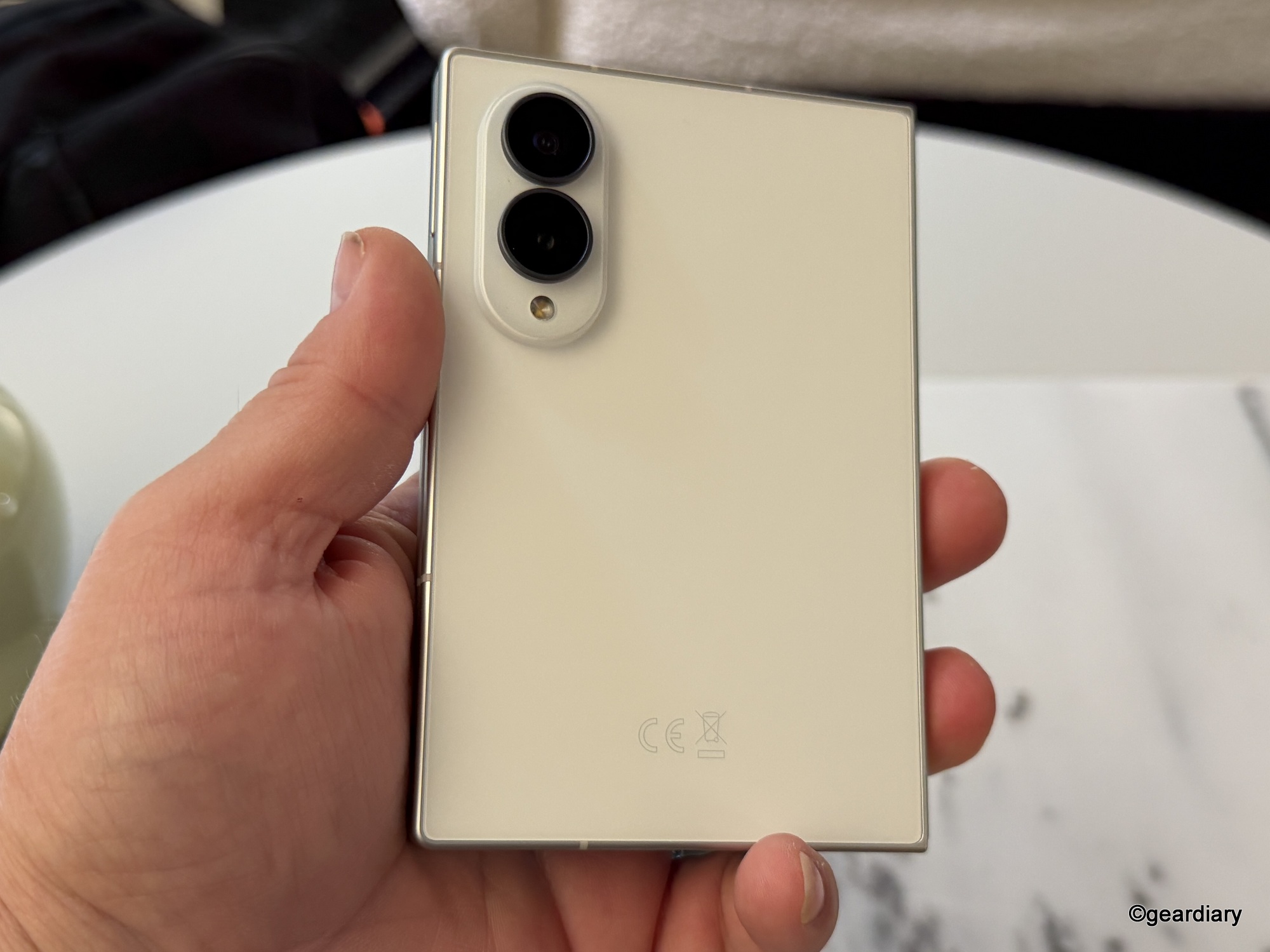
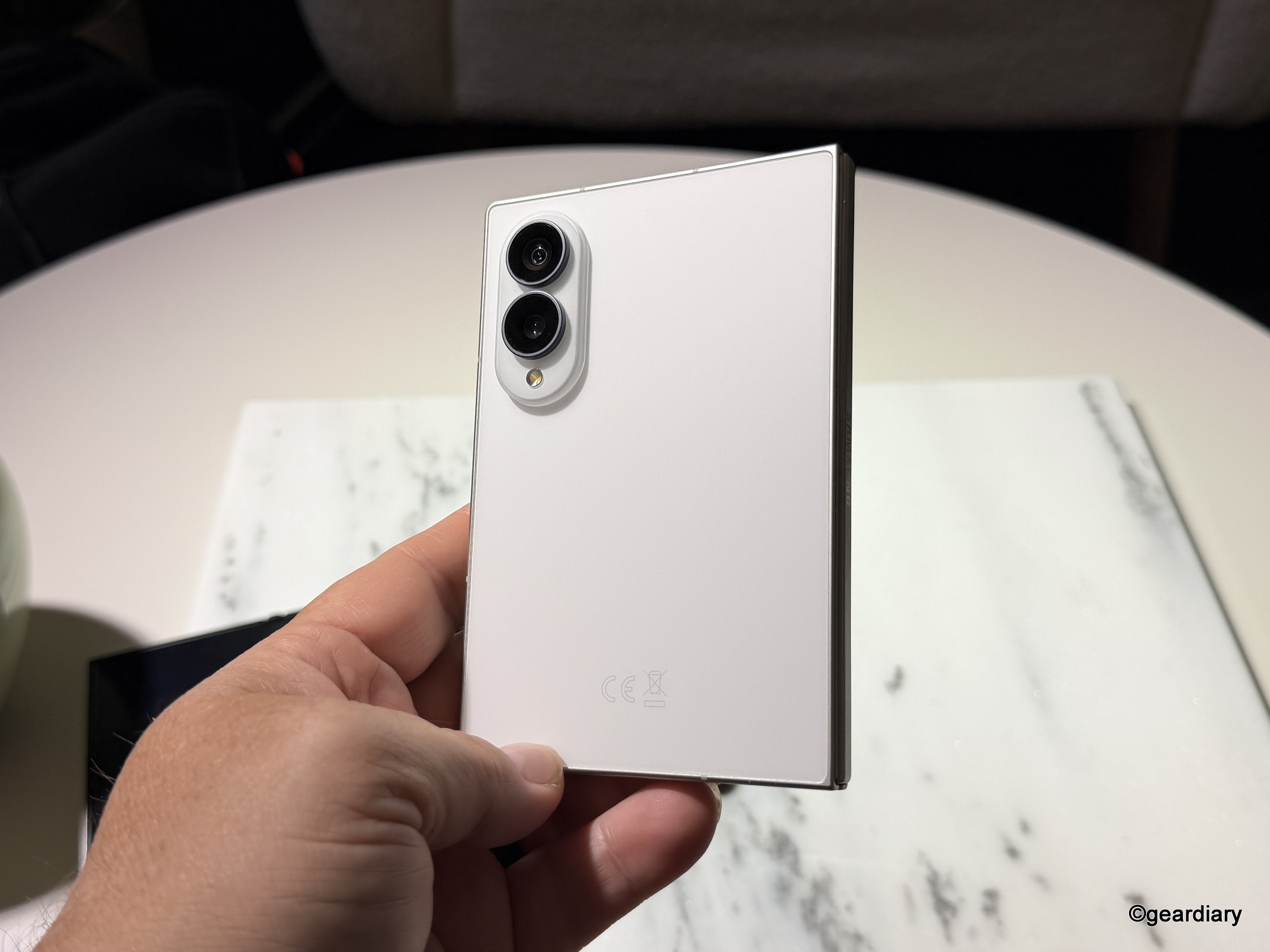
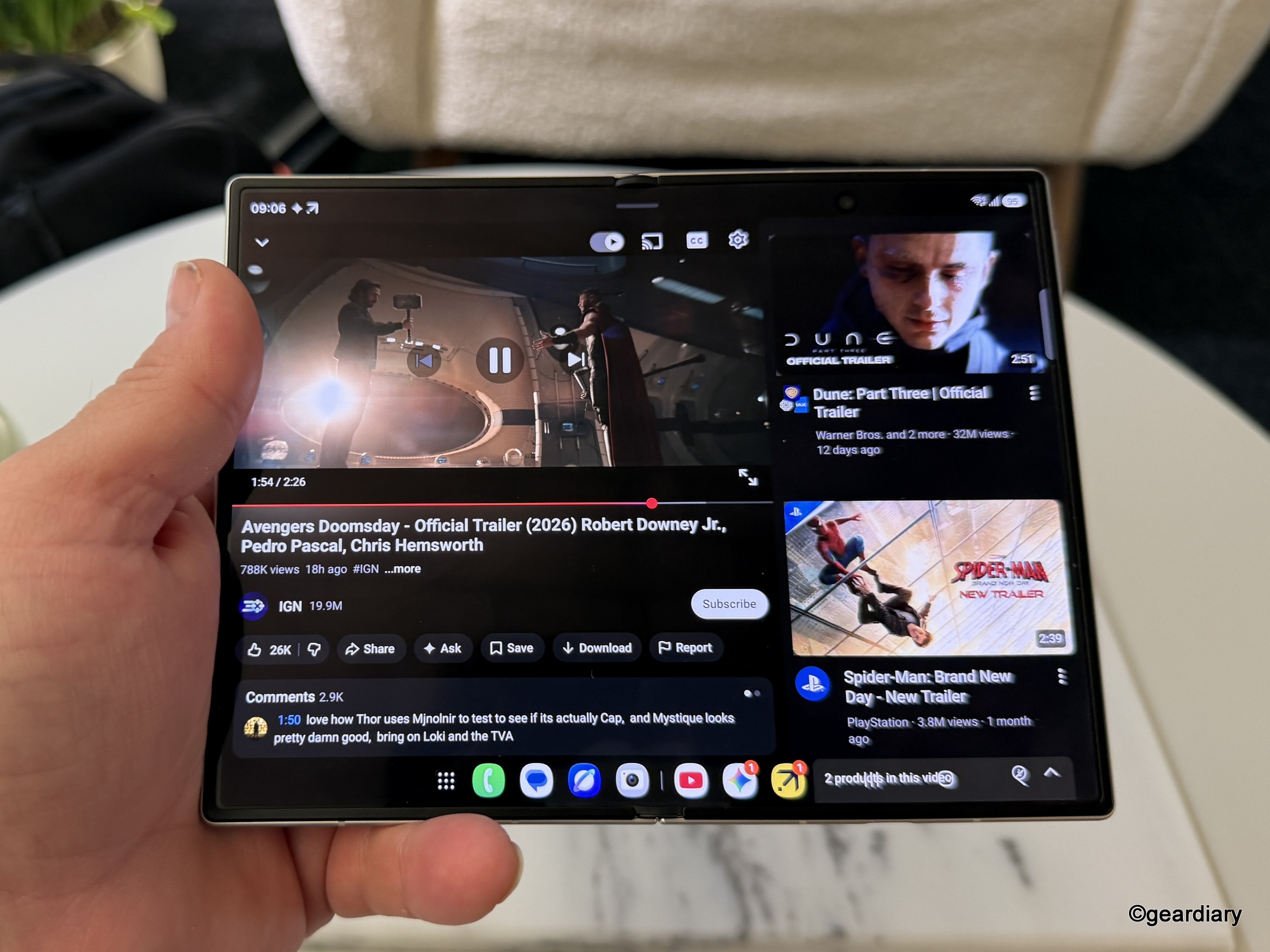
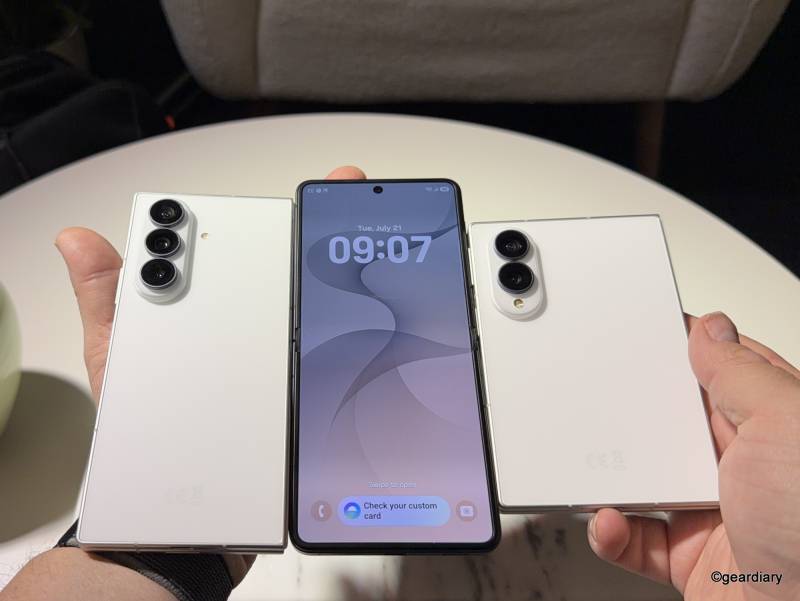
The Samsung Galaxy Z Fold 8 isn’t really a new category for Samsung, but it’s more adjacent. Samsung has stuck with the mostly 1:1 aspect ratio for the inner screen for seven generations of foldables until now. The Galaxy Z Fold 8, which may or may not be a direct response to Apple’s rumored foldable coming this September, instead eschews the 1:1 ratio for a more video-friendly 4:3 inner screen.
-
- Samsung Galaxy Z Fold 8
-
- Samsung Galaxy Z Fold 8
-
- Samsung Galaxy Z Fold 8
-
- Samsung Galaxy Z Fold 8
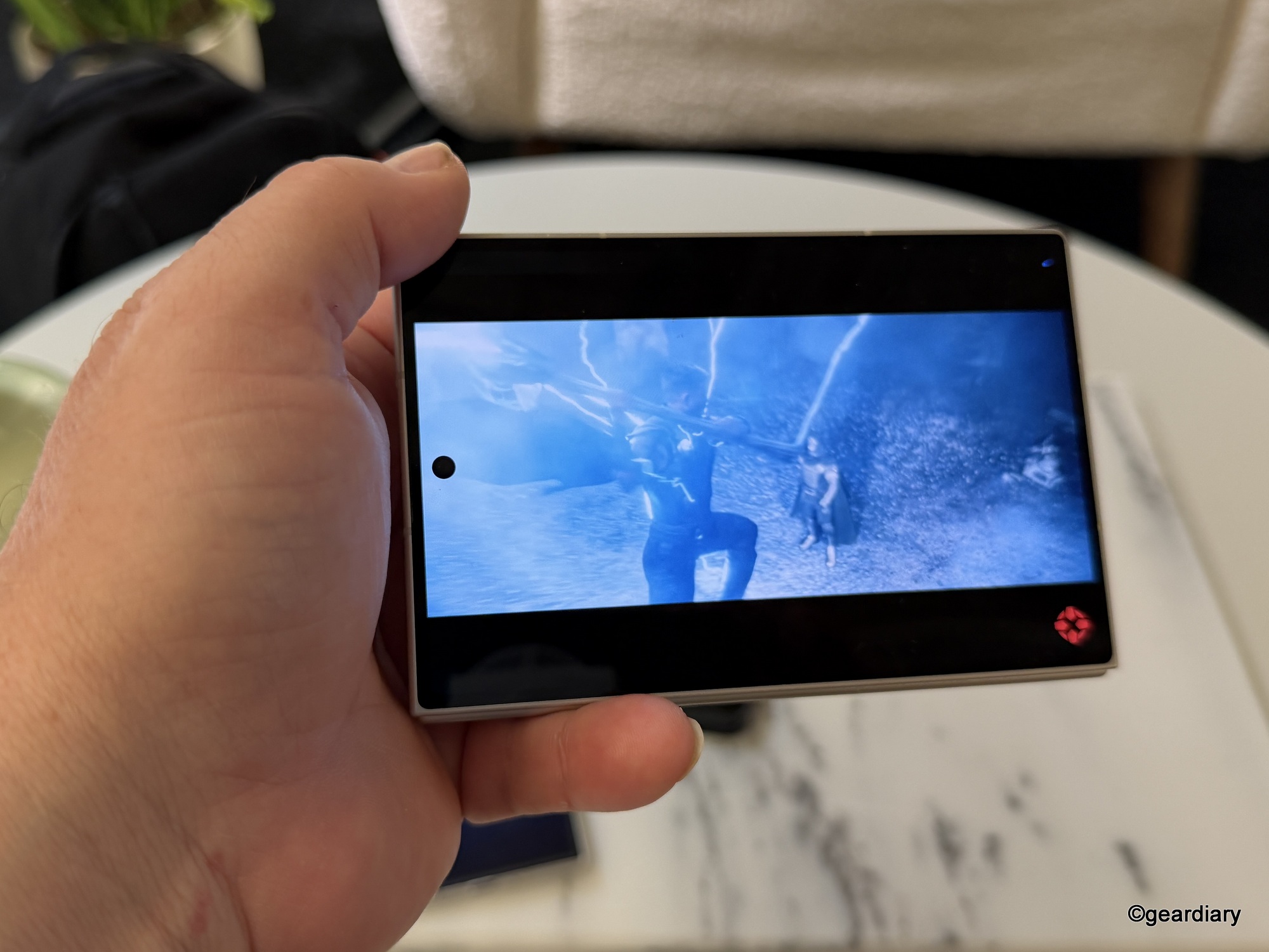
The inner screen is really ideal for consuming video without the letterboxing and wasted space at the top and bottom of the screen. However, it’s worth noting that videos will generally be about the same size on both screens. The Fold 8, though, is arguably more immersive. Meanwhile, the outer screen is a 10:16 cover screen, which is more squat than most smartphones but really evokes the spirit of the original Google Pixel Fold.
The new Galaxy Z Fold 8 and Z Fold 8 Ultra both use what Samsung is calling the Titanium Flex hinge, which includes a titanium alloy backing behind the OLED layer and a titanium backplate to lend some rigidity to the screen and reduce the crease even further. Before you ask, no, the crease is not gone, nor is it even the smallest crease you can buy today — that crown still goes to the Oppo Find N6 — but it’s the best Samsung has made thus far, and that’s not nothing. The Fold 8 also has the same anti-reflective coating on the inner screen.
My Fan Cam and the Fold 8 Cameras
Another capability that Samsung showcased on the Fold 8, but that also works on the Ultra, is a software feature called My Fan Cam. This can be applied to any video, not just those shot on Samsung hardware, and it lets you focus on a single person in a group shot. For example, you could be at your kid’s soccer game and want to shoot a video that focuses on them. The AI will track the subject for you and crop or move the frame as appropriate to keep that subject in view.
This is potentially cool, but obviously will require some testing to see how it shakes out. Speaking of cameras, the Z Fold 8 sports dual 50MP main and ultrawide cameras, no telephoto, and a 4,800mAh battery.
Samsung Galaxy Z Flip 8
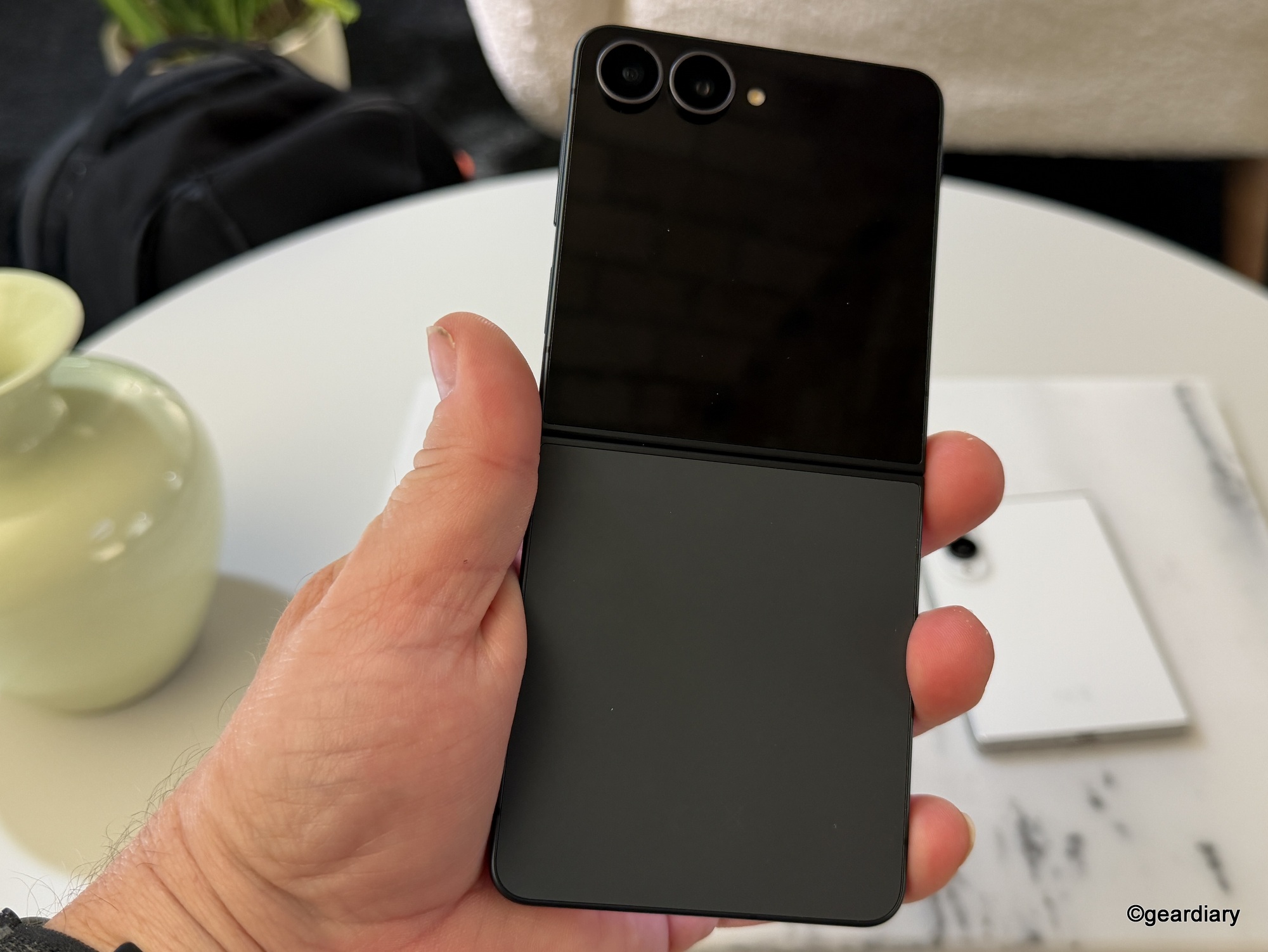
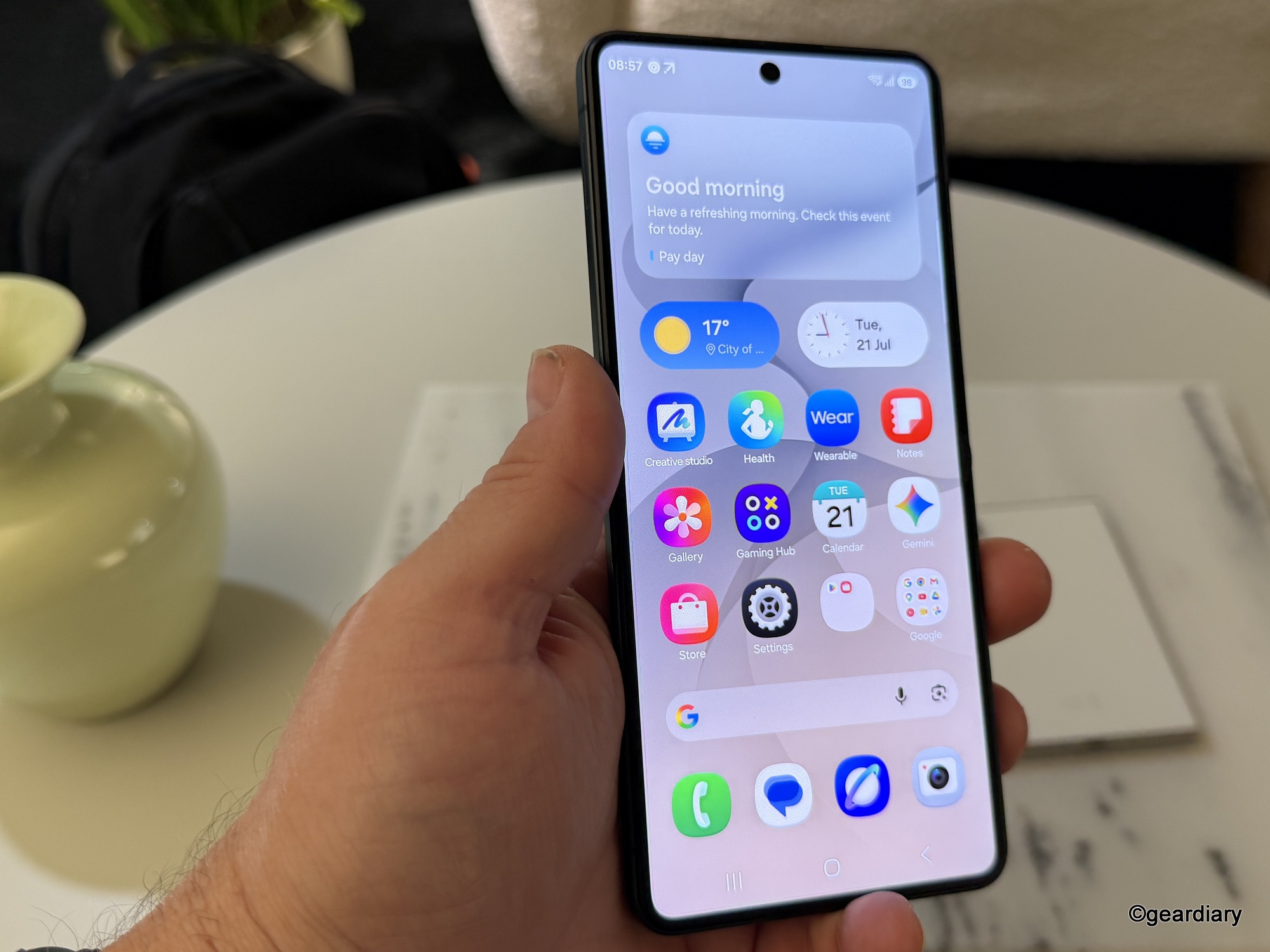
Finally, in the phone department, there’s the Samsung Galaxy Z Flip 8. The hardware is largely the same from generation to generation aside from the processor, but the Flip 8 has a larger, 4,300mAh battery, which is always welcome. It’s also thinner and lighter by 13.1% and 3.9%, respectively. But this story is more about the software and One UI 9.
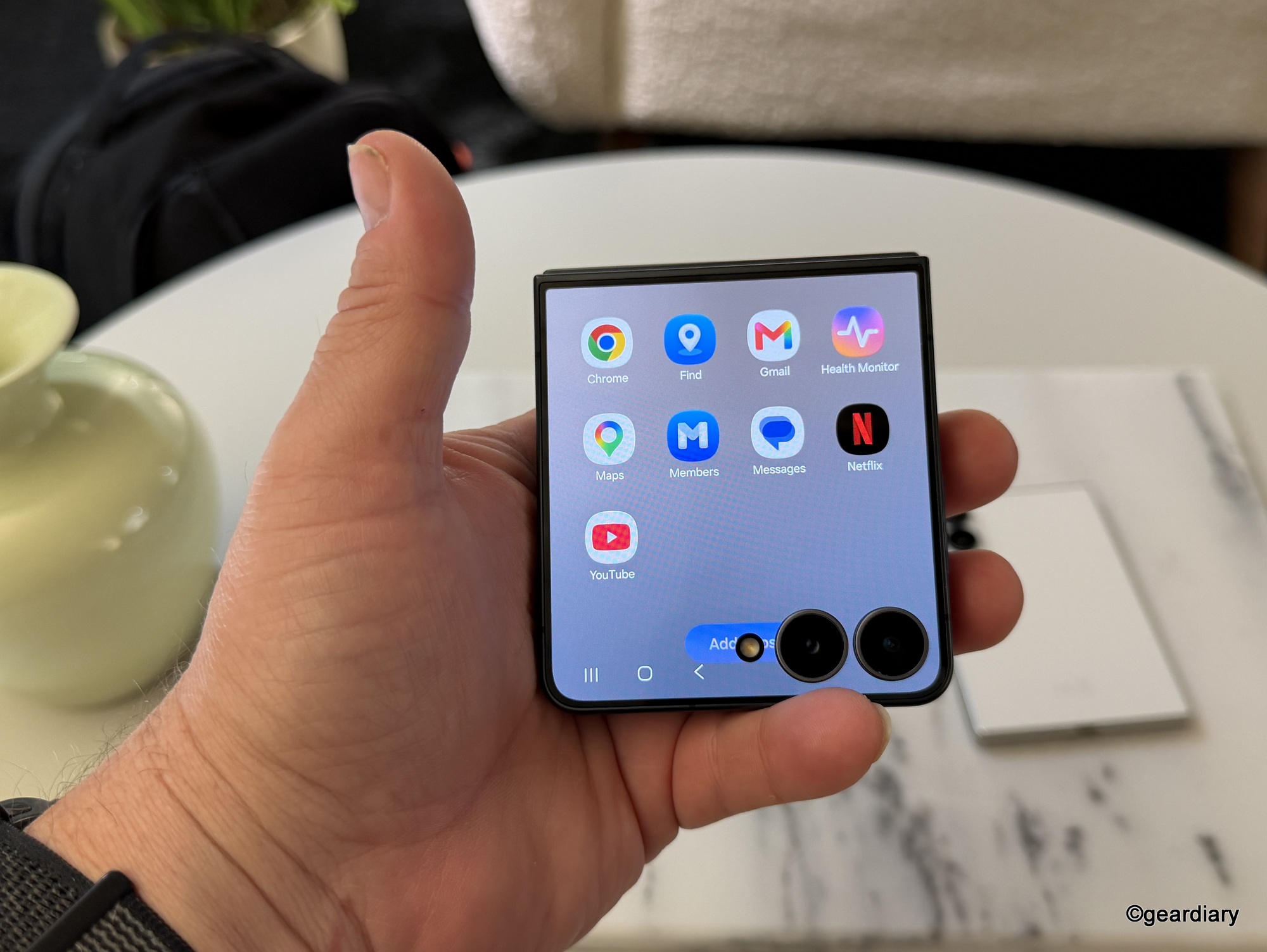
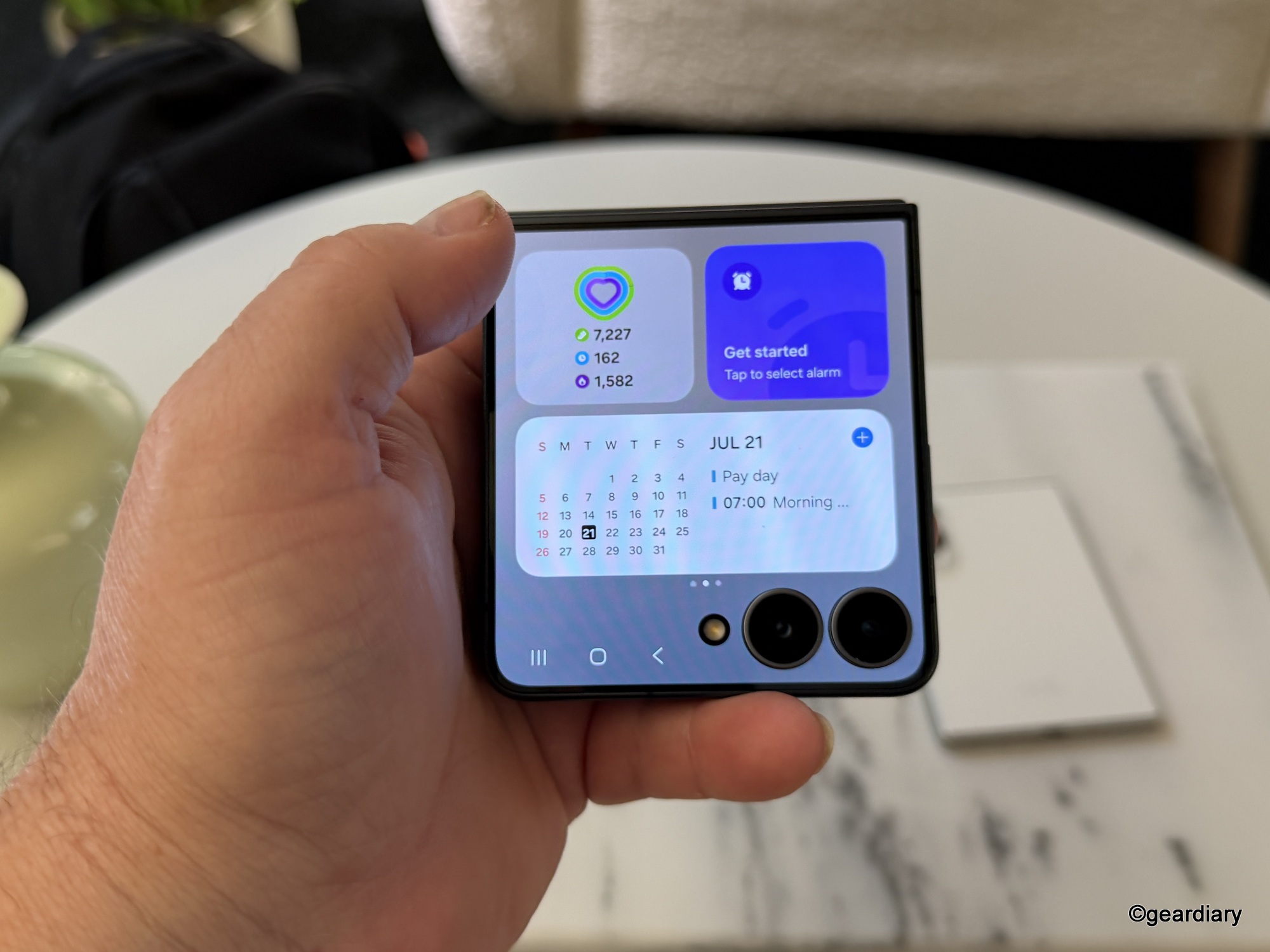
The cover screen got quite a revamp. It now supports swiping up to open the app drawer and swiping down to open notifications — both of which are very welcome changes. Samsung wanted the cover screen to function more like the home screen when the phone is opened.
-

- Samsung Galaxy Z Flip 8
-
- Samsung Galaxy Z Flip 8
-
- Samsung Galaxy Z Flip 8
-
- Samsung Galaxy Z Flip 8
-
- Samsung Galaxy Z Flip 8
-
- Samsung Galaxy Z Flip 8
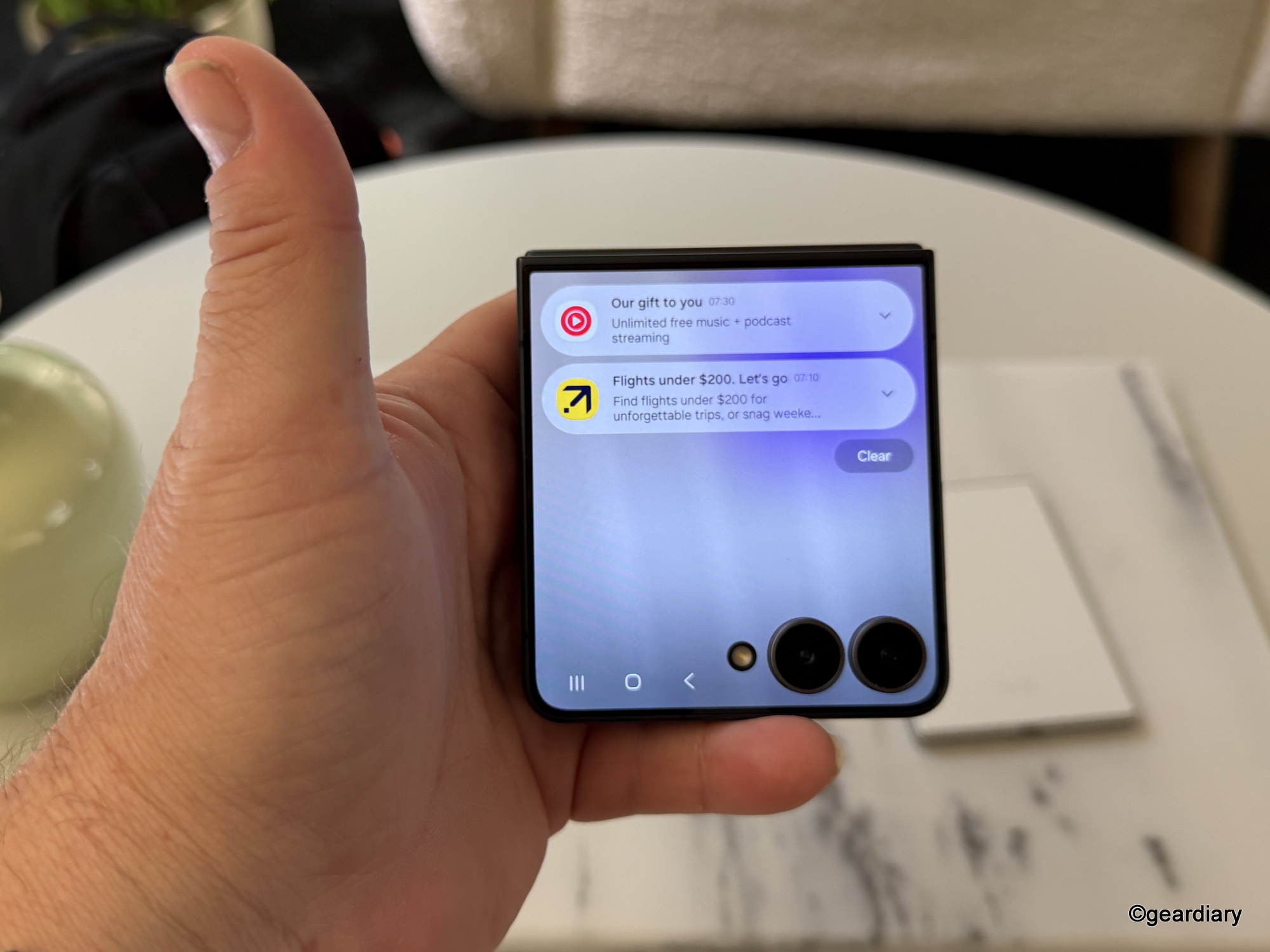
You still have to jump through a minor hoop and install MultiStar to enable app compatibility, but now the option to do so is in the app drawer. So, in this respect, Samsung has gone from a 14-step process to about two. If I may suggest, Samsung, just take out that last stupid step. Please and thank you.
Another feature that comes to all three phones is the horizon lock that Samsung showed off on the S26 series this past winter. Samsung highlighted that capability while introducing the FlexCam feature, which lets you fold your phone 90 degrees for a more camcorder-like grip when shooting video, something Motorola flip phones have been doing for a while now.
The cameras remain 50 megapixels for the main lens and 12 megapixels for the ultrawide. All told, the Flip 8 is mostly about the software, which should also be shipping to previous generations of phones in One UI 9, so if you have a Flip 7, you’re probably okay to run with it for now.
Samsung Galaxy Watch Ultra 2 and Galaxy Watch 9
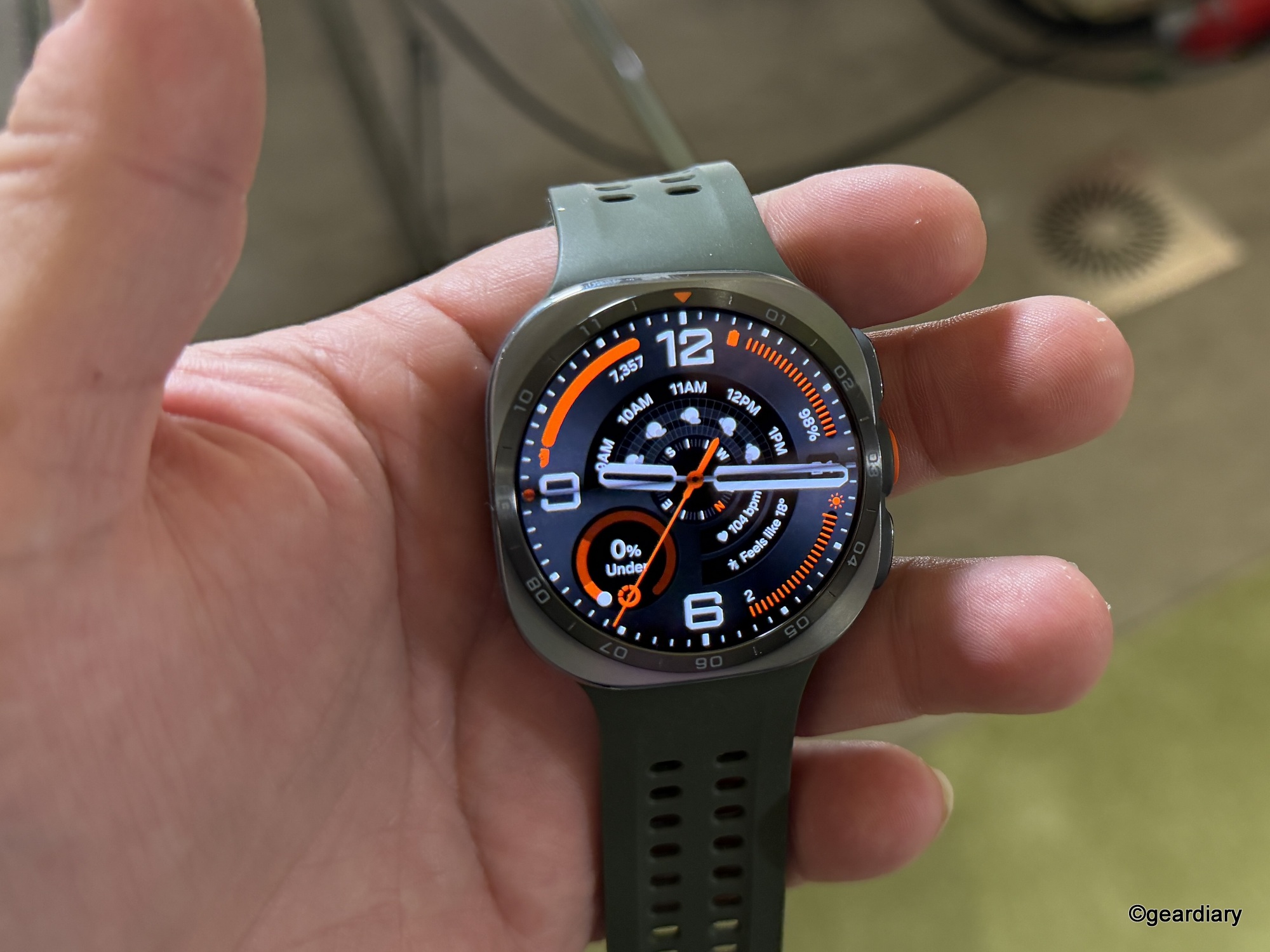
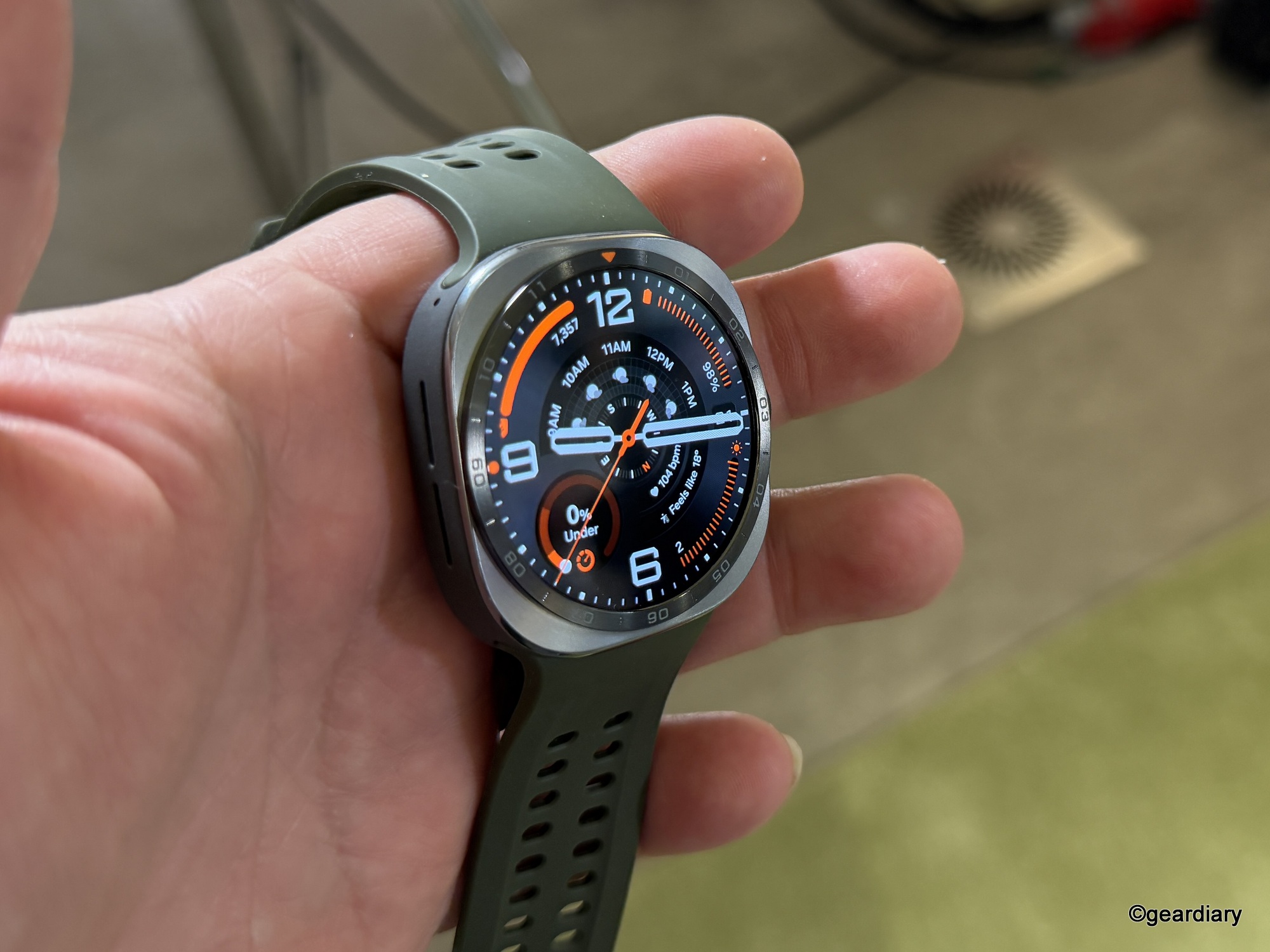
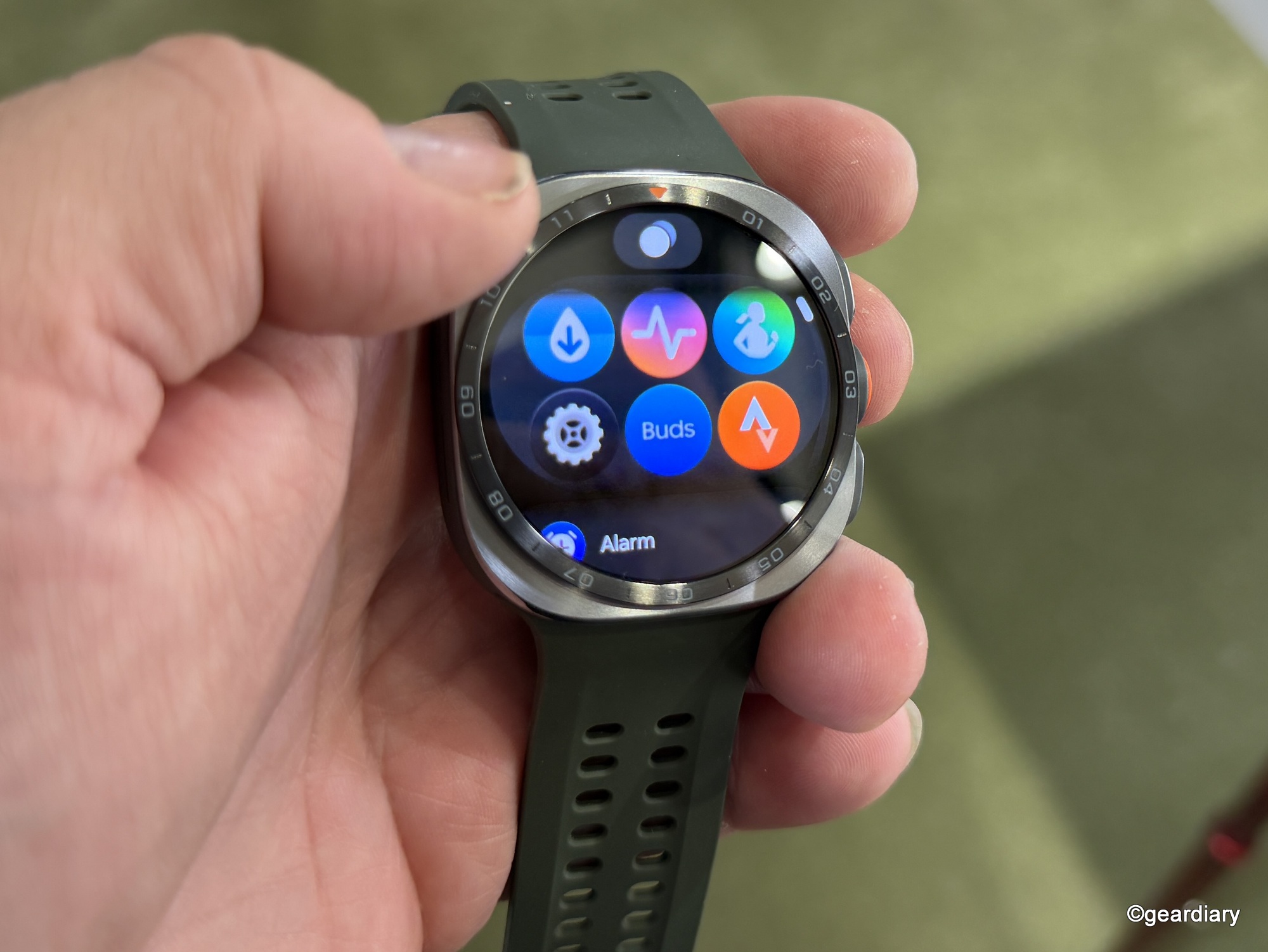
Moving on to the watches, Samsung launched three of them — the Galaxy Watch Ultra 2 and two sizes of the Watch 9, 44mm and 40mm. Both watches share a very similar design with previous generations. All the watches are powered by Qualcomm’s latest Snapdragon Wear Elite processor.
-
- Samsung Galaxy Watch Ultra 2
-
- Samsung Galaxy Watch Ultra 2
-
- Samsung Galaxy Watch Ultra 2
-
- Samsung Galaxy Watch Ultra 2
-
- Samsung Galaxy Watch Ultra 2
-
- Samsung Galaxy Watch Ultra 2
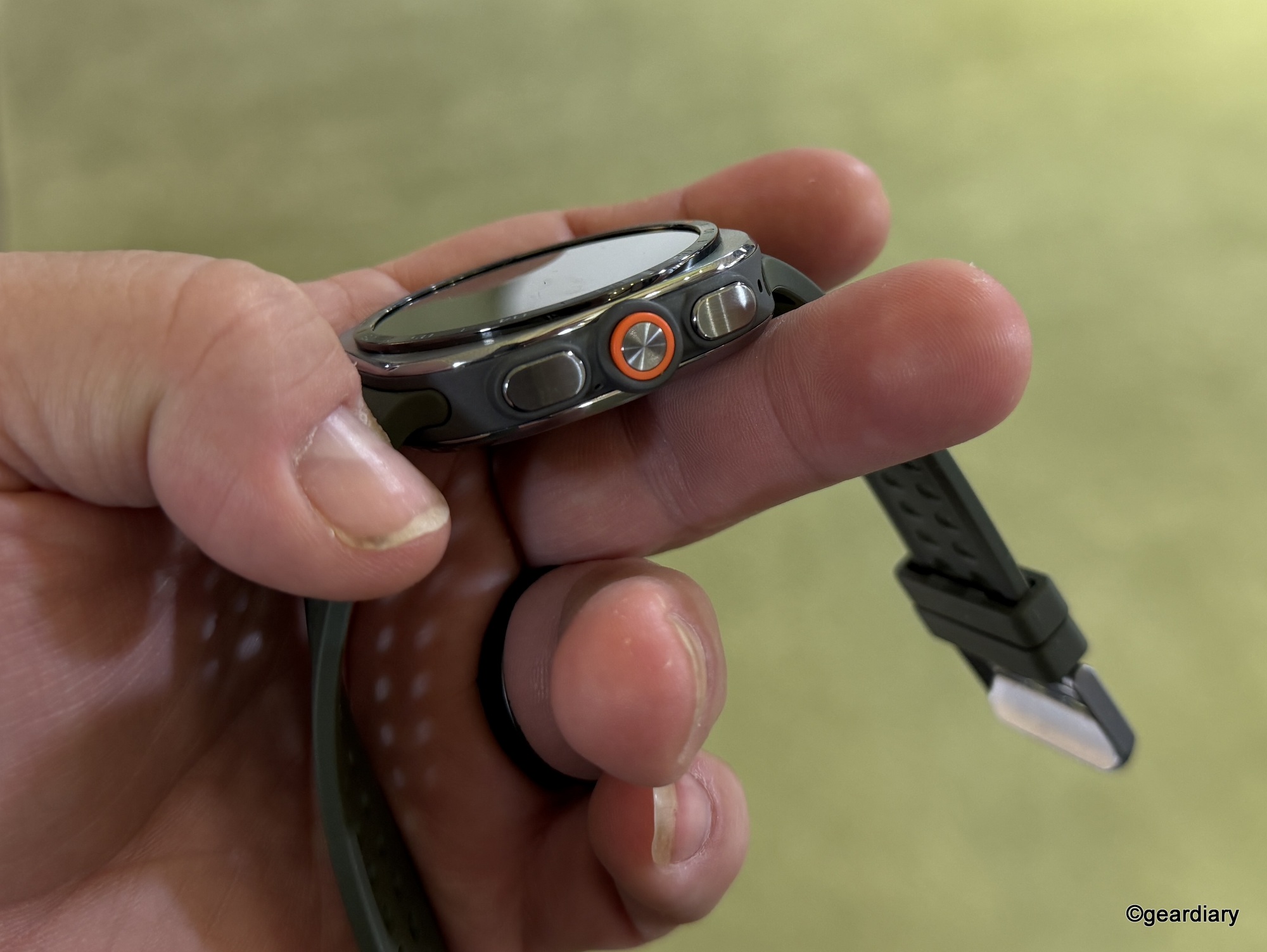
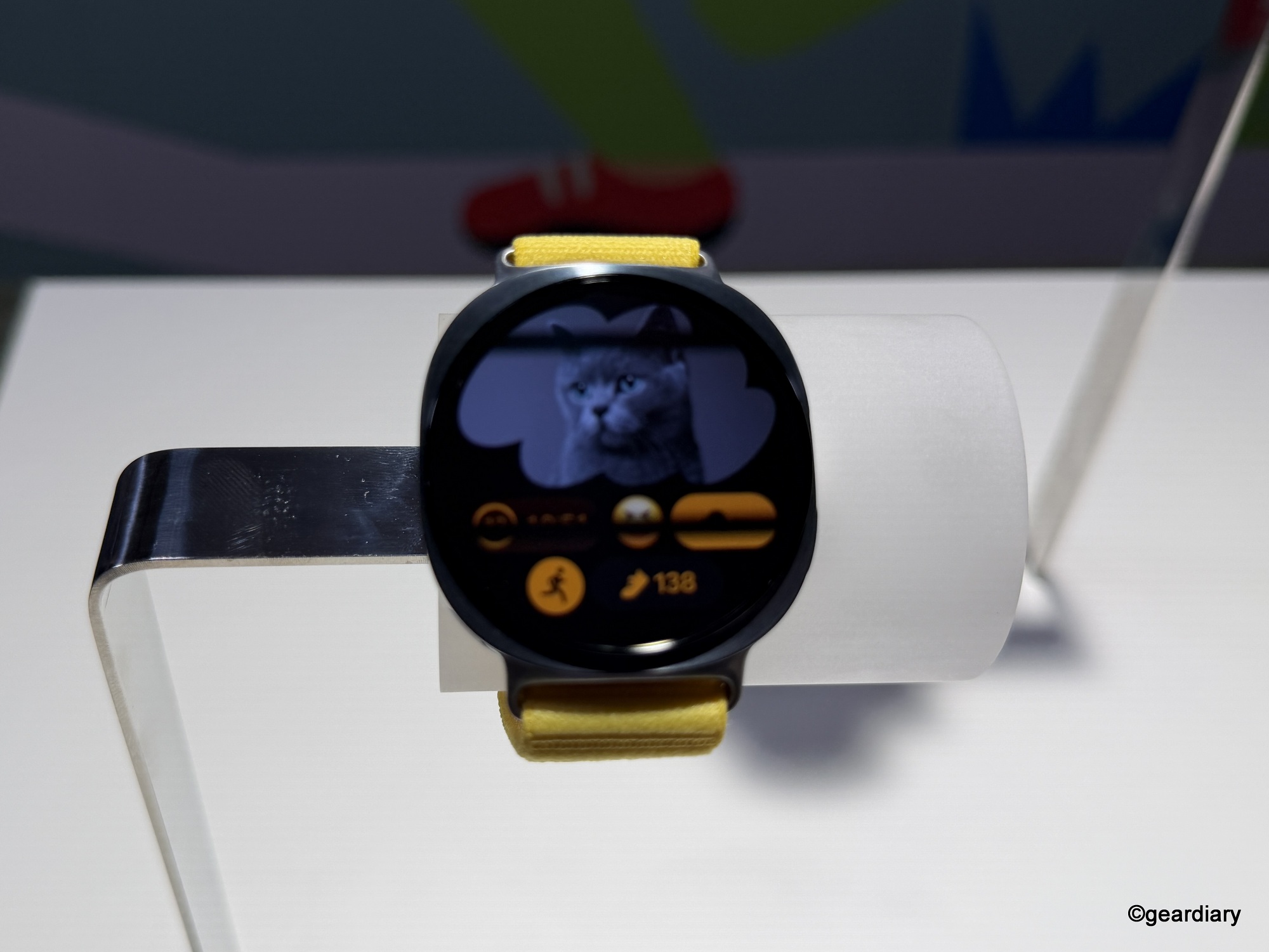
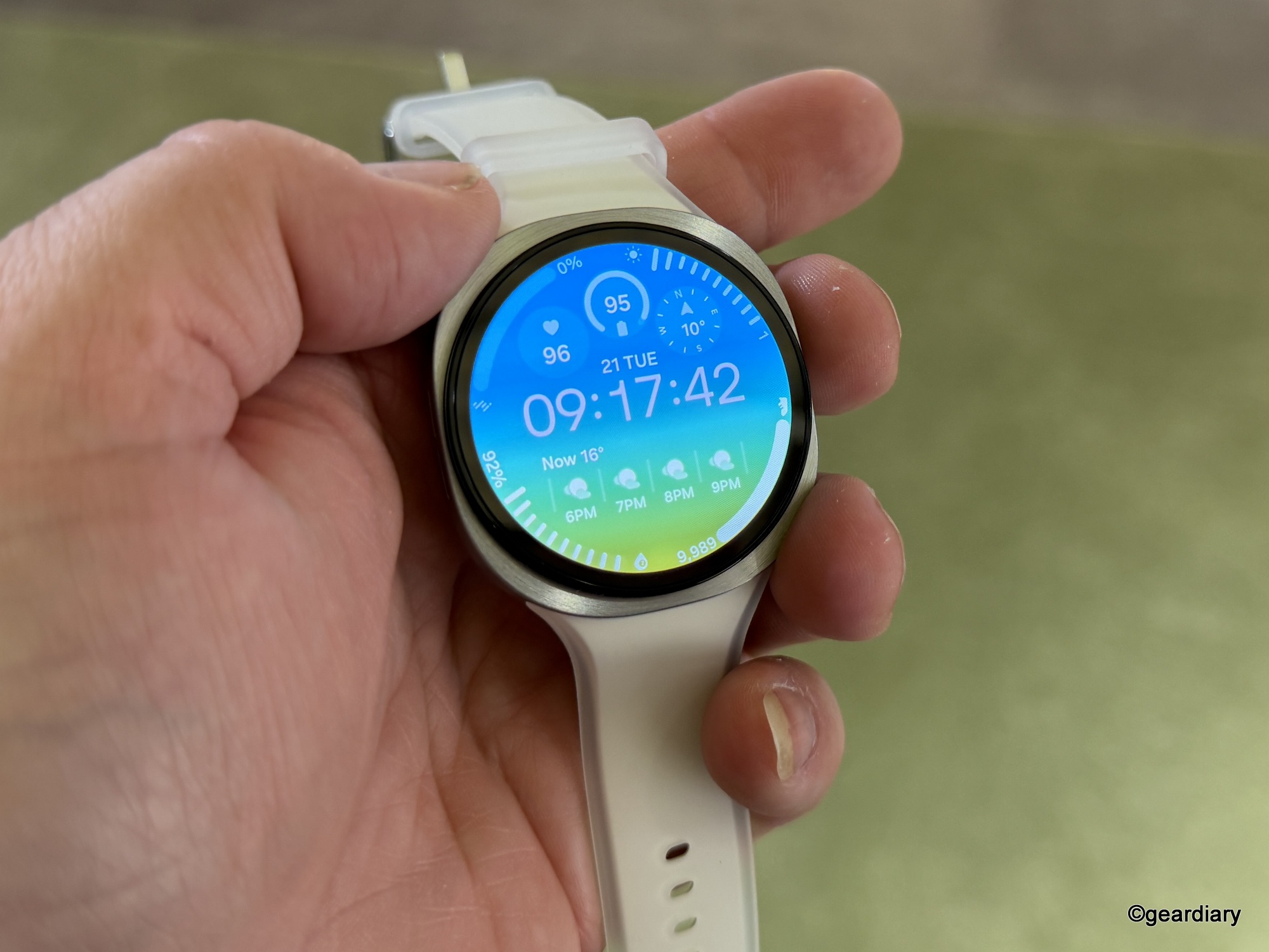
The Watch Ultra 2 will have a 1.52-inch display with up to 5,000-nit brightness, while the Watch 9 will have either a 1.47-inch or 1.34-inch display, both limited to 3,000 nits. Both watches will have 2GB of RAM; the Ultra 2 will have 64GB of storage, while the Watch 9 will have 32GB. The Ultra 2’s battery will be 800mAh, good for up to 60 hours with AOD on, and will take 90 minutes to charge.
-
- Samsung Galaxy Watch 9
-
- Samsung Galaxy Watch 9
-
- Samsung Galaxy Watch 9
-
- Samsung Galaxy Watch 9
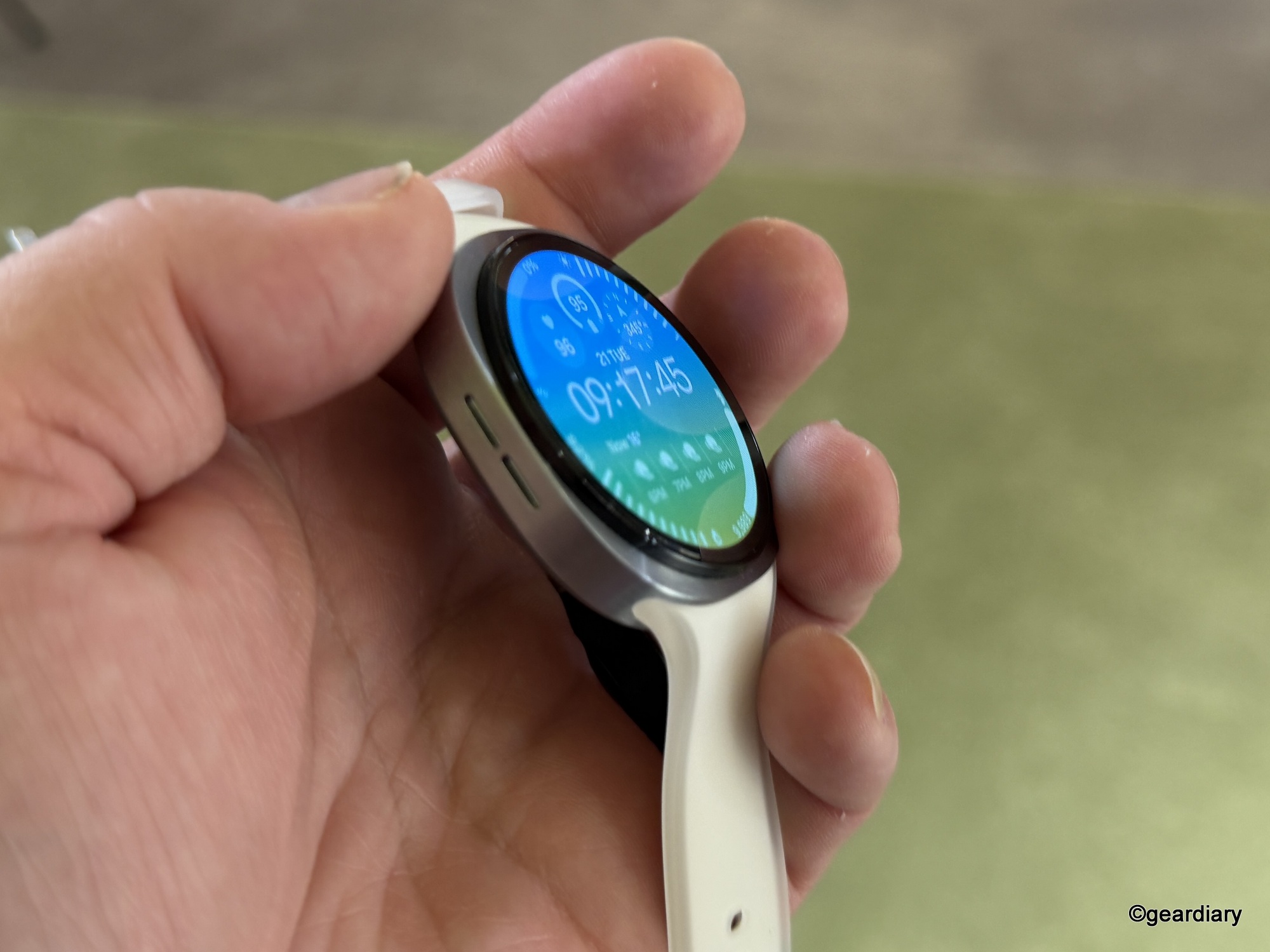
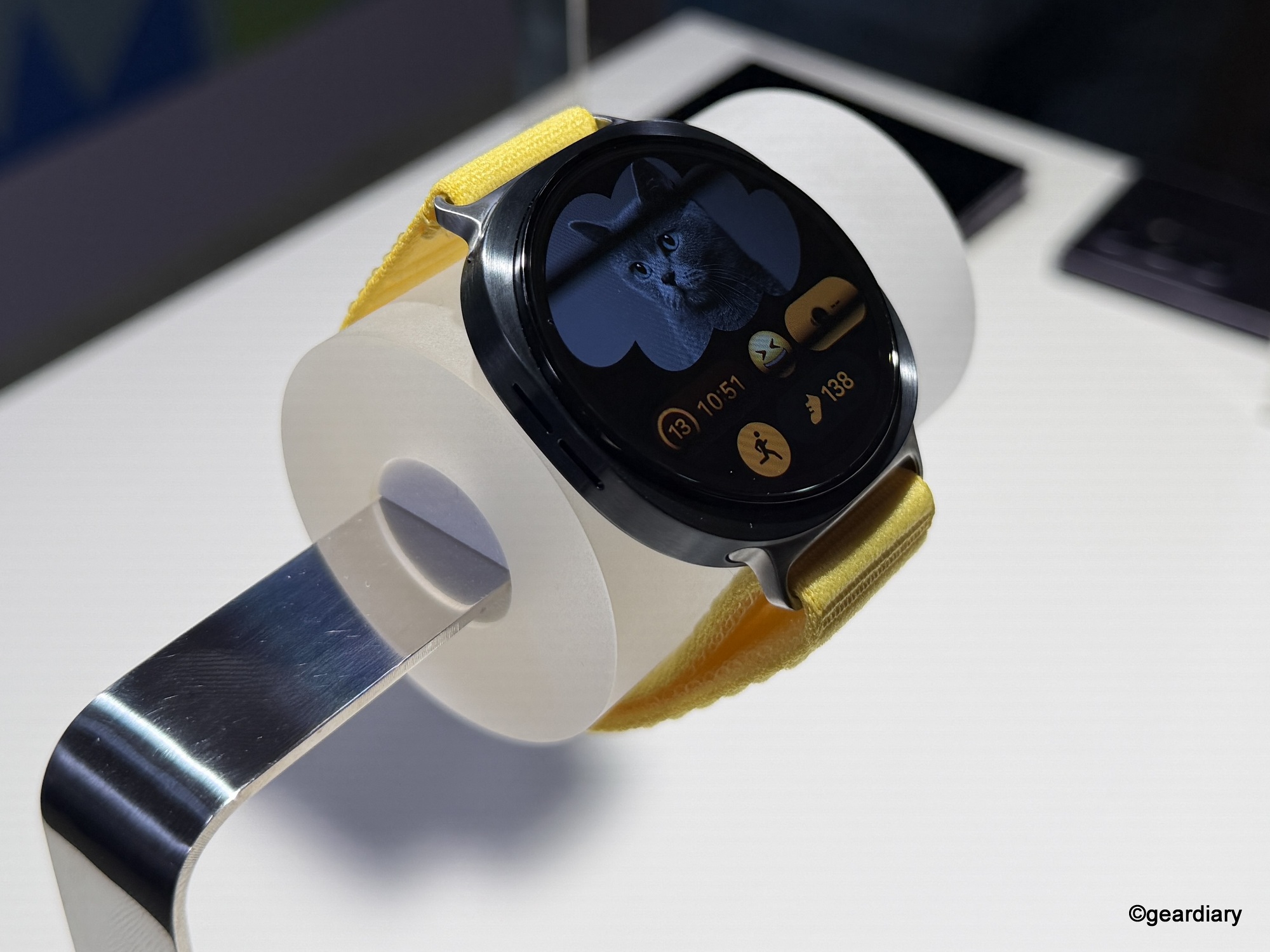
Meanwhile, the Watch 9 will have 445mAh and 390mAh batteries, both of which will be good for 30 hours of watch use with AOD on. The Watch 9 models will take 90 and 80 minutes to charge fully, respectively.
All of the watches will get One UI 9 Watch, and the focus continues to be on health. To that end, all the watches come with several health-focused features, including sleep apnea detection with FDA clearance. This is a sort of 2.0 version of the feature. Previous versions could give you an idea of whether you have apnea, while the latest version can tell you how many breathing disturbances you actually had, which is much more useful.
There’s also a Heart Health score, which arguably contains the sleeper hit of the entire watch announcement. The Heart Health score takes into account a variety of factors, including blood pressure measurements. This measurement is not FDA-cleared or medical-grade, but for users of a certain age, it’s a feature we’ve been waiting for.
After three back-to-back calibrations with a blood pressure machine, your watch can use its sensors to detect changes in your blood pressure for 28 days before you need to recalibrate with additional measurements. You will be able to pull the data and show it to your doctor as well, so overall, this could be a great feature, and it’s the one I am looking forward to testing the most.
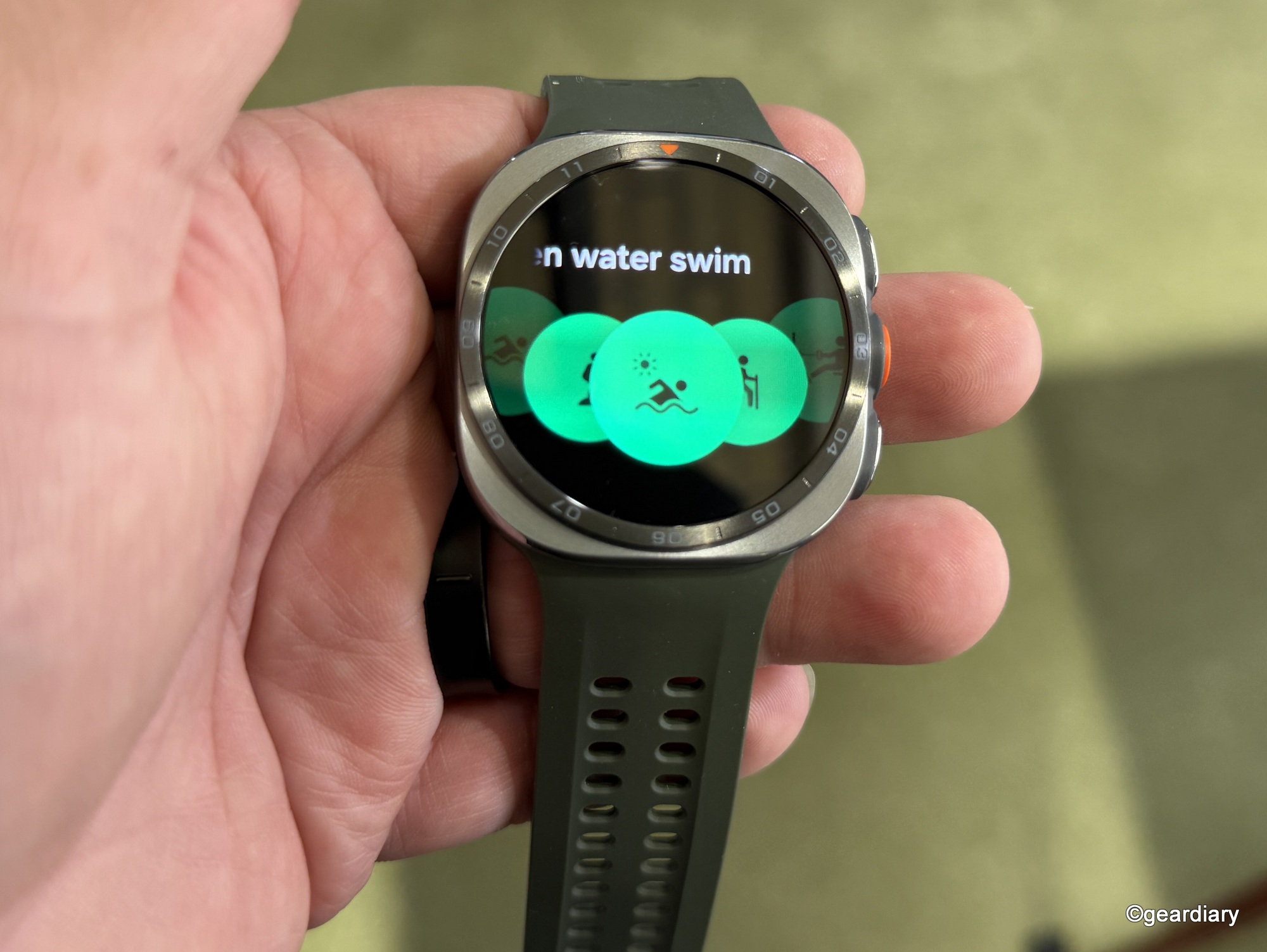
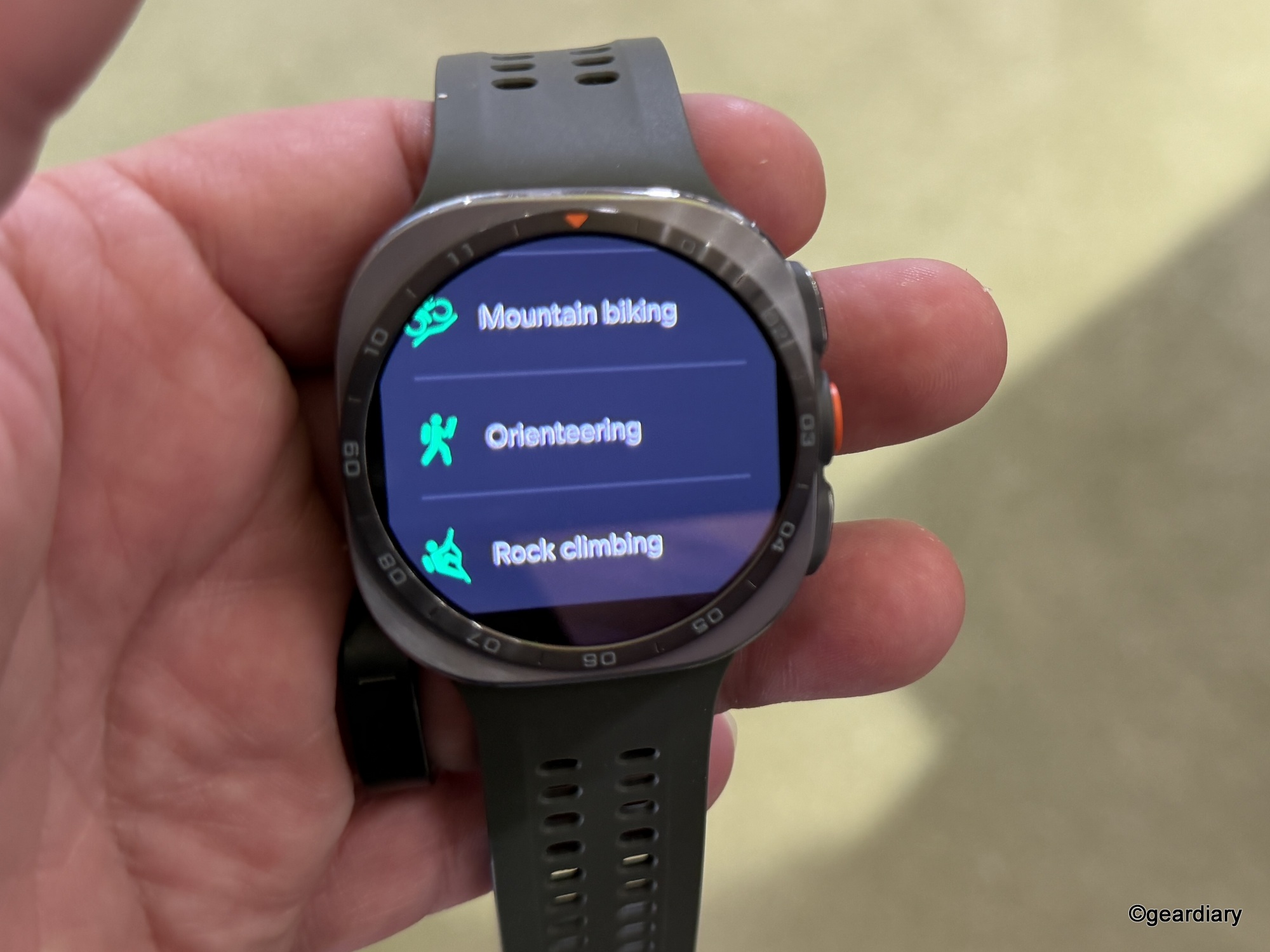
The Watch Ultra 2 will also feature two new exercise modes — Trail Run and a new diving app developed with Mares. The Trail Run mode will track distance and elevation and provide real-time guidance on when to take in water based on sweat and exertion. The diving app will also include alerts for ascent and descent speed and diving limits. I don’t intend to test either of those features, but if you’re into it, they’re waiting for you.
Early Impressions
Overall, this Unpacked event delivered some delightful surprises. Personally, I’m the most intrigued by the Galaxy Z Fold 8 and the Watch Ultra 2. For the Watch Ultra 2, I’m most looking forward to the battery life. Sixty hours of watch use with AOD is next-level compared to what most watches offer, so I’m all in on that. Meanwhile, the Fold 8 is a lovely little form factor that I have enjoyed using very much during my hands-on time, and I’m very interested to see how it performs day-to-day.

I hadn’t expected that Samsung would have a watch that could be used while diving, not that I’ll be doing that any time soon.
Samsung’s new foldable appear to have iterated on contending with thermal issues. Looking forward to trying these to see if they can be a legitimate daily driver.