
The Titaner Voyager is a zipperless, pure-titanium carry-on aimed at travelers who’ve had enough of cracked shells, jammed zippers, wobbly wheels, and that faint airport-carousel dread that comes from watching your bag take another anonymous hit. Built around a Grade 1 titanium shell and an optional waterproof gear vault, it’s designed for cameras, electronics, documents, medication, passports, and the rest of the things you’d rather not entrust to vibes and a thin layer of fabric. It’s launching on Kickstarter, with early pricing starting at about $579 before shipping. That last part matters, because this is still a crowdfunding campaign.
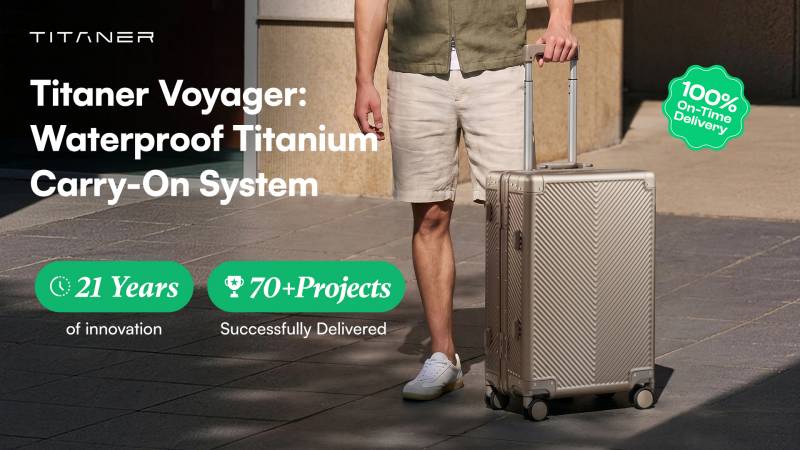
A Harder Shell for Harder Travel
Carry-on luggage lives a rougher life than its tidy product photos suggest. It gets shoved into overhead bins, dragged over curbs, rolled across questionable pavement, wedged into rideshares, and occasionally treated by airport machinery as if it owes someone money. Most of the time, the shell is the only thing standing between your belongings and whatever happens next.
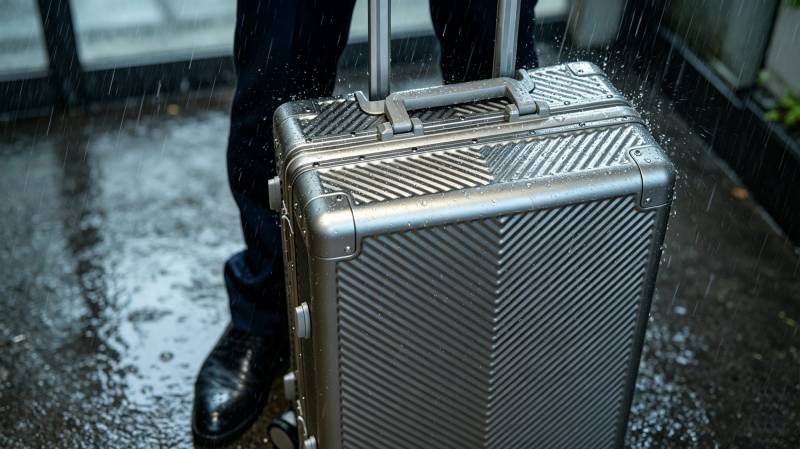
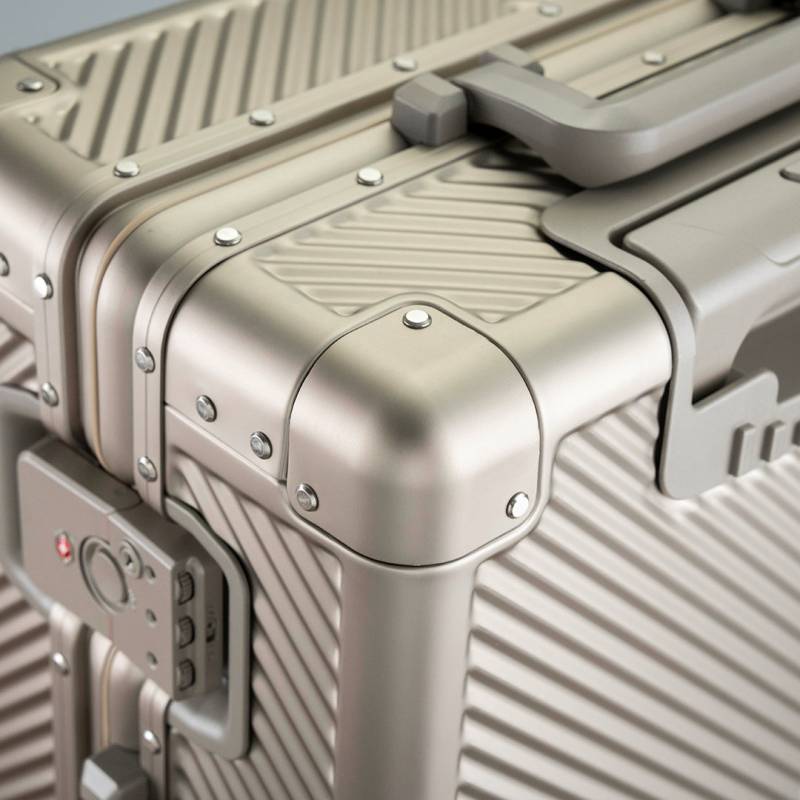
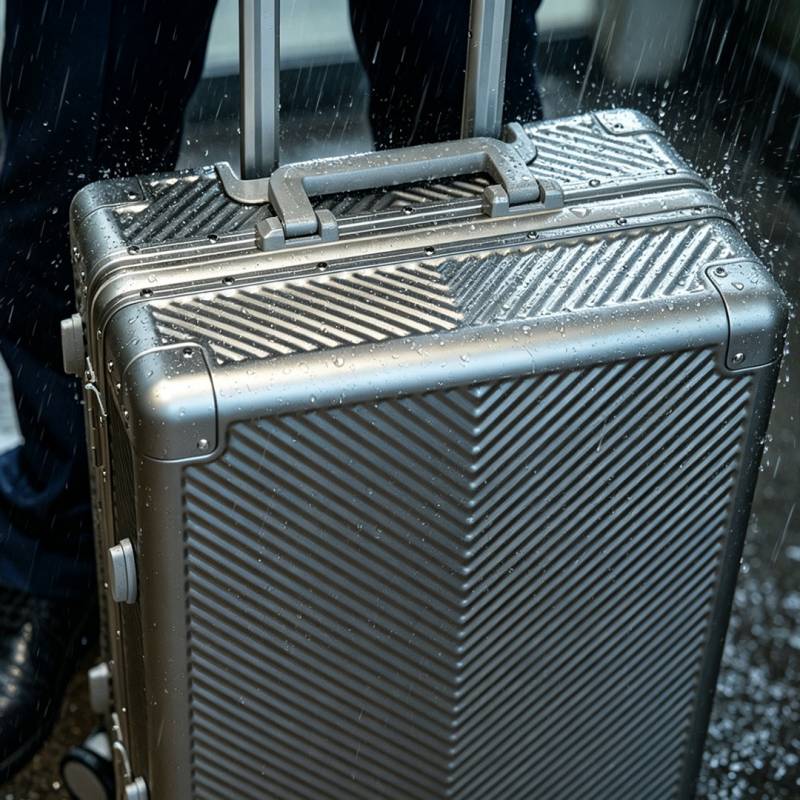
Titaner is approaching that problem with a pure Grade 1 titanium shell, a material more commonly associated with aerospace, medical, and industrial uses than luggage. Grade 1 titanium is commercially pure titanium, and it’s known for being corrosion-resistant, relatively lightweight for its strength, and easier to form than harder titanium grades. That doesn’t mean a titanium suitcase is automatically the right answer for everyone, but it does explain why Titaner is leaning so heavily into durability rather than chasing the usual race to make luggage lighter, cheaper, and glossier.
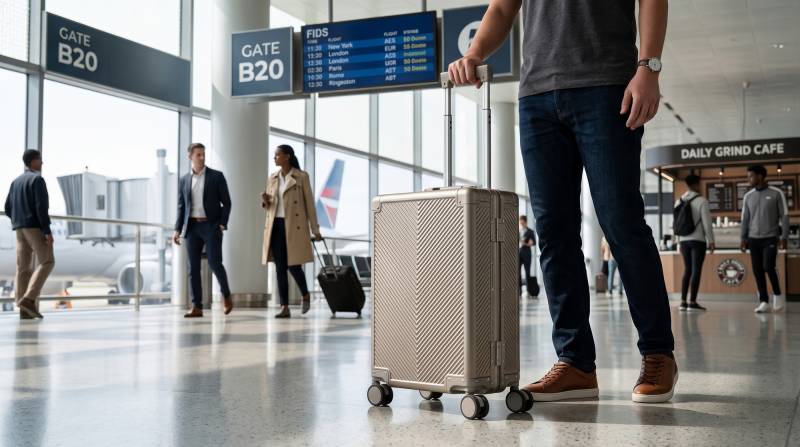
The Titaner Voyager is also zipperless, a design choice that makes sense for a suitcase built around protection. Zippers are convenient, but they’re also common failure points. They can separate, snag, wear out, and create obvious places for water to work its way in. The campaign materials don’t spend much time detailing the closure system itself, so that’s something worth watching as the product moves closer to shipping.
The Gear Vault Is the Part Travelers May Notice Most
The titanium shell is the headline, but the optional $60 Waterproof Vault may be the feature that speaks most directly to people who travel with things they can’t casually replace. If you’re carrying a camera body, lenses, a drone, a passport, prescription medication, contracts, or backup drives, “it’ll probably be fine” isn’t much of a security plan.
The Waterproof Vault is described as a box-within-a-box, with a triple-sided airtight zipper to keep water out. Titaner is trying to create a sealed compartment within the suitcase rather than relying solely on the outer shell. That distinction matters. A suitcase that shrugs off light rain isn’t the same thing as a compartment meant to protect sensitive gear from water exposure.

There’s also an optional $33 modular insert for the vault that provides padded, adjustable sections for cameras, electronics, and other fragile items. That could make the Titaner Voyager more useful for people who don’t want to carry a separate hard camera case but still need more structure than a few packing cubes and optimism can provide.
Wheels, Corners, and the Little Things That Ruin Trips
A suitcase can have the strongest shell in the terminal and still be miserable if the wheels give up halfway through a connection. Titaner has built the Voyager with four wheel assemblies and eight independent silent-spinner wheels in total. The goal is smoother rolling, better stability, and less resistance when you’re weaving through a crowded airport, crossing hotel carpet, or trying not to clip anyone’s ankle in the jet bridge shuffle.
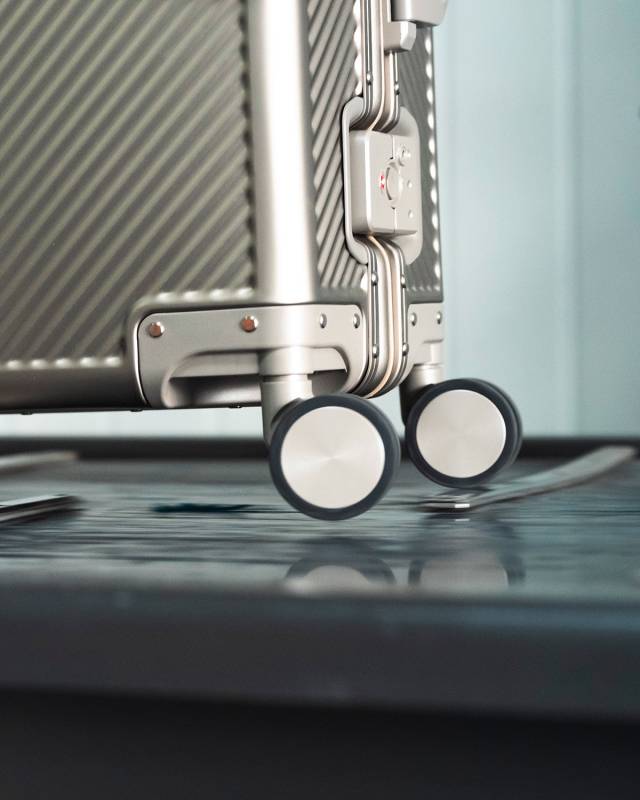
The company calls its corner structure Spider-Web Reinforcement, meaning that impacts to the wheelbase are meant to spread across the surrounding corner rather than concentrate stress at a single vulnerable point. That’s the kind of detail that doesn’t look especially glamorous on a product page, but it can matter after months or years of curb drops, stairs, bumpy sidewalks, and less-than-gentle baggage handling.
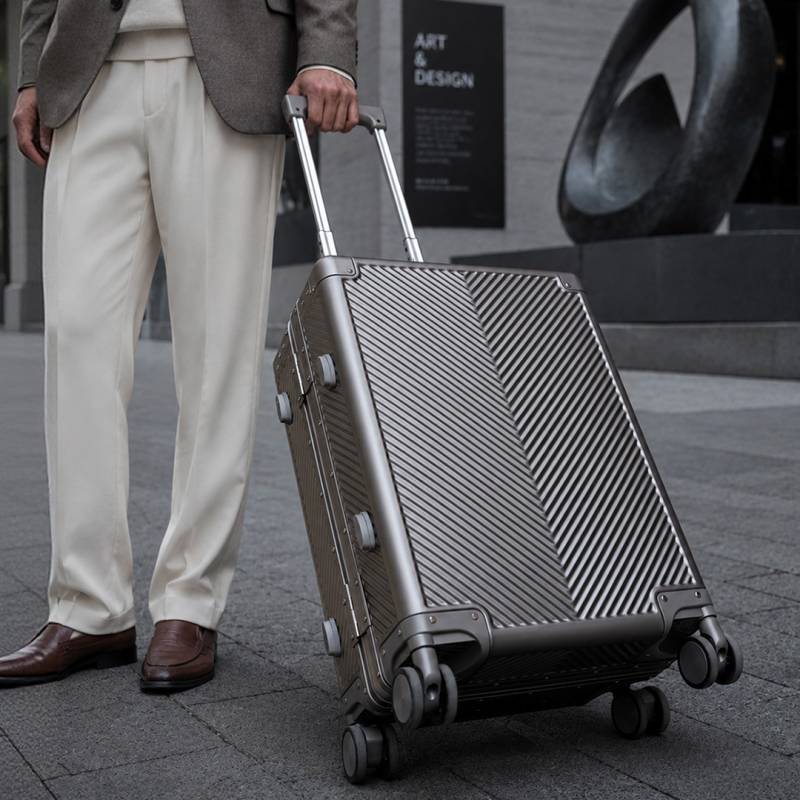
The wheels are also modular and removable, so if one is damaged, you can replace the individual piece rather than retire the entire suitcase. That’s a welcome idea in a product category where “durable” too often means “expensive until one part breaks.”
The Inside Still Has to Work Like Luggage
For all the engineering talk, a carry-on still needs to pack cleanly. The Titaner Voyager opens flat to 180°, so both sides can lie open for easier packing. Each side has elastic straps and full-panel dividers that press down to keep clothing and travel basics from erupting the moment you unzip, unlatch, or otherwise open the case.
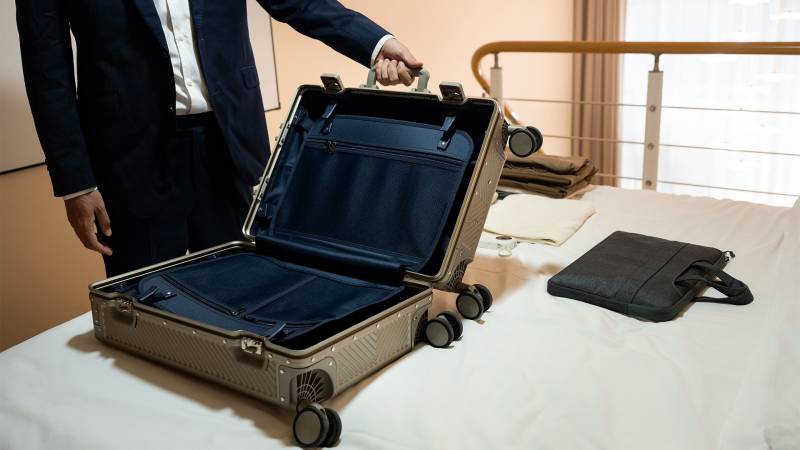
There are pockets on both sides for smaller items, and the lining is stain-resistant and wipeable. That’s not glamorous either, but neither is discovering that a travel-size bottle of shampoo has staged a hostile takeover in your bag. A wipe-clean interior is the kind of small mercy frequent travelers learn to appreciate.
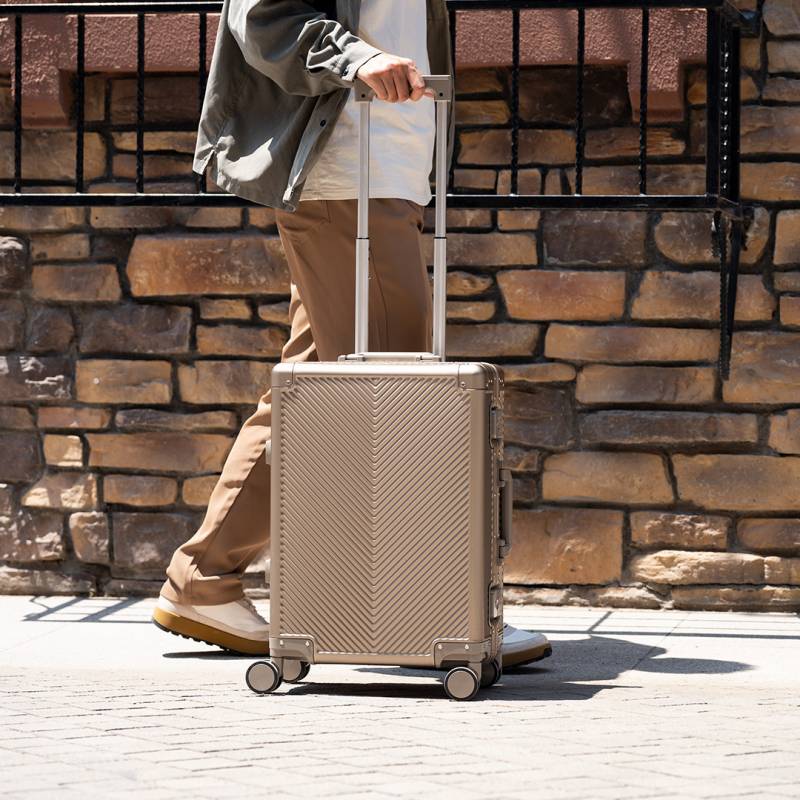
The 13-stage high-strength telescopic handle is another practical spec. More height on the stops can make a suitcase easier to pull comfortably, especially if you’re tall or short, or if you’re switching between rolling it beside you and dragging it behind you. Titaner hasn’t provided exact handle-height measurements in the announcement, so the final ergonomics will matter once the Titaner Voyager is in real-world hands.
Kickstarter Pricing and the Usual Crowdfunding Caution
The Titaner Voyager is being offered through Kickstarter in several tiers. The Launch Day Special for one Voyager is HK$4,540, or about $579, listed as 46% off the manufacturer’s suggested retail price. The Christmas Edition is HK$4,697, or about $599, and includes a holiday-edition Voyager with a Christmas gift. The Early Bird tier is HK$4,854, or about $619. There’s also a Launch Day Special for two Voyager suitcases at HK$8,610, or about $1,098.
The first 50 backers are listed as receiving a free clear Titaner Voyager protective cover. Shipping fees aren’t included in the pledge price and will be collected after the campaign based on destination and shipping method. The Titaner Voyager ships only to certain countries, with estimated delivery starting in December 2026 for some tiers and January 2027 for the Early Bird tier.
That timeline is worth sitting with for a moment. Backing a Kickstarter campaign isn’t the same as buying a suitcase from a store, especially when the estimated delivery date is more than a year away. Titaner points to more than 47,935 previous backers and a claimed 100% fulfillment rate across prior campaigns, but delays, manufacturing changes, and shipping surprises can still happen. Titanium may be tough. Supply chains remain delightfully unimpressed by confidence.
A Niche Suitcase with a Clear Point of View
The Titaner Voyager won’t be for everyone. If your carry-on mostly handles weekend clothes, toiletries, and the occasional charger, a titanium shell may be more suitcase than you need. It’s also likely to cost substantially more than mainstream polycarbonate luggage once it reaches retail pricing.
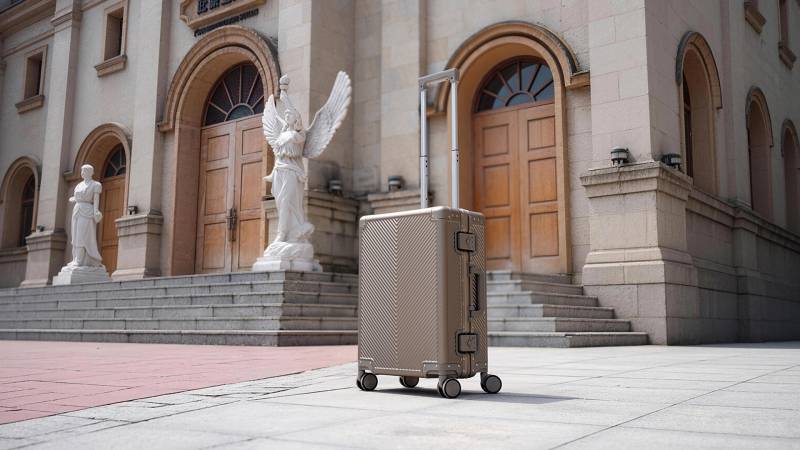
But for travelers who routinely carry expensive electronics, camera gear, sensitive documents, medication, or anything else they’d hate to lose to water, impact, or a broken zipper, the Titaner Voyager has a more specific appeal. It’s not trying to be the cheapest bag at the airport. It’s trying to be the one that still feels reassuring after years of being dragged, dropped, shoved, and rolled through places where luggage goes to discover character.


Be the first to comment on "Titaner Voyager urns the Carry-On Into a Titanium Gear Vault for Travelers Who Pack the Good Stuff"