
The Lowdown
While the LiberNovo Omni won’t make your inbox any smaller or your deadlines less terrifying, it will keep you sitting in a way that doesn’t leave you creaking like a haunted house by 5 p.m. If you prefer your chairs to be quiet and obedient, look elsewhere. But if you want one that notices when you slouch, stretches your spine, and politely nudges you back into alignment, the Omni earns its keep. Your chiropractor might not appreciate it, but your future back will thank you.
Overall
Pros
- Dynamic Support System keeps you aligned without fiddling with knobs
- OmniStretch mode is surprisingly effective after long work sessions
- Premium build, silent casters, and comfortable multi-density cushion
- An optional Cooling Cushion is a nice touch for hot climates
Cons
- A five-year warranty is short for this price bracket
- Lower weight capacity than Steelcase Gesture
- Constant micro-adjustments may not be for everyone
- The armrests can’t be locked in position, and they will move with your elbows
If you’ve ever stood up after a long day of work and felt like you just survived a car crash in slow motion, you already know the quiet cruelty of a bad chair. Cushions deflate into sad pancakes, armrests turn into medieval torture devices, and “lumbar support” somehow manages to miss your lumbar completely. After eight hours, your spine is ready to file for divorce. Enter the LiberNovo Omni, the smart chair that raised $8.5 million on Kickstarter. It claims it can save your back — but is it here to rescue you, or just pad your chiropractor’s retirement plan?
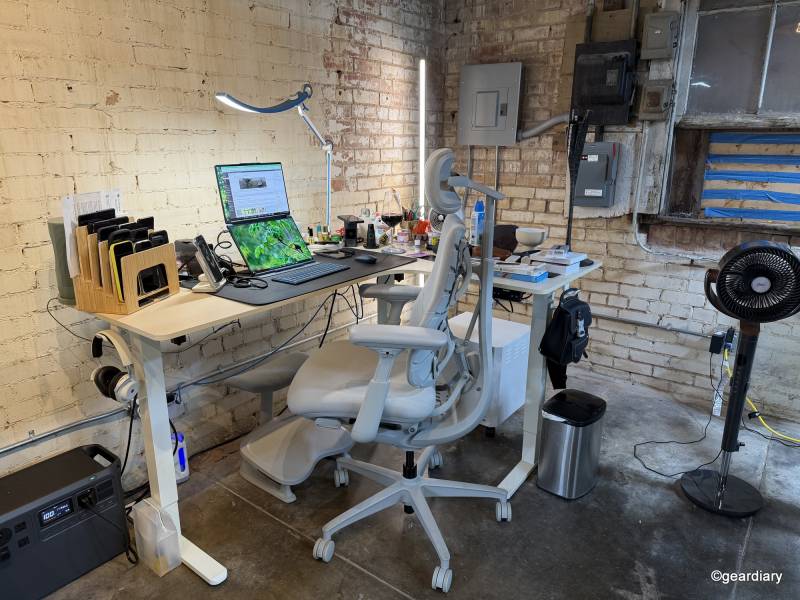
Available in Space Gray or Midnight Black, the LiberNovo Omni promises that it’s more than just another “ergonomic chair.” It claims to actively move with you, adapting to your posture in real time. But does it really deliver? Does this chair really deserve a spot in your office, your gaming setup, or anywhere you plan to spend eight hours (or more) parked in one place?
What Is the LiberNovo Omni?
LiberNovo calls the Omni “the world’s first dynamic ergonomic chair,” and, for once, the marketing copy might actually be underselling it. Forget the standard mesh seat with a couple of levers you adjust once and ignore forever. The Omni is built around a motorized Dynamic Support System with sixty moving joints and an integrated chip that continuously responds to your posture.
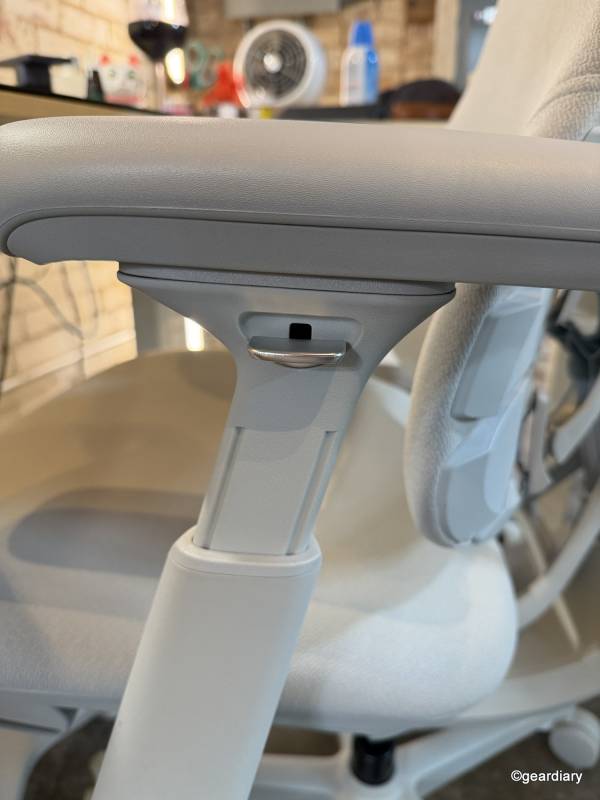
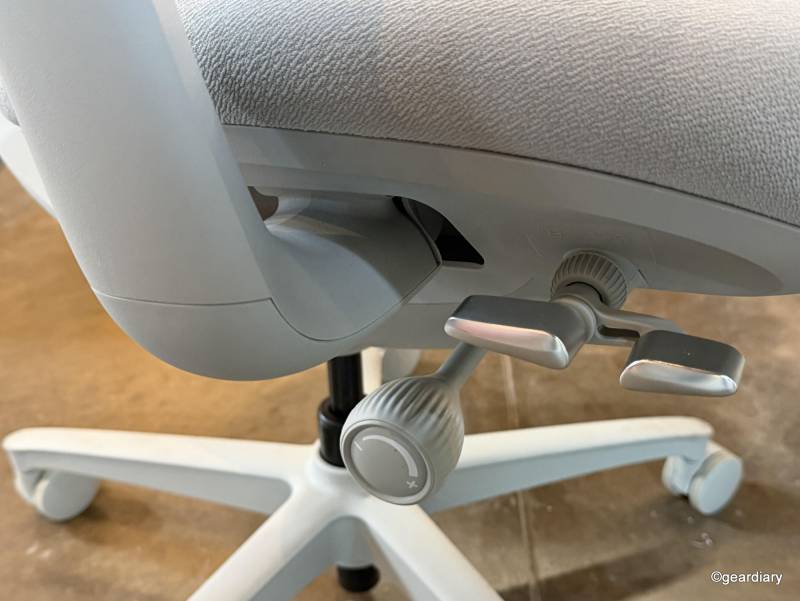
Everything is linked through the SyncroLink mechanism, which means the backrest, seat, armrests, and headrest move together in a coordinated manner, much like a pit crew. Lean forward, and the chair subtly supports you; lean back, and it glides with you, even sliding the armrests back up to 4 inches so they don’t bang into your desk. The armrests also turn in and out …
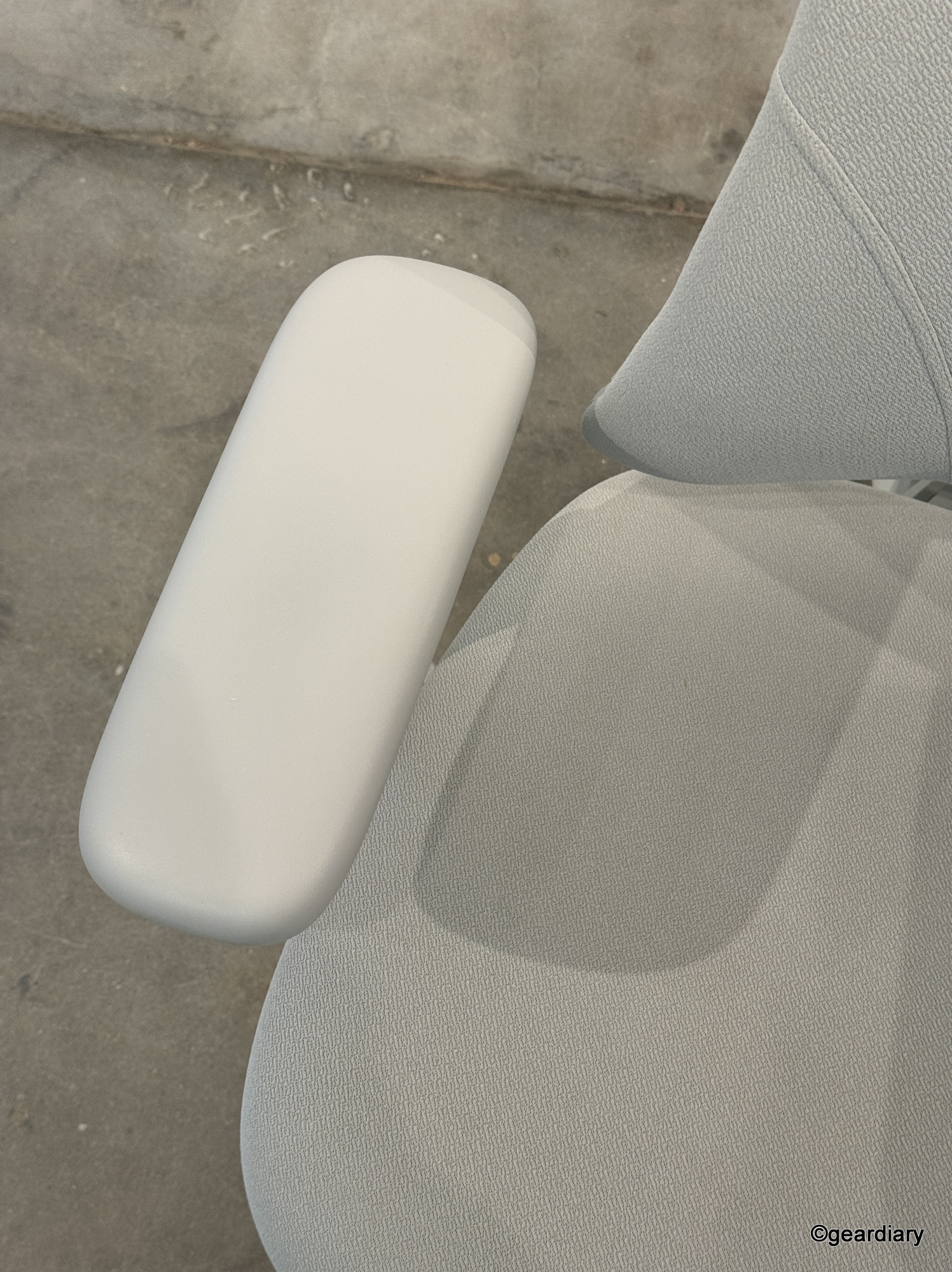
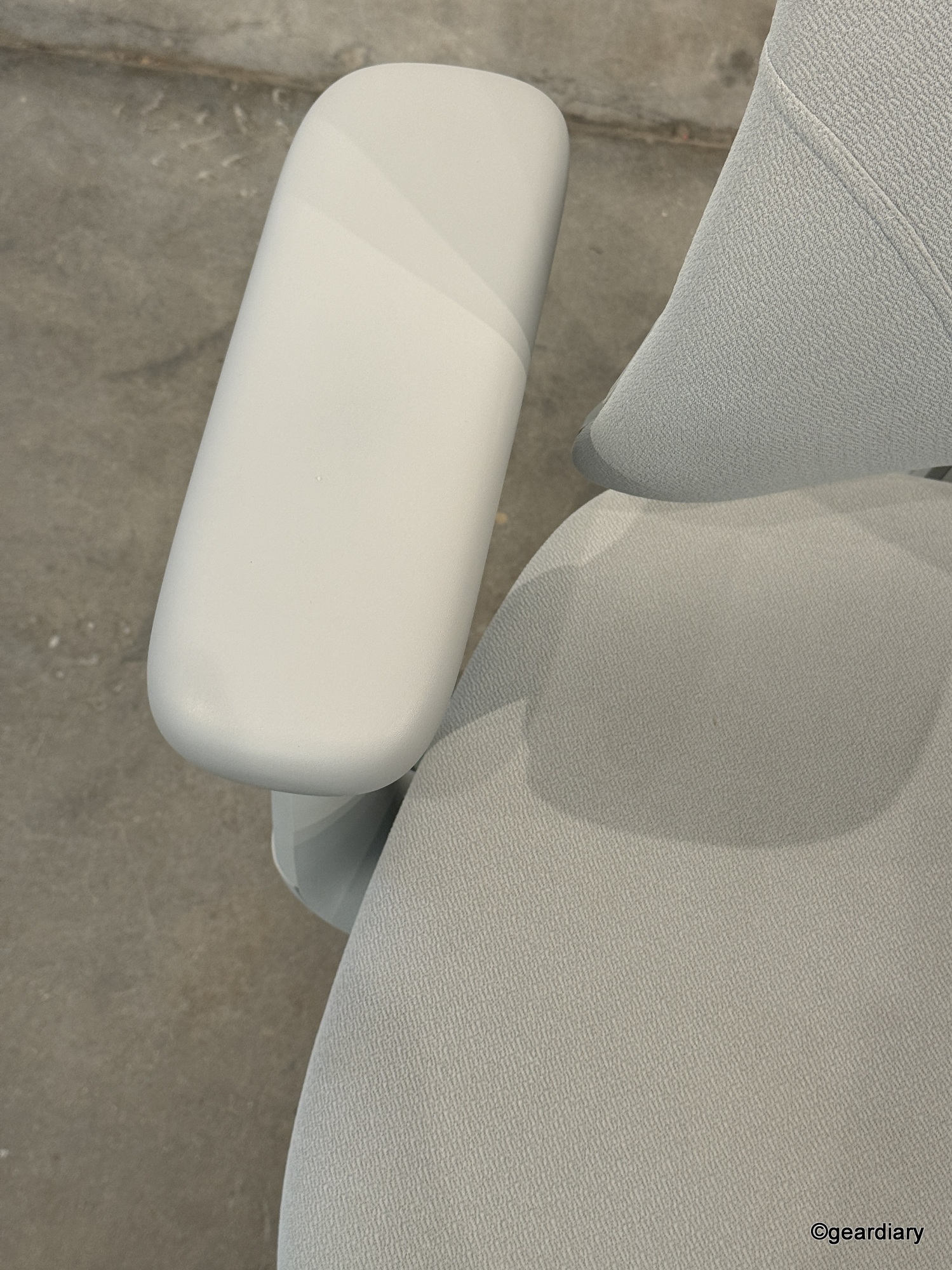
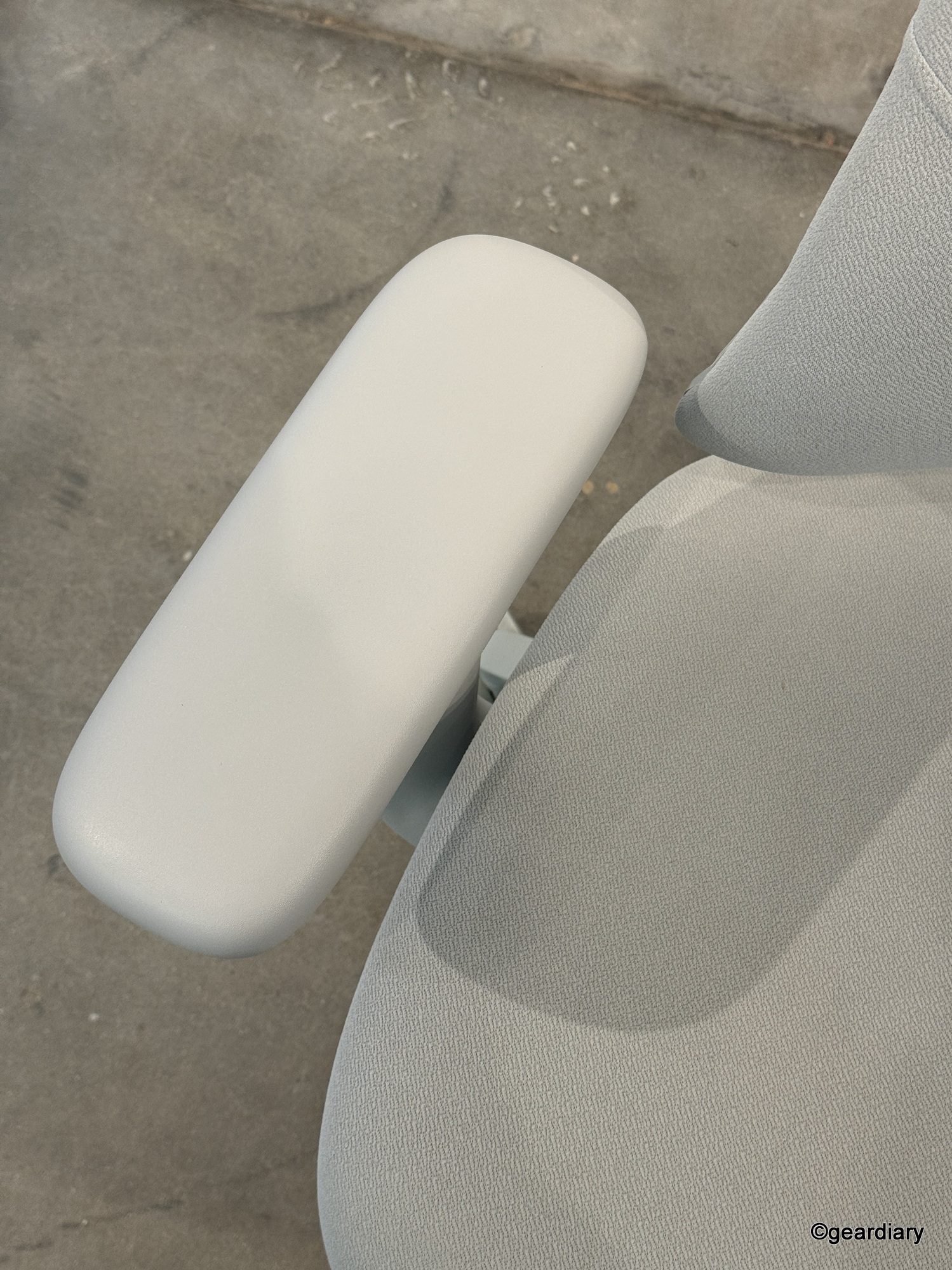
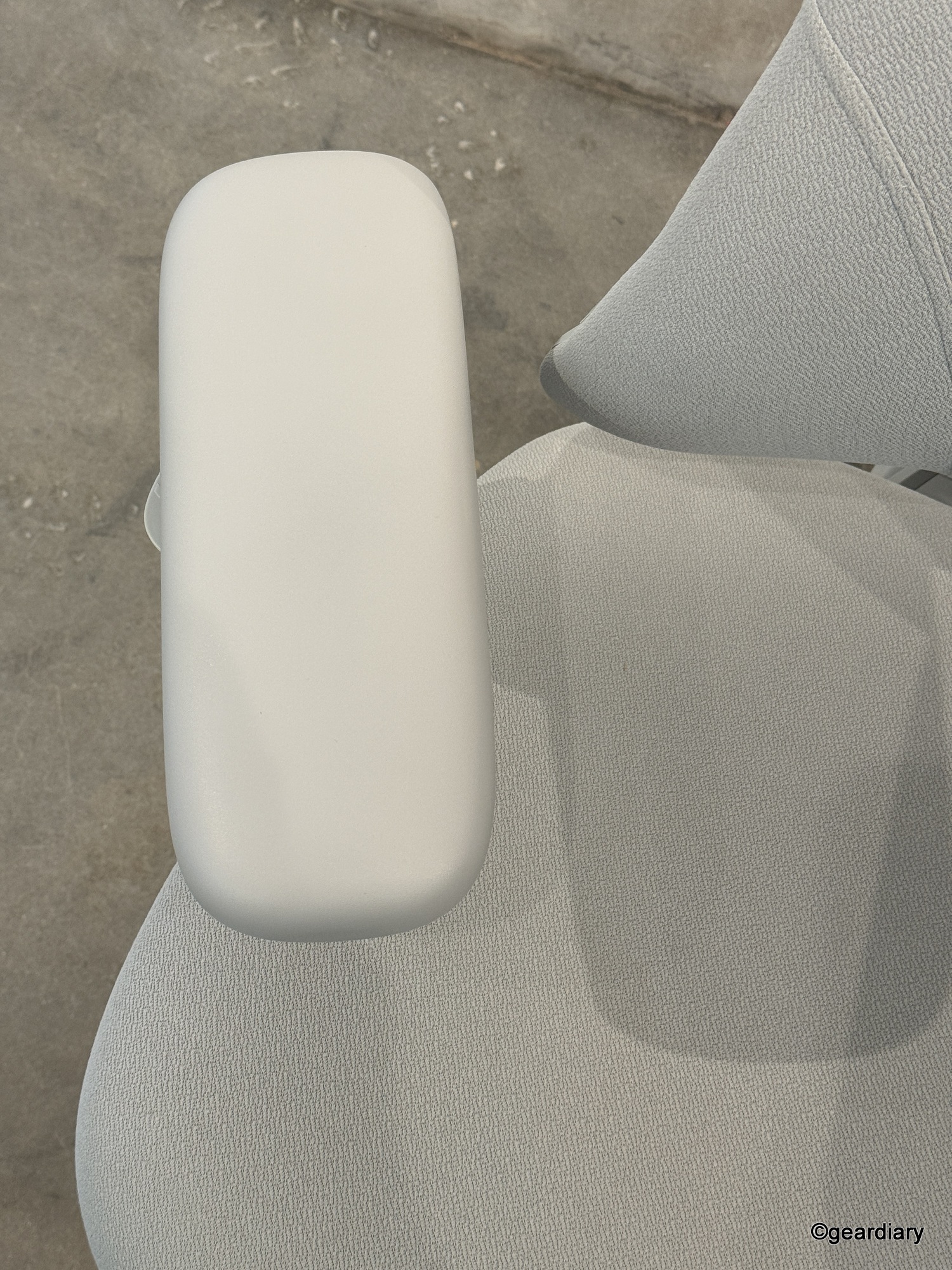
… and can be adjusted up and down as well as in and out from your torso for the most comfortable and ergonomic fit. My one gripe: the armrests move whenever you do, and there’s no way to lock them in place. Hopefully, LiberNovo adds that option in a future version.
The result feels less like a chair and more like a seat that’s paying attention to you. At first, it’s a little strange — like being watched by very polite furniture — but once you get used to it, it’s hard to go back to anything static.
If you need a mental picture, imagine combining the spinal alignment magic of a Herman Miller Embody (my previous office chair, as a matter of fact) with the back-stretching capabilities of a rolling massage chair, but without the bulk, noise, or need to fiddle with a dozen knobs just to get comfortable.
The Unboxing: What You Actually Get
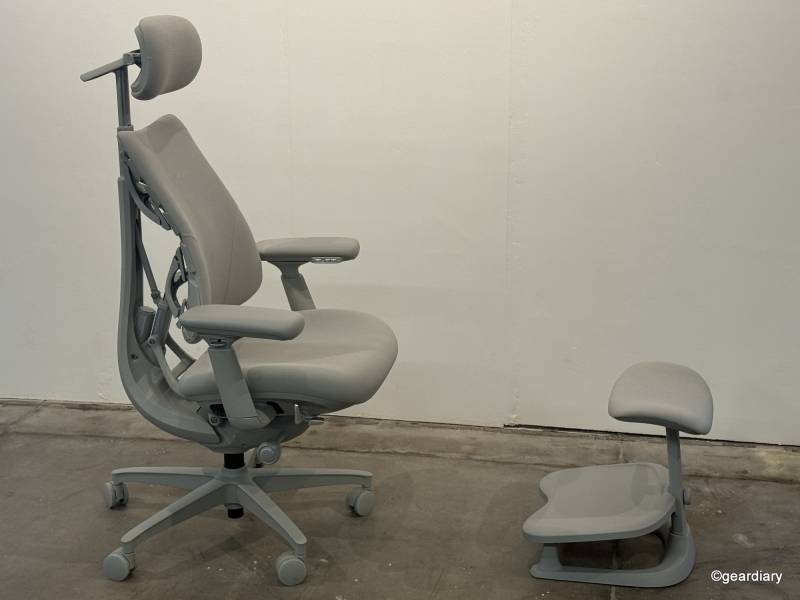
Out of the box, the LiberNovo Omni embodies everything you’d expect from a premium chair: it has a solid frame on rollers, a motorized control system, an adjustable headrest, and 4D armrests.
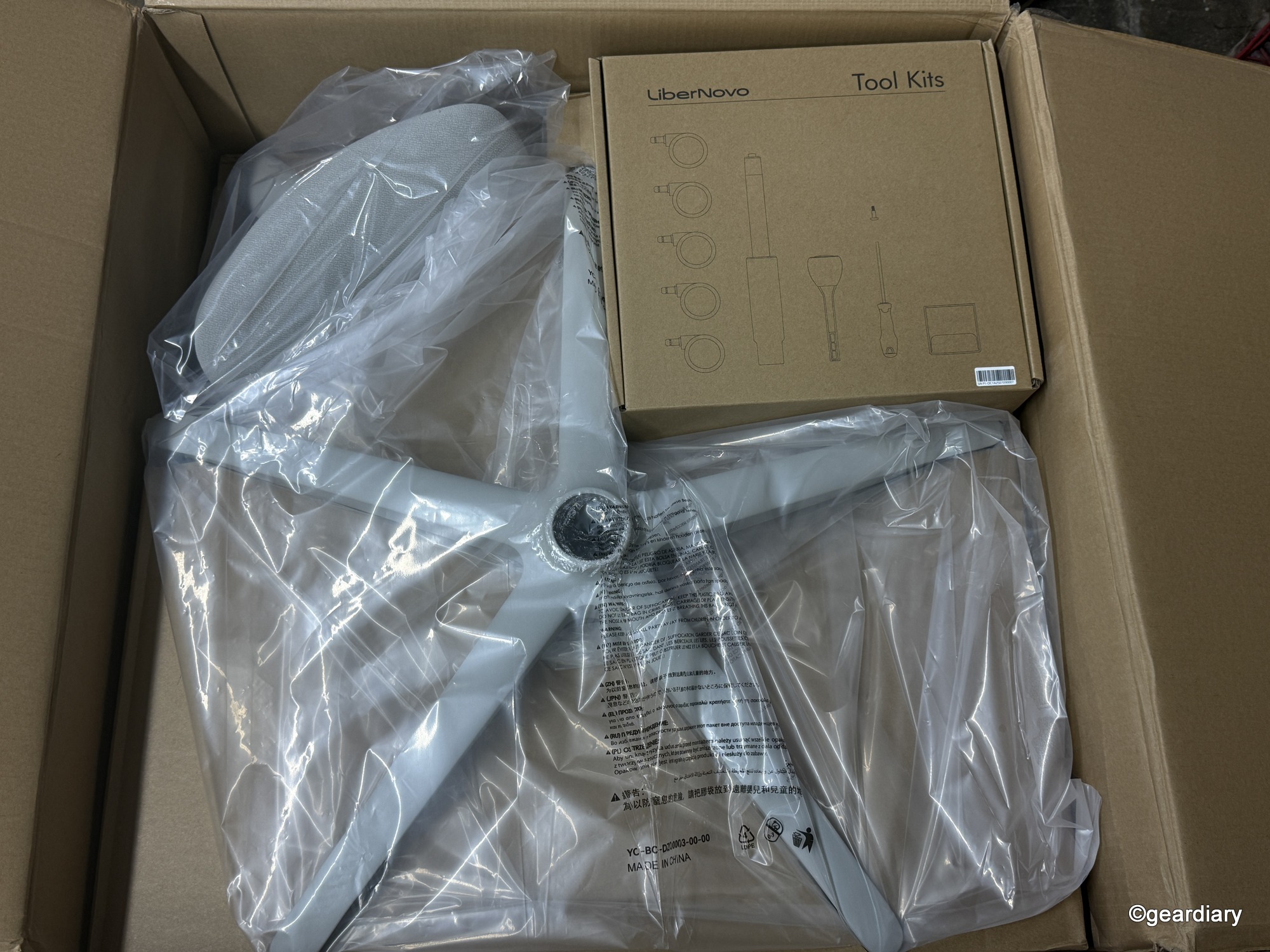
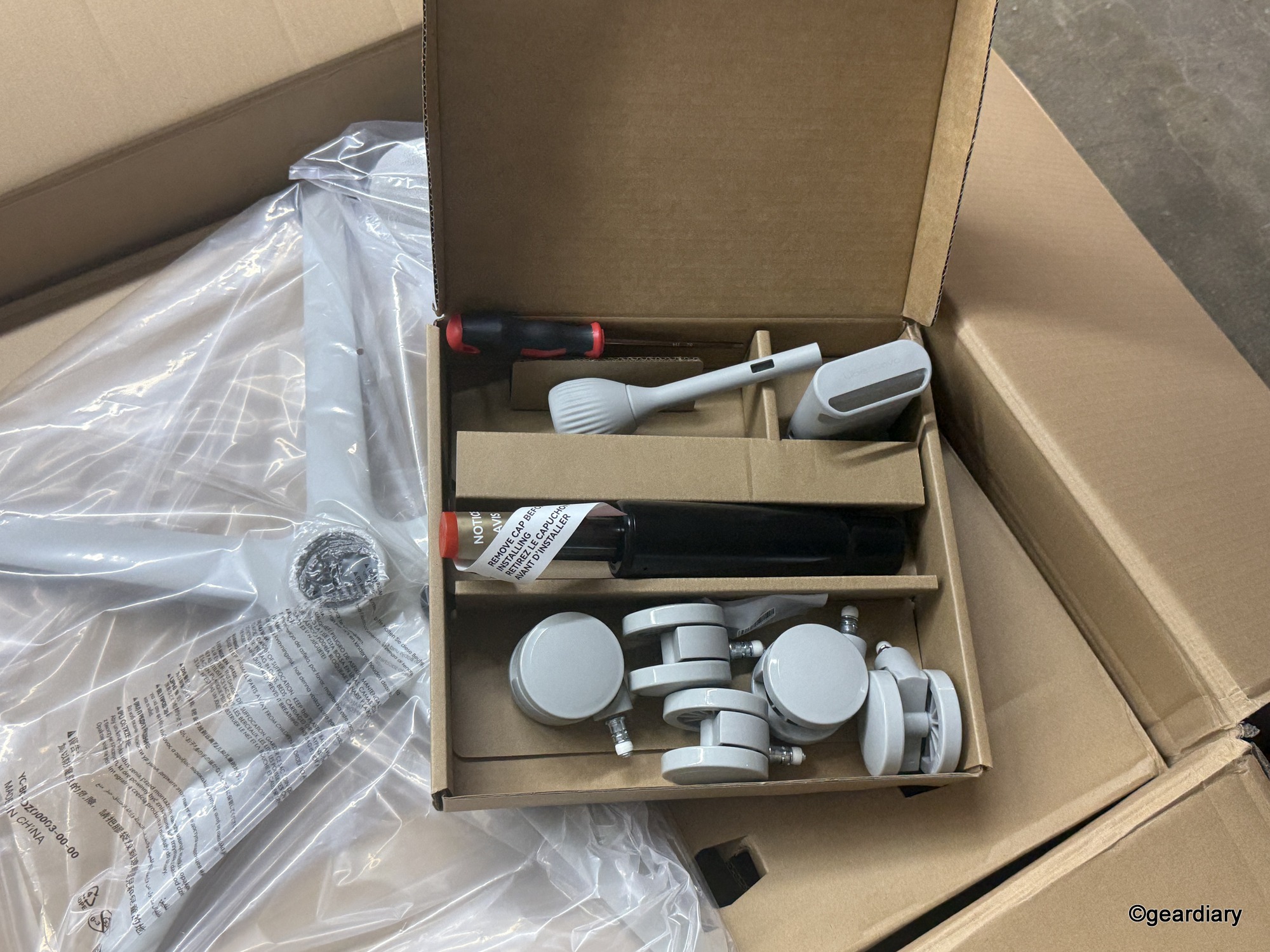
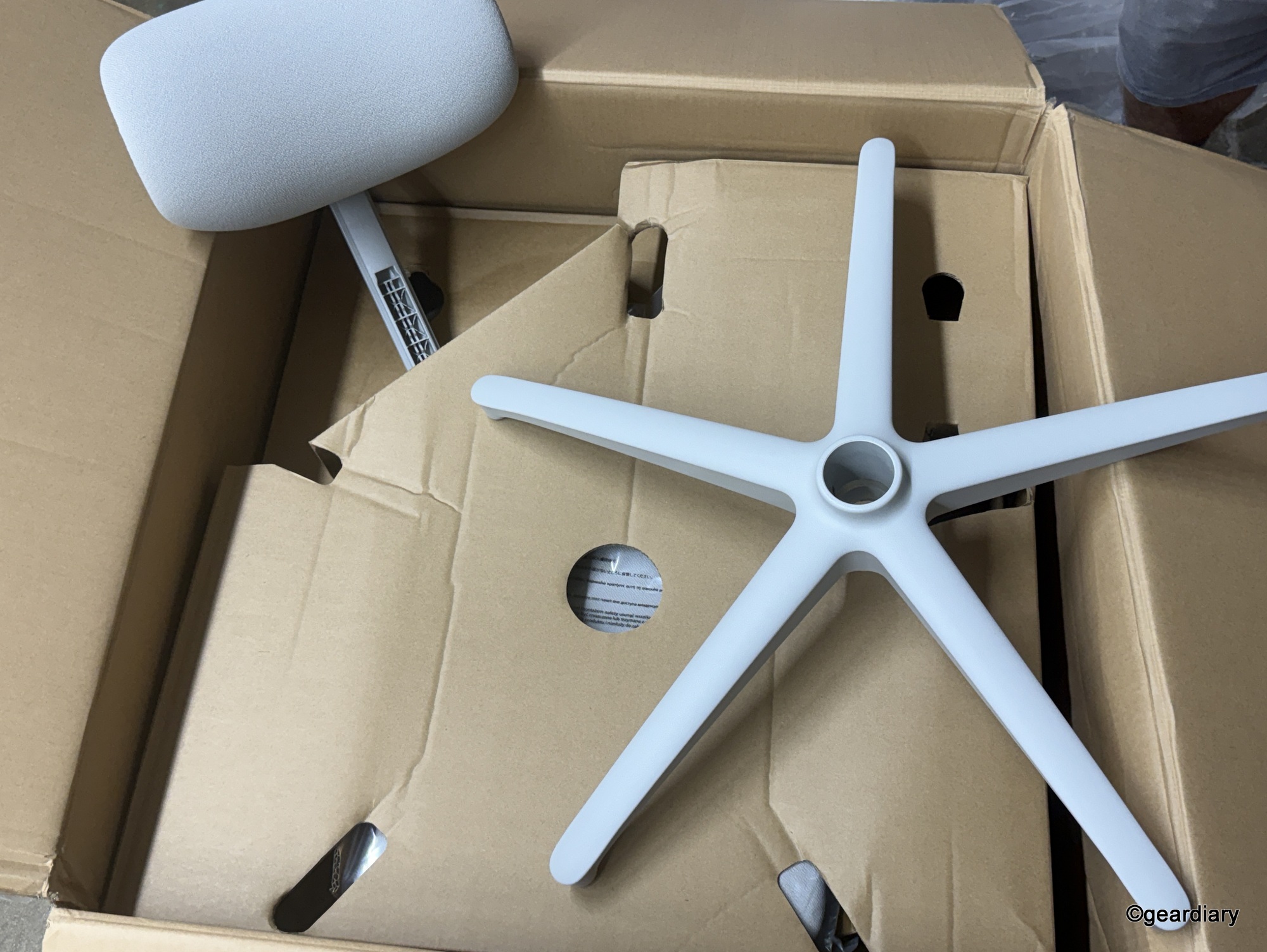
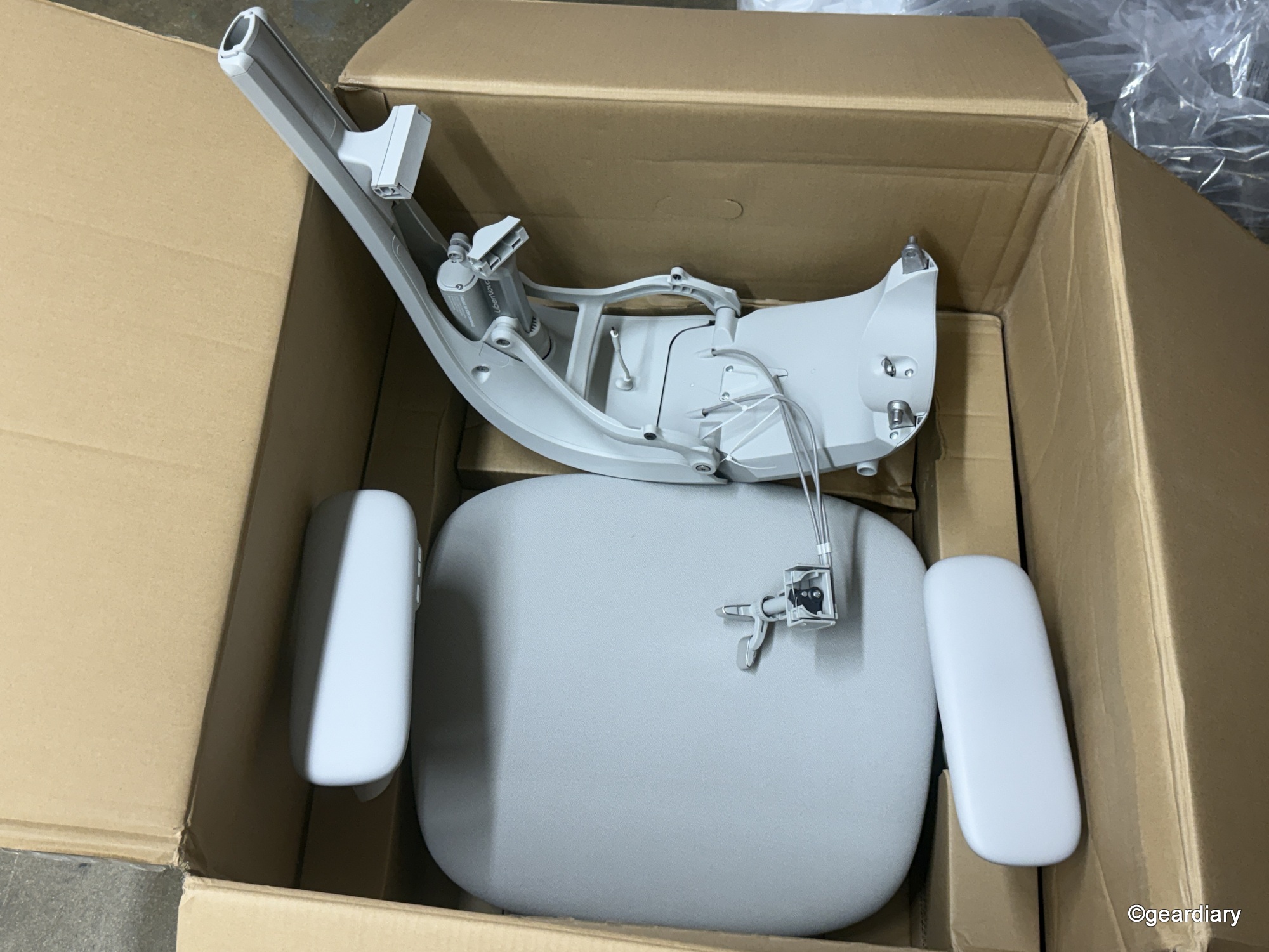
For a chair with sixty moving joints and a motorized brain, the packaging is surprisingly compact. Assembly takes about 15–20 minutes, and it’s refreshingly straightforward: slot the parts together, tighten a few bolts, plug it in, and you’re done—no intimidating wiring, no online forums required, no swearing at mystery screws.
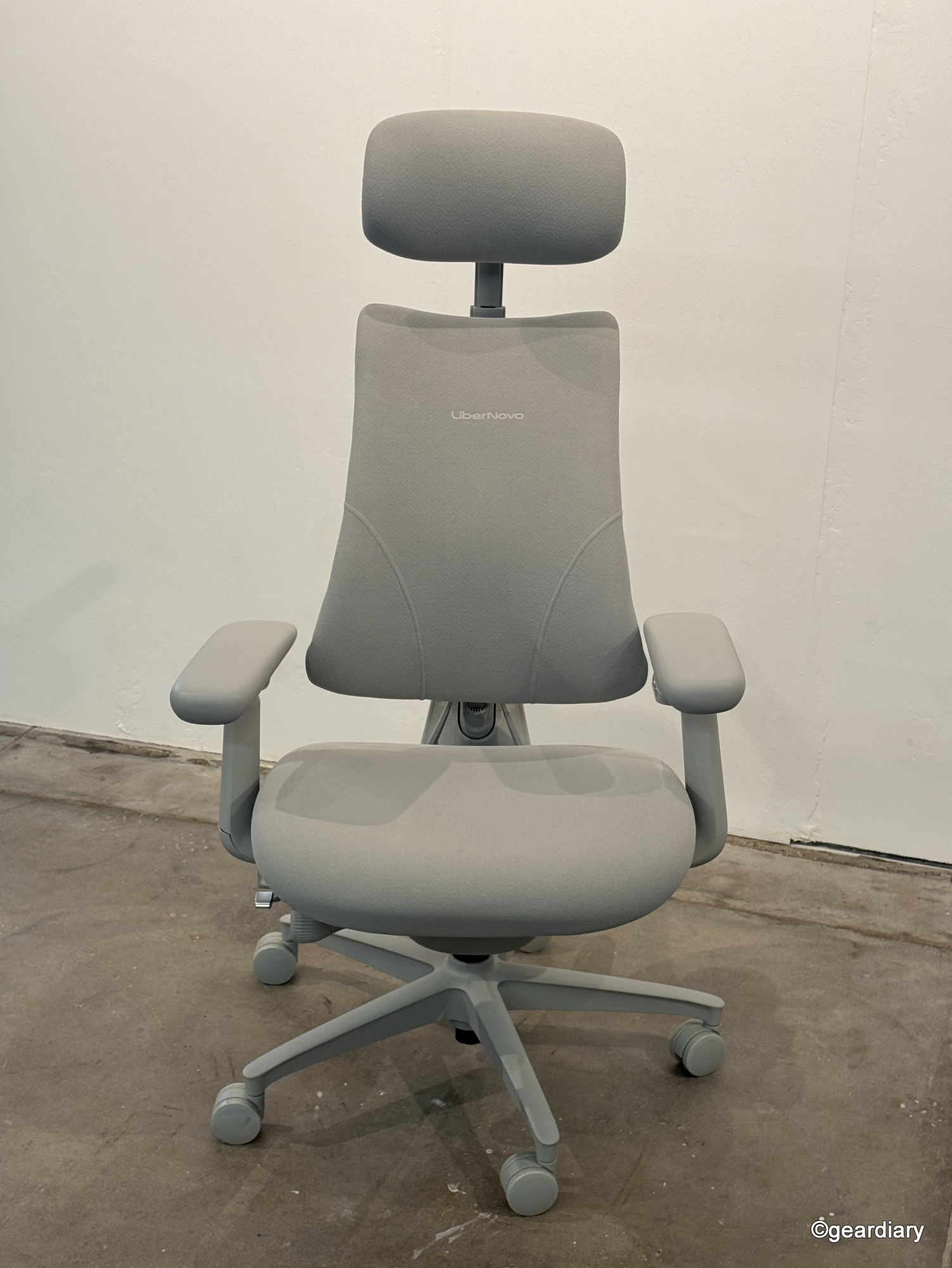
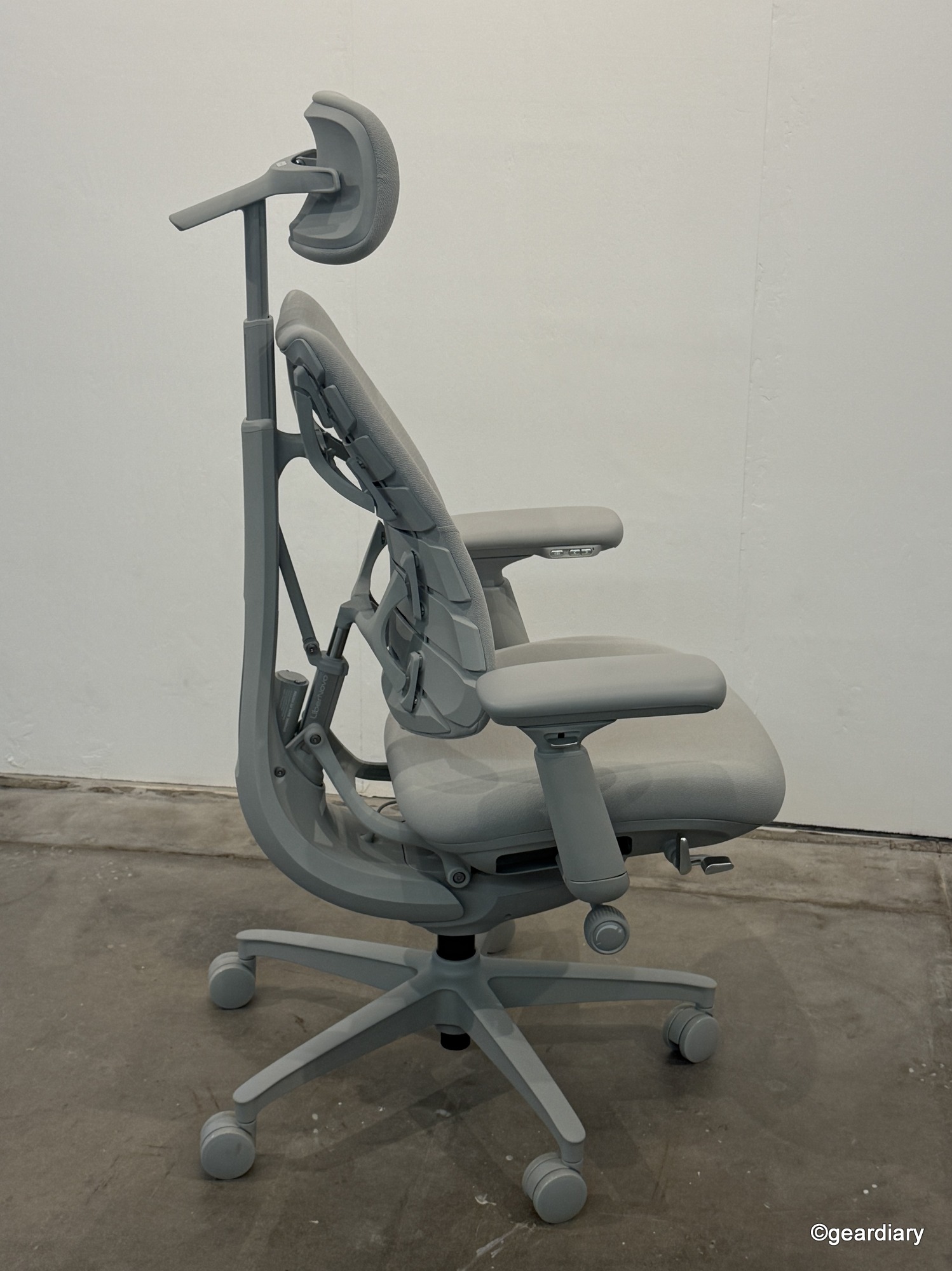
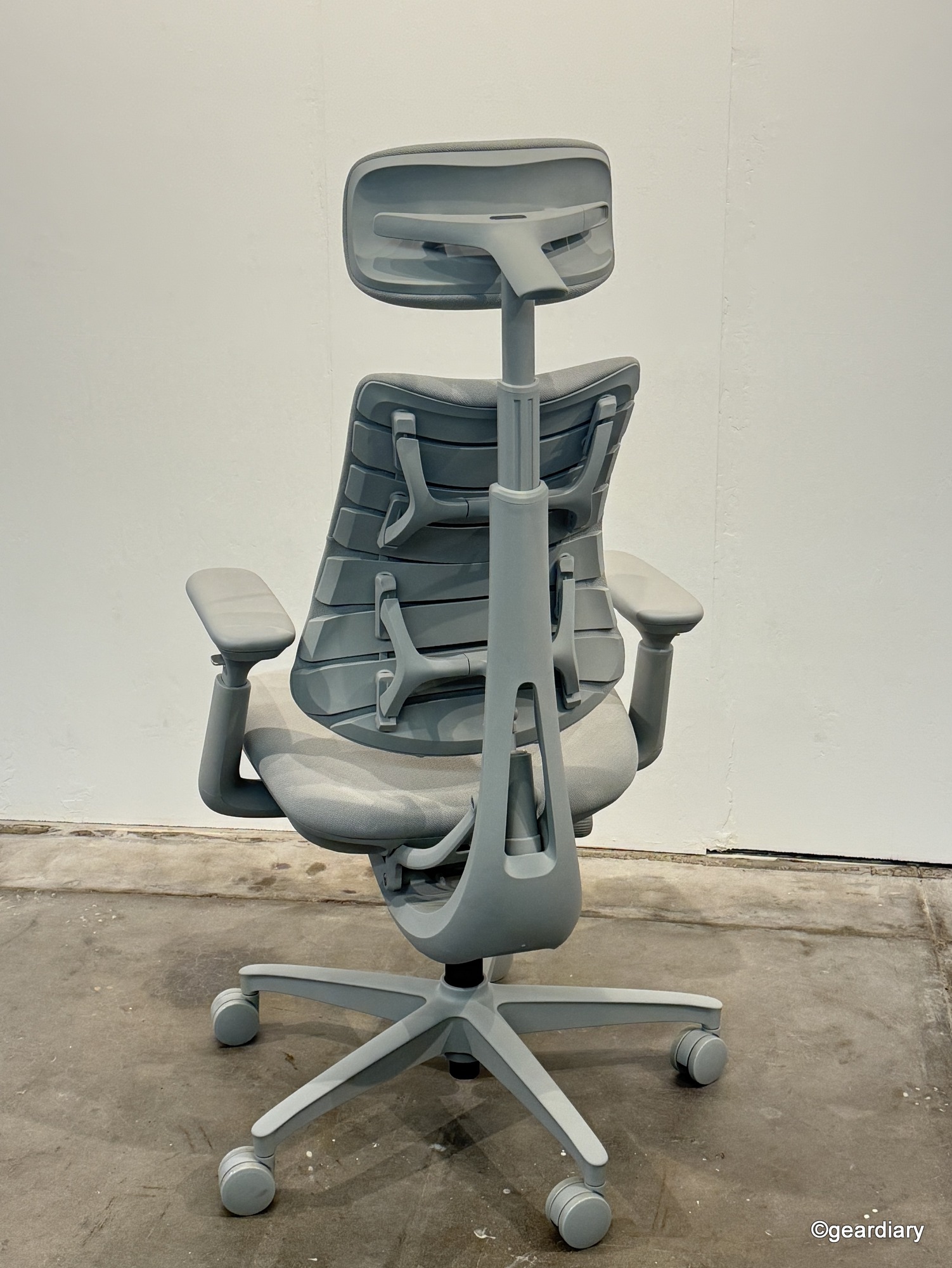
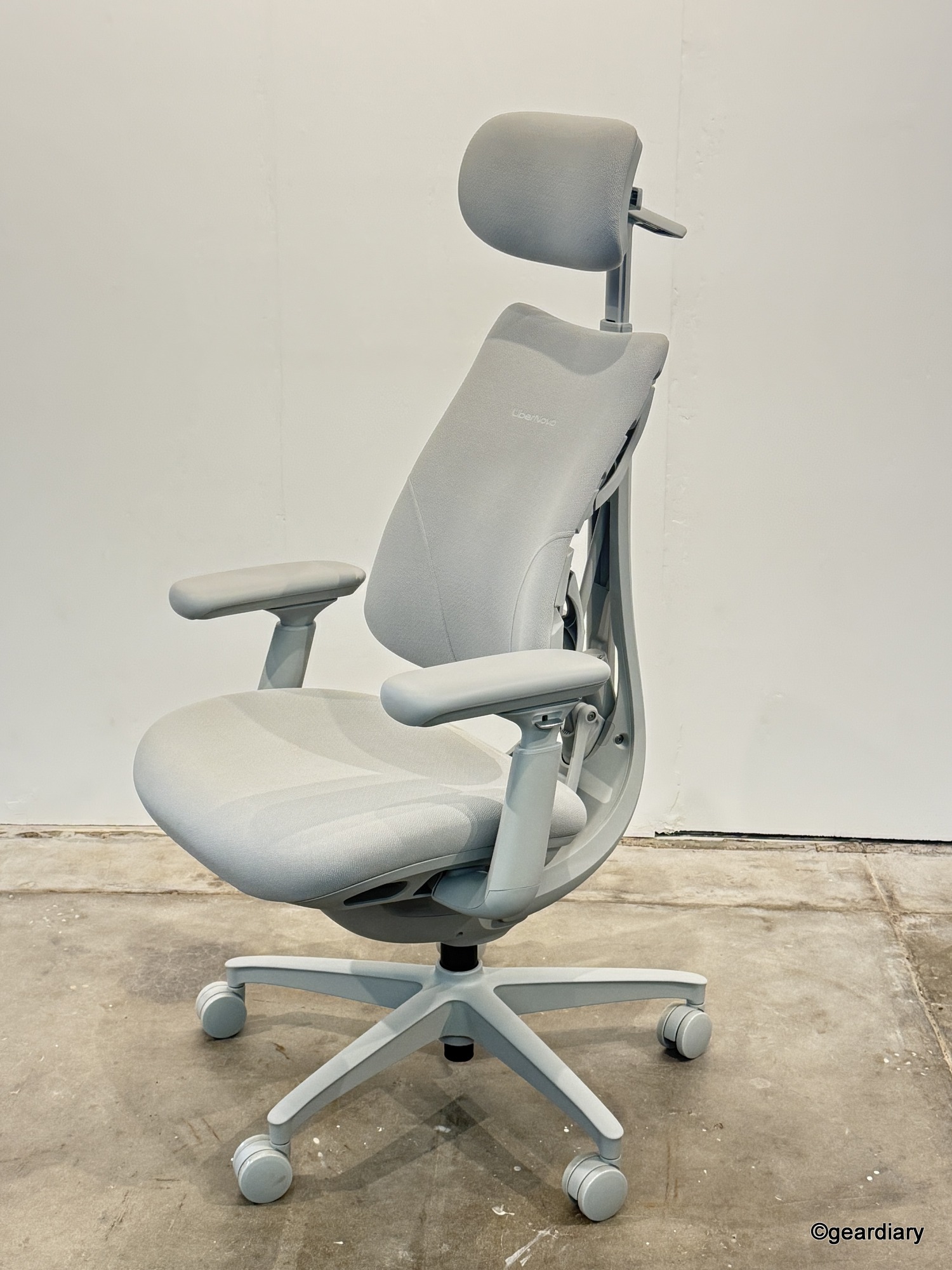
Everything feels premium as you assemble it; my husband, Kev, was impressed by how easily it all went together. The frame is solid, the casters roll silently over hard floors and carpet, and the mesh panels feel durable without being rigid. Even before you sit in it, the Omni gives off the impression of a well-engineered piece of furniture, not a gimmick wrapped in tech.
Design and Build Quality: Modern, but Not Distracting
The LiberNovo Omni is sleek without being flashy. It doesn’t scream “gamer chair” or look like it belongs in a corporate boardroom, so it fits equally well in a home office or a creative studio. Its reinforced frame feels solid, the mesh back keeps air flowing even after hours, and the multi-density cushion keeps its shape instead of collapsing by lunch.
The backrest is the star here. The Bionic FlexFit Backrest uses eight adaptive panels and sixteen pivot points that flex and move with your spine. Sit upright during a video call, and it will support you. Lean back after a deadline sprint, and the support shifts to match you, with no manual tinkering required.
LiberNovo also features a three-layer construction for the backrest: a soft, shirt-friendly surface, a pressure-relieving sponge layer, and a rigid aerospace-grade frame for added structure. It feels plush without being floppy.
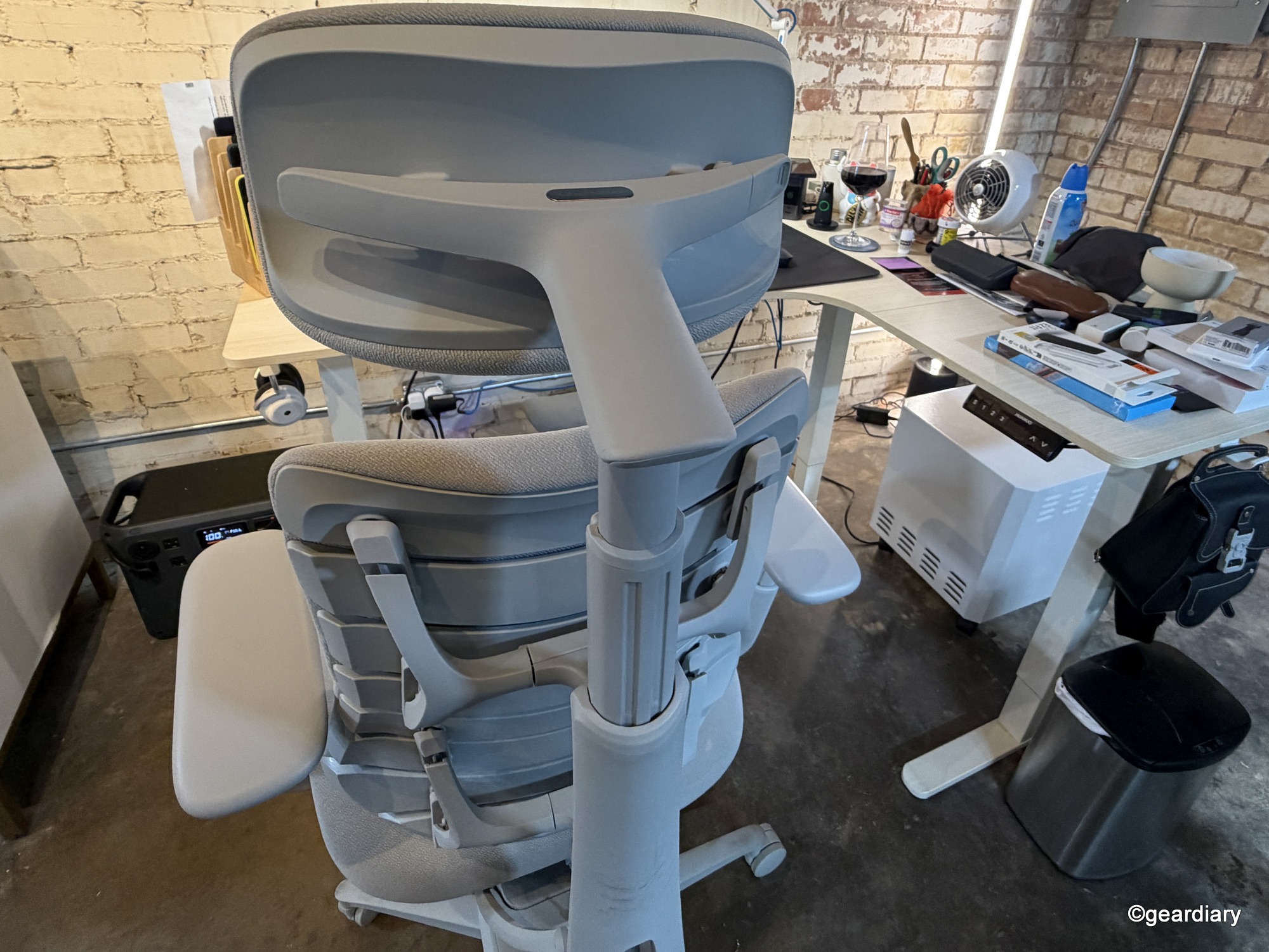
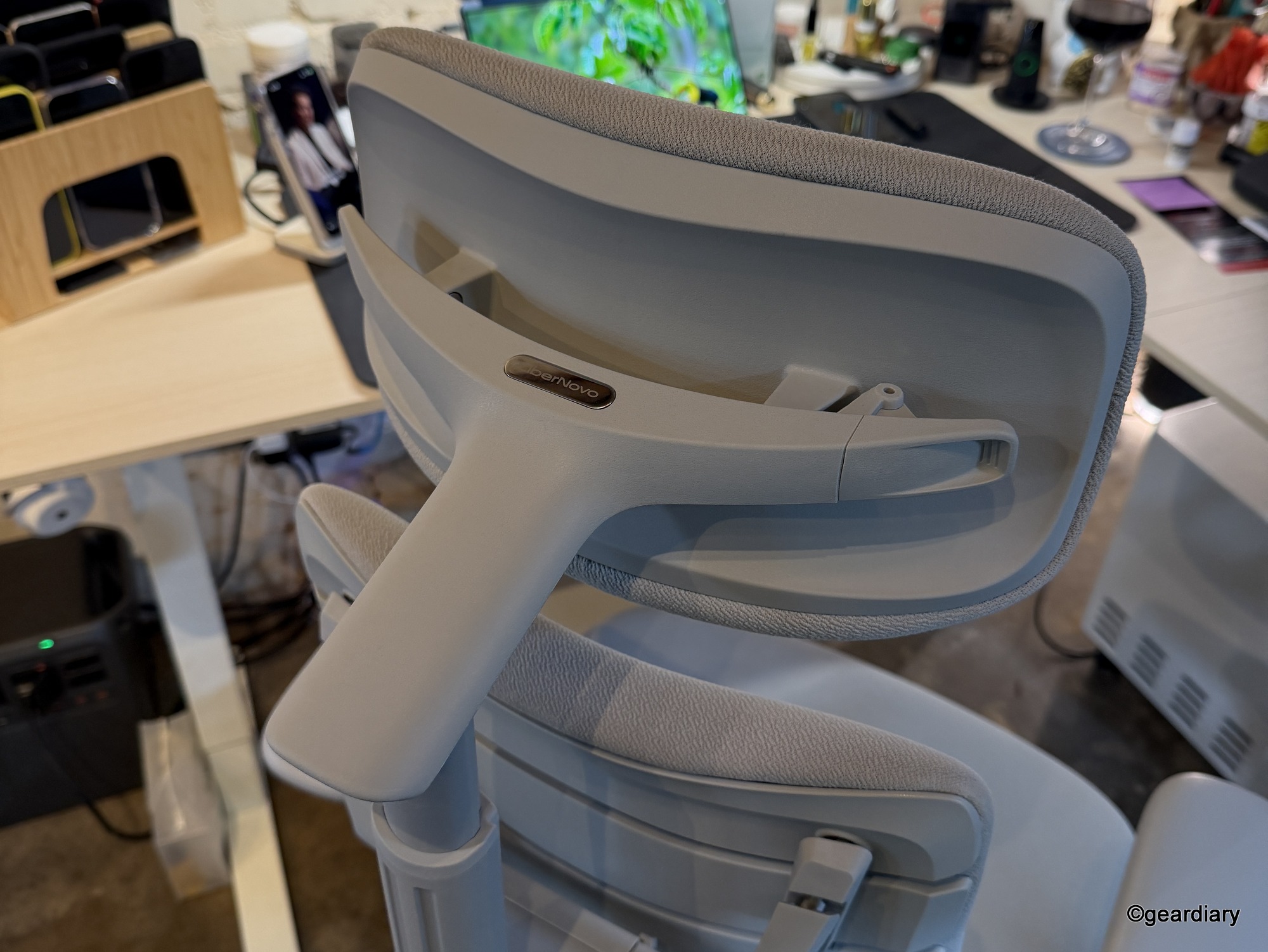
The headrest is equally thoughtful, with over five inches of height adjustment, plus depth and tilt options that keep your neck supported rather than shoved forward at odd angles. And thanks to the SyncroLink system, it reclines in harmony with the backrest, so your head stays aligned instead of bobbing awkwardly.
Altogether, the Omni’s design feels modern but approachable; it’s a chair that looks good without shouting about it and performs like it was built for actual humans, not just showroom floors.
Sitting in It: This Is Where It Gets Interesting
The first time you sit in the LiberNovo Omni, it feels almost alive. The ErgoPulse Motor System quietly senses your weight and posture, adjusting lumbar support, seat depth (up to 4″), and backrest angle to keep you aligned. If that feels a little too sentient, you can take over with fingertip controls to fine-tune things manually.
The Omni’s four recline modes cater to different types of sitting: Deep Focus Mode (105°) tilts you slightly, making it perfect for hardcore data entry and keying. Solo-Work Mode (120°) opens your spine up just enough to stay comfortable during long sessions without encouraging a slump. Soft Recline Mode (135°) is ideal for reading, watching videos, or gaming. And then there’s Spine Flow Mode (160°), which is practically zero-gravity and designed for full decompression when you need to reset.
-

- Deep Focus: 105-degrees

-

- Solo-Work: 120-degrees

-
- Soft Recline:135-degrees

-
- Spine Flow: 160-degrees
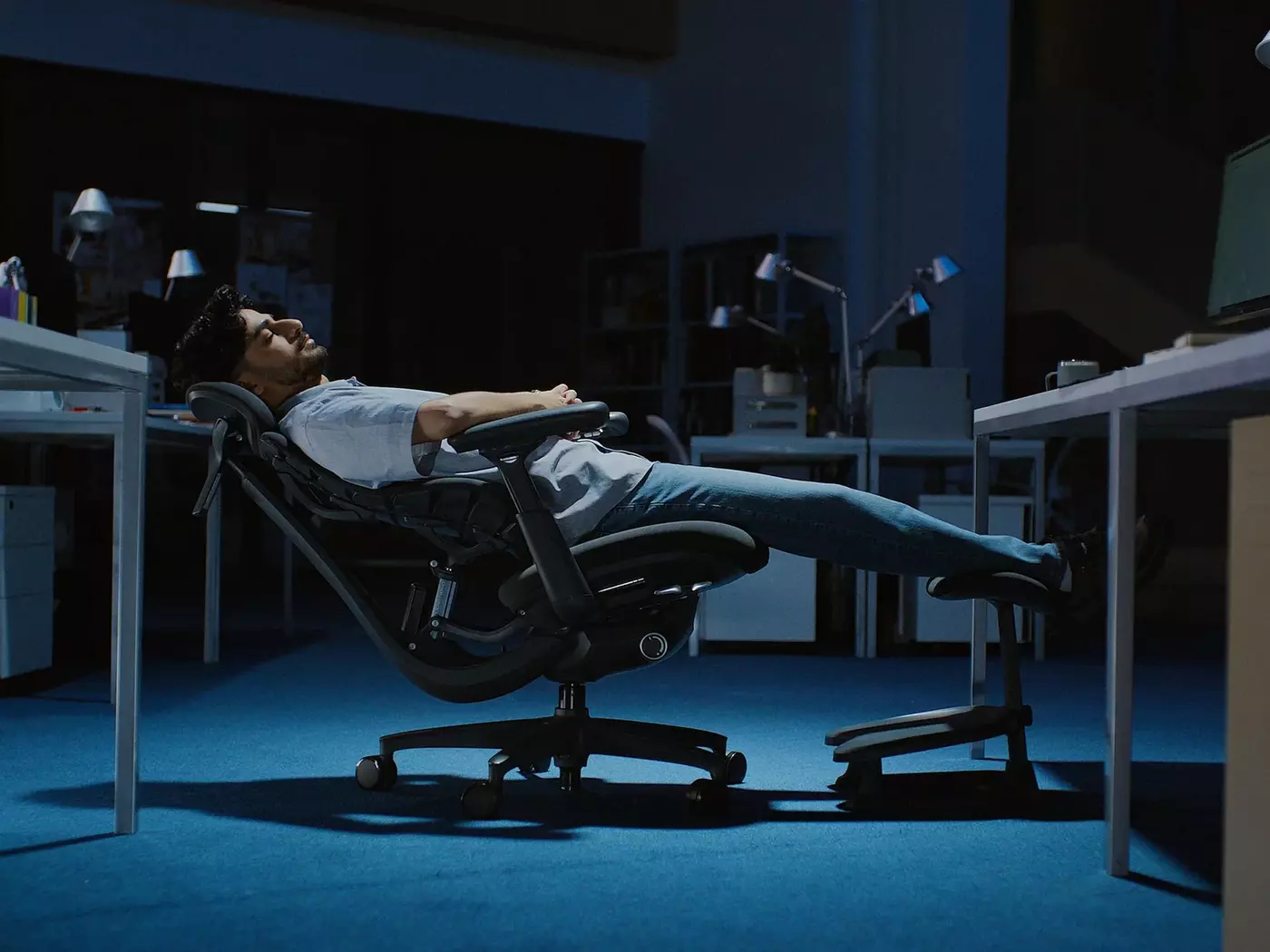
For extra credit, the Omni offers OmniStretch Mode, a five-minute motor-driven movement that gently shifts your spine up to two inches, mimicking a yoga-like cat-cow stretch. It feels slightly odd the first time, like the chair is reminding you to stop sitting like a pretzel, but after a long day of calls or deadlines, it’s addictive.
This is where the Omni distinguishes itself from traditional ergonomic chairs. Instead of making you stop and manually adjust your seat every time your posture changes (although you can!), it anticipates what your body needs and quietly does the work for you.
Everyday Use: Comfort Beyond the First Hour
Plenty of chairs feel good for the first thirty minutes, but the real test comes at 4 p.m. when you’re hunched over “just one more” spreadsheet. This is where the LiberNovo Omni proves its worth. The multi-density seat cushion is firm where it needs to be, softer at the front to promote blood flow, and breathable enough to prevent the sticky, overheated feeling that often occurs by midday. After a full eight-hour workday, I don’t feel the usual hip or lower-back fatigue that usually sends me wandering around the house looking for excuses to stretch.
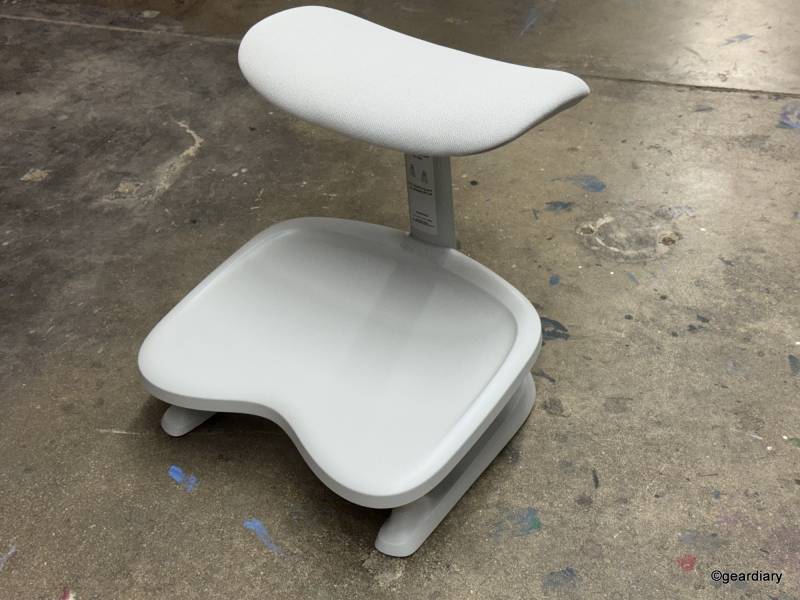
The footrest is an unexpectedly great feature. With two height settings and a slight forward tilt, it keeps your legs supported and improves circulation; it’s one of those details you never think about until you try it and then miss it on every other chair.
For those who run warm (or live in places where summer feels like a personal attack), the optional Cooling Cushion is worth considering. It uses thermally conductive materials to pull heat away from your body and attaches easily, even to non-Omni chairs. During the presale period, you can get it for just $59, 25% off its $79 retail price.
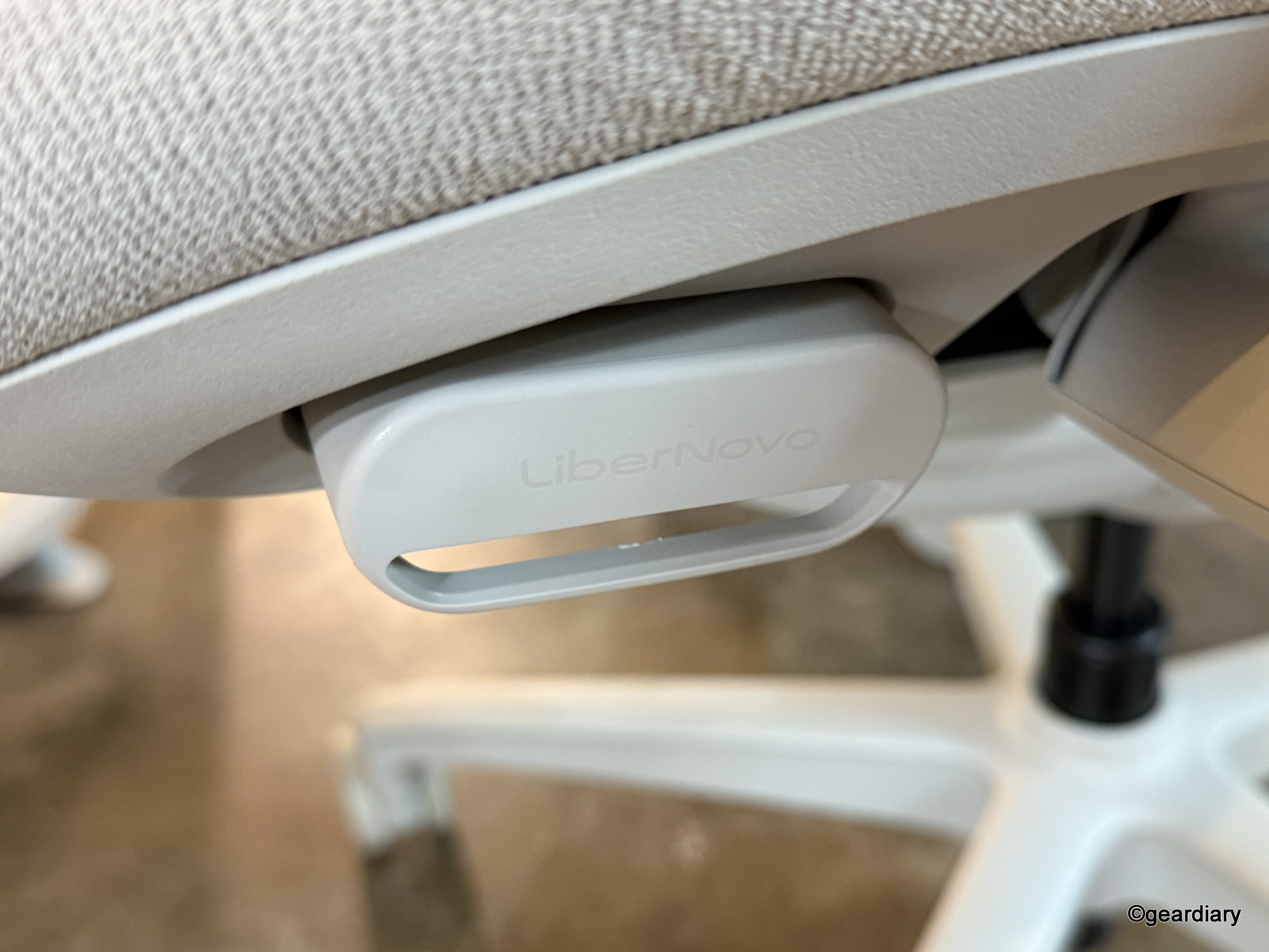
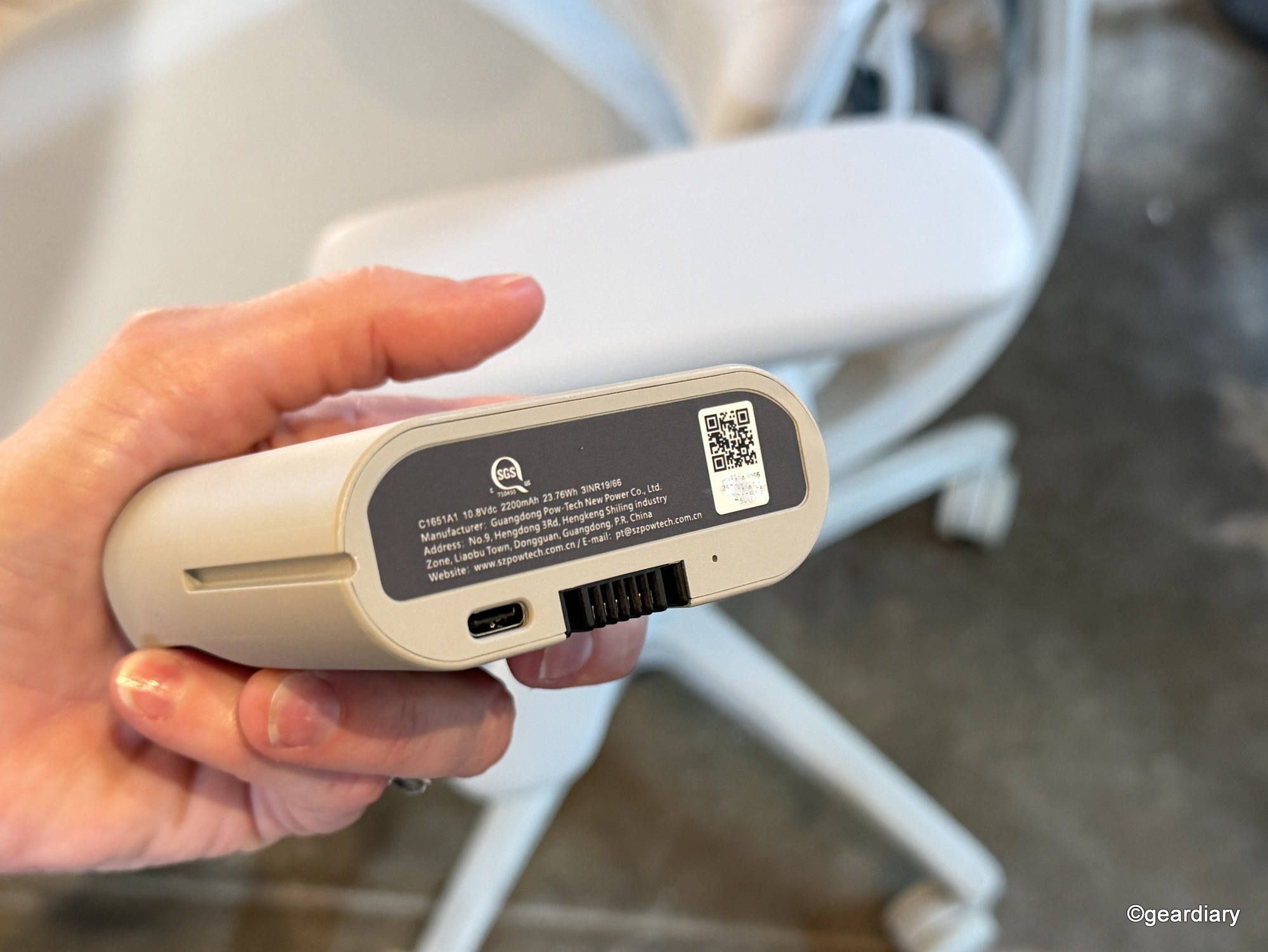
Battery life is another win. The removable and rechargeable 2200mAh battery (it plugs into a port under the left armrest) lasts up to a month with daily spinal stretches or nearly a year if you only use the motor adjustments occasionally. A quick overnight charge is enough to keep everything running, which makes it easy to forget the chair even has a battery until you need it.
How It Stacks Up: Omni vs. Gesture vs. Embody
When you’re dropping over a thousand dollars on a chair, you’re not just buying a place to sit — you’re buying the right to demand fewer backaches, better posture, and maybe a smug sense of superiority every time you see a $99 “ergonomic” chair at the office supply store. The Steelcase Gesture and Herman Miller Embody are the reigning champs in this category, and for good reason. But LiberNovo’s Omni is gunning for them — and it has a motorized trick up its sleeve.
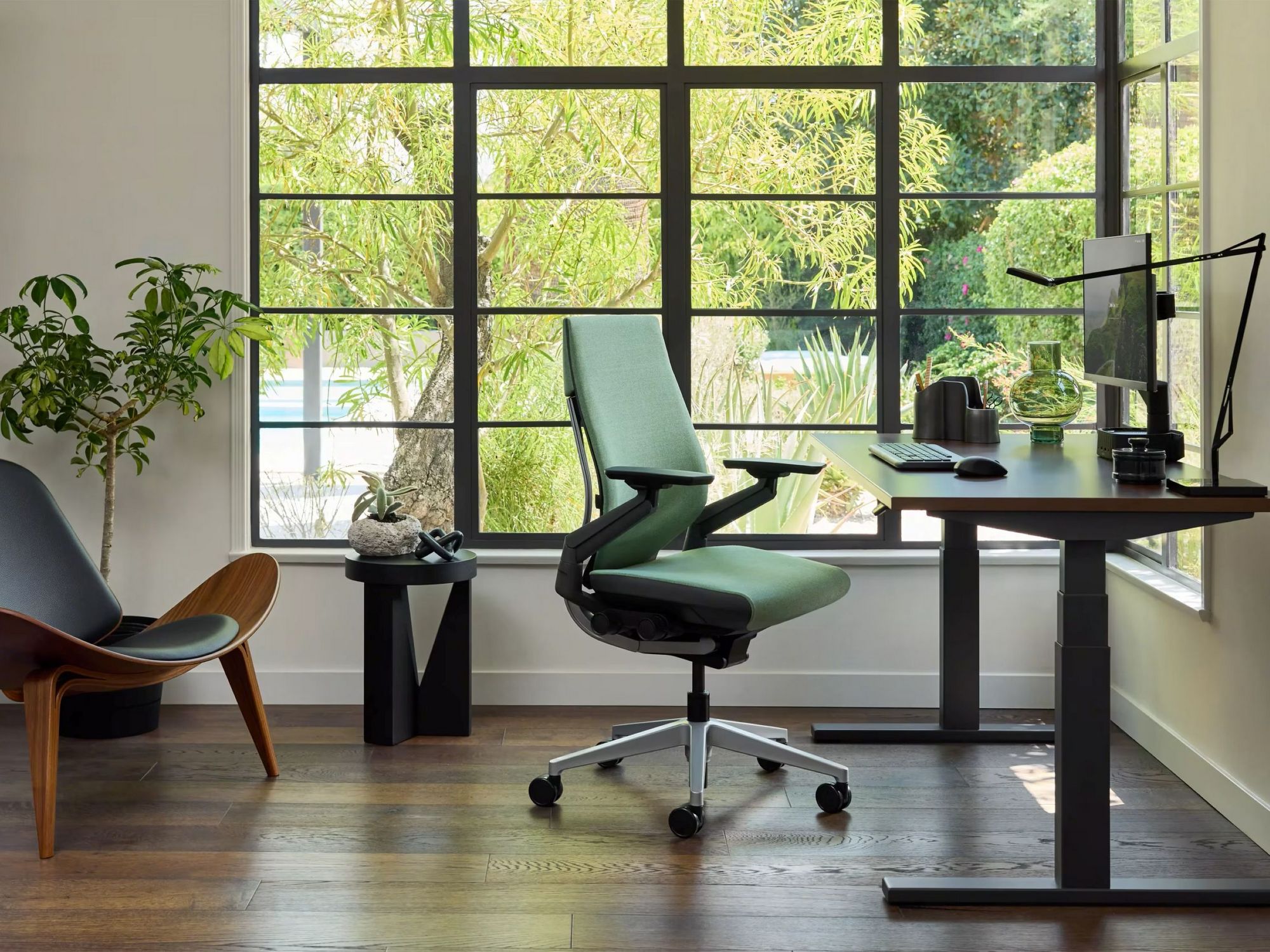
Let’s start with the Steelcase Gesture, which has been the ergonomic darling for years. Starting at $1,499 (before you add the optional headrest), it’s built like a tank and supports up to 400 pounds. Its 3D LiveBack system mimics your spine’s natural curve, and the 360° armrests might be the best in the business — they move up, down, in, out, and pivot to keep up whether you’re typing, sketching, or doomscrolling.
-
- Steelcase Gesture
-
- Steelcase Gesture
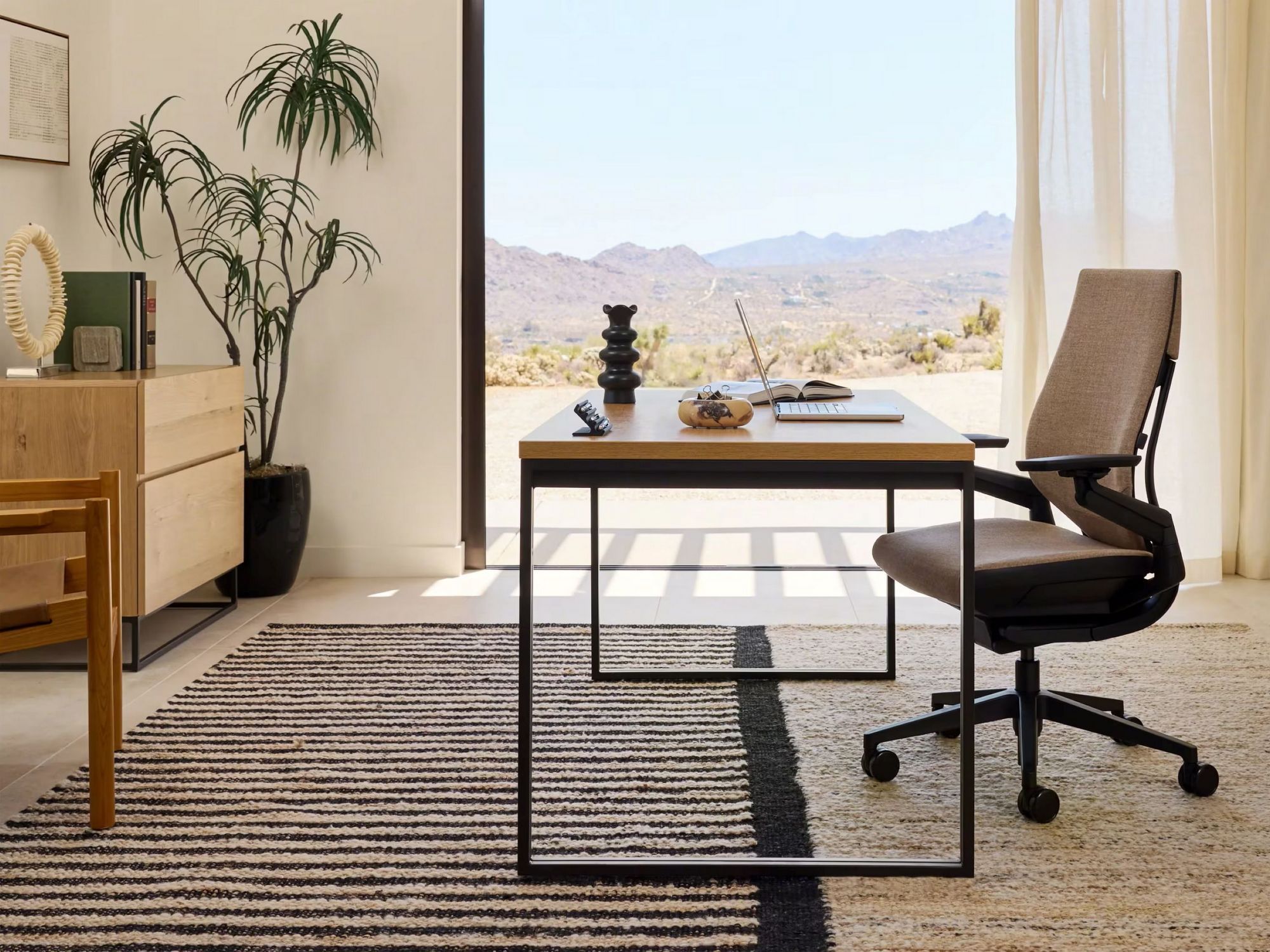
Once you’ve dialed the Gesture in, it’s rock solid. But that’s also the drawback: it stays exactly where you left it. If you change positions, you’ll be reaching for knobs and levers again. Gesture is a “set it and forget it” chair, which is great if that’s what you want, but it will never move dynamically with you.
Then there’s the Herman Miller Embody, starting at a wallet-thinning $1,995. It’s arguably the gold standard for pressure distribution and micro-movement support. Its pixelated backrest and four-layer seat flex with even the smallest shift in your body, encouraging healthy movement while keeping you aligned.
-
- Herman Miller Embody

-
- Herman Miller Embody
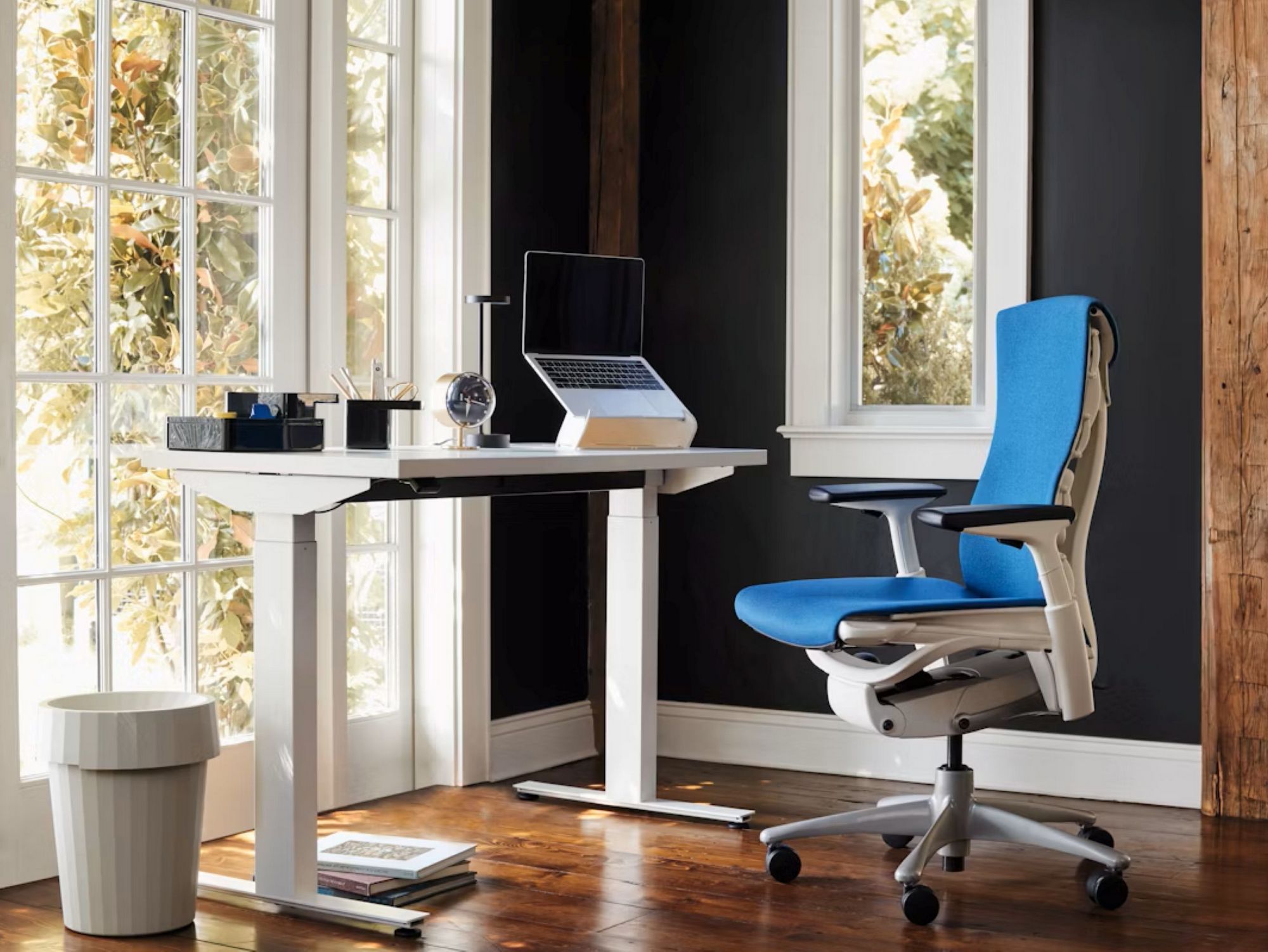
The Embody is breathable, eco-friendly (made with 42% recycled materials and 95% recyclable components), and comes fully assembled. But again, it’s a static experience — you manually fine-tune everything, and then the chair politely stays where you put it.
This is where the LiberNovo Omni muscles into the conversation. At $1,099, it undercuts both Gesture and Embody by several hundred dollars while adding features they simply don’t have. Its Dynamic Support System doesn’t wait for you to reach for a lever — it reacts in real time. Lean forward, and the lumbar support engages automatically. Recline, and the SyncroLink system shifts the seat, backrest, headrest, and even the armrests together so nothing fights you. It’s like Gesture and Embody had a smarter, slightly techier younger cousin who actually listens when you move.
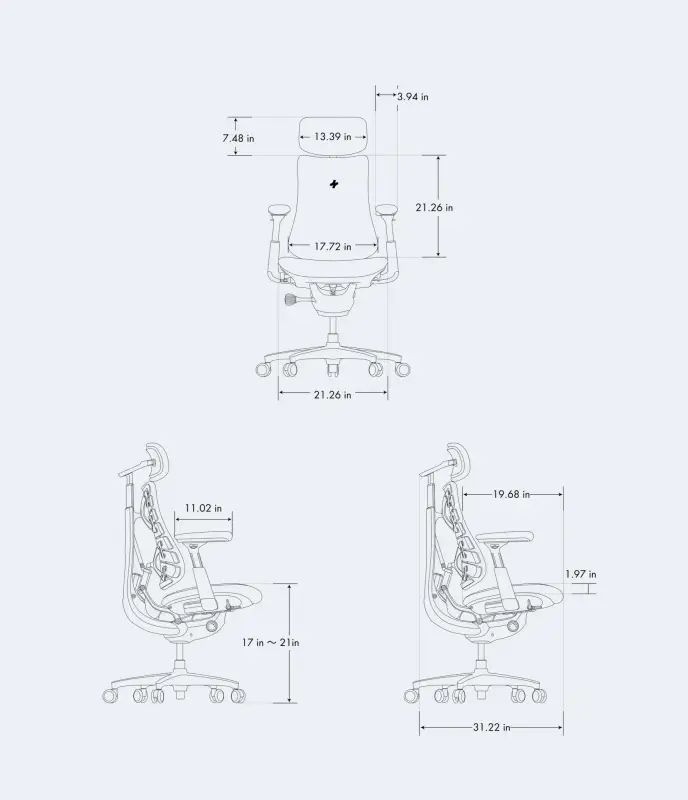
LiberNovo Omni Dimensions
The Omni also goes further with its 160° Spine Flow mode (neither Gesture nor Embody recline nearly that far), and its OmniStretch mode — a five-minute motor-driven spinal stretch that feels like a mini yoga session. Its included headrest is another win, offering over five inches of height adjustment, tilt, and depth tuning. It reclines more slowly than the backrest, so your neck stays aligned instead of jutting forward.
Of course, no chair is perfect. The Omni supports up to 300 pounds (Gesture has a 400-pound capacity), and its five-year frame warranty (two years on electronics) falls short of the industry-leading 12-year coverage offered by Herman Miller and Steelcase. If you find the idea of your chair making micro-adjustments while you sit unnerving, the Omni’s constant attentiveness may feel like too much.
But if you’ve ever felt like your current chair is working against you, the Omni feels like a revelation. It doesn’t just sit there; it participates. It’s a chair that pays attention — and it does so for hundreds of dollars less than the competition.
Should You Buy It?
The LiberNovo Omni is like a co-pilot for your spine. If you spend eight (or let’s be honest, ten) hours a day sitting, it feels less like a splurge and more like insurance against future chiropractic bills. At $1,099, it’s firmly in premium territory, but you’re paying for a seat that doesn’t just hold you — it actively adjusts, stretches, and encourages you to sit better.
That said, you have to want a chair that thinks. If you’re the type who prefers to lock in one position and never touch a setting again, you might find the Omni’s micro-adjustments a little too attentive, like that coworker who hovers just a bit too close. But if you’re constantly fidgeting, shifting, or ending the day with an aching back, the Omni might be exactly the intervention you need.
The downsides are few but worth mentioning: the five-year frame warranty and two-year electronics coverage don’t match the 12-year commitments from Herman Miller and Steelcase, and the constant movement could feel weird or annoying for those who like static seating.
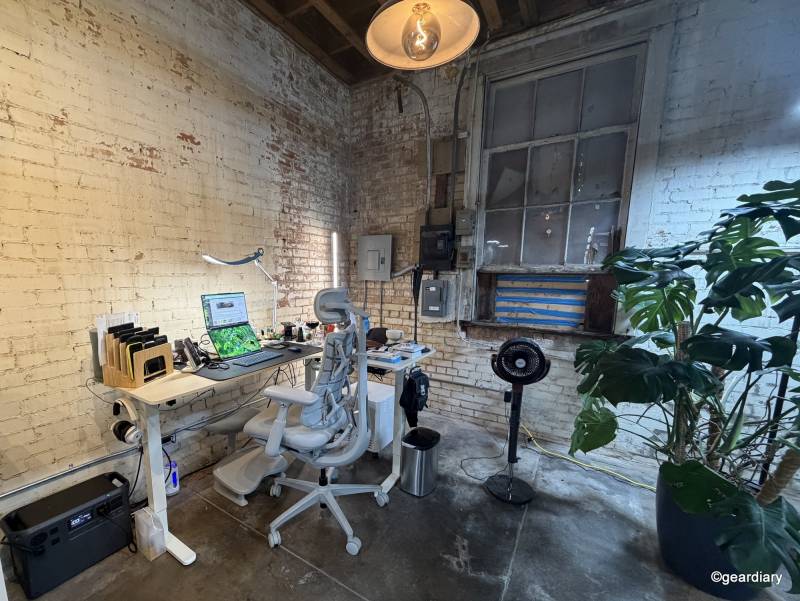
For everyone else? This feels like a next-generation chair that quietly (and literally) has your back. After a week of using it, I noticed fewer mid-day “I need to lie on the floor” moments — and OmniStretch mode with the chair leaned all the way back and with my feet on the footrest has become a 3 p.m. ritual.
While the LiberNovo Omni won’t make your inbox any smaller or your deadlines less terrifying, it will keep you sitting in a way that doesn’t leave you creaking like a haunted house by 5 p.m. If you prefer your chairs to be quiet and obedient, look elsewhere. But if you want one that notices when you slouch, stretches your spine, and politely nudges you back into alignment, the Omni earns its keep. Your chiropractor might not appreciate it, but your future back will thank you.
If you get in on the Omni presale, which starts tonight and runs through 7:00 p.m. PDT on October 20th, you can score a solid discount and some extras, including an eye mask, an eco-bag, a cat-scratch-resistant mat, and a footrest. The LiberNovo Omni will retail for $1,099, but during the presale, it will be priced at $848. New customers also get a limited additional 5% discount, bringing the presale price down to $806.
The LiberNovo Omni retails for $1099 and includes free shipping from a US warehouse; it is available directly from the manufacturer.
Source: Manufacturer-supplied review sample
What I Like: Dynamic Support System keeps you aligned without fiddling with knobs; OmniStretch mode is surprisingly effective after long work sessions; Premium build, silent casters, and comfortable multi-density cushion; An optional Cooling Cushion is a nice touch for hot climates
What Needs Improvement: A five-year warranty is short for this price bracket; Lower weight capacity than Steelcase Gesture; Constant micro-adjustments may not be for everyone; The armrests can’t be locked in position, and they will move with your elbows




Be the first to comment on "LiberNovo Omni Dynamic Ergonomic Chair Review: The Chair That Refuses to Let You Sit Still (In a Good Way)"