
The Lowdown
If the soles were sealed so that debris and moisture couldn’t enter the lower structure, these 3D-printed shoes would be much easier to recommend. As they are now, they feel more like stylish experimental house shoes than versatile everyday footwear.
Overall
Pros
- Very lightweight
- Unique look/style
- Comfortable enough for indoor wear
Cons
- Size runs larger than expected
- Airpuff One did not stay on well enough for climbing stairs
- Aero Pro lacks meaningful arch support
- Open sole structure makes outdoor use impractical
- Pricing feels high for footwear that works best indoors
3D-printed products are all over the place, but 3D-printed shoes still feel a little futuristic to me. PollyFab sent over two styles for me to try: the Aero Pro and the Airpuff One. After wearing both pairs around the house, on hardwood floors, on stairs, and even on a treadmill, it became clear that these 3D-printed shoes are definitely unique. But they also come with some real limitations.
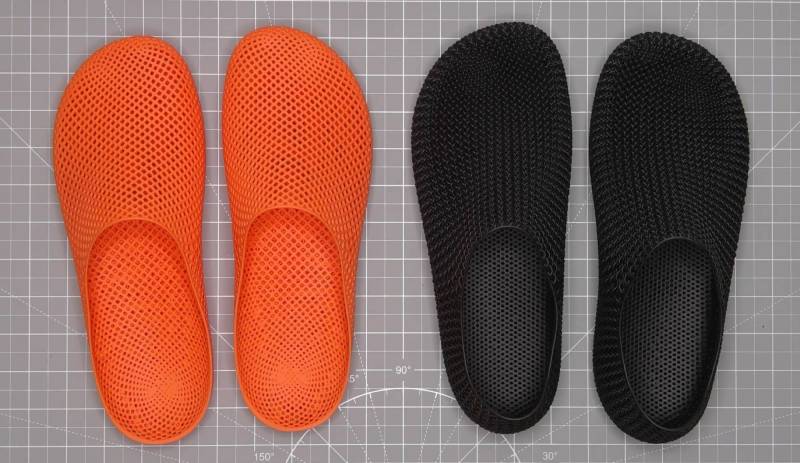
If you’re curious whether 3D-printed shoes are ready to replace everyday sneakers, slippers, or casual footwear, here’s a closer look at how these two PollyFab models are built, how they fit, and where they make sense.
What Are They?
The PollyFab Airpuff One and Aero Pro are 3D-printed shoes are made from a soft, flexible material with an airy open structure. The company describes them as lightweight, breathable, quick-drying, and cushioned. PollyFab calls this material USDA-certified bio-based, which sounds a little wacky. Bio-based? Hmmmm.
One pair is a backless slip-on mule style (Airpuff One), while the other is shaped more like a full shoe (Aero Pro).
Not Your Ordinary Shoes
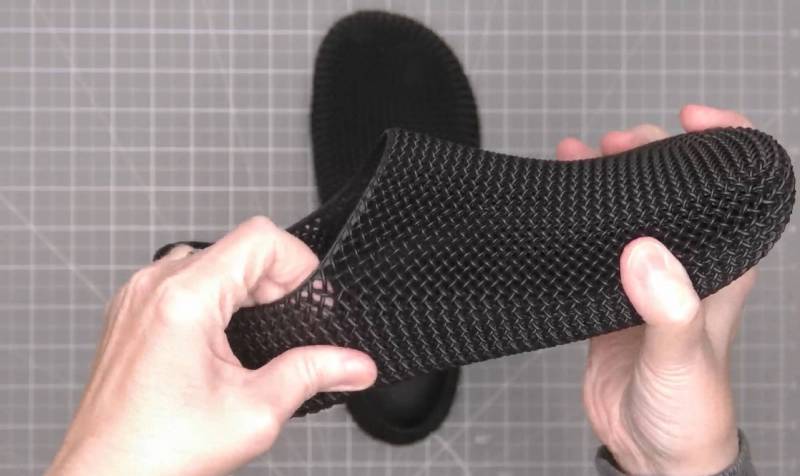
The first thing that stands out is that these 3D-printed shoes do not look or feel like traditional fabric or leather footwear. The material is soft and springy, more like a pliable plastic lattice than a woven upper.
The two models also have noticeably different surface patterns:
- Aero Pro has a denser texture that gives it a woven look.
- Airpuff One uses a more open-grid pattern and has a mule-like shape, similar to a slide or slipper.
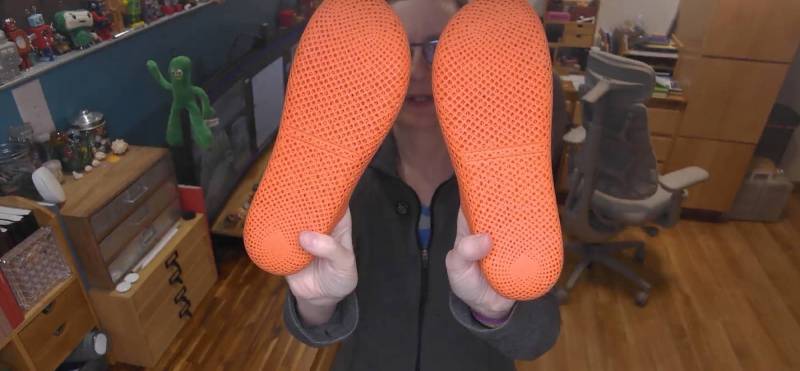
Both have thick, cushy soles, but neither has the structure of a conventional sneaker. So while the Aero Pro was labeled as a sneaker on the box, that seems a bit generous.
Design and Material Impressions
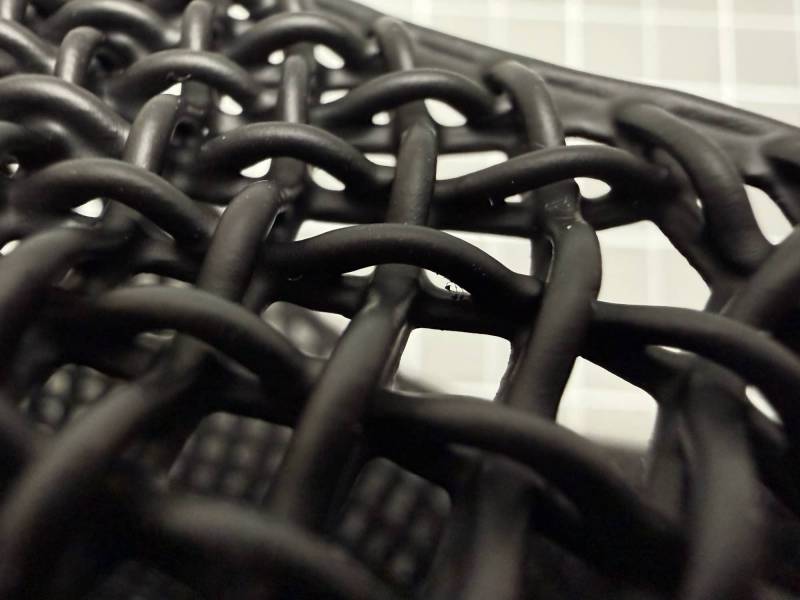
As a conversation piece, these 3D-printed shoes are fun. They look unusual, and the printing pattern creates a lot of visual texture. Up close, the Aero Pro almost appears knitted even though it’s clearly not made from fabric. The Airpuff One (orange shoes) looks smoother and more geometric because of its larger grid openings.
Both styles are flexible and let light pass through the upper and sole. That tells you a lot about what they do well and what they don’t. They’re breathable, yes, but they’re also full of openings that expose them to dirt, water, and anything else on the ground. You won’t be walking through the puddles and mud in either of these shoes.
Fit and Sizing
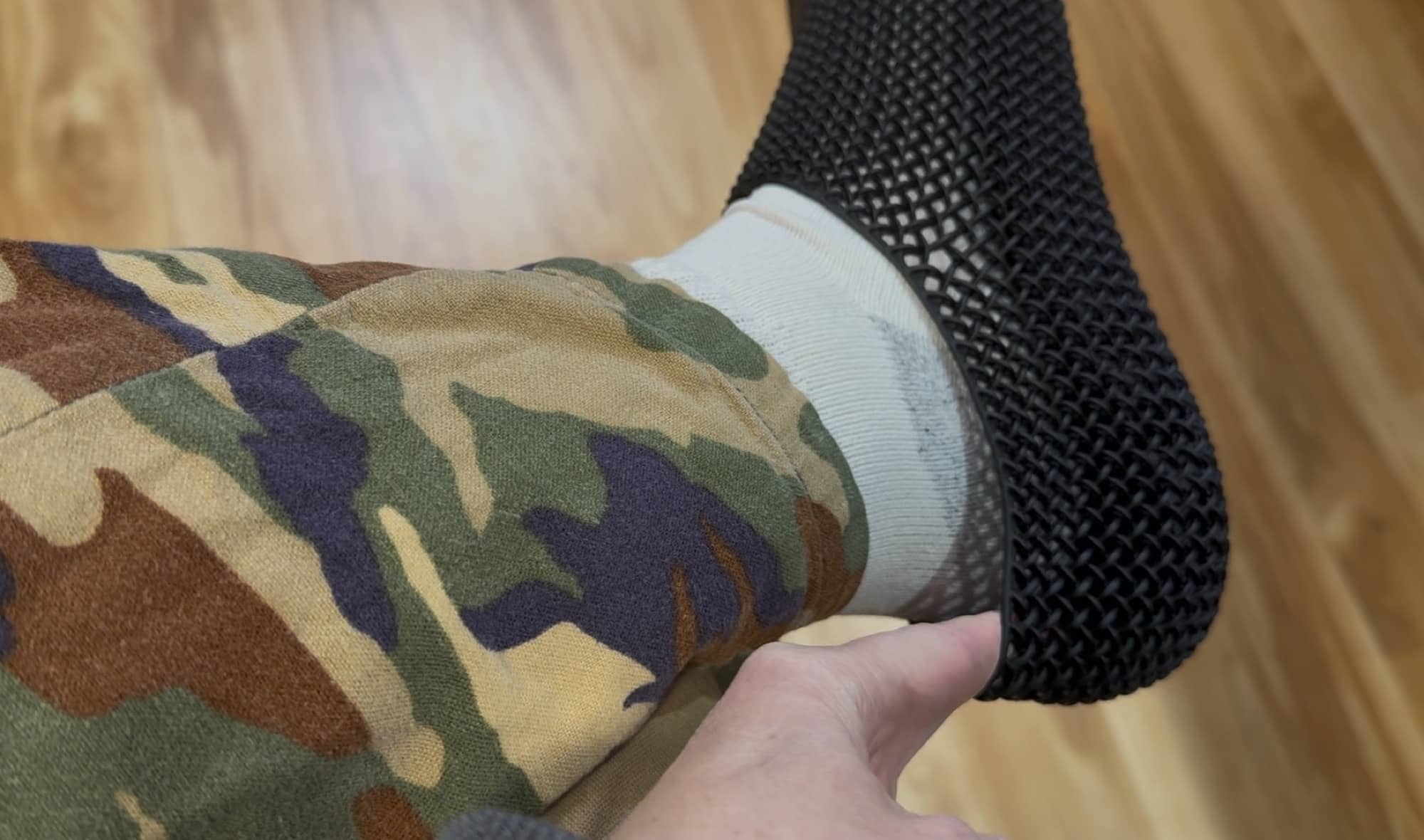
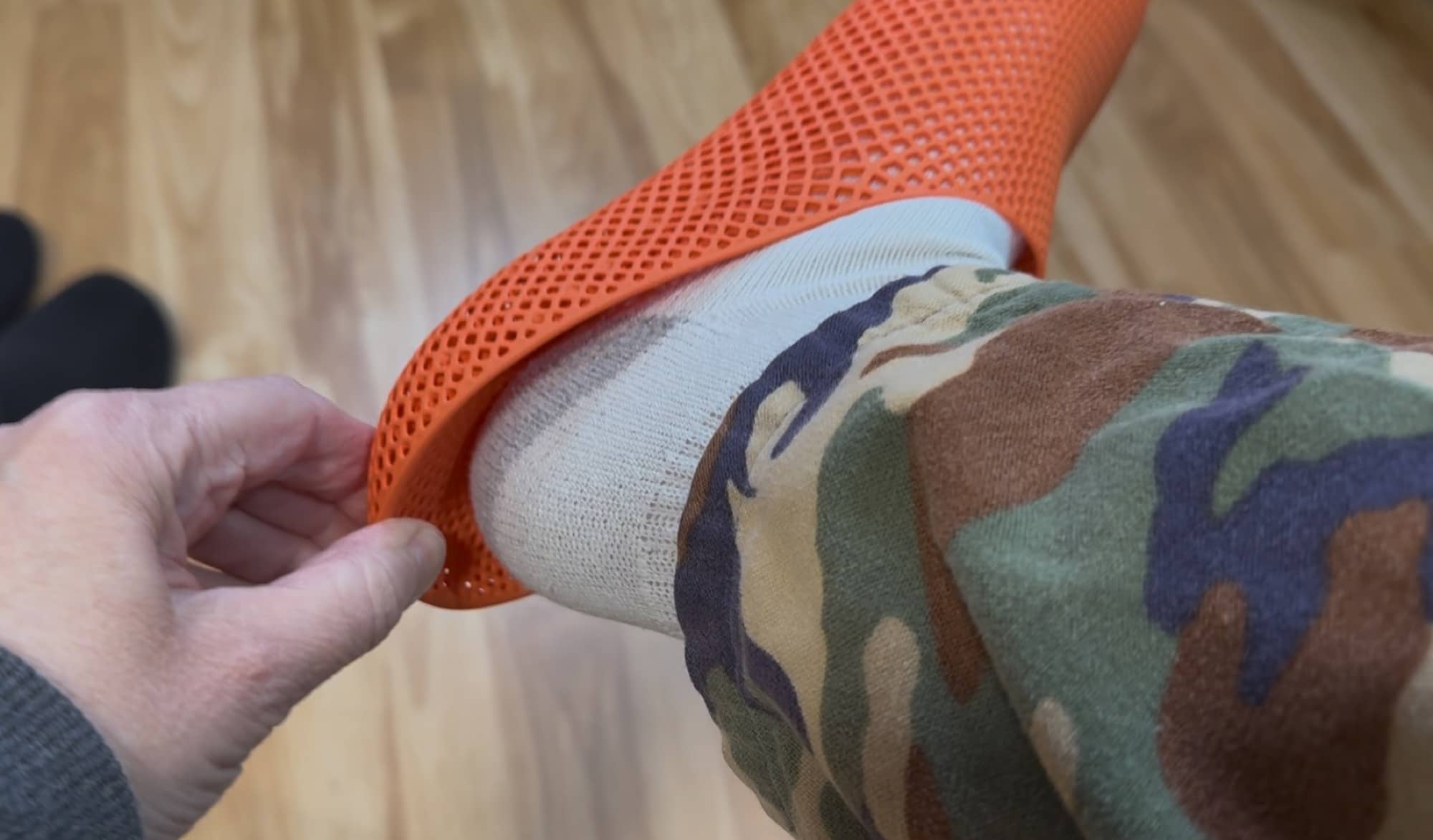
For sizing, the guidance was to go a half size down for standard-width feet. In my test, that advice didn’t quite line up with the actual fit.
I wear women’s size 10, so I asked for size 9.5, and both pairs still felt roomy. In fact, both styles seemed about half a size too large. I should have asked for size 9.
That sizing issue mattered more on the Airpuff One than on the Aero Pro because the mule design has no heel to hold the foot in place.
Airpuff One: Comfortable, But Hard to Keep On My Feet
The Airpuff One is the more casual of the two 3D-printed shoes. It slips on easily and feels reasonably comfortable for short indoor use. On a flat floor, it works well enough as a house slipper.
But the roomy fit and open-back design create a problem: it comes off too easily. On hardwood floors, it didn’t feel dangerously slick, but it also didn’t inspire much confidence. The bigger issue showed up on the stairs, where one shoe slipped off simply while lifting a foot to take the next step.
That makes this pair hard to recommend for any home with stairs, especially if the floors are smooth. A slipper that won’t reliably stay on isn’t much of a slipper.
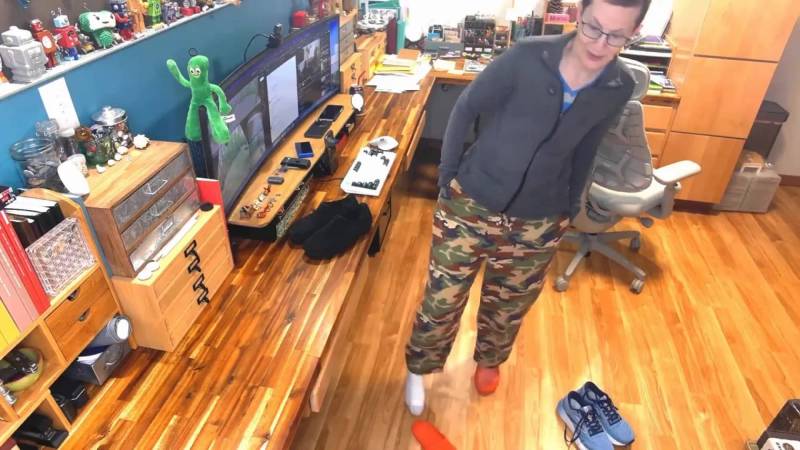
As for comfort, the Airpuff One is fine for light use, but not the kind of footwear you’d want on for long walks or extended standing. It feels more like a novelty indoor slip-on than an all-purpose shoe.
Aero Pro: The Better Option of the Two
The Aero Pro was the stronger performer. Even though it also felt a little large, the fuller shape held my foot much better. Walking around the house was easy, and stairs were no problem.
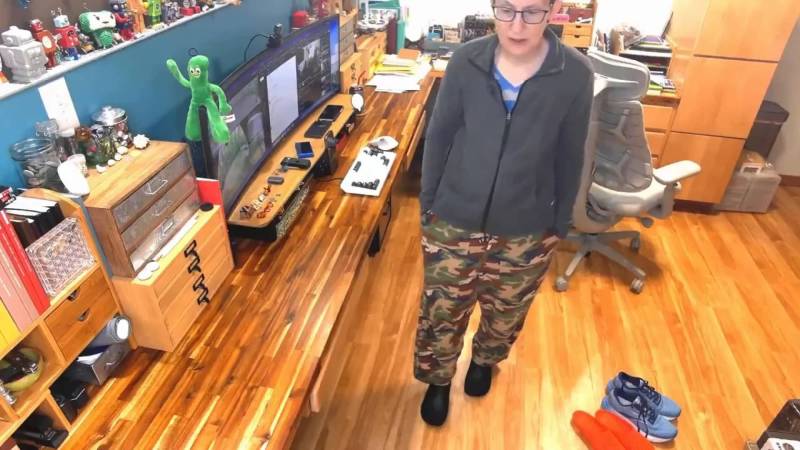
If the goal is simple indoor comfort, the Aero Pro does a decent job. It slips on without much fuss and feels soft enough for around-the-house wear. Among these two pairs of 3D-printed shoes, this is clearly the more practical design.
That said, the Aero Pro has a big drawback: almost no noticeable arch support. The interior feels very flat, and that becomes more obvious the longer it’s worn.
How These 3D-Printed Shoes Feel During Active Walking
Indoor walking was fine in both pairs, especially the Aero Pro. The real test came with a 20-minute treadmill walk that included flat sections, incline, and decline.
That’s where the limits of these 3D-printed shoes really showed up.
After about a mile on the treadmill, every heel strike was much more pronounced than with my dedicated walking or running shoes. The sole may look cushy, but it didn’t deliver the impact absorption expected of athletic footwear. So even though the Aero Pro is sold as a sneaker, it didn’t perform like one in my non-scientific tests.
For short indoor wear, no problem. For long walks on hard surfaces, that would be a pass for me.
Where 3D-Printed Shoes Make Sense and Where They Don’t
The breathable structure is one of the most interesting aspects of these 3D-printed shoes, but it also limits where they can be worn.
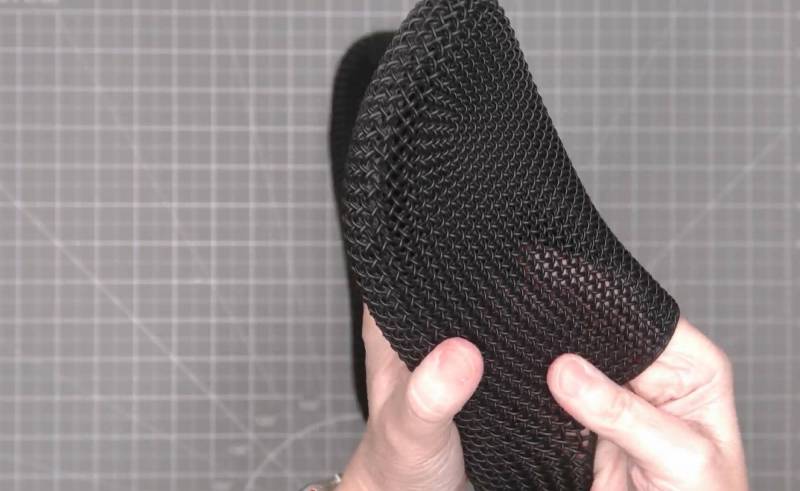
Because there are openings in the upper and even in parts of the sole structure, these shoes are not ideal for outdoor use under normal conditions.
Here’s why:
- Water can work its way through the openings.
- Mud and dirt can get trapped in the lattice.
- Sand could fall into the small gaps and settle deeper into the layered sole.
- Cleaning debris out of those layers would likely be difficult.
That means these 3D-printed shoes are not a great choice for wet weather, yard work, muddy areas, or beach trips. A beach shoe sounds logical at first because of the open, airy design, but sand getting caught throughout the structure would quickly become a nightmare.
As tested, they make the most sense indoors, with maybe a quick trip from the house to the garage or to take out the trash.
Color Options and Pricing
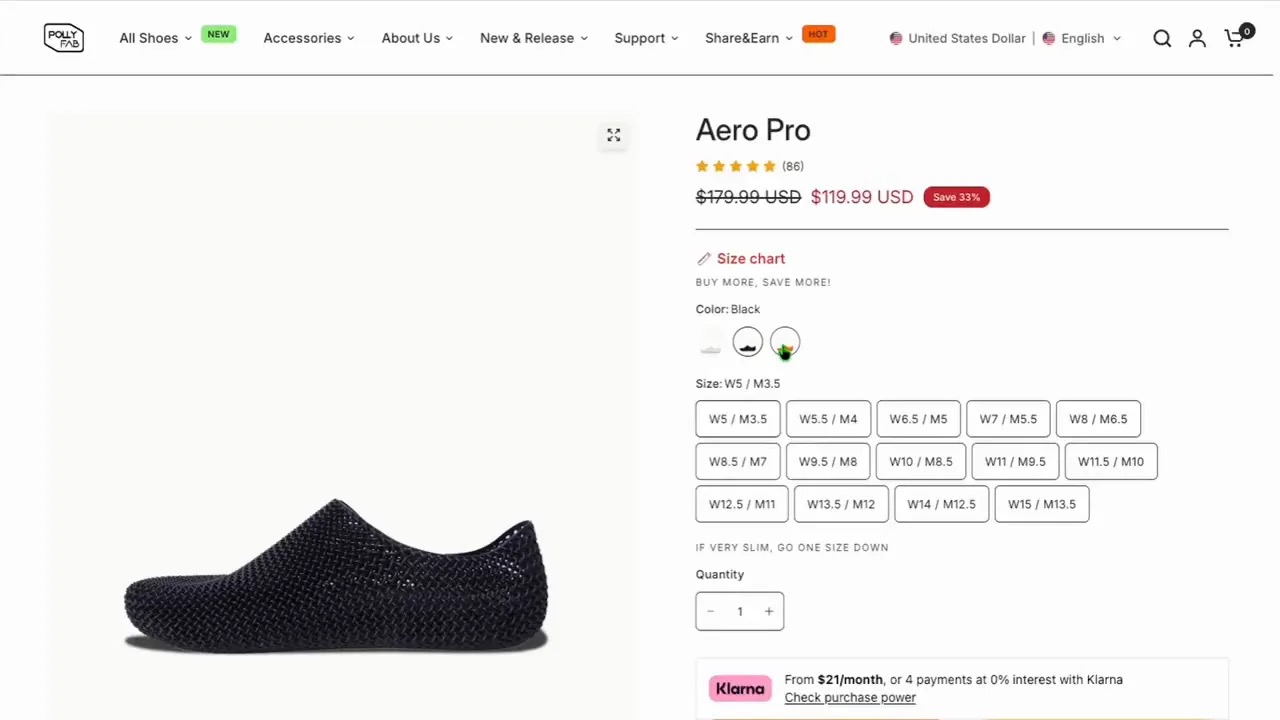
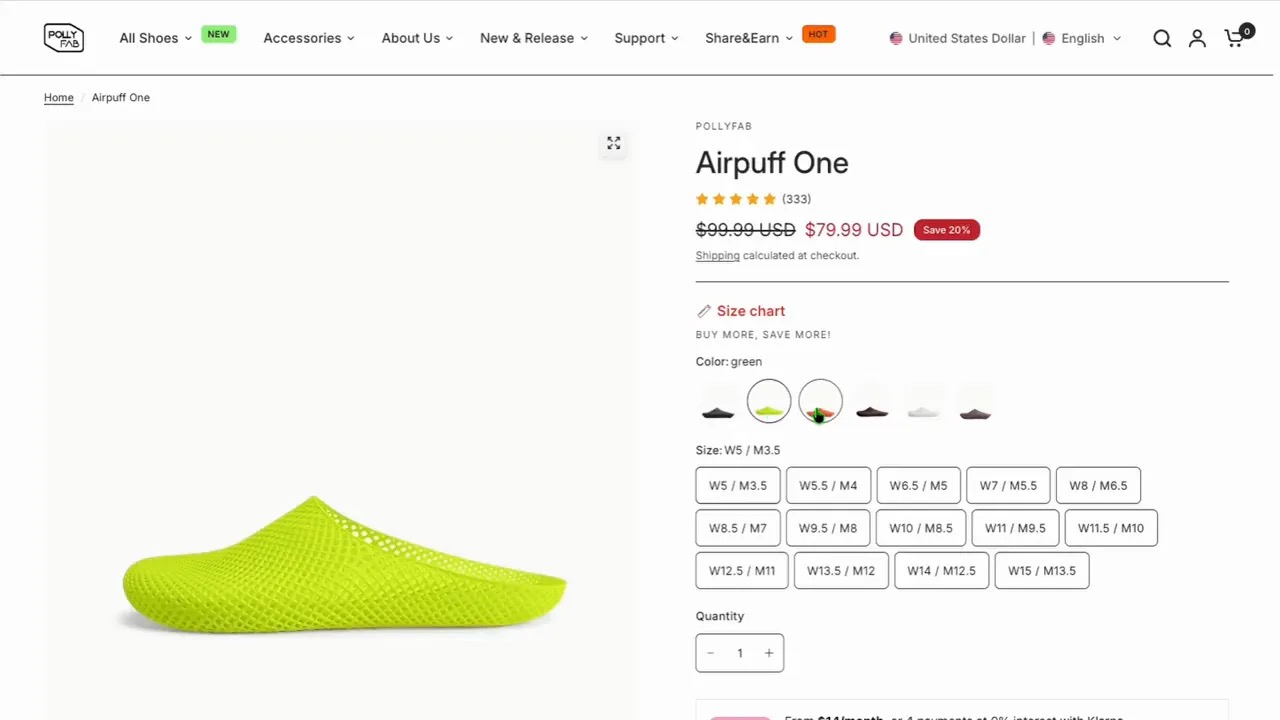
PollyFab offers multiple color choices for both styles.
See Them Close Up and in Action
Final Thoughts
The PollyFab 3D-printed shoes are definitely interesting. They’re lightweight, flexible, breathable, and unlike just about anything else in a typical shoe rack. If the goal is to try something new and futuristic-looking for indoor wear, they deliver on that novelty.
Between the two, the Aero Pro is the better buy because it stays on more securely and works better as a house shoe. The Airpuff One is comfortable enough on flat floors, but its loose fit and backless design make it a poor match for stairs.
The bigger issue is that both pairs feel too limited for the price. Because of their open, layered construction, these 3D-printed shoes don’t seem practical for outdoor use, bad weather, or places where sand, dirt, or mud can get inside. And the Aero Pro, despite being marketed as a sneaker, didn’t provide the support or impact comfort needed for longer walks.
If the soles were sealed so that debris and moisture couldn’t enter the lower structure, these 3D-printed shoes would be much easier to recommend. As they are now, they feel more like stylish experimental house shoes than versatile everyday footwear.
The PollyFab 3D-printed shoes retail for $99.99 (currently on sale for $69.99) for the Airpuff One and $179.99 (currently on sale for $89.99) for the Aero Pro; they are available directly from the manufacturer.
Source: Manufacturer-supplied review sample.
What I Like: Very lightweight; Unique look/style; Comfortable enough for indoor wear
What Needs Improvement: Size runs larger than expected; Airpuff One did not stay on well enough for climbing stairs; Aero Pro lacks meaningful arch support; Open sole structure makes outdoor use impractical; Pricing feels high for footwear that works best indoors



It sounds like this idea needs more refining.