
At Lenovo Innovation World 2025, which is running concurrently with IFA in Berlin, the company unveiled fresh entries in its Legion and LOQ gaming lines, and even some software upgrades that could change how you play the games you already own. The headliners included the Lenovo Legion Go 2 handheld, the Legion Pro 7 laptop armed with AMD’s latest powerhouse processor, a trio of slick OLED gaming monitors, a tower PC that looks like it might be plotting world domination from your desk, and a free 3D upgrade for Legion Glasses 2.
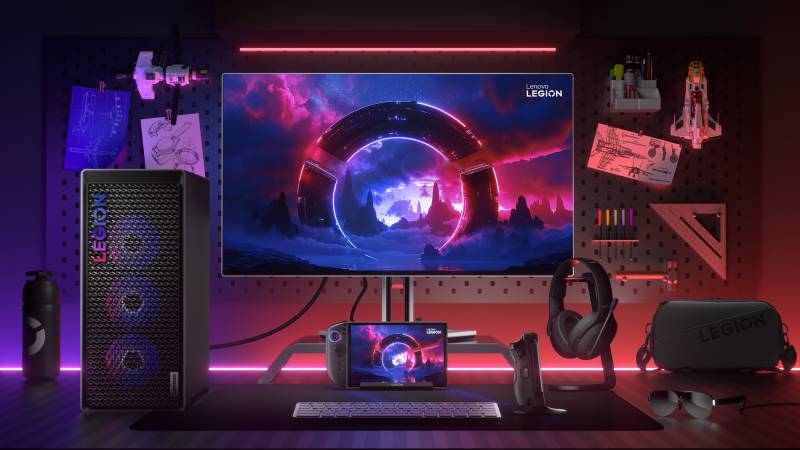
If you’ve been waiting for portable gaming to feel less like a compromise, or if your desk deserves an OLED throne, Lenovo’s timing couldn’t be better.
The Lenovo Legion Go (8.8”, 2): A Handheld That Wants to Replace Your Travel Laptop
Lenovo tested the waters earlier this year with a prototype Legion Go handheld, but now the second-gen version is ready to go global. This is a Windows 11 PC crammed into a portable body, which means you’re not stuck with stripped-down mobile titles. Instead, you get the same catalog you’d expect from a desktop machine, but small enough to slip into a bag.
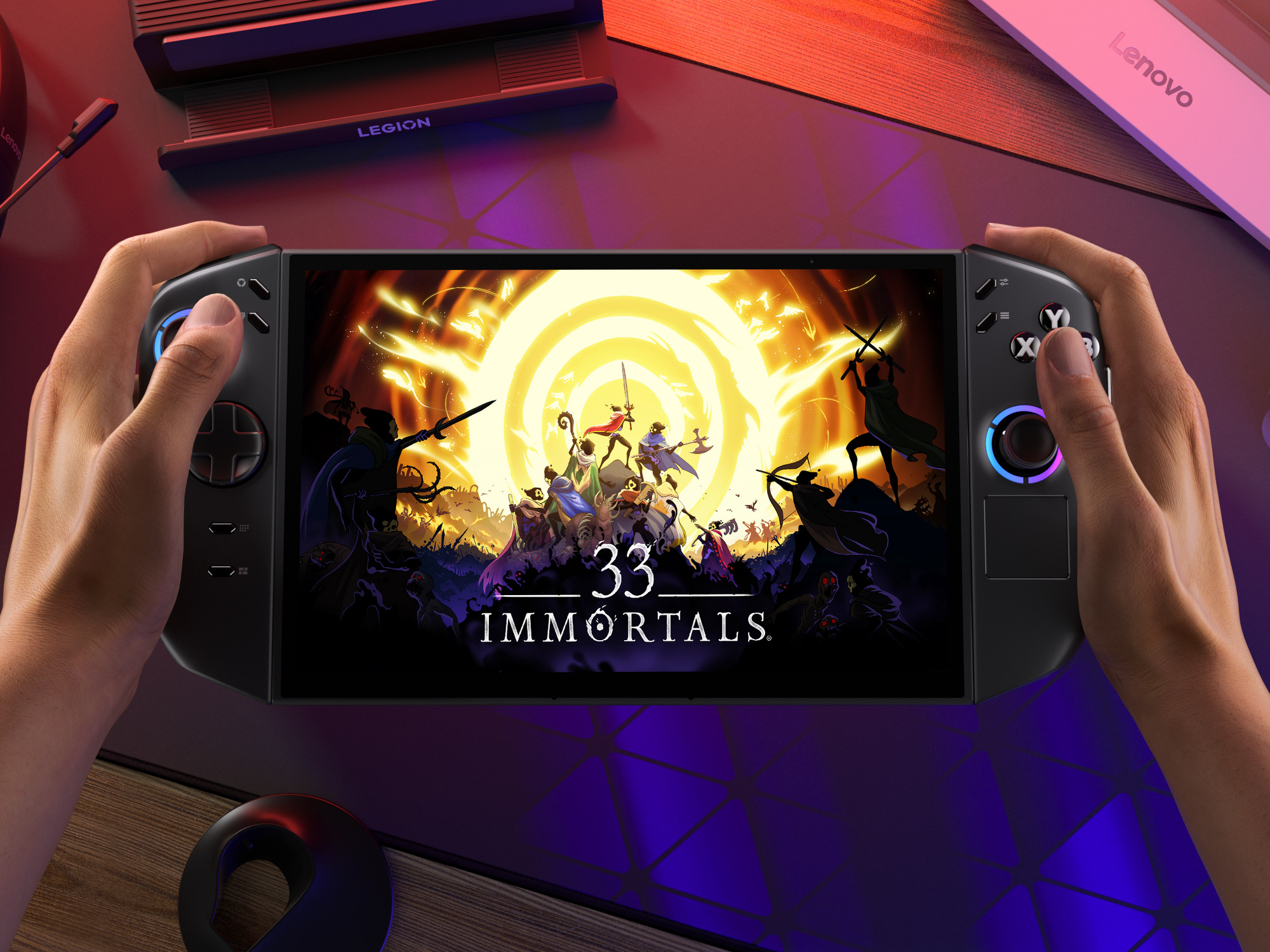
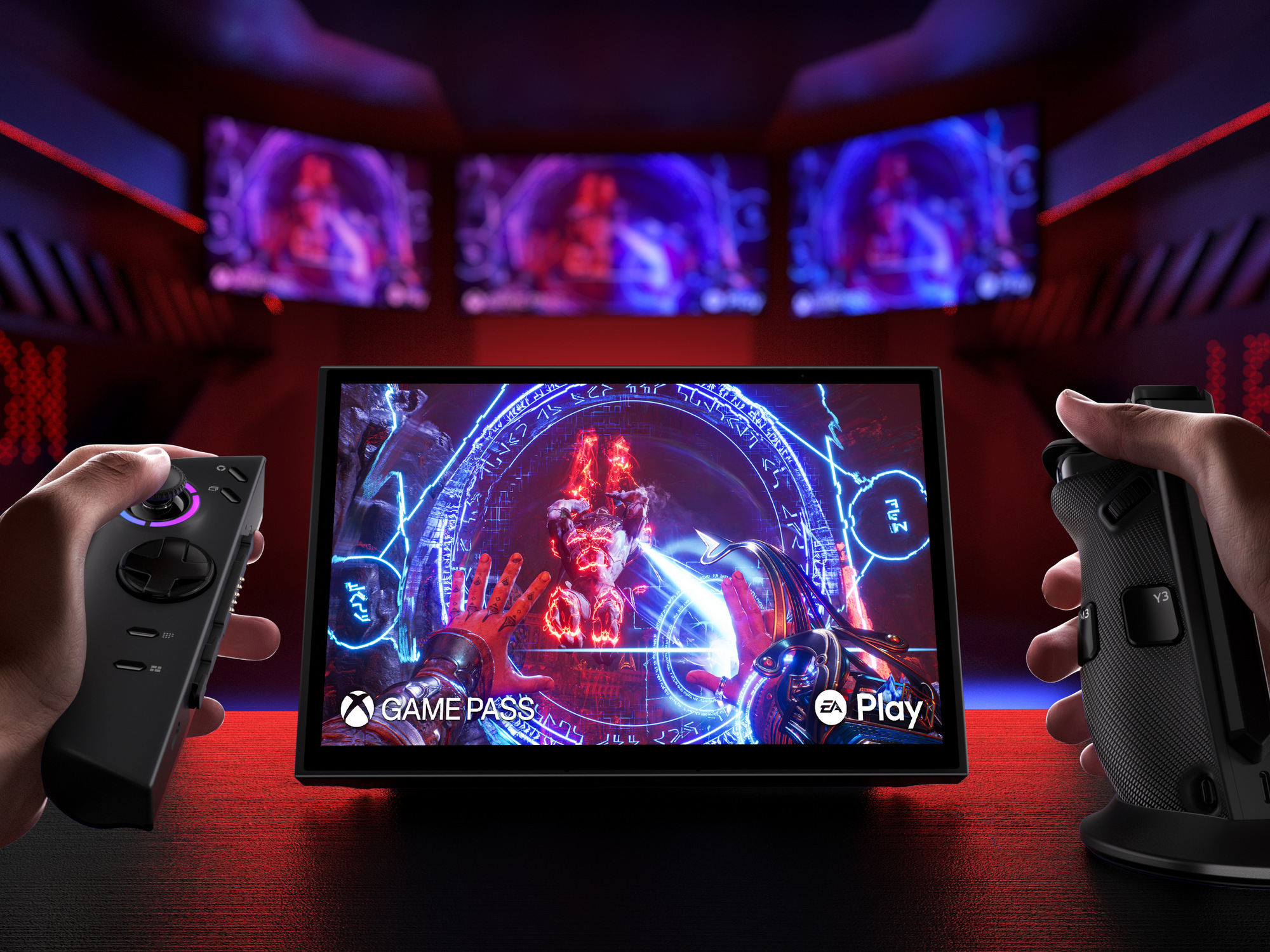
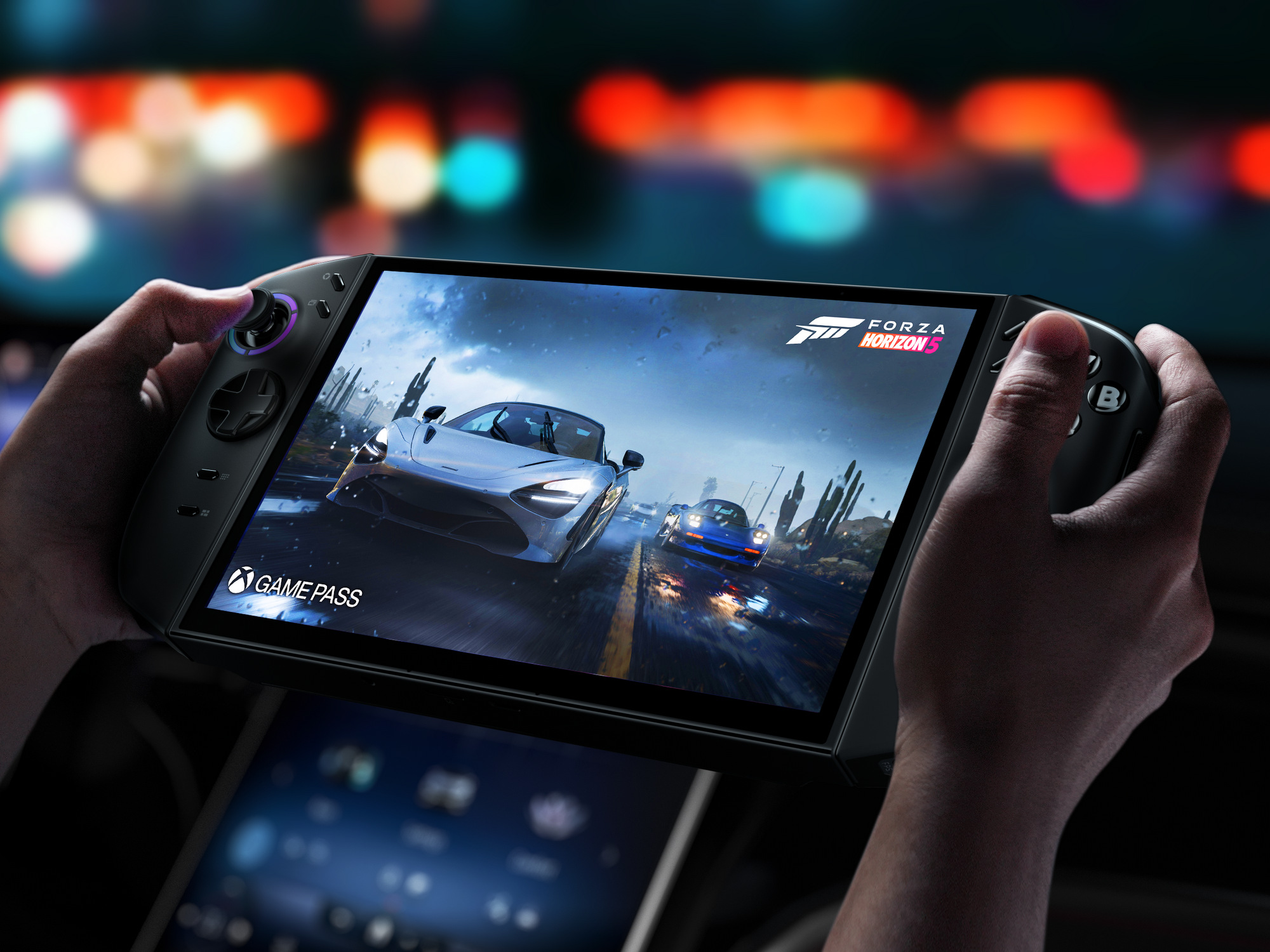
Picture yourself wedged into an airplane seat where the tray table is more decorative than functional. The Legion Go’s 8.8″ OLED display gives you enough screen to actually see what’s going on without requiring a magnifying glass, and with a 144Hz refresh rate, it can keep up whether you’re wandering through sprawling RPG landscapes or locked in twitchy firefights. It’s HDR TrueBlack 1000 certified, which is a fancy way of saying the blacks actually look like black instead of smudgy gray.
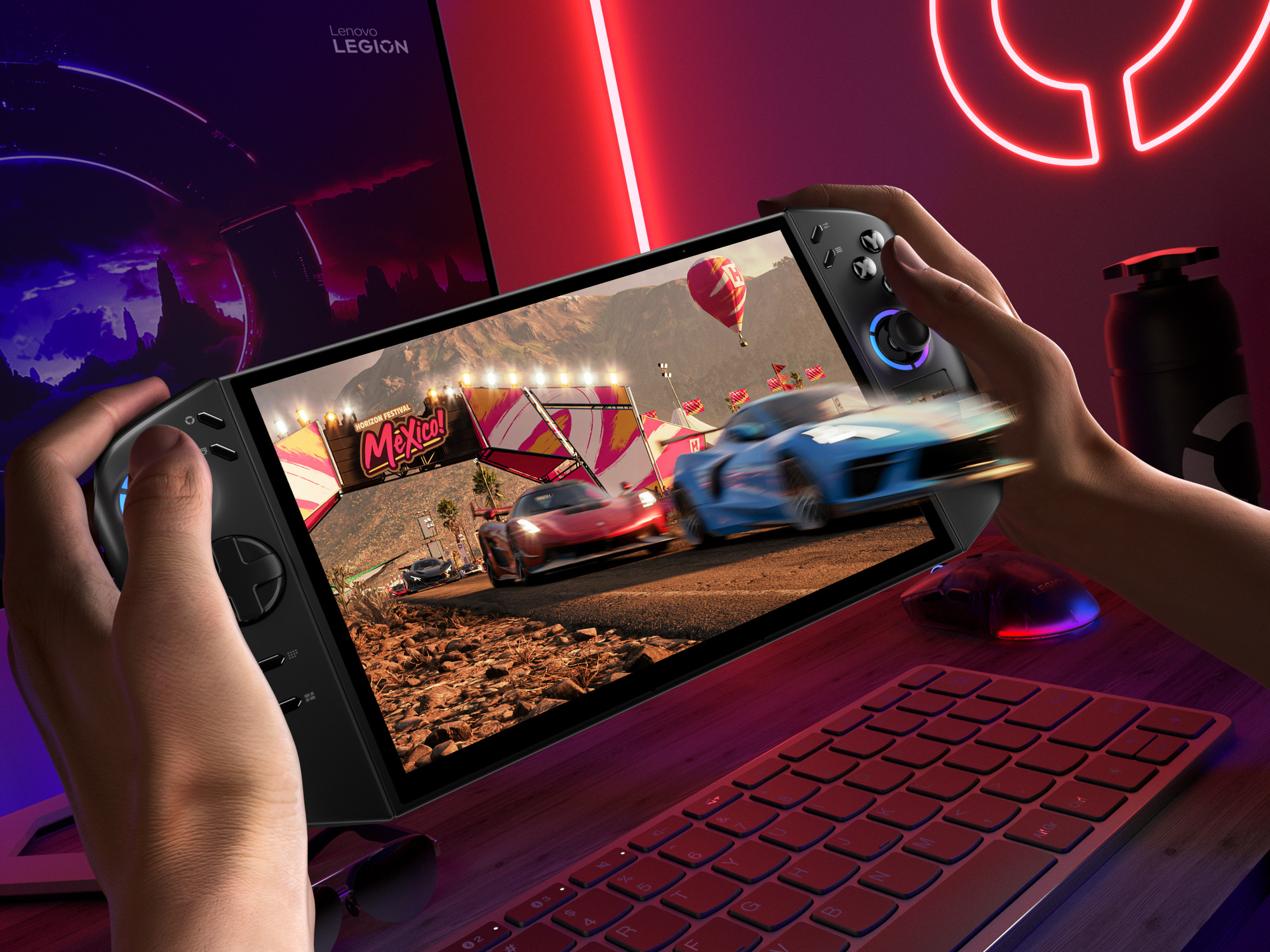
Under the hood, it packs up to an AMD Ryzen Z2 Extreme processor with up to 32GB of RAM. That’s the kind of power that lets you run big-budget AAA games as well as quirky indie experiments. Storage can stretch up to 2TB internally, with another 2TB via microSD card. In other words, you won’t have to delete your backlog to make space for the next giant download. A 74Whr battery means you can play longer between charges, and when you do need juice, Lenovo’s “Super Rapid Charge” tops it back up fast enough to keep the gaming marathon alive.

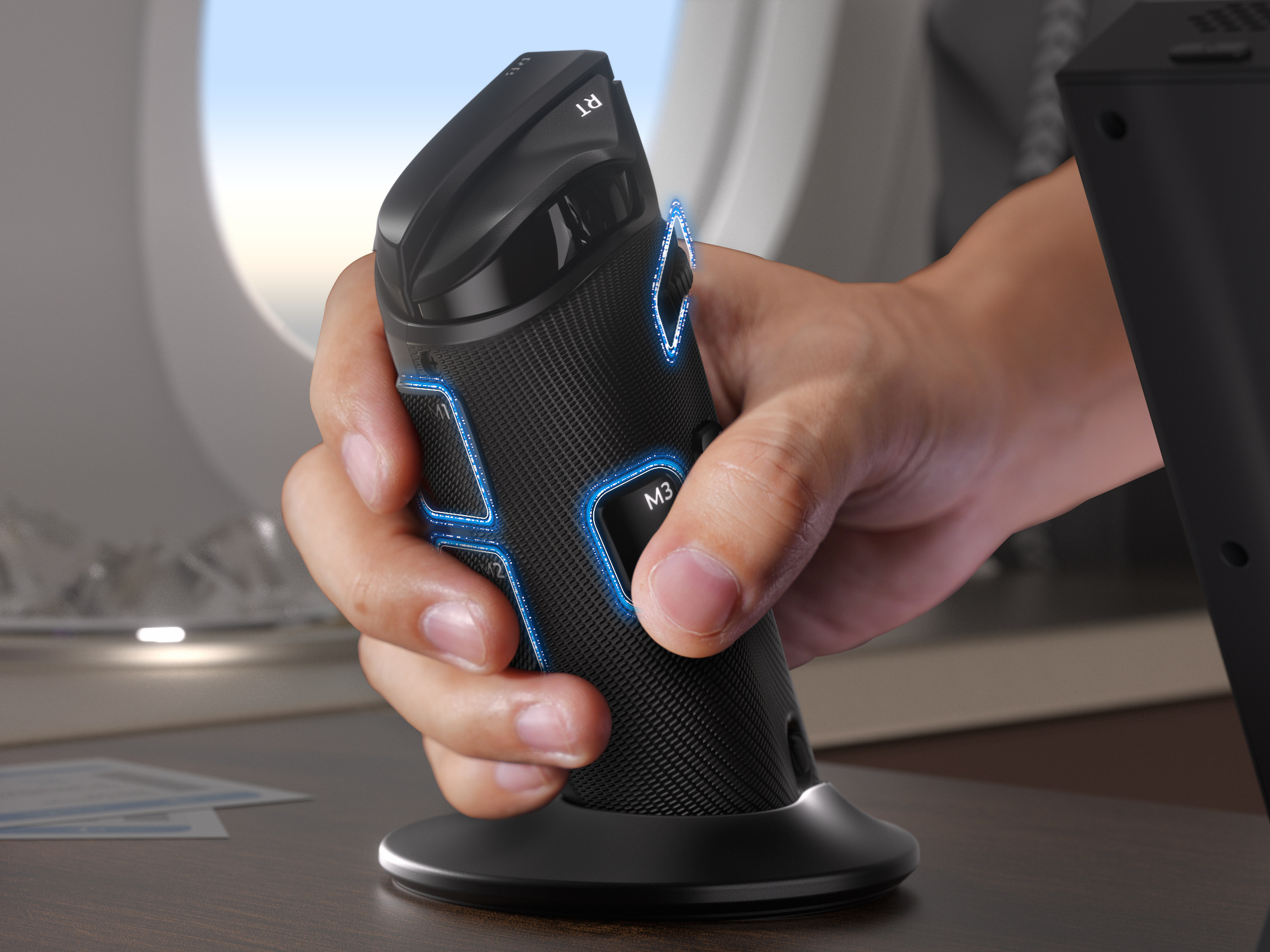
The controllers, Lenovo’s TrueStrike design, now detach with smoother lines and a smarter button layout. One standout feature is FPS mode, which turns the right controller into a vertical mouse. If you’ve ever tried to aim with a joystick and felt like you were steering a shopping cart, this is your escape route. The joysticks use hall effect sensors for more precise input without drift, which should make fighting game combos and retro platforming less frustrating. If you already own the first Legion Go, the new controllers will still work with it, so you can mix and match.
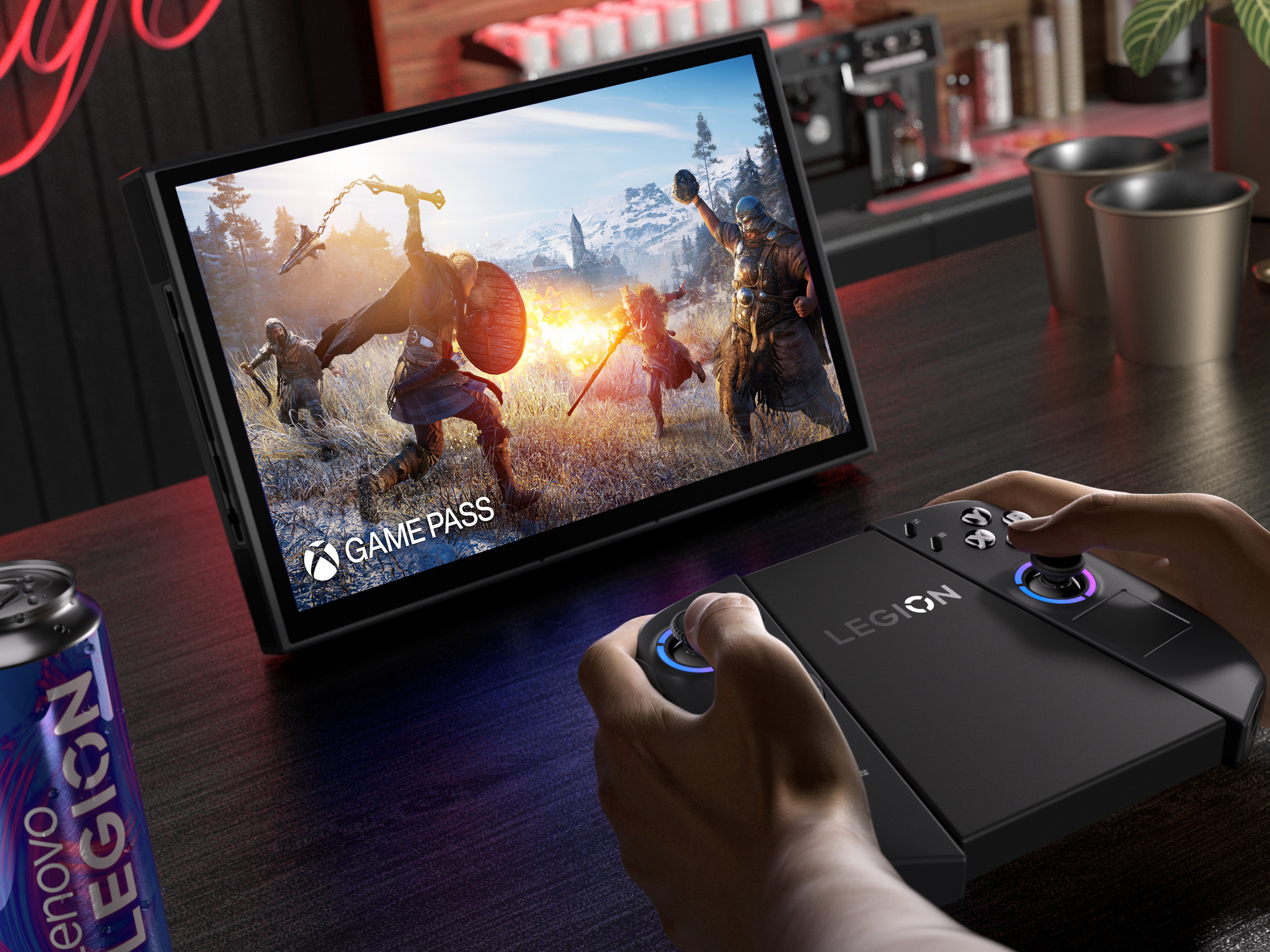
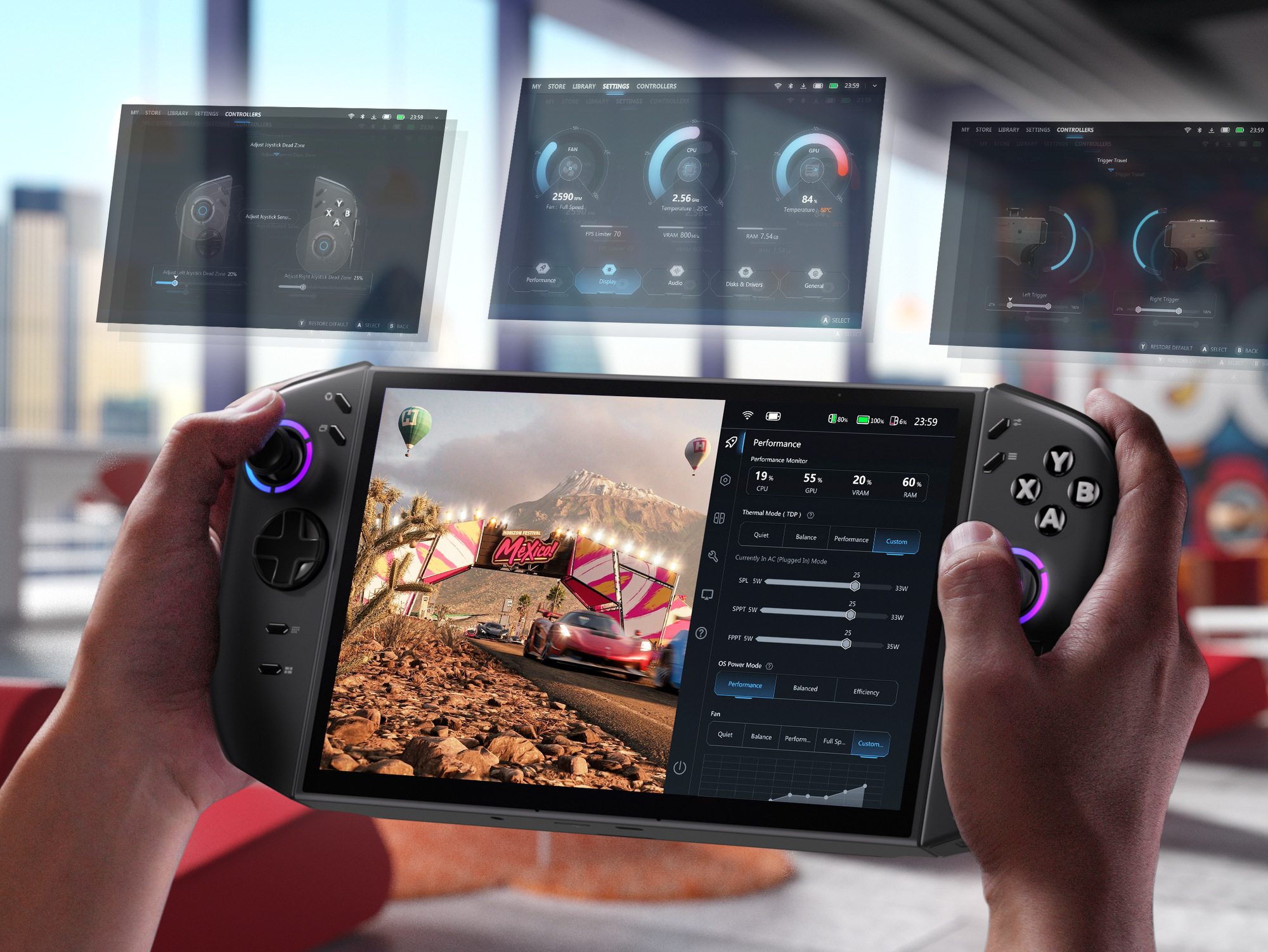
And yes, there’s a built-in kickstand, dual USB4 ports on both top and bottom for flexible charging or display output, and a fingerprint reader built into the power button so logging in doesn’t require typing in a password with virtual thumbs.
Pricing starts at $1,049, with availability expected in October 2025.
Lenovo Legion Pro Monitors: OLED Screens That Don’t Apologize
Gamers who insist on playing with anything less than perfect colors and pixel response times will want to pay attention here. Lenovo announced three new Legion Pro OLED monitors, each fine-tuned for slightly different setups.
-

- Legion Pro 32UD-10 Monitor
-

- Legion Pro 32UD-10 Monitor
-
- Legion Pro 32UD-10 Monitor
-
- Legion Pro 32UD-10 Monitor
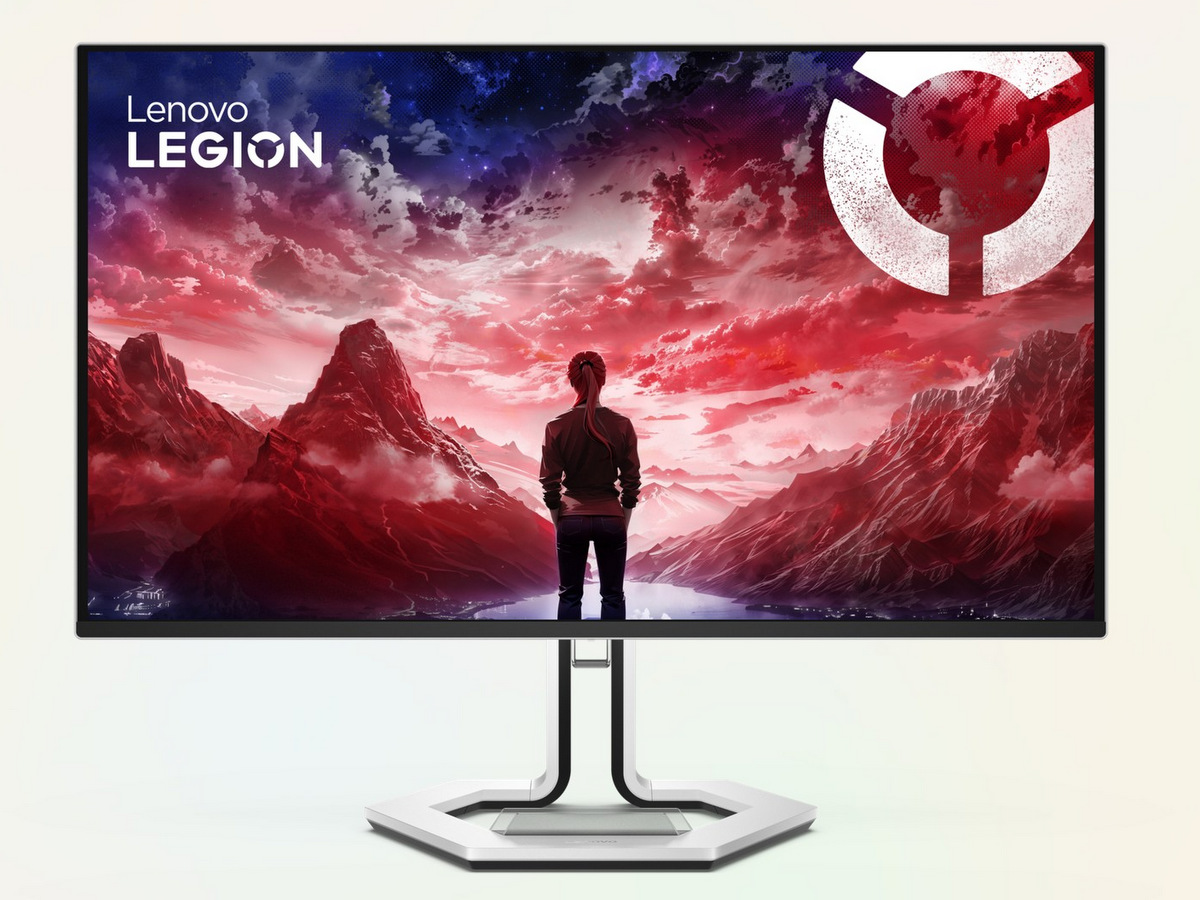
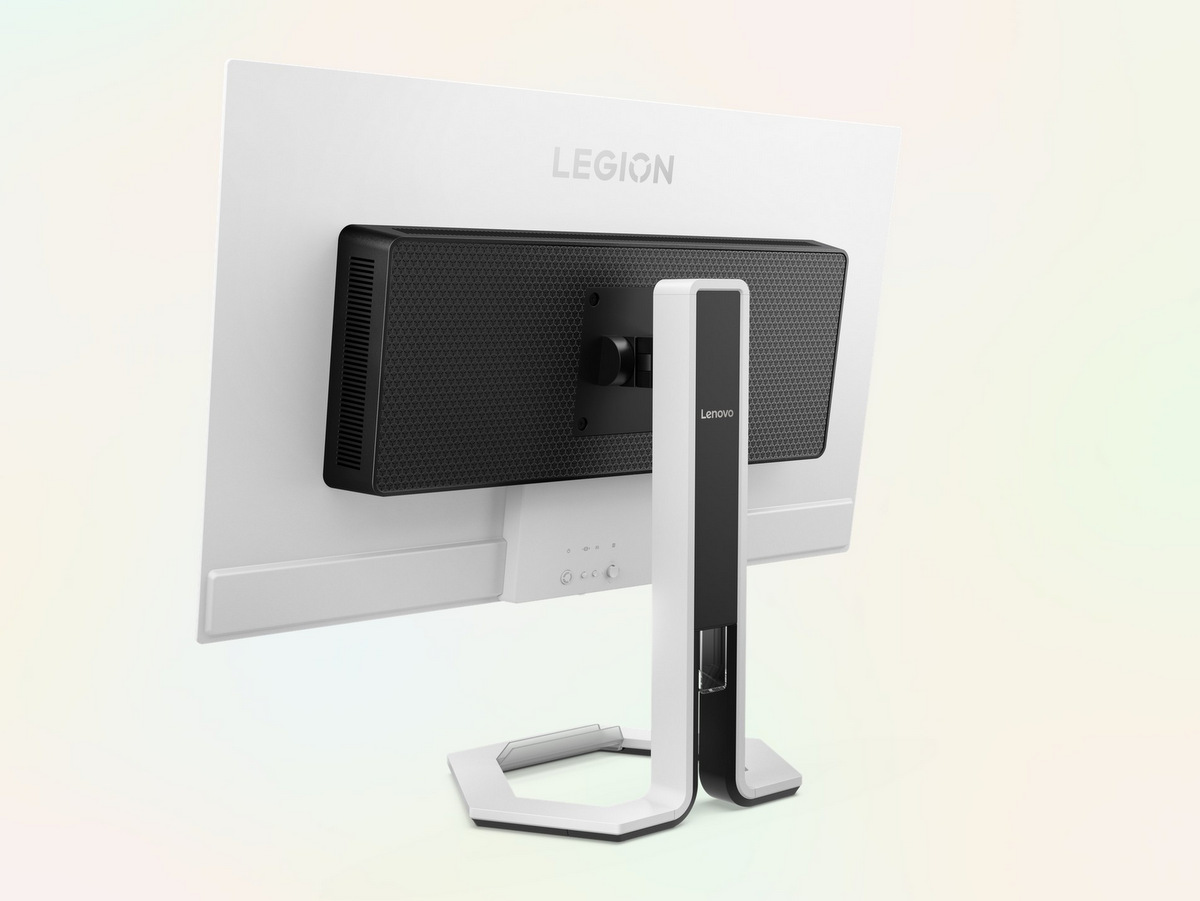
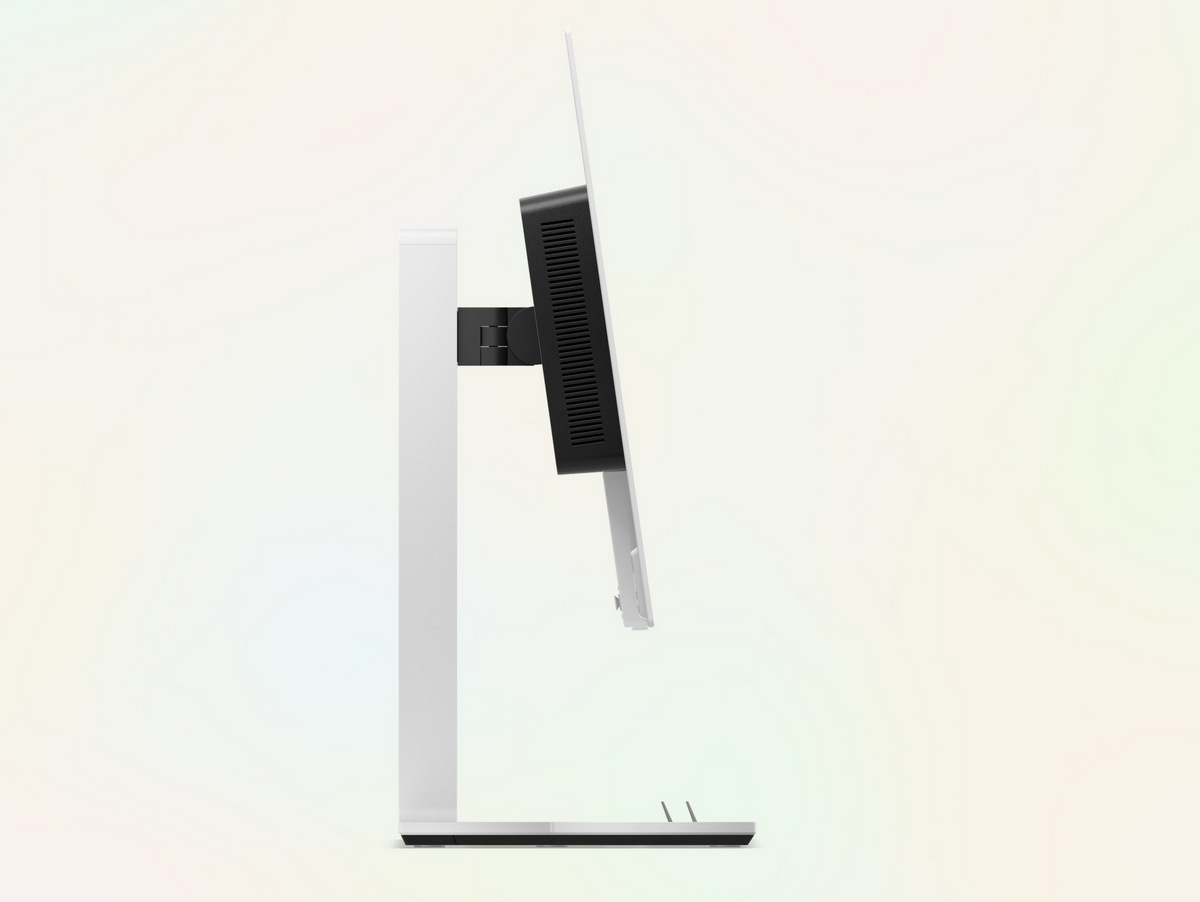
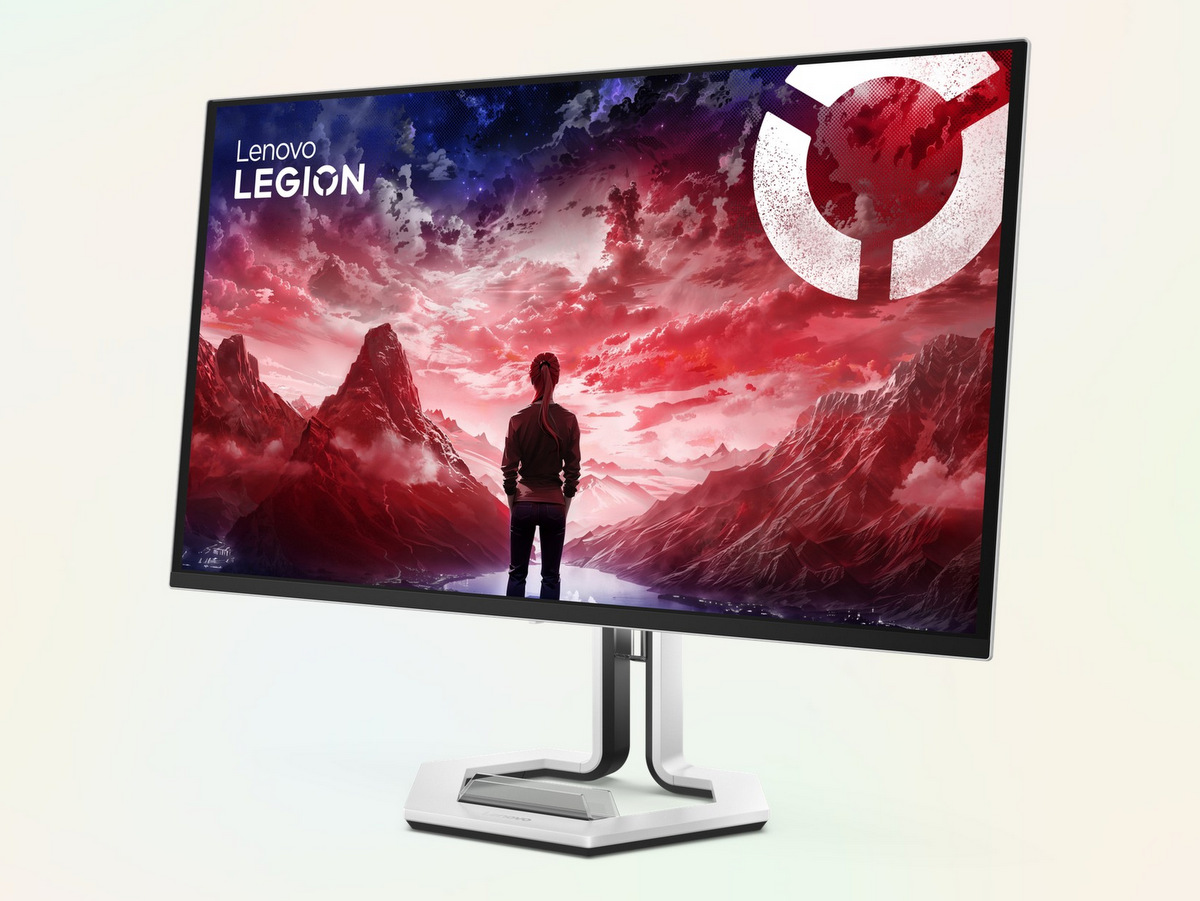
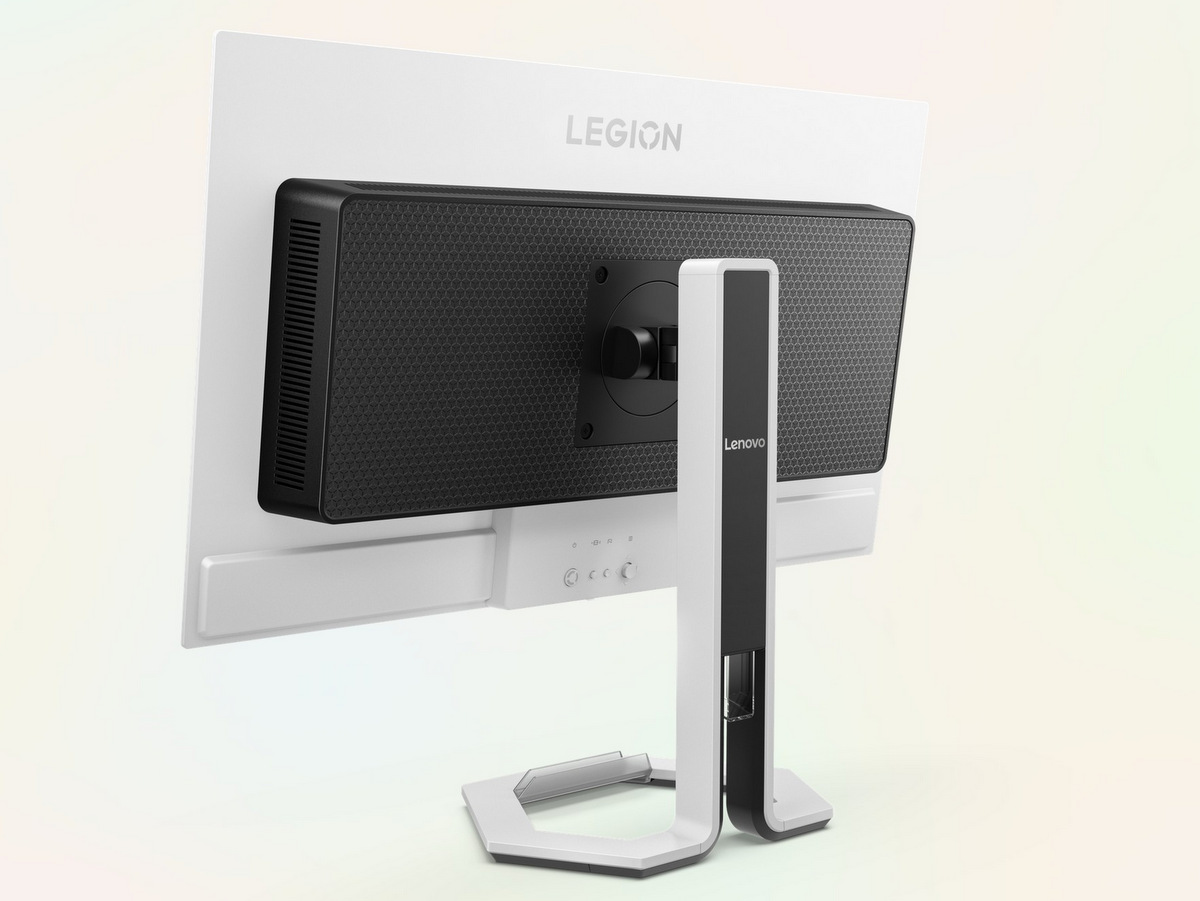
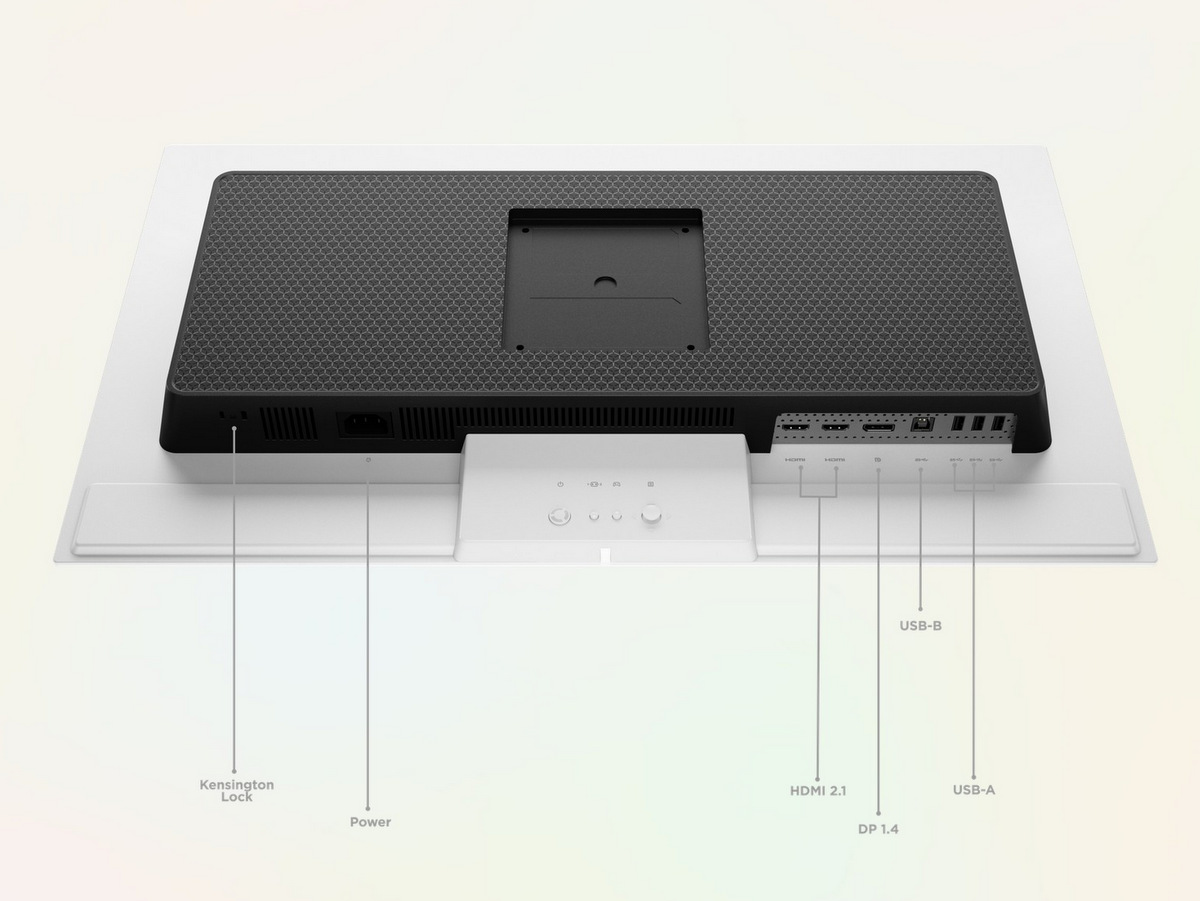
The Legion Pro 32UD-10 and 27UD-10 are the showpieces, offering 31.5″ and 26.5″ 4K OLED panels with a 240Hz refresh rate and a staggering 0.03ms response time. That’s not just fast, it’s nearly instantaneous. If you’ve ever cursed at a monitor because it felt like it was dragging behind your inputs, these are built to shut you up.
-
- Legion Pro 27UD-10 Monitor
-
- Legion Pro 27UD-10 Monitor
-
- Legion Pro 27UD-10 Monitor
-
- Legion Pro 27UD-10 Monitor
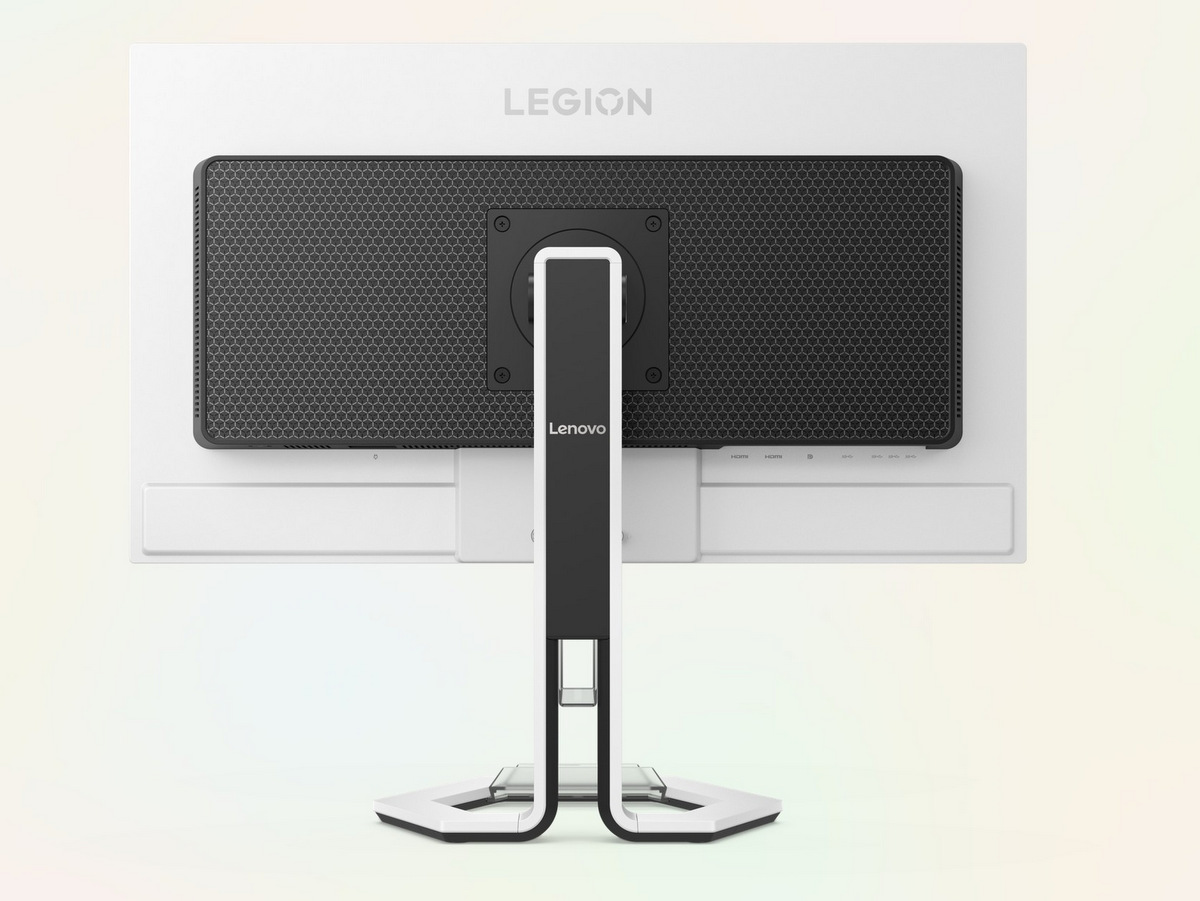
They also cover 99 percent of both the sRGB and DCI-P3 color spectrums, so they’re just as useful for creative work as they are for late-night gaming.
-
- Legion Pro 27Q-10 Monitor
-
- Legion Pro 27Q-10 Monitor
-
- Legion Pro 27Q-10 Monitor
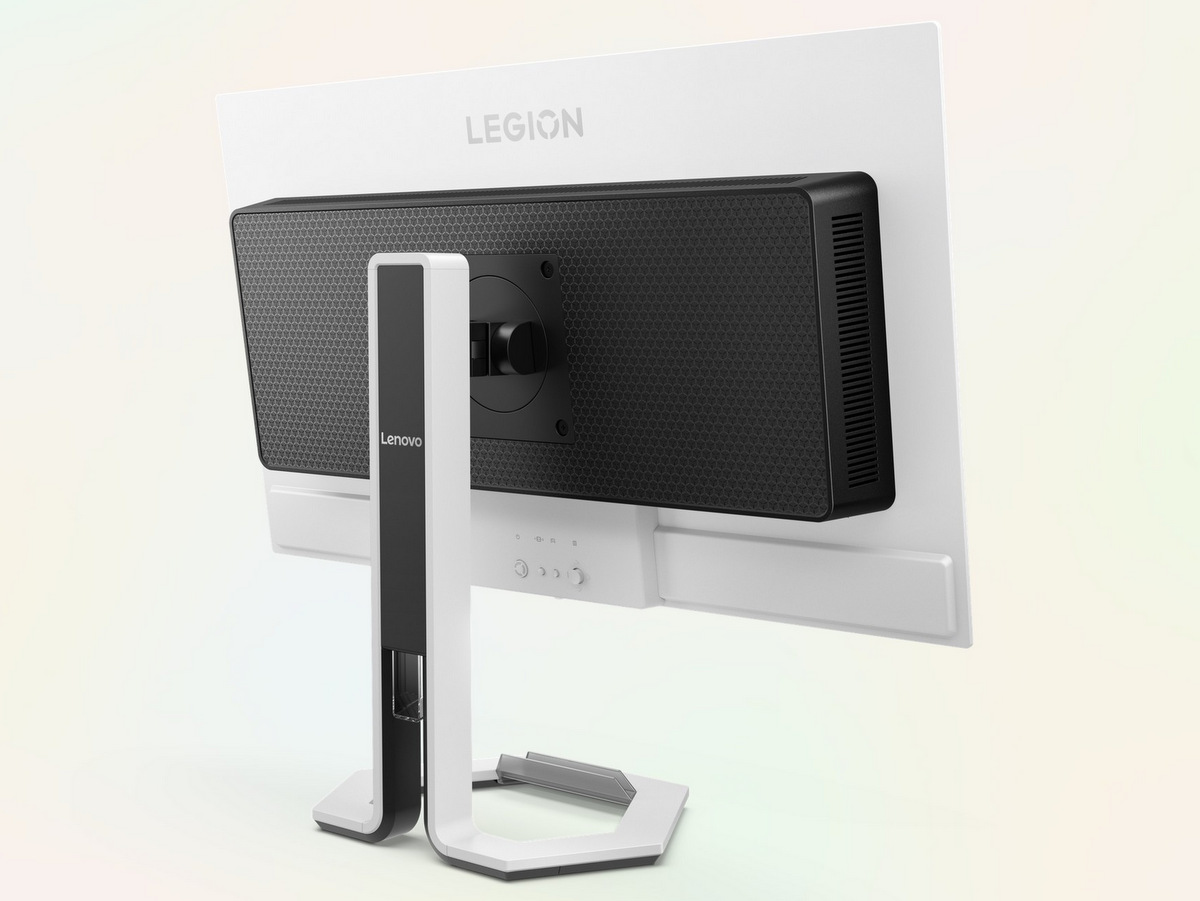
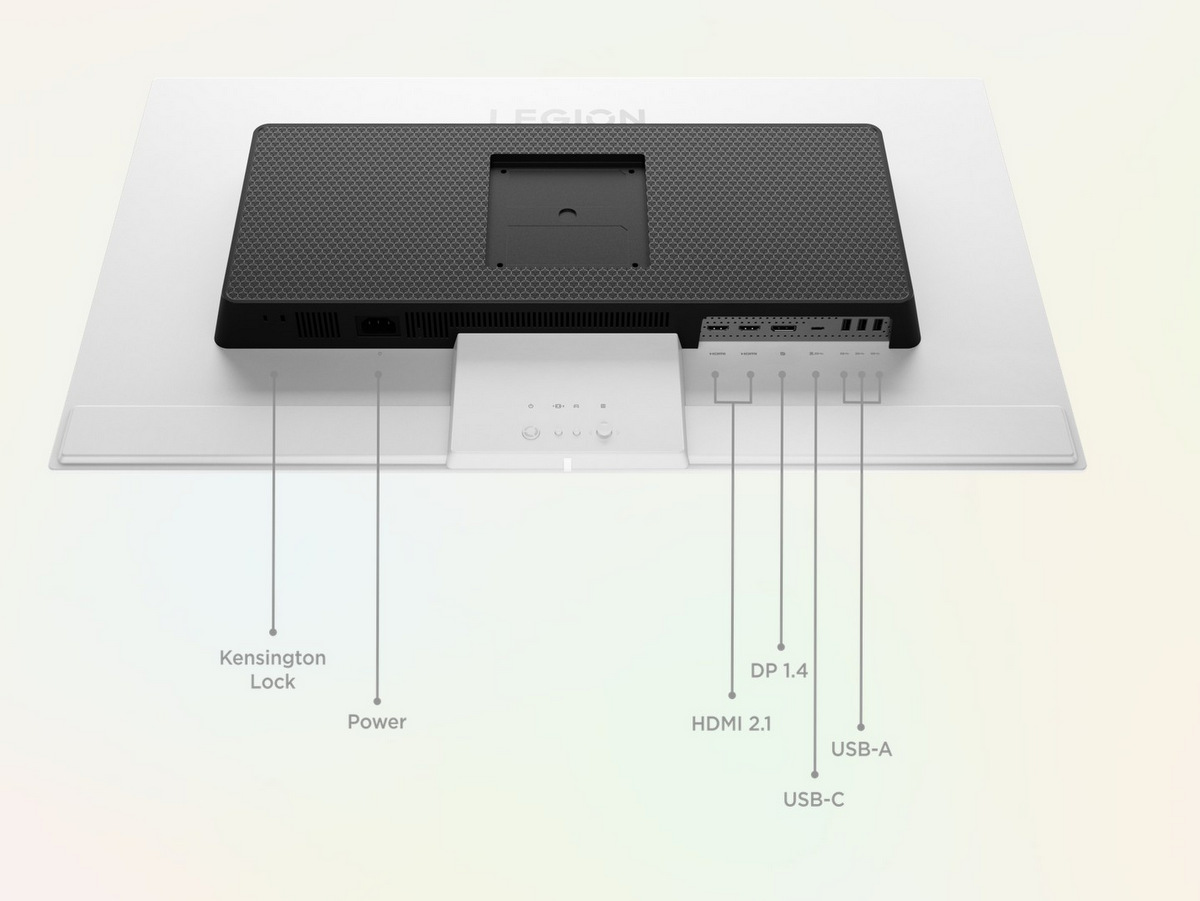
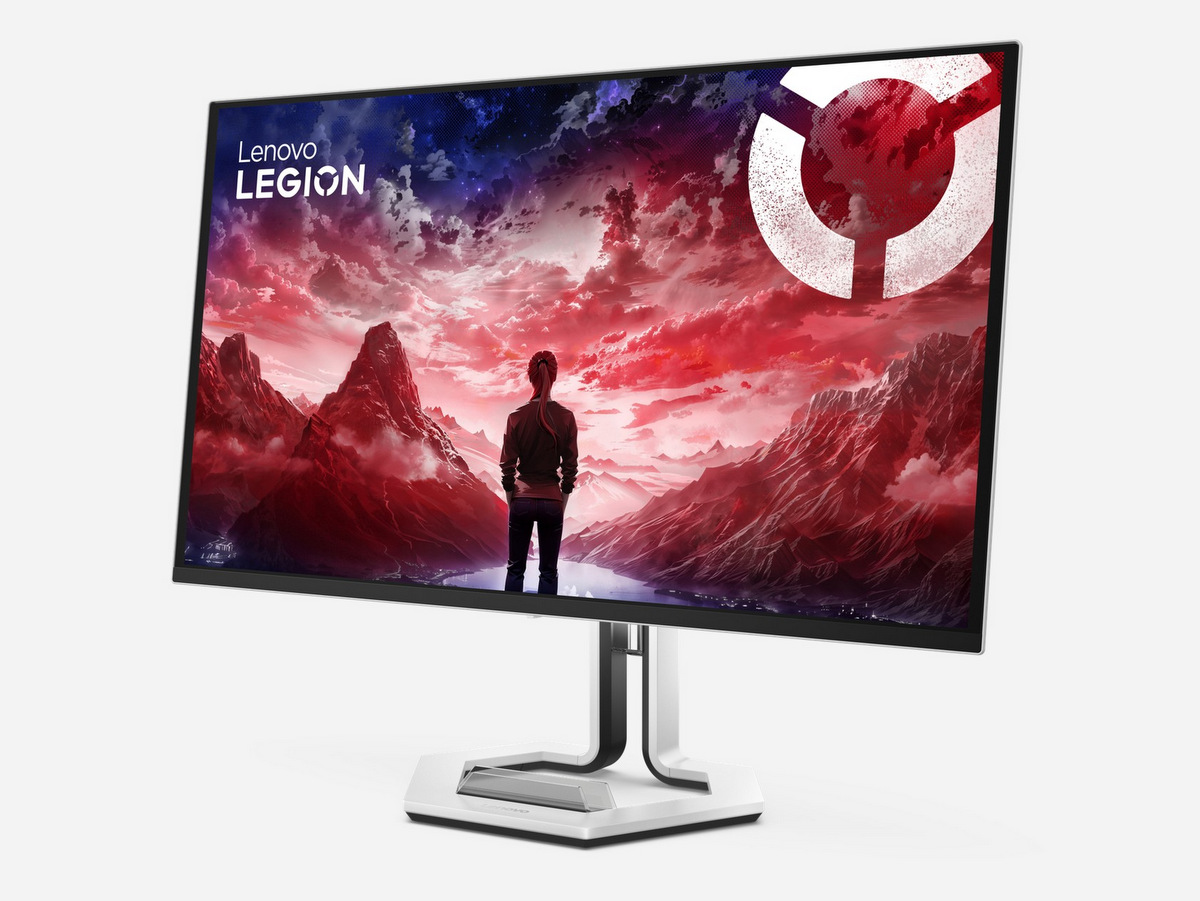
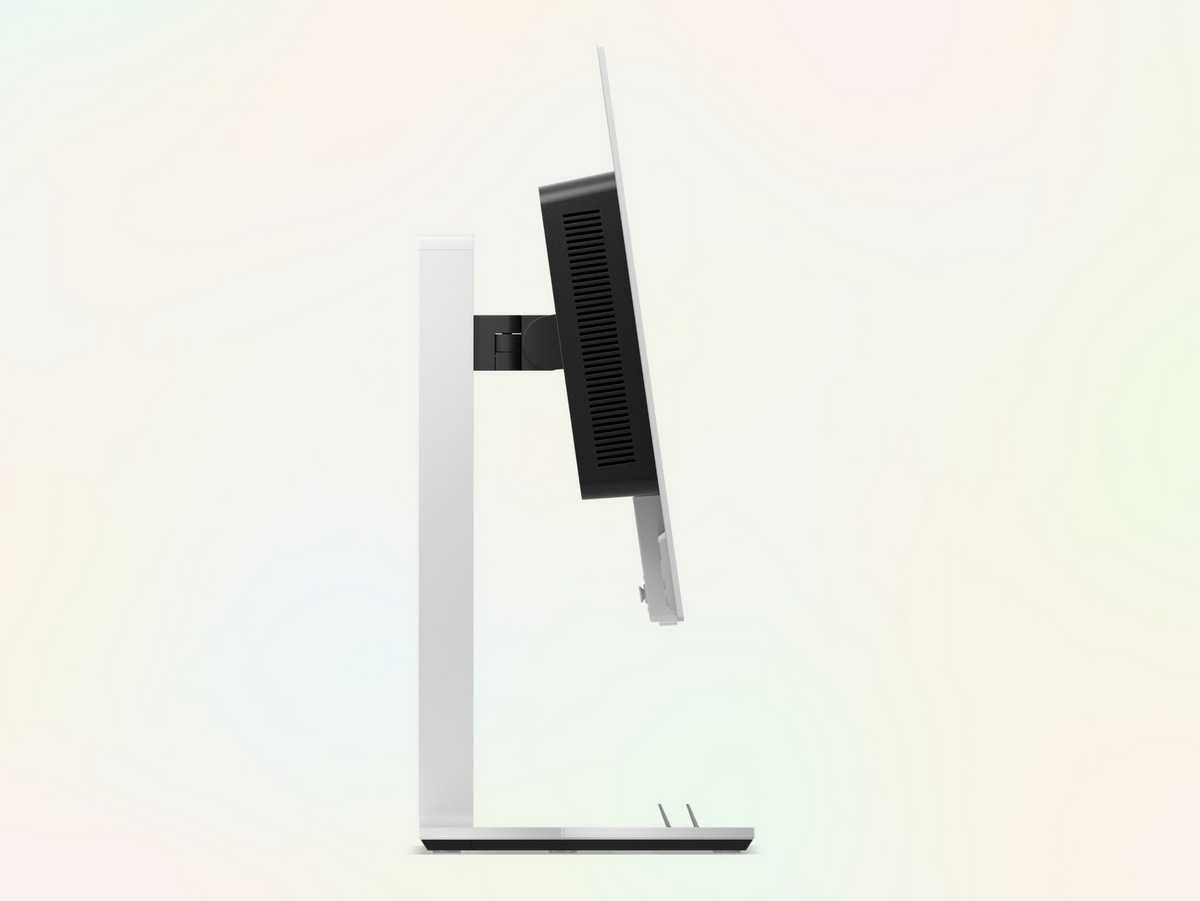
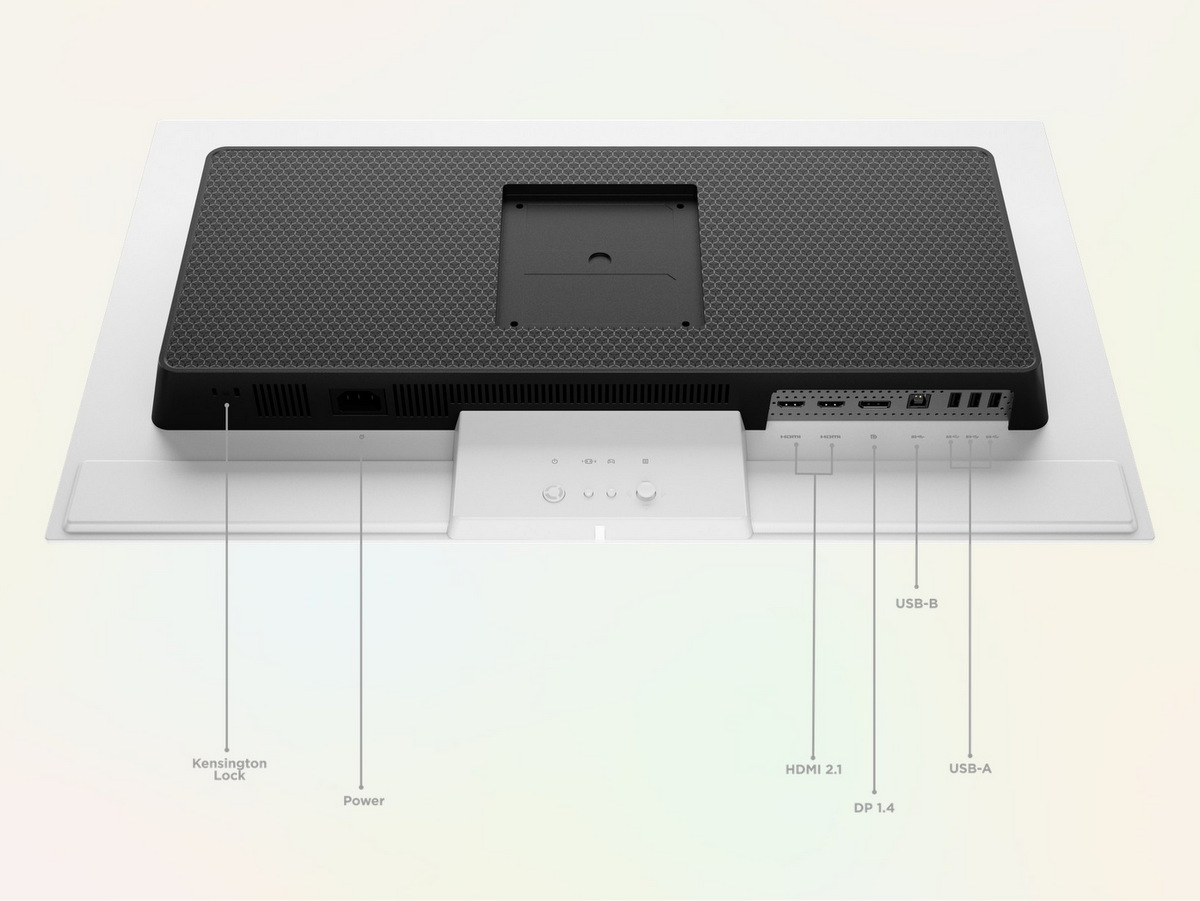
Then there’s the Legion Pro 27Q-10, which dials down resolution to 1440p but cranks the refresh rate up to 280Hz. Competitive esports players who demand fluid motion over ultra-fine detail will appreciate this tradeoff. Each of these monitors comes with the usual suite of ergonomic adjustments, plus plenty of port options, including USB-C one-cable connections that can simplify your desk setup.
Expect the 32″ model in October for $1,099.99, while the 27″ UHD will follow in November for $999.99. The 27Q-10 will also ship in November at $699.99.
The Legion Glasses 2 Learn a New Trick: 3D Mode
Wearable displays often feel like they’re solving a problem nobody asked about, but Lenovo’s Legion Glasses 2 have been quietly building an audience by letting you game or watch media on a giant virtual screen without taking over the living room TV. Now they’re getting a free software update that makes the pitch a lot more compelling: 3D Mode.
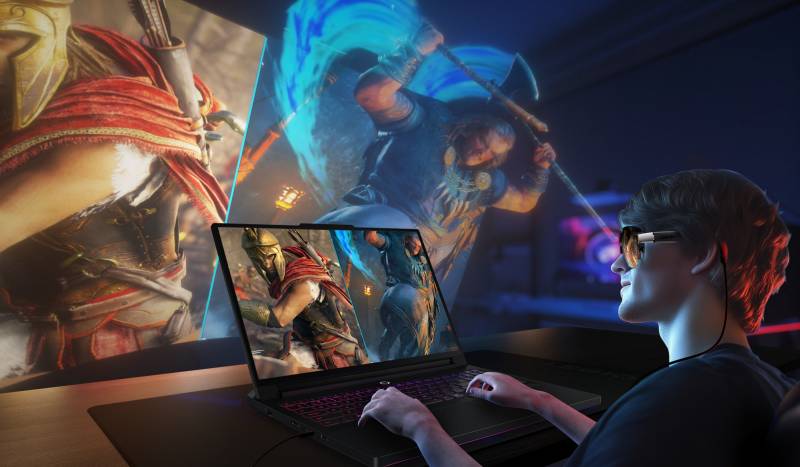
This update takes 2D games and converts them into stereoscopic 3D, with over 20 popular titles supported at launch. It’s not a gimmick that forces you into cross-eyed discomfort either. The effect creates a more immersive sense of depth that can make revisiting old favorites feel fresh. If you own a 10th-generation Legion laptop or the new Legion Go handheld, the update will roll out through Lenovo’s Legion Space software.
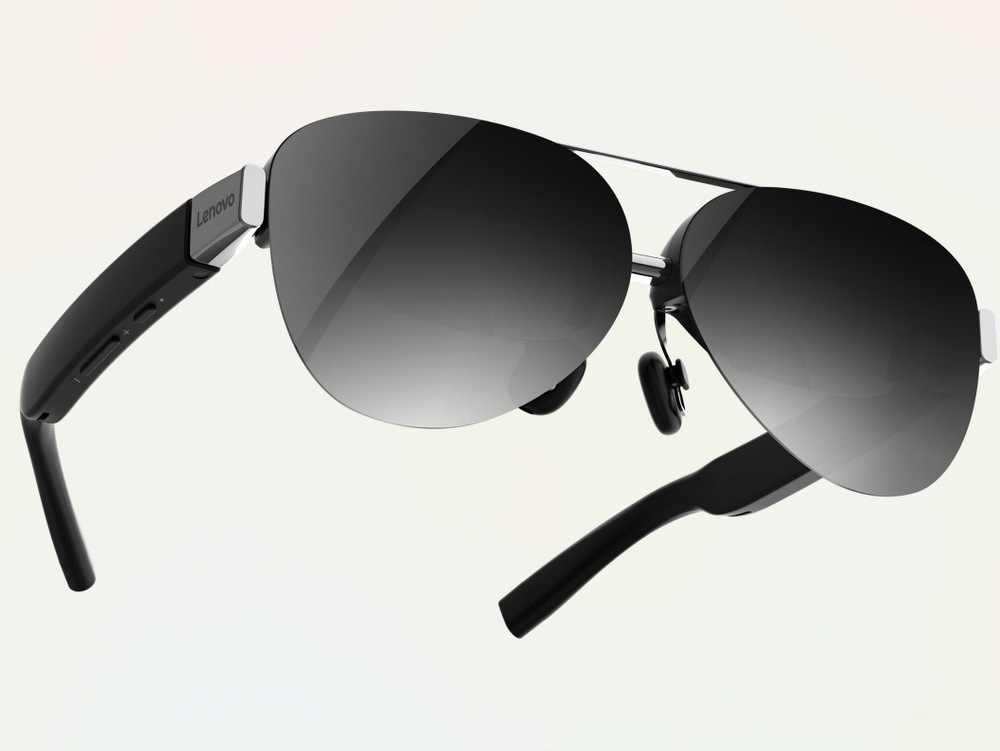
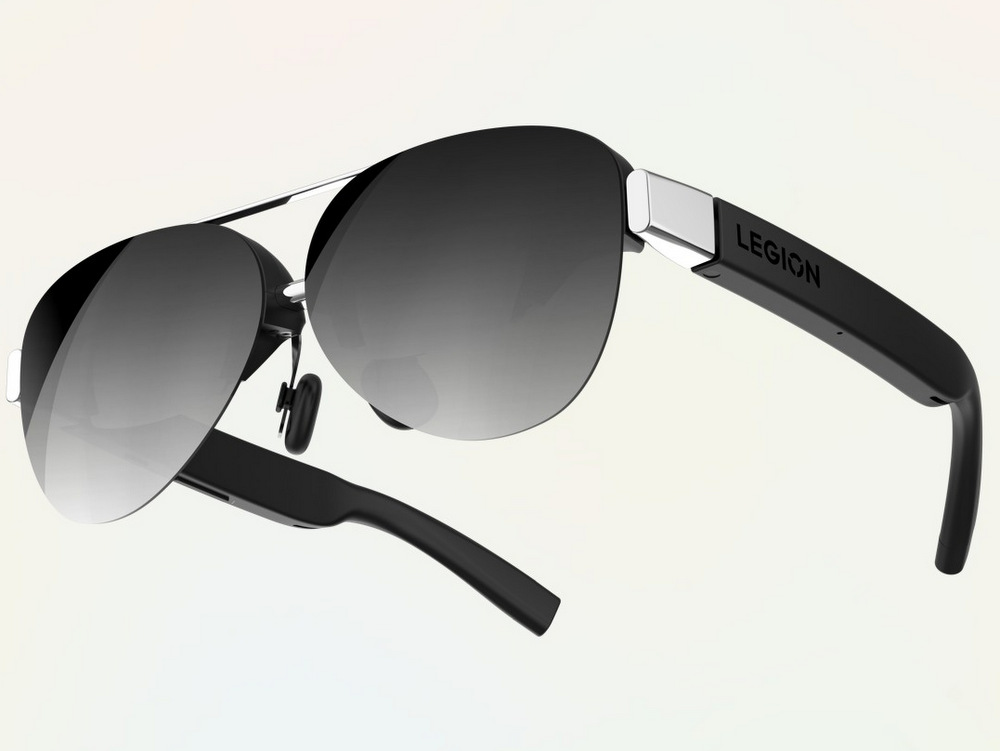
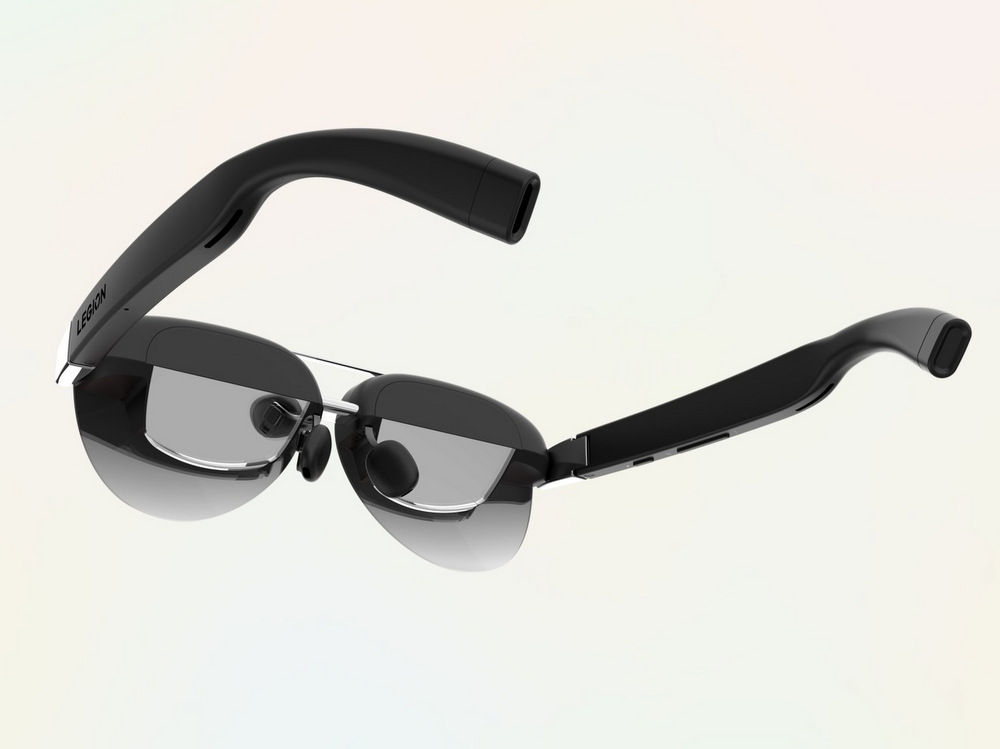

In practical terms, imagine replaying a blockbuster like Assassin’s Creed with the world popping out around you, or even exploring an indie puzzler where 3D depth adds to the challenge. That’s the kind of update that could make the Legion Glasses 2 a lot more tempting for anyone still on the fence.
The Legion Pro 7 Laptop: When “Portable” Doesn’t Mean Compromise
For those who want their gaming rig to double as a content creation powerhouse, Lenovo refreshed its flagship Legion Pro 7 laptop with AMD’s new Ryzen 9000 HX series processors. At the top of the stack sits the Ryzen 9 9955HX3D, which brings serious horsepower for multitasking, game streaming, and editing projects on the side.
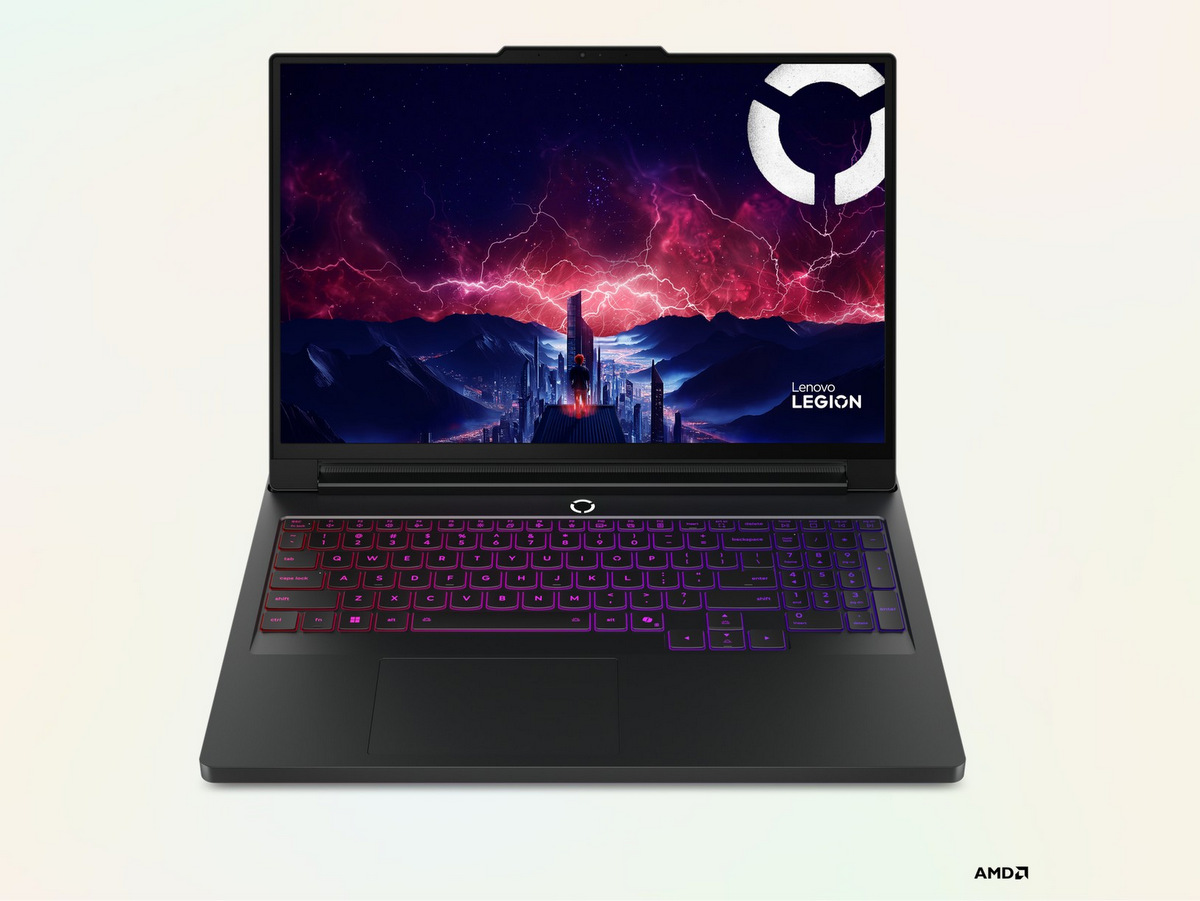
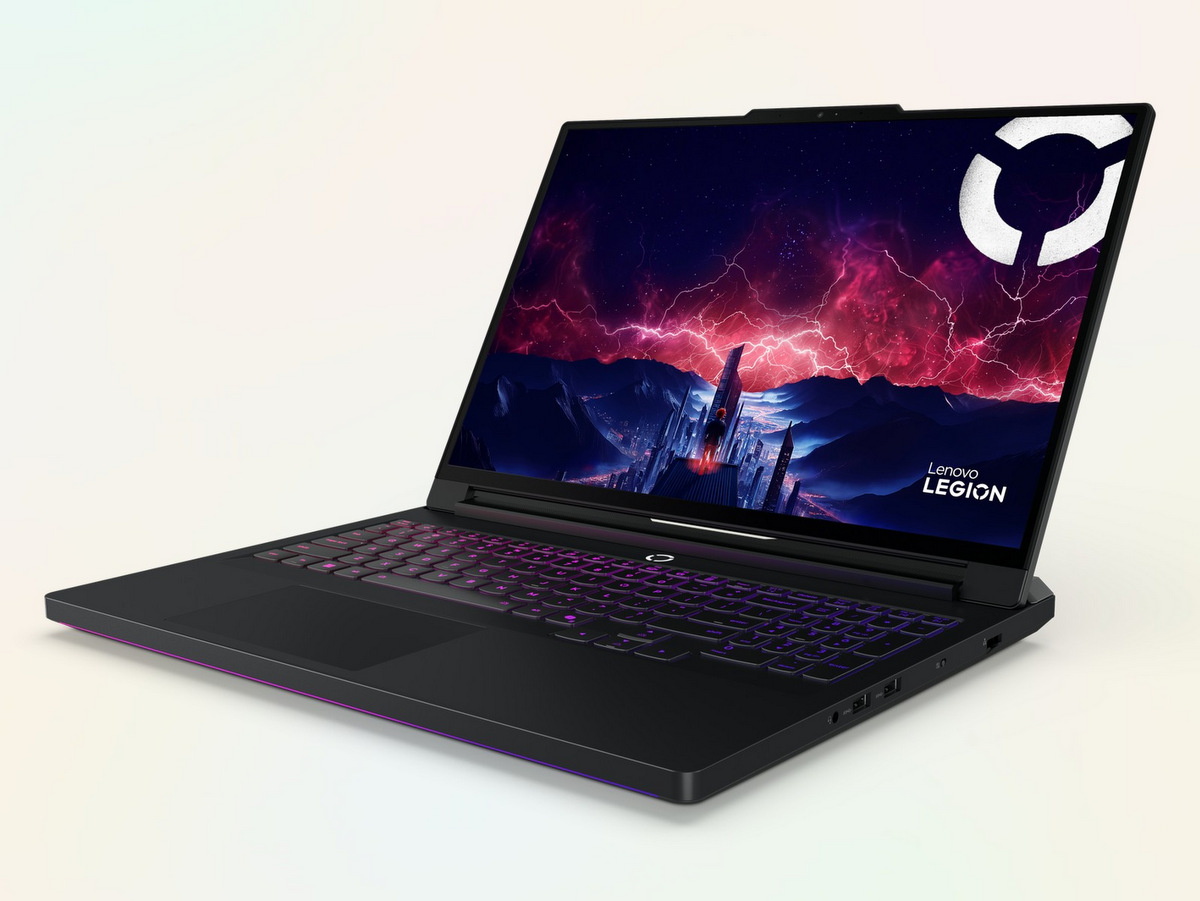
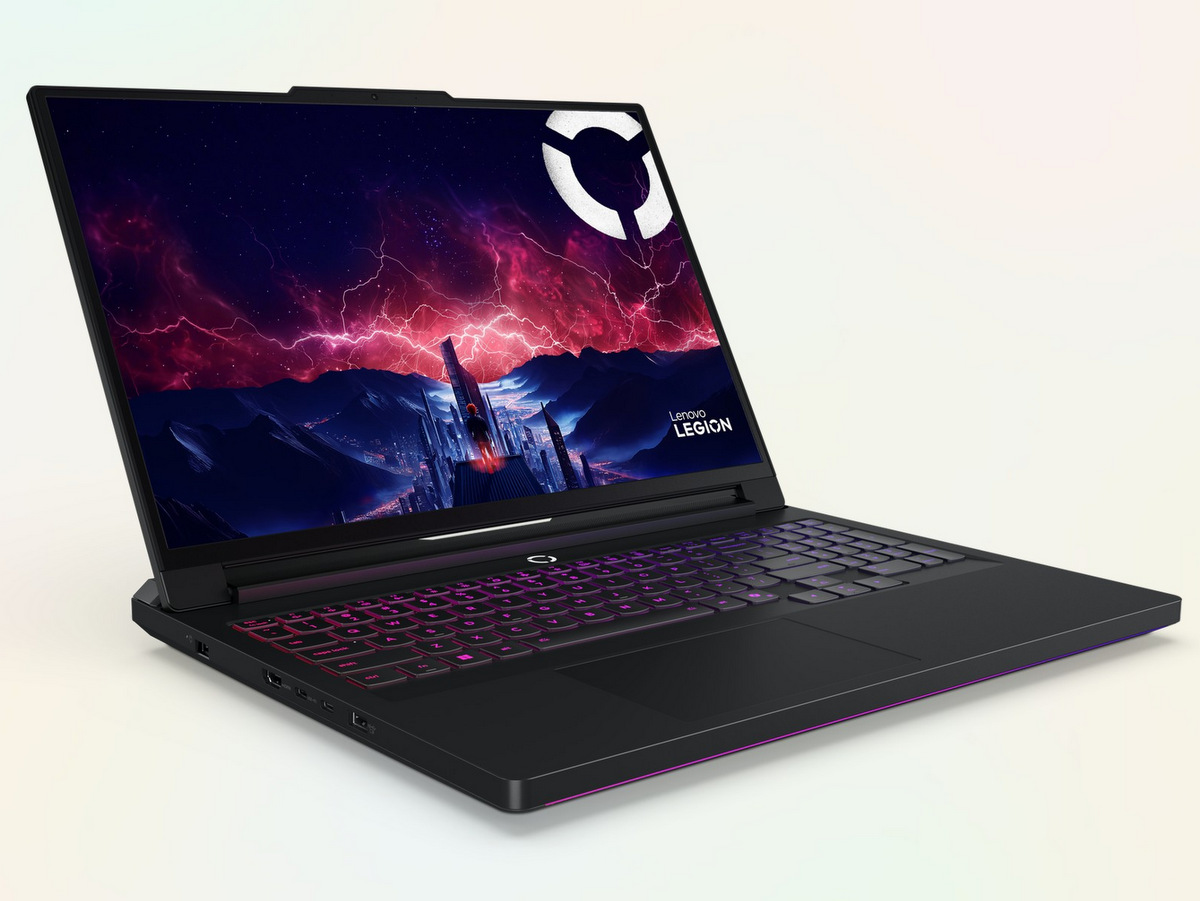
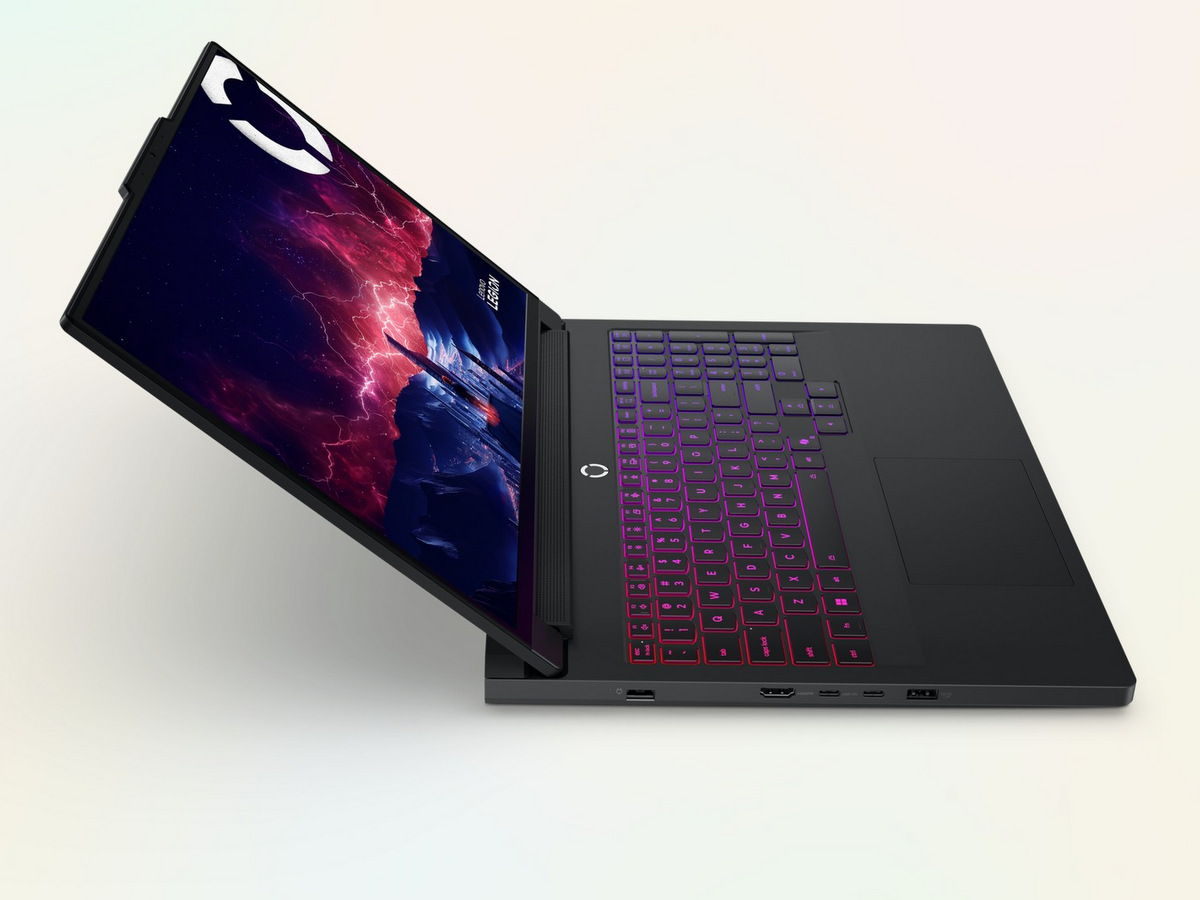
Paired with up to an NVIDIA GeForce RTX 5080 GPU, this machine can push high-demand games at top settings without breaking a sweat. The 16″ OLED display runs at 240Hz with a blisteringly quick 0.08ms response time, making it more than capable of keeping pace with whatever frantic chaos you throw at it. With up to 32GB of DDR5 memory and up to 2TB of lightning-fast PCIe Gen 5 storage, there’s room for sprawling libraries of games and projects.
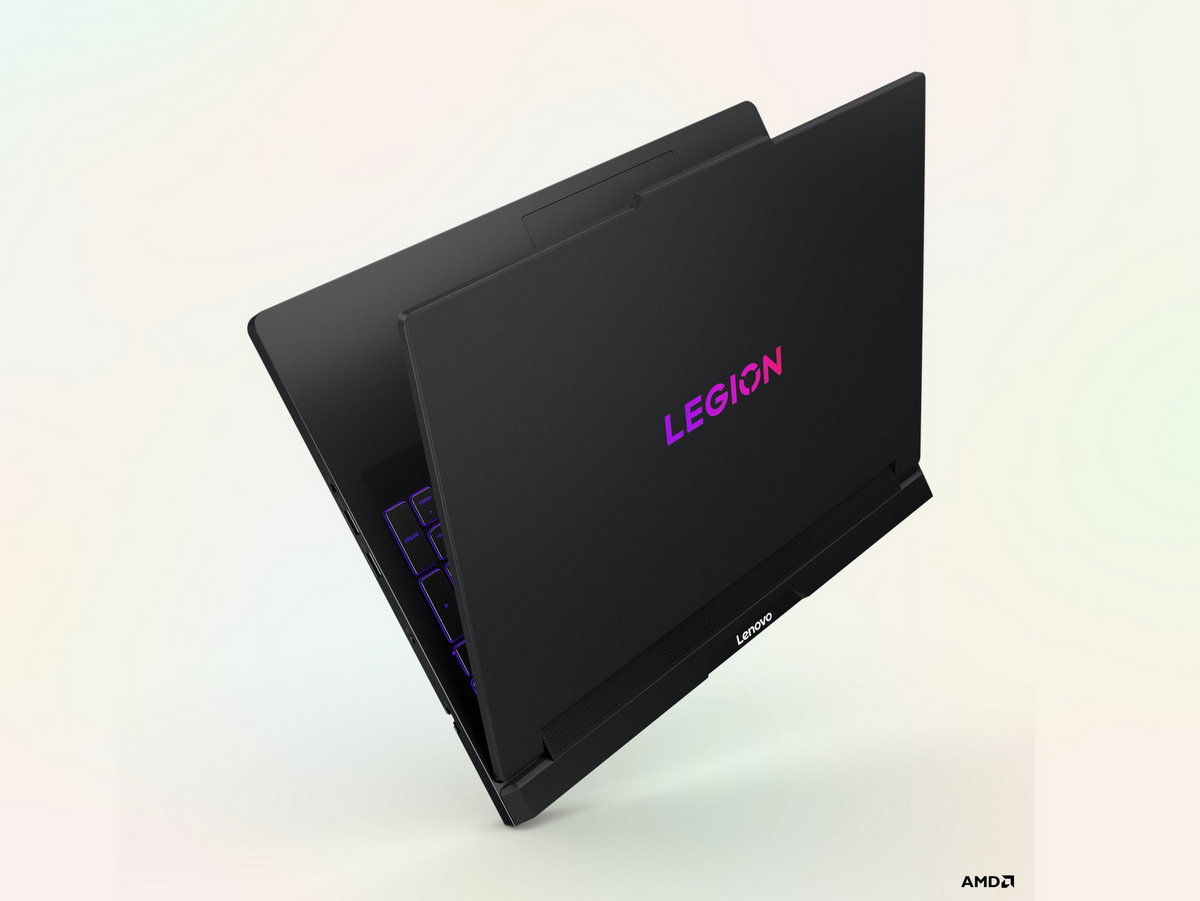
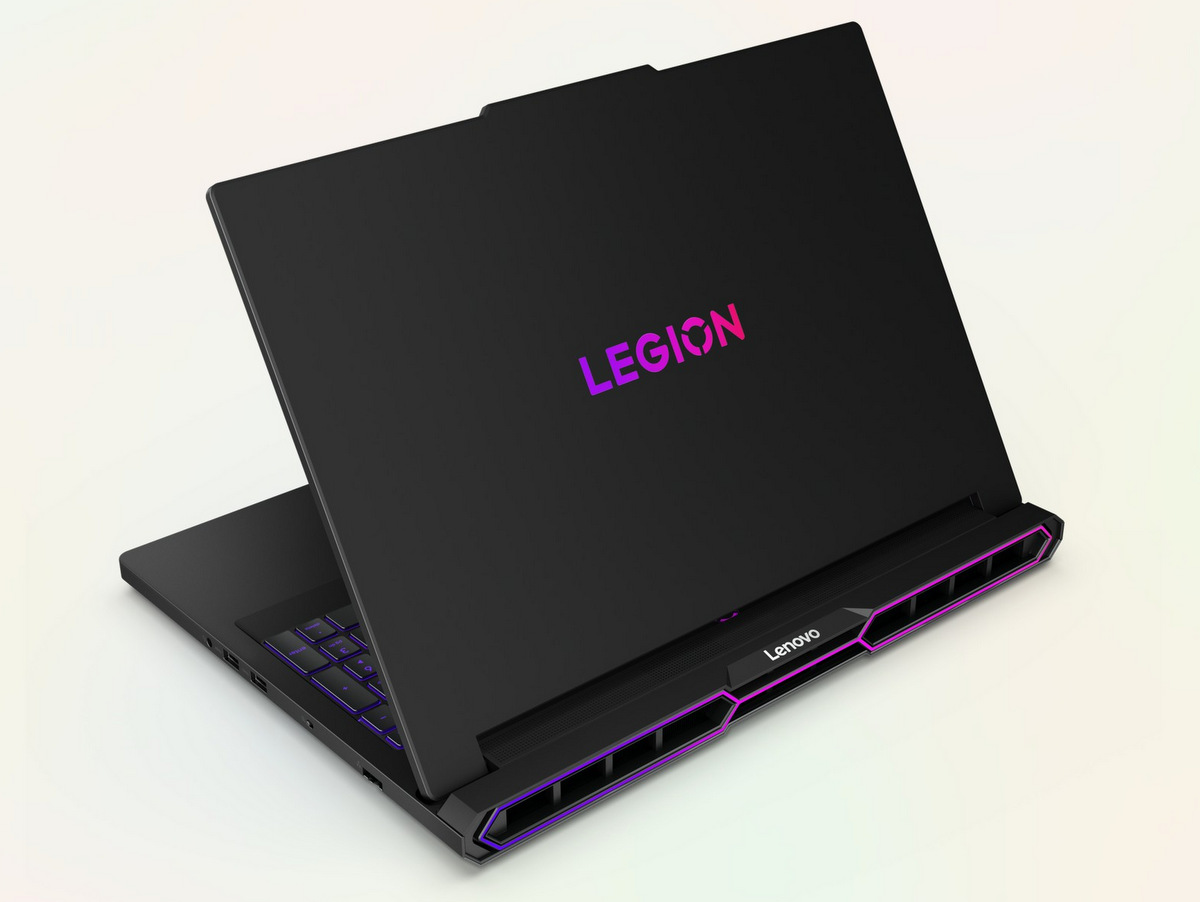
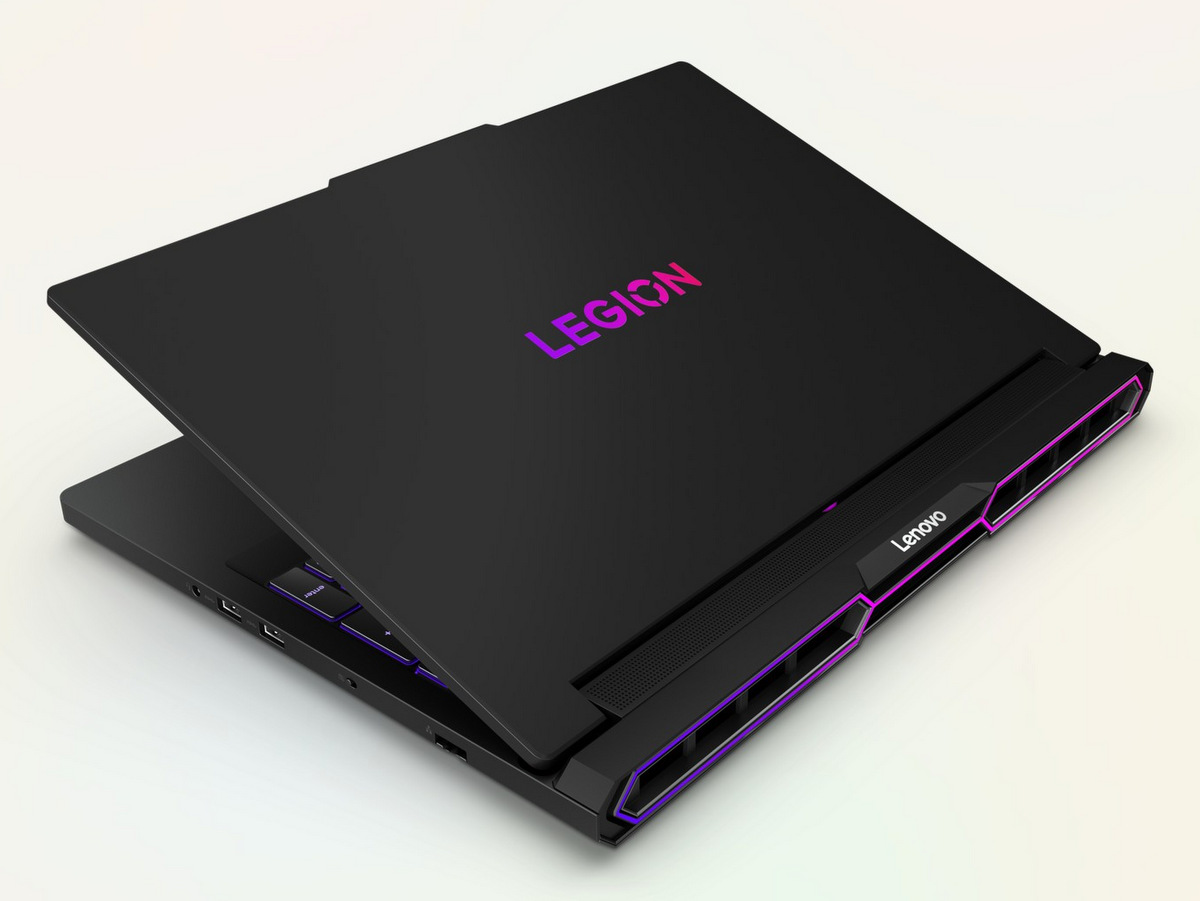
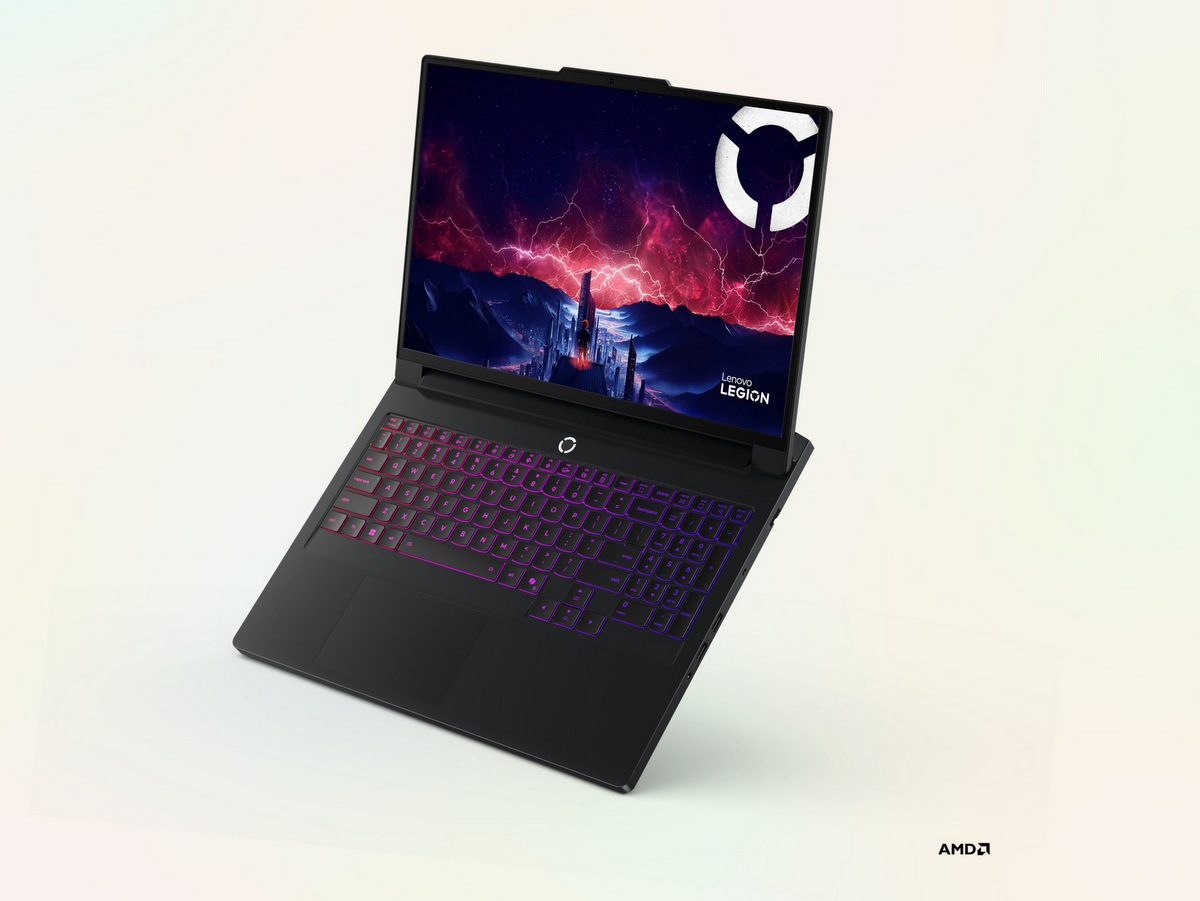
Heat management is usually where laptops like this stumble, but Lenovo’s Coldfront: Vapor system with an integrated hyperchamber aims to keep temps under control while letting the hardware run at its maximum 275W power budget. If you’ve ever had a gaming laptop double as a lap-warmer, this could be a welcome improvement.
The Legion Pro 7 lands in November 2025, starting at $2,399.
The LOQ Tower 26: A Desktop That’s Ready for a Long Reign
Not everyone wants portability. Some prefer the unapologetic dominance of a desktop tower. Lenovo introduced its first 26-liter LOQ Tower, a hulking PC that leaves room for upgrades but ships strong out of the gate.
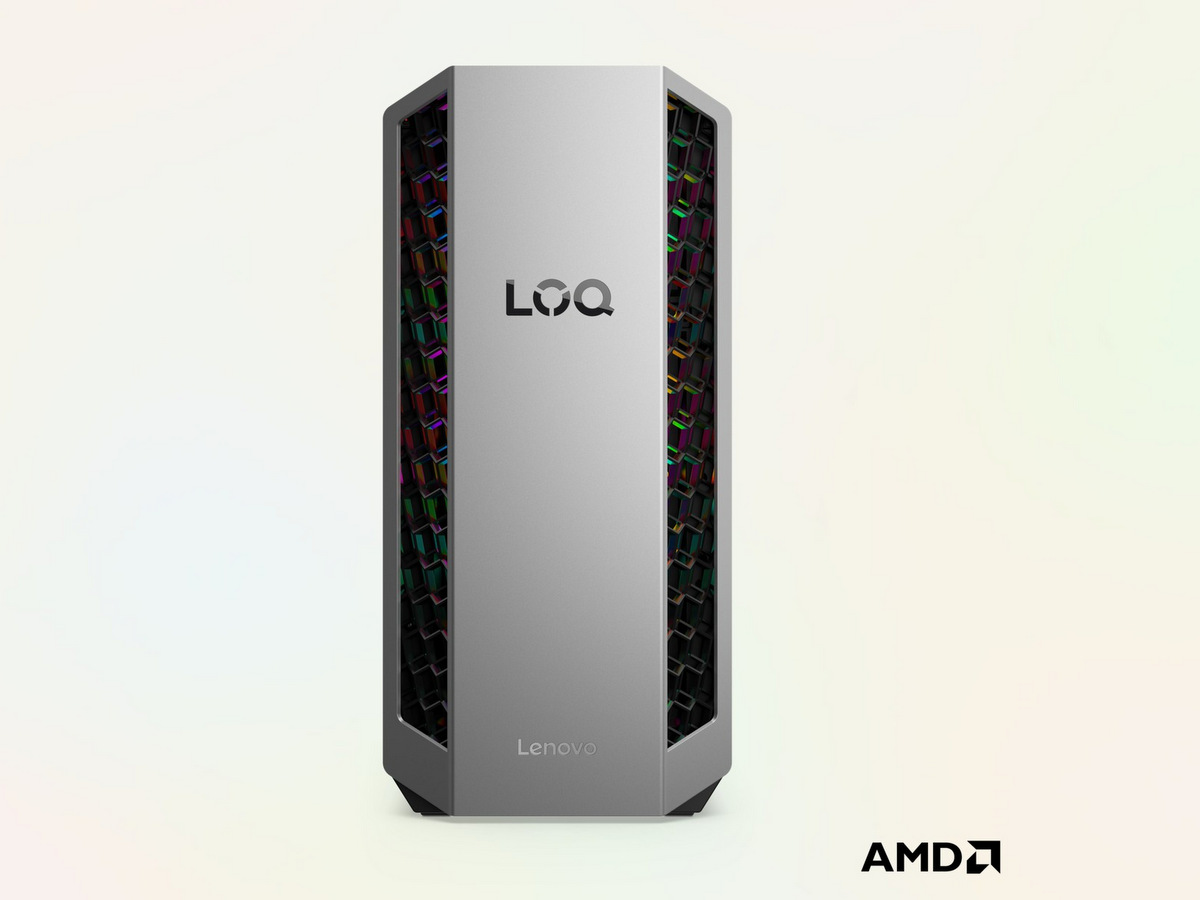
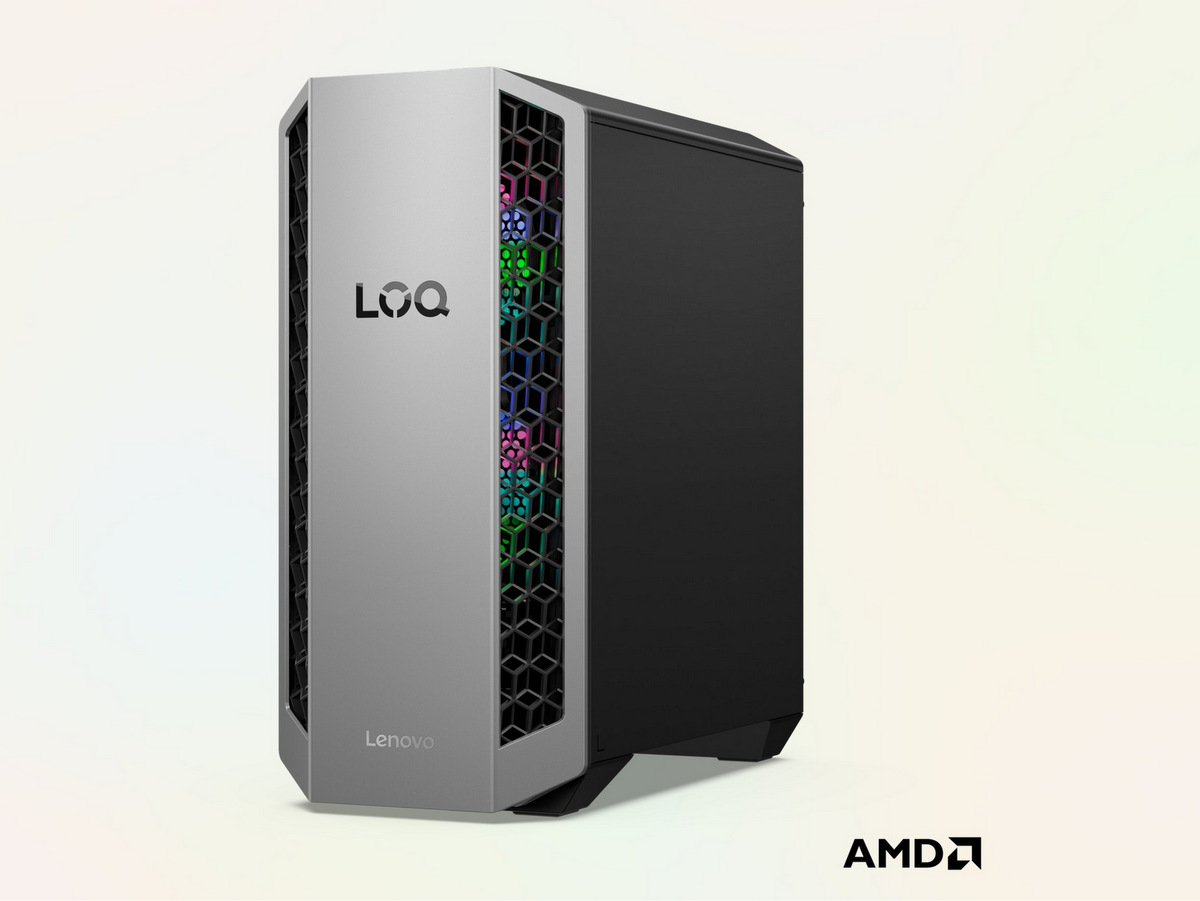
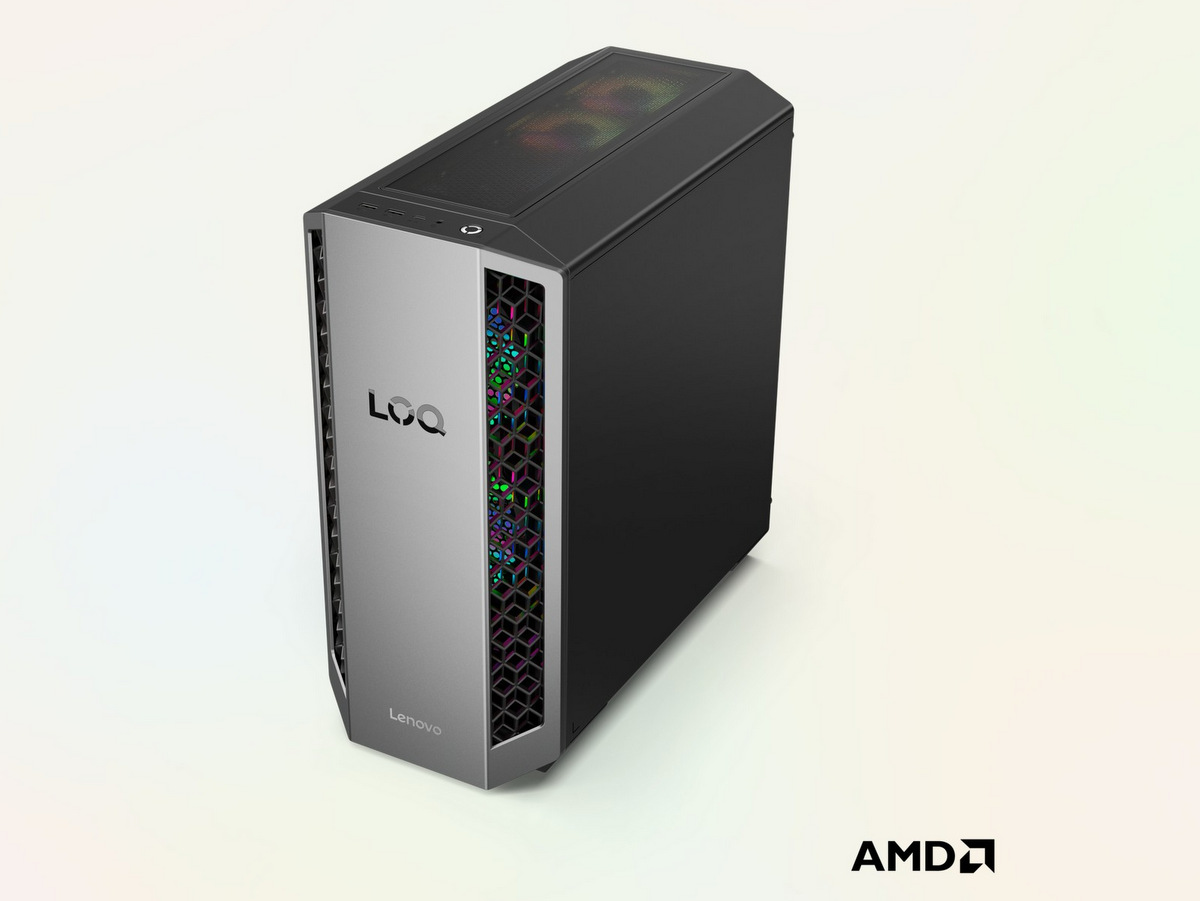
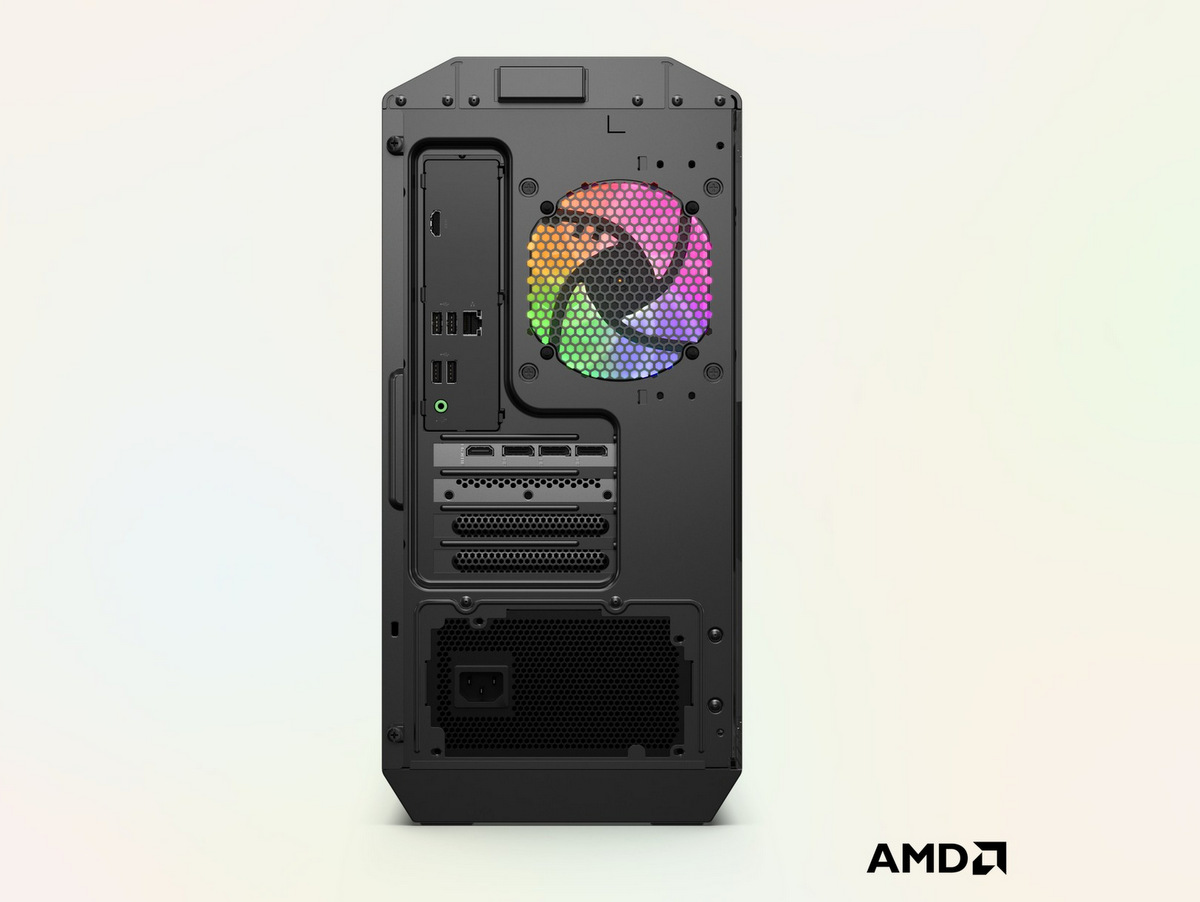
Inside, it’s powered by AMD Ryzen 8000 processors and up to an NVIDIA GeForce RTX 5070 Ti graphics card. That combination can handle the latest AI-enhanced gaming features while also chewing through productivity workloads. With room for up to 64GB of DDR5 memory and up to 4TB of solid-state storage, plus two expansion slots for additional hard drives, this tower could keep you set for years.
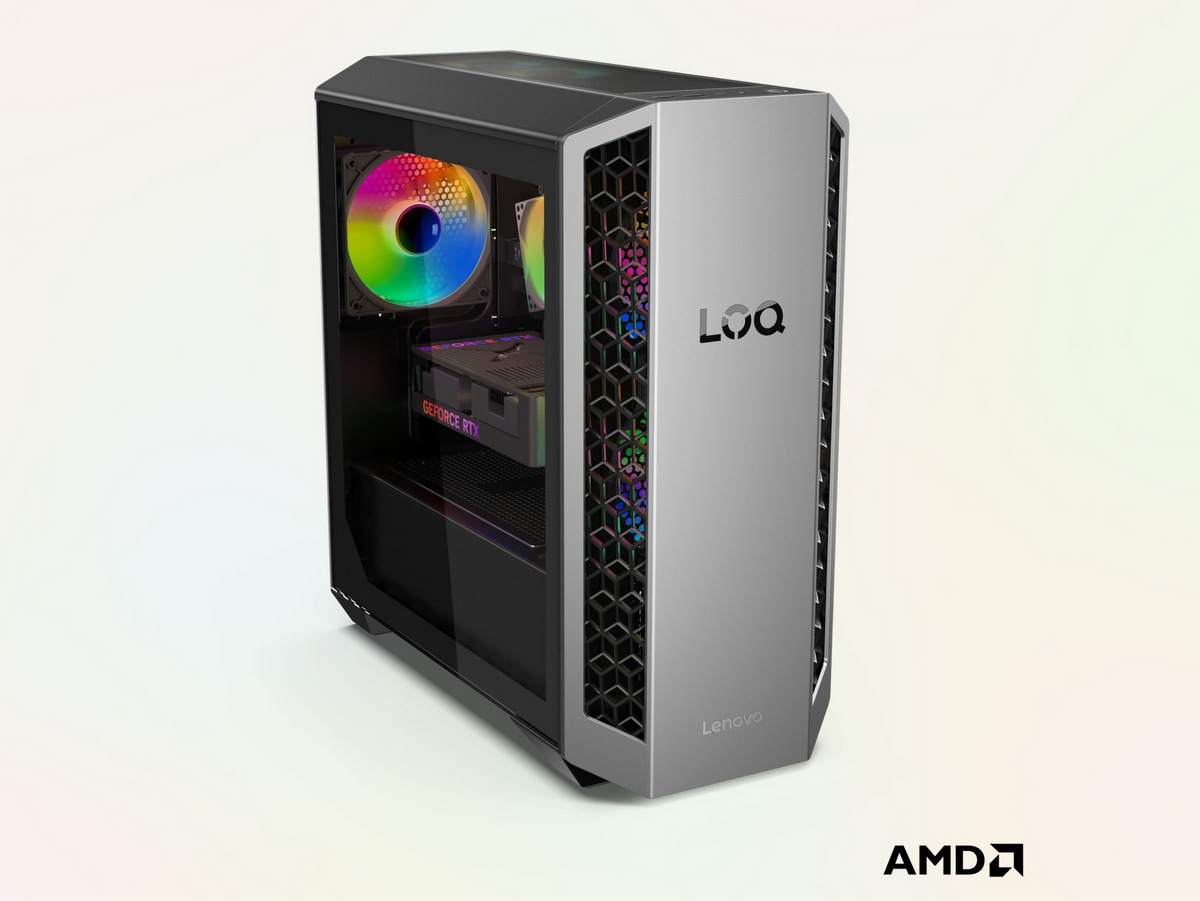
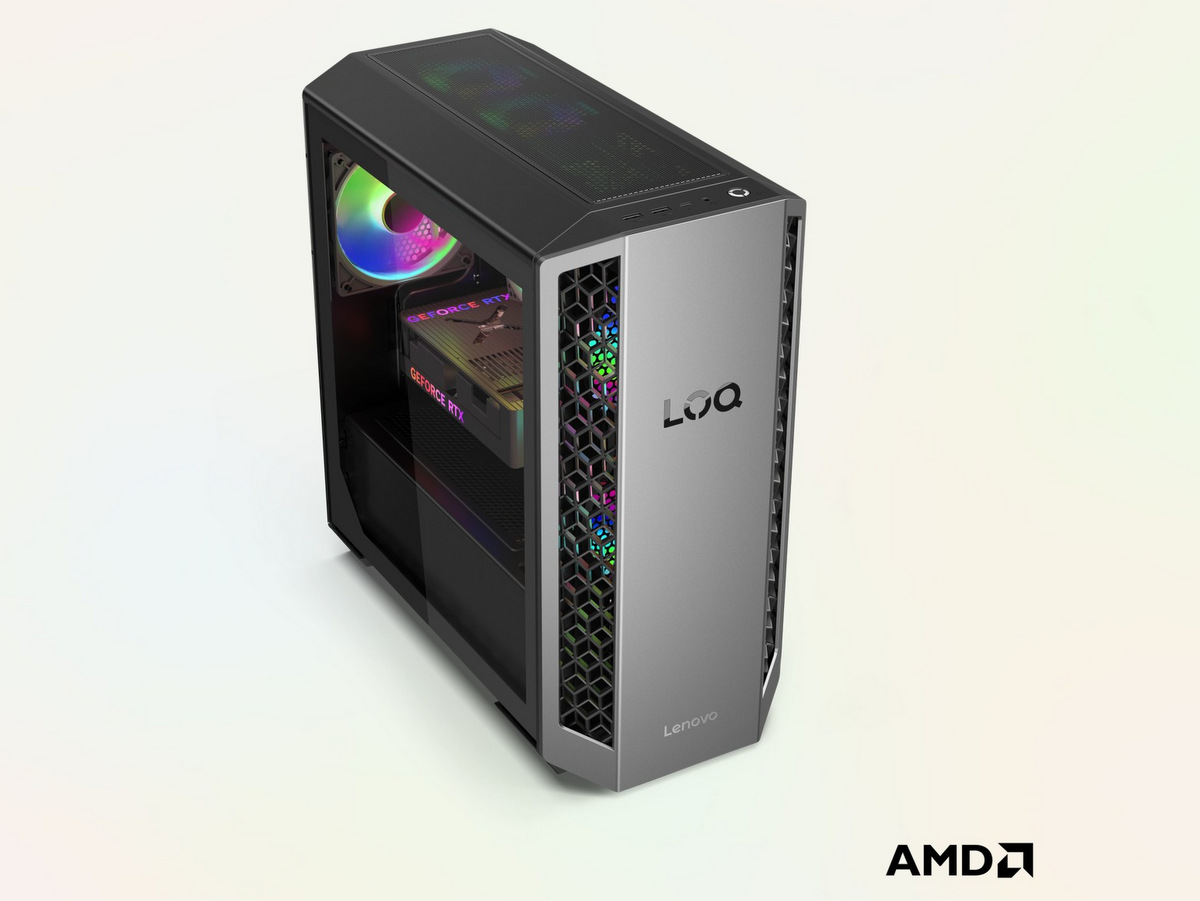
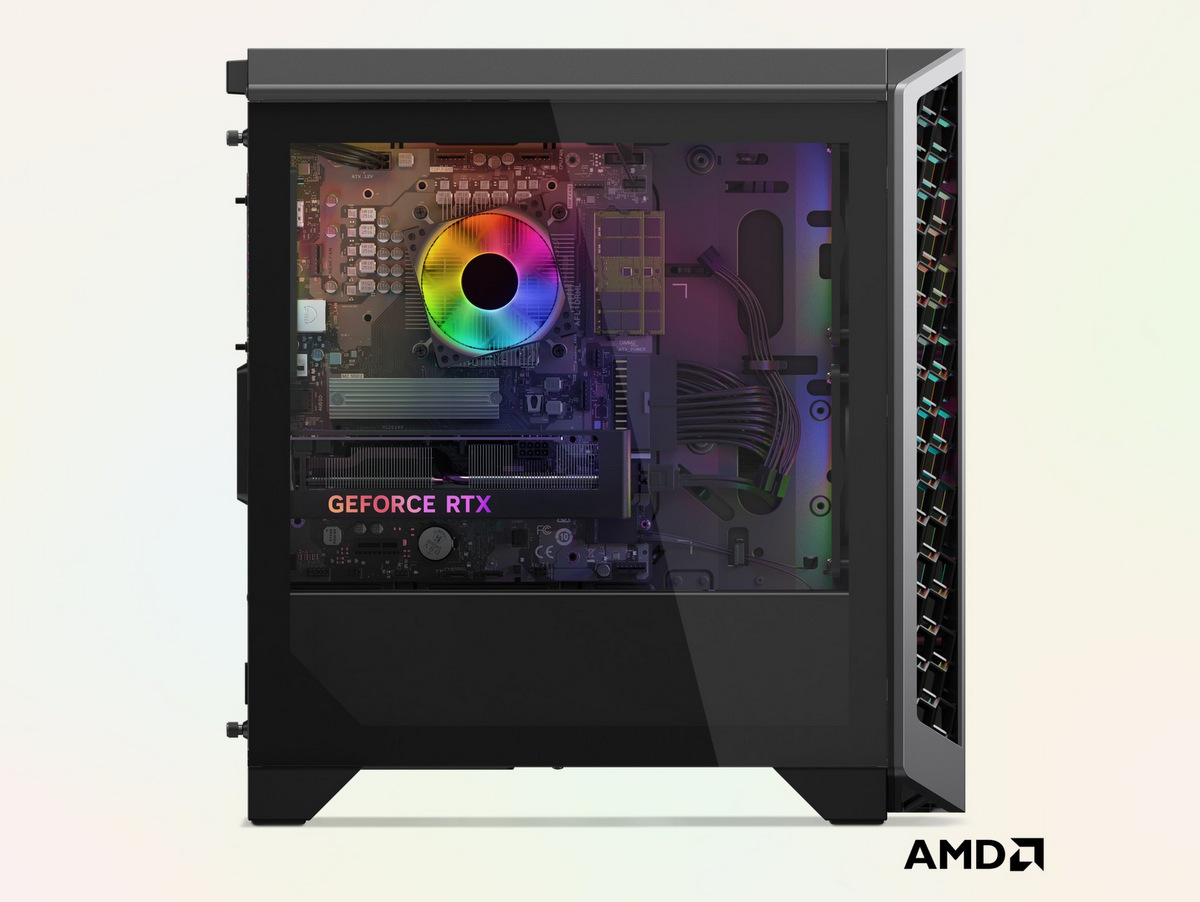
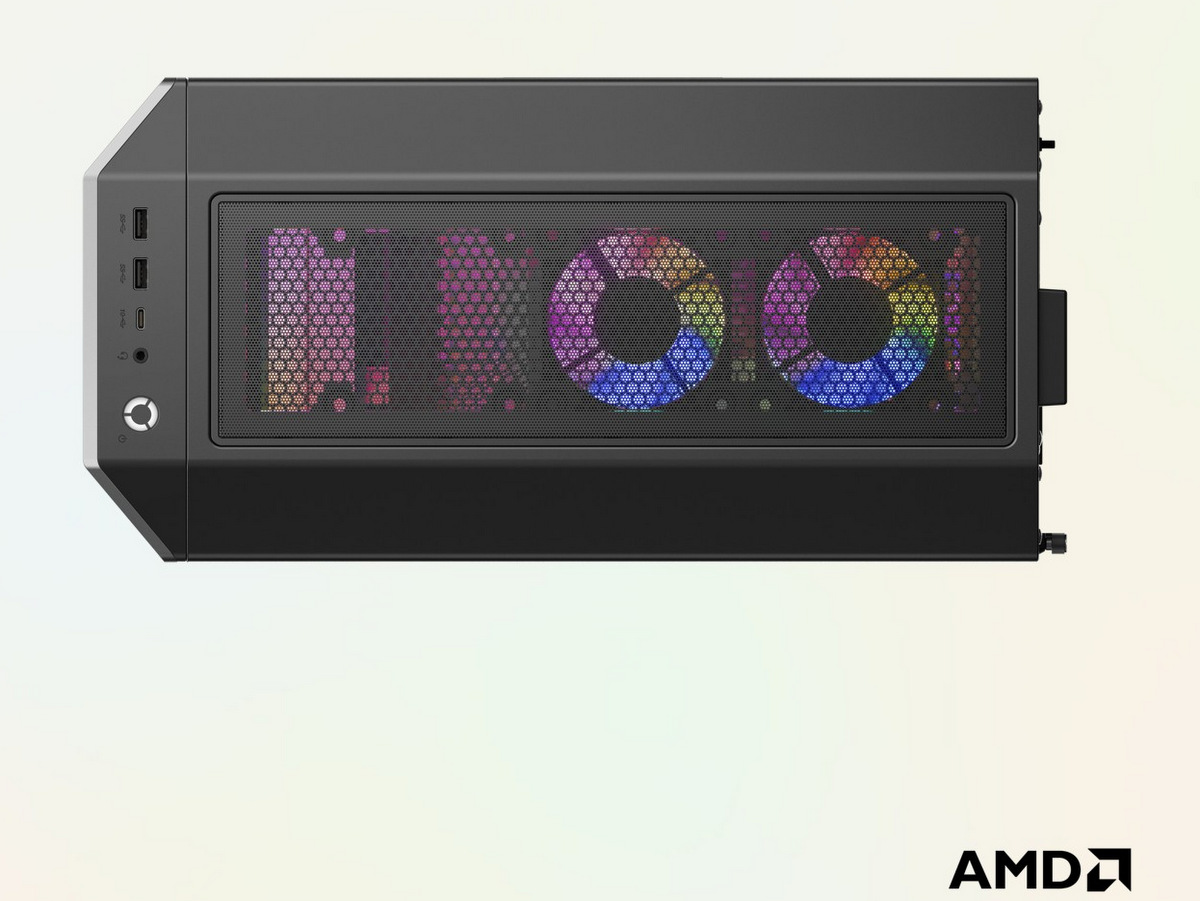
It’s not just brute force, though. A transparent side panel shows off customizable ARGB lighting, which means your PC can glow like an ominous reactor core or cycle through a rainbow of disco moods.
Priced from $999.99, the LOQ Tower 26 will be available in September 2025.
Final Thoughts
Lenovo’s announcements this year show a company that isn’t afraid to experiment with form factors while still paying attention to what makes games fun. The Legion Go handheld is small enough to travel but strong enough to avoid the compromises that usually plague portable consoles. The OLED monitors are unapologetically designed for those who care about both speed and visual fidelity. The Legion Glasses 2 update adds novelty and new depth to games you already own. And the LOQ Tower 26 brings the kind of desktop presence that can anchor a setup for years.
None of these are bargain-bin gadgets, but they aren’t supposed to be. They’re for people who want devices that feel like investments, not just temporary distractions. Whether you’re gaming on a couch, hunched over a desk, or stealing a few minutes in a cramped airplane seat, Lenovo has made a strong case that your next gaming upgrade might come stamped with the Legion logo.