
For years, upgrading your phone every 12 to 18 months felt less like a choice and more like a necessity if you wanted better cameras, faster performance, and battery life that lasted past dinner. That expectation is starting to crack. Recent research from Allstate Protection Plans would have us believe that Americans have stepped off the hype treadmill and now treat smartphones as long-term investments rather than disposable toys. Maybe. Or maybe this is simply what happens when phones stop changing much, prices keep climbing, and the industry runs out of fresh reasons to demand everyone’s attention every 12 months.
Photo by Helena Lopes
The numbers point to a slowdown, though not a clean break. According to the research, 27% of consumers upgrade every 2 years, 23% keep their phones for 3 to 4 years, and 21% wait until something actually breaks. At the same time, 22% still replace their phones within 12 months, and 3% do it within 6 months.
That doesn’t look like a rejection of the annual upgrade cycle so much as a loosening of its grip. When nearly a quarter of people are still upgrading within a year, this feels less like a values shift and more like a habit that’s slowly losing momentum, helped along by prices, diminishing returns, and a general sense that nothing truly new is happening anymore.
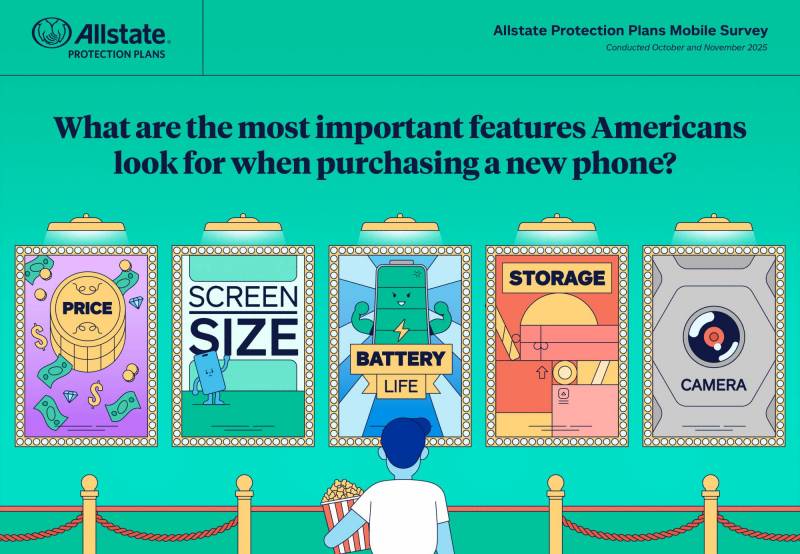
The most common explanation is practicality. Battery life now matters more than price when people choose a phone, pushing cost into second place. Storage hasn’t budged, camera quality has climbed in importance, screen size has slipped down the list, and brand reputation has crept upward. This is often pitched as the “worth-it” era, replacing the “wow” era, but that framing gives consumers a little too much credit.
When phones start to feel interchangeable, excitement fades on its own. If your current phone already does everything you need, the only feature that really stands out is the one that keeps it from dying at 4 p.m. That’s not enlightenment; it’s fatigue.
Artificial intelligence slots neatly into this dynamic. Only 17% of Americans say AI features play a major role in their buying decisions. Marketers insist that number will grow, though there’s little evidence it has to. It’s just as plausible that people are tired of being sold “revolutionary” features that look great in demos and barely register in everyday use. If AI is supposedly everywhere already and still doesn’t move the needle, that starts to look like a credibility problem, not a communication one.
Environmental concern is where the disconnect between intention and behavior becomes impossible to ignore. 52% of Americans say the environmental impact of smartphones is extremely or very important, and 65% agree that refurbished electronics are economical and sustainable. Yet only 38% say they’re likely to buy refurbished devices, and just 18% have ever done so.
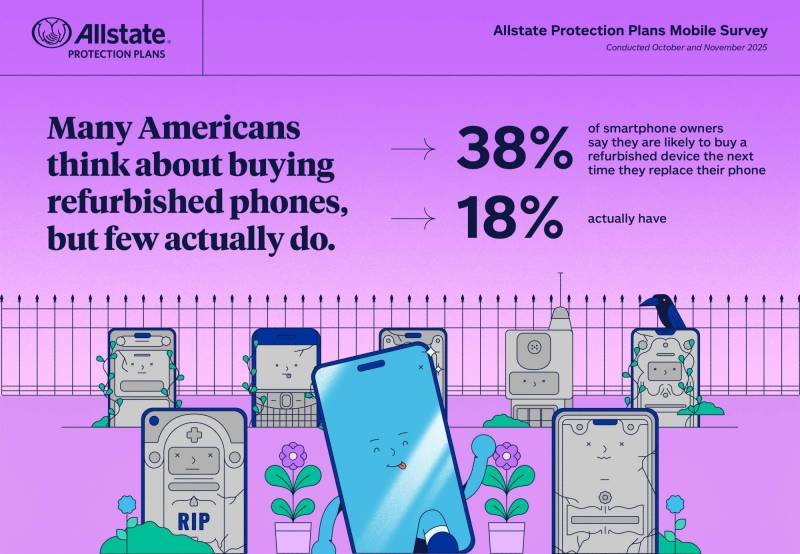
When asked why, 52% worry about quality, 51% worry about defects, and 40% worry about data privacy. That hesitation is often chalked up to consumer distrust, but after years of positioning refurbished phones as the responsible choice, it’s fair to ask why they still feel like a gamble.
Recycling tells an even messier story. Only 20% of people recycle old phones, 8% throw them in the trash (!!), and 26% aren’t confident they know how to recycle a device at all. The average household has 1.8 unused smartphones sitting around, politely labeled as “sustainability inertia.” A less polite interpretation is that when the responsible option requires extra steps, unclear rules, or even mild inconvenience, most people default to the junk drawer, regardless of how much they say they care.
Consumers do respond to visible environmental efforts, at least to a point. 34% are more likely to buy from manufacturers that commit to emissions reductions, and the same percentage respond positively to recycled ocean plastics. 30% say recycled glass and recycled packaging help, and 27% like knowing their phone will be responsibly recycled at trade-in. Those numbers matter, but they also suggest sustainability is usually a tiebreaker, not the main reason someone pulls out their wallet.
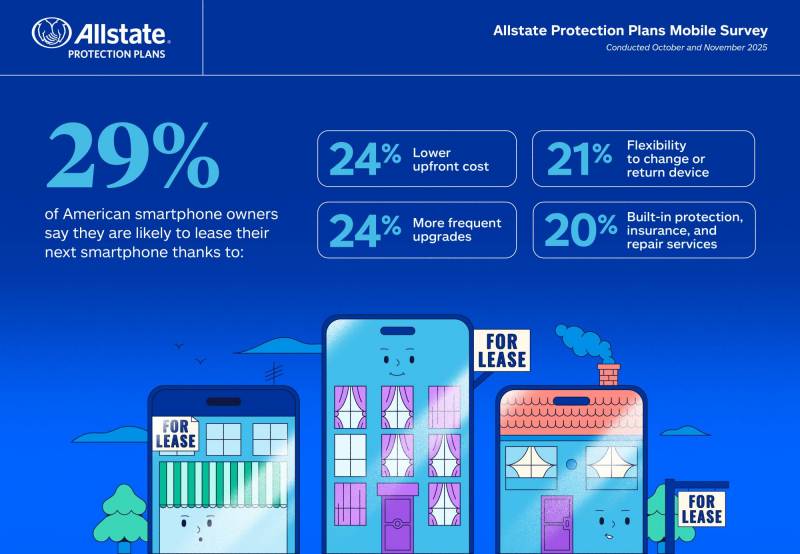
Then there’s leasing and subscription-style ownership, or the slow erosion of actually owning the thing in your pocket. 29% of Americans say they’d consider leasing, drawn by lower upfront costs, more frequent upgrades, flexibility, and bundled protection or repair services. This is often sold as freedom. It also looks a lot like paying forever for something you never fully own. Whether that feels empowering or unavoidable likely depends on how unrealistic buying a new phone outright already seems.
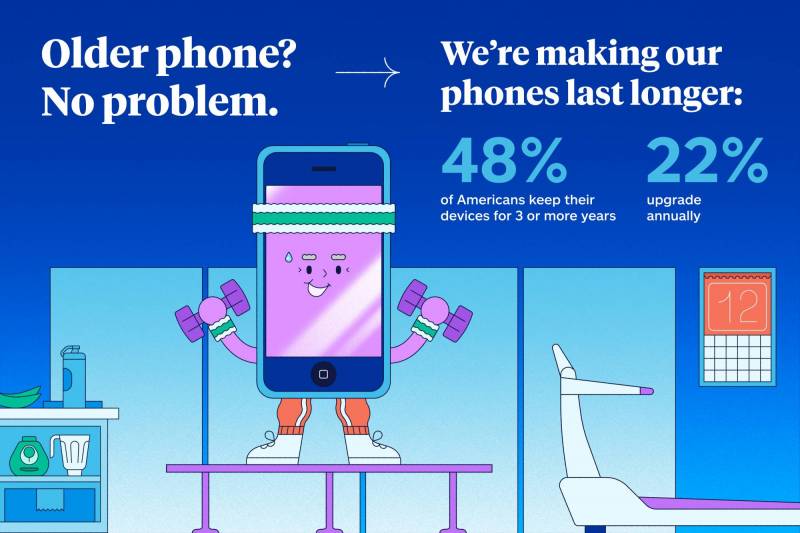
What all of this adds up to isn’t a nation of newly enlightened consumers, but one adjusting to constraints. Phones last longer. New ones cost more. Upgrades feel harder to justify. People care about the environmental impact of their devices but struggle to act responsibly inside systems that are confusing or inconvenient. Flexibility sounds appealing, especially when it softens the financial hit. Calling this a bold new era of smartphone ownership might be generous. It may simply be what happens when the hype runs out, and everyone adapts.
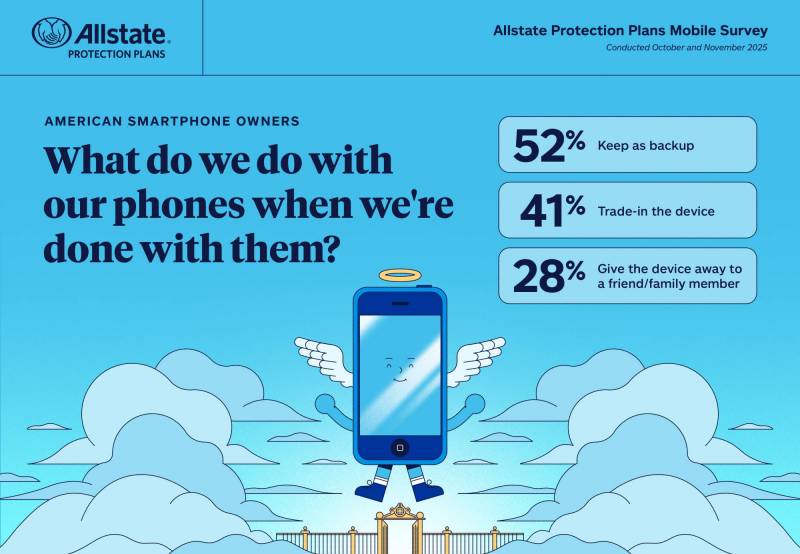
So where does that leave the rest of us, outside the survey results and tidy narratives? When you upgrade, what actually happens to the phone you’re replacing? Does it get responsibly recycled, traded in, sold, or does it quietly join a growing pile of old devices in a drawer “just in case”? And when it comes time to buy again, are you holding onto your phone longer because it still works, or because replacing it feels harder to justify than it once did?
I’m also curious whether your own upgrade habits have really changed. Do you still swap phones every year or two out of reflex, or have you started waiting for something to break, or — at the very least — for the battery to become truly unbearable? Are refurbished phones or leasing options beginning to look appealing, or do they still feel like compromises? However you answer, it may say less about personal philosophy and more about how the smartphone market has quietly shifted around all of us.


Probably keep old phones longer if they didn’t include planned obsolesence and stop giving you OS and security updates. Most features are unnecessary for most users.
I like to think I lean toward making the smart choice when looking into getting a new phone instead of just what looks cool, but there will always be the part that picks something that has specific cool features. Overall though, I always look for the choice that significantly upgrades and I keep my old phone as a backup.