
The Lowdown
The MOVA LiDAX Ultra 1000 is trying to solve the two problems that have kept many people from taking robot mowers seriously: annoying setup and inconsistent navigation. Its combination of 360-degree 3D LiDAR, AI vision, app-based mapping, U-shaped mowing, edge-focused cutting, and obstacle avoidance gives it a strong feature set for a 0.25-acre lawn. The lack of boundary wires or RTK hardware is the headline, but the reason I like it is simpler: the system has been reliable so far.
Overall
Pros
- Wire-free setup with no RTK station required
- Intuitive mapping with strong manual-mapping control
- Excellent positioning and very straight mowing lines
- 360-degree 3D LiDAR and AI vision navigation
- App-based cutting-height adjustment from 1.2″ to 3.9″
- Support for two independent maps and up to 150 managed zones
- U-shaped mowing with automatic recharge and resume
- Tight edge cutting that reduces follow-up trimming
- Quiet operation
- Good terrain handling and traction
- Animal-friendly modes
- Built-in anti-theft features, 4G tracking, lift alerts, and AirTag compatibility
- Includes spare blades, screws, cleaning tools, and setup accessories
Cons
- Some edge trimming will still be necessary around raised borders and irregular landscaping
- 60-minute average battery life means larger or more complex yards may require multiple sessions
- Aggressive wheel spikes can collect rocks, twigs, and debris in soft or muddy yards
- Loose vines can wrap around the wheels
- Tall weeds may be avoided instead of being cut
Robot lawn mowers have been around long enough that the novelty has worn off, but the setup pain hasn’t always followed it out the door. Older models often required burying or staking boundary wires around the yard, while newer premium models may lean on RTK positioning, which usually means installing a reference station with a clear view of the sky. Both approaches can work, but neither is exactly charming when all you want is a neatly maintained lawn without spending Saturday explaining to your grass where it lives.
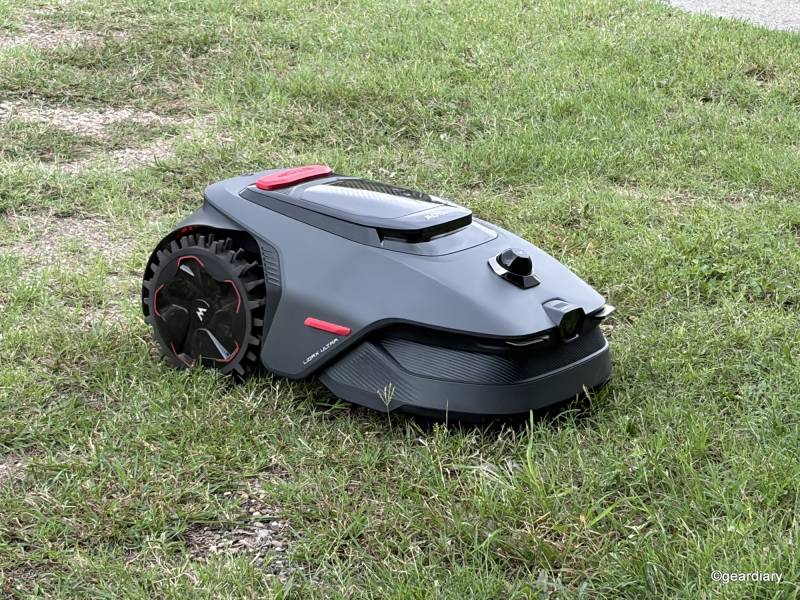
The MOVA LiDAX Ultra 1000 is aimed squarely at that frustration. It’s a battery-powered, automatic robot lawn mower designed for lawns up to 0.25 acres (or about 10,890 square feet), and its biggest pitch is simple: no boundary wires and no RTK base station. Instead, it uses MOVA’s UltraView 2.0 system, which combines 360-degree 3D LiDAR with AI vision to map and navigate your lawn. In plain English, LiDAR uses laser-based distance sensing to help the mower understand the shape of its surroundings, while the camera-based AI vision system helps identify objects and navigate more intelligently.
That matters because robot mowers live or die by navigation. A mower that cuts well but constantly loses its place, misses zones, bumps into furniture, or needs rescue from a flower bed will quickly become less “smart lawn care” and more “expensive outdoor pet with blades.” The LiDAX Ultra 1000 is designed to avoid that trap by mapping the yard in three dimensions, recognizing obstacles, working in varied lighting conditions, and mowing in efficient U-shaped paths rather than wandering randomly until the lawn eventually looks presentable.
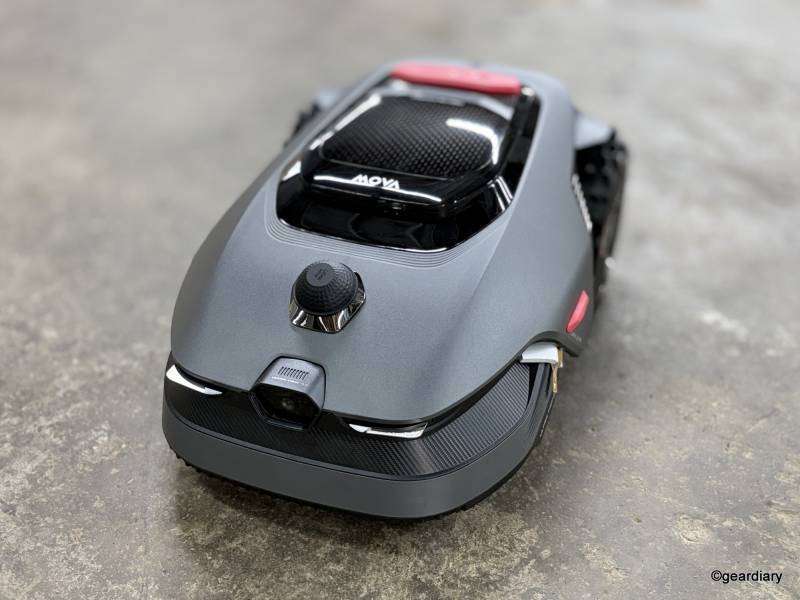
After using it, the best thing I can say about the LiDAX Ultra 1000 is that it doesn’t make setup feel like an initiation ritual. The mapping process is intuitive, and the mower gives you a couple of ways to teach it your yard. There’s an automatic mapping option, and in simpler areas, it worked well enough. For the yard at Kev’s studio, which has enough complexity to keep things interesting, I got slightly better results by manually walking the mower along the edges of the mowing area using the app as a controller. The difference wasn’t dramatic, but manual mapping gave me a little more confidence in the boundaries.
Maintenance, Cleaning, and What Comes in the Box
The MOVA LiDAX Ultra 1000 package includes the robot lawn mower, charging station, power supply, eight stakes, a hex key, a lint-free cloth, a cleaning brush, a quick-start guide, a user manual, nine spare blades, nine screws, and a screwdriver. That’s a practical starter kit, especially the spare blades and screws. Robot mower blades are consumables, and you should expect to replace them periodically depending on mowing frequency, grass conditions, debris, and whether the mower encounters sticks, seed pods, or other blade-dulling surprises.
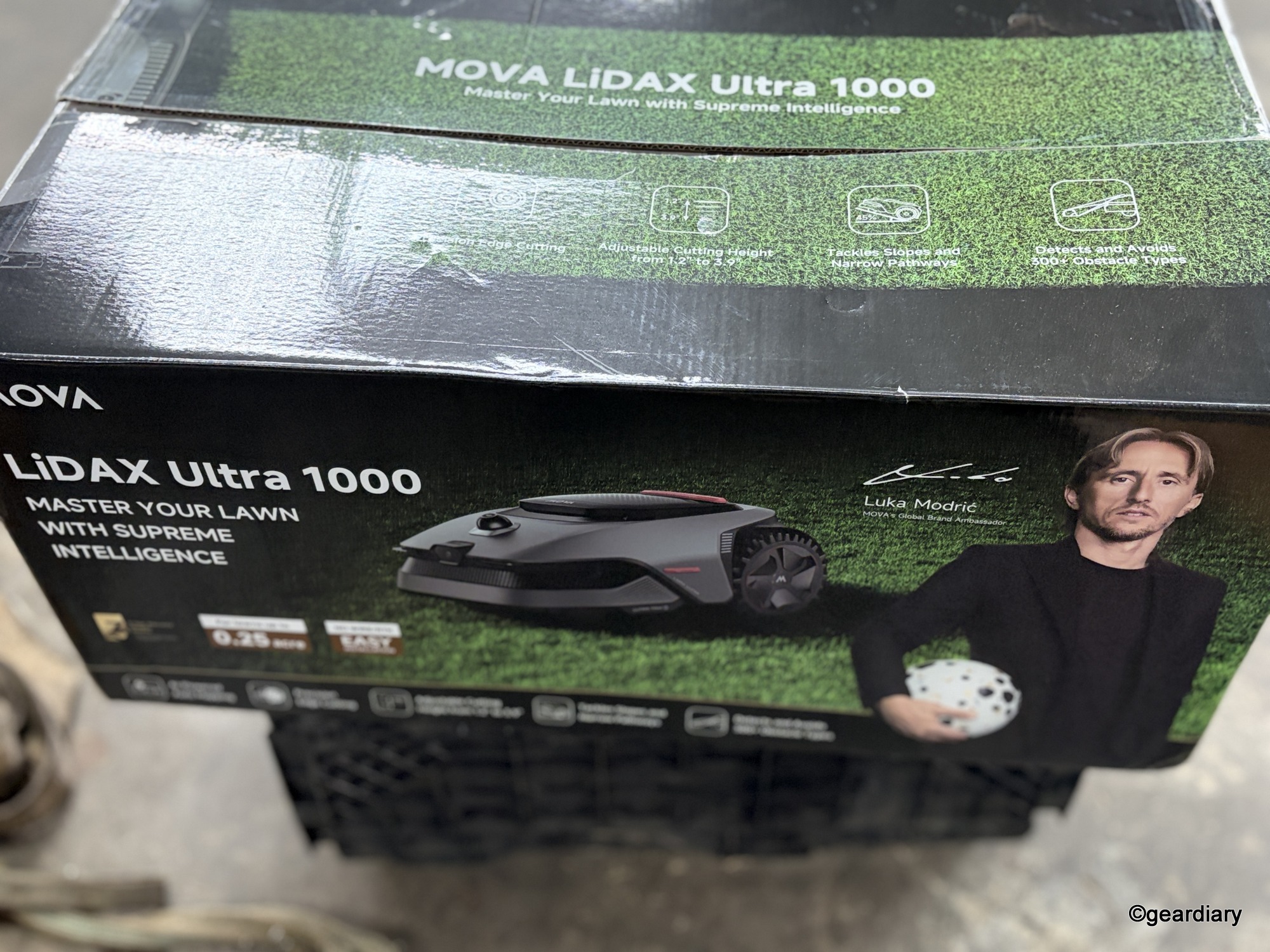
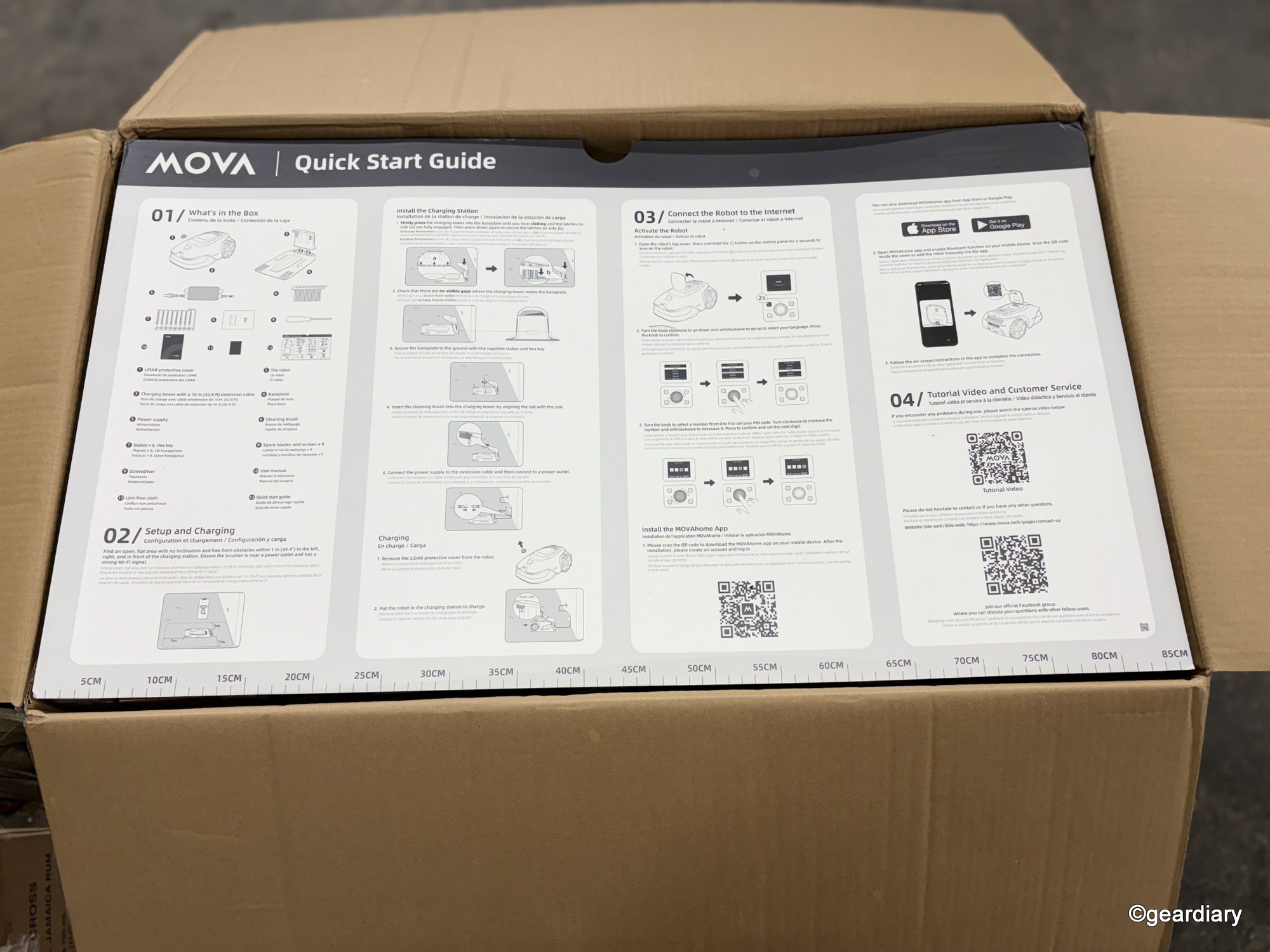
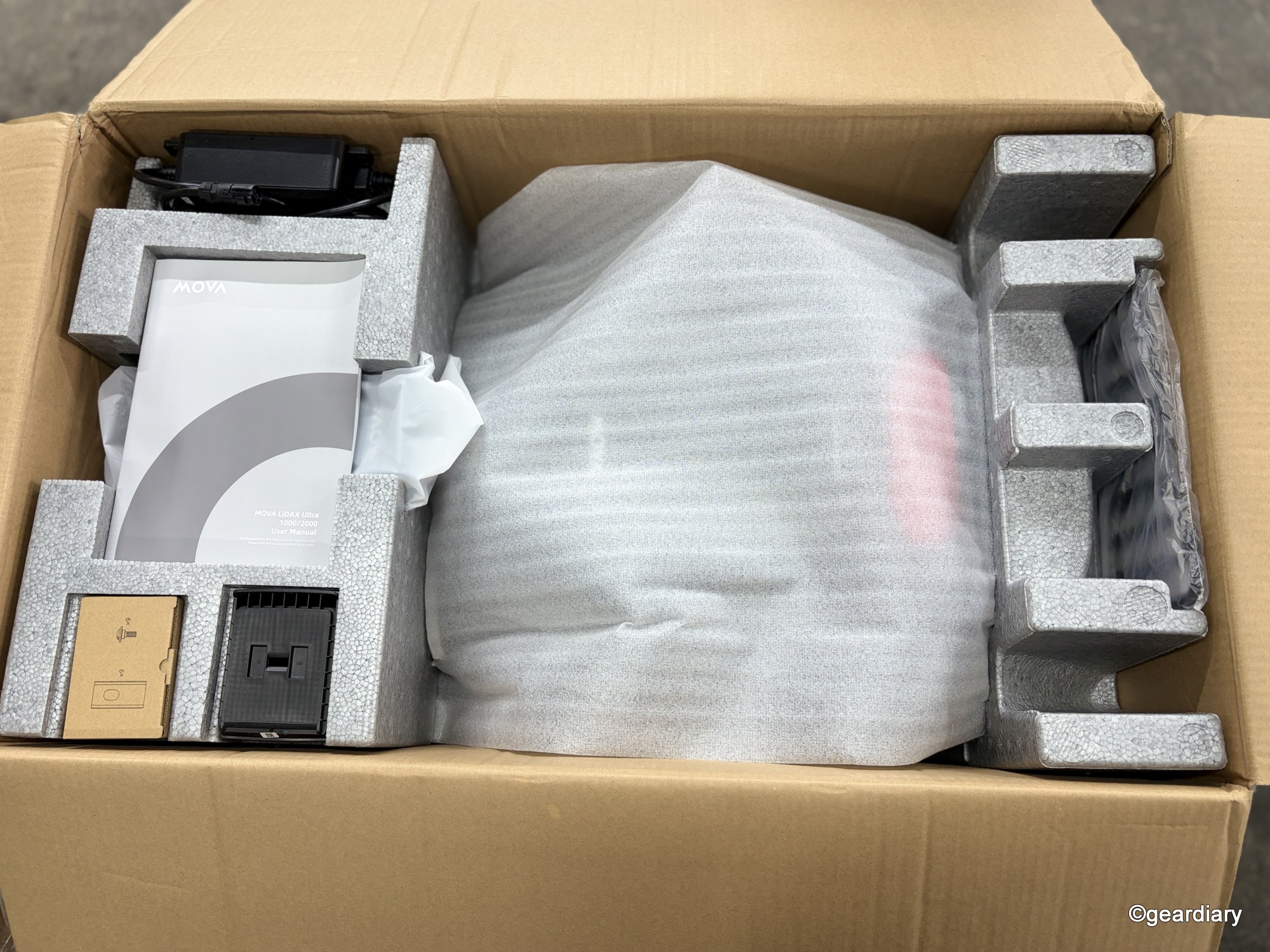
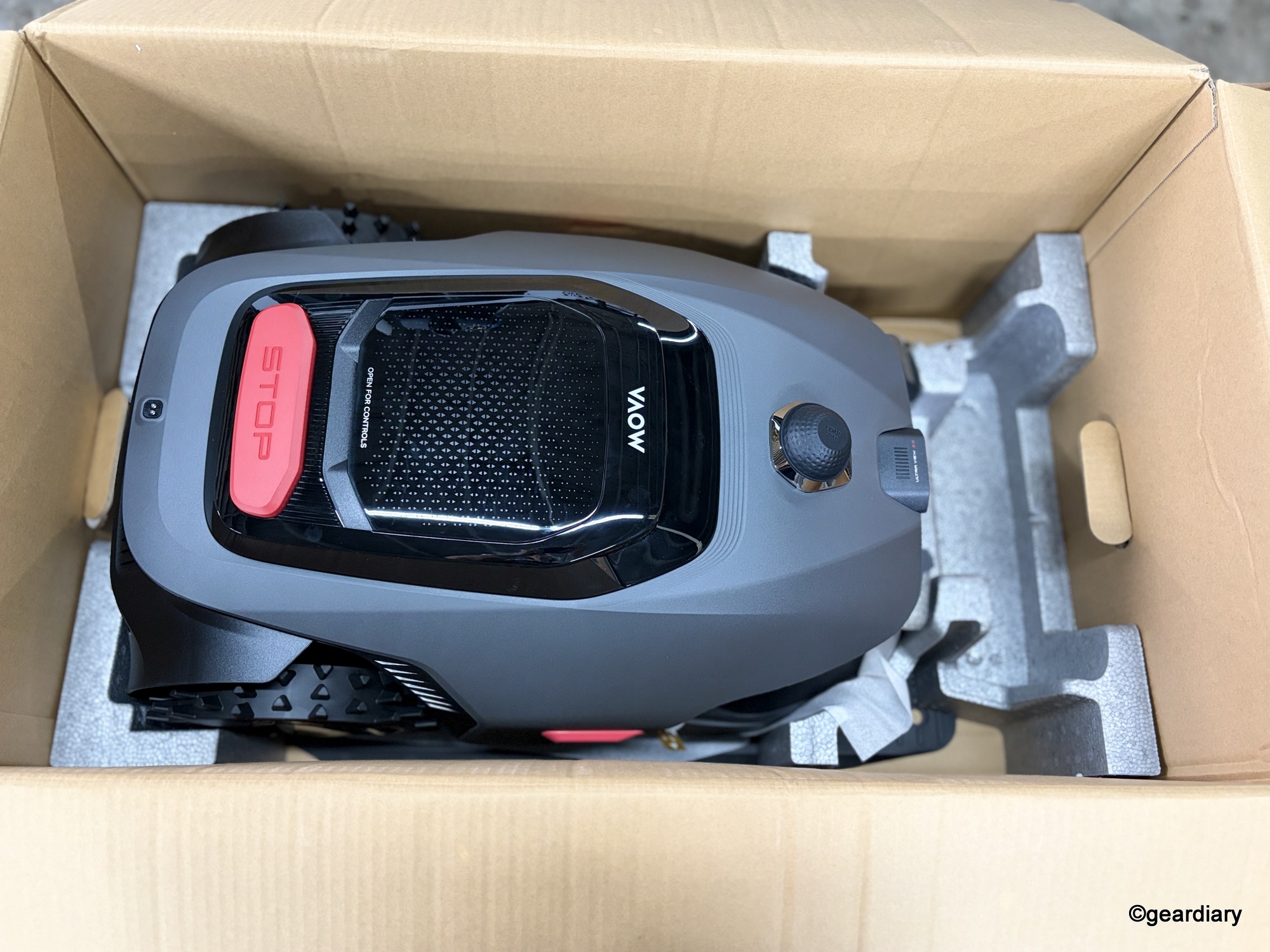
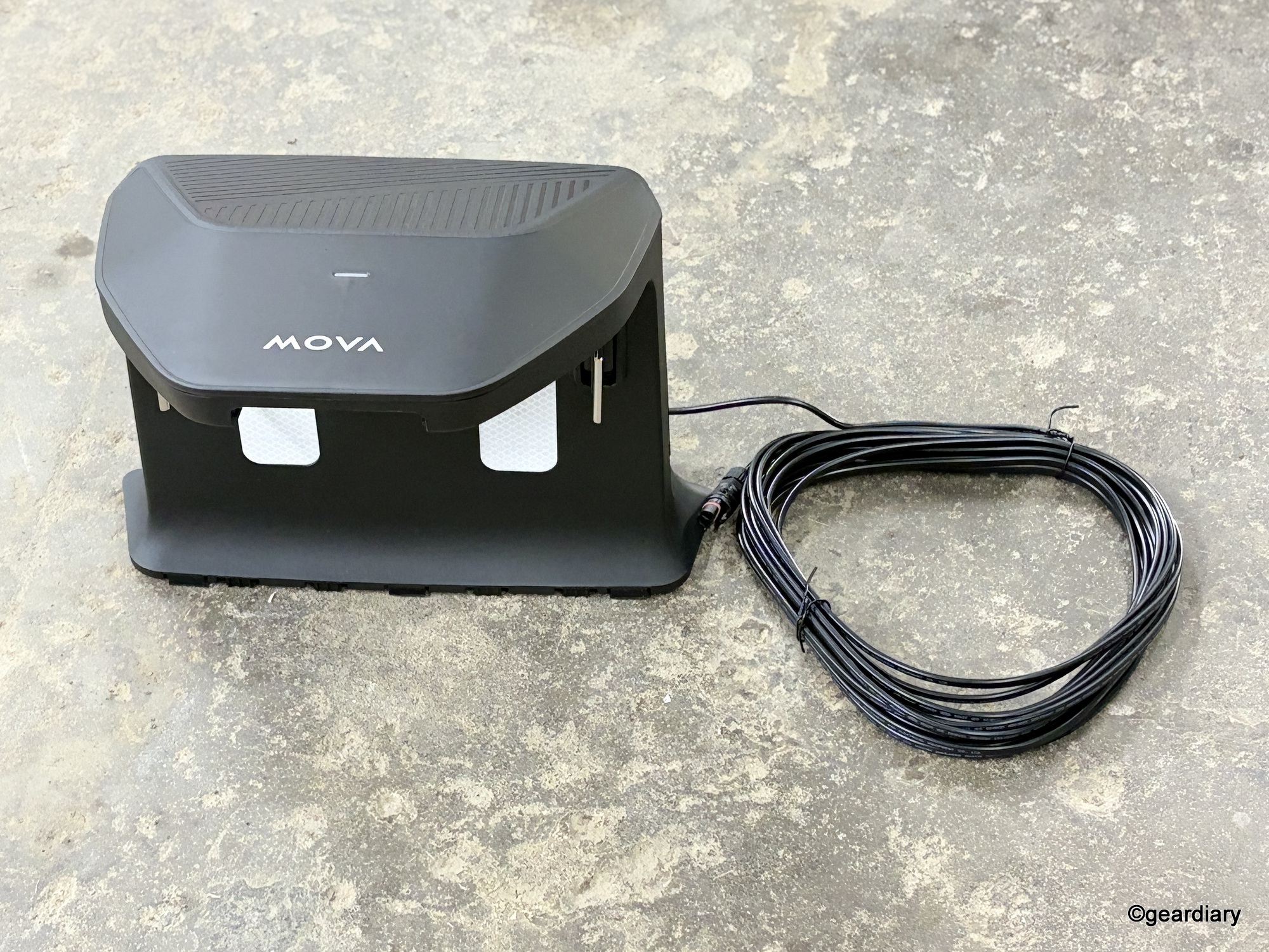
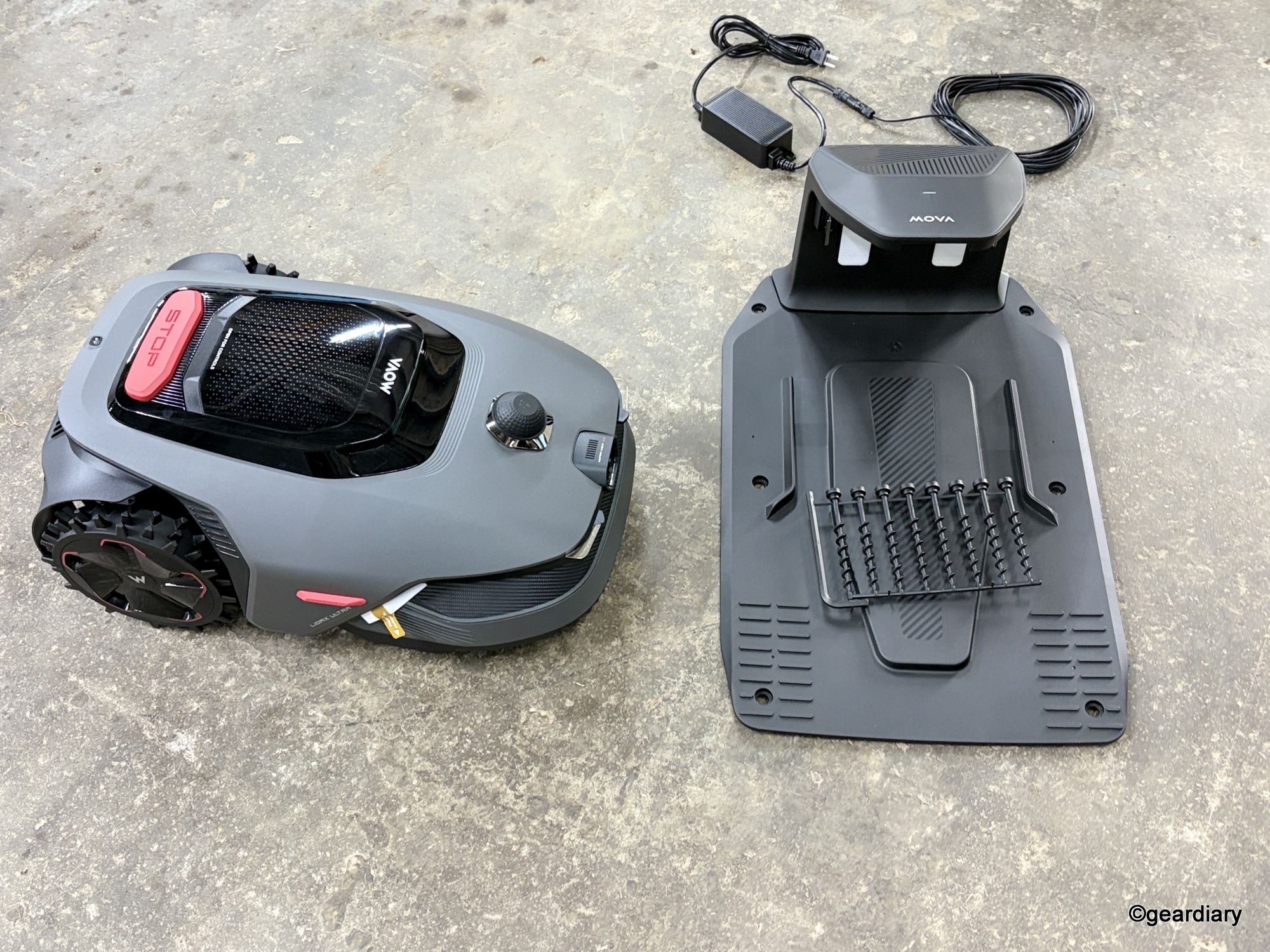
The LIDAX Ultra 1000 is easy enough to clean, and the included brush and lint-free cloth make sense for routine maintenance. Robot mowers don’t need the same kind of maintenance as gas mowers, but they aren’t quite maintenance-free. Wet grass, mud, fine clippings, small twigs, rocks, and vines can still build up around the underside and wheels, especially if your yard is soft. The LiDAX Ultra 1000 doesn’t make cleaning difficult, but it also doesn’t repeal the laws of yard debris.
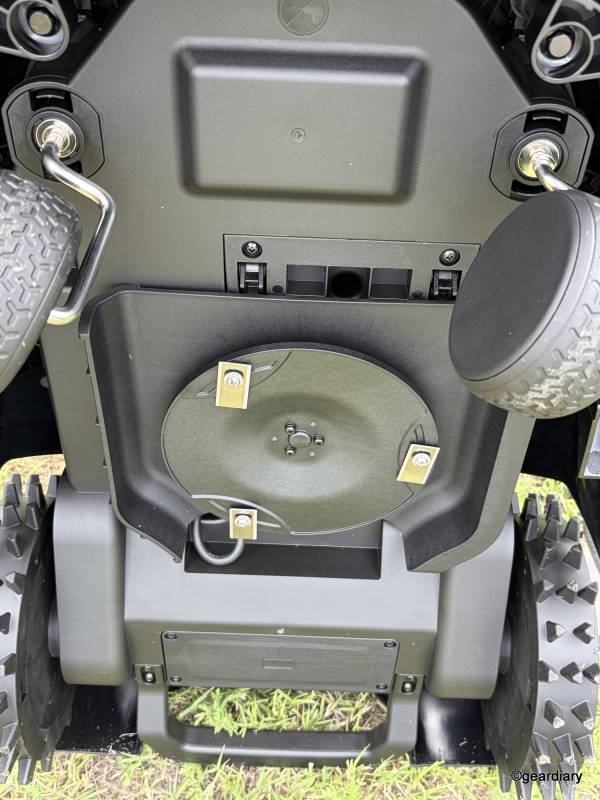
The MOVA LiDAX Ultra 1000 is battery-powered and emission-free in operation. Compared with a gas mower, that means no gasoline storage, no oil changes, no exhaust, and very little (if any) noise.
The mower also supports customizable charging periods, allowing it to maintain standby power and fully recharge at scheduled times. That could be useful if you’re trying to avoid peak electricity charges or simply want more predictable energy use.
Setup: The Big Promise Is What You Don’t Have to Install
The MOVA LiDAX Ultra 1000’s strongest argument is that it doesn’t need perimeter wiring or an RTK station. That makes it more approachable than traditional robot mowers that require physical boundary setup and potentially less fussy than GPS-dependent models that need strong signal conditions. MOVA says its positioning works independently of GPS, using 360-degree 3D LiDAR, AI vision, and onboard algorithms for centimeter-level navigation.
That’s the kind of claim that deserves scrutiny, but the practical benefit is obvious. If your yard has tree cover, if you don’t want a visible antenna station, or if you’re not thrilled about running wires along every border, a mower that can map visually and spatially has immediate appeal. It also makes seasonal changes easier to handle. When patio furniture moves, a bed gets expanded, or a new play structure appears, app-based mapping and no-go zones are much easier to adjust than a buried or staked wire.
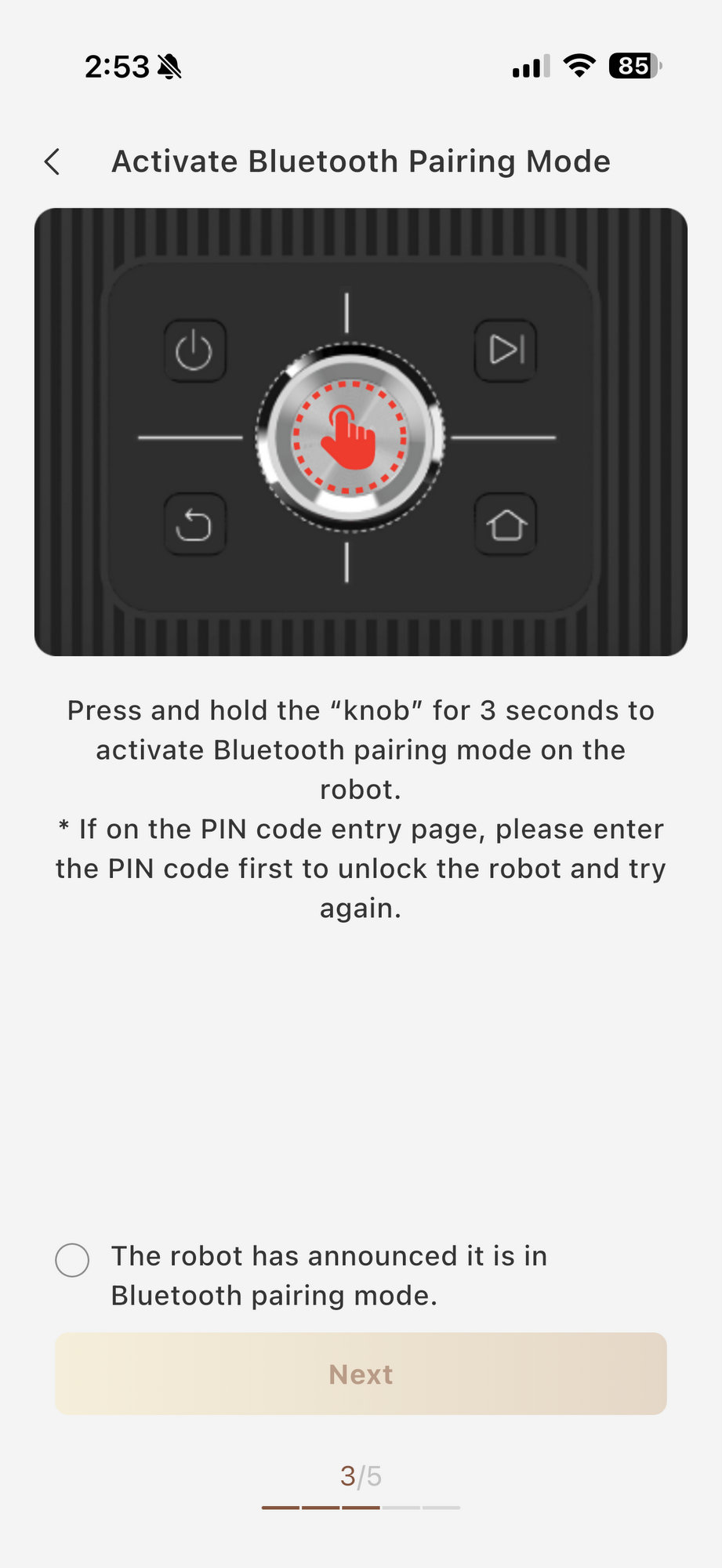
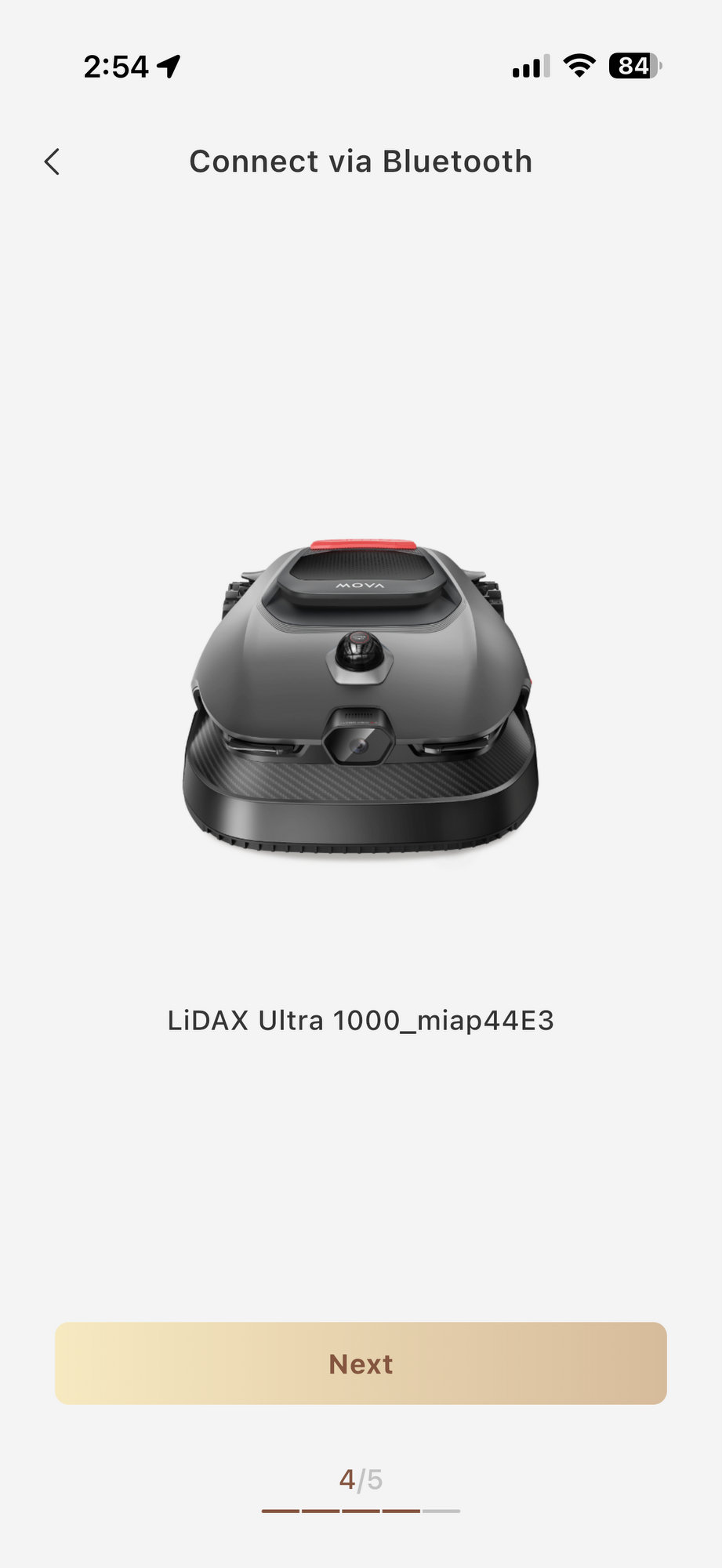
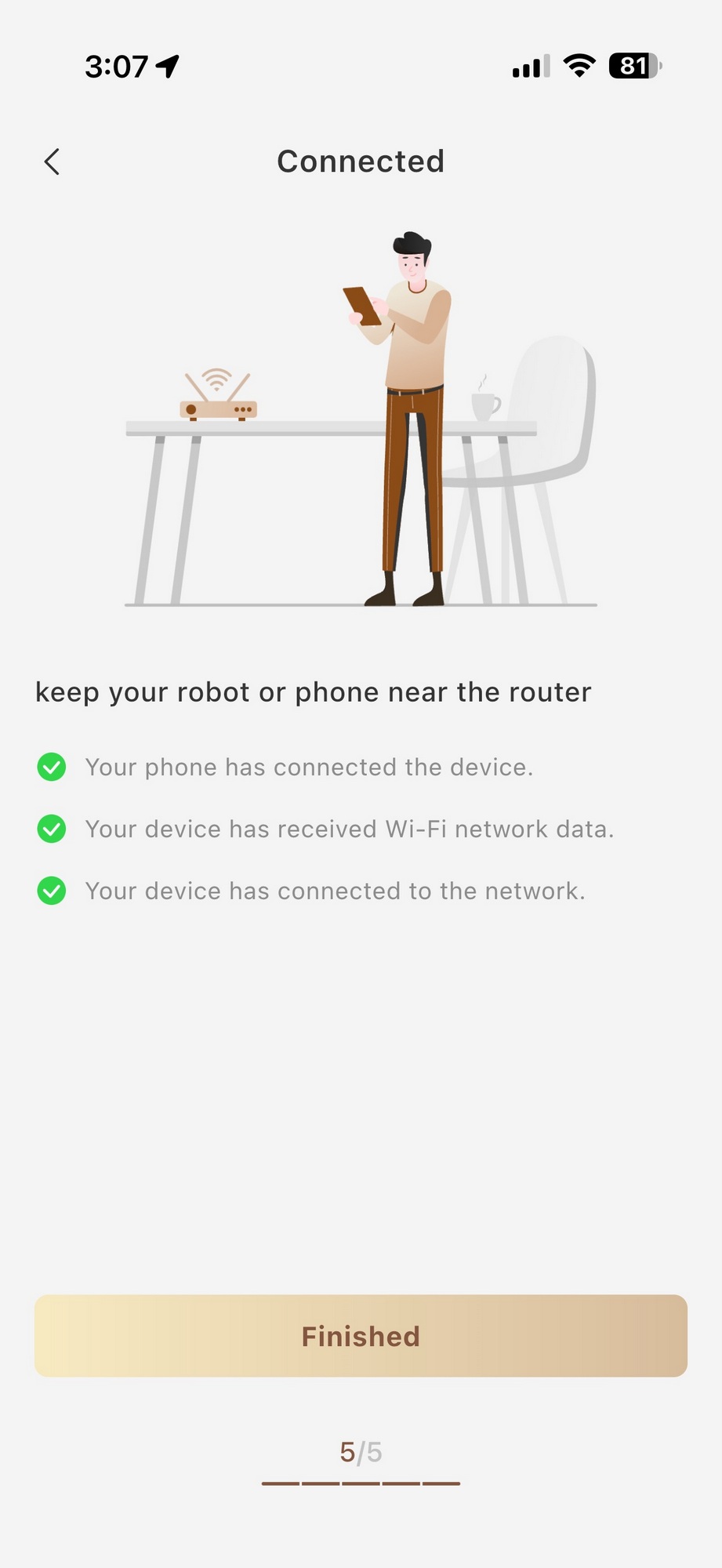
Setup was shockingly easy. I set up the charging tower, powered on the mower, connected it through the app, and mapped the yard without having to install boundary wires, place an RTK station, or solve a small engineering problem before getting started. I kept waiting for the tedious part to arrive, and it mostly didn’t.

-

- Screenshot
-

- Screenshot
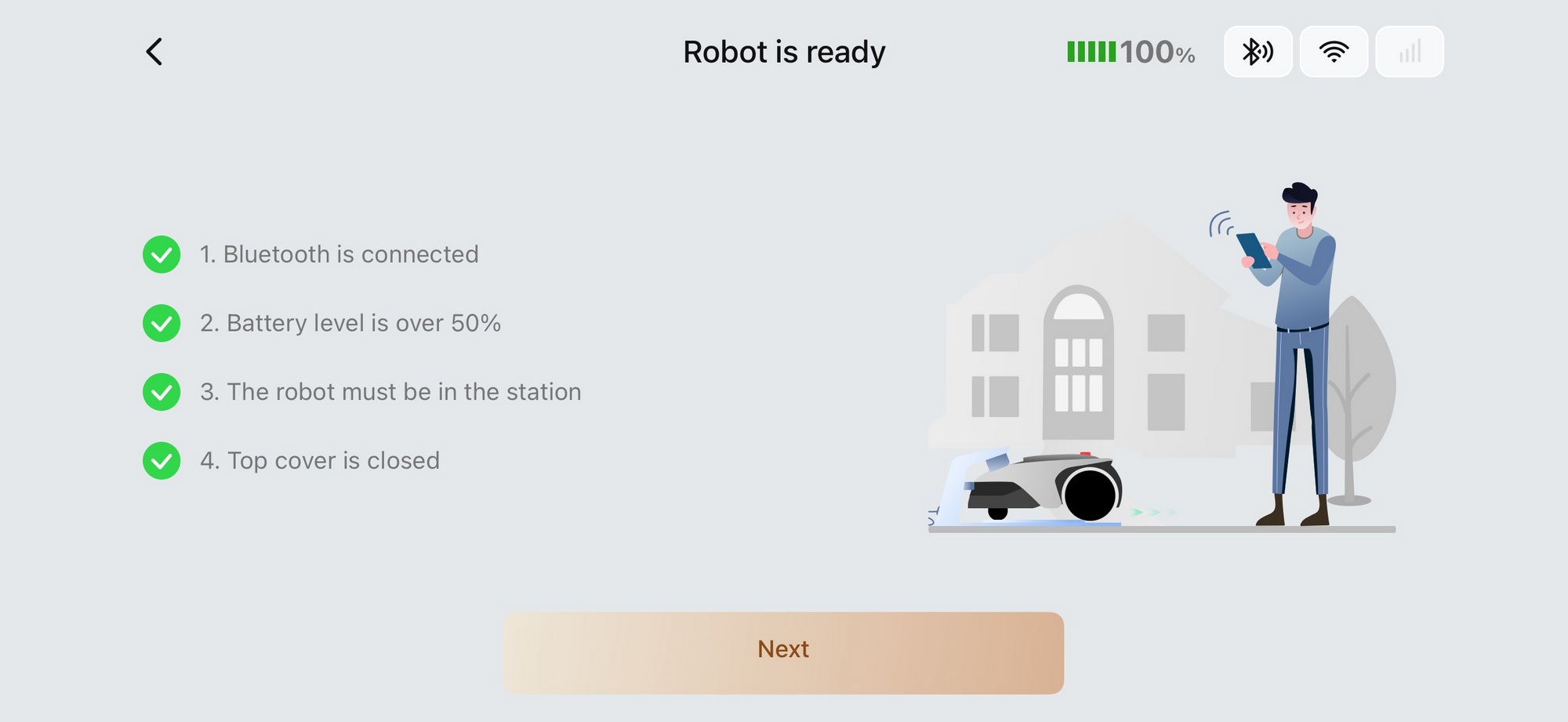
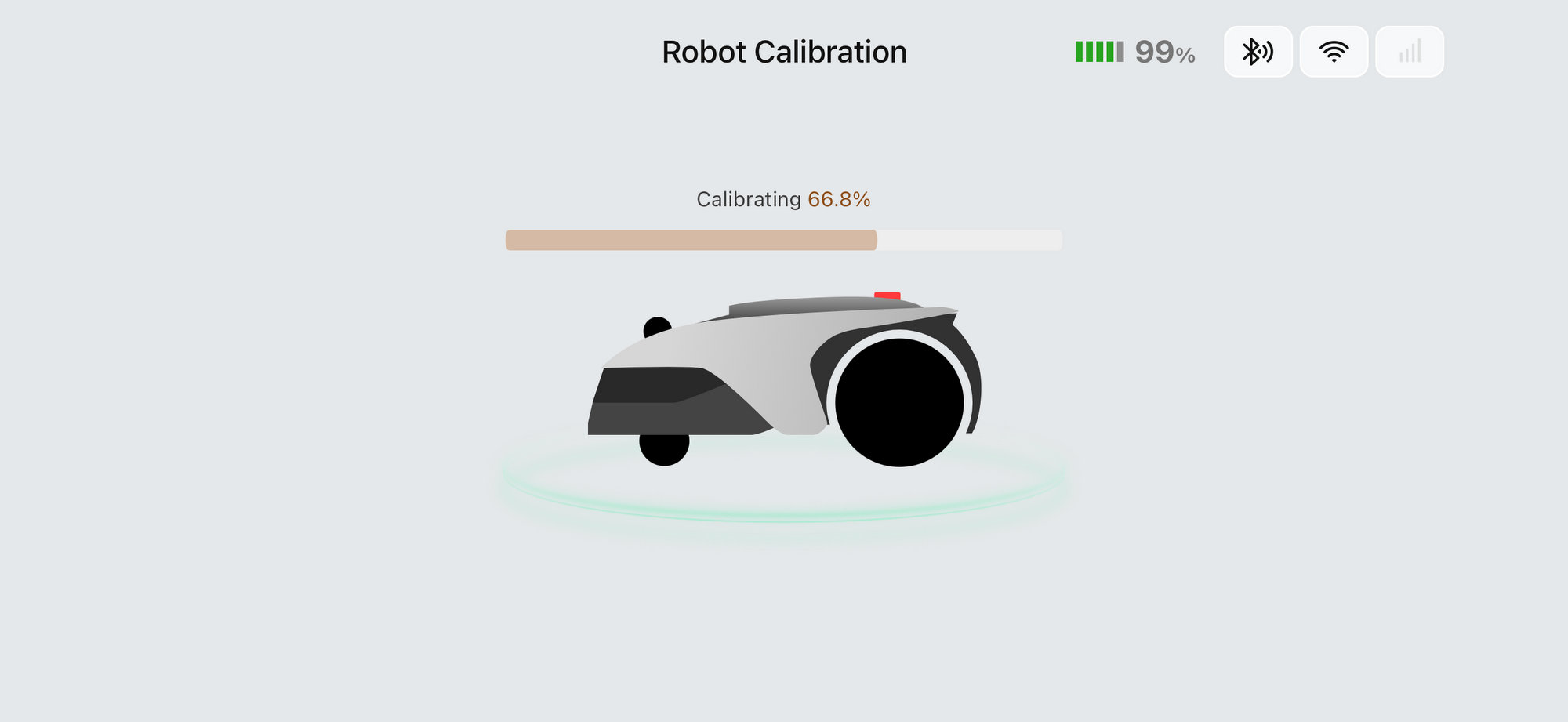
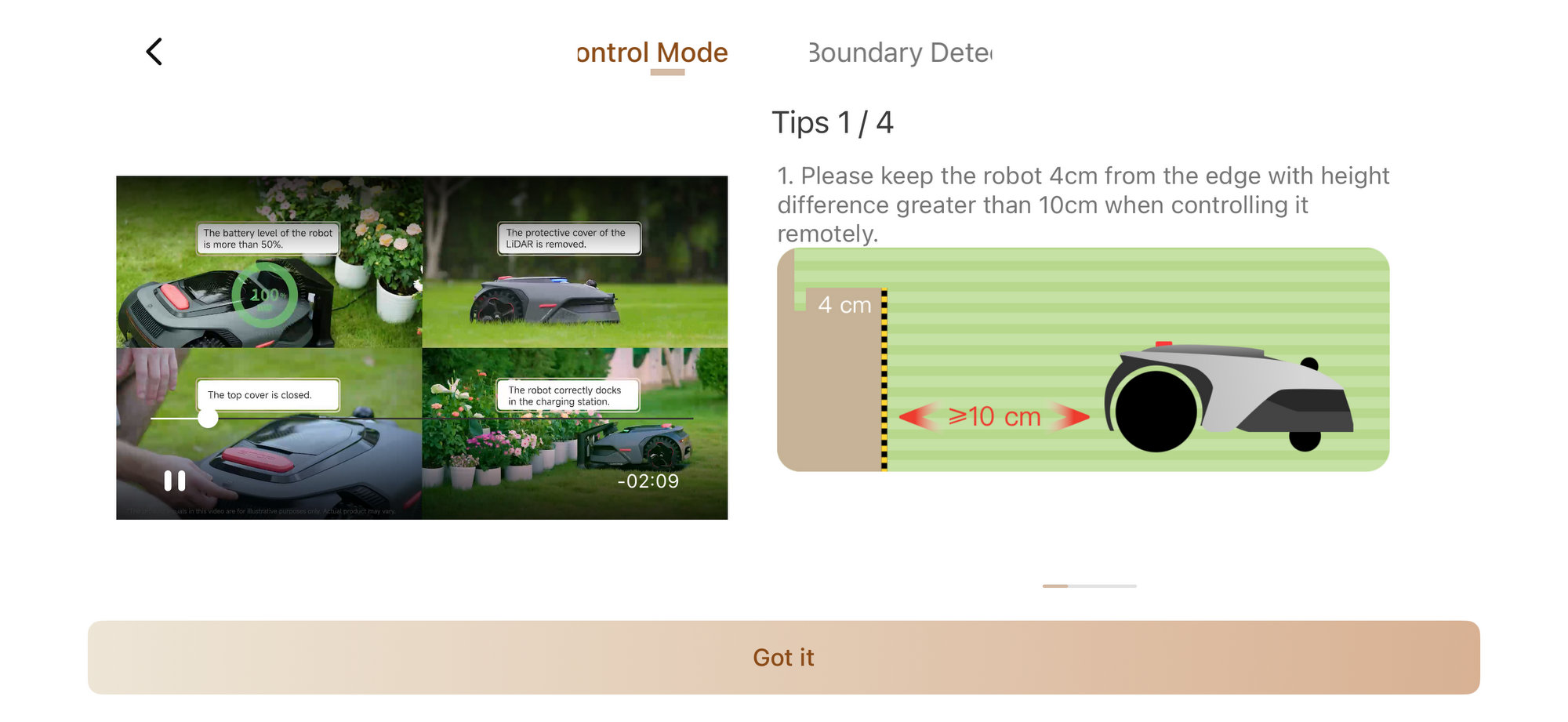
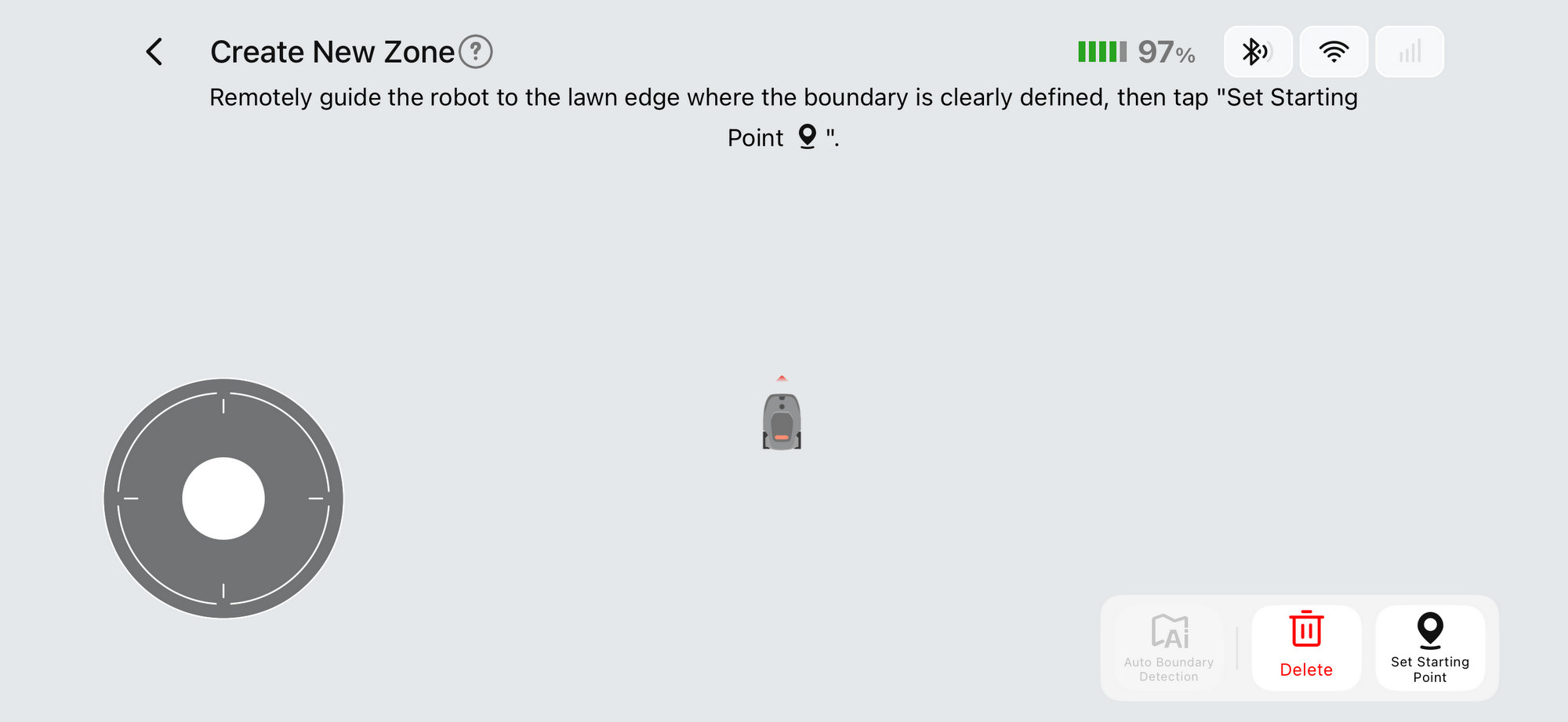
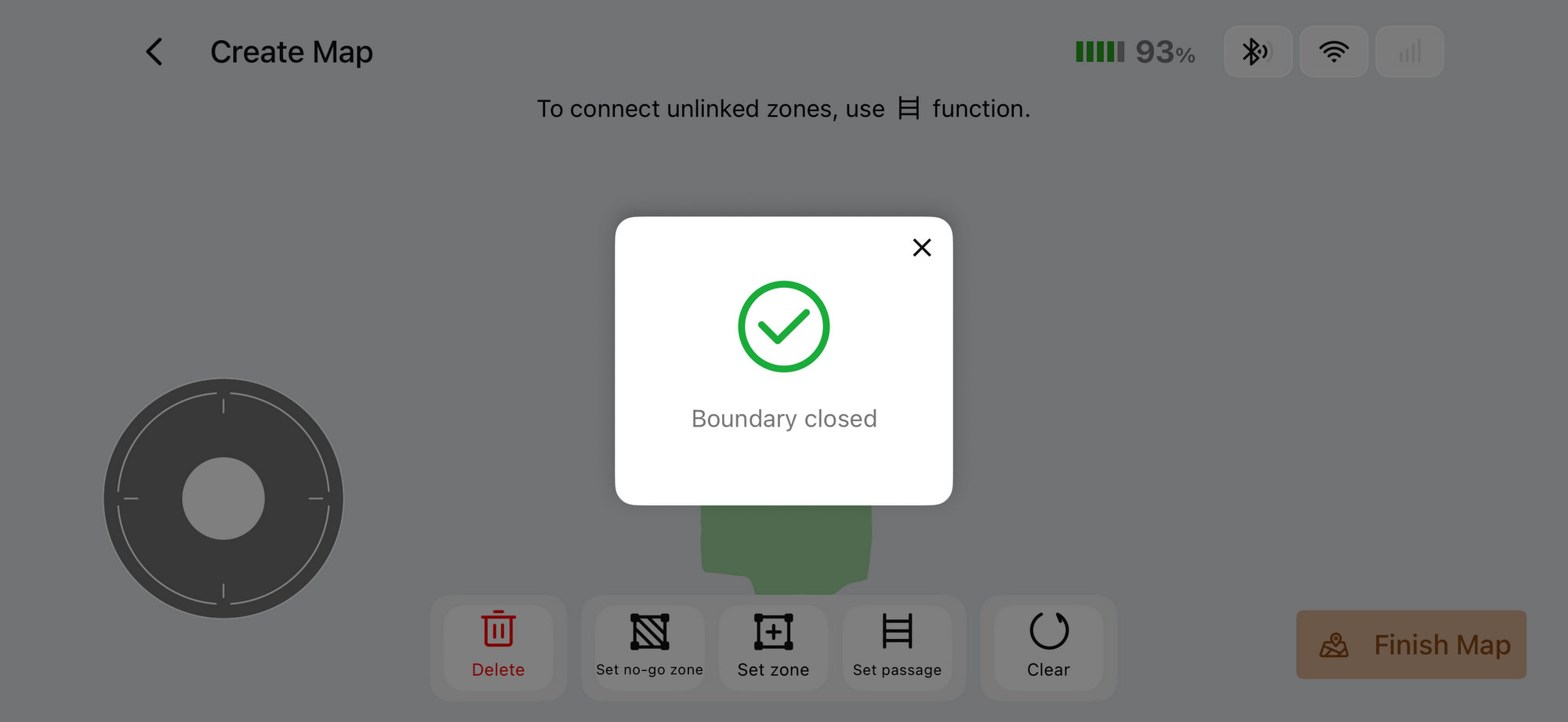
The LIDAX Ultra 1000 can manage up to two independent maps, which is useful if you have a separate front and back yard or two distinct mowing areas that don’t naturally connect. It can also handle up to 150 managed zones, with custom mowing directions, efficiency levels, and settings for different parts of the lawn. That’s more granular than many people will need, but it’s not just feature padding. If one section of your yard grows faster, stays softer after rain, needs a higher cut, or should be mowed less aggressively, you can split it into sub-zones and tune those areas separately.
The MOVAhome app is central to the experience. It’s where you adjust cutting height, create no-go zones for pools or garden features, define channels between areas, schedule mowing, and customize seasonal routines. My tolerance for janky apps is low, and robot mower apps are exactly the kind of software that can become irritating if they’re poorly organized. MOVA’s app is not perfect, but it’s good enough, and in some ways better than that. I was able to use it without reading the manual, which is usually my first test. If I need a PDF and emotional support just to change a mower setting, we’re already in trouble.
The app gives me enough control without turning every setting into a project. I can set schedules, change cutting height, define no-go zones, and check on the mower from my phone. It’s intuitive enough that someone who isn’t particularly techy could probably find the main controls within a few minutes. I wouldn’t call it flawless, but I would call it usable, and with connected lawn equipment, usable is not a small compliment.
Cutting Performance: Quiet, Methodical, and Better at Edges Than Expected
The MOVA LiDAX Ultra 1000 offers an adjustable cutting height from 1.2″ to 3.9″, controlled through the app. That range is broad enough for many common lawn preferences, from a tidier, shorter cut to a healthier, slightly taller summer lawn. App-based height adjustment is more convenient than crawling around the mower to turn a dial, especially if you adjust height seasonally or want different settings for different zones.
The actual cutting is extremely quiet. The first time I ran it, it was so quiet that I wasn’t sure it was working properly. I honestly wondered whether it was cutting properly because it didn’t sound like much was happening, until I realized that the grass was indeed being cut. That’s a nice problem to have.
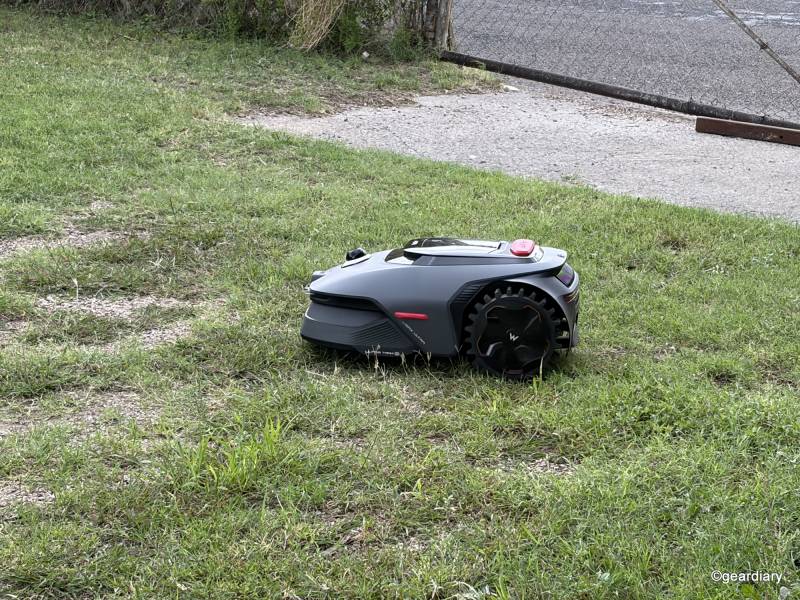
If you’re used to a gas mower announcing itself to the entire neighborhood, this is a very different experience. You may need to lower the cutting height or run the mower through a full cycle to see the effect, especially if the lawn isn’t wildly overgrown. In fact, MOVA explicitly states that if the grass is over 20 cm (or about 7.9″), you should mow it with a traditional mower first. That’s not a flaw; it’s just the difference between a robot mower doing regular maintenance and a traditional mower taking down a week or two of growth all at once.
The MOVA LIDAX Ultra 1000 uses a floating cutting system, meaning the blade assembly can move up and down to follow lawn contours. That matters because few lawns are truly flat, and a rigid cutting deck can scalp high spots or miss low ones. In practice, the LiDAX Ultra 1000 does a good job of maintaining an even-looking lawn when it’s used consistently. Like most robot mowers, it’s better as a maintenance tool than as a rescue tool for neglected grass. It cuts grass. It doesn’t cut small tree branches, loose vines, or yard debris, and it shouldn’t be expected to.
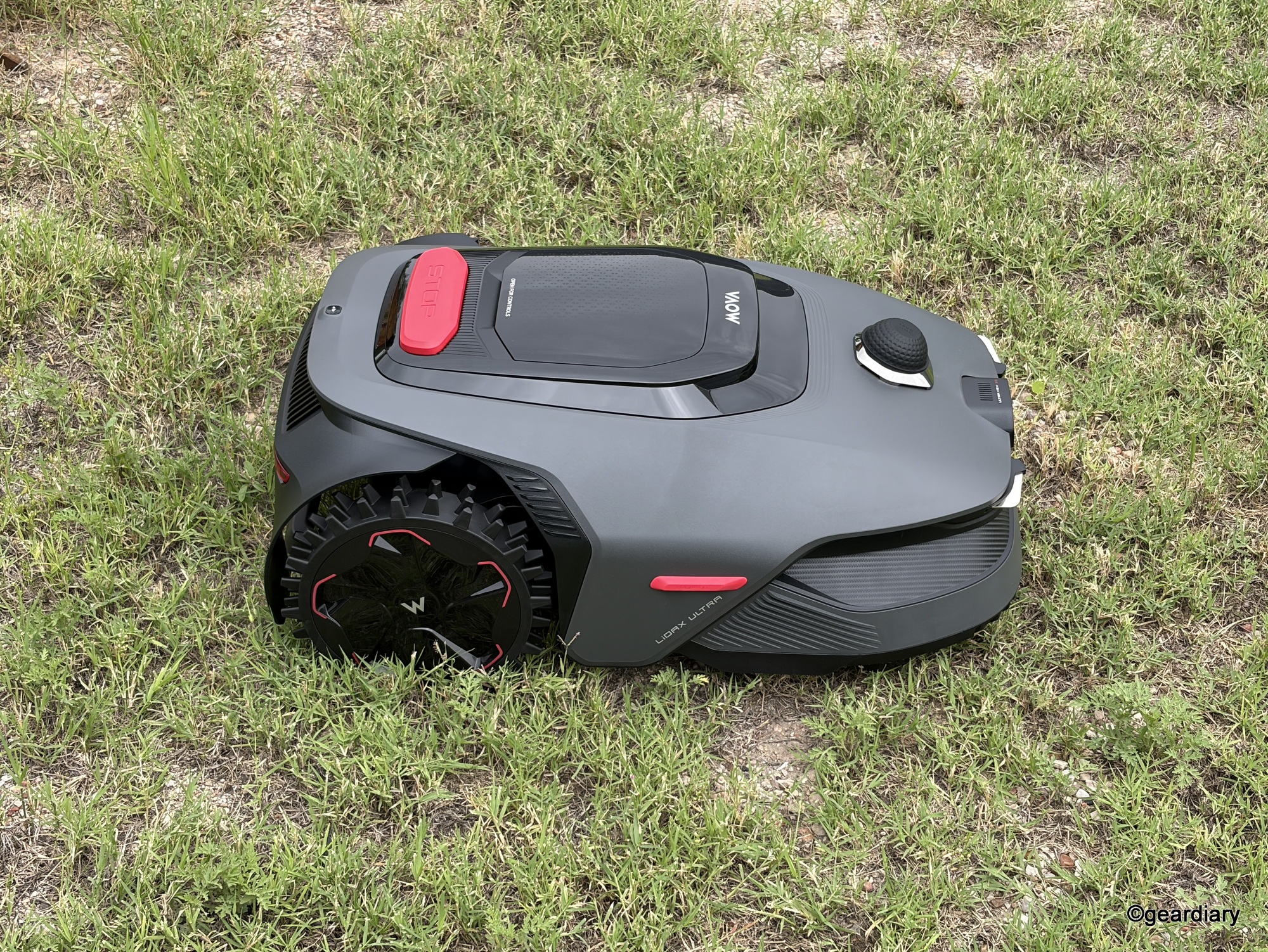
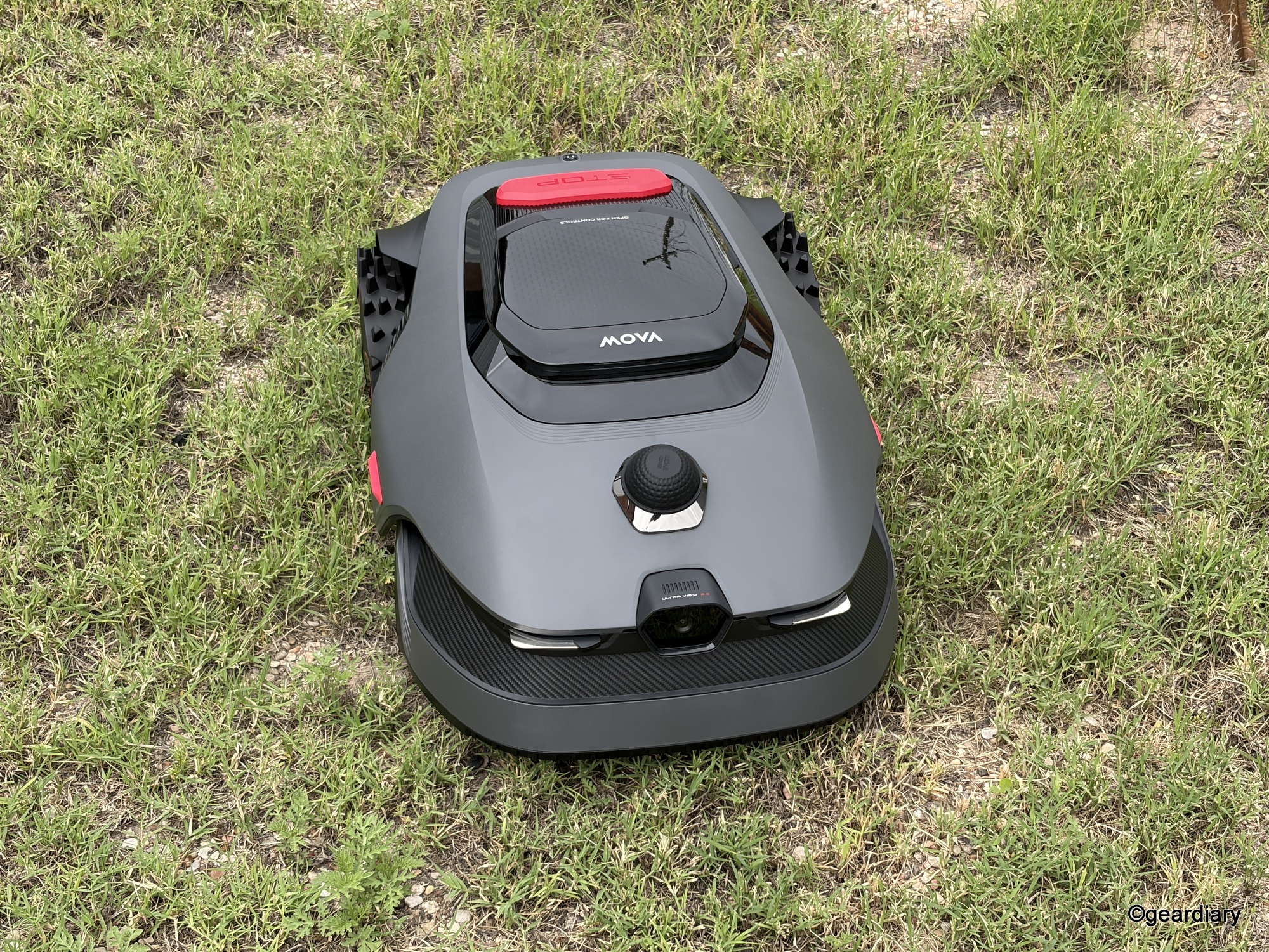
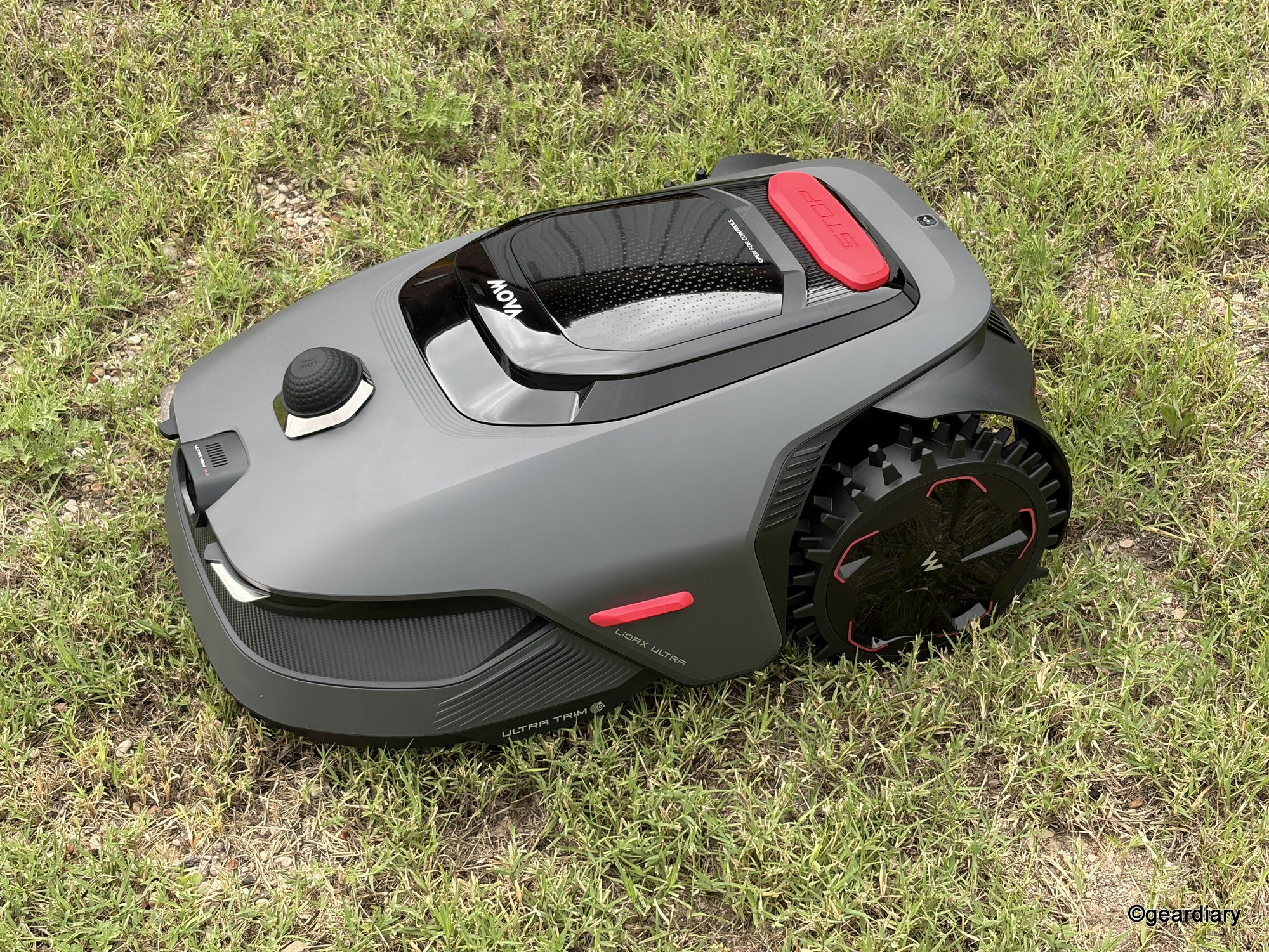
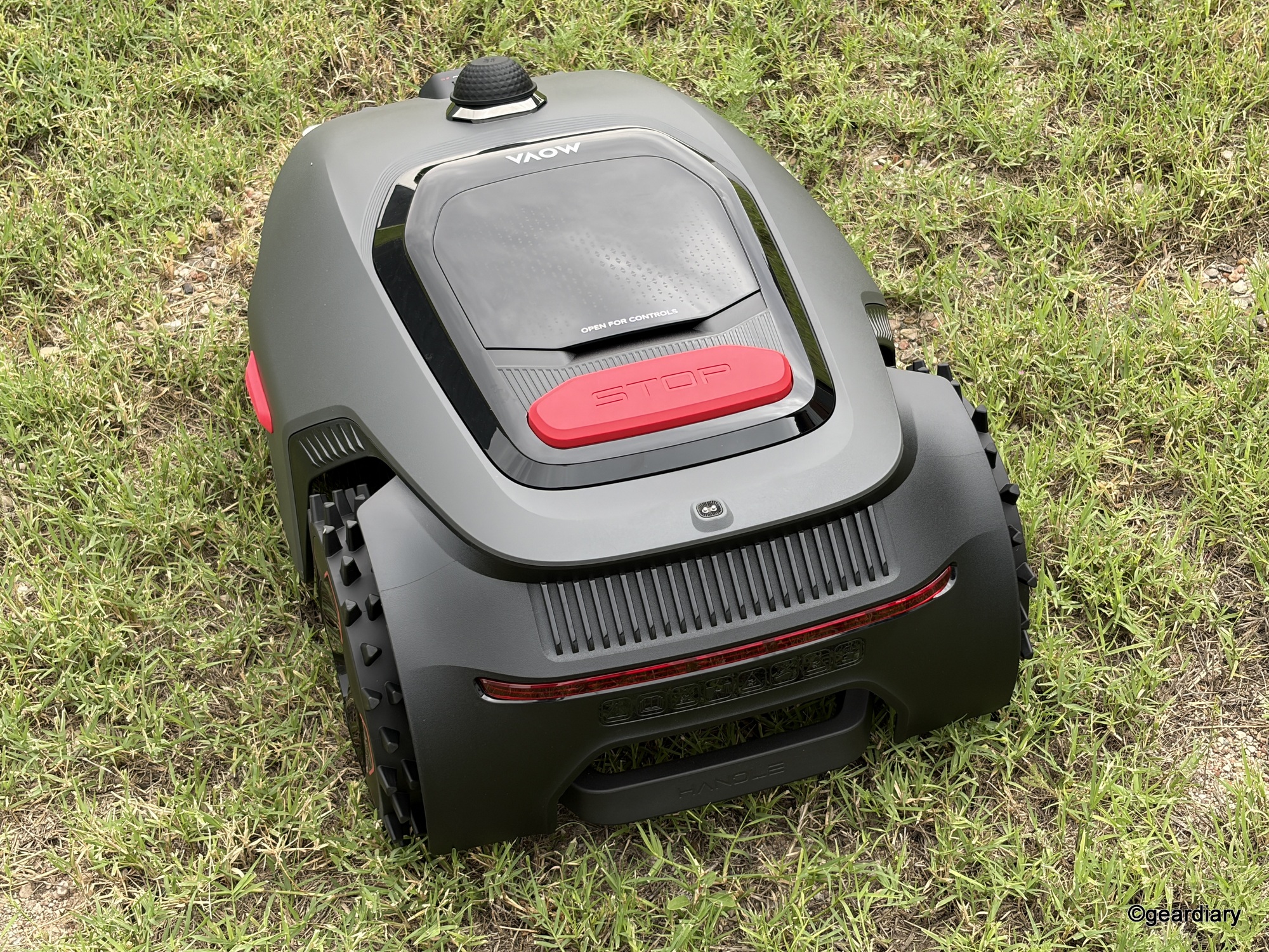
The edge trimming surprised me in a good way. MOVA says the LiDAX Ultra 1000 can cut within less than 2″ of walls, hedges, and raised edges, aided by a movable mower deck that shifts closer to the edge of the machine for trimming. That sounds like one of those claims that could easily be technically true but practically underwhelming. Here, it works well.
The mower gets impressively close to edges, and in some areas, it left Kev with less follow-up trimming than he’d have after maneuvering his Bad Boy riding mower. That doesn’t mean it eliminates trimming entirely. If you have raised borders, stone edging, fence lines, tree rings, or irregular landscaping, you’ll still need a string trimmer. MOVA doesn’t claim true edge cutting in the sense that it can magically shave every last blade against a fence. Its best-case claim is getting within about 2″, and that’s fair. But for a robot mower, its edge performance is strong.
The mower also supports mowing patterns beyond basic back-and-forth coverage. It won’t do fancy decorative lawn patterns, but it does offer what MOVA calls Crisscross, where it mows in one direction and then at a 45-degree angle on the next mow. There’s also a checkerboard-style approach that changes the second mowing direction by 90 degrees. We’re not interested in winning any lawn awards at Kev’s shop, though; we just want to keep the grass trimmed.
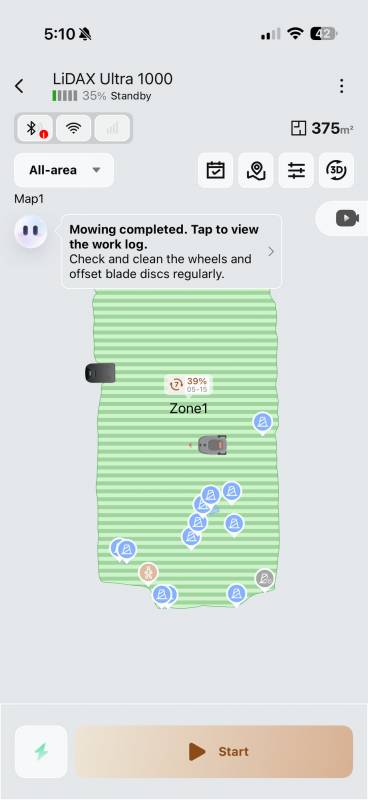
What I’d still like to see, from MOVA and everyone else in this category, is a concentric mowing mode that starts around the perimeter and gradually works inward. That would be useful for certain yard shapes, and it’s always been our preferred method for mowing our almost two-acre front and back yards at home when using the riding mower … and apparently, I have now become the sort of person with opinions about robot mower geometry.
Navigation and Obstacle Avoidance: Precise Without Being Nervous
The LiDAX Ultra 1000 uses U-shaped mowing patterns rather than a random bounce-around approach. That results in more consistent coverage, less wasted movement, and a lawn that looks intentionally maintained. Random-pattern mowers can still work, but they tend to rely on repeated passes and patience. U-shaped path planning is more efficient and easier to trust because you can see the logic in how the mower works.
The positioning has been excellent. The mower goes where I tell it to go, follows set paths precisely, and keeps its lines straighter than most humans would. It’s one thing for a mower to claim centimeter-level accuracy; it’s another to watch it follow a route so cleanly that the yard starts to look like someone used a ruler. So far, I haven’t had positioning issues.
When the battery runs low, the mower automatically returns to its charging station and then resumes mowing where it left off. MOVA lists average battery life at 60 minutes, though runtime will vary depending on grass height, slope, moisture, terrain, and how much maneuvering the mower has to do. For a mower designed around lawns up to 0.25 acres, the return-and-resume function matters more than the raw runtime number. You don’t necessarily need it to finish everything in one session; you need it to stop, recharge, and continue without making that your problem. In that respect, the LiDAX Ultra 1000 delivers.
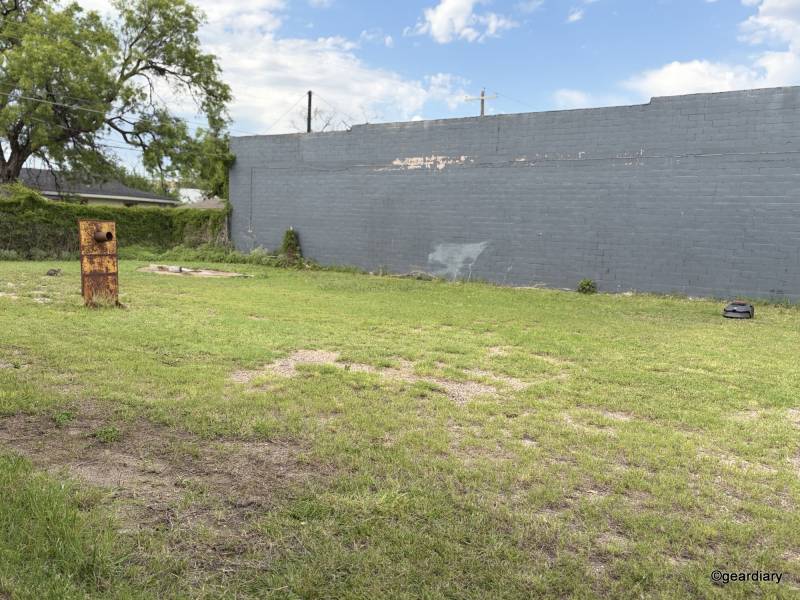
In Kev’s studio yard, it can mow roughly 100 square meters per hour, including charging time. For Kev’s approximately 4036.47 square feet (375m² or 0.93 acres) mowing area, that means it can handle the whole yard over about two days with a few hours of mowing, then recharging each day. That works for his situation, but it also highlights the machine’s practical limits. If he had much more space, he’d need a larger or faster mower.
Obstacle avoidance is another major claim. The LiDAX Ultra 1000 can detect and avoid more than 300 types of lawn obstacles using 3D point cloud data and AI vision. “Point cloud” refers to a 3D map of measured points around the mower, helping it understand shapes and distances rather than simply detecting that something is in the way. In practice, that helps it distinguish between objects and navigate around them without turning every stray shadow into a crisis.
That last part matters. Avoiding obstacles with an overly cautious vision system is easy: just stop whenever anything appears. That’s safe, but it’s also maddening. The LiDAX Ultra 1000 doesn’t behave that way. It uses LiDAR, vision, and its bumper to stay safe, but it isn’t so conservative that it freezes constantly. You can also tell it to ignore certain triggers, including people, and it will keep working rather than dramatically halting every time you walk through the yard.
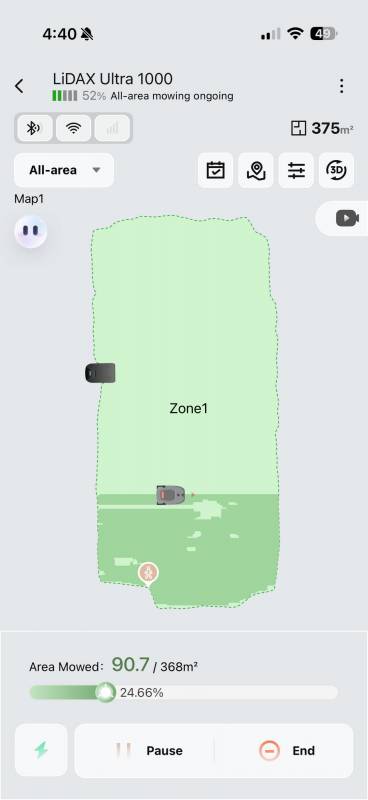
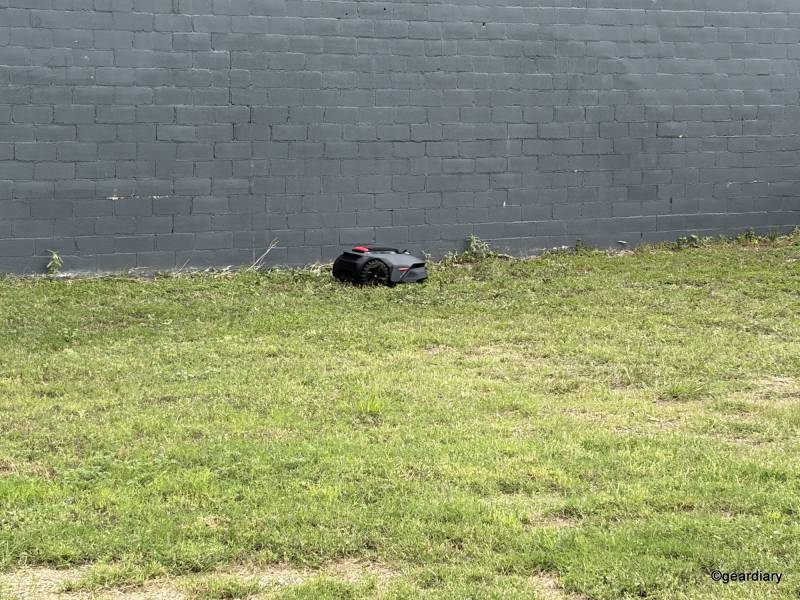
The area the mower avoided was some taller weeds that were well above 8″.
It isn’t perfect, and no mower in this category is. Tall weeds, including dandelions or anything over roughly 20cm (7.8″), can sometimes be treated as obstacles and labeled as anything from a water hose to an animal. That can be annoying if you’re hoping the mower will neatly decapitate every weed it sees, but it’s not a dealbreaker. If it avoids a tall weed on one pass, it may catch it on a later, very close path, and larger weeds are often better handled manually anyway.
MOVA also includes animal-friendly modes, including low-speed safety mode, custom animal activity zones, and do-not-disturb mode. These features are reassuring, especially if you have pets or wildlife passing through the yard, but they shouldn’t be treated as permission to mow blindly. Robot mowers have blades, even if the LiDAX Ultra 1000’s are more or less safely contained under its shroud. That reality should keep everyone sensible. Mowing during daylight, avoiding known periods of animal activity, and walking the yard before mowing remain good habits.
Terrain Handling: Better Off-Road Manners Than Expected
The MOVA LiDAX Ultra 1000 is rated to handle slopes up to 45%, cross paths as narrow as 23.6″, and overcome obstacles up to 1.6″ (4cm) high. It uses rear-wheel drive and deep-treaded off-road tires for traction on uneven ground. Those are meaningful numbers, especially if your yard has berms, shallow dips, transitions between zones, or narrow passages along the side of a house.
The wheels have long, aggressive spikes, and they do their job. Slipping hasn’t been an issue in normal grass, gravelly areas, or dry soil. The mower handled the lightly sloped areas in Kev’s mostly flat studio yard without drama, and it’s better at mild off-roading than I expected. It doesn’t get stuck easily, and when it does run into trouble, its obstacle-extraction routines are good. It will back up, adjust, and try to work itself out rather than immediately surrendering and waiting for rescue.
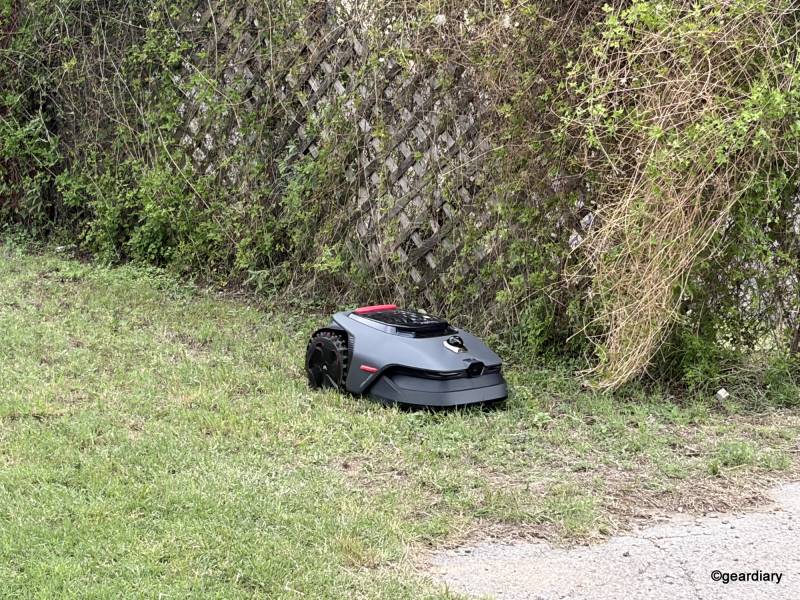
The biggest con I’ve found is specific to soft or muddy yards, like Kev’s has been with all of the recent rain in San Angelo. The same deep wheel spikes that give the mower excellent traction can also pick up rocks, twigs, and debris when the ground is soft. Random loose vines can wrap around the wheels, too. On dry earth or grass, this hasn’t been an issue, but in softer conditions, it’s something to watch. The mower is quite capable, but it’s not a brush cutter, and it doesn’t turn yard cleanup into someone else’s problem.
The 23.6″ narrow-passage rating is useful if your front and back lawns are connected by a side yard or if landscaping creates tight corridors. Still, narrow passages are where setup precision matters. The mower may be physically capable of passing through, but it still needs enough clearance to turn, correct, and avoid scraping against edging or walls.
Security Features: Lawn Care Meets Yard Watch
The LiDAX Ultra 1000 includes MOVA’s TrueGuard security system, which can monitor surroundings, detect human activity, send alerts, and support patrol behavior during non-working hours. It also offers anti-theft protections, including lift-up alerts, app notifications, and real-time tracking through a built-in 4G link module. MOVA says tracking works through Google Maps and can alert you if the mower leaves its mapped area, even without Wi-Fi. There’s also a dedicated AirTag slot on the bottom for an extra layer of location tracking.
These features are appealing because robot mowers are expensive, mobile, and visibly unattended outdoors. The anti-theft alarm and tracking are more than nice extras at this price. They’re part of the value proposition.
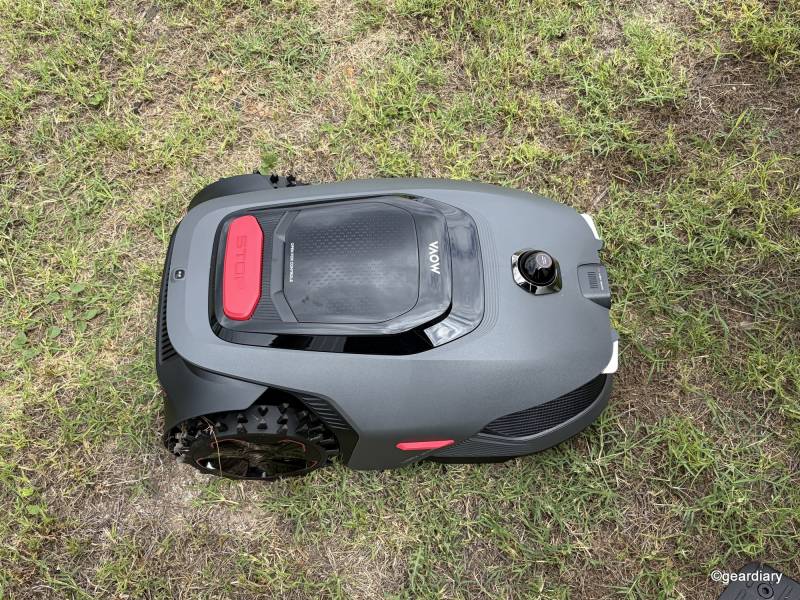
The garden-security features are more nuanced. A mower that can provide live video and patrol the garden is useful, especially if you already like outdoor cameras, but I still see those features as secondary to the mowing. The real question isn’t whether a mower can detect motion; it’s whether the alerts are timely, accurate, and restrained enough that you won’t turn them off after a few days.
The LiDAX Ultra 1000’s ability to avoid being overly jumpy while mowing gives me some confidence, but as with any outdoor monitoring system, your yard, lighting, pets, neighbors, and notification tolerance will all affect how useful the feature feels.
Where It Fits Against Other Robot Mowers
The LiDAX Ultra 1000 sits in the more advanced tier of residential robot mowers because it avoids boundary wires and RTK setup while offering 3D LiDAR, AI vision, obstacle avoidance, app-based mapping, edge-focused cutting, anti-theft tracking, and garden monitoring. At $1299, it isn’t a casual purchase, but it’s also not priced like some higher-end systems built for larger properties.
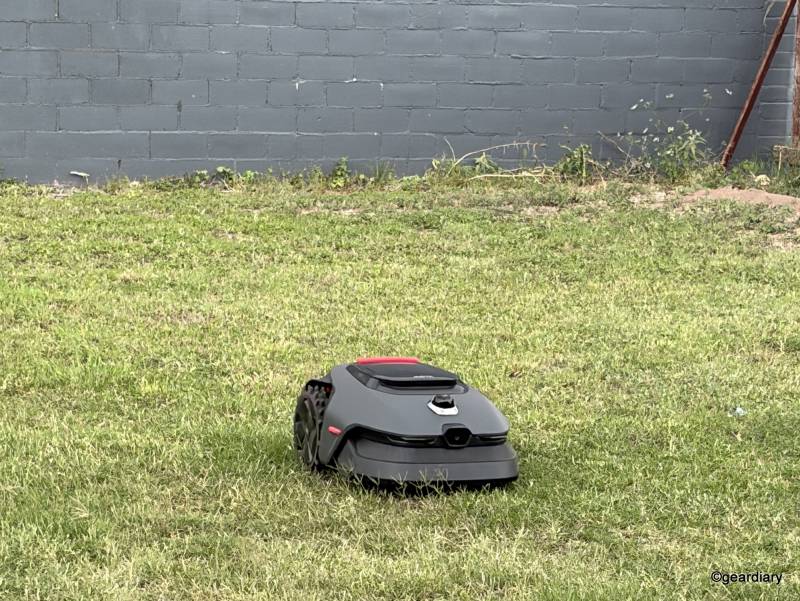
Its closest conceptual competition comes from three groups: older wired robot mowers, RTK-based wireless mowers, and camera- and LiDAR-based mowers that aim to simplify setup. Wired mowers may still make sense if you want proven boundaries and don’t mind the installation. RTK-based mowers may be better for larger, open lawns where satellite positioning works well and the base station isn’t a bother. Camera- and LiDAR-heavy models like the LiDAX Ultra 1000 are most compelling when you want a cleaner installation, have complex landscaping, or simply don’t want to spend a weekend staking invisible borders like you’re negotiating a tiny lawn treaty.
For larger lawns, MOVA’s own Ultra 2000 may be the more appropriate comparison, since it covers up to 0.5 acres and is designed for mid-size yards with enhanced sensing precision. Larger yards might benefit from the LIDAX Ultra 3000 AWD, which can handle up to 0.75 acres. For smaller, simpler yards, the LiDAX Ultra 1000 may be more mower than you need. A basic robot mower or even a traditional cordless mower could be more cost-effective if your yard is flat, compact, and easy to mow in under 30 minutes.
The LiDAX Ultra 1000 makes the most sense if your time is worth more than the price difference between a basic mower and a smarter autonomous one, and you don’t mind doing some simple cleanup where the robot can’t go. It’s also a stronger fit if your yard has separated zones, narrow passages, mild slopes, pets, or enough obstacles that a random-pattern mower would feel more like a supervised hobby than a convenience.
The Bottom Line
The MOVA LiDAX Ultra 1000 is trying to solve the two problems that have kept many people from taking robot mowers seriously: annoying setup and inconsistent navigation. Its combination of 360-degree 3D LiDAR, AI vision, app-based mapping, U-shaped mowing, edge-focused cutting, and obstacle avoidance gives it a strong feature set for lawns up to 0.25 acres. The lack of boundary wires or RTK hardware is the headline, but the reason I like it is simpler: the system has been reliable so far.
The LiDAX Ultra 1000 can manage two maps and up to 150 zones, adjust cutting height from 1.2″ to 3.9″, handle 45% slopes, cross 23.6″ pathways, climb over obstacles up to 1.6″, return to charge, resume mowing, detect obstacles, support animal-aware modes, and provide anti-theft tracking. More importantly, it does the everyday mower things well. It goes where it’s supposed to go, cuts quietly, keeps straight lines, handles small slopes, avoids obstacles without becoming overly timid, and gets itself out of minor trouble better than expected.
It isn’t perfect. If your yard is soft or muddy, the aggressive wheel spikes can collect rocks, twigs, and debris. Loose vines can wrap around the wheels. Tall weeds may be avoided rather than cut. You’ll still need to trim some edges, especially around raised borders and irregular landscaping. And if your yard is much larger than Kev’s, you may want a larger or faster mower.
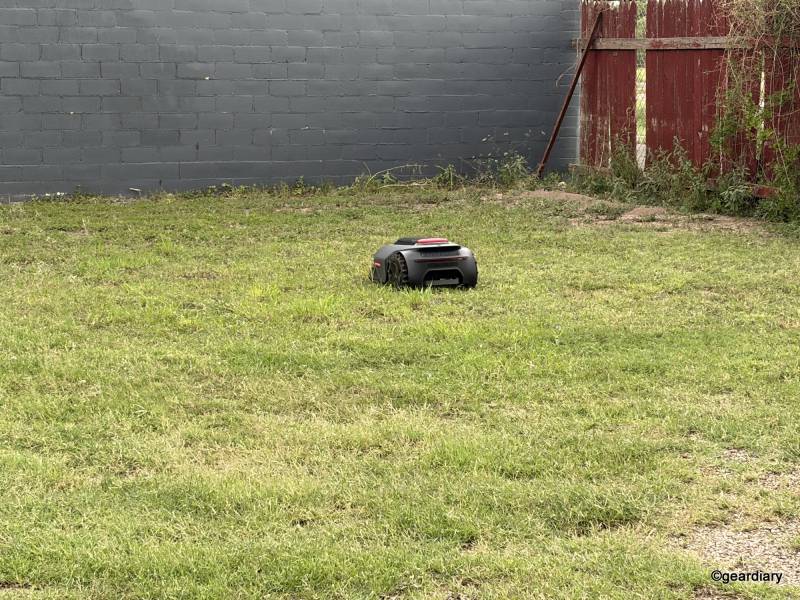
But for Kev’s roughly 0.1-acre studio lawn, the MOVA LIDAX Ultra 1000 has been a practical, low-drama way to keep the grass under control. It won’t excuse you from occasional cleanup, blade maintenance, or common sense, but it does turn mowing from a chore into something that mostly happens in the background. That’s exactly what a robot mower should do.
The MOVA LIDAX Ultra 1000 Lawn Mower retails for $1299; it is available directly from the manufacturer and other retailers, including Amazon.
Source: Manufacturer-supplied review sample
What I Like: Wire-free setup with no RTK station required; Intuitive mapping with strong manual-mapping control; Excellent positioning and very straight mowing lines; 360-degree 3D LiDAR and AI vision navigation; App-based cutting-height adjustment from 1.2″ to 3.9″; Support for two independent maps and up to 150 managed zones; U-shaped mowing with automatic recharge and resume; Tight edge cutting that reduces follow-up trimming; Quiet operation; Good terrain handling and traction; Animal-friendly modes; Built-in anti-theft features, 4G tracking, lift alerts, and AirTag compatibility; Includes spare blades, screws, cleaning tools, and setup accessories
What Needs Improvement: Some edge trimming will still be necessary around raised borders and irregular landscaping; 60-minute average battery life means larger or more complex yards may require multiple sessions; Aggressive wheel spikes can collect rocks, twigs, and debris in soft or muddy yards; Loose vines can wrap around the wheels; Tall weeds may be avoided instead of being cut



Great review! I’ve been researching wire-free mowers for a while now. The fact that it uses LiDAR instead of relying purely on RTK base stations is a huge game changer, especially if you have overhanging trees. Quick question – how does it handle tall grass if you skip a week of mowing? Does it clog up easily? Thanks for the write-up!
The cost is ridiculously high as I can hire a lawn service to do my lawn for the whole season at that price. Granted I have a small lawn but they won’t have any problem doing the edging and the weeds at the fence line. Plus there is no danger that the lawn service will be stolen. In my neighborhood this robot wouldn’t survive a single cut of the front lawn.
That’s a totally fair bservation. Something like this probably wouldn’t be ideal for your situation.
I wish I still had a lawn that could take advantage of such a cool gadget especially with its floating cutting system.