
The Volkswagen Smart eBike is bringing a distinctly automotive approach to bicycle safety, pairing rear-facing radar and a camera with connected lighting, optional Smart Glasses, and a crash-detecting Smart Helmet. Developed and produced by n+ under license from Volkswagen, the new eBikes will make their public debut at IFA Berlin from September 4 through 8, 2026, with test rides available on the Mobility Test Track. The idea is straightforward: give riders more information about traffic approaching from behind without forcing them to look away from the road ahead, while making the rider easier for drivers to see.
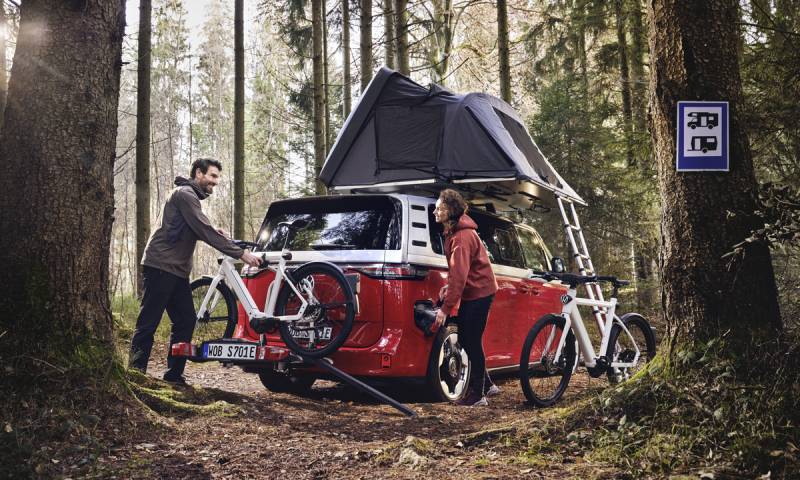
Borrowing a Few Tricks from Cars
n+ is positioning the Volkswagen Smart eBike as the “world’s safest eBike,” an ambitious claim that will ultimately depend on how well all of this technology works outside a controlled demonstration. Still, the underlying problem it’s trying to solve is very real. Cyclists have limited information about what’s happening behind them, particularly when traffic is quiet, wind masks road noise, or an electric vehicle approaches without the soundtrack of an internal combustion engine.
-

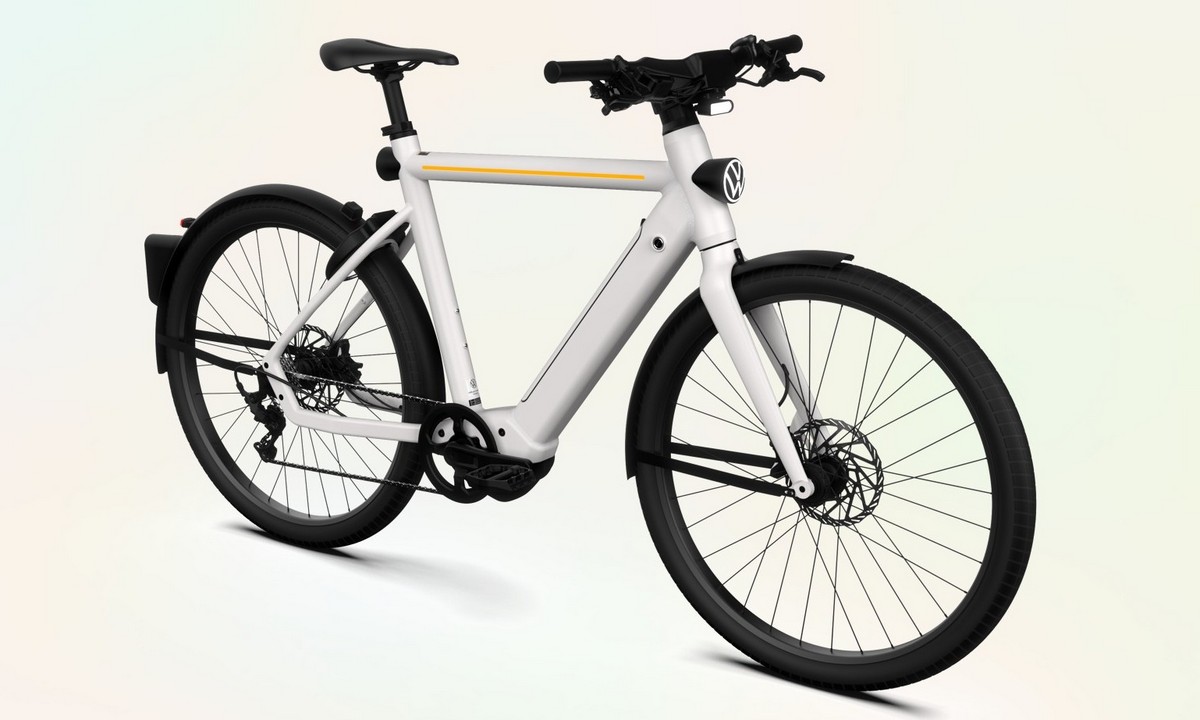
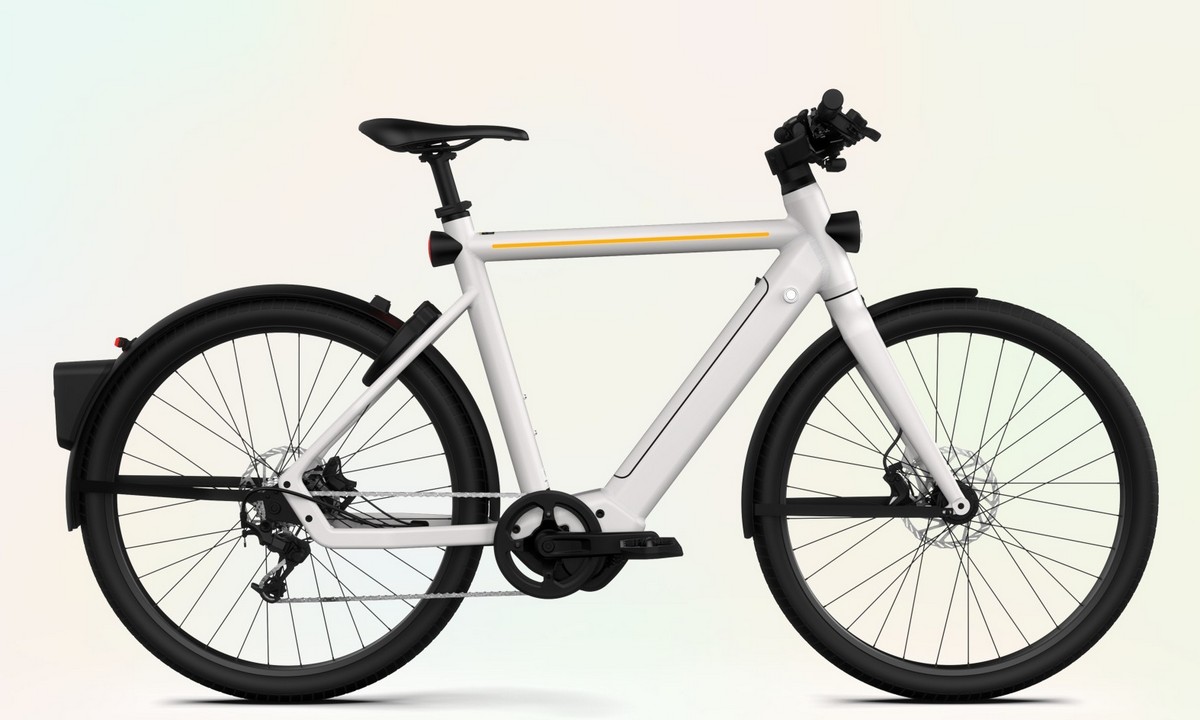
- Volkswagen Sport
-
- Volkswagen Sport
-
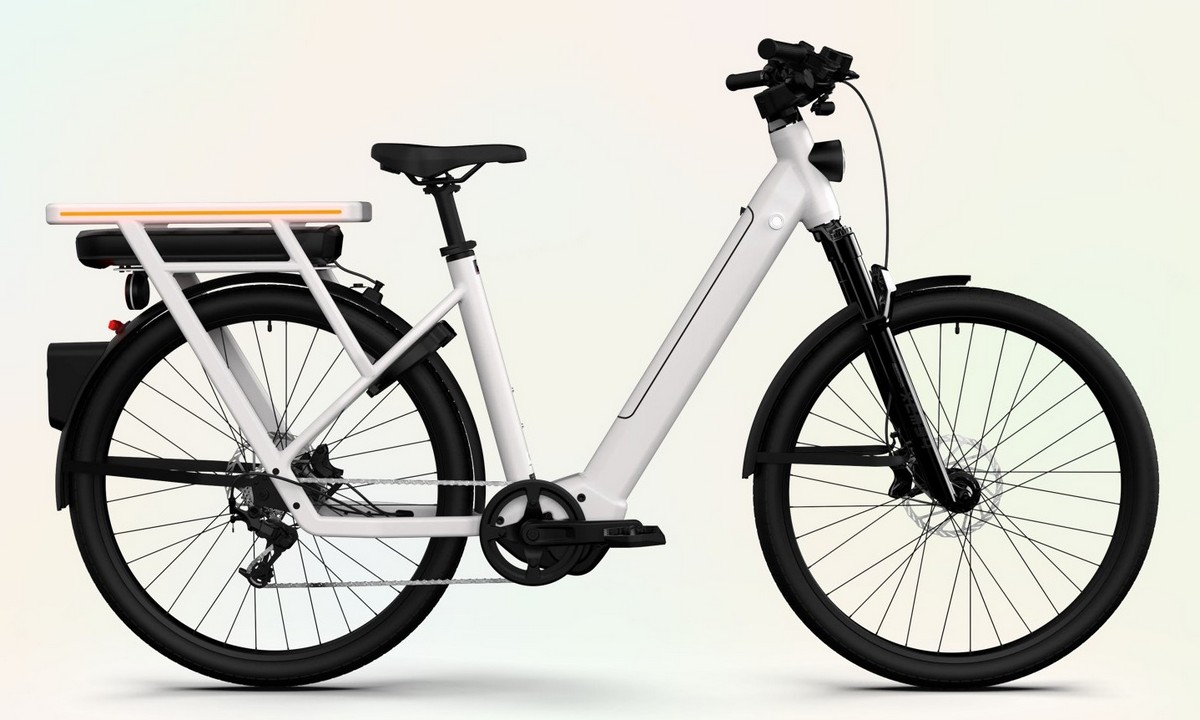
- Volkswagen Crossover
-

- Volkswagen Crossover
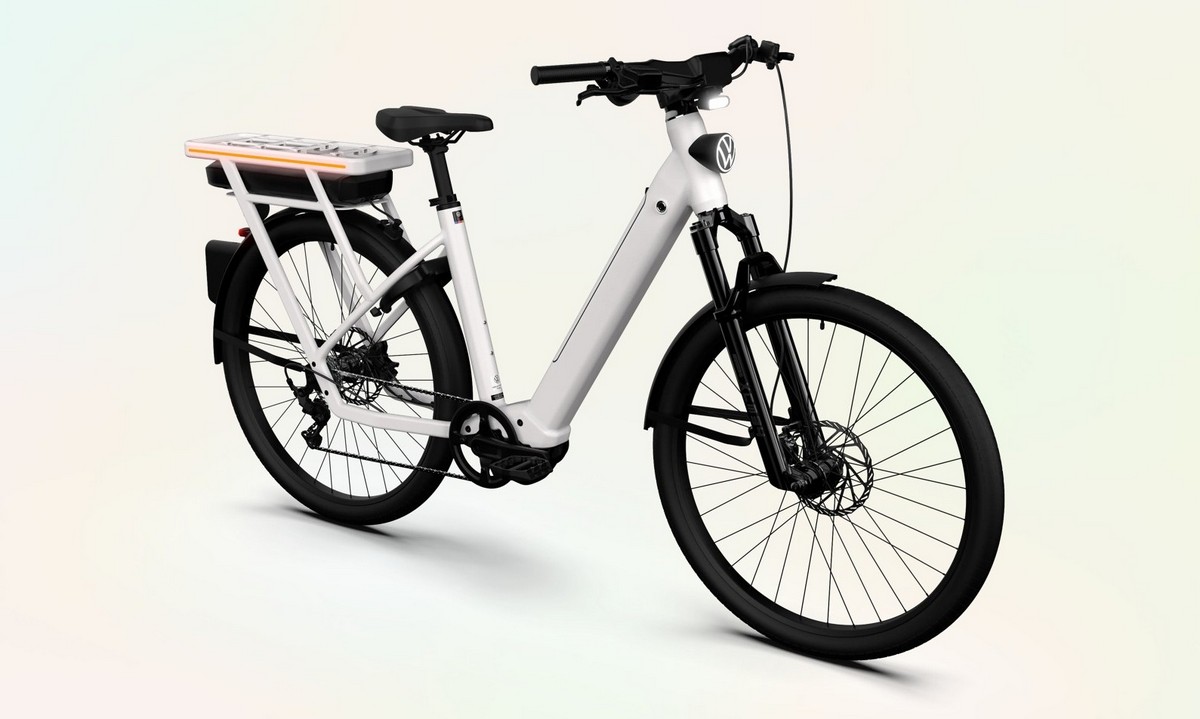
The centerpiece is Smart View, an integrated rear-view system combining radar with a camera. A radar and camera module built into the rear mudguard monitors traffic as far as 70 meters, or about 230 feet, behind the bike. Rather than relying on sound to determine whether something is approaching, the radar looks for vehicles and other road traffic moving toward the cyclist at a higher speed.
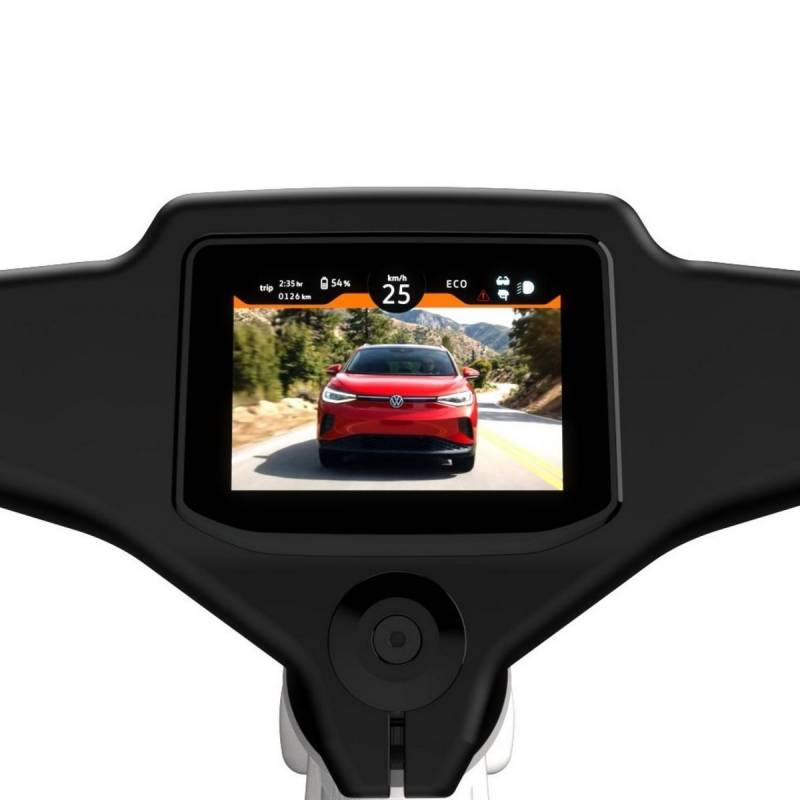
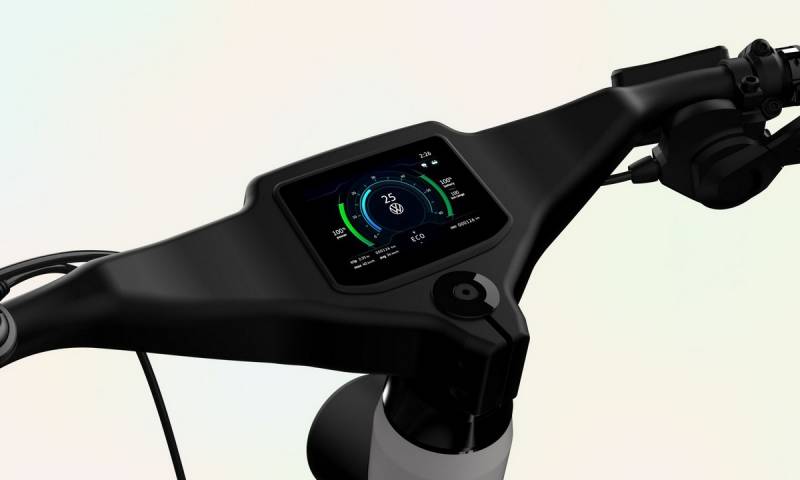
A high-resolution, full-color screen built into the handlebar gives you several ways to use that information. It can serve as a conventional riding dashboard displaying speed, pedal-assist level, power output, battery status, and trip information, or it can continuously show the rear camera.
The more interesting option is Auto Mode. You can leave the normal dashboard on-screen until the radar detects something approaching from behind. At that point, the display automatically switches to the live rear-camera view and adds an orange warning bar. If you’re keeping the dashboard visible instead, a blind-spot warning indicator appears there.
It’s a bit like giving an eBike its own rear-view mirror, except the mirror can tap you on the shoulder when there’s something worth looking at.
Radar Could Help with the Moments Cyclists Hate Most
The system seems particularly relevant when you’re moving around a parked car, preparing to turn, changing your position within a lane, or simply trying to figure out whether the vehicle you can faintly hear is 200′ away or about to pass your elbow.
Smart View isn’t meant to make those decisions for you, and riders certainly shouldn’t treat radar as permission to stop checking their surroundings. What it could do is provide an earlier warning that something is closing from behind, allowing you to make a more informed decision without repeatedly twisting around to look over your shoulder.
Volkswagen and n+ have also tied the radar system into the bike’s lighting. Full-length LED strips run along both sides of the top tube and normally operate as amber side-marker lights. When the radar detects approaching traffic, those strips automatically brighten, making the bike more conspicuous during an overtake.
The same LEDs serve as turn signals and brake indicators. They’re synchronized with the integrated rear brake and tail light, while illuminated Volkswagen emblems at the front and rear add another visibility element. Whether motorists will immediately recognize every light as intended remains to be seen, but more illumination around a cyclist is rarely a bad starting point.
Smart Glasses Put Alerts Where You’re Already Looking
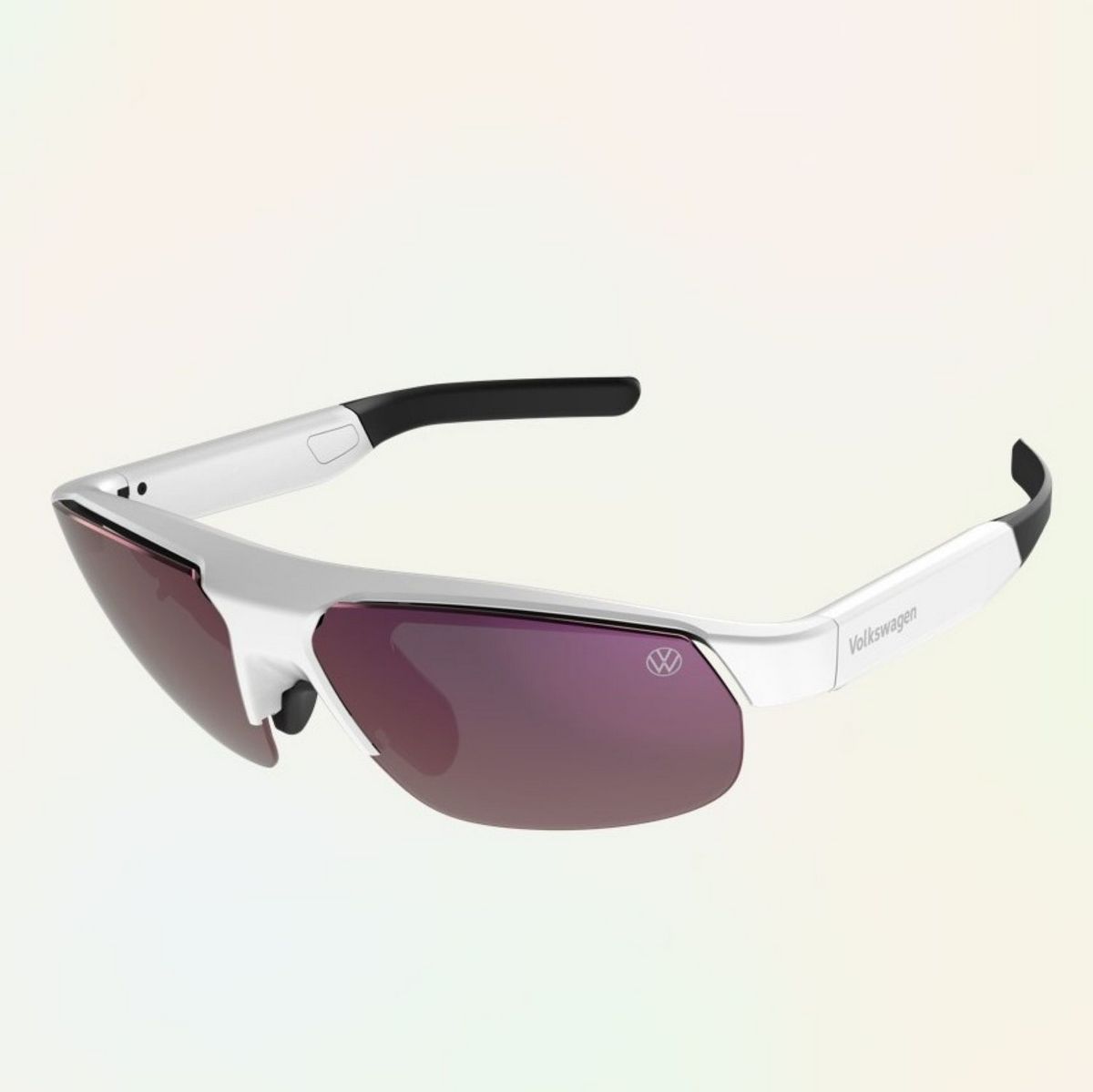
The $499 Smart Glasses extend information from the bike into your field of view. They connect over Bluetooth and use a microOLED display, a compact display technology well suited to putting bright information into a small viewing area.
-

- Volkswagen Smart Glasses
-
- Volkswagen Smart Glasses
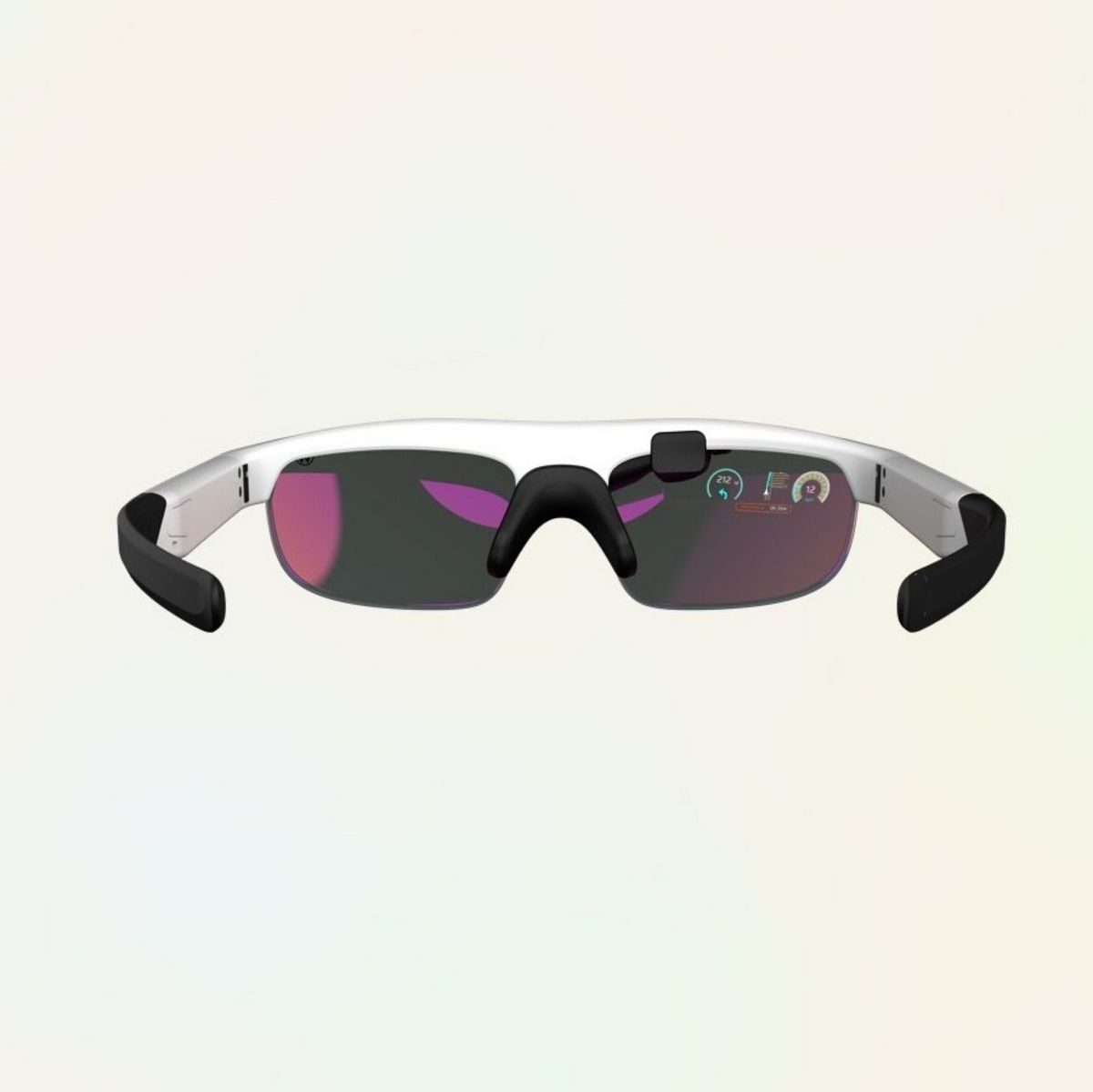
The glasses can show Smart View’s radar-triggered blind-spot warnings, turn-by-turn Google Maps directions, speed, distance, and remaining battery information. Rather than keeping data permanently floating in front of your eyes, an intentional glance toward the upper-right portion of the lens activates or deactivates the display.
Engineers with previous experience developing fighter-pilot head-up display technology were involved in the Smart Glasses, although checking directions on the way to the grocery store is admittedly a less dramatic mission.
They weigh 47 grams, or about 1.7 ounces, roughly comparable to the weight of a golf ball. They’re also designed to function as ordinary sunglasses when you’re off the bike, which matters because specialized cycling gear tends to become considerably less useful once you’ve locked the bike and walked into a restaurant.
The Smart Helmet Adds Lights and Crash Detection
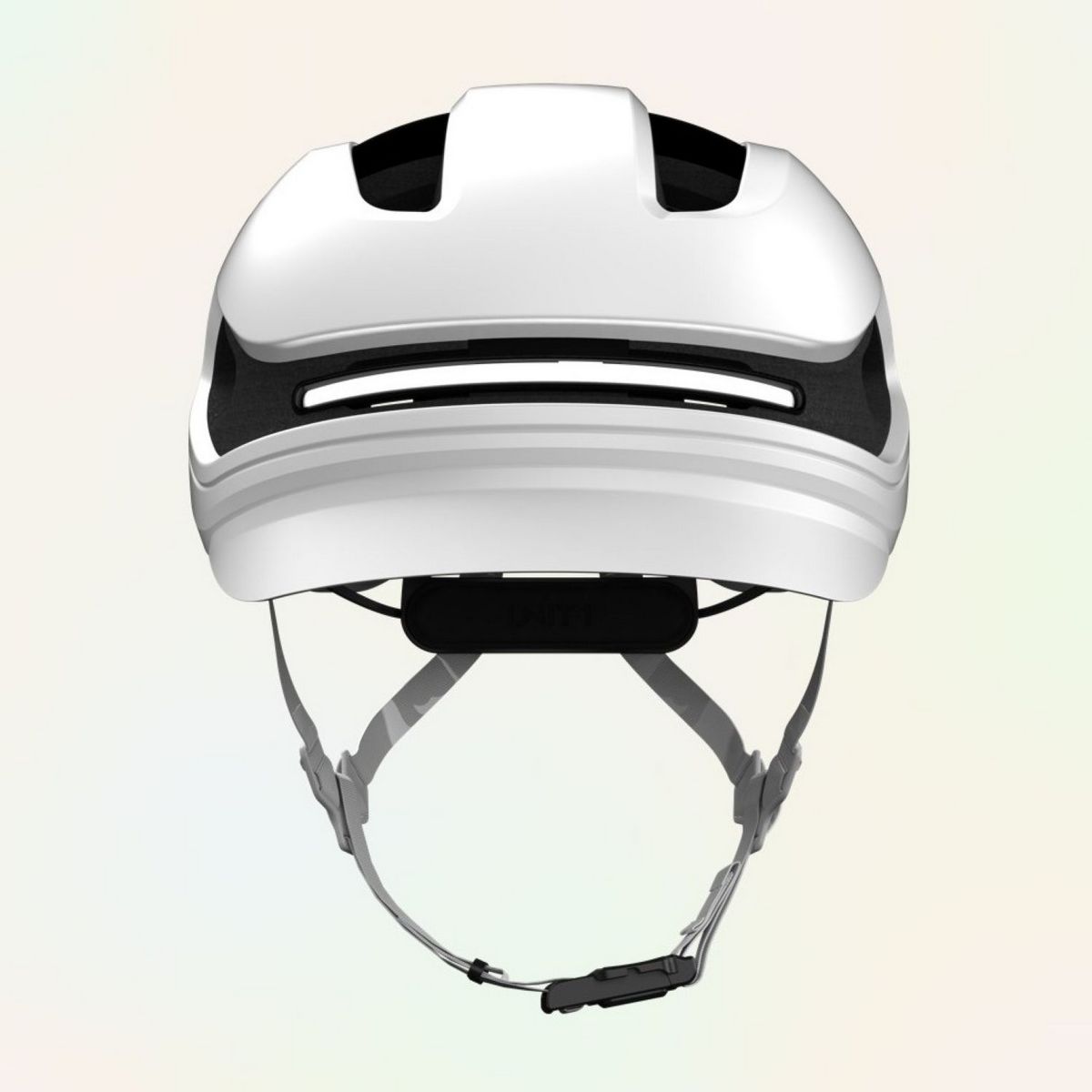
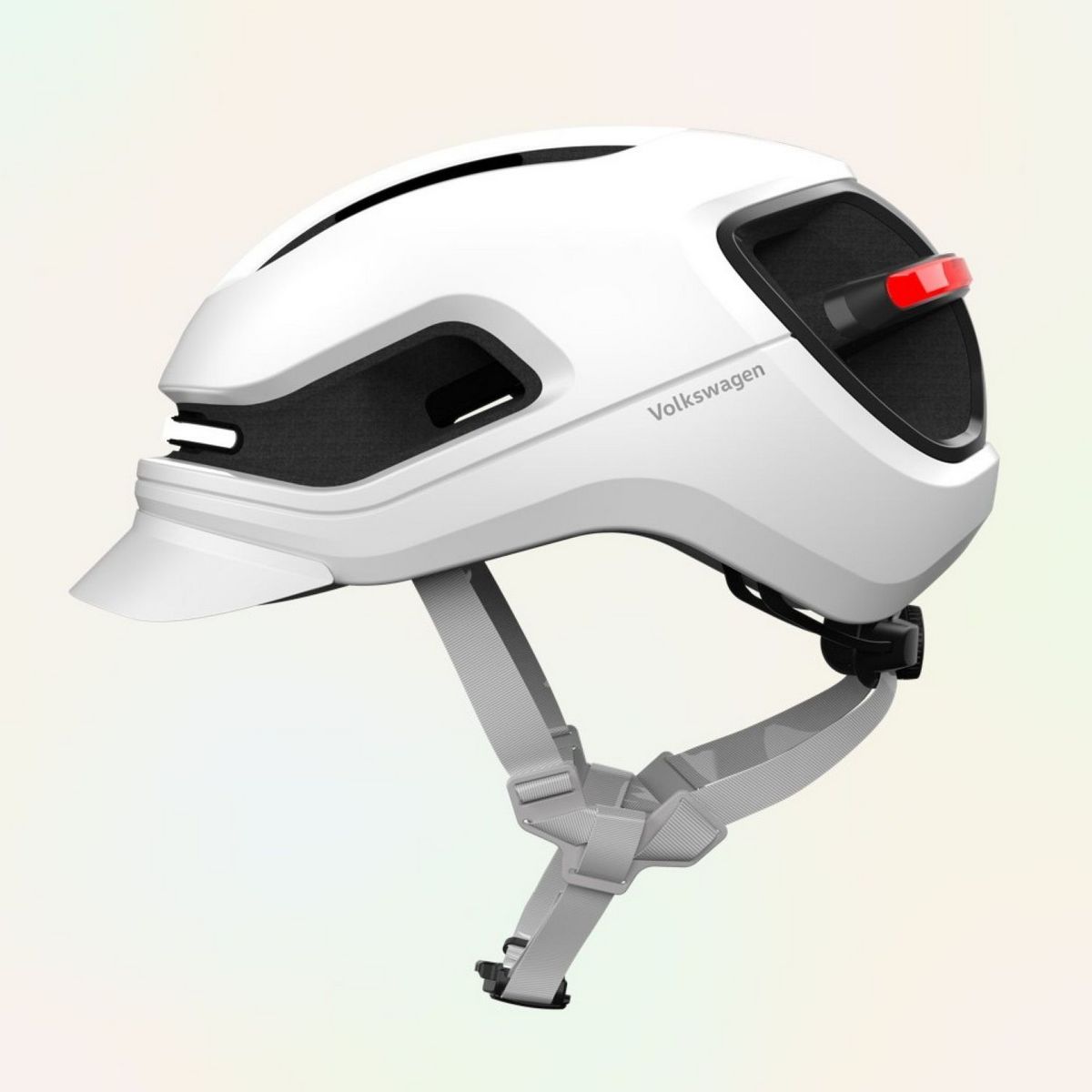
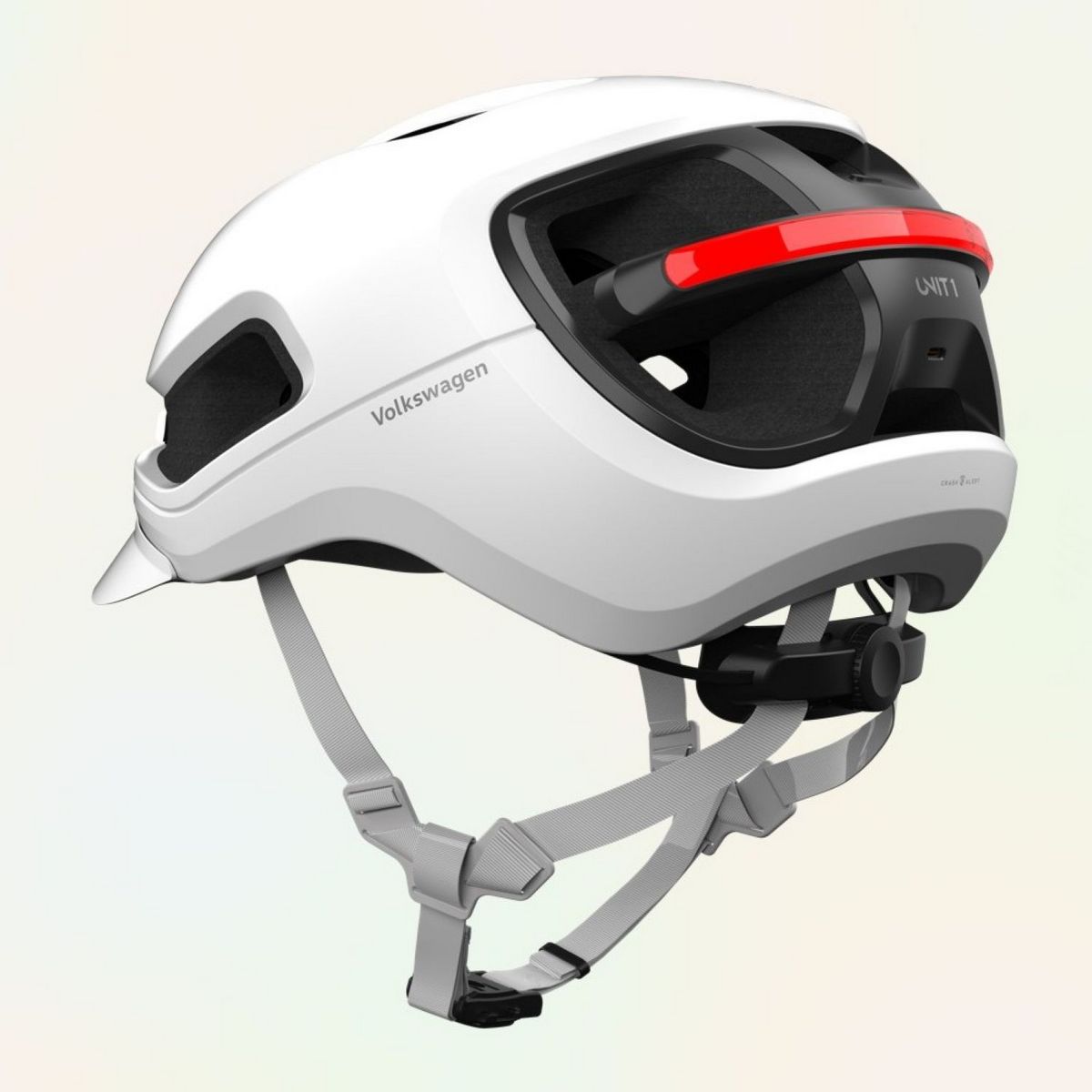
Then there’s the $399 Smart Helmet, which carries several of the bike’s safety functions onto your head.
More than 500 lumens of LED lighting covers the front, rear, and sides, and those lights can mirror the eBike’s brake lights and turn signals. When you brake or signal a turn, traffic can therefore see the indication both on the bicycle and higher up on the helmet, where it may be more visible over cars or other obstacles.
-
- Volkswagen Smart Helmet
-
- Volkswagen Smart Helmet
-
- Volkswagen Smart Helmet
-
- Volkswagen Smart Helmet
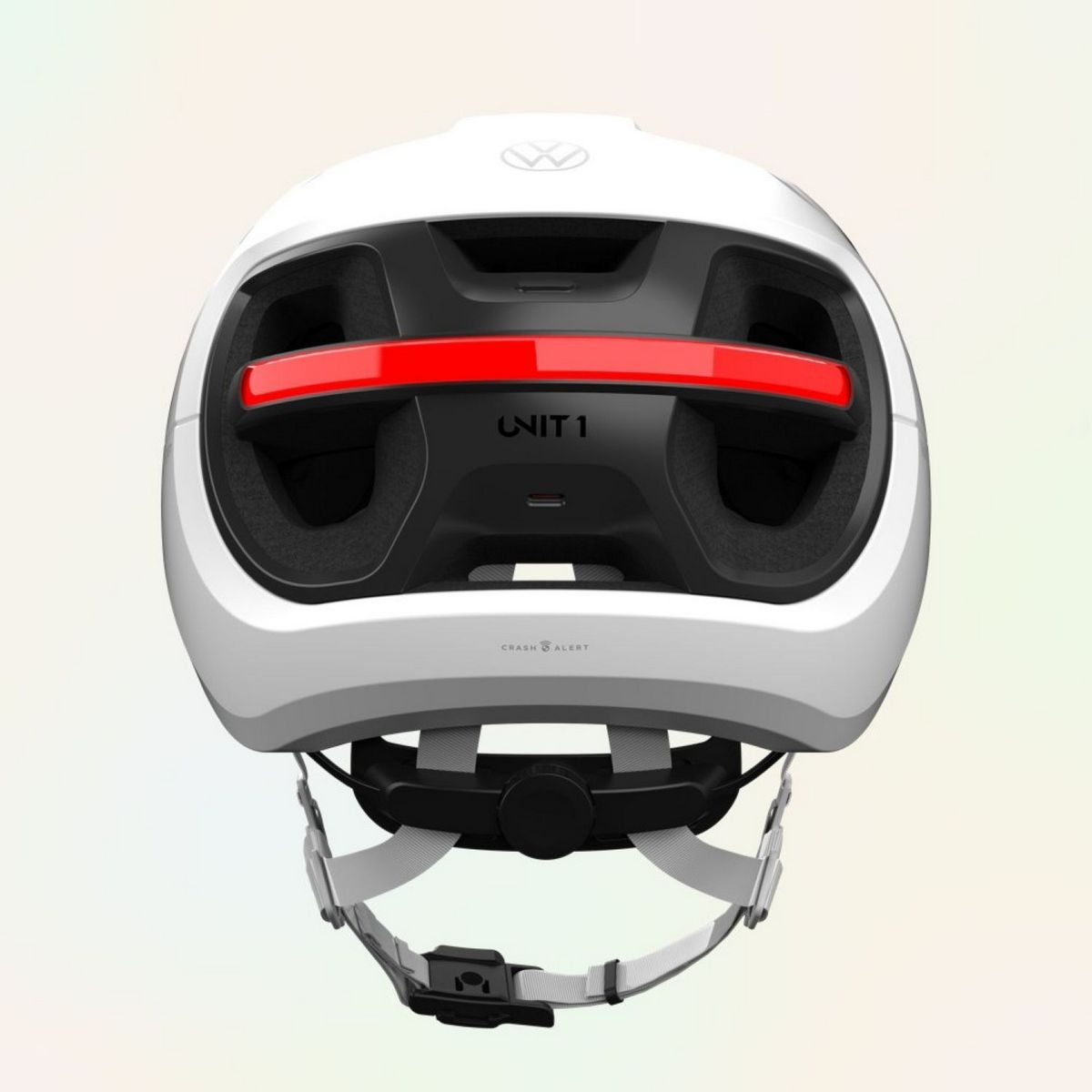
The helmet meets the NTA 8776 certification standard, which is designed for helmets intended to provide additional protection at the higher speeds associated with eBikes. It also incorporates MIPS, a system designed to help reduce rotational forces on the head during certain angled impacts.
Built-in crash detection can recognize a serious impact and automatically alert designated emergency contacts with your location. That’s the sort of feature you hope never earns its keep, but it could matter for someone who regularly rides alone.
The helmet carries an IP67 rating for protection against dust and water, uses a 1,350mAh rechargeable battery, and charges over USB-C. Battery life ranges from about three hours under continuous operation to as much as 30 hours when it’s being used in beacon mode.
A Connected Safety System Makes More Sense Than Gadgets in Isolation
The most compelling part of the Volkswagen Smart eBike concept isn’t any single feature. Radar-assisted cycling products, smart helmets, rear cameras, and heads-up displays already exist in various forms. The more interesting idea is having them communicate.
An approaching vehicle can trigger the radar warning, put the rear camera on the handlebar display, send an alert to the Smart Glasses, and increase the bike’s side lighting. Brake and turn information can simultaneously appear on both the bicycle and the helmet.

That doesn’t turn an eBike into a car, nor does it eliminate the unpredictability of sharing roads with distracted drivers, potholes, opening car doors, pedestrians, and everything else urban riding can throw at you. It does give the rider additional information while attempting to make their intentions more visible to everyone nearby.
Whether all those alerts feel helpful or become one more stream of information demanding attention will be one of the more interesting questions to answer during real-world riding.
Volkswagen Smart eBike Pricing and Availability
Visitors attending IFA Berlin can try the Smart eBike, Smart View rear-camera system, Smart Glasses, and Smart Helmet from September 4 through 8, 2026. The bikes will be displayed at Volkswagen’s Großen Stern SOM-201 stand, with test rides available on IFA’s Mobility Test Track.



This looks awesome and makes me want an ebike more than ever. Thanks for sharing!