
Lenovo’s ThinkPad T-Series is getting a 2026 refresh, and it’s arriving at MWC 2026 alongside a handful of business-minded siblings: a rugged Android tablet, a new detachable, a 2-in-1 ThinkBook aimed at smaller companies, and a slim portable monitor. It’s the familiar mix of “AI-ready” hardware, expanded processor choices, and a renewed push toward repairability. What stands out this time isn’t the buzzwords so much as Lenovo’s attempt to make modern work hardware last longer without making IT departments regret every deployment decision.
Lenovo’s MWC 2026 Theme: Make Work Devices More Flexible, Not More Fragile
Spend enough time around business laptop launches and the seasonal rhythm becomes easy to spot. Early-year events tend to promise smarter PCs powered by fresh silicon and even fresher acronyms, all packaged inside machines that still need to survive airport security bins, shared desks, and that one coworker who treats USB ports like they owe them money.
This year’s lineup leans into a few practical priorities. Organizations get more processor options, hardware is easier to service, and AI features increasingly run on the device itself instead of sending everything to remote servers. That distinction matters because the phrase “AI PC” currently covers a wide range of realities, from laptops that simply include newer chips to systems capable of handling certain intelligent tasks locally. Lenovo appears to be aiming for the latter, using dedicated processing hardware designed to speed up things like image processing, transcription, or workflow assistance while keeping more data on the machine.
Alongside shipping products, Lenovo is also showing two experimental ideas: the ThinkBook Modular AI PC Concept and a desk companion called the Lenovo AI Workmate Concept. Neither is headed to store shelves anytime soon. Instead, they offer a glimpse at how the company thinks work hardware might evolve toward devices that adapt over time rather than being replaced outright.
The Modular ThinkBook Concept Is a Laptop That Wants to Travel Light and Work Wide
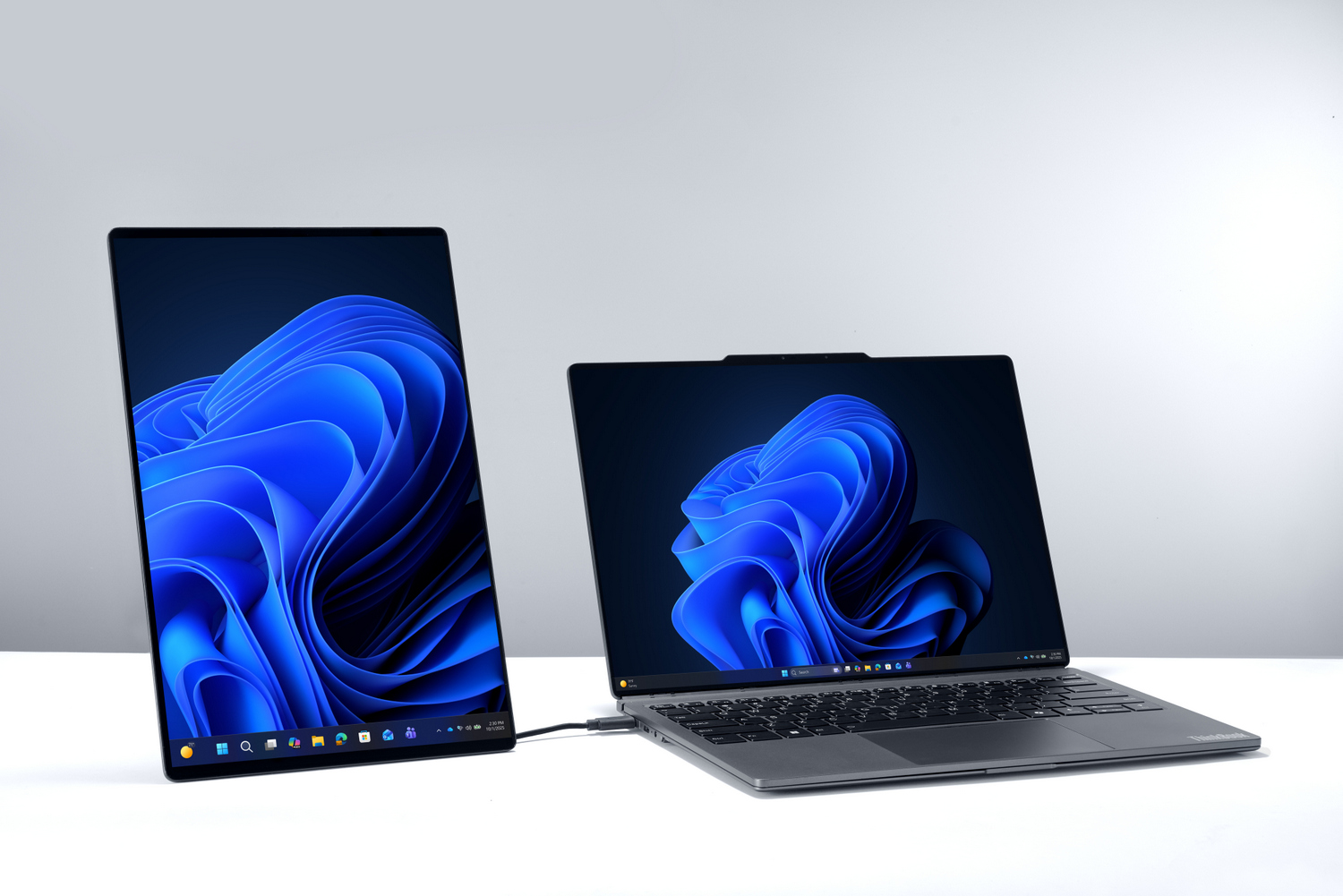
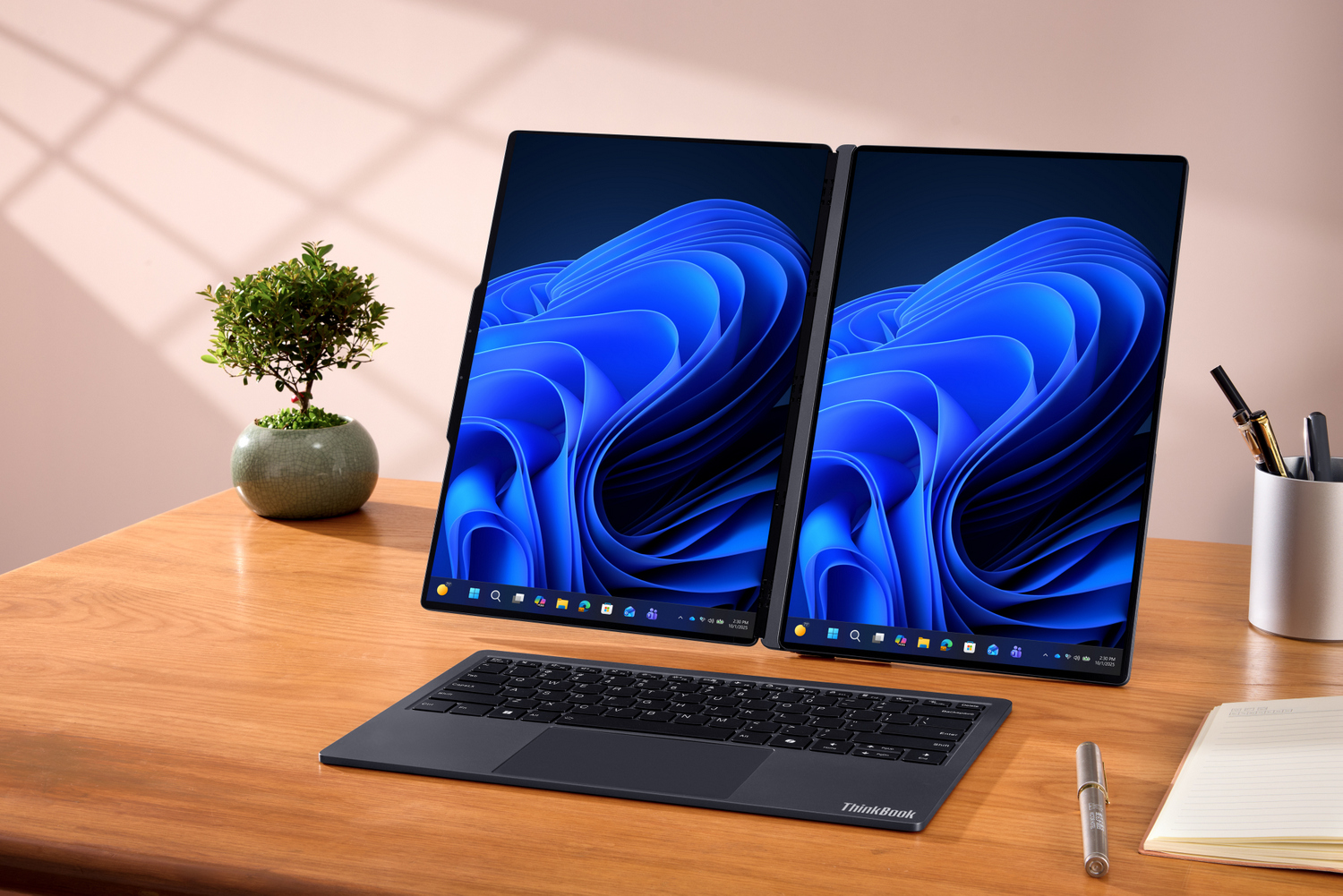
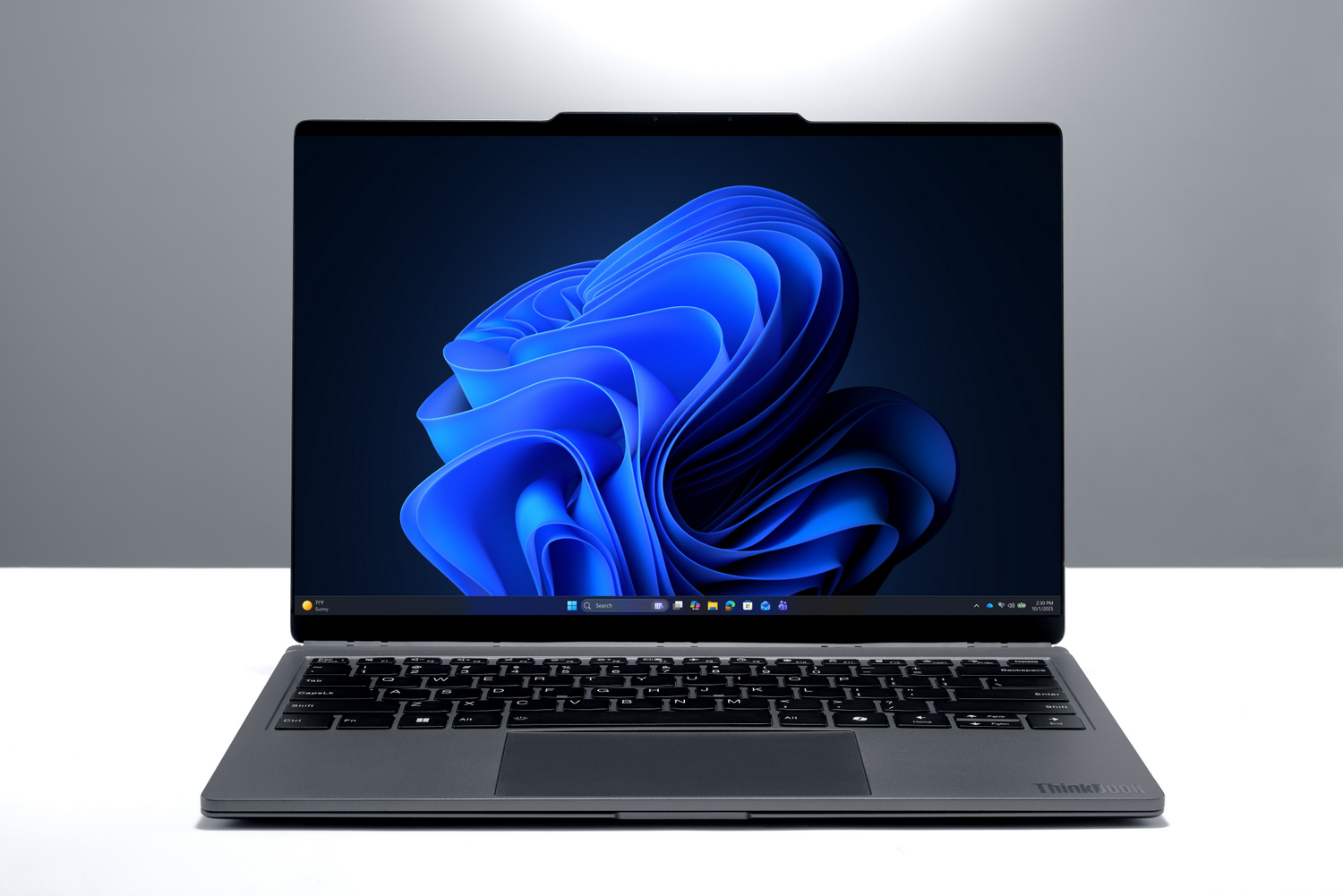
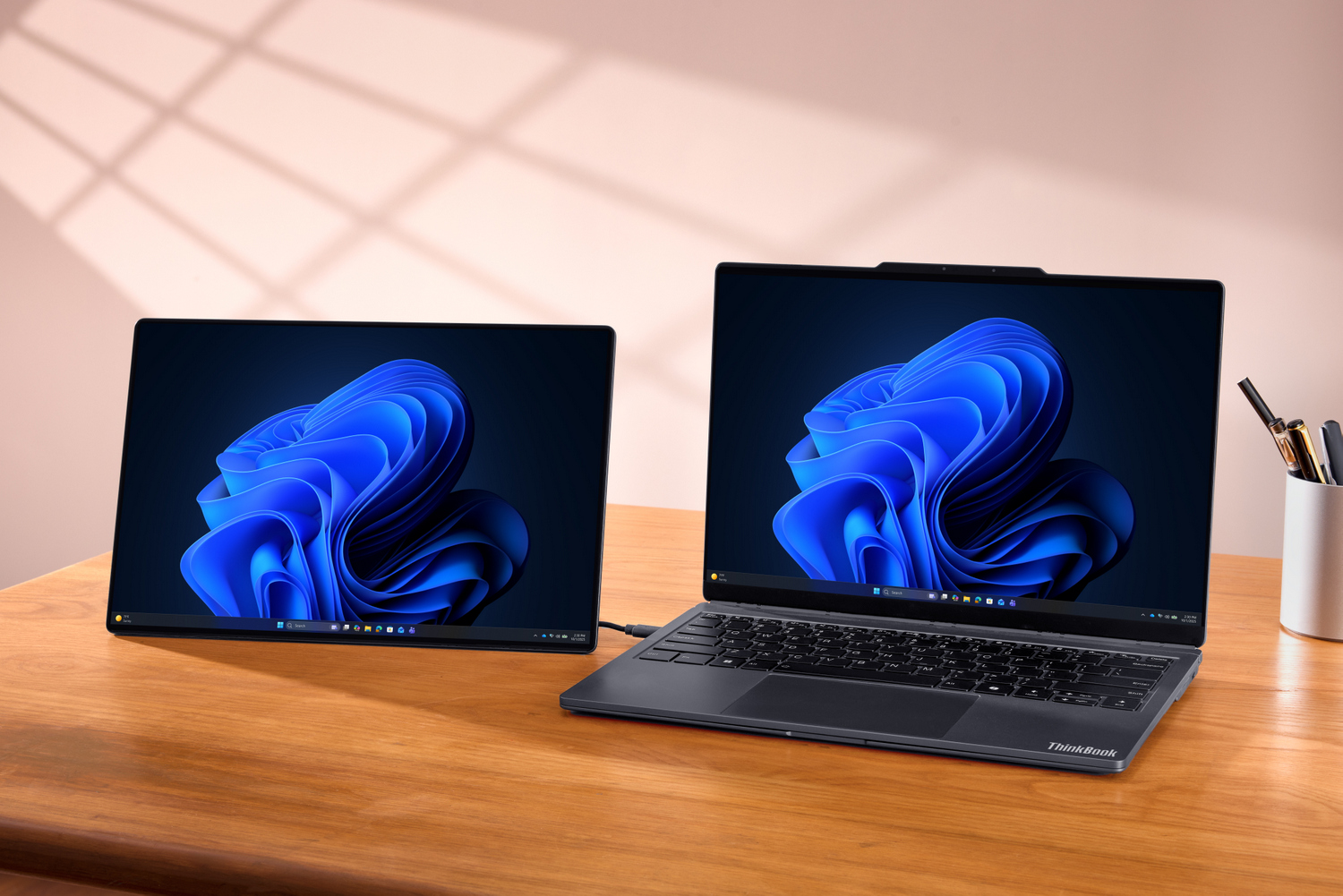
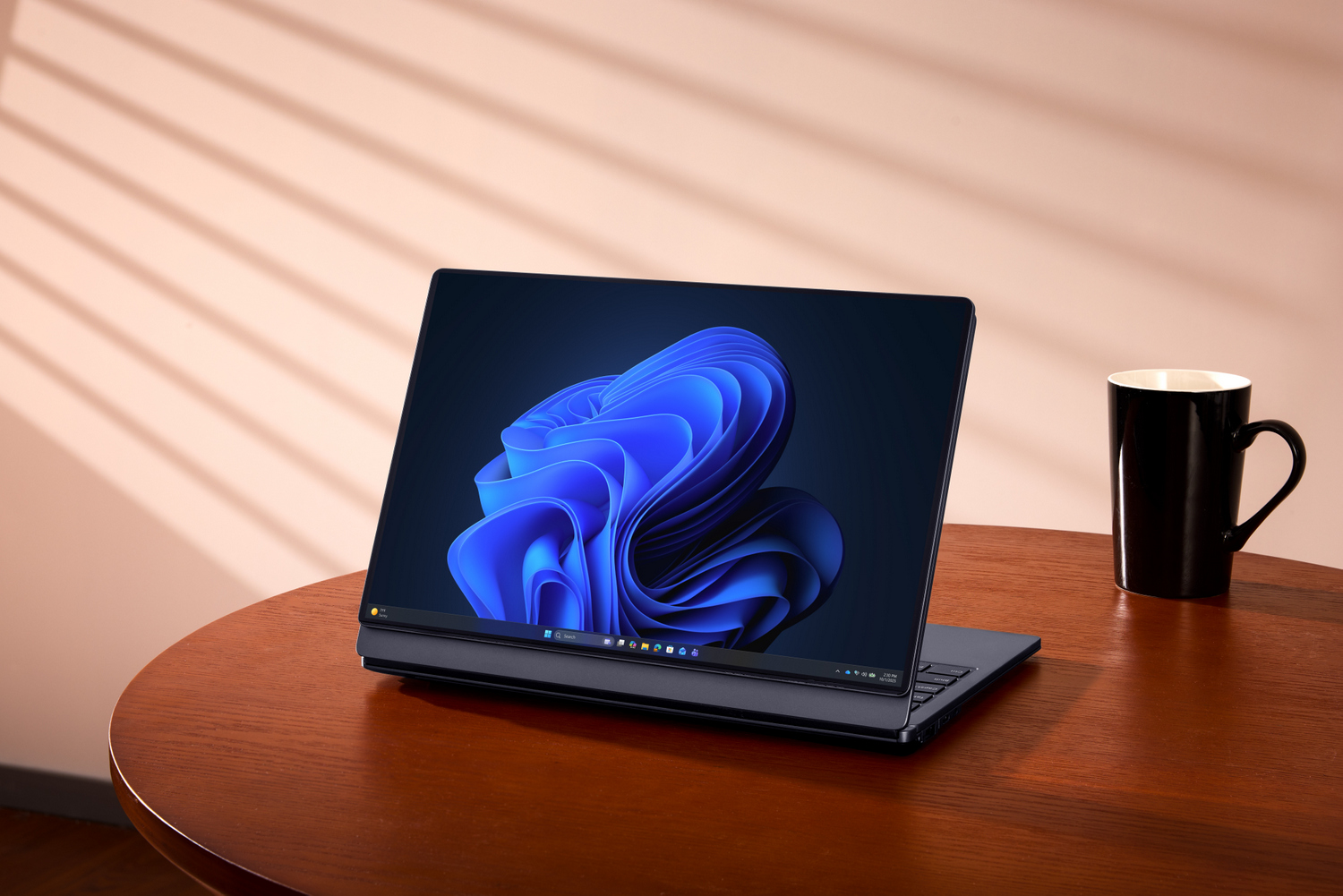
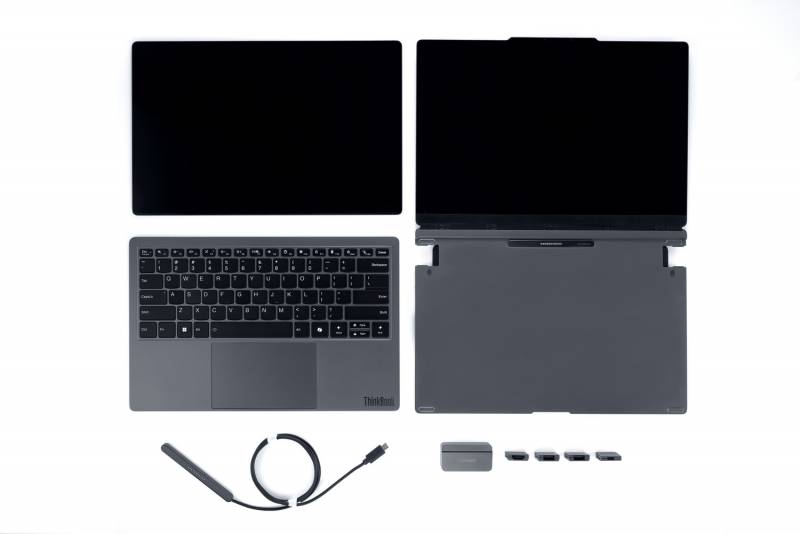
The ThinkBook Modular AI PC Concept is Lenovo’s “carry small, use big” experiment. At the center sits a 14″ ultra-thin base system designed to change shape depending on where and how you’re working. Detachable components include a Bluetooth keyboard, secondary display modules, and interchangeable ports such as USB Type-A, USB Type-C, and HDMI.
-

- Modular ThinkBook Concept
-
- Modular ThinkBook Concept
-
- Modular ThinkBook Concept
-
- Modular ThinkBook Concept
-
- Modular ThinkBook Concept
-
- Modular ThinkBook Concept
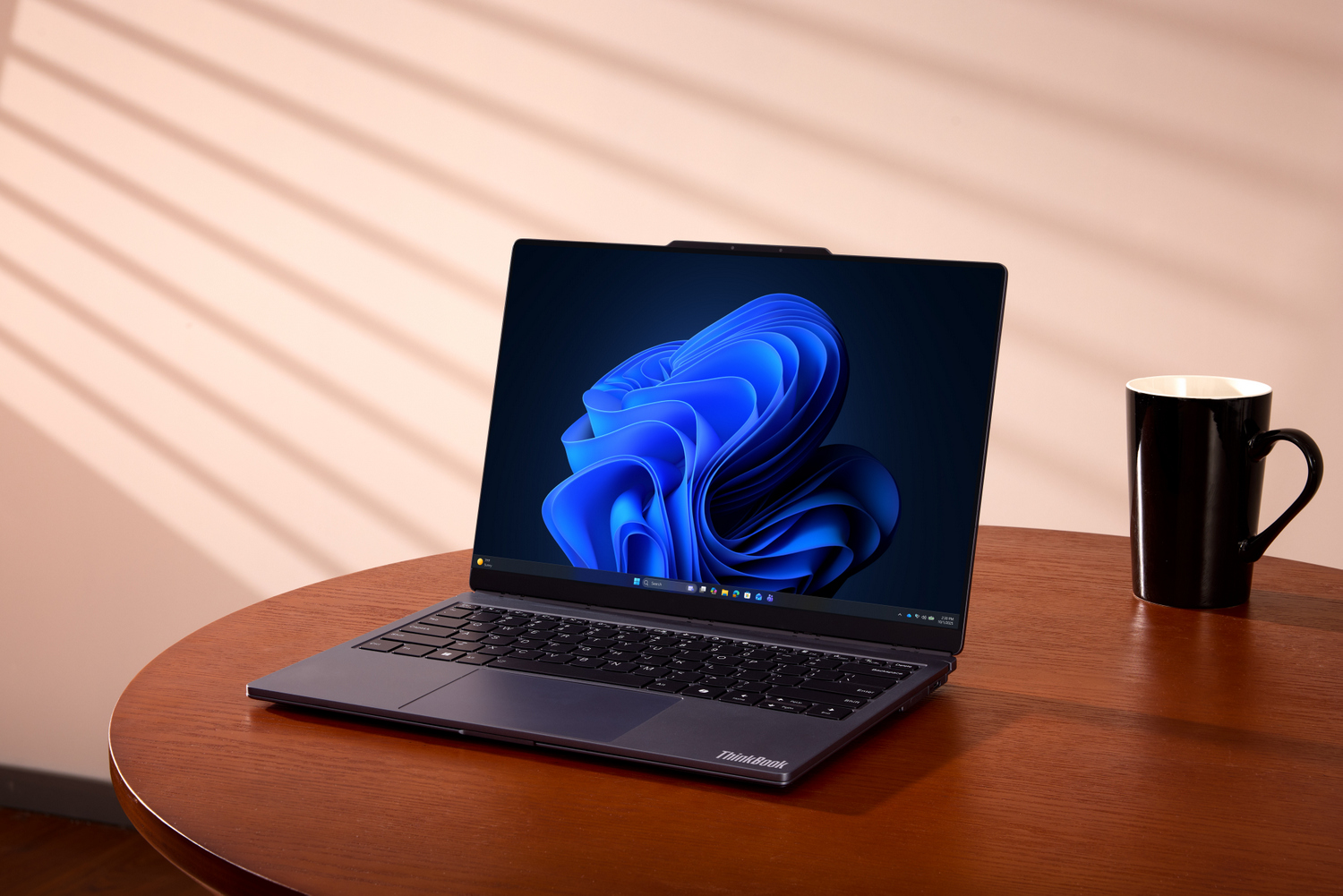
That secondary display can attach to the lid for face-to-face sharing, sit beside the laptop using an integrated kickstand in portrait or landscape orientation, or replace the keyboard entirely to create a dual-screen configuration. In its largest setup, Lenovo says the available viewing space expands to roughly 19″. Anyone who has tried juggling documents, messaging apps, and spreadsheets on a single laptop screen can probably see the appeal.
Modular ThinkBook Concept
Power and data move between modules through pogo-pin connectors. In plain terms, these are spring-loaded contact points that allow accessories to snap into place without cables while maintaining a reliable connection. They’re commonly used in docks and accessories designed for frequent attachment and removal.
Of course, modular computing always walks a fine line. Flexibility sounds great until a connector decides to misbehave five minutes before a meeting starts. Every removable component introduces another potential failure point, along with added cost and support considerations. Still, the concept tackles a real problem. People want portability but also more workspace, and organizations want hardware that lasts longer without locking employees into a single configuration. If Lenovo can keep something like this durable enough for real offices, the idea has merit.
ThinkTab X11 Is for Places Where a Laptop Would Be a Bad Decision
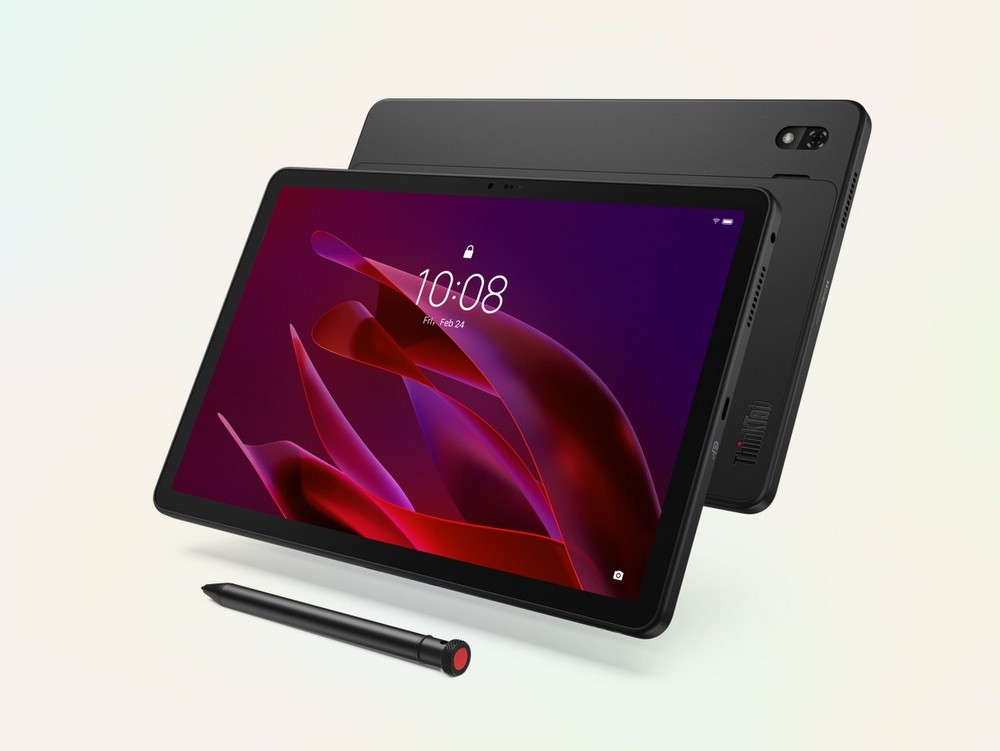
The ThinkTab X11 expands Lenovo’s business lineup beyond traditional PCs with a rugged Android tablet built for frontline environments such as logistics centers, construction sites, manufacturing floors, transportation hubs, and energy operations. In other words, places where balancing a traditional laptop quickly becomes impractical.
Powered by Qualcomm’s Snapdragon 7s Gen 3 mobile platform, the tablet is designed for demanding environments. Lenovo says it meets MIL-STD-810H durability testing standards and carries an IP68 rating for resistance against dust and water exposure.
A bright display with glove and wet-touch support may sound like a minor detail until you’re working outdoors or wearing protective gear. The screen measures 10.95″ with a 2560 x 1600 resolution, a 90Hz refresh rate, and brightness reaching up to 600 nits, all protected by Gorilla Glass. Lenovo lists an 85% screen-to-body ratio, while the device itself measures about 0.39″ thick and weighs under 1.4 pounds.
-

- ThinkTab X11
-

- ThinkTab X11
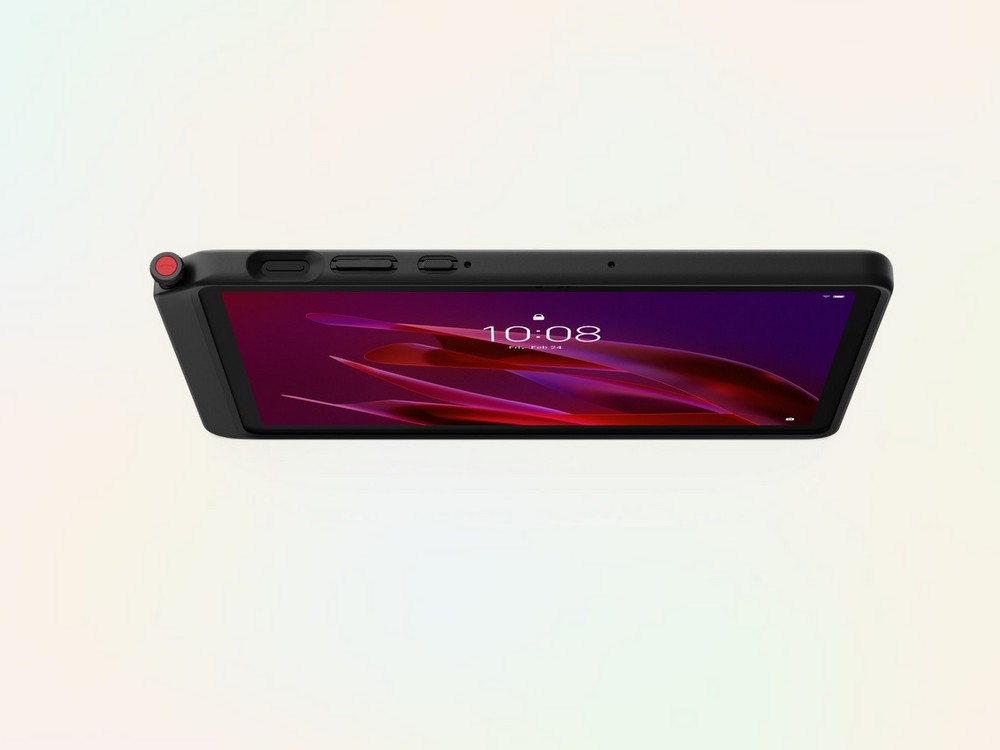
One particularly practical feature is the removable 10,200mAh battery. It can be swapped without tools and supports what Lenovo calls battery-less mode, allowing the tablet to run directly from external power in vehicles, kiosks, or fixed installations. That removes long-term battery wear from the equation in environments where devices may stay powered all day. Lenovo notes that this mode works without restriction when paired with recommended adapters that deliver at least 36W of compatible power, a reminder that real-world power setups rarely behave perfectly.
Connectivity is equally well-tuned for fieldwork. Dual USB-C ports allow charging and accessory use, while Wi-Fi 6E, Bluetooth 5.4, optional 5G connectivity, and front-mounted NFC support workflows such as asset tracking, authentication, and inventory scanning. NFC is the same tap-based technology used in mobile payments, but here it’s focused on quickly matching equipment and credentials to digital records.
Lenovo expects the ThinkTab X11 to arrive in North America around the middle of 2026, with pricing starting at $499. As always, that entry price tends to rise once storage, connectivity options, and enterprise management features come into play.
The ThinkPad T-Series Refresh Is About Repairability and Choice, Not Reinvention
The ThinkPad T-Series remains Lenovo’s commercial backbone, and this year’s update focuses less on reinvention and more on longevity. Serviceability plays a central role, with redesigned internal layouts, easier access through the bottom cover, and more replaceable components, including batteries and USB-C ports.
That may not sound exciting, but anyone who has waited days for a replacement laptop because of a damaged port understands the value immediately. Easier repairs reduce downtime and can extend fleet lifespans in ways flashy features rarely do.
There’s also an optional 5-megapixel camera with computer-vision tuning and vHDR support intended to improve video calls in uneven lighting conditions. The goal appears simple enough: make hybrid meetings look clearer without forcing people to fiddle with settings.
Lenovo is also introducing a new Cosmic Blue finish on the ThinkPad T14 Gen 7 and T14s Gen 7. After years of nearly identical black business laptops, even a subtle change can feel refreshing, even if it won’t improve anyone’s quarterly reports.
Some models have also earned Calm Tech Certified Platinum recognition, a designation focused on reducing distractions and supporting sustained attention. Whether certifications matter will depend on perspective, but the underlying philosophy makes sense. Features such as physical camera shutters, low-blue-light display options, clear LED indicators, and audible system feedback aim to convey information without constantly demanding attention.
ThinkPad T14 Gen 7 and T16 Gen 5 Are the “Get Work Done” Defaults
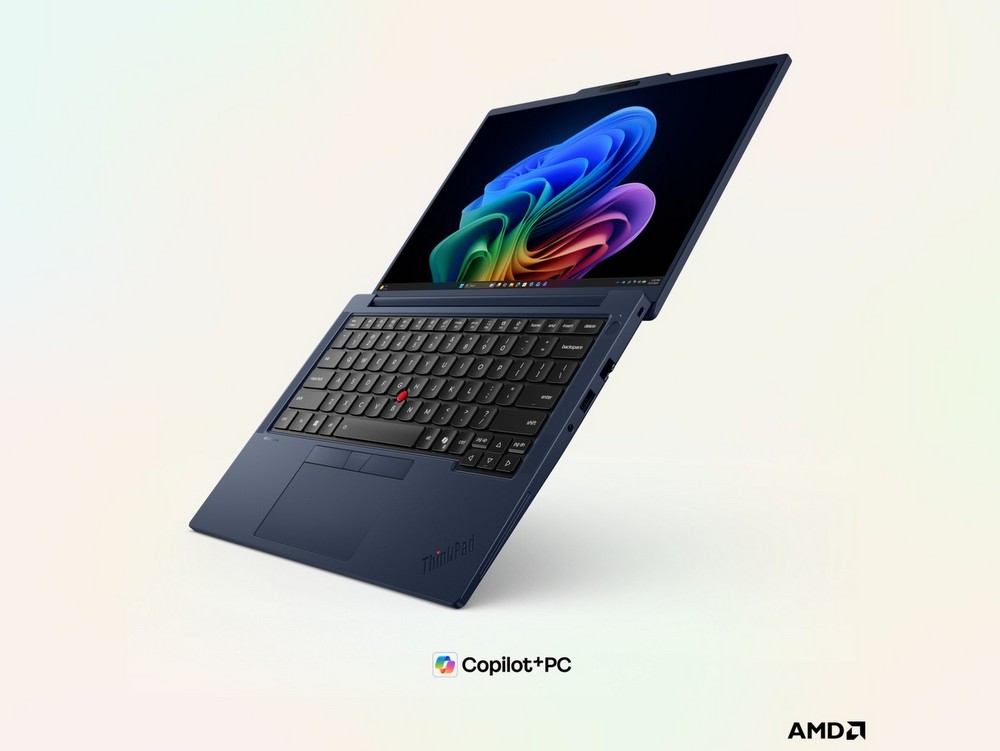
The ThinkPad T14 Gen 7 and ThinkPad T16 Gen 5 continue Lenovo’s long-running workhorse tradition. The company says these models achieve a perfect 10 out of 10 repairability score through iFixit, something that carries more weight if it holds up outside controlled testing environments.
Processor options span Intel Core Ultra Series 3 configurations with optional vPro support, as well as AMD Ryzen AI PRO 400 Series chips. That flexibility allows organizations to standardize deployments or tailor hardware depending on performance needs.
-
- ThinkPad T14 Gen 7 AMD
-
- ThinkPad T14 Gen 7 Intel
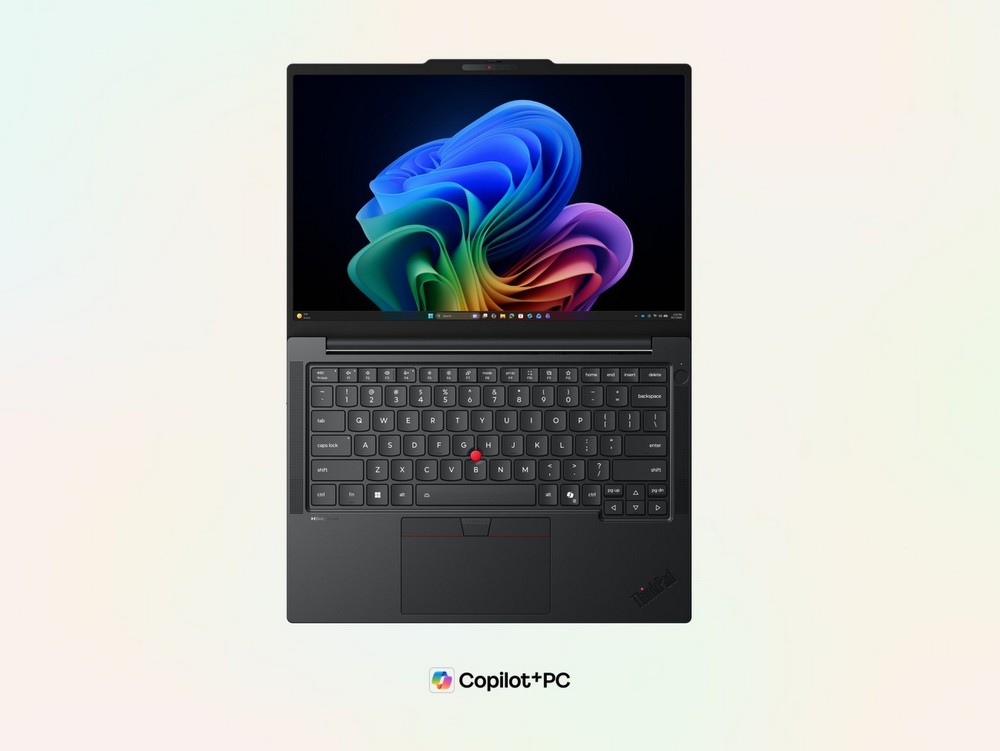
Lenovo lists up to 50 TOPS of on-device AI capability. TOPS, short for trillions of operations per second, measures how much machine-learning processing dedicated hardware can handle. It isn’t a direct performance guarantee, but it does signal that the systems can run certain AI-assisted features locally rather than rely entirely on cloud processing.
Display options climb as high as a 2.8K OLED panel with 500 nits brightness and a 120Hz refresh rate. For everyday work, that translates to sharper text, smoother motion, and potentially less eye fatigue during long stretches of document editing.
The T14 Gen 7 measures roughly 12.4 x 8.7 x 0.8″ at its thickest point and weighs about 2.84 Pounds. Connectivity includes Wi-Fi 7, optional 5G, Bluetooth 5.4, NFC, USB-A and USB-C ports, HDMI 2.1, Ethernet, and SIM support.
Both systems are expected to arrive around the middle of 2026, starting at $1,799.
ThinkPad T14s Gen 7 Goes Lighter, but Still Wants to Be Serviceable
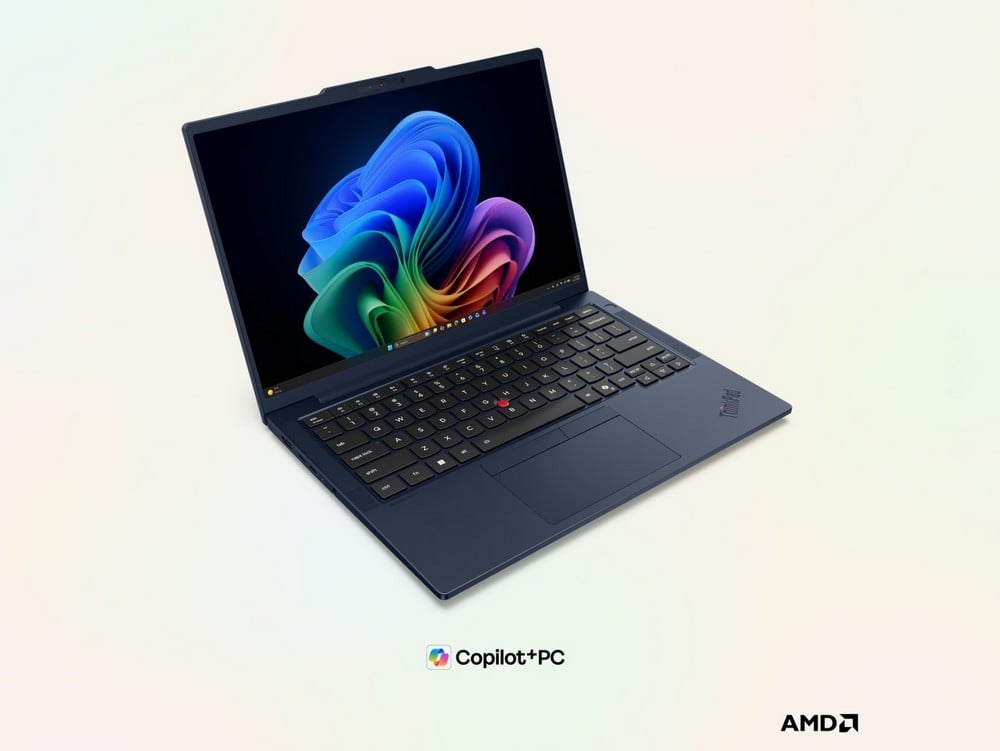
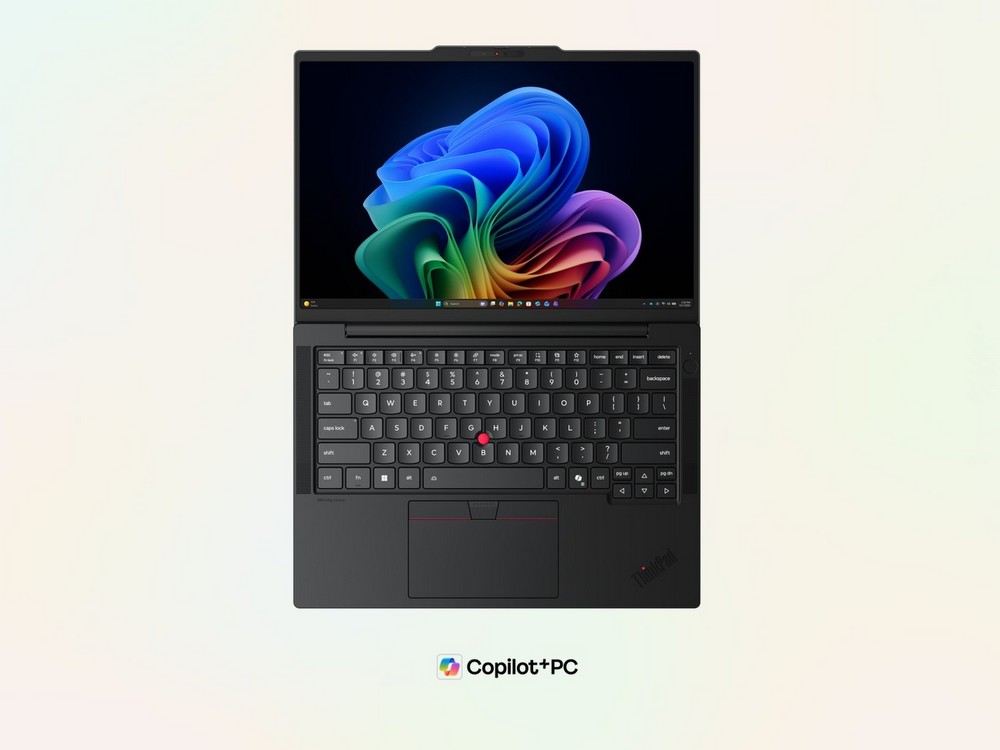
The ThinkPad T14s Gen 7 trims weight down to roughly 2.45 pounds, making it the lightest T-Series model so far. Lenovo pairs that with a 58Wh battery intended to support longer unplugged work sessions.
Despite the thinner design, Lenovo says the laptop earns a 9 out of 10 repairability score. That’s notable in a category where slimmer designs often mean sealed components.
-
- ThinkPad T14s Gen 7 AMD
-
- ThinkPad T14s Gen 7 Intel
-

- ThinkPad T14s Gen 7 Qualcomm
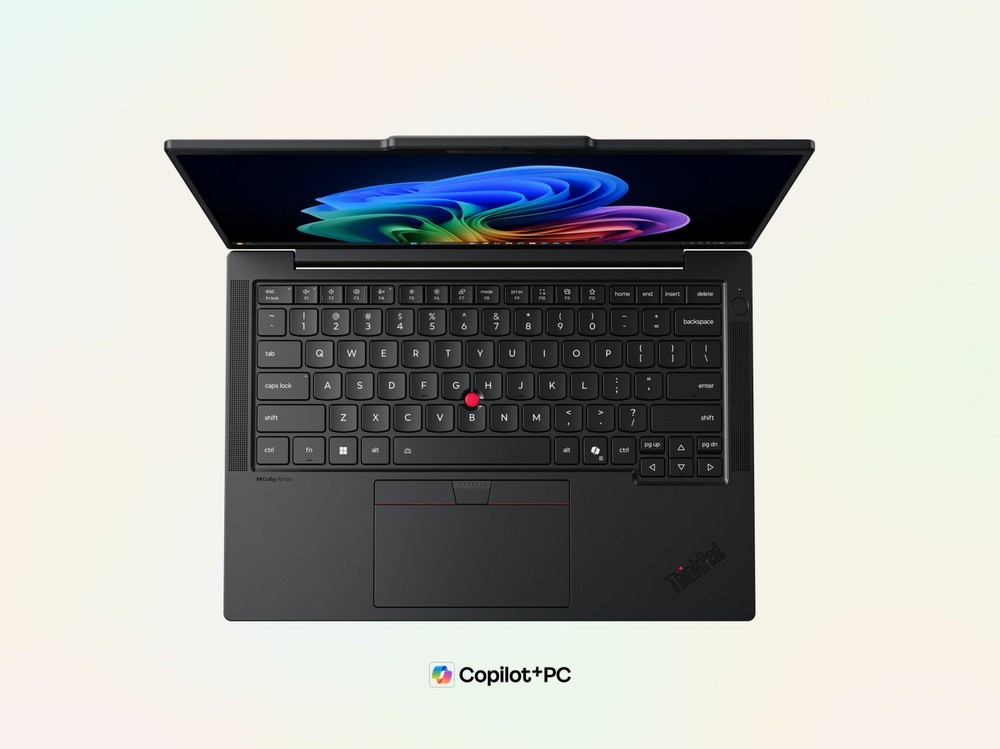
Configurations include Intel Core Ultra Series 3 processors, AMD Ryzen AI PRO 400 Series chips, and Qualcomm Snapdragon X2 Elite and X2 Plus platforms. Windows on ARM systems powered by Qualcomm hardware continue improving, though compatibility still depends heavily on the software you rely on daily. Browser-heavy workflows tend to run smoothly, while specialized legacy applications may require caution.
Qualcomm versions can reach up to 80 TOPS through the integrated Hexagon processor, signaling Lenovo’s push toward more local AI acceleration.
Pricing is expected to begin at $1,899 when systems arrive around midyear.
ThinkPad T14s 2-in-1 Gen 2 Adds Pen-Friendly Flexibility Without Turning into a Toy
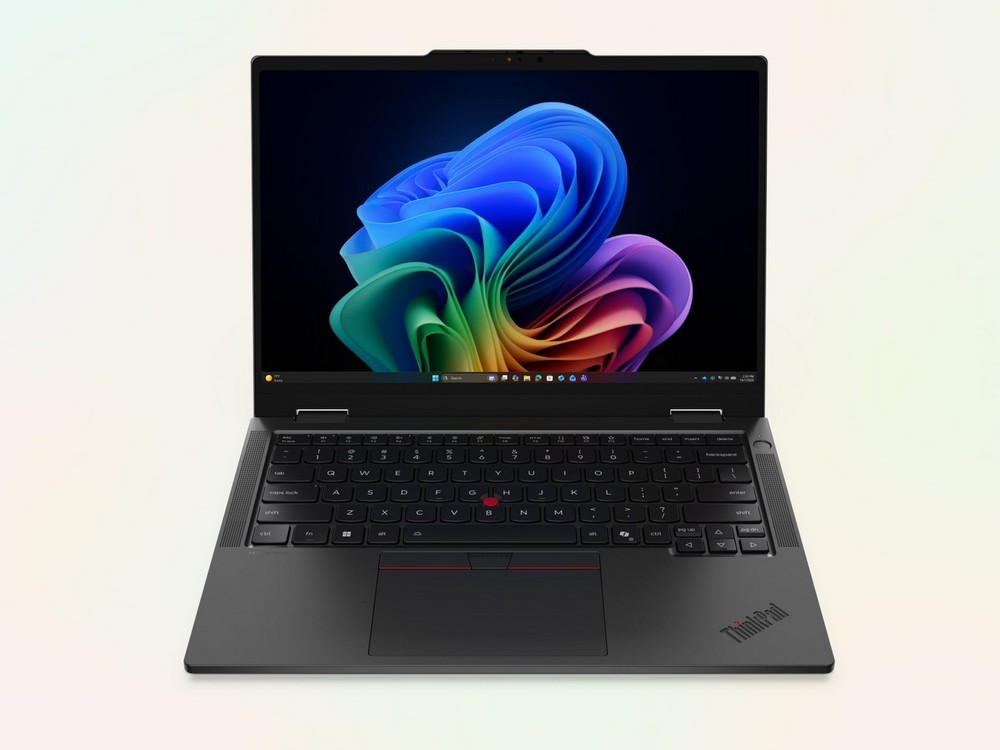
Convertible laptops sometimes drift into executive gadget territory, but there are legitimate reasons to want one. Annotating documents, sketching ideas during meetings, or presenting directly from a touchscreen all benefit from a flexible hinge.
-
- ThinkPad T14s 2-in-1 Gen 2
-
- ThinkPad T14s 2-in-1 Gen 2
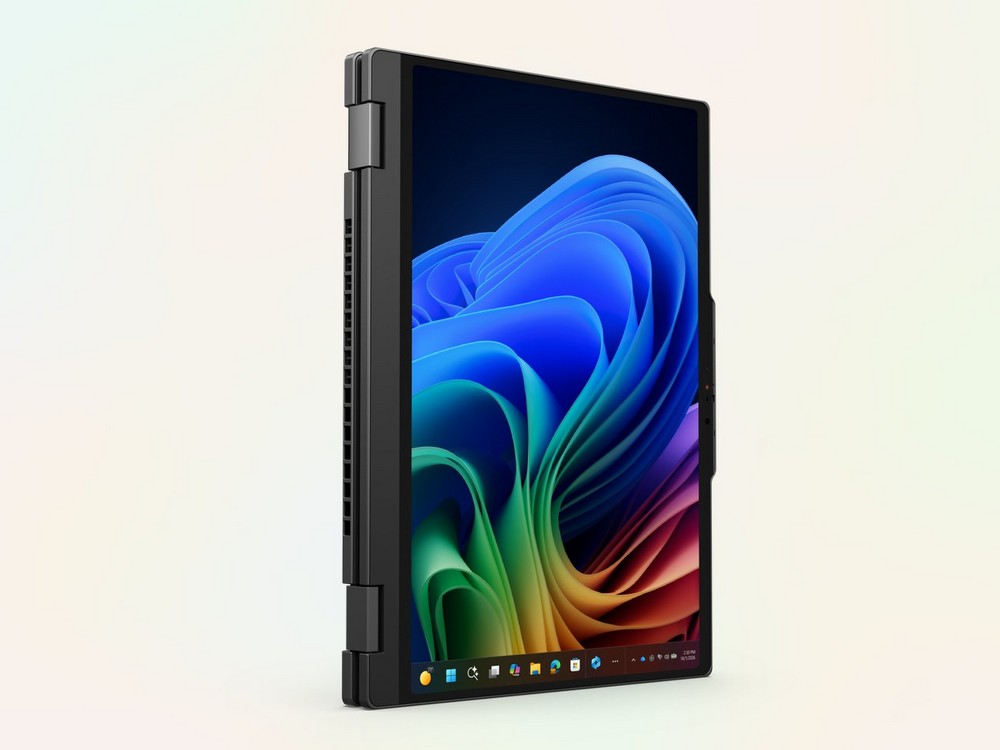
The ThinkPad T14s 2-in-1 Gen 2 weighs about 3.06 pounds and includes a garaged pen that stores inside the chassis for charging and quick access. Anyone who has misplaced a stylus halfway through a workday will appreciate that decision.
Powered by Intel Core Ultra Series 3 processors with optional vPro support, the system is expected to arrive around the middle of 2026, starting at $1,849.
ThinkPad X13 Detachable Is for People Who Want a Tablet, but Still Need a ThinkPad Keyboard
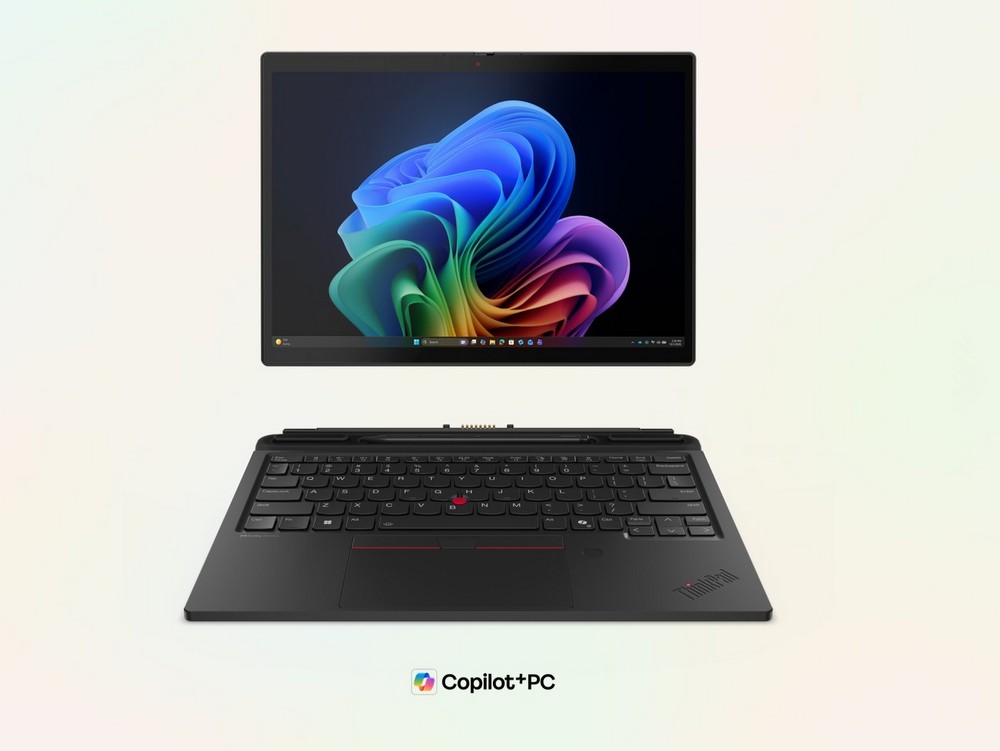
Lenovo’s ThinkPad X13 Detachable targets professionals who want tablet mobility without abandoning a traditional keyboard experience. Success here largely depends on input quality, and Lenovo leans into familiar ThinkPad traits, including full-size keys, 1.5mm travel, and TrackPoint navigation.
-
- ThinkPad X13 Detachable
-
- ThinkPad X13 Detachable
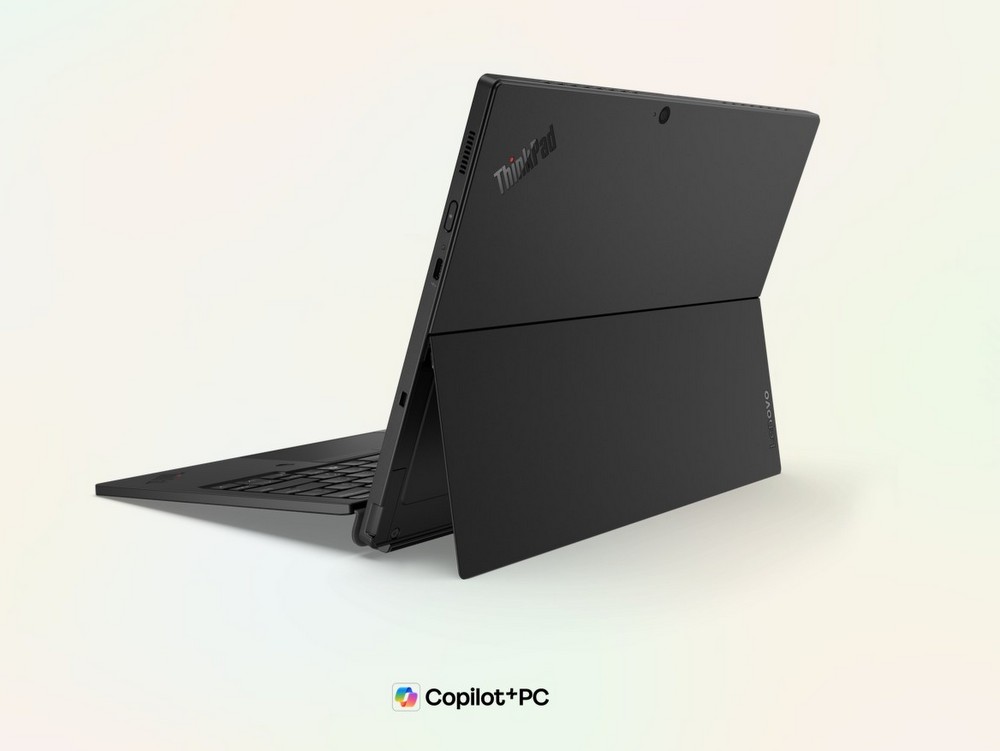
The detachable runs Windows 11 on Intel Core Ultra Series 3 processors with up to 64GB of memory. A 13″ 3:2 display offers a 2880 x 1920 resolution with brightness up to 500 nits and adaptive refresh support.
Dual Thunderbolt 4 USB-C ports are included, and Lenovo says components such as the battery and USB-C ports are field-replaceable, which is unusual for detachable systems.
North American availability is expected later in 2026, starting at $1,999.
ThinkBook 14 2-in-1 Gen 6 Is a Small-Business Workhorse with Sensible Specs
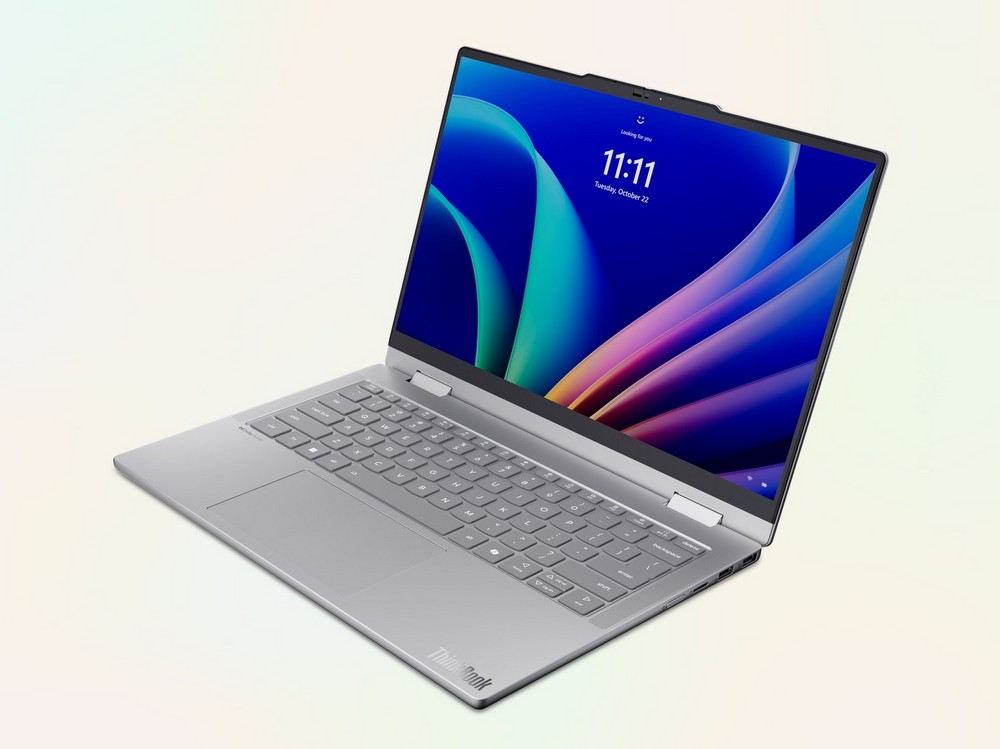
Not every organization needs or wants a flagship ThinkPad. The ThinkBook 14 2-in-1 Gen 6 is aimed at smaller businesses and mobile professionals looking for versatility without premium-tier pricing.
It runs on an Intel Core Ultra 7 (Series 3) processor with Windows 11, supports up to 32GB of DDR5 memory across two upgradeable slots, and offers up to 1 TB of storage. The 14″ WUXGA touchscreen delivers 1920 x 1200 resolution at 400 nits in a productivity-friendly 16:10 layout.
-
- ThinkBook 14 2-in-1 Gen 6
-
- ThinkBook 14 2-in-1 Gen 6
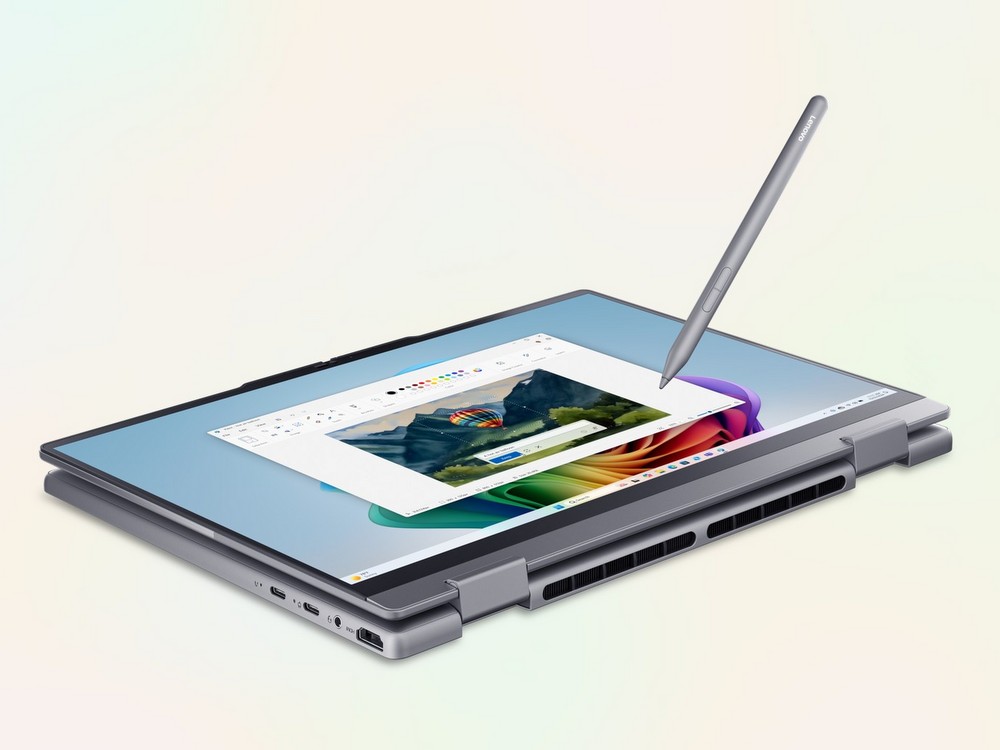
Ports include USB-C, USB-A, HDMI, a headphone jack, and a microSD reader, alongside Wi-Fi 7 connectivity and a 60Wh battery. Weight starts around 3.15 pounds.
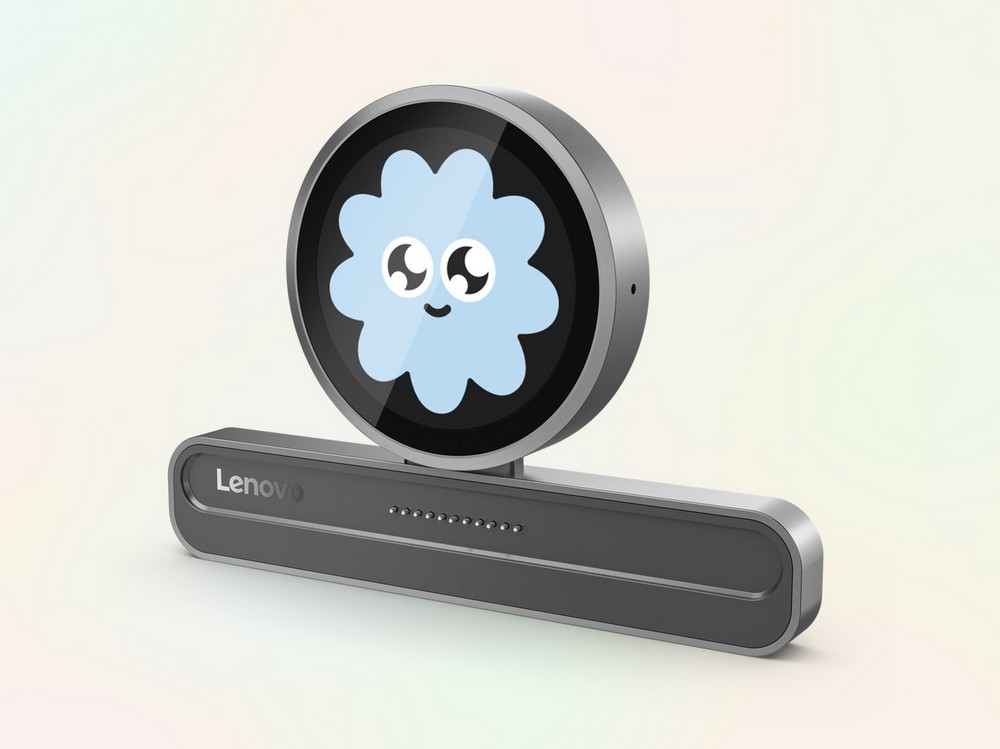
Lenovo also introduced Magic Bay Tiko, a small attachable accessory with a 1.8″ circular display designed to surface contextual information. On paper, it functions more like a miniature auxiliary screen than a full
-
- Magic Bay Tiko
-
- Magic Bay Tiko
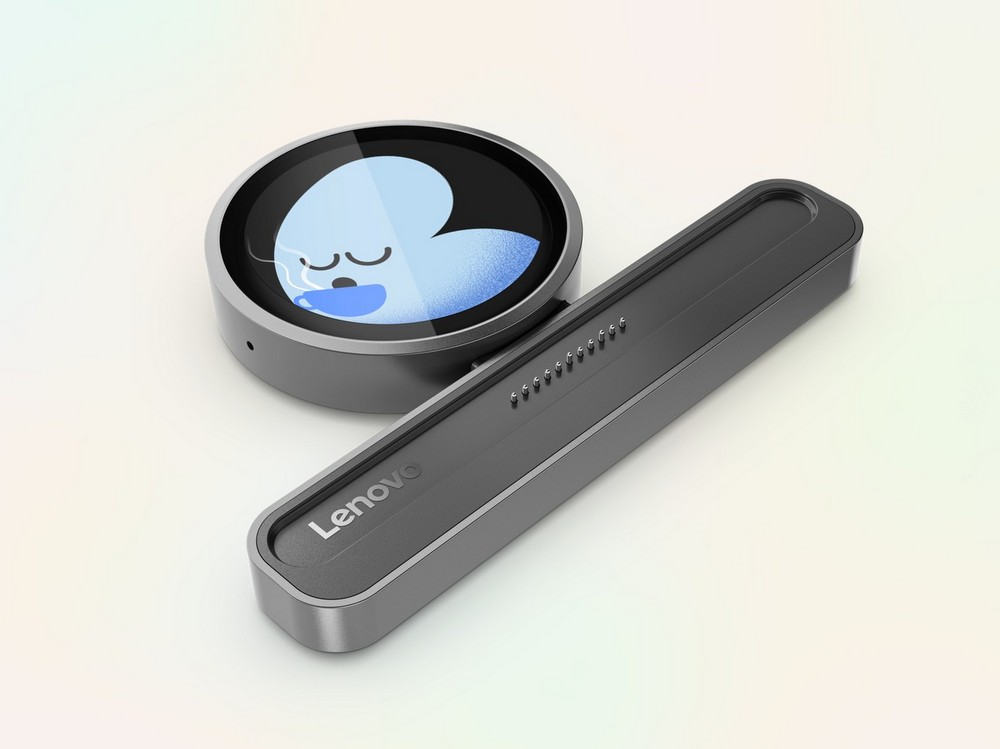
assistant. It could prove genuinely useful for notifications or quick status checks, or it may end up as a novelty depending entirely on how Lenovo develops the software experience.
Pricing is expected to begin at $1,754 around mid-2026.
ThinkVision M16 Is the Second Screen That’s Easiest to Justify
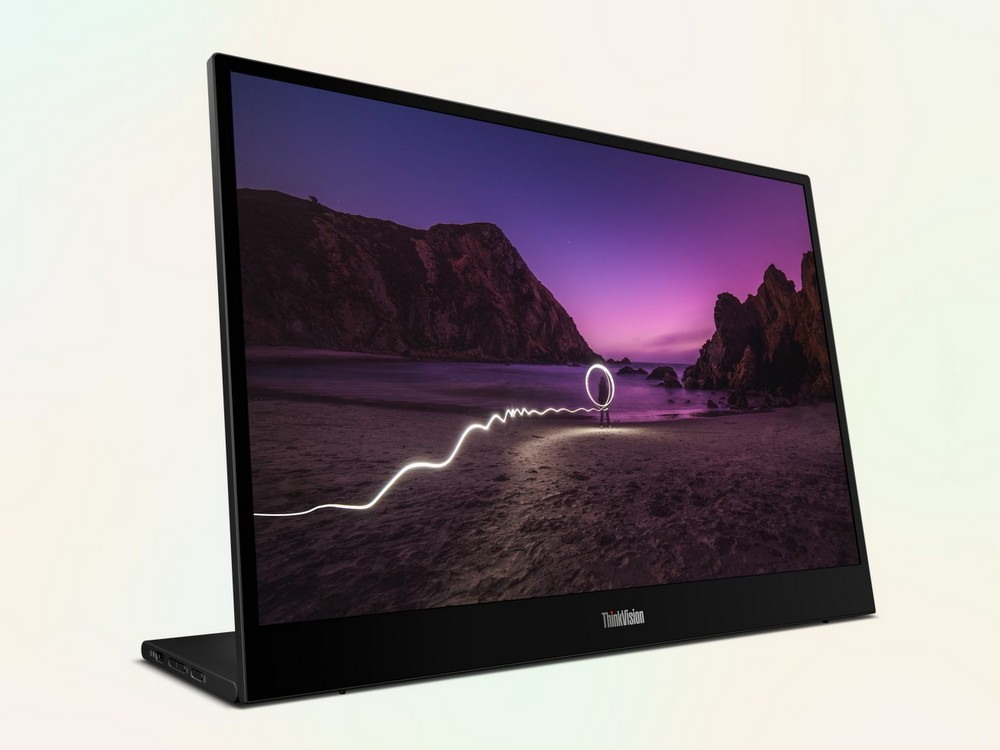
Portable monitors often sound unnecessary until you spend a few days working from a hotel desk or temporary workspace. Lenovo’s ThinkVision M16 adds a lightweight second display without dramatically increasing travel bulk.
The 16″ IPS panel uses a 1920 x 1200 resolution with a 16:10 aspect ratio, 60Hz refresh rate, and 300 nits brightness. Color coverage is 45% NTSC, making it better suited for productivity tasks than for color-sensitive creative work.
-
- ThinkVision M16
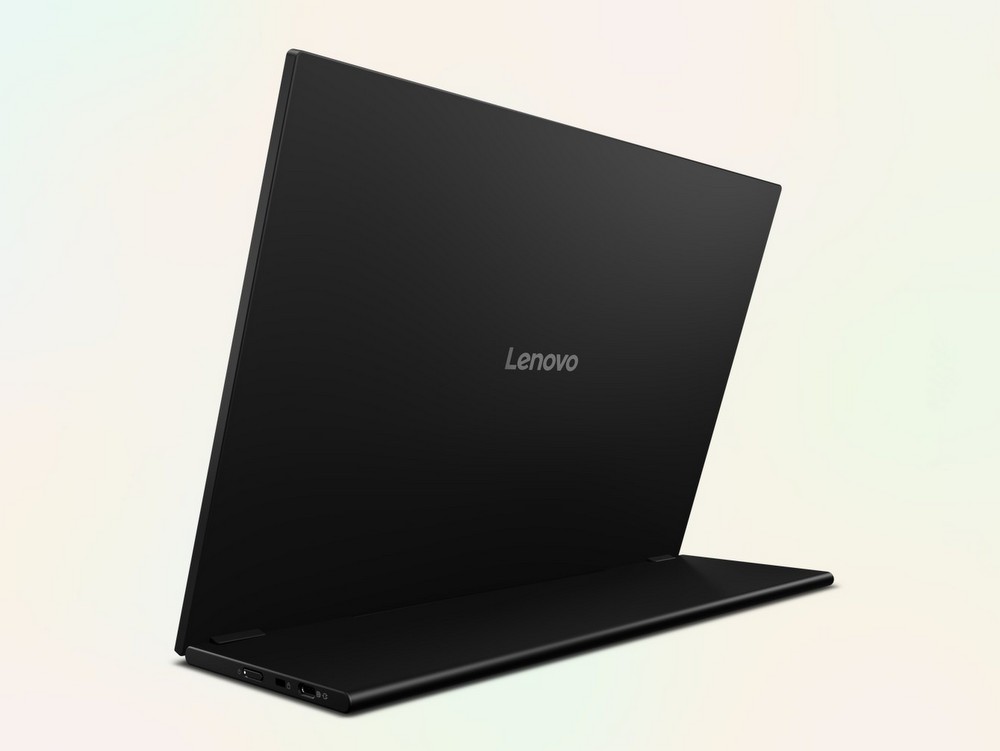
USB-C connectivity supports power pass-through up to 65W, allowing a single cable to handle both display output and charging in compatible setups. Two USB-C ports support DisplayPort Alt Mode connections.
The monitor weighs about 1.54 pounds and supports tilt adjustments from flat to upright positioning. Lenovo includes a USB-C cable, clips, a protective bag, and a sleeve in the box.
Availability is expected later in 2026, starting at $259, a price point that makes adding extra screen space surprisingly reasonable.
About That “AI” Wording, and why Lenovo Keeps Emphasizing On-Device Processing
Lenovo’s broader message centers on trusted AI-enabled business computing, which can sound vague until you look at the practical pieces underneath. Platform flexibility across Intel, AMD, and Qualcomm hardware is complemented by local AI acceleration and layered security through ThinkShield.
ThinkShield combines protections across hardware, firmware, software, and supply-chain safeguards to secure devices from startup through retirement. Lenovo also supports deployments through services and financing programs, such as TruScale Device as a Service, which essentially allows organizations to manage hardware lifecycles through subscription-style models.
None of this guarantees that work suddenly becomes effortless. But business computing rarely improves through dramatic leaps anyway. Progress tends to come from friction reduction. Easier repairs mean less downtime. Local processing can reduce delays and keep sensitive tasks closer to the device. Better cameras and audio improve communication. Reliable connectivity helps work continue wherever it happens.
Those improvements may sound boring, but boring reliability is often exactly what work hardware needs.
Availability, Pricing, and the Fine Print Worth Remembering
Lenovo describes all North American timing and pricing as estimates, which is worth keeping in mind. Hardware launches have a habit of shifting once production realities enter the picture.
Current expectations place several ThinkPad models arriving around the middle of 2026, including the ThinkPad T14 Gen 7 and ThinkPad T16 Gen 5 starting at $1,799, the ThinkPad T14s Gen 7 at $1,899, and the ThinkPad T14s 2-in-1 Gen 2 at $1,849. The rugged ThinkTab X11 and ThinkBook 14 2-in-1 Gen 6 are also expected around that timeframe, starting at $499 and $1,754, respectively.
Later in the year, Lenovo expects the ThinkPad X13 Detachable to arrive starting at $1,999, followed by the ThinkVision M16 portable monitor at $259.
If you’re deciding whether any of this fits your workflow, the priorities are fairly clear. Long-term laptop deployments benefit most from improved repairability. Field work favors the rugged ThinkTab X11. Frequent travelers juggling multiple applications may find the ThinkVision M16 the easiest upgrade to justify.
For additional details or configuration updates as launch approaches, Lenovo’s website has more information on the company’s latest business devices and purchasing options once availability begins.



Be the first to comment on "Lenovo Wants Your Next ThinkPad to Be Smarter, Easier to Fix, and Harder to Kill"