
The Lowdown
The Motorola Razr Fold is best understood as a foldable for someone who wants the big-screen benefits without the usual battery anxiety. The 8.1″ inner display gives you room to work, read, edit, compare, watch, and multitask. The 6.6″ outer display keeps it from feeling like a device that must be unfolded to be useful. The 6,000mAh battery and 80W wired charging address two of the category’s most persistent weaknesses. The camera hardware is more serious than what foldables often get, and the seven-year update promise makes the price easier to stomach.
Overall
Pros
- Large 8.1″ inner display
- Fully useful 6.6″ outer display
- 6,000mAh battery
- Fast 80W wired charging and 50W wireless charging support
- Strong camera hardware with 3x optical telephoto
- Seven years of Android OS and security updates
- Broad carrier compatibility
- DisplayPort support over USB-C
- Thoughtful foldable modes for hands-free shooting and multitasking functionality
Cons
- Moto Pen Ultra is sold separately
- 8.57-ounce weight will be noticeable for some buyers
- IP49 protection shouldn’t be treated as waterproofing
- Peak brightness claims depend on specific conditions
- AI features may vary by region, account, network, and subscription limits
The Motorola Razr Fold is Motorola’s most direct swing at the book-style foldable phone, and that alone makes it a more interesting device than its familiar Razr name might suggest. The Razr name has always kept the memory of a phone that snapped shut with attitude. This one is different. It opens like a small tablet, closes like a large traditional smartphone, and tries to make the case that a foldable can be practical without feeling like a sensitive science project that happens to make calls.
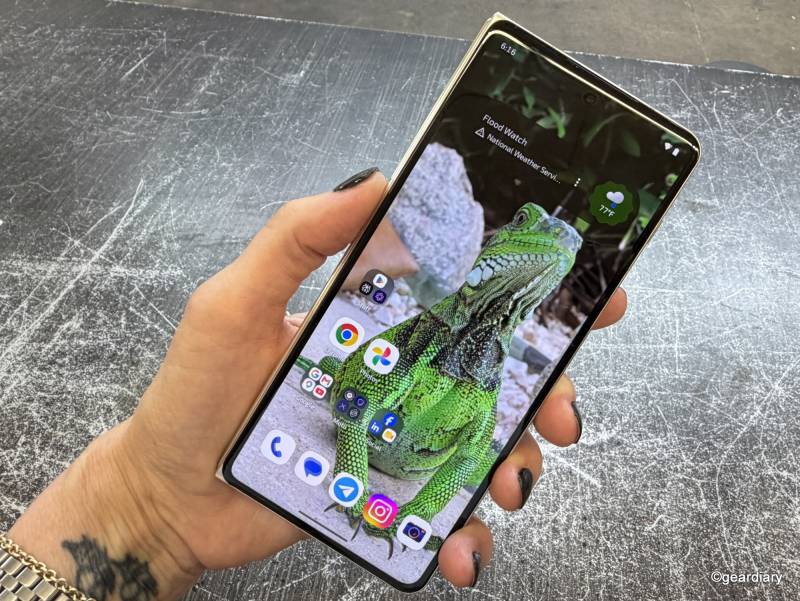
At $1,899.99, the Razr Fold lands squarely in premium foldable territory. That means it can’t get by on novelty, and you won’t want to buy it just because it looks cool. A folding screen is no longer enough to excuse weak cameras, nervous battery life, awkward software, or the subtle sense that you’ve paid laptop money for a phone that still needs too much babysitting. Motorola seems aware of that.
-

- There is a center 20-megapixel selfie cam.
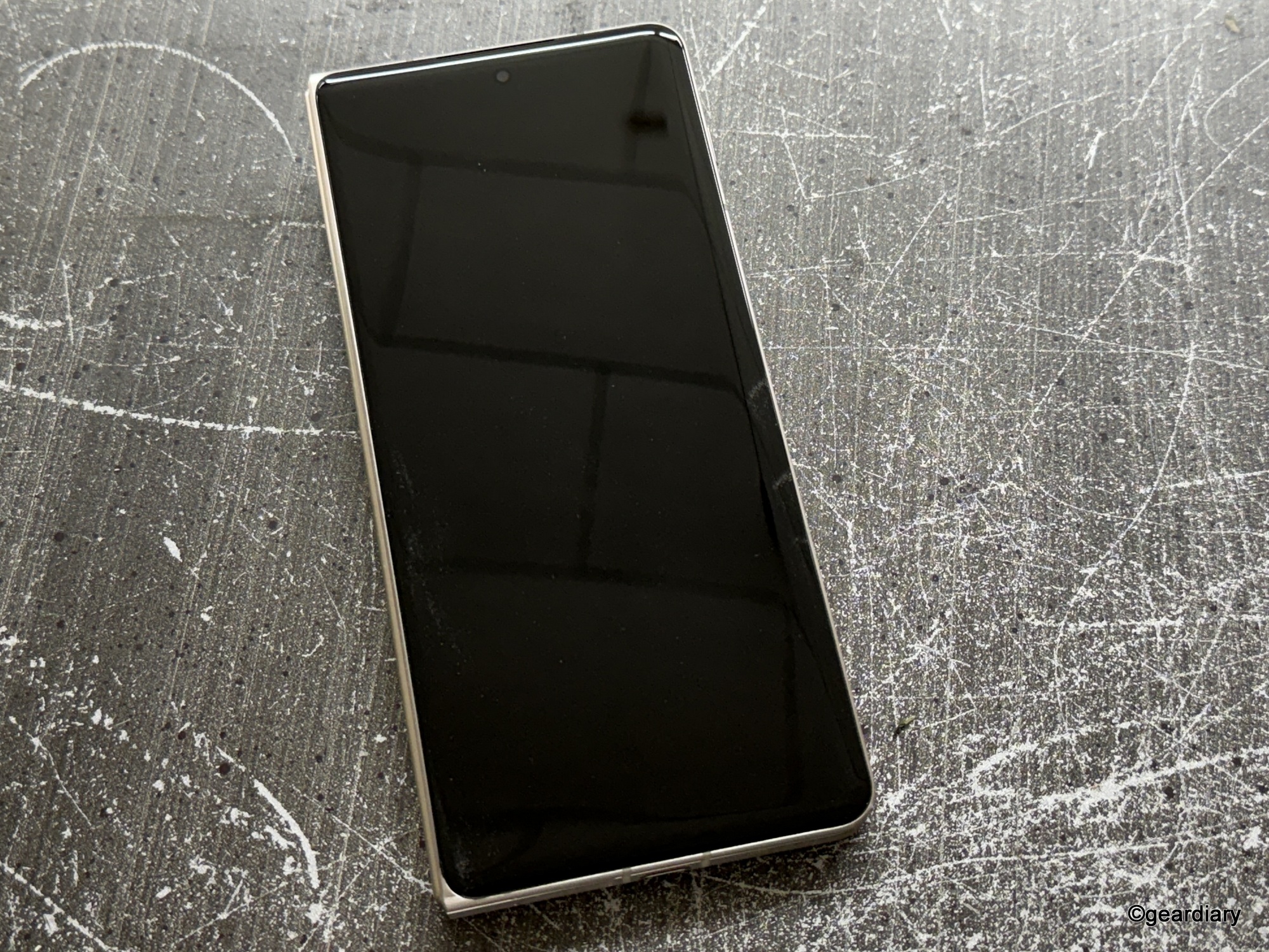
-

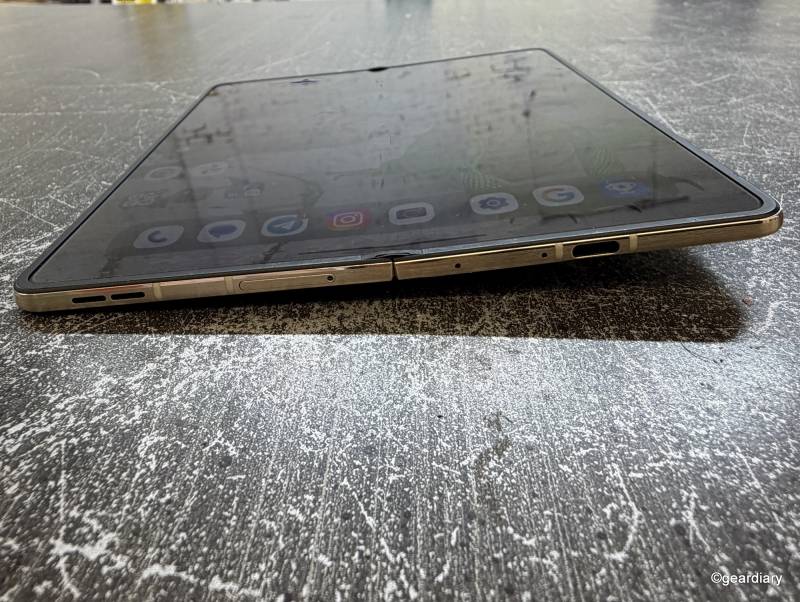
- On the bottom, there is a speaker, SIM tray, mic, and USB-C port.
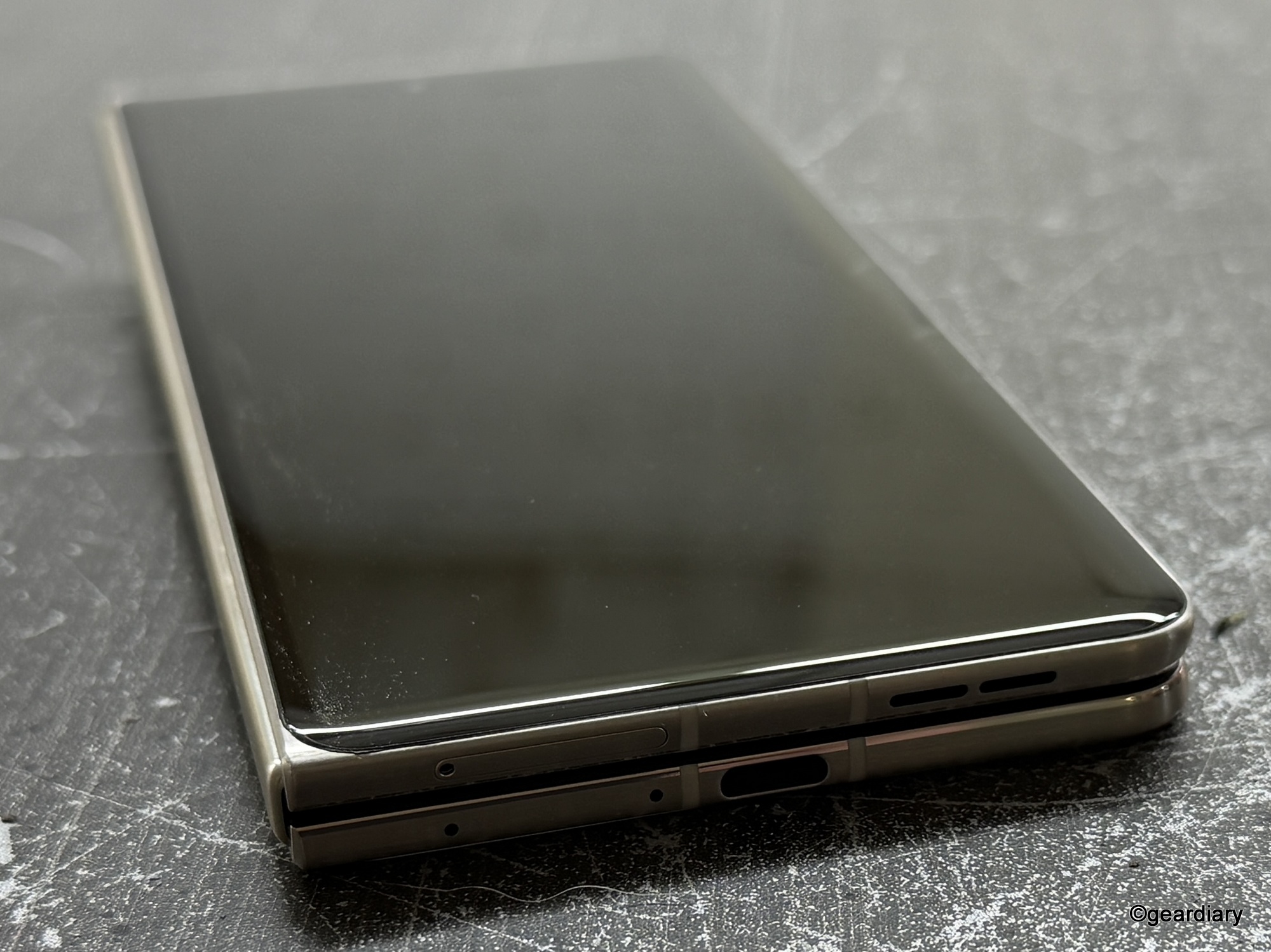
-
- The hinge.
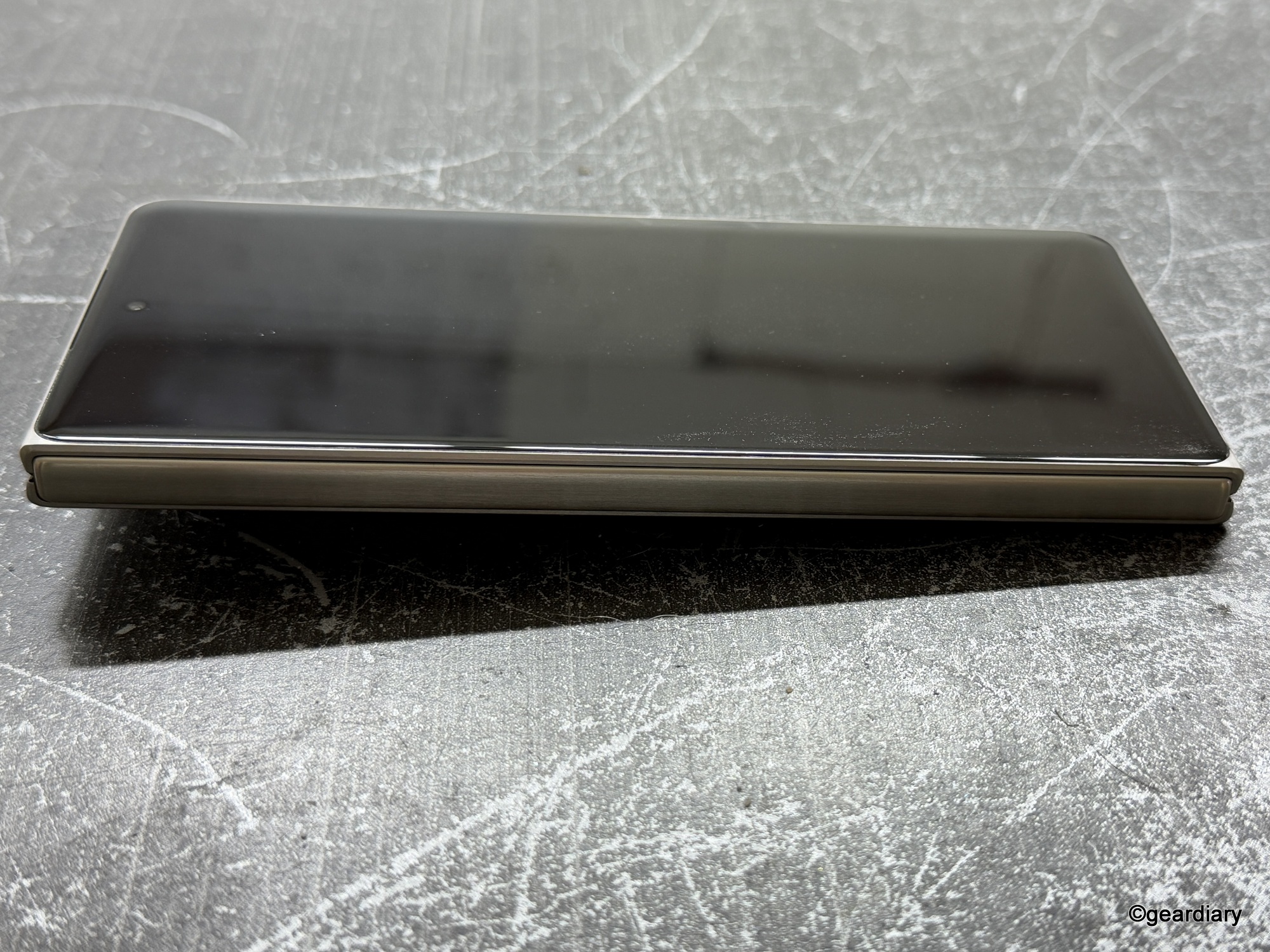
-
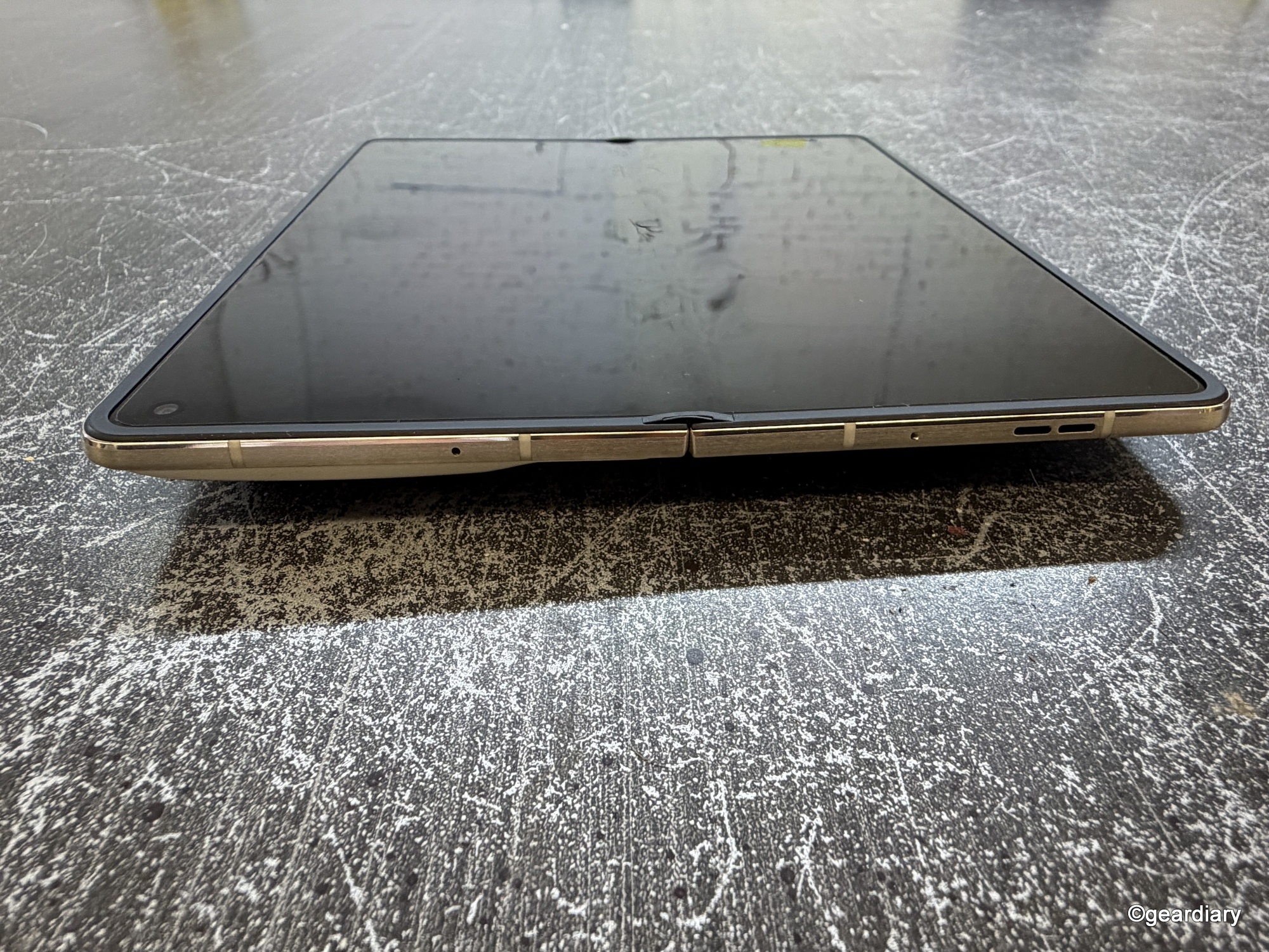
- On the top, there are two mics and a speaker.
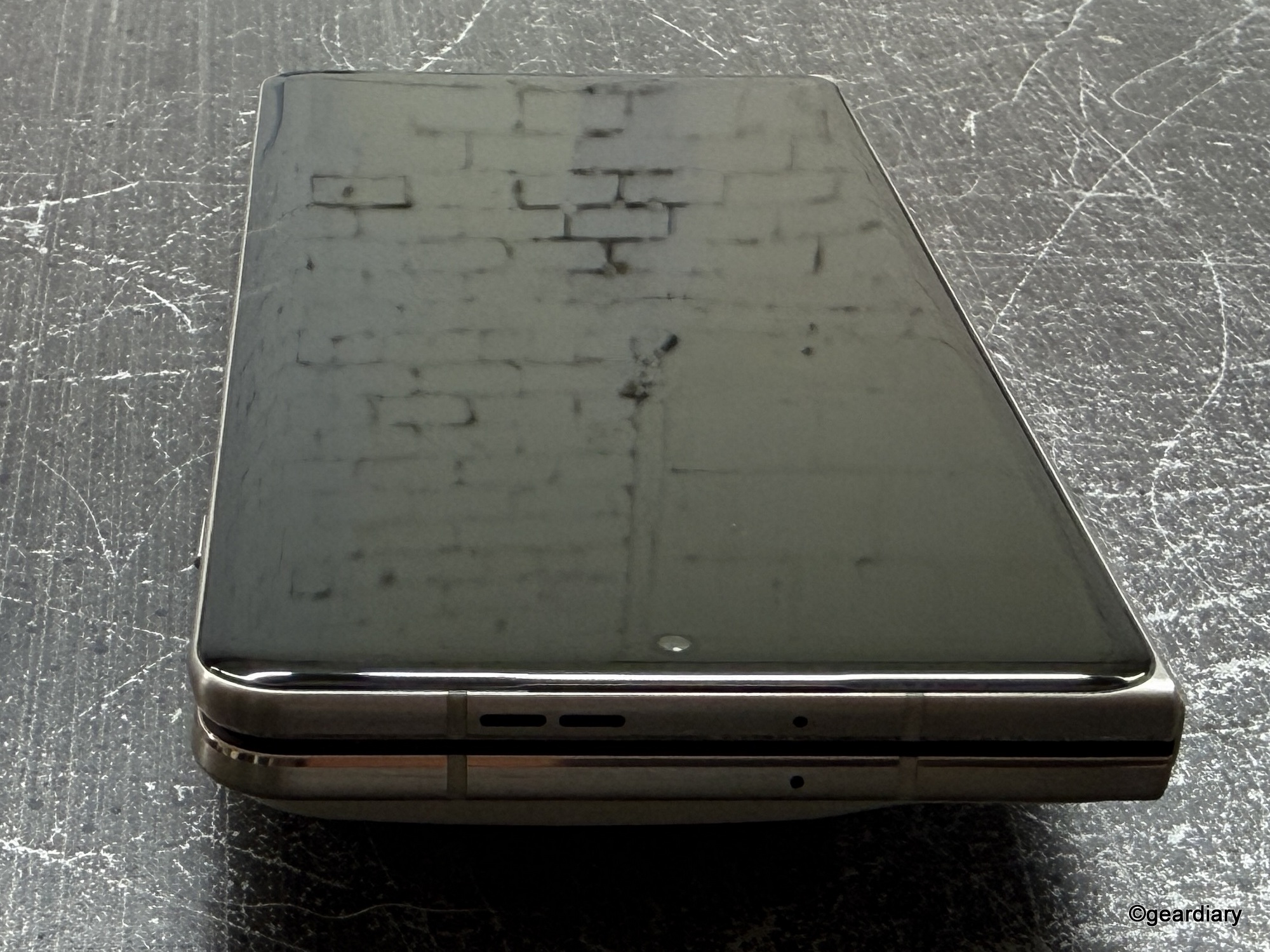
-

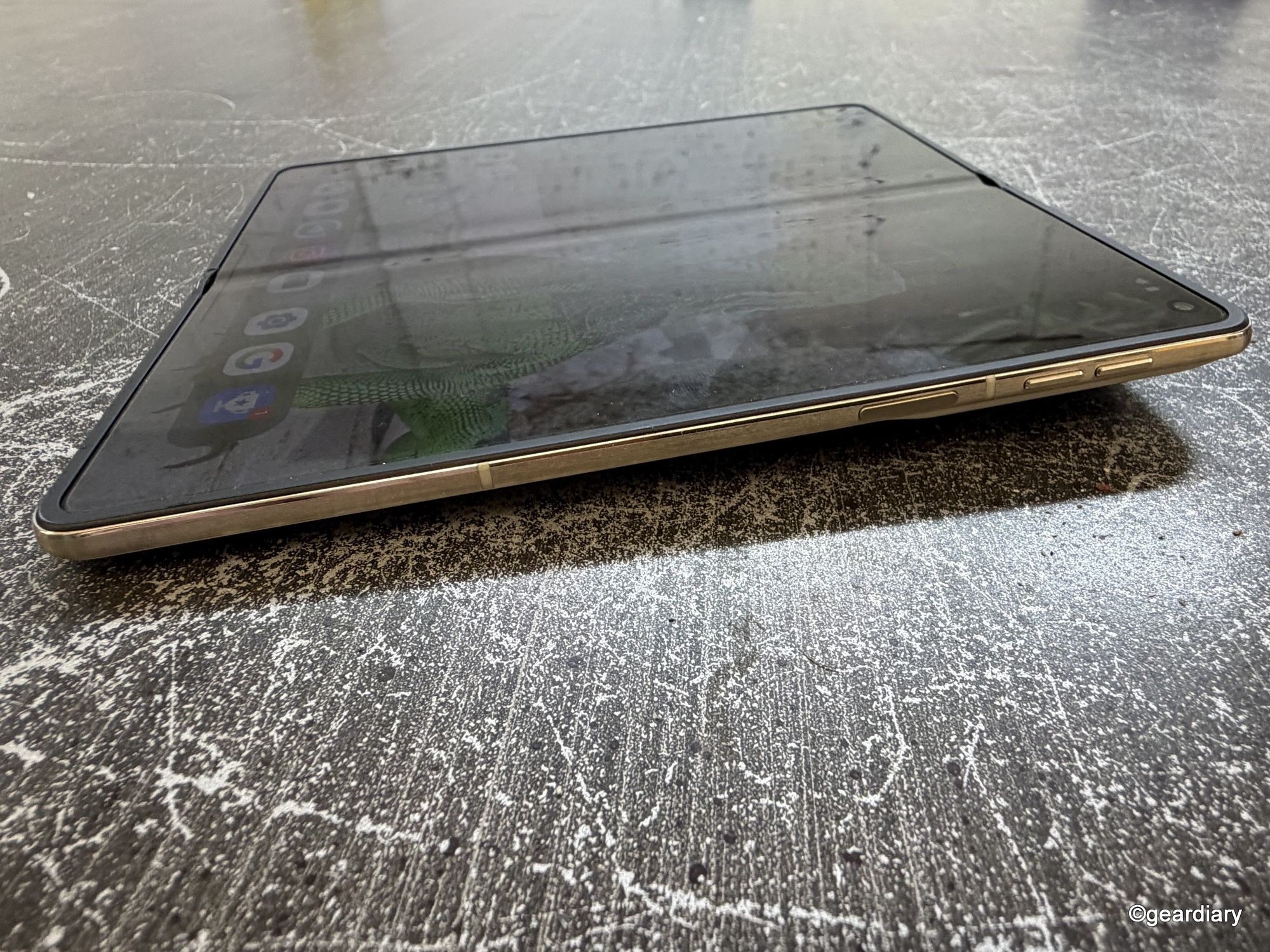
- On the side opposite of the hinge contains the AI key, volume up, volume down, and power button with a built in fingerprint reader.
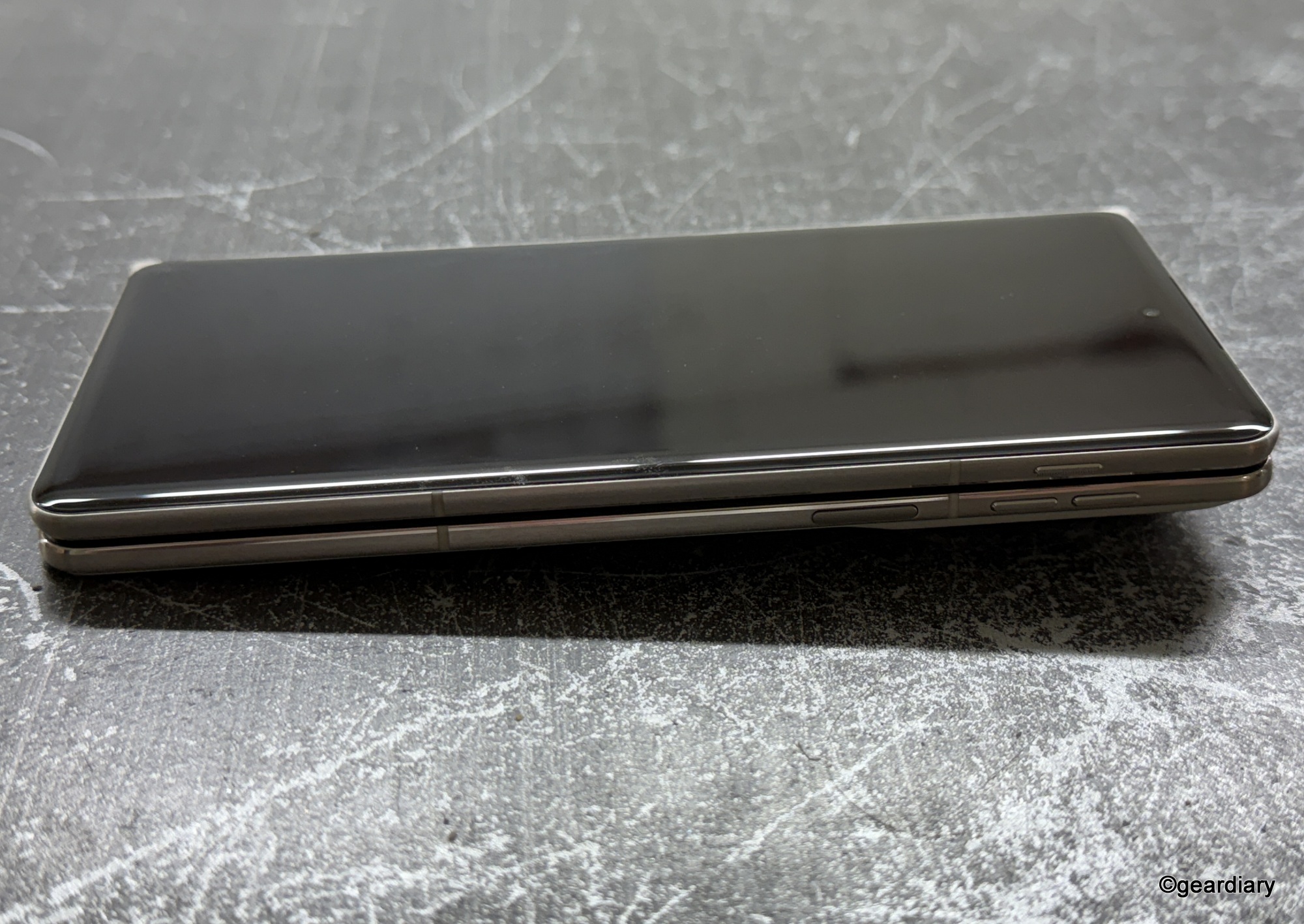
-
- On the back, there are three 50-megapixel cameras. and an LED flash.
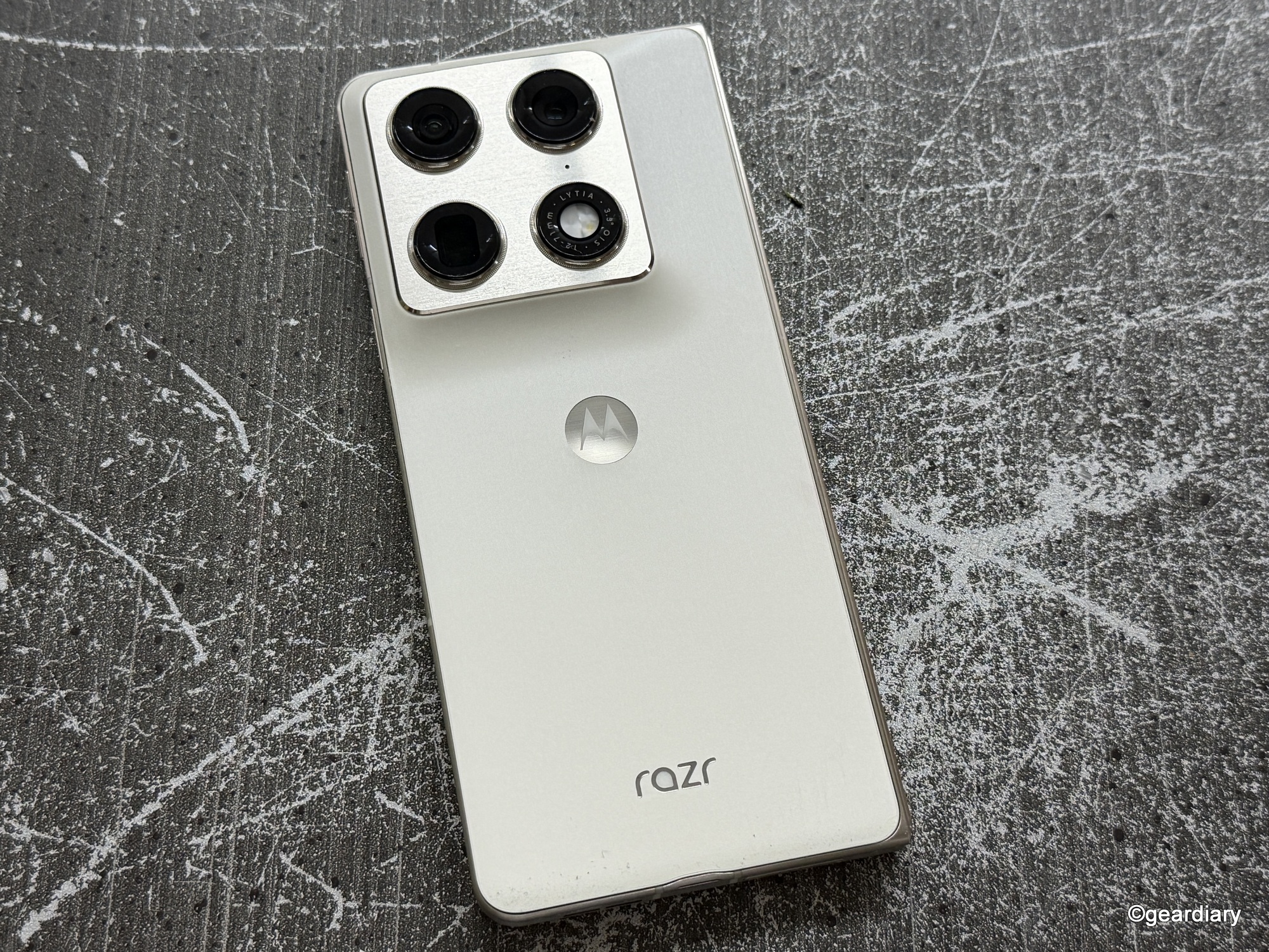
The Razr Fold arrives with a large 8.1″ inner display, a very usable 6.6″ outer display, a 6,000mAh silicon-carbon battery, 80W wired charging, 50W wireless charging, a Snapdragon 8 Gen 5 processor, 16GB of RAM, 512GB of storage, and a camera system that reads much more like a flagship phone than the usual foldable trade-off.
Those specs are strong on paper. The real question is whether they add up to a device you’d want to carry every day, not just admire during the honeymoon period.
The Foldable Shape Finally Feels Less Like a Compromise
The Motorola Razr Fold is built around two distinct personalities. Closed, it has a 6.6″ external display with 2520 x 1080 resolution, a 21:9 aspect ratio, an LTPO pOLED panel, a 165Hz refresh rate, and Corning Gorilla Glass Ceramic 3. In plain English, that means the outer display is meant to behave like a regular high-end smartphone screen. It’s tall, sharp, smooth, and large enough that you shouldn’t feel forced to open the phone every time you want to answer a message, check directions, approve a login, or doom-scroll with dubious life choices.
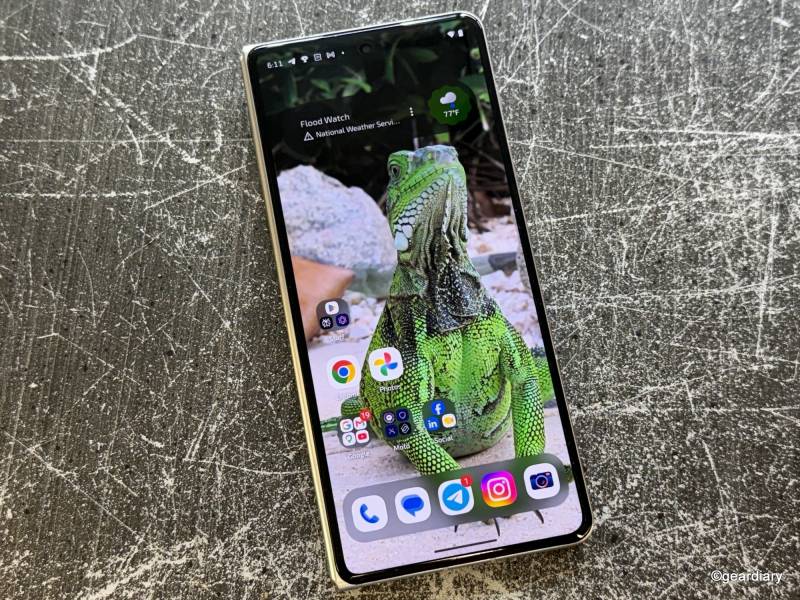
Open it, and the Razr Fold becomes an 8.1″ tablet-style device with a 2484 x 2232 2K LTPO pOLED display, a 120Hz refresh rate, ultra-thin glass, HDR10+ support, and 10-bit color. That 10-bit color depth means the display can show more than a billion shades of color, which matters most in photos, video, games, and anything with subtle gradients. It’s not the kind of spec you’ll think about every day, but it helps avoid the banding and flatness that can make a premium screen feel less premium than it should.
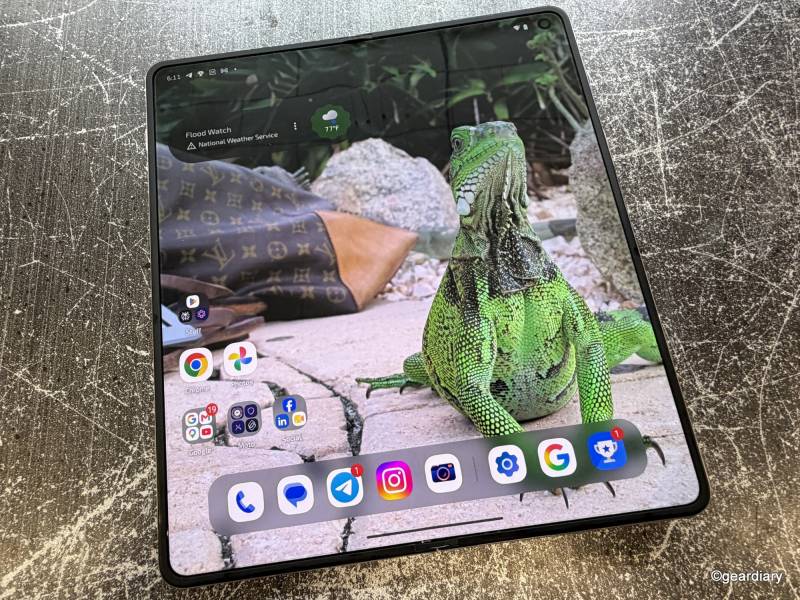
There is a 32-megapixel pinhole camera in the upper right corner when the phone is open.
The inner display’s 6,200-nit peak brightness claim sounds dramatic, and it is, but it needs context. Peak brightness is usually achieved exclusively under specific conditions, often in small parts of the screen and for short bursts. The more useful detail is that Motorola lists 500 nits as the default brightness level.
In my use, the Razr Fold easily maintained visibility outdoors, responded quickly to automatic brightness without becoming twitchy, and the crease becomes a bit more visible in direct sunlight.
-

- When opened, the AI key is on the left.
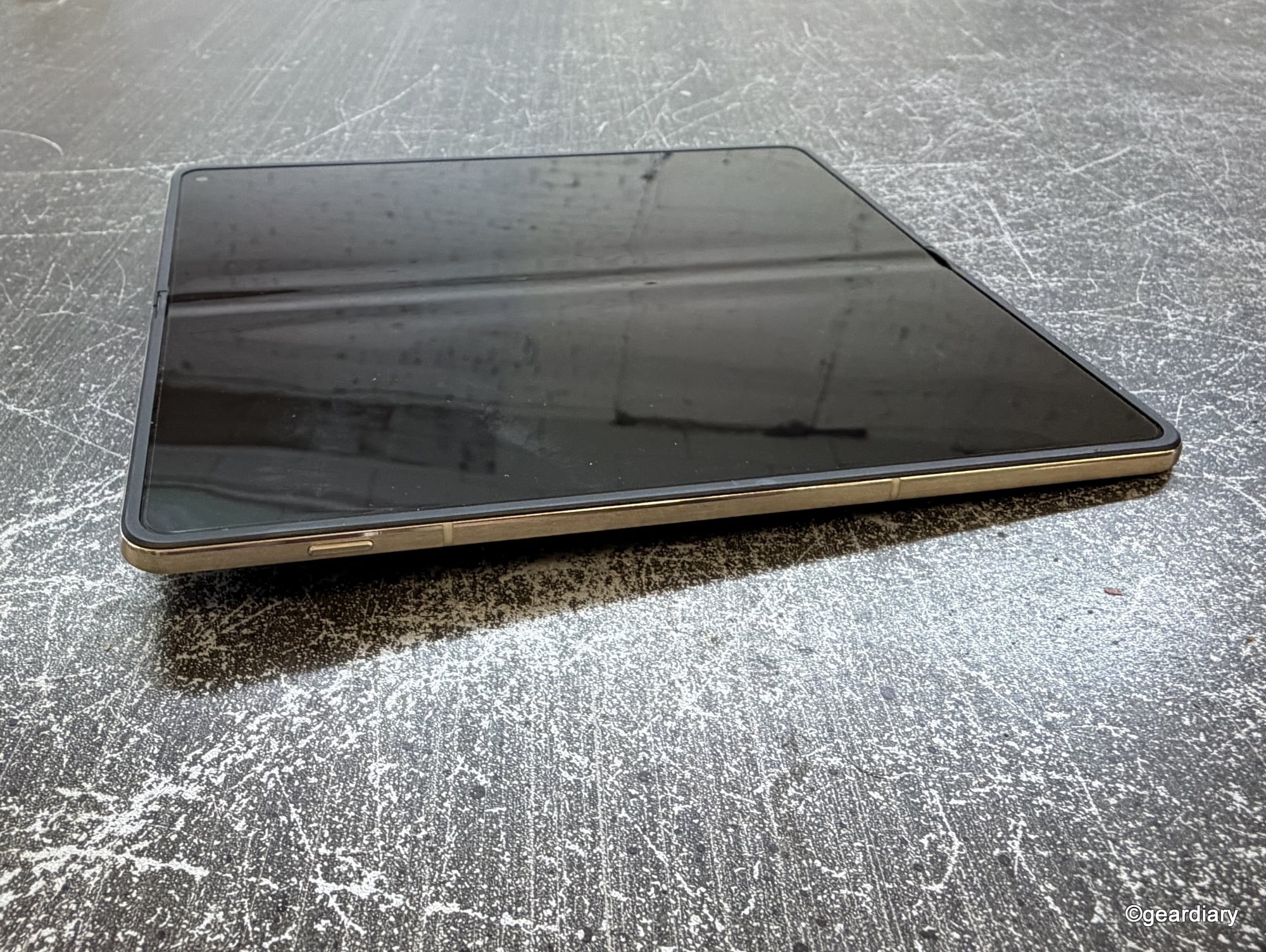
-
- The top has the two mics and a speaker.
-
- The right side has the volume up and down buttons and the power button with a fingerprint reader.
-
- On the bottom are the speaker, the SIM tray, a mic, and the USB-C port.
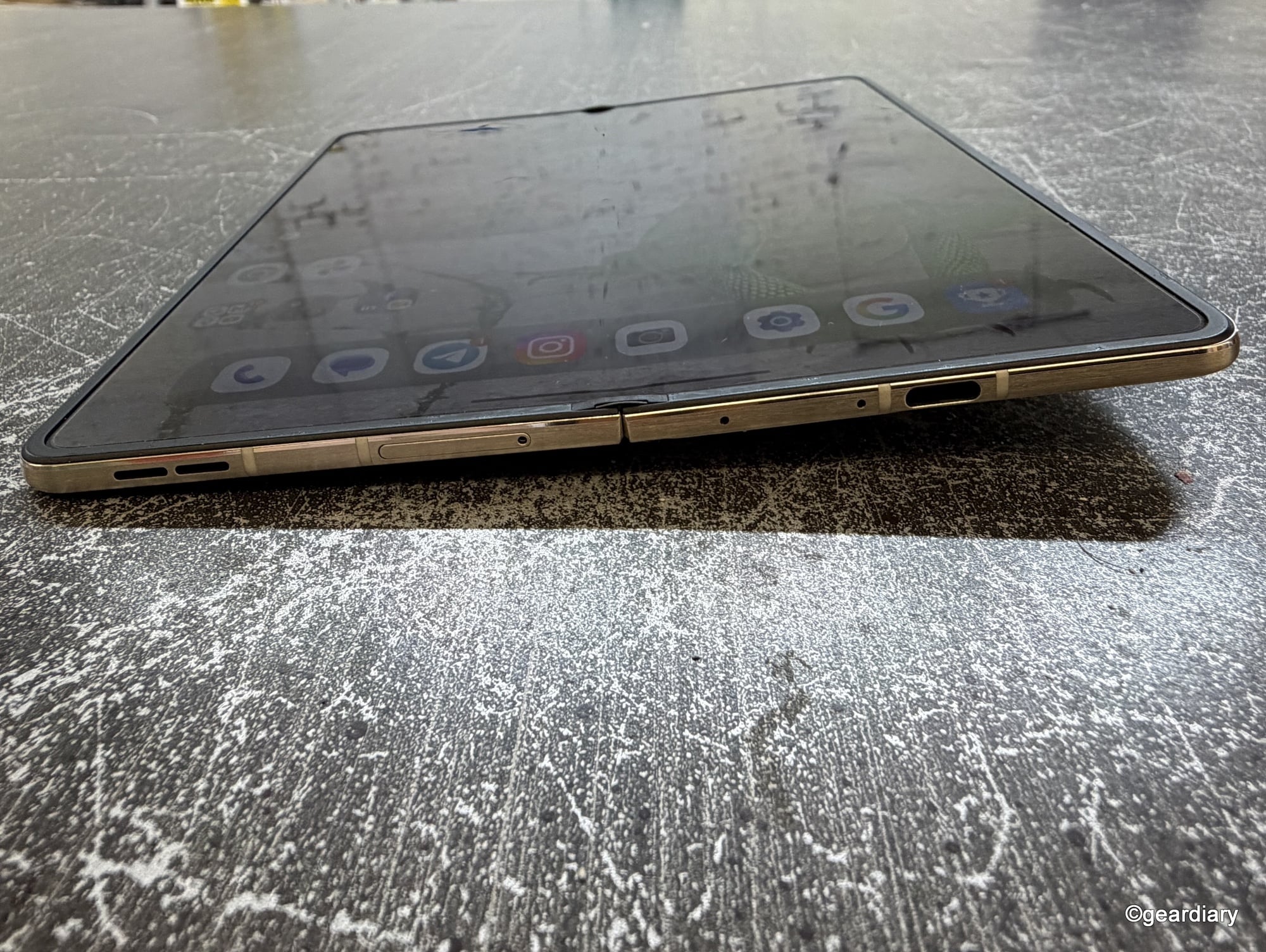
The phone measures 6.30″ long by 2.90″ wide by 0.40′ thick when closed and 5.69″ wide by 6.30″ tall by 0.19″ thick when open. At 8.57 ounces, it isn’t light. That’s the trade-off. A large foldable gives you more screen, more battery, and more flexibility, but your pocket knows what’s happened. It weighs more than the Samsung Galaxy Z Fold7’s 7.58 ounces, but less than the Pixel 10 Fold Pro’s 9.1 ounces.
The Hinge and Build Quality Matter More Than the Excitement of a Larger Display
Motorola uses a stainless steel teardrop hinge designed to reduce stress on the inner screen as it folds. A teardrop hinge lets the folding display curve more gently inside the phone rather than forming a tighter bend. That matters because a foldable’s long-term feel depends on more than whether it opens and closes on day one. It depends on whether the hinge tension stays consistent, whether the phone holds its position in laptop or tent mode, and whether the inner screen continues to look smooth after repeated use. I’m several months into using the Razr Fold, and I haven’t noticed any ill effects.
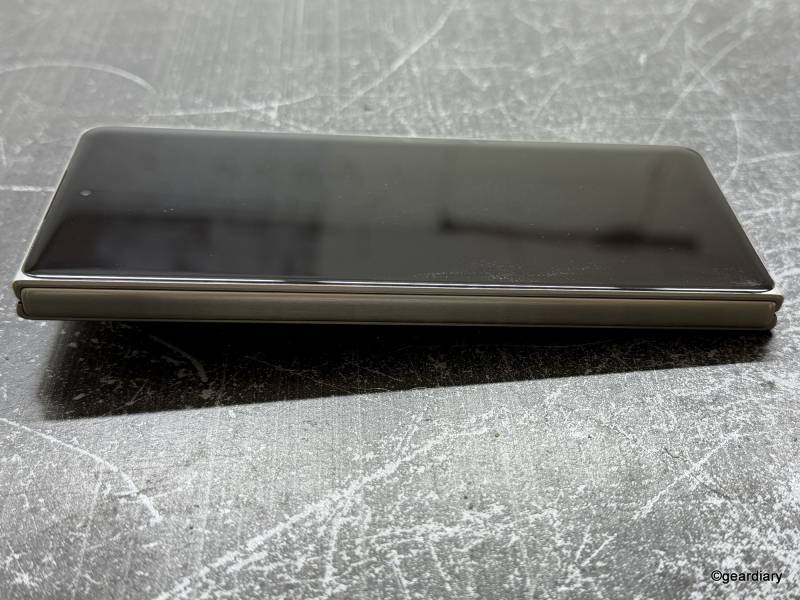
The Razr Fold also uses a titanium inner screen plate to distribute pressure across the fold area. That’s intended to help the display return to shape and minimize the visible crease over time. The phrase “minimize the visible crease” deserves some attention; foldables still crease. The question is whether the crease is easy to ignore while reading, watching video, editing photos, or using apps side by side. After a week or two of regular use, the crease disappears mentally, but it can catch light every now and then, signaling that the future still has seams.
Durability is one of Motorola’s louder claims. The external display uses Corning Gorilla Glass Ceramic 3, and Motorola says it performed more than 75% better in internal drop testing than previous-generation devices. Internal testing is useful, but it isn’t the same as independent durability testing, and it shouldn’t make anyone casual with a $1,900 phone. The Razr Fold also carries IP49 protection, which Motorola describes as protection against everyday spills and high-pressure water exposure under controlled conditions.
The practical takeaway is simple: this phone is better protected than older foldables, but it isn’t a phone you should treat as waterproof. Don’t charge it wet, don’t take underwater photos with it, and don’t assume that “water resistant” means “poolside use” if you can’t keep it away from water.
The color options, PANTONE Blackened Blue and PANTONE Lily White, are tasteful rather than loud. Blackened Blue gives the phone a darker, more restrained look, while Lily White leans cleaner and softer, with a brushed texture. With foldables, color matters a little more than usual because the device has more visible surface area. A big folding phone can look elegant or like a tech prop depending on the finish. Motorola seems to have chosen the safer, more mature route here.
Performance Shouldn’t Be the Problem
The Razr Fold runs Android 16 on Qualcomm’s Snapdragon 8 Gen 5 Mobile Platform, paired with 16GB of LPDDR5X RAM and 512GB of UFS 4.1 storage. The Snapdragon chip is the phone’s main processor, and the Adreno A829 GPU handles graphics-heavy work such as gaming, video effects, and demanding visual interfaces. The Hexagon-based neural processing hardware handles certain AI tasks more efficiently than the main processor would on its own.
In daily use, this hardware should give the Razr Fold more than enough room for multitasking, gaming, photo editing, video recording, and switching between the outer and inner displays without hesitation. The phone also supports RAM Boost, which can borrow up to 16GB of internal storage and use it like temporary memory. That can help keep more apps active in the background, though it isn’t the same as physical RAM, and it reduces available storage while in use. With 512GB of onboard storage, that trade-off is easier to accept than it would be on a 128GB or 256GB phone.
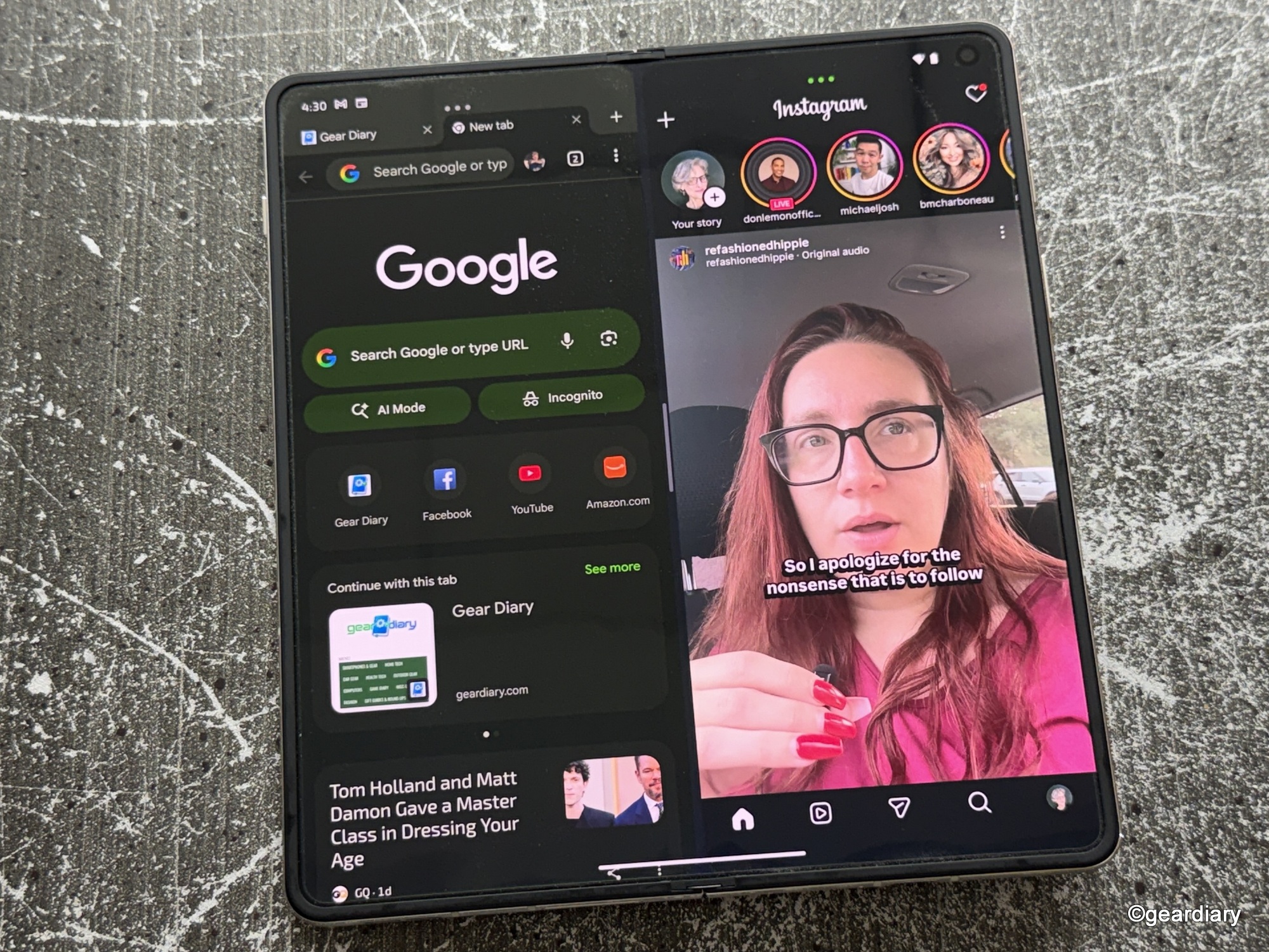
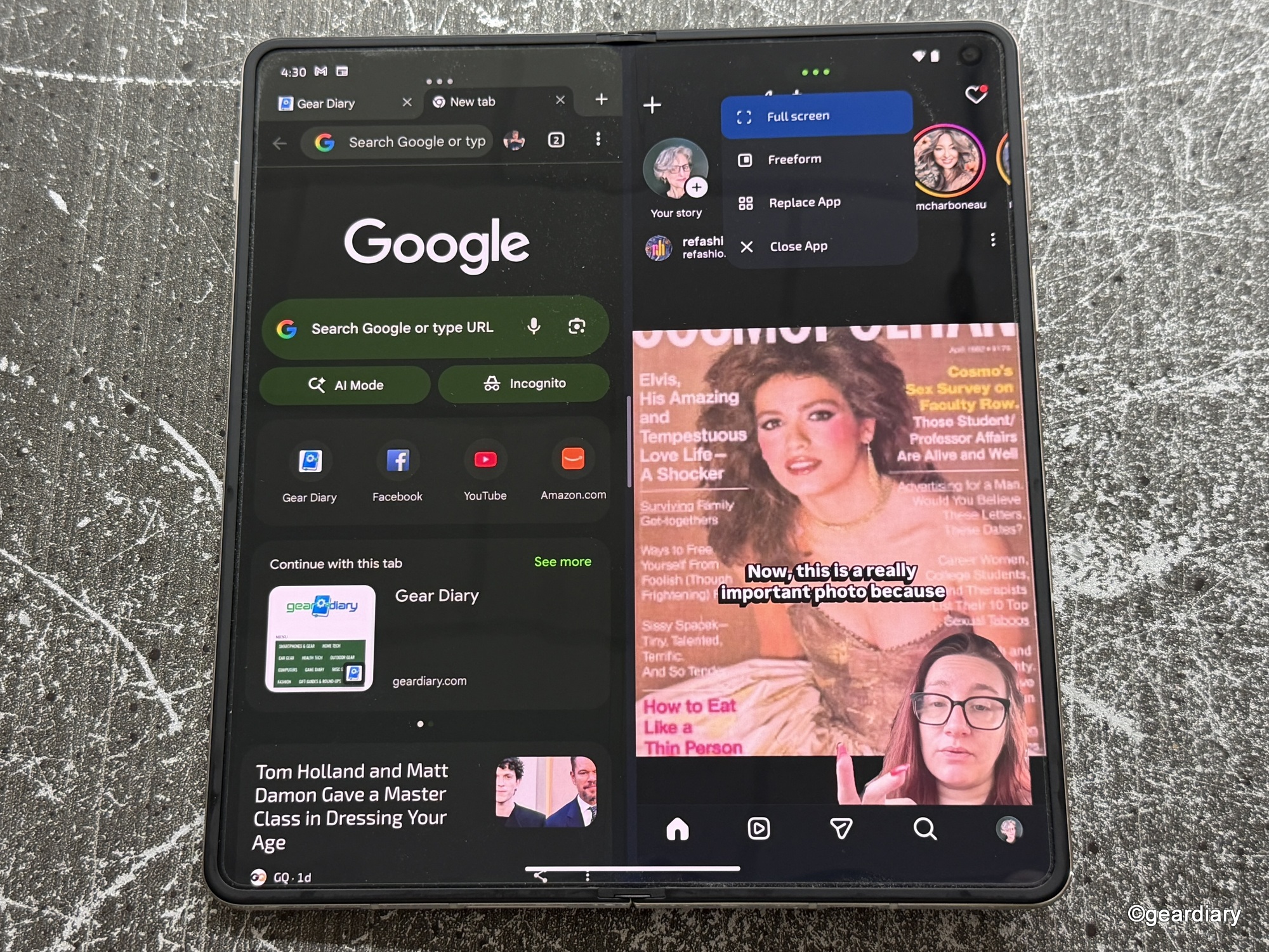
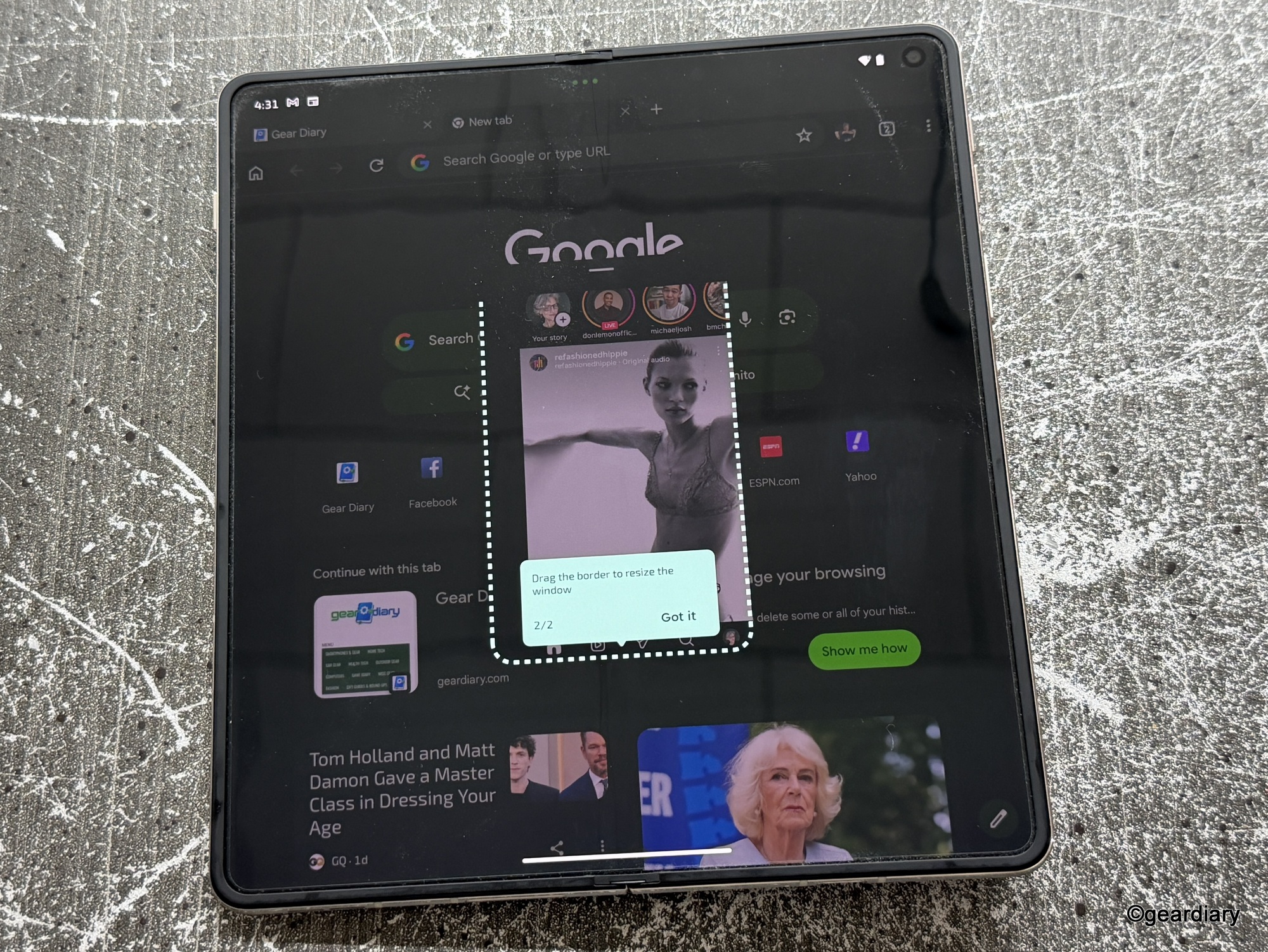
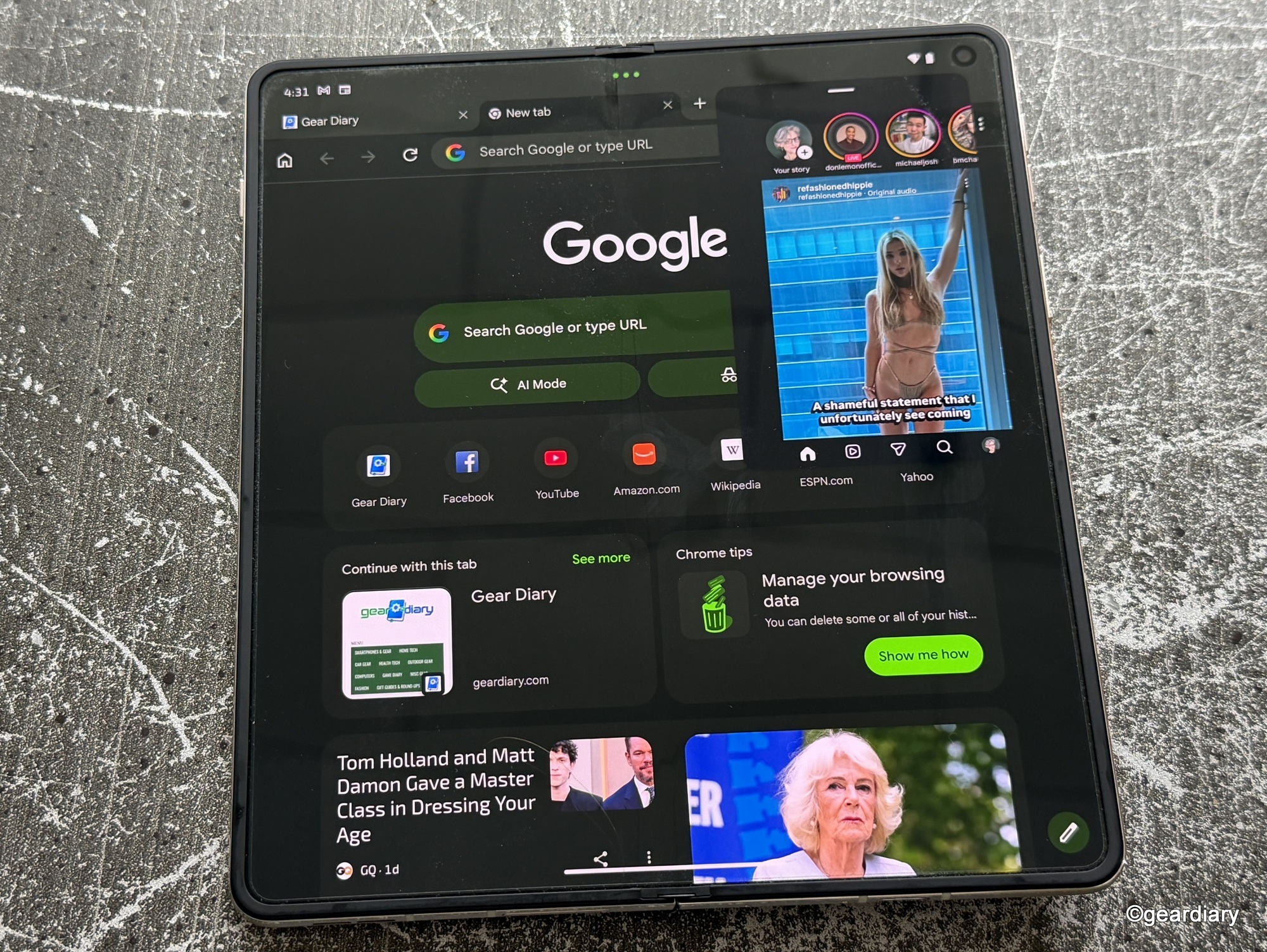
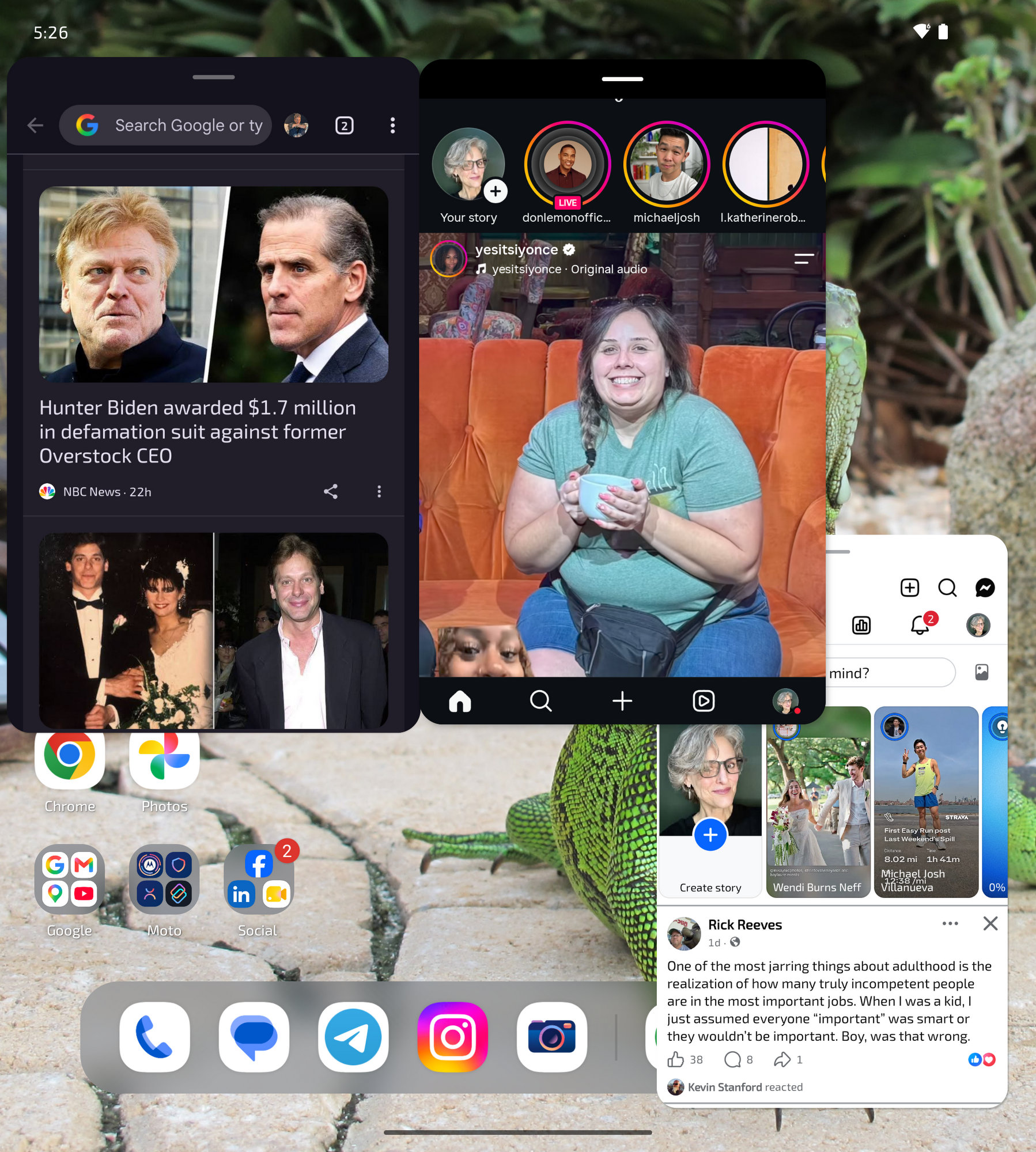
The larger inner display supports running up to three apps at once, side by side or stacked. That’s the whole point of a book-style foldable. You can keep Gmail open next to Chrome, review notes during a video call, compare two shopping carts as if you were making one responsible decision, or keep a spreadsheet visible while messaging someone about the very thing you’re supposed to be updating.
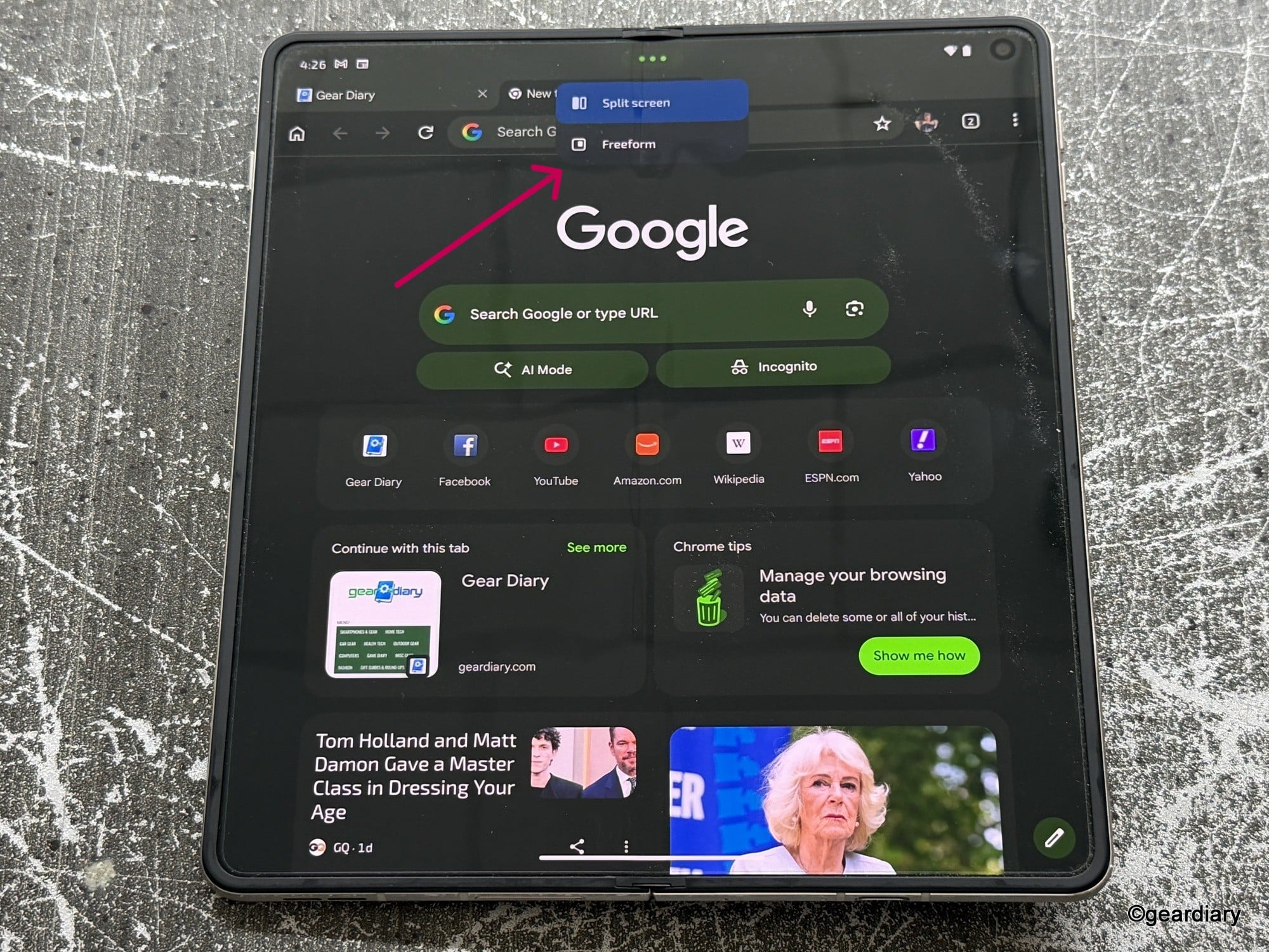
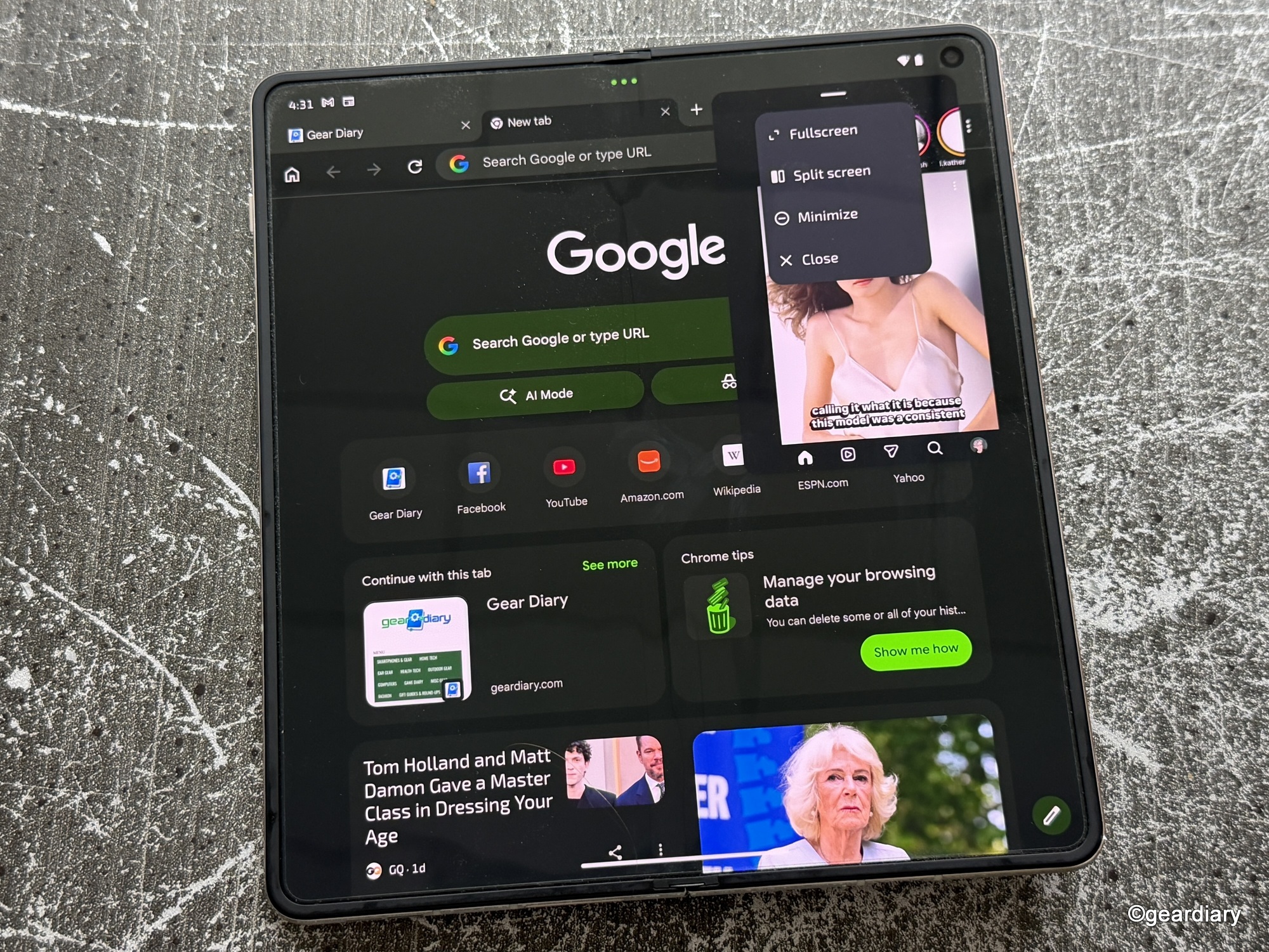
-

- I’m not sure why you woudl want to do this, but you can. 😉
This is also where heat matters. Motorola says the Razr Fold uses advanced liquid cooling to manage ongoing performance. A foldable that feels fast for five minutes but heated and throttled after twenty isn’t delivering the premium experience its price demands. The Razr Fold can get warm during intensive gaming, but for regular daily use it stays cool, and I haven’t felt like it slowed down even once.
Battery Life Is the Razr Fold’s Sharpest Argument
The Razr Fold’s 6,000mAh battery is one of its most important features. Foldables ask more from their batteries because they drive larger screens, multiple displays, and heavier multitasking. Many folding phones still feel like devices that want to be small tablets but have phone-sized stamina. Motorola is trying to avoid that trap.
The battery uses a silicon-carbon anode, a newer battery chemistry approach that can allow more capacity in a compact space. You don’t need to care about the chemistry lesson unless it improves your day, and that’s the real test. A 6,000mAh rating should mean the Razr Fold can handle a heavy day of mixed use without becoming a 4 p.m. negotiation.
I can easily get through an entire day of use on the Motorola Razr Fold; to be fair, a good chunk of my workday is spent in front of my laptop with the phone sitting plugged in, but in the evenings or on days when I am traveling, running errands, or sight-seeing, as long as I leave with the phone fully charged, it still has plenty of battery life to get me through. It’s nice not to have to worry about range anxiety!
Charging is equally important. The Razr Fold supports 80W wired charging, 50W wireless charging with Motorola’s compatible TurboPower wireless charger, and 5W reverse wireless charging for topping up accessories. Motorola says you can get 12+ hours of power in under 10 minutes using the right charger, with the phone open, charge boost enabled, and the battery substantially depleted. Those caveats matter. Fast charging claims are usually made under ideal conditions, and charging slows as the battery fills. Still, 80W wired charging is much more practical than the slower speeds still common on some premium foldables.
The box includes a USB-C cable, guides, and a SIM tool. The charger situation depends on promotion and purchase channel. Motorola’s launch offer includes Moto Buds Loop and a TurboPower Duo-Port 125W charger with purchase while supplies last, but that’s a promotion, not a permanent in-box guarantee. Anyone buying later should check the cart before assuming the fast charger is included.
Cameras: More Ambitious Than Foldables Usually Get
Foldable cameras have often lagged behind those on traditional flagship phones because space, heat, and hinge engineering pose challenges. The Razr Fold’s camera system is more ambitious. It has a 50-megapixel main wide camera with a Sony LYTIA 828 sensor, optical image stabilization, a wide f/1.6 aperture, and Pantone validation. It also has a 50-megapixel ultrawide and macro camera with a 122.1-degree field of view, plus a 50-megapixel periscope telephoto camera with 3x optical zoom and optical stabilization.
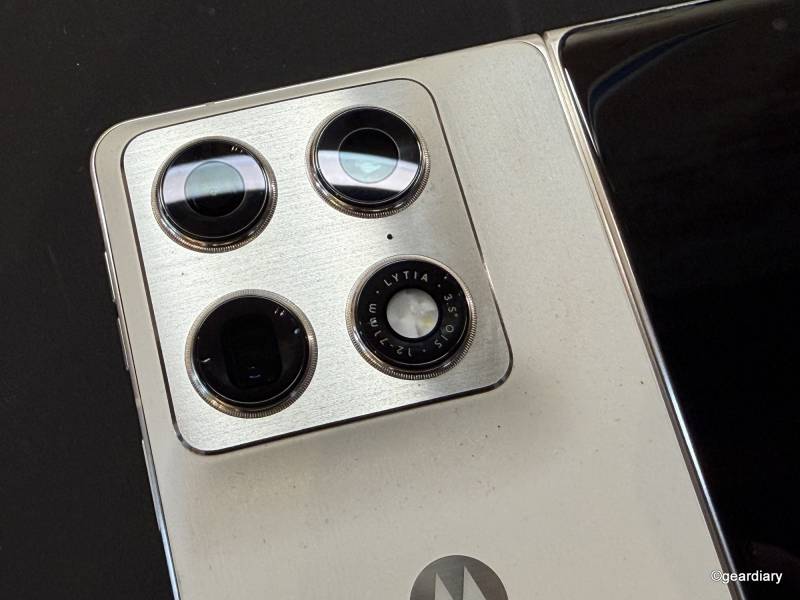
That matters because the camera setup covers the three lenses people actually use: the main camera for everyday shots, the ultrawide for landscapes, interiors, and cramped group photos, and the telephoto for portraits, concerts, signs, pets, travel, and anything else that shouldn’t require digital zoom mush. The periscope lens is especially important. A periscope camera uses folded optics inside the phone to achieve greater zoom without making the device dramatically thicker. Motorola claims AI-assisted zoom up to 100x, but that should be treated as a convenience feature rather than a substitute for optical reach. The useful zoom range is almost always much lower than the headline number.
The main camera’s 50-megapixel sensor outputs 12.6-megapixel photos by default. That’s because it combines data from multiple pixels to improve light capture and diminish noise. The ultrawide does the same, combining four pixels into one for an effective 12.5-megapixel image. This is normal on modern phones, and it’s usually preferable to giant files that don’t necessarily look better.
Video support includes 8K recording at 30 frames per second; 4K at 60 or 30 frames per second; Full HD at up to 60 frames per second; slow motion at Full HD at 240 frames per second; Dolby Vision; HDR10+; Ultra HDR; and adaptive stabilization. Optical image stabilization on the main and telephoto cameras helps reduce blur caused by hand movement, while Motorola’s 3.5-degree stabilization claim suggests the system can compensate for more movement than typical phone stabilization systems. Again, the real-world question is whether it helps when walking, filming kids, recording pets, or capturing quick clips in dim light. Spec sheets don’t shake. People do.
Selfies are handled several ways. There’s a 20-megapixel camera available when the phone is closed, a 32-megapixel internal camera when it’s open, and, more importantly, the ability to use the rear cameras with the external screen as a preview. That last option is the one that matters. Foldables can make rear-camera selfies much easier, and the Razr Fold’s form lets you set the phone down in tent mode or laptop mode for hands-free group shots. That’s not a gimmick if you actually take family photos, travel photos, cooking videos, outfit shots, or work content without wanting to drag out a tripod.
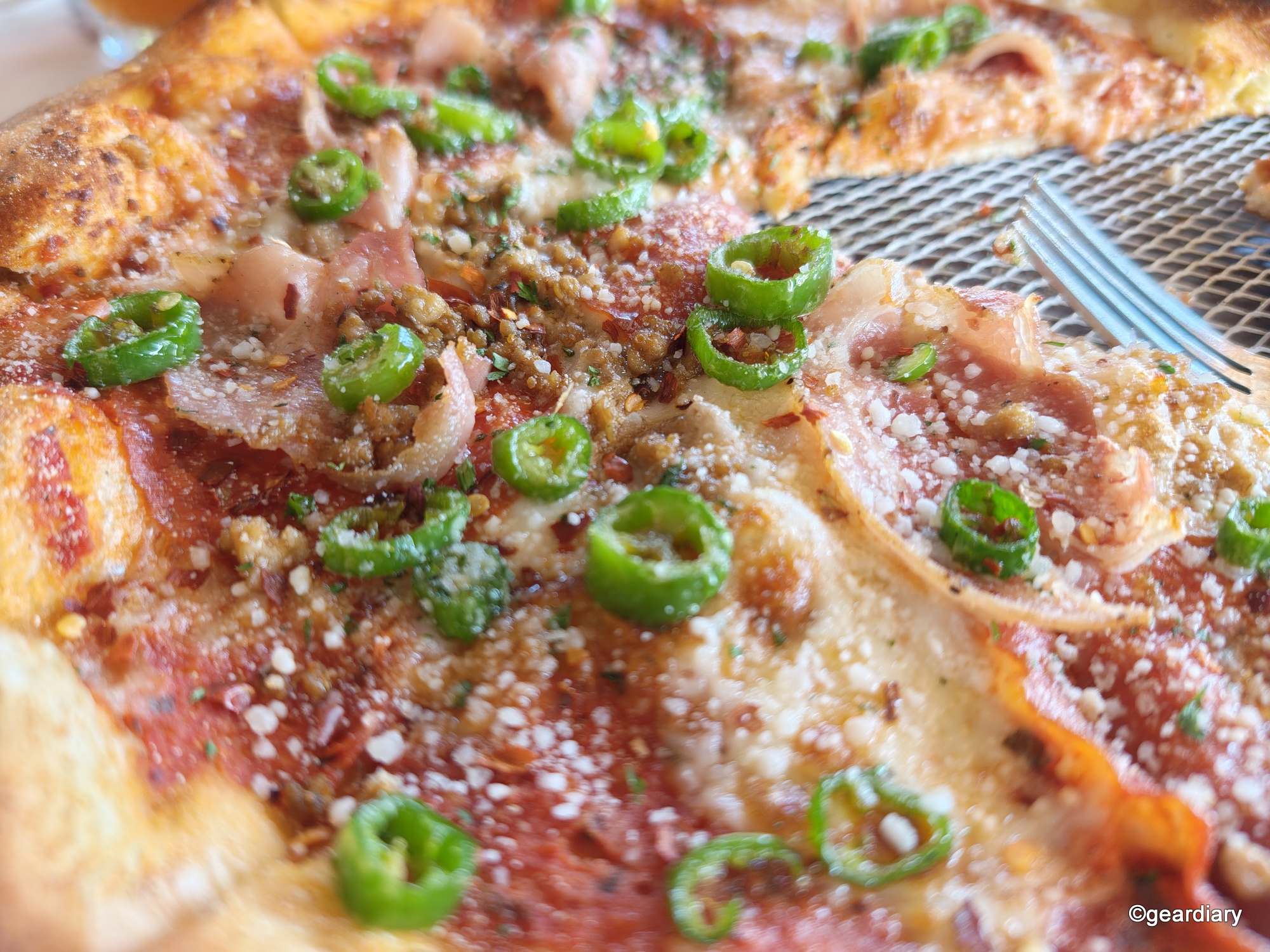
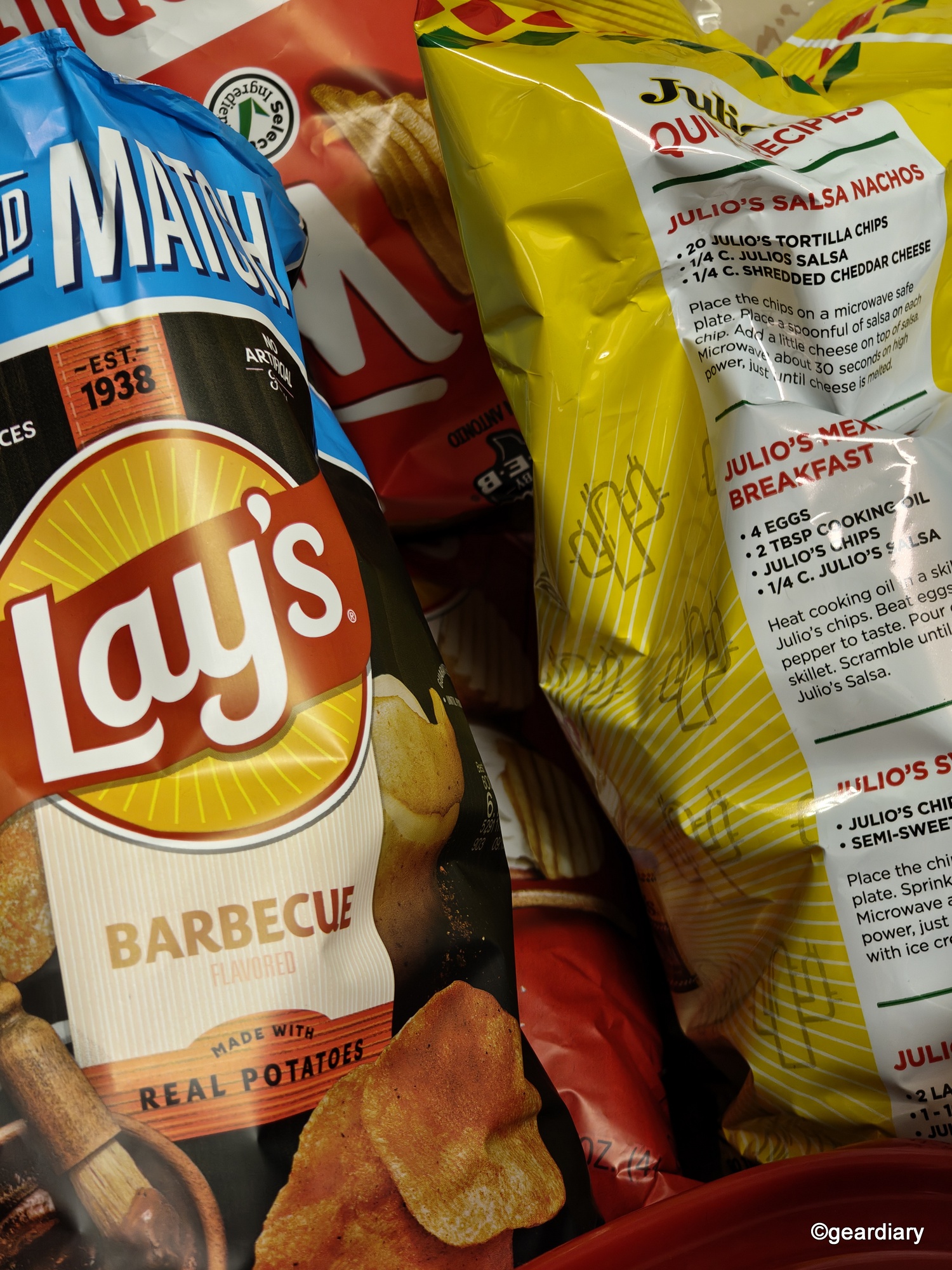
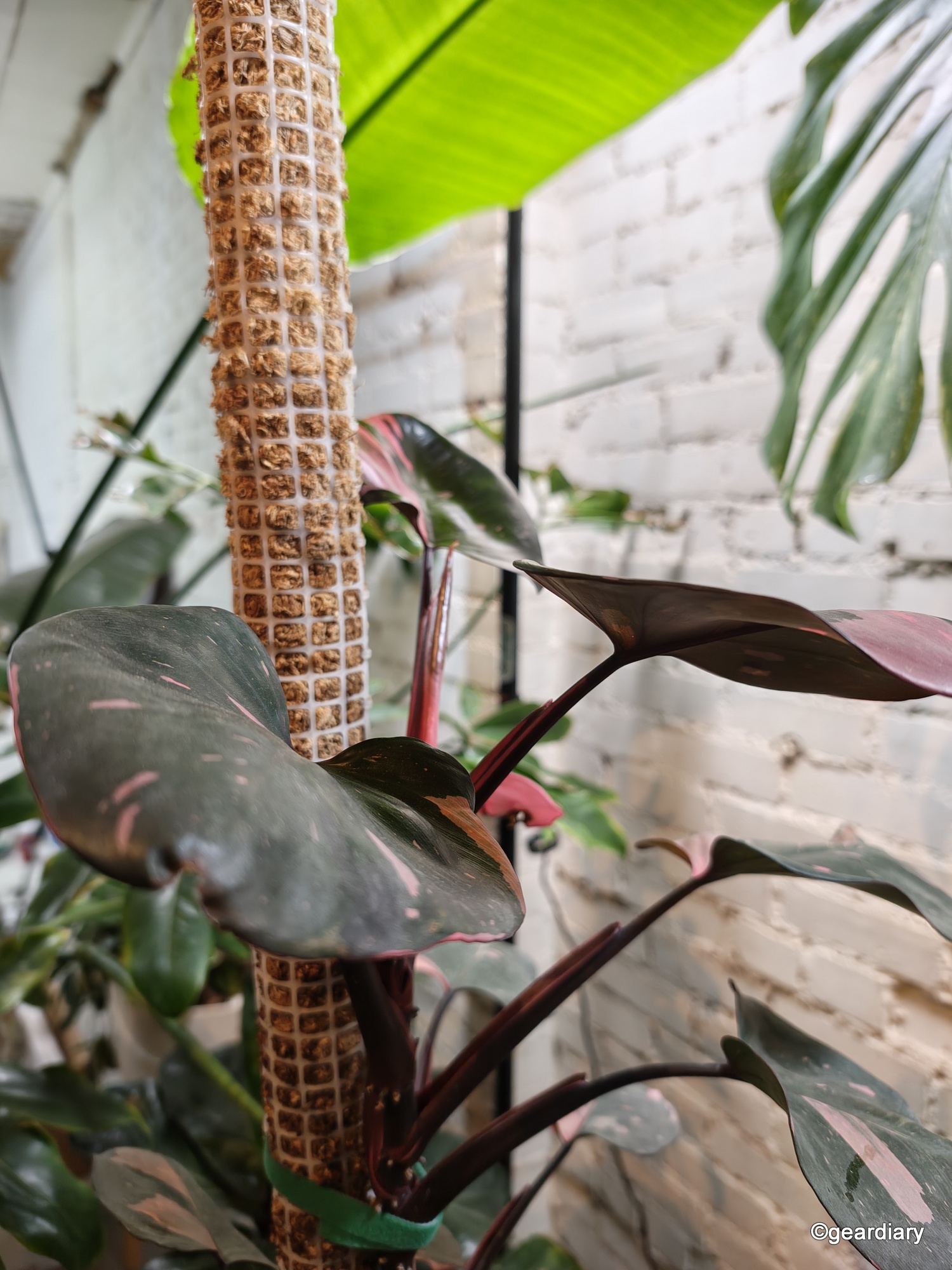
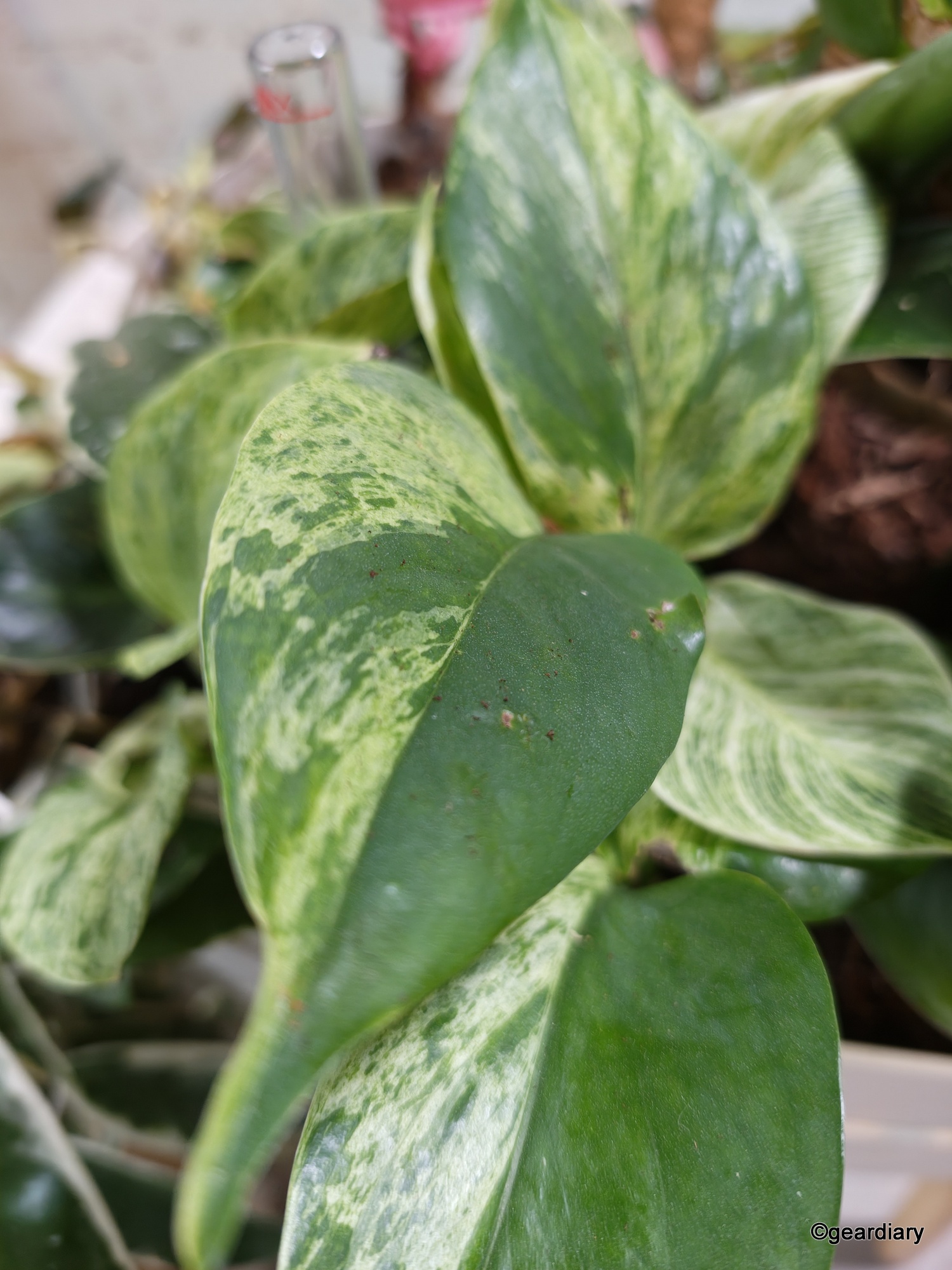
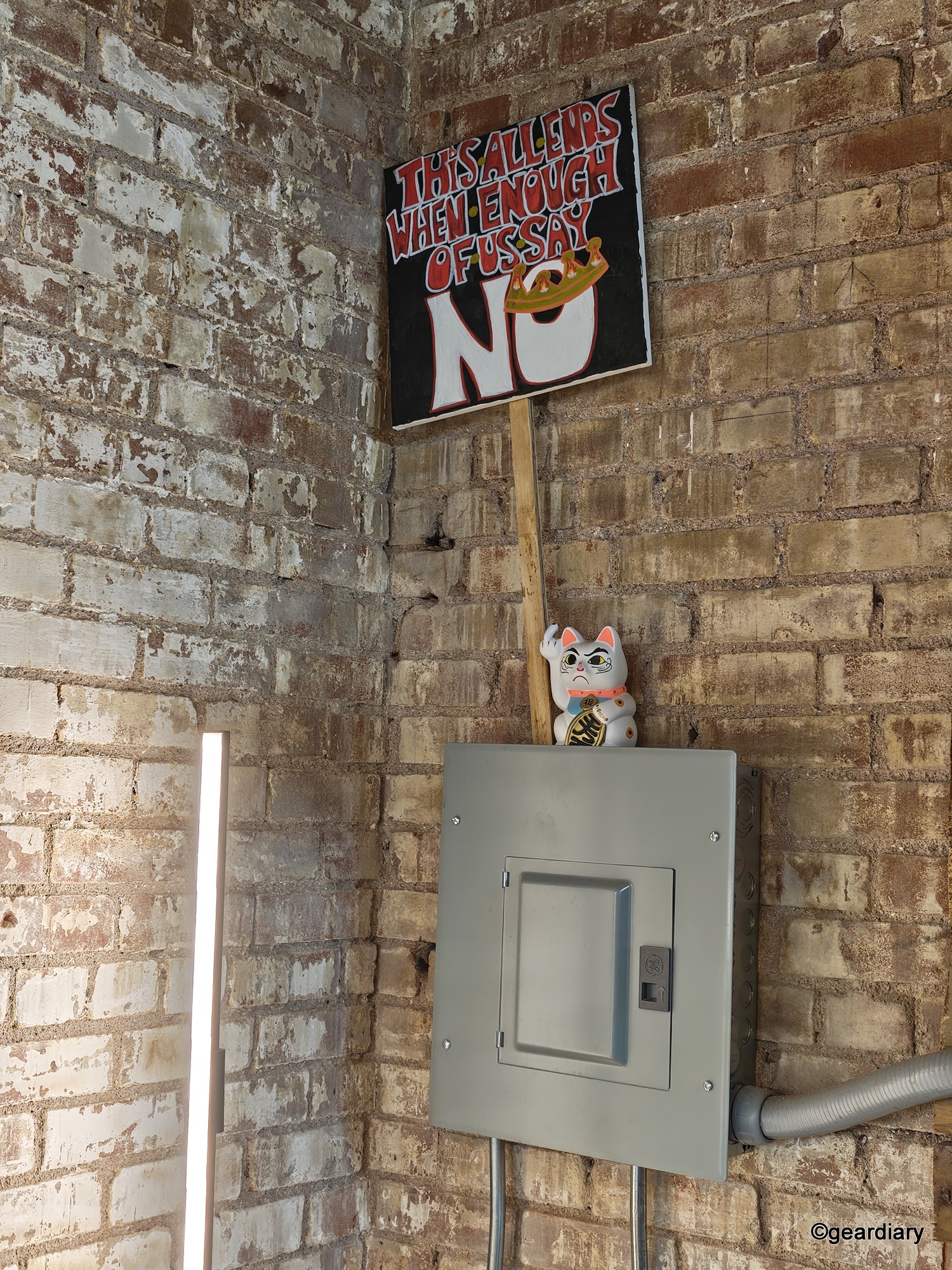
Photos Taken with the Motorola Razr Fold

-
- Macro
-

- 1X

-
- 13X zoom

-
- 100X zoom


Moto AI, Google Gemini, and the Reality of Phone Intelligence
The Razr Fold includes Motorola’s moto ai features, including Catch me up, Pay attention, Remember this, Recall, Image Studio, Playlist Studio, and Next Move. It also supports Google Gemini voice control and Gemini Live for conversational help, brainstorming, rehearsing, or learning. Perplexity is included for on-the-fly AI-powered search with cited answers and follow-up research.
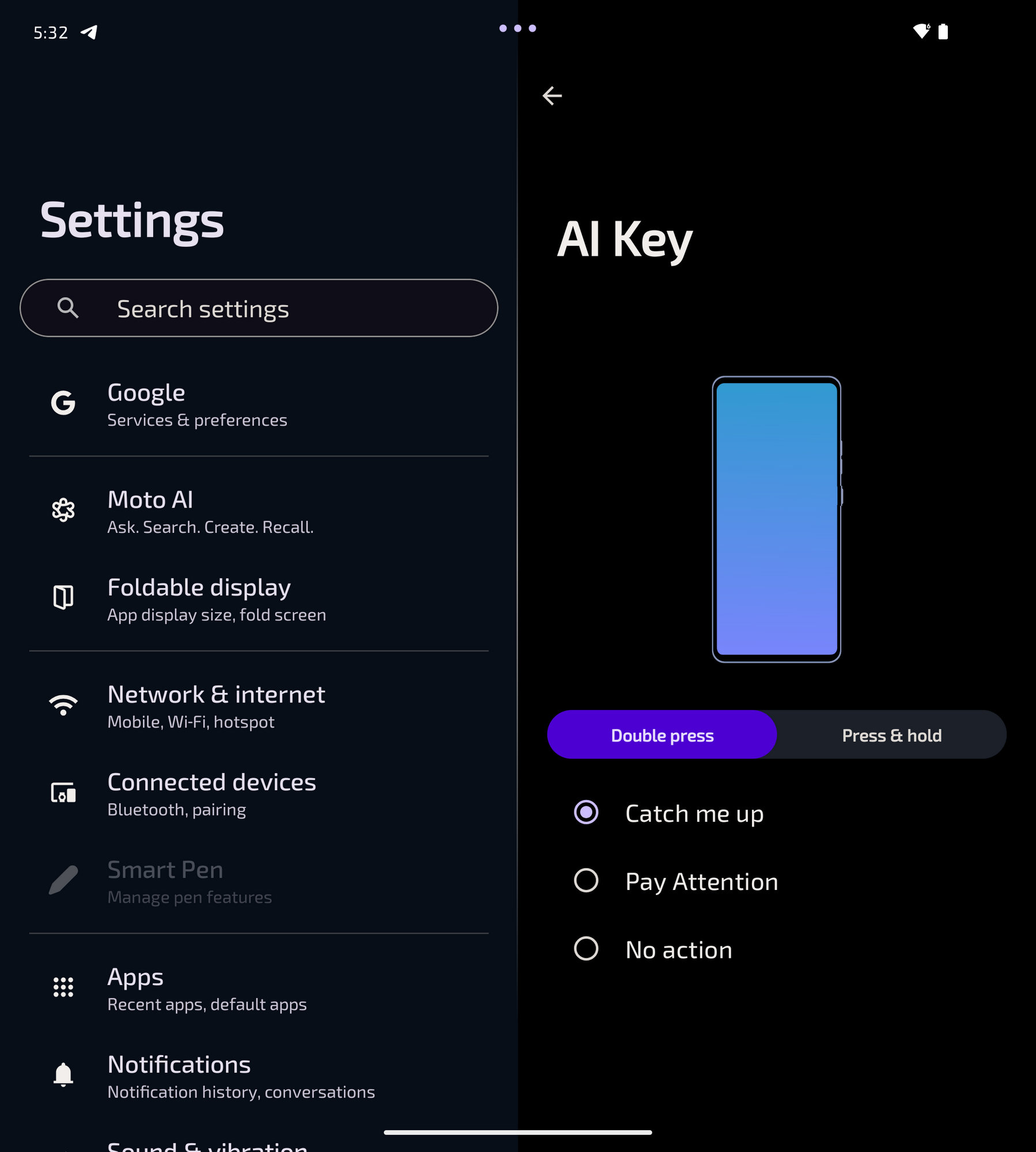
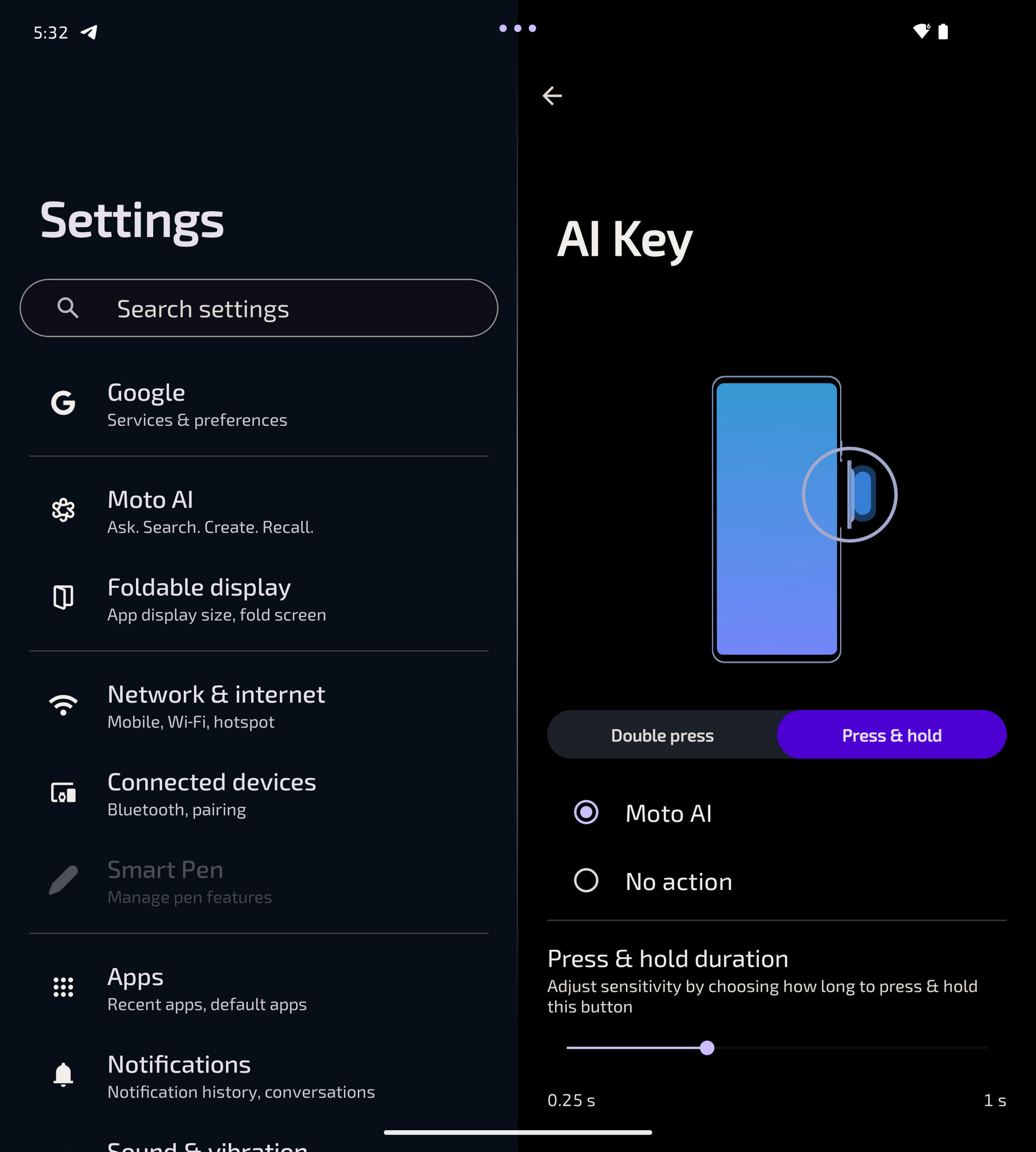
There’s real potential here, especially on a foldable. A larger screen makes summaries, side-by-side research, image creation, and document markup more useful than they are on a narrow slab phone. The Razr Fold also supports Google Photos tools such as Magic Eraser, Camouflage, Ask Photos, photo animation, and request-based editing, depending on account type, region, availability, and usage limits. Some features require a Motorola account, an internet connection, and support for the supported languages.
Moto Pen Ultra Adds Flexibility, But It Costs Extra
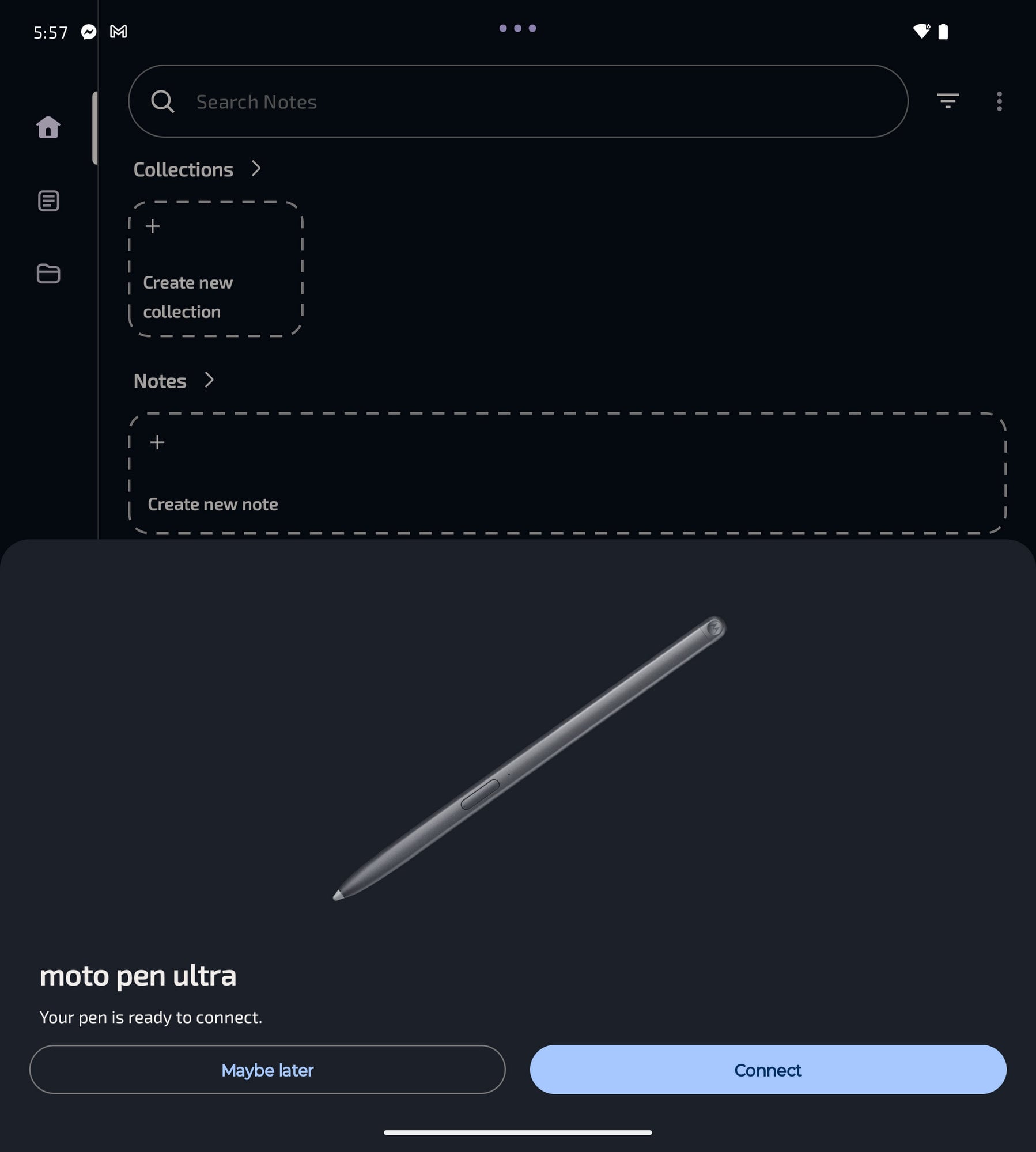
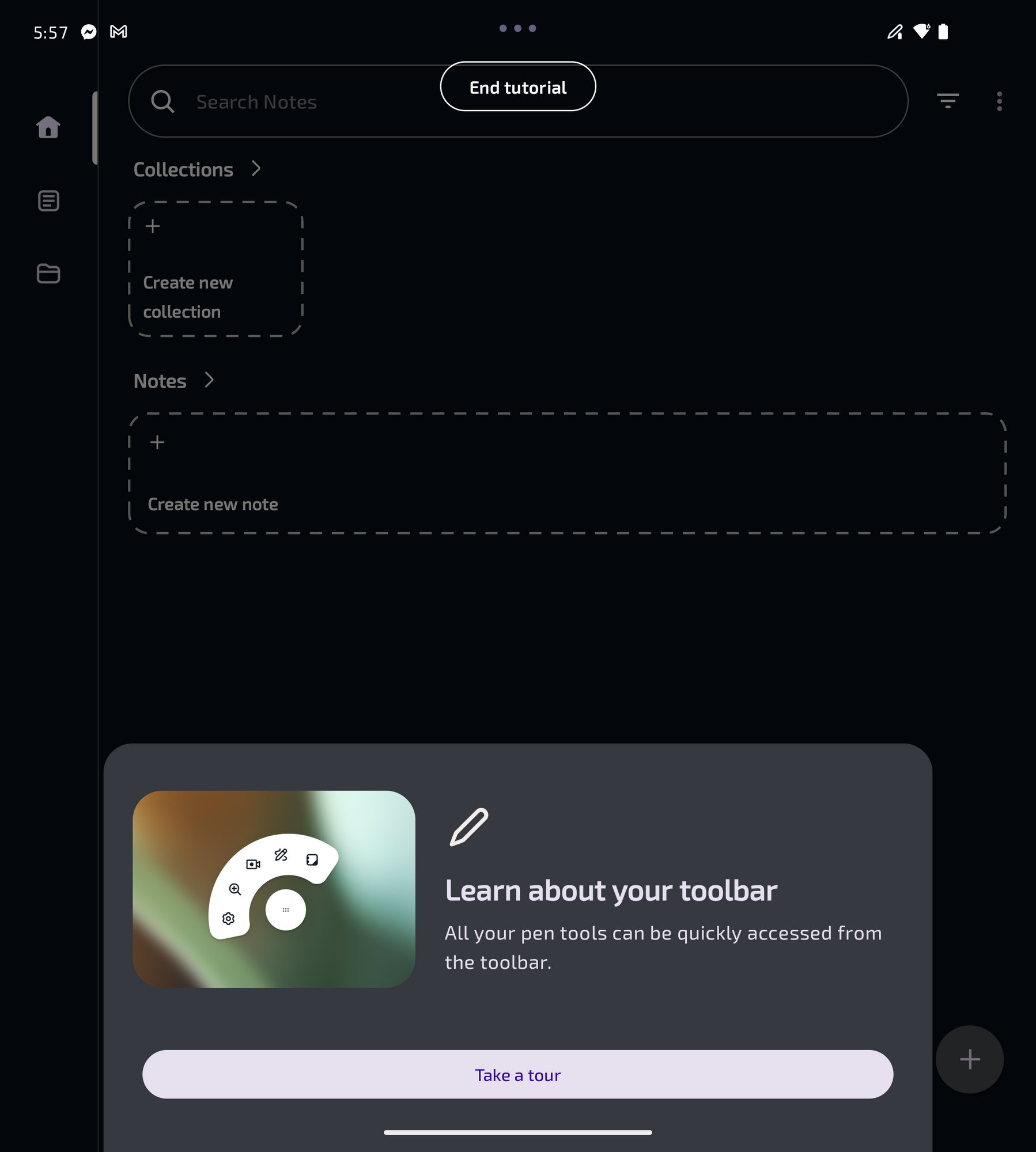
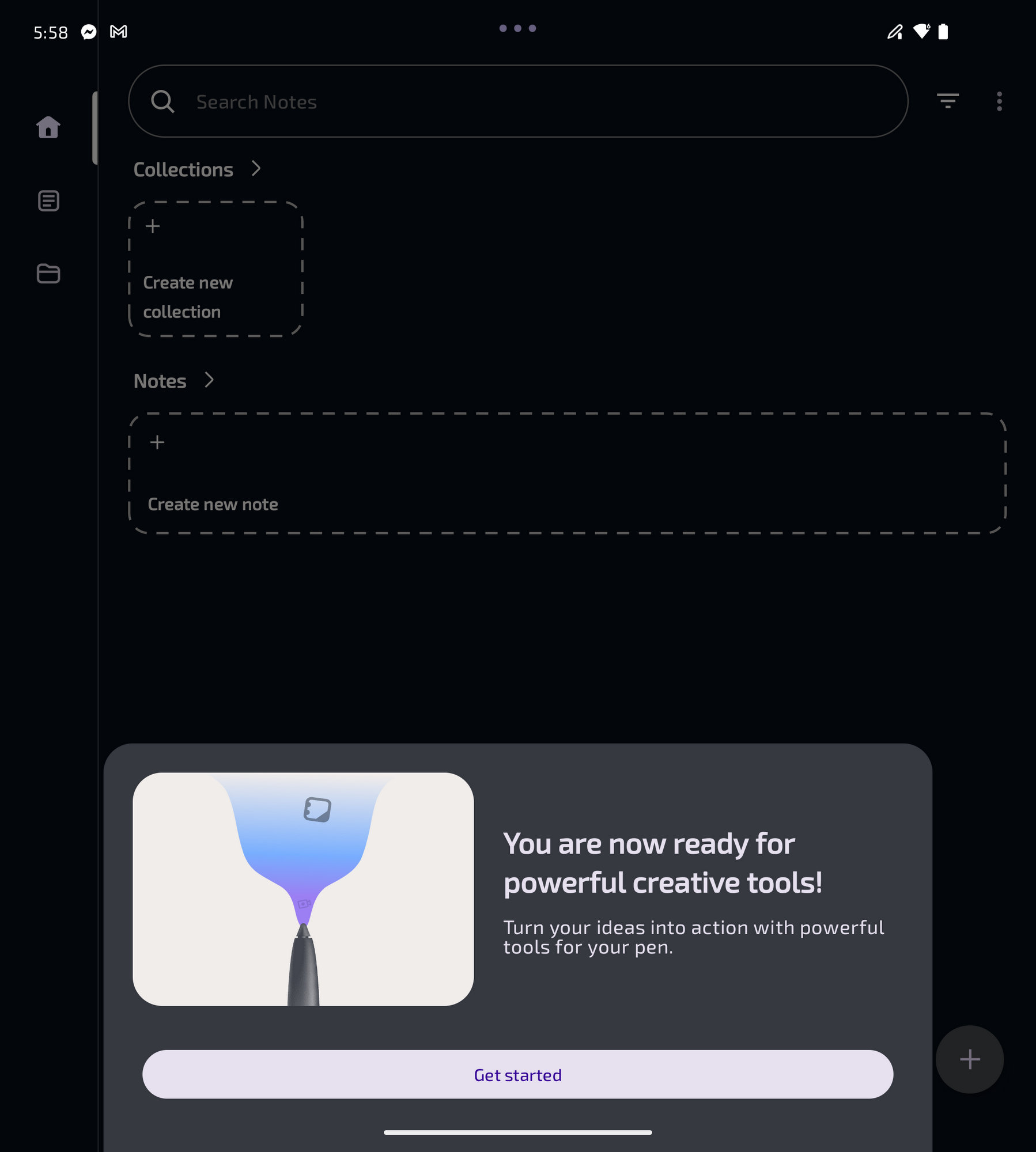
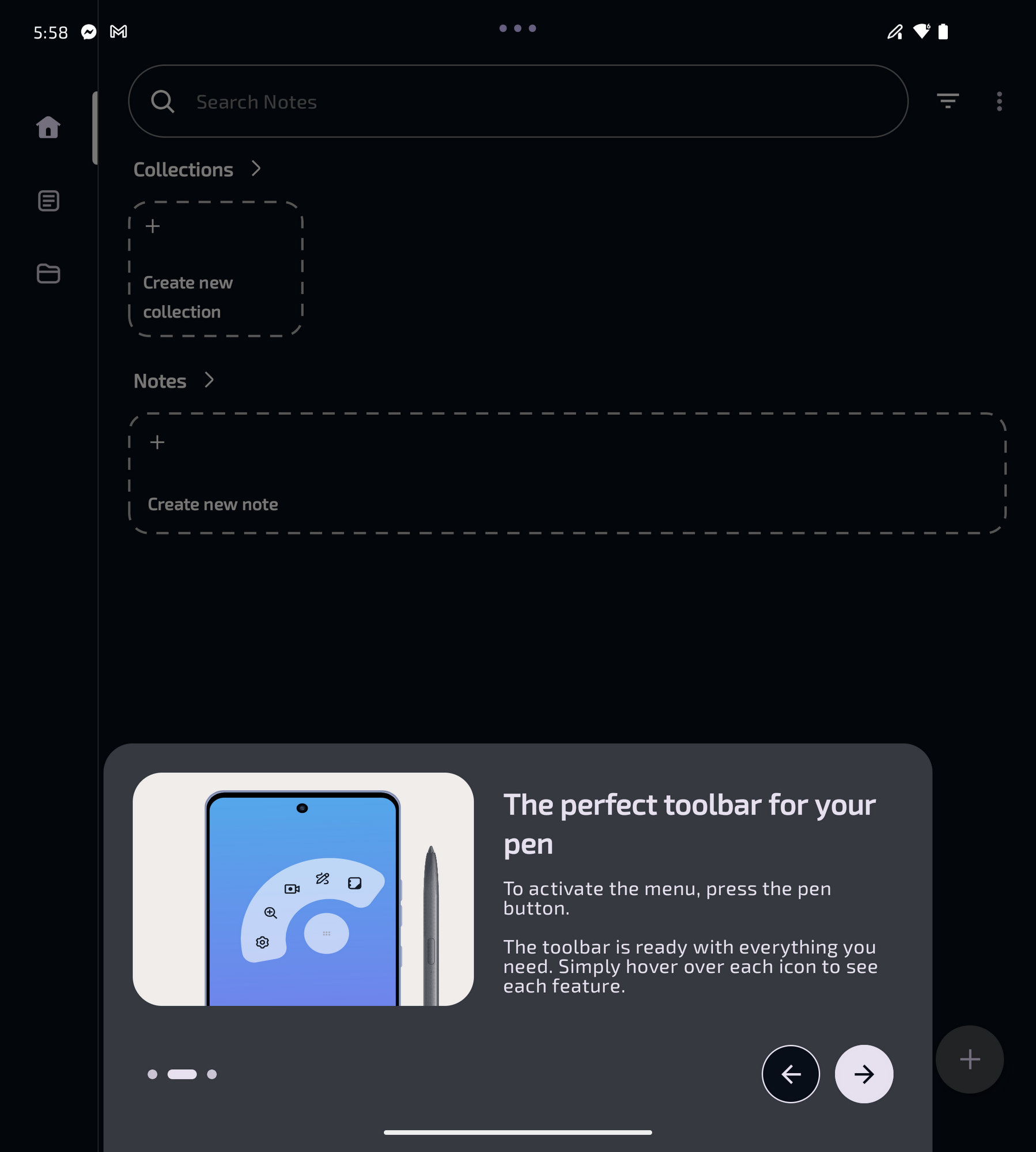
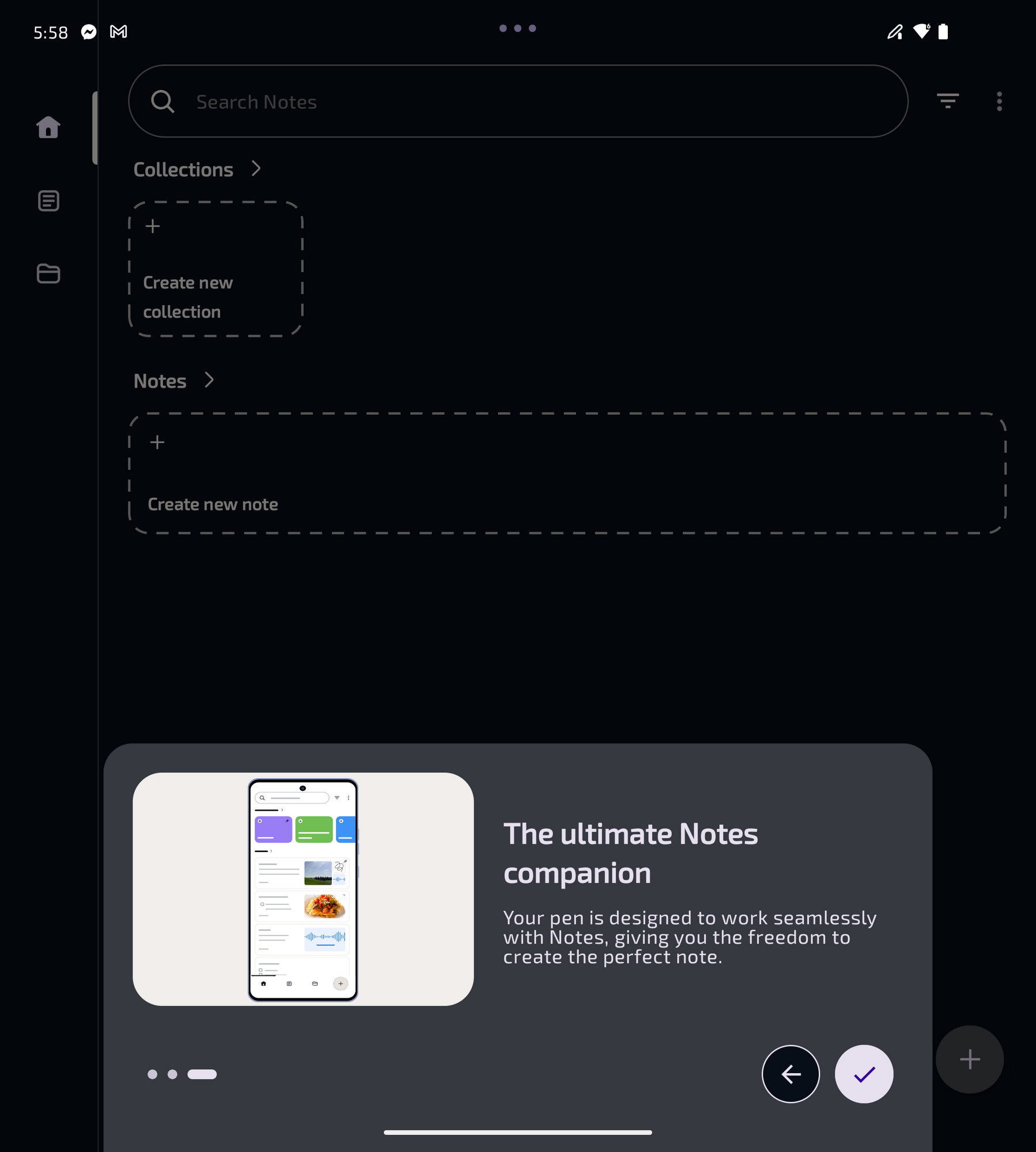
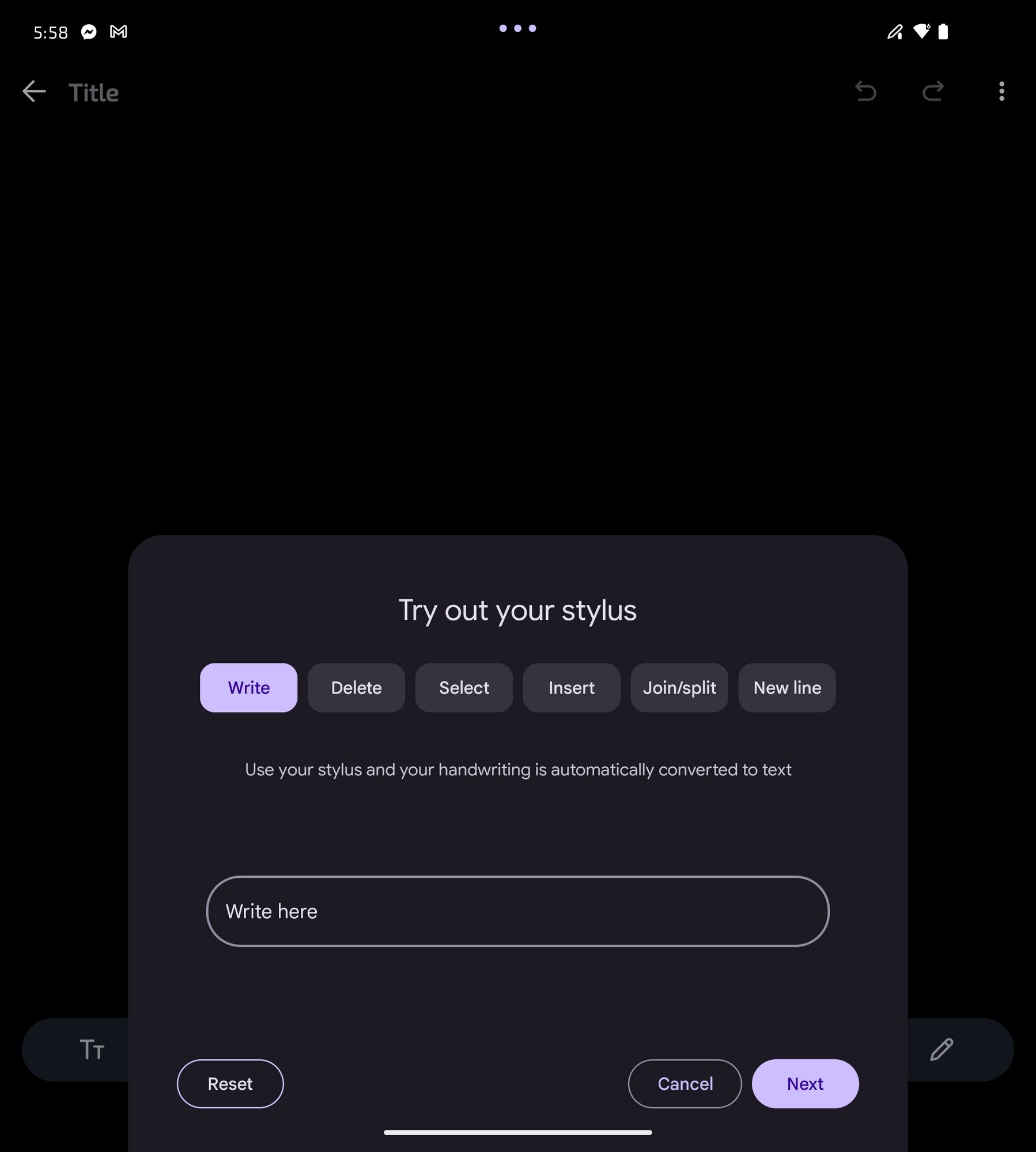
Motorola positions the Razr Fold as a larger canvas for the $99 Moto Pen Ultra, with pressure sensitivity, palm rejection, screenshots, markup, text extraction, and quick access to tools. That’s a natural fit for an 8.1″ display. A foldable this size makes more sense as a note-taking, sketching, PDF-markup, and planning device than a smaller clamshell ever could.
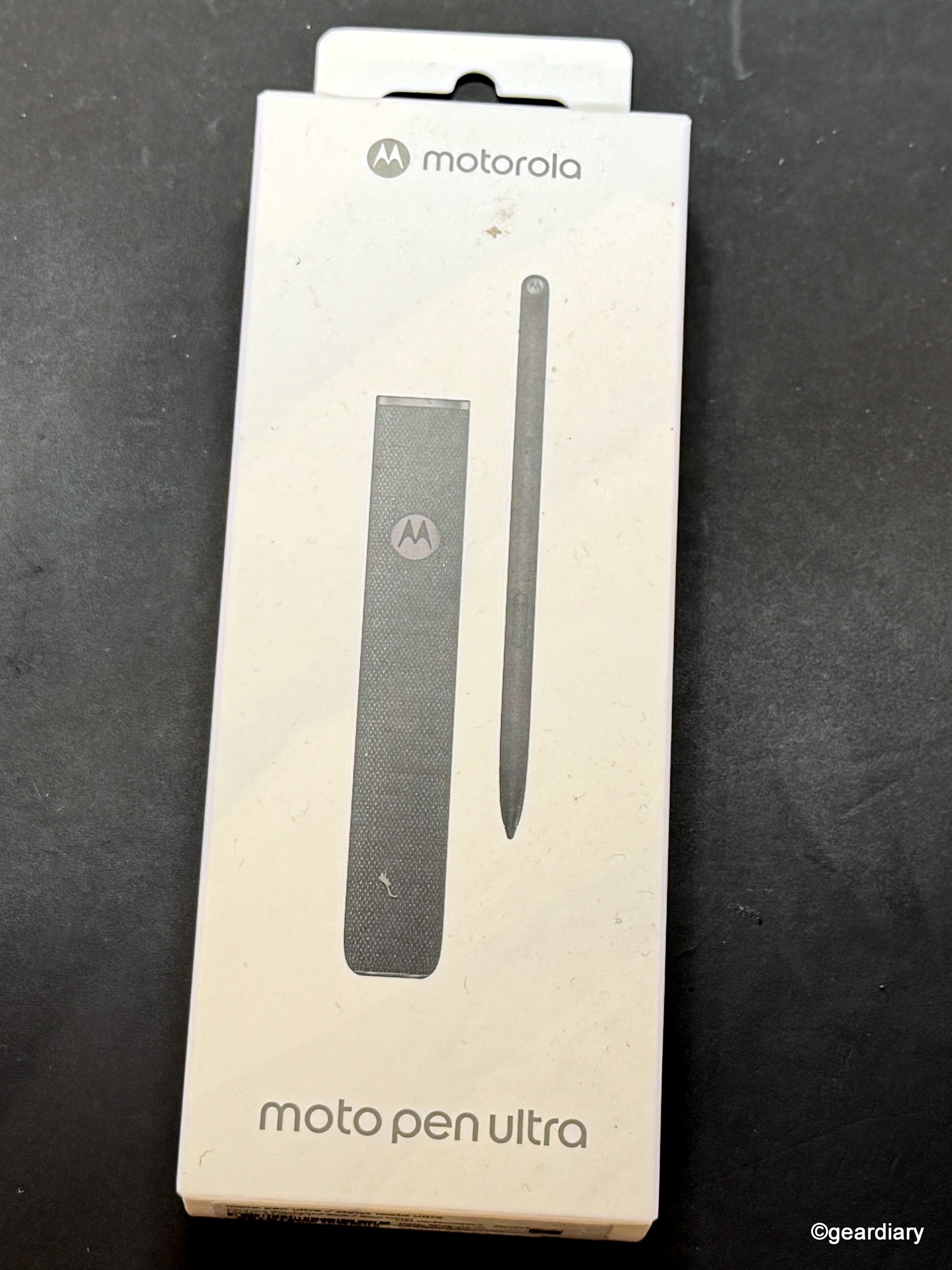
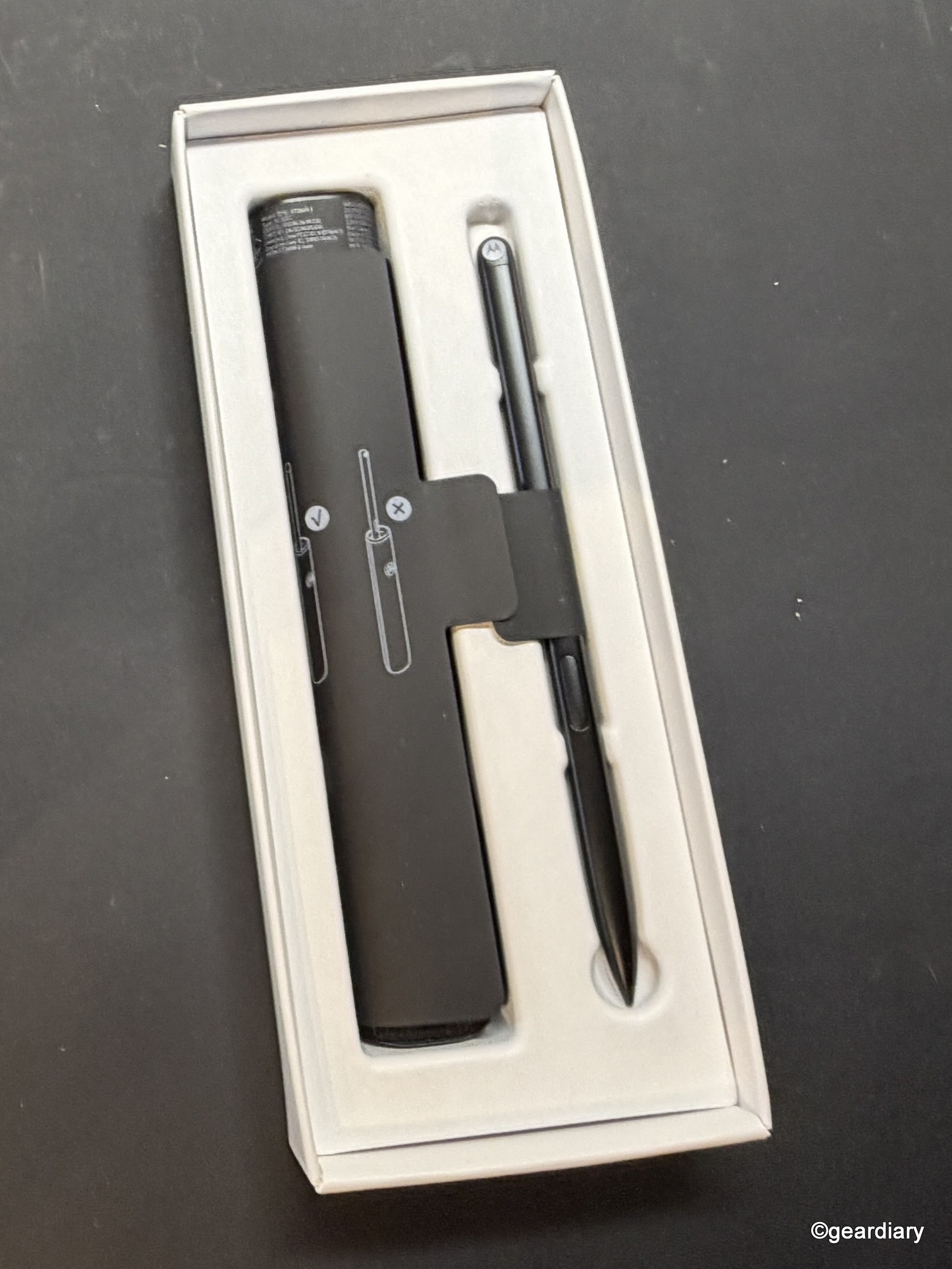
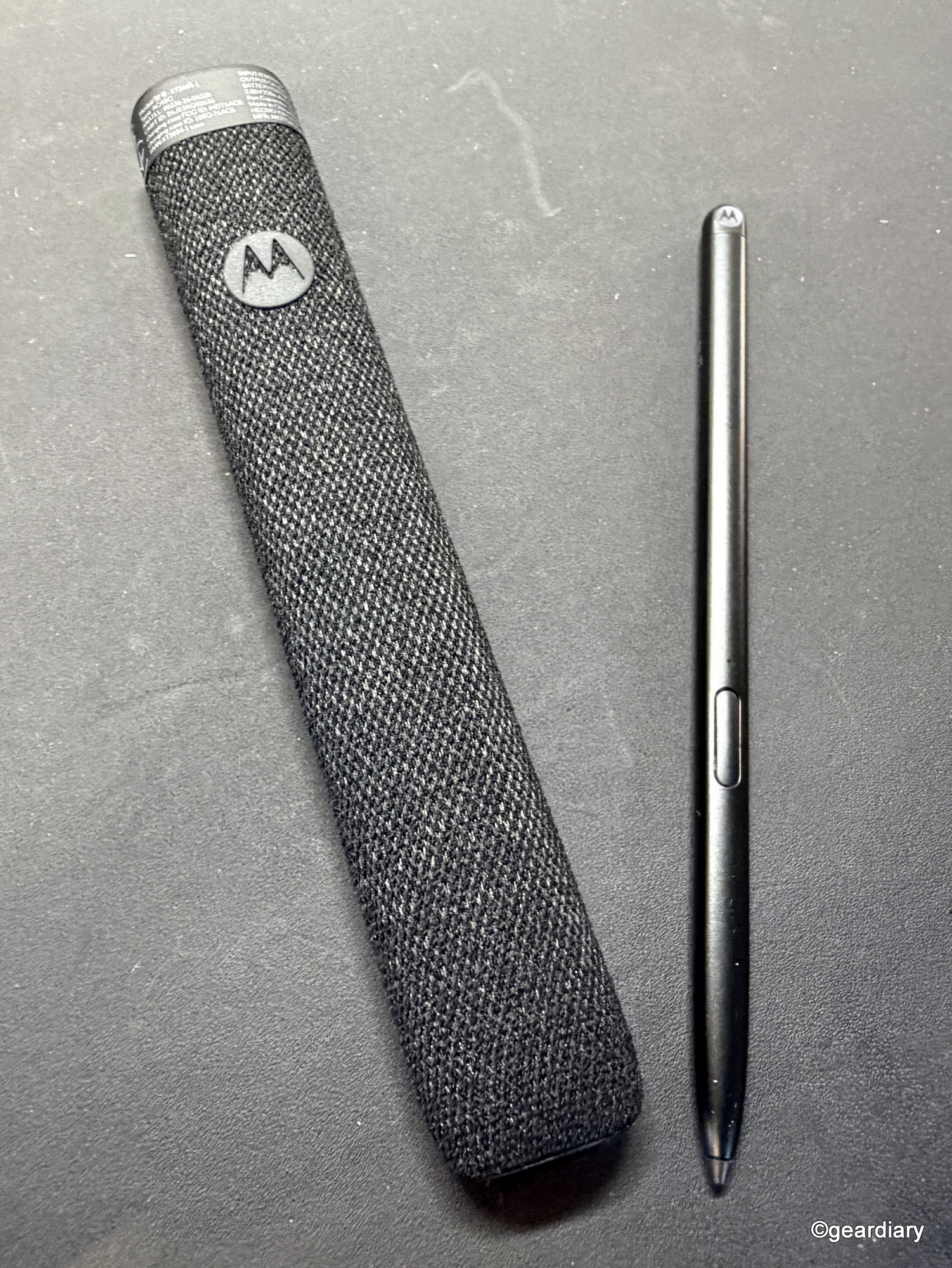
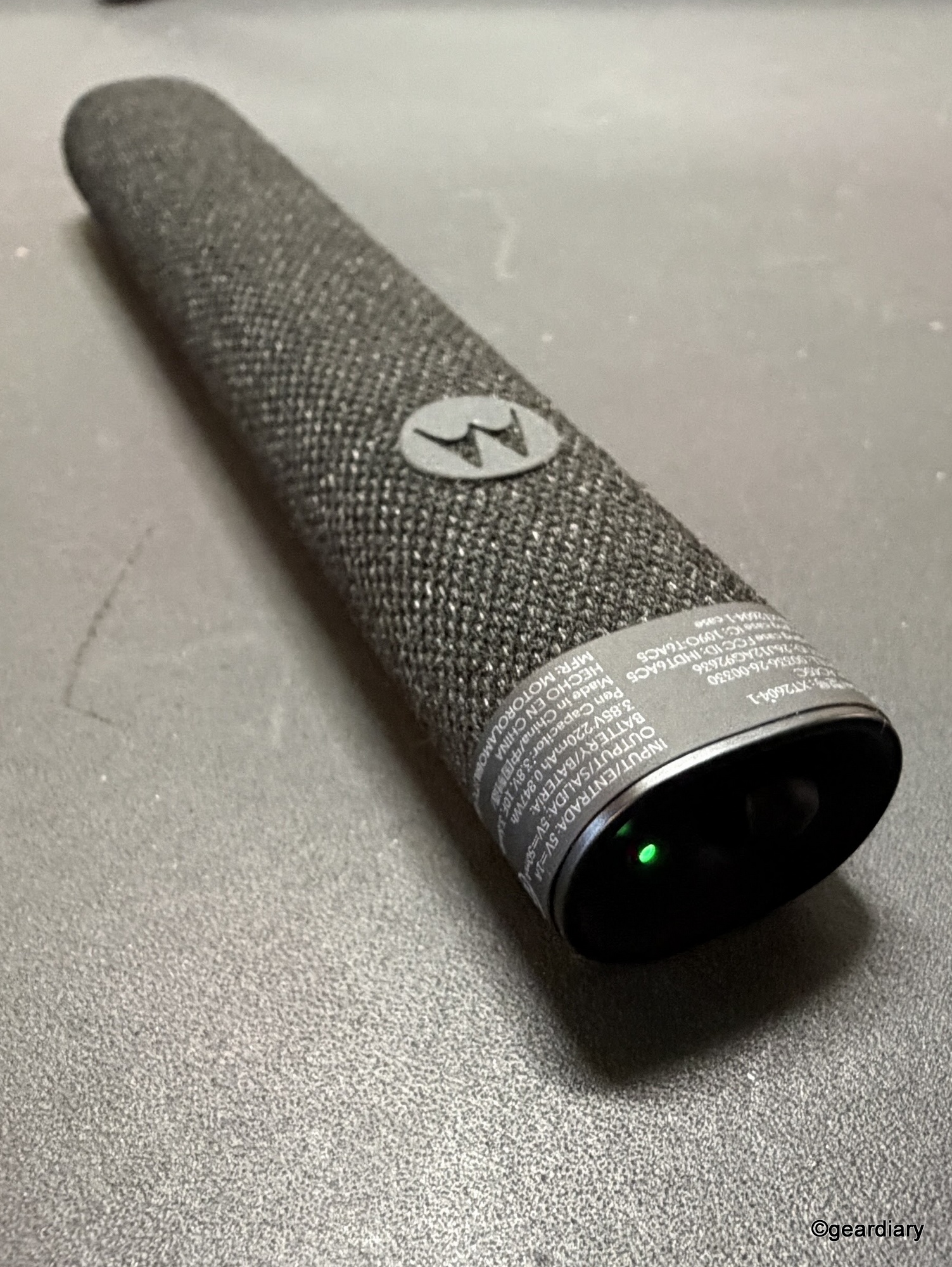
But the Moto Pen Ultra is sold separately. That matters at this price. If the pen experience is central to your workflow, it should be considered part of the real cost of ownership, not a cute accessory you might grab someday.
The pen is a little slender for my liking, but it is responsive and offers many built-in features.
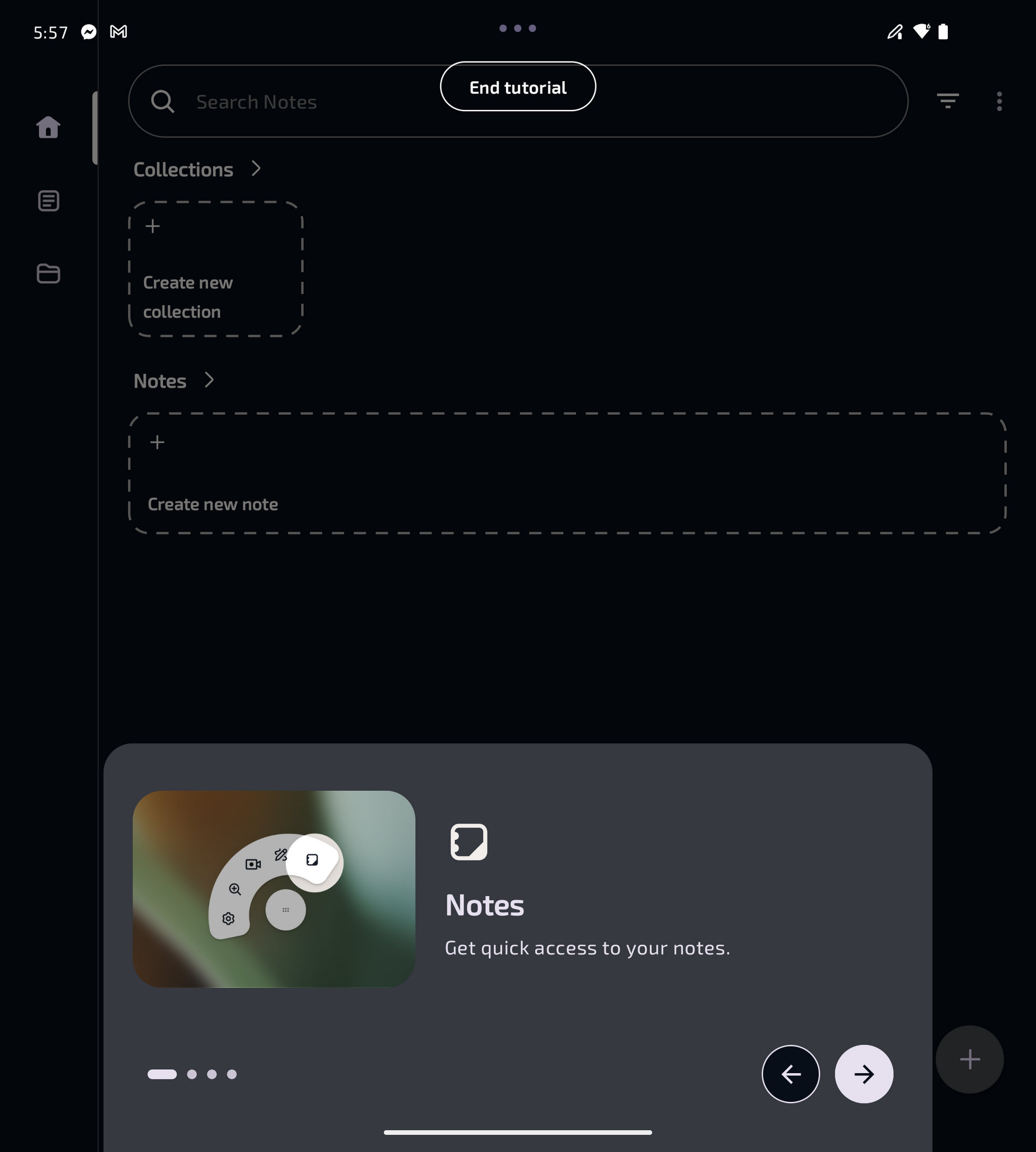
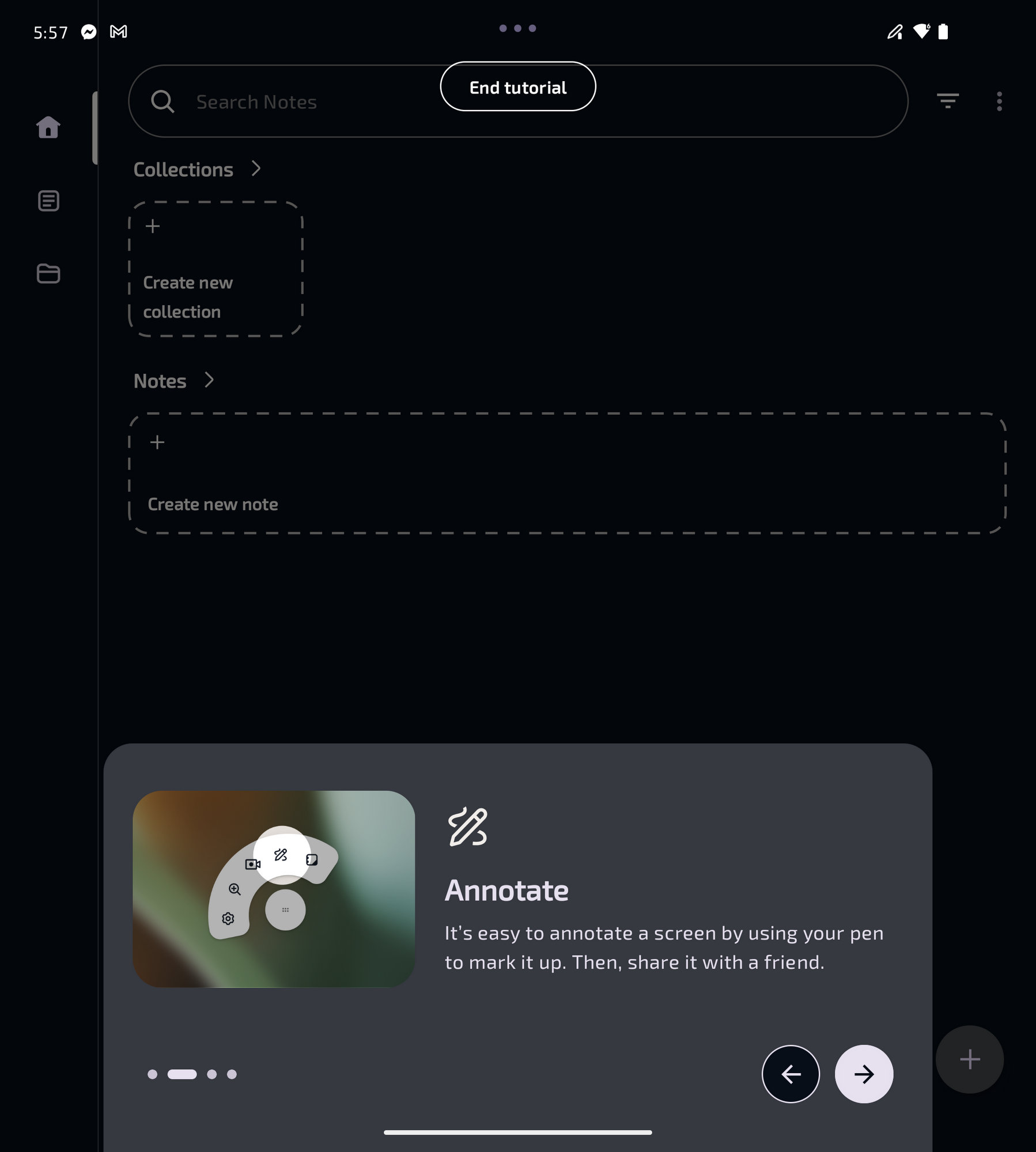
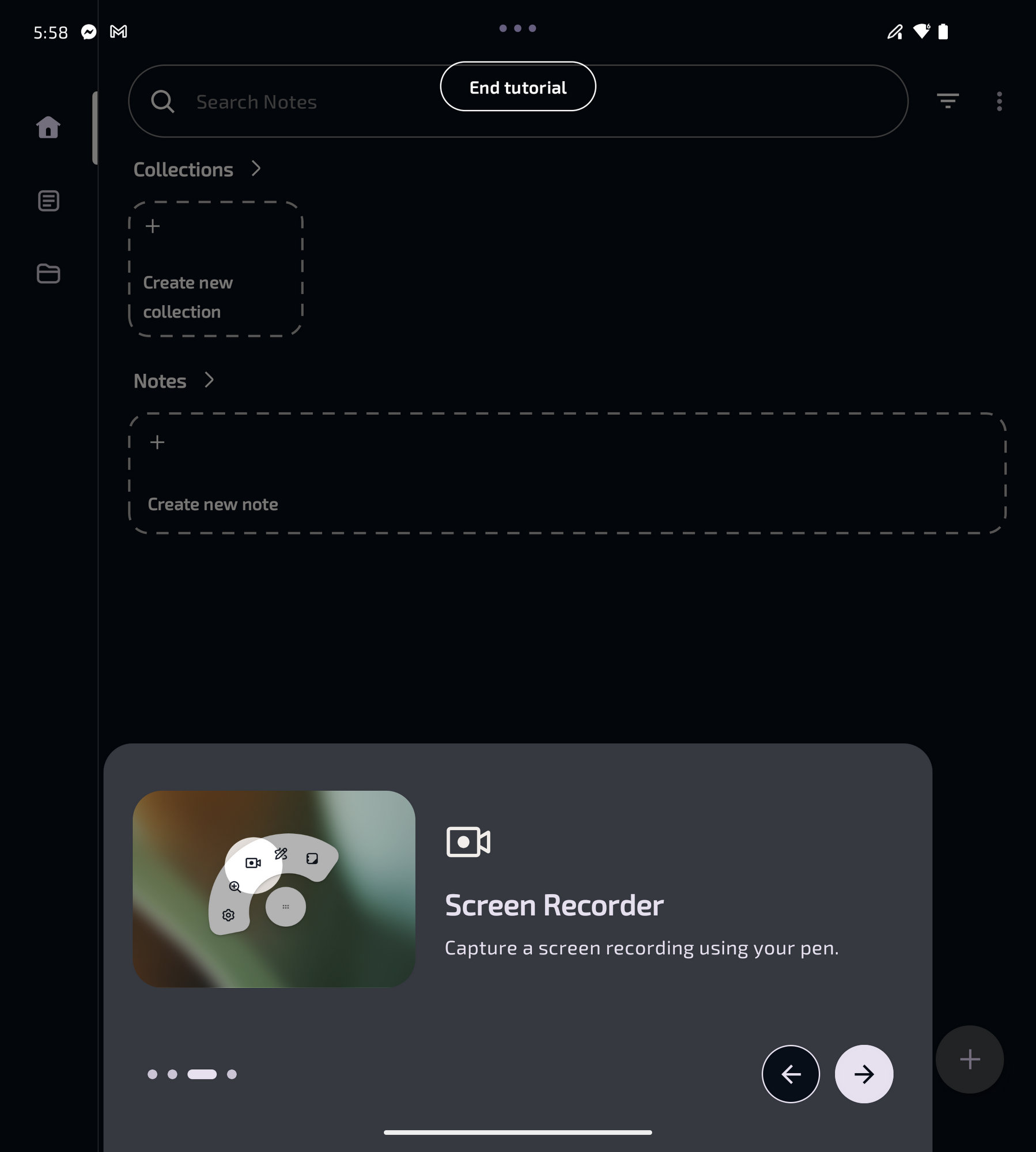
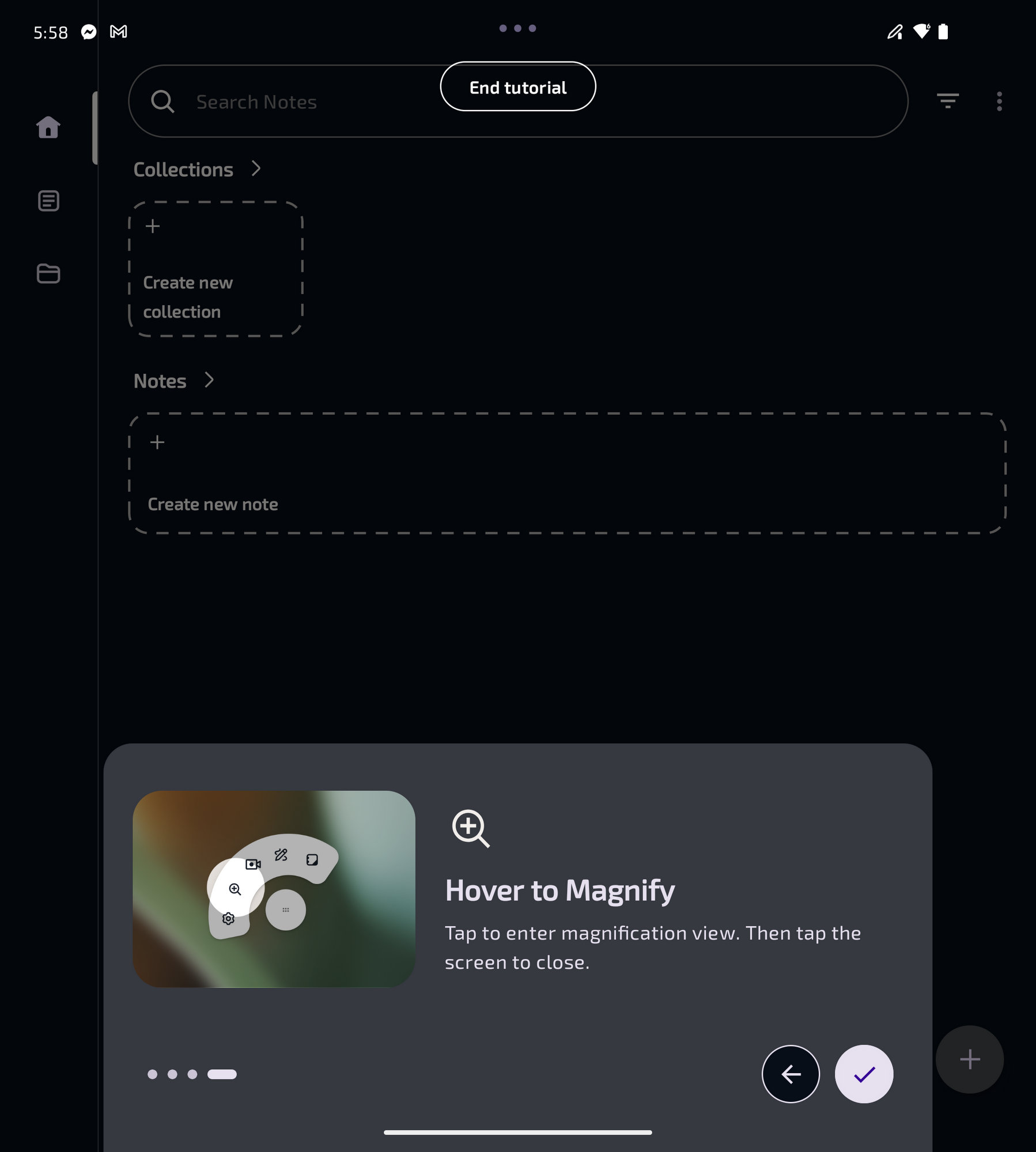
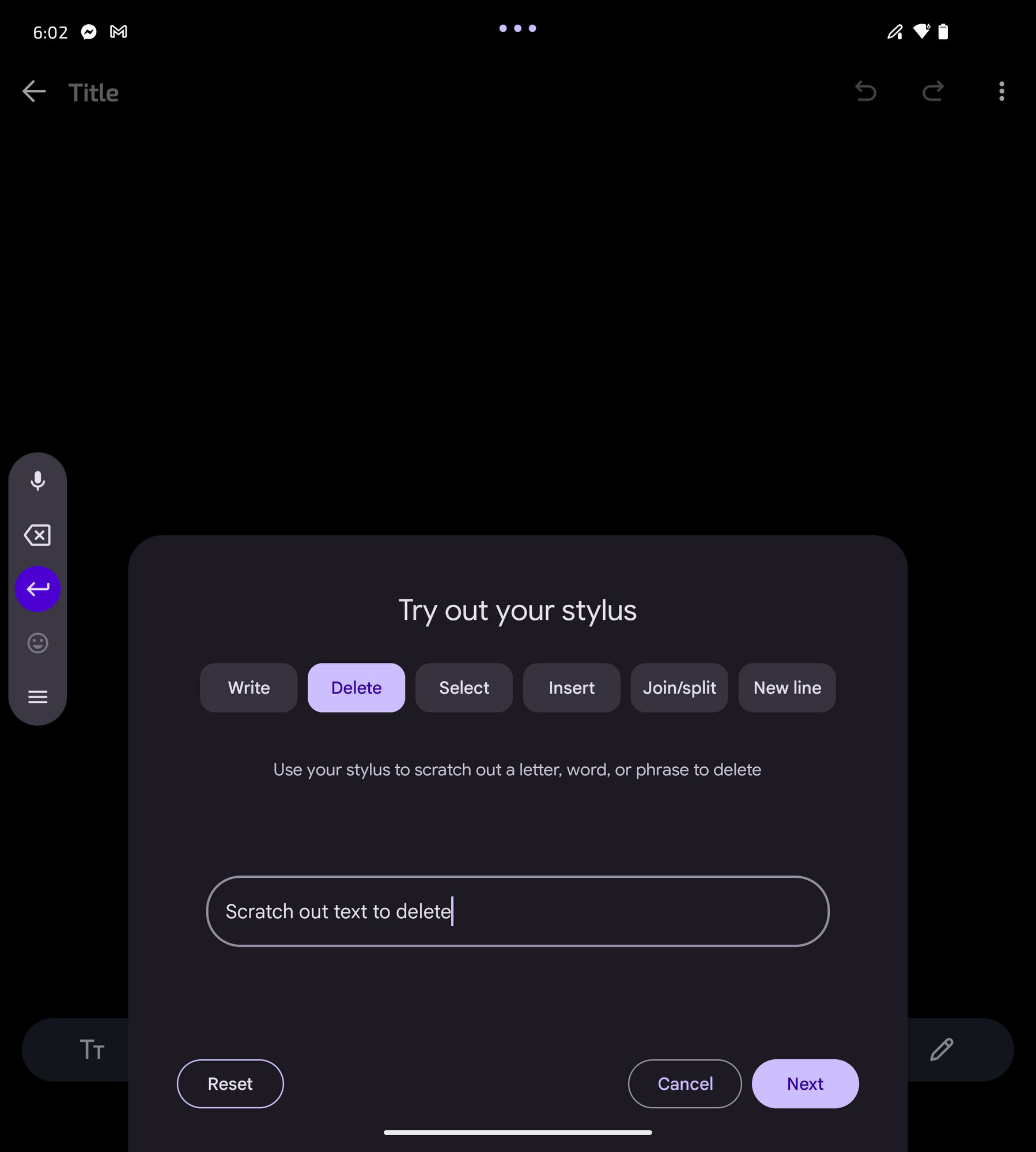
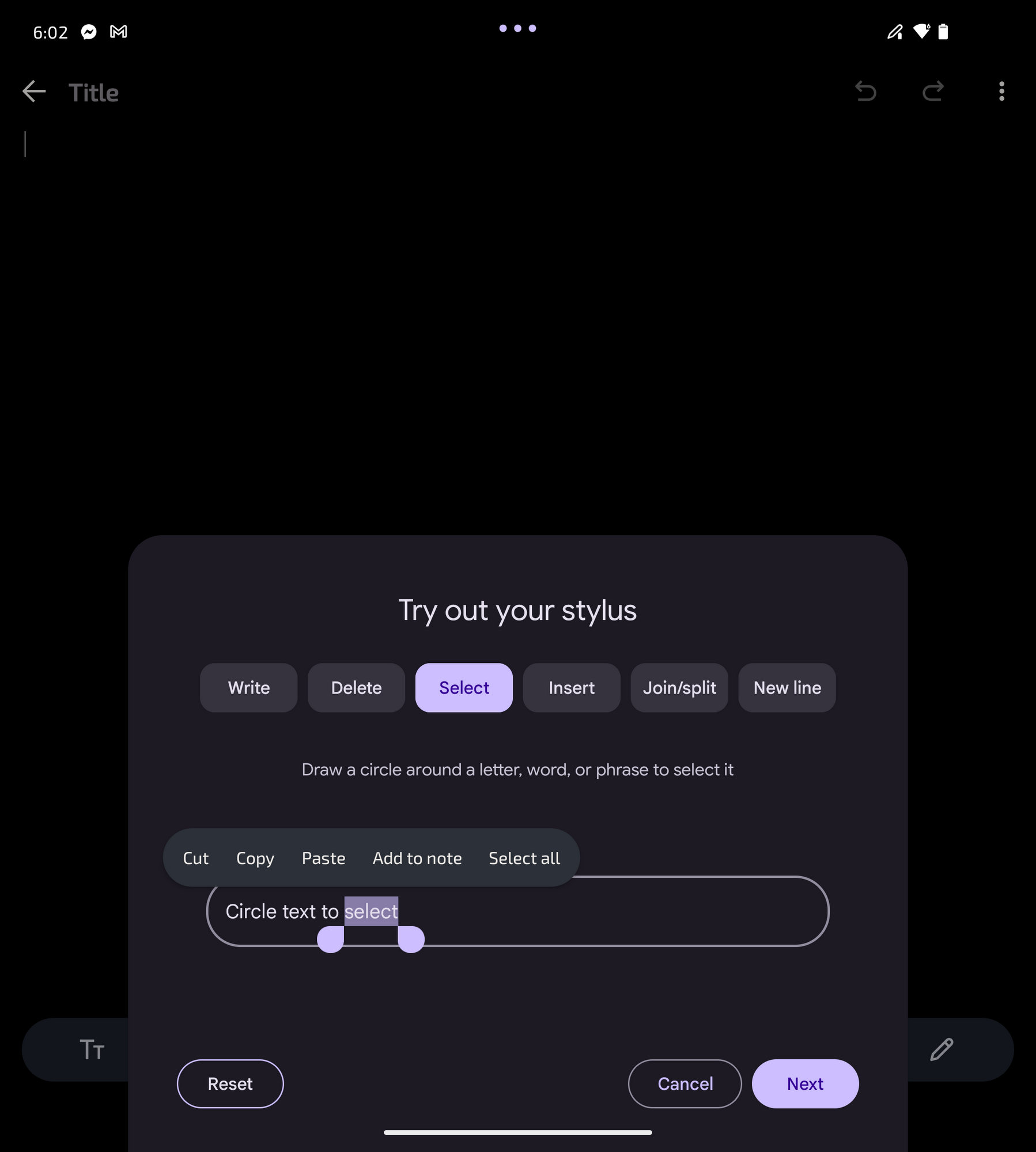
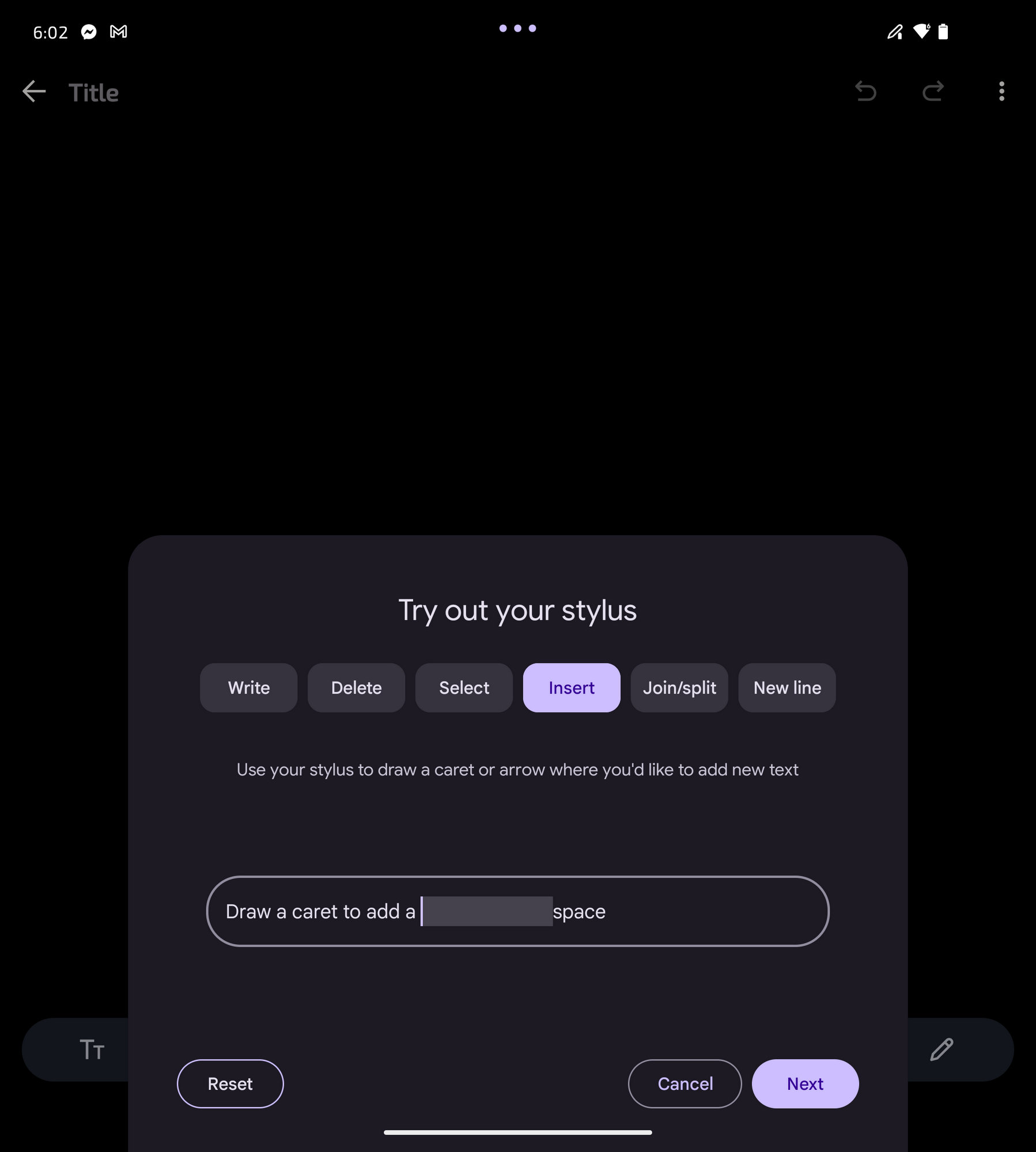
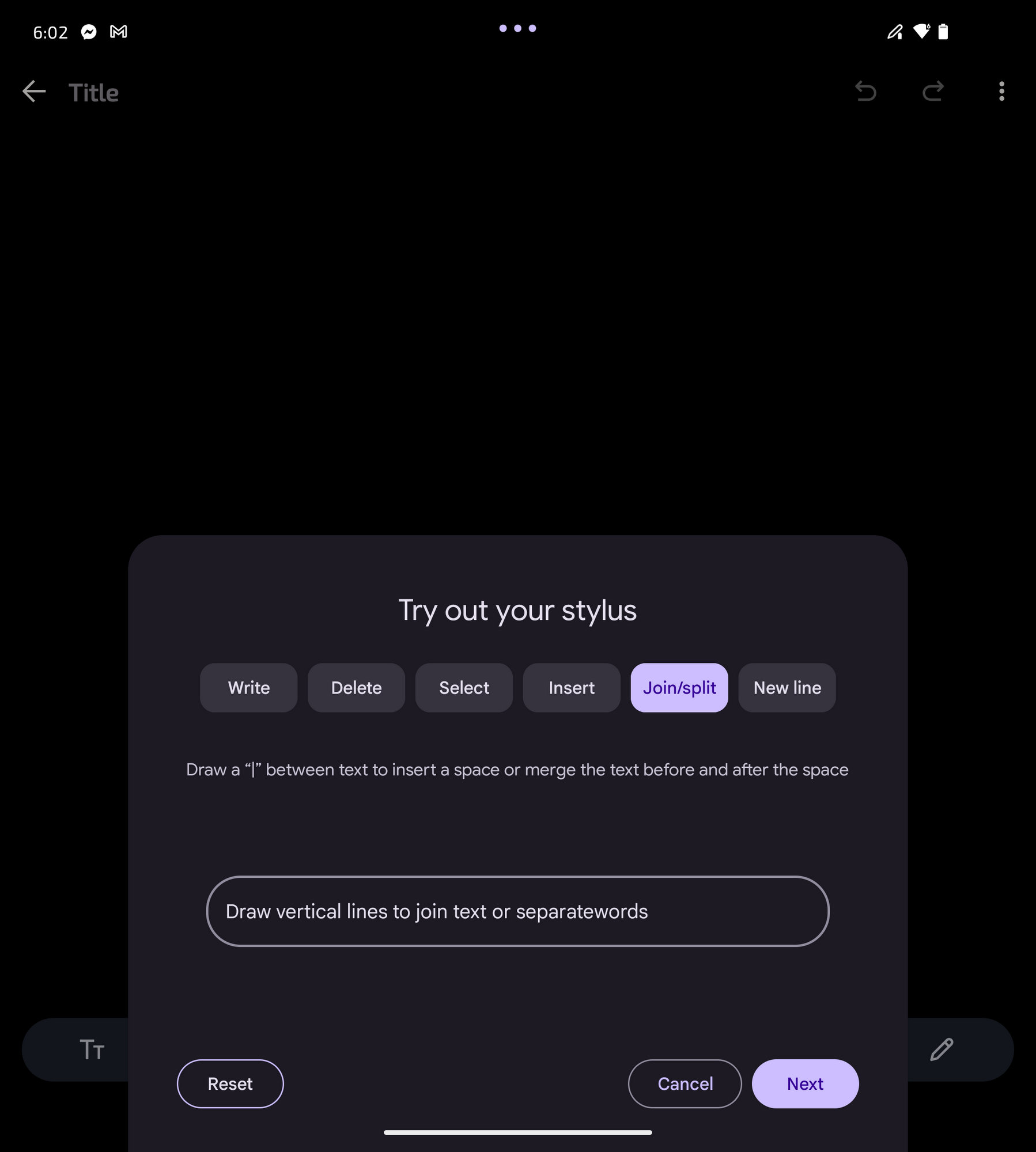
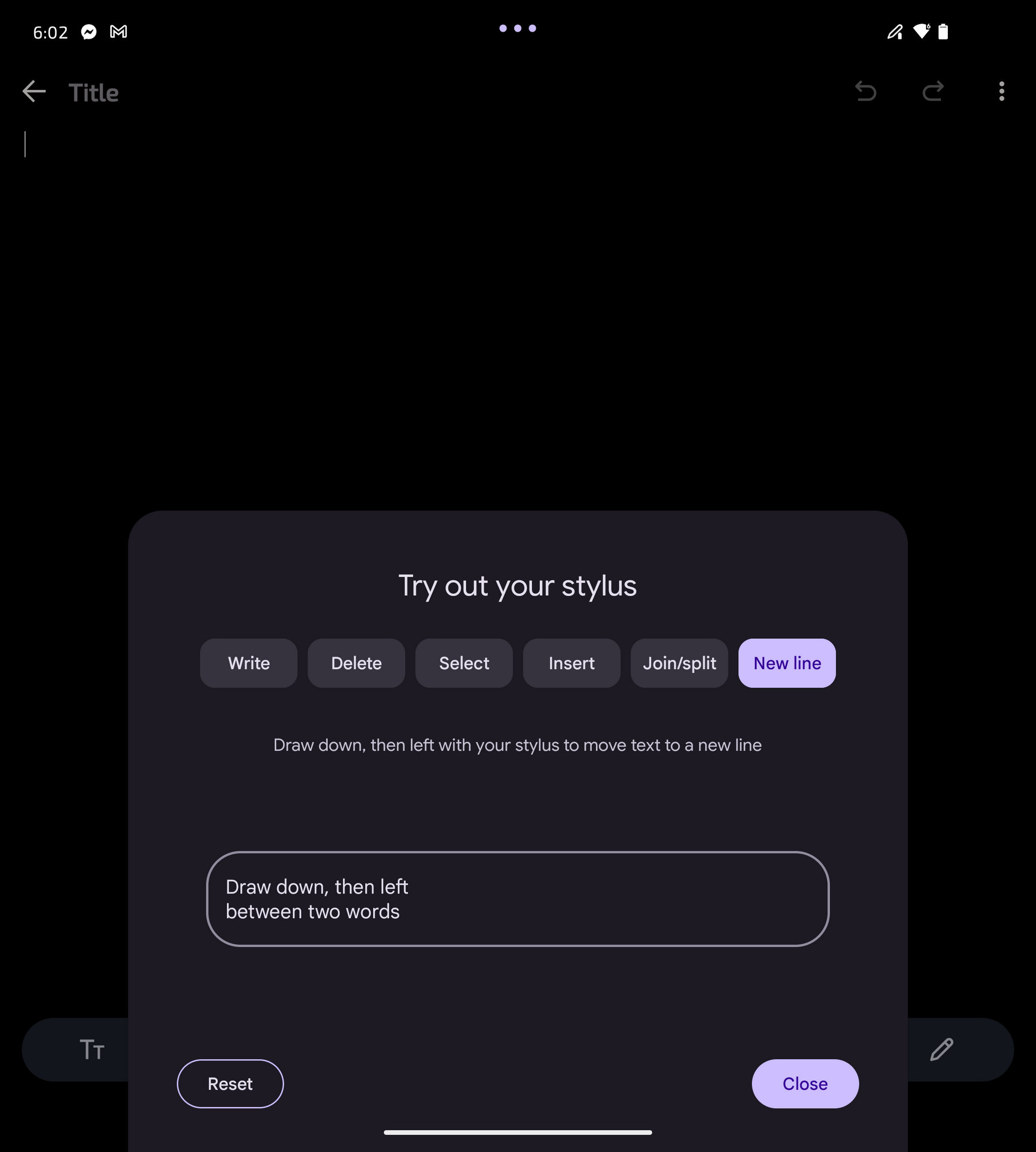
There are cases that you can buy that will also hold the Moto Pen Ultra, but they won’t accommodate the fabric-covered charging sleeve, and they add bulk to the otherwise slim device. If you are planning to use the stylus while out and about, you might prefer to bring it in its case, which is yet another thing to carry. It’s up to you whether that is an issue.
Audio, Connectivity, and Everyday Conveniences
The Motorola Razr Fold has stereo speakers tuned with Sound by Bose and Dolby Atmos support. Dolby Atmos creates a more spacious, dimensional audio effect, especially with supported movies, music, and games. On the Motorola Razr Fold, voices sound clear, the bass has body, and the speakers don’t distort at higher volumes. Foldables can be excellent for watching video because they prop themselves up so easily, and speaker quality matters more when a phone is acting as a tiny television during lunch.
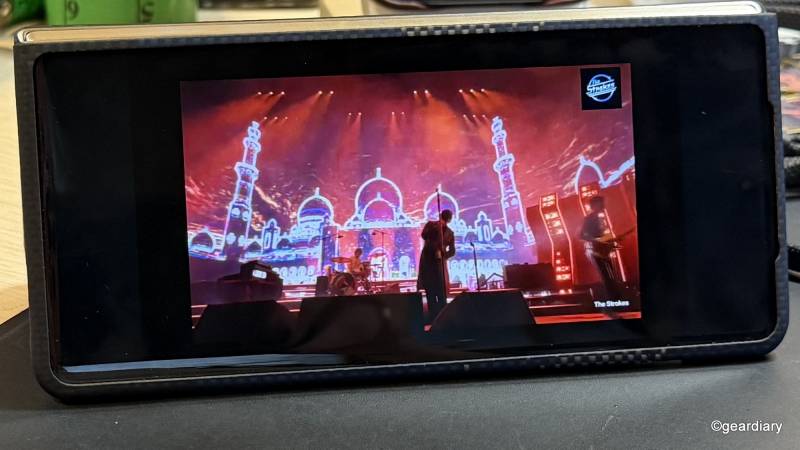
There’s no headphone jack, which won’t surprise anyone but may still annoy wired-audio holdouts. The phone includes three microphones, NFC for mobile payments, eSIM plus physical SIM support, Wi-Fi 7, Wi-Fi 6E, Wi-Fi 6, Wi-Fi 5, and broad 5G sub-6 compatibility. It also supports USB-C with USB 3.2 Gen 1 speeds and DisplayPort 1.2, enabling video output to a compatible external display. That’s a useful feature for presentations, travel setups, or anyone who occasionally wants a phone to behave like a lightweight workstation.
Carrier compatibility is broad across AT&T, T-Mobile, Verizon, Google Fi, Mint Mobile, Visible, Consumer Cellular, Metro, Cricket, and several other networks. Motorola’s supplied compatibility list says Republic Wireless, Ting, and Xfinity Wireless aren’t compatible, so anyone on those services should check carefully before buying. This is not the fun part of buying a phone, but it’s certainly more fun than buying a $1,900 phone and discovering your carrier has opted out of the party.
Software Support Is One of Motorola’s Best Moves
Motorola promises seven Android OS updates and up to seven years of security updates starting from the global launch date, though availability can vary by market, carrier, and model. That’s a major commitment and exactly what a premium foldable needs. Long software support matters more on expensive devices because the hardware should remain useful for years. It also helps protect resale value and makes the high purchase price easier to justify.
The phone ships with Android 16 and Motorola’s My UX software, including familiar Moto Actions such as Quick Capture, Fast Flashlight, Flip for Do Not Disturb, Pick up to Silence, Three Finger Screenshot, Attentive Display, Lift to Unlock, Swipe to Split, Quick Launch, and Double Tap to Sleep. Motorola’s gestures have historically been some of its most useful software touches because they solve small daily irritations without demanding that you reorganize your life around a feature menu.
Motorola keeps the software clean and fast while layering in AI, multitasking, and foldable display behavior. After all, a foldable needs thoughtful software more than a slab phone does — it has two screens, multiple postures, and more ways for apps to behave badly. Thankfully, everything works as expected.
Where It Stands Against Other Foldables
The Razr Fold enters a category where Samsung’s Galaxy Z Fold line remains the most obvious point of comparison. The 512GB Galaxy Z Fold 7 is lighter at 7.58 ounces, sells for $1699, has a refined software ecosystem, and remains a strong choice for buyers seeking the most established foldable experience. Motorola counters with a larger 6,000mAh battery, faster wired charging, a periscope telephoto camera, and pen support through the separate Moto Pen Ultra. Those features give the Razr Fold a clearer identity than simply being “another Fold competitor.”
The 9.1-ounce Google Pixel 10 Pro Fold is another natural alternative, especially for anyone who values Google’s software, camera processing, and AI features. Google’s foldable in a comparable 512GB is $1,919; it also has an IP68 rating, which gives it a durability story that’s easy to understand.
Motorola’s Razr Fold fights back with more aggressive charging, a larger battery, broad camera hardware, and a more productivity-oriented spec sheet. Samsung is the safer pick if you want the most mature foldable ecosystem. Google is the cleaner pick if you prioritize Pixel software and computational photography.
Motorola’s argument is different: bigger battery, serious charging, strong camera hardware, and a full-size outer display that doesn’t make the phone feel trapped until you open it. That’s a meaningful position. It doesn’t automatically make the Razr Fold the right foldable for everyone, but it gives it a reason to exist beyond logo variety.
The Buying Decision
The Motorola Razr Fold is best understood as a foldable for someone who wants the big-screen benefits without the usual battery anxiety. The 8.1″ inner display gives you room to work, read, edit, compare, watch, and multitask. The 6.6″ outer display keeps it from feeling like a device that must be unfolded to be useful. The 6,000mAh battery and 80W wired charging address two of the category’s most persistent weaknesses. The camera hardware is more serious than what foldables often get, and the seven-year update promise makes the price easier to stomach.
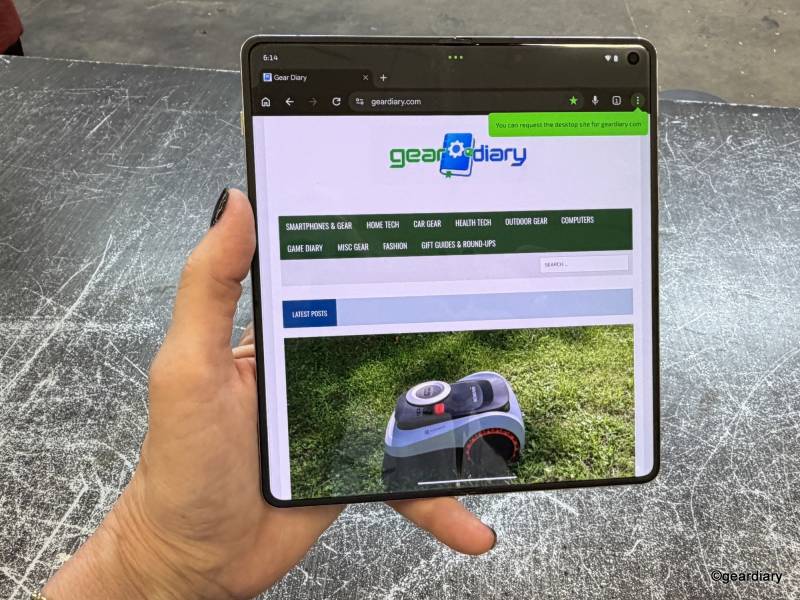
The compromises are still real: it’s expensive; it’s 8.57 ounces; the Moto Pen Ultra costs extra; the water resistance shouldn’t be confused with waterproofing; and some AI features may depend on accounts, regions, subscriptions, or patience. And, as with every foldable, long-term hinge and display durability deserve more scrutiny than any launch-day claim can settle.
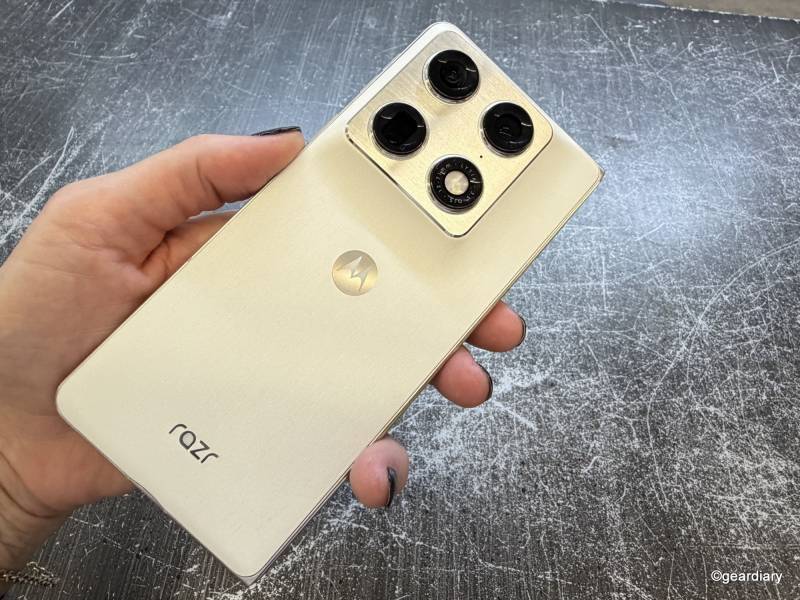
Still, the Razr Fold looks like Motorola’s most convincing argument yet that a foldable can be more than a beautiful inconvenience. In fact, it could be one of the more practical premium foldables of 2026. Not because it folds — that part is table stakes now — but because it seems designed around what usually makes foldables hard to live with.
The unlocked Motorola Razr Fold retails for $1,899.99; it is available directly from the manufacturer.
Source: Manufacturer-supplied review sample
What I Like: Large 8.1″ inner display; Fully useful 6.6″ outer display; 6,000mAh battery; Fast 80W wired charging and 50W wireless charging support; Strong camera hardware with 3x optical telephoto; Seven years of Android OS and security updates; Broad carrier compatibility; DisplayPort support over USB-C; Thoughtful foldable modes for hands-free shooting and multitasking functionality
What Needs Improvement: Moto Pen Ultra is sold separately; 8.57-ounce weight will be noticeable for some buyers; IP49 protection shouldn’t be treated as waterproofing; Peak brightness claims depend on specific conditions; AI features may vary by region, account, network, and subscription limits




This seems pretty competitive for a phone that folds like a book. It would be nice if it had better water resistance.
I enjoyed that you weren’t trying to sell the phone – you pointed out the good and the not so good, which made this a much more useful read