
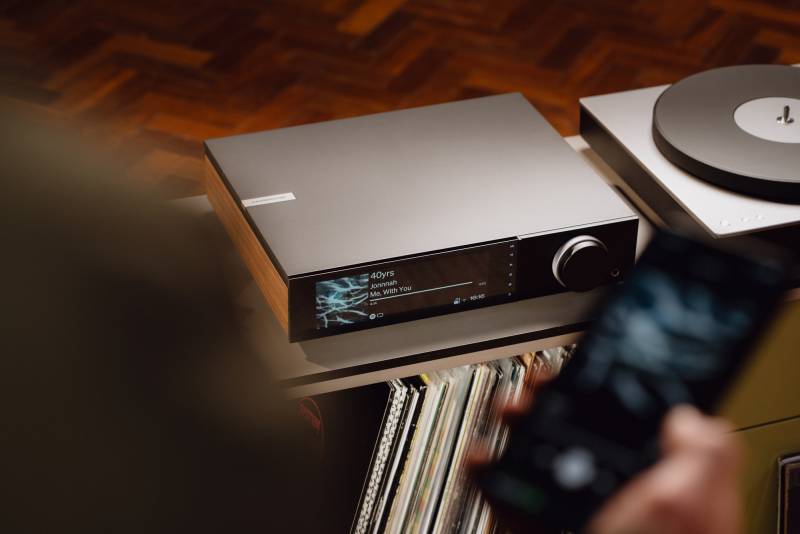
Cambridge Audio is giving its Evo lineup a bigger, more serious flagship with the Cambridge Audio Evo 300, a streaming amplifier built for listeners who want high-end stereo sound without having to assemble a stack of separate components. Arriving in June 2026, the Evo 300 combines 300W per channel, built-in streaming, vinyl support, HDMI eARC for TV audio, Bluetooth, multi-room playback, and a large 7.8″ color display in one polished chassis. It’s still a premium piece of gear at $3,999, but the promise is refreshingly simple: add speakers and start listening, assuming your speakers deserve the assignment.
Built for Bigger Rooms and Demanding Speakers
The Evo 300 is Cambridge Audio’s most powerful streaming amplifier yet, and it’s designed for people who want a cleaner, simpler system without sacrificing the control and scale they’d expect from traditional hi-fi separates. It builds on the award-winning Evo 150 SE, but with more power, a more substantial chassis, and a broader set of connection options.

The headline figure is 300W per channel into 8 ohms, delivered through Hypex NCOREx Class D amplification. Class D amplification uses efficient switching technology, so it can deliver significant power without requiring a giant, heat-heavy amplifier. That matters if you’re trying to drive larger or more demanding loudspeakers, especially in a room where a smaller system can start to sound strained when the music gets complex.
The Evo 300 also uses a dual-mono amplification layout, meaning the left and right channels are kept more distinct through the amplifier path. That helps with stereo separation, so vocals, instruments, and effects can feel better placed rather than smeared together in the middle. A balanced pre-amplifier stage is included to help reduce unwanted noise, while dedicated high-precision analog volume controls for each channel are designed to preserve stereo focus, dynamic range, and low-level detail at different listening levels.
A carefully specified switch-mode power supply helps maintain consistent performance under sustained load. That’s the kind of engineering detail that isn’t glamorous, but it matters when an amplifier is asked to stay composed during long listening sessions, at higher playback levels, or with speakers that need a firmer grip.
Streaming Is Built Into the System
The Evo 300 uses Cambridge Audio’s StreamMagic Gen 4 streaming platform, which brings the company’s network-player experience to this all-in-one system. It supports Spotify Connect, TIDAL Connect, Amazon Music, Deezer, Qobuz Connect, Roon Ready playback, UPnP, and Internet Radio over Wi-Fi or Ethernet, with control handled through the StreamMagic app.
That range of services matters because most people don’t live within a single perfectly organized music ecosystem. You might use Spotify for shared playlists, Qobuz or TIDAL for higher-resolution listening, internet radio for background music, and Roon to manage a personal library. The Evo 300 is designed to make those sources feel like part of the same system rather than a series of workarounds.
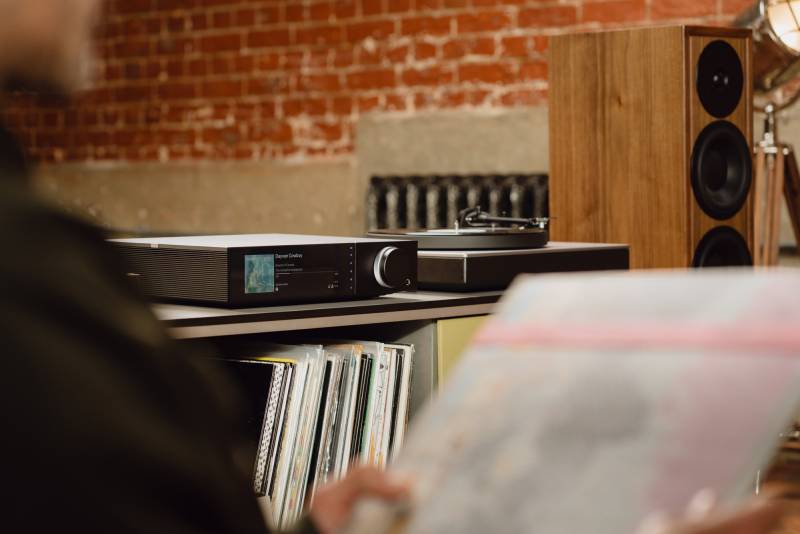
StreamMagic is developed in-house, so it can receive updates and new features over time. The Evo 300 also supports Google Cast and Connect services, allowing compatible streams to come directly from the cloud while your phone or tablet acts as the controller rather than the source. That’s useful because it can reduce dropouts, save battery life, and keep the music going even if your phone wanders off to another room, as phones do when they’re feeling dramatic.
High-Resolution Audio Without the Audiophile Fog
Digital audio conversion is handled by an ESS Sabre ES9038Q2M DAC. A DAC, or digital-to-analog converter, turns digital music files and streams into the analog signal your speakers can play. Here, the Evo 300 supports high-resolution audio up to 32-bit/768kHz PCM and DSD512.
PCM is the digital format used by most music files and CDs, while DSD is another high-resolution format often favored by audio enthusiasts. Most listeners won’t spend every evening comparing file formats, and honestly, that’s probably healthy. Still, the support means the Evo 300 is ready for high-resolution libraries and demanding digital sources without downplaying the quality of the incoming signal.
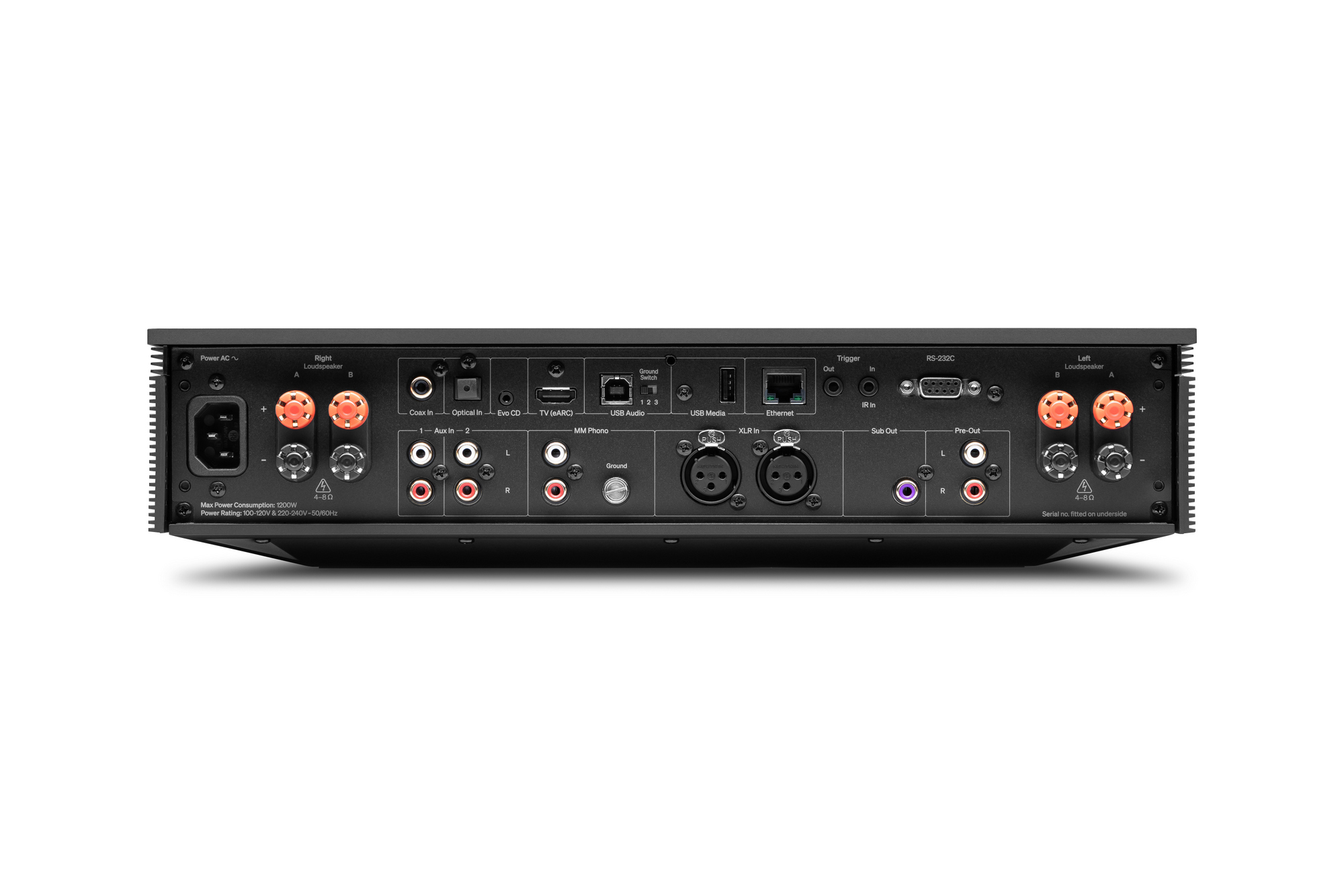
Digital connections include USB Audio, USB Media, optical TOSLINK, coaxial digital input, and an Evo CD input, as well as HDMI eARC. HDMI eARC, short for enhanced Audio Return Channel, lets a compatible TV send sound back to the amplifier through HDMI, giving you better two-channel TV audio without adding a separate soundbar. Bluetooth 5.4 with aptX HD is also included for quick wireless listening from compatible devices.
The Evo 300 also integrates with Google Home, Apple AirPlay, and Roon multi-room systems, making it easier to fold into an existing whole-home audio setup.
Vinyl, Analog Sources, Subs, and Headphones
The Evo 300 isn’t just a streaming box with an attached amplifier. It includes a built-in moving magnet phono stage, so you can plug in a turntable with a standard MM cartridge without needing a separate phono preamp. There are also RCA and balanced XLR line inputs for additional analog sources.

For people building a more complete system, the Evo 300 includes an RCA pre-out and an adjustable subwoofer output with independent level and crossover control. The crossover determines which frequencies are sent to the subwoofer, while the level control lets you adjust how much low-end support the sub adds. Optional high-pass filtering for the main speakers can also help keep deep bass out of speakers that aren’t built to handle it, which can make the system sound cleaner and less strained.
There are dual speaker binding posts per channel, allowing two separate speaker zones, and there’s a dedicated 6.3mm headphone output for private listening. That makes the Evo 300 feel less like a single-purpose audiophile component and more like a central hub for the ways people tend to listen at home.
Designed to Be Seen, Not Hidden
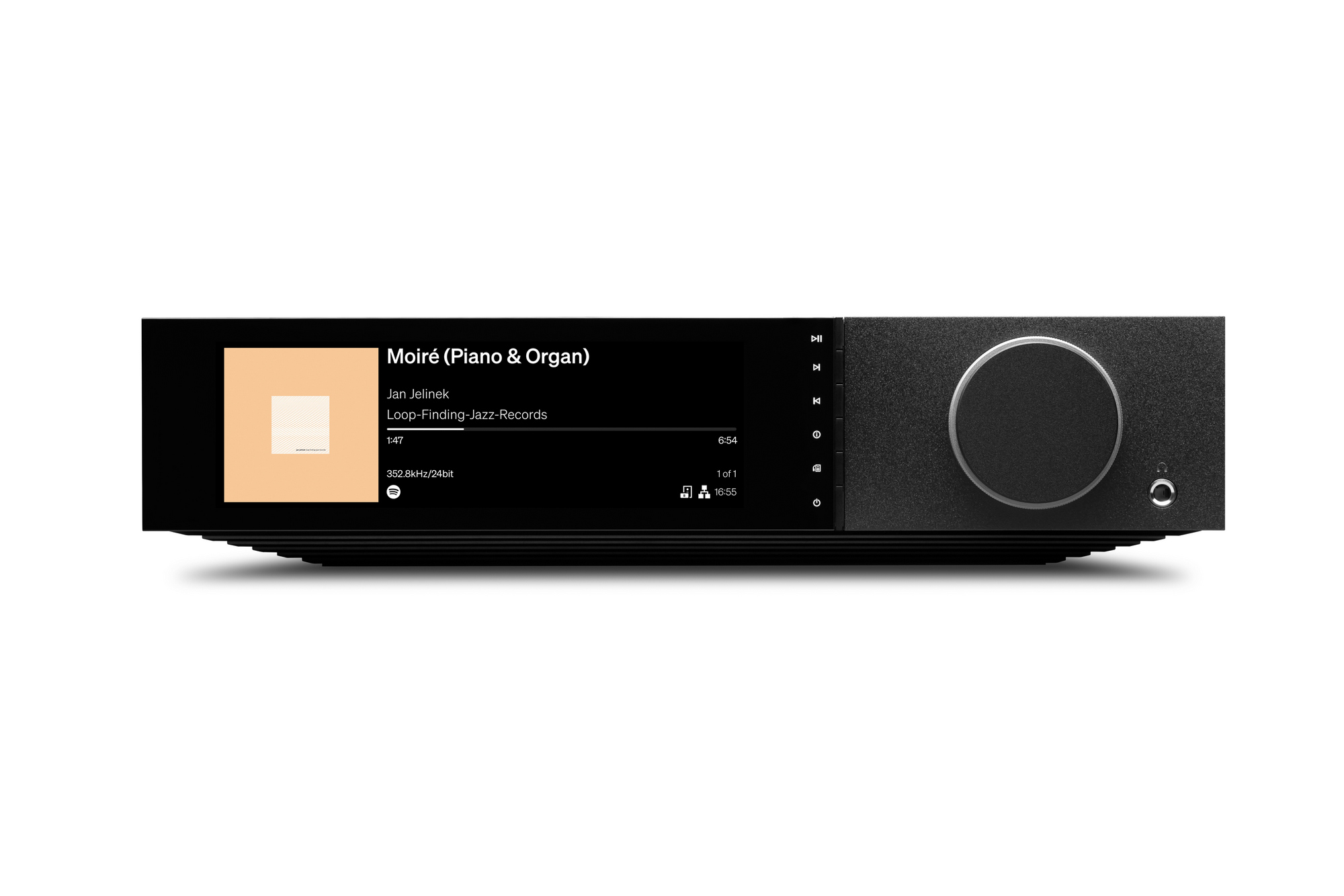
The Evo 300 keeps the Evo series’ Red Dot Design Award-winning look, with a compact aluminum chassis, customizable interchangeable side panels, and a wider, more substantial body than earlier models. The interchangeable panels are supplied to suit different interiors, ranging from natural wood to more contemporary finishes.
The front display is also larger than before. At 7.8″, it’s Cambridge Audio’s biggest display yet, and it can show album art, track details, system information, VU meters, or a clock. VU meters are the old-school dancing level indicators that show audio signal movement, and while they don’t make the amp sound better, they do make the system feel more alive.
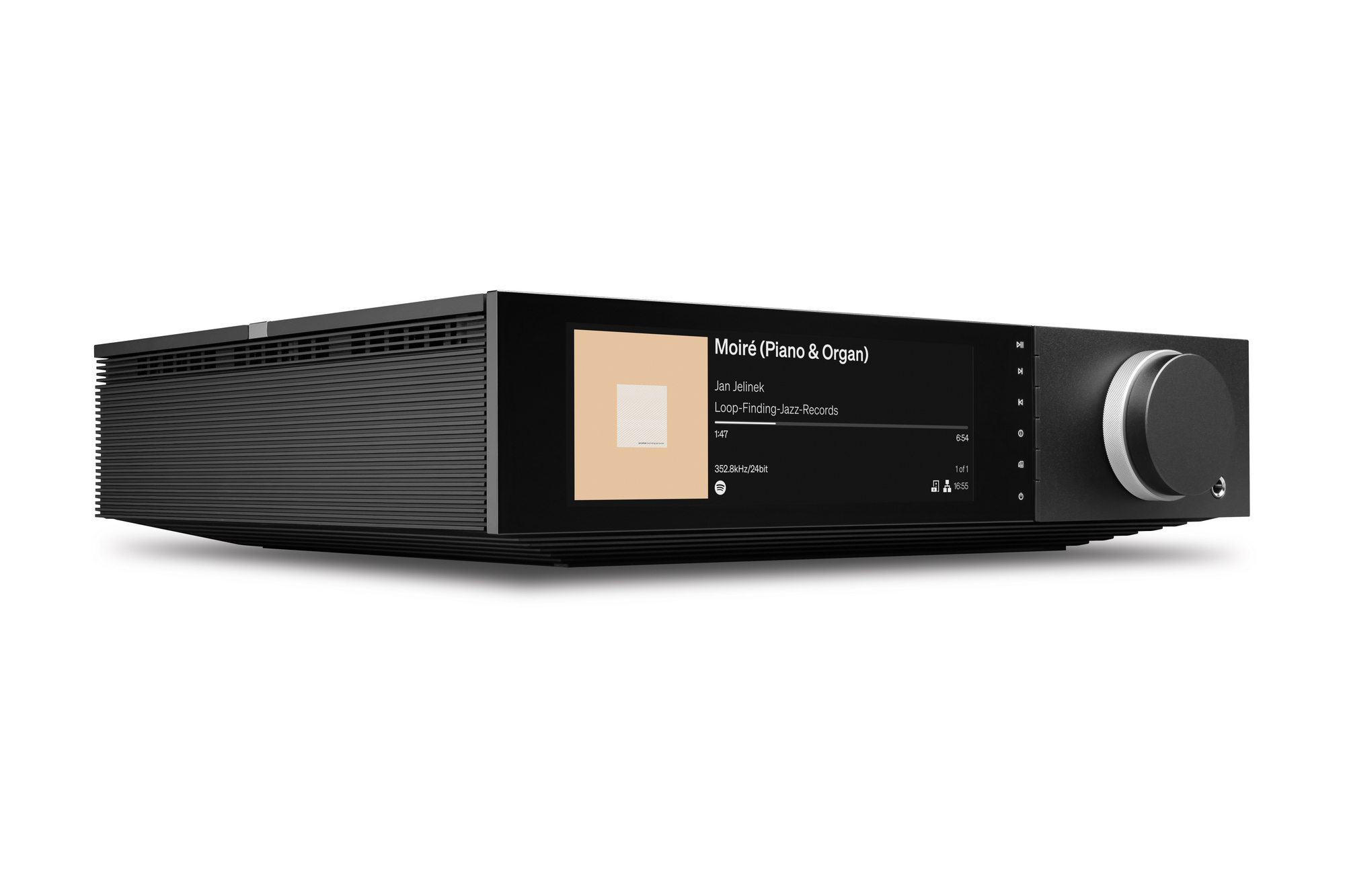
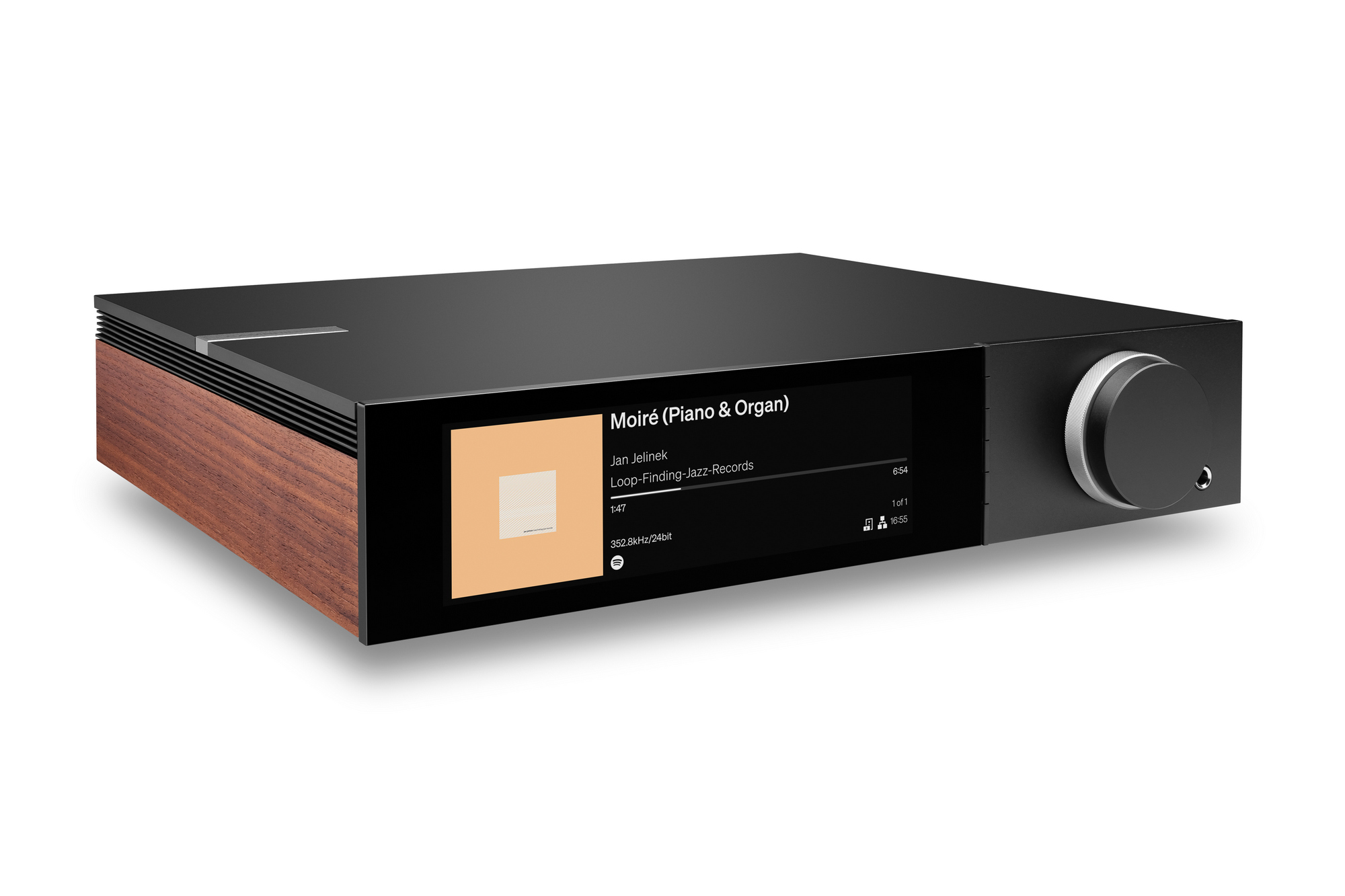
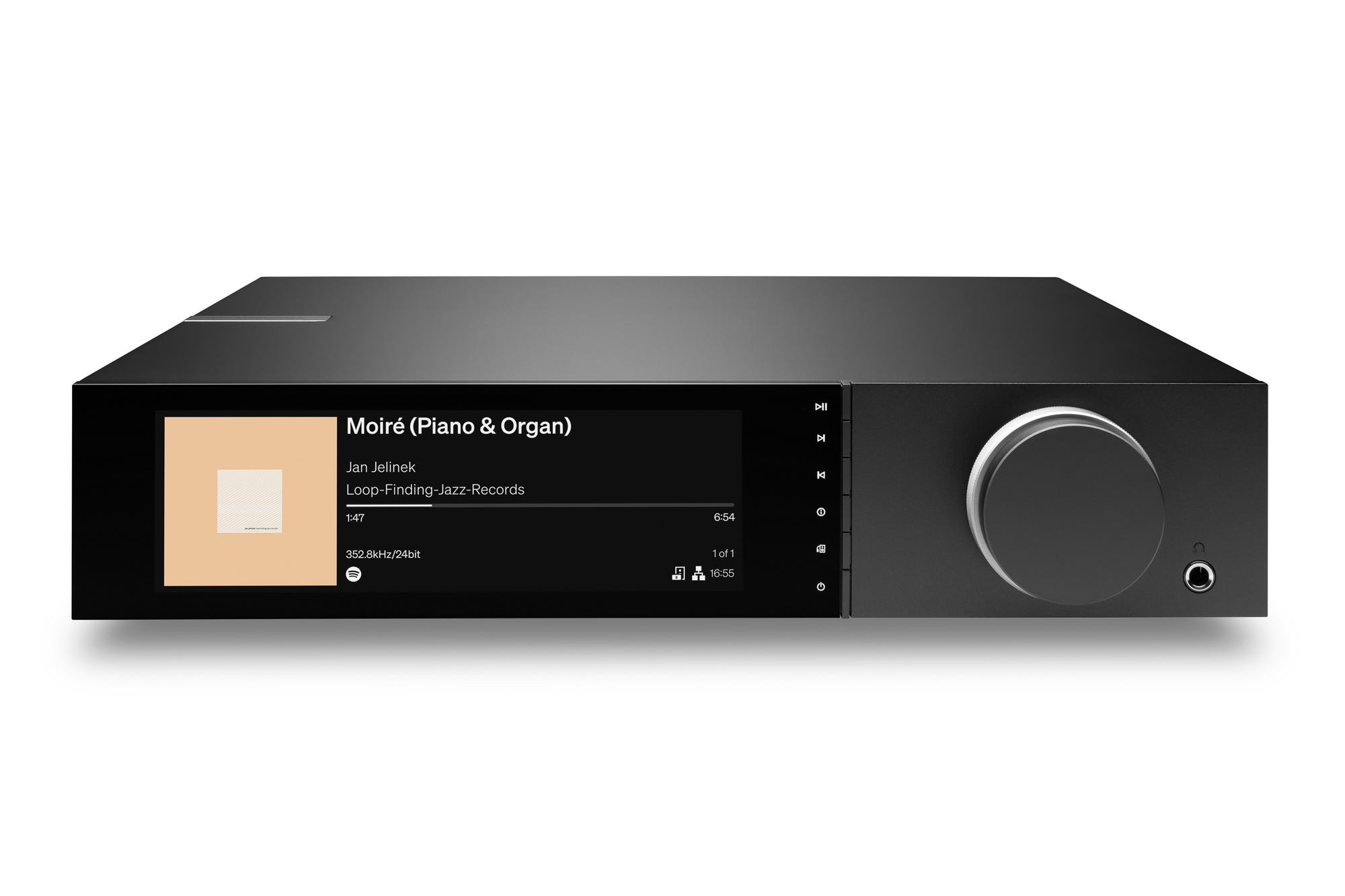
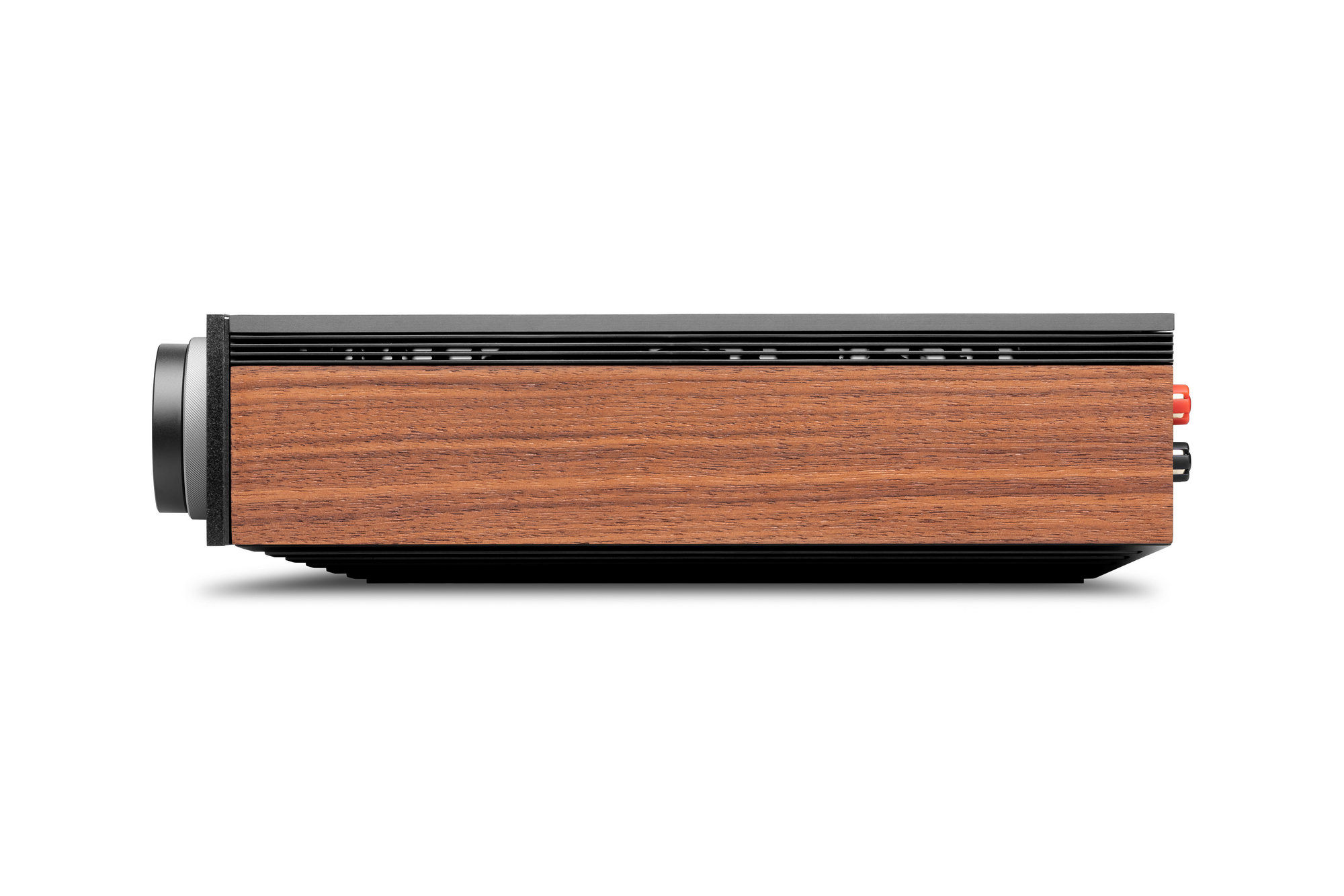
The Evo 300 was designed, engineered, and acoustically tuned in London at Cambridge Audio’s own music venue and headquarters, Melomania. Cambridge Audio has been building audio products since 1968, and that London hi-fi heritage is part of the Evo 300’s positioning, though the real test will be whether it sounds as composed in a living room as it does on paper.
Pricing and Availability
The Cambridge Audio Evo 300 will be available in June 2026; i’s priced at £3499, €3999, $3999, and HK$32,800.
That puts it firmly in premium territory, so expectations should be high. Still, the appeal is easy to understand. The Evo 300 is for someone who wants a powerful stereo system that can handle streaming, records, TV audio, Bluetooth, headphones, multi-room playback, and flexible speaker setups without turning the living room into a cable-management group project.



This amplifier seems to cover a lot of things that someone might want for stereo sound.
Expensive, but it seems like it could replace a lot of gear! I love the idea of simplifying a setup without giving up sound quality.