
The Lowdown
For a midrange phone, the OPPO Reno 15 Pro isn’t bad. It’s hard to gauge where this phone would land in the U.S., but if it were sold here, I’d probably recommend the Pixel 10, Pixel 9a, or even the OnePlus 15R before this phone. They all have their pluses and minuses, but the camera really drags this phone down more than it should at this tier.
Overall
Pros
- Stunning, premium design with a compact, comfortable form factor
- Excellent AMOLED display with smooth 120Hz refresh rate
- Outstanding battery life with very fast charging
- Clean, polished software experience
- Strong daytime camera performance and good telephoto up to ~10x
- IP69 water and dust resistance
Cons
- Not U.S.-certified, causing messaging and network quirks
- Weak low-light photography and poor video stabilization
- Merely average gaming performance
- “Pro” branding overpromises on camera quality
As a U.S.-focused phone reviewer, it’s nice every now and then to take the blinders off and see what’s available in the rest of the world. While OPPO kinda-sorta has a presence here in the United States via OnePlus, I wanted to take a look at OPPO’s offerings directly. The company sent me the OPPO Reno 15 Pro, the Reno 15, and the OPPO Watch S. The Reno 15 Pro is obviously the headliner here, but I appreciated the chance to take a look at the other devices as well.
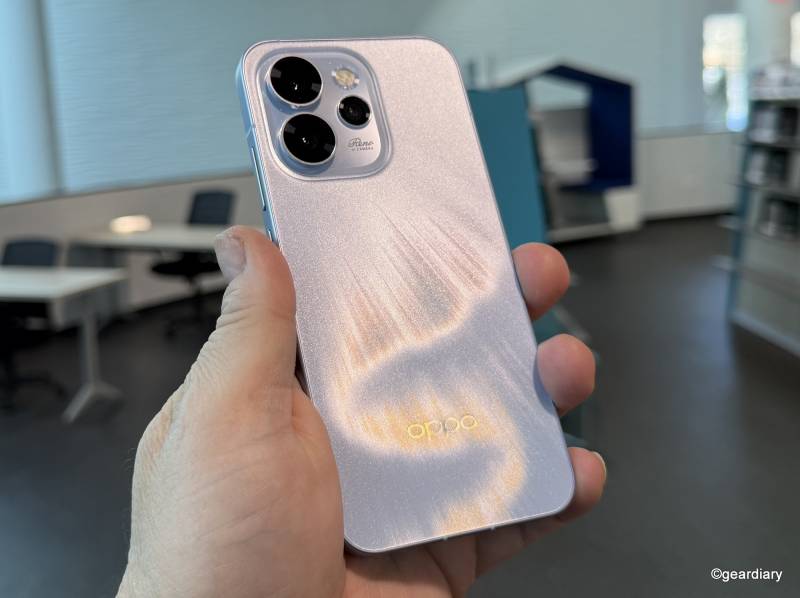
There are definite similarities between the OPPO Reno 15 Pro and the OnePlus 15 that came out in late 2025. Still, the OPPO Reno 15 Pro is more of a midrange phone or a “flagship killer” kind of phone, while the OnePlus 15 is a flagship in its own right. I don’t want to go too far into the weeds here, but suffice it to say, there are some similarities and some very key differences.
The OPPO Reno 15 Pro is definitely one of the best phones you can buy in the “premium midrange segment,” though, so I’ve been testing it out. OPPO sent a review sample, and I’ve been using it as my primary Android phone for about two weeks on T-Mobile’s network.
Not for the U.S.
In case it wasn’t obvious, the OPPO Reno 15 Pro is not made for the United States. As such, it has not passed certification for any networks in the U.S. That’s not strange. I set up the phone to operate on my T-Mobile account, and for the most part, it worked well, but there was one caveat. Texting, and more specifically RCS messaging, didn’t work very well.
Right away after I set up the eSIM, I got a message from T-Mobile saying the phone was not certified to work on the network, so connectivity might be a problem. It turns out I was able to connect with 5G just about everywhere I went. Phone calls were not a problem either. Callers said I was clear and didn’t have any more frequent dropouts than I normally run into.
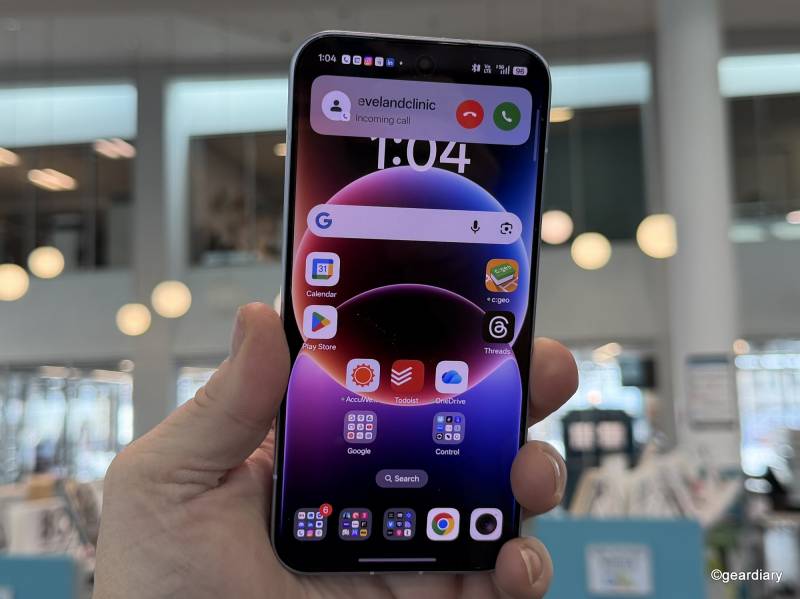
But messaging, and specifically a group message, consisting of all Android users, proved to be problematic. Often, I wasn’t able to receive messages, or when I did, they would say, “XYZ sent an end-to-end encrypted message.” My wife, who is in the same group, had no problems accepting messages on her Samsung Galaxy S23 Ultra. Sometimes, when messages did come in, they would flood in, out of order, all at once. It was chaotic.
I’m not positive these two issues are related — the lack of network certification and the inability to properly connect to RCS messaging — but I haven’t run into the RCS issue before (though I have gotten the other message in the past). Fair warning: if you live in the U.S. and you’re eying this phone, it might be problematic.
OPPO’s Other Offerings
In addition to the Reno 15 Pro, OPPO also sent the Reno 15 and the OPPO Watch S. I’ll start with the watch, because it’s an entirely forgettable experience. The watch runs RTOS, so there’s little enhanced functionality. It does the basic stuff — exercise tracking, heart rate, etc. — and there are some fun watch faces, but beyond that, there’s nothing particularly exciting about the watch. It’s fine.
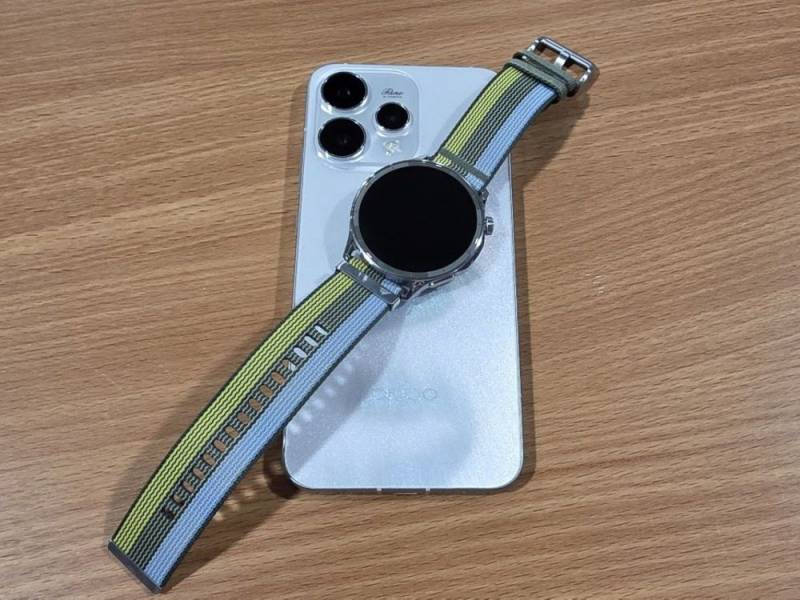
OPPO Reno 15 and OPPO Watch S
The OPPO Reno 15, on the other hand, has a few key differences — though weirdly enough, the colorway was the same. Notably, the Reno 15 runs on the Snapdragon 7 Gen 4, while the Reno 15 Pro runs on a MediaTek Dimensity 8450. Also, the OPPO Reno 15’s ultrawide camera is an 8-megapixel shooter, while the OPPO Reno 15 Pro’s is a 50-megapixel shooter.
Interestingly enough, the Reno 15 has a larger screen (6.59″) and battery (6,500 mAh) than the Reno 15 Pro (6.32″ and 6,200 mAh, respectively). Personally, I prefer the 6.32″ size myself, so that works out nicely, but overall, it’s great that O -PPO is making a smaller kinda-sorta flagship phone; that’s something that is in short supply.
Beautiful Hardware
The OPPO Reno 15 Pro sample I received comes in the “Dancing Aurora” colorway, which is just stunning to look at. The phone is primarily silver, with a wavy line of glitter streaks running from the camera module, giving it a shimmery look. It’s fun to tilt the phone back and forth and watch the light play off the back. It’s the kind of colorway that is truly unique, and I really wish more phone manufacturers would emulate it.
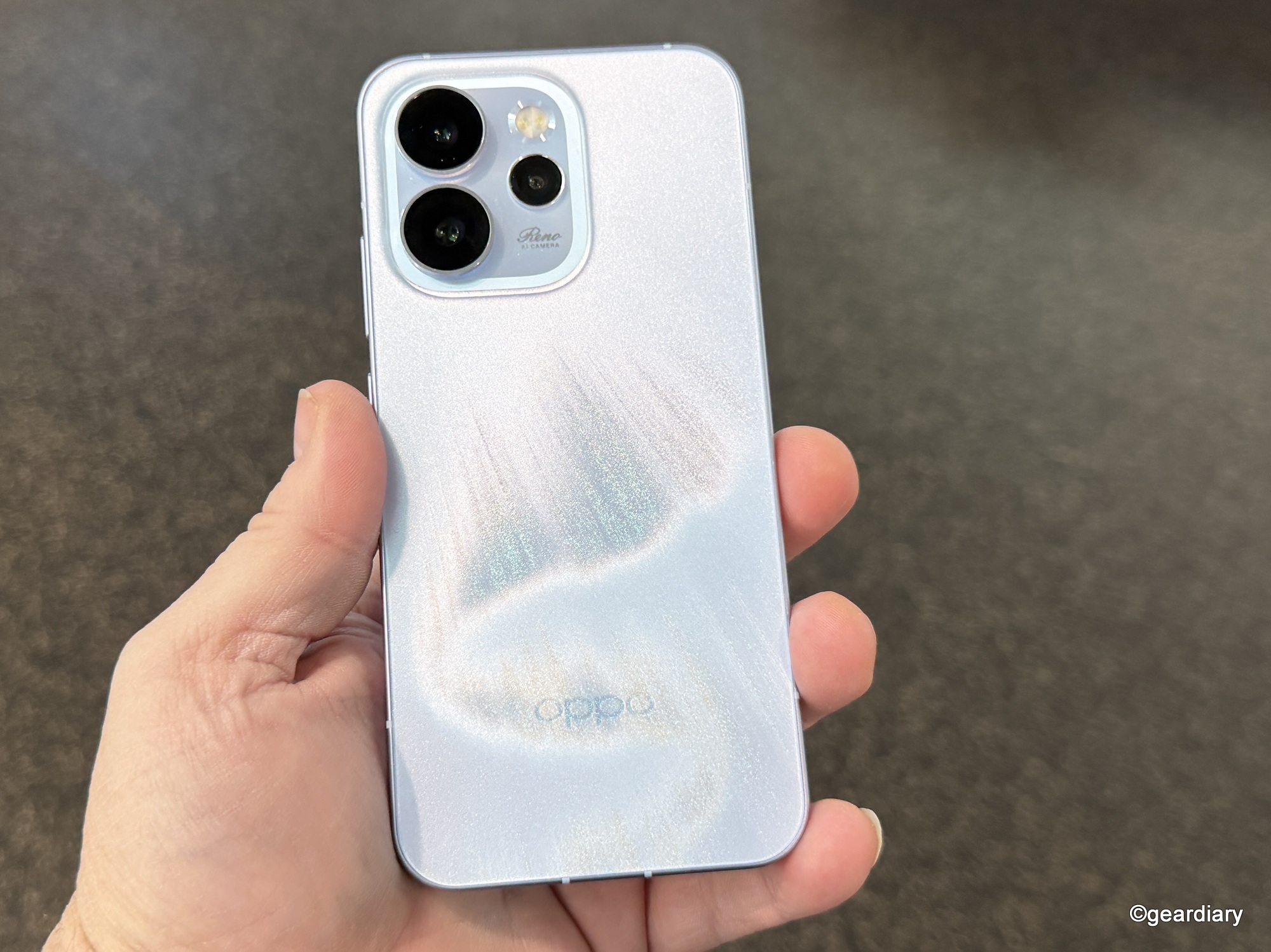
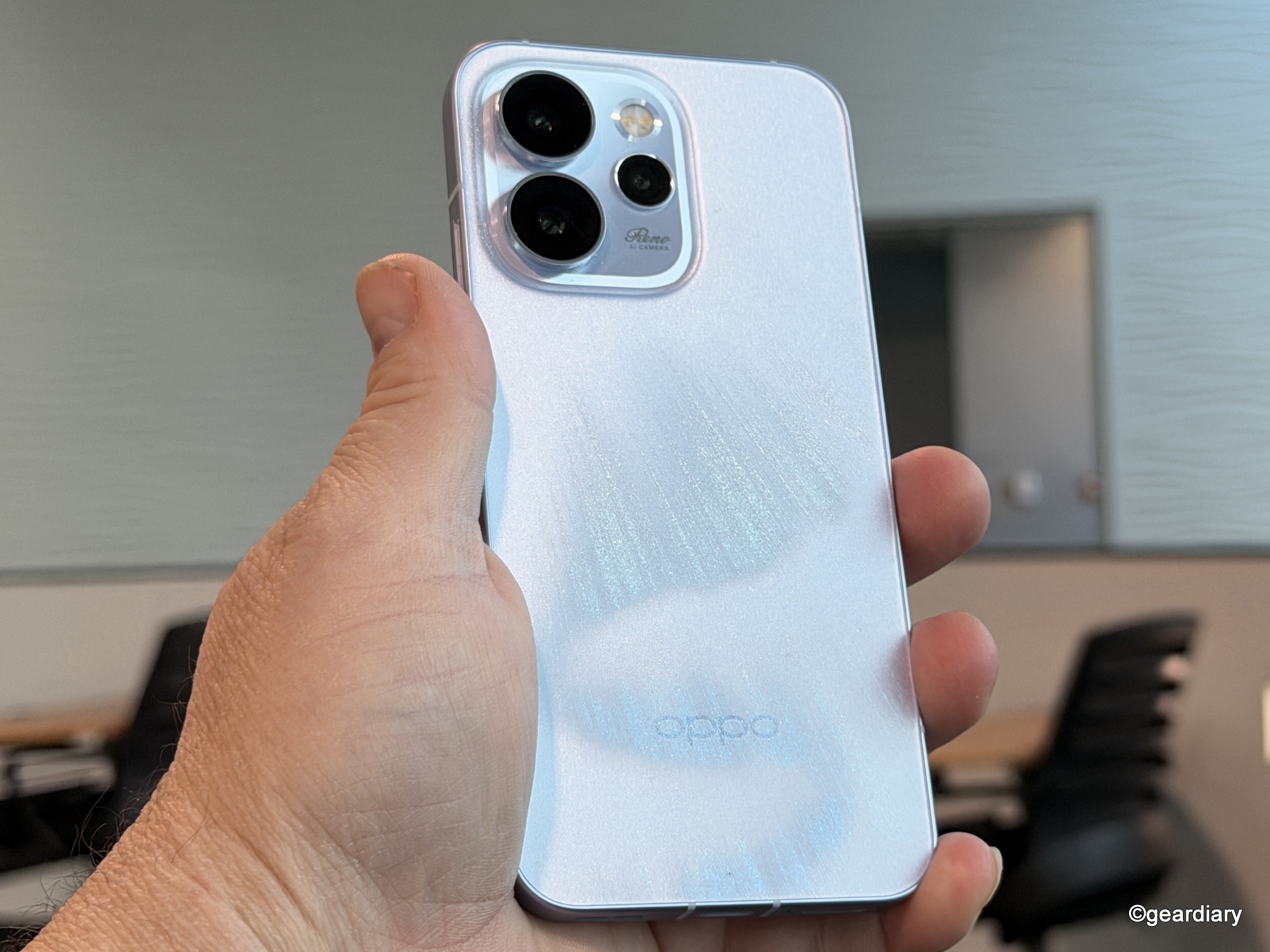
Meanwhile, inside that body is a MediaTek Dimensity 8450, which aligns with the Reno 15 Pro’s market positioning: a premium midrange processor. That’s combined with 256 or 512 GB of storage and 12GB of RAM. All that lies underneath the 6.32″ AMOLED display.
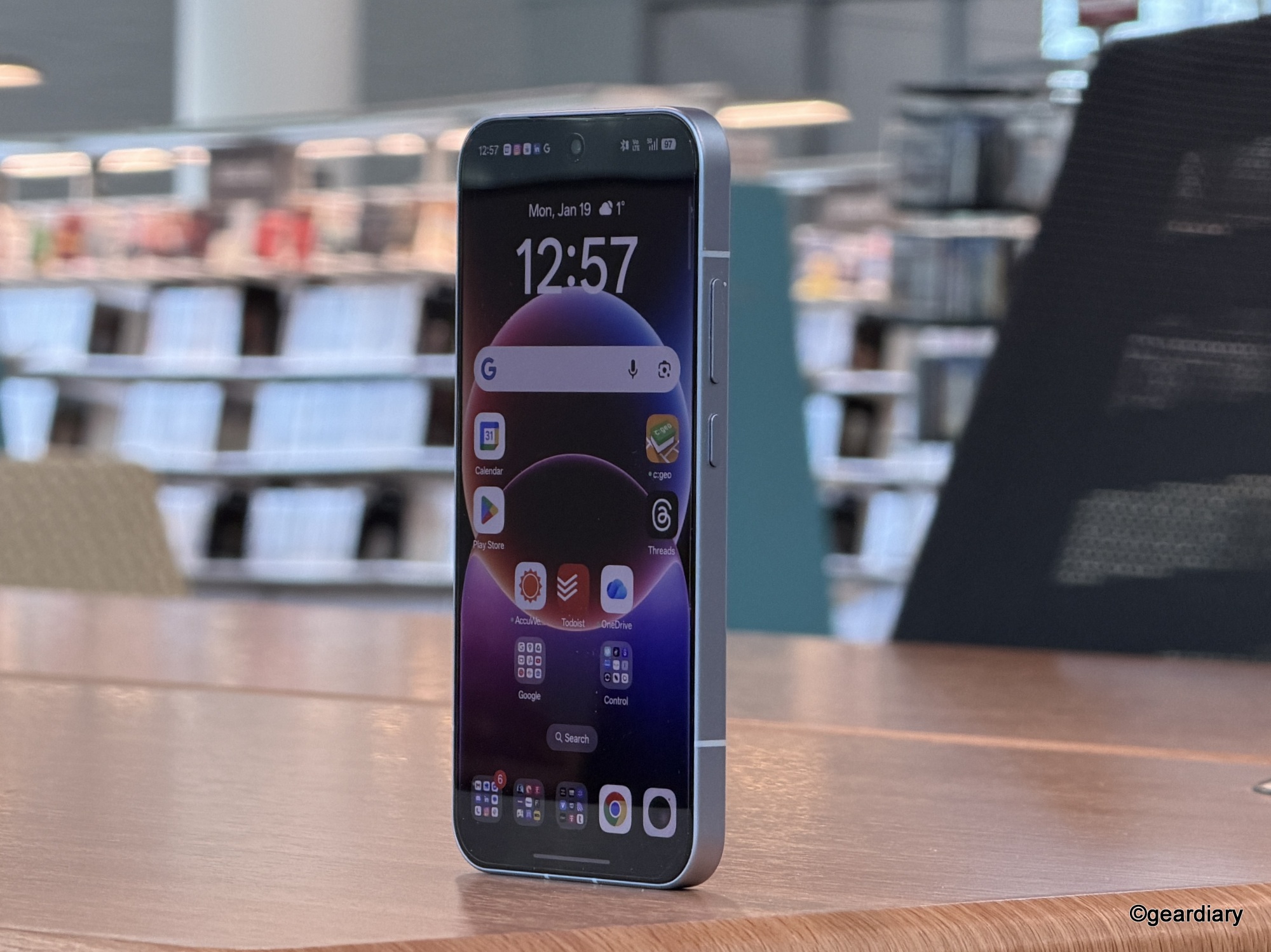
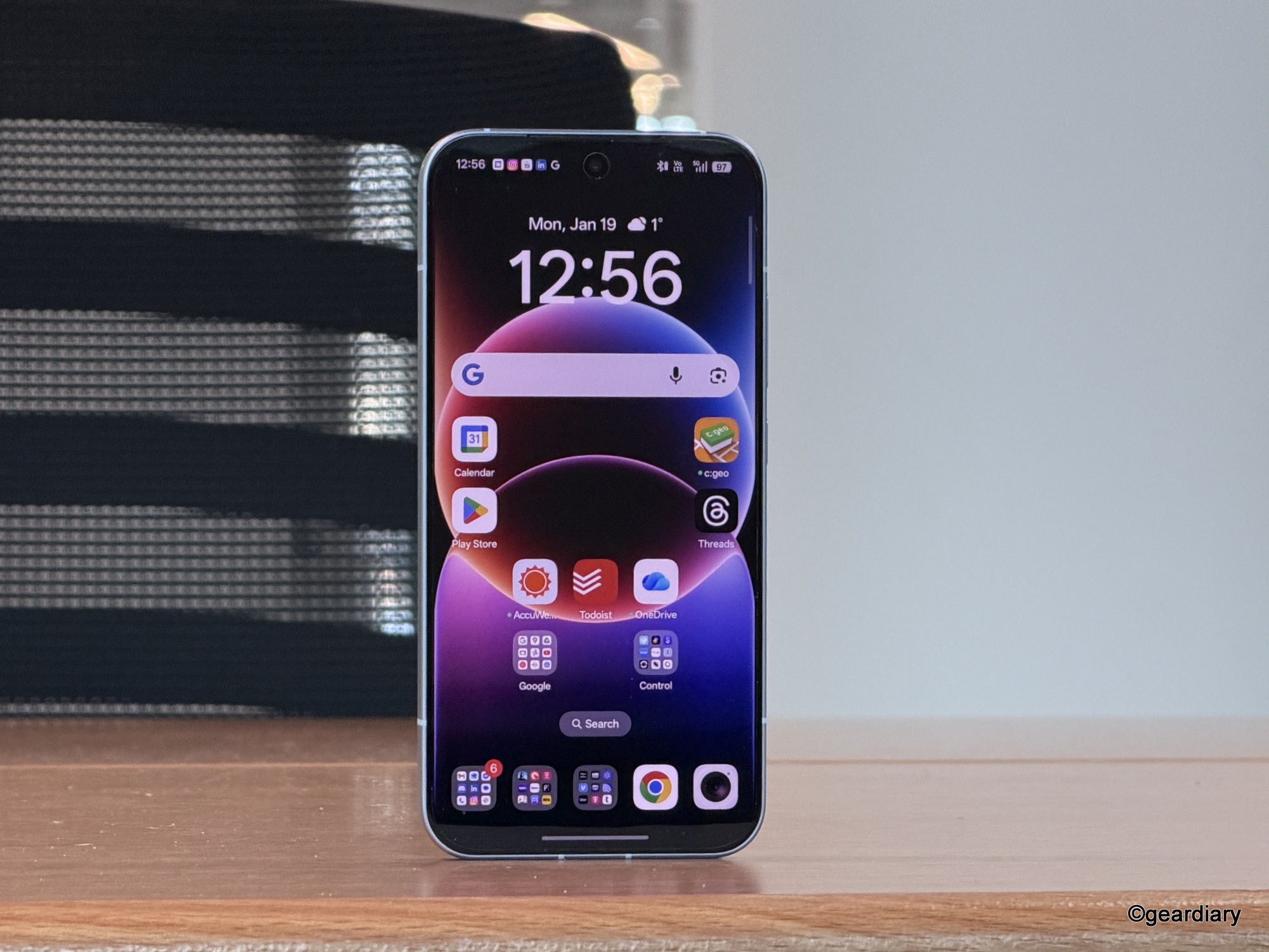
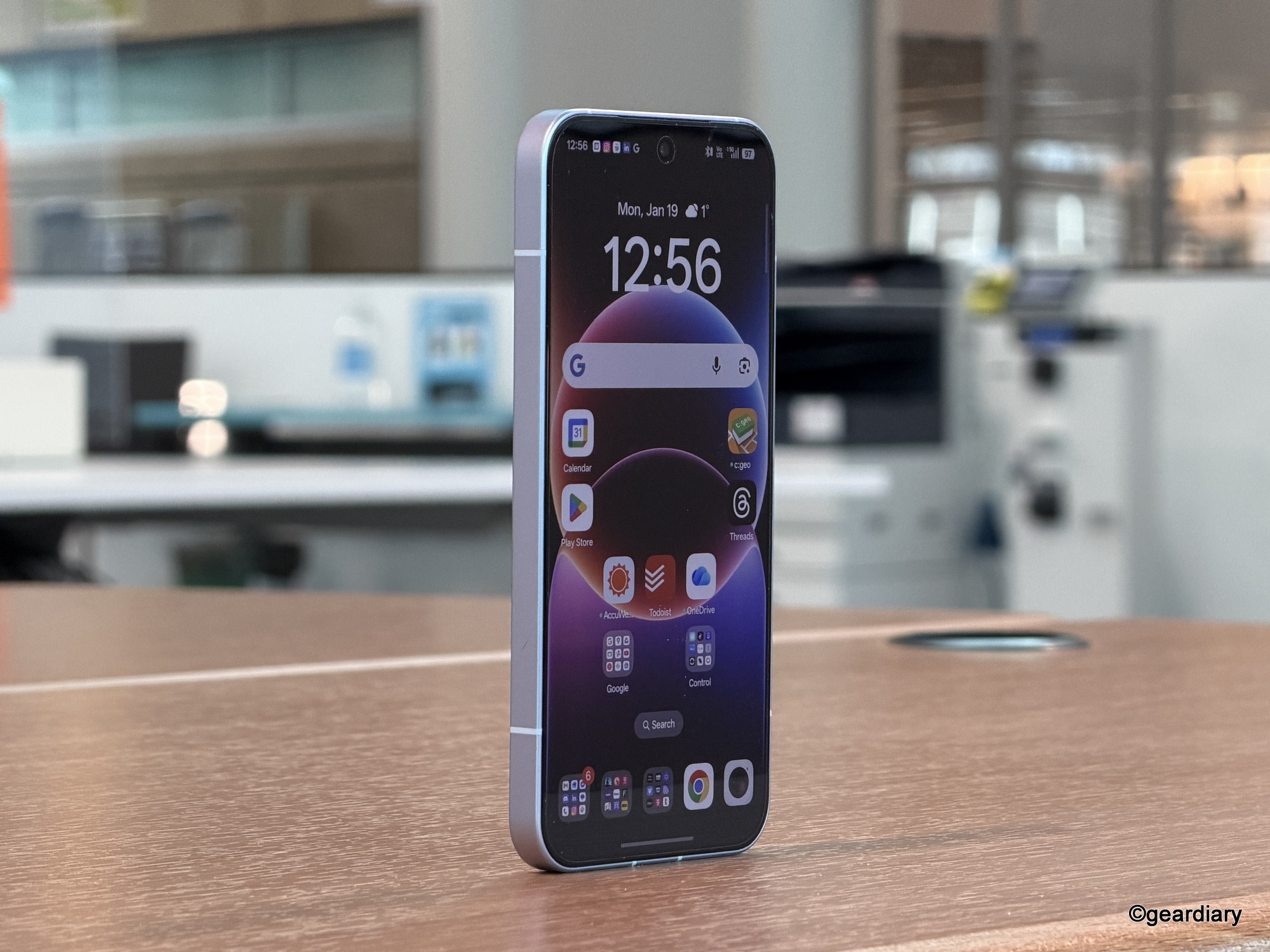
The display is beautiful and has a 120Hz refresh rate for smooth motion and transitions. We’ll get to the other hardware later, but the phone also has IP69 water and dust resistance.
Software Is Advancing in the Right Direction
The phone comes with OPPO’s colorOS 16 built on Android 16. The operating system is clean and easy to use. I personally do not use an app drawer — all of my apps are organized into a single home screen of folders and a second home screen of “leftovers.” Speaking of folders, I really enjoy the way they resize. This feature has come a long way. Now, you can have a 1×1 folder, like normal, 2×2, which actually displays nine icons in the space of four, but you can also have 2×1 and 1×2 folders. These all give you a lot of versatility in arranging your home screen.
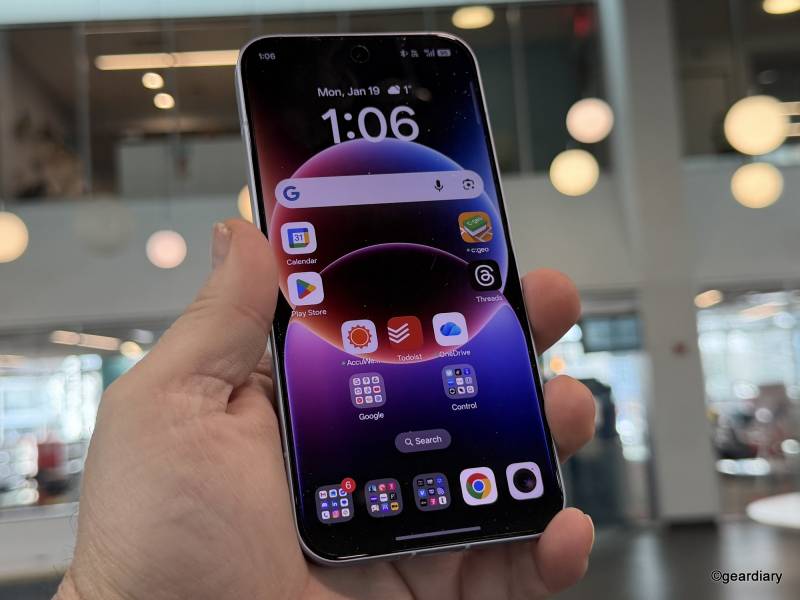
Personally, as much as I enjoy having folders like this, I haven’t explored this ability too much. The main reason is that this is not common to all Android skins yet, so I don’t want to find an arrangement that I love, only to not be able to copy it over to the next phone I have to review. Hey, it’s a stupid problem to have; I get that, but here we are.
Additionally, ColorOS 16 revamped the phone’s Always-on Display, making it more iOS-like — I know, it’s shocking that a Chinese phone manufacturer would emulate something from iOS. The new AOD screen can display an entire wallpaper or a stylized image, along with notifications, the clock, the calendar, etc. It’s one of my favorite features from iOS, so I’m glad to see it make its way over to Android, even if it is mostly a copy/paste deal.
Battery and Performance
The phone’s battery life is excellent; it lasted for well over a day before I had to plug in. For the most part, the processor sips power. The only time the battery was adversely affected was when streaming video and/or gaming. But even then, the battery lasted a good long time before needing a charge.
When you need to charge, the phone supports OPPO’s SuperVOOC charging. I never took the plug out of the box, but I used OnePlus chargers to charge, and those phones topped up very fast. The battery is a ridiculous 6,200 mAH, so it takes forever to discharge, and it takes a bit to top up too — just under an hour from dead to full.
Speaking of gaming, the phone performs well enough. It registers a 1,565/6,134 single/multi-core scores on Geekbench, so it’s not amazing, but it works pretty well. The games I play are more like stupid puzzle games, but I spent some time with Asphalt: Legends, and the phone performed well, with only occasional stuttering. In this day and age, where phones are expected to play AAA titles, this can be a little underwhelming, but this is also not a flagship phone, so temper your expectations.
Daytime Cameras
The OPPO Reno 15 Pro features a triple-camera system on the back and a single selfie camera on the front. Those sensor sizes are 200 megapixels for the main camera, and 50 megapixels each for the ultrawide (116-degree FOV), telephoto (3.5x optical), and selfie camera.
Overall, I’d rate the camera system on this phone as “not bad” for stills, and “not good” for video. During the day, the ultrawide camera suffered the most with some blown-out highlights near light sources. It only happened inside a particular building, but it happened on every shot that included light fixtures. It was a little weird, and I haven’t seen something like that in a long time. Other inside shots in a different building were fine, so I’m going to chalk it up to just being weird.
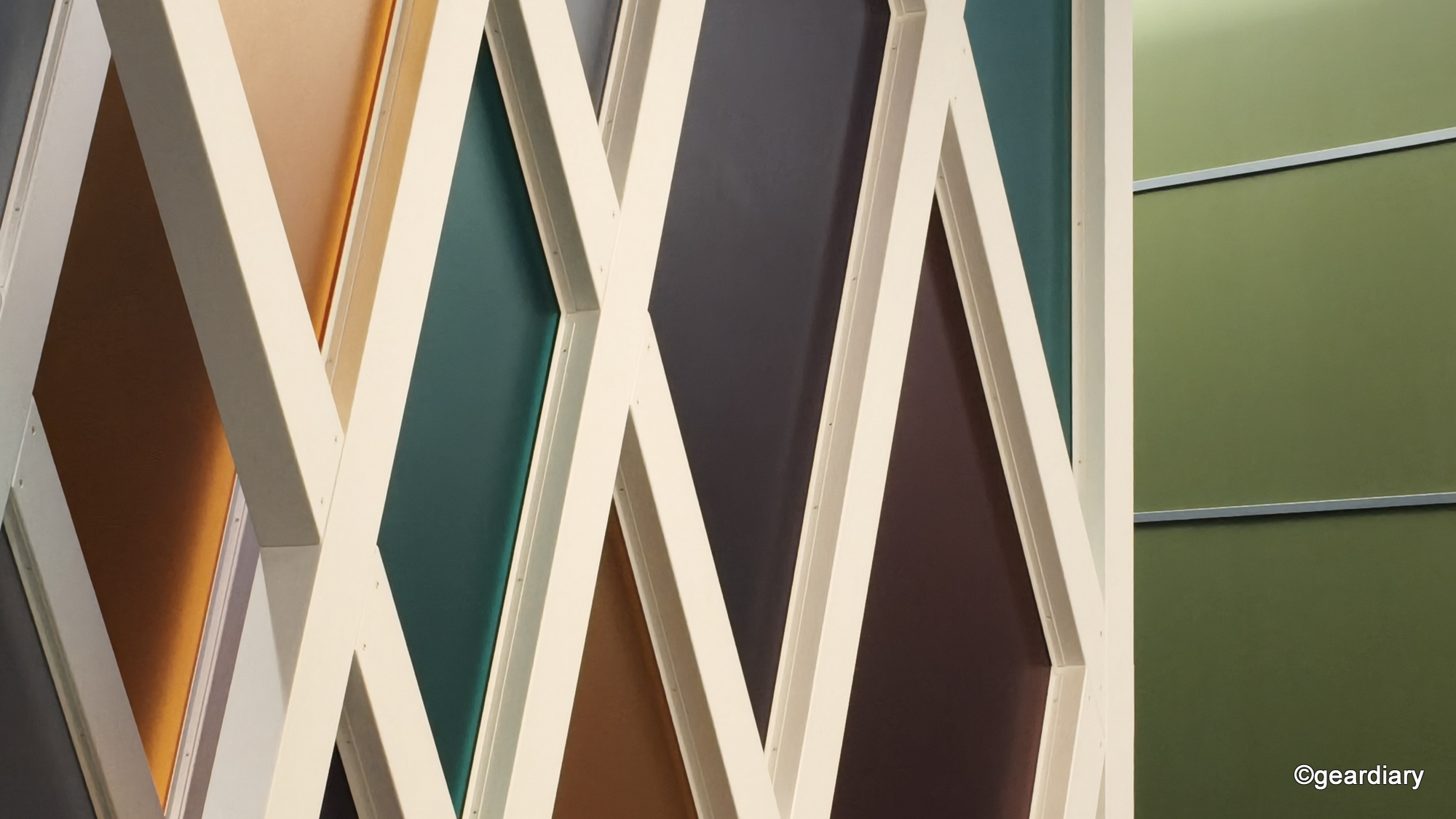
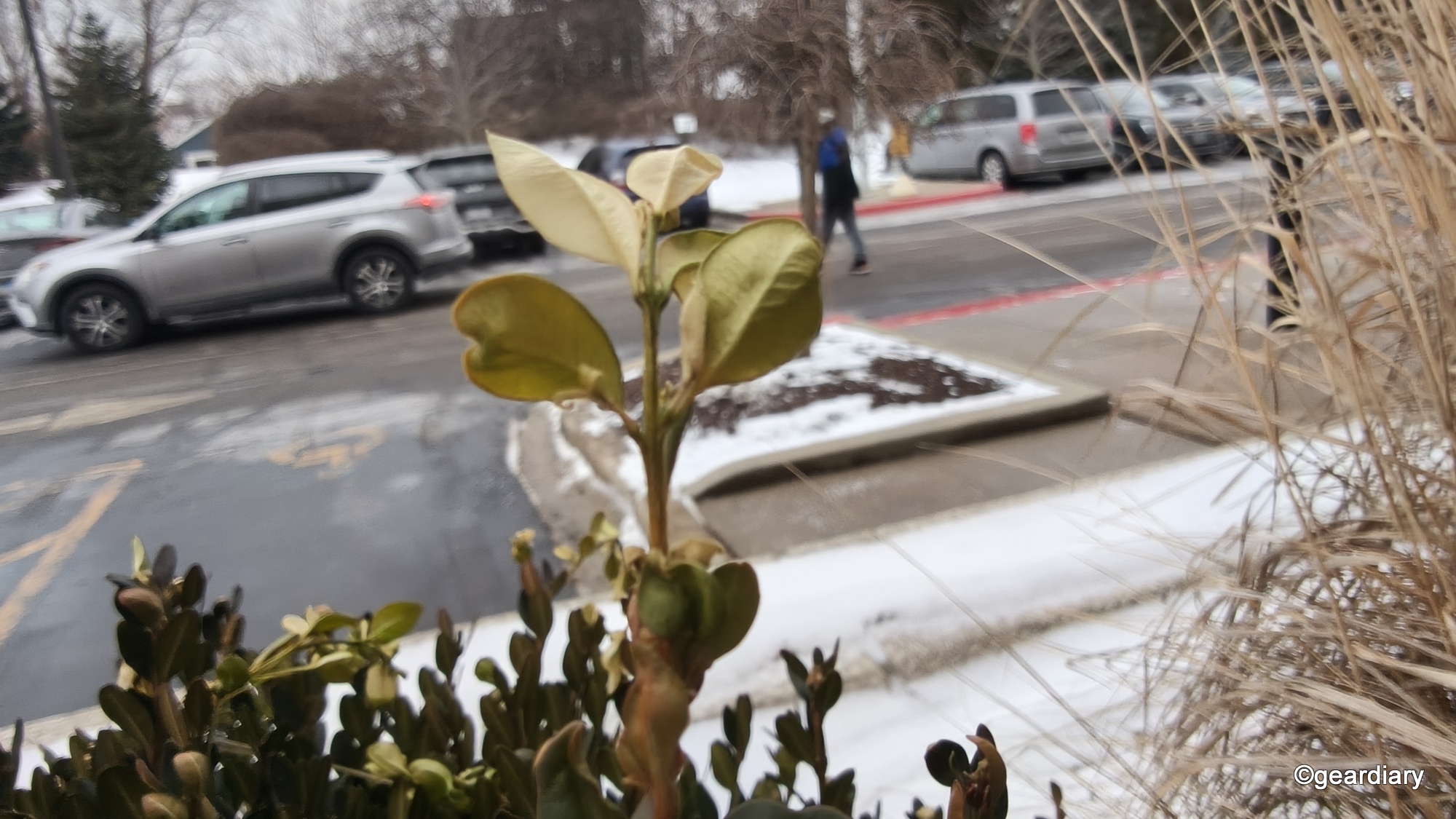
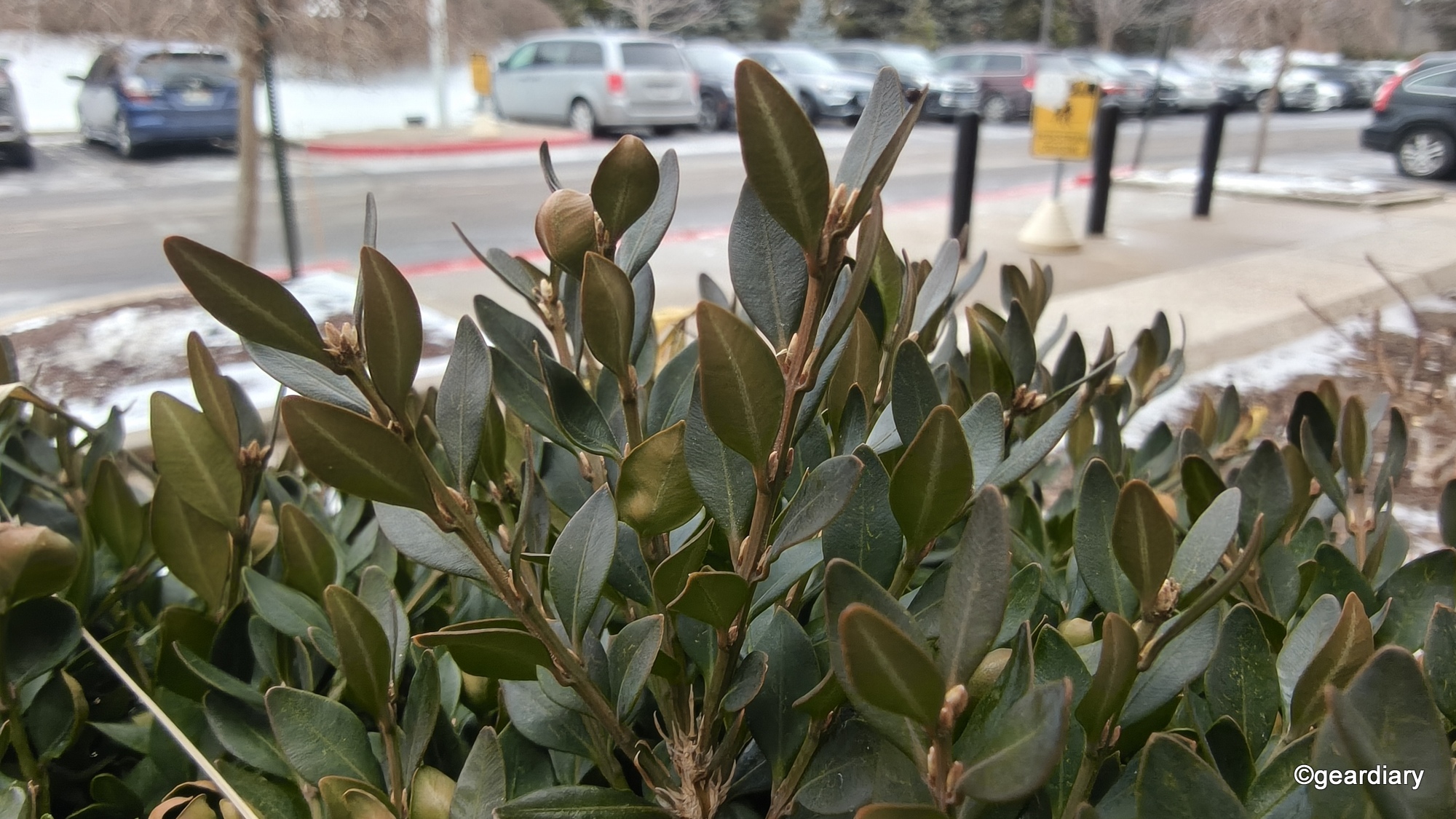
The camera can snap by default at .6x, 1x, 2x, 3.5x, and 7x. Color consistency between the lenses is very good, meaning you’ll get the same colors regardless of the lens you use. That’s desirable because it doesn’t limit your shooting based on the scene. Macro shots are just ok, though the camera has trouble deciding what to focus on at times — you’ll want to take multiple shots to make sure you get a good one. The telephoto is very good up to about 10x, and it falls off pretty quickly from there.
Cameras After Dark
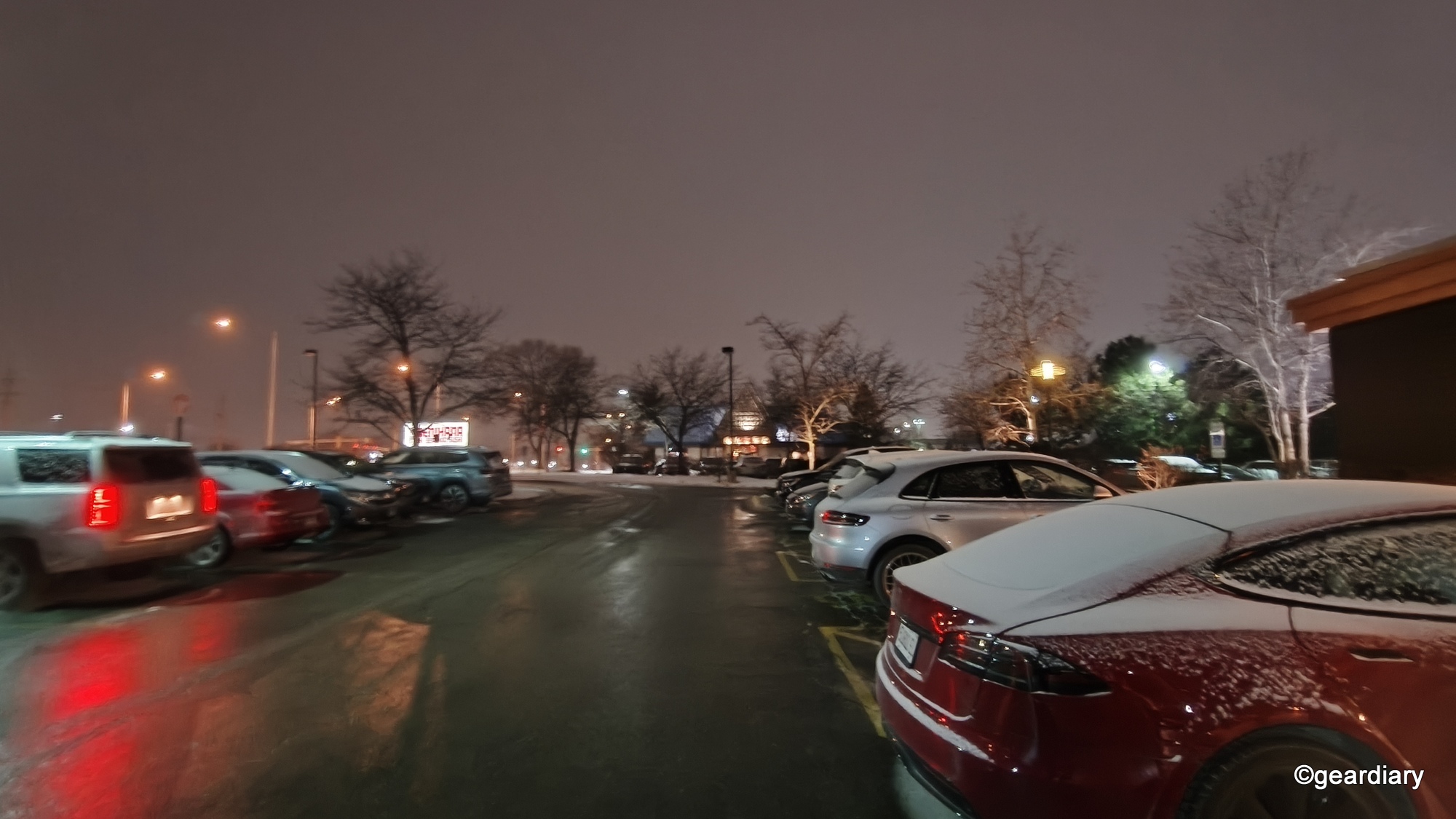
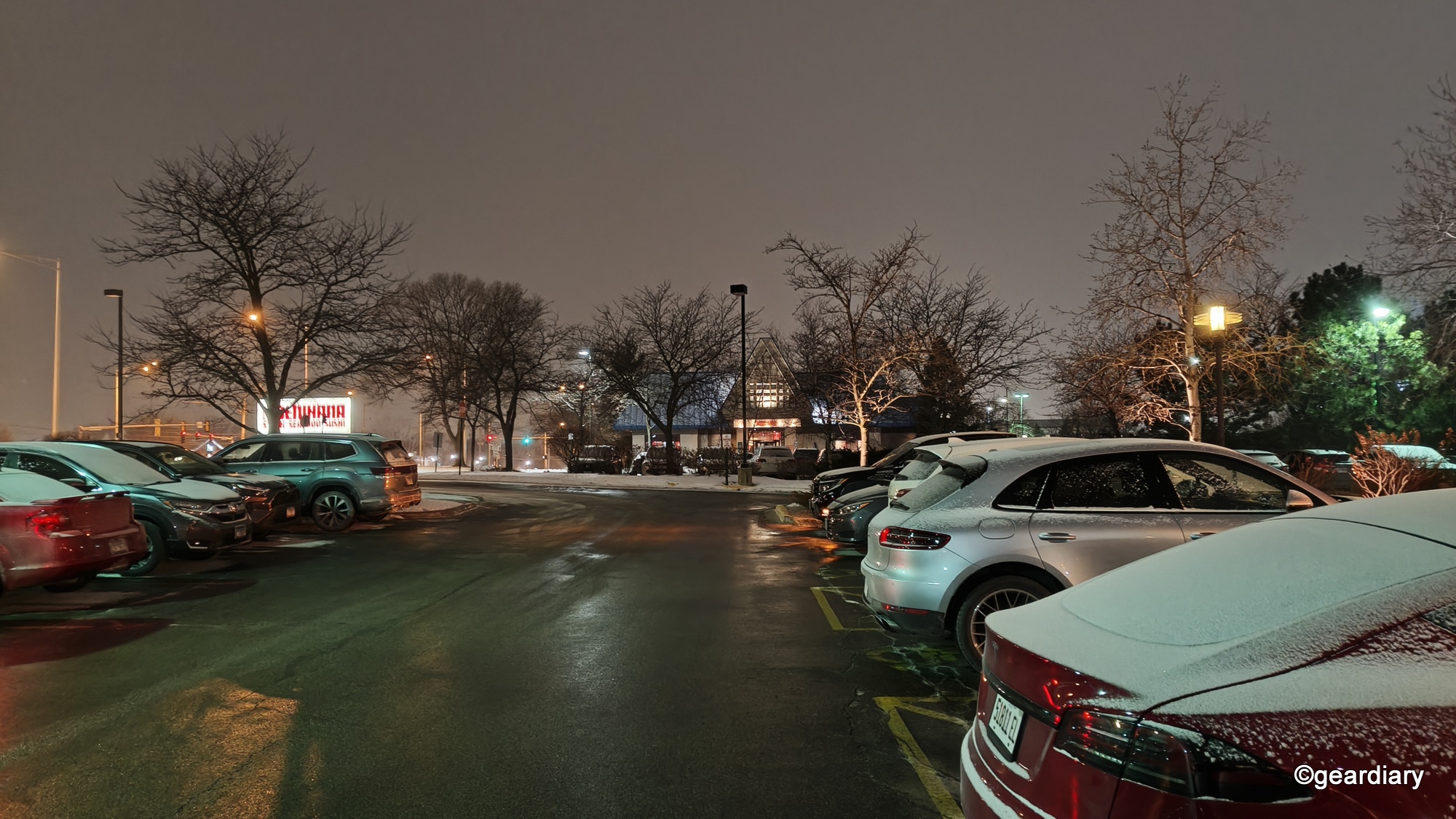
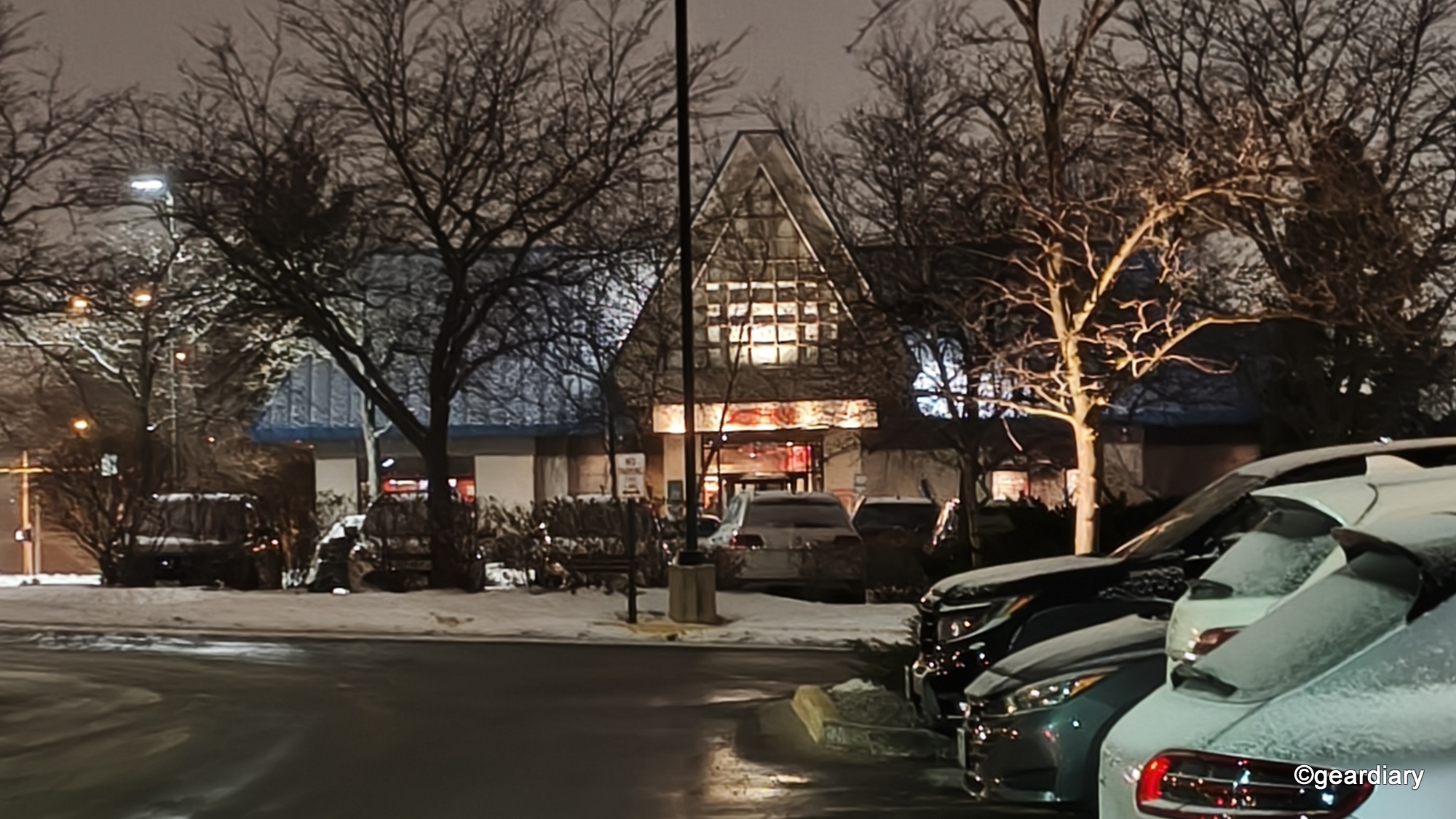
At night, things fall apart pretty quickly, I’m sorry to say. The telephoto is particularly bad, losing all sense of depth in zoomed-in shots. Also, when the phone senses that it’s dark, it defaults to long exposures, which get messy when holding by hand in freezing temperatures. Good photos are possible, but it’s a mixed bag either way. Your shot may be good, or it may not be — it’s best to take quite a few just to make sure. Motion also destroys most shots, so focus on landscapes and buildings at night.
The video is not good overall, regardless of the lighting. The main challenge is stability. If you’re going to shoot video, don’t walk while you do it — during the day, but especially at night. If you stand still, you can capture some decent footage, but again, freezing temperatures don’t help because your hand shakes so much. Bring a tripod.
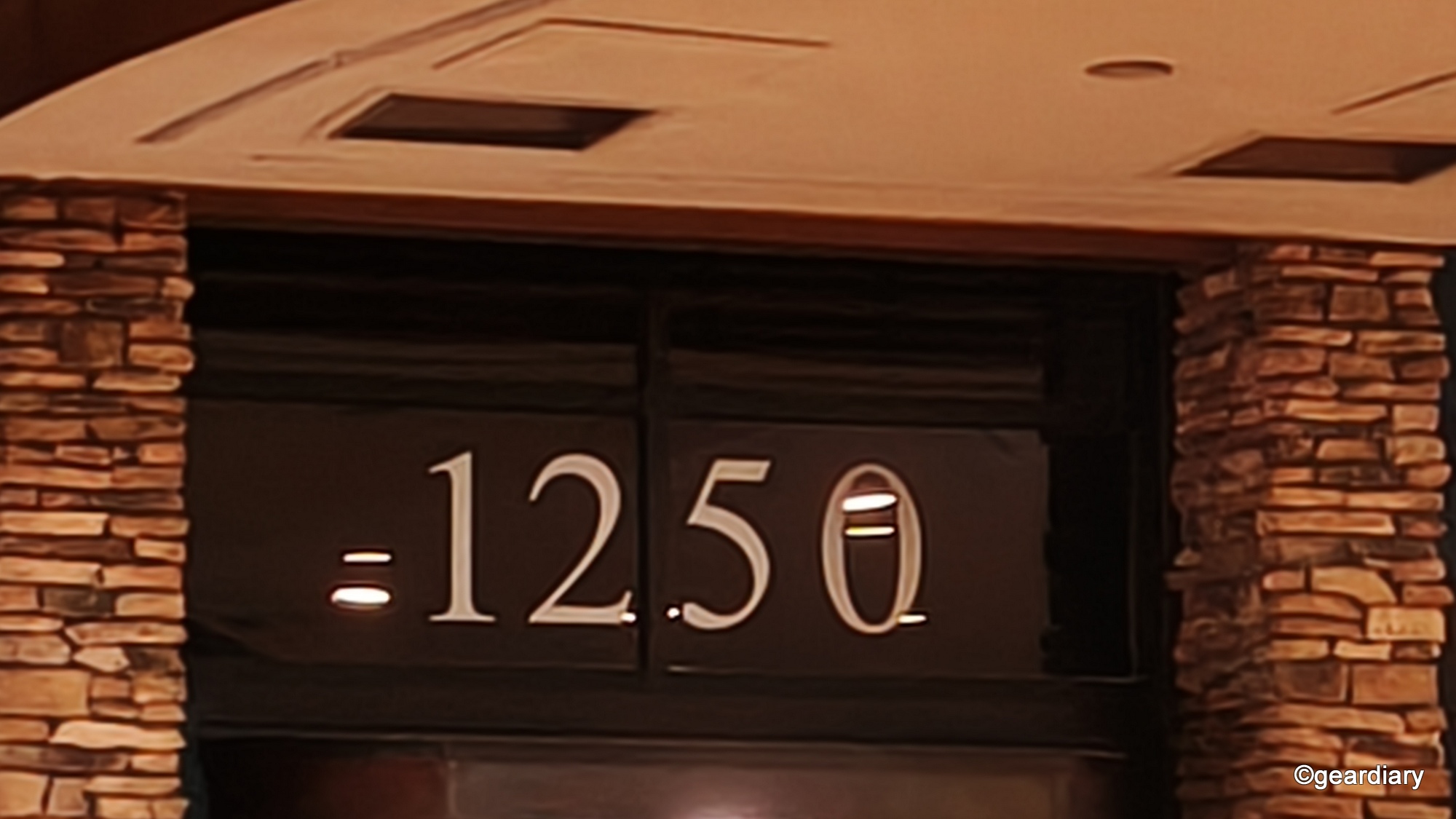
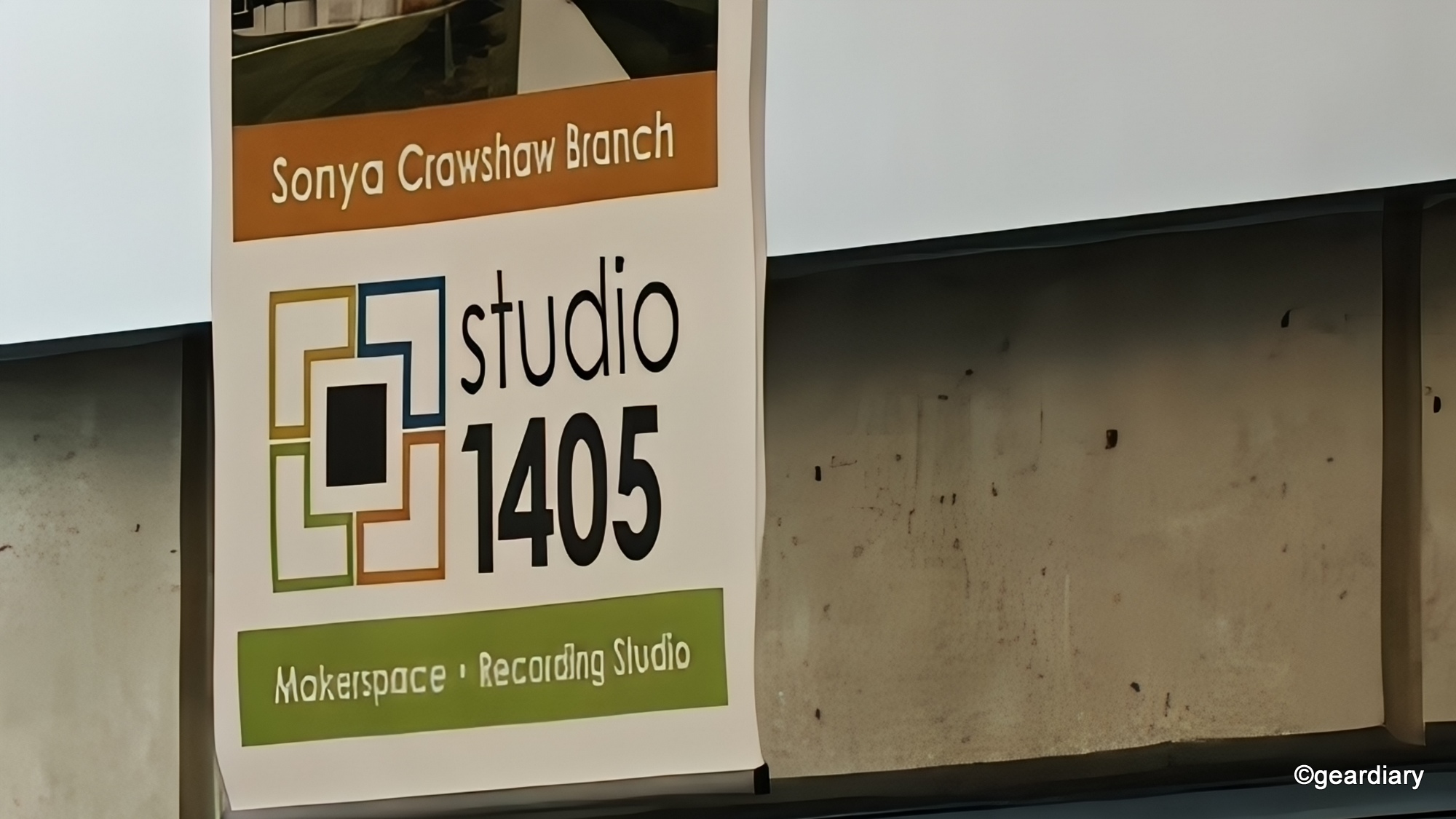
Photos Taken with the OPPO Reno 15 Pro
Ultrawide Camera















Main Camera

















2X Zoom











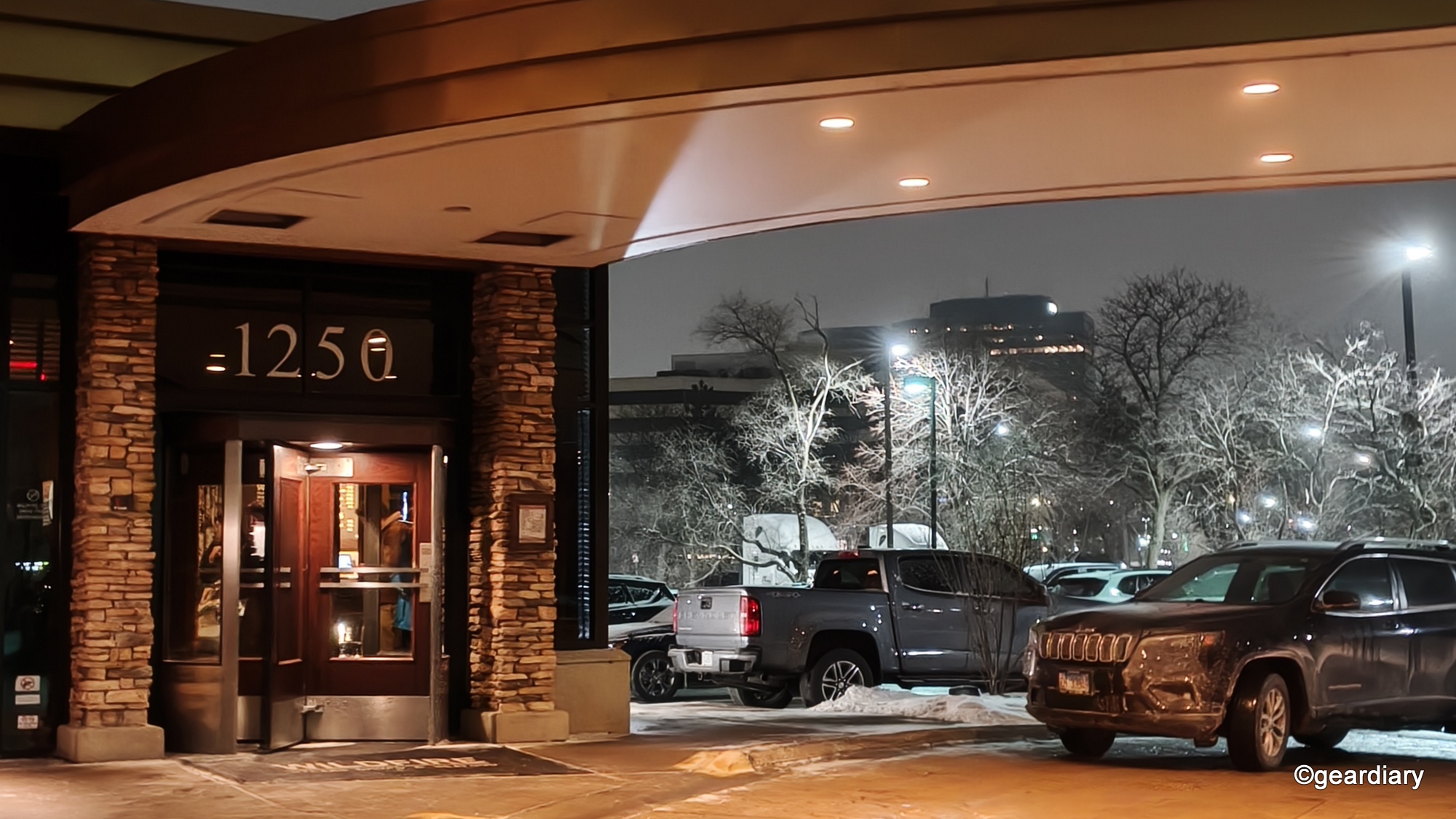




3.5X Zoom













7X Zoom











Macro


Selfies




Overall Verdict
For a midrange phone, the OPPO Reno 15 Pro isn’t bad. It’s hard to gauge where this phone would land in the U.S., but if it were sold here, I’d probably recommend the Pixel 10, Pixel 9a, or even the OnePlus 15R before this phone. They all have their pluses and minuses, but the camera really drags this phone down more than it should at this tier.
The Reno series isn’t considered a flagship, so the camera performance isn’t terribly surprising, but putting “pro” in the name comes with some expectations, and here they just aren’t met. Beyond that, this phone is fine for normal day-to-day use, and the camera can be better if the lighting cooperates. There are worse ways to spend your money, but if you live in a market with those other three competitors, and they’re comparably priced, then they’ll be a better buy.
Click here to learn more about the OPPO Reno 15 Pro.
Pricing for the OPPO Reno 15 Pro starts at $639; in the U.S., it is available from Giztop, AliExpress, and eBay.
Source: Manufacturer-supplied review sample
What I Like: Stunning, premium design with a compact, comfortable form factor; Excellent AMOLED display with smooth 120Hz refresh rate; Outstanding battery life with very fast charging; Clean, polished software experience; Strong daytime camera performance and good telephoto up to ~10x; IP69 water and dust resistance
What Needs Improvement: Not U.S.-certified, causing messaging and network quirks; Weak low-light photography and poor video stabilization; Merely average gaming performance; “Pro” branding overpromises on camera quality




Nice to have options though the camera tradeoff would be make it a non-starter for many. There are some good mid-range phones just depends on what features are a must for you.
Great to see what is and isn’t good about this phone, and your opinion about what would be better in this price range.